
Unless otherwise noted, title links are typically to Bandcamp for streaming and purchasing, or to Spotify/YouTube for streaming with a additional purchase link following the review.
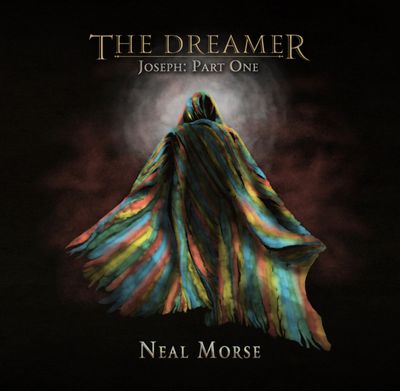
Neal Morse, The Dreamer – Joseph, Part One: For his latest rock opera a la 2019’s Jesus Christ the Exorcist, Morse and his studio sidekicks swerve toward hard-hitting blues-rock; the usual “Overture” and the narrative tracks “Burns Like A Wheel” and “Gold Dust City” are stuffed to the brim with chunky organ and grunged-up wah-wah guitar work. Wailing vocals from the cast of Christian Progressive Rock stalwarts who play Jacob, Joseph’s brothers and his Egyptian captors slot right in; even the power ballads (“The Pit”) have more grit this time around! And while the second half of the album is stylistically slicker (complete with classical chorale “I Will Wait on the Lord”), the hooky closer “Why Have You Forsaken Me?” pulls all the musical threads together, with Morse’s emotive portrayal of Joseph setting up intriguing possibilities for Part 2 — which, given his extravagant productivity, shouldn’t be too long in coming. Order from Radiant Records here.

Tu-Ner, T-1 Contact Information: Power trio improvisation that takes no prisoners, from another eerily luminous satellite band orbiting the gravity well of King Crimson. Trey Gunn and Pat Mastelotto formed one of Crimson’s most ferocious rhythm sections in the early 2000s, also recording together as TU; here Mastelotto clatters away merrily on his sonic smorgasbord of drums and percussion, while Gunn unleashes the deepest, fattest bass licks known to subwoofers. Above and around the Rhythm Buddies’ brutalist bedrock, Markus Reuter (who’s worked with Mastelotto in the duo Tuner and the trio Stick Men) unleashes slashing, swooping touch guitar lines and dark, brooding soundscape clouds — and when Gunn joins him on the higher end, sparks really fly. Always arresting, intermittently galvanizing, but the track titles (or this review for that matter) can’t really give you a feel for what this sounds like. In other words, you’ve gotta hear what Tu-Ner do to believe it.
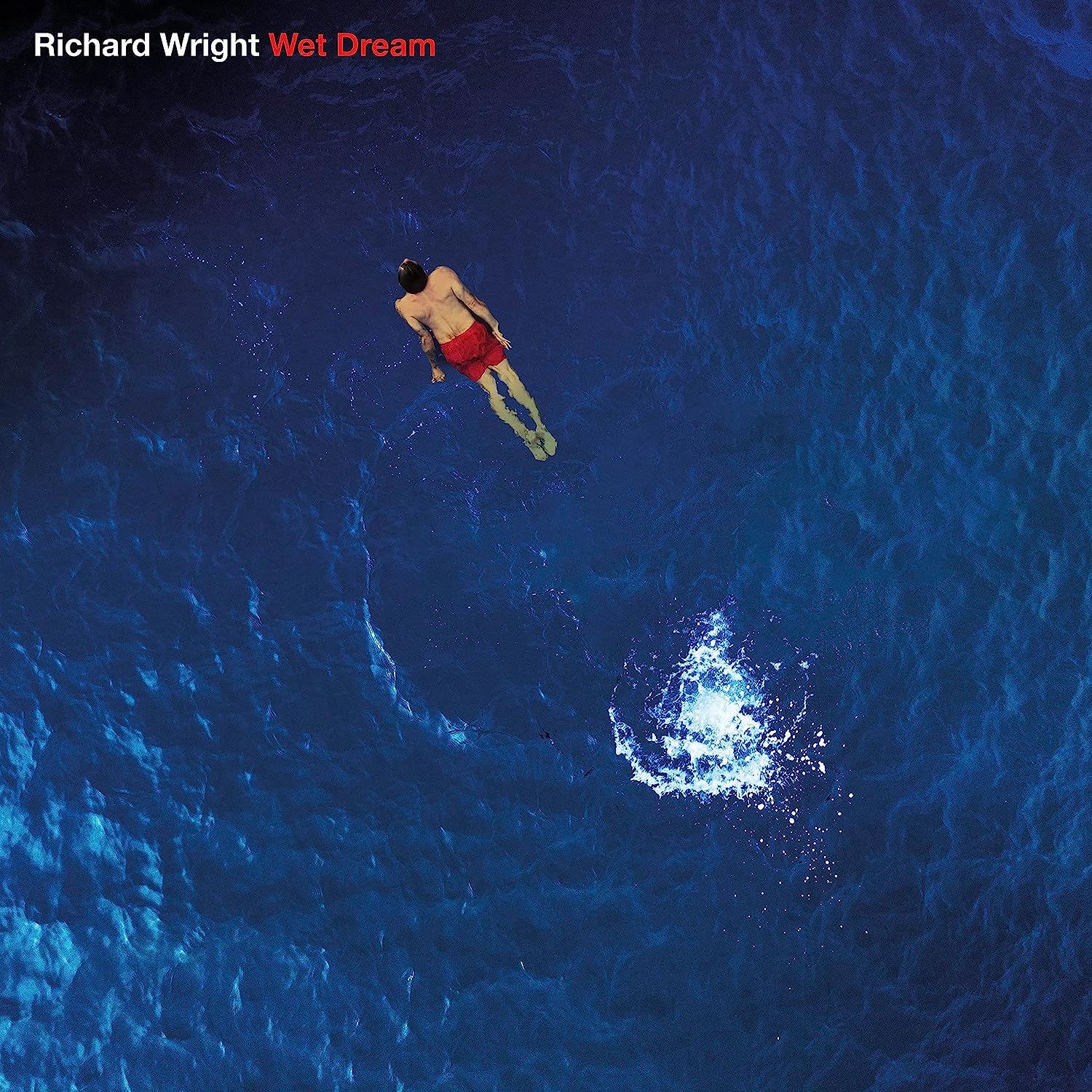
Richard Wright, Wet Dream: In case you ever wondered exactly what keyboardist Wright brought to Pink Floyd, his 1978 solo album has it in spades. On tracks like “Mediterranean C” and “Drop In from the Top” lush, floating chord progressions set up open-ended jams by guitarist Snowy White and sax legend Mel Collins; Wright’s reedy voice spins out languid vignettes of detachment and disillusion such as “Summer Elegy” and “Holiday”. All thoroughly gorgeous (especially in this immaculate new Steven Wilson remix), occasionally funky, ineffably melancholy — and not terribly urgent in isolation. Still, you can hear the breathing space that Floyd lost as Wright faded into the background and Roger Waters began repeatedly kicking his audience in the head on The Wall. Order from Rhino Records here.

Ultravox, Quartet [Deluxe Edition]: Speaking of immaculate Steven Wilson remixes: this is his third in a series for the British new wave quartet. Regrouping after early personnel changes, Ultravox struck a quirky vein of New Romantic post-punk on 1980’s Vienna, then pursued cutting-edge Krautrock on the follow-up Rage in Eden. Connecting with legendary producer/5th Beatle George Martin, frontman Midge Ure, violinist/keyboardist Billly Currie, bassist Chris Cross and drummer Warren Cann aimed straight for the charts; Quartet is as pure of a pop album as they ever achieved. The UK singles “Reap the Wild Wind,” “Hymn,” “Visions in Blue” and “We Came to Dance” have an irresistible mix of rock drive, synth-pop color and devil-may-care melody, and the album tracks slot right in; the whole thing’s overripe and melodramatic in the most appealing way. Plenty of extras in the 7-disc box too, with b-sides, rarities, rehearsal tapes, studio monitor mixes and an intense live set all included. Order from the Ultravox store here.
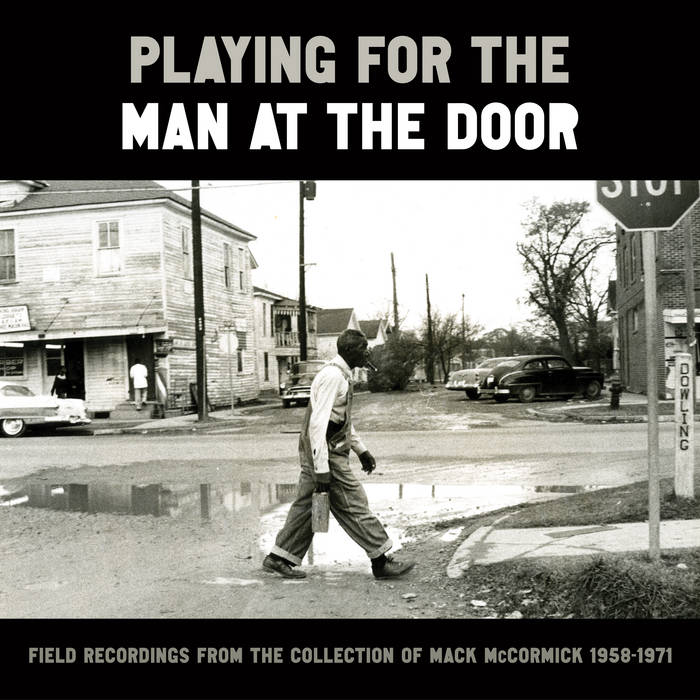
Playing for the Man at the Door – Field Recordings from the Collection of Mack McCormick 1958-1971: McCormick assumed legendary status among blues collectors as he traveled the American South for more than two decades, amassing an unpublished archive of vernacular music recordings and research he came to call “The Monster”. With the Smithsonian Institute now in possession of that archive after McCormick’s death, we can finally hear what matters most about his work. From blues icons Lightnin’ Hopkins and Mance Lipscomb to revelatory boogie-woogie pianists Buster Pickens and Robert Shaw to versatile songsters Hardy Gray and James Tisdom to the unclassifiable hokum of George “Bongo Joe” Coleman, this 3-disc set presents men making music for their neighbors, giving voice to the everyday hopes and fears, ups and downs of the disadvantaged people they lived, loved and worked with. Plus story songs, down and dirty rhythmic workouts, gospel choirs, medicine show pitches — so much life! In a world where we mostly hear music in splendid isolation or see it performed on raised stages, this is a bracing dose of the community created by song.
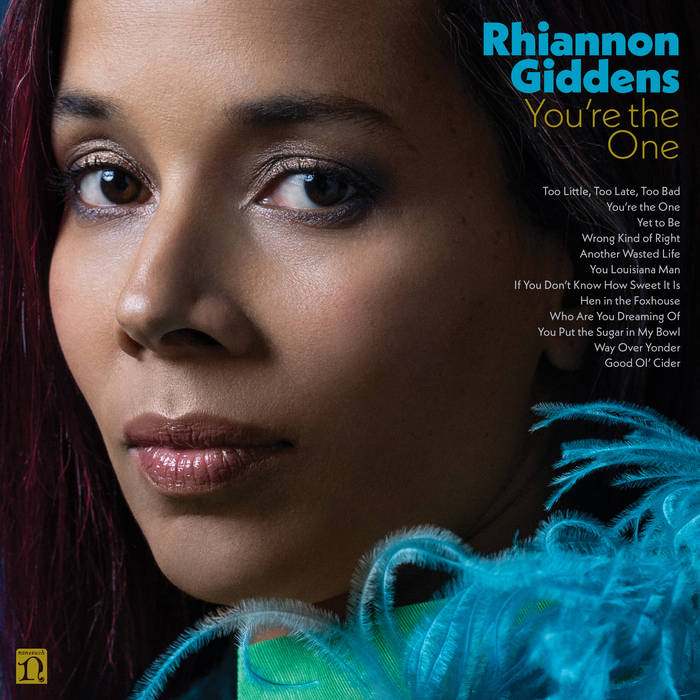
Rhiannon Giddens, You’re the One: Giddens’ first solo album in six years — and the first one where she’s had a hand in writing all the material. While her previous efforts covered the waterfront from traditional tunes to cabaret to opera, this takes an unmistakably new direction, as Giddens’ Afro-Celtic musical foundations nestle up to Jack Splash’s widescreen R&B production. “Too Little, Too Late, Too Bad” rips like prime Aretha Franklin; “Yet to Be” teams Giddens with Americana star Jason Isbell for a compelling countrified shuffle; “You Louisiana Man” tops a tasty funk groove with zesty Cajun spice. For all its strength and solidity, the songwriting can be surprisingly conventional given Giddens’ previous eclecticism. Nevertheless, her elemental, exquisitely controlled voice, coupled with the mature, forthright sassiness of her lyrics, make this a record that goes down smooth — and carries a satisfying kick on the back end.

The Armed, Perfect Saviors: Sucker that I am for Detroit artists, I had to hear this one. A semi-anonymous hardcore/punk collective offering its latest as “our completely unironic, sincere effort to create the biggest, greatest rock album of the 21st century” – how could I resist? And for all its overweening ambition, it’s remarkably effective, with gripping, high-intensity melodic hooks, drifting, glitchy electronics and fuzzed-up, thrashing guitars and drums aplenty. “There’s drama on my tortured brow/ Am I a caricature?” Aside from my annoyance at the f-bombs in the lyrics, I wouldn’t presume to judge. Especially when strident, overwhelming monstrosities like the singles “Sport of Form” and “Everything’s Glitter” give way to the meditative closing one-two combination of “In Heaven” and “Public Grieving”, channeling Sufjan Stevens at his most tender. If Alice Cooper in his pomp had somehow hooked up with The White Stripes via time travel, it might have sounded like this.

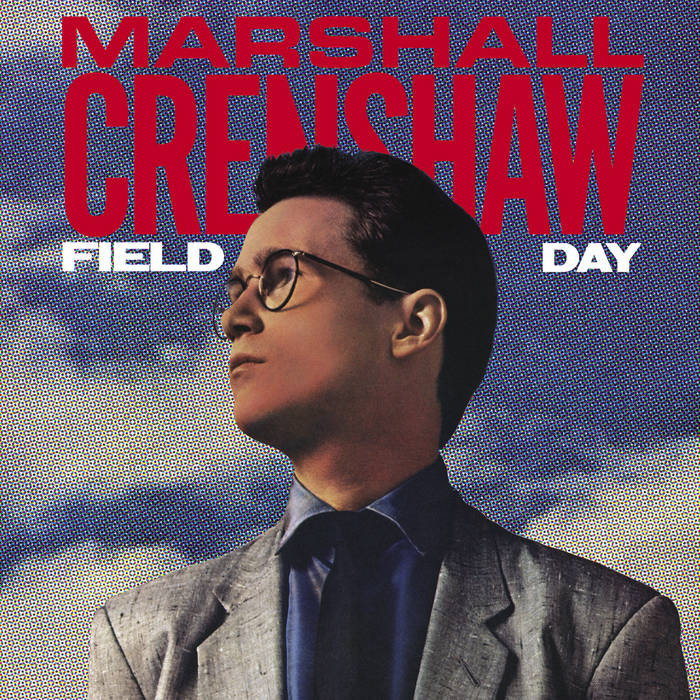
Marshall Crenshaw, Marshall Crenshaw and Field Day (40th Anniversary Expanded Editions): Speaking of Detroit, roots-rock revivalist Crenshaw grew up there, soaking up the sounds of AM radio and honing his craft in the wake of the legendary MC5 until he left to go rocking around in NYC; these Yep Roc re-releases are both generous helpings of genius power-pop with Motown guts. Every track on Crenshaw’s bright and shiny 1982 debut, from kick-off track “There She Goes Again” through the singles “Someway Someday” and “Cynical Girl” to the closer “Brand New Lover” is sheer brilliance. And 1983’s Field Day wasn’t far behind, with cavernous echo (courtesy of U2 producer Steve Lillywhite) bathing ten more winners — including my favorite Crenshaw song, “Whenever You’re On My Mind” — in an impossibly gigantic wave of sound. You really need these albums.
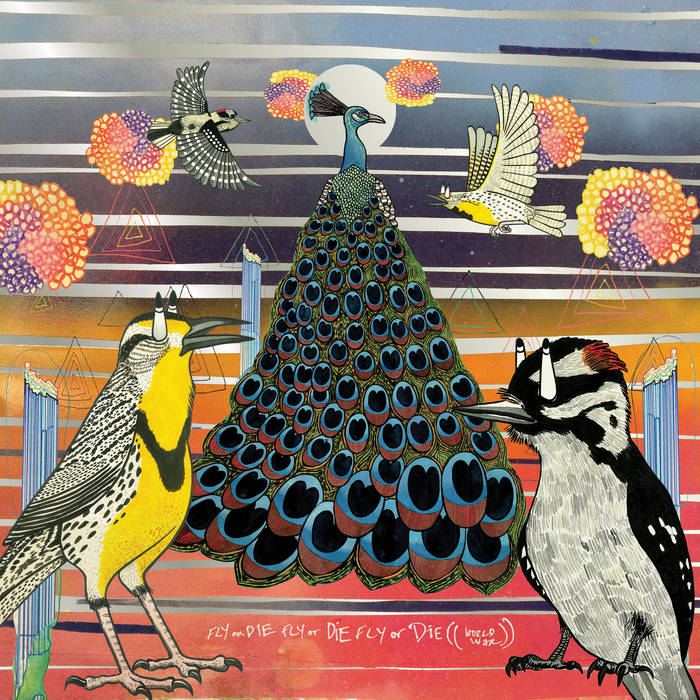
jaimie branch, Fly or Die Fly or Die Fly or Die ((world war)): The grand finale from trumpeter/vocalist branch, an undersung progressive jazzer who passed away too soon last year. Her strengths — rich, burnished brass tone, inviting melodic improvisations, hypnotic, streetwise vocal chants, utter conceptual fearlessness — are all over this album, pulled together in workshop format with the rest of Fly or Die (Lester St. Louis on cello, flute and keys; Jason Ajemian on basses, Chad Taylor on percussion, plus special guests) during a Nebraska residency in April 2022. From the inviting organ/timpani/cello of “aurora rising” through the mesmerizing worldbeat of “burning grey” and the second-line stomp of “bolinko bass” to the muted title track (oh, and “the mountain,” a unassuming revamp of a Meat Puppets alt-country tune), what came out is spiritual jazz of breathtaking scope, a serious party that lives up to branch’s intentions and honors her memory.
— Rick Krueger
 Progarchy
Neal Morse’s “extravagant productivity” is the perfect description! He and his buddies are phenomenal. My only critique is that he should leave the 70s keyboard sounds and embrace the new.
LikeLike