
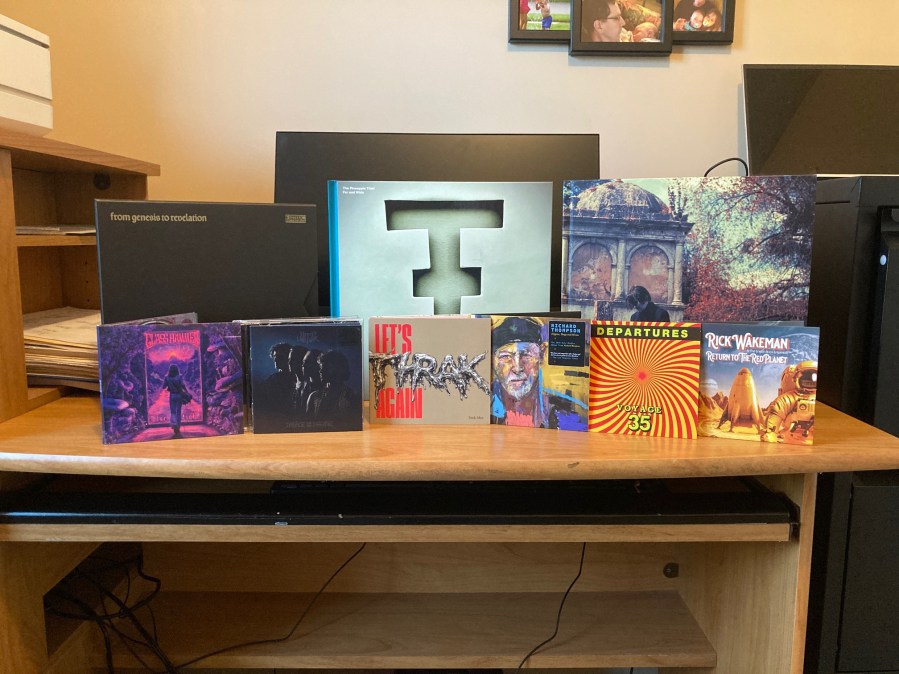
As always, Q4 brings a bumper harvest of new albums and reissues. With the latest releases from long-time proggers (as well as smash-hit hard rockers and a folk-rock legend) to the fore, there’s lots to be thankful for! Listening links are embedded in the album title, with additional purchase links at the end.
From Genesis to Revelation: A 1969 album by a fledgling quintet of British schoolboys under the tutelage of a hotshot producer, this faded away like so many others on release. Until Peter Gabriel, Tony Banks, Mike Rutherford and Anthony Phillips (augmented here by passing drummers) heard King Crimson, bought a Hammond organ and 12-string guitars, and turned into – you know, Genesis. Pre-Phil Collins and pre-Steve Hackett, Gabriel’s edgy, soulful singing and Banks’ limpidly pivoting piano chords are distinctive from the start, even squashed into pop tune forms like “Where the Sour Turns to Sweet” and “The Silent Sun” that evoke pre-disco Bee Gees. Stephen Tayler’s remix serves the music well, trimming back thick dollops of orchestral sound to front Phillips’ acoustic strumming and Rutherford’s spindly bass work. The deluxe edition adds freshly discovered demos plus the cream of outtakes from the vintage Archive 1967-75 box set; all versions feature a delicious, previously unreleased “Visions of Angels”, later electrified on follow-up record Trespass. Despite its vague concept (recounting all of human history in thirteen pop songs), Genesis’ debut record reveals neither the lavish tale-spinners of the 1970s nor the dogged hit-makers of the 1980s, but Genesis & Gabriel fans of all eras will find plenty to enjoy. (Order from Cherry Red Records or Burning Shed.)
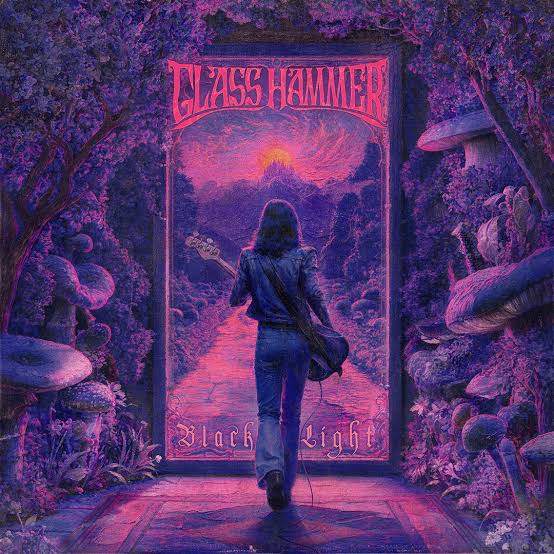
Glass Hammer – Black Light: If the last Glass Hammer album Rogue felt like mainman Steve Babb was taking stock of his works and days – well, confronted with a life-threatening brain tumor, he was! Thankfully restored to full health after major surgery, Babb has channeled the drifty psychedelia he heard in his mind, both pre-and-post-op, into a dream-quest narrative where his wandering protagonist connects with the characters and scenarios of almost every previous GH opus. We’re talking full-on meta-concept here: the self-referential subtitles and influences tagged in “Evermore” dovetail into guitar workout “Return to the Shadowlands”; echoes of Lex Rex and the Skallagrim trilogy haunt “Neon-Wizard – The Battle”, while the dark electronica of Rogue envelops “The Forest of Forgetting”. And when the dad-joke conceit of “It Falls Upside Down” sets up closer “Kaleidoscope Skies”, it’s (as the subtitle says) “Not the Usual Glass Hammer Finale”; all of Babb’s yearning for resolution and rightness in this life and beyond hit home full force. Babb’s work has always occupied a unique niche in this most niche-filled genre, and for all its conscious evocation of days, times and music gone by, Black Light is no exception. Which is one reason it’s exceptional as always. (Order from GH’s webstore.)
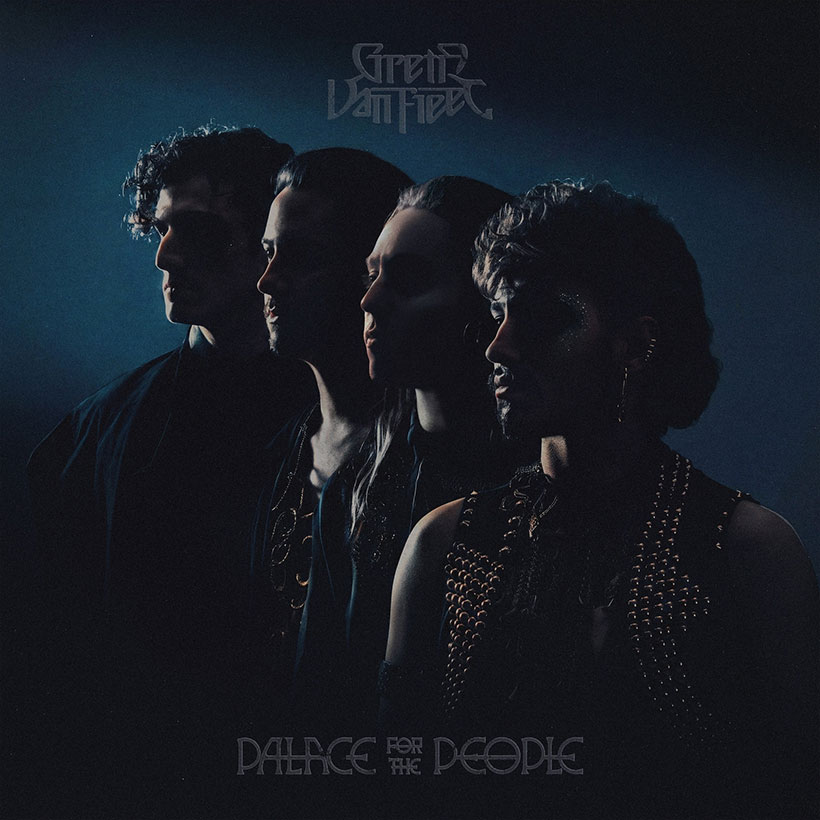
Greta Van Fleet – Palace for the People: On which Frankenmuth, Michigan’s hard-rock hobbits mount a roaring comeback. Apparently I was in the minority in preferring the heads-down, more rough-edged approach of 2023’s Starcatcher; this one returns to piling on the polish and brickwall compression. True, there are tons of sweet Jake Kishka guitar riffs and solid Sam Kishka/Danny Wagner grooves. Which would be fine – except for when Josh Kishka’s yammering nasal wail splatters all over glossy rawk tunes like “Tear It Down” and “Heart of the Beat” or the dentist’s drill-falsetto ballad “Boughten Bliss”. When GvF calms down a bit, listens to each other and layers standout tracks like “Play Your Games”, “Touch Again” and “Hey”, they’re really onto something; I can’t help preferring the unforced growth of these songs to the overripe barrage of toss-offs that pads out a record with much more potential. As it is, Palace for the People aims straight at an audience primed for Greta van Fleet at their most gargantuan – and hits the bullseye.
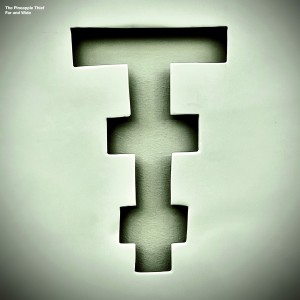
The Pineapple Thief – Far and Wide: On the opposite end from Greta, I do sometimes wonder: will The Pineapple Thief ever really cut loose? Their first album on Inside Out, Far and Wide doesn’t sound much different than TPT’s KScope catalog, especially since Gavin Harrison came onboard; with most songs under five minutes and plenty of mounting tension but little obvious release, it initially comes off monchromatic. But where the music’s ambition and drama surfaces first on repeated listens is in Bruce Soord’s elliptical yet personal lyrics, as cultural chaos, desperation, fear and conflict color his always plaintive vocals. Meanwhile, with Harrison setting the pace, the band interplay is stylish and slinky as always, whether on singles “New World Order”, “Hold the Ashes” and “God Knows” or stretch-outs “Scattering Like Flies” and “No Exceptions”. Plus, there’s a new note of aggression amid the spareness, with Soord dropping his trademark acoustic guitar weave in favor of freer, wilder electric solos. Ultimately, Far and Wide’s words and music give off a determination to persist – in relationships that matter, in the ongoing scrum of life, in the work of a band that plows its own furrow to reap its own harvest. This music never overtly signals that it’s progressive — but when you dig in with ears to hear, it can’t be anything else. (Order from Inside Out or Burning Shed.)
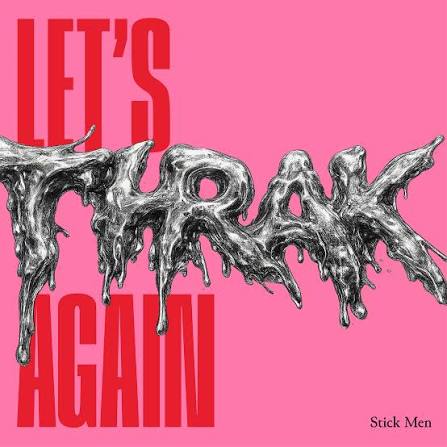
Stick Men – Let’s THRAK Again: Even more welcome to Crimheads than Tu-Ner’s Rendezvous Rodeo, this triumphantly asks and answers the musical question: what if the various King Crimson ProjeKcts had kept going after the Double Trio and Double Duo of the Nineties and Oughties dissolved? Make no mistake, Stick Men have always been their own three-headed Beast. In particular, Markus Reuter assimilated the Robert Fripp/Guitar Craft idiom and forged a unique take on it long ago; here, he makes that idiom more his own than ever here, hitting new peaks of angularity, invention and atmospherics. Meanwhile Tony Levin pumps out a low end as filthily fabulous as always on bass and Stick, while Pat Mastelotto’s percussives push and pull, fill and spill, smash and crash mightily throughout. Whether they’re slamming through the asymmetrically clashing riffs of the title track and its coda “Like We Did Last Summer”, launching one gliding arc of counterpoint after another on “Swimming in Tea”, dancing across the polymetrics of “Bash Machine”, or getting right in your face with “Fandango” and “Brutal”, Stick Men are at a fierce, fiery peak here. Their finest album by a big margin and an instant Favorite of mine, it’s available with two different track orders and mixes – each its own enthralling experience. (Order from Bandcamp.)

Richard Thompson – Hippies, Thugs and Heroes: Ho hum, another album of superior Richard Thompson songs – artful, melancholy, laced with dry, mordant wit, occasionally flashing feral teeth. It’s arguable that Thompson’s never moved on from that late-Sixties British intersection of Beatleish tunesmithing and trad-folk, but maybe he doesn’t have to; every song conjures up a scene, a cast of characters, an emotion all its own. A charming rogue takes one risk too many on “Cocaine Talking, Booze Walking”; “Pauper’s Grave” is a spare, riveting Highland lament; “Make Believe” and “The Soul of Love” lay bare secret, forlorn romance. By the time Scottish border ballads meet the Easybeats on “She Burns It All”, your resistance to Thompson’s grim yet grinning POV may be gone – just in time for the bitterly jolly “Everybody’s Stealing”, the Everlys-style duet “Pipe Dreams” and closer “Siren” (complete with nods to Homer). Oh, and on top of Thompson’s alluringly dark voice, there are his coolly stunning guitar playouts on “Unsung Hero” and “Stringer” to bring you back for yet another listen. An old master in all senses of the phrase, still at the top of his game. (Order from Bandcamp at the listening link.)

Voyage 35 – Departures: A simple enough rationale for this release: two Porcupine Tree alumni – namely bassist Colin Edwin and guitarist/backup singer John Wesley – and supporting players from their current gigs whip up a sampler of founding-era PT tracks in advance of touring the music live. If you wish that Steven Wilson (who’s given his blessing to the endeavor) had never signed a major-label deal or discovered progressive metal, this will probably be your jam. But for every freak-out sound effect involved, Tree fans of all eras will enjoy these committed performances, from Edwin’s low-end heartbeat to Wesley’s pungent guitar and Lorenzo Esposito Fornasari’s impassioned vocals – as well as the solid songwriting that still make “The Nostalgia Factory” (in two mixes), “Dark Matter”, “Even Less” and “Signify” a blast to hear after all these years. (Order from Burning Shed).
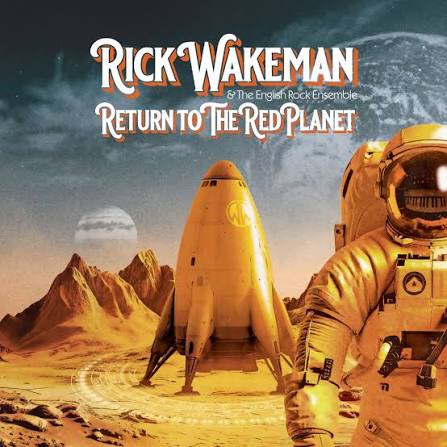
Rick Wakeman – Return to the Red Planet: Given that Wakeman has sequeled or remade most of his classic albums – some multiple times – why quibble that he’s done a follow-up to his most recent prog opus? Assembling his English Rock Ensemble and powering up his bank of synths once again, Rick serves up another genial suite of tone poems on Martian geography. If you wonder how much more can be milked from this arguably daft concept, the proof is in the pudding: the classical vibe of “The Jezero Crater”. the dreamy lament of “Noachis Terra” and the demented waltz of “Martian Dust Devils” all give ample pleasure. And if you find yourself shaking your head at the sheer number of extended keyboard solos Wakeman crams in, or sympathize with Mollie Marriott’s thankless task – singing reams of quasi-scientific, expository lyrics with a straight face – well, going over the top is inherent in the concept, isn’t it? More has always been better for Wakeman; once you grasp that, the overt sentiment behind his tribute track “Bowie’s Vision” and his obvious delight in unfurling the multi-part closer “Epochs of Mars” reveal his gratitude for the ride he’s had, and his delight in sharing so much melodic plenty with his loyal audience. (Order from Burning Shed.)

Steven Wilson – Requiem for a Village: Yes, I’ve stuck up for the merits of every Steven Wilson album since the consensus prog-fanatic pick Hand.Cannot.Erase and personal favorite To The Bone. (Yes, even The Future Bites.) But it’s a genuine, unalloyed pleasure to recommend Requiem for a Village; Wilson’s most spookily beguiling vision in ages, an audio-only ghost story that grabbed me on first listen and hasn’t let go yet. Mining the vein that yielded Porcupine Tree’s Darkwing and his solo breakout Grace for Drowning, SW spins the tale of an isolated, decaying town that no one leaves; but as the metal/trip-hop dysfunction of the title track and “Now Departing” yield to unsettled ambience on “The Same River Twice” and “Hiraeth”, an invisible menace more chilling than his usual serial killer takes shape. Both musically and lyrically, Wilson (in collaboration with Randy McStine on the music and Andy Partridge on the words) gives little away; you piece it together for yourself as immersively creeply vignette “On Chapel Slope” sinister suite “Murmuration” conjure up quiet, uncanny terror with spare, well-placed licks and soft, disquieting noises. And when Partridge’s ambiguous poetry (masterfully read by David Tennant) and the sheer beauty of “Great Green Map” collapse into flat-out dread on “Wheel” and “The Old God Is Buried”, there’s no escape. Its musical material completely in sync with its conceptual framework, both fully developed rather than hastily sketched, this album is utterly engrossing from top to bottom. An instant personal Favorite, and SW’s most serious candidate for my Album of the Year in ages. (Order from The Band Wagon USA or Burning Shed.)
— Rick Krueger

