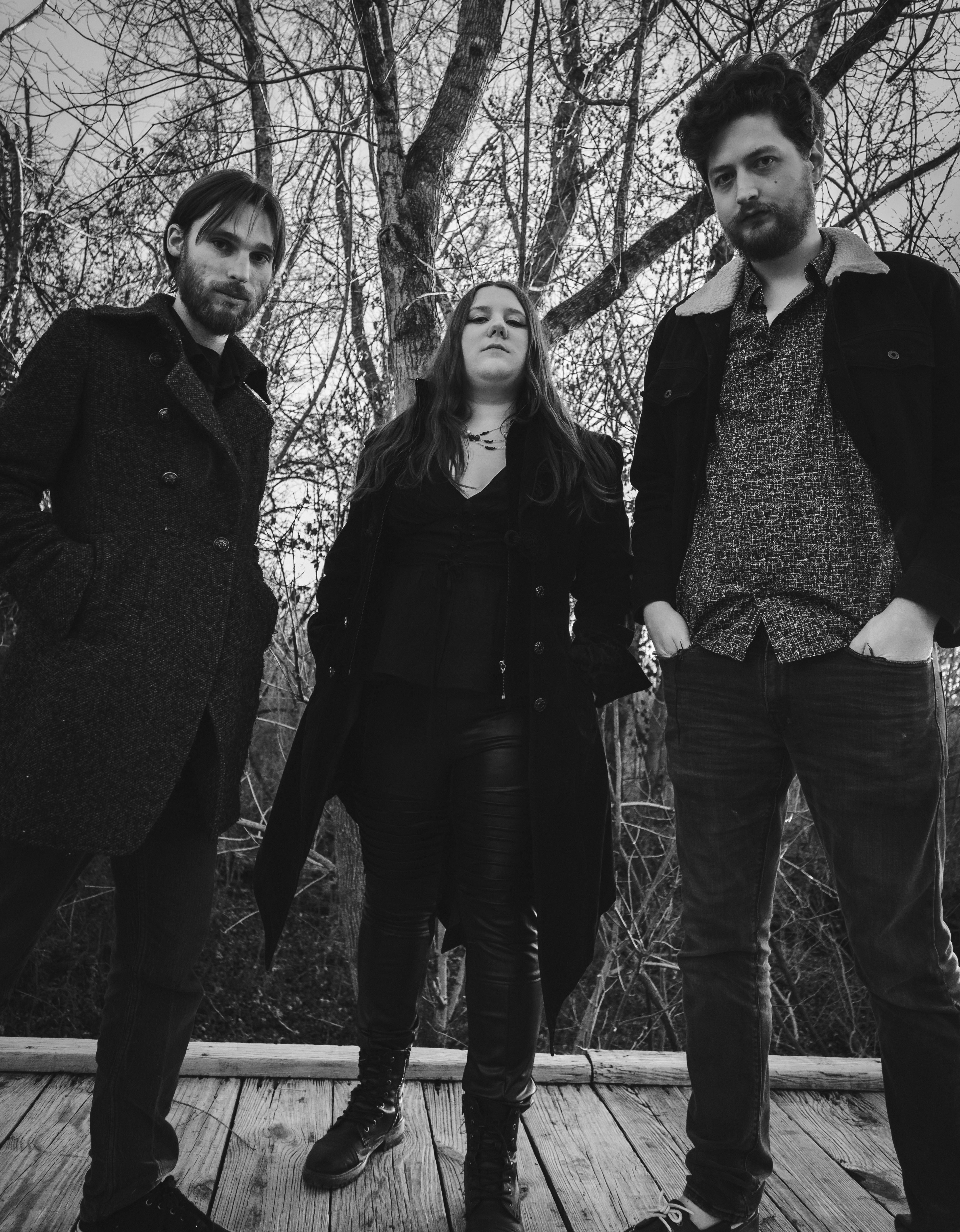
Voidchaser

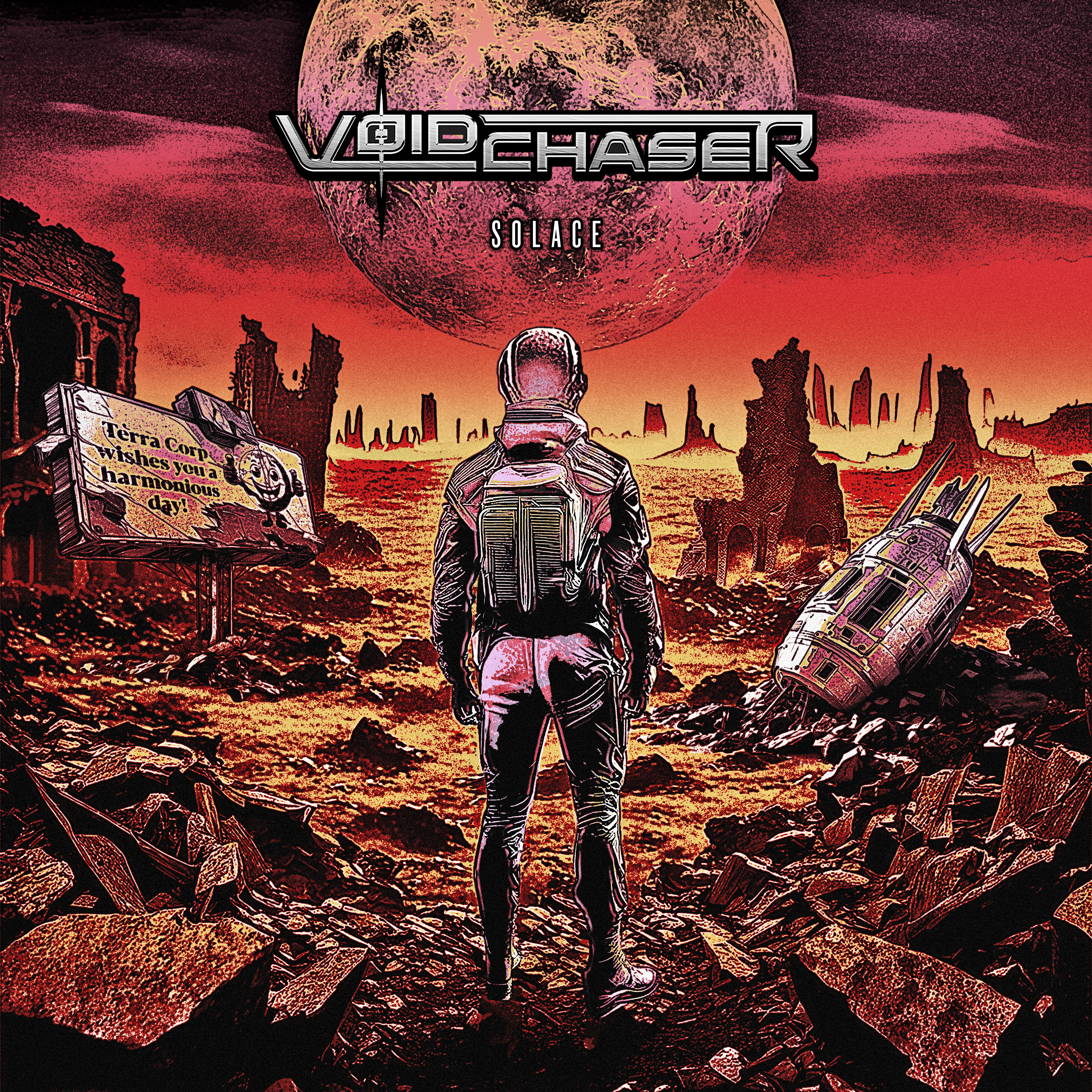
VOIDCHASER Talk Debut Album “Solace” & Band’s Journey

Formed just last year, Stockholm-Montreal-based progressive metal band Voidchaser has wasted no time making their mark. Following the release of their well-received EP Odyssey earlier this year, they have returned with their full-length debut album Solace, launched on September 6th. The album, a concept-driven masterpiece structured as a continuous piece of music, showcases Voidchaser’s distinct blend of technical precision, emotional depth, and theatrical flair. In this interview, we delve into the creative process behind Solace, the band’s rapid rise, and their ambitious plans for the future.

Progarchy talked with Voidchaser’s singer and rhythm guitarist Chad Bernatchez and bassist Jici LG.

Voidchaser formed just last year, yet you’ve already released an EP and are now gearing up for your debut album Solace. How has the journey been for the band so far?

The journey has been incredible. The band is really operating like a train without breaks. It feels like we are tighter and more creative than we’ve ever been.

Solace is a concept album structured as a continuous piece of music divided into movements. Can you talk about the creative process behind designing the album this way?

One of the things I love the most about music is the journey you take when listening and I always appreciate when an artist/composer recalls certain themes or melodies and uses them as identifiers, whether it be for characters, or emotions, etc. It’s story telling through songwriting. 
The two tracks, “Solace Part II: Only Human” and “Solace Part IV: Alien,” are vastly different in tone and style. How do these contrasting pieces fit within the larger concept of the album?

The two songs are very much tied together narratively by the experience of our protagonist but are very much opposing each other in terms of emotion. In Solace Part II: Only Human”, our protagonist is dealing with surviving in a new environment. They are coming to terms with their isolation and are trying to embrace it. In Solace Part IV: Alien” it is very much the opposite. Our protagonist is feeling an embrace that they have longed for and is blindly following it with little regard for anything else. All of a sudden, the desire to survive and push forward disappear and the only thing they care about is love.

Your sound draws from progressive death metal, but also includes elements of melodic and theatrical music. How do you strike a balance between technical precision and emotional depth in your songs?

I love feeling things when I listen to music. I love hearing something and it makes me cry. I’m a very big fan of musical theater because of this. When I write the heavy riffs, I really try to find something that can serve as a “home base” and I think it becomes a little “pop-y” as a result. Once I have that I just let my imagination run wild and go crazy with time signatures and all the other fun stuff. And it’s the same thing with the emotional stuff. I think that part of the balance is giving a space for these things to exist but also offering more to the song than just a standard song structure. It makes it so that when we land on those parts they shine more because we’ve been building towards it or around it.

Chad, you’ve described Solace as Voidchaser’s most ambitious project yet. What were some of the challenges and triumphs in creating such an intricate and cohesive record?

I think the biggest challenge for me personally was to let go of it. I kept thinking “it’s not perfect yet” or “oh this person will probably hate this part” and with the rest of Voidchaser’s support I was able to overcome that self-doubt and just say “fuck it, I like it, we like it, let’s go” After that it was a breeze, recording and producing it ourselves was smooth, the collabs were easy, the mix and mastering was like a glove. I think the stars really aligned for us after that.

Guest performances by Ashbreather on “Only Human” add another layer to the track. How did that collaboration come about, and what do you feel it brings to the album?

Ashbreather have always been our friends, we recorded our very first single at their studio. They have been there since the beginning really. After that we did the “Ashes of the Void Tour” and that made really strengthened our friendship, so we just asked, and they were super into it. I think it adds a great layer of chaos and emotion to that section. They killed it!

Your debut EP Odyssey made a significant impact earlier this year, and tracks like “Tyrant” and “Star-Crossed Lovers” have garnered tens of thousands of streams. How did that early success influence the making of Solace?

We were planning on doing Solace before Odyssey was even released so it never derailed the plan but I think it just made us want to go all in with it. We felt like something was happening and we needed to give it everything we had and do it justice.

Solace explores themes of survival, resilience, and toxic relationships. Can you share how these themes developed and how they resonate with the band on a personal level?

These are just all experiences that I have had and I’m trying to write them in a way that more people can resonate with. I use the narrative as a way to relate a feeling that detaches itself from me, myself and I. Solace covers a very important chapter in my life. Years ago I found myself in a situation where the rug was swept from underneath my feet and all of a sudden it felt like my entire world was collapsing. Then I left and I moved to Montreal. I had no point of reference anymore, I felt alone and wanted to use that as a strength. Then I met someone, and we were together for a few years, but it was unhealthy. We were both filing a void through each other. Finally once that break up happened I had a lot of cathartic moments with myself and I started feeling inner peace.

Voidchaser has roots in both Montreal and Stockholm. How do these two cities’ distinct metal scenes influence your sound and the way you approach music?

I would say that we’ve been more involved with the scene in Montreal and its had an influence that you’ve already heard and will continue to hear. You go see a gig, have a good time, get inspired and go home and jam something out. Stockholm is still a mystery to us, but being in a new environment has supercharged my creativity. I have been writing a lot of new stuff. Stuff you won’t hear for a while but you will hear it eventually.

You’ve shared the stage with Ashbreather and The Aphelion on the Ashes of the Void Tour, and you’re about to embark on the Terra Corp Presents: The Only Human Tour. How does performing live shape the evolution of Voidchaser’s music?

It’s just a constant flow of inspiration really. You make music that makes you wanna go out and play it in front of people. Then you go on tour with your friends, have a blast, grow closer and by the time you get home you’re just inspired to make more music. I think feeling the audience’s reaction to our music also helps inform some of the song writing. I’ll be making music and say things like “oh this is gonna make people jump around” or “I think we might lose the audience in this section.” Plus it’s just fun. Performing is the pay off for me.

Jici, you mentioned that Voidchaser feels like an unstoppable force since releasing Odyssey. What is it about the band’s chemistry that has allowed you to move so quickly and decisively in the past year?

At some point, we realized that this band could be the vehicle to help us achieve our dreams as musicians and artists, as long as we put in the effort strategically. I believe everyone in the band has a deep and existential drive to fulfill their own personal goals, which creates a powerful force behind everything we do as a band. We strive to break through our self-limiting beliefs and give everything we’ve got. Honestly, we’ve already accomplished so many of our goals so far, and it’s just the beginning. It’s overwhelming, but it’s one of the best feelings we’ve ever experienced.
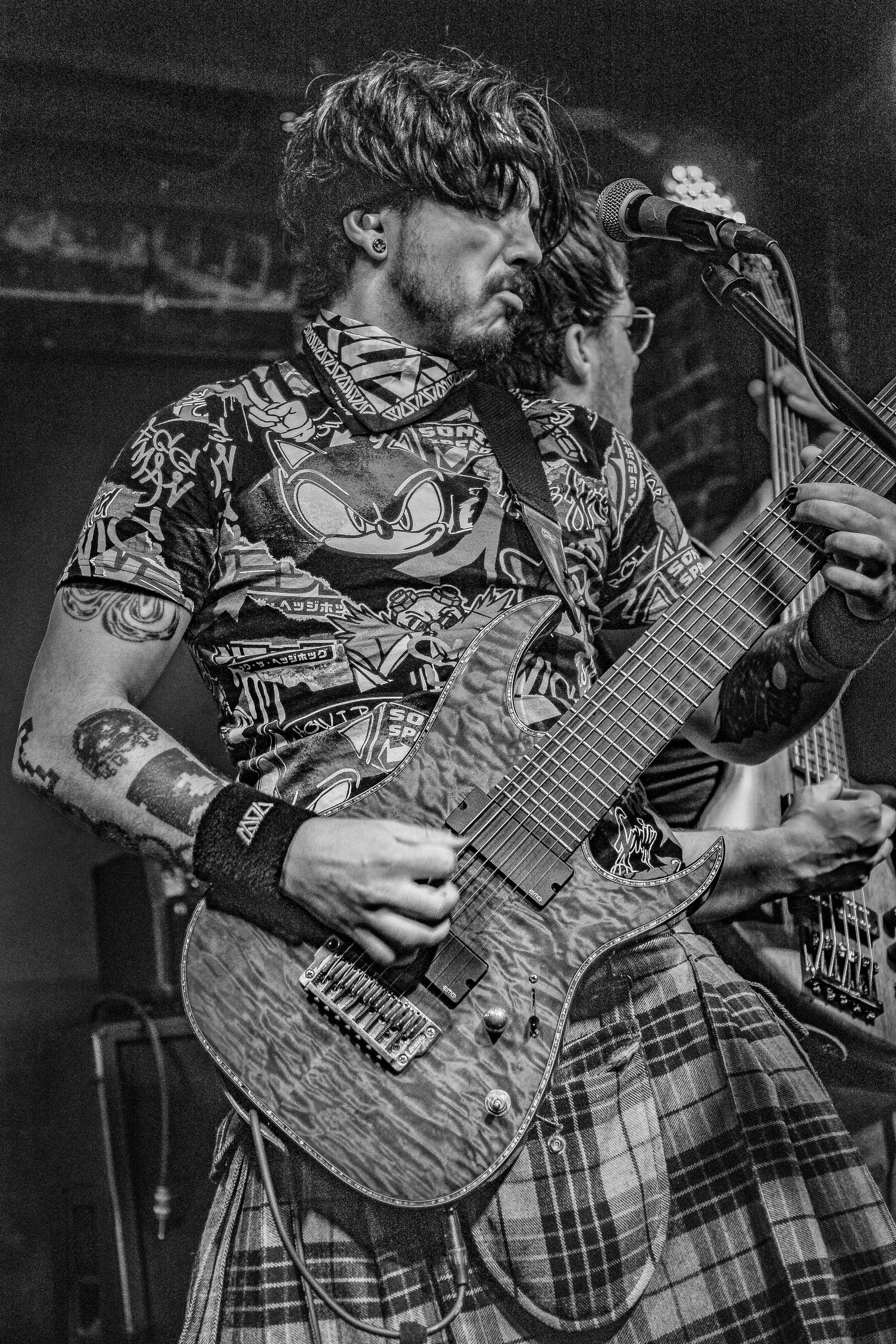
Chat Bernatchez (Voidchaser)

Progressive death metal often demands a high level of musicianship. How do you as a band continue to challenge yourselves technically while still staying true to the emotional core of your music?

I think we stopped limiting ourselves to what we can play. The philosophy now is very much write what sounds good and if you can’t play it, learn how and if it’s hard, practice.

The remixed version of “Tyrant” was critically acclaimed. What made you decide to revisit that track, and how did the remix alter its impact?

What made us revisit that track was our current sound engineer, Jason Poulin, who just liked the band and asked us if he could do a remix of Tyrant for us.

We liked it so much that we just decided to release it. We’ve been working with him ever since and he became a ghost member of Voidchaser a very good friend of ours.

Voidchaser has a theatrical element in both your recordings and live shows. How do you incorporate that theatricality into your stage performances, and what can fans expect from your upcoming tours?

Matching costumes for one. I believe a live performance needs to transcend beyond just the music. So there will be as much visuals as we can get for now, as well as some light choreography stuff. We are also gonna be playing with backing tracks for the first time to really give a FULL sonic experience.

The progressive death metal genre is known for its innovation, but also for pushing boundaries. What do you feel sets Voidchaser apart from other bands in the scene?

I think that it is our roots. We have a lot of variety in the kind of music we listen to individually, as well as the music we were around while growing up. But I would say the most important thing for us is that we embrace some traditional songwriting elements that are more pop oriented. We allow ourselves to fluctuate between being very heavy and technical to being light and breasy.

Looking back on the making of Solace, is there a particular moment in the process that stands out as a defining moment for the band?

I would say we all really stepped up our game and we knew that this had to be big so that was something we collectively established early on. I think the defining moment, for me anyway was when we heard Jason’s first crack at the mix. We just sat there in complete awe and said, this is huge, there’s something going on here.”

Finally, as you gear up for the release of Solace and your next tour, what are your hopes for the future of Voidchaser? What’s next after this album?

Oh man, we have so much more plans we want to do. We have 1 more EP that we are hoping to put out this year. 2025 will have 2 albums and one tour at least, then 2026 will have something that I think is even more ambitious. We are going full force with Voidchaser until it dies or I do.

Solace is available now; check it out on Bandcamp. For all things Voidchaser check out this location.

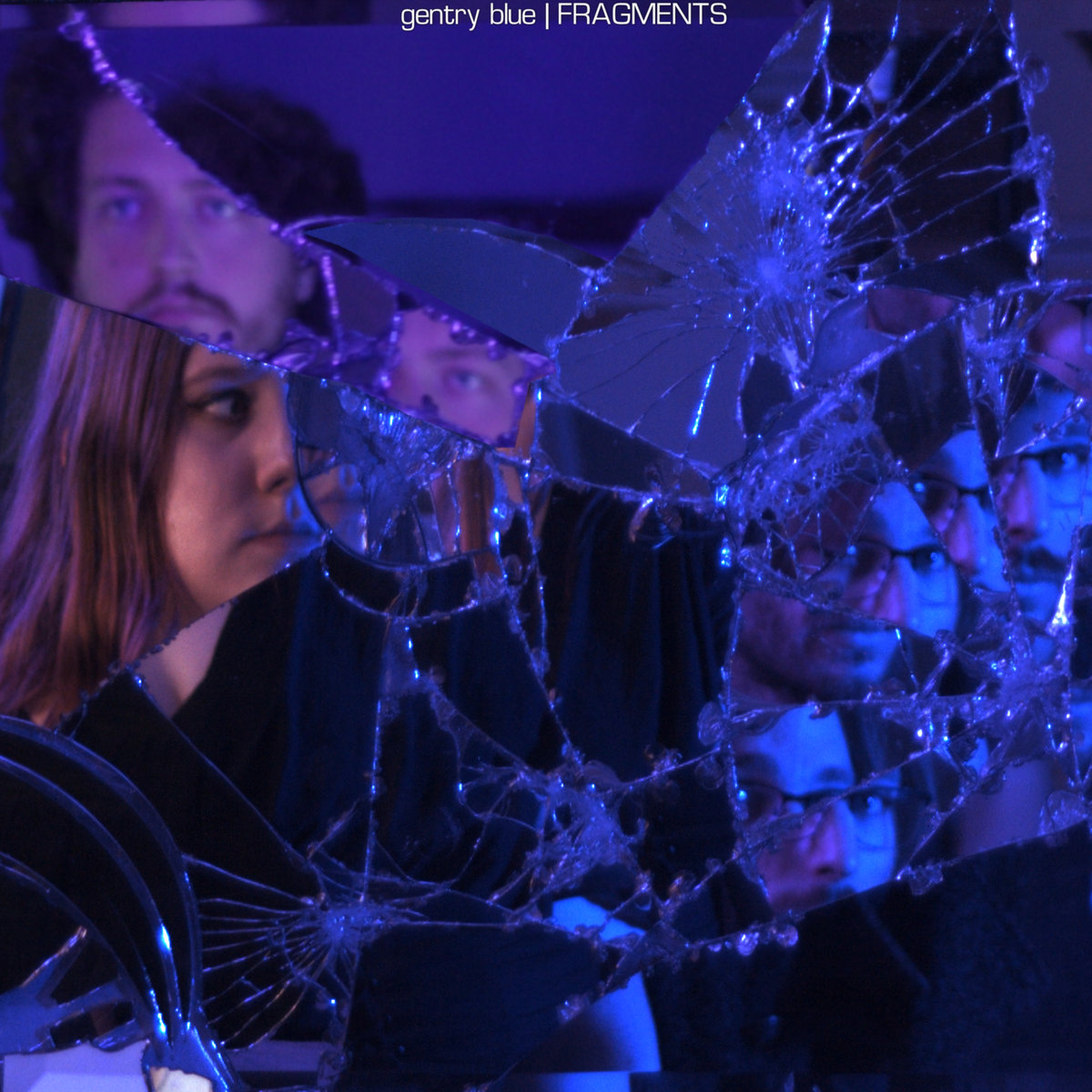
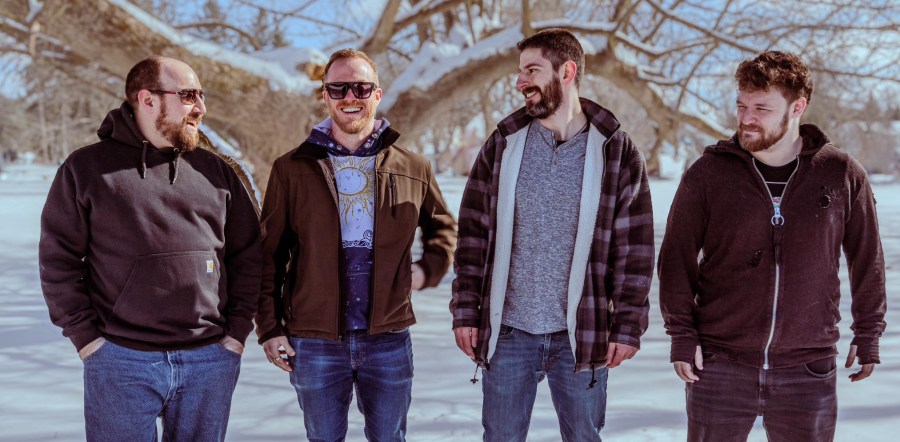
Gentry Blue

GENTRY BLUE: From Cosmic Journeys to Personal Reflections

Nashville’s progressive/classic rock trio Gentry Blue have launched their debut album, Fragments. This record marks a significant milestone for the band, blending cosmic and emotional themes. We sat down with Sean Jannay and Lydia Gentry-DeBonis to discuss their journey, the creative process behind Fragments, and their plans for the future.

Congratulations on the release of Fragments! How does it feel to finally be sharing your debut album with the world?

Sean: Exciting, certainly. I’m nervous about how it will be received – this is the first band I’ve been in that actually seems to have some fans – but the few people that have heard it so far say they like it, so I’m hopeful.

Lydia: It feels intimidating. We’ve been working on Fragments for at least a year and a half and to finally have it out in the world in just a couple of days is wild, to say the least! I genuinely hope it brings a lot of joy into people’s lives.

The album explores cosmic and emotional themes. Can you talk about the inspiration behind some of the key tracks, like “Collide” and the title track “Fragments”?

Sean: Fragments is a song about identity crisis. I’m a guy who does a lot of stuff. A lot of it I do pretty well, and it takes all of my time and energy to make sure that’s the case; but I know that by choosing not to specialize, I sacrifice a level of greatness in all the things I do. I’ve spent a lot of nights looking in the mirror and asking myself what I actually want to be, and I always go to bed the same as I woke up – if I make it to bed. Of course, the chorus was inspired by the Bilbo Baggins line about feeling “thin, sort of stretched, like butter scraped over too much bread.” It’s a bit of dialogue I’ve always resonated with, since I was a kid.

Lydia: Collide is about the Andromeda and Milky Way galaxy collision that will occur in about five billion years. A couple years ago I was scrolling on social media and found this fascinating video about the subject; I had no idea about it. The thought of this made me so incredibly anxious, even though I won’t live to see it. Heck, all of humanity won’t either! Earth won’t be inhabitable in that time. All of these thoughts were swirling in my head and I needed to write a song about it. It’s almost about accepting our collective fate to be doomed. Brendan wrote the instrumental arrangement of it and I top-lined the lyrics and melody over it. Even though Collide is literally about a giant cosmic event that won’t happen for billions of years, at its core, it’s more about existential anxiety.

Fragments by Gentry Blue

Your music blends progressive rock, gothic violin, and pop hooks. How did you develop such a distinctive sound, and what influences helped shape it?

Sean: Like with most artists, it’s an amalgamation of all the music we’ve ever listened to – for me, that spans from Zeppelin and Hendrix, through Nirvana and Alice In Chains, Porcupine Tree and Jeff Buckley, to Dave Brubeck and Coltrane, Bach, Becca Stevens, Jacob Collier, Sheryl Crow, Louis Cole… you get the point. There’s not a lot of conscious effort that went into it; we’ve all been making music for a long time, and this stuff is just what happened when we got together.

Lydia: I’m with Sean here–we make what we love! We have a variety of influences all over the place. If you pressed shuffle on my massive Spotify playlist, you would get a Rush deep cut, then a Taylor Swift song, then a song from a movie soundtrack, then Sierra Ferrell, Steven Wilson, Grateful Dead, Ghost, Muse, Janis Joplin, etc. We’re all a very eclectic bunch. At least for me, the love of music has left such a mark on me, that I feel like I have to return the favor and keep it going. As long as we keep it honest to ourselves and enjoy ourselves along the way, that’s what truly matters.

Lydia, as a violinist and vocalist, your role is quite unique in the rock world. How does the electric violin contribute to the overall sound and dynamic of Gentry Blue?

Lydia: I feel like I’m in a unique place among a lot of violinists in the non-classical world– the electric violin isn’t really a focal piece in a lot of our songs. I used to consider myself more of a violinist first, then a singer, but that was years ago. Right before COVID hit, I was a violin performance major and switched it to music business instead. Our college stopped private lessons if you weren’t a music major, and my level of playing really fell off the cliff in the time since. This past year I’ve been trying to regain what skills I’ve lost but also relearn how to unlock my creative side besides just simply performing live. I’ve been struggling with a lot of writer’s block; the last song I wrote was two years ago! Lately I’ve been learning a lot of fiddling songs since I occasionally gig in Downtown Nashville on Broadway and that’s been rewarding. My next goal is to become a sort-of ‘rhythm violinist’ in Gentry Blue since we don’t have two guitarists, just to fill up the space in live settings.

The album includes songs that were written years ago, alongside newer tracks written during the recording process. How does Fragments reflect the evolution of Gentry Blue’s songwriting over the years?

Lydia: Fragments is such a cool title to use for our debut album, because it truly contains ‘fragments’ from when we first started as a band and includes ‘fragments’ from just a few months ago! For example, What Lies on the Other Side was the first song that Brendan and I wrote together in 2019… we weren’t even dating by this point! Blackberry Bitter was written at a midpoint in our evolution as a band a couple of lineups ago when we had Aidan Cunningham on drums. We played that song a couple times live and then scrapped it from our setlist for a reason I don’t remember. We picked it back up earlier this year and made a few adjustments in the song to make it feel tighter. Songs like Become Invisible and Think I Might Be Crazy were written by Sean only a few months ago. This album is so special to me for all these reasons. 

Sean, you’ve mentioned that producing Fragments taught the band a lot about your identity as musicians. What were some of the most important lessons learned during the album’s creation?

Sean: If I may deviate immediately from the central point here, the biggest change from this record to the next will be recording consistency. The drums on Fragments were recorded by 3 different drummers, across 3 different spaces; the vocals were recorded on a few different mics, all in less-than-ideal spaces; and it was all done over a very extended period of time, as about half the album was written during the recording process. You can hear some of this variation in the sound of the record, as hard as Colby and I worked to minimize it. The next record will be entirely written before we track it, and it’ll be recorded efficiently and consistently in the home studio space we built while making Fragments. 

To add to your question, I think we’ve all grown immensely as musicians. Lydia’s voice is a whole different animal now from when I joined the band, and I’ve become much more confident when it comes to writing for her range. Working with Colby has also made me a way better mix engineer than I was before. It’s been a great experience.

Gentry Blue has been together since 2019, but the pandemic and lineup changes delayed your debut. How did those challenges affect the creative process for Fragments?

Sean: I managed to scare away the whole previous rhythm section within a couple months of joining. From that point, the process was pretty straightforward.

Lydia: Nashville is an interesting place to have an original band– a lot of musicians come and go for a variety of reasons like getting better gigs, and you have to be alright with that lack of permanence in your band. Although I had been dreaming of releasing an album as Gentry Blue even two to three years ago, we still were getting our feet planted in the scene and figuring out our identity as a band. The work on the album finally started right after Brendan and I got married in May 2023, and afterwards it was fairly simple. I remember getting the initial mix for Collide while Brendan and I were on our honeymoon and being blown away. It was absolutely surreal to be hiking for miles in the hills of southern France and receiving that text from Sean!

Your 2022 single “Tell Them I’m Insane” was produced by Grammy-winner Mitch Dane. How did that experience influence the way you approached recording Fragments?

Lydia: It was wild how that connection was made; a family friend messaged me about someone that she had in her church youth group that she directed years ago who now produces in town. I emailed him and he wanted to get coffee. I met Will Gibson, our bassist at the time, at Sputnik Sound, a studio that was just down the road from our college. Mitch was so hospitable! He made us a cup of coffee and we talked a lot about our hobbies and music. We already had Tell Them I’m Insane tracked but were waiting on the first mix. I remember being so nervous watching him listen to the stems! After the song was finished, he said that he wanted to hop on it and mix it for us, as a way to get our feet wet working together. We took him up on it and that’s history! We would love to work with him again later down the road. I think a great teaching moment for me was how important getting the mix right is, as well as working with professionals when we were still novice college students. Attention to detail is key.

The album touches on mental health, relationships, and personal introspection, all tied together by the theme of space. How do you balance these deeply personal and universal themes in your songwriting?

Sean: We don’t. We just made up the space thing after the album was done to make it sound cooler. We write about what we want; if it’s good, we use it. We’ve got a song about me getting a speeding ticket, for christsake.

Lydia: I’m going to disagree with Sean here; it was in the back of my head when we were working on the album… 😉

I feel like every topic can be epic enough if you make it. Especially when you’re in the thick of it, mental health issues can be detrimental and can feel like the world is ending.

Lydia, you and Brendan got married during the band’s formation. How does that personal connection influence the band’s chemistry and the collaborative process?

Lydia: It’s an awesome and rare connection to have for sure! He initially joined the band as our first drummer in February 2019 and we started dating later in that October. We just got married last May! It can be wonderful but sometimes difficult– we have to be in ‘business/band mode’ occasionally when we’re gigging or on the road together. But we work great together and there’s no other feeling like having your best friend on the road with you. He’s the only person I don’t feel self-conscious around when I show him my music, and he’s helped me grow a lot as a person. We’re each other’s number one cheerleader. 🙂

Your influences include legendary bands like Rush, Jefferson Airplane, and Fleetwood Mac. What elements from these bands do you feel resonate most in Gentry Blue’s music?

Lydia: This is insanely difficult to answer… a lot of our influences are simply bands that we look up to significantly. I think a huge element from Rush that resonates with me is their passion and being true to themselves; it’s inspired me a great deal.

How do you approach songwriting as a trio? Do you have a specific process for writing together, or does it differ from song to song?

Sean: Very few of our recent songs are true co-writes; generally, one of us will come up with something at home and bring it to the band just about fully-formed. I’ve top-lined a couple of Debo’s instrumentals; that’s about the extent of it since I’ve been in the group.

Lydia: Most of the time we’ll bring a fully formed song to the table, or occasionally top-line each other’s songs. 

Fragments features a rich sonic landscape, thanks to the multi-instrumental talents of Brendan and Sean. How do you decide which instruments and sounds to bring into each song?

Sean: We rassle to see who plays what instrument on each song. You may think he’d win every time because of his size (he’s 6’3″), but I’ve got a lower center of gravity and I’m real wiry, so it’s actually a pretty fair fight.

You’re known for your captivating live performances. How does the energy of performing live influence the way you write and record your music?

Sean: We try to preserve some of the raw, blemished quality of a live performance in our recordings – just enough to remind the listener this thing was made by humans, with an actual instrument in a real space.

What do you hope fans take away from Fragments? Are there any specific messages or emotions you want listeners to connect with?

Lydia: I hope people resonate with the last song on the album, which is Cutthroat. Even though we live in a dark and depressing world and we will be knocked down time after time, we have to keep rising up after the fall. I think kindness and optimism can be hard to find in this time we live in, as cheesy as it sounds, and it’s up to us to keep that lantern of hope lit.

Nashville is known for its vibrant music scene, but Gentry Blue’s sound is quite different from the city’s mainstream genres. How has Nashville influenced your journey as a progressive rock band?

Sean: Nashville is where I’ve met one hundred percent of the musicians I know, and pretty much all the friends I have. Most of those people are not native to the city, and none of them are exclusively country-heads. The beauty of Nashville, regardless of what is popular in the scene here, is the mixing-pot element. Everywhere you go, you’re gonna run into somebody who’s a hundred times better than you at what you do, and they’re gonna introduce you to some crazy new idea or lick or artist, and you’re gonna go home wanting to practice. It is tough being a progressive rock band here – but I don’t think I’d want to be a musician anywhere else.

Lydia: Nashville is an awesome place to be a musician. There are so many opportunities to grow and learn, and despite what people may think, a lot of fellow musicians genuinely want to help each other out. There’s an amazing rock and metal scene here and so many live for the art.

Finally, what advice would you give to young or emerging bands looking to carve their own path in the music industry, especially in a genre like progressive rock?

Sean: Tune. Write. Write all the time. Write enough that you stop being precious about your songs. Practice your instrument. With a metronome. Learn how to record yourself. Tune. When you have a rehearsal, learn the songs before you get to the rehearsal. Unless you’re the last band at a show, tear your shit down fast. Tune. Post on social media regularly. Try not to be stressful to be around. Make sure your instrument is intonated reasonably well at all times. Learn to sing. I don’t care if you’re actually going to do vocals in the band. All together now – Tune!

Looking forward, what are Gentry Blue’s plans after the release of Fragments? Can fans expect a tour or any special live performances to celebrate the album?

Lydia: We’re back to work on our second album!

Fragments is out now; order it from Bandcamp here.

Forever in Transit, a Buffalo progressive metal band

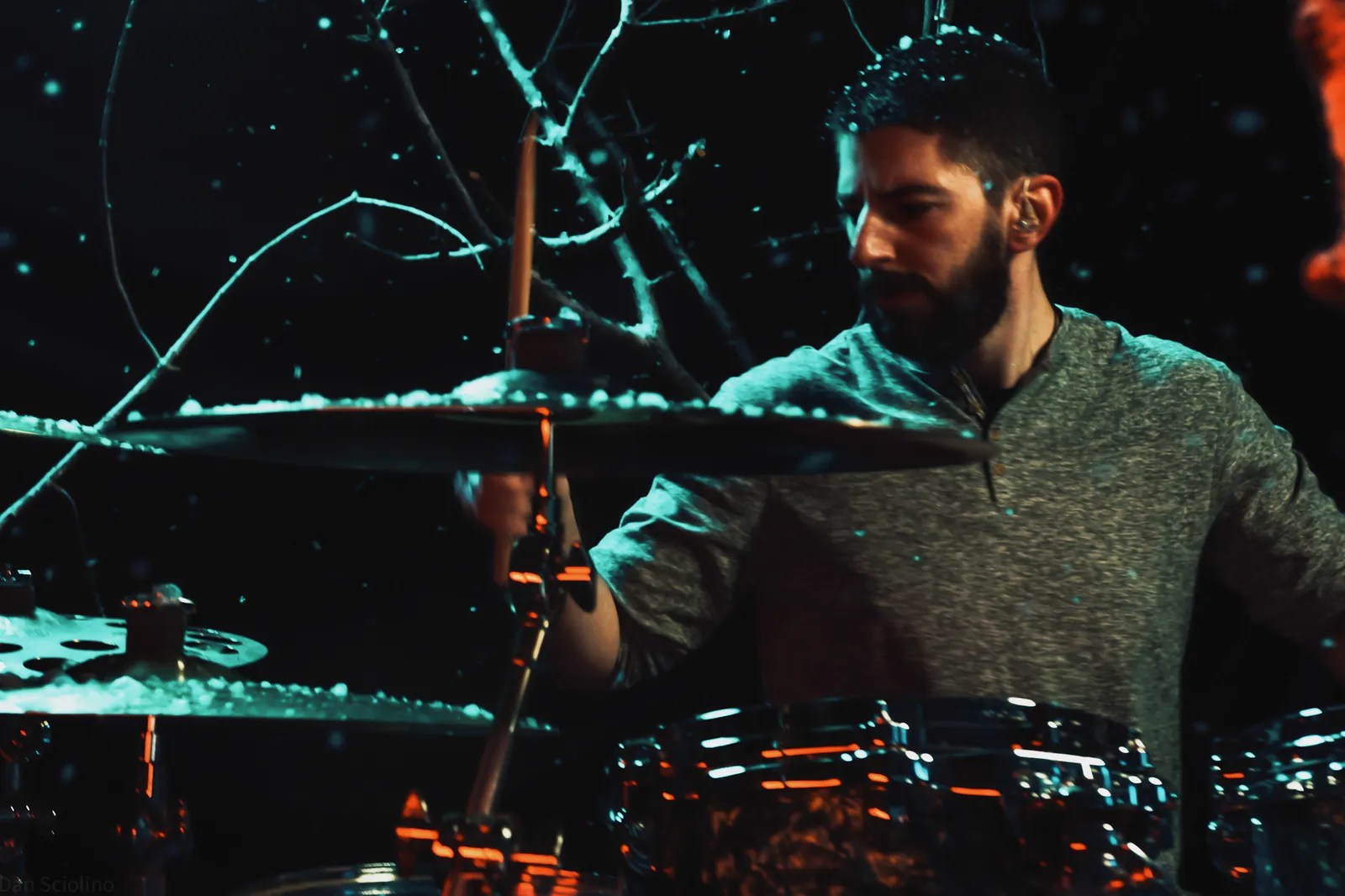
Coming to Terms with DAN SCIOLINO of FOREVER IN TRANSIT

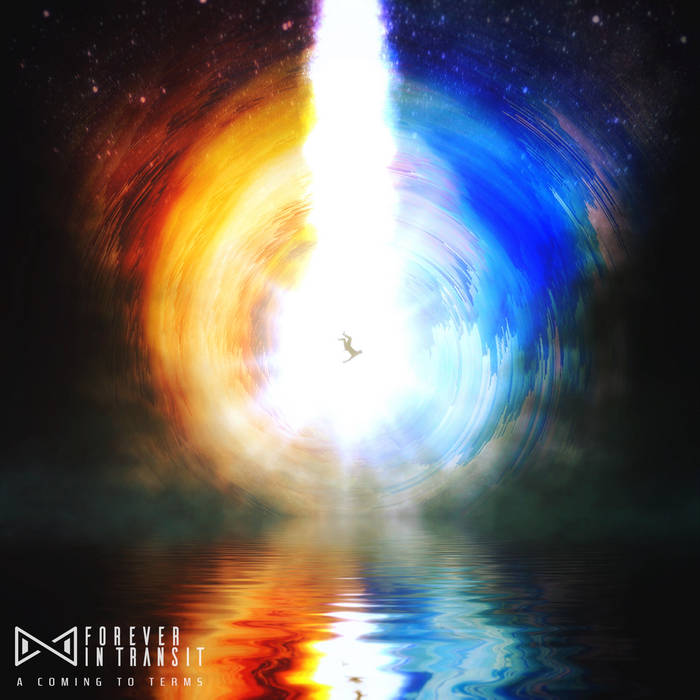
Forever in Transit, the Buffalo, NY-based progressive metal project led by songwriter, keyboardist and drummer Dan Sciolino, is set to release their brand new album, A Coming to Terms, on September 13th, 2024. The album marks the band’s return with a dynamic blend of high-energy metal and atmospheric soundscapes, exploring themes of identity, self-acceptance, and personal transformation. In this interview, Sciolino dives deep into the creative process behind the album, the evolution of the band’s sound, and the powerful philosophical ideas that shaped A Coming to Terms. Join us as we explore the journey behind this new release.

“A Coming to Terms” marks your return with a full-length album after several years. How does it differ from your previous releases, like “States of Disconnection” and “Re:Connection”?

One of the biggest differences between A Coming to Terms and our previous releases is that I wanted the writing to be more focused and intentional, while still preserving the longer song forms. For example, if you listen to some of the tracks on States of Disconnection, they have these really long, tangential bridges with lots of different ideas and unexpected changes. The songs on A Coming to Terms are still long, but I feel there is a stronger, more unified purpose informing the structure! I also spent a lot of time incorporating different motifs that pop up all over the album! 

Another big difference is the lineup on A Coming to Terms. Jeremy Schroeder returns as the guitarist – he also played on States and Re:Connection, and is the only musician besides me to play on every Forever in Transit release. Our vocalist for this album is Chris Lamendola, and his voice really suits the direction I took this album, between his clean vocals and screams.  We had a lot of fun arranging the vocals on this album!  Finally, Daniel Ross joined us on bass guitar for this release, and he even played fretless bass on two songs – “What Lies Beneath” and “A Coming to Terms”! 

Can you delve into the themes of identity, self-acceptance, and personal transformation that you explore on this album? What inspired you to focus on these concepts?

Following the release of States of Disconnection, many of the lyrics I had written explored these concepts, and they seemed to match well with the new music I had been working on at the time! The follow-up to States was originally intended to be an instrumental EP with three tracks forming a suite – “Tether”, “Void”, and “Empty” which were inspired by a character from the Avatar:The Last Airbender series. That character’s arc in the show revolves around letting go of attachment to attain greater freedom and power, and that served as a jumping-off point for me to explore it as a concept for the album! I eventually decided to expand to the seven songs that are on the album, laid out more like a journey exploring these themes, starting from initial questioning ultimately to acceptance. What I love about these themes is that I think they are universal – everyone has to come to grips with them at some point in their life! Who am I? How am I defined by the things that I attach myself to, and how does that shape my trajectory as a person?” 

The album features a mix of high-energy progressive metal and ambient soundscapes. How did you approach blending these elements to create the dynamic sonic journey on “A Coming to Terms”?

What really helps in that balance is that I am both a drummer and a keyboardist, so playing with interpretations of rhythm and contrasting those different rhythmic ideas with immersive soundscapes has been a defining aspect of Forever in Transit’s sound. I think of Forever in Transit’s music as having this push-pull balance between inertia and weightlessness. The inertia comes from our more “metal” aspect, as well as the way that the songs are structured, and this gets contrasted with more open and ambient passages, which adds a layer of intimacy and emotional depth. I have always loved music – progressive and beyond – that takes me on a journey, and I strive to incorporate that into each Forever in Transit release. 

“Enter the Void” features a guest performance by Diego Tejeida and his work on keyboards. How did this collaboration come about, and what was it like working with him?

I first met Diego when he was offering tour lessons, I think on Haken’s 10-year anniversary tour in 2017. I wanted to learn how to design sounds for Roli’s Seaboard, which is essentially a keyboard with a continuous silicone surface, so you can slide between notes, play vibrato right on each key, and control sounds in a really natural and intuitive way. I used all over the Re:Connection EP as well as the intro of our new song “Let Go Your Earthly Tether”. Fast-forward to 2020 when bands could no longer tour, and Diego, like many other touring musicians in that time, offered online lessons! After taking lessons from him, I had eventually asked him whether he would contribute a guest keyboard solo on “Enter the Void”, which he agreed to! He is very easy to work with – deeply knowledgeable, but always down to earth wanting to serve the best interest of the song! 

You’ve mentioned that Diego Tejeida also mixed the album. How did his involvement influence the overall sound and atmosphere of “A Coming to Terms”?

One of the biggest areas that Diego influenced on the album was the sense of movement through each song. He is extremely detail-oriented, and the placement of all of the different elements change subtly in interesting ways. He also spent a lot of time maximizing the impact of each song, from a narrative standpoint. A great example of this is his mix for “Empty and Become Wind”. He maintained a very delicate balance of how much low end was present throughout the song, gradually incorporating more as the song unfolds, until you get to the very last section when everything reaches its peak! He also spends a lot of time working with music that is heavily layered with lots of sound design elements, so he was a perfect fit to mix the album!

Nick Borgosz recorded the album, and Andy VanDette handled the mastering. How did their expertise contribute to the final product?

If there is a word to describe Nick, it is meticulous! He recorded the drums, vocals, guitars, and some of the bass for the album, and when I record with him, I know that I am always going to capture the best takes I am capable of. He has a great ear for nuance, and will usually push and give feedback to get that extra 10% in a take! He also mixed our previous releases, States of Disconnection and Re:Connection.

Working with Andy was a great experience! He mastered many of my favorite artists, including Porcupine Tree, Devin Townsend, and VOLA, so I knew he was the perfect guy for the job! I was very satisfied with Diego’s mixes, but Andy’s masters just took the songs to another level! He is originally from the Buffalo, New York area where Forever in Transit is based. He also mastered another Buffalo based prog band called Turning Virtue, including their newest album He Held the Sun Captive, which I played keyboards on!

Dan Sciolino

The album opens with “Let Go Your Earthly Tether,” which sets the stage for the overarching narrative. Can you talk about the significance of this track in relation to the album’s themes?

“Tether” introduces many of the themes of the album by posing them as questions. Our narrator is at a place where they are frustrated, unsure of who they are or the direction they should take. “Who am I in relation to everything else? Where do I end, and the world begins?” Their attachments are perceived as tethers holding them back from their goal of inner peace. They wonder what would happen if they were to let go, but are afraid of the outcome. Emotionally, to me, Tether balances rage, fear, and desperation with an uplifting sense of hope! From more of a musical standpoint, I think Tether is a good representation of what to expect from the rest of the album – contrast between atmosphere and more driving sections, and lots of layering! There are also many motifs presented in “Tether” that pop up in other songs – keep an ear out!

Each track on the album represents a chapter in the journey of self-identity. How did you structure the album to reflect this narrative arc?

The album starts at a place where the narrator is questioning where they are in life and asking fundamental questions about who they are, especially when you strip away external attachment. From there, each track unveils a different step in the journey, until we arrive at a place where the narrator is at a place where they can fully accept the person they are, as they are, realizing that integrity to self is what will allow them to reach the goal they are after. Along the way, they have to navigate the pitfalls of their own biases and attachments, fears and insecurities, and emerge on the other side a better person.

It begins with the track “Let Go Your Earthly Tether”, which explores the challenge of unraveling the different biases and attachments that make it difficult to identify yourself, and the urge to discard those ties in a desperate effort to find inner peace. “What Lies Beneath” navigates the relationship between ourselves and the self-rationalizing narrative that we spin that compromises our identity. “Streams of Thought” is about the frustrations that we encounter when we try to find meaning or inner peace – it can take countless attempts or approaches and sometimes we arrive more lost than we began. “I Cling to Threads” represents the difficulty of letting go of our wants and expectations, even if they actually are the root cause of our suffering. “Enter the Void” deals with actuality and impermanence, and the idea that once we set aside all of the things we are supposed to “do” or “be”, then we are actually free to become anyone or anything that we can imagine. “Empty and Become Wind” deals with self-actualization, building on the themes presented in earlier songs as a culmination of becoming the person you were always meant to be. “A Coming to Terms” is the final step in the journey – learning to love and accept the person that you are, and to wield your identity with honesty and integrity. 

“Empty and Become Wind” is described as the emotional climax of the album. What does this track represent in the context of the album’s story?

“Empty” is the fallout from the chaos of “Enter the Void”. It represents weathering a lot of hurt and pain, and emerging on the other side changed. Not necessarily in a good or bad way, but accepting the change, leaning into it fully, and making the most of it – turning it into a source of inner strength. The narrator is finally at a place where they can let go of things that no longer serve them. If the worst that can happen is that we lose everything, we are then free to act with limitless potential! “Empty” was the song I enjoyed working on the most!

Lyrically, you’ve explored various philosophical and spiritual perspectives on the album. Which philosophies or teachings influenced you the most during the writing process?

I had to spend a lot of time researching and studying different sources while working on the lyrics for A Coming to Terms. I’d say that lyrically, there are perspectives informed by bits and pieces of Existentialism, Taoism, Stoicism, Buddhism, psychology, cognitive science, and modern physics. I find it incredibly fascinating how each area can offer different insight or shed new light on a problem especially in the context of the main themes of the album, so I wanted to treat each source as a different lens! I am by no means an expert in any of these areas, but in general, I love learning and trying to see things from as many different perspectives as I can!  I think the biggest challenge was to create a cohesive and unique tone lyrically for the album while incorporating all of these different influences, without getting too repetitive or too derivative.

You’ve mentioned that the album is deeply personal and reflects your own experiences in self-discovery. How did you balance this personal journey with making the album relatable to listeners?

I wanted to focus much more on the emotional processing rather than specific situations, which I think helps to make the songs more generalizable. I didn’t want the album to be about “me” specifically – I always hope my music can resonate with people in a way that is relevant to their life at that moment. I especially hope that my work can help people, or at the very least, help them to find some insight in what they are going through. 

I have always considered Forever in Transit to be a vehicle to document my growth both as a musician and as a person. With each release, I want to progress in some dimension – songwriting, technical proficiency, or ability to create a more moving emotional experience! Forever in Transit’s music is intended to be an honest portrayal of where I am at a moment in time – lyrically, what moves me, what am I working through in my own life, and what I have experienced. That sentiment is where the project name came from – Forever in Transit – I am always a work in progress. 

Progressive metal is known for pushing boundaries. How do you feel “A Coming to Terms” pushes the boundaries of modern progressive metal?

I don’t know at this time whether A Coming to Terms truly pushes the boundaries of modern prog metal in terms of doing things that have never been done before – I think I wear a lot of my influences on my sleeve in that regard. However, I do feel that the album presents modern prog in a very dynamic way, and that the push-pull approach between inertia and ambience I had mentioned earlier is uniquely implemented. At the end of the day, I’ll leave it up to fans of the genre to decide if this work pushes any boundaries! 

With this album, what message or feeling do you hope listeners take away from their experience?

I hope listeners feel unburdened after listening to this album.  Music has always been an incredible source of catharsis for me, so I hope I can offer this album so others can feel that same emotional release! I also hope that the concepts I explored resonate with people, and that it can help others to view themselves through a more positive and accepting lens. 

The title track, “A Coming to Terms,” closes the album with a sense of acceptance and self-love. Can you share more about how this track encapsulates the album’s themes?

The underlying message of “A Coming to Terms” is acceptance for the person you are in spite of circumstance, your perceived flaws, or the challenges you have faced. Like a stone being worn smooth by the waves, our narrator arrives at a place of calmness and inner peace, living with integrity and newfound purpose. I decided to represent this by losing some of the metal edge from the previous tracks, leaning more into prog rock territory. The album both opens and closes with a stack of vocals singing “Let go…”, bringing the listener back to the start of the journey on “Let Go Your Earthly Tether”

As the release date approaches, how are you preparing to share “A Coming to Terms” with the world? Are there any plans for live shows or special events?

I’m already working on a follow-up album to A Coming to Terms, so that will be taking much more of a focus following this release, as well as continuing to promote A Coming to Terms. I am also working on developing Forever in Transit into a live act as well, most likely initially limited to the Western New York area! That is particularly exciting to me because until this point Forever in Transit has existed exclusively as a studio project!

Forever in Transit’s A Coming to Terms is out on September 13. The album is available on Bandcamp. Follow the band Facebook and Instagram.

An Eye for an Eye: Ethos Discusses Their Bold New Album, Creative Process, and the Balance of Power

Atlanta-based progressive rock band ETHOS is back with their latest release, An Eye for an Eye, a full-length album that dropped on June 25th, 2024. With a rich blend of progressive rock elements and thought-provoking themes, ETHOS continues to push the boundaries of their sound, marking a significant evolution since their last work. In this exclusive interview, the band delves into the inspirations behind the album, the challenges they faced during its creation, and the unique songwriting processes that shaped this dynamic release. From tackling global power structures to exploring personal resilience, An Eye for an Eye offers a complex narrative that is as bold as it is introspective. ETHOS also shares their experiences working remotely, collaborating on guitar parts, and mastering the album alongside the renowned Jens Bogren. This interview gives fans a deeper look into the creative minds behind the music and what they can expect from ETHOS moving forward.

Congratulations on the release of “An Eye for an Eye”! Can you tell us about the inspiration behind the album’s title?

Austen: Thank you! I have a painting by fantasy artist Fian Arroyo that shares the same title. At some point during the post-production process for this album, I walked past the piece and it just clicked. A lot of the lyrical content is fueled by distrust of power structures or a tongue in cheek commentary on those systems and their inevitable reckoning. However, the implication of the phrase “An eye for an eye” assumes there is remedy for every wrong doing, and I don’t believe that to be true. Rather, I believe that through creativity we can heal ourselves and each other by transforming our experiences – even the worst – into something beautiful. There is a lot to be angry about in today’s world, but it’s important to ask yourself “what will you do with it?”

How did the process of writing and recording “An Eye for an Eye” compare to your previous works?

Kuyper: We relied more heavily on remote work this time around, for a variety of reasons. A lot of the initial ideas for this album came from remote sessions Austen and I had via JamLink, where we could join a session and play in real time. We started recording those sessions which led to me tracking my parts separately and sending them to Austen. Then the rest of the guys would get together in the studio and we would solidify song structures and rewrite parts until we were all happy with them. For a while we didn’t know how writing would work out of state but we adapted to that challenge and it definitely contributed to how we approached songwriting. Times when we were all in the same room were rare and precious so we handled a lot of the meticulous stuff over calls and remote sessions so we could enjoy every moment we had in person as a full band.

Austen, as both the vocalist and the keyboardist, how do you balance these roles during live performances and recordings?

Austen: It’s a much easier balancing act than vocals, keys, AND guitar… It used to be that Matt and I wrote a lot of dueling guitar parts together, I would sling the guitar over my back, hit a piano break, and back to guitar! “An Eye for An Eye” marks a shift in that and I focused more on vocals and keys. If it’s a piano driven song I tend to work out vocals earlier on, but we have plenty of material that was written instrumentally before most of the vocal ideas came into play. When the ideas are written that way it takes forethought and practice to make sure it’s feasible live. I still do some writing on the guitar but with 5 of us now, a lot of possibility has opened up and even more ideas can be shifted from instrument to instrument.  

Kuyper and Matt, how do you collaborate on guitar parts to ensure a cohesive yet dynamic sound? 

Matt: This EP was the first time Ethos has released music as a 5-piece. Before Kuyper came aboard, I was used to occupying most of the guitar space. Kuyper is an absolute beast of a guitar player and an incredible composer and what he brings to the table is so unique, but we each have our own way of approaching the guitar and songwriting. This allows us to give each song exactly what it needs. We are both writers and lead guitarists but I find that we mostly complement each other because of our differing styles.

Kuyper: Collaboration has been interesting because of the distance since I am in Nashville, TN and Matt is in Rome, GA. We really haven’t gotten to sit in the same room and write before. Because of that, we have had to cultivate a ton of trust. Matt is a brilliant guitar player and composer so it makes it easy to respond to an idea he has written. Overall I think our collaboration is defined by an unwavering trust in the other’s abilities and musical sensibilities.

Nick, can you talk about your approach to bass on this album and how you ensure it complements both the rhythm and the melody? 

Nick: For me, the approach was a bit different than our previous releases. This was the first time we wrote music as a five piece, so with two distinct guitar parts going on for many of the songs, I was very careful in how I weaved in and out of those parts. I approach bass composition differently now than I did on our previous releases anyway. I have begun to find more interest in the “less is more” approach and how much is actually going on in rests and the spaces between notes. In other words, I don’t have to show my full hand or dig so deep in my bag of tricks for every song. I think it is OK to say that I am pretty proud of my parts on this album. I feel like they compliment the guitar parts instead of trying to push through or fight for space against the guitar parts. I always want to be conscious of what’s best for the song. It may not be the most flashy or technical part, but if it holds the song together and lays a good, solid foundation for the other parts, that is what I want to always strive to do. 

Tribb, what were some of the challenges and triumphs you experienced while recording the drum tracks for this album?

Tribb: For this release, we took a different approach from our previous releases and I tracked drums remotely using an e-kit to help create a more crisp, punchy, “modern metal” production. In the past it’s been purely me on an acoustic kit, which of course has that warmth, dynamic, and imperfection that makes a natural drum performance so magical and have that human aspect that’s hard to replicate in an electronic setting. The danger in this day and age with all this technology at our exposure is phoning it in and over-editing drums so it essentially becomes a cold, perfect drum machine, instead of an actual drum performance. I think people can tell when it’s not real. It was important to me to still perform the parts and get them how I wanted them to be and how I actually played them and I’m more than happy with the end result. 

Austen, you mixed the album at Darkroot Studios. How did being involved in this part of the production process influence the final sound of the album?

Austen: It’s a tricky thing to work on post production for your own project but I leaned on the guys for feedback in order to check my own bias. It allows me to run with ideas in the part writing such as doubling certain layers or being creative in how intentionally certain parts come through in the final mix. One of the benefits is that I am able to let the recording process inform some of the decisions we make in the arrangement of the songs – having a good pre-production process and creating demos allows you to hear how everything is interacting in a way that is more objective. Removing yourself from the performance often informs a decision to adjust parts, move them to a different instrument, or drop it completely for the benefit of the entire song.

The album was mastered by Jens Bogren at Fascination Street Studios. What was it like working with Jens, and how did his mastering impact the final product?

Tribb: Jens (Bogren) is one of the masters in the production world, mixing and mastering for bands we love like Haken, Katatonia and Opeth, so we were beyond ecstatic to work with him again. It was all through remote communication and file sharing and he was a pleasure to work with as usual. His mastering really rounded out the overall sound to make the songs sound fuller and bring out certain frequencies to really give it that extra push and a nice overall sheen.

Can you walk us through your typical songwriting process? How do you start, and how does a song evolve within the band? 

Matt: Writing with Ethos is highly collaborative. It requires input from every band member. Typically one or two of us are instigators with some kind of riff or idea and then we continue to shape and mold it–usually over a long period of time. We’ll start a recording session or hash it out in a room until it sits well with everyone. Sometimes it’s seamless and other times it’s grueling and we completely disagree or dismantle a piece. However the process goes, we work until we are happy with it, which usually entails us getting the “feels” from the composition. 

“An Eye for an Eye” has a very progressive sound. Which bands or artists have influenced your music the most?

Tribb: This could obviously be a very long list and we’ve all got varying influences across a lot of genres. Early on there was a heavy Muse, Circa Survive and 30 Seconds to Mars influence, then more modern prog bands like Karnivool, Porcupine Tree, and Haken, and more recently some “heavier” prog metal bands BTBAM, Opeth and Periphery. Mix in some more alternative bands like Third Eye Blind, Keane, The Reign of Kindo and a lot of influence from the “classic” prog bands like Rush, Queen, Yes and Styx have always been there as well.

What themes and messages are you trying to convey through the lyrics on this album?

Austen: Some key themes that come to mind are balances of power, calling out corruption and greed, introspection and our derivation of purpose, the cyclical nature of existence and what role we have to play in all of it. There is both a sense of hope and despair at times and I think it tends to reflect a lot on the fundamental truth that our experience is shaped by both. What truly defines a person is not their beliefs, but their adversities. 

We tend to view chaos as fundamentally “evil” but the truth is that order breeds its own brand of evil and all things must live in balance if we are to call it “good.” I think ultimately Carl Jung said it best, “No tree can grow to reach heaven unless its roots reach down to hell.”

An Eye for An Eye by Ethos

How do you think your music fits within the broader landscape of the progressive rock genre?

Tribb: Stylistically, we’ve definitely got a lot of progressive elements but one could argue we’re more in the alternative rock realm, and of course with some metal thrown in there. We venture into “classic” prog territory with certain pieces that are heavier on classical piano, theatrics, and more complexity in instrumentation with odd time signatures, like some of “The Archetype Suite”, but for the most part we’re looking more to experiment with layers and how pieces fit together and unique melodic approaches and creative rhythmic structures, rather than flexing any ability (or lack thereof) to shred in 13/8 or anything like that, though we all love those kinds of bands. 

Can you share any interesting stories or experiences from the recording sessions for “An Eye for an Eye”?

Austen: There were a lot of unexpected road blocks along the way. We started recording this EP in early 2020 before having to step back during the shutdown and resuming in 2021. I wound up very sick after having COVID in August that year and continued to decline until I nearly died in the hospital with late onset Type 1 Diabetes February 2022. Recording was further delayed because of this but I came back feeling stronger than ever vocally and with a renewed sense of urgency in finishing what we started.

Kuyper: We didn’t plan for this EP to have any Archetype songs on it. It kind of dawned on all of us independently. I remember typing out a long Discord message to the group like “Hear me out…” pitching the idea to make the last 3 songs part of “The Archetype Suite”… Little did I know that Austen had the same epiphany the night before and had already spoken to at least one of the other dudes about it. It was a fun revelation and we knew it had to be that way since we were already on the same page without even talking about it.

What has been the response from your fans to the new album so far? Any feedback that particularly stood out to you?

Kuyper: A lot of people have spoken about how this release is more mature and polished. We have always taken care to put out a polished product but a few things have helped with that this time around. Growing as friends and being intentional with our time together in the studio has been a big part of it. Because of that we have been much more liberal with giving parts the ax and refining things. When you trust the other dudes with your life, making music is an incredible thing. Another significant callout on this polished sound absolutely comes from Austen’s continued dedication to production excellence. His business Darkroot Studios has allowed him to become an absolute monster and I would be remiss if I didn’t talk about what he has added to the album. His attention to detail is all through this album.

How do you prepare for live performances, and what can fans expect from an Ethos concert?

Tribb: We try to make our live performance high energy and dynamic. It’s nice to see people moving around and really getting into the music, but typically it’s equally rewarding for us to see people standing there really paying attention or with their eyes closed soaking it all in as well. We hope to eventually get to a point where more visuals and greater production can be a reality, since our music seems to translate better in theaters or closed environments to experience the atmosphere we’re going for. We’ve not played live in several years and actually never played with all five of us on stage, so that will take a lot of rehearsing and getting back in “live shape” and finding out what works or what we might need to change. 

With the album released, what are your plans for the rest of the year? Are there any tours or live performances scheduled?

Nick: We’ve not scheduled any shows so far, but definitely hope to get back on stage at some point. Likely early next year, once schedules can line up and we can properly rehearse and prepare to bring the best live show we’re able to. 

In the meantime, we’ve already gotten a head start on writing new material and have three or four fairly well developed ideas we’re all excited about. So hopefully we can get some new songs out there sooner than later.

How do you see the band’s sound evolving in the future? Are there any new directions or experiments you’re excited to explore? 

Matt: To be honest, I don’t exactly know how it will evolve but I think that’s what is most exciting. I truly don’t believe we are a band that sets out to make progressive rock music, it’s just the product of all our collective minds, influences, and skill sets. With that being said, it’s astonishing the kinds of ideas we run with and we never know how it will end up. It’s like a painter with a blank canvas that doesn’t know what they’re about to paint but they start putting colors together and suddenly it’s a beautiful portrait or landscape. We have already started writing a new body of work since the release of “An Eye for an Eye” and it’s got us all jazzed… I can’t quite put my finger on the sound yet, which is exciting.

What do you think sets Ethos apart from other bands in the progressive rock scene?

Tribb: We’ve evolved a bit over the last several years and have some slightly different elements now that maybe weren’t as present before, but the classical piano has always been an integral part of our sound. Many prog bands have keyboards of course, but the way that Austen utilizes it with more of a classical sensibility, or even the songs that have more synth, hopefully provide a unique sound when mixed with our melodic alternative prog rock/metal approach.

Can you talk about the artwork for “An Eye for an Eye”? Who designed it, and how does it reflect the album’s music and themes?

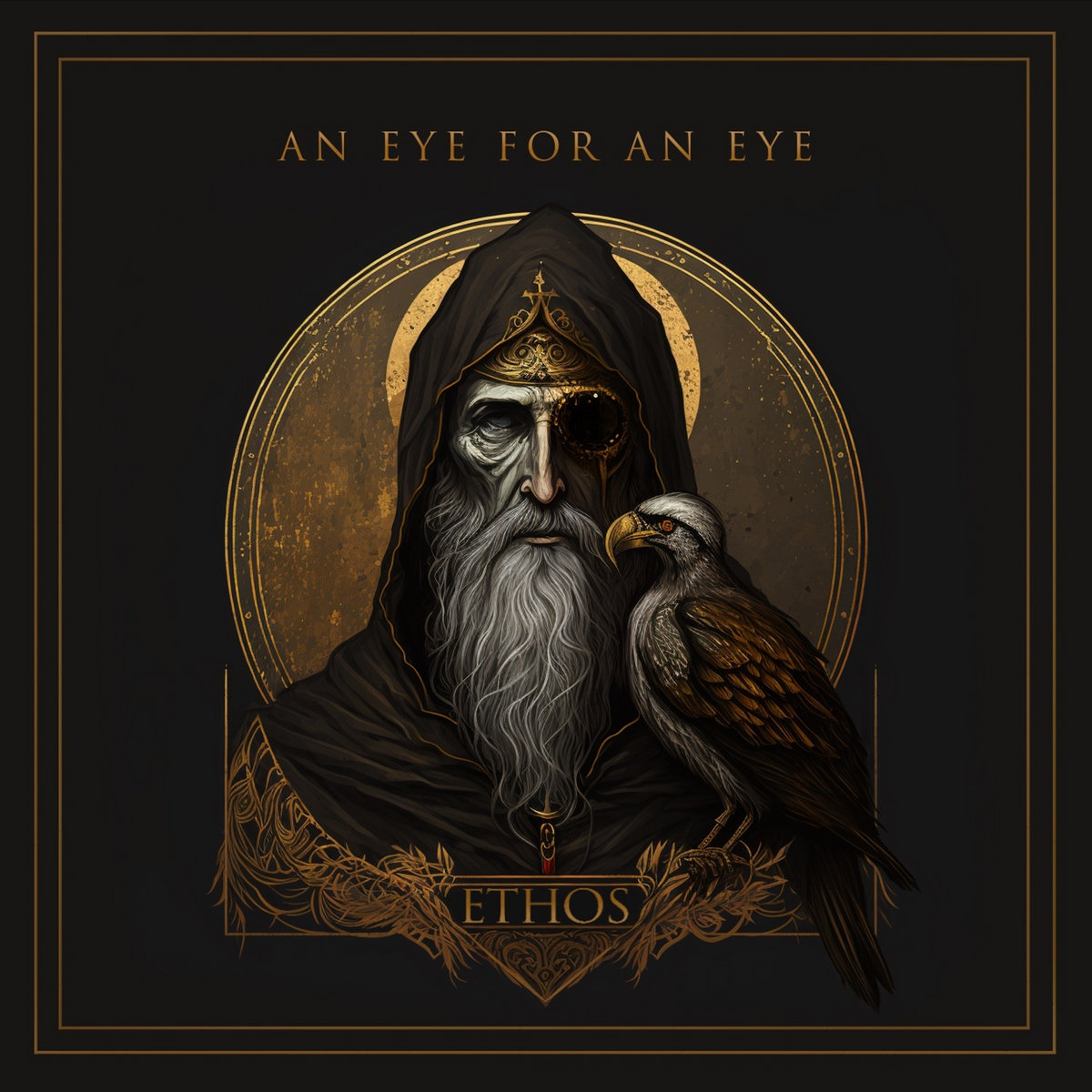
Austen: I designed the album art and have done so for all of our releases so far. I was inspired by gold leaf orthodox icons for the style. There is a sinister tone to a lot of the material on this record and a leaning into our metal influence – I wanted that to be represented visually for this record. There are lyrical themes of corruption and commentary on power structures throughout with a tone of “holding the feet to the fire” so to speak. I would say that “Holy Water” probably informed a lot of the imagery when I was working on the artwork for this record, not to mention, I am a huge fan of the Dark Souls game series.

How do you stay creatively inspired and avoid burnout, especially in a genre as demanding as progressive rock?

Tribb: I think we all have enough unique ideas between the five of us to keep things interesting and exciting, in terms of writing creatively. Like any band, there are certain stages in the process where we might get stuck or there might be some frustration, but usually leaving it and revisiting later solves that. Most of us try to stay abreast of newer bands and hear fresh ideas and innovations and that helps to motivate us in a sense to try different things. We try to play to our strengths and stay true to our sound as well, instead of trying to be the “best”, “fastest” etc. since that’s an easy way to make it about an unhealthy competitive mindset and it can be really easy to get down on ourselves when there are so many insane bands out there, in terms of speed and technicality. It’s more about songwriting, melody and fitting pieces together in a way that’s unique for us I think.

For someone who is new to Ethos, which track from “An Eye for an Eye” would you recommend they listen to first and why?

Tribb: That’s tough since every song has different elements of our overall sound, but maybe a good starting point is “Holy Water”. It’s a bit more on the heavier, post-hardcore side than some of our other stuff and has less prog or classical elements, but it’s got good energy, Muse-tinged verses, a catchy chorus, and a heavy bridge with some organ thrown in. It’s already becoming a fan favorite from the feedback we’ve received.

Finally, what message would you like to send to your fans and listeners as they experience “An Eye for an Eye”?

Matt: First of all, thanks for listening! I hope the music takes them to a far away place. We love to write stuff that you don’t hear very often and may even surprise you. It’s not about the progressive rock skill flex, it’s about the relationship between the listener and the music. It’s that feeling of hearing a song for the first time and then having to play it back 10 more times because it strikes you exactly where you are but takes you to a different plane. I want someone to be carried away by it.

ETHOS are:

Austen Earp – Vocals & Keyboards
Kuyper Cummings – Guitars
Matt Palopoli – Guitars
Nick Riggs – Bass
Tribb Robison – Drums

An Eye for an Eye is out and is available from Bandcamp. Stay in touch with ETHOS via http://www.ethosband.com/.

Album Review: ETHOS – An Eye for an Eye

Ethos, the Atlanta-based progressive rock quintet, has delivered their latest album, “An Eye for an Eye,” released on June 25th, 2024. This release marks a significant milestone for the band, showcasing their evolution in sound and style while retaining the essence of what has established them over a decade ago. Comprising Austen Earp on vocals and keyboards, Kuyper Cummings and Matt Palopoli on guitars, Nick Riggs on bass, and Tribb Robison on drums, Ethos recorded and mixed the album at Darkroot Studios, with mastering done by the renowned Jens Bogren at the Fascination Street Studios.

An Eye for an Eye” presents itself as a journey through the band’s musical and personal growth. According to bassist Nick Riggs, the album serves as a bridge between the band’s past and future, featuring writing and composing contributions from all five members for the first time. This collaborative effort has led to a more cohesive yet dynamic sound, leaning towards heavier and faster territories compared to their previous releases. Riggs emphasizes that this album represents a significant shift in their overall sound and writing style, providing a glimpse into the future direction of Ethos while reinforcing their established identity.

Listeners familiar with Ethos‘s earlier work will notice a maturation in both the music and the thematic content. Guitarist Kuyper Cummings notes that the record took several years to write, a period marked by significant life changes for the band members, including becoming parents, moving, and career shifts. This time of growth is deeply embedded in the album, with each song meticulously crafted and refined. If a part didn’t add meaningfully to a song, it was either reworked or discarded, a process that applied to both the music and the lyrics. This approach has resulted in a more polished and mature sound that still retains the band’s signature blend of heavy riffs and intricate piano melodies.

The album’s title, “An Eye for an Eye,” was inspired by a painting by fantasy artist Fian Arroyo. Vocalist and keyboardist Austen Earp explains that the title reflects themes of distrust in power structures and the inevitable reckoning that follows. However, the phrase “An eye for an eye” also suggests a more nuanced perspective on justice and healing, emphasizing the transformative power of creativity in addressing wrongdoings. This thematic complexity is mirrored in the album’s music, which blends rock and metal with classical motifs in a way that feels both natural and innovative.

Track Analysis

1. Begin With the End (4:01)

The opening track, “Begin With the End,” sets the tone for the album with its compelling mix of heavy riffs and melodic intricacies. The song showcases Ethos‘s ability to balance aggression and beauty, with Earp’s vocals delivering a poignant narrative that draws listeners in from the outset. The instrumentation is tight, with Cummings and Palopoli‘s guitars creating a dynamic interplay that propels the song forward.

2. Holy Water (4:09)

“Holy Water” continues the momentum with a more aggressive, larger-than-life feel. The track features soaring vocals and a driving rhythm section, anchored by Riggs‘ solid bass lines and Robison‘s precise drumming. The song’s chorus is particularly memorable, showcasing Ethos‘s knack for crafting hooks that resonate long after the music has stopped.

3. The Archetype Suite: IV. Stars Align (6:41)

The “Archetype Suite” is the centerpiece of the album, a multi-section epic that demonstrates Ethos‘ ambition and creativity. “Stars Align,” the fourth part of the suite, is a standout track that pushes the band’s musical boundaries. Spanning over six minutes, it takes listeners on a journey through complex time signatures, intricate guitar work, and haunting melodies.

4. The Archetype Suite: V. The Caudal Lure (1:37)

“The Caudal Lure” serves as a brief interlude within the suite, offering a moment of reflection and introspection. At just under two minutes, the track is a showcase for Earp’s vocal performance. This piece highlights Ethos‘s ability to create atmospheric and emotive music, even in shorter compositions, but still making it on point.

5. The Archetype Suite: VI. A New Regime (5:03)

The final track, “A New Regime,” concludes the album with a powerful statement. This song encapsulates the album’s themes of change and transformation, both musically and lyrically. The band pulls out all the stops, delivering a performance that is both technically impressive and emotionally resonant. The interplay between the guitars and the rhythm section is particularly striking, along with Earp‘s always soaring vocals painting a rich sonic landscape that leaves a lasting impression.

Conclusion

An Eye for an Eye” is a compelling and ambitious album that showcases Ethos‘ growth as artists. The band’s ability to blend rock, metal, and classical motifs into a cohesive and dynamic sound is impressive, and their meticulous approach to songwriting and production is evident throughout the album. Fans of progressive rock and metal will find much to appreciate in this release, which serves as both a reflection of Ethos’ past and a preview of their future. With “An Eye for an Eye,” Ethos has solidified their place as a force to be reckoned with in the progressive music scene.

For more about Ethos visit their website. “An Eye for an Eye” is available now from Bandcamp.

An Interview with STONERHENGE

Stonerhenge hails from Minsk, the capital of Belarus. Led by songwriter and multi-instrumentalist Serge Skrypniczenka, the project has been facing many challenges over the past few years. But these did not stop Serge to stop creating. In an interview with Progarchy, Serge talks about the latest studio offering, 2023’s record “Gemini Twins,” but he does not dwell on the past.

You launched an album with Stonerhenge entitled “Gemini Twins” back in December 2023. How do you feel about the release? 

Work on the album took longer, longer than I had originally planned. And when it was finally over, I was very happy. Because the feeling of unfinished work is one of the most unpleasant human experiences. Moreover, I was already in full swing working on even newer material (I’ll tell you about this a little later) and I was terribly nervous about the situation with the incompleteness of Gemini Twins. Based on all that has been said, I can say that I am very pleased with the result. Yes, when a new album is still being planned, the authors have a more or less definite idea of the final version. I mean the sound, the composition and the number of tracks. But some interesting and unplanned nuances are always added to the work. In the end, the album is still somewhat different from its original image, which was in the minds of the authors. In most cases, these are good differences, that is, more and better have been created than expected. It’s the same with Gemini Twins – the way I initially imagined the final work changed a little during the recording process. And it definitely got better. Although not all created tracks were included in the album. I once said that when working on music, sometimes you have to exclude some individual works from the general program. That is, this is not filtering out the bad, but rather excluding not entirely suitable material from the concept being created. These same excluded tracks are not “bad”. It just dawns on me that the mentioned tracks are not suitable for this particular album. But they are good on their own. And since working on Andromeda, certain songs or instrumental compositions have always been put aside for me. One day I will publish them under the name Outtakes.

And when the release label Space Rock Productions informed me that Gemini Twins would be released on CD, I was beside myself with surprise and with the understanding that I had chosen the right path. Many thanks to the owners Sabine and Scott for believing in me!

How much of a challenge was it to work on the album?

I repeat, there was a completely unclear situation with the line-up of the group. So I couldn’t figure out who I would record with. But there were no technical problems. Well, or almost not, I’ll tell you now. I haven’t been dependent on studios for a long time. However, in the twenty-first century, the cost (and availability) of professional studio equipment cannot be compared with what was on the market fifteen to twenty years ago. And I have all the conditions for full-fledged work on recording music. If any restrictions arise, I can turn to studio owners I know and get everything I need. So, just before the recording sessions, I finished working on my pedalboard. But, as often happens, the pedalboard needs some minor improvements. I’m working on it. But in the process of recording Gemini Twins, I didn’t like some of the guitar parts after the fact during mixing. And I re-recorded them right at home directly into the computer and processed them with various guitar emulators and cabinet impulses. This did not affect the overall sound picture in any way. The fact that I was only re-recording small fragments also plays a role. And, frankly, no one will ever be able to determine this by ear. This was the only “difficulty” you are asking about. I’ve been doing “all this stuff” for many years and have been entering the studio fully prepared for work for a long time.

Speaking of challenges, have you set any in the early phase of what has become the final result?

Actually, I have already answered this question above.

Tell me about the different instrumental and lyrical aspects that you explore on these new songs.

A few years ago I was at a musical impasse. After the story of my original group žygimont VAZA ended, I created a hard blues project The Blue Devils. But I simply couldn’t find suitable musicians. It all ended with recording professional demo versions. And then I lived with a lack of understanding of what direction I needed to move on. However, “once a musician, always a musician.” At some point I “found” a direction that seemed interesting to me. And as I immersed myself in the topic, I suddenly discovered a whole huge world of what had arisen around the stoner core. In this genre I feel like a fish in water. It’s interesting for me to listen to it and write it myself.

From an instrumental point of view, I feel like I’m in the right place and don’t have any difficulties in writing new material.

And the lyrical aspects? What can I say, the eternal questions of Humanity: who am I, where am I from, where am I going? Love, betrayal, happiness, grief, war, life and its end – death. And is this the end? As I once said in another interview, for me the theme of Sci-fi in music is not something like “trendy”. It seems that this is required “according to the laws of the genre.” I am quite capable of creating themes and images within the framework of the conventional Sci-fi and at the same time touching upon phenomena that are quite real, not fantastic. If we make a parallel comparison, then in world science fiction literature there is a whole mass of works of very different artistic levels. From the simplest semi-comics, shooters “Earthlings against Aliens” to large, detailed works in which the authors touch on the most important themes of existence and create entire worlds of their own.

What is your opinion about the progressive rock scene today? 

Oh, this is what makes me incredibly happy. I am quite sincere. It is clear that the concept of “progressive rock” is so broad that it can simply include diametrically opposed artists. But still, this direction exists and is developing. You can find groups for every taste. From boring “math nerds” to completely liberated, jaunti characters who seem to have just returned from their performance at Woodstock yesterday:) And, most importantly, modern progressive rock is not “plowing the old field,” so to speak. Yes, you can style it to the music of the 70s, you can wear bell-bottoms and look like a classic hippie. But at the same time, you can create music that is completely relevant for our time and be interesting for today’s listeners and fellow musicians.

Let me know about your influences — the artists that in a way shaped and continue to shape your music.

You see, I grew up in the Soviet Union. And everything related to information about world rock at that time and in that place was connected with a simply phenomenal phenomenon. Yes, there was a very real Iron Curtain. But, nevertheless, we listened to almost everything that listeners from free countries did. People brought records from abroad. All this was then instantly scattered throughout all fifteen republics in the form of tape recordings. The Soviet authorities jammed Western radio broadcasts around the clock. But even in such conditions, we still somehow managed to listen to the most current musical innovations of those years. Well, here’s another plus – all six western republics of the USSR bordered on the countries of the so-called “Socialist Camp”. And in this very “Camp” the authorities were incomparably softer about the existence of such a phenomenon as rock music. And rockers in Poland, Czechoslovakia, Hungary, East Germany, Romania and Yugoslavia not only could officially perform in their countries. They also recorded records and these records – OFFICIALLY – were exported to the USSR, in the form of a “socialist cultural exchange”. And we, in Lithuania, Latvia, Western Belarus, Western Ukraine and Moldova, could easily listen to the radio and even watch television programs from neighboring countries. And in Estonia, radios and televisions generally received programs from Finland and even Sweden. So, in addition to all the classic rock music, we were also influenced by the music from the “Neighboring Barracks of the Socialism Camp”.

Of course, I love Pink Floyd dearly. I even have on my smartphone the complete discographies of Led Zeppelin, Deep Purple, Black Sabbath, Grand Funk Railroad and other greats. I listen to them in the car or on headphones when I’m walking. However, I have never been tied to any one direction. And my musical preferences are very, very broad. I adore Tom Waits. There’s a lot I like about Bruce Springsteen. Yes, he has a lot of self-repetitions. But many of his things just knock straight to my heart. I have always loved and still listen to The Police and Sting’s solo work. I’ve always liked Steve Vai. On the one hand, I admire the music of AC/DC, and on the other hand, I have always been comfortable listening to Kraftwerk. And ABBA – yes, I’m not kidding 🙂 Or, for example, Frank Zappa – he’s just a colossus! I won’t even talk about Hendrix – it’s clear that this is also my personal rock hero.

Among contemporary artists, I would immediately single out King Buffalo (also all albums on a smartphone), Villagers of Ioannina City, All Them Witches, Black Sky Giant, Cracked Machine. In 2021, a simply incredibly cool album was released by Elara Sunstreak Band. Wonderful German band Kosmodrom. Also the Germans Fuser – I even virtually know their bassist. I like the bands Madmess and Lucid Void. Cool Turkish band Uluru.

Our Ukrainian neighbors Somali Yacht Club have been in my top list since the first listen. Polish neighbors also create excellent music, for example, Power Plant. Wodorost recently released a wonderful album. I also know the guitarist of Solar Trip and I am incredibly in tune with their music.

I am also very interested in musicians from Mali, and very diverse musicians: Tamikrest, Tinariwen or Fatoumata Diawara. Also from Africa is the wonderful Gambian kora player Sona Jobarteh.

It is clear that I cannot list everyone here now.

What are your top 5 records of all time?

Oh, this is such an incorrect question. There can’t be anything “better”. Or someone “better”. Who is the best writer? Who is the best physicist? Who is the best painter? Etc.

Same with records. I like a lot of things. But there is also such a thing as periods of infatuation. Sometimes something comes up and I start listening to The Rolling Stones. And at some other time I don’t listen to them at all. Or, for example, I initially couldn’t stand Grand Funk Railroad. They just pissed me off and annoyed me. And then suddenly I began to really like them and I listen to them with pleasure. I listen to Polish rock from the 80s, and then my mood changes and I listen to The Who.

Of course, I can immediately cite something from the “generally accepted top lists” as an example. But if I say The Dark Side Of The Moon, then I just don’t know how not to mention Wish You Were Here or Animals? Or “it is customary to call” Sgt. Pepper the pinnacle of the Beatles’ creativity. But then what about Revolver or Abbey Road?

One day, my friend and I were talking over a glass of beer and the conversation just turned to the topic: “Tomorrow you are forced to go to a Desert Island for the rest of your life. And you can only take three records with you.” Keeping my answer in mind then, I’ll try to expand it to five positions:

Tom Waits: Closing Time.

Jimi Hendrix. Axis. Bold as Love.

Pink Floyd. Wish You Were Here

Led Zeppelin. Physical Graffiti

Bruce Springsteen. Tunnel Of Love

Besides the release of “Gemini Twins” are there any other plans for the future?

I have good news. While this whole Gemini Twins story was going on, I created a new album, “Solaris”. Yes, this is my stoner/psychedelic interpretation of Stanislaw Lem’s famous work. Recently Cichan Zolatau (bass player with whom we recorded our first two albums) called and said that he was ready to work. I gave him the recorded demo and he is working on his parts. But that’s not all – just the other day, the wonderful drummer Alex Sanchez joined us! He also received a demo of “Solaris” and recording will begin in the near future. So everything is moving forward. Thank you.

ARTUR BARYSHEV Talks Debut Album “Voices from the Past”

Back in December, you launched an album entitled “Voices from the Past.” How do you feel about the release? 

I feel like I have reached a certain milestone. This is my debut album of my own music. I have been a video game composer and sound designer for many years, and it was hard to find time for my stuff. Finally, I was able to do it. I feel satisfied. And I hope people like the result. In many ways, it depends on this whether I will actively continue such musical activities. On the other hand, I am a little cunning, because I’m already preparing material for the next album. However, I wanted to add some drama.

How much of a challenge was it to work on the album?

It was difficult to find time for one music while writing other music. For several years, while bit by bit preparing this album, I was engaged in the recording of the orchestra for video game projects (Cinderella: New Story and Modern Warships to name a few) and the sound design of many projects, including Mobile Legends franchise. Without even a primary musical education, I was engaged in creating arrangements and even creating scores for the orchestra, recording with wonderful people from the Budapest Scoring Orchestra (by the way, in my plans for the future there is an item “record an album with a live orchestra”). In addition, I am the father of two children. And I hope you can imagine how difficult it is to fit into this schedule the creation of deeply personal music, and what a challenge it was for me.

Speaking of challenges, have you set any in the early phase of what has become the final result?

The main challenge for a guitarist (and I am a solo guitarist primarily) is maintaining the skill. If you do not practice the guitar professionally and constantly, then the skill will undoubtedly fall. I practice every day for several hours, so as not to waste it. The writing of this album allowed not only to leave the skill at the same level, but also to strengthen it, what should be reflected in the next album, which will be devoted mainly to guitar music.

Otherwise, I tried not to set myself any tasks initially. The album began spontaneously with a few unrelated singles, but soon grew into something more, which has now taken shape and is available for everyone to listen to. And it’s wonderful!

Tell me about the different instrumental aspects that you explore on these songs.

As I already said, I have no musical education and I had a very little experience of working with musicians. On this album, I worked with a saxophonist on two tracks, and it was interesting and instructive. First, I did a mini-casting. It turned out that choosing a saxophonist who understands your music is quite difficult. I went through four musicians before I found the right sound. Then I realized how diverse the approach to music could be, depending on the personality of the musician, his taste and style of playing. It may sound trite to many, but live music is called “live” because it breathes and has a billion nuances. In future releases, I plan to use as many live musicians as possible. At this stage, I play almost all the instruments myself. It was extremely interesting to explore and apply them in the process.

What is your opinion about the progressive rock scene today? 

I learn about many progressive rock bands by accident. For example, I found out about “The Dear Hunter” by stumbling upon their vinyl cover on the web, I liked it, after which I began to listen to their album, and only then I thought “damn, why didn’t I know about them before?” My opinion is that progressive rock has too few listeners these days. Critically few! And this needs to be corrected. It is hard to say how to do it, but we, as musicians, will try to do our best. Do you notice how various prog rock, fusion and city pop albums from the 70s and 80s are now popping up on YouTube and gaining new life? It is kind of a renaissance, the music is finally finding its audience after decades, and it is sad and beautiful at the same time. Accordingly, there is a chance that our albums will find their audience over the years. Or will it happen now? You decide.

Let me know about your influences—the artists that in a way shaped and continue to shape your music.

As a guitarist, I have to say that my main influence was naturally guitarists. Since childhood I admired Yngwie Malmsteen, Steve Vai, Joe Satriani. Now, if you suddenly ask “who is the best guitar player in the world?” without hesitation I will answer “Guthrie Govan”. These are the people who shaped my approach to guitar solos. As for the music in general, I like a wide range of genres, from pop to heavy metal. I am also fond of video games and movie soundtracks. Surprisingly, with all of the above, in recent years I just fly away from Tatsuro Yamashita. This is, perhaps, my main musical ideologist and a person who needs to be equal musically.

If we talk about my favorite progressive rock, jazz and fusion bands, then these are The Dear Hunter, Snarky Puppy, Casiopea, Kansas, Tropea, Kingo Hamada, Jeff Lorber Fusion to name a few.

What are your top 5 records of all time?

The Dear Hunter – Act IV: Rebirth in Reprise (2015)

Snarky Puppy – We Like It Here (2014)

Guthrie Govan – Erotic Cakes (2011)

Tatsuro Yamashita – For You (1982)

Casiopea – Casiopea (1979)

Besides the release of “Voices from the Past” are there any other plans for the future?

Working more with live symphony orchestras and video game soundtracks is my passion. Record the next album with a focus on virtuoso guitar solos (work in progress). Record my own album with an orchestra. To work more with different musicians, to participate in collaborations if possible. To travel more and gain emotions, then to express them with the help of music. To live and enjoy life itself.

“Voices from the Past” is out now, and is available from Bandcamp.

An Interview with SCIOLENT

Sciolent is a one-man art rock band based in Germany who recently launched a new album entitled “Chiaroscuro.” The 11-track release sees the young musician delving deep into a unique blend of alternative music, progressive rock, and even shoegaze.

Speaking for Progarchy, Sciolent talks about what it took for him to come up with the release. Find out more below.

You launched an album with Sciolent entitled “Chiaroscuro” back in December. How do you feel about the release? 

I was and still am very proud of it. It’s been in the making for a long time and finally releasing it into the world was a strange but rewarding feeling. I received some lovely positive feedback for it and that makes me happy of course. What’s great as well is that I’m still really content with it myself – it’s already my fifth album, but it might be the first one that I still enjoy listening to even after it’s put out. I spent a lot of attention to the compositions and arrangements down to the details and it seems to pay off.

How much of a challenge was it to work on the album?

Quite a big one, to be honest. I started teaching myself how to play guitar and bass during the making so that I could record all instruments except the drums on my own. Doing that, writing and recording the songs, producing, mixing and mastering it all would have already been a challenge, but to do it all while going to university and working on my Bachelor’s thesis and other projects was a wild ride as you can probably imagine. I don’t regret any of it though, it was a lot of fun and especially during lockdown it helped me cope with what was going on and find some meaning and inspiration.

Speaking of challenges, have you set any in the early phase of what has become the final result?

I simply wanted to reach my current potential in composing and arranging and I think I managed to do that. The advantage of taking your time with such a project instead of racing towards a deadline is that by the end you have a much bigger collection of songs to choose from, so you can pick the very best out of them and don’t have to include fillers.

Tell me about the different instrumental aspects that you explore on these new songs.

Well, a lot of it is centered around the interplay of neo-romantic piano figures and spacey guitars. You can hear that combination on songs like Balliamo Sott’Acqua, Our Worst Fears Realized or Slowing Down Time for example. From time to time there are also heavier passages where everything sort of erupts to counteract that melancholic dreamy vibe of the softer parts of the album. With the basslines underneath I tried to play quite melodically (without being too flashy) and weaved in some counterpoints here and there. And for the drums I wanted to find a good compromise between compelling groove and creative drumming – I’m not a drummer so I had to play that on my MIDI keyboard and I don’t know how playable these rhythms would actually be, but I think they feel good in context with the other instruments.

What is your opinion about the progressive rock scene today? 

That’s a tough question for me because I haven’t been too invested in that scene over the last couple of years. I love that Porcupine Tree got back together, Closure / Continuation was a great album and seeing them live was a huge highlight and bucket list experience for me. It’s also great to see what some of the young British bands like Black Country, New Road or black midi are doing. I think there’s a lot of progressive or avantgarde spirit in there, even if some people see them more in the post-punk field. Those genre boundaries seem to become obsolete anyway though, it’s just good to know that exciting new music is being made and – even better – people are actually listening to it!

Let me know about your influences—the artists that in a way shaped and continue to shape your music.

Some of my longstanding influences include bands like Muse, Radiohead, Oceansize, Porcupine Tree, Pink Floyd, King Crimson and Talk Talk. Muse for example were the band that became my introduction to the world of ambitious rock music when I was a kid so they will always have a special place in my heart. For this new album, I think especially Oceansize were a big influence – when I discovered them three years ago, I couldn’t stop listening to them for months. Effloresce and Frames are two of my favourite albums of all time, they just click with me on so many levels and some passages on “Chiaroscuro” are referencing them a little bit.

As of lately, I’ve also been listening to a lot of shoegaze which found its way into “Chiaroscuro” in terms of sound design and dream-like atmosphere. My favourites in that genre are Slowdive and Curve, but there has been and still is loads of talent across so many bands and artists.

Other bands I’ve been digging recently are Wolf Alice, the aforementioned Black Country, New Road, Jockstrap and Just Mustard.

And then there’s also bands and artists that belong more to the pop spectrum like Depeche Mode or Lana Del Rey that I admire. Developing a sensibility for a really good pop song is an extremely important skill to have as a songwriter in my opinion.

What are your top 5 records of all time?

The list changes from time to time, but at the moment it probably looks like that:

  1. Oceansize – Effloresce
  2. Steven Wilson – Hand. Cannot. Erase.
  3. Muse – Origin of Symmetry
  4. Radiohead – OK Computer
  5. Oceansize – Frames or Pink Floyd – Dark Side of the Moon (can’t decide, both deserve a top 5 spot!)

Besides the release of “Chiaroscuro” are there any other plans for the future?

I’m looking forward to potentially play some of my music live, although solid plans about that have yet to be made. Also I’m pretty much constantly coming up with new music, so maybe there will be more of that as well. I don’t think there will be another full album this year, but an EP or some singles are possible. Stay tuned!

“Chiaroscuro” is available from Bandcamp.

VENTIFACTS’ Mixture of Unconventional and Catchy on “Chronic Town” is a Rewarding Experience

“Chronic Town” by Brattleboro, Vermont-based Ventifacts is an experimental rock album that explores the world of microtonal music. The band’s use of unconventional tunings and scales creates a sound that is both familiar and alien, with each track taking the listener on a journey through a variety of musical landscapes.

The record opens with “Wolves, Lower,” a track that sets the tone for the rest of the album with its blend of pounding drumwork, courtesy of Connor Reilly, and intricate microtonal melodies by guitarists (and also singers) Damon Waitkus and Been Spees, as well as bassist Oliver Campbell. The band’s use of unconventional tunings and scales is particularly noteworthy, with each track featuring a unique and distinct sound.

One of the standout tracks on the album is “1,000,000,” which showcases the band’s ability to create complex and dynamic compositions that incorporate elements of microtonal music. Ventifacts’ use of unconventional chord progressions and dissonant intervals adds a layer of tension and unease that is truly unique.

The production on “Chronic Town” is excellent, with each instrument and vocals given a clear and distinct place in the mix. The use of unconventional tunings and scales is also well-executed, with each track featuring a unique and distinct sound which works extraordinarily well in the song format.

Overall, “Chronic Town” is an outstanding album that showcases Ventifacts’ mastery of the experimental rock genre and their approach to microtonal music. It is a must-listen for fans of “non-regular” and experimental music, and anyone looking for an intellectually stimulating and musically challenging listening experience. The band’s ability to blend elements of microtonal music into a cohesive and enjoyable rock album is truly impressive.

“Chronic Town” is available on Bandcamp.

Chronic Town by Ventifacts

THE MAPLE VERSE Excel on Debut Album “Prove Me Wrong”

Listening to the debut album by UK project The Maple Verse entitled “Prove Me Wrong” ultimately brings a thought to one’s mind that Bartek Kosinski’s brainchild is one of the most promising acts in the alternative rock today. With The Maple Verse, Kosinski has a knack for soaring, glowing mixture of genres thanks to passionate musicianship and directness, but also a tender, intimate delivery in the vocals and guitar as well as an ability to venture into various emotions, even if sonically not much changes.

“Sounds and Voices” kicks this thing off being sunny but ghostly with floating strings that just wander, like they and the ethereal vocals are lost in the world creating a wide-eyed outlook. Towards the middle the guitar/bass combination becomes more direct, making for a liberating sensation. “A Midnight Contemplation” is just an extra level of bombast this time around in the thick, punchy chords, but the overall vibe remains serene. “Just a Bit” is like having your legs in the shallow end of the ocean, the way the reverb-drenched guitars and almost spoken vocals wash over you like you’re in a life-affirming scene in a film and the lavish keyboard bends truly make it cinematic.

Album closer “Human Ways” on the other hand is more comatose with brooding, sparse notes at the start. However, the song gradually ascends with more direct, pouring playing thrown in and its flourishing sneaks up on you due to how close the whole track is. One minute you’re being put to sleep with aesthetic for an operation and the next you’ve woken up repaired. Before that “Fall and Ascend” however injects some liveliness with more swift picking and stompy moments combined with the glimmering tone that defines much of the record.

“Prove Me Wrong” sees The Maple Verse carrying the beauty and skill, and a huge dose of talent. That is to say, this album certainly makes for one of the prettiest records put out in 2022. Grab it from Bandcamp.