By day, I'm a father of seven and husband of one. By night, I'm an author, a biographer, and a prog rocker. Interests: Rush, progressive rock, cultural criticisms, the Rocky Mountains, individual liberty, history, hiking, and science fiction.
As you all know, Geoff Banks passed away not long ago. We all mourn our loss.
When we were first starting progarchy, Geoff was an immense help. Not only through constant encouragement but through excellent and solid advice as well. He also promoted us where he could–especially via the web and via his radioshow.
I’m honored to note that he and I corresponded frequently. We agreed on absolutely nothing but music. We had fundamentally different views about family, politics, religion, etc. And, he was not shy in expressing his views! But, when it came to the music, we were in complete sympathy, and music friendship transcended and healed any differences we might have had.
Geoff was very much his own man, and I already feel his absence profoundly–even an ocean away. . . . an ocean of space and time.
Geoff’s closest friend, Jon Patrick, posted this a few hours ago:
Today we reach the shortest day, for some it will be the longest and a date we will always remember for a different reason. Today we will get together, many of us who can and Celebrate the life of Geoff Banks.
We will be surrounded by Geoff’s family and many, many of his friends. Together we will support each other in our grief at this time of the final farewell. Many tears have been shed, and will be. But we must always remember that Geoff Banks was a Rocker. In his honor we will Rock! For Geoff would want that. Today we celebrate a great friend.
For those who can’t make it you will be all represented. I will read a message from Stacy Neuman who needs our love and support at this time, as do all the family. Stacy can’t be there and I know that is so very painful for her. I’ve been asked to close things.
I would like to personally that everyone for their wonderful support. A very special thank you to Damian Wilson who will perform a song for Geoff Banks. Damian’s friendship and unique look at life will be very much needed today.
For those who can, I will see you very soon. For those who can’t I know your thoughts, support and love will be with us. XXX
According to old Catholic belief, only the dead can dance. Dance away, Geoff!
To celebrate the band’s 30th anniversary Galahad will be releasing a historical double CD retrospective with a twist, the twist being that ten of the tracks included are brand new re-recorded versions of old Galahad songs, some dating back to 1985, the year the band formed, including one thirty year old track (City of Freedom) which has never been recorded properly before!
In some cases the new versions are similar to the originals but in other cases the songs have been re-worked and re-arranged considerably, either way we have tried our best to be sympathetic to the spirit of the originals whilst trying to bring them up to date in terms of their sonic quality and also so that they compare favourably, hopefully, with the Galahad sound of 2015!
As this is a rather special as well as an epic album, clocking in at approximately 2 hours and 36 minutes, we have also included a few strategically placed ‘tributes’ to a few of our original influences within some of the newly recorded ‘old’ tracks, so it’ll be interesting to see if they’ll get spotted!
Hopefully, this collection is a fair representation of the Galahad cannon and will appeal to existing fans of the band and will also, perhaps, act as a taster to those yet to dip their toes in the world of Galahad music.
When Worlds Collide Track listing:
CD1
1. Lady Messiah (1985/2015)
2. The Chase (1988/2015)
3. City of Freedom (1986/2015)
4. Chamber of Horrors (1990/2015)
5. Dreaming From the Inside (1985/2015)
6. Room 801 (1990/2015)
7. Ocean Blue (1996/2015)
8. Don’t Lose Control (1990/015)
9. Exorcising Demons ( 1992/2015)
10. Karma For One (1997/2015)
CD2
11. Empires Never Last (2006/2014)
12. Sleepers (1992/2012)
13. Richelieu’s Prayer (1990/2012)
14. Painted Lady (1985/2014)
15. Bug Eye (1997/2014)
16. Singularity (2012)
17. Guardian Angel (2012)
18. Seize the Day (Single mix) (2012)
19. This Life Could Be My Last (2006/2014)
“Best ofs” are flying around every where at the moment.
The top 10. The top 22. The top 25. Best albums. Best songs. Best gigs.
Admittedly, I not only love all of these lists, but I encourage and contribute to them. List, list, list! Yet, in the middle of it all, I also worry. Are we allowing the conventions of time to limit our vision? Things that came out in 2015 have relevance, while things that came out in 2010 have weight. What about those things that came out between 2010 and now?
So, in the spirit of lists and in the warning labels that should come attached to every one of them, I offer the following about a favorite from. . . not 2015. . . but 2014. May it never be forgotten.
Do not–I repeat–DO NOT enter 2016 without having purchased this brilliant album from 2014.
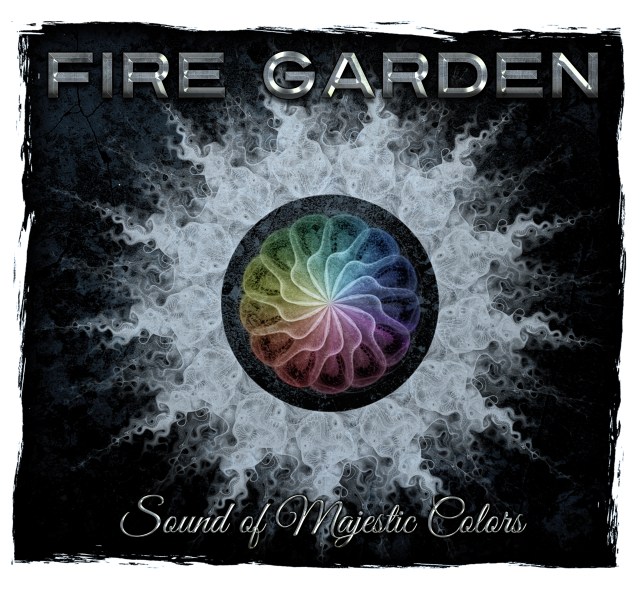
On June 10, 2014, Zee Baig, Chicago prog mastermind and professional artist (photography), revealed to the world Fire Garden’s first full LP, the gorgeous SOUND OF MAJESTIC COLORS. A little less than two years earlier, he had tempted us all with his three-song EP, appropriately entitled THE PRELUDE. It was a smart move on Zee’s part, as it truly whetted the appetite. For eighteen months, I looked forward to the full album. And, when it finally arrived, it did no–in any way–disappoint. It was everything the EP had promised and, then, so much more. The band kindly sent me a review copy, but I was also more than happy to purchase a personal copy. And, so glad that I did. Zee does nothing if not perfectly, and a beautiful package arrived promptly from the Windy City, complete with a lovingly-crafted CD and case, a poster, small stickers, and a large bumper sticker, “GOT PROG?” I had never applied a bumper sticker to my car before. I generally find them entertaining but tacky. This one was so good, however—and I was moving to Boulder, Colorado—I had to apply it. And, there it proudly remains. It’s actually attracted a lot of attention, especially when I was in Colorado.
As I type this, the band is recording (literally, as I type this) its second album. I type “band” for convenience, but Zee properly labels Fire Garden a “project,” rather than a band, and, of course, he’s right. As a project, it magnifies the art, soul, and mind of Zee rather than being a mere expression of each.
SOUND OF MAJESTIC COLORS has been in constant rotation in my playlist for eighteen-months now. Never has it left that playlist, and never has it bored me. Indeed, as with all true art, the album reveals more and more to me with each listen. Granted, I received the album just days before moving to Colorado for a year, so it is tied up with very good personal feelings and memories of my time at CU-Boulder. But, lots of albums could have done that—at least in terms of possibilities—but it was Fire Garden that best expressed my love of life along the Front Range. Even now, as I listen to it, I can remember with absolute clarity the view of Rocky Mountain National Park from our back deck.
Zee describes his own music as a reflection of his love for progressive metal bands such as Dream Theater as well as for much harder prog such as Rush. He also properly notes that he doesn’t really like categorization and that he goes where the muses lead him. Amen.
Intense perfectionist, Zee Baig.
As many times as I’ve listened to the album, I still can’t quite place it into any specific category of music. Yes, I hear Zee’s love of Dream Theater, Drama-era Yes, and Rush and other bands too, but Zee offers something quite different than any one of these bands does. He shares the tightness of both DT and Rush, but he’s also more melodic than DT and more intense than Rush. His lyrics, too, speak to a million things. If I’m understanding every thing I’m hearing, I assume that Zee and I have a fairly similar view of the world, but I may be missing some depth here. He’s younger than I am by almost two decades, but I still think we view the world in a rather similar fashion. His love of intensity and perfection certainly inspires me. No doubt about it.
And, interestingly enough, the lyrics point out everything from a love of Christopher Nolen’s Dark Knight trilogy to existential angst to perseverance to the nature of grace. All to the good!
Jimmy Keegan and Zee.
Zee has offered a few teasers from time to time on social media about the forthcoming album, and, of course, he is genius. The big news is that the new album will feature Jimmy Keegan, the drummer from Spock’s Beard.
Add to this the fact that the first album featured engineers from Dream Theater and Rush, and you get a really good sense of what means what to Zee. As I’ve already written, this is not a guy to do anything half way. If something is worth doing, it’s worth doing with excellence. Zee is excellence, and excellence is Zee.
As we exit 2015 and contemplate the best of this year, let’s not forgot what led into it, what came immediately before it, and what will spring from it. Fire Garden’s new album is certainly one I anticipate the most for the upcoming year.
Make sure you visit Zee’s official site: http://firegardenmusic.com. He keeps it up regularly, and I’m always interested in what he’s listening to at the moment.
Before I start this short post, let me state two things.
I speak ONLY for myself, not all of progarchy.
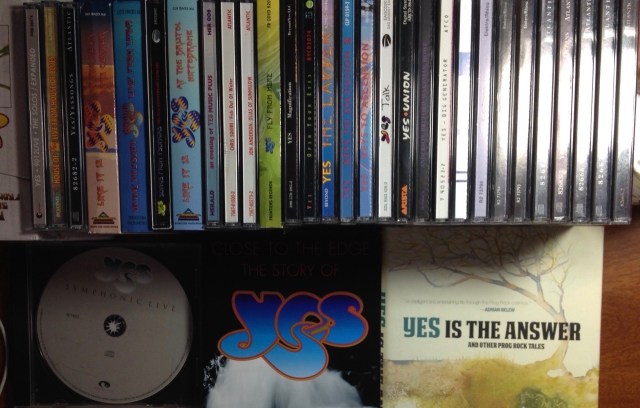
Please don’t doubt my YesCred (see photo below)
Well, it’s not complete. I can’t find my copy of HEAVEN AND EARTH, for example. And, I can’t find my copy of the book that has all of the Yes interviews in it–the one that explains the origins of each song. Still, I bought each of these CDs, books, and videos because my soul said it was right and good, not because some PR guru told me to do so.
I’ve just seen the news that the Rock and Roll Hall of Fame has once again rejected Yes’s admission into its supposedly august confines.
I thought it was really nice that Rush got in, but it had absolutely no affect on my love for Rush, one way or another. Rush is Rush, whether the RnRHF recognizes the band’s brilliance or not.
The same is just as true for Yes.
For those of us who grew up with and on Yes, we have done so and chosen our loyalties based on our own personal standards. If we’d run with the crowd, we’d not like Yes (or Rush). We like some top 40 crud that mattered for all of two seconds. Less if measured against all of western civilization. We love Yes because they stand for something. Succeed or fail, they tried, and they gave their all.
No one in Cleveland (or any other city) matters one iota to the legacy of Yes. Yes is Yes. It is what it is. I’m sorry a board of civic leaders and PR corporate conformist types can’t see that–but should we expect them to?
Well, I know my answer. It’s been way too long since I’ve listened to THE YES ALBUM. Time to listen again.
Greatest PROG Man of the Year: Chris Thompson, President of Radiant and all-around incredible guy.
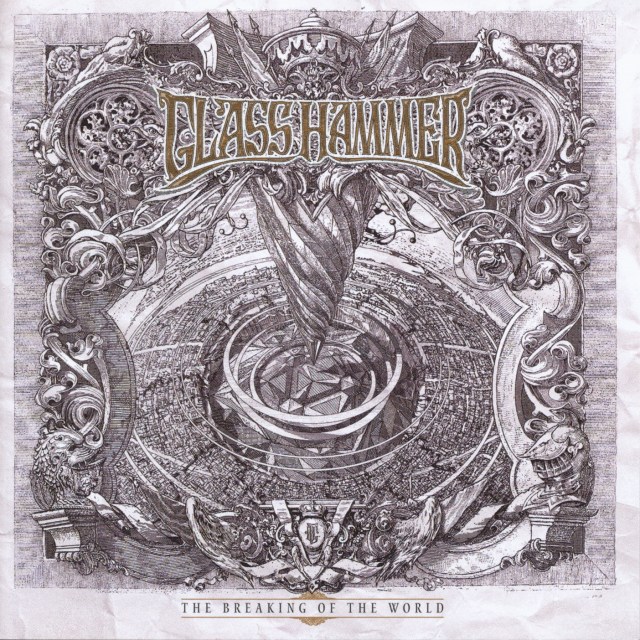
Greatest PROG Band of the Year: Glass Hammer for releasing not only its best album to date, BREAKING OF THE WORLD, but also releasing DOUBLE LIVE, an album so good it could’ve been an original (as in all new) release.
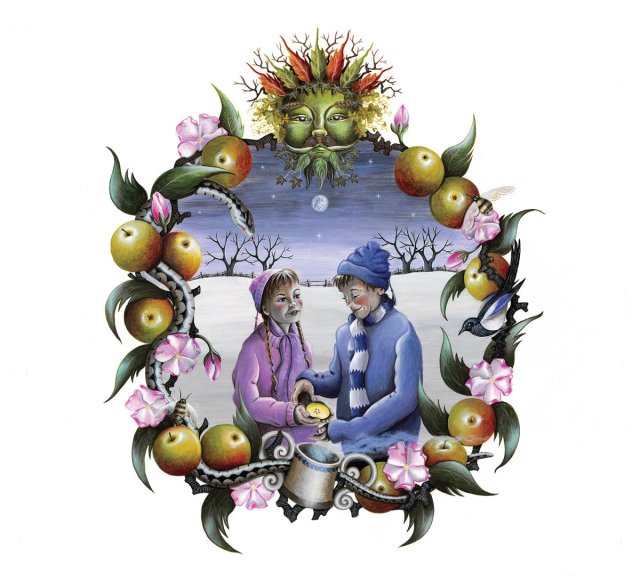
Greatest PROG EP of the Year: Big Big Train, WASSAIL. The perfect EP. Tasteful and satisfying, but still leaving us wanting more.
Greatest PROG Live Album of the Year: Galahad, SOLIDARITY. Few bands can record live as well as Galahad. Always the perfect show.
Greatest PROG Instrumental EP of the Year: The Fierce and the Dead, MAGNET. Matt and Co. simply are incapable of doing wrong. At least when it comes to music.
Greatest PROG Instrumental Album of the Year: Arcade Messiah II. He might call himself a muppet, but John Bassett is one of the most interesting musicians alive. Whether he’s writing music or lyrics, he’s pretty much at the top.
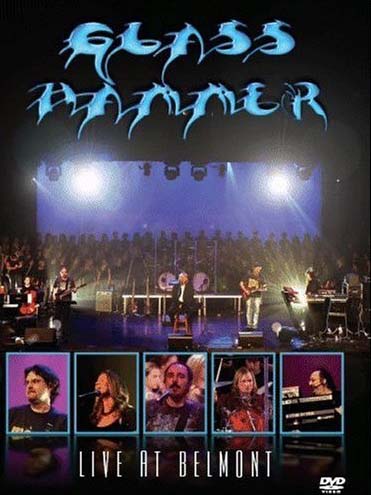
Glass Hammer, Live at Belmont (Arion/Sound Resources, 2006). 2-disc DVD.
Tracks, Disk 1: Long and Long Ago; One King; Run Lissette; Farewell to Shadowlands; Through the Glass Darkly; Knight of the North; When We Were Young; Having Caught a Glimpse; and Heroes and Dragons.
Tracks, Disk 2: Tales of the Great Wars; and Lirazel. Five additional items: documentaries, slides, etc.
Glass Hammer, 2005: Steve Babb; Susie Bogdanowicz; Carl Groves; Fred Schendel; Matt Mendians; David Wallimann; Eric Parker; Bethany Warren; and Flo Paris.
DVD Cover, 2006.
For a band that specializes in studio magic and technological prowess, Glass Hammer performs astonishingly well in a live setting. This year’s DOUBLE LIVE intrigued me so much and proved itself so wonderful and extraordinary as an original release—in a year during which the prog scene has simply exploded beyond any serious quantification—that I had to go back through all of the band’s previous releases.
Having been around, officially since 1993 and, unofficially, a bit longer, the band has released three live albums—LIVE AND REVIVED (1997), LIVE AT NEARFEST (2004), and DOUBLE LIVE(2015). It has also released four live videos—LEX LIVE (2004); LIVE AT BELMONT (2006); LIVE AT THE TIVOLI (2008); and DOUBLE LIVE (2015).
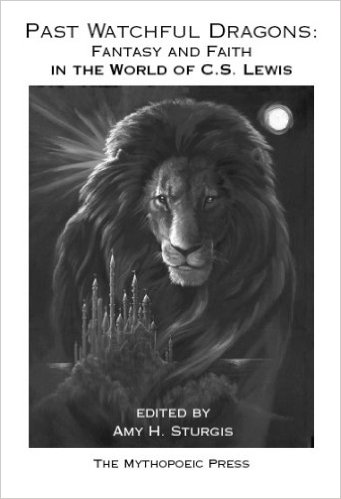
As 2015 comes to a close, it seems appropriate to go back to Glass Hammer’s concert performed at Belmont University during Professor Amy Sturgis’s massive conference honoring the fiction of C.S. Lewis, “Past Watchful Dragons,” in November 2005.
I’ve never hidden my love of everything Glass Hammer related. They are, to my mind, the premiere prog band of the American third wave, the grand statesmen of the scene, having carried the flag and pioneered the form for nearly a quarter of a century now. They’re never afraid to innovate, and they’re equally willing to embrace or to challenge custom and convention. I have a sneaking suspicious that every time a reviewer somewhat dismissingly notes the Yes influence on the band, Babb and Schendel throw in something extraordinarily Yes-ish an the next album just to be mischievous and to tweak, rather playfully, the distractors.
BREAKING OF THE WORLD, 2015.
The band also knows how to recruit incredible talent and, even more importantly, how to cultivate that talent. Really, just listen to the angelic voice of Susie Bogdanowicz, the sheer drumming prowess of Aaron Raulston, the confidence of Carl Groves (no stranger to fronting a band), and the smooth and expert glow of Kamran Alan Shikoh’s guitar. Yet, it’s always Babb and Schendel conducting, organizing, and orchestrating, who so ably and brilliantly prove to be the pillars that uphold the Glass Hammer universe.
Jump back ten years, then, to that late autumn performance at Belmont College. Babb and Schendel, of course, hold it all together. But, there’s Susie (looking and sounding amazing), and, for the first time, there’s Carl Groves. Also, for the firs ttime, there’s electric guitarist David Wallimann and Eric Parker on acoustic and steel guitar. Matt Mendians is drumming, and Susie’s sister, Bethany, and Flo Paris add to the vocals. We can’t stop here, though. There is also a string trio, the Adonia, performing with Glass Hammer. Still not content to stop here (I’m telling you, Babb and Schendel never take the easy route. NEVER!), Belmont University’s 150-member choir join for the second half of the concert. Even writing this is taking my breath away. This was a HUGE production.
Despite all of this pressure and enormousness, Babb, Schendel, and Bogdanowicz look as if they’re having the time of their lives. In the minds of these three, this is just a really, really, really big studio in which they get one take. And, the university president, many of the students, faculty, and staff, and Glass Hammer fans from around the world have come to watch this one take in the studio. No pressure.
And yet, whatever pressure the band felt, they reveal nothing but grace.
In preparation of this piece, I asked my friend (yes, I’m proud of this friendship), Steve Babb, if he wanted to comment on the night. My plan was to integrate what he said—in journalistic fashion—into this reminiscence. But, once again, Steve does nothing halfway, and I was so taken with what he wrote me that I’ve decided to print it as a whole. It’s a document that should be preserved for the years. Here’s what Steve wrote me:
Carl Groves was drafted to be an auxiliary keyboardist with Glass Hammer, and of course we’d asked Salem Hill to open for us. Just a few weeks before the show Walter Moore made his exit and Carl was suddenly in the front-man position. This situation went back and forth for a short time, and Carl probably felt like a ping pong ball. About two weeks before show time, he was again moved to the front man spot and just barely had time to rehearse with the band and learn the lyrics. It was a crazy, stressful time for everyone, but we knew we were heading toward something special so everyone pulled together.
We had worked with choirs before at NEARfest 2003, but Belmont represented an opportunity to work with some of the nation’s best singers. There were probably around 100 or slightly more involved. There are always technical difficulties when trying to mic a vocal group and get them loud enough to be discernible over a loud rock band. Belmont was no different. The monitor mix crew left in the middle of the sound check and never addressed the issues the choir had. Neither the choir nor the director could really hear what was going on!
We later found the monitor crew unapologetically eating the band’s lunch in the hospitality area. Glass Hammer must eat, so we made our way to the college cafeteria and ate pizza with the students. It was about this time that I discovered this was to be David Walliman’s first-ever stage appearance, and he was feeling a little shaky. We had the ‘appearance’ of a live, performing group (and later we really would become that), but it was in truth a group of good friends and studio musician’s making every effort to pull something off that was, frankly, above our pay grade at the time. Not to say we weren’t all veterans of the stage – but Glass Hammer performances in those days were sometimes years apart. Thankfully, we were all highly motivated and committed to do our best regardless of the obstacles.
So back to the stage for the show. The choir director is conducting a choir singing simultaneously in English, Latin, and Tolkien’s Elvish (I’m not kidding.) She can’t hear. This is the cue for our drummer Matt Mendians to play louder. What to do? If you watch closely, you can probably see Fred conducting the stage right choir by bouncing up and down to keep them on time. I’m doing the same for the choir members directly behind the drummer while Susie is directing the stage left choir. I was thinking to myself the whole time, “This is Nashville! Why is this so hard?”
Regardless – the performance left the audience flabbergasted – many of them in tears, including the president of the college. The show was a success. We even determined to repeat the effort once more and did much the same type of concert in Chattanooga where we filmed “Live At The Tivoli”–Steve Babb, December 3, 2015
Let me note—as I know, Steve—when he states the audience was “flabbergasted,” he means it. He’s not one to brag, but he certainly tells the truth. He has too much integrity to exaggerate.
Watching and re-watching the extraordinary performances on Live at Belmont makes me realize something yet again. Even with all of the gifts that the band possesses, as listed above, there’s one quality that, I think, really makes GH stand out. Depth. Depth of feeling, depth of ability, depth of integrity, and depth of communication.
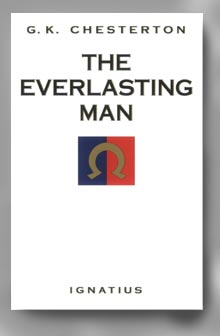
Chesterton’s 1925 masterpiece.
Last night, as I was grading final examinations and taking breaks between tests to reward myself for a certain number of blue books completed, I was reading G.K. Chesterton on mythology. I came across one of my favorite passages in all of Chesterton:
Behind all these things is the fact that beauty and terror are very real things and related to a real spiritual world; and to touch them at all, even in doubt or fancy, is to stir the deep things of the soul. . . . These are the myths: and he who has no sympathy with myths has no sympathy with men[Everlasting Man]
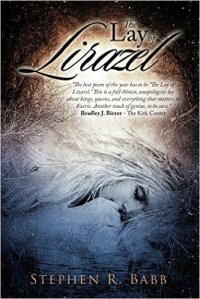
The best book of poetry released in 2014, and one of the most important reasons Glass Hammer gives such a feeling of depth to its music.
GH understands this. What they create is not merely wall-paper, background music. They are, after all, very proudly a prog group. Lots of instruments, intricate melodies, and switches in time signatures are an integral part of prog’s DNA. But, critically, they make something that is beyond even the lovely and glorious joy ride that is in the best prog. What they do is create myth. And, in so doing, they ask us to enter this rather perilous realm of their’s. When we do, we find terrible beauties, meaningful tragedies, maidens fair, and dragons demonic. . . but also joys so tragically unremembered and unseen in this real whirligig of postmodern reality.
Watching LIVE AT BELMONT only reminds me of what realities Glass Hammer has touched. And, shared.
This has been a brilliant year for music. Whatever the huge labels and magazines might say in lamentation, the music world is far from dead. Indeed, contrary to the doomsayers, music seems to have been given new life as it has gracefully escaped the clutches of colossal corporate labels and PR rags disguised as legitimate newsstand publications.
In the best sense, the decentralization of the market—because of the internet—has given us access to the work of those who love the art but simply cannot devote the entirety of their professional lives to it. Things created in the study of a Yorkshire flat, for example, find their way into the writing den of a professor of history in Michigan. I love it.
And, to celebrate the end of the calendar year, the season of Advent, and the week before Winter Solstice, I give you my best of. For what it’s worth, I love everything listed below and have, therefore, decided not to rank each. Instead, I’ve simply listed my ten favorite albums of 2015 in alphabetical order, and, after, offered five of greatest awards.
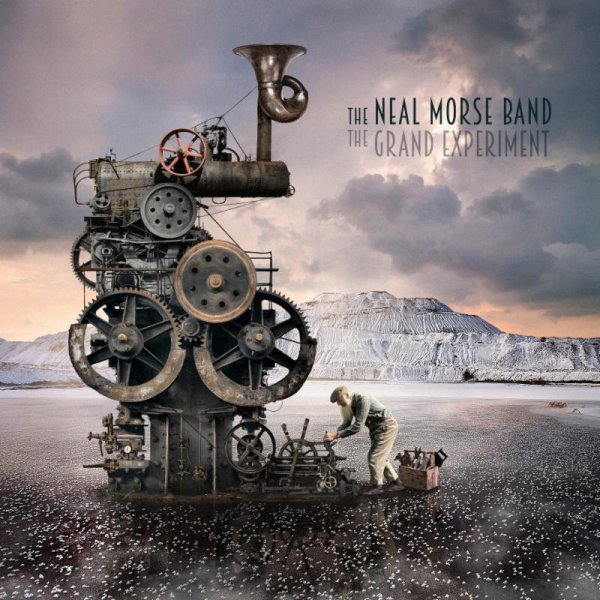
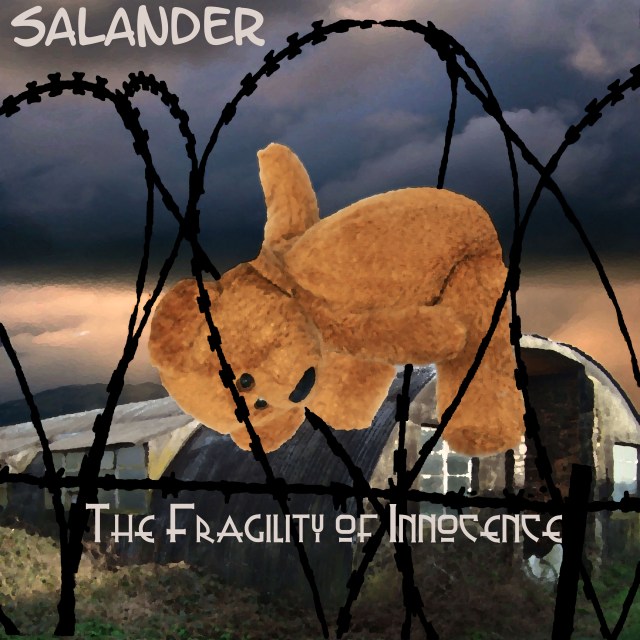
Advent, SILENT SENTINEL. Unrivaled Chestertonian prog. Intricate awesomeness.Glass Hammer’s latest and, even after 1/4 of a century, their best. THE BREAKING OF THE WORLD, a deep look into mythopoeic prog wonder.Kinetic Element’s 2015 release, TRAVELOG. Imagine mid-70s AOR done well and with no small amount of American confidence!As with Glass Hammer this year, THE GRAND EXPERIMENT is Neal Morse’s all-time best. Pure, gorgeous, meaningful prog. My wife and I got to see him twice in concert this year, and neither of us could be happier.Rhys Marsh, THE BLACK SUN SHINING. Beautifully immersive gothic prog with an almost-beatnik sense of wordplay in this song cycle that begins in darkness but ends if light.Calming down some of their trademark heaviness, this album seems Riverside embrace and progify such 80’s bands as The Cure and Tears for Fears. Overall, glorious.Slander’s third release, THE FRAGILITY OF INNOCENCE is so good and intense, I’m unable to review it. The theme of exploitation and abuse is utterly tangible. The music experimental.While not Wilson’s best (GRACE FOR DROWNING), HAND.CANNOT.ERASE. sees him and the band taking great strides into narrative.Pure Andy Tillison. Always a great thing! Lots of exploration into Americana and, especially, Hollywood.A criminally-underrated band, 3RDegree. Incredible melodies, fascinating lyrics, and very groggy compositions on their latest, ONES AND ZEROS.
The forthcoming book edited by Kevin J. Anderson, 2113: STORIES INSPIRED BY RUSH, is *today only *available for half-price as a pre-order.
The publisher’s description:
The music of Rush, one of the most successful bands in history, is filled with fantastic stories, evocative images, and thought-provoking futures and pasts. In this anthology, notable, bestselling, and award-winning writers each chose a Rush song as the spark for a new story, drawing inspiration from the visionary trio that is Geddy Lee, Alex Lifeson, and Neil Peart.
Enduring stark dystopian struggles or testing the limits of the human spirit, the characters populating 2113 find strength while searching for hope in a world that is repressive, dangerous, or just debilitatingly bland. Most of these tales are science fiction, but some are fantasies, thrillers, even edgy mainstream. Many of Rush’s big hits are represented, as well as deeper cuts . . . with wonderful results. This anthology also includes the seminal stories that inspired the Rush classics “Red Barchetta” and “Roll the Bones,” as well as Kevin J. Anderson’s novella sequel to the groundbreaking Rush album 2112.
2113 contains stories by New York Times bestselling authors Kevin J. Anderson, Michael Z. Williamson, David Mack, David Farland, Dayton Ward, and Mercedes Lackey; award winners Fritz Leiber, Steven Savile, Brad R. Torgersen, Ron Collins, David Niall Wilson, and Brian Hodge, as well as many other authors with imaginations on fire.
Spock’s Beard, THE FIRST TWENTY YEARS (Radiant, 2015). Three disks. 15 tracks and a video documentary by Randy George.
As far as I know, I was the very first person in Bloomington, Indiana, to purchase a copy of THE LIGHT by Spock’s Beard. Though various websites claim the album to have been released in 1995, I have rather clear memories of purchasing it in the fall semester of 1994. I was my final graduate classes, then, preparing for comprehensive exams. It would be no exaggeration to state that THE LIGHT was my soundtrack for exam prep.
The first album by SB. The beginning of third-wave prog.
As someone born in the summer of love and having heard my first prog in 1971 or so, I had done everything possible to carry the prog torch throughout the 1980s. In college, I even dedicated two years of a radio show (every Friday night, August 1988-May 2000) to prog and what was then called “college rock.” Lots of prog-loving “old guys”—at least old to me—called in from places as far as Chicago (South Bend’s FM waves carried across all of Lake Michigan), excited that someone was still playing the best music rock had to offer. My co-host at Notre Dame was none other than now famous classical guitarist and fellow progarchy editor, Kevin McCormick.
This is a long way of stating: Spock’s Beard wasn’t just prog-influenced or arty rock or pop with prog tinges. It was pure and simple prog. Unadulterated prog. Unapologetic prog. Brazenly prog. In hindsight, of course, one can see that a lot was happening in 1994 and 1995—with releases from Roine Stolt as well as Marillion. In late 1994, however, I had no idea that prog would explode into a third wave, lasting through today as I write this.
And, to be pure, simple, unadulterated, unapologetic, and brazen—Spock’s Beard opened and led this third-wave of prog. They were, for all intents and purposes, the very voice of third-wave prog. And, this latest from Spock’s Beard is nothing less than the autobiography of third-wave prog.
Twenty years later, we sit comfortably in 2015. And, to celebrate what is not only Spock’s Beard’s legacy but, frankly, the very history of third-wave prog, the band has released a “best of,” Spock’s Beard, THE FIRST TWENTY YEARS (Radiant Records, 2015). This gorgeous package is well beyond a “best of,” however, and it invokes far more than mere nostalgia. As much as possible, it really does offer a glimpse of the history of prog over the past two decades.
Looking back, we can now divide Spock’s Beard into three rather distinct parts or phases.
SB 1.0: Neal Morse fronted.
SB 2.0: Nick D’Virgilio fronted.
SB 3.0: Ted Leonard fronts
And, yet, no matter what form or manifestation of SB occurs, Neal Morse remains the touchstone and the fountainhead of the group. And, this is not a knock on any past or present member of the band. SB began in pure excellence, and since THE LIGHT, it has done nothing but continue to pursue excellence.
Not surprisingly—and with no small amount of joyous wonder and love and appreciation for all that is prog and SB—Neal Morse has penned a brand new track for this album release, “Falling for Forever,” making something special even more so. Neal Morse, being so utterly Neal Morse, has written an 20:02 (interesting number—the date Neal left SB) minute epic, pulling together all of the members of SB over its two-decade history. Epic and charitable—the very essence of Neal Morse.
And, featuring every single member who has ever graced a SB album, “Falling for Forever” is exactly what you’d suspect—with the usual Morse prog twists, turns, and surprises—from the band. It is a thing of prog glory. Instruments driving and pounding here, there, and everywhere. Multiple voices—of the the human type—proclaiming beautiful things. And, of course, the song, though complete with beginning and ending, soars and falls and cascades and lingers and explodes. It’s all so very Neal Morse, so very SB, so very third-wave prog, so very incredible.
Not surprisingly, Radiant has done every single thing right with this release. In addition to the brand new track, “Falling for Forever,” the album also remixes and remasters fourteen of SB’s “best” tunes. Every SB album is represented on this retrospective, and even to my very poor ear, the remastering sounds perfect, bringing out a number of things that were toned down in previous mixes. The packaging is superb, and Randy George’s documentary about the history of SB 1.0 is an insightful and moving look at the creation of the band, its sound, and the unexpected departure of Morse in 2002.
There’s little doubt that 2015 has been a great year for prog. As a release, despite it being a retrospective, THE FIRST TWENTY YEARS holds its own even against original releases this year. As an artistic package of love, appreciation, and history, it is unparalleled. Yes, I love Neal Morse. But, I love Neal Morse for the very things that make him loveable—he so very much respects the art and the artist.
THE FIRST TWENTY YEARS is nothing if not a very revelation of the man’s soul.
Rhys Marsh, THE BLACK SUN SHINING (Autumnsong, 2015). A Song Cycle divided into seven parts: I Hear, I Know; Down to the Waves; Wondering Stars; One Step Inwards; Find Another Way; Soothe the Fear; and In the Summer Light.
So, Mark Hollis, Robert Smith, and Sam Healey walk into a bar. . . . Out comes Rhys Marsh.
Much to everyone’s surprise, the perfectionist Anglo-Norwegian beatnik, Rhys Marsh, who must never sleep, has released yet another album this year. A sequel to last year’s stunning SENTIMENT, 2015’s THE BLACK SUN SHINING follows closely after his Mandala and Kaukasus releases. I’m usually fairly impressed with my own productivity as a writer, but I’ve got nothing on Marsh’s productivity as a musician. The guy is as astounding in his output as he is immensely talented.
Much darker and less psychedelic than the first solo album, THE BLACK SUN SHINING revels in gothic gloom, steady explosions of primitive and driving percussion, as well as heart-felt lyrics. Listening to it demands immersion. Preferably with headphones and in a dark room. Impressively, Marsh has written the album as a seven-part song-cycle. Even the track listing claims only one track, divided into seven parts, separated as a-g.
As much as I hate to admit it, I’m not quite sure what the song cycle is about. It’s either about the death of a man who ends by finding the light of eternity, or it’s about severe depression that ends in finding real love and starting anew. Either of these themes fit the lyrics, and, frankly, at least at some level, they fit each other.
There’s nothing Marsh does that doesn’t impress me, but this is—to my mind—his absolute finest effort. The flow of the music is nothing short of astounding, but what impresses me most is how the music fits the words just so perfectly. The two best moments of the album:
First, at roughly 13 minutes into the album, when the percussion explodes, taking the listener from something previously mesmerizing to something ecstatic.
Second, at the beginning of the fifth part (e) of the song cycle, when Marsh brings us down again, not into the mesmerism of the first 13 minutes of the album, but into a kind of purgatorial drifting.
Each of these points make the listener realize just how completely invested he is in the music.
As I jokingly (well, my attempt at humor) mentioned above, Marsh combines the talents of numerous great musicians, but especially Talk Talk’s Mark Hollis, The Cure’s Robert Smith (the dark Smith, not the bubble-gum smith), and NAO’s Sam Healey. Given its influences (or at least the ones that seem to me to be influential), the entrancing cover of the new solo album resembles an artsy and gothic rendering of New Order’s POWER CORRUPTION AND LIES.
2015 has proven to be one of the best years in the history of rock music. As the year comes to a close, do not–for a moment–bypass Marsh’s THE BLACK SUN SHINING. It is not only one of the finest albums of 2015, it’s one of the finest albums I’ve ever had the privilege to hear.





 As 2015 comes to a close, it seems appropriate to go back to Glass Hammer’s concert performed at Belmont University during Professor Amy Sturgis’s massive conference honoring the fiction of C.S. Lewis, “Past Watchful Dragons,” in November 2005.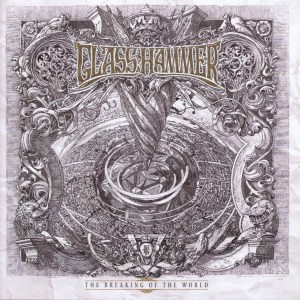





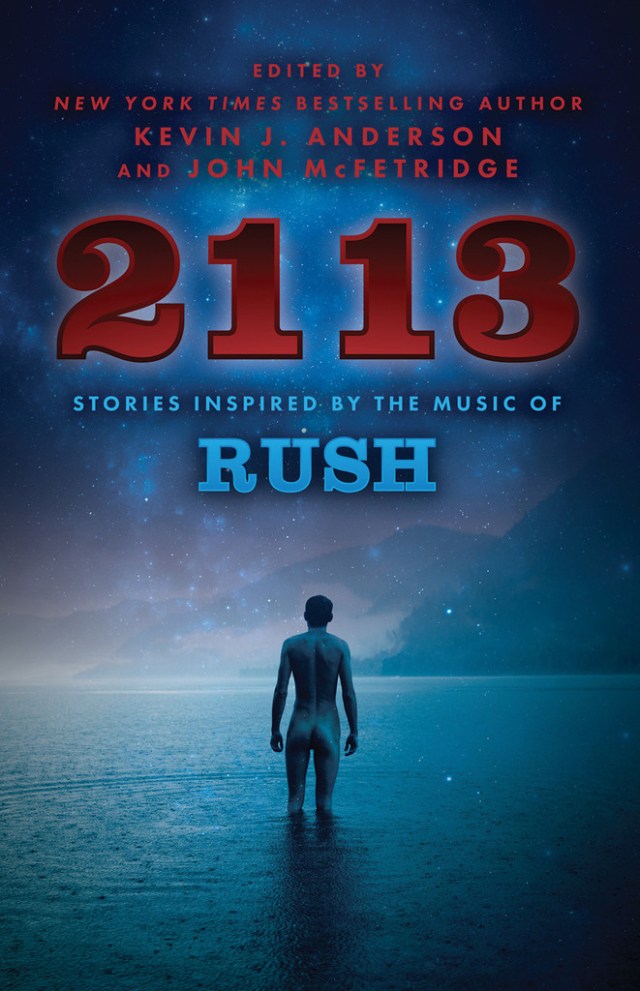 The forthcoming book edited by Kevin J. Anderson, 2113: STORIES INSPIRED BY RUSH, is *today only *available for half-price as a pre-order.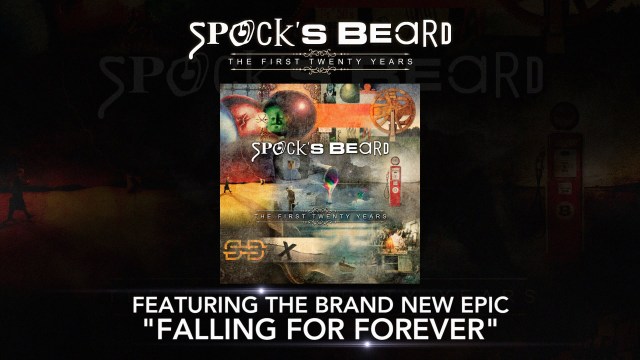


 Progarchy