The Best Prog Bands You’ve Never Heard Of (Part Six): Lift

lift

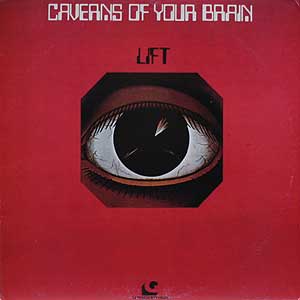
I bring to you yet another fine American band that  would have been sadly forgotten if not for the saving graces of the Internet.  Hailing from New Orleans, Lift released one album in 1974, the curiously titled Caverns of Your Brain.  It is probably the best obscure prog album I’ve ever listened to.  All five band members are more than capable when it comes to handling the complex rhythms and lengthy compositions that distinguishes progressive rock from other musical genres.  Fans of Yes, ELP, Hawkwind, and even Premiata Forneria Marconi will enjoy this album.  Lead singer and flautist Courtenay Hilton-Green sounds similar to Jon Anderson (sans Lancashire accent) and Franz di Cioccio (of PFM fame).  Cody Kelleher’s bass guitar sounds similar to Greg Lake and, at times, Chris Squire (from his pre-Fragile days).  The standout on the album, however, is keyboardist Chip Gremillion.  His work on all four songs is comparable to that of Tony Kaye, and he does a superb job on each piece.  Guitarist J. Richard Huxen and drummer Chip Grevemberg are excellent on their respective instruments as well.  Now to the songs:

Simplicity – excellent opening song; similar in sound to Yes’s debut album; catchy bass and keyboard intro

Caverns – more tranquil and “spacy” song, similar in vein to Hawkwind and Gabriel-era Genesis; piano solo reminiscent of Tony Banks’s finest work; and a superb acid guitar solo (reminds me of Gilmour)

Buttercup Boogie – more frenetic than the others; exceptional keyboard work yet again; fine drum and bass anchor the piece

Trippin’ Over the Rainbow – another great keyboard and bass intro (bass sounds similar to Greg Lake’s best work); excellent synthesizer work gives song a space/acid rock feel; part of the bass line includes the Peter Gunn theme (famously played by ELP in concert)

These are four well executed songs.  For those of you who enjoy the symphonic side of prog, this is an album for you.

Hope everyone had an enjoyable beginning to the New Year.  Let’s hope it’s a good year for freedom!

Here is the full album: 
The Best Prog Bands You’ve Never Heard Of (Part Five): Babylon

babylon

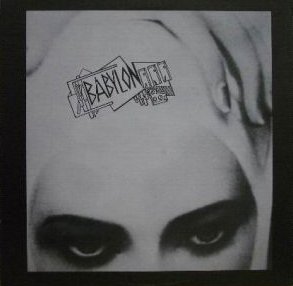
Following a busy (and triumphant) end to another college semester, I have finally returned to help bring to light those bands which would have been lost to history if not for the wondrous powers of the Internet.  There are many groups left to cover, and this Christmas week I would like to call your attention to a band called Babylon.  This Florida based quintet released one eponymous album in 1978.  It was an excellent effort, but due to lack of sales the group disbanded shortly after the album’s release.  Nevertheless it is an album worth listening to.  Babylon has been compared to Genesis, but they are more than mere copycats.  Like Genesis, Babylon found its niche in the symphonic school of prog; their sound is primarily driven by keyboards and a guitar synthesizer (no flute is present, however).  The lead singer could best be described as a blend of Peter Gabriel and Peter Hammill; his vocals are rather distinct and dramatic.  Guitarist J. David Boyko was no doubt inspired by Steve Hackett’s unique sound, and he does some fine work on the album.  The individual members are comparable in sound (and nearly in skill) to the members of Genesis, but some of the lyrics are darker.  And now to the songs:

The Mote in God’s Eye: keyboard driven piece; (somewhat) humorous lyrics sung with dramatic vocals provides an interesting contrast

Before the Fall: solid bass performance (louder than Rutherford usually played); Hackett-like guitar synth

Dreamfish: excellent keyboard intro reminiscent of some of Banks’s finest work; Hammill-like vocals; solid drumming and bass provides great rhythm section

Cathedral of the Mary Ruin: vocals sound like Fish and Gabriel; another fine keyboard and guitar synthesizer driven song

All four songs are over seven minutes in length and each is of the utmost quality.  It’s unfortunate this group never released another album, but thanks to Youtube and iTunes, you can enjoy the small masterpiece they did produce.

Have a Merry Christmas and Happy New Year!

Here is Dreamfish:

A Progtastic Halloween

Goblin-Suspiria

A happy Halloween to all!  Considering this is the time to celebrate thrills and chills, I decided to compose a list of some of the creepiest prog rock songs and albums ever created.  As an avid fan of the horror genre, I have always enjoyed reading the novels of Stephen King and watching the movies of John Carpenter, but I had never thought about what could be classified as “horror prog.”  Here’s my list (albums first, in no particular order):

Premiata Forneria Marconi- Dracula Opera Rock (Italy’s greatest prog band released this creepy gem back in 2005)

Alan Parsons Project- Tales of Mystery and Imagination (Any album based upon the works of Edgar Allan Poe deserves a spot on this list)

Pink Floyd- The Wall (Think this isn’t scary? Check out the movie)

Aphrodite’s Child- 666 (It’s a concept album based upon the Book of Revelation; listen to The Four Horsemen and you’ll get the idea)

Mike Oldfield- Tubular Bells (It was used as the theme for The Exorcist. Enough said)

Goblin- Suspiria (The scariest prog album of all time. Sighs may be the creepiest song ever composed: just listen to it with headphones on before you go to bed)

Now the songs (in no particular order):

Jethro Tull- Sweet Dream (The music video features Ian Anderson dressed as a vampire.  If that’s not scary, then I don’t know what is)

Blue Oyster Cult- Don’t Fear the Reaper (A Halloween staple, but the song could use more cowbell)

Peter Gabriel- Intruder (Check out the Youtube video someone made to this song featuring Jason Voorhees of Friday the 13th fame)

Van der Graaf Generator- Darkness (An eerie song by an eerie band; whispered vocals add to the overall creepiness)

Atomic Rooster- Death Walks Behind You (A dark opening to an album featuring a crazed Nebuchadnezzar on the cover)

King Crimson- The Devil’s Triangle (Not only should the band’s name inspire some feeling of fear, but this song reminds me of a march into a deadly battle)

Talking Heads- Psycho Killer (This may not be prog, but Adrian Belew did play with them for a time; David Byrne sounds as paranoid as ever on this piece)

John Carpenter- Halloween Theme (Most recognizable horror theme of all time? Check. 5/4 time signature? Check.  How could I leave this off the list?)

Well there’s my list.  It is by no means exhaustive.  If you feel I am missing some songs, feel free to yell at me in the comment section.  I only had so much time to compile all of these songs; most of them just popped into my head yesterday.  If you haven’t listened to all of them, then today is the perfect day to spend some time with this list.  Have a terrifying (but fun) Halloween! (And to our Protestant friends, a happy Reformation Day!)

New Release: Spots by Unified Past

Spots

This post deviates slightly from my series focusing on the old and the obscure.  I decided to review this album per request of Brad, who suggested this band to me. I must say I was skeptical as I set forth on my quest to tackle this project, as I am not an avid fan of prog-metal.  Nonetheless, there is beauty in all prog, so I gave it a try and I must say I was impressed, but I’ll expound on that later.  Unified Past is the brainchild of singer/guitarist/keyboardist Steve Speelman and drummer Victor Tassone.  This group has actually been around for about 20 years, but this was my first introduction.  Their music can best be described as a blend of Rush and Dream Theater, although Genesis and Pink Floyd influences manifest themselves in some of their songs.  Their album Spots, released in June 2013, features Speelman and Tassone as well as bassist Dave Mickelson, all in top form I may add.  Here’s a brief description of each song:

Blank– excellent heavy drumming, similar to Mike Portnoy; solid guitar that sounds like Alex Lifeson and John Petrucci; the vocals are not that great, but the instrumentation more than compensates for Speelman’s subpar voice

Deep– similar to Blank in sound; solid bass performance by Mickelson

Hot (instrumental)- a fun song with a jazzier feel; would be perfect for a jazz metal swing dance class (if you were so inclined to begin one)

Seeing– opens with a riff that may remind some of Slash’s riff in Sweet Child o’ Mine; the heavy sound of the album continues

Tough– a longer song with a great instrumental passage; Speelman really shows off his guitar skills here

Age– features an intro heavy with a synthesizer, reminiscent of Pink Floyd’s Shine on You Crazy Diamond; picks up the pace eventually though

Sun (instrumental)- explosive opening with loud drums and louder guitar; fine guitar soloing by Speelman

Big (instrumental)- my favorite piece on the album (overall the instrumental pieces appeal to me more); solid bass line; Genesis and Steve Hackett influences are present: listen to Hackett’s Ace of Wands from his debut album Voyage of the Acolyte after you listen to this song and you’ll know what I mean

Wet (instrumental)- another Genesis influenced song similar to Big, but with a heavier sound; picture Hackett, Collins, Gabriel, Rutherford and Banks playing with raw intensity (and a dash of ferocity) and you’ll get the picture

G (instrumental)- shortest piece on the album; Mickelson showcases his talent on bass guitar much like Chris Squire did on The Fish

The Final– the band states on their website that this piece was inspired by Genesis and Pink Floyd, and it’s hard not to agree; a solid ending to a solid album; Speelman is great on both guitars and keyboards; a Rick Wakeman-like synth solo is featured near the end

Overall I was impressed by this album, considering I rarely give prog-metal much of a chance.  For those of you out there who love Rush and Dream Theater, this album will be music to your ears (no need to laugh at that one).  For those who love Genesis, Pink Floyd, and other symphonic prog bands, this album is certainly worth a listen.  Steve Speelman is equally impressive on guitars and keyboards, Tassone can rival any metal drummer, and Mickelson laid down some thunderous but catchy bass lines.  For all those out there who appreciate solid prog (even those like me who don’t care much for prog-metal), this is one album worth a shot.  The songs are available for purchase on iTunes.

Here’s their website: http://www.unifiedpast.com/unified_past/Home_Page.html

The Best Prog Bands You’ve Never Heard Of (Part Four): Clear Blue Sky

clearbluesky

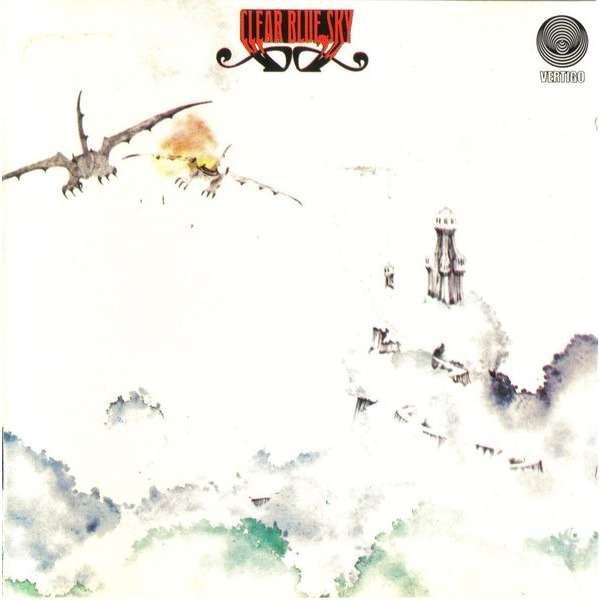
The fourth installment in this series will focus on a band called Clear Blue Sky.  Although they are still active (they released an album this year), I would like to focus on their eponymous debut album Clear Blue Sky.  Formed in the late 1960s by John Simms (vocals and guitar), Mark Sheater (bass), and Ken White (drums), Clear Blue Sky actually received some attention after the release of their first album because of one of their fans: John “Thunderfingers” Entwistle of The Who.  The masterful bass player enjoyed listening to this new band and would even stop by the studio to jam with them.  With a musician like Entwistle supporting them, one would think that Clear Blue Sky would have punched their ticket to stardom.  Unfortunately this was not the case, as their music was not quite “radio friendly” enough to get sufficient airplay. The album opens up with a 17 minute rock epic entitled Journey to the Inside of the Sun and ends with the softer Birdcatcher.  The songs featured in between are shorter, heavier rock pieces that may remind some listeners of Atomic Rooster (sans Hammond organ).  John Simms’s guitar takes center stage on all of the songs and he plays with prodigious skill for an 18 year old.  Sheater and White are not to be ignored, however; they provide a sound rhythm section.  Overall, the band plays with solid skill (considering how young they were) and it is unfortunate they did not get the attention they deserved.  Sadly, this seems to be the case for so many progressive rock bands.  Nonetheless, this is one album certainly worth listening to.

Here’s their website: http://www.clearbluesky.co.uk/

Here’s the album: 

The Best Prog Bands You’ve Never Heard Of (Part Three): Osibisa

Osibisa

The third band I’d like to review has been around since the early 1970s and is active today.  They are not exactly progressive rock, but they certainly have a creative aspect that many prog bands share.  This band is Osibisa.  The original line up consisted of four African and three Caribbean musicians.  They have quite a unique sound, blending pop and Caribbean reggae with traditional African music.

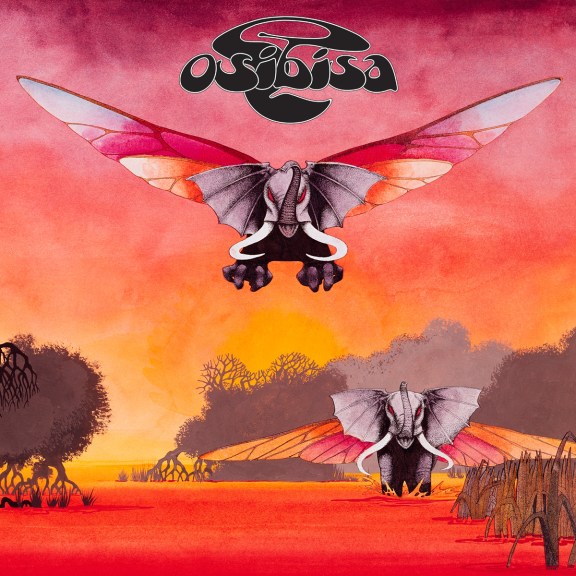
Founded by Teddy Osei, a native of Ghana, Osibisa consists of seven versatile musicians.  The standard guitar, bass, drums and keyboards are present in the band’s sound, but so are flutes, saxophones, trumpets, cowbells and congas.  This synthesis of traditional and modern rock instruments created a distinct sound and put Osibisa on the map as one of the first “world music” groups.  Again, they are not a typical prog group: their lyrics are fun and simple, they do not perform in complex and diverse time signatures, and their songs are generally under seven minutes long.  Nonetheless, their versatility and dynamic live performances place them somewhere between prog and Afro-pop.  Furthermore, Roger Dean, the famed prog artist, designed Osibisa’s logo and their first two album covers.

Although this is not the standard prog that most of us listen to, Osibisa provides us with some fun music (with an experimental and improvisational touch).  Look past the Afro-pop label and give them a shot.  They are too good to ignore forever.

https://www.youtube.com/watch?v=I-RbQjI3g-A

The Best Prog Bands You’ve Never Heard Of (Part Two): Yezda Urfa

unnamed

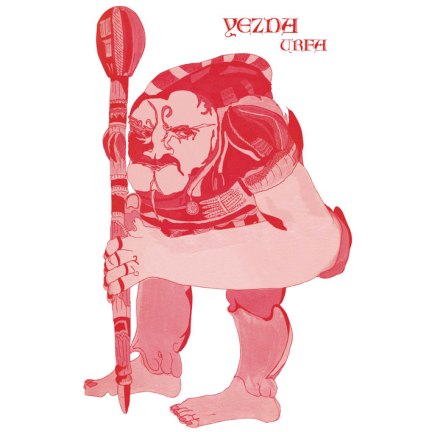
The second obscure band I’d like to talk about has a name to match their quirkiness: Yezda Urfa. With a name like that, you know these guys have to be unique.  The name has a rather simple origin, however: flipping through a dictionary, the band came across the names of two small villages, Yazd, Iran and Urfa, Turkey.  (Yazd was changed to Yezda in order to aid in pronunciation.)

The band itself consisted of five members: Rick Rodenbaugh (vocals), Mark Tippins (guitars), Marc Miller (bass), Phil Kimbrough (keyboards and flute), and Brad Christoff (drums and percussion). The Chicago area band released two albums, one in 1975 (Boris) and one in 1989 (Sacred Baboon).

Yezda Urfa are America’s response to England’s Gentle Giant: they are not copycats, but they are equally eccentric and talented.  Like Gentle Giant, the members of Yezda Urfa played their respective instruments with the utmost skill and precision. Sudden tempo changes, diverse and complex time signatures, and a variety of instruments are featured on both Boris and Sacred Baboon.  Although Rick Rodenbaugh’s vocals are not the strongest aspect of Yezda Urfa (which also applies to Derek Shulman of Gentle Giant), the musical talent of the band cannot be understated. Give them a listen, and I think you will enjoy their quirky sound. The names of the songs alone should grab your attention: Give ’em Some Rawhide Chewies, To-Ta in the Moya, Three Tons of Fresh Thyroid Glands, etc.  Their bizarre, idiosyncratic style will not appeal to everyone, but overall Yezda Urfa is one of the more creative bands I have ever had the pleasure of listening to. Give them a shot. Who knows, you may end up wanting some rawhide chewies.

Here’s Boris

The Best Prog Bands You’ve Never Heard Of (Part One)

Cathedral

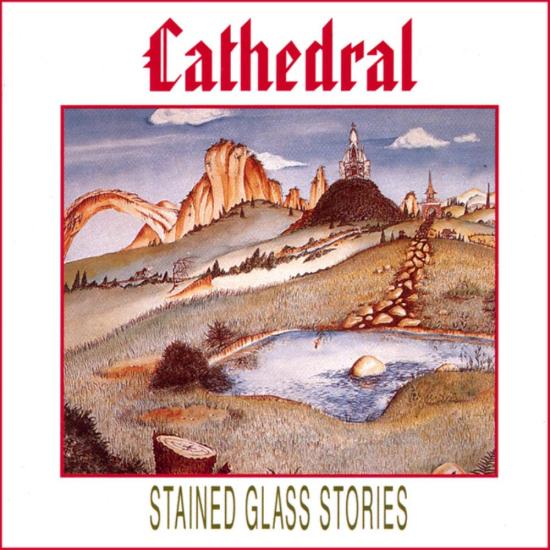
Hello Progarchy! As a new member, I’d like to start off with a series that focuses on underappreciated prog rock groups, and Cathedral will be the first. In 1978, this quintet released one of the better American prog albums, Stained Glass Stories, which took elements of Yes, Genesis, and Gentle Giant, and combined them into one beautiful symphony.  The album consists of five songs, two of which (Introspect and The Search) are wonderful epic pieces reminiscent of some of Yes’s finest music.  Gong is a shorter instrumental piece that hearkens back to Peter Gabriel-era Genesis.  The other two songs (The Crossing and Days & Changes) also have a captivating symphonic sound that will remind listeners of Relayer-era Yes or King Crimson’s In the Court of the Crimson King.

Overall, Cathedral did a superb job creating symphonic music inspired by their more popular British contemporaries while also maintaining their own distinct sound. The musicianship is top notch (listen to the crisp sound of Fred Callan’s Rickenbacker bass and Rudy Perrone’s dexterous handling of lead guitar) and let’s not forget the great cover art.  The beautiful pastoral setting (dare I say Tolkienian?) arouses a sense of awe and suits the music perfectly. I hope you enjoy this album as much as I did.