Album Spotlight: Riverside – “Love, Fear and the Time Machine”

Jason over at The Prog Mind has written an incredible Spotlight on Riverside’s latest album. As I told him in the comments, I already loved the album, he made me love it even more. A *must* read.

The Prog Mind's avatarThe PROG Mind

Press_Cover_01

1. Lost (Why Should I Be Frightened by a Hat)

“I dropped down again/ From a star/ On a desert island/ Full of skies/ And I saw a boy/ Looking up/ Dreaming of his future/ From my past”. So begins Riverside​’s latest album, not quite a concept album, but certainly wrapped around one massive theme: maturity.

The album begins with “Lost (Why Should I Be Frightened by a Hat)”, which would strike most as being a weird title, yet the inherent meaning here is astonishing. The song begins with our protagonist (Duda himself) having a dream or vision of himself as he lay dreaming as a child on the beach. He sees the wonder and excitement for the future in his young self’s eyes and he lays out his plans in the sand. There was no fear. There was no agitation. All that existed in his young mind were plans…

View original post 2,701 more words

Another Progarchist’s View of the 1980’s

Oly Pattaya 3

I very much enjoyed reading Brad’s post about the 1980’s. It made me feel a bit nostalgic, and got me thinking about my music-related experiences of that decade. He and I both (and perhaps a few other Progarchists) came of age in the 80’s. I’m a few years older than him, me being born in June 1964, but this difference in age is minor, not generational. Despite this, our experiences of the 1980’s – both musically and otherwise – were significantly different. I’ll spend the next few paragraphs elaborating on the latter before proceeding to the former.

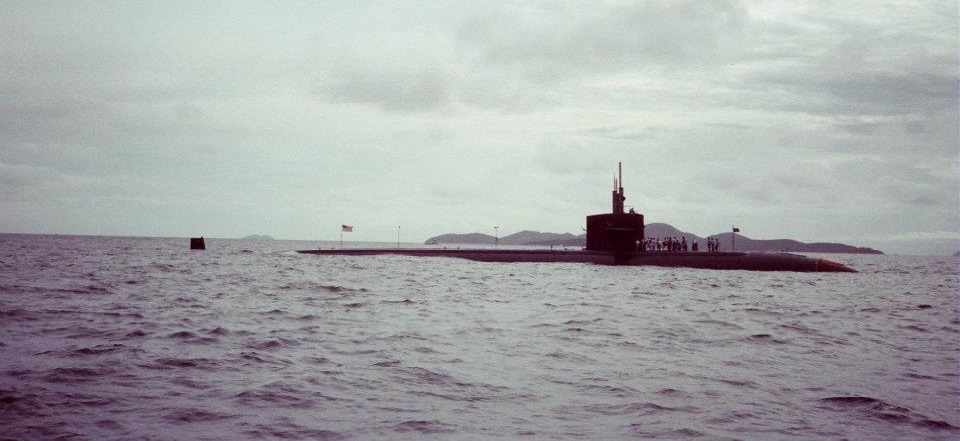
The picture above is of the USS Olympia (SSN 717) – my home for much of the 1980’s – at anchor in the Gulf of Thailand, July 1988. It represents what might be the single most consequential decision of my entire life entering the US Navy. At the time I graduated high school in 1982, I knew two things – that I wanted to go to college, and that I was nowhere near ready to do so. My high school years occurred in a rather permissive environment. I needed discipline, so I decided the military was the vehicle for that objective. After doing well on my entrance exams, I was offered both submarines and training in advanced electronics (sonar in particular) in exchange for six years of my life, namely 1982-1988. For me, these six years would define the decade.

In relation to the larger culture, submarine life can be defined almost as much by what you miss as what you witness. Among the things I missed while at sea were Michael Jackson’s hair catching on fire. I missed four straight Super Bowls, beginning with Super Bowl XVIII (18 for you non-Romans). In missing Super Bowl XVIII, I missed the most iconic TV commercial of the decade – the 1984 ad introducing the Apple Macintosh. I missed the explosion of the Space Shuttle Challenger – returning to port one day later. I missed Ferris Bueller’s Day Off in the theaters, but saw it underway months after it came out (I still remember, vividly, exploding with laughter at Cameron’s reaction from seeing the odometer). And for one, agonizing week in 1987, I awaited the results of the much-anticipated fight between Marvin Hagler and Sugar Ray Leonard – knowing from the calendar the fight had taken place, but having no idea who had won.

A few weeks before I entered the Navy (in November of 1982), I purchased my last vinyl album – Signals, by Rush, from Grapevine Records in Charlotte, NC. Just about six years later, a few weeks prior to separating from the Navy I purchased my first CD, Going for the One, by Yes, at Jelly Records and Tapes in Honolulu. In between those times, I bought a few hundred cassette tapes, and more than one Sony Walkman, in places ranging from Groton, Connecticut to Bangkok, Thailand.

What I’ve described above provides much of the explanation for the difference in my 1980’s relative to Brad’s. Because of the circumstances of life, my exposure to radio – and MTV, which exploded during the 1980’s – was limited. So too was my ability to become fully immersed in the 1980’s zeitgeist.

Musically, some of the bands that defined the decade for us are in common – U2, REM, and the Eurythmics, among others. Others I had heard, such as Tears for Fears, The Cure, Big Country, Midnight Oil, and Oingo Boingo (most notably, for me, in the 1980’s lowbrow classic, Back to School, starring Rodney Dangerfield).   We are of like minds on Wang Chung, loving their soundtrack from To Live and Die in LA, while utterly rejecting the rest of their output. Other well-known artists from that time that affect my perception of the 1980’s include The Police (and later, Sting), Peter Gabriel, and Steve Winwood. The latter two moved in a pop-oriented direction relative to their previous works, but it was high quality pop.

My last concert before entering the Navy was a Jethro Tull show in 1982. The opening act was Saga, touring in support of their album Worlds Apart. I loved this album, and while some debate whether it qualifies at prog, it was definitely an album a saga worlds apartprogger could love. They had a minor hit with the song On The Loose, which received a reasonable amount of rotation on MTV. The remainder of their 1980’s output fell short of this album, but later they produced the excellent concept album, Generation 13 (in 1995). And to this day, Germans love Saga – if not as much as David Hasselhoff ;).

Iron_Maiden_-_Piece_Of_MindIn the 1970’s and early 1980’s, heavy metal for me largely meant Black Sabbath. But while undergoing training in San Diego in 1983, I was introduced to Iron Maiden. First I was dragged to their concert at San Diego Sport Arena by a roommate. I wish I could remember his name now, because I forgot to thank him. Piece of Mind, and later, Powerslave, spent a significant amount of time in my Walkman during the decade. Not just content to write songs dwelling on typical heavy metal subject matter, Maiden covered the gamut of topics, from Greek mythology to the Battle of Britain, Alexander the Great, and the Napoleonic Wars. They even found time to honor us submariners, with Run Silent, Run Deep. I didn’t follow Maiden much after the 1980’s, but recently they returned strongly to my radar with their excellent new album, Book of Souls.

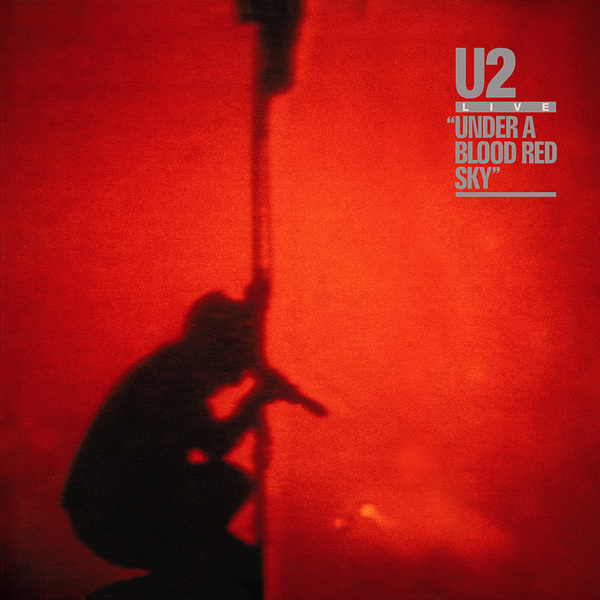
While it was the 1983 album War by which U2 first grabbed my attention, it was a live album released later that year – Under under a blood red skya Blood Red Sky – which cemented my fandom. This is one of the best live albums I’ve ever heard, capturing the band at their intense best. Even better, it was also captured on video, and clips appeared MTV enough that even in the limited opportunities to watch, I saw a number of them. I still listen to this album on occasion, and every once in a while search YouTube for a clip of the concert.

For 1984, one new album that slipped under many radars was Rodger Hodgson’s In The Eye of the Storm. His first solo effort after leaving Supertramp was a good one, and makes one wonder what would have transpired had he remained with his former band. In many ways, it sounded like a Supertramp album anyway, and it’s illustrative of the outsized influence he had in that band.

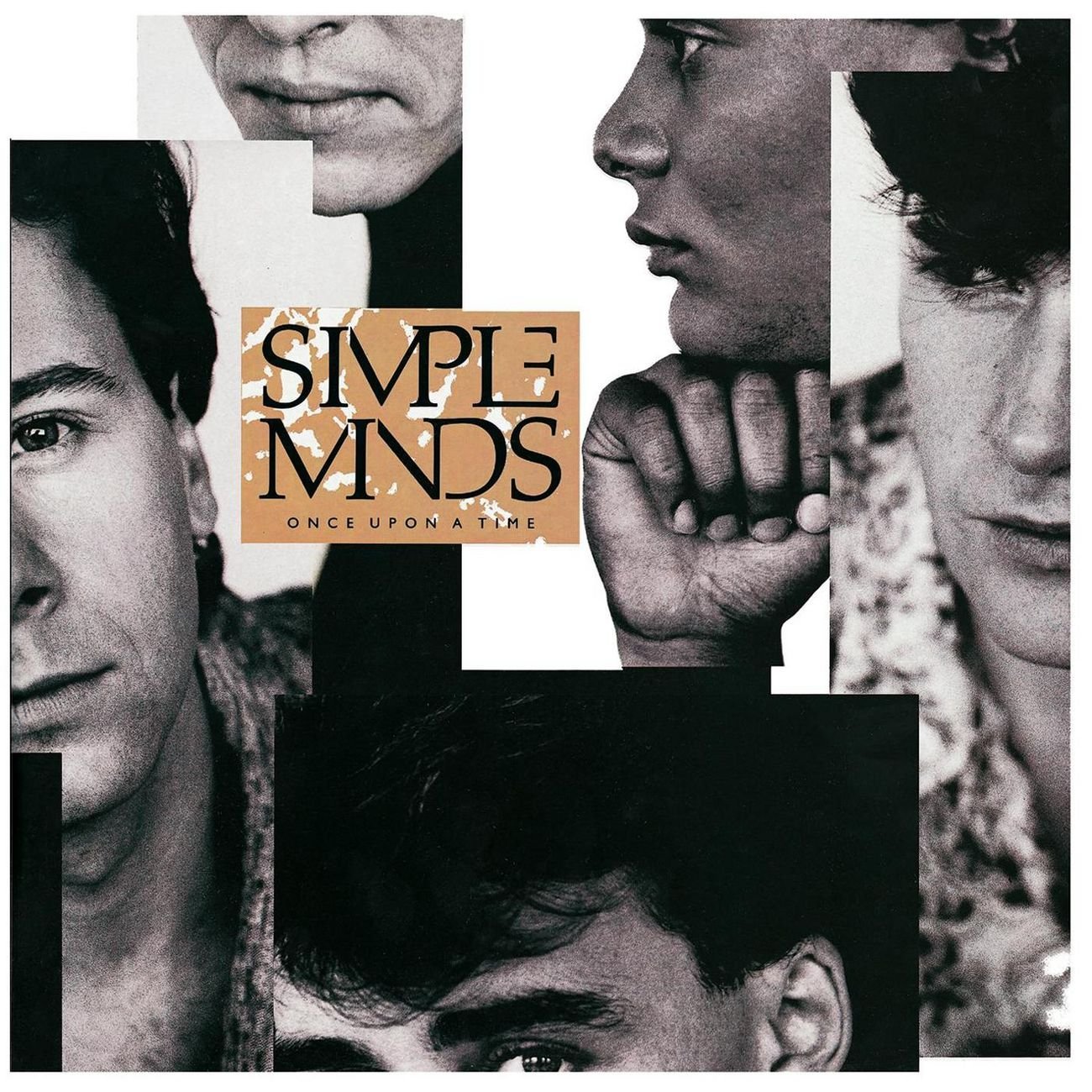
One of the most memorable albums for your truly came in late 1985, Once Upon a Time from Simple Minds. They had simple minds once upon a timestarted making noise in the U.S. earlier that year with their hit from The Breakfast Club soundtrack, Don’t You (Forget About Me). I liked the song, but hearing it on the radio was enough. On the other hand, after hearing a few songs from Once Upon a Time, I had to get this album. This album exemplifies the phrase “lush melodies.” It is simply fantastic from start to finish, every note is pitch perfect. It was in heavy rotation in the spring of 1986, as my boat made a home port change from Norfolk, VA (ugh), to Pearl Harbor, HI (oh yeah). As such, it never fails to bring back fond memories of those first few months in Hawaii. If you see me with an irrepressible smile while listening to this album, now you know why.

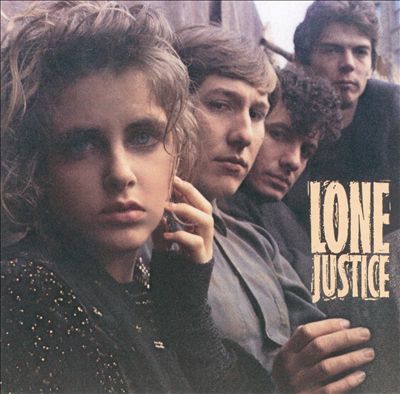
Another one of my favorite 1985 albums was by a band that no longer exists and didn’t make much of a dent in the universe – Lone Justice. The star attraction for these guys was lead singer Maria McKee. In addition to being quite nice to look at, Lone JusticeMcKee had an incredible voice and was a stellar vocalist. Their style was described as “cowpunk”, having some twangy country influences with an 80’s flair. This band didn’t last long, they only released two albums before disintegrating. I’ve always felt they were just a little ahead of their time. With the emergence of the alt-country movement and slight resurgence of southern rock in the 1990’s (most notably from Son Volt and the Drive-By Truckers), I think they would have fit that scene rather well. McKee did go on to have a moderately successful solo career. And notably, she wrote and sang what was by far the best song from the Pulp Fiction soundtrack.

An honorable mention from 1985 was John Mellencamp’s Scarecrow. I’m a bit “meh” on most of his stuff. This particular album, though, had a lot of well written songs.

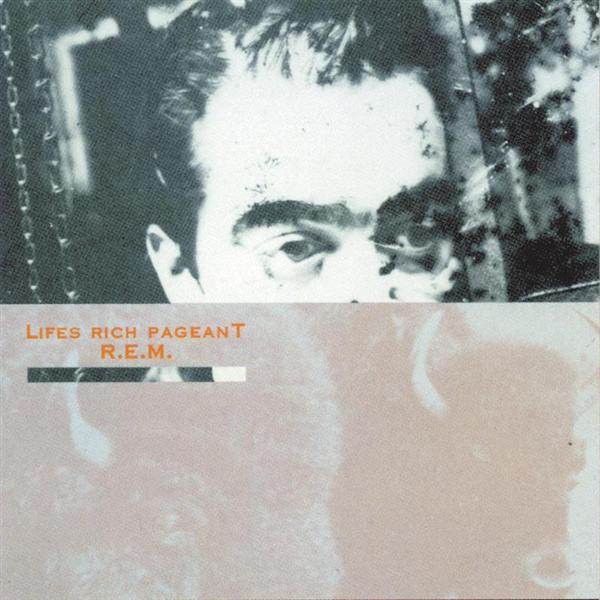
I purchased my first REM album in 1986, Life’s Rich Pageant. To this day, it remains my favorite work of theirs. I bought Life's Right Pageantalbums both preceding and following this effort, and have liked many of them at the time. But, like Brad, they didn’t stick with me, and I began to tire of Michael Stipe’s impenetrable, pretentious lyrics which either seemed to have no discernable meaning or were too clever by half. While this scene from the movie Walk Hard was lampooning Bob Dylan, it was Michael Stipe of whom I thought when I heard these hilariously pretentious (and meaningless) lyrics. Stuffed cabbage is the darling of the laundromat, indeed.

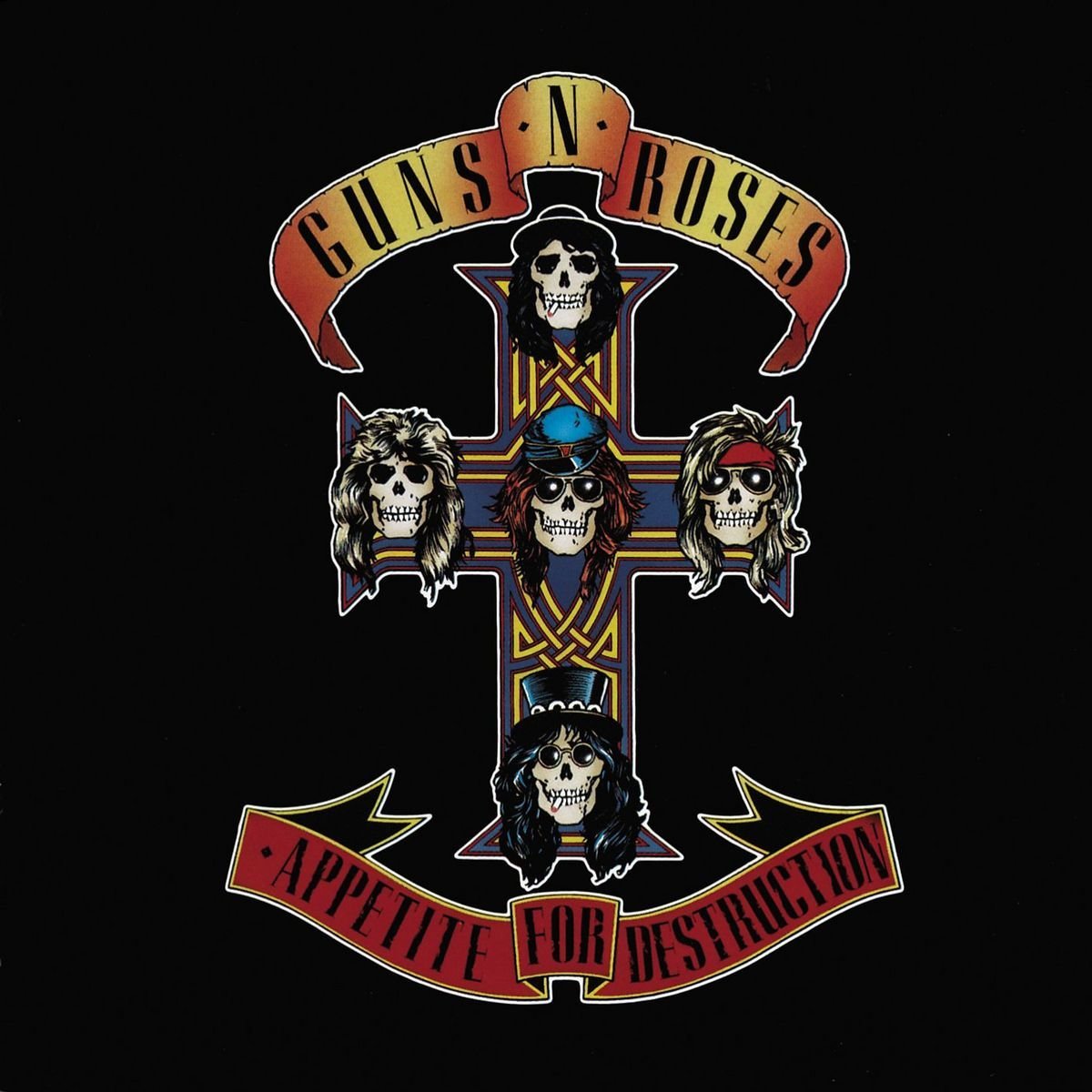
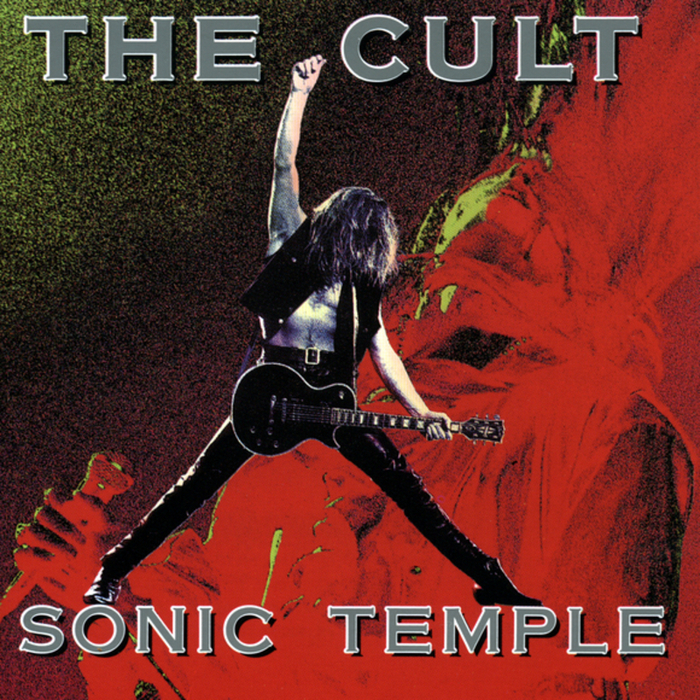
The year 1987 saw two significant releases that helped define my 1980’s. One of those was appetiteElectric, by The Cult, the other being Appetite for Destruction, by Guns N’ Roses. When I think of the prevailing musical trends of the 1980’s up until that time, I think of adjectives such as “dimensionally sparse” (to use Tony Kaye’s words). Much of it was highly melodic, but little of it had that wall of sound quality. To use a food analogy, much of popular music of the 1980’s was like a fine meal in a five-star French restaurant – gorgeous presentation and delightfully tasteful … but maybe it left you a bit hungry. In contrast, the raw, heavy, hard rock guitars of Electric and Appetite for Destruction were pure red meat, a sizzling 20 oz. ribeye. Electric has certainly aged better with me than Appetite, as has The Cult over Guns N’ Roses. The latter gave us not much more than an extremely dark nihilism, The_Cult-Electric_(album_cover)and the non-musical headlines made by meathead Axl Rose became tiresome very quickly. Still, they have a few entries on my iPhone, in particular within a playlist appropriately entitled Nietzsche’s Nihilism. The music of The Cult has, in my opinion, stood up much better to the test of time. And to round out the 1980’s they finished strongly with 1989’s Sonic Temple, which spent the better part of the 1990’s in heavy rotation for me.

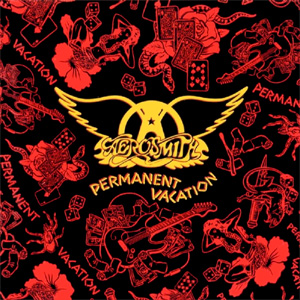
The return of harder (non-metal) rock was also confirmed that year as Aerosmith returned to Aerosmith_-_Permanent_Vacationprominence with Permanent Vacation. A better part of the decade had been spent in the wilderness, due in part to the shifting lineups with the departure of guitarists Joe Perry and Brad Whitford, and their eventual return. Add to that the continued proclivities of The Toxic Twins, Perry and Steven Tyler, and a an eventual band-wide stint in rehab. At the end, they came out of it pretty well, as Permanent Vacation was a pretty good album.

1988? I mention Talk Talk’s Spirit of Eden below, but I missed it at the time. For the rest of that year, there wasn’t much that grabbed my attention. Maybe it’s because my focus was elsewhere knowing of the impending transition back to civilian life. But when I look through the releases that year … there just isn’t much that jumps out at me. I did enjoy several songs off Copperhead Road by Southern/country rocker Steve Earle. I somewhat liked Living Colour’s debut album, Vivid (they would put on a great show the next year, opening up for the Rolling Stones in Raleigh, NC). And I thought Robert Plant’s Now and Zen was decent, although there are better albums in his solo catalog. The Smithereen’s Green Thoughts was a decent enough album, and it was in semi-heavy rotation in my car’s cassette player as I drove across the country in the fall of that year after separating from the Navy. But overall, I struggle to remember much about that year in a musical sense.

Sonic Temple

The final year of the 1980’s found me readjusting to civilian life and starting college. The previously mentioned Sonic Temple by The Cult was a favorite of mine that year. Trevor Rabin’s solo effort, Can’t Look Away was another one of my favorites of 1989.

Of course, I cannot mention the 1980’s without mentioning the prog of that decade, both what I heard and what I missed. For the latter, I missed the entire neo-prog movement which occurred on the other side of the Atlantic and which received little exposure in the U.S. It would be in the late 1990’s and the release of Edward Macan’s Rocking The Classics: English Progressive Rock and the Counterculture before I started catching up in earnest – beginning with Fish-era Marillion. I really missed the boat on Talk Talk’s latter day masterpiece, Spirit of Eden. I was on deployment in the Western Pacific when that album came out, and mentally getting prepared for my post-Navy life. And besides, to me (at that time), Talk Talk was just a synth-pop band, and thus I would have dismissed the album without a listen had I known of its release. It would not be until our current decade that I realized how utterly wrong my judgment was.

On the other hand, I missed no Rush release during the decade, snapping up every one of them at the first opportunity. I was also lucky enough to see my second Rush concert on the Grace Under Pressure Tour, in Hampton, Virginia. I was elated in the late summer of 1983, when in a barracks rec room in San Diego I read that Yes was coming back with a new album. And despite a significant change in musical direction, I was thrilled with 90125 when my eager ears finally got their first (of many) listens. I wasn’t as keen on Big Generator, but was pleasantly surprised with Jethro Tull’s Crest of a Knave which was released in the same year. And while Pink Floyd’s Momentary Lapse of Reason wasn’t as good as their classic 70’s output, it was still pretty good nonetheless. Anderson, Bruford, Wakeman, Howe put out a decent album in 1989, which later led to the Union album (which underwhelmed), but also to the Union Tour (which was incredible). The eponymous Emerson, Lake and Powell from 1986 wasn’t half bad, and I loved their interpretation of Holst’s Mars, The Bringer of War.

Among the other artists that made headlines during the decade were Van Halen, who ceased to be interesting to me when they became Van Hagar. Sammy Hagar produced some decent pop rock on his own during the early part of the decade, but his union with Van Halen was a case of the whole being less than the sum of its parts. Bruce Springsteen shot to superstardom during the 1980’s, but never did much for me. I never really bought his over-emoting when he sang, it just seemed too forced. Metallica emerged, but to this day I have never really “got” them. One star I was thankful to miss during the 80’s was Madonna, who spent the decade (and subsequent ones) setting a bad example for young girls everywhere.

Obviously, Brad’s list of 1980’s music is quite different from my own. I’m wondering how much different mine would have been had I not taken a huge detour on the way to college. I probably would have delved more into some of those acts, to be sure, if not as deeply as he did. There is one other factor – the prog factor. The 1970’s had less than six months left when the switch was flipped to activate the prog gene in my DNA. Thus, I spent a lot of time catching up, often times listening to stuff that was popular 10 years earlier. And as the decade ended, I was lamenting the fact that prog appeared almost, if not completely dead, as this was (and remains) my favorite of all types of music. Little did I know that the prog flame hadn’t quite died out. Within a few short years, a project by the U.S. Dept. of Defense, ARPANet, would be made available for public access and become known as the internet. Although not obvious at the time, this provided much needed fuel for the prog movement. And the rest, they say, is history.

The Duda Abides: Progarchy’s Interview with Riverside’s Mariusz Duda

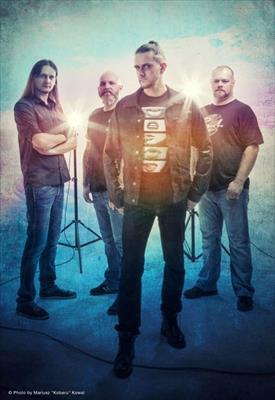
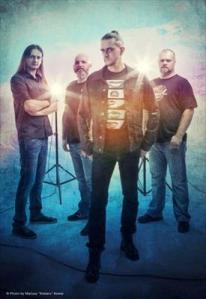
Riverside LTFM Band PhotoRecently, I had the good fortune to be able to talk to Riverside’s bass player, lead vocalist, and creative genius extraordinaire, Mariusz Duda. Despite nursing a summer cold, Mr. Duda was quite pleasant and offered some fascinating insights into Riverside’s most recent album (Love, Fear and The Time Machine), connections among albums, and a host of other topics. At the end, I tried to entice him and his Riverside band mates, with food, to play a local gig. Hope it works. Cross your fingers for me.

—————————————————————

Progarchy: First of all, thank you for taking the time for this interview. We really appreciate it. Second, congratulations on the new album. I’ve heard it a few times now and it is absolutely spectacular. Love, Fear, and the Time Machine has dispensed with the heavy metal elements and many of the hard rock elements of previous Riverside albums for a more melodic approach. What is the impetus behind the change in sound?

Mariusz Duda: Well I think that Riverside is that kind of band that [uses] melodies and emotions. We started with that kind of album, our career. Our debut album is full of emotions, full of melodies. Later I started to experiment a little bit. But I think since the previous album I went back to the main core that we have. I don’t want to repeat myself and repeat all the things that I have heard before. The thing I can do best is when I focus on the melodies and I focus the things that I am good at. So I just said to the guys that it’s time to reach into this melody mood, because this is the main idea behind Riverside’s music. Of course I would like to go even farther and focus on the melodies even more. But first of all, I wanted to change a little bit, the music, I wanted to change the mood. And I didn’t want to repeat myself. I didn’t want this time to delve into this vintage 70’s whatever. I wanted to push the boundaries and end up in a different place. I communicated this 80’s – I called it 80’s – I think that is the new path, the kind of era, in our music on the new album.

Progarchy: Yes, the third song, #Addicted took me back to my 20’s, as it had a lot of that 80’s sound.

Mariusz Duda: You know, those are my times. I’m not the generation of the 70’s, I’m 10 years later if I can say that. I grew up on tapes, I grew up in the time of the 80’s when on the radio I could hear songs. What I think is that in the 80’s we got really good songs on the radio. Now everything is, very shallow, flat, it sounds like a product made very quickly on an iPhone or iPad. In the 80’s you got really good songs that have lots of layers beneath the surface. Examples like Peter Gabriel’s stuff, or U2, or whatever. I really love that. I remember when I was 10, when I was 15, that was my era, and that’s the time machine, some memories connected with the new album. I really wanted to go back to this era. So I thought that would be great, to not maybe delve into 80’s, but to connect 70’s and 80’s with our style and come up with some kind of strange mixture. It’s not very progressive to be in the 80’s, but that’s the paradox because this [album] sounds much more progressive than other retro-vintage sounds.

Progarchy: Can you explain how each term in the album, “Love”, “Fear”, and the “Time Machine” relate to the overall concept of the new album?

Mariusz Duda: Actually, this is not an album about those terms themselves. The album is about making the important, life-changing decisions. I think in your lifetime there is a moment when you need to decide if you want to change your life or not. That kind of situation is usually when you have a midlife crisis, or you have some time where you are sick and tired of some patterns and you want to change something, what do you do? Let’s say you decide to change your life, some kind of twist, 180 degrees. Let’s say you decided to change your job, or you life, or move to another country, what’s going on then? Life changing decisions, something important, something that will have an impact on your future. From one side you feel this excitement, this freedom, maybe you said to your boss, “goodbye, I don’t like you, I’m going to start another life.” So you’ve got this good, positive feeling, and I called it “Love.”

On the other hand, there is this fear of the unknown, you didn’t know what to expect of this new life. You don’t know exactly. And there is other stuff, your experiences of the past and your imagination about the future, and I called it the “Time Machine.”

All these three elements are the most important forces that force you to make this very important, life changing decision. So that’s why it’s titled, those are the most important things when you want to change something in your life. You need to touch of love, touch of fear, and touch of your experiences from the past, your memories.

Progarchy: So what prompted you explore this theme?
Press_Cover_01 Mariusz Duda: Well, actually, there is some kind of personal background. And I think it is always connected with developing, evolving. We wanted to change something with our music too. I just felt it was kind of interesting. I wanted to do something a little bit optimistic than I do usually, a little bit more brighter, lighter. Last year, I did the solo project which is called Lunatic Soul, and it was very dark, it was about suicide. It was like a prequel about someone who died. And I just discovered, “my God, I’m delving into this darkness for so many years, maybe it’s time to do something a little bit more, you know, the light at the end of the tunnel.” So that was my first idea, to focus on the positive emotion. And focusing on the positive emotions was kind of connected with this transition into someone who is sad and was full of misery and he’s just trying to himself into someone who is more, in a better mood if I can say that. Someone who is more happy, to be happy, to feel happy. So, that was some kind of challenge to me, to go back maybe to go back to some kind of tunes that are not so dark. And I think the new album is also different.

Progarchy: Is there a connection with the last Riverside albums, since in the very last song on SoNGS, the protagonist seems to be saying “I’m going to take control of my life.” Even though that album had a pessimistic or dark tone, that piece seemed to be a little bit of optimism, he was saying “I’m not going to be a new generation slave, I’m going to be in control.” So could you say that relates to the new album, or there is a connection there?

Mariusz Duda: Well I have to tell you the last three Riverside albums are kind of connected again. I wouldn’t call it an official trilogy like the Reality Dream trilogy. I call it an unofficial new trilogy, I call it the Crowd trilogy, because all the lyrics on these albums are connected with social media, with the new modern life, those kind of elements that surround us these days. On ADHD and SoNGS, and the new album we’ve got this new modern language. I just wanted to take some features of our times, and that why we have #Addicted, that’s why we’ve got Celebrity Touch, and Under the Pillow, and ADHD we have this regular disc which is [a] Blu-Ray disc which is high definition and everything. And I think everything goes in this direction. Since the beginning of Hyperactive on ADHD until the final track on the new album, Found, I think there is this transition of the main hero who is just trying to finally feel positive. Maybe that’s not very original. But he is just in the moment when he realizes life doesn’t suck (laughs). You can deal with your life. And that is the whole truth, and it’s kind of obvious, but take a look at us and notice that so many people realize it maybe too late or when they have aged more than they would have liked to. That’s the way it is, you need to grow up and realize that, and you need to have your own experiences and to finally say “I like my life, I love my life even.”

So I think there is some kind of connection, maybe not strictly like on the Reality Dream trilogy. But I always try to create albums as movies. Yeah, Coda on the last album, that’s kind of positive too I would say, so that was like the pre-life of the life we have on the new album.

Progarchy: In general, where do you find sources of inspiration to use for a Riverside album?

Mariusz Duda: I don’t like to work an album like it’s some kind of job. I just feel that there are lots of things within my head. It’s kind of messy and kind of buzzy, and I know that I need to spit it out from time to time. It depends on how I feel and has different colors. It’s more introverted or more extroverted stuff. It doesn’t matter if it’s Lunatic Soul or Riverside or not, everything must be connected to or inspired by my personal stuff. I don’t need to be influenced by bands I am listening to now or read lots of dark books and decide “because of this, I will create that kind of mood on the albums.” Right now, since SoNGS, the last Lunatic Soul, this album, that was kind of personal. When I decided to do something about “slaves” let’s say, and I wanted to have this dark mood, then I started to connect the inspirations. Mostly I start with my personal experience, my personal needs of dealing with this subject that is just stuck in my head. I am usually trying to spit out what I have in my soul, in my heart, I don’t know, somewhere.

Progarchy: Do you think you are going to do another Lunatic Soul album before the next Riverside Album?

Mariusz Duda: I don’t know yet. If I catch a good flow with the guys we will continue this somehow. But I definitely have unfinished history with Lunatic Soul. I would like to do at least two more albums, including another prequel, because in my head I’m digging … I just see six covers and six symbols, different symbols of these albums. I will definitely need to go back to this. But I’m not sure if it will be Lunatic Soul first or another Riverside album, I have no idea. Maybe it will be something totally different to destroy this pattern somehow. I need to refresh myself from time to time too.

Progarchy: Do you ever have any internal conflict regarding an internal idea as to whether you should pursue it with Riverside or with Lunatic Soul?

Mariusz Duda: I’m one of these guys that can say “goodbye” to even the best ideas I have in my mind. Sometimes I really reject lots of good ideas for a more general cause, if you can say that. Because of this there is usually not a conflict like “ok, I don’t know if I should do this for Riverside or Lunatic Soul.” When I work on an album, I work on this album right now. So when I work on Lunatic Soul, this is this, I create this, I create that, but at times I see that this may be good for Riverside so maybe I’ll leave it, but it’s just an idea, not an entire song. I always know if it’s more for Riverside or Lunatic Soul or another future project. Riverside and Lunatic Soul are different musical worlds. Even if they sometimes sound similar in the studio, I can change instruments and change the whole mood.

But I have to tell you one thing – the track called Afloat, that was my idea that I wanted to use on the last Lunatic Soul, but it just didn’t fit, so I left it. When I started to compose the new Riverside with the guys and myself, I realized this idea could be very nice, I can use this somewhere in the middle of the album to take some rest. But actually it was something I [originally] wanted to use on Walking on a Flashlight Beam.

Progarchy: That’s an interesting bit of perspective. How would you describe the creative process in making a Riverside album, who does what?

Mariusz Duda: Well, I would say that I do just about everything (laughing). In the beginning we were trying to do lots of things together but I was this guy who was this director, editor, screenwriter, whatever. So I’m writing lyrics, I’m writing lyrics.

But to let you know one thing, when I do stuff with Riverside, I always try to use our band. I’m bringing my ideas and we are composing this together, and I am watching for reactions from the guys for these ideas. Thanks to this I know what I can follow, I can go in this direction and that direction. I need that. And sometimes there is interaction in bands, and thanks to this I can know where we should go with the music. This time I did kind of a personal thing and did a lot of things by myself, but also together with the guys. They were doing some composing.

Riverside should be a band anyway, but as the leader, the main composer and writer of lyrics, I don’t want to transform this into a one person band. No, each of us has a different musical style, a different way of playing, and that’s very necessary. Because of someone’s skills, you know what you can do and you know the limits, and that can help to find the final result.

Progarchy: And you know what the guys like to do, what their influences are and that affects the direction?

Mariusz Duda: Just imagine if you have musicians, you pay the musicians, and they can play everything, exactly everything you want them to. That’s kind of dangerous because the music could be everything and nothing at the same time. When there’s a band, and there’s guys where you know each other, you know what they like, what kind of music style, and you can write the music and you know the areas you can be in. Thanks to this you can develop the band’s style.

Progarchy: Poland is obviously a very different place now than it was at the time you and your bandmates were still growing up, having gone through a political upheaval and massive change at the end of the Cold War. It’s quite different from when you were different from when you were a kid in the 80’s right?

Mariusz Duda: I’m not from Warsaw, I grew up in a very small town in the north of Poland. It was almost a village, 18,000 people lived there. I moved to Warsaw at the new millennium when I was 25. But I remember as a kid, I did not have almost anything. We were really not rich as a family. My mother and my father, they would try to save money. I knew that we were limited, and this what I see in Time Travelers [from LTFM], that go back to the world of 30 years ago. I don’t want to go back to a times when there was nothing in shops.

I remember one thing when I was 10 I needed to wait for something, I need to respect things more, I need to deserve something. I was truly waiting for the small things, and I was really happy when I got it. Now these days you can have access to everything on each possible platform and everything at every moment in time. It’s just sometimes it’s ridiculous. People don’t know what to do with that, and they don’t feel happy these days. Where is their reason to be happy? You don’t have to wait for anything. I remember when I was a kid I was waiting for better times. I remember hen my friend got a computer, a Commodore Amiga or Atari or whatever, and I had nothing. Probably because of this, 30 years later I am a huge game lover and have this PS/4 and I can just woo woo!! And I don’t want to grow up!

I have that kind of job where I don’t have to work in the office, I can from time to time, of course, work hard in the studio. But mostly I can watch movies, play video games, and feel free!

Progarchy: My last question, but a very important one. I live in Austin, TX. Whose arm do I have to twist to get you guys to do a gig down here?

Mariusz Duda: Our manager, we’ll send you his personal contact (laughs). That would be great. This year will be our second tour in the U.S. So far we have only played single shows. Two years ago since Shrine we started to tour in America and played more shows and hopefully this year we will come back. One thing has changed in Poland, something connecting American visa. Now we have less problems with that. In the beginning we couldn’t even play [here] in 2005, but now I have 6 or 7 visas, working visas. Hopefully there will be a time when we play in your neighborhood. Mention this interview. I truly hope that will happen.

Progarchy: Ok, if that happens I’m going to contact your manager and take you guys out for barbecue after the show.

Mariusz Duda: Oh definitely. I don’t think of anything else right now! (laughs heartily).

Progarchy: Thank you very much for your time.

————————————————————

Some parting thoughts, in bullet point format:

  • What a cool guy, this Mariusz Duda. He answered my questions better than I could have possibly hoped. In general, I found him to be very easy to talk to and a very interesting conversationalist.
  • I loved the insights into the new album that he provided. In particular, I enjoyed hearing how there is a connection between the current album and the previous two, with the hero, as he called him, finally decides to take control of his life and realize he’s in control. In a sense, it reminds me of what Albert Camus once stated: “The only way to deal with an unfree world is to become so absolutely free that your very existence is an act of rebellion.”
  • Mariusz and the rest of the guys, if you end up reading this piece, make sure to look at the picture below (ignore the hypnotic waves emanating there from … ):

TerryBlacksBBQ1w

That’s what’s in store for you if you play here. Oh, and don’t let those pikers in Kansas City tell you they have better barbecue. They don’t. Texas has the best. Period. And to your manager, if he makes a gig in Austin happen, I’ll buy his dinner too.  So, Mr. Riverside’s Manager, we have the Austin City Limits Music Festival in the fall, South By Southwest in the spring, and lots of great venues available year round.  Are you hungry?

😉

Metal Mondays – Maiden!

I don’t know about you, but I’m tired of Chris and Bryan having all the fun on Metal Mondays.  Time for me to crash the party!

While I’ve never been a huge heavy metal fan, I’ve liked Iron Maiden since I first heard them back in the ’82-83 timeframe.  On September 4th, they will release their next album, Book of Souls, an ambitious double album (produced by Kevin “Caveman” Shirley, who refused to give Alex Lifeson his #@$%ing reverb on Counterparts 🙂 ).  In reading some advanced press about this album, one of the things that caught my prog-loving eye is the presence of a few long tracks, The Red and the Black (13:33), The Book of Souls (10:27), and Empire of the Clouds (18:01).  The latter will be Iron Maiden’s longest track ever.   The previous titleholder is presented below, The Rime of The Ancient Mariner, from 1984’s Powerslave.

Books, Album Covers, and Riverside’s “Love, Fear, and The Time Machine”

It’s often said that one cannot judge a book by its cover. Of course, as someone once reminded me, short of reading the book, the cover is about all upon which it can be judged. An album is the same way – short of hearing it, the cover is one of the few things upon which you can form an opinion. If this seems a bit silly, please bear with me.

Press_Cover_01Of all the genres of music, progressive rock imparts an added importance in the cover art. If you don’t believe me, well go take a look at almost any Yes album cover. For that matter, take a look at the cover of ELP’s Brain Salad Surgery, King Crimson’s In The Court of The Crimson King, or Foxtrot by Genesis. For more recent prog, take a look at any Flower Kings cover, any album from The Tangent, or more generally just about any cover artwork by Ed Unitsky (who is rapidly becoming this generation’s Roger Dean). Of course, a bad cover doesn’t preclude an album from being good, nor does a good cover make up for lackluster music. Still, at least as often as not, in progressive rock the album cover and the music are reflections of one another.

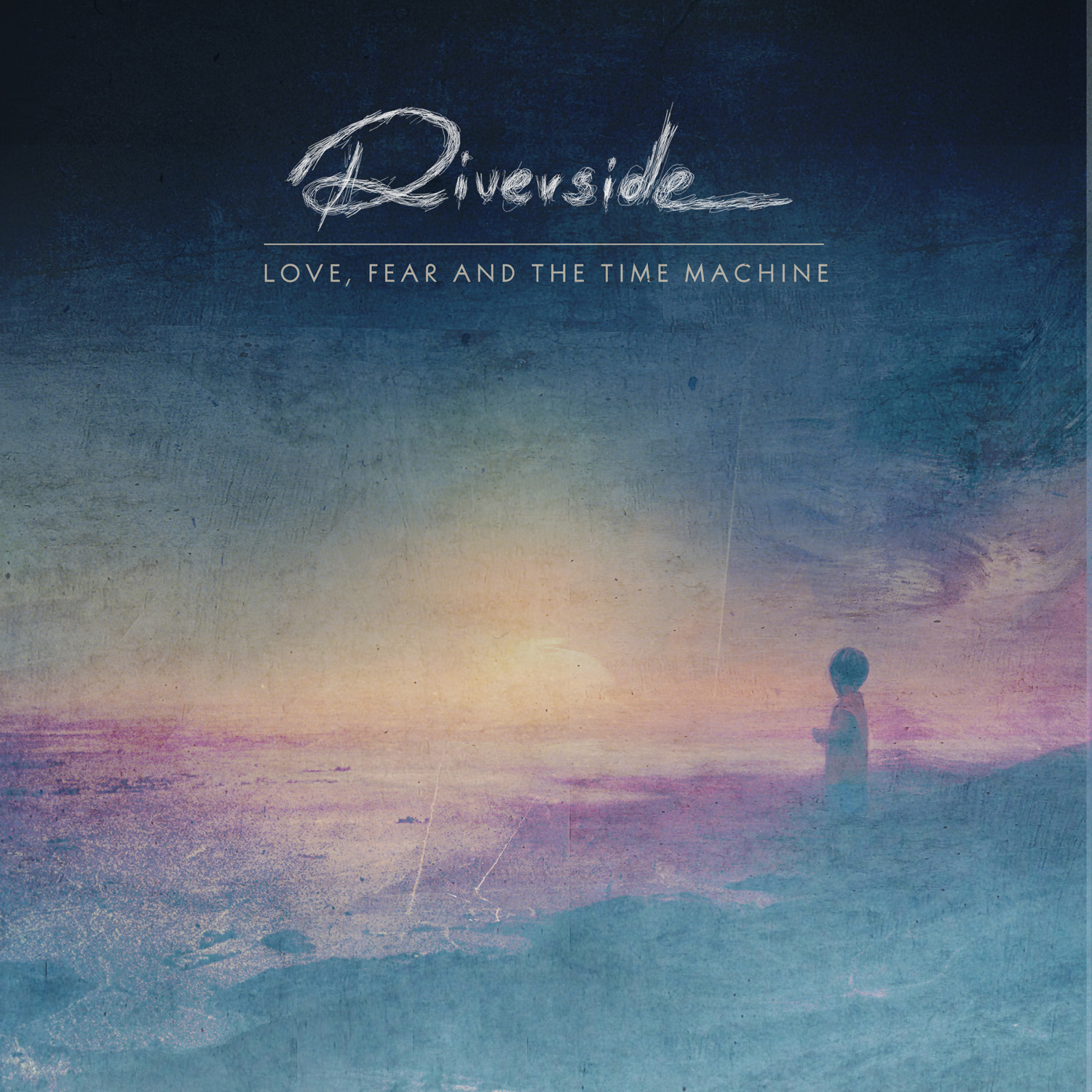
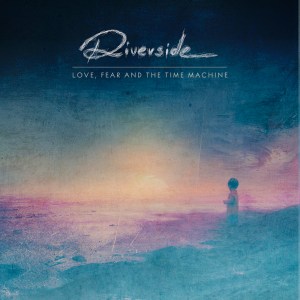
On Riverside’s previous album, Shrine of New Generation Slaves, the music was very reflective of its cover – gray and harsh (do not mistake this for a critique, I very much liked it). Similarly, the cover of Riverside’s latest, Love, Fear and the Time Machine, also reflects the album’s music. The front artwork for Love, Fear and the Time Machine is bracketed with various shades of blue on top and bottom, gradually getting brighter as one progresses toward a band of bright color that cuts across the middle. The brightness is most intense toward the center. While not necessarily a chronological description of the album or any particular song, this is nevertheless a good description of the music as a whole.

Love, Fear and the Time Machine finds Riverside moving into what is for them musically uncharted territory. While parts of the music retain some of their trademark moodiness, if not darkness, there are also parts that convey a very comforting warmth – much like the center of the album cover. This album has a looser, more melodic feel than any previous Riverside release. Some of those who were attracted to Riverside for the metallic aspects of their sound might be disappointed that they seem to have dispensed with those here. Nevertheless, this album still rocks in many places, metal sounds or not. But most of all, it is stunningly good, quite possibly the best Riverside album yet.

Some songs draw on 80’s influences such as The Cure, others draw on 70’s prog influences. That is not to say that these songs are derivative, and in fact they are anything but.   Instead, they take those influences, mold it with their own style, and still manage to come up with something that is uniquely Riverside. And like the best progressive rock out there, this album has a sound that is very identifiable with its creators, and yet it sounds like nothing they have ever done before.

The album opens strongly with Lost, a song which encapsulates my previous comments regarding the cover and the music reflecting one another. Melancholy overtones are punctuated in the latter half of the song by some intensely emotional guitar work by Piotr Grudziński (IMO, one of the absolute best guitarists in the current prog wave). Under the Pillow seems like a three-way hybrid of 70’s and 80’s music combined with current prog.   On the other hand, Addicted has a very strong 80’s sound. Mariusz Duda mentioned The Cure as a musical influence for this album, and it certainly shows through here. Afloat exhibits the most intense and consistent sadness of any song on the album, conveying a sense of regret or remorse and reflecting the darkest blue one the cover. The influence from Duda’s more recent Lunatic Soul projects is strong on Afloat than anywhere else on the album. Meanwhile, Saturate Me is the proggiest track of the bunch, with simultaneous excellence on guitar, keyboards, bass, and drums. Without listing the others, there no bad tracks here, only good ones and great ones.

I have to apologize that his review is somewhat incomplete, as I do not have the lyrics in front of me, and probably will not until my CD copy of the album arrives in early September. Nevertheless, Duda has stated that Love, Fear and the Time Machine is about everything that pushes us to make the most important decisions in our life.” One gets that sense from the opening lyrics of Lost. Still, a full digesting of the lyrics will have to wait.

 In what is shaping up to be another incredible year of progressive rock music, Riverside has returned with one of the best, most emotional, and most satisfying releases of the year. Far from resting on the laurels of their previous accomplishments, Love, Fear, and the Time Machine shows a band evolving, stretching, and pushing their sound in new directions. Still, the basic essence of Riverside remains fully intact.   That is the mark of both a great progressive rock band and a great progressive rock album.

Now, about that Time Machine … do you mind if I borrow it so I can go forward the albuTime Machine Deloreanm’s September 4th release date so I can pick up my CD? I’ll bring it back. Pinky swear.

Amazing Bass – Chris Squire, 1948-2015

Shortly after getting up this Sunday June 28, I received some bad news. You see, the most recent launch of the Elon Musk’s SpaceX Falcon 9 was a failure, with the rocket exploding about two minutes into its flight. Being a space geek and an unabashed fan of Musk’s vision to create a spacefaring civilization (not to mention, his putting his money where his mouth is to make it happen), this was definitely a disappointment for me. If only that could have been the worst news of the day.Chris+Squire+YesChrisSquire

Not long after that, I heard about the passing of Chris Squire. Now that was a real punch to the gut. Rockets are replaceable. Chris Squire is not. It seems like it has only been a few months since we were informed that he was undergoing cancer treatments (leukemia, specifically). You would have thought he would have had longer, and maybe even had a chance for full recovery. And while age 67 is not usually associated with the term “spring chicken”, it seems way too young for someone to be dying.

While Squire has influenced countless other musicians, one did not need to have any musical skill whatsoever to realize how incredibly talented he was. It was blatantly obvious to anyone who even remotely paid attention. It certainly wasn’t lost on me on that fateful night in 1979 when Squire and his band mates converted me into a lifetime prog fan and Yes fan. Before that, I had always thought of a bass player as just somebody sort of in the background, there to “thicken up” the music a little bit. On that night, Squire taught me that the bass could be so much more, a melodic instrument, a lead instrument, a driver of musical innovation.

And good God, what a body of work. Go listen to The Yes Album … phenomenal bass work, from the subterranean driving bass on Yours Is No Disgrace to the counterpoint on Perpetual Change. Then there is, on Fragile, the “snake eating itself” bass line of Roundabout. There is also The Fish, built on multiple bass parts of which each, by themselves, are a testament to his skill. Together, they make up a singularly unique piece of music (it’s also the first song my son could identify by name, although he at two years old referred to it just as “Fish Song”). And who, pray tell, ever played bass the way Squire did on The Gates of Delirium, especially in the “battle” section? Nobody, that’s who. There are so many other wonderful pieces of Yes music that feature Squire at his best that I could go on for much longer than you could continue reading.

To be sure, Squire wasn’t the first virtuoso bassist in rock. I’m thinking of guys like Paul McCartney and John Entwistle. But Squire took bass virtuosity to a whole new level. He turned it up to 11. And for the decade of the 1970’s, I have no problem calling him the best bassist of that era. While others, such as Geddy Lee, may have passed him up in the 1980’s, in the 70’s, Squire was the king of the bassists. I can think of many other good ones of that era, but I can think of few that I would even put in the same league as him, and none that I would put even, much less above him. That’s not a slight on the others. That’s just a testament to a monumental talent. In the 1970’s, Chris Squire was to the bass guitar what Steve Jobs was to the personal computer, and later to the smart phone.

In our current era, we have a number of supremely talented bassists, such as Steve Babb of Glass Hammer and Mariusz Duda of Riverside, among others. I’m sure if you ask any of them, they will all say that Squire was a huge influence. While Squire may have been taken from us way too soon, his influence will be felt for generations – not only in the way he played bass, but in the example he set for other bass players in expanding its possibilities. In fact, the latter part may be where the most lasting impact resides.

As I sign off from this post, I’m going to leave as one last tribute to this most amazing musician, Squire’s own rendition of Amazing Grace. I assume it was performed on his trademark Rickenbacker. Listen to the whole thing and see if you can keep your eyes dry throughout. I, for one, failed.

Rest in Peace, Chris.

A Dissenting View on (and open letter to) Neil Peart

First of all, let’s talk about what this piece is not. It is not a criticism of Neil Peart, the drummer. My belief continues that he is one of the greatest drummers of all time, in any genre of music. As a lyricist, my belief continues that he is still one of the very best at writing thought provoking, philosophical, high-minded lyrics.

Something else this piece is not is one of politics. While it centers around some political criticisms made by Peart, I have no beef with the fact that he disagrees with a certain politician or certain political viewpoint. So any of you readers who do choose to comment here, please do not turn it into a political debate. Comments that attempt to do so will be yanked before they are ever seen.

—————————

Now that that’s out of the way, let’s talk about the recent Rolling Stone cover story on Rush, and a statement or two in particular. Like this one:

 Peart says that it’s “very obvious” that Paul “hates women and brown people” — and Rush sent a cease-and-desist order to get Paul to stop quoting “The Trees” in his speeches.

Really, Neil? He hates women and brown people? On what do you base this ugly, nasty, ad hominem attack? What facts to you have to back up such an ugly smear. Was it this? Or maybe this? What about this? And this? It seems to me that it’s very obvious that the facts are in diametric opposition to your position that “he hates … brown people.”

Neil, aren’t you the guy who wrote lyrics decrying those “people who judge without a measure of mercy”? If you truly believe that, then why are you tarring someone with ugly, baseless accusations of racism and sexism? That looks like a textbook definition of judging without a measure of mercy.

You also wrote about those people who were “quick to judge, quick to anger, slow to understand.” And yet here you are joining such a crowd, as evidenced by your failure (or unwillingness) to consider any facts that contradicted your position, such as those linked above. Instead of thoughtful criticism, you go straight for the lowest common denominator. As a somewhat newly minted American citizen, congratulations – you’ll fit right in with the prevailing mode of political discourse in this country (insert slow, sarcastic clap here).

The songs “Wish Them Well” and “Witch Hunt” from which lyrics in the previous two paragraphs were derived would encourage the thoughtful listener to take the high road. Your baseless, race-baiting smear is taking the low road all the way. Honestly, I thought you were better than that. That kind of rhetoric is the type of crap I would expect from the various poo-flinging talking heads if I had the stomach to watch Fox News, MSNBC, or some other televised food fight. If there is one positive, at least you’ve given me another reason to be thankful that I’m a cord-cutter.

I wouldn’t feel any different about this if you had made a preposterous statement that Obama was born in Kenya, or an equally preposterous statement that Hillary hates men. Neither of those two people has a snowball’s chance in hell of making my favorite persons list. And still, I’d think anyone who uttered such things in seriousness would be guilty of the most baseless and ugly smearing as you are in regard to your statements about Paul. Unsubstantiated accusations of racism and sexism are no better than racism and sexism itself.

Look, I’m fine if you don’t like Rand Paul, or any other politician for that matter – after all, 99% of politicians give the rest a bad name. While there are things about him I like, there are others that give me great pause. As for me, my clear frontrunner is SMOD ’16 (Sweet Meteor of Death). But don’t mind me, when it comes to politics I’m one of the most cynical people around. I take exception to Ronald Reagan’s statement that, as the world’s second oldest profession, it bears a remarkable resemblance to the first, as I think such sentiments grossly unfair to oldest profession practicioners.

Still, I can’t help but be disappointed when I think about the example you’ve set and I’ve attempted to follow (poorly, often times, but hey, I try) through your lyrics and through the unshakable artistic integrity of you and your bandmates. As you well know, “The measure of a life is a measure of love and respect, so hard to earn so easily burned.” Reading through the comments section of the Rolling Stone piece online, I can see that I’m not the only one for whom you’ve burned some of that respect.

With regard to the craft of drumming, I know you have a great deal of humility. It’s a necessity for any drummer of your caliber to insist that he still needs to take lessons from others like Freddie Gruber. Perhaps you could let some of that humility bleed over into other spheres. If you do, maybe you’ll realize that there are ways to express political disagreement with those you oppose without descending into mud of ugly, baseless accusations of racism and sexism. Maybe you’ll realize that, whatever you think about Paul’s policy proposals, it’s completely unnecessary and counterproductive to accuse him of hating brown people and women, particularly when there are easily verifiable facts that say the exact opposite. Maybe, even you could get in touch with the man who wrote these words:

 A quality of justice

A quantity of light

A particle of mercy

Makes the color of right

Best Regards,

Erik A. Heter

Rush Fan since 1979 and at least until the day I die.

All At Once, The Clouds Are Parted – Rush, Austin 360 Amphitheater, May 16, 2015

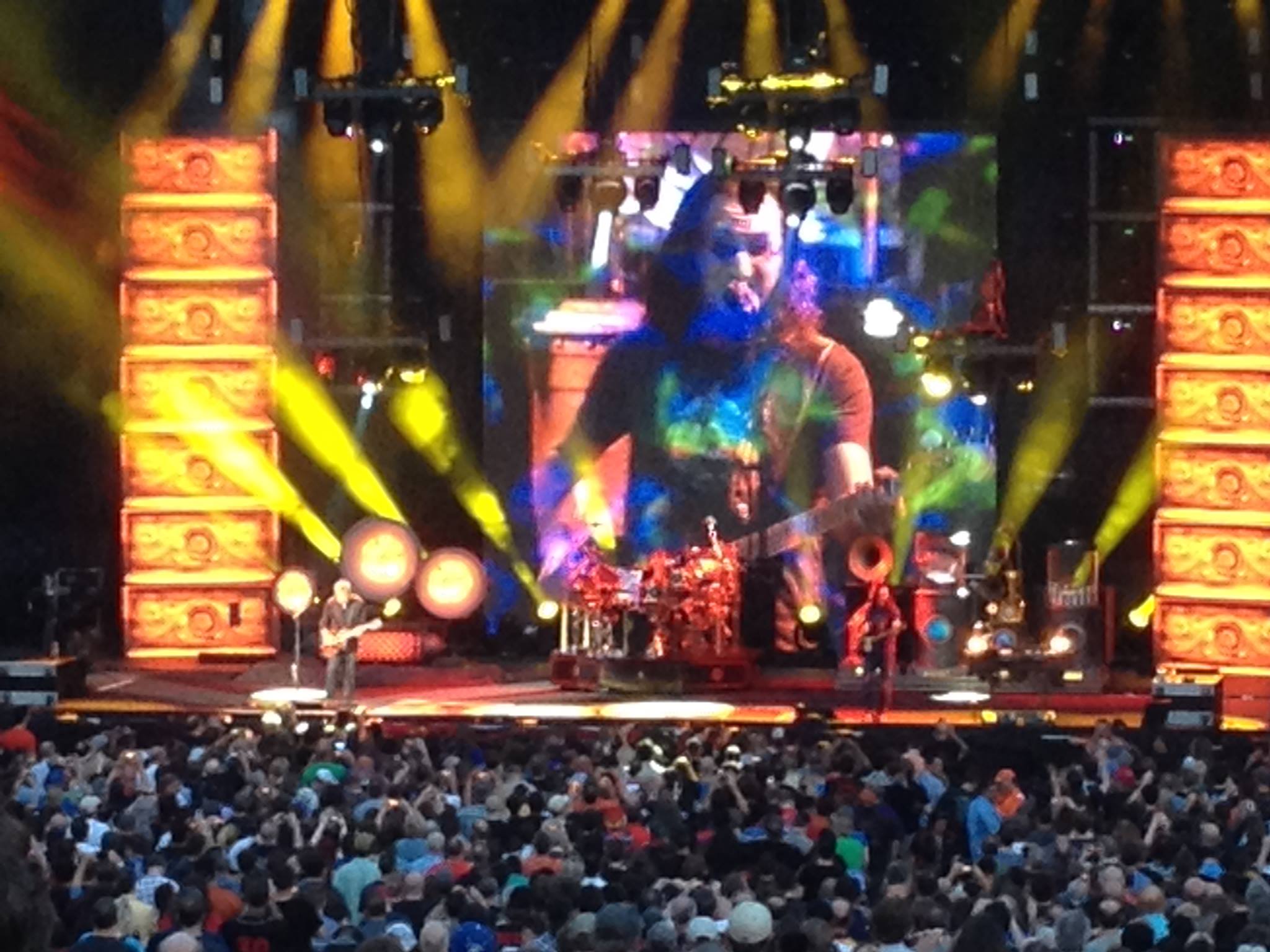
Rush from my iPhoneSpoiler Alert: If you are planning on attending an upcoming Rush concert on this tour and don’t want the setlist spoiled for you, then it’s advisable to not read this. But even if somehow the setlist does get spoiled for you? It won’t make any difference. It’s not the surprise of what they are playing on this tour that makes the show great – it’s that they are playing these songs. At that moment, you won’t be caring whether the surprise was spoiled or not, you’ll just be thrilled that you are there as a witness to greatness.

During the months from May through September, I usually welcome rain. Anyone who has endured the heat of a few central Texas summers (which start early and last a long time) will understand exactly what I’m talking about. But it’s important to remember the old saying about “be careful what you wish for”. We have received a much greater than normal amount of rain lately, including a torrential downpour the day before the show, and a good soaking rain on the morning after. But for May 16, the weather gods smiled upon us. The clouds did part, and legions of Rush fans were treated – and I do mean treated – to a concert for the ages in the relatively new outdoor venue of the Austin 360 Amphitheater.

In defiance of Albert Einstein, Rush started at the present and took the audience back in time, album by album, dusting off some long unplayed classics along the way. Of their 19 studio albums, 15 were represented in the setlist. Only Test for Echo, Presto, Hold Your Fire, and Power Windows were left unrepresented. Of course, that meant every album from their debut up to and through Grace Under Pressure had at least one song. It also meant that some classic albums, such as 1977’s A Farewell To Kings, had multiple entries in the set. And as the show closed, they even gave us a taste of a song that predates their first album.

Starting out with three songs from Clockwork Angels (The Anarchist, The Wreckers and Headlong Flight), the band then worked backward to Far Cry, The Main Monkey Business, How It Is, Animate, Roll The Bones (with some very entertaining video in the rap section), Between The Wheels, and closed out the first set with Subdivisions. It was a strong first half, and the inclusion of songs like Animate and Roll The Bones (which I had never seen performed live) and How It Is (never performed live before this tour) made it even better. The band was tight and yet having fun as well. But the best was yet to come.

The second half opened with Tom Sawyer (complete with the South Park introductory video), and things just got better from there. The first real stunner of the show came when the introductory synthesizers of The Camera Eye bubbled up from the background noise and led into another gem I had long wanted to see performed in a live setting. And man, did they deliver the goods. As the band played through the portion leading up to the first verse, fellow Progarchist Kevin McCormick turned to me and exclaimed on how “meaty” were the power chords of Alex Lifeson. Indeed, they were, meaty enough to throw on the grill and make a meal. The entire performance of the song was nothing short of scintillating.

Things just got better. After an obligatory (and excellent) rendition of The Spirit of Radio, we were treated to another rarely-performed-live gem: Jacob’s Ladder. After being threatened by the weatherman with real thunderstorms, this was the only one that actually occurred, and it was most welcome. By this point, my fellow concertgoers and I were beside ourselves with joy, showing our appreciation between songs with the same enthusiasm – and loudness – as we all must have at our respective first Rush concerts back in our teenage years.

The next one really threw me for a loop, as the band gave us a live performance of the first part of Hemispheres. Despite standing for the entire show, my jaw momentarily hit the ground when this one started. I was fortunate enough to see Hemisphere played in its entirety at my first Rush show in 1979, but I don’t believe they’ve played any of this epic since then. But on this night they did give us at least a piece of it, and the best part at that.

From there, they moved back to A Farewell To Kings, and gave us some instrumental sections of Hemisphere’s prelude, Cygnux X, Book I, with the song punctuated by a Neil Peart drum solo. Closer to the Heart followed, and after that, another highlight of the show for yours truly, Xanadu. Both Geddy Lee and Alex pulled out the double-neck axes for the performance of this piece, and had the donned their kimonos of the era, I would have sworn it was 1977 all over again. The irony was not lost on me that during a song about the inability to create Heaven on Earth, Rush seemed to do just that.

Following that, we were treated to Parts I, II, IV, and VII of their breakthrough classic, 2112. That led us to the end of the show proper, but there was no question that an encore was coming. As such, they closed out the show with Lakeside Park, Anthem, What You’re Doing, and Working Man – with a snippet of Garden Road thrown in for good measure. The show was over, but the euphoria was not. I cannot speak for the rest of my concert-going entourage, but despite being tired when I arrived home, it was only with great difficulty that I finally fell asleep. I was simply too wired from what I had witnessed – quite simply, the best Rush concert of the six I have been fortunate enough to attend, and one of the best (if not the best) concert of all those I have seen. There is some tough competition from a few Yes shows I have seen, but this one is definitely in the running for my best ever. And as much I have loved Yes for many years, there is no way at this stage that they could put on a show as incredibly fantastic as this.

The Last Man Standing

Of all the progressive rock bands that emerged in the 1970’s commercial heyday of that genre, Rush truly is the last man standing. Yes is still around, but in a diminished form (and I mean no disrespect to current vocalist Jon Davison, who is a great talent). With the split between Ian Anderson and Martin Barre, Jethro Tull is no more. King Crimson s touring under the Mk 7,396 lineup – or is it lineup Mk 7,395 (King Crimson being the one band that could make a current or former Yes member exclaim “damn, that band goes through a lot of personnel changes!). And Genesis is long gone from their glory days of the Gabriel/Hackett era. But last night, here was Rush, still in the same form as they were when “new guy” Peart joined prior to their first US tour, still touring big venues, still putting on not just a concert, but a spectacular multimedia presentation that is beyond the reach of virtually any other prog band currently in existence. This leads me to a few additional thoughts.

Much has been written here at Progarchy and elsewhere regarding the changing of the music business and the effect of the internet on the same. For those of us who love prog, this has mostly been a boon, an incredible boon at that. The current prog scene is alive and very vibrant, matching the glory days of the 1970’s in terms of quality while overwhelming that era in terms of quantity. Back then, one could keep up with the new releases. Nowadays, there are simply too many.

But while the music industry has changed in many ways for the better of us prog fans, one of the few laments I have is that I won’t likely ever get to see many of the current acts I like perform in a live setting. I most definitely will not get to see them put on a show like Rush still does, in a larger venue with the lights and big screen video that enhances the concert-going experience. But rather than dwell on that too much, instead I will choose to be thankful. Thankful that I did get to experience such a thing. Thankful that in a 35 year span within their 40 years plus career, I’ve been lucky enough to have seen Rush six times, and thankful that one of my favorite bands of my youth is still relevant, perhaps even more relevant.

This wasn’t lost on me as I thought about some of my fellow concert goers. The group with whom I attended ranged in age from 15 to 50 (with yours truly being the geezer of that bunch). The two youngest members of the group have not been alive long enough to experience many concerts of this magnitude, and with the change in the music industry, will probably not experience too many more, unless they want to see record company creations like Taylor Swift and Katy Perry. For them, they were fortunate enough that they were able to see this show, and in time, they will realize how lucky they were.

For the older members of the entourage, we are lucky that we have been able to follow Rush for decades, much longer than most bands ever last. We have seen them continue to stay relevant and make music of the highest excellence through shifting musical trends and technological and economic currents that have upended the music business, morphing it into something unimaginable when they first started. Consistency and excellence, fueled by integrity that allowed them to benefit from the old order without being swallowed by it. And for that, they were able to give us, the fans, a career retrospective that will not soon be forgotten, and one that they seemed to enjoy playing as much as we enjoyed witnessing. Just as Geddy thanked us fans before leaving the stage the final time, let me turn around and say Thank YOU, Geddy and Rush. While I don’t like to presumptuously speak for others, this is one time I’m confident I’m speaking for everybody who had the good fortune to be there last night.

2374447

Hat tip to Kevin McCormick for the original idea for the above meme 🙂

Is This The End, My Friend?

Apparently, it is.  Black Sabbath is calling it quits:

Last summer, the original lineup of Black Sabbath — Ozzy Osbourne, Tony Iommi, and Geezer Butler — roared back to life after some 30-plus years apart. In rather short order, the trio snagged their first-ever No. 1 album with 13, toured the world for nearly a full year, and even celebrated by winning a couple Grammys back in January. Now, in an interview with Metal Hammer (via Rolling Stone), frontman Osbourne talks the metal icons’ future plans, which include “one more album, and a final tour.”

We’ll get one more album, with a final show in November, 2015, in Tokyo.  Part of this is due to the cancer treatment for guitarist Tony Iommi, and we do wish him well.

Godspeed, Black Sabbath – you’ve had a great run and your influence extends far beyond your own genre.  You will be missed but you will not be forgotten.