
It’s been 8 years since Experiments in Mass Appeal, but Jem Godfrey and the other members of Frost* are releasing their third album, Falling Satellites, on May 27. More details at frost.life.
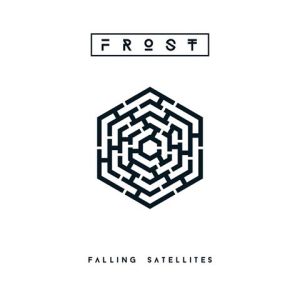
It’s been 8 years since Experiments in Mass Appeal, but Jem Godfrey and the other members of Frost* are releasing their third album, Falling Satellites, on May 27. More details at frost.life.
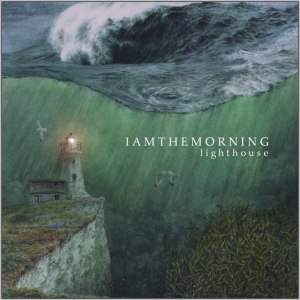
Imagine, if you will, a world where Aerial-era Kate Bush, Dumbarton Oaks-era Igor Stravinsky, and Sketches of Spain-era Miles Davis got together to compose a song cycle. They might come up with something to rival iamthemorning’s new album, Lighthouse, but it’s doubtful.
A work of astonishing beauty, Lighthouse is also deeply moving. The songs chronicle a young woman’s struggle to overcome mental illness, and her ultimate surrender to it. Heavy stuff, but fortunately the gorgeous musical arrangements make Lighthouse a work worth returning to again and again. iamthemorning takes the listener on this journey through the use of neoclassical music, prog, and classic jazz. Most of the songs feature a full chamber orchestra, while others are buttressed by the talents of Gavin Harrison and Colin Edwin – Porcupine Tree’s rhythm section. Mariusz Duda, of Riverside and Lunatic Soul fame, lends his distinctive vocals to the album’s centerpiece, “Lighthouse”.
Of course, the true stars of Lighthouse are the members of iamthemorning, vocalist Marjana Semkina, and pianist Gleb Kolyadin. Semkina’s vocals are heartbreakingly beautiful, moving from peak to peak as the songs unfold. Kolyadin’s piano work is perfectly simpatico with Semkina’s singing, providing graceful accompaniment. On “Harmony”, he takes center stage, leading a sextet through a swinging instrumental.
The mood of the album flows from the somber overture of “I Came Before the Water, Pt. 1” through the melodic “Clear Clearer”, to the relatively upbeat “Harmony” and “Matches”, before descending again with “Belighted”. “Chalk and Coal”, in the words of Semkina, “represents the final twist of the album story-line, the final breakdown”. The first half of “Chalk and Coal” features the most straight-ahead rock of the album before the band seamlessly shifts into chamber jazz for the second half. “I Came Before the Water” returns, with Semkina, unaccompanied, singing of accepting defeat while a gradually swelling string chorus provides solace. The tender and brief “Post Scriptum” is a final elegy, and Lighthouse is over.
Even though the album is almost entirely acoustic, it packs an enormous punch. It is a work that is best experienced by listening to it in its entirety. Everything, from the cover art to the extraordinarily high level of musicianship, combine to create a tasteful and sophisticated work. This is music that transcends categorization; it is music that is timeless and evocative. iamthemorning have come up with an album that is destined to be a classic of modern music, regardless of the genre.
Jim DeRogatis and Greg Kot put out their Sound Opinions podcast weekly, and the latest episode features an in-depth interview with Geddy Lee and Alex Lifeson. It is one of the best interviews of them I’ve ever heard, primarily because -despite being professional music critics – Jim and Greg are both very big fans of Rush.
You can stream the podcast or download it here. The interview begins at 6:15 minutes in.
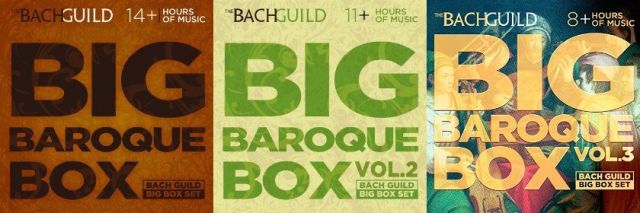
If you were considering taking the plunge into classical music but were wary of the cost, you no longer have an excuse. The Bach Guild is releasing excellent collections of classical music on Amazon at incredibly low prices. For example, you can get more than 33 hours of very fine performances of baroque music for less than $3.00. Yes, that’s right – less than 3 bucks!
Unlike iTunes tracks, these are DRM-free mp3’s. You can stream them off the cloud, download them to listen to on any mp3 player, or burn them to CD.
The Big Baroque Box, Vol. 1 features the music of Vivaldi, Dowland, Torelli, Bach and many others. 305 tracks for $.99.
The Big Baroque Box, Vol. 2 is more of a “Baroque Greatest Hits”, with Handel, Albinoni, Pachelbel, Bach, etc. 214 tracks for a whopping $.99.
The Big Baroque Box, Vol. 3 continues high quality performances of interesting selections of Rameau, Gluck, Purcell, Vivaldi, etc. 129 tracks for – you guessed it – $.99.
The Bach Guild has also released huge collections devoted to individual composers, including Bach (surprise!), Handel, Vivaldi, Haydn, Purcell, Mozart, and Beethoven, among many others. Even if you decide that a particular composer isn’t your cup of tea, you aren’t out a large investment. Take the plunge!
I’m old enough to remember those halcyon days of the early-to-mid-’70s when FM radio was full of great music. Every time I turned on my J.C. Penney clock radio, I knew the odds were good that something great would come blasting out of that tiny speaker. The likes of Yes, ELP, Jethro Tull, Kansas, Bowie, 10cc, and many others dominated the playlists of my local “progressive rock radio” station, WKDF.
Artists like the aforementioned walked a tightrope between pop accessibility and progressive complexity with an ease that today seems miraculous. Garnering lots of radio play, a group like Electric Light Orchestra could appeal to teenyboppers as well as college-age music geeks.
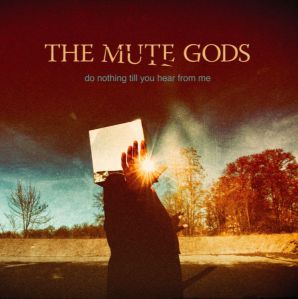
Fast forward a few decades, and those of us pining for that golden age of FM radio are now well-served by Nick Beggs’ new project, The Mute Gods. Right out of the gate, the album’s title track, “Do Nothing Till Hear From Me”, is a tour de force of instrumental prowess and spectacular vocals. Set in a totalitarian dystopia where no one can be trusted and the singer is on the run, the song is 7-plus minutes of aural bliss.
There’s a reason Nick Beggs has played with everyone from Celtic-prog band Iona to Steven Wilson: the man is a monster on the bass and stick. I’ve always been a sucker for inventive and melodic bass work, and Beggs delivers on every track. At times sounding like Chris Squire and others like Tony Levin, Beggs is able to go from providing a discreet pulse to thundering beats in a flash, all the while maintaining a unique melodicism. I’m now a huge fan.
That said, this is not a bass showcase. The band is tight as hell and every member makes significant contributions. In addition to bass and stick, Beggs also plays guitar, keyboards, and handles lead vocals. Marco Minneman (drums, percussion, guitars, sound design) played with Beggs in Steven Wilson’s band, while Roger King (keyboards, guitars, backing vocals, programming, and production) played with Beggs in Steve Hackett’s band.
This is one of the best-produced albums I’ve heard in quite a while, with a mix that allows each instrument to shine without overwhelming the overall sound. Little details are there for the discerning listener to enjoy, like the brief retro organ solo in “Your Dark Ideas”, or the Frippy guitar in “Praying to a Mute God”.
And how about the songs themselves! They move from peak to peak, with gorgeous melodies. I am often reminded of prime Alan Parsons Project as well as Hackett-era Genesis (especially on “Strange Relationship”). Lyrically, they tend to deal with alienation, paranoia, and the irrationality of current times. As Beggs states on their official site, “The record has a number of moods. But overall, it’s a rather disgruntled rant at the dystopia we’ve created for ourselves and our children.”
“Feed the Troll” is a very creepy look at an internet stalker who could have come from the dark imagination of Steven Wilson. “Swimming Horses” is a meditation on the passing of time, while “Father Daughter” is a beautiful duet between a father and daughter in which he confesses his regret at not being there for her as she grew up. “Praying to a Mute God” addresses the nutjobs who claim to speak to speak on God’s behalf. Heavy stuff, but the stunning music helps it go down easily.
There’s only one slight misstep, “Nightschool For Idiots”, which gets dangerously high on my cheese-o-meter. But hey, even that one is a pleasant listen.
So is this album pop, or is it prog? The Mute Gods successfully walk that tightrope with a superb collection of songs – it’s both and it’s more; it’s just great, great music. With Do Nothing Till You Hear from Me, The Mute Gods have set the bar very high for everyone else in 2016.
2015 continued the trend of the past few years of providing tremendous offerings for lovers of prog.
For starters, Best Reissue:
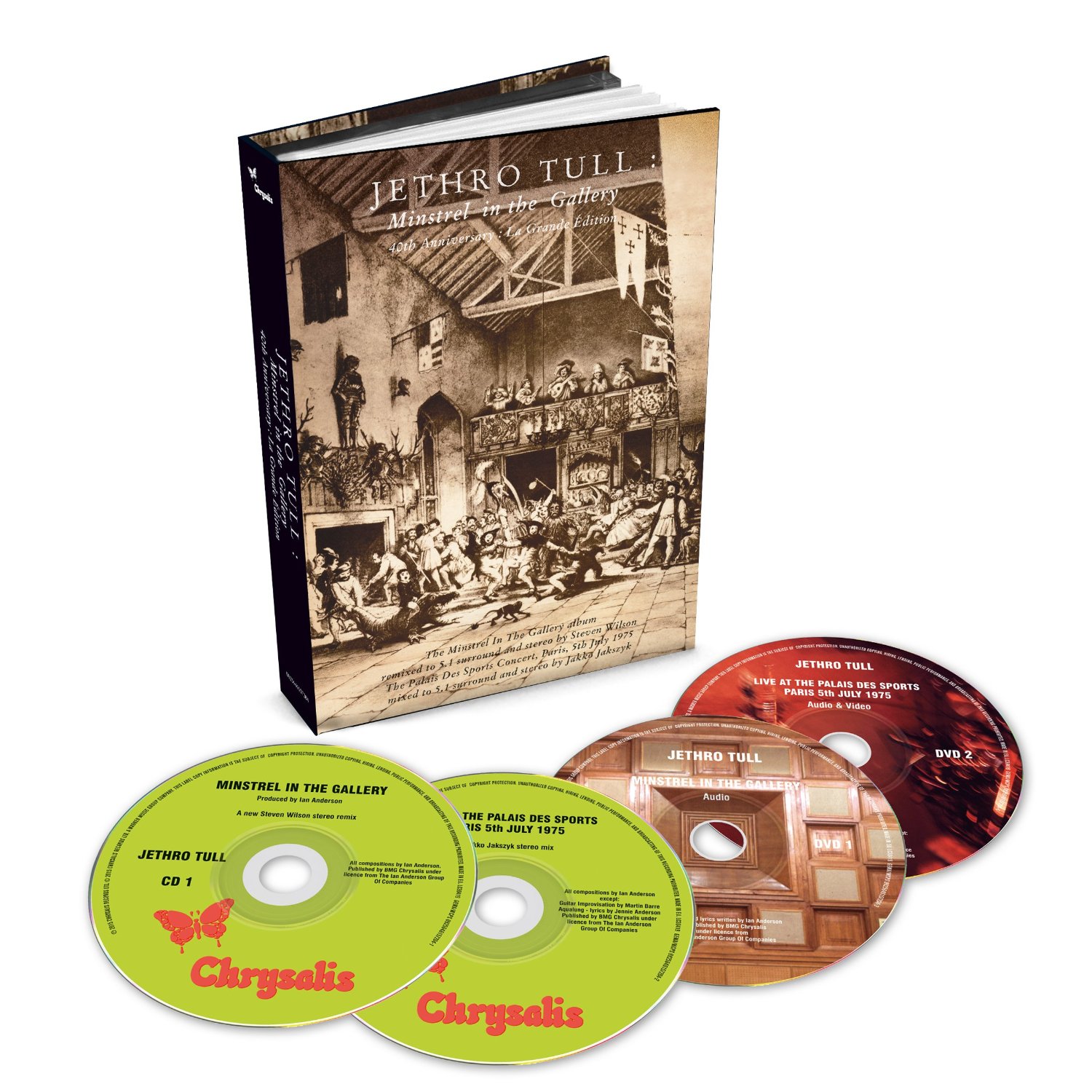 The number of exciting and revelatory reissues of prog classics is growing at an exponential rate. The best one of 2015 is La Grande Edition of Jethro Tull’s Minstrel In The Gallery. Ian Anderson was at his peak, songwriting-wise, at this point in his career, and this lavish set (including a new 5.1 surround mix) does one of the band’s best albums true justice.
And now for some new music:
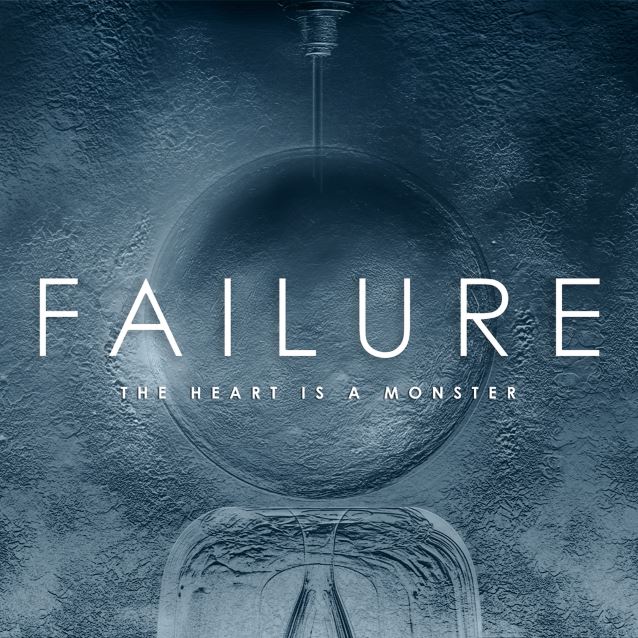 8. Failure: The Heart Is A Monster
A great Seattle band of the ‘90s that never received the acclaim it was due. They have reunited 20 years later. They are all older and much wiser, and it shows in their music. It’s still tough, melodic, and full of energy, while exhibiting a confidence and ease that is very gratifying.
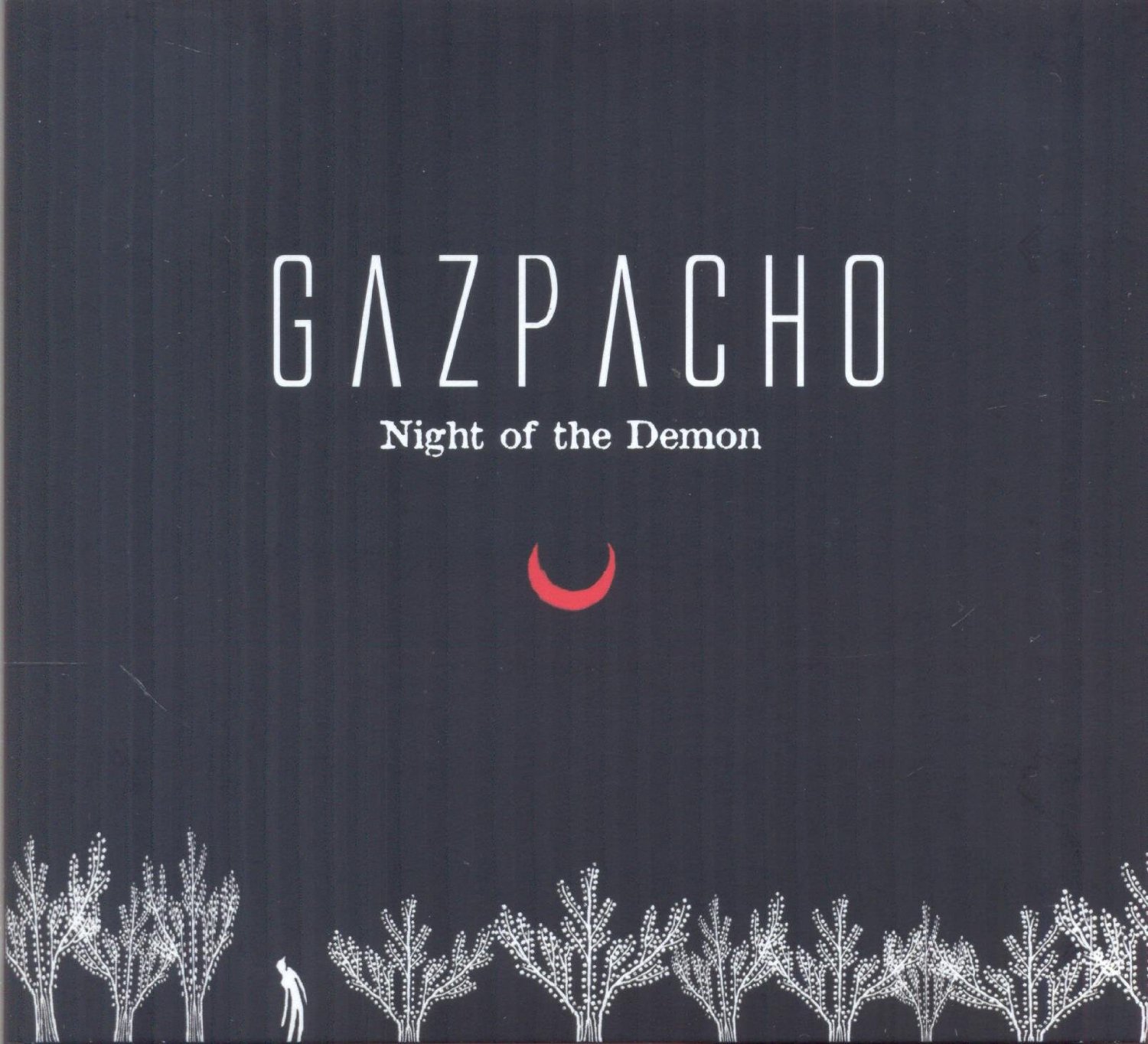 7.Gazpacho: Night Of The Demon
A very nice live set that provides a good sample of Gazpacho’s output. The band is incredibly tight while performing some demanding pieces. This is an excellent introduction to a band whose music is often enigmatic.
 6. Dave Kerzner: New World
Technically, this is a 2014 release, but the expanded double album came out this year, so I’m including it in this list. Strong Pink Floyd/Genesis influences which Kerzner uses to springboard into new territory. This is a concept album with an intriguing storyline – a stranded astronaut has to make it back to civilization on a planet. This is the most “classically prog” rock I’ve heard in a long time, and it’s tremendously appealing.
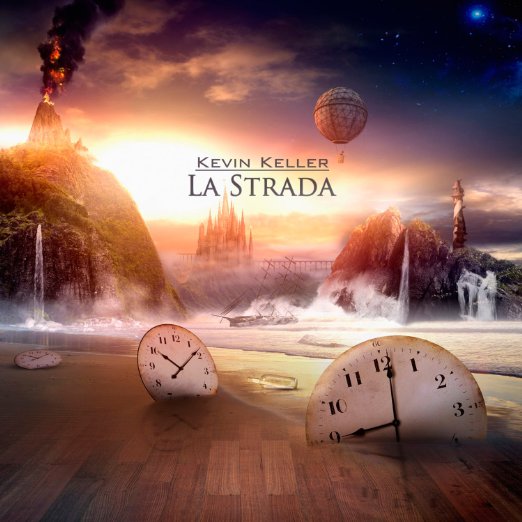 5. Kevin Keller: La Strada
Kevin Keller is a classical pianist and composer who loves Rush in general and Neil Peart in particular. His compositions are melodic yet challenging, and his production values are top-notch. His latest album is the perfect accompaniment to a relaxed Sunday afternoon.
 4. Lonely Robot: Please Come Home
Before 2015, I knew nothing of John Mitchell; this year I immersed myself in his work, listening to Frost*, It Bites, and above all his solo project Lonely Robot. This is prog with a pop orientation that never disappoints. He is an incredibly talented guitarist and vocalist, and I hope this is the first of many Lonely Robot albums.
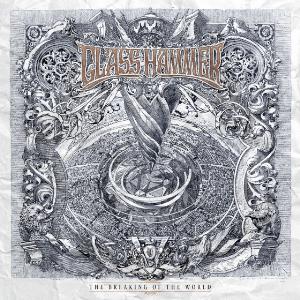
3. Glass Hammer: The Breaking Of The World
Wow. Ode To Echo was an amazing album, and “The Breaking Of The World” tops it. Carl Groves is the best vocalist they’ve ever had, and he’s no slouch in the lyrics department. His voice works perfectly with Susie Bogdanowicz, as you can experience on their other fine release of 2015, “Double Live”. On this album, the band is fire, powered by Steve Babb’s endlessly inventive bass and Fred Schendel’s keyboards.
 2. Neal Morse Band: The Grand Experiment
Neal Morse continues his streak as one of the most prolific artists in prog, and this time he offers up a true group effort, with all the band members sharing songwriting credit. “New Jerusalem” may be the best short-form song he’s ever been involved in, while “Alive Again” ranks up there with his finest epics. The band tore down the house when they performed these songs live; here’s hoping this is more than a one-time experiment.
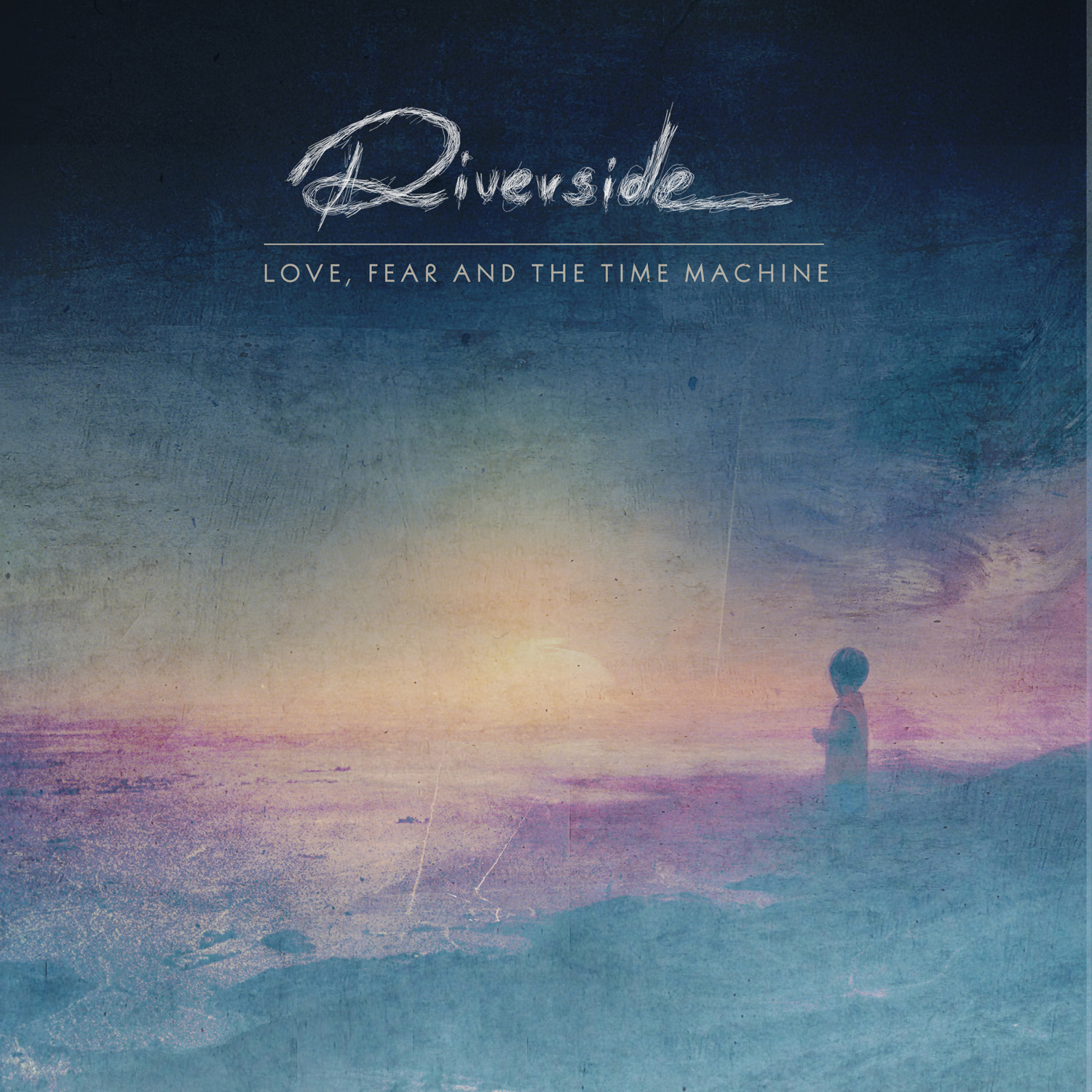 1.Riverside: Love, Fear, and the Time Machine
For their sixth full-length album, Riverside has tightened up their sound to deliver their best set of songs ever. Mariusz Duda marries the ambience of his Lunatic Soul project to a definite ‘80s sound – Discard Your Fear would be right at home on a Tears For Fears album, while Duda’s bass work has Peter Hook’s influence all over it – and the result is the most beautiful album I’ve heard in years. I listen to it two or three times in a row, I put it aside for a while, and I bring it back out. I have yet to tire of it. Be sure to read Erik Heter’s excellent and illuminating interview of Duda.
There have been quite a few CD/DVD/Blu-Ray combos released in the prog world recently, so here’s a rundown of the best of the bunch.
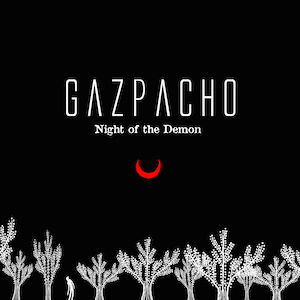 An outstanding performance by the boys from Norway. Even through tricky time signatures that require lockstep coordination of playing, Gazpacho delivers an emotional and beautiful show. Jan Henrik Ohme’s vocals are spellbinding – delicate and tremulous one minute, powerful and commanding the next. While he’s caressing the microphone, his bandmates play their hearts out. Songs I thought I knew take on new meaning and accessibility. This set is a perfect introduction to someone curious about this somewhat enigmatic and definitely magical group.
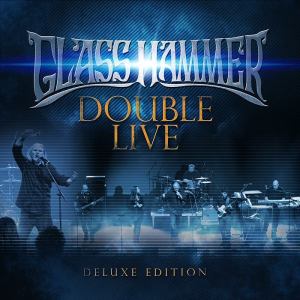 As light as Gazpacho is dark, Glass Hammer has been riding a high for the past few years – Ode To Echo and The Breaking Of The World are both instant classics. Double Live features the best cuts from those albums, as well as a terrific rendition of the epic “The Knight Of The North”. Steve Babb and Fred Schendel have been together so long they are telepathic onstage. Aaron Raulston is excellent on drums while Kamran Alan Shikoh has matured into an astonishingly inventive guitarist. Carl Groves is the best male vocalist GH has ever had, and Susie Bogdanowicz steals the show with her performance. No fancy camera work here – the music and performance are strong enough to speak for themselves.
Spock’s Beard: The First Twenty Years
 This is a fine collection of Spock’s Beard tracks. The first disc features the best of the “Neal Morse Years”, while disc two has six tracks from Beard versions 2 and 3 (featuring Nick D’Virgilio and Ted Leonard) and a new epic featuring a big reunion of everyone. You might think that losing your lead vocalist and sole songwriter would mean the end of a band, but the Beard is nothing if not resilient. The songs from the post-Morse era certainly hold their own against anything from the first six albums. I wish they had included “The Great Nothing”, but there’s only so much space on a compact disc! Of course, long-time Beard fans want to know how the new epic, “Falling Forever” stacks up. To my ears, it’s a pleasant listen, but not particularly memorable. It’s clear that Neal’s path has diverged from the Beard’s, and each camp has its own strengths that don’t necessarily mesh into a powerful whole anymore. The DVD features performances from 1997’s Progfest interspersed with contemporary interviews of the band. It’s illuminating for the hardcore fan, but not essential.
Flying Colors: Second Flight: Live at The Z7
 Phenomenal growth from this band. As mentioned in the interviews included in the Blu-ray, the first album had the members somewhat tentative about critiquing each other, while during the recording of Second Flight they were much more collaborative. This is set is a terrific performance that showcases the talents of each member. Casey McPherson is a very confident frontman, and an amazing vocalist. Steve Morse’s guitar work is jaw-dropping good, and Dave LaRue almost steals the show with his bass solos. Mike Portnoy is, as usual, controlled chaos on the drums. Neal Morse plays more of a supporting role in this group, keeping in the background for the most part. “Cosmic Symphony” and “Mask Machine” are highlights, while the segue from “Colder Months” into “Peaceful Harbor” is one of the most beautiful musical moments I’ve ever heard. The quality of the Blu-ray is top-notch, both in sound and video. An excellent choice for the prog fan who enjoys the likes of Boston, or even classic Journey.
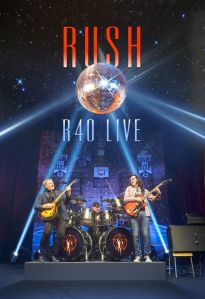 Which brings us to the big release of the year: Rush’s R40 Live. I have every live DVD Rush has released, and this isn’t the best performance. But there is something so special about this show that it will probably be the one I return to most often. There were times I caught myself thinking, “Gosh. they are looking old!”, but then I had to remind myself they’ve given of themselves so generously for 40 years. 40 years! How many bands have kept the same lineup for that long, and are still talking to each other? ZZ Top is the only one that comes to mind. The fact that this show is from Toronto makes it even more moving.
This is a top of the line production, with every possible camera angle a fan could ask for. The sound on the Blu-ray edition is outstanding; there are two surround mixes to choose from: front of stage or center of hall. The show itself is masterful – it is a trip back in time from Clockwork Angels all the way to “Working Man”.
The animated intro is hilarious – I had to go through it practically frame-by-frame to catch all of the visual puns. Every album and tour is name-checked somewhere in it. The initial stage set is very elaborate, but as the band goes back into their history, you can see workers slowly dismantle it. At the start of the second set, Alex is front of a huge stack of Marshall amps, and we’re transported to the 1970’s. By the time of the encores, Alex and Geddy are down to single amps on chairs in a high school auditorium.
My only quibbles are selfish – I wish there was at least one track from Power Windows/Hold Your Fire, and I don’t know why the bonus tracks at the end couldn’t have been inserted into their proper places in the concert video. Other than that, it’s a very good setlist.
What comes through most clearly as the concert progresses is the love and respect Alex, Geddy, and Neil have for each other. They look like they’re having the time of their lives, and they’re so glad to have several thousand fans along with them. Thanks for the ride, boys. It’s been a great one.
I’ve already reviewed Kevin Keller’s excellent new album, La Strada, in Progarchy, and he is now posting some fascinating behind-the-scenes videos of what went into the making of it.
In this one, Keller talks about how influential Genesis, Yes, and Rush (Neil Peart in particular) are to his music. Something Progarchy readers can definitely relate to!
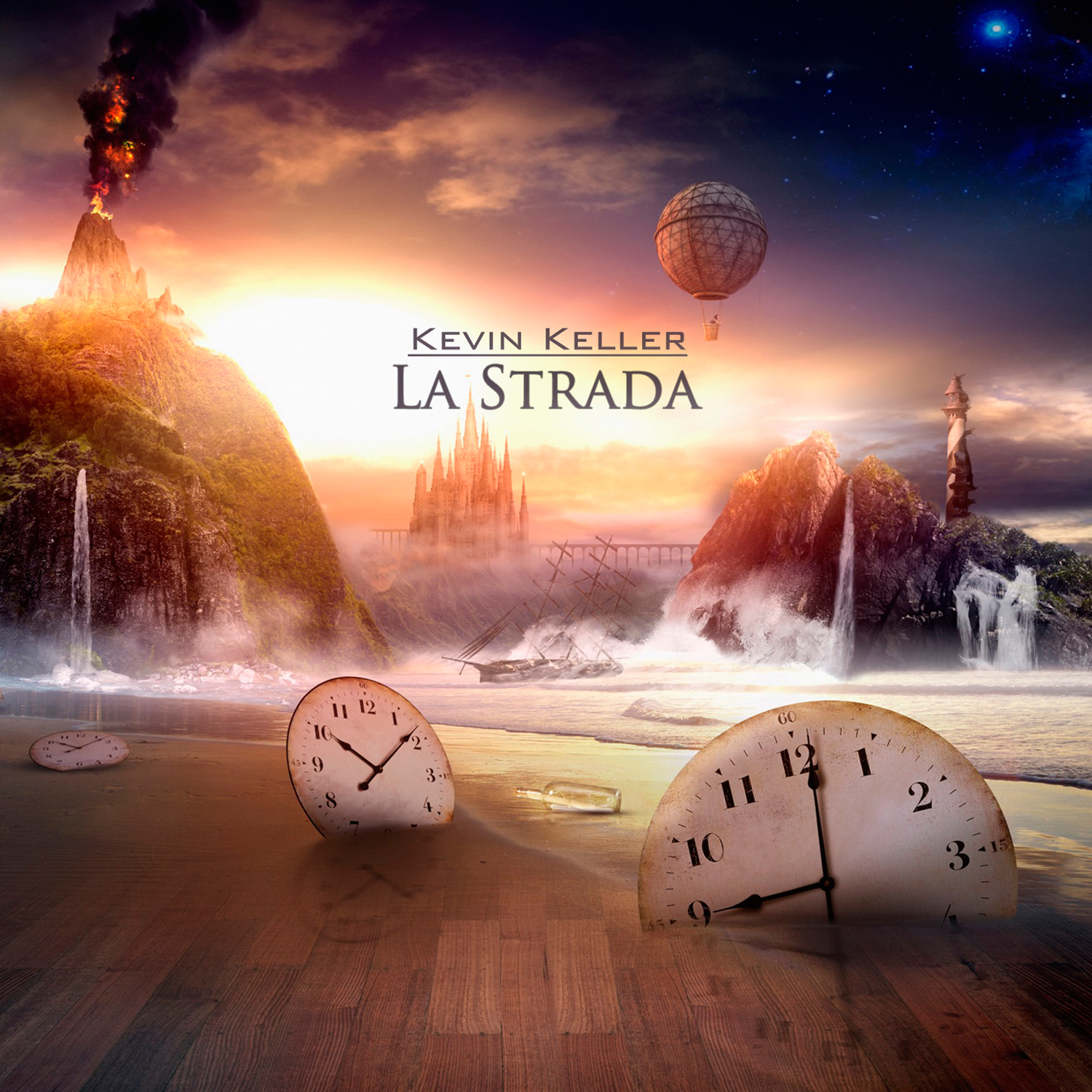
I first became aware of Kevin Keller’s music through mere chance. Driving home from a family vacation at the beach, we were all tired (and sunburned!) and I turned to the “Chill” channel on the satellite radio. The miles went by as generic ambient music filled the car.
Then a track began playing that made me perk up my ears and listen closer. It wasn’t aimless synthesizer noodling; no, this was music with some depth, melody, and real beauty. Hitting the info button on the radio, I noted that the song was “Distanced”, by Kevin Keller. I made a mental note to investigate further when we got home.
I did, and I spent quite a bit of time enjoying the generous offerings on his Soundcloud site. Before I was done, I had purchased Pendulum (the album containing “Distanced”), Nocturnes, The Day I Met Myself, and In Absentia. Each one is unique, but they all feature Keller’s distinctive voice as a composer. His music has been labeled neoclassical, but it transcends categorization. In his official bio, he states that he was first a progressive rock guitarist before he moved to the piano, and you can hear that background in his music.
Keller is about to release a new album, La Strada, which has been crowdfunded, and it is an exceptionally fine work. It was recorded with the Salome Chamber Orchestra, with guest musician David Helpling lending his guitar talent to the title track, and vocalist Marta Karamuz contributing to the final song, “New Beginnings”.
La Strada is divided into two “sides” (are there plans for a vinyl release?), and the first one opens with “At the Start”, which is just that: a brief piano piece with understated string accompaniment that sets the mood for the rest of the album. It segues immediately into “Tunnel of Light”, which is a fascinating dialogue between Keller’s piano and the orchestra throughout, while some electronic rhythms percolate underneath. “Moments Lost In Time” begins with a delicate and somber theme on piano, but it soon morphs into an interesting mix of processed vocals, strings, and driving beats before closing with solo piano. “La Strada” features one of Keller’s most gorgeous melodies. If Rachmaninoff were alive and had access to today’s technology, he might come up with a tune as beautiful as “La Strada”. It features Keller’s piano with Eno-esque sonics that serve the melody perfectly. Side One closes with “Lightning Road”, which is another driving mix of electronic beats, piano, and strings. This song features some of Keller’s most playful and energetic keyboard work.
Side Two begins with what I consider the best track of the album, and one of Keller’s finest productions – the 9 minute, 18 second-long “Beyond The Infinite”. It begins with a rapid ostinato on piano. Layers and layers of sound are added (did Keller multitrack the piano?) as electronic percussion darts in and out from all sides. Deep, wordless vocals combine with ambient synths to provide a bed of sound that Keller uses to build controlled tension on the piano. A snatch of a spoken phrase floats by; I barely catch “The origin and purpose is to build a total…” before the disembodied voice breaks up. As piano, strings, and electronics repeat an ascending phrase, the sense of enormous energy building up is almost overwhelming. Gradually, though, the layers of sound are dropped until only piano and ghostly synths bring the track to an end.
After the sonic explosion of “Beyond The Infinite”, we definitely need some catharsis, and “All Of This Ends” provides exactly that. A stately and elegiac track featuring only strings and piano, this is the perfect response to the previous track, bringing things to a satisfying conclusion. But there is still one more song to enjoy, the beautiful “New Beginnings”. Featuring the lovely vocals of Marta Karamuz, it has hints of Philip Glass, Bach (via some pipe organ-sounding synths), and Roger Eno (not Brian). By the time it’s over, you feel as if you’ve been in a lovely dream, but it’s time to return to reality.
Since the early ‘80s, I have enjoyed the music of many gifted composers of contemporary instrumental music. While the majority of so-called “New Age” music is absolute dreck, some artists who were unjustly thrown into that genre have risen above it: Patrick O’Hearn, Harold Budd, Mark Isham, Brian Eno, Roger Eno, Robin Guthrie, and Steve Roach have all composed and produced music that will stand the test of time. Kevin Keller is also one of those special artists. He is not afraid to make music that is beautiful for beauty’s sake, and he has a deft sense of how modern electronics can enhance, not overwhelm, his compositions. He is one of the most talented composers working in music today, and he deserves the widest possible audience.
For readers of Progarchy, fans of Lunatic Soul will find a lot to love in Keller’s music. You can access it at bandcamp, itunes, and amazon. Details are at http://www.kevinkeller.com/.
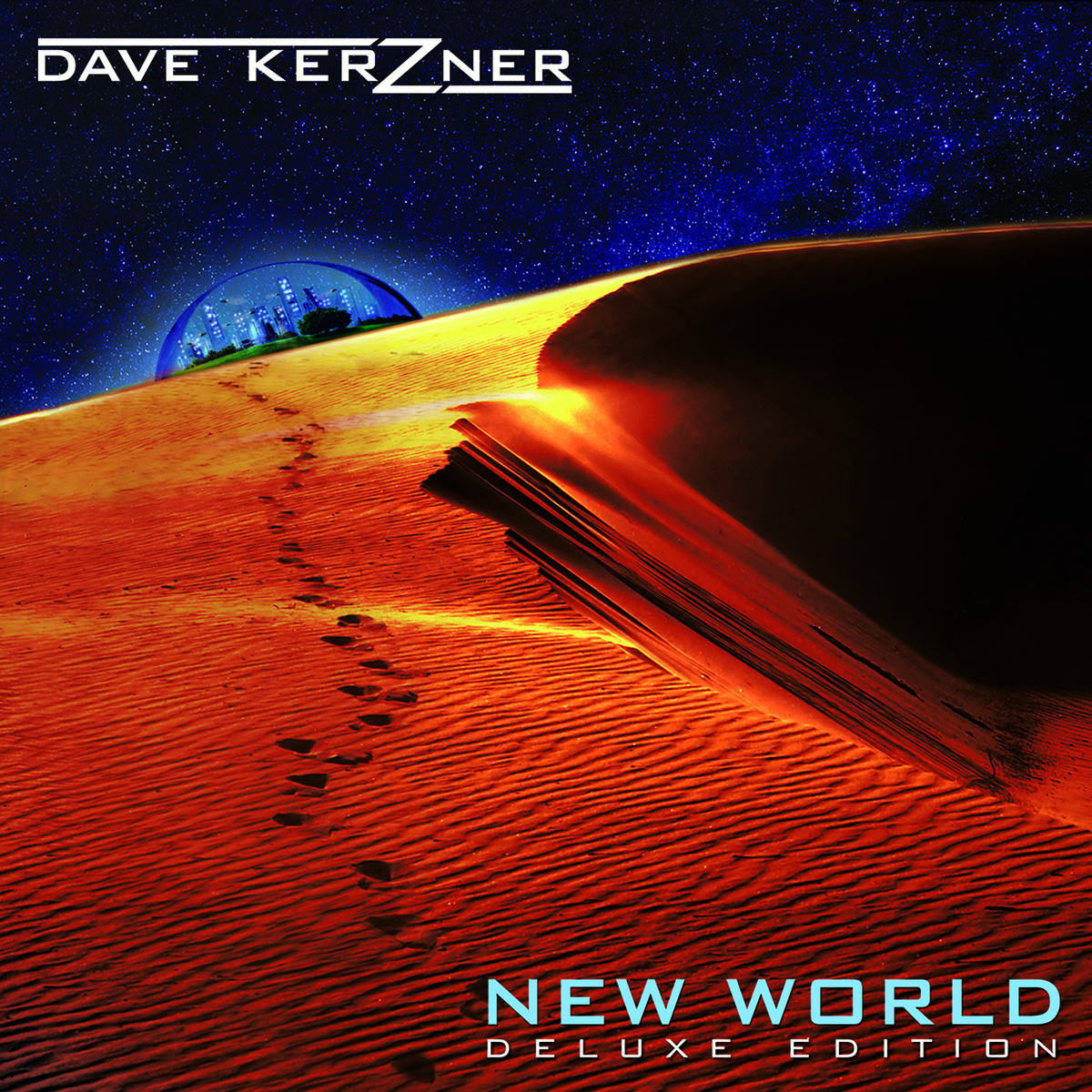
Dave Kerzner is letting prog fans stream his album, New World, free. If you haven’t heard it yet, you owe it to yourself to give it a listen. It is one of the best albums of the last few years, and while you’re enjoying it, read Progarchy’s Alan Dawes’ excellent review.
Click here to go to the album stream, and click here to read Alan’s review.
 Progarchy