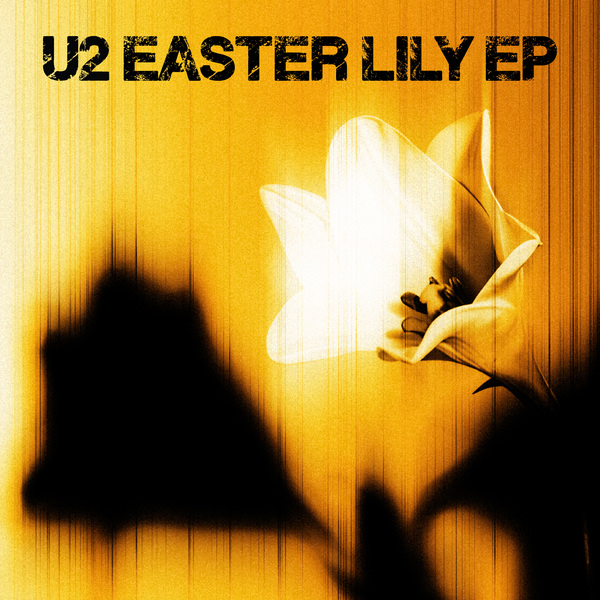
On Good Friday, U2 released their second surprise EP of 2026: Easter Lily.
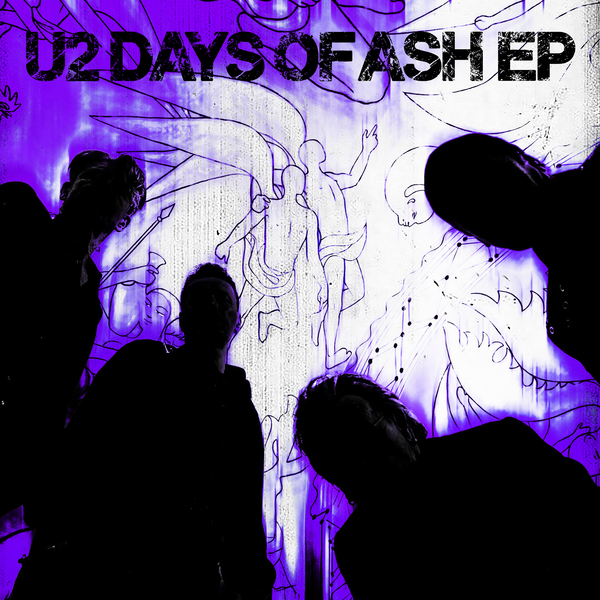
Like the Days of Ash EP on Ash Wednesday, this is new music with U2 at their very best.
U2 is a funny band. They’ve been called the most overrated band in the world. They’ve also been called the most underrated band in the world. If you do the math on that, that means they are actually the best band in the world.
No one could be so polarizing if they did not have something special going on for so many years now.
The Easter Lily EP together with the Days of Ash EP easily clocks in for a full LP. And the band is not finished yet. A new full LP will be out later this year.
But even on its own, Easter Lily is over half an hour long. By classic rock standards, that qualifies as a full vinyl release.
And Easter Lily makes a case for considering U2 as a true prog band.
In the first place, the album is thematically coherent. It’s one of the best executed concept albums you will ever hear.
Beginning with the theme of friends lost and friends presently still held dear, it goes on to engage with the themes of suffering, transformation, resurrection, and healing.
It’s serious and joyful and inimitably U2.
None of the songs sound the same, but they all sound like U2 in various phases of their audio incarnations.
I love how the album begins with what we think of as the “trademark” U2 sound, that guitar sound that Eno and Lanois brought forth with The Edge on The Unforgettable Fire and conquered the world with on The Joshua Tree.
But U2 really has no one sound, despite the most famous associations that this distinctive one has. When you listen to the albums before those most famous ones, The Edge is already innovating in different ways that are still utterly distinct to U2.
And so too on all U2 albums that followed those: U2 constantly reinvented themselves and never stood still sonically.
Which brings me to my second point about Easter Lily. In the second place, it is not just a coherent concept album but also a coherent overview of U2’s vast sonic range. No one sounds so different and so utterly one — so individual — as a band than U2.
Both those points together make the case clear. U2 is a prog band, because their spirit has always been one of constant progression. They have never stagnated; or, if they ever appeared to, they have always doubled down and come back stronger than ever.
Which is precisely the story of Easter Lily. Because it sure seems to be U2’s most definitive and most impressive Resurrection Song.
This is entirely unexpected and so incredible. U2 has released a surprise EP with some of their best music in decades. The single, “American Obituary,” is a rousing anthem that instantly ranks right up there with their best. Wow! Don’t miss out on this. If you thought perhaps America is lost, U2 reminds you of the hidden power of good — which evil can never vanquish.
[Intro]
You have the right to remain silent
Or not…
[Verse 1]
God above a mother’s love
A guiding hand to pick you up
To crush her like a coffee cup
Why?
Crossing guard or yellow bus
Our children teach us who to trust
The worst can’t kill what’s best in us
But they can try
America will rise
Against the people of the lie
[Chorus]
I love you more
Than hate loves war
I love you more
Than hate loves war
War, war
[Post Chorus]
(War, war)
(We love you more)
(War, war)
(Than hate loves war)
[Verse 2]
Renee Good born to die free
American mother of three
Seventh day January
A bullet for еach child, you see
The color of her eyе
930 Minneapolis
To desecrate domestic bliss
Three bullets blast, three babies kissed
Renee, the domestic terrorist???
What you can’t kill, can’t die
America will rise
Against the people of the lie
I love you more
Than hate loves war
I love you more
Than hate loves war
War, war
[Post Chorus]
(War, war)
(We love you more)
(War, war)
(Than hate loves war)
[Bridge]
I am not mad at you, Lord
You’re the reason I was there
Could you stop a heart from breaking
By having it not care?
Could you stop a bullet in midair?
[Verse 3]
The power of the people is so much stronger than the people in power
The power of the people is so much stronger than the people in power
The power of the people is so much stronger than the people in power
[Verse 4]
In the streets with children playing
In the churches where they’re praying
School teachers are explaining
America, America
The power of the people!
[Outro]
We love you more (we say, we say) than hate loves war
I love you more (I say, I say) than hate loves war
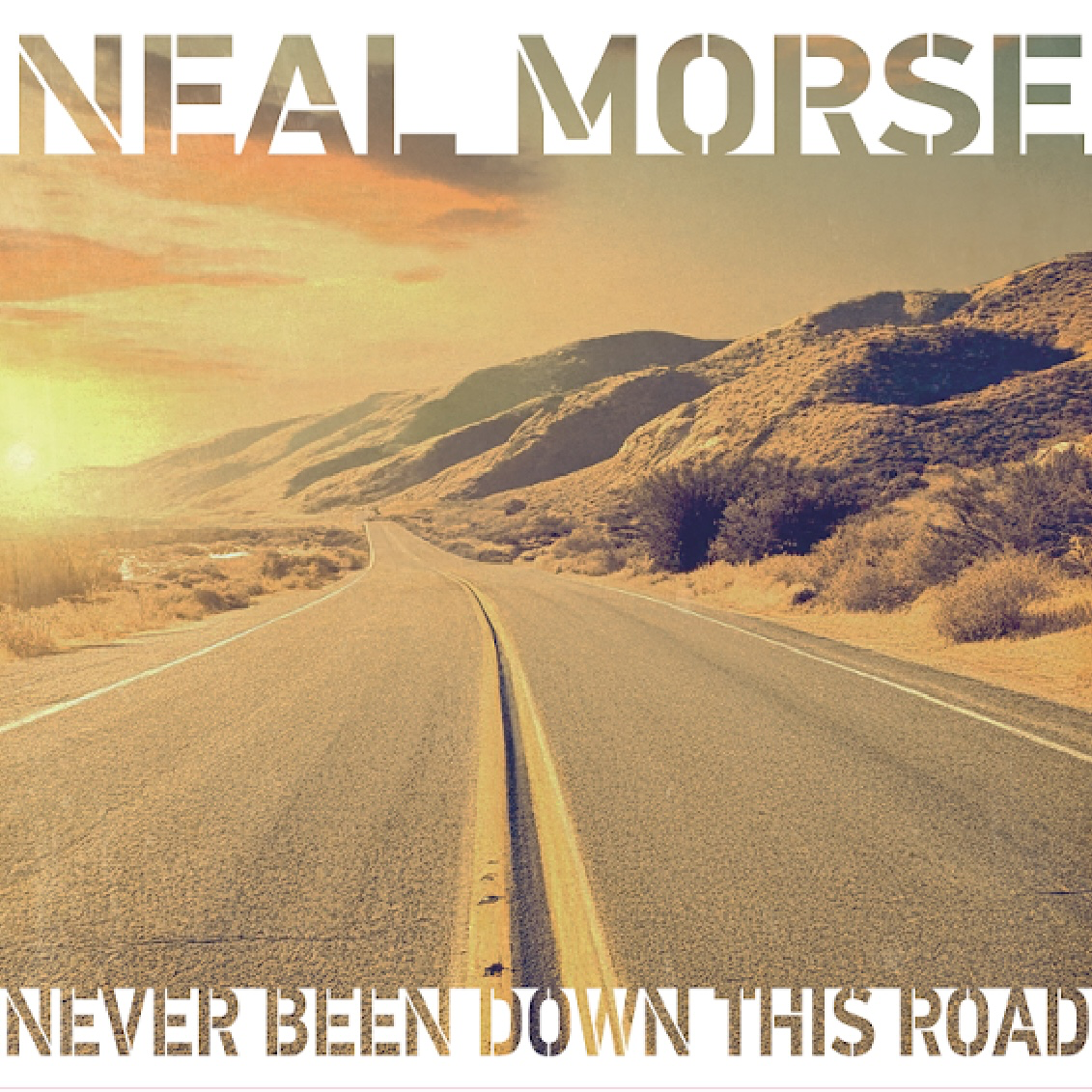
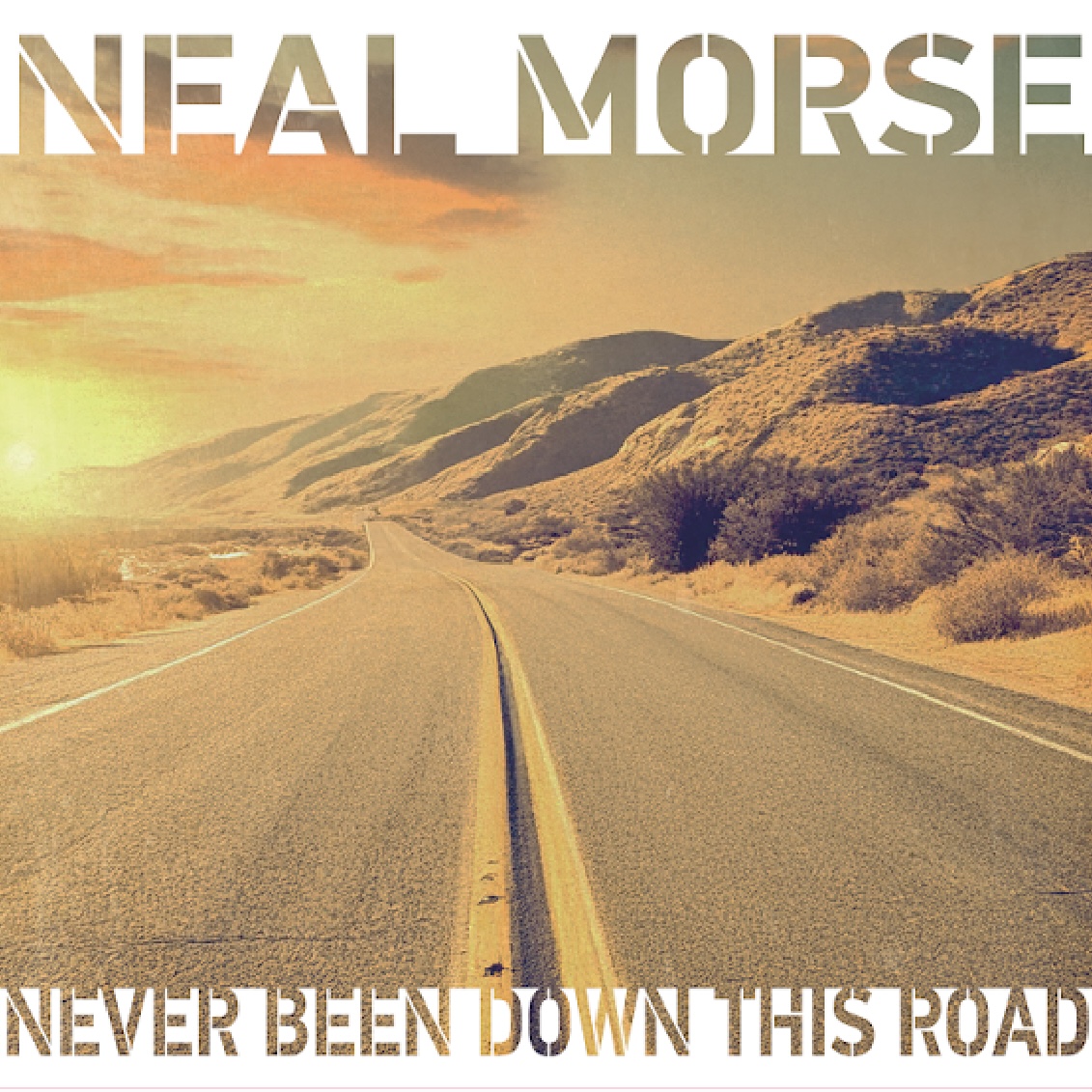
Wow. This is an unexpectedly impactful album from Neal Morse. You never know what you’re in for with any of his new projects, but this one has surprised me with its unusually profound emotional immediacy.
Right out of the gate, “Leavin’ California” delights the listener with an autobiographical reflection from Neal. He delivers it in a piano-laden style that reminds us of Bruce Hornsby and the Range’s big hit, “The Way It Is.” However, we get here something even deeper than Bruce Hornsby’s observations about an uncaring jerk who tells a hard-luck case to “get a job.” Instead, Neal himself sings from the POV of the down and out. He tells his own story about getting fired and being miserable. This epic and encouraging tale is alone worth the price of admission.
But the whole album continues with music of the highest caliber. The next song, “New Man,” tells a fictional tale that is no less moving than Neal’s own—no doubt because its composite image is based on a variety of true-life stories. Here, Neal quite effectively takes us down the road to redemption, guiding us to a thrilling musical catharsis where we can exclaim along with him, “God bless the new man.”
“Reach Deep and Grab It All,” with its perfect hook and killer horns, shifts gears from the consummate storytelling of the first two tracks into a dazzling display of hitmaker songwriting. Neal shows the same ability on the penultimate track, “The Heart Always Knows,” which combines a catchy chorus with the rollicking good time of a barn-burning stomper. He even throws in a perfect-fit sax solo on that penultimate track, as well as on the album’s closing track, “Breathe the Air.” That lush finale, along with two other tracks, succeeds in presenting the listener with an unusually intimate mode of prayer that displays a fully naked emotional honesty: “Open Up Again” and “The Most Important Person.”
The album thus has a unique mix of singer-songwriter mini-hits, short stories, and humble prayers. But “Never Been Down This Road” is the impressive title track that adds something further—a prog dimension—to the album’s many-sided gifts. “Never Been Down This Road” has lyrics infused with a mystical poetry that seals the whole album as another upper-echelon, Dylan-level achievement by Neal Morse. So, drink in and enjoy this whole beautiful album. It’s a satisfying and deeply moving artistic achievement.
Now here it is in all its official glory, downloadable from Bandcamp. Take a listen and then decide if you want to go all in on supporting this awesome band.
Happy release date to Brass Camel! Nice work, gentlemen. Prog on!
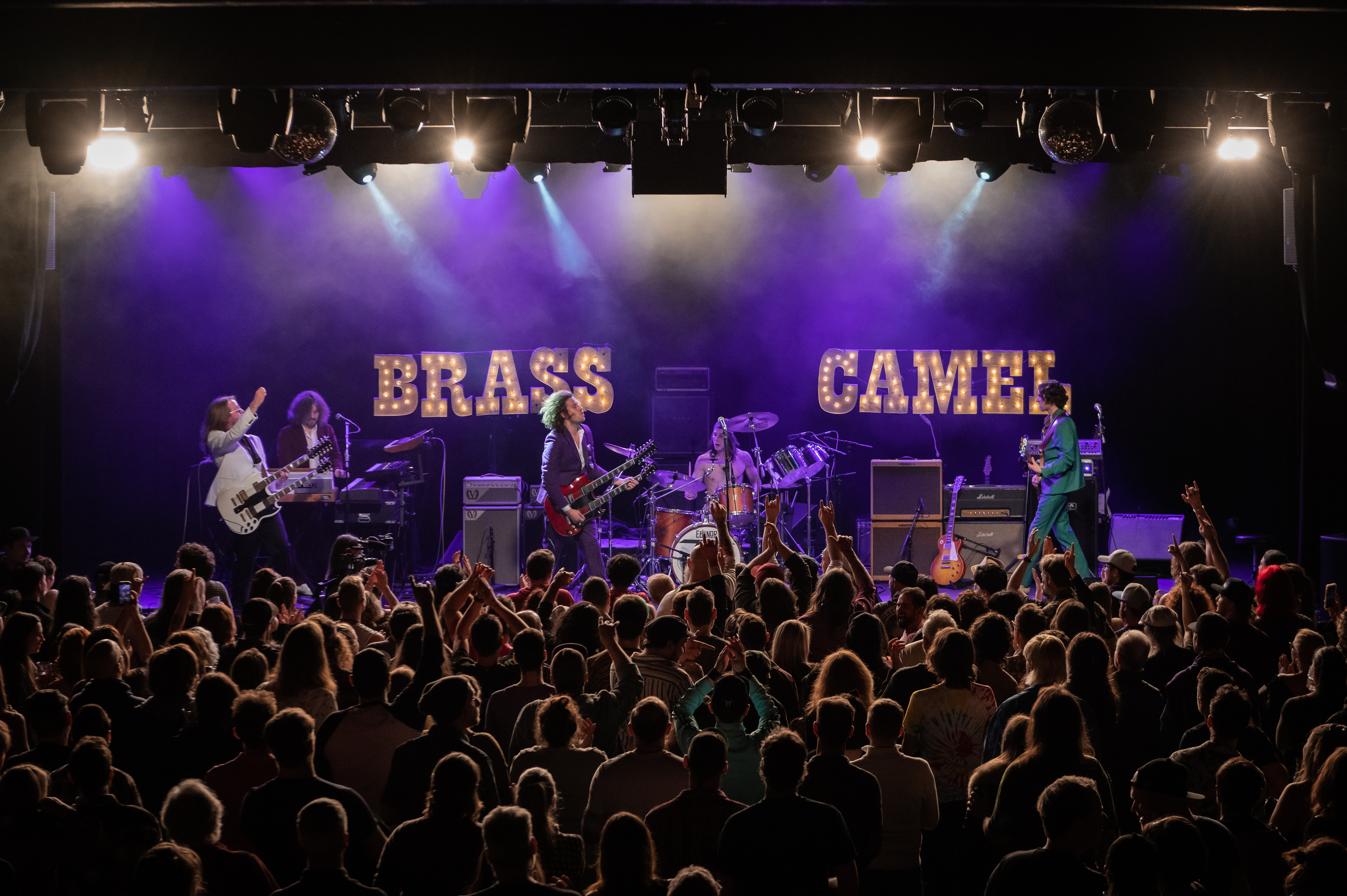
Vancouver band Brass Camel is only a handful of days away from releasing their genre-bending sophomore album, CAMEL.
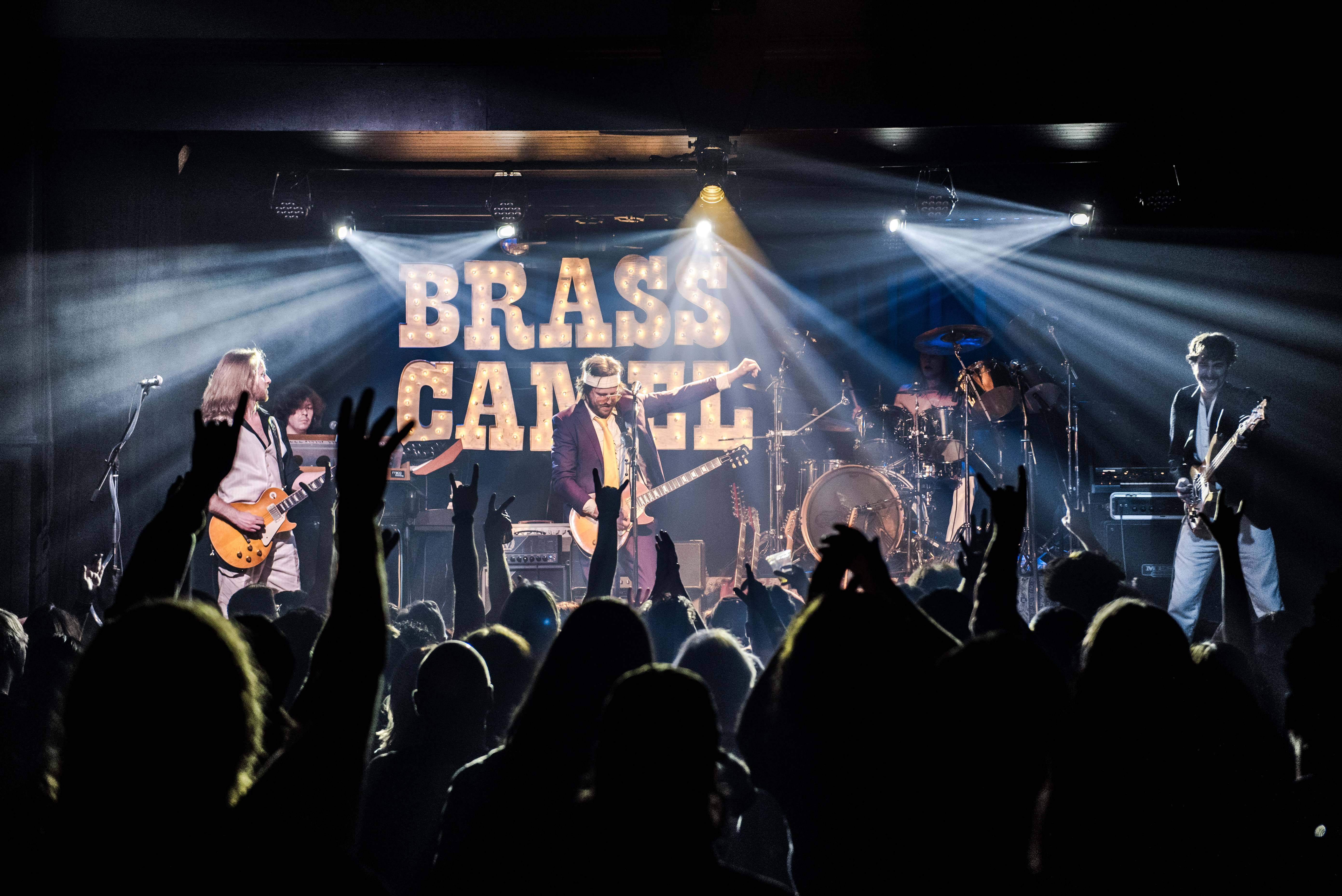
Progarchy has already seen them perform live the most tantalizing parts of this amazing disc. We can attest that you will be thrilled to hear its contents. The prog is strong with this one.
Clocking in with six tracks across 40 minutes (a runtime supremely suited for those of us with refined vinyl sensibilities), two of those tracks are prog extravaganzas that are over 11 minutes long. Take note, folks: these brilliant tracks open the A-side and close out the B-side. Now that’s how one bookends an album in the most impressive way!
While Progarchy is presently preparing our review of the imminent CAMEL album (SPOILER ALERT: we love it!), here’s a press release from the band to get you so excited you’ll fall off the edge of your seat:
After successfully criss-crossing Canada three times on the strength of a word-of-mouth reputation and a hard-earned live following, Vancouver-based Brass Camel return with their second full-length record: Camel. Clocking in at 40 minutes across just six tracks, the album is an unapologetic artistic statement from a band whose sound resists easy classification—equal parts progressive rock ambition and deep-pocket groove, with no shortage of swagger, surprises, and soul.
Their self-styled “prog-funk” sound may raise eyebrows on paper, but as multiple Grammy-winner Fantastic Negrito put it: “They sound like a funky Rush.” Or, as Big Sugar frontman Gordie Johnson (who also guests on the record as the group’s Zappa-tinged “cat whisperer”) once declared, “Brass Camel…man, they’re good worldwide.”
Following their 2022 debut Brass, the band doubled down—both on the road and in the studio. Camel is the result of that momentum: two 11-minute bookends, four shapeshifting shorter tracks, and zero interest in playing it safe.
The album opens with “Zealot,” a tense, swinging epic about the inquisition inspired by The Pit and the Pendulum, and closes with “Another Day”—a three-part reflection on life, death and the promise of peace in eternal rest, written after the suicide of Sveinson’s sibling. The track climaxes in an explosive Minimoog solo by keyboardist Aubrey Ellefson, which sees the guitars step out of the picture as the trio of Ellefson, bassist Curtis Arsenault and drummer Wyatt Gilson put their respective instruments through the paces, not unlike a hard-rock “The Cinema Show”.
Lightening the tone, bassist Arsenault’s cat Lionel gets his own theme song in “Pick of the Litter,” which melts seamlessly into the riff-heavy “Chain Reaction.” Side B brings the slinky, Little Feat-tinged drug-running tale “On the Other Side,” followed by the strutting “Borrowed Time,” praised by LouderSound in their “Tracks of the Week” feature as a stomping, riff-driven anthem about burnout and the grind with no shortage of swagger and subtle weirdness.
Recorded at Vancouver’s iconic Hipposonic Studios (formerly Little Mountain Sound which saw the likes of AC/DC, Metallica and Aerosmith roll through) and co-produced/mixed by multi-Juno-winner Ben Kaplan (Biffy Clyro, Rise Against, Mother Mother), Camel captures a band at a turning point—gritty, gutsy, weird enough to stand out, yet fun enough to make people move. They’ve played over 120 shows together in the past two years. They’ve got the chops, the chemistry, and the catalog. All they need now is the world to catch up. As Crown Lands’ Kevin Comeau put it after seeing the group live for the first time in 2024, “I have seen the future of prog rock…and it is Brass Camel”.
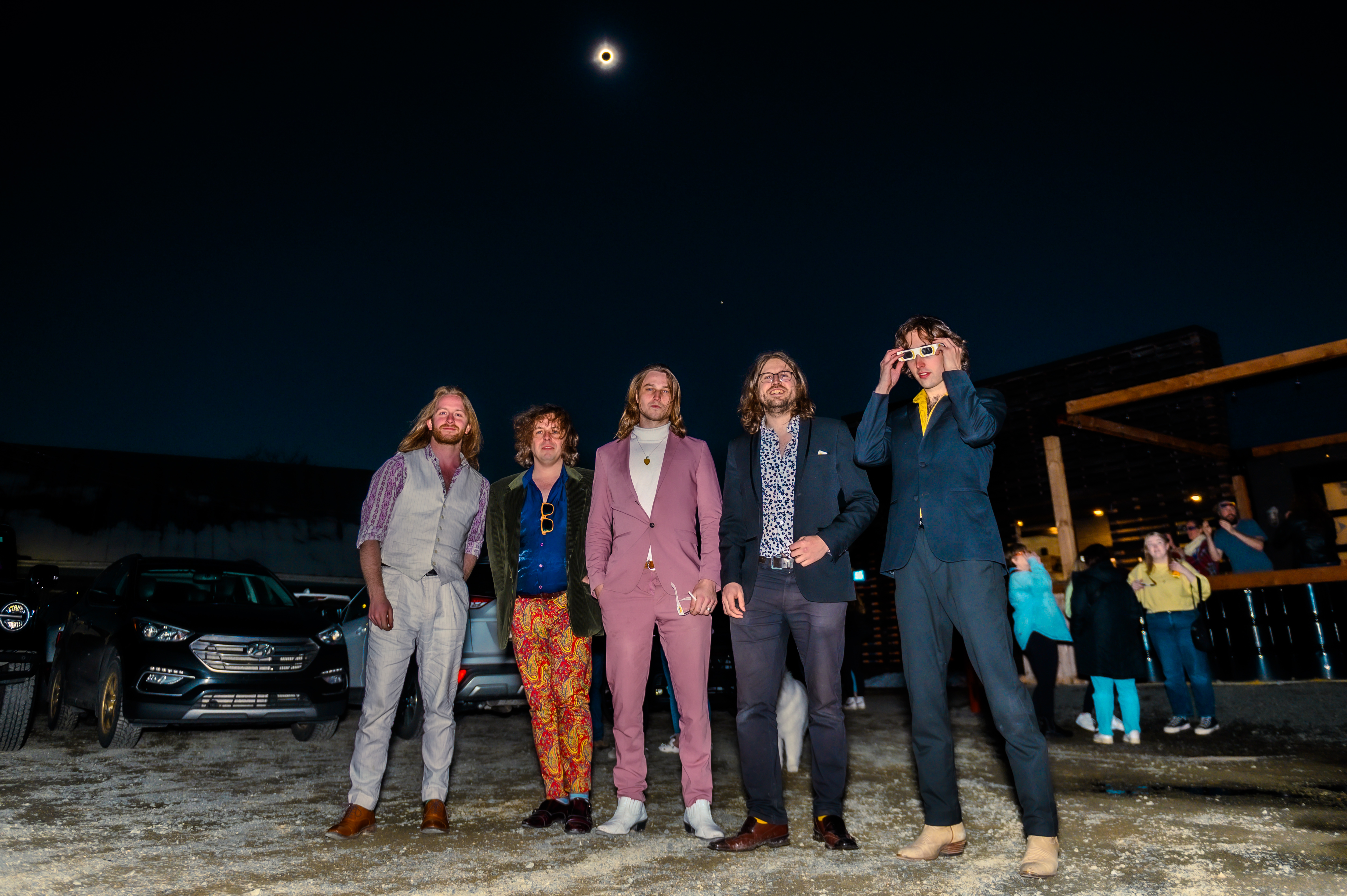
Brass Camel is: Daniel Sveinson – vocals/lead guitar Curtis Arsenault – bass/vocals Wyatt Gilson – drums/percussion Aubrey Ellefson – keyboards/vocals Dylan Lammie – lead guitar
If you end up listening to this album on streaming (while you are waiting for your vinyl copy to arrive, of course), here are the liner notes for you to keep handy:
Brass Camel – Camel
liner notes
Side A:
1. Zealot
2. Pick of the Litter
3. Chain Reaction
Side B:
4. On the Other Side
5. Borrowed Time
6. Another Day
I.The Crystal Vase
II. Is it Any Brighter?
III. Echoes of Eternity
Brass Camel is:
Daniel Sveinson – electric guitar/vocals
Curtis Arsenault – bass/vocals
Aubrey Ellefson – keyboards/vocals
Wyatt Gilson – drums and percussion
Dylan Lammie – electric guitar
Written, arranged and produced by Brass Camel
Co-produced, engineered and mixed by Ben Kaplan
Mastered by João Carvalho
Recorded at Hipposonic Studios and Camelot Studios
Mixed at Kaplan Krunch
Street scenes recorded at St Peter’s Basilica
Assistant engineering by Jeremiah Gowen
Drum setup by Flavio Cirillo
Special thanks to Gordie Johnson for being our cat whisperer
The end of the year is a great time to look back at all the best new music we have discovered in the preceding months. But December’s homestretch is a particularly exciting time. The whirlwind of solstice celebrations presents us with many additional opportunities to discover overlooked albums.
One of my favorite finds during the past few weeks has been Richie Kotzen’s fantastic Nomad album, which I somehow missed earlier in 2024 (despite being a big fan). I’ve been playing it repeatedly as the year closes out. It’s rocketed onto my top ten list, but more on that later.
For the moment, I wanted to mention a cool album from a couple of years ago that I’ve just now gotten into. Clear your headspace and get ready to discover strange new worlds with this little gem from Mi’ens (pronounced “mittens,” but of course with the requisite accent):
Mi’ens is a mathy noise rock duo from Vancouver, Canada, founded in 2012. Experimental, with a side of sparklepop. Mi’ens is the female-fronted shredding of Kim Glennie on guitar/loops/Moog, backed by the polyrhythmic blastbeats of Evan Heggen on drums. Their unique brand of math noise consists of live loops, layered textural guitar and effects, the warm, analog drone of the Moog, coupled with well-placed vocalizations, all atop breakneck beats. Mi’ens veers into the territory of art rock/post rock on their latest, Future Child, a follow up to 2017’s Challenger, their 2014 LP experimentalsparklenoisepop and the 2013 demo EP Mi’ens. Mi’ens has toured the US, UK and Canada, and has opened for Tera Melos, Elephant Gym, LITE and Drug Apts.
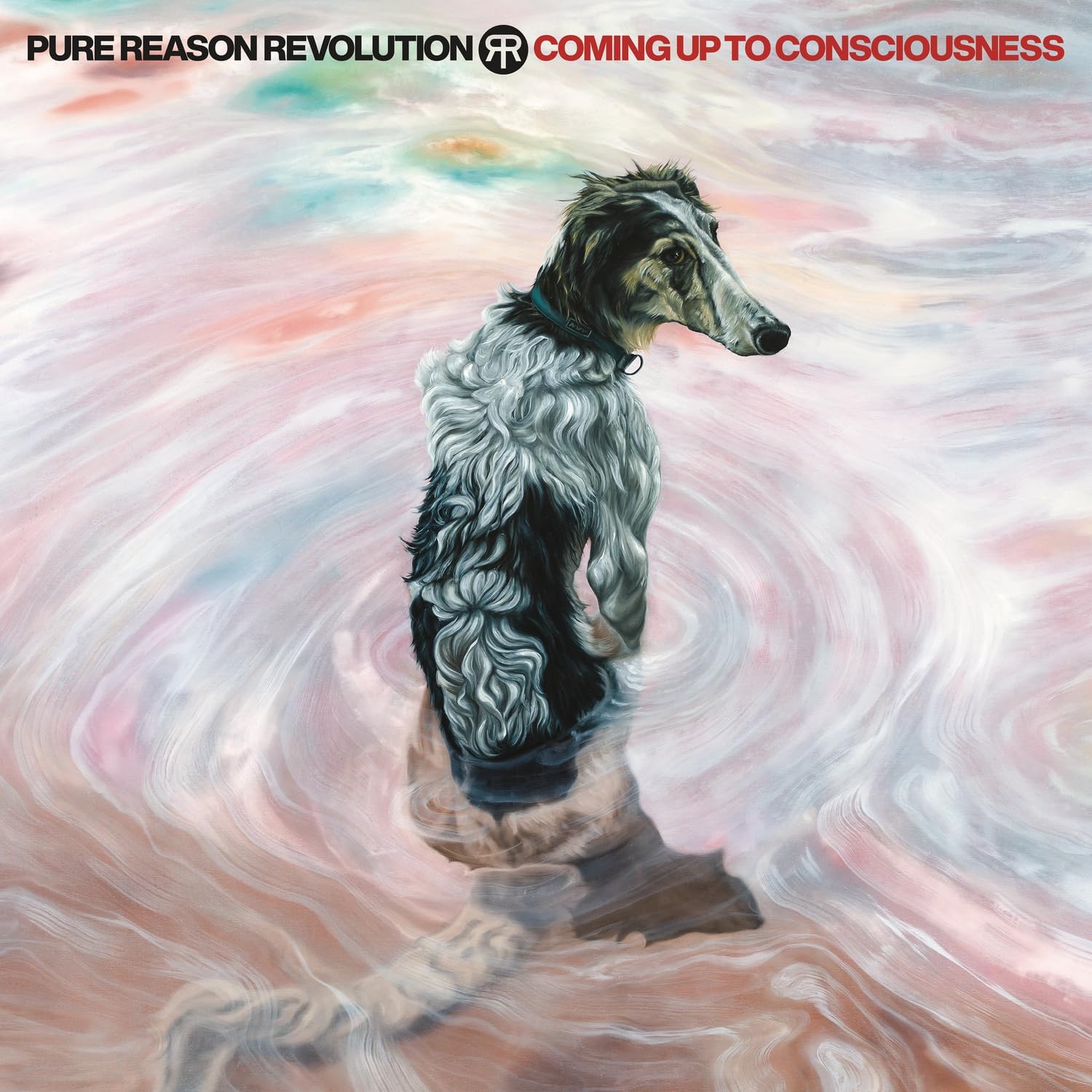
I think Coming Up to Consciousness (2024) is my favorite Pure Reason Revolution album since The Dark Third (2006).
People say that Pure Reason Revolution disappeared for a decade. But really, Jon Courtney was just continuing the explorations begun on Amor Vincit Omnia (2009) and Hammer and Anvil (2010). He did so, for example, with Bullet Height and the album No Atonement (2017).
In my view, Jon Courtney has always been up to something interesting. But with Eupnea (2020) and Above Cirrus (2022), he returned to working with Chloe Alper to put those lovely trademark PRR harmonies to work again on albums of deliberately more progressive (more than just electronic) rock.
I always liked Chloe’s ability to sound like Kate Bush whenever she sang a solo line. But the magic sound of PRR has forever been their combined male and female vocal sound. With Chloe replaced by Annicke Shireen on Coming Up to Consciousness (2024), the main question is whether or not the magic continues.
Happily, it does. The characteristic male-female vocal mysterium coniunctionis of PRR is unmistakably present throughout. Jon deploys his trademark solo snarl whenever it is most effective to do so. And when Annicke sings a solo line, she may not be Kate Bush, but she has a pleasing ethereal quality, like a chanting Tolkien elf.
Greg Jong joins in with Annicke and Jon to keep that beautiful PRR sound going strong throughout the album. I find their work as a vocal trio to be exactly what keeps me a rabidly enthusiastic PRR fan. It’s such a great sound, and I can’t find it anywhere else.
What is most impressive is that on Coming Up to Consciousness (2024) the whole album feels like it is animated by the dreamlike sound and vibe of their debut album, The Dark Third (2006).
I haven’t verified the feeling by listening again to the back catalogue. But for the purposes of this review, it is enough for me to communicate my undeniable impression and firm conviction. This album truly feels to me, when I listen to it, like The Dark Third (2006). And that means I am in heaven again.
Jon wrote, produced, and engineered all the tracks. But Greg joined him in those three tasks on “Betrayal,” “Bend the Earth,” and “Lifeless Creature.” Jon wrote all the lyrics. But Greg is a production wizard who leaves his mark everywhere. Also, Greg played slide guitar and harmonica on “The Gallows.”
Ravi Kesavaram of the PRR touring lineup delivers a stellar drum performance here as an official band member. The fantastic sonic experience delivered by the drumming is no small part of what made me feel like I was in The Dark Third territory again. And Ravi did the drum mixing and added his hand to the production as well. Very impressive.
Guy Pratt played bass and did the bass production, and it sure sounds good all throughout. “Betrayal” is a particular favorite of mine in that regard. So smooth, so good. But Jon Sykes played bass on one track: “Worship.”
Lewin Krumpschmid supplied additional Fender Rhodes work along with piano and Hammond organ finesse. I love how everything blends together in the sort of spacey atmospheric and unusual tonal experience that is the PRR sound.
Bruce Soord mixed everything. Steve Kitch mastered the album. So now we have PRR sounding extra special good. I’m sure Bruce’s work is no small reason why the dreamy vibe of this whole album has me ranking it in favor next to The Dark Third (2006).
Bruce also added guitars to the three tracks that were released in advance of the official album release day (September 6, 2024): “Dig Till You Die,” “Betrayal,” and “Useless Animal.” Bruce also added guitars to a fourth track: the insanely great “Worship.”
I’m guessing that the especially cool combination of Bruce’s contribution to PRR in this regard—namely, both production and guitars—helped the band to decide which three songs to share with the public first.
I confess that I needed the full album context, hearing all tracks together at once on the same day, to be properly floored by the album. There’s something about PRR that makes them truly an album makers’ and album lovers’ experience. Jon wisely recognizes that about 40 minutes is the perfect album length (as he agreed with me when I interviewed him for Progarchy), but even short songs are marked by a prog aesthetic. They change through many moods, shift tempos, and toss in electronic oddities and textures, all to surprise and delight. It’s like mini prog. Just perfect.
The electronic download before release day listed 14 tracks. The advance reviewers’ copy of the album (supplied to us by the record company in MP3s of quality so crappy that I refused to review them in advance) also had the 14-track division. I notice that many advance reviewers complained about the six transition songs of interludes and a prelude, which seemed too ridiculously short to merit reviewers’ comments or even their own independent existence as distinct tracks.
I can happily report that the CD release has only eight songs. The “Prelude: Coming Up to Consciousness” (0:32) has been assimilated into “Dig Till You Die” (now 5:08 instead of 4:36) as its beginning, and so on with all the interludes, which have been assimilated as the true beginnings of the songs that they had previously preceded. The exception is “Interlude 5” (0:38), which is added to the end of “Lifeless Creature” (now 6:48 instead of 6:10).
I wanted to mention these facts, because the version you own will differ, depending on whether you buy a download from Apple (14 tracks) or buy physical media (8 tracks). If you’re a true fan like me, you own both, in order to support the band to the maximum.
Speaking of support, I did order the CD from Amazon, but only so the precious cargo could arrive exactly on release day, to be held in hand as the treasure that it is. However, to financially support the band, I ordered the special rare track CD, In the Realms of the Divine, from their Web store, Glassville Music.
Despite paying a pretty penny, and despite paying extra for tracking so that I could conduct surveillance on the thrilling progress of the disc to my mailbox, absolutely nothing has shipped yet. How disappointing. I think more fans would order direct from the band, and not Amazon, if they could be assured that their merchandise would arrive on release day or, even better, in advance of an official release day.
But I don’t want to end on a sour note. What I’m really saying is that PRR fans love PRR, because PRR keeps on delivering the best music to us. Congratulations, folks, on the truly beautiful work you have given us on Coming Up to Consciousness (2024). Many happy returns. We love what you do.
Pure Reason Revolution, Coming Up to Consciousness (2024)








 Progarchy