Rick’s Quick Takes for Summer’s End

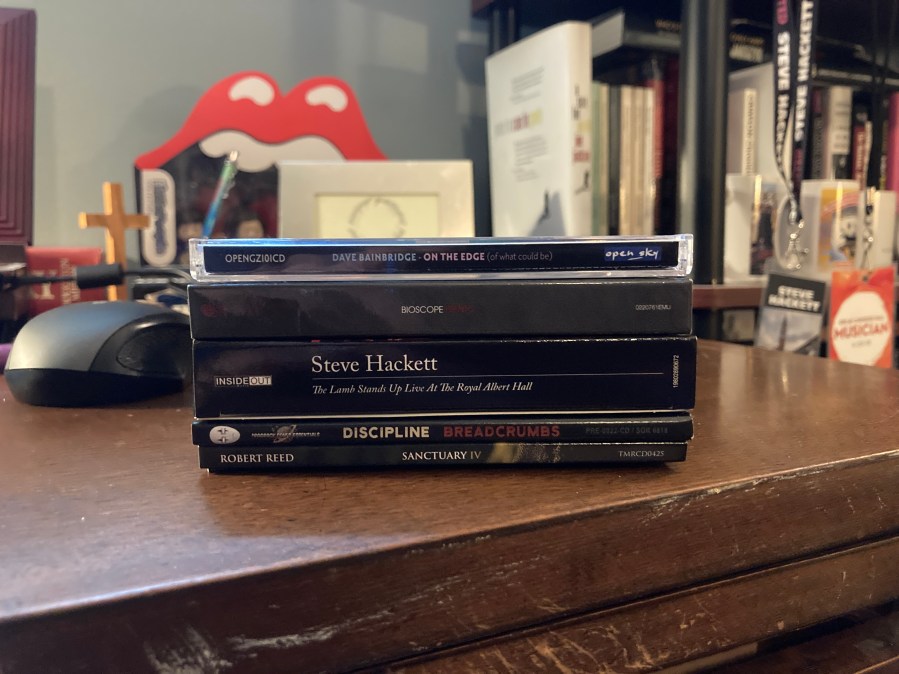
As usual, direct purchase links will follow each album review, along with video or audio streaming where available. Given the potential impact of new US tariffs and regulations on both overseas musicians and the vendors who sell their music, I especially encourage readers to support your favorite prog artists and retailers during this period of transition.
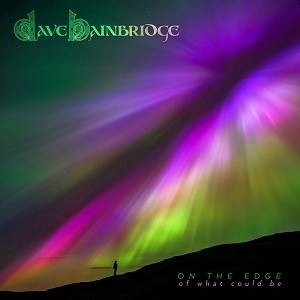
Dave Bainbridge, On the Edge (Of What Could Be): I glommed onto Bainbridge with his fabulous 2021 effort To the Far Away, but every one of his solo albums is crammed full of delights — rocking, rhapsodic and ravishing throughout. On the Edge is no exception: a double album with a self-contained suite on each disc, like Dave’s band Iona it takes listeners on a trip through the beauty of this world to the promise of a life to come. So many highights they can’t all fit here! Up-tempo elegy “Colour of Time” (with Randy McStine’s fierce vocal inspiring Bainbridge to heights of biting, frenzied jazz-fusion); the title track’s multi-sectioned build from triple-time acoustic folkiness to a thrilling electric climax; Simon Phillips’ fleet drum groove on “Farther Up and Farther In”, topped with mind-melting acrobatics from Bainbridge and piper Troy Donockley; Frank van Essen’s evocative violin and Bainbridge’s primal, Santana-meets-Mahavishnu cry on the orchestral “Beyond the Plains of Earth and Sky” are just a few of many great moments. Toss in vocals (in English and Gaelic) from a bevy of fine singers and virtuoso keyboards from Bainbridge, and you have an set that takes you on a genuinely amazing journey, gathering power as it builds to a spectacular culmination. Already a 2025 Favorite and a solid contender for the year-end top spot.
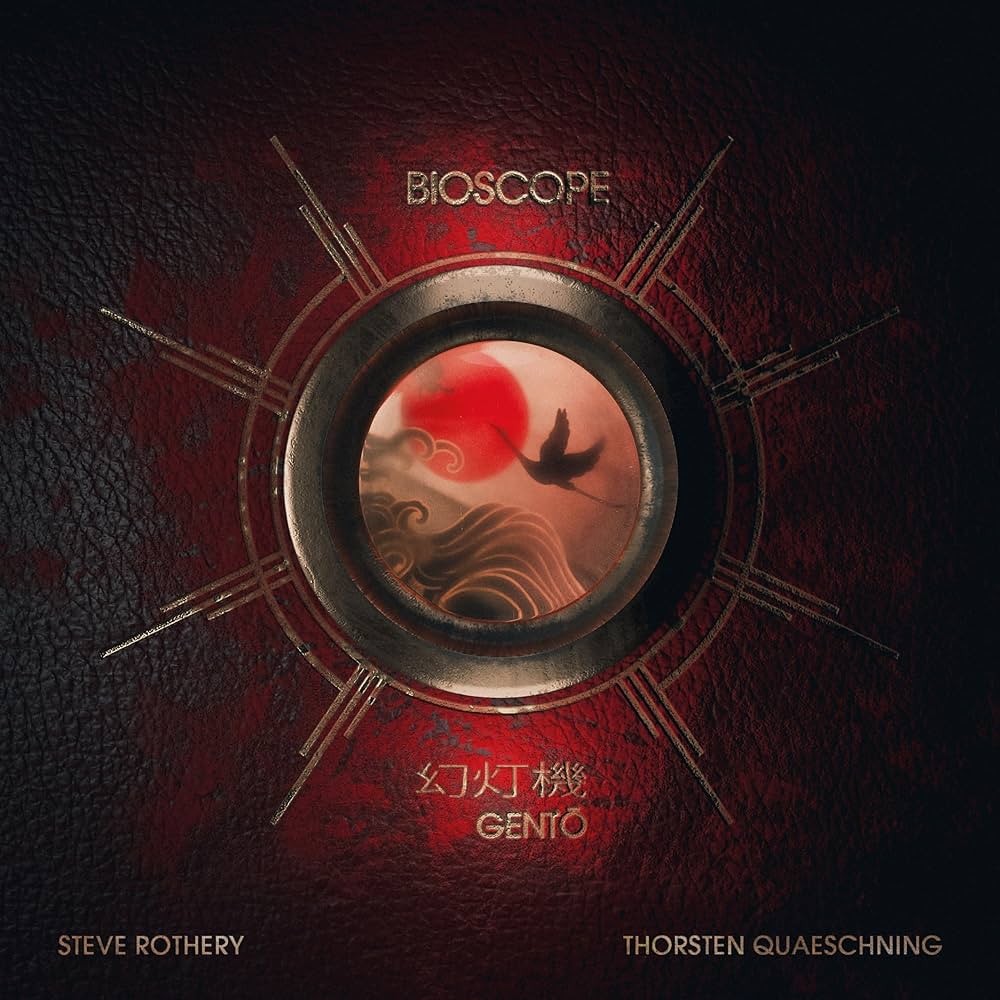
Bioscope, Gento: Steve Rothery’s keening, singing guitar has been one of Marillion’s prime calling cards for more than 40 years; as Edgar Froese’s appointed musical heir, Thorsten Quaeschning has recently propelled synth-rock trailblazers Tangerine Dream to fresh creative heights. Recorded during breaks in their bands’ work, the duo’s debut is a classic example of how two great tastes can taste great together. With the exception of psychedelic-Beatles closer “Kaleidoscope”, the musical elements on Gento repeatedly gather from thin air, coalesce, intensify, interact, react and dissipate — whether driven by Quaeschning (the wispy melodies, luxuriant textures and motorik rhythms of the three-part opener “Vanishing Point”), Rothery (the chiming rhythm guitar, slide/synth duets, fierce fuzz riffing and floating arabesques that shape another trilogy, “Bioscope”), or both in wonderfully organic call and response mode at multiple pieces’ climaxes. Add the rock solid drumming of Elbow’s Alex Reeves, and the results really are magical. Gento has gently, unobtrusively grown on me, all the way to making my 2025 Favorites list; it may take a few listens, but I think it will do something similar for you.
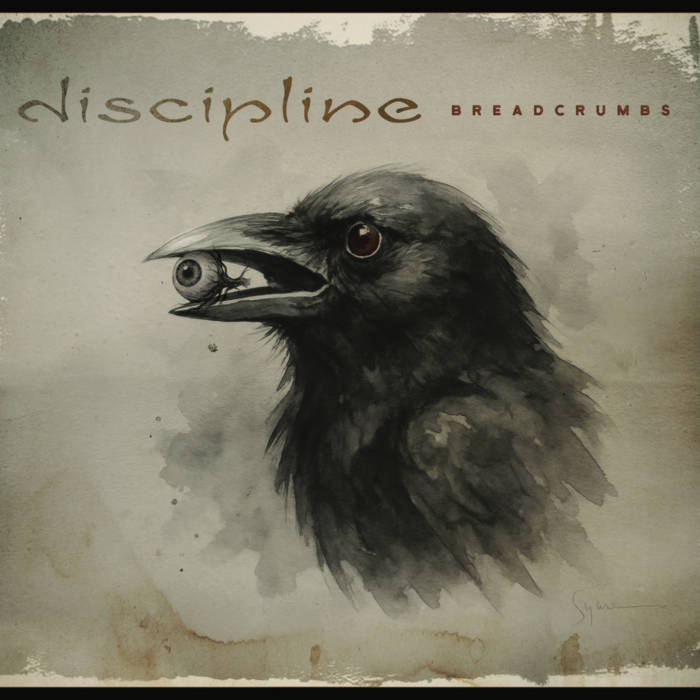
Discipline, Breadcrumbs: Eight years on from their last record, the Detroit proggers serve up another helping of their trademark, stately melancholia. Breadcrumbs proudly mines veins dug by King Crimson, Gabriel-era Genesis, Van der Graaf Generator — even a bit of keyboard-period Rush, with production by Terry Brown and art by Hugh Syme to boot — but as always, the results are a heady, hearty brew all its own. Throughout the intriguing title epic, the measured lament of “Keep the Change”, the relentless, stinging “When the Night Calls to Day/Aloft” and the thwarted, impressionistic “Aria”, Matthew Parmenter’s lyrical rhetoric and harmonically slippery keys take point, with Chris Herin providing pungent, tasty support and comment on guitar. While Breadcrumbs leans away from the slashing theatrics of vintage Discipline classics Unfolded Like Staircase and To Shatter All Accord, it still gives off a chilly intensity that showcases the band at their most spellbinding and cathartic. Through every challenging musical twist and verbal turn. this album is finely crafted and delivered with total conviction — another instant 2025 Favorite!
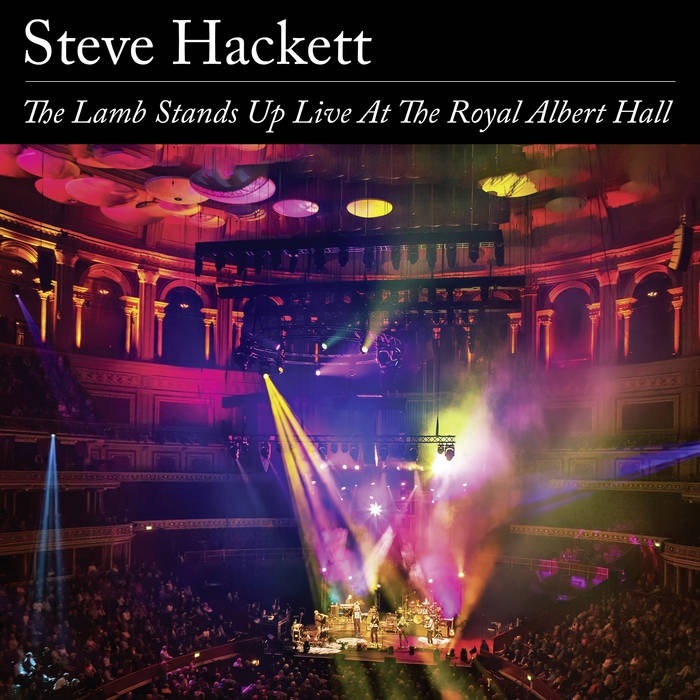
Steve Hackett, The Lamb Stands Up Live At The Royal Albert Hall: Yes, it’s Hackett’s tenth live album of the 21st century, but as usual, fans will find this a must for multiple reasons. Given recent personnel announcements, it’s probably Steve’s last live set with Roger King’s keyboards and Craig Blundell’s drums driving his talented band forward; the first half proves a spirited solo set, with lots of pleasingly vintage material and a thrusting trilogy of excerpts from 2024’s The Circus and The Nightwhale. And it’s hard to conceive of a better anniversary celebration for The Lamb Lies Down on Broadway! Nad Sylvan utterly inhabits protagonist Rael and Peter Gabriel’s other sundry characters; unjustly-forgotten Genesis vocalist Ray Wilson conjures an atmospheric, rumbling take of “Carpet Crawlers”; reflective moments like “Hairless Heart” shimmer, narratives like “The Lamia” and the title track subtly, potently grip your attention, and heavier moments like “Fly on a Windshield”, “Lilywhite Lilith” and “It” slam good and hard. With the super-deluxe box of The Lamb finally coming out at the end of September after multiple delays, sets like Dave Kerzner’s studio tribute and Hackett’s new concert set have nicely filled the gap while reminding both long-time and first-time listeners how ahead of its time the album was, and how vibrant this music still is.
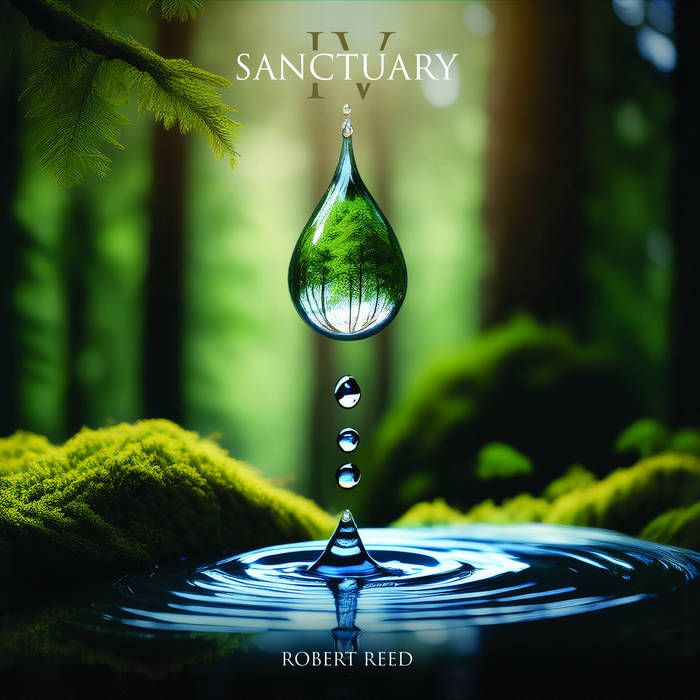
Robert Reed, Sanctuary IV. One of the driving forces behind 1990s neo-proggers Magenta, Reed has branched out impressively in the following decades. Reed’s Sanctuary albums — episodic long-form pieces in the genre pioneered by Mike Oldfield’s Tubular Bells — have evolved far beyond pastiche or even tribute, and here he refines and re-energizes his approach to its peak. Compelling opener “The Eternal Search” races forward, climaxing with an utterly berserk Simon Phillips drum solo; “Truth” bounces vivid instrumental colors off of sampled male vocals, morphs into a nautical shuffle laced with Les Penning’s recorder tootles, then lunges for a grandiose, double-time finale; and the closing “Sanctuary” provides the perfect comedown with its gentle, compact, well-wrought theme. If you’re looking for a sweet spot between Bainbridge’s Celtic maximalism and Bioscope’s kinematic ambience, Sanctuary IV’s shimmering, tuneful instrumentals could be just your ticket.

— Rick Krueger
Rick’s Quick Takes for June

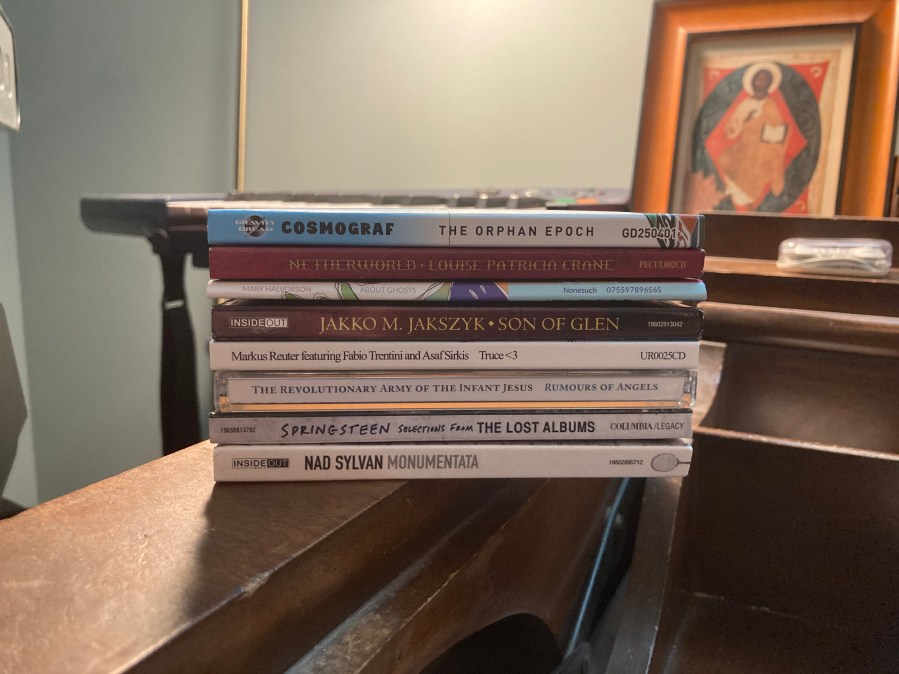
It’s been an hugely enjoyable month for out-of-the-box music! Along with the alluring, elegant wallop of Nad Sylvan’s Monumentata (listen here) and the mesmeric slow burn of Jakko Jakszyk’s ruminative Son of Glen (listen here), three impressive new releases, a compilation taken from one of this year’s most-anticipated box sets, an utterly unexpected reissue — plus one from last year that got away — have crossed my desk. As usual, purchasing links are embedded in the artist/title listing, with streaming options after the review.

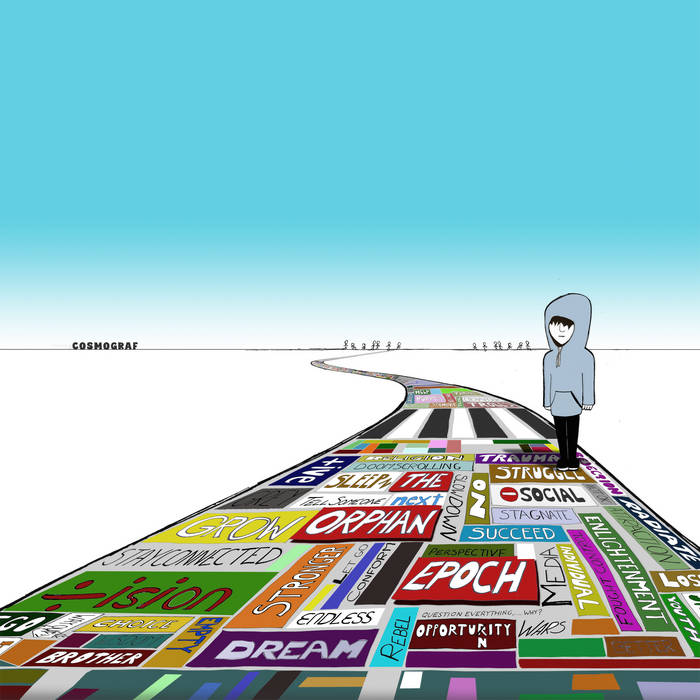
Cosmograf, The Orphan Epoch: Another winning set from Robin Armstrong! More thematic than conceptual this time around, The Orphan Epoch focuses on today’s younger generation and their search for a valid path, confronted by conformity and control like never before. “Division Warning” unfurls from fetching piano filigree to steamroller guitar supporting a dramatic, emotionally ripe chorus; elegance and savagery bob and weave, then fly in formation for “We Are the Young.” There’s gorgeous sax commentary from Peter Jones on the foreboding “Seraphim Reels”; big riffs, gang chanting and blustery organ workouts on “Kings and Lords”; a quiet, menacing synth pulse that, with Kyle Fenton’s skittering drums, propels the encroaching darkness of “You Didn’t See the Thief”; the loose yet inevitable build of “Empty Box.” It all coalesces along “The Road of Endless Miles,” as strong, hard power chording pushes Armstrong’s overdriven vocals to a striking crest, then ebbs away into dead silence. Impeccable, punchy, dynamic sound throughout brings out so much fine-grained detail, all in the service of Armstrong’s bleak yet beautiful, thoroughly humanistic vision. Moving and gutsy, this impressive record deserves the widest possible audience.

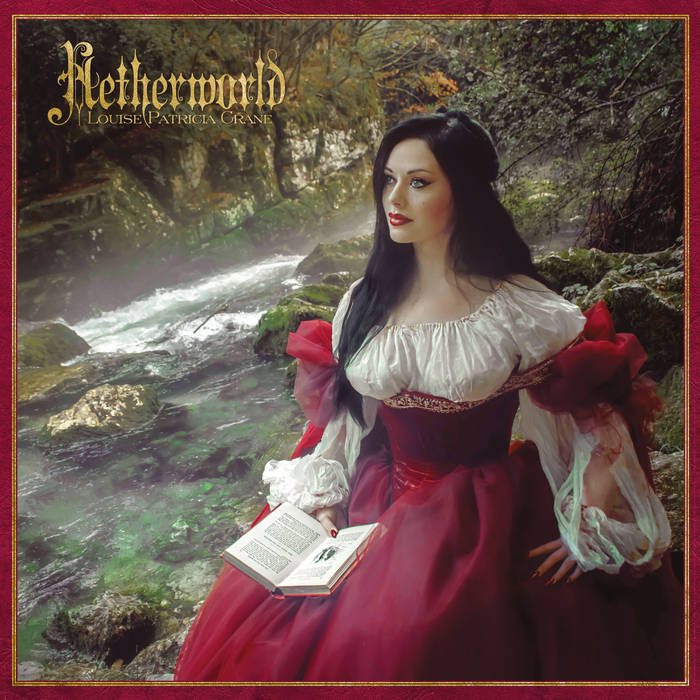
Louise Patricia Crane, Netherworld: Both in his recent Progarchy interview and in the liner notes for his latest, Son of Glen, Jakko M. Jakszyk has been beating the drums for this 2024 album – and he’s right to do it! Crane brings vaulting artistic ambition, assured worldbuilding and mad skills at singing, playing and production to bear on Netherworld; the result is an utterly absorbing song-cycle that pulls you in with the initial “Dance with the Devil” and refuses to let go until the last strains of “Japanese Doll” have died away. Wisps of early Genesis and Tull give “Tiny Bard” and “The Lady Peregrine’s Falcon” a folk-prog tinge, while a trace of vintage Kate Bush lingers in Crane’s resonant vocals, but the sweep of her archetypal lyrics and the variety of settings (from subtly psychedelic “The Red Room” to the overcast jazz of “Bete Noire”) dispel any hint of tired pastiche. Rather, Jakszyk joins an imposing crew of modern prog titans (hailing from King Crimson, Marillion, and points beyond), all dedicated to bringing Crane’s singular point of view to life. These classic ingredients come together in a heady, winningly original brew on an atmospheric soundstage that breathes; Nick Drake’s catalog and the rumbling calm of Talk Talk’s post-rock years are the closest parallels I can call to mind. Netherworld is a brilliant album, thoroughly deserving of your time, attention — and even love. It went on my Belated Favorites list like a shot!

Mary Halvorson, About Ghosts: More kaleidoscopic ensemble jazz from Halvorson’s Amaryllis sextet plus guests (including youthful sax giant Immanuel Wilkins). The warm, glittering sound of opener “Full of Neon” is typical here; launching a pointillistic riff, the ensemble builds through brass smears and a convoluted unison head to perfectly judged solos from trombonist Jacob Garchik and guest tenor Brian Settles. Trumpeter Adam O’Farrill, vibist Patricia Brennan and Wilkins get their licks in as well, while the rhythm section of Nick Dunston and Tomas Fujiwara kick up plenty of dust and swing like mad. And while Halvorson generally lays back as a soloist here (“Carved From”, also a spotlight moment for Wilkins, is an enjoyable exception), her pointed guitar tone laced with congenial digital wobbles consistently pokes through at just the right moments. From “Absinthian’s” uptempo tick-tock through the graceful Ellingtonia of the title track to the sleek glide of “Polyhedral” and “Endmost’s” smooth, richly chorded bossa, Halvorson and her players are always inventive and inviting, conjuring sunny textures from the knottiest material. A great way to either discover this fine composer/performer’s unique voice, or to check out her continuing growth.

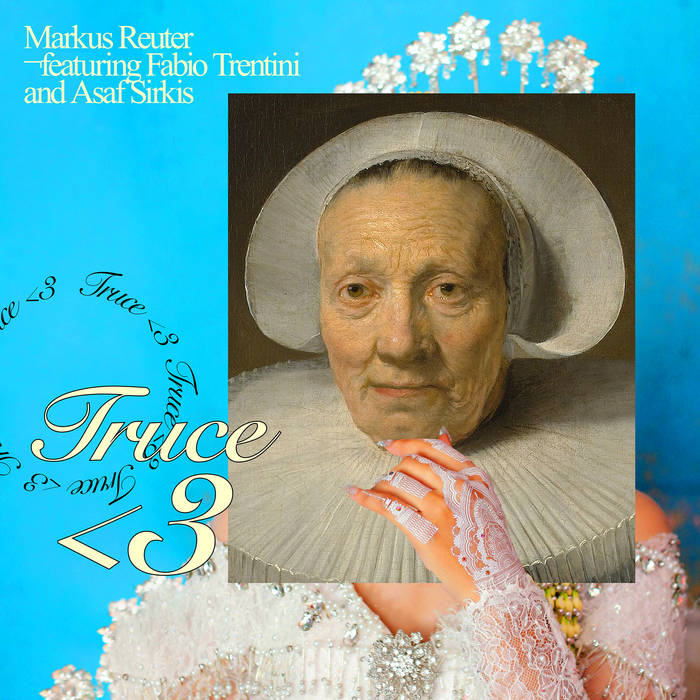
Markus Reuter – featuring Fabio Trentini and Asaf Sirkis, Truce <3: Full-on instrumental rock from three undersung players who know their stuff — including the magic that can happen when the red light comes on with nothing prepared! Reuter’s touch guitar conjures up hanging sonic clouds, cycling loops, piledriving licks and rich melodic spirals; Trentini’s bass lines ground the evolving excursions with a tasty mix of repetition and variation, plus fat, enticing tone; on drums, Sirkis is endlessly, subtly inventive within rock-solid grooves. Slinky kickoff “Not Alone,” the driven, stuttering funk of “It’s Not in the Cards,” the bubbling, smoldering interplay of “Crooked” and “Guardian Shadow,” with its stinging elegiac lament that morphs into a total wig-out, are just the highlights; every improvisatory leap here is inspired. Completely whipped up from scratch like the first two entries in this stunning series, Truce<3 catches music as it’s made on the fly, irresistibly setting body, mind and heart in motion. Already on the Favorites list for this year.

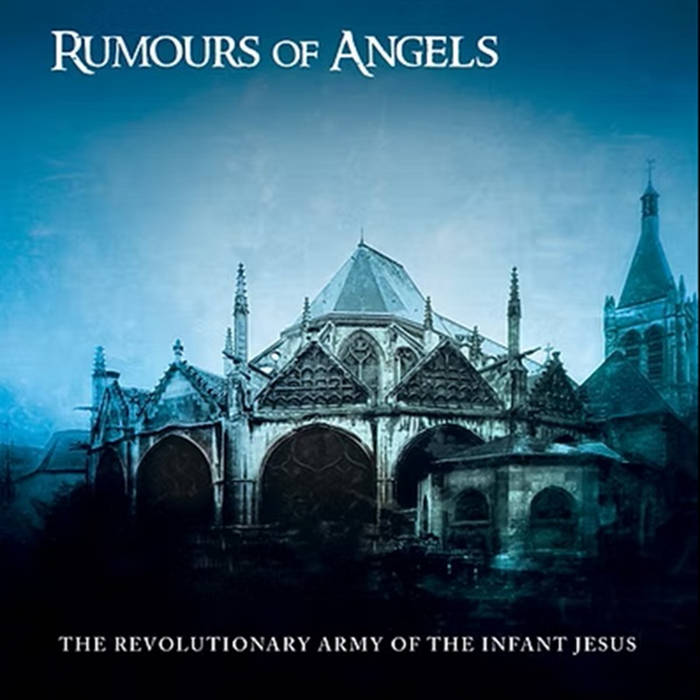
The Revolutionary Army of the Infant Jesus, Rumours of Angels: Originally part of 2013 French boxset After the End, this set compiles two EPs from the end of RAIJ’s 20th-century run and two previously uncollected tracks. As such, you can hear the gleeful clash of opposites — floating folk melodies, chant and spoken word colliding with low drones, tribal rhythms and bruising industrial noise, all drenched in thick, wet echo — that marked the Liverpool collective’s initial, headlong assault on modernity. If tracks like “Cantata Sacra” and “Dies Irae” feel like desperate attempts to call down the Holy Spirit through sheer, strenuous force, moments in “The Parable (of the Singing Ringing Tree)” and “Suspended on a Cross” point toward the mix of ambient stillness and randomized sound collage that permeate later, more considered classics Beauty Will Save the World and Songs of Yearning (my album of 2020). For those who’ve already taken the plunge, Rumours of Angels is an unexpected gift, a vital signpost on RAIJ’s road toward their current, more meditative (yet still earthy) incarnation. If you’re new to it all, don’t let me dissuade you from trying this one out — but be sure to buckle up!

Bruce Springsteen, Lost and Found – Selections from the Lost Albums: I’d argue there are at least three facets to Springsteen’s artistic persona: the unstoppable Boss, barnstorming the globe with the E Street Band; the compulsive singer/songwriter, forever panning his psyche for creative gold; and most evident here, the obsessional auteur, agonizing time after time over the content of his next release. This sampler from Tracks II, an expansive (and exorbitantly priced) box of 7 unreleased albums, startles with the scope of Springsteen’s musical inspirations — though your mileage may vary as to how convincing the various genre exercises are. Chilled-out trip-hop Bruce (“Blind Spot”), spiritual-but-not-religious Bruce (“Faithless”) and country/rockabilly Bruce (“Repo Man”) click best for me; and even tejano Bruce (“Adelita”) and saloon crooner Bruce (“Sunday Love”) have their arresting moments. If anything, the straight-up rockers might be the weakest element here; “You Lifted Me Up” reminds me of nothing so much as a third-string praise and worship chorus. Still, it’s hard to beat Lost and Found’s value — 1/4th of the box set’s tracks for 1/20th of the price, and it certainly lets you know what you’re in for from Springsteen’s latest raid on his vaults. If you’re intrigued like I am, check out the sampler, maybe listen to the complete set online — then hope for a Black Friday price drop.

— Rick Krueger

Rick’s Quick Takes: Come On, Feel the Noise!

This time around, a cross-section of mostly new, mostly instrumental albums that may start in one genre but willfully refuse to stay there — with frequently bracing results. Purchase links are embedded in the artist/title listings, with any additional purchase links for physical media at the end of a review and streaming access following.

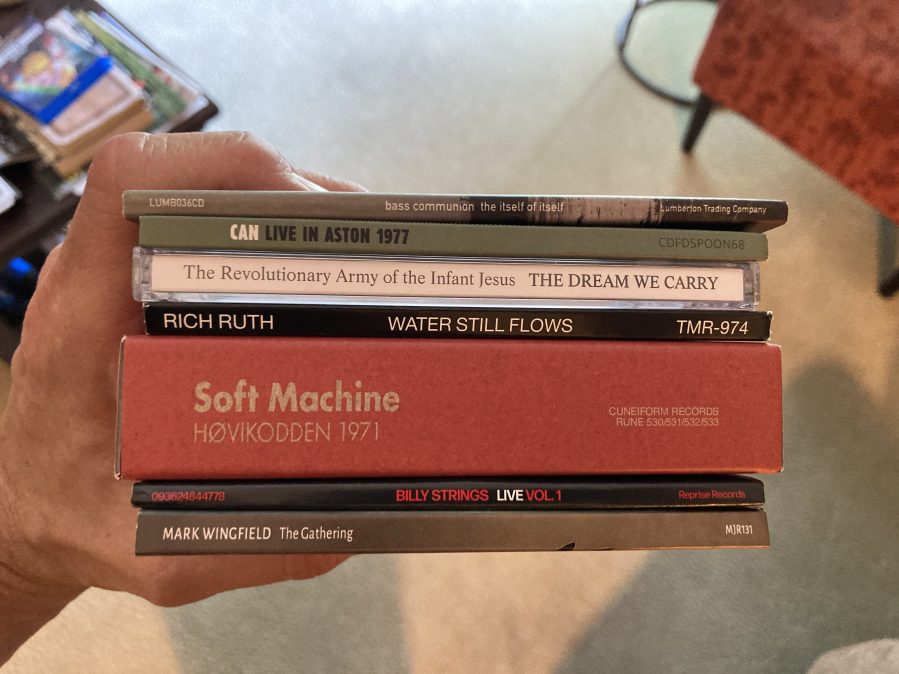
Bass Communion, The Itself of Itself: We can’t say Steven Wilson doesn’t warn us on the album sleeve: “audio artefacts and noise such as tape hiss, wow and flutter, vinyl crackle, distortion and earth hum are (probably) deliberate.” Delving into his longstanding experimental/electronic doom-drone persona, Wilson once again abandons melody and rhythm to slap down raw sonic textures and grind them together across extended time spans. The results range from arresting (the relentless build of horror-soundtrack opener “Unperson”, the uneasy, alarming stasis of the title piece) to utterly forgettable (when my dehumidifier kicked in during “Study for Tape Hiss and Other Artefacts”, I really thought it was part of the track). Am I finally sussing out (as some have theorized) Wilson’s extended con of the prog world? Getting a sneak peek of his 2025 solo album The Overview? Or hearing the latest from an artist who just does whatever he wants and doesn’t particularly care how possessive fans get about him? I’m a diehard Wilson fan, but when it comes to Bass Communion, your guess as to his motivation is probably as good as mine. (Order the CD from Burning Shed here.)

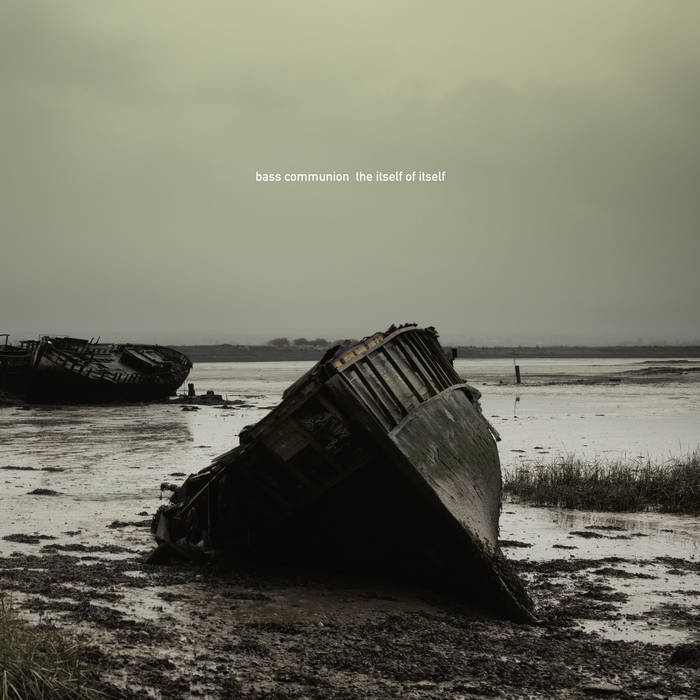
Can, Live in Aston 1977: Krautrock’s most thoroughly improvisational outfit got thoroughly funky in the late ’70s, courtesy of Rosko Gee, Jamaican bassist of no mean ability. With Gee powering the beat and previous bassist Holger Czukay dialing up snippets from shortwave radio and tape libraries, this version of Can is rhythmically tighter and tonally looser at the same time. That means Michael Karoli has more room to howl on guitar, Irmin Schmidt can conjure thicker clouds and launch edgier thunderbolts from his keyboards, and drummer Jaki Liebezeit can drill down into his unstoppable, drily metronomic groove. The clangorous solo section of “Drei” (enticing in its ambiguity – who’s playing this crazy thing that sounds like a bell choir in hyperdrive?) and the insistent, stonking, organ-led groove of “Vier” are high points. A solid addition to this fine archival series of vintage concerts.

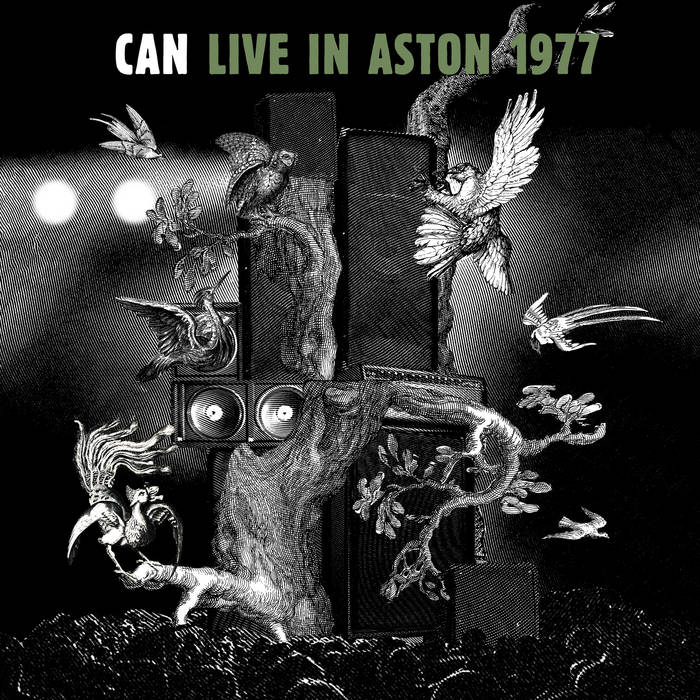
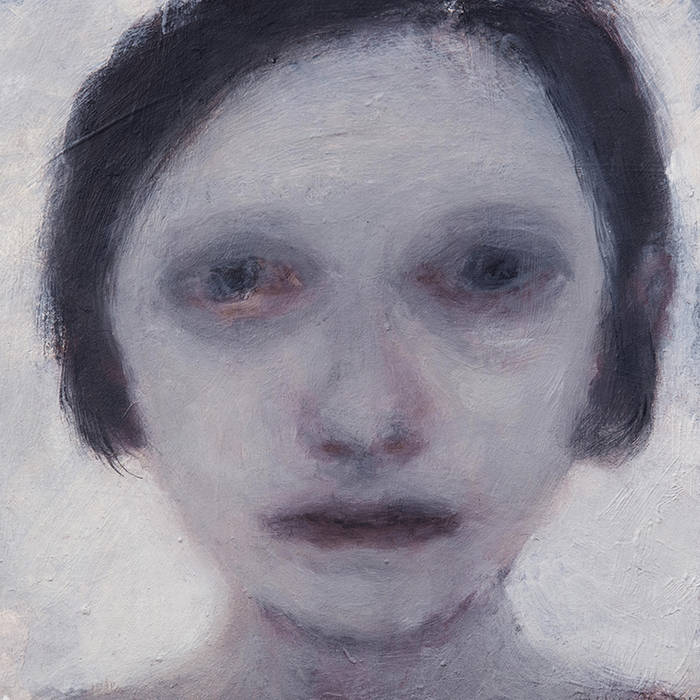
The Revolutionary Army of the Infant Jesus, The Dream We Carry: RAIJ’s 2020 effort Songs of Yearning was my Top Favorite album of that strange year; I called it “a sacramental transmission from, then to, the heart of creation.” The Liverpool “experimental arthouse collective” has reduced its core personnel and pared back its weirdness ever so slightly, but their inviting mélange of reflection and insistence, sacred and profane persist. Jesse Main’s vocals and Eliza Carew’s cello gracefully arc over Paul Boyce and Leslie Hampson’s lush instrumental backing; on multi-track suites like “Les Fils des Etoiles” through “Object of Desire”, fragments of multilingual poems, songs and spoken word rise from nowhere, become incarnate, declare their tidings, then disappear into a wistful bed of chamber and orchestral tone color. Like RAIJ’s entire catalog, The Dream We Carry testifies to mystery tucked within the mundane, exemplified by album ender “The Song of Wandering Aengus”; it’s an eloquent yet elusive invitation to encounter the Spirit active at the heart of the fields we know.

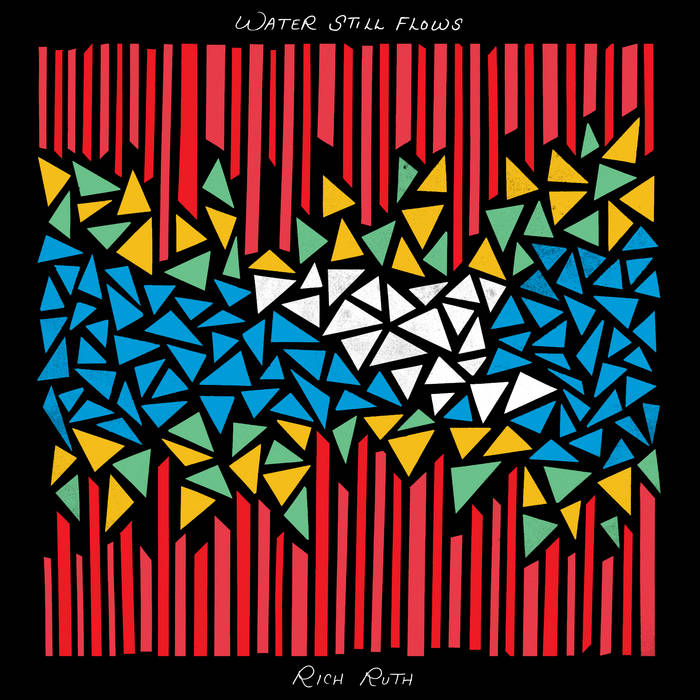
Rich Ruth, Water Still Flows: Reviewing 2022’s I Survived, It’s Over, my thumbnail sketch of Nashville guitarist Rich Ruth pointed to him as RAIJ’s American counterpart — but on the evidence of his latest, that assessment sells him short. For Water Still Flows, Ruth adds massive slabs of dark metal riffage to his already potent mix of cosmic ambience, celebratory spiritual jazz, and slow-crawling post-rock. Opener “Action at a Distance” feels like a heftier “Won’t Get Fooled Again”; marauding power chords choke off the luxuriant strings of “God Won’t Speak”; the blissful comedown of “Somewhere in Time” sticks a soft landing after the devastating climax of “Aspiring to the Sky”. With an eclectic ensemble of sax, harp, and pedal steel plus Ruth’s frenetic axework anchored by Reuben Gingrich’s crashing drums, this album is a mighty, impeccably shaped tone poem that once again journeys through pain and catastrophe to refreshment and renewal. (Order the LP or CD from Third Man Records here.)

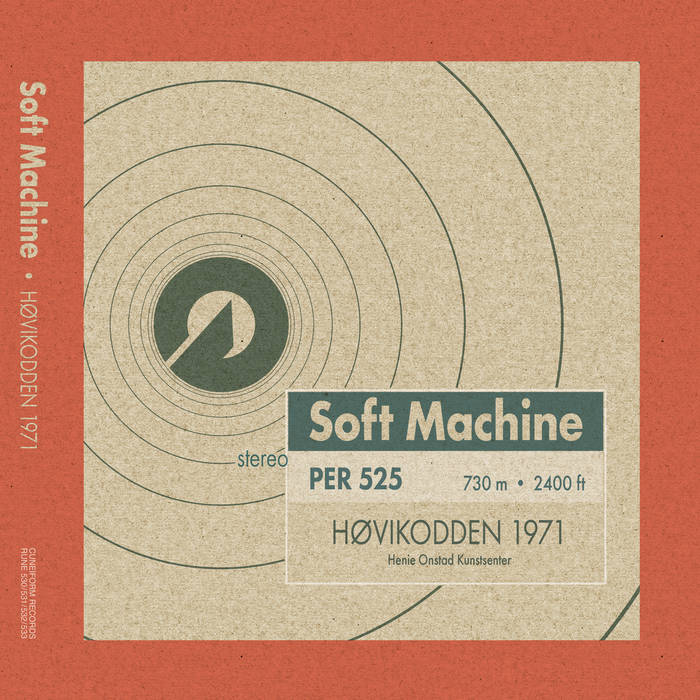
Soft Machine, H​ø​vikodden 1971: The seminal British jazz-rock band at its creative peak, recorded over two nights at a Norwegian arts center. At each show, Mike Ratledge’s inimitable fuzz organ takes command; multi-saxist Elton Dean lets loose with an unending stream of raucous Coltrane licks; Hugh Hopper’s bass swarms, clambers and climbs, refusing to stay on the low end; Robert Wyatt’s limber drumming seethes, weaving through the tonal murk at will. Sometimes locking together in breathtaking unison, sometimes scattering to widely separated corners, the Softs approach classic material like “Facelift”, “Fletcher’s Blend” and “Out-Bloody-Rageous” from vastly different perspectives at different shows; the first night is a anarchic fireworks display, gobsmacking in its sweep, while the second night channels the quartet’s energy into a thrilling, thrusting sense of unified drive (albeit with laid back interludes). There’s tons of live Soft Machine available, but this newly released box set is a genuine high point of their already formidable discography.

Billy Strings, Live Vol. 1: I’ve gotta admit, I’m late to the party here; before a recent sojourn in Nashville and a resulting reacquaintance with all things Americana, I had missed out on the mightiest musician to hail from Michigan in a long, long time. Strings is, without a doubt, the real deal: a virtuoso guitarist, a first-rate singer and a songwriter who’s already shown signs of true, durable greatness. On his first live release, he and his band turn gritty evocations of small-town vice (“Dust in a Baggie,” “Turmoil and Tinfoil”) and poetic contemplations of the bigger picture (“Long Forgotten Dream”, “Fire Line/Reuben’s Train”) into unabashed, dynamic bluegrass brilliance, stirring in proggy interplay and psychedelic seasoning, stretching out their jams for maximum tension and impact, but with nary a wasted note or a thoughtless lick. This is an absolutely smashing major label debut, a snapshot of a phenomenon in perpetual motion, the music grounded in Strings’ heart as well as his fearsome chops, and already on my Favorites list for this year. (Strings’ next studio album, Highway Prayers, has just been announced for a September 27 release.)

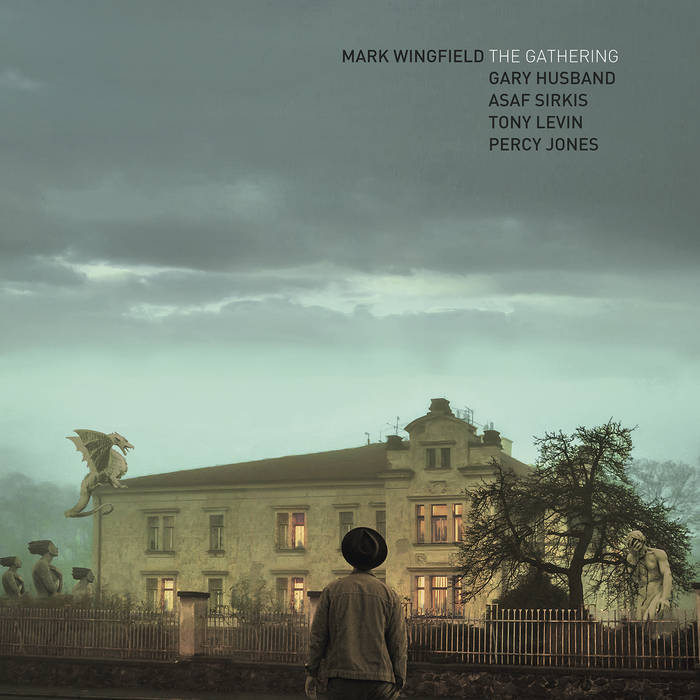
Mark Wingfield, The Gathering: Nightmarish complications severely curtailed MoonJune Records’ ability to sell this beauty on CD — which is a shame, because it may be British fusionist Wingfield’s most accomplished and focused effort to date. Languorous, enticing compositions like “Apparition in the Vaults”, “A Fleeting Glance” and “Cinnamon Bird” consistently take flight here: Wingfield’s guitar traces ecstatic melodic parabolas and sparse changes; Gary Husband colors the soundscape with juicy pads, inspired atmospheres and choice accents on piano and synth; Asaf Sirkis lays down a spacious, unshakeable polyrhythmic grid to propel things forward. What makes this even more of a killer session is the overdubbed bass contributions of King Crimson’s Tony Levin (focusing on active, rich-toned counterpoint) and Brand X’s Percy Jones (bubbling under with his unique tone and angular comping). It’s daring and delightful from start to finish, as an all-star lineup of truly great players work with total concentration and dedication, and make this sophisticated yet accessible music their own.

— Rick Krueger

Rick’s Quick Takes: The (Belated) September Report

Unless otherwise noted, title links are typically to Spotify or Bandcamp for streaming, with a purchase link following the review.

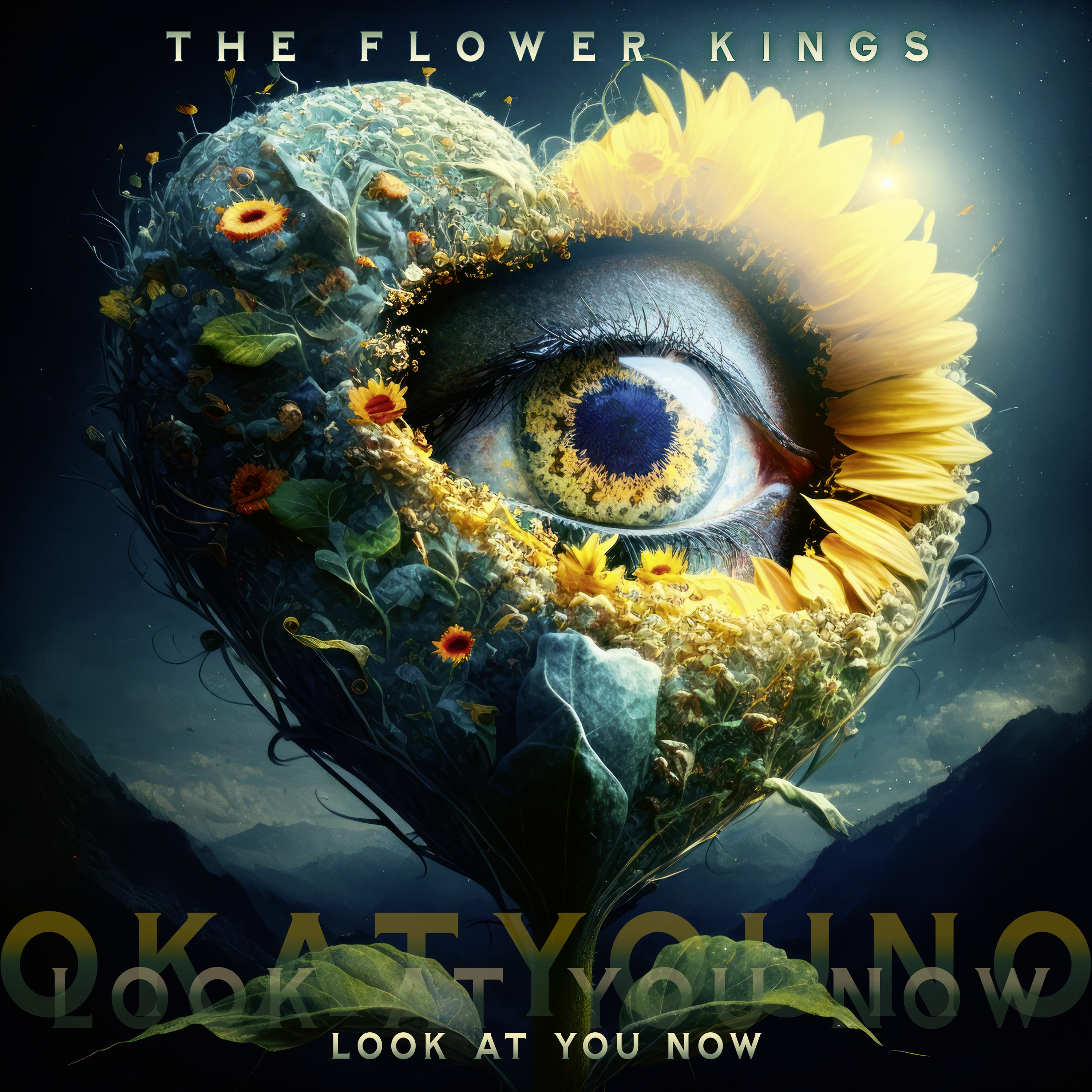
The Flower Kings, Look At You Now: The Stolt brothers — Michael on bass, Roine on almost everything else — vocalist Hasse Fröberg and drummer Mirko DeMaio crank up that progressive-psychedelic roundabout, and what comes out the chute is yet another spellbinding album-length suite. Snippets from the past and fresh in-studio invention lock together seamlessly; from the merry-go-round kickoff “Beginners Eyes” and the Beatleish “Hollow Men” through renaissance pastoral “The Queen” and blues-edged workout “Scars”, to the closing workout (cinema showoff vamp “Father Sky” into bolero build “Day for Peace” into the closing title epic), TFK don’t miss a trick, evoking vintage Yes and Genesis while always leaning into their own unique, up-to-the-minute spin. This is easily the equal of recent double-disc standouts 2020’s Waiting for America and last year’s By Royal Decree, on track to be one of my favorites at the end of the year. Order from Burning Shed here.

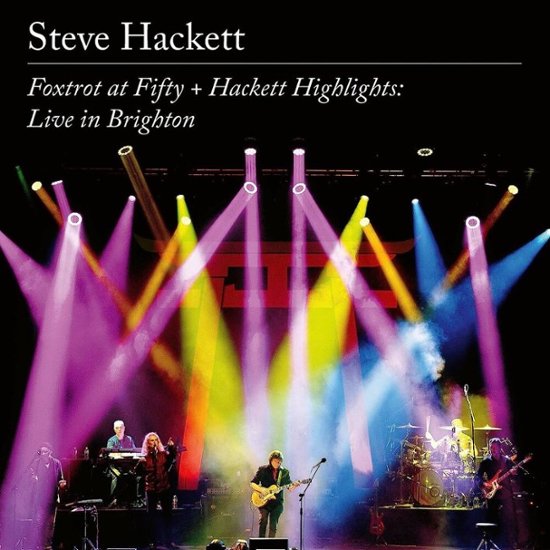
Steve Hackett, Foxtrot at Fifty + Hackett Highlights – Live in Brighton: Yep, this is Hackett’s eighth live album since he made “Genesis Revisited” a regular feature of his live set and rejuvenated his international touring career. But doggone it if he doesn’t make this latest set make worth our while yet again! Leading off with a refreshed solo repertoire (blending in vintage throwbacks “A Tower Struck Down” and “Camino Royale”) that provides new showcases for his talented band (Rob Townsend and Roger King’s wind/keys duet on “Ace of Wands”, Jonas Reingold’s fleet-fingered solo spot “Basic Instincts”), Hackett proceeds to blow out Brighton’s doors with an inspired romp through Genesis’ 1972 breakout album. Especially noteworthy: singer Nad Sylvan, at his personal best on “The Devil’s Cathedral”, “Watcher of the Skies” and a taut, compelling “Supper’s Ready” — well, really all through the night. I thought I might have actually seen Hackett enough (four times!) in the last decade, but this release has me eager to catch this show when he returns to the States next spring. Order from Burning Shed here.

Bruce Soord, Luminescence: Just a songwriter and his gear (plus the occasional electronica and orchestral seasonings); on break from The Pineapple Thief, Soord descends into the postmodern maelstrom, in search of an evasive inner tranquility. A placid, brooding first half of string swells (“Dear Life”), slinky acoustic funk (“Lie Flat”) and pensive melodic sketches (“So Simple”) gathers momentum, only to hit a stalled-out sense of desolation (“Instant Flash of Light”, “Stranded Here”) — which gives Soord’s concluding pleas for human connection (“Read to Me” and “Find Peace”) a vulnerability that chills to the bone, even as it cracks open all the feels. Spacious, shimmering and seductive (kudos to Soord and mastering engineer/TPT bandmate Steve Kitch), Luminescence’s stoic gaze into the heart of darkness packs a serious emotional depth charge. Order from Burning Shed here.

The Who, Who’s Next / Life House (Super Deluxe Edition): Who’s Next is an album that changed my life, and over the decades, it’s developed a reputation as one of rock’s finest moments. But Pete Townshend remains haunted by his original, unrealized post-Tommy concept of The Life House — a gathering place for the outcasts of a nightmarish virtual reality, with rock music as the saving sacrament of a splintered counterculture. Thus, this behemoth box: two discs of impeccable Townshend demos; three discs of session outtakes and singles; two complete, ferocious live sets; and an immaculate spatial audio remix of the final product by (of course) Steven Wilson. Even with exhaustive liner notes and a graphic novel version included, the Life House storyline simply refuses to cohere. But listening to The Who as they wrestle with the throughline, then pitch it away and just slam into “Baba O’Riley”, “Behind Blue Eyes” and “Won’t Get Fooled Again”, you hear the fragments of one man’s overweening ambition transmuted into a furious, majestic rush of sheer hard rock glory. Order from The Who online store.

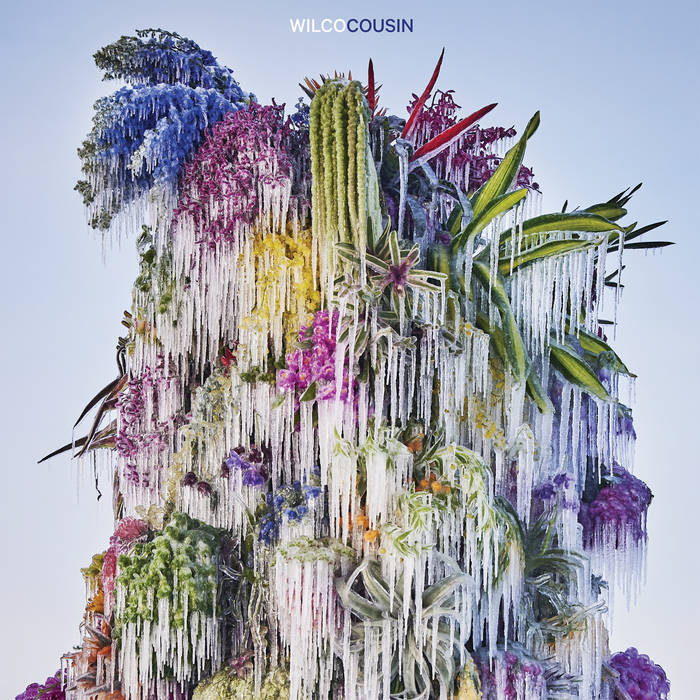
Wilco, Cousin: 2022’s Cruel Country (my top favorite album of last year) interrupted Wilco’s work on this excursion back into art-pop, made with Welsh multi-instrumentalist/co-producer Cate Le Bon as sidekick. Here Jeff Tweedy’s elusive, folky reflections are splattered with spectral atmospherics and thick blobs of tonal texture; workouts like technicolor opener “Infinite Surprise”, the sunnily chaotic title track and the Wild West gallop of “Meant to Be” sit side by side with morose elegy “Ten Dead”, baroque/dance crosscut “A Bowl And A Pudding” and the compelling meander “Pittsburgh”. The proceedings here lean a bit to the downtempo side, but it’s great to hear Tweedy and his merry crew of cutting-edge players revisit the experimental approach of their Yankee Hotel Foxtrot/A Ghost Is Born era, with the gains of the decades since then thoroughly integrated. Few American bands offer such solid work on such a consistent basis. Order from Wilco’s online store.

Steven Wilson, The Harmony Codex: On which Wilson decides not to pay homage to one particular musical style, bringing his magpie/studio boffin tendencies fully to the fore. Digging into the resources of vintage synthesizers, SW leans on mood more than movement, warming up the temperature from the glacial electronics of The Future Bites a bit, spinning trippy webs of sound braced with a percussive snap. As he flicks through a dizzying array of genres, there are plenty of hypnotic moments (the 1970s spiritual jazz/fusion of “Inclination” and “Invisible Tightrope”, pop nugget “What Life Brings”, imaginary Bond theme “Rock Bottom” with Ninet Tayeb, the langorous switched-on Bach/spoken-word melodrama of the title track), but it can also feel like Wilson is channel-surfing for its own sake; the focus of his best work is only intermittently there, and shorter tracks sometimes peter out instead of paying off. Still, as far and wide as The Harmony Codex wanders, there’s lots to catch the ear as it rambles, and it’s already rewarded repeated listens for me; Wilson remains an artist well worth checking out and reacting to. (So, yeah, Time Lord and I have very different opinions here. And, in line with de gustibus non est disputantum, I’m down with that.) Order from Burning Shed here. (BTW, thanks to the Burning Shed crew & the Royal Mail for getting my copy across the pond to my mailbox in 6 days!)

— Rick Krueger
Steven Wilson, The Harmony Codex

Now available to preorder from Burning Shed on CD, Blu-Ray, black or orange LP, cassette and 2 CD/Blu-Ray box set:

The Harmony Codex – the seventh album by Steven Wilson – is a genre-spanning collection that represents the apotheosis of a life spent fully absorbed in music.

While The Harmony Codex nods to records from Steven Wilson’s recent past, at times echoing the paranoid rumble of 2008’s Insurgentes, the crystalline electronics of 2021’s The Future Bites and the expansive storytelling of 2013’s The Raven That Refused To Sing (and Other Stories), here he has managed to create something entirely unique, a record that exists outside of the notion of genre. And although The Harmony Codex is a record made with spatial audio in mind, it’s not one that needs an elaborate sound system to lift you out of body – two speakers and an open mind will do just fine.

Released on September 29th. Tracklist:

1. Inclination (7.15) 

2. What Life Brings (3.40)

3. Economies of Scale (4.17)

4. Impossible Tightrope (10.42)

5. Rock Bottom (4.25)

6. Beautiful Scarecrow (5.21)

7. The Harmony Codex (9.50)

8. Time is Running Out (3.57)

9. Actual Brutal Facts (5.05)

10. Staircase (9.26)

Watch the video for the track “Economies of Scale” below:

— Rick Krueger
Rick’s Quick Takes for May

As always, purchase links are embedded in each artist/title listing; playlists/videos/samples follow the review.

Artemis, In Real Time: This second album delivers on the promise and potential of Artemis’ 2020 debut. As I recently discovered in concert, here’s a jazz sextet with a forceful front line (Nicole Glover and Alexa Tarantino on woodwinds, Ingrid Jensen on trumpet) and an assertive rhythm section (founder Renee Rosnes on piano, Noriko Ueda on bass, Allison Miller on drums) that revels in both challenging and collaborating with each other. Whether hurtling through the post-bop twists of Miller’s “Bow and Arrow” and Jensen’s “Timber”, reaching for the skies on Ueda’s open-hearted “Lights Away From Home” or tenderly exploring Rosnes’ spacious ballads “Balance Of Time” and “Empress Afternoon” — not to mention their unique spins on tunes by departed giants Lyle Mays and Wayne Shorter — this is a group of top-rank players that mesh marvelously as an ensemble, delivering a whole lot of serious, elegant fun.

Brian Dunne, Loser on the Ropes: It’s true that I wouldn’t have come across this New Jersey-born, Brooklyn-based singer-songwriter if my nephew hadn’t played drums for his recent tour. But I’m glad I did! Dunne’s vivid lyrics — questing, skeptical, bemused, and poignant all at once — hitch a ride on his insistent verbal rhythms, catchy melodies and tightly constructed tunes, sung with his direct, inviting voice to impressive effect. He rocks out on “Stand Clear of the Closing Doors” and “Bad Luck” and whips up midtempo singalongs on “It’s A Miracle” and “Optimist,” slowing down for more reflective efforts like the title track and the closer “Something to Live For”. There are sonic echoes of mid-period Dire Straits and (inevitably?) 1980s Springsteen, but this is fresh, thoughtful music with both forthright appeal and subtle intensity, well worth hearing.

Bill Evans, Treasures: from the late 1950s to his premature demise in 1980, Bill Evans changed jazz piano forever with what Miles Davis called his “quiet fire”, reshaping the piano trio format as a conversation of equals in the process. The latest in a rich harvest of archival discoveries from jazz detective Zev Feldman and his compatriots, Treasures captures Evans’ steady, probing artistic growth in the late 1960s via a series of visits to Denmark. Whether captured solo, in full flight with various bassists and drummers, or even at a heart of a suite for big band and orchestra, Evans is consistently engaged, shaping jazz standards, rarified pop tunes and his own compositions into things of sheer beauty with his intense lyricism and sense of swing. As good an introduction to this titan of the genre as any!

Guardians of the Galaxy, Awesome Mix, Vol. 3: Fair warning: this semi-soundtrack to the latest Marvel Cinematic Universe blockbuster probably won’t give children of 1970s radio like me the same nostalgia buzz as the first two volumes of Awesome Mix. Sure, there are still great throwbacks from Heart, Rainbow, Earth Wind & Fire, Alice Cooper and Bruuuce; but this time around they share playlist space with the American slacker punk (X, The Replacements) rock-rap (Beastie Boys, Faith No More), and post-indie dream pop (Florence and the Machine) that followed over the decades. So it’s a more diffuse experience, with tracks that are actually eminently forgettable (Spacehog? The Mowgli’s?) — not to mention a missed opportunity for a prog shout-out. On the other hand, any compilation that includes The Flaming Lips’ hospice anthem “Do You Realize?” and EHAMIC’s “Koinu No Carnival” — Chopin filtered through an electronica mixmaster! — deserves at least a listen, and possibly space on your shelf or hard drive.

Marillion, Seasons End Deluxe Edition: The final reissue in the set of Los Marillos’ eight EMI albums, boxed up in typically comprehensive fashion. Layering his and John Helmer’s words atop the veteran band’s latest soundscapes (often repurposed from a futile final effort at working with original vocalist Fish), new boy Steve Hogarth brought it all back home with melodies that tacked closer to folksong than operatic recitative and scenarios that evoked slice-of-life drama as well as existential soliloquies. In retrospect, Seasons End was just the start of H-era Marillion’s evolution, but the end result still rocks hard, smart and sharp after all these years, from the atmospheric intro of “The King of Sunset Town” to the unnerving claustrophobia of closer “The Space”. In addition to a remix of the 1989 original, we get b-sides, demos and early versions of multiple album tracks — plus three high-energy live sets (audio and video from 1990, plus 2022’s British Marillion Weekend) and two documentaries on the CD Blu-Ray version. Like the entire series, this re-release is great listening and great value for money. (And deluxe boxes of post-EMI albums have been promised by manager Lucy Jordache. Stay tuned …)

Paul Simon, Seven Psalms: Designed as a unified song-cycle to be heard in its entirety (it’s one 33-minute track on CD and streaming audio), Simon’s new work is a dreamlike meditation unlike anything else in his catalog. His subdued voice and acoustic guitar carry the musical weight, hinting at gospel, folk and blues as the suite unfurls, with ambience courtesy of composer Harry Partch’s “cloud chamber bowls”, British choir Voces8 and full orchestra. Anything but orthodox, metaphor-packed portraits of “The Lord” — who Simon compares to, among other things, a virus, a virgin forest and a record producer — become a recurring theme, punctuating scattered thoughts on life past and present. Scattered, that is, until the finale “Wait” (“I’m not ready/I’m just packing my gear”), where Simon abruptly, delicately drills down to our common endpoint. Ruminating on what’s been becomes a stoic stock-taking of what we’ve become, a bracing reminder of what awaits us all — and, just possibly, a call to hope in what might lie beyond. Subtle and devastatingly effective, Seven Psalms is a momento mori for the Boomer generation — and for anybody else with ears to hear.

U.K., Curtain Call: When keyboardist/violinist Eddie Jobson locked in with guitar genius Allan Holdsworth and the then-defunct King Crimson’s rhythm section — John Wetton on bass & vocals, Bill Bruford drumming — sparks flew thick and fast. U.K.’s 1978 debut album was a sleek, captivating blend of progressive rock and jazz fusion; 1979’s Danger Money slimmed down to a more focused power trio as Zappa drummer Terry Bozzio replaced Bruford and Wetton’s writing veered toward proto-Asia pomp-rock. The inevitable semi-reunion happened in the 2010s, with Jobson coming off a productive career in film and TV scoring and Wetton rebounding from a hard-fought battle with substance abuse for a extraordinary final run. Joined here in 2013 by hot young virtuosos Alex Machacek (guitar) and Marco Minnemann (drums), the duo triumphantly roar through U.K.’s complete repertoire to an enthusiastic Tokyo crowd. From the crash/bash technoflash of “In the Dead of Night”, “Alaska/Time To Kill” and “Carrying No Cross” to the glowering, tasty tension of “Thirty Years” and Rendezvous 6:02″, this foursome whips up a level of excitement and energy that was unstoppable on the night and remains irresistible on disc. Now remastered and reissued by Jobson in tribute to his late partner, this reasonably priced video (on BluRay & DVD with a bonus audio Blu-Ray) is an immensely satisfying summation for long-time fans, and a glimpse of what the fuss was all about for curious newbies.

Yes, Mirror to the Sky: After the stodgy fiasco that was Heaven & Earth and the modest charm of The Quest, Steve Howe and the rest of Yes’ current line-up actually raise a ruckus this time around. Large helpings of vocal and instrumental interplay in the grand tradition, plenty of fresh, arresting guitar licks by Howe, and lots of splendidly evocative harmonies from Jon Davison and Billy Sherwood make Mirror to the Sky a real pleasure to hear. If you expect the peak inspiration and combustible drive of Yes’ classic era, you’ll be disappointed, but this release is a convincing mix of extended epics like the title track and proggy pop like the singles “Cut from the Stars” and “All Connected”, with only the bonus disc’s “Magic Potion” sounding like a dud to my ears. For me, the most enjoyable new Yes album since 1999’s The Ladder. Check out Time Lord’s review here.

— Rick Krueger
Rick’s Quick Takes for February

Transatlantic’s The Final Flight: Live at L’Olympia is a worthy souvenir of the latest — and last? — tour by our favorite “more never is enough” classic-prog supergroup. Over three hours, Neal Morse, Roine Stolt, Pete Trewavas, Mike Portnoy and sidekick Ted Leonard play every possible note of their ultra-epic The Absolute Universe, plus generous chunks of the band’s first three albums (sorry, Kaleidoscope fans). You might notice some rough edges in Morse’s singing despite a few preemptive downward key shifts, but Transatlantic still delivers the goods without fail — the jaw-dropping ensemble work, knockout solos, choral counterpoint, head-spinning transitions and heart-stopping climaxes just keep coming. And if this is their swan song, thanks for 20+ years of over-the-top thrills and spills are well past due!

Rick Wakeman’s latest album, A Gallery of the Imagination, is less a conceptual effort (like The Six Wives of Henry VIII or even the recent The Red Planet) than an impressionist suite based on a overall musical approach (as on his Piano Portraits releases). As such, Wakeman’s strong suit — spacious melodies decorated with arpeggios aplenty, then rocked up via finger-busting solo work — is here in abundance, with appropriately sturdy backing by The English Rock Ensemble. But be prepared — the line between prog and middle-of-the-road pop is remarkably thin at times, especially when sentimental lyrics like “A Day Spent on the Pier” are declaimed with stagey brio by vocalist Hayley Sanderson. If you can deal with that, there’s plenty to enjoy here.

Simon Collins and Kelly Nordstrom (best known in the prog world for the Sound of Contact album Dimensionaut with Dave Kerzner and Matt Dorsey) veer in a heavier direction with their new project, eMolecule’s The Architect. The initial blasts of electronica-laced prog-metal, amped up with gusto by Nordstrom, slot in beautifully with the dystopian sci-fi narrative, but it takes a while for Collins’ trademark vocal inflections to peek through the robotic audio processing. Ultimately, the light and shade of “Beyond Belief” and “Awaken” (a ballad in the Phil-to-Simon family tradition) and a building sense of Floydian atmospherics provide the contrast needed for eMolecule’s well-executed sound and fury to fully connect.

I stumbled across the British post-rockers Plank via 2014’s excellent Hivemind. After tackling animals and insects as their previous subjects, the trio widen their horizons here, returning after 9 years for their new concept opus The Future of the Sea. This is a stunning set of limpid, gorgeous instrumentals, weaving elements of psychedelia, prog and math-rock into textures of massive breadth and heft (whether the big guns are being held in reserve or out on parade at any given moment). The closing 6-part suite “Breaking Waves” is a full-on, monolithic delight that mounts to a shattering, satisfying climax. Give this one a try!

The ongoing passing of rock legends tends to direct me toward their most recent releases, especially if I’d dismissed them on initial notice. Thus, when David Crosby died in January, I bit the bullet and picked up his Lighthouse Band’s CD/DVD Live at the Capitol Theatre. Ignoring this beauty, released late last year, was a mistake; it’s a thoroughly enjoyable, even moving document of Crosby’s late career renaissance, here shown in collaboration with Snarky Puppy bassist Michael League and singer/songwriters Becca Stevens and Michelle Willis. Yes, the man’s voice is a shadow of its former self here — but so is his legendary ego; this lovely set may be more of a team effort than Crosby, Stills and Nash (& Young) ever was. The jazz-inflected songwriting, the hushed vocal blend, the lovely sense of understatement and space all make this delicate music blossom and take root in the heart. This tour came to West Michigan on Thanksgiving weekend of 2018; hearing this set, I’m sorry I missed the show! Yes, it’s that good.

I wish I could say the same about 18, the collaboration with Johnny Depp that turned out to be guitar legend Jeff Beck’s swan song; even putting aside Depp’s recent notoriety, there’s a mismatch of tone that makes the album a puzzling listen. Though Beck’s rich melodicism is as compelling as ever, his soaring aesthetic keeps bouncing off the consistently lugubrious song selection and morose vocals from Depp. Usually I’d be all over an album that ricochets from Motown and the Everly Brothers to Killing Joke and The Velvet Underground, but the eclectic selection simply refuses to cohere. Some glorious moments (instrumental takes on the Beach Boys’ “Don’t Talk” and “Caroline, No”, the John Lennon cover “Isolation” that closes the album on a solid footing), but Beck’s light and Depp’s dark cancel each other out far too often for the music to take wing.

In the meantime, the past month has seen multiple first-rate releases in the jazz (and jazz-related) world:

From out of left field, Lake Street Dive singer Rachael Price teams with guitarist/songwriter Vilray Blair Bolles for I Love A Love Song! This second duo effort pairs Price’s well-honed jazz and pop sensibilities with whimsical Vilray originals in the Great American Songbook tradition. Well-upholstered arrangements from a finely tuned large combo and a boxy yet lush recorded sound set up the retro feel; but ultimately it’s Price’s subtle, in-the-pocket sense of swing that sells the music, often breezy and melancholy at the same time.

Piano legend Brad Mehldau has never hesitated to incorporate rock songs into the jazz canon; with Your Mother Should Know, he makes a program of Beatles tunes (plus David Bowie’s “Life on Mars” — it originally featured Rick Wakeman on piano!) sound not just obvious, but inevitable in the idiom. Above all, this is fun, albeit often of a serious stripe; from the headlong boogie woogie of “I Saw Her Standing There” through the thickened harmonies of “I Am the Walrus” and hovering balladry of “Here There and Everywhere” to the stretched-out gospel of “Baby’s in Black” and the ecstatic extended solo of “Golden Slumbers”, Mehldau’s instincts for where to take these songs by Lennon, McCartney and Harrison are unerring, his invention refreshing and often astonishing, his technique impeccable. Absolutely worth a listen, whether you’re a Fabs fan or not.

Are improvisational Australian trio The Necks “jazz”? Hard to say; but while their music resists categorization (or even description), their latest release Travel is as attractive a summation of what they do as anything. Four pieces of music, each one made from scratch at the start of a day in the studio, building from a minimal idea that gains momentum, complexity and impact through repetition and variation of ideas, dynamics and sounds. “Signal” rambles, “Forming” smolders, “Imprinting” shimmers and “Bloodstream” flares up for a riveting double-album journey. Is it world-inflected rock? Ambient jazz? Something else? I frankly don’t care; I just know that after an online listen, I had to buy it. (And kudos to Vertigo Music of Grand Rapids for having it in stock!)

P.S. In the “blast from the past” department, I’ve spent a surprising amount of time reveling in the swagger of Cheap Trick’s Dream Police, a widescreen slab of power-pop brilliance from 1979. And sticking my toe in the deep waters of Guided by Voices last month led me to their slam-bang “best of” compilation from 2003, Human Amusements at Hourly Rates. Both highly recommended if you wanna rock!

— Rick Krueger

Rick’s Quick Takes for September

Another month of thoroughly enjoyable releases across the progressive spectrum from quiet to loud, from controlled to anarchic — often all in the same album! As always, order links are included in the artist/album title listing, and streaming audio or samples follow the review.

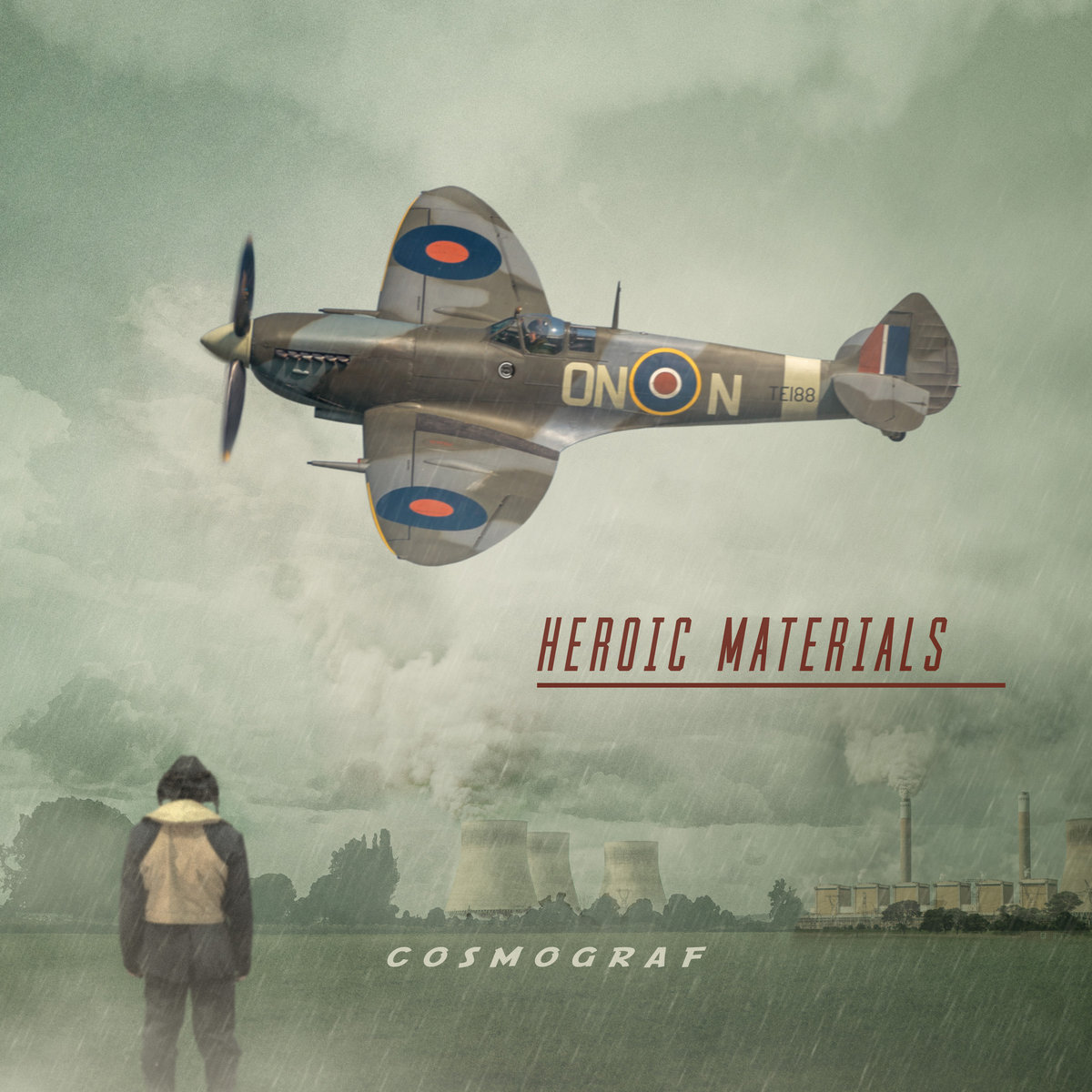
Cosmograf, Heroic Materials: Robin Armstrong’s latest concept album speaks softly and hits home hard. As a World War II fighter pilot recalls the challenge he rose to as a young man and laments the passing of his golden era, he also sounds the alarm about the challenges the generations who’ve followed have inherited. Throughout, Armstrong’s lyrics are simply stated yet deeply affecting, sung with real gravity and soul. And as the music patiently unreels, it becomes impossible to pick out a standout track; each brooding acoustic interlude, each stinging electric solo, each cinematic ebb and flow leaves its indelible mark. Elegiac in its evocation of past glories, urgent in its call to action today, breathtaking in its poised blend of fragility and strength, Heroic Materials is a riveting listen and a thing of beauty, already on my list of favorites for this year.

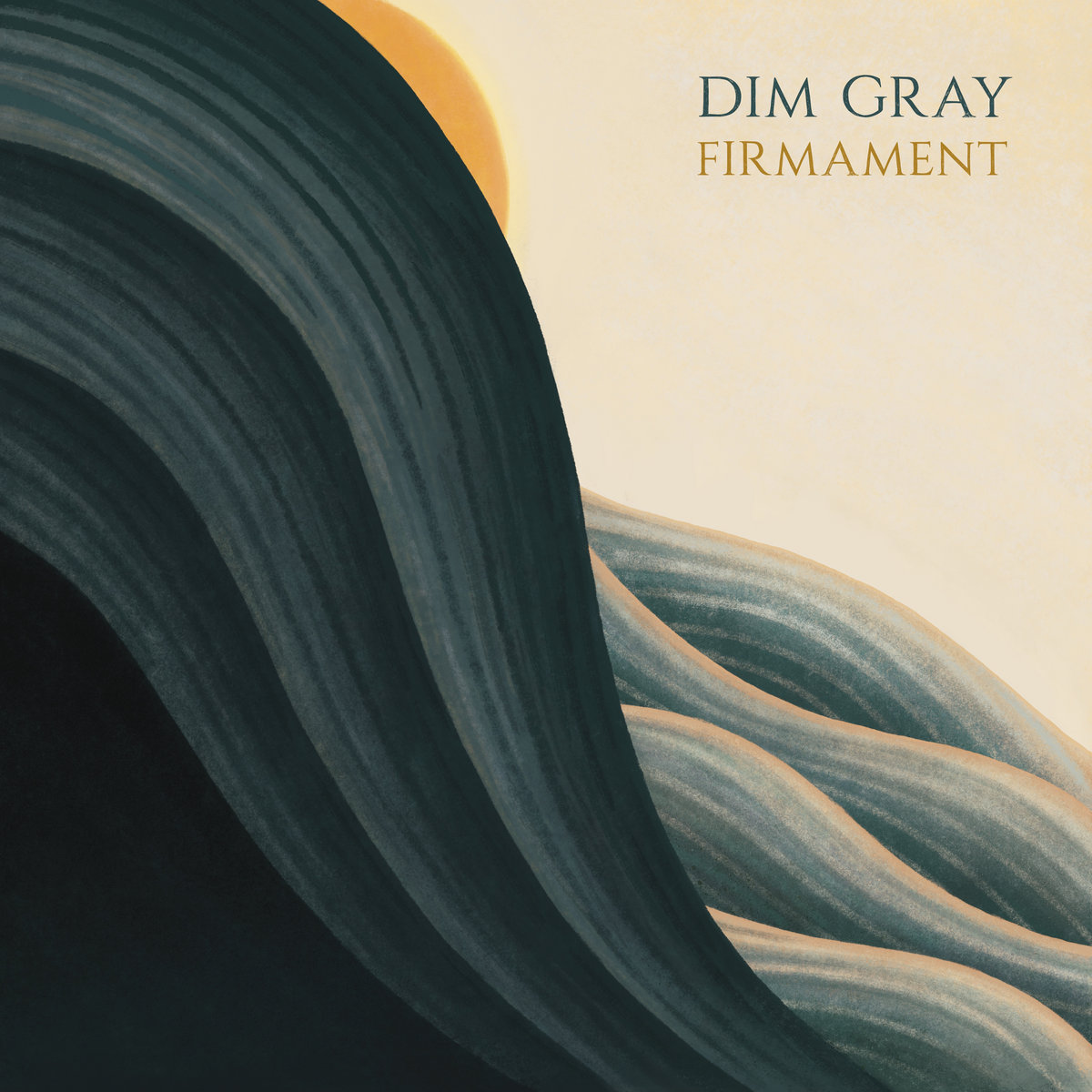
Dim Gray, Firmament: a Norwegian band that’s getting a broader push courtesy of Kingmaker Management, with an opening slot on Big Big Train’s recent tour (to say nothing of Oskar Holldorf’s filling BBT’s keyboards/backing vocals slot live) and their second effort released through the English Electric label. Kingmaker knows how to pick ’em; Holldorff, guitarist Hakon Høiberg and drummer Tom Ian Klungland whip up a mighty noise on Firmament’s 12 succinct tracks, with Holldorff and Høiberg’s ethereal, evocative singing launched above one swirling, quasi-orchestral crescendo after another. From opener “Mare” to finale “Meridian”, middle-aged farts like me might hear echoes of Phil Spector’s Wall of Sound, Brian Wilson’s pocket symphonies and Avalon-era Roxy Music, while younger listeners may catch hints of Fleet Foxes’ seamless, potent vocalises and Sigur Ros’ relentless ensemble builds. Whatever Dim Gray’s influences, the trio’s pin-sharp ensemble and pacing, thrilling sense of dynamics and undeniable gift for melody make for an arresting sound, with impressionistic lyrics that complement the sweep and yearning of the music. Here’s an album that not only dreams big, but actually delivers.

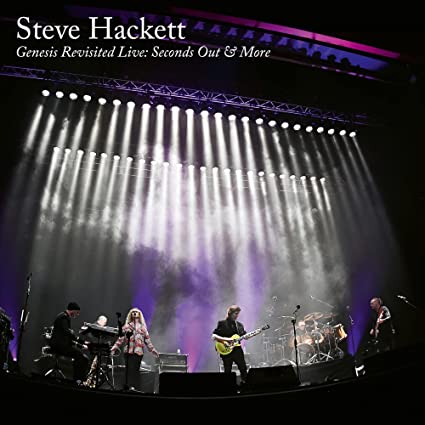
Steve Hackett, Genesis Revisited Live – Seconds Out & More: by my count, this is Hackett’s sixth live set since the Genesis Revisited concept revived his worldwide touring mojo a decade ago, beating out even Rush’s late career live output. Too much of a good thing? Arguably — but on the other hand, both Bryan Morey and I raved about this tour when it hit the Midwest this past spring, so I can also argue that more is better! With Amanda Lehmann complementing his usual merry men on second guitar, Hackett and band rip through a set of solo classics (and I wholeheartedly include Surrender of Silence tracks “Held In the Shadows” and “The Devil’s Cathedral” in that description) that climax with Lehmann’s floating vocals and Craig Blundell’s jaw-dropping drum workout on the vintage “Shadow Of The Hierophant”. Then it’s nirvana for Hackett-era Genesis fans, with the entirety of their 1977 live masterwork reprised (and sometimes gently, sometimes deliriously reimagined) in one go. Gorgeous sound whatever the format, and nicely hi-def visuals on the BluRay; it all does what it says on the cover, with Hackett’s usual flair and panache. See you next year for the Foxtrot At Fifty set?

King’s X, Three Sides of One: “Calling all saviors/And I’m shouting at God/Oh won’t you come and save us/Don’t you think we need you now/So let it rain, to wash the fear away.” dUg pinnick’s vocal testifies while his bass thunders, Ty Tabor’s guitars chime and howl like lightning, Jerry Gaskill’s drums crack open the earth and sky. And the apocalyptic “Let It Rain” is only the start for a trio that’s lost none of its power. King’s X’s first album in fourteen years, Three Sides of One’s rock is thick, gnarly, punchy and unbelievably tough no matter the tempo or texture, always locked into a sweet groove that carries you along. With Pinnick’s gospel-rooted shouts complemented by Tabor and Gaskill’s spindly, psychedelic harmonies, the band prowls the waterfront of life today, calling out the hucksters of “Festival” and the digital overlords of “Swipe Up”, commiserating with “all the lonely people” of “Give It Up” and “Holidays”. Stir in the drained cynicism of “Flood Pt. 1” and the dystopian parable “All God’s Children” and you have a compelling vision of societal despair. Human love (“Take the Time”, “She Called Me Home”) offers respite, but there’s no closure in sight; as pinnick preaches on the final track, “The whole world is crying for love/Every everywhere.” Lighting candles and cursing the darkness with alternate breaths, King’s X rocks on regardless — and I consider that heartening in and of itself.

Continue reading “Rick’s Quick Takes for September”

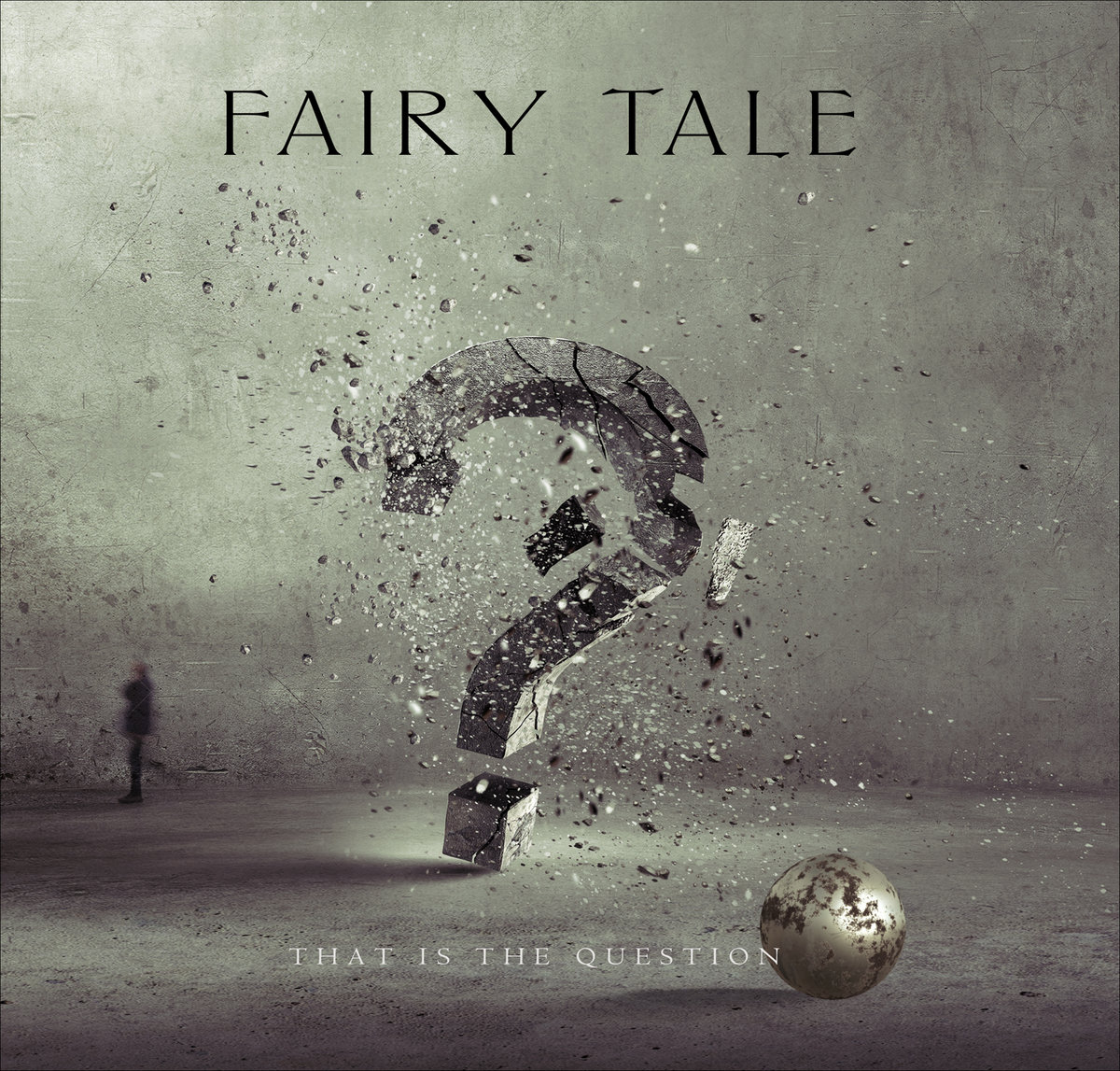
Album Review – Fairy Tale’s “That Is The Question”

a0043426731_10Fairy Tale, That Is The Question, 2021
Tracks:
Wasting The Sound 1 (1:36), That Is The Question (3:48), Time Heals Nothing (4:37), Wasting The Sound 2 (1:42), Wake Up (4:13), Girl Of The Opera (3:24), Wise Men Keep Silent (5:00), Wasting The Sound 3 (1:14), Sophie (11:19), Dot (0:24)

While Slovakia’s Fairy Tale may be a new band to Progarchy, the group has a long history making music dating back to the mid 1990s. The longtime project of Peter Kravec has seen a couple iterations, but the current version was created in 2003 when Kravec met singer Barbora Koláriková. They have since made five albums, including this one, released at the end of October 2021. Kravec plays guitars and produced the record, and Koláriková plays bass guitar in addition to handling all the vocals. They are joined by drummer L’ubomír Pavelka, and Marek Škvarenin and Adam Lukáč play keyboards on various tracks. 

The album ranges in tone from ambient and electronic sounds to a harder progressive rock edge. The band describes themselves as art rock and prog with elements of ambient. At under forty minutes, it’s a short record, which means the disparate sounds of ambient music with heavier rock sometimes clash, although I don’t think the album is necessarily meant to be a concept album. 

2014APR05-20-300x208

The heavier parts of this record, such as the title track, have a very upbeat tempo, which contrasts with the more ambient elements. With that said, even the title track has a deeper moment with heavy bass and an overlay of Fripp-Like guitar. This smoothly blends into “Time Heals Nothing,” which opens with quieter keyboards and clean electric guitar. 

The strongest part of the record comes in the second half of “Time Heals Nothing,” which features a seriousness and an intensity in the music and the lyrical delivery that is more pronounced than on other songs. The song gradually builds towards the end into a wonderful “wall of sound” effect, which blends the ambient with the rock in a seamless way. I also think this song also has the best lyrics of the album. It deals with themes of joy and suffering, forgiveness and grace. There is an element of nihilism in the second half of the song, which can be gleaned from the title. For example:

Souls are burning
And we are boring
Time heals nothing

Souls are burning
Knowledge is boring
Time heals nothing

The electric guitar opening to “Wise Men Keep Silent” has a soothing atmospheric quality that reflects the shorter instrumental tracks, although these more ambient qualities are not tied in throughout as well as they could be. “Wise Men Keep Silent” demonstrates what Fairy Tale does best: ambient and atmospheric music sprinkled with rock influences. The instrumental track includes Barbora using her voice as an instrument, which adds a calming sensation. As I’ve been listening to Devin Townsend’s late 2021 ambient record, Snuggles (which I really should review at some point) recently, I’ll add that I hear similar elements in this song, as well as in other parts of That Is The Question.

At just over eleven minutes in length, “Sophie” is the epic of the album. It has a more electronic influence to it, and it allows the varying musical influences to dance with each other more so than on many of the other songs. There are moments where it feels disjointed, particularly in the transitions, but overall it works well. 

If the artwork looks familiar, that’s because it’s by the great Hugh Syme, who is perhaps most well known for his work with Rush. The artwork throughout the CD digipack is characteristic of his work, and it is quite good. It adds an extra layer of professionalism to the overall packaging. 

While the individual musical elements on the album are all quite good, I think the album could use a bit more focus, or a longer running time with extended songs that tie the various musical elements together better. The shorter songs help serve that purpose, but I’m not entirely convinced that their style of upbeat rock works with more melancholic ambient tones, apart from the ending of “Time Heals Nothing,” which addresses this concern very well. My concerns may be a matter of taste, however, and you should be the judge of that for yourself. Overall I still say the music is very good and worth checking out.

https://fairytaleartrock.bandcamp.com/album/that-is-the-question
https://fairytale.peterkravec.com
https://www.instagram.com/fairytale_artrock/
https://twitter.com/FairyT_artrock

Kruekutt’s 2021 Favorites!

I thought I didn’t have a big list of favorites from this year’s listening — until I revisited my six-month survey from back in June and added in the good stuff I’ve heard since then! The listing below incorporates links to full or capsule reviews, or other relevant pieces on Progarchy and elsewhere; albums I haven’t written about yet get brief comments, along with my Top Favorites of the year. Most of these are available to check out online in some form; if you find yourself especially enjoying something, use that Christmas cash and support your choice with a purchase! And the winners are . . .

Continue reading “Kruekutt’s 2021 Favorites!”