Rick’s Quick Takes for May

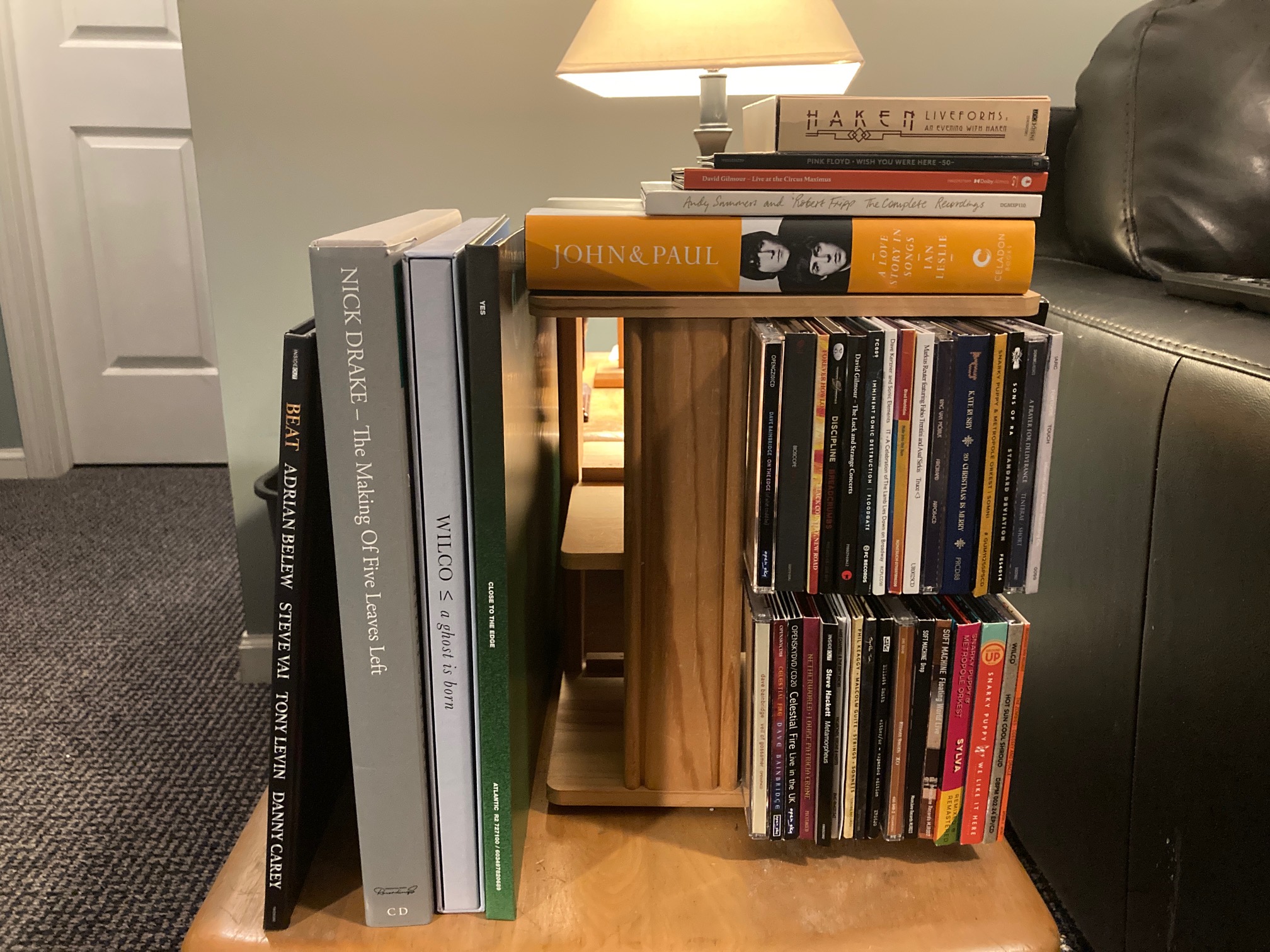
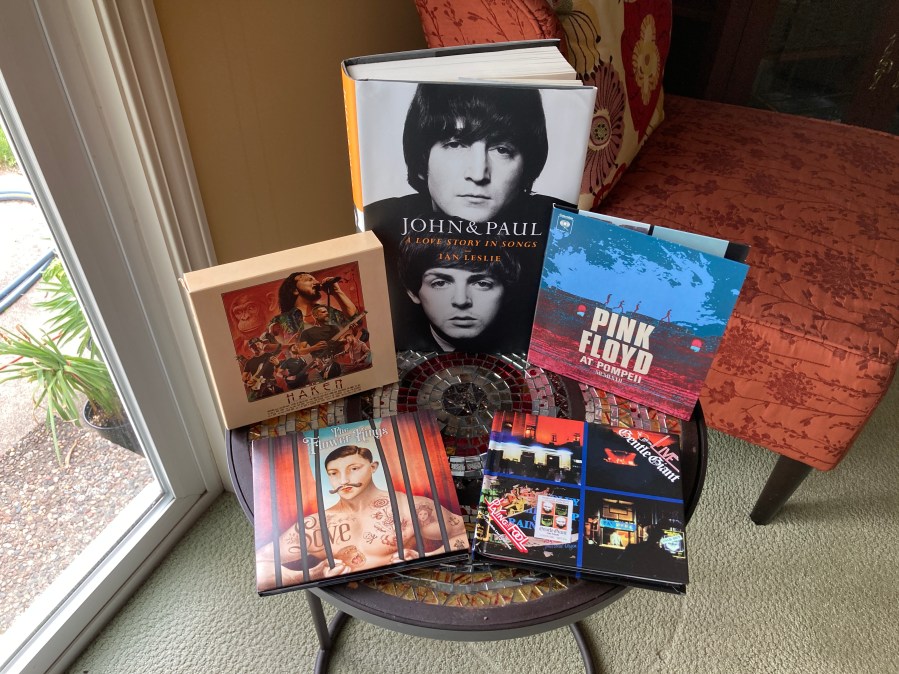
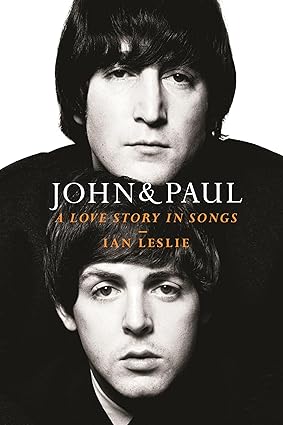
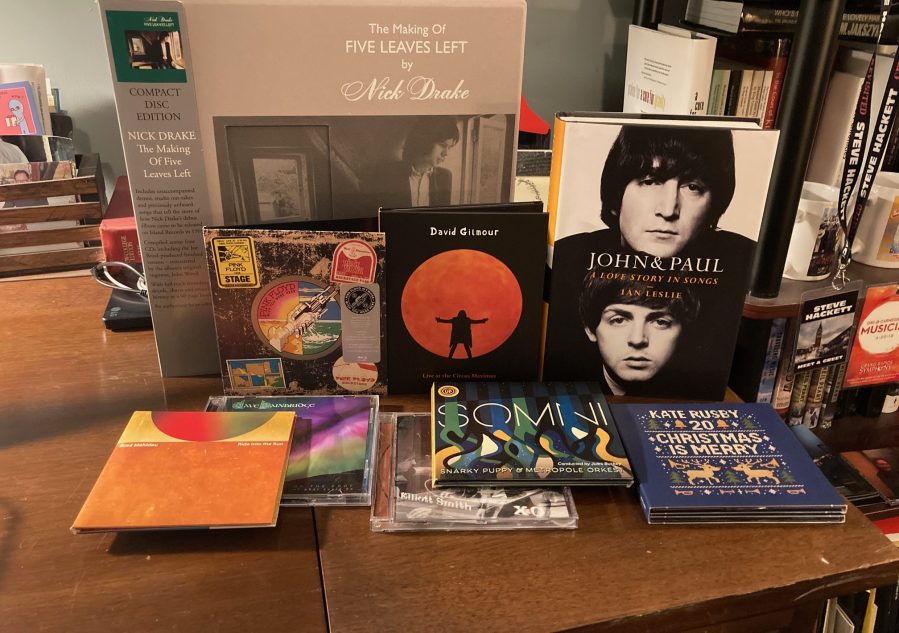
This month’s selection kicks off with something very special: John & Paul: A Love Story in Songs by Ian Leslie, the most impressive book on The Beatles I’ve encountered in ages. Pop-psychology journalist Leslie blew up the Internet in 2020 with “64 Reasons to Celebrate Paul McCartney”, but the driving passion here is his scrupulously balanced estimation of both Macca and John Lennon as men and musicians. Staying off the long and winding “John versus Paul” road so many authors take, Leslie traces the arc of an exceptionally deep male friendship between “two damaged romantics whose jagged edges happened to fit.” Which birthed an exceptional creative partnership, the fruits of which still brighten the world. His thoughtful reflections on 43 songs — grounded in copious documentary evidence, the best Beatle scholarship, accessible musical analysis and his own insight into creativity — vividly portray the forging, then the fracturing of Lennon and McCartney’s bond, from pre-Beatlemania through the Fab Four’s imperial phase and their ill-tempered breakup to Lennon’s shocking death. Tangled as their connection became in the throes of professional and personal conflict, John and Paul couldn’t help but look to each other throughout the 1970s — as competition (writing “Imagine”, John wanted the melody to be as good as Paul’s “Yesterday”), as foe or friend of the moment, as the only other person who could possibly understand. Throughout, Leslie brings to bear admiring gratitude for The Beatles’ music — George and Ringo get their props as well — along with compelling clarity on the emotions that drove that music. And in the end, his portrait of a collaboration that “even as its most competitive, was a duet, not a duel” is utterly moving, equal to chronicling what Lennon and McCartney made of their tempestuous time together and apart. Just read this.

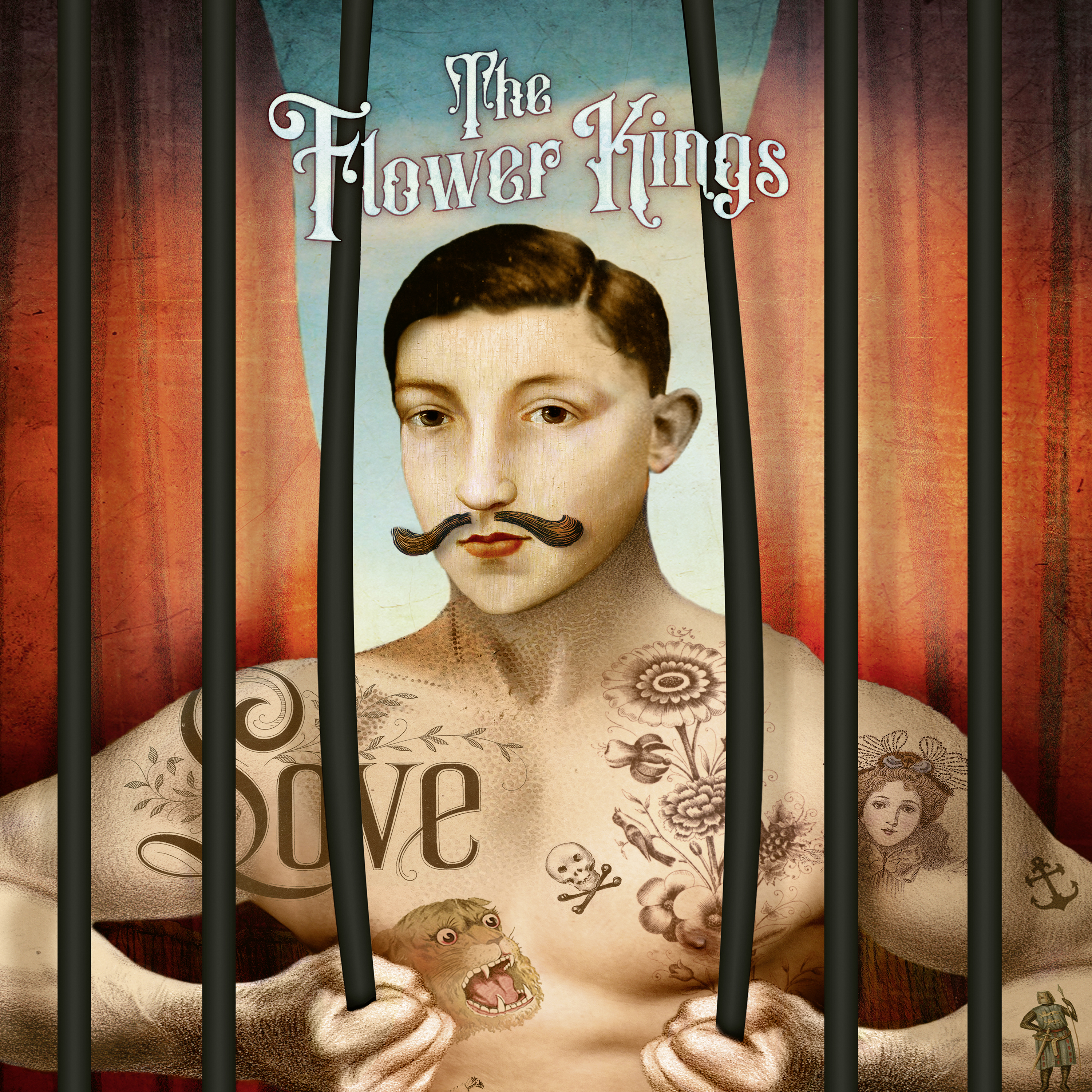
The Flower Kings, Love: A long-playing magic carpet ride, with the minutes effortlessly flying by in the capable hands of Roine Stolt and his Scandinavian comrades. Kicking off with a pair of change-ups (tough, bluesy opener “We Claim the Moon”, jazzified ballad “The Elder”), the Kings then settle into a multi-part suite that, if a bit sedate, has plenty of instrumental color and dynamic vocal shading to hold interest. But the home stretch of this album is where Stolt and company take wing, channelling their inner Yes for the acoustic lilt of “The Promise”, the orchestral build and double-time finale of “Love Is”, the grooving power ballad “Walls of Shame” and the extended closer “Considerations”. Sneakily, subtly addictive, Love is simultaneously a master class in ongoing invention and a psychedelic time travel exercise — so retro it’s actually back there, yet fresh as a daisy throughout.

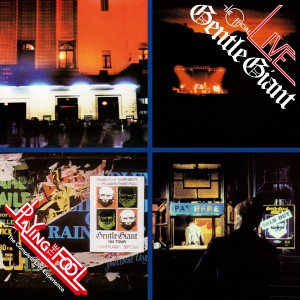
Gentle Giant, Playing the Fool – The Complete Live Experience: The original 1977 release was inspired both by Gentle Giant falling victim to bootleggers and by the rush of mid-70s double concert albums (the British sextet had opened for Peter Frampton both before and after his game-changing Comes Alive set). On the edge of punk’s advent, was a mass-market breakout still possible for a prog band that promiscuously swapped guitars, saxes, recorders, violin, multi-keyboards, mallet percussion and hand drums onstage, mixing soul shouting with Baroque vocal counterpoint all the while? The Shulman brothers, Kerry Minnear, Gary Green and John Weathers give it their all here, from the ricocheting precision of “Excerpts from Octopus” to a wobbly take on “Sweet Georgia Brown” improvised when said keyboards blew up in Brussels. This brand-new reissue restores the complete live set, including three tracks off the contemporaneous “Interview” album, showcasing Gentle Giant as a jaw-dropping live act, doubtless as awesome to behold in the moment as they are to hear right now.

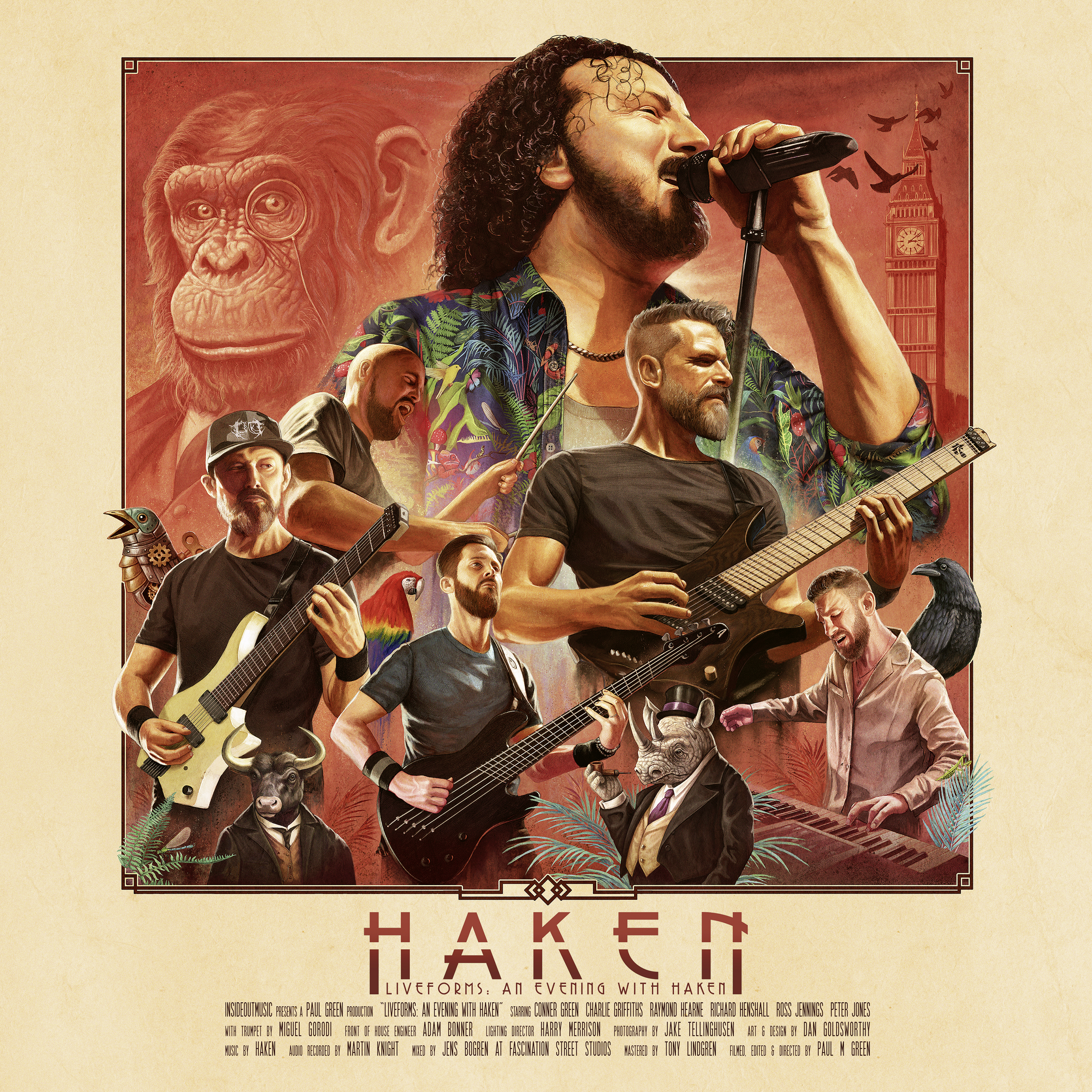
Haken, Liveforms: If Gentle Giant has a modern-day successor, it’s gotta be these guys! Captured in concert at London’s O2 Forum, Haken doesn’t constantly trade instruments, mind you — though the unrelenting interweave of Charlie Griffiths & Richard Henshall’s guitars and Connor Green’s bass (all downtuned, all with an extra string), Peter Jones’ Wakeman-meets-electronica keys and Raymond Hearne’s dizzily polyrhythmic drums evoke a similar instrumental giddiness. Mix in singer Ross Jennings’ searing, soaring leads and occasional demented-barbershop-quartet backing vox, and you have one singular, headturning sound.

A complete run-through of their latest album Fauna (featured on the vinyl version) is equal parts ballet and blitzkrieg. The BluRay/CD package adds a second set to showcase Haken’s catalog to brilliant effect, from the headlong pop-prog of “Cockroach King” and “1985” to the foundational metal epics “Crystallized” and “Visions”. Whether they’re pivoting on rhythmic and melodic dimes, diving into the heavy, or wrangling multiple genres at the same time, this band deserves a hearty “WWOOARRRRGGGHHH” from fans across the board.

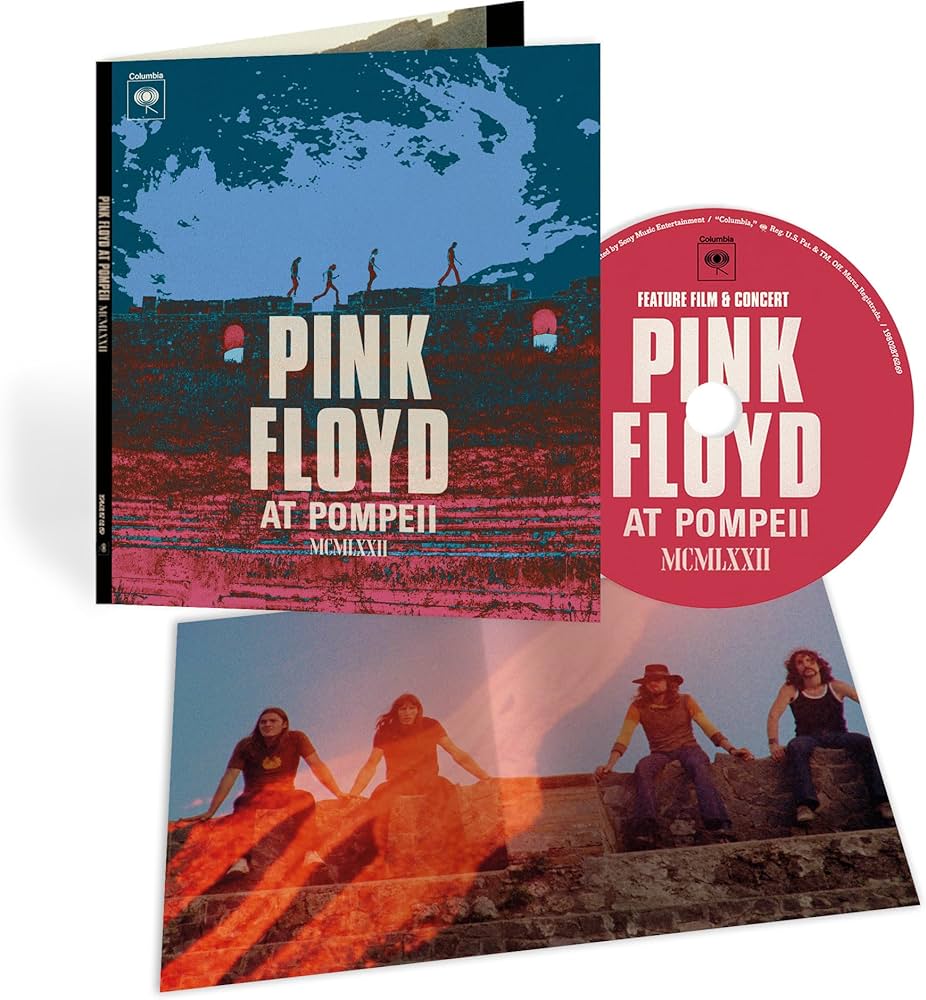
Pink Floyd, At Pompeii MCMLXXII: A pristine new version of the classic acid-trip midnight movie, complete with a typically crystal-clear, hard-hitting new sound mix from Steven Wilson. I dig the behind the scenes footage from the recording of The Dark Side of the Moon at Abbey Road — flashes of studio inspiration, David Gilmour and Nick Mason’s passive-aggressive interview snippets, revealing glimpses of the hostile, fragile band dynamic just waiting to be completely curdled by mass success. But the main course here is Roger Waters, Rick Wright, Gilmour and Mason huddled in that ancient, haunted amphitheatre, surrounded by devastated ruins and arid desert, conjuring up the spooky sonic webs of “Echoes” and “A Saucerful of Secrets”, the obsessive mantra “Set the Controls for the Heart of the Sun”, the whisper-to-scream catharsis of “Careful with That Axe, Eugene” and “One of These Days”.

Without those long years of building their lysergic, near-telepathic style to the feverishly precise pitch shown here, could the Floyd have taken the world by storm with Dark Side? Available in multiple audio and video formats, At Pompeii remains a stunning portrait of a band on the brink of an unlikely world-conquering moment.

— Rick Krueger

Rick’s Quick Takes from March

“Delays, delays!”

Marvin the Martian, “Hare-Way to the Stars”

(A quick note: for new releases, order links are embedded in album titles; online playlists/previews/etc. follow reviews when available. For catalog albums, playlists are linked with titles.)

Once again, I get to second a positive review from Bryan — this time of Fauna, the new release from prog-metallers Haken. Wildly creative, I found this to be the British sextet’s most appealing effort since 2016’s Affinity, stirring in flavors of fusion, postmodern pop, funk, reggae, electronica and even opera alongside one heavy yet tuneful chorus after another. Whether on the short, sharp shocks of “Taurus” and “Lovebite” or the extended journeys of “Sempiternal Beings” and “Elephants Never Forget”, Ross Jennings’ vocals soar, Charlie Griffiths and Richard Henshall’s guitars crunch, Peter Jones’ keys fill what few sonic crevices remain, and rhythm section Conner Green and Raymond Hearne thunder. Play it loud — but look out for multiple, exciting curveballs on every track!

Last month also saw the release of two live albums from veteran bands who’ve made it through the pandemic back to the stage:

Van der Graaf Generator’s The Bath Forum Concert (a CD/DVD/BluRay set) documents the venerable trio’s 2022 return to action; tackling an ambitious setlist that spans their entire career, guitarist/pianist/singer Peter Hammill is as declamatory and vehement as ever, organist Hugh Banton covers the aural spectrum between cathedral and crypt, and drummer Guy Evans locks into or disrupts the grinding soundscapes as the spirit moves him. The beautifully filmed video shows VDGG working hard and watching each other, opting for the flow as they feel it rather than relying on clinical precision; warts and all, this is refreshingly in the moment, a strong show that captures the band’s existential angst and humanistic idealism in full.

Two years after their 2020 Far Eastern tour collapsed around them, King Crimson satellite band Stick Men returned to Japan and blew away any cobwebs that might have accumulated at Osaka’s BB Live venue. The resulting album Umeda showcases avant guitarist Markus Reuter, multi-bassist Tony Levin and percussionist Pat Mastelotto at their aggressive, angular best; whether on long-standing improvisational frameworks “Cusp”, “Schattenhaft” and “Swimming in Tea”, newer compositions “Ringtone”, “Tentacles” and “Danger in the Workplace” or Crimson classics “Red”, “Larks’ Tongues in Aspic Pt. II” or “The Sheltering Sky”, these guys are frighteningly good, whether working up a hair-raising din or backing off for spacey, unexpectedly lush interludes. A great introduction for newbies and a must for fans.

Plus, in February and March the recorded music industry resumed cranking out deluxe box set reissues and compilations — apparently the market of Boomers (like me) with more money than sense isn’t tapped out yet:

Continue reading “Rick’s Quick Takes from March”

Lightning Round Reviews: November 1-9, 2018

In case you hadn’t noticed, the last quarter of 2018 has put paid to any perceived drought of new releases & reissues.  Capsule reviews of what I’ve been listening to since the first of this month follow the jump; albums are reviewed in descending order on my Personal Proggyness Perception (PPP) scale, scored from 0 to 10.

Continue reading “Lightning Round Reviews: November 1-9, 2018”

Album Review: Vector – Haken

38810878_10156676432099744_262269145683329024_n2

It took me a few listens before I truly found my way into Vector, the new studio offering from Haken.

And then I realized:

It’s the musical blot!

Genesis pun intended. Allow me to explain…

I was really looking forward to this album, because as I listened to L-1VE, their brilliant live album from earlier this year, I became convinced that, with Rush now retired, it is Haken that reigns supreme.

Haken’s ability to play with such complexity and virtuosity live, in such a compelling and spirited way, embodies that living “spirit of radio” that Rush had been able to offer live for so many decades.

L-1VE reminded me of Exit… Stage Left, in that it was a perfect overview of the band’s career, as well as definitive proof of their being today’s live band without equal.

At any rate, I was baffled by Vector at first, because initially it didn’t seem to be musically or lyrically coherent.

But the breakthrough came for me when I read the Man of Much Metal’s review of it, wherein he put forth the thesis that Vector is “an understated and clever homage to every single previous incarnation of the band within the music.”

In illustration of this thesis, he averred that Affinity can be heard within “The Good Doctor,” The Mountain within “Puzzle Box,” Aquarius within “Veil,” and Visions within “Host.”

This immediately rang true for me, as I realized each song indeed marked a “vector,” or definite trajectory, in fact audible in previous manifestations of the band.

In my mind, I added my own perception of the teleological spirit of Restoration in “A Cell Divides,” and of the jaw-dropping response induced by L-1VE (with its dazzling live display of unmatched technical musical ability) in the instrumental “Nil by Mouth.”

While the Vector album, on the one hand, thus didn’t have the overall coherent feel that comes from a spatio-temporally undivided live performance (which is what the career overview of L-1VE records), on the other hand, its fragmentary studio snapshots of discretely engineered musical styles did supply quantum musical “blots” of a Haken offered via a more scattershot distribution.

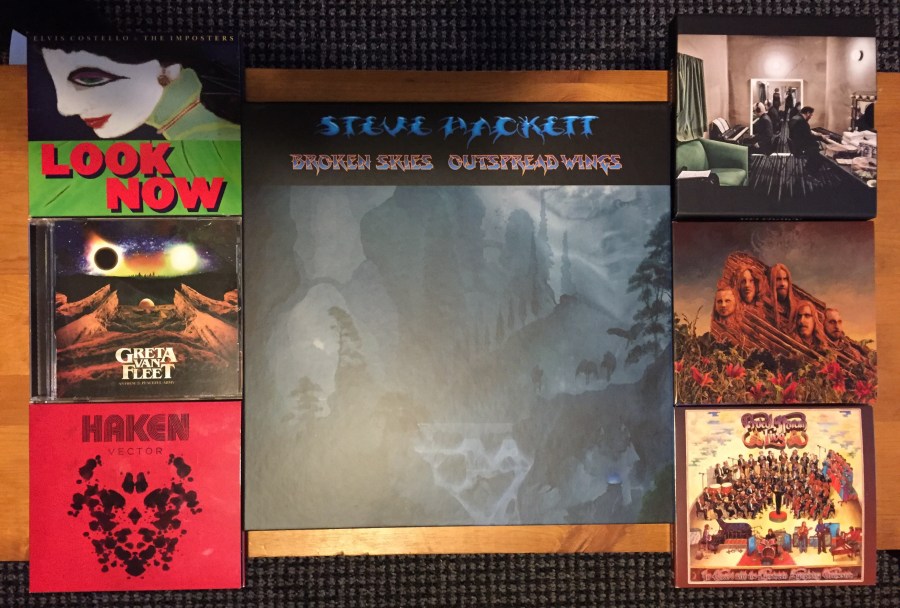
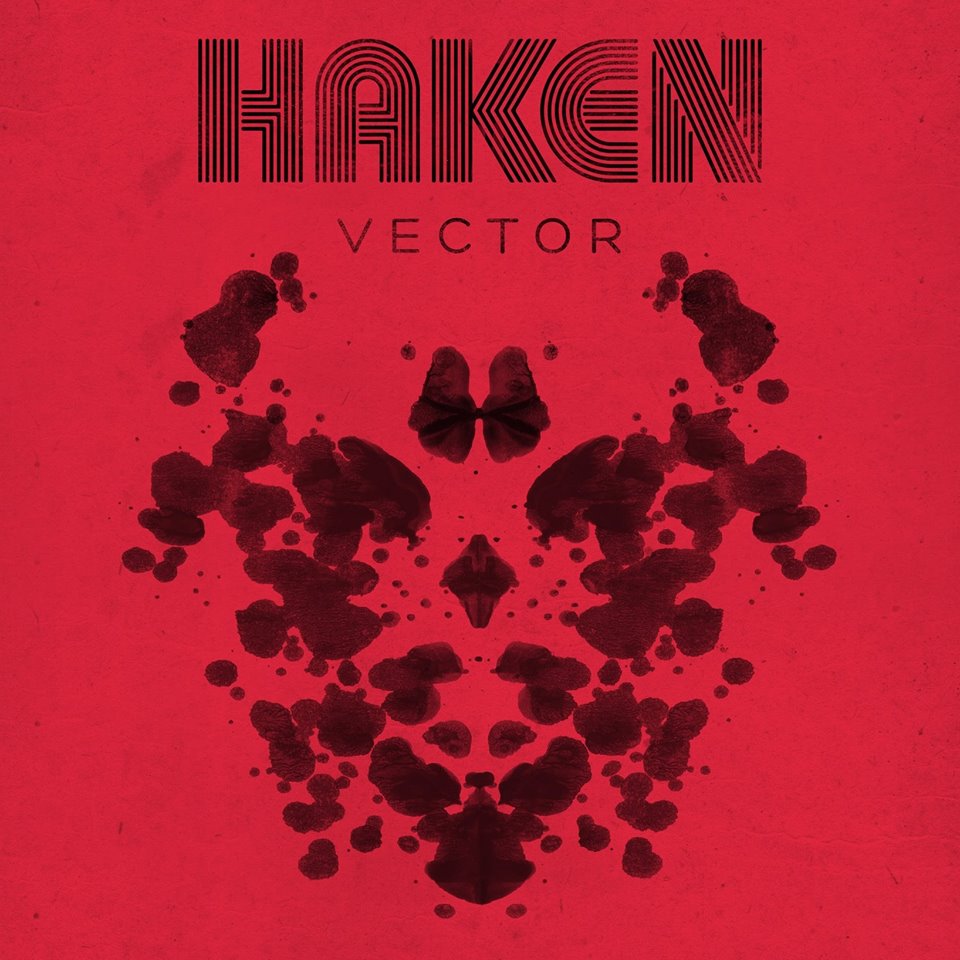
Thus, like the “ink blot” on the cover, you can see the Haken you want to see, if only you look more closely.

As for what Haken is overall, who knows; it is as if the band is saying, “It is up to you to perceive it; we are not going to decide it in advance, to fit some marketing categories or any other reductive schema.”

Look within the music, and you will see what is there.

And as I understand the point of this exercise, it is not so much “to project your own meaning” onto the music, but rather to be an active participant in the music itself, along with Haken.

Just as they themselves won’t reduce the musical experience in advance, so too do they invite you not to insist in advance that your musical experience be able to be put in a nice and neat little box.

So, instead they have given us quite the little puzzle box on Vector.

I believe I have solved it.

Not a musical box, but a most satisfying musical ink blot.