Stained Class

It’s 40th year of Stained Class.

70s sort of form that bedrock of heavy metal, those initial rungs of a genre now riddled with thousands of sub-categories. With early Judas Priest we actually get to experience that seismic shift – how that relatively upbeat hard rock and electric blues start to exhibit darker tones. In other words, Stained Class provides numerous glimpses into the impending transformation of metal.

“The streets run with blood from the mass mutilation, as carnage took toll for the bell” – is definitely not characteristic blues rock Led Zeppelin or an Aerosmith. Nor is that intense and multi-faceted– “You poisoned my tribe with civilized progress, baptizing our blood with disease” – lyrics which could be easily perceived as a commentary, critique or British sarcasm.

Scorching leads, layered and progressive dual guitar melody and that inimitable steely Rob Halford scream. All the vital components which would later shape 80s metal can be traced back to Judas Priest. Essentially, they accentuate the downtuned darker aspects of blues rock, and did that without significant deviation from that blueprint. Stained Class is part of that framework which directly leads to speed, progressive and power metal – essentially triggering a wave – still mutating, afflicting all corners of the civilized world.

By Sibuachu (Own work) [CC BY-SA 4.0], via Wikimedia Commons
Southern Storm

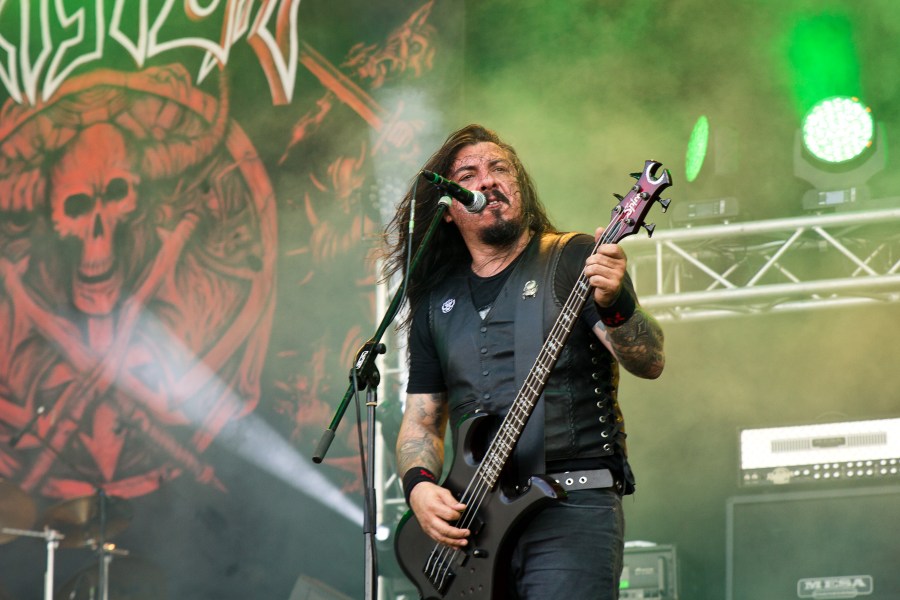
Couple of seconds of blast beats and we can discern Southern Storm is no misnomer. From the land of Sepultura emerged another force named Krisiun. But their extraordinary precision and extremity can be a tad overwhelming. These compositions, quite like a complex death metal alloy, elevates that already intricate electric blues to over-the-top intensity. The steady hammer of drums, constantly daunting, and recedes only when getting carved up by piercing guitars. Rooted in Terrorizer, Grave, Immolation and Nile school of death – Krisiun’s craft is flawless. In other words, they reflect all the essential deathly qualities — constant and subtle shifts in flow, melodic leads and demanding riff/drum patterns. Quite like Sepultura, this band of brothers consistently push musicianship to disturbing levels of fury. With songs titles like “Slaying Steel”, “Minotaur” and “Massacre Under the Sun” – lyrics become that last cowing piece of this technical death storm.

By S. Bollmann (Own work) [CC BY-SA 4.0], via Wikimedia Commons
E

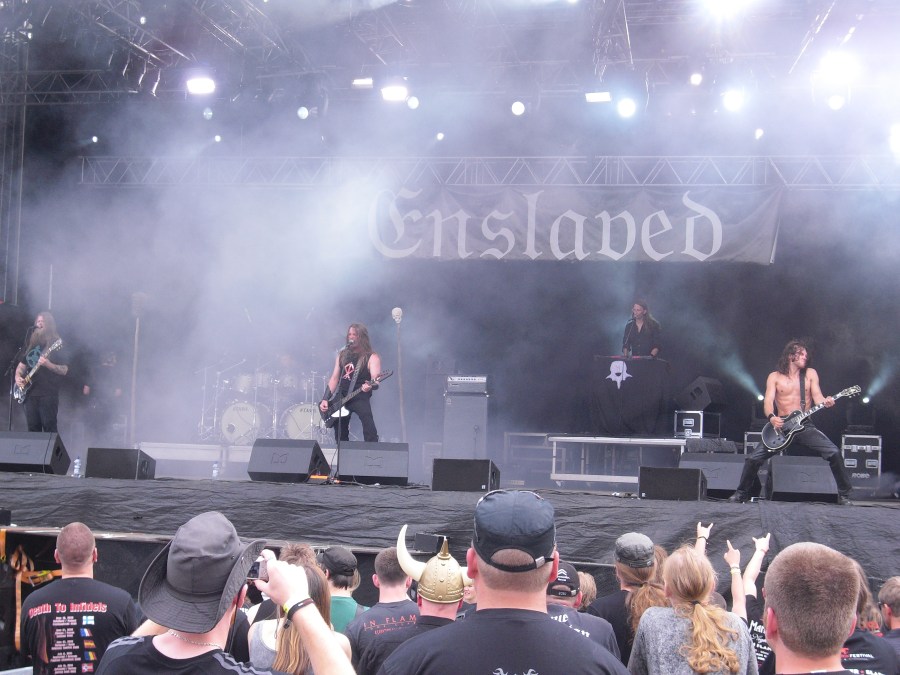
‘E’ becomes the most brazenly progressive Enslaved record. Experimental keyboards, abrupt temporal shifts and frequent bursts of aggressive riffs — all reminding us of their Viking metal roots. Basically, art rock to symphonic prog to post-metal atmosphere effortlessly brewed with some inhuman screams. Add the use of flute, a surprising jazz segment and a Norwegian electronic synth-pop cover — Enslaved has never been more firmly rooted in both extreme and avant-garde territory.

Without completely abandoning black metal, they has carefully adopted some unproven experimetal progressiveness. Within these uncharted fields, it’s not surprising that they sometimes lurch between sheer greatness to downright peculiar. But, for long time listeners there is nothing unexpected here. The band continues to walk their chosen path – constructing a curiously rich, polarizing, and at times uneven mosaic of progressive black metal symphonies.

Dark Apostrophe at English Wikipedia [CC BY 3.0], via Wikimedia Commons

The Evil Divide

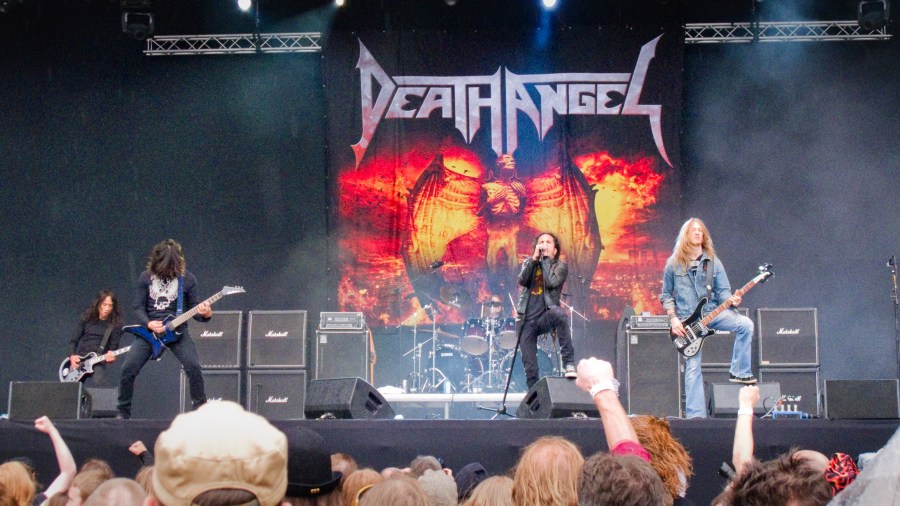
Heavy metal is actually swarming with cross-genre bands, and then there are a few like Death Angel. Over thirty years, and they still wield an uncompromising arsenal of old school thrash. Decked with stunning guitar harmonies, intricate progressions and ultra-thrashy riffs — ‘The Evil Divide’ is a new album with mid-80s sound. Thrash at its creative best.

With that NWOBHM train of break neck riffs and pristine melodic hooks, Death Angel is elegant and loyal to their founding roots. They are sort of unique in persisting with this age old aggressive terrain. As expected, most of their illustrious contemporaries have mellowed, and now fear to tread through these very furious paths.


By Fileri (Own work) [CC BY-SA 3.0 or GFDL], via Wikimedia Commons

Under the Red Cloud

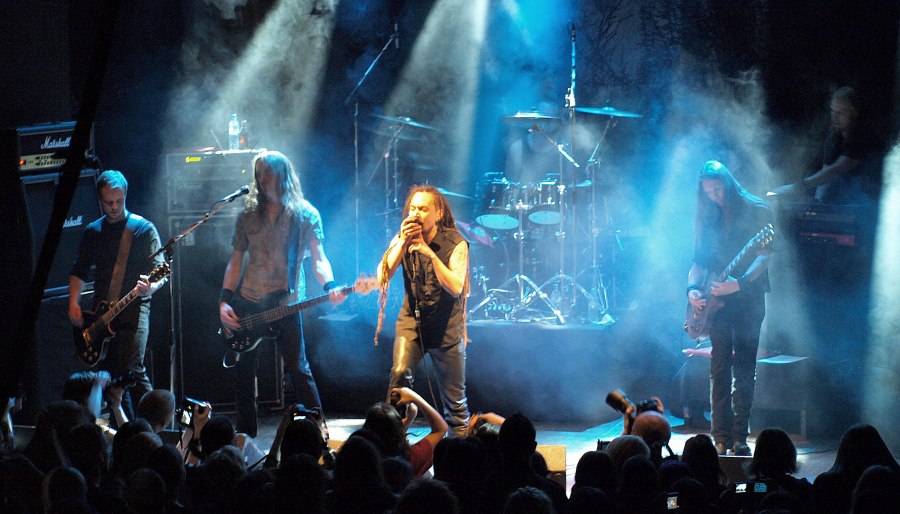
Unlike their neighbors to the west, Finnish scene evolved late and also in relative isolation. Quite like how they took their own time for economic industrialization, Finnish metallers were also sort of late to the planet’s extreme metal feast. Finns do come across as one wary lot. But, circa 1990, evolution took a huge leap. They seamlessly adapted their classic metal roots into a Black Sabbath influenced death/doom, and accomplished it within an absolutely meager time. Not surprising why Amorphis developed such distinct signatures — they never did follow that conventional trajectory.

Now, after twenty five years of folk and melodic metal, you would think they won’t have much to say. Go with that expectation and get ready to be mowed, by some quirky progressions and subtle rich melodies.

Moments where you get to experience glimpses of their glorious past are frequent. Creative folksy hooks and abrupt bursts into melodic death segments – guaranteed to overwhelm even their ardent listeners. Undoubtedly, Under the Red Cloud forges more than quite a few steps, onto a distinct path carved over the past two decades.


By Cecil (Own work) [GFDL, CC-BY-SA-3.0 or CC BY-SA 2.5-2.0-1.0], via Wikimedia Commons

Blackwater Park

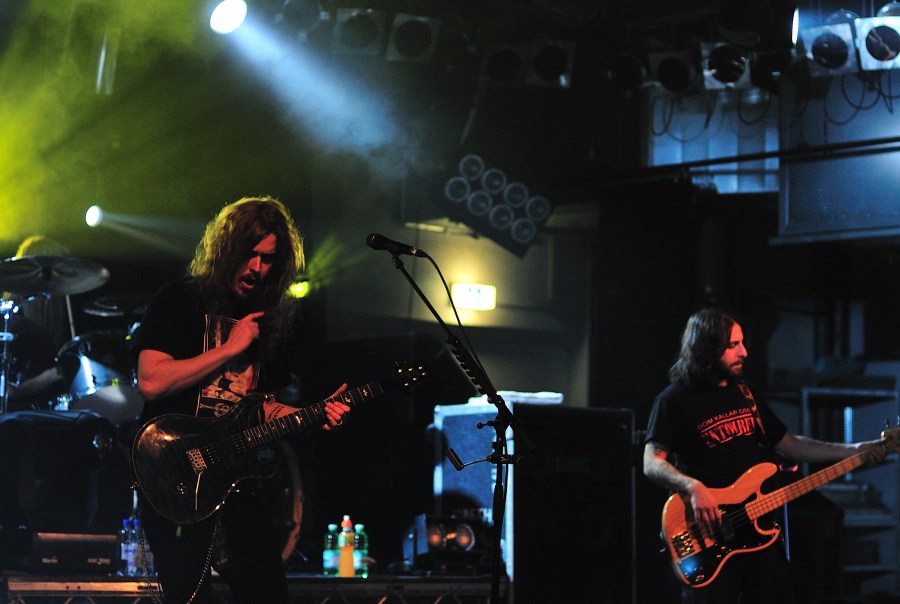
Recently a fellow metal-head shared Opeths’s Blackwater Park; it’s been ages since I heard this album. Music has this uncanny ability to bring back memories. In this case, decade old vivid images from heavy metal pubs, long distance motorcycling and even longer days dedicated to embedded engineering.

Had once motorcycled six hours straight to see Opeth live, to this college town in a little known part of the world. Crowd simply exploded to the opening riffs of “Bleak”, ferocity matched only by Åkerfeldt’s own growls.

Blackwater Park is that one album which conveniently illustrates Opeth’s early years. Everything from gothic atmosphere to death metal riffs, all packed into one funereal epic! Wide range of actual genres fit into that melancholic sound, but still weaved into one cohesive symphony. Album seamlessly illustrates meandering proggy passages resembling Camel, to Tom Warrior like curt grunts. With blankets of blues, prog and folksy lament built straight into that vital progressive death framework, Opeth eclipses all genre boundaries.

After all these years, listening to them again made me realize, these Swedes sort of orchestrate all those vibrant influences more elegantly than most genre specialists themselves do.

By deep ghosh [CC BY 2.0], via Wikimedia Commons

Hunted

Black Sabbath, Iron Maiden and the remaining doom metal bells and whistles are obvious. But, Khemmis goes further, and shapes a melody built on mystical and sorrowful passages. Every aspect, including the distressing vocals is tailored to accentuate these very qualities.

Doom metal is a constrained and a well explored area populated with numerous Scandinavian and North American greats. In the past 30-40 years, they have managed to excavate all the darkest corners in this genre. But, Khemmis, quite confidently introduce sharp magical qualities to these stagnant waters. With an equally engaging Artwork, Hunted makes a compelling case for a brand new variant of old school doom.

By Benjamin Hutcherson (Own work) [CC BY-SA 4.0], via Wikimedia Commons
Majesty and Decay

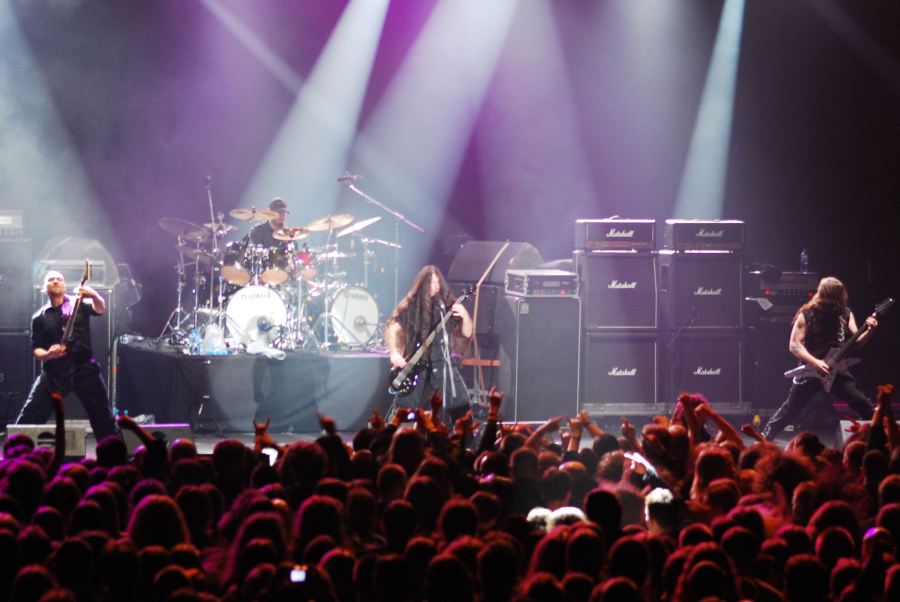
Study claims extreme music purges depression, in that case, Immolation should be among the most effective antidepressants. Emerging from the most fertile era in death metal, these New Yorkers effortlessly stood their own against Tampa and Stockholm scene’s invasion. A dose of bludgeoning drums, some excessively intricate guitar patterns, followed by sheer death metal growls – simply bulldozes depression and anything else in its path.

Immolation’s brand of dissonance is multifaceted; no other band rips your senses into such divergent paths. In other words, response to this imposing symphony can be – a still veneration, an accepting nod, or just violent moshing – depends solely on the listener’s filter. More crucially, this near deathly experience can be at times overwhelming – crossing those boundaries from being a mere antidepressant, and moving straight into the territory of ecstasy – illegal.

By commons: Lilly Mpl.wiki: Lilly Mreal name: Małgorzata Miłaszewska (Own work) [GFDL or CC BY 3.0], via Wikimedia Commons

Martin Eric Ain (1967 – 2017)

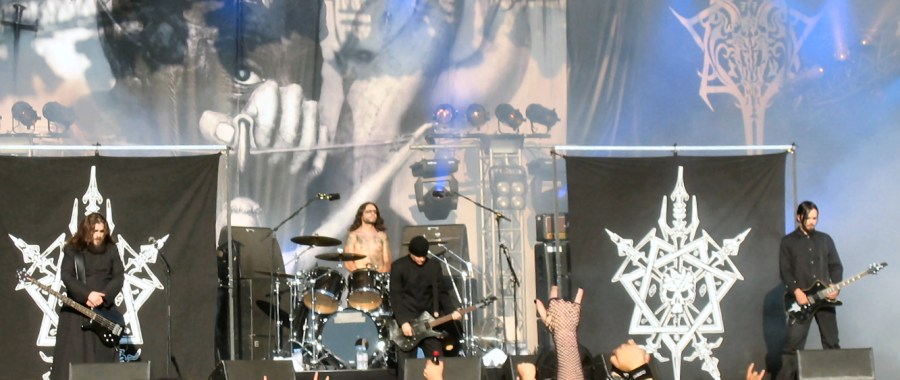
Years ago I had visited this rundown record store, and tucked away into one corner was this used CD – a grotesque cross-over artwork with Morbid Tales stamped on it. Of course, picking that up for the long drive back home was the next obvious step. Definitely not my first encounter with Celtic Frost, but this time they stunningly hit all the right notes. Not every day will someone inadvertently stumble into a Morbid Tales, quite an understated introduction for a viciously influential record.

How that eerie album intro explodes ‘Into the crypt of rays’—making an instant and deep impact. With the dusky coastal highway as an idyllic backdrop – a moment forever engraved in mind.

The whole experience was almost like discovering a trap door, straight into the nether vaults of metal. Suddenly, numerous aspects of late 80s and early 90s black/death wave starts to make sense. Those coarse structural patterns, surreal and nightmarishly poetic lyrics – they afflicted and spawned hordes of imitators. Some elevated those very elements to stratospheric levels. Quite like Venom — Hellhammer and Celtic Frost are vital, to grasping an era which otherwise might sound like sheer white noise.

Martin Ain might have departed this mortal world. But, what he invented with Tom Warrior remains vibrantly ablaze.

Image Attribution:
By Jarkko Iso-Heiko [Copyrighted free use], via Wikimedia Commons

Black Seeds of Vengeance

Nile rumbles — “The scourge of Amalek is upon you” – hardly a hyperbole. These South Carolinians construct some of the most sinister patterns known to man. 180 beats per minute, brutal growls and Middle Eastern influences — all weaved into a vicious arrangement. Channeling Florida death contemporaries, Nile crafts a truly ravishing Egyptian dissonance at an intensity unparalled. Here, these assault patterns are unique, recognizable and quite atmospheric, a rarity within this lineage.

Egyptian chants and not so poetic gruesome mythology – “Horus hammereth them. Nepthys hacketh them to bits. The eye of Ra eateth into their faces. Their carcasses will be consumed in the desert”. Guttural growls, sharp temporal variations, and ruthless bass lines – all peacefully coexisting with electrifying melodies. With these rich signatures, Karl Sanders effortlessly heaves the listener into an intricate, enchanting and extreme terrain.

Image Attribution:

By Alexandre Cardoso (originally posted to Flickr as IMG_8503) [CC BY 2.0], via Wikimedia Commons