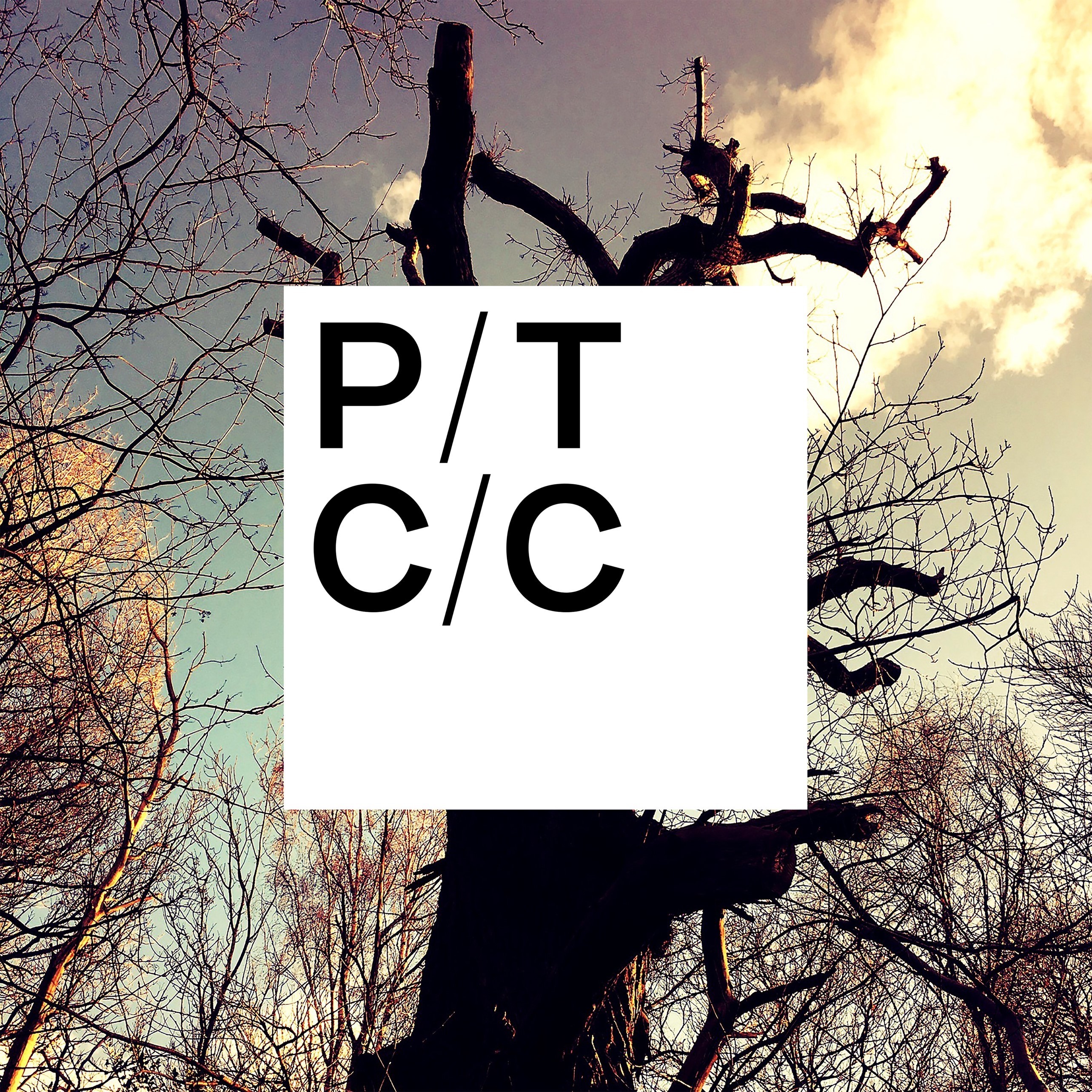
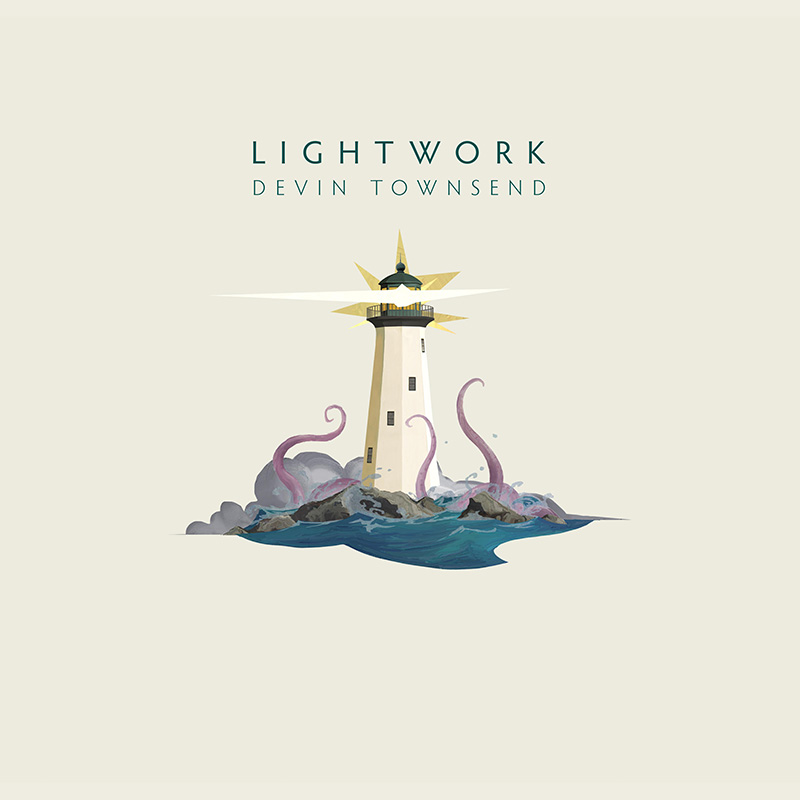
Devin Townsend, Lightwork, 2022, Inside Out Music/Hevy Devy Records
Lightwork Tracks: Moonpeople (4:44), Lightworker (5:29), Equinox (4:39), Call of the Void (5:53), Heartbreaker (7:00), Dimensions (5:23), Celestial Signals (5:12), Heavy Burden (4:23), Vacation (3:10), Children of God (10:06)
Nightwork Tracks: Starchasm, Pt. 2 (4:34), Stampys Blaster (0:38), Factions (5:13), Yogi (3:57), Precious Sardine (10:14), Hope is in the World (4:16), Children of Dog (6:45), Sober (4:37), Boogus (3:33), Carry Me Home (4:04)
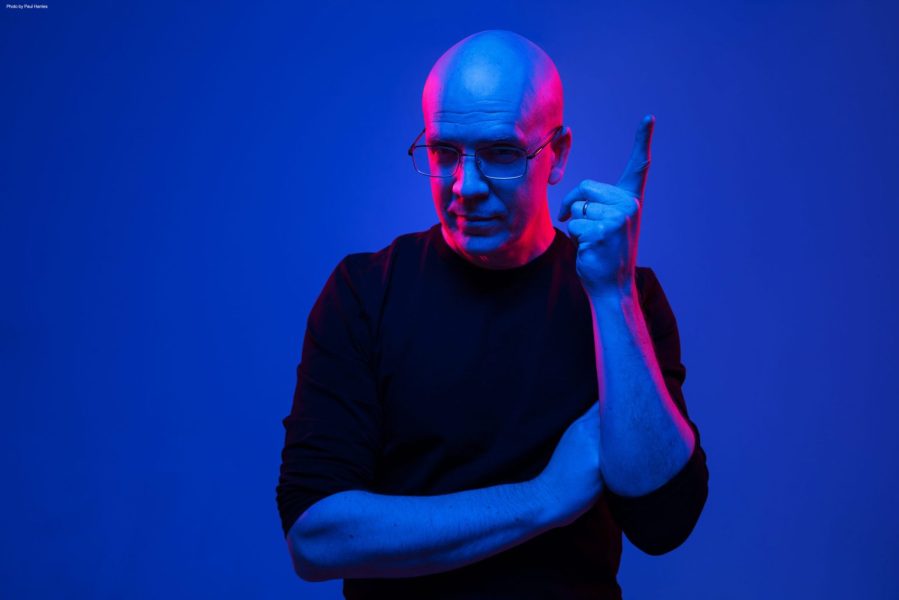
Devin Townsend seems to be the most eclectic artist operating in what could broadly be called the progressive music scene. He’s most well known for his work as a metal artist, having some of the finest clean and distorted vocals in the business. He’s also a stellar guitarist and an even better producer. Beyond the metal, he’s long dabbled in ambient music, and as of late he’s been blending the two together to marvelous effect. 2019’s Empath was a masterpiece demonstrating that extreme metal, musical theater, opera, and ambient music can blend into a powerful and moving epic.
Last year he released The Puzzle, a minor release that is primarily ambient with vocals serving more of an instrumental role, meaning it was more about the sound than the actual lyrics. That record reflected Devin’s mind as he processed the Covid-19 pandemic, especially the early phases of it. At the same time he released Snuggles, a shorter ambient album whose goal was to calm and soothe the listener. I can state from personal experience that it does just that. It’s a great antidote to anxiety and depression.
Last month found Devin releasing his latest “major” release, Lightwork, along with its slightly heavier companion album, Nightwork. His intention was to go lighter on this record, although the metal elements still pop up now and again, especially in the vocals, which vary from clean to distorted depending on what the songs need. It’s a very different record than Empath. I hesitate to call it “pop,” as that might conjure up images of Steven Wilson’s The Future Bites. I think there are some interesting parallels between Townsend and Wilson that are worth exploring in a future article, but Townsend’s approach to pop (for lack of a better word) is far more introspective than Wilson’s. Wilson often wears his influences on his sleeve, while still creating a signature sound. Townsend creates his own sound, incorporating elements from myriad genres to make music that sounds like no one else. If Lightwork can be called pop, it is because it is more accessible than some of Townsend’s other work. It still remains complex in its layering, lyrical themes, and overall sound.
Lightwork has less of a flow to it, with the focus being more on the actual songs. With the wall of sound approach Devin is known for, there is some blending together between tracks, so it never feels disjointed. There is a loose overall theme to the record of love and light – a port in the storm, as it were. Musically it ebbs and flows. “Lightworker” has some epic soaring vocal moments with orchestral layers and backing vocals, not dissimilar from bits of Empath. Devin holds nothing back vocally.
“Equinox” sees Devin delving into his more atmospheric rock side while incorporating memorable melodies. The use of distorted vocals in parts of the song is a contrast to the spacier elements of the music, but since Devin’s distorted vocals are easy to understand (one of the reasons he’s my favorite metal vocalist), it works really at conveying the emotion of the lyrics.
The world is gonna turn without you baby
Don’t worry about a thing it’s all a gameJust as it’s falling apart, I’ve fallen for you
Just as I tear it apart, I’ve fallen for youThough we try to pretend that it’s not the end
“Equinox”
It keeps us calm now babe
This is easily my favorite song on the record. It’s relatively simple, but the intricate layers and vocal work draw me in every time. I feel like I’m standing in a giant open space surrounded by stars and a dancing aurora as the music swells over my head. Perhaps that’s a testament to Devin’s unmatched skill on the mixing board.
From the very beginning going back to his Strapping Young Lad days, Townsend has always been blisteringly brutal and honest in his lyrics. Those lyrics reflected his emotional state at the time. His lyrics today are equally emotional and honest, but they’re so much more uplifting and hopeful. “Call of the Void” calls the listener to maintain composure in the face of the world’s insanity. Devin’s voice leads the charge with soulful grit.
Cause whеn you see the world’s insane reactionTo follow your hеart, the worst reaction is to freak outSo don’t you freak outCause when you feel the urge to feign reactionJust follow your heart, the worst reaction is to freak outSo don’t you freak outYou want them to see the world the same as you andTo feel the pain the same as youBut everybody in the world’s different point of viewCan never see the world the same
“Call of the Void”
“Dimensions” is a heavier track with an industrial sound. The bass, courtesy of Jonas Hellborg, dominates. The song is metal, but not in a traditional sense. It’s closer to a band like Rammstein than Iron Maiden. The screamed section is sung over a quieter section of music, and when his vocals step into the background, the music gets louder. An interesting back and forth. The song also features a guitar solo from Mike Keneally.
“Celestial Signals” follows it with a much larger and more open sound, flinging us back amongst the stars in swirling guitars and swelling vocals from both Devin, the choir and Ché Aimee Dorval and/or Anneke van Giersbergen (both sing on both records, and usually it’s easy to tell the difference, but the backing vocals on this track are set pretty deep into the mix).
The final track, “Children of God,” is the longest at just over ten minutes. It also has a large and open sound with lyrics dancing on a cliff of blended sounds, with drums being the most distinct.
Lightwork is hard to nail down as any one “thing.” There’s so much going on. “Vacation” is in direct opposition to “Heavy Burden,” and yet somehow it works. Devin’s quirkiness keeps you on your toes.
While Nightwork may be a companion album, it’s every bit as good, or maybe better. As the name may imply, the album is heavier than Lightwork. It opens with a more straightforward “Devin” metal track. Blasting drums (thanks Morgan Ågren), crunching guitars, and both Devin and Anneke on vocals. Steve Vai also contributes “additional instrumentation” to “Starchasm, Pt. 2.” For those curious about “Pt. 2,” “Starchasm” is a track on last year’s The Puzzle. “Stampys Blaster” picks right up with a 38 second bit of uplifting heavy metal bordering on extreme metal with intense blast beats, all while Devin sings “I love you all.”
“Factions” is another blistering metal track with brilliantly complex drumming and Devin’s signature crunchy guitars and vocals. It’s lightyears away from Lightwork, yet it’s right at home in the Devin universe. The atmospheric screams of “Sorry… I’m sorry…” over a wall of drums is eminently relatable. The song has two neoclasslical style shredding guitar solos that sound different from Devin’s playing, but the album notes don’t say they were played by anyone else, so…
Nightwork does bounce around in style, though, with “Yogi” being a different animal entirely. Quirky, bouncy, not metal at all, but still definitely Devin. “Precious Sardine” reminds me of The Puzzle, with various musical styles and vocals acting more like background instruments. “Hope is in the World” and “Children of Dog” (a reworking of “Children of God”) are more upbeat tracks like Lightwork. They retain metal elements, but they’re brighter songs.
“Sober” is my favorite track off both albums. It is atmospheric, spacey, and intensely emotional. The backing sound of waves add to the ebb and flow of the song. The lyrics are profoundly moving, reflecting the confusion and desperation of addiction as it relates to relationships:
How can you want me, if I can’t stay sober?
And how could you leave me in this state?I can’t help these feelings that have come into my life
I can’t seem to be the one I used to want to fightHow can you want me, if I can’t stay over?
And how could you leave me in this place?Time is falling into silence
I’m already tired
All the dreams we had are dying
You’re not even trying
It’s alrightHow can you want me, if I can’t stay sober?
“Sober”
And how could you leave me in this state?
How could you leave me?
It’s a very reflective song, which is slightly disturbed by the next song, “Boogus.” “Boogus” is a very fun song made in a distinctly 1960s style reminding me of The Munsters sound track. It’s very fun, and not a style you hear much anymore. But, I think it should have been placed somewhere else on the album, with “Carry Me Home” following “Sober” to close the record. “Carry Me Home” is a peaceful track reflecting the realities of a couple’s love after many years into a relationship:
But oh, I hope you understand
“Carry Me Home”
I still love you now the way I did back then
Mental health has been a prominent theme in Devin’s lyrics in the past, especially in more recent years with his positivity seemingly meant to uplift his listener’s spirits.
‘Cause it’s so hard to give when it’s hard enough to live
“Carry Me Home”
And you wanna die, defeat flat on the floor
Well, the nights go by, and still we try to keep some sense of this
Give me hope
Home, on the way home
And I wonder why I ever left at all
Carry me home, all the way home
Let’s simplify and get right back to it all
Carry me home…
Sometimes life is just hard, and we need someone to carry us home.
In many ways, Nightwork is my favorite of the two records, despite it being a companion. Perhaps the heaviness of the first few tracks is more my speed, or the atmospheric brilliance and honesty of “Sober” and “Carry Me Home” keep running through my head. I find it hard to separate the two albums. I bought the fancy special edition in a vinyl gatefold-sized package (2 CDs, 1 blu-ray) with colorful artwork for days, and my iTunes automatically put Nightwork as disc two of the deluxe edition of Lightwork, rather than a separate album.
The variety of musical sounds on these albums might not be for everyone, but I appreciate the art Townsend is making. He’s making the music he feels like making, even if he knows (and worries) that it may upset some people. His sensitivity shines through, and if you keep an open mind, you’ll find a lot to enjoy while broadening your musical horizons. For those turned off in the past to Devin’s heavier side, Lightwork is a must-listen. I think you’ll find it much more accessible, and perhaps you too can come to more fully appreciate the brilliance of Devin Townsend. He is, after all, one of the most interesting artists in music. Everything he makes is worth paying attention to. As such, I recommend you get one of the editions that includes both albums, rather than just Lightwork.
https://hevydevy.com
Merch: https://www.omerch.com/shop/devintownsend

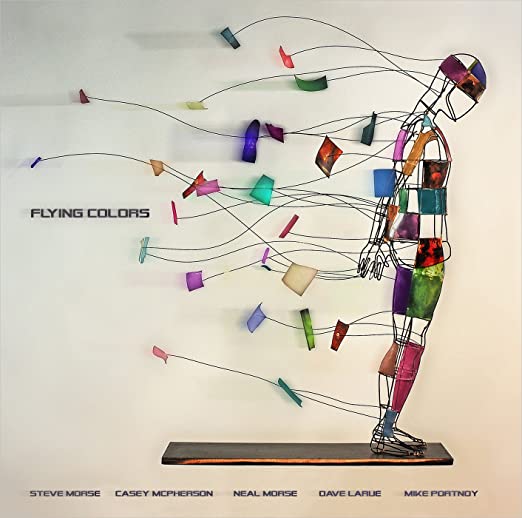


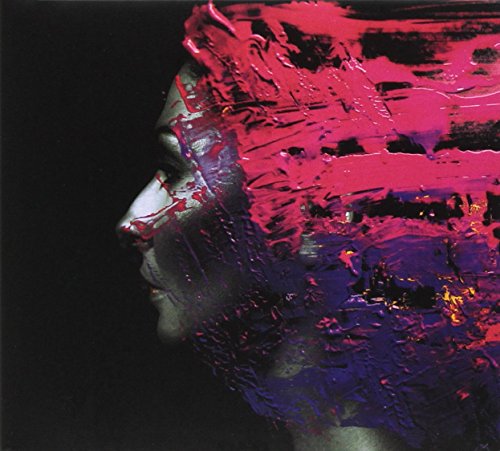
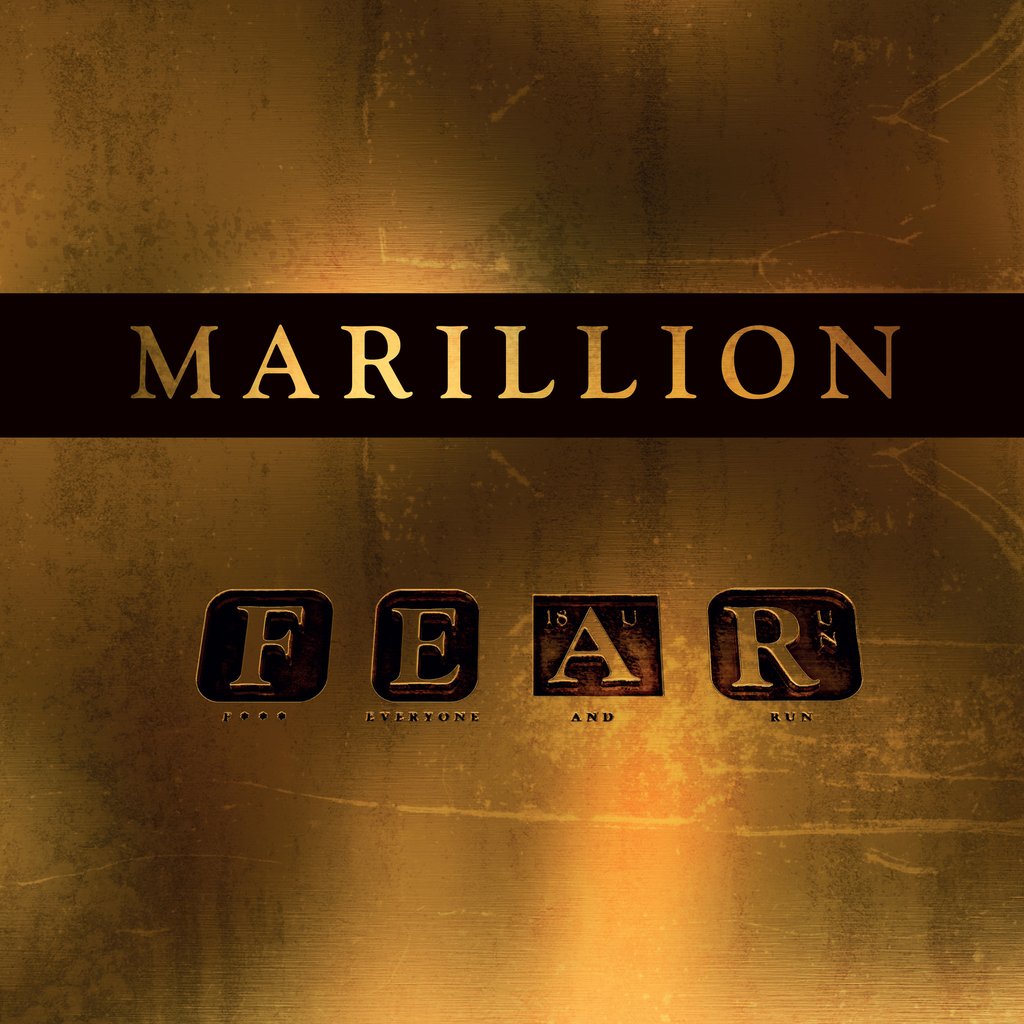
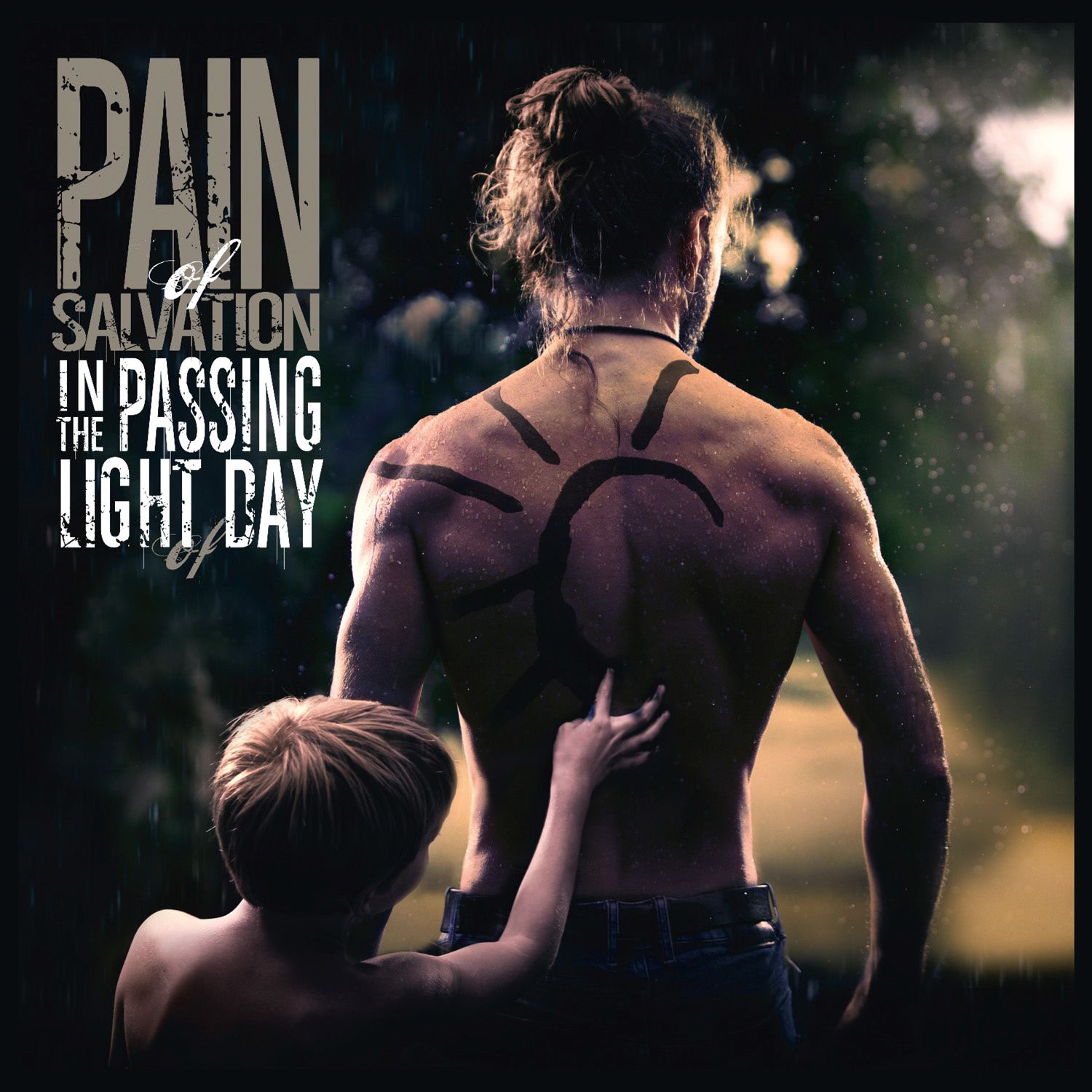 I missed this album when it came out, although I remember reading about it in Prog magazine. I came to appreciate Pain of Salvation with their 2020 album, Panther, which was my top album of the year. I finally started to dig into their back catalog this summer, and I’ve been blown away. In The Passing Light Of Day is a brilliant tour-de-force of emotions. Some of the lyrics I think are too sexually explicit, which is primarily why I rank it at number 10 and why I almost kicked it off my top ten. But the music and melodies are so good, and most of the lyrics are incredibly profound. I also think Ragnar Zolberg brought a lot to the table and was a great balance to Daniel Gildenlöw.
 It was hard to pick one of the
 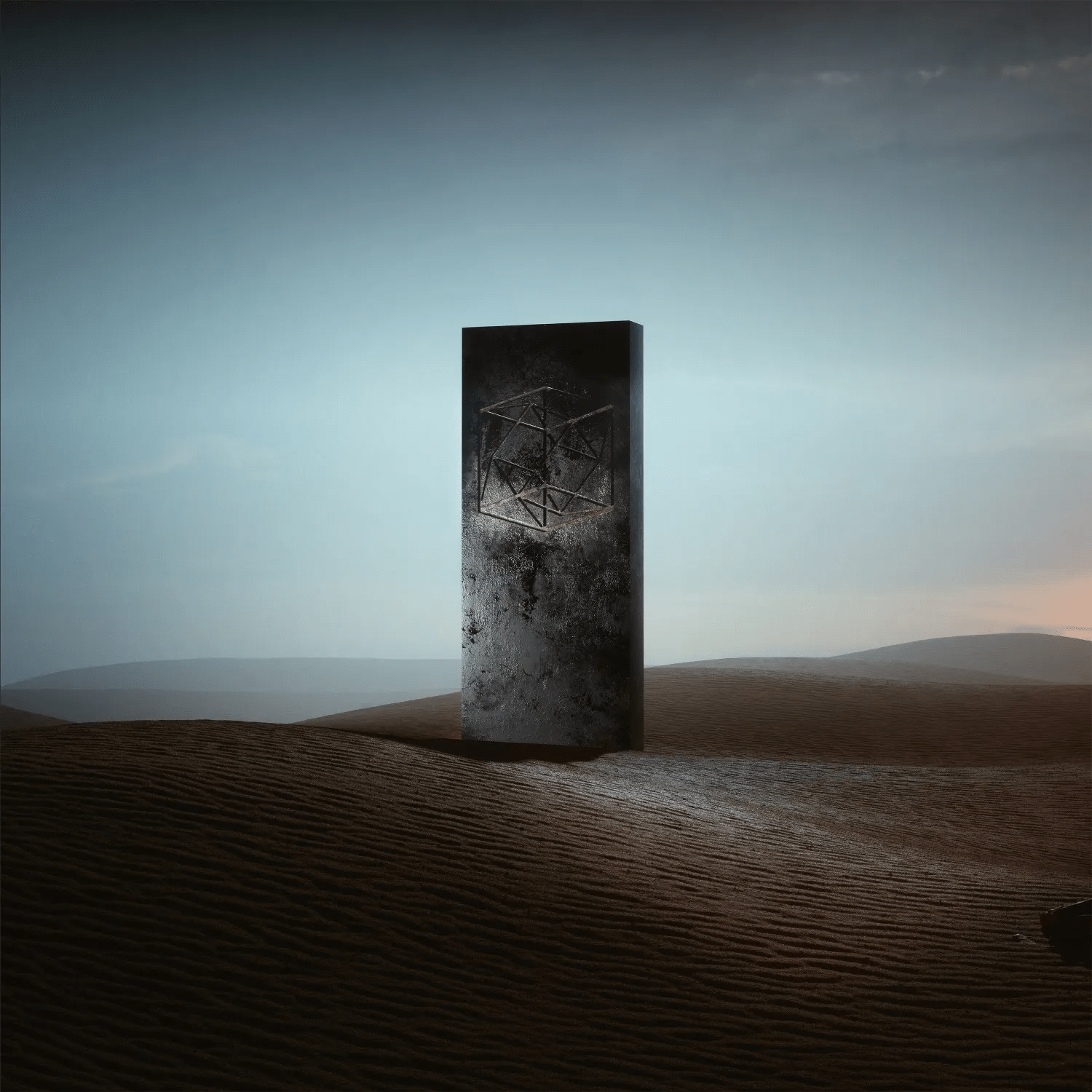 Portals is a brilliant album. It is unique on this list for being a live release, but it is also unique for being a live-in-studio release – a product of the pandemic. I suppose that’s why I don’t rank it higher on this list, but I’ve been listening to it a ton since it came out. I even broke down recently and bought the fancy deluxe CD/DVD/Blu-ray edition. I think most of the tracks on here sound better than they do on the original albums. The album also introduced me to the band, as well as to the world of djent. The way the band blends djent riffs with Floydian spacey motifs is just perfect. One of the finest bands in the world right now.
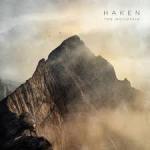 I go in spurts when listening to Haken (like I do with many bands). The Mountain has a magnificent blend of metal with splashes of 70s golden age prog. Songs like “Atlas Stone,” “The Cockroach King,” “Falling Back to Earth,” and “Pareidolia” have become prog metal classics, in my book. I’ve come to think Haken isn’t as compelling in their quiet tracks as bands like Riverside of TesseracT, but this entire album is still very listenable nine years later.
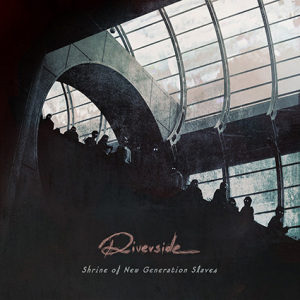 I had a hard time deciding which of Riverside’s three studio albums from the past decade to choose. Love, Fear and the Time Machine and Wasteland are both brilliant, and if I had allowed myself to choose multiple albums from the same artist in a top ten, Wasteland would probably be here too, but I think Shrine edges both of them out. It’s heavy, both musically and lyrically. Several of the songs turn into real earworms for me, and I’m never disappointed when I return to this record. And it’s another one on this list that I discovered several years after its release.
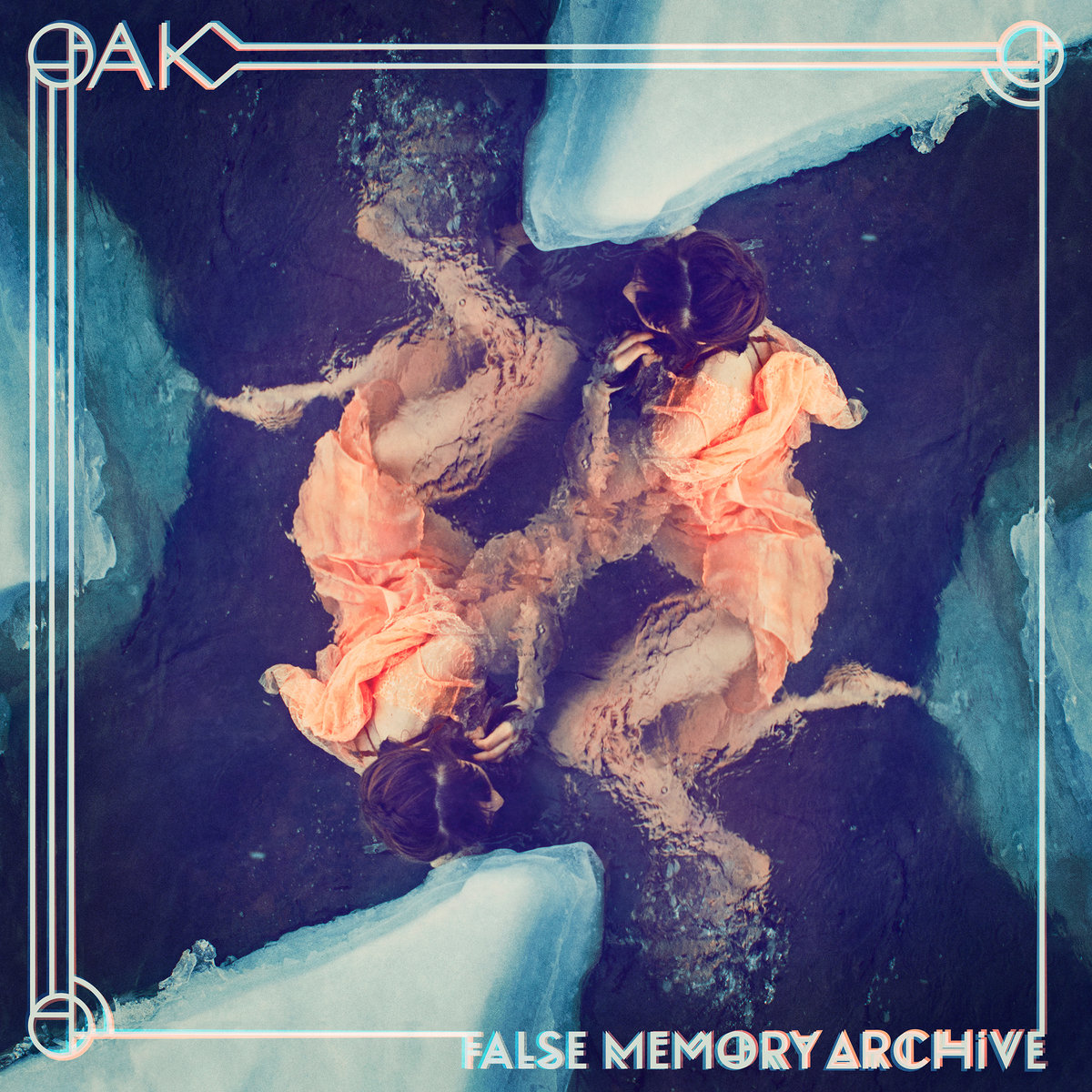 Oak is my favorite new band of the last decade. Both their 2013 (2016 release on CD) album Lighthouse and 2018’s False Memory Archive are brilliant albums, if not perfect. This record was my top album of 2018, and Lighthouse was my top album of 2016 (I didn’t realize at the time it had been released digitally earlier). The Norwegian melancholic aesthetic is dripping from both albums. It was hard to pick one of the two, but the closing track on False Memory Archive, “Psalm 51,” is one of the finest album closers I’ve ever heard. I think that gives this record the edge.
 I was blown away by Devin Townsend’s Empath when it came out – so much so that I bought the 2CD deluxe version that year and the super deluxe version when Inside Out funded that project the next year. The record masterfully blends all the aspects of Devin’s career into a truly unique and truly Devin experience. It has the heavy bombast of Strapping Young Lad at points, yet it’ll soar into orchestral and even operatic highs elsewhere – or even at the same time. Pure musical theater in the best way. Devin’s vocal performance on “Why?” is stunning, and the message of hope on “Spirits Will Collide” is always a pleasant reminder that life is worth living. The production side of things, with Devin’s famed “wall of sound,” is unmatched in his career, or anyone else’s for that matter.
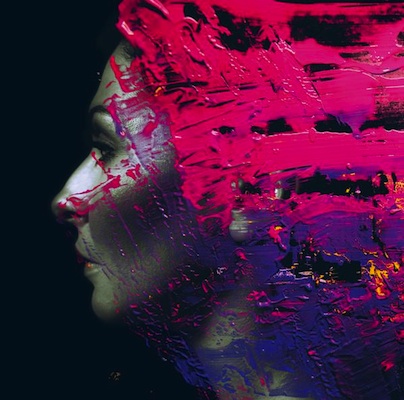 Here we come to one of the truly great albums of our time. I would certainly rank this in a top 10 best albums of all time. Back in 2015, this album was my number 3 pick, with The Tangent’s “A Spark in the Aether” coming in at number 1. Now I still think that’s a great record, and I wrestled with whether or not to include it in my top 10, but I think over time Wilson’s masterpiece has proven to be a generational album. Both the music and the story sound fresh, even seven years and many listens later. The themes of isolation and loneliness in city life (or life in general) will always be relatable. Someone 100 years from now could listen to this record, and while they may miss some of the references (even I still miss some of them), the underlying theme will still connect. That’s what places this record up there with the likes of Pink Floyd’s The Wall.
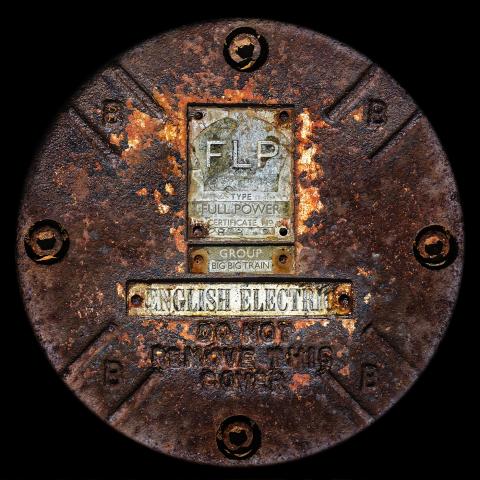 The defining band and defining album for the last decade of prog. Looking back, this record was the one that got me into the contemporary progressive rock scene. Returning to it today is a special treat, as I hope it always will be. It contains everything you might want out of a quintessentially “English” progressive rock band. It has the rock, the folk elements, the complex musicality, the well-told stories. And then there’s David Longdon’s voice, showing us his command of the material and his command of the upcoming several years in the prog scene. When I traveled to England in 2015 (which to me felt like a longer distance between its release than it feels between now and that visit – it’s weird how your perception of time changes as you grow older) I really wanted to listen to this album while being out in the hedgerows and fields. I can still remember sitting on a bus traveling between towns listening to English Electric (I wrote more about this in a