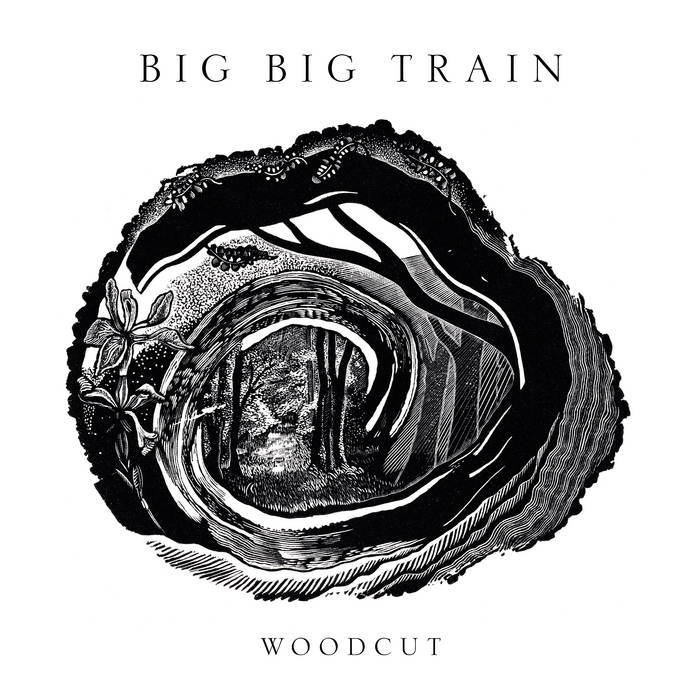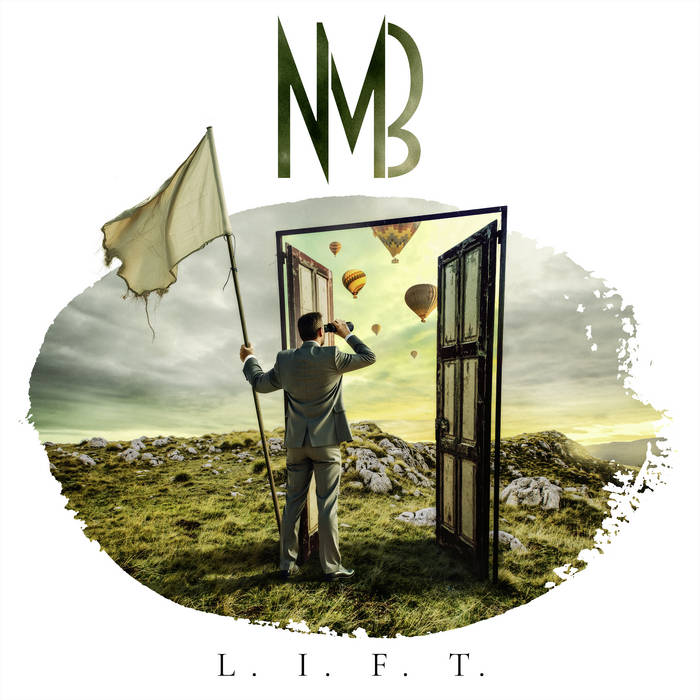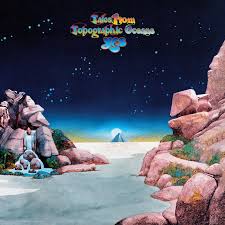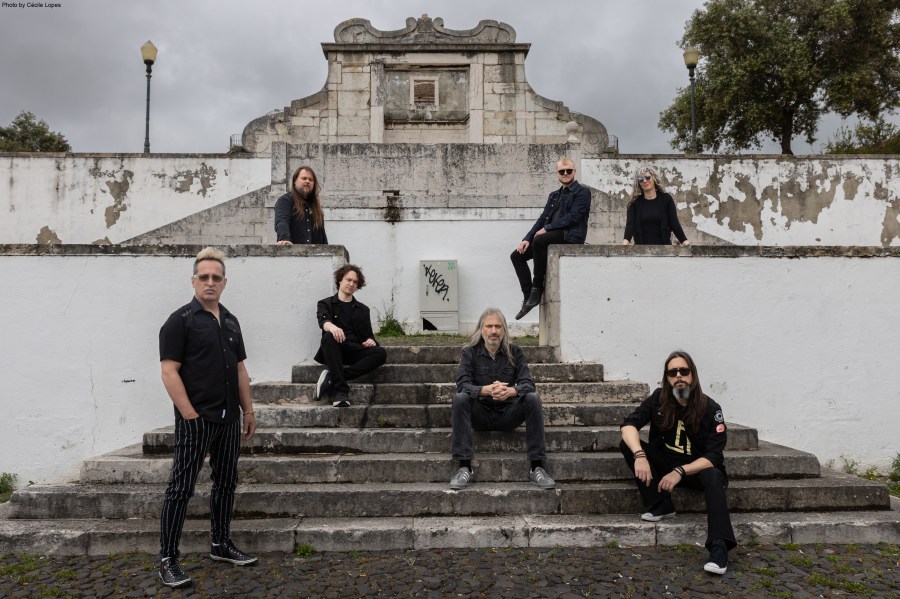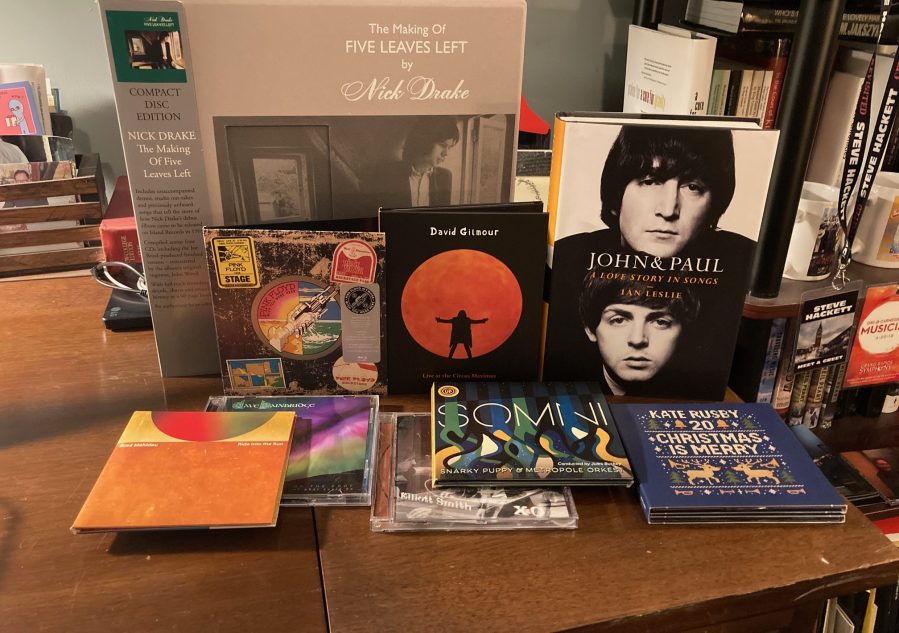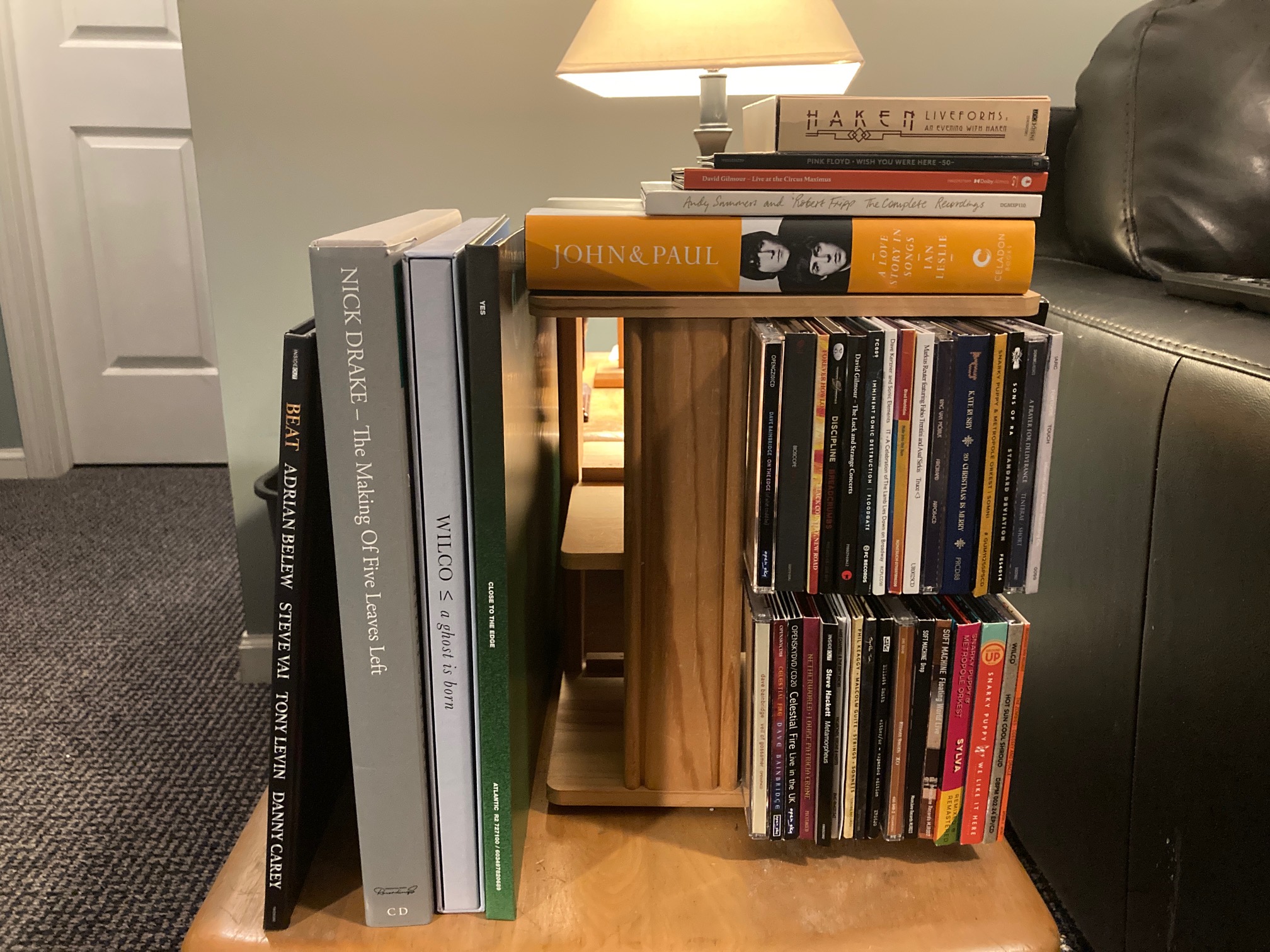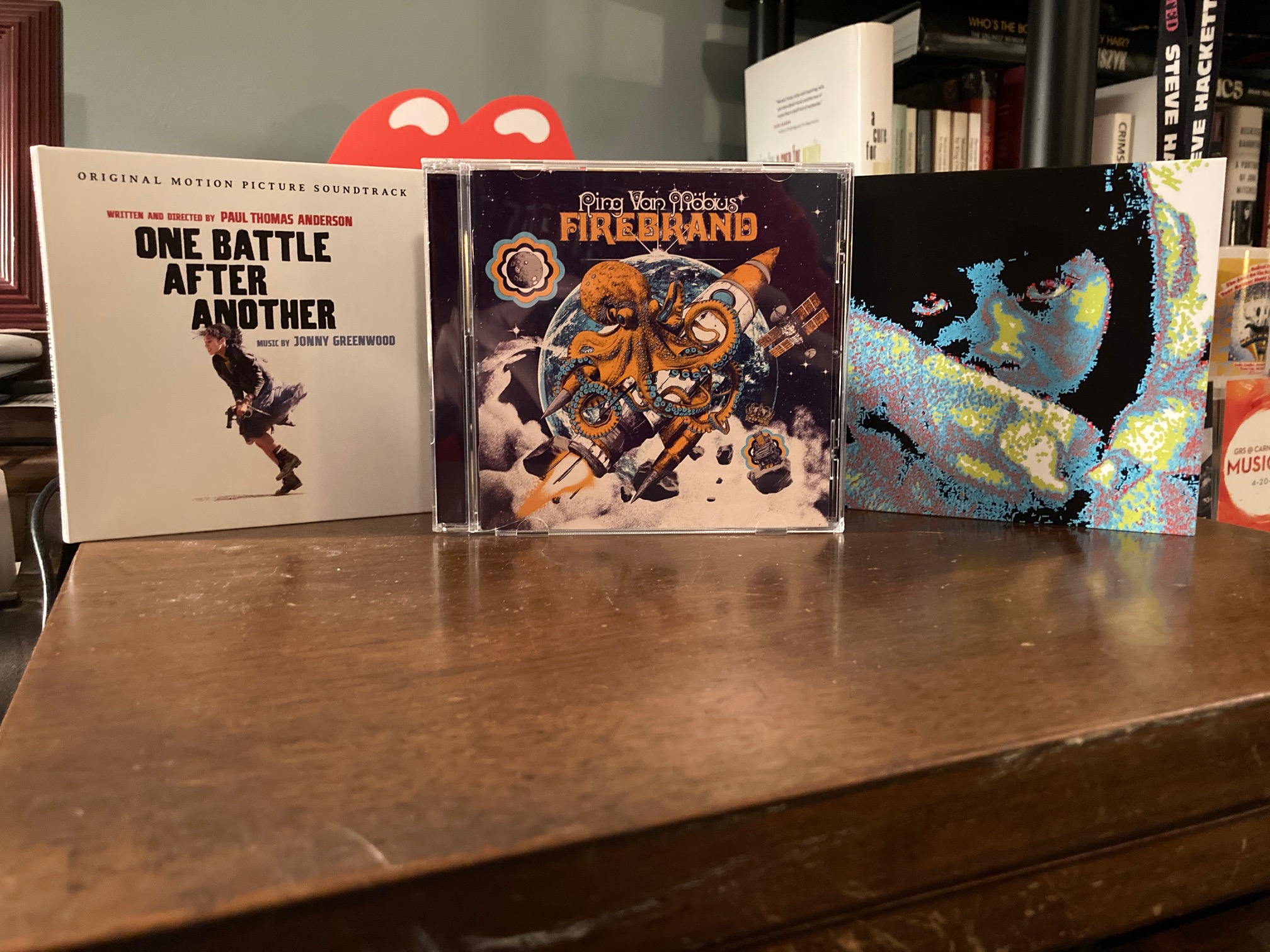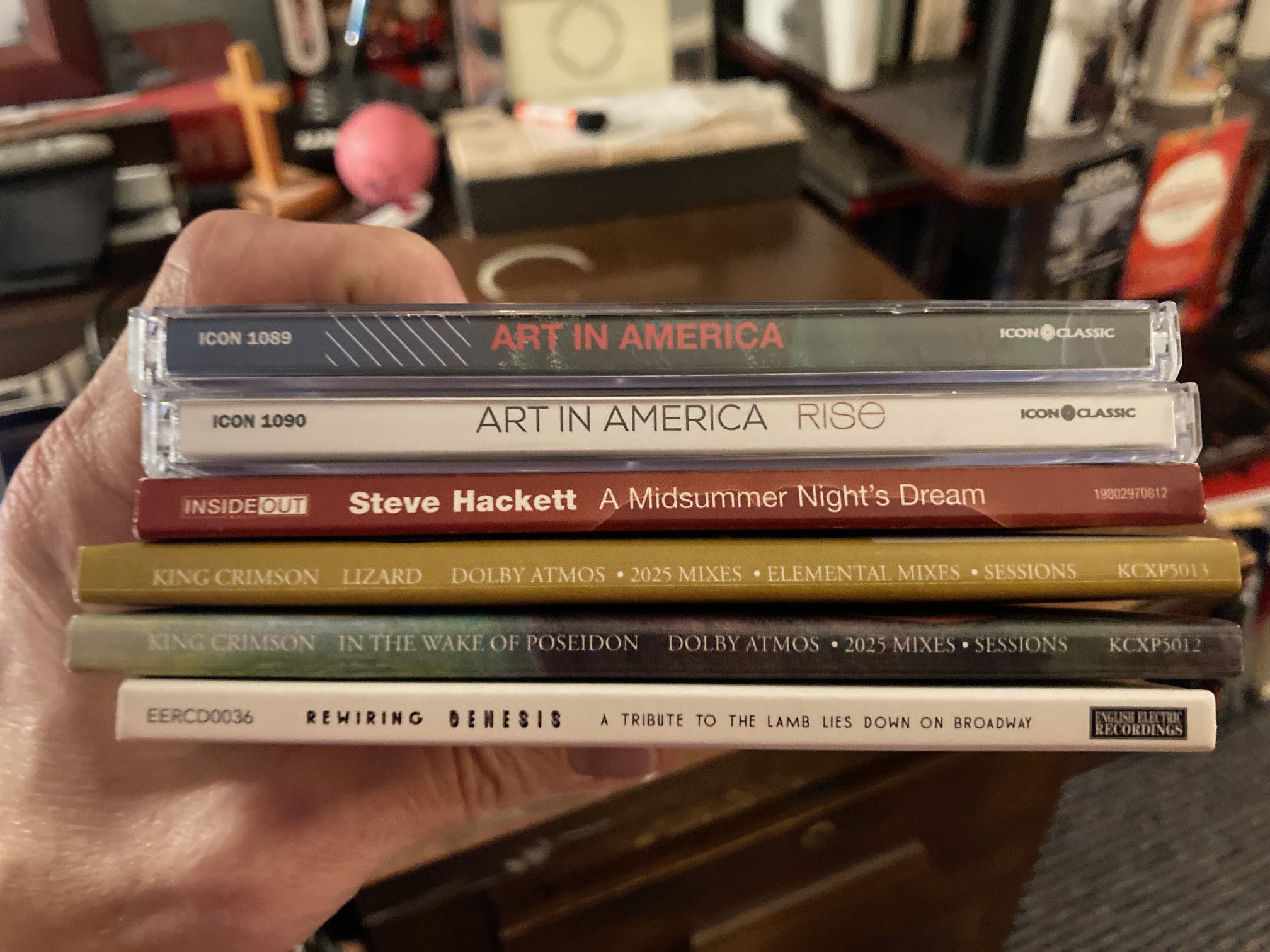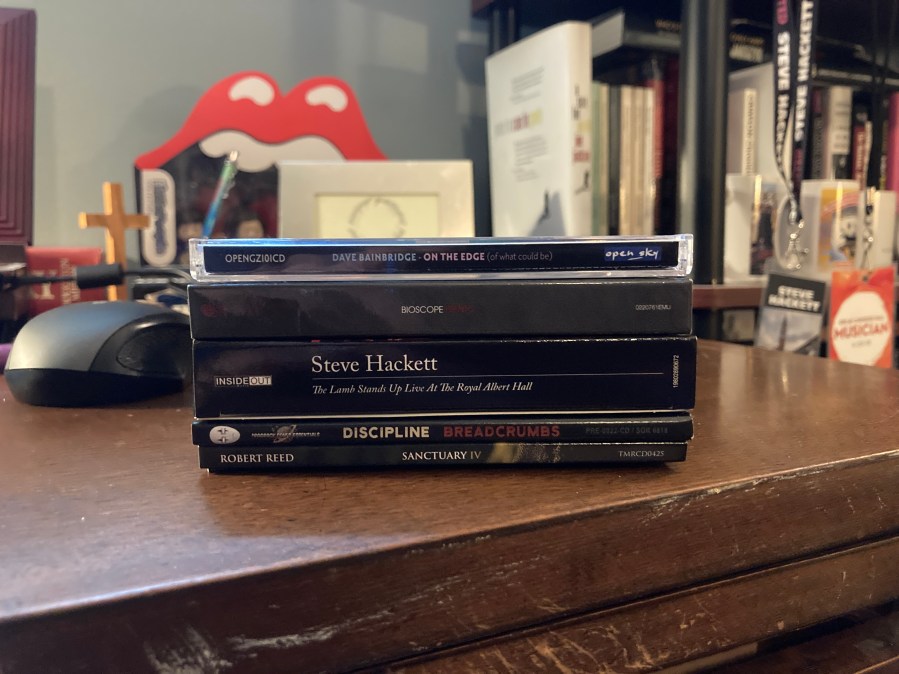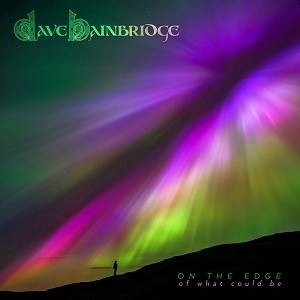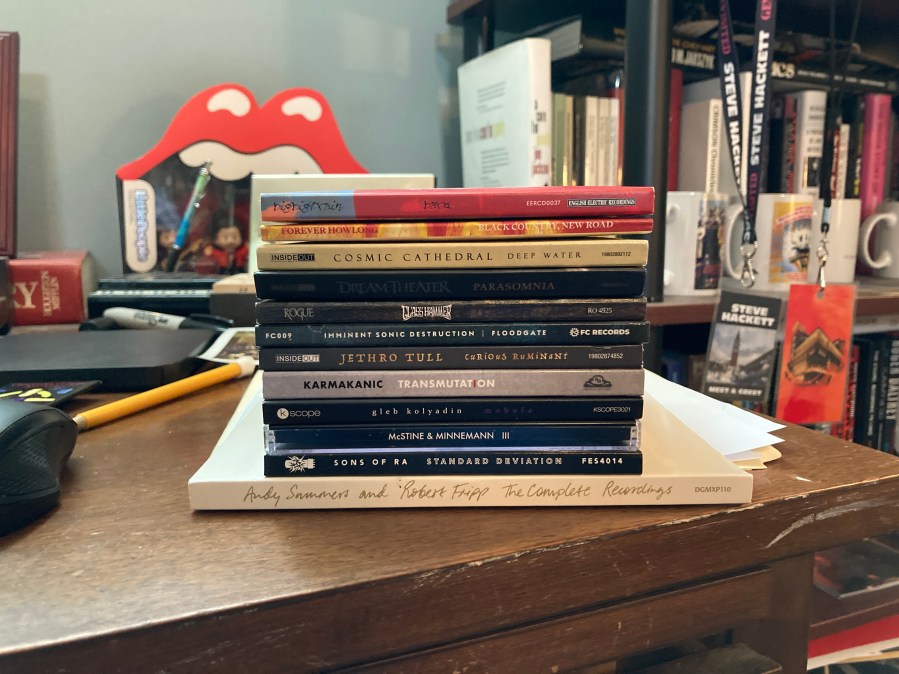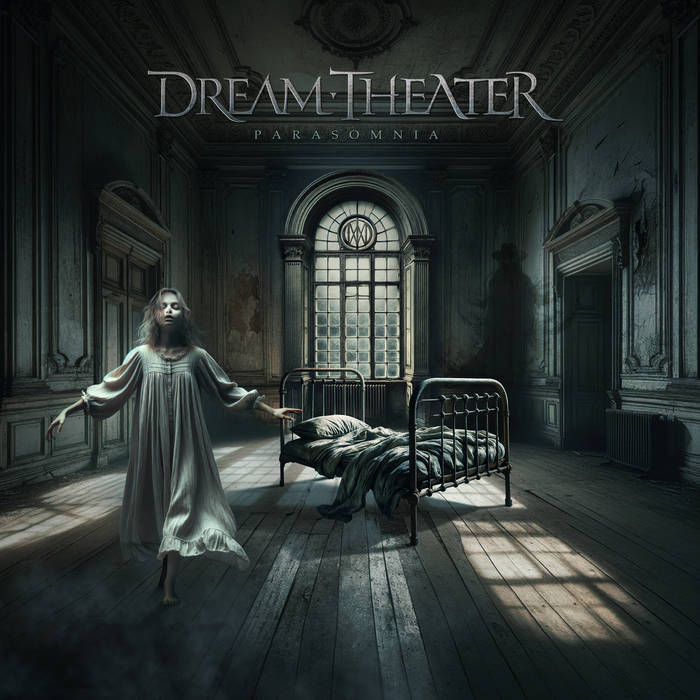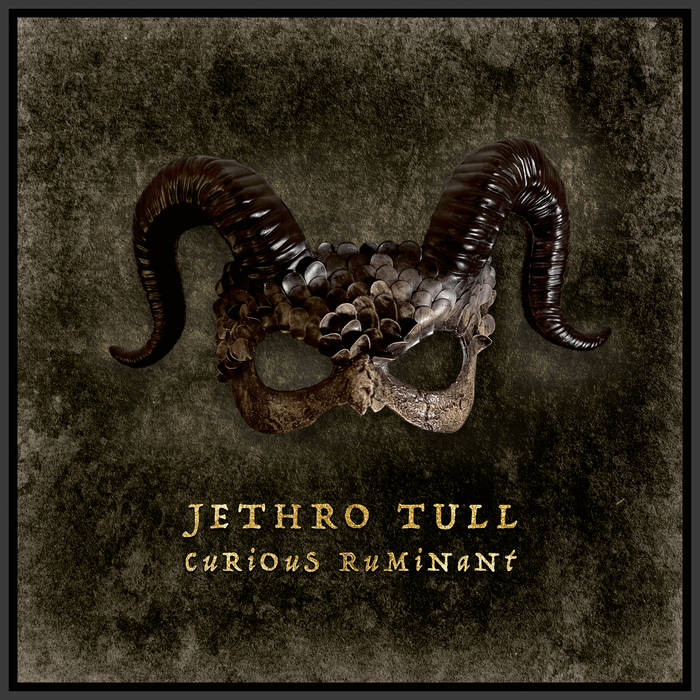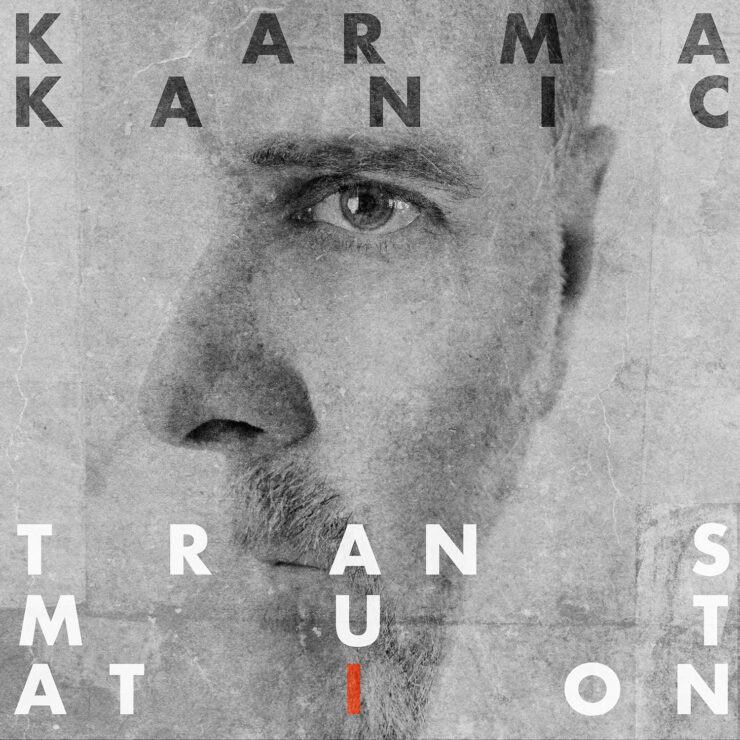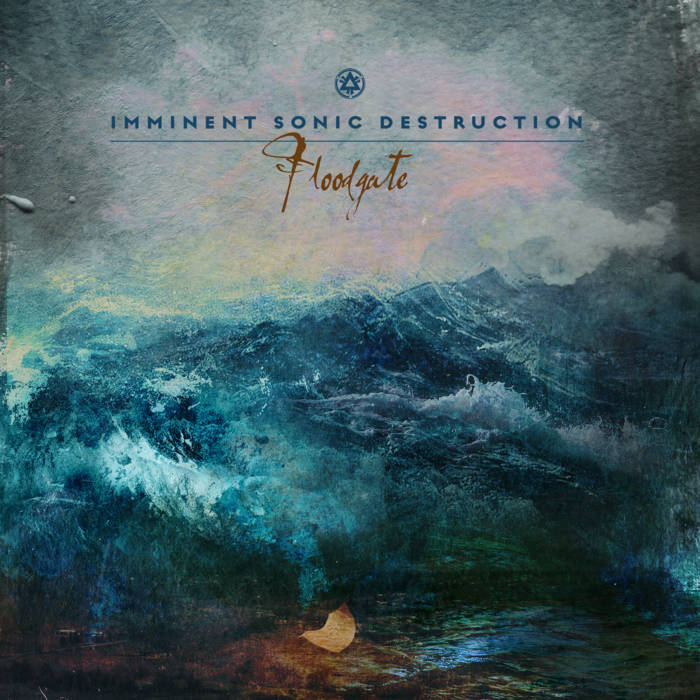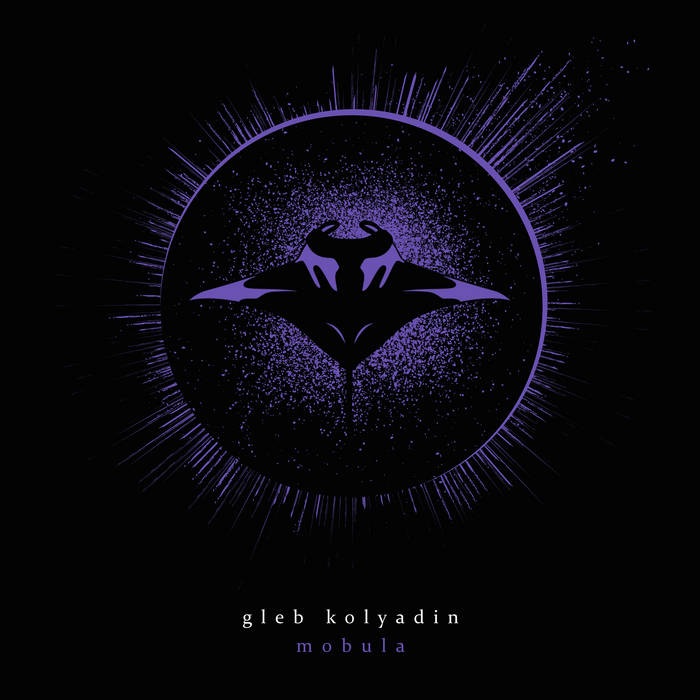
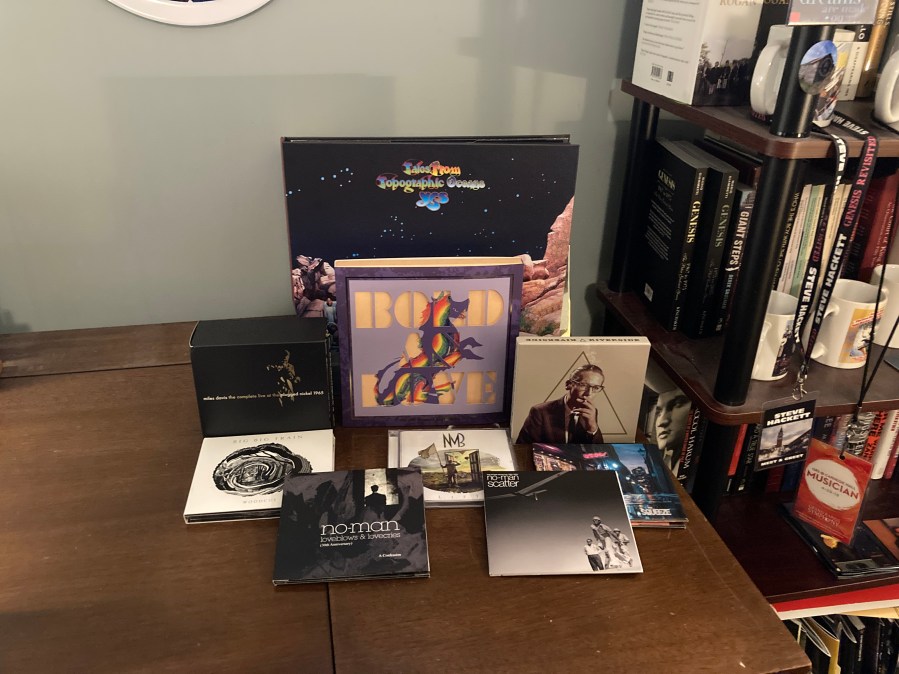
Dave Bainbridge, On the Edge (Of What Could Be): I glommed onto Bainbridge with his fabulous 2021 effort To the Far Away, but every one of his solo albums is crammed full of delights — rocking, rhapsodic and ravishing throughout. On the Edge is no exception: a double album with a self-contained suite on each disc, like Dave’s band Iona it takes listeners on a trip through the beauty of this world to the promise of a life to come. So many highights they can’t all fit here! Up-tempo elegy “Colour of Time” (with Randy McStine’s fierce vocal inspiring Bainbridge to heights of biting, frenzied jazz-fusion); the title track’s multi-sectioned build from triple-time acoustic folkiness to a thrilling electric climax; Simon Phillips’ fleet drum groove on “Farther Up and Farther In”, topped with mind-melting acrobatics from Bainbridge and piper Troy Donockley; Frank van Essen’s evocative violin and Bainbridge’s primal, Santana-meets-Mahavishnu cry on the orchestral “Beyond the Plains of Earth and Sky” are just a few of many great moments. Toss in vocals (in English and Gaelic) from a bevy of fine singers and virtuoso keyboards from Bainbridge, and you have an set that takes you on a genuinely amazing journey, gathering power as it builds to a spectacular culmination. Already a 2025 Favorite and a solid contender for the year-end top spot.
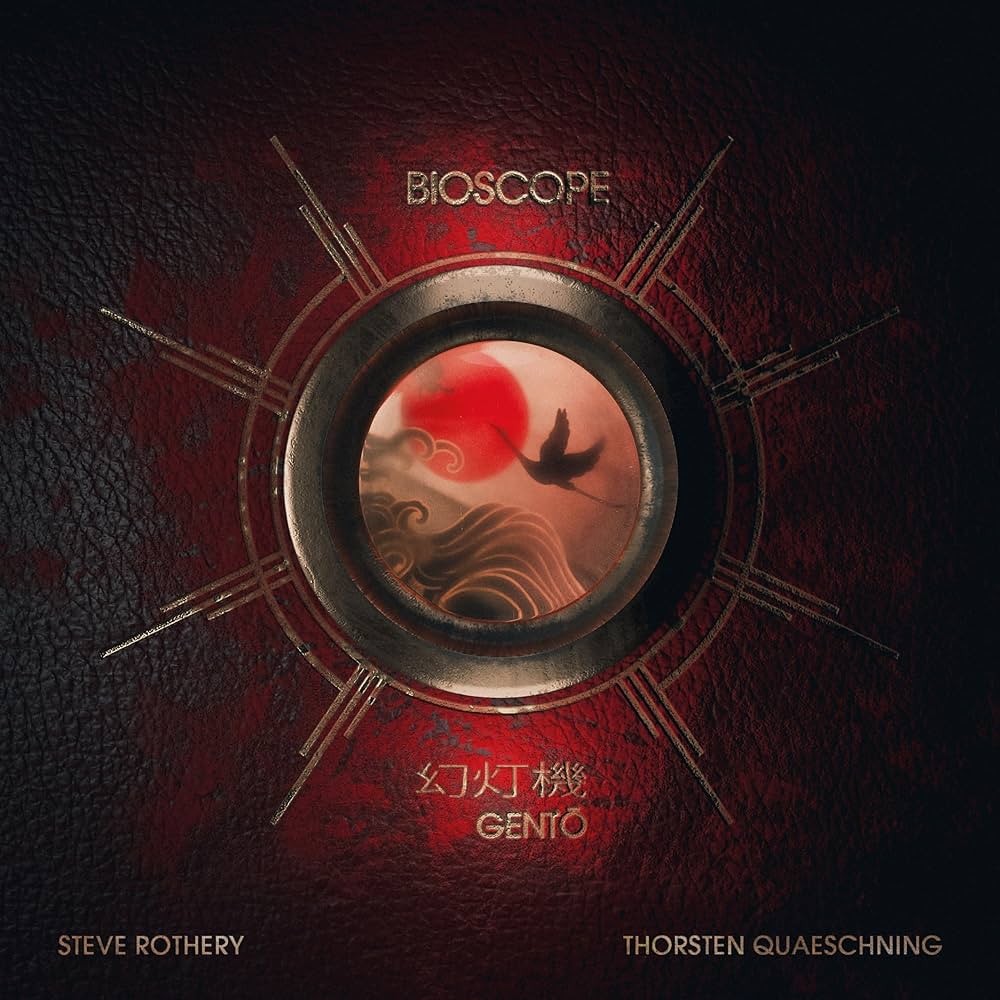
Bioscope, Gento: Steve Rothery’s keening, singing guitar has been one of Marillion’s prime calling cards for more than 40 years; as Edgar Froese’s appointed musical heir, Thorsten Quaeschning has recently propelled synth-rock trailblazers Tangerine Dream to fresh creative heights. Recorded during breaks in their bands’ work, the duo’s debut is a classic example of how two great tastes can taste great together. With the exception of psychedelic-Beatles closer “Kaleidoscope”, the musical elements on Gento repeatedly gather from thin air, coalesce, intensify, interact, react and dissipate — whether driven by Quaeschning (the wispy melodies, luxuriant textures and motorik rhythms of the three-part opener “Vanishing Point”), Rothery (the chiming rhythm guitar, slide/synth duets, fierce fuzz riffing and floating arabesques that shape another trilogy, “Bioscope”), or both in wonderfully organic call and response mode at multiple pieces’ climaxes. Add the rock solid drumming of Elbow’s Alex Reeves, and the results really are magical. Gento has gently, unobtrusively grown on me, all the way to making my 2025 Favorites list; it may take a few listens, but I think it will do something similar for you.
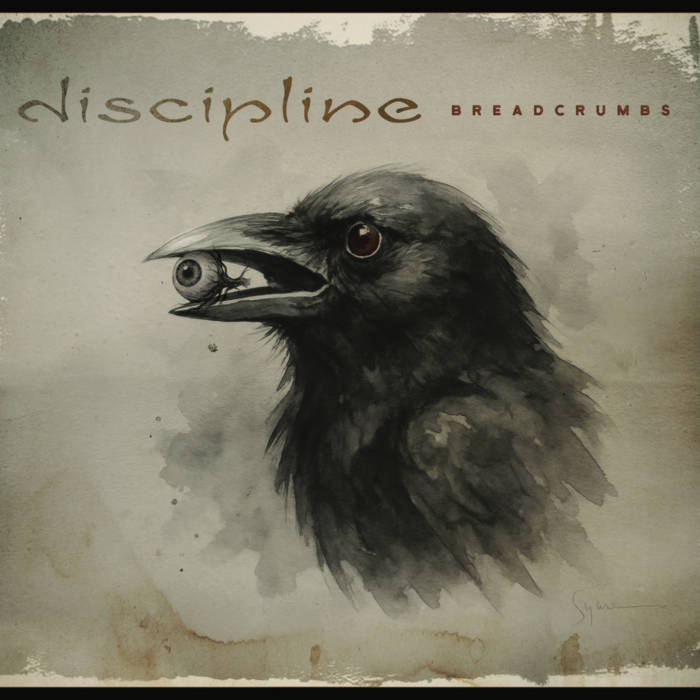
Discipline, Breadcrumbs: Eight years on from their last record, the Detroit proggers serve up another helping of their trademark, stately melancholia. Breadcrumbs proudly mines veins dug by King Crimson, Gabriel-era Genesis, Van der Graaf Generator — even a bit of keyboard-period Rush, with production by Terry Brown and art by Hugh Syme to boot — but as always, the results are a heady, hearty brew all its own. Throughout the intriguing title epic, the measured lament of “Keep the Change”, the relentless, stinging “When the Night Calls to Day/Aloft” and the thwarted, impressionistic “Aria”, Matthew Parmenter’s lyrical rhetoric and harmonically slippery keys take point, with Chris Herin providing pungent, tasty support and comment on guitar. While Breadcrumbs leans away from the slashing theatrics of vintage Discipline classics Unfolded Like Staircase and To Shatter All Accord, it still gives off a chilly intensity that showcases the band at their most spellbinding and cathartic. Through every challenging musical twist and verbal turn. this album is finely crafted and delivered with total conviction — another instant 2025 Favorite!
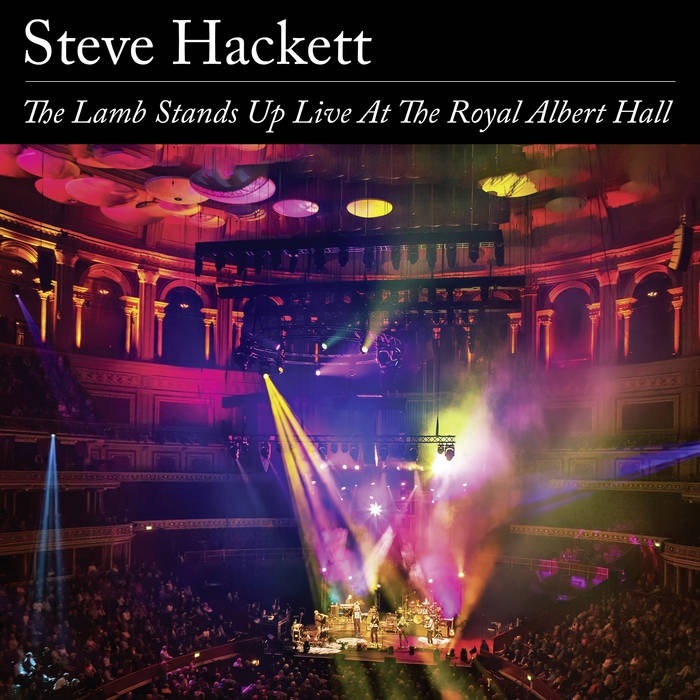
Steve Hackett, The Lamb Stands Up Live At The Royal Albert Hall: Yes, it’s Hackett’s tenth live album of the 21st century, but as usual, fans will find this a must for multiple reasons. Given recent personnel announcements, it’s probably Steve’s last live set with Roger King’s keyboards and Craig Blundell’s drums driving his talented band forward; the first half proves a spirited solo set, with lots of pleasingly vintage material and a thrusting trilogy of excerpts from 2024’s The Circus and The Nightwhale. And it’s hard to conceive of a better anniversary celebration for The Lamb Lies Down on Broadway! Nad Sylvan utterly inhabits protagonist Rael and Peter Gabriel’s other sundry characters; unjustly-forgotten Genesis vocalist Ray Wilson conjures an atmospheric, rumbling take of “Carpet Crawlers”; reflective moments like “Hairless Heart” shimmer, narratives like “The Lamia” and the title track subtly, potently grip your attention, and heavier moments like “Fly on a Windshield”, “Lilywhite Lilith” and “It” slam good and hard. With the super-deluxe box of The Lamb finally coming out at the end of September after multiple delays, sets like Dave Kerzner’s studio tribute and Hackett’s new concert set have nicely filled the gap while reminding both long-time and first-time listeners how ahead of its time the album was, and how vibrant this music still is.
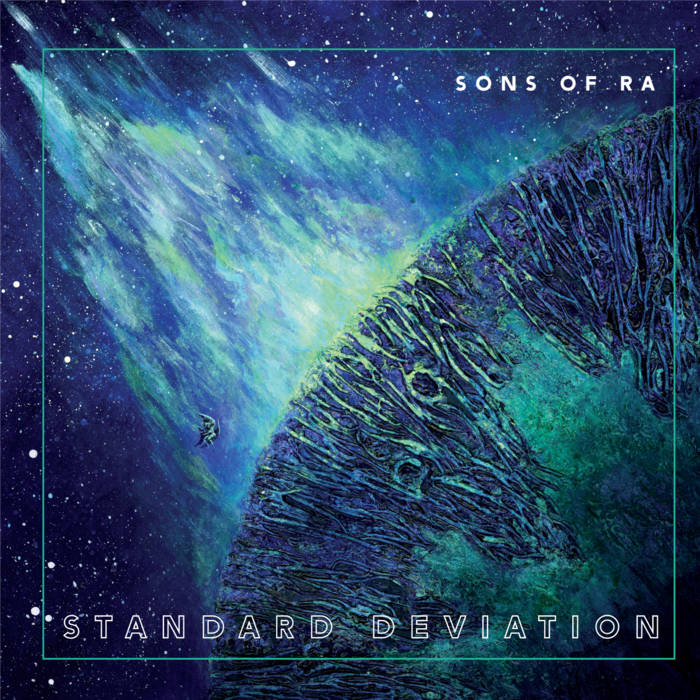
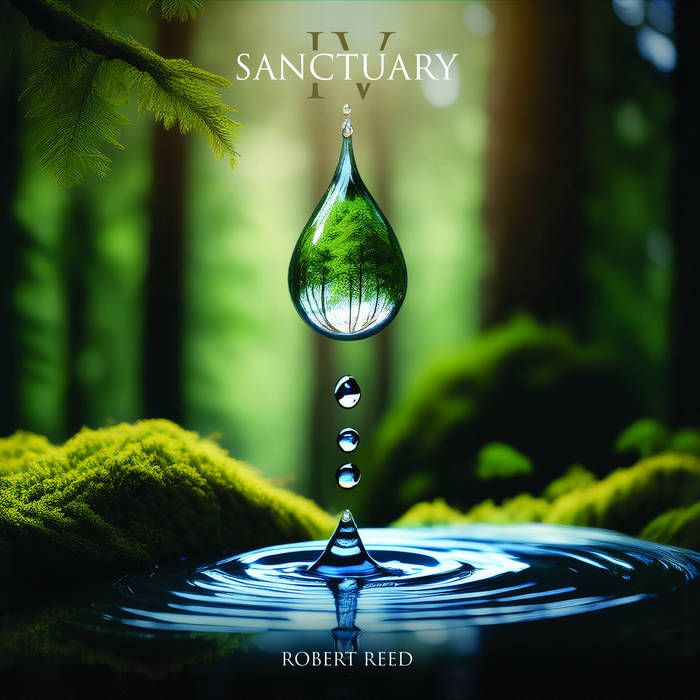
Robert Reed, Sanctuary IV. One of the driving forces behind 1990s neo-proggers Magenta, Reed has branched out impressively in the following decades. Reed’s Sanctuary albums — episodic long-form pieces in the genre pioneered by Mike Oldfield’s Tubular Bells — have evolved far beyond pastiche or even tribute, and here he refines and re-energizes his approach to its peak. Compelling opener “The Eternal Search” races forward, climaxing with an utterly berserk Simon Phillips drum solo; “Truth” bounces vivid instrumental colors off of sampled male vocals, morphs into a nautical shuffle laced with Les Penning’s recorder tootles, then lunges for a grandiose, double-time finale; and the closing “Sanctuary” provides the perfect comedown with its gentle, compact, well-wrought theme. If you’re looking for a sweet spot between Bainbridge’s Celtic maximalism and Bioscope’s kinematic ambience, Sanctuary IV’s shimmering, tuneful instrumentals could be just your ticket.
A typically quiet summer in our little corner of the music world came to an abrupt end last week, with the news that at the end of August, the United States government would impose new tariffs on goods from UK and the countries of the EU — two prime sources of progressive rock for American fans. In addition, a ‘de minimis’ exemption that allowed foreign packages valued under $800 to enter the US duty-free was going away at the same time. This prompted the Royal Mail, other European postal services and international businesses like Etsy and DHL to suspend deliveries to the US, allowing time for new procedures and paperwork to be developed and put in place. (The Royal Mail has restarted deliveries, providing tariff collection services on their end and charging sellers an additional handling fee.)
The impact on musicians we’ve come to know and love is currently unclear. Progarchy’s go-to British retailer Burning Shed will collect the new 10% tariff on UK shipments to the US — but only on merch, citing Royal Mail guidance that “informational materials” (books, CDs, vinyl, DVDs, BluRays, cassettes, posters and photographs) are exempt. Bandcamp is providing similar guidance to their international sellers (including Leonardo Pavkovic’s MoonJune Records — though as ever, Leonardo does things in his own unique way) and US buyers, but they also note that
The exception will depend on the seller including the correct HS codes on the customs forms and the US agencies processing the packages correctly . . . For those packages that are shipped to the United States after August 29, 2025, you (the buyer) may be charged tariffs upon delivery of the order. Any import duties are the buyer’s responsibility to pay.
Stalwart American importer (and Progarchy fave) The Band Wagon USA is leery about the impact of these changes, citing the real possibility of price increases and more limited stock in the near future. To their credit, they’re also stepping up to provide US distribution for DIY artists like Celtic-Tolkien progger Dave Brons (previously featured on this site), whom these new taxes and regulations will impact the most. But even the bigger acts in the genre are pondering their options; Marillion was one of the first to sound the alert about the coming changes, then suspend shipments until the fog clears. And since the two largest prog labels — Inside Out, a European division of Sony, and Kscope — are headquartered overseas, saying what the future holds only becomes more difficult.
“A Musical Memoir Like No Other” – as always, the estimable Alison Reijman nailed it in her review of Who’s The Boy with the Lovely Hair: The Unlikely Memoir of Jakko M. Jakszyk last fall. Stranger than fiction would be an understatement; only Jakszyk could have told this page-turning, hair-raising narrative — the son of Irish and American parents, raised by a older Polish/French couple, driven both to make his mark in the music business (from having his shoes noticed by Michael Jackson to joining The Kinks for a week to becoming the singer in King Crimson’s final incarnation to date) and to suss out the twisty, elusive truth of his life story.
In fact, Jakko’s past has consistently fed his most personal art, from radio dramas and one-man theatrical shows to his pensive, potent solo albums The Bruised Romantic Glee Club (2007) and Secrets and Lies(2020). Released later this month, his new record Son of Glen continues his quest for both clarity about his past and a settled present, building from subdued acoustic beginnings to an explosive electric finale with patient, long-breathed confidence. Like all Jakszyk’s work, it’s bracing stuff that nonetheless goes down smooth — fearless, affecting and engrossing.
It was a pleasure to talk to Jakko about the new album. Even at the end of what I’m sure was a long day, he was positive, attentive and kind — when I had audio problems at my end, he generously recorded the interview and sent it to me! My thanks to him for his time and for going the extra mile. Audio is immediately below, with a transcription following.
We last talked about five years ago, after your last [album] had been released, and I know you published your book in that time. What are the things that you see as milestones or turning points on your path between Secrets and Lies and Son of Glen?
Well, I guess the book came in between. I did a one-man show at the Edinburgh Festival, which is loosely based on events in my life; that followed the album.
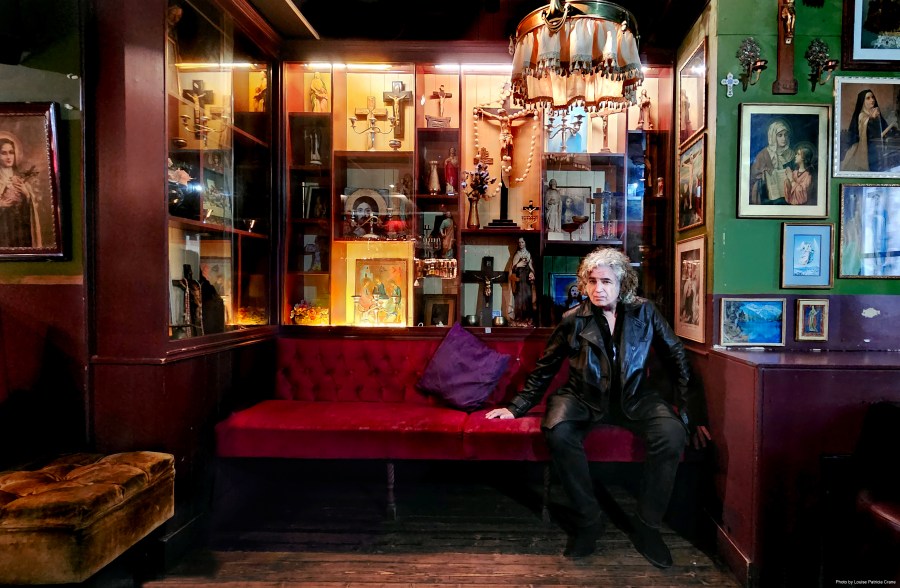
And then, as a result of that, I got the book deal. And although I’d been asked to complete another record, I kind of started bits and pieces. Really, what inspired the record as it stands now was partly the work I did on an album called Netherworld by the lovely Louise Patricia Crane.
And I did a lot of things on there at her behest, I think; I found myself digging deep into my musical DNA and my past to come up with stuff that is part of what I grew up listening to, but stuff I hadn’t ever really used in my own work.
And then when we’d finished, when I’d finished the book, again, I was in a weird place and Louise was incredibly significant in building my confidence back up. And then I remember one evening we were having dinner and, having discovered my real father after decades of fruitless searching for him, she pointed out something that I guess was kind of obvious, but hadn’t crossed my mind in that the reason I exist at all is that my American airman father was stationed in England and fell in love with a dark haired Irish singer.
And here I was all these decades later, kind of repeating the same thing! Which was, I guess, kind of staring me in the face, but it was only when she mentioned it. And so that became the inspiration for the title track and the title of the song, really.
I then, armed with this conceptual idea — both [my] kids play, they’re both great musicians, both my kids. So there’s always instruments in the house everywhere. And they quite often, both of them, my daughter and my son, mess around with alternate tunings. I’ve never really done that. And I remember picking up a guitar and I had no idea what was going on, tuning-wise. And I came up with this pattern, and that started the whole title track.
And then it just developed. I didn’t set out to write some epic. It was just this conceptual idea, a few chords, and then it just kind of started to write itself, really. And then that set the tenor of the whole record, and the idea of making it relate to the book.
Okay. You mentioned some musical areas that you dug into when working on your partner’s album that you had maybe put aside or not necessarily used. Could you be a little more explicit about that?
Yeah, sure. When I was a kid, the band I probably saw live more than any other was the Gabriel-era Genesis, because they played locally to me, where I live in England. And I was completely taken with that. But I’ve never really done anything Genesis-like, I don’t think, on my own stuff. And there were certain references that Louise was utilizing when we were creating her album. And I thought, “oh, okay, yeah, I used to love that record!”
And so Genesis, there’s bits of Jethro Tull, again, a lot of acoustic-type stuff that’s not really normally evident or fundamental to any of the work that I’ve done. I think I’m referring to those specifically in terms of my own record. But there was other stuff. There’s a lot of the references that she utilized that I was able to kind of replicate, because I understood the musical language.
To backtrack a little bit, one of the things I noticed is that a number of the chapter titles in your book become song titles on Son of Glen. I’m assuming that’s a deliberate thing, and that there’s some significance involved with that.
Yeah, some of them were ideas I’d started and then wrote the book. In fact, there was a couple of things I’d done when I was promoting the book later on. There was a couple of instances where it was a really interesting thing, where I would talk about how some of the songs are kind of diary entries. They’re responding to something that’s happened. And so I was able to say, “well, look, what I’m going to do now is read a passage from the book that describes the event in detail, and then I’m going to play the song that I wrote about it.” So I was able to do that at that stage as well, because the two things started to overlap.
And sometimes I’d just have a title, which I then used as the title for the chapter of the book, and then extrapolated from that. And some of the things I’d already started, that were from way back, but fitted into the conceptual continuity of the whole nature of the book and the album together.
Another thing I noticed: if you divide the album into LP sides, each one opens with a distinct version of that instrumental, “Ode to Ballina”. Is that simply for the sake of variety, or does that play a part in how things unfold musically?
It was a deliberate ploy. I thought, and I was deliberately thinking about it as vinyl, even though I know it comes out on CD too. For the first time really, I was definitely thinking about it in vinyl terms. I had a conversation with Thomas Waber, whose label it is, and we were discussing about how the length of albums has got preposterous due to the ability to store more information on a CD. And in his head, and kind of mine, those album era years of the ‘70s, 40 minutes, 45 minutes, that was enough, that was ideal. So, I did think in those terms.
And I thought, well, “Ode to Ballina” is a piece based on my emotional response to going to Ireland, back to where my mum came from for the first time. And so I thought, that’s a great place to start, because that’s the kind of start of the story. And then halfway through, to reiterate that theme, but do it — by which time I’m now a musician, and I’m living a life as a musician — to reiterate that same thematic idea, but in a more modern, more electric way. So that was deliberate, as was the beginning of each side and the end of each side.
I knew I definitely wanted to end with the 10-minute title track. And I wanted to end side one with the song I wrote about Louise.
And as I heard that album, what I felt like was that the whole thing built from the acoustic beginning on the first side, it was almost like this long 40-minute crescendo, which was really effective.
Oh, well, thank you.
Because like you say, on side two, you’re bringing in more of the electric elements, and it just sort of gains in whoomp, to use a technical term.
[Laughs] That’s great. You know, these things, you have a rough outline of a conceptual idea, and then the music kind of takes over and presents itself in a way. So it’s a combination of finding a vehicle and then somehow something else takes over. I mean, I don’t know what it is, whatever you call it, you know, inspiration or the muse or whatever.
Yeah, I felt good that I’d kind of dealt with some subjects that are peppered throughout the book and ended up with a paean to my real father. That’s the mystery of the beginning of my book and the beginning of my life. That’s where the book ends, really: me finally, after decades of fruitless searching, finding who he was and stuff about him after being thrown all sorts of red herrings by my mother and downright lies.
I know one of the themes of the book is how difficult it has been to get to the truth, because you had to pick your way through any number of deceptions and equivocations.
Yeah. And it feels, like all of us, we want a degree of stability, we want to know who we are, we want some solid ground on which to stand, you know.
And you keep thinking, “Oh, OK, that’s what happened. Fantastic.” And then, and then, you know, a few years later, the rugs pulled out and you thought, “Oh, hang on, that was all bulls–t. Wait a minute!”
And so, you find yourself constantly in a state of flux. And, you know, these things, as we’ve discovered in the decades since — at its most basic in the 50s and 60s, I think the attitude was, “Well, having children adopted has got to be better than bringing them up in a home [orphanage],” and it’s only in the intervening decades that a lot of research has been done into how that experience fundamentally affects an awful lot of adopted kids, and it f—s with your psyche and it and it has a whole controlling influence on your whole personality.
So as you say, these songs are full of people from your history, your birth mother, your adoptive father, your current partner, your biological father, a friend who passed away. Does writing about them, whether in your book or for this album — how does that make a difference in terms of how you think about them, how you feel about them?
Well, I think writing the book in particular, because it’s so detailed and so if you’ve read the book, you’ll realize how long it is.
Oh yeah, that was one of the things that I think was fascinating about it, is how much detail and depth and — your life has been so full of incidents and coincidences and synchronicities, as well as — frankly, the incredibly difficult foundation that you had. But again, you can tell that you’re processing this.
Yeah. I tell you what, there was a weird thing right at the end of writing the book. There was a sense of achievement. Because I know when I was first approached to write the book, the publisher sent me a kind of contractual breakdown and advances and all this. And then I ignored it.
And about three weeks later, they said, “Do you not want to do this?” And I said, “I don’t think I can do it. I’m a small person at the bottom of the Himalayas. I can’t get up there. That’s miles away.”
And then they suggested, “Well, maybe we can get a ghostwriter.” And I said, “You know what? I’m not going to use a ghostwriter. So, I’m going to write an opening chapter. And if you think it’s of any worth, then let’s discuss it further.” And that’s what I did.
So, when I finished the book, there was a sense of achievement and euphoria that I’d actually done something that extraordinary and that long and [of] that depth. And that stayed with me for about a week. And then we had a meeting about it coming out.
And then suddenly it dawned on me that I’ve written this unbelievably personal, exposing stuff. And everyone would — you know, people were going to read this!
So that was a real shock. I mean, I know it sounds ridiculous in that that’s the very nature of writing a book. But that really freaked me out.
So, it was a whole rollercoaster of emotions, because on one level, it was incredibly cathartic. But on another level, you know, all these things have happened. There’s an approximate chronology in your head of how things led one thing to another. But when you sit down in a concentrated way and lay it all out before you, all of those things, the random things that you mentioned, you know, it’s kind of weird moments of luck and timing.
But they’re all kind of connected, because had I had a normal upbringing, I would not have been so driven and I wouldn’t have felt so fundamentally insecure and have a low self-worth, which means I wouldn’t have just worked like a maniac, you know, and said yes to everything. So I would never have put myself in those different places and gone forward, so it’s a kind of weird mishmash of the experience.
So, you’re still left with those fundamental flaws in your personality from what happened as a child. But at the same time, it’s enabled me to live this extraordinary life and meet the most amazing people. So, it’s a weird kind of car crash of of all those things, of all those emotions.
And I think the cathartic nature of it, seeing it all written down, understanding how bits fit. When I finished the book, I went into some post-adoptive counselling as well. And one thing I found is that, whilst you can place what happened and how you feel as a result of what happened and while you can understand it and see the logistics of it, what it doesn’t do is stop you — you still feel those feelings. The difference is, you now know where they come from, and you understand how that journey has manifested itself. But it doesn’t — for me anyway, it doesn’t stop those innate feelings. You just know where they come from.
[On the other side: Jakko talks with and about Steven Wilson, best mate/drummer supreme Gavin Harrison, the guys in Marillion, Robert Fripp, the future of King Crimson releases, and much more!]
“I’m not worried what people think of me anymore. When Steve Hackett chose me to be his singer for Genesis Revisited, I spent a lot of time adjusting to the limelight and dealing with insecurity. I wanted to be upfront and real this time, open and honest with the audience. The new album is meant to say, ‘Here I am. This is me.'”
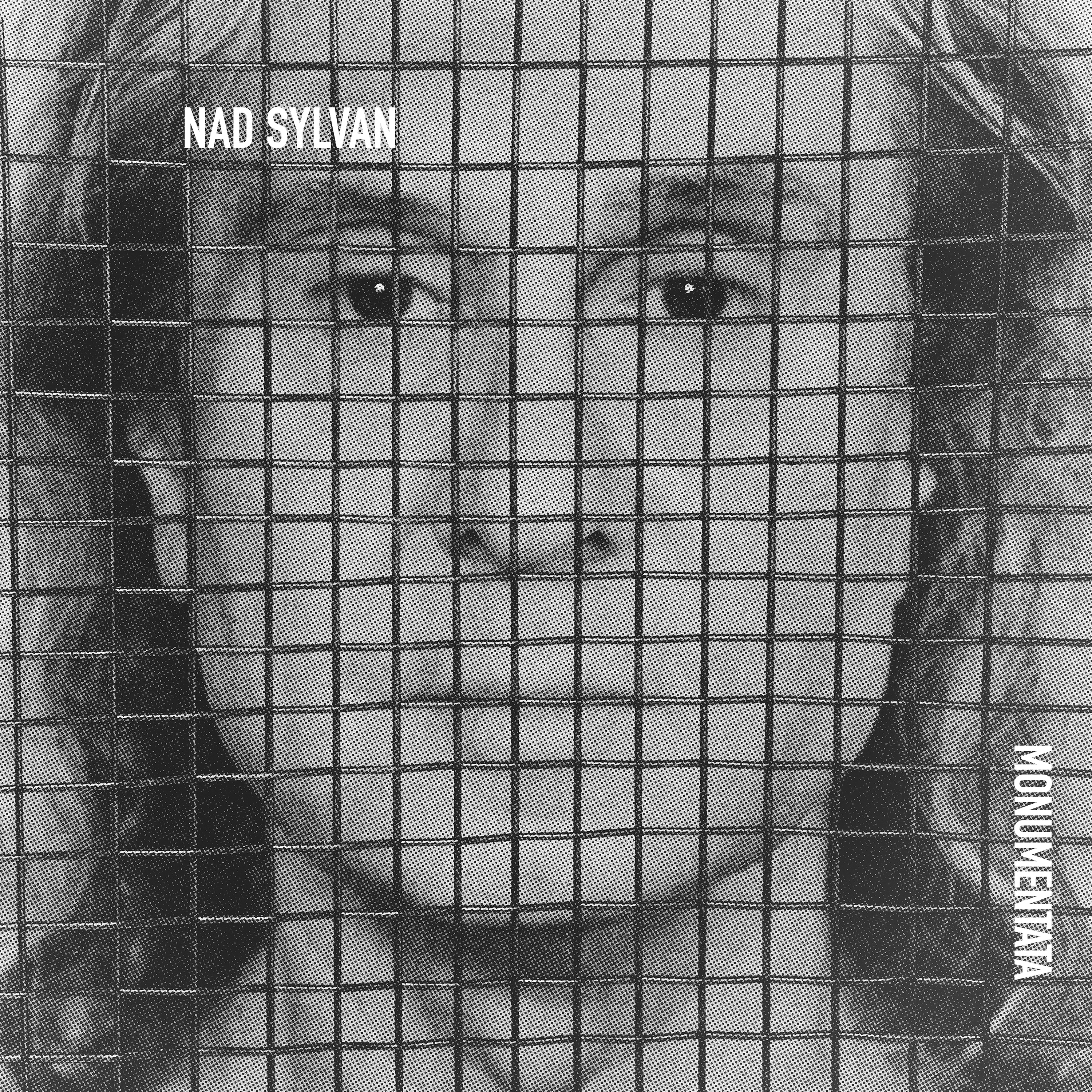
Speaking with Progarchy from his home in Sweden, Nad Sylvan is forcefully enthusiastic about Monumentata, his fifth album on Inside Out Music. As he should be: it’s a compelling listen that grabs hold and doesn’t let go, both direct and sophisticated musically, personal yet universal in its lyrical themes.
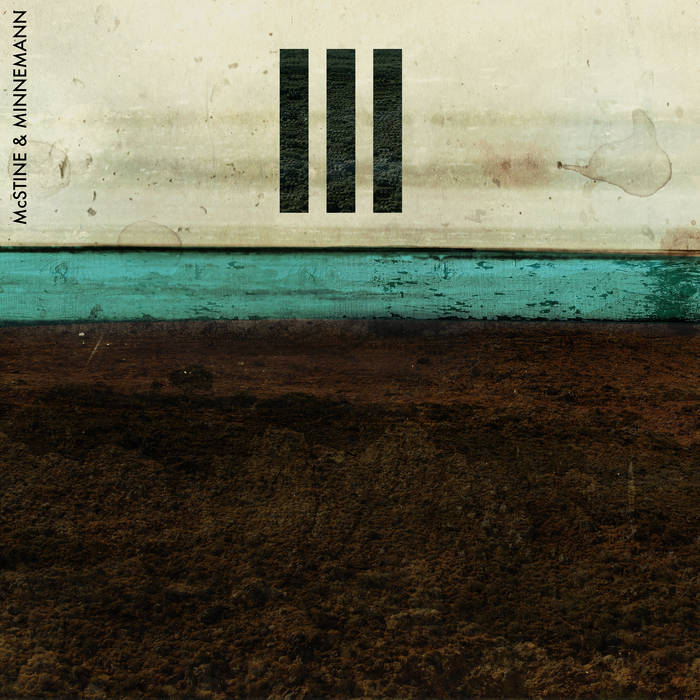
Monumentata definitely shares and expands on the musical approach of Sylvan’s Vampirate trilogy Courting the Widow, The Bride Said No and The Regal Bastard; that unique mix of rock punch, folk grace and prog elaboration riding irresistible funk and R&B grooves couldn’t come from anyone else. And moving on from 2021’s collaborative Spiritus Mundi, Nad is fully in the driver’s seat, writing all the songs and tackling most of the guitar and keyboard work. Terrific contributions from fellow prog luminaries (Randy McStine & David Kollar on guitar; Tony Levin, Jonas Reingold & Nick Beggs on bass, and Marco Minnemann & Mirko DeMaio on drums) polish impressive diamonds like the glammy album opener “Secret Lover” and the heavy rocker “That’s Not Me” to maximum brilliance, with Sylvan’s dramatic singing more upfront and delightfully in your face than ever.
What’s not here for the most part (OK, the showbizzy “I’m Steppin’ Out” is a fun exception) are larger-than-life characters or fantastic situations. As Sylvan says, “I’ve been searching for my own identity; this album gets closer to the bone than ever; it feels honest and good.” Having stashed the props of his public persona backstage, Sylvan leans into his true nature by exploring his past. While he recommends the album’s liner notes and lyrics to get the whole story behind the songs, he’s intensely communicative even without those helps, digging into the tangled roots of his family on “Monte Carlo Priceless”, standing up to users and stalkers on “Secret Lover” and “Wildfire”. But the emotional heart of Monumentata comes at the end with the deeply moving title track. Using spare, incisive brushstrokes, Nad deftly portrays his long-absent father, pays tribute to what their relationship might have been, and mourns his recent passing. It’s a devastating ballad that wounds to heal, already garnering powerful reactions online.
While Monumentata is a solid step forward in Nad Sylvan’s artistic development, upcoming tours this fall and next year with Steve Hackett mean that live work as a leader can only be an idea to pursue in the indeterminate future. But Sylvan’s OK with that. “The Lamb Lies Down on Broadway is the first album by Genesis I heard, when I was a record shop clerk in Gothenburg as a teenager; it’s still my favorite. To be singing those songs at the Royal Albert Hall to 5,000 people [documented on Hackett’s upcoming release The Lamb Stands Up Live] – it was extraordinary. Genesis is my musical DNA, and it feels like my life has come full circle.”
Whether belting out classics first sung by Peter Gabriel or Phil Collins fifty years ago or bringing his own music into the world, Nad Sylvan has been blazing a trail worth following for more than a decade. Monumentata is an ambitious, satisfying new milestone on his creative path.
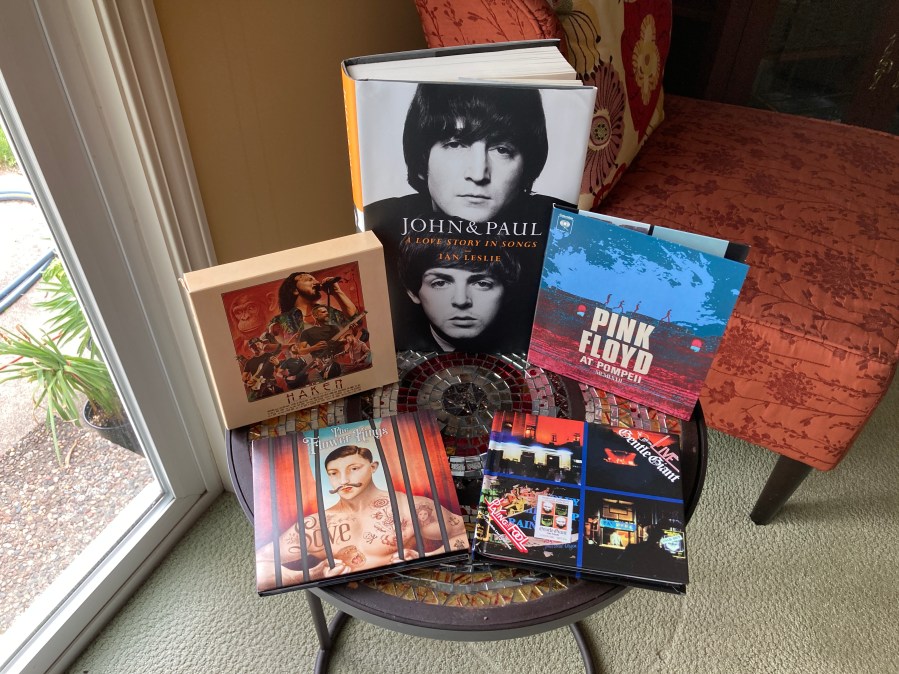
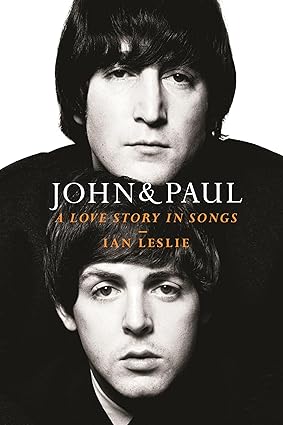
This month’s selection kicks off with something very special: John & Paul: A Love Story in Songs by Ian Leslie, the most impressive book on The Beatles I’ve encountered in ages. Pop-psychology journalist Leslie blew up the Internet in 2020 with “64 Reasons to Celebrate Paul McCartney”, but the driving passion here is his scrupulously balanced estimation of both Macca and John Lennon as men and musicians. Staying off the long and winding “John versus Paul” road so many authors take, Leslie traces the arc of an exceptionally deep male friendship between “two damaged romantics whose jagged edges happened to fit.” Which birthed an exceptional creative partnership, the fruits of which still brighten the world. His thoughtful reflections on 43 songs — grounded in copious documentary evidence, the best Beatle scholarship, accessible musical analysis and his own insight into creativity — vividly portray the forging, then the fracturing of Lennon and McCartney’s bond, from pre-Beatlemania through the Fab Four’s imperial phase and their ill-tempered breakup to Lennon’s shocking death. Tangled as their connection became in the throes of professional and personal conflict, John and Paul couldn’t help but look to each other throughout the 1970s — as competition (writing “Imagine”, John wanted the melody to be as good as Paul’s “Yesterday”), as foe or friend of the moment, as the only other person who could possibly understand. Throughout, Leslie brings to bear admiring gratitude for The Beatles’ music — George and Ringo get their props as well — along with compelling clarity on the emotions that drove that music. And in the end, his portrait of a collaboration that “even as its most competitive, was a duet, not a duel” is utterly moving, equal to chronicling what Lennon and McCartney made of their tempestuous time together and apart. Just read this.
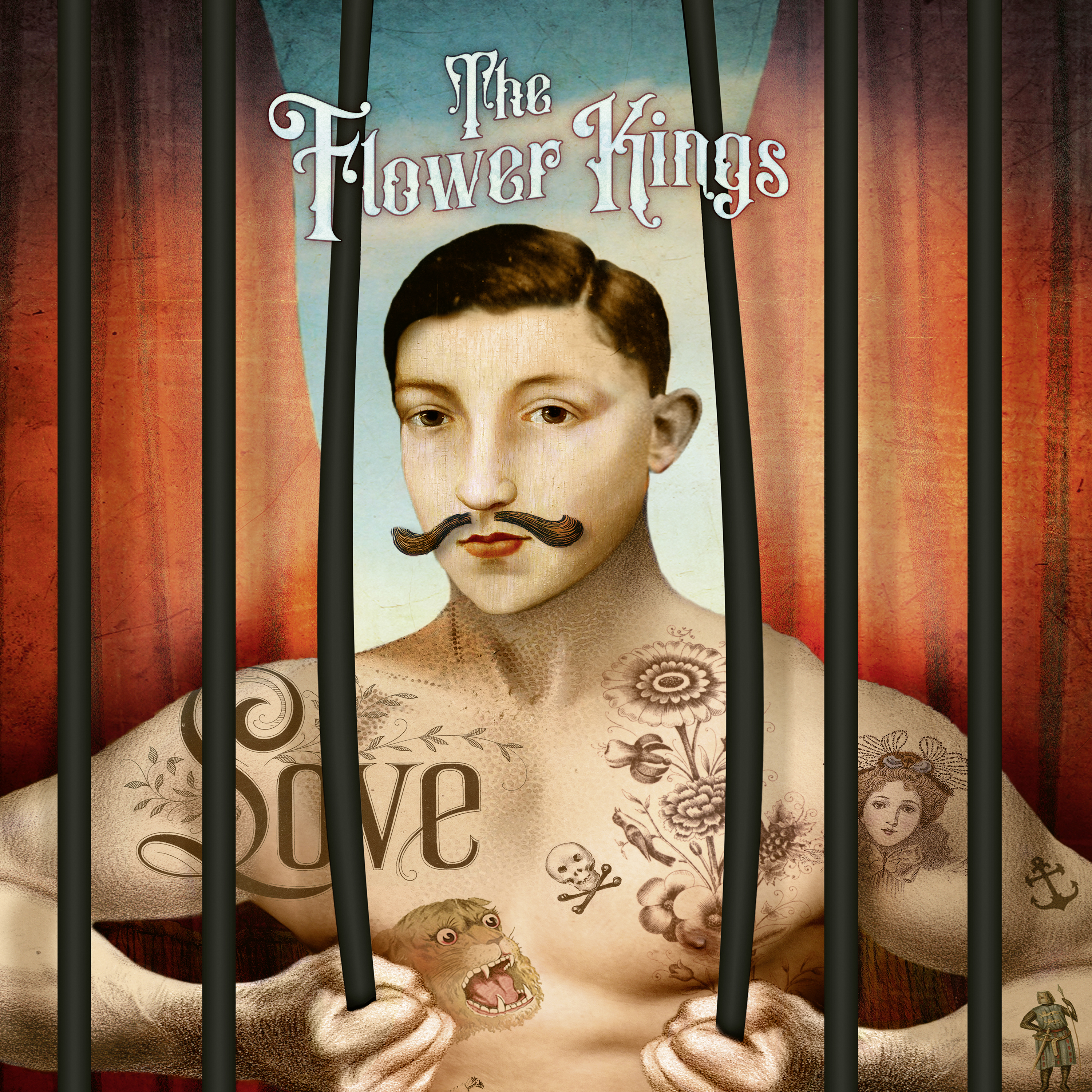
The Flower Kings, Love: A long-playing magic carpet ride, with the minutes effortlessly flying by in the capable hands of Roine Stolt and his Scandinavian comrades. Kicking off with a pair of change-ups (tough, bluesy opener “We Claim the Moon”, jazzified ballad “The Elder”), the Kings then settle into a multi-part suite that, if a bit sedate, has plenty of instrumental color and dynamic vocal shading to hold interest. But the home stretch of this album is where Stolt and company take wing, channelling their inner Yes for the acoustic lilt of “The Promise”, the orchestral build and double-time finale of “Love Is”, the grooving power ballad “Walls of Shame” and the extended closer “Considerations”. Sneakily, subtly addictive, Love is simultaneously a master class in ongoing invention and a psychedelic time travel exercise — so retro it’s actually back there, yet fresh as a daisy throughout.
Gentle Giant, Playing the Fool – The Complete Live Experience: The original 1977 release was inspired both by Gentle Giant falling victim to bootleggers and by the rush of mid-70s double concert albums (the British sextet had opened for Peter Frampton both before and after his game-changing Comes Alive set). On the edge of punk’s advent, was a mass-market breakout still possible for a prog band that promiscuously swapped guitars, saxes, recorders, violin, multi-keyboards, mallet percussion and hand drums onstage, mixing soul shouting with Baroque vocal counterpoint all the while? The Shulman brothers, Kerry Minnear, Gary Green and John Weathers give it their all here, from the ricocheting precision of “Excerpts from Octopus” to a wobbly take on “Sweet Georgia Brown” improvised when said keyboards blew up in Brussels. This brand-new reissue restores the complete live set, including three tracks off the contemporaneous “Interview” album, showcasing Gentle Giant as a jaw-dropping live act, doubtless as awesome to behold in the moment as they are to hear right now.
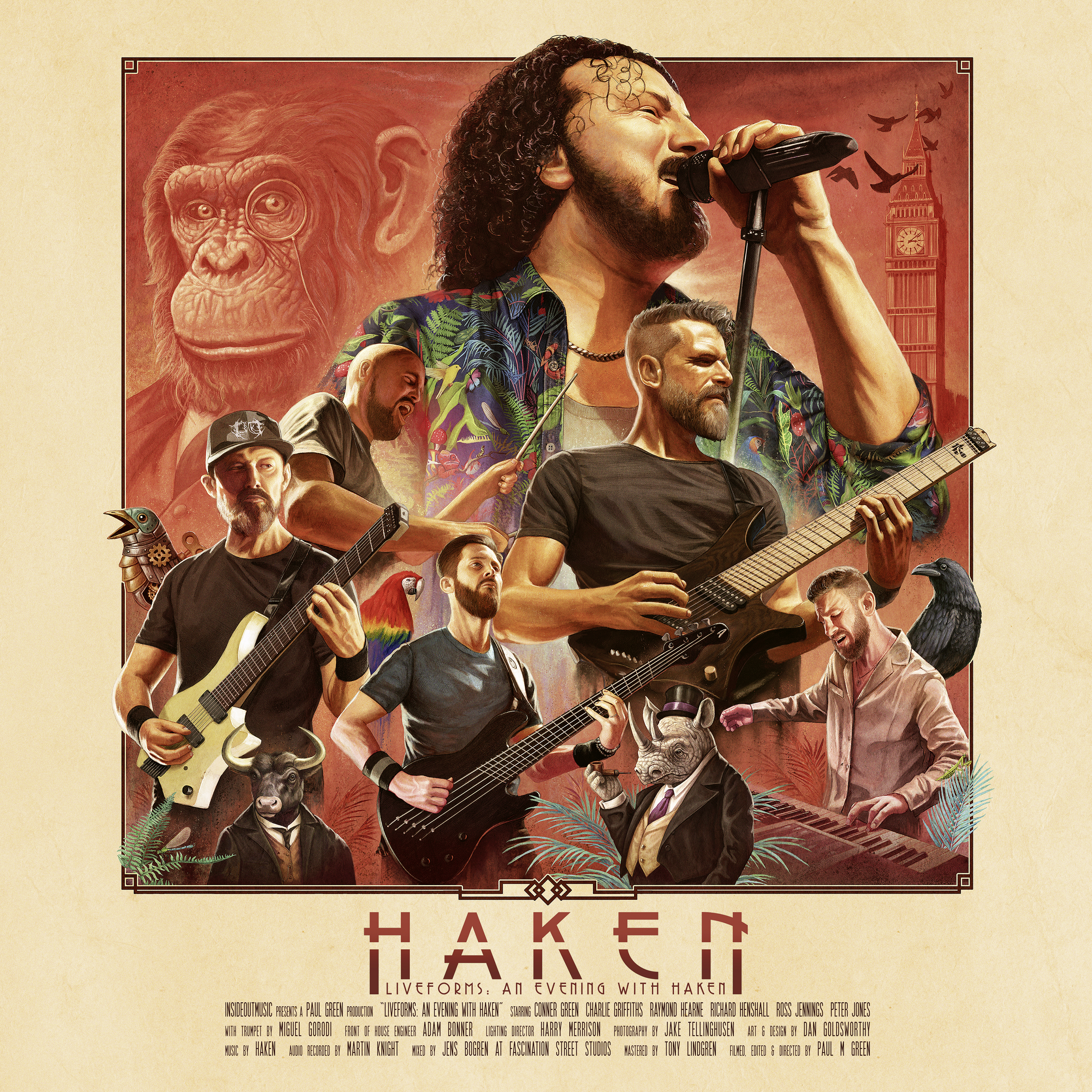
Haken, Liveforms: If Gentle Giant has a modern-day successor, it’s gotta be these guys! Captured in concert at London’s O2 Forum, Haken doesn’t constantly trade instruments, mind you — though the unrelenting interweave of Charlie Griffiths & Richard Henshall’s guitars and Connor Green’s bass (all downtuned, all with an extra string), Peter Jones’ Wakeman-meets-electronica keys and Raymond Hearne’s dizzily polyrhythmic drums evoke a similar instrumental giddiness. Mix in singer Ross Jennings’ searing, soaring leads and occasional demented-barbershop-quartet backing vox, and you have one singular, headturning sound.
A complete run-through of their latest album Fauna (featured on the vinyl version) is equal parts ballet and blitzkrieg. The BluRay/CD package adds a second set to showcase Haken’s catalog to brilliant effect, from the headlong pop-prog of “Cockroach King” and “1985” to the foundational metal epics “Crystallized” and “Visions”. Whether they’re pivoting on rhythmic and melodic dimes, diving into the heavy, or wrangling multiple genres at the same time, this band deserves a hearty “WWOOARRRRGGGHHH” from fans across the board.
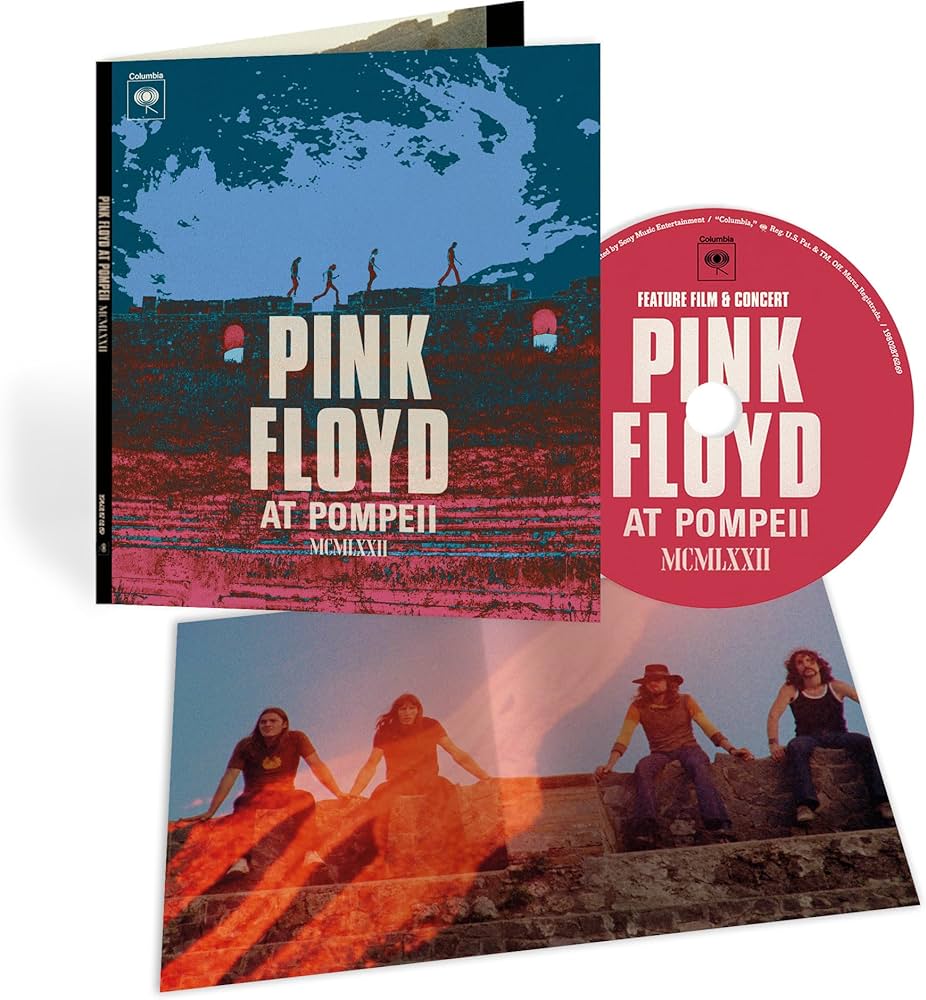
Pink Floyd, At Pompeii MCMLXXII: A pristine new version of the classic acid-trip midnight movie, complete with a typically crystal-clear, hard-hitting new sound mix from Steven Wilson. I dig the behind the scenes footage from the recording of The Dark Side of the Moon at Abbey Road — flashes of studio inspiration, David Gilmour and Nick Mason’s passive-aggressive interview snippets, revealing glimpses of the hostile, fragile band dynamic just waiting to be completely curdled by mass success. But the main course here is Roger Waters, Rick Wright, Gilmour and Mason huddled in that ancient, haunted amphitheatre, surrounded by devastated ruins and arid desert, conjuring up the spooky sonic webs of “Echoes” and “A Saucerful of Secrets”, the obsessive mantra “Set the Controls for the Heart of the Sun”, the whisper-to-scream catharsis of “Careful with That Axe, Eugene” and “One of These Days”.
Without those long years of building their lysergic, near-telepathic style to the feverishly precise pitch shown here, could the Floyd have taken the world by storm with Dark Side? Available in multiple audio and video formats, At Pompeii remains a stunning portrait of a band on the brink of an unlikely world-conquering moment.
With new releases from the first third of 2025 piling up, a desperate attempt to answer the question “Can album reviews convey the essential info listeners need in haiku form?” For example, about the format used below:
Streams linked in titles; Brief poetic impressions; Shopping links follow.
Spawton’s young heartache Sparked this grandiose concept – Well-wrought remaster. (CDs sold out; vinyl available at Burning Shed and The Band Wagon USA)
For more than 50 years, guitarist/singer/songwriter Phil Keaggy has pursued his singular muse. Cruising under the radar of the general public and fashionable tastemakers, Keaggy’s reputation among fellow musicians and knowledgeable fans is deservedly stellar; his formidable skills in acoustic fingerpicking, stinging electric solo work, and free-flowing improv are complemented by a tasty melodic sense, a impressively broad spectrum of influences, and a singing voice that can’t help but remind you of Paul McCartney at his most yearning and wistful. His lengthly discography of first-rate albums under his own name speaks for itself.
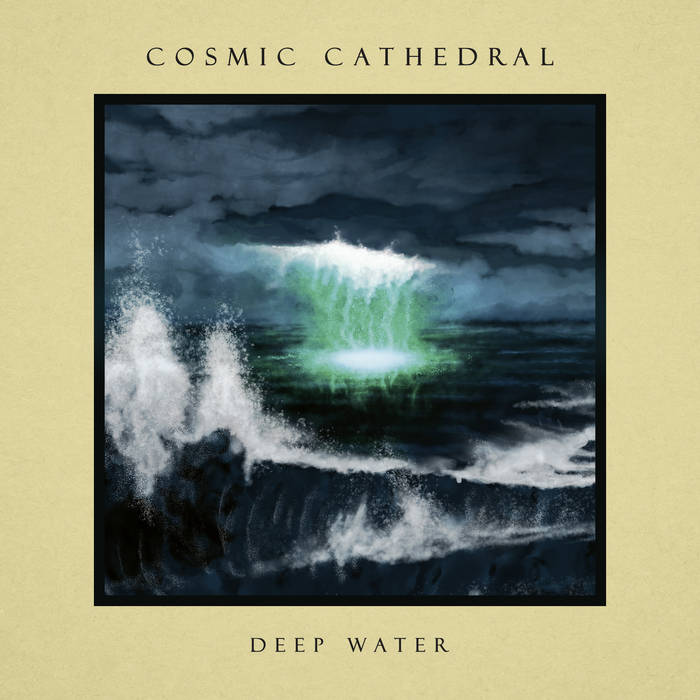
But Phil Keaggy truly loves nothing more than collaborations – with other singers, full bands, duets, trios, ambient players, jazzers, jammers, proggers and even poets, well-known and unknown – and his latest project testifies to that. Recruited by the ever-prolific Neal Morse to join forces with ace bassist Byron House and live Genesis drummer Chester Thompson, Keaggy’s playing and singing is all over Deep Water, Cosmic Cathedral’s “prog meets yacht rock” debut on Inside Out. In advance of that album’s release this week, I had the privilege of connecting with Phil in his Nashville studio to talk about both this latest project and his eclectic career. A transcript of our interview follows the video.
So congratulations on Cosmic Cathedral’s first album!
Yeah, maybe there’ll be another album after this, yeah.
That would be really great.
So have you had a chance to listen to it, Rick?
I have, and I really did enjoy it. And we will certainly have some conversations about that as we go on. But the first question I kind of wanted to set up, because as I mentioned, I’ve known your work for a number of years, and you’ve had this amazingly prolific and varied career. But just on the off chance that there’s someone who picks up this album and someone says, who’s this Phil Keaggy guy? How would you describe your life in music to somebody who hasn’t necessarily heard much of what you’ve done?
Well, I started out making records when I was just in eighth, ninth grade. And then I formed a band eventually, called Glass Harp, in 1968. And we recorded for Decca Records. We did three records and one live album. None of them did that well, but we were popular in the northeastern Ohio area – Cleveland, Akron, Columbus, Pittsburgh, especially. We did a West Coast tour in ‘71. We used to go up to Detroit a lot and play. We opened up for a lot of big bands like Humble Pie and Yes, Chicago, Grand Funk, etc.
But then I left the band and I started making albums that centered upon my faith and communicating my faith in Jesus. And so to the world, I became kind of lost to the world of music. And then when I got signed to Christian record labels, they really didn’t know exactly what to do with me because I wasn’t in the center of what CCM music was, contemporary Christian music. I was a bit more adventurous. I was a bit more guitar oriented and not so much songwriting oriented, even though I wrote songs. And so I was too religious for the world and too worldly for the religious.
So that’s why 99 percent of the world has no idea who I am. And so, it doesn’t offend me, doesn’t bother me. It’s just the path that I’ve been on all my life. But I’ve met up with some great players. I’ve had a chance to play with giants like Neal Morse, Tony Levin, Jerry Marotta, Byron House, Chester Thompson, and even jammed with Paul McCartney one time. So, I’ve had great highlights in my life.
But the greatest highlight is knowing God through his Son, Jesus, and also being married to a wonderful woman for almost 52 years. And we’ve got kids that have grown up and who love us. Yeah, I don’t think I feel like I suffer from any lack of anything, especially because of the love that I’ve known in my life, love of family, friends, and the love of music.
I hear that testimony, and that’s a wonderful thing to hear. In your life in music, as you’ve noted, you seem to be kind of a musician’s musician. You collaborate with a lot of people who maybe have a higher profile. And as you say, Neal Morse is one of those talents. How did the two of you hook up originally? And what’s your history together been like?
Well, our history has been very sparse, in fact. But we did meet back at the time he did this album called One. And he invited me because he knew of my albums, like Sunday’s Child, which is a very British rock kind of sounding album, Crimson and Blue, which was a real fun jam album with really good players on it. In fact, John Sferra from Glass Harp played drums on that album. And also I’ve had a life of acoustic music with Beyond Nature and various albums like that.
But I think he liked the idea of the two of us singing on something together. And so I sang a little bit, “Cradle to the Grave”, “What is Life”, that George Harrison song with him. I played guitar solo on the tune called “Creation”. And then we kind of got out of touch for many a year.
And then all of a sudden about a year and a half ago, he contacts me about the possibility of getting together with Chester Thompson and Byron House, who I’ve been in the studio with. Chester played on my All at Once album. And I did an album with Byron House and another friend of ours, Kyle Jones, who’s a percussionist/drummer on an album called Catz’n’Jammuz; it’s basically an improv album. So in the past, I’ve worked with all three of these good men, these good musicians, great musicians.
And so when he invited us all to join him at his studio in White House, I’d say it was about January 2024. We just jammed and his co-producer/engineer Jerry [Guidroz], recorded everything. And some of those songs that ended up on Deep Water, the album [by] Cosmic Cathedral, were inspired by some of those jams. And then they further developed, Neal primarily arranging and developing the songs.
I helped out with the lyrics of “Walking in Daylight”, and I sang it. Actually, I proposed a vocal to it as an idea. But I was surprised he left my vocal on the album, as a lead vocal. And that was pretty cool.
But they gave me a lot of space to play on the album. I had ample opportunity to express myself on my electric guitar. At that time, last fall, I did a lot of the guitar work in my own studio, because when they tracked this album in July last summer, I had just been through hand surgery. I had trigger thumb and finger, and they cut open my hand, and I was in a cast for three weeks. And so there was just no way.
But by the end of September and early October, I started getting on the guitar. And they sent me the files. They said, “hey, want to try playing on something?” And I played on a section of the “Deep Water Suite” I played a little bit of acoustic on it, and I sang. He asked me to sing on that.
That’s the first thing Neal invited me to do. I did it in my studio here. And then at the end, [sings the line] And then I did this electric thing, and that was the very first time I played on a recording for Neal.
And then they sent me “The Heart of Life”, the opening track. I spent a lot of time just learning the licks and the riffs and the changes, and then they had these beautiful open spaces for me to solo. There are two major solos in that song, and that was when I thought, even though it’s painful to play, I really dug in. And the second solo, which is after the part when he sings about, “I thought of God as Captain Bligh”.
That’s my favorite line on that album.
I know, it stands out, doesn’t it, Rick?
It’s just so off the wall, and yet it fits perfectly.
And it’s so ominous. It’s so ominous in this section. And then when I heard that, and then there’s this big space, and I opened up my solo with this note that I reversed. So it kind of creaks in, and then all of a sudden, I go into this Allan Holdsworth kind of mode on the tone, even though I can’t play all those licks that Allan does. But I’ve always honored his guitar playing, always thought he was a genius and a great inspiration to that feeling you get when it doesn’t sound like a typical guitar solo, and that’s what I wanted to do.
And I love also the different modes, because I’ve been influenced by various music from other cultures. It doesn’t matter, anywhere on the earth, if it’s good, I love it. Bulgarian, Indian, Chinese, Middle Eastern, South American, Irish. I love the gifts that God gives to people all around the world musically.
So that kind of comes out here and there. And so when I did the five albums with Jeff Johnson, we’ve got one called Ravenna, which is inspired by the art in Italy, and Cappadocia, which is inspired by perhaps the region of Turkey; the Frio Suitealbum, which was inspired by the Frio River in Texas, and so on and so forth.
This newest one called Spinning on a Cosmic Dime, I mentioned to Neal, I said, you know, my last album out with Jeff Johnson has the word “cosmic” in it. He never mentioned anything about it. So everybody’s getting into a cosmic kind of mood, aren’t they? Cosmic dime, Cosmic cathedral. Maybe somebody ought to come up with an album called Cosmic Capers. That would be kind of interesting.
Who knows, that one might be next. So I’m hearing you say that you get a lot of your vocabulary on guitar from folk, from modal cultures. What are some of the other sources of your style? It’s very unique, and yet you can tell there’s a lot behind it.
Yeah, a lot of years, a lot of playing, a lot of listening, a lot of appreciation. And of course, with the level of artistic giftings that Neal Morse has and the other fellas, Chester and Byron, elevates my desire to play well, really something that must really fit and belong to the essence of this creativity.
So yeah, I just feel that because of all the years we’ve all listened to music, we just want it to be done really, really well. Not just a quick building that was erected, but as beautiful as a cathedral. And it’s ominous, you know what I’m saying?
Yes, yes, that sort of over-towering feel. It’s like when Jacob wakes up from the dream at Bethel, and he says, how awesome or how terrible is this place, depending on what translation you use.
Oh yeah, yeah, yeah. You know, it’s interesting because I was not sure I was even going to be on the album because of my hand situation. I didn’t know how long it was going to set me back. I always look at those three guys as they are the cathedral, and I’m this little chapel over to the right.
Oh, okay.
You know, a little chap. Yes. “Hello, you’re just a little chap, aren’t you?” I’m a chapel.
But because they are the foundation, you know, they are truly the foundation of this, all three of them in sync, you know, as strong as Cream was or as strong as Emerson Lake and Palmer, a threesome. And I feel like I’m on this album by invitation, for sure.
Okay. Chester and Byron’s groove. It’s very different than most people would think of when they think of prog rock.
Exactly.
It does seem like there’s so much, like you say, not just space for solos, but there’s space in the beat they generate. What’s it like playing over that groove?
Well, that’s what got me excited. I didn’t know what to expect when they first sent me the files, you know. The first file was “Fires of the Sunrise” and then “The Heart of Life”. And I was able to just sit back and listen to it. And first of all, I was blown away by the fidelity, blown away by the expertise of these guys on their instruments. And I thought, man, this is a dream to be able to play on something like this.
Yeah, the intensity, the quality, like you mentioned, there’s a different groove going on from what people would consider prog rock, which I oftentimes think of prog rock as kind of mechanical sometimes. It’s just kind of intellectual, cerebral, you know, right brain to the nth. But the thing is, what Chester brings into with Byron is this sense of soul.
So I think they influenced Neal and how Neal played himself. I mean, on “Time to Fly”, for instance, it just sounds like a Steely Dan thing, Great horn. He knew what he was going for and he got it with the horn player, the sax player, the BGVs [background vocals], which has that what Donald Fagen would do.
And just the fact that there’s a nice amount of space. It’s not just constant noise; it’s not just music that just kind of like can get irritating after a while. I mean, there’s a couple of places where it does sound a little bit like a video game to me. But that’s tongue in cheek almost, isn’t it? Yeah.
It’s deliberately over the top.
Yes. But then it gets into some fantastic grooves, you know, the kind of stuff you want to play over. You just have to play over, you know. And so they gave me a lot of nice space to play. In fact, one of the sections, “New Revelation”, I think it was, I played a solo and then Jerry said, “we’re going to extend the solo a number of measures longer. Would you mind playing some more?” [Both laugh] I go, “Yeah, yeah, yeah. Twist my arm. You know, sure. I’d be happy to.” And then we went back and forth and they actually, toward the end of it — because I liked one solo and Jerry liked this other one. So what he ended up doing was he put toward the end of the solo, both of my guitar solos going on. OK. And you know what I’m talking about?
Yeah, I do. That was like “And now, in stereo!”
Yeah. Yeah. Yeah, that’s right. And that was that was great. It’s like, why not? You know, it’s like — what was that McCartney song? “Rockshow”.
Yeah. You know, it’s kind of like let everybody join in, you know, but it was just primarily the four of us, you know. They had tasty percussion on it, too. And as I mentioned, the BGVs and the horns well, added a really nice touch to everything.
Neal has so many ideas. He is so prolific. You and he are a really good match instrumentally, certainly. Are there any other moments we’ve talked about like “Time to Fly”? We’ve talked about the opening track. We’ve talked about those two spots in the “Deep Water” suite. Is there anything else that you recollect as being a special favorite of yours from the process?
I love the closing. “Heaven is opened.”
Yeah.
Opening “The Door to Heaven”. What is it called?
I do not recollect. But yes, that’s the gist of it.
You know, the piece starts beautifully. And I was influenced by Anthony Phillips.
Oh, OK. The Genesis guy.
The Genesis guy. And when I did my album, The Master and the Musician in 1978, he was, [his] album was on my turntable a lot, you know.
Oh, OK.
He and [British guitarist] John Renbourn were real influences to me. [That part of the suite is] just so pretty.
And the way it develops, you know. “You’re the water, the deepest place I know”. Neal has me singing that latter part of it because he said, “I can’t reach those notes. I thought you could”. And it pushed me. It modulates to another higher key before the very ending.
And then you got that “big life” which sounds like a chorus of voices. That’s the payoff. That whole ending is just so powerful to the the epic piece. I think the ending is epic and powerful. It’s spiritual. It’s musical. It’s fulfilling. But but I love every song. I mean, every song holds its own, even the ballad. “I Won’t Make It” that Neal wrote with the strings in it. And yeah, it’s just an honest — it’s like Emerson Lake and Palmer’s “Oh, what a lucky man he was”. For a prog guy into to create such an honest and beautiful melodic piece like that. That’s a really sweet place where it sits in the album, too. So, yeah, what a great album.
[After the jump: Phil Keaggy tells how his wildest dream came true, muses on Cosmic Cathedral playing live, and reflects on his power trio improv album with Tony Levin & Jerry Marotta.]
A good chunk of early 2025’s prog action has been concentrated “in the arena”: new releases and reissues of concert recordings, whether of decades-old vintage or just yesteryear, unplugged or fully electrified. Purchase and streaming links are provided below where available. (One relatively new challenge: physical media is selling out faster than ever these days; some of what’s below ran out of stock even before the official release! Bookmark the appropriate page and hope for restocks, I guess?)
Anderson Bruford Wakeman Howe, An Evening of Yes Music Plus:One of the odder detours in Yes history, as Jon Anderson left the more commercial mothership of the 1980s and gathered 3/5th of the band’s breakthrough line-up for an album/tour cycle that proved equal parts throwback and reboot. As on ABWH’s 1989 studio album, the freshest moments of this 2 CD/2 DVD concert set occur when Howe’s plangent guitar and Wakeman’s graceful piano vault over Bruford’s syndrum clatter on new tracks “Birthright”, “Brother of Mine” and “Order of the Universe”. (Meanwhile, Anderson’s melodic volleys of New Age word salad remain consistent. Never change, Jon!) Potent, precise takes on classics like “Close to the Edge” and “Heart of the Sunrise”, along with plenty of solo space, make for an enjoyable show that proved there was life in these middle-aged dogs yet — even if Trevor Rabin and Chris Squire wouldn’t share the original group’s name. Thanks to Action Records of Preston, UK for their prompt service when preorders sold out!
District 97, Live for the Ending: Chicago’s finest proggers play the entirety of their latest album live, at home and overseas. D97’s reading of the complete Stay for the Ending is a straight-up recital with few variations from the recording; what impresses here is the consistent commitment and energy on display. It’s evident how fiendishly difficult this stuff is, how the now-long-time lineup of Andrew Lawrence, Jim Tashjian, Tim Seisser and Jonathan Schang sink their teeth into the harmonic and melodic extremes of each track — and how consistently Leslie Hunt rises to the occasion, riding every chunky guitar/bass lick, synth blast and time-warping drum fill with her expressive, acrobatic singing. Given the constant hairpin turns and switchbacks of this music, the occasional rough edges slot right in; this is a band playing right up to the limits of their considerable skills, then going above and beyond! Longtime fans like me won’t be disappointed, and newbies will get a solid sense of how gutsy and thrilling District 97 are in concert.
Steve Hackett, Live Magic at Trading Boundaries: The ninth live album of Hackett’s Genesis Revisited era, this unplugged set compiled from multiple year-end performances at an art gallery/performance space/boutique hotel in the British countryside, is genuine surprise and a refreshing change of pace. With Hackett focusing on nylon-string acoustic guitar, there’s plenty of old-school Genesis (the medley of an excerpt from “Supper’s Ready” and “After the Ordeal” is a masterstroke), an eclectic range of solo material (with Hackett’s brother John and Rob Townsend on woodwinds), lovely original songs from sidekick Amanda Lehmann (with Steve on harmonica!) — even a blast of digital keys from Roger King, waking everyone up with a bit of Francis Poulenc’s organ concerto! Delicate, luscious and immediately appealing , Live Magic also proves a worthwhile appetizer for recently reissued “special editions” of Hackett’s acoustic back catalog (1983’s Bay of Kings, 1988’s Momentum, 2005’s Metamorpheus and 2008’s Tribute) — which seem to be selling out even as I type . . .
King Crimson at nugs.net: Partnering with the premiere online concert specialists (whose clientele range from superstars Bruce Springsteen and Jack White to up-and-coming jammers Billy Strings and Goose), Robert Fripp’s Discipline Global Mobile has already made 44 Crimson shows (26 from 1996’s Double Trio outings, 18 from the 2014 Elements of KC tour) available for streaming with paid subscription, or for purchase as downloads or CDs. I picked up the CD of the night I attended the 2014 tour in Chicago (September 25th at the Vic Theater); after six years away from the concert stage, this edition of The Mighty Crim blew away the audience with its triple-drummer frontline, Mel Collins’ visceral attack on multiple saxes, Jakko Jakszyk’s mellifluous vocals, and a wide-ranging setlist stretching from 1969 psychedelia to the wide-open soundscapes of 2011’s A Scarcity of Miracles. With more tour bundles from across the decades promised for the future, nugs.net now seems the go-to source for archival Crimson concertizing. Bring on the 2019 and 2021 tours, please!
Riverside, Live.ID:The Polish quartet comes out smoking hot for the final gig of their 2023 ID.Entity tour on this 2 CD/BluRay set. Michal Lapaj’s ebullient keyboards grab hold with sizzling synth and organ hooks; Maciej Miller’s gruff power chords and earthy leads anchor the driving hard-rock sound; Piotr Dozieradzki’s pounding drums push the music forward. And at center stage, Mariusz Duda holds down one busy bass groove after another, all the while launching compelling, dystopian narratives of isolation in an overconnected age. With a setlist split evenly between their last album and their back catalog, these guys prove looser, yet more ferocious than on their fine studio albums, never letting up on the intensity. And the audience respond in kind, matching Duda’s request for them to be “the fifth member of Riverside” with enthusiasm to spare. More than a concert, this feels like an event — a great intro for neophytes, a rewarding summary of Riverside’s career to date for longtime fans. (Note that the CD/BluRay version is already hard to find!)
Soft Machine, Drop & Floating World: Only four years separate these two sets from the pioneering British jazz-rockers, freshly remastered by guitarist Mark Wingfield — but what a difference those years make! Recorded live on a 1971 German tour, Drop unveiled a quartet speeding headlong for the outer limits of music itself; riding cascading waves of Phil Howard’s manic, loose-limbed drumming, saxophonist Elton Dean screams and howls into the ether, while bassist Hugh Hopper and keyboardist Mike Ratledge hang on for dear life. It’s a breathtaking whirlwind of sound, shaped more by free rhythm than discernible melody — exhilarating, but not for the squeamish.
By 1975, Dean, Hopper and Howard were out; in their place, Karl Jenkins (later to earn a knighthood for his classical crossover project Adiemus), Roy Babbington and John Marshall were laying down a more fusion-oriented, arguably more sedate vibe. Enter fledgling guitar hero Allan Holdsworth to fire things up on another German tour; his lightning-quick runs and ear-catching chord work energize Floating World Live, inspiring his bandmates to fresh heights of invention and interplay on pieces from the first-rate studio effort Bundles. Awash with echoes of Mahavishnu Orchestra and Return to Forever filtered through a genial, sardonic English sensibility, this is required listening for fans of the genre and Holdsworth heads. (A manufacturing error has held up the release of the Floating World Live CD, but MoonJune Records mainman Leonardo Pavkovic is on the case!)
Where have the last two months gone? And how many new releases have I enjoyed in the interim? Enough that I’ll be shooting to summarize each one included below in two to four sentences, max! (Though I can’t guarantee they’ll be short sentences.) Purchase/streaming links embedded as usual, so here we gooo . . .
New Music
As teased in our October interview with mainman Jem Godfrey, Frost*’s Life in the Wires(listen here) is the conceptual album of a prog fan’s fondest dreams; the storyline is vintage dystopia (1984 meets Who’s Next), the music a full-on sonic assault from the get-go (replete with widdly synthesizer solos). Pitted against the required cybernetic supervillain, in search of freedom out there in the fields, can Godfrey’s protagonist Naio escape permanent lockdown in teenage wasteland? The ultimate answer is well worth the winding journey; powered by the heady backing of John Mitchell, Nathan King and Craig Blundell, Godfrey easily conjures up the equal of previous band high points Milliontown and Falling Satellites.
On his fresh solo album Bringing It Down to the Bass, Tony Levin launches 14 low-end odysseys with (to quote the hype sticker) “too many virtuoso collaborators to list.” But whether proving that “Boston Rocks” with Bowie guitarist Earl Slick and Dream Theater drummer Mike Portnoy, “Floating in Dark Waves” below Robert Fripp’s soundscapes, or reuniting with fellow Peter Gabriel bandmembers on multiple jams, Levin always grabs the ear with his supremely melodic bass, Stick and cello work. And his low-key, half-spoken vocals prove surprisingly effective, especially on dry barbershop throwbacks “Side B/Turn It Over” and “On the Drums” and the moving John Lennon tribute “Fire Cross the Sky.”
Pioneer garage rock guitarist Wayne Kramer had one more winner in him before his passing earlier this year. Credited in tribute to Kramer’s seminal Detroit collective MC5, Heavy Lifting(listen here) rages against the political and cultural machines still standing since the band’s original heyday, agitating for a better deal with 13 brash, irresistible helpings of punk (“Barbarians at the Gate”), rock (“Edge of the Switchblade”) and soul (Edwin Starr cover “Twenty-Five Miles”). For the full skinny on why Kramer & company finally snuck into the Rock & Roll Hall of Fame through the back door this year, the newMC5: A Oral Biography of Rock’s Most Revolutionary Band is essential reading.
As his long-time collaborators spin off in other directions, Neal Morse just keeps on keeping on! Teaming with The Resonance, a purpose-built quartet of young Nashville hotshots, Morse’s latest No Hill for a Climber(listen here) is a bit of a throwback; instead of full-blown rock opera, Morse builds a multi-faceted album, sandwiching creepy swinger “Thief”, head-down rocker “All the Rage” and melting ballad “Ever Interceding” between twin epics (opener “Eternity in Your Eyes” and the closing title suite). The more straight-on vibe Morse embraced on his Joseph duology predominates here, but with enough detours to keep long-time listeners coming back and intrigue new hearers.
Straight-on is a pretty good description of the new The Pineapple Thief EP Last to Run(listen here) as well; far more than leftovers from the fine It Leads to This, the five songs included here strike hard and deep. As Gavin Harrison weaves enticing rhythmic illusions on drums, Bruce Soord spins up dark, pensive vignettes of personalities in crisis (“All Because of Me”), relationships snarled by dysfunction (“No Friend of Mine”) and societies on the brink (“Election Day”). Another band that mines a familiar vein repeatedly, yet consistently leaves listeners craving more.
Speaking of dysfunction, The Smile’s Cutouts(listen here) resembles nothing so much as a numbed comedown, trailing the apocalypses unflinchingly depicted earlier this year on their Wall of Eyes. Thom Yorke’s nonsense lyrics and bleached-out vocal affect sound light-years away from the redemption Radiohead intimated even at their most jaundiced; Jonny Greenwood spins up orchestral/electronics, evoking distant, forgotten nightmares; Tom Skinner holds down the spare, spacey beat, blithely driving into nothingness. If not as gripping as this trio’s first two albums, Cutouts can still compel with its chill.
But where The Smile chills, Tears for Fears seeks warmth; the four fresh tracks on TfF’s mostly-live Songs for a Nervous Planet(listen here) home in on healing (“Say Goodbye to Mom and Dad”), lasting love (the lush “The Girl that I Call Home” and the psychedelic “Emily Says”) and self-actualization (the quirkily glib “Astronaut”). And there’s plenty more catharsis in concert, as Roland Orzbaal, Curt Smith and backing band blast out the hits of yesteryear and revisit the highlights of their fine 2022 comeback The Tipping Point, all with plenty of enthusiasm and aplomb.
(Live albums and archival releases – box set time! – follow the jump.)
Justifiably one of our Artists of the Decade, Neal Morse has been prolific as ever in the past few years: a two-album rock opera on the Biblical tale of Joseph, made with an all-star cast [The Dreamer and The Restoration]; solo albums like 2020’s Sola Gratia and the new Late Bloomer; album/tour cycles with Transatlantic [The Absolute Universe] and the NMB [Innocence and Danger]; plus the new semi-acoustic trio with Nick D’Virgilio and Ross Jennings, as heard on the albums Troika and Sophomore. When I connected with him recently, the focus was on his new band The Resonance, their new album No Hill for a Climber (out November 8th) and his upcoming cycle of Morsefest weekends in the US, EU and UK. Due to audio glitches beyond our control, we can’t post the whole conversation, but the excerpts below capture Neal’s excitement about the new release and his upcoming shows, his candor about the challenges of putting an album together, and his enthusiasm for delving deep into the creative process.
How the new album project came together:
‘I was looking out at 2024, and I didn’t know what I would be doing aside from the Late Bloomer album; I’d already written all the songs. And then I had Morsefest London and we had Cruise to the Edge with Flying Colors. But aside from that, I didn’t have anything else booked for the whole year.
And I was talking about it with my wife. And she said, there are all these really great local guys that I’ve played with at different events – Christmas concerts, church gigs, things like that. It was her idea that I’d try to make a prog album with those guys. At first, I was like, “well, maybe we could do a few writing sessions and see how it feels.”
But the thing that really attracted me to it was the fact that everybody’s local. I read about The Beatles in the old days; they were all living around London, some of them only ten minutes from the studio. So, if somebody was inspired with a song, they could just get on the phone and meet at the studio very often, while the fire is hot, so to speak. There’s something really inspiring about that for somebody that’s creative. If you get inspired by an idea, it can be a bummer if it takes a really long time to work on it or come to fruition.
I really enjoyed this; there was a lot more freshness happening on No Hill for a Climber for me. Some of those things I just had the idea right before we got together to work on it. And I actually wrote quite a bit of the stuff in the room, and I also wrote some of the stuff by myself.
There’s great players of all shapes and sizes [in Nashville]. And really, those musicians: they might be playing country cause that’s what pays, but secretly they love Mahavishnu Orchestra or something! I’ve found that to be very common. Same in Christian music. These guys really love prog, actually! And it was great to get together with some young people with different ideas. There were ideas they had that would never occur to me!’
About the members of The Resonance
‘Chris Riley I’ve known for about ten years. I first met him at Morsefest, actually. I can’t remember when I met him next, but over time we became friends; he began to play bass at City On A Hill Church in downtown Nashville, the church where I was pastoring at the time. And he’s come to all the Radiant Schools, these week-long schools that I have here. And so I started to hear his progressive rock music, which was really amazing! At the Radiant School, when we’d listen to each other’s music that the students were all writing during the week and also had brought in stuff they’d written. When Chris’ music would be playing, everybody would come running like, “What is that?” And he’s a multi-instrumentalist, a really interesting artist, I think. Kind of a left-field guy. He’s the guy that helped me do the soundscapes on the Joseph albums, some of the really weird ones. He’s really out there. Expect the unexpected with Chris Riley!
Philip Martin is a young guy that I’ve known most of his life, because we’re friends with his parents. And I got to watch him develop as a musician, as a person. He was getting better and better at the drums, and so I asked him to start playing percussion; he’s been the percussionist at Morsefest for many years now. So, Philip’s been percussionist at Morsefest and also playing with me – you might recognize him in some of the videos I’ve done; he’s been in other things. He’s really blossomed as you can hear on the album. The drumming’s pretty great, I think!
Andre Madatian is a music teacher and a guitar player that I’ve known for about 10 years also. And he played a guitar solo on the Joseph album that I really, really liked. Anyway, he’s a really pleasant guy to be around, and when I was talking about who might I make a record with – whenever he comes to play, he just brings so much to the table. And so I thought, “Well, let’s have preparatory writing sessions,” and the rest is history, you might say.
[The vocalist] was the wild card. When we were writing this music, we were hearing, I was hearing particularly these high vocals in certain sections. In fact [ballad] “Ever Interceding”, when I wrote it, I wrote it in D, knowing that I can’t sing it! The bridge starts on an A and I can’t get anywhere near that, really. But I didn’t want to change the key and lower it for me; it didn’t feel right.
So, there we had all these songs, but we didn’t have a singer. And we were delivering the album in May and it was mid-April! And I was talking to the singer that was a friend of Andre’s that he said was just awesome and came highly recommended. Well, I talked to him for a week; he said he was going to come over the next week. And around the end of April, he says “Hey, I’m busy; can we talk about June?” And I said, “No; I’ve already got a time line on this!” And Rich [Mouser] is set up to mix. We’ve gotta deliver this thing!
So I started making some more calls, and a mutual friend said, “Oh, I’ve got the guy, this Johnny Bisaha. He’s gonna be amazing!” What’s so incredible to me, I think we met right at the end of April; he came over the first week of May, I believe, and did all his vocals on the album in two days. In the eleventh hour he came and just hit it right out of the park. And he’s also just another pleasant, great guy to be around, and that’s important too.’
Where the album title came from:
‘Well, it’s not a concept album, so it’s not telling a story; it would be like Close to the Edge. “No hill for a climber” – I was reading a book called Demon Copperhead [by Barbara Kingsolver], and that was in February. We were flying to see my daughter and her husband in Colorado, and I was reading that. And I said, “What a phrase!” I don’t know if you ever do that, if you’re reading and a phrase will jump out at you. “That’s a cool saying! I’ve never heard that – no hill for a climber.”
So I was just sitting there on this airplane flight, and I started singing it to myself. I got up and I started walking up and down, cause I didn’t want to wake up the person sitting next to me! So, I’m walking up and down the aisle singing into my phone real close, hoping it’ll come out with all the noise. Quite a bit of the sketch of that chorus came right out on the airplane.
And then I sat down and started reading the book again. And a little while later, I started hearing the thing that comes afterward. So I get up and I’m walking around the airplane again! I got up a few times on that one flight. My wife finally said to me, cause she was sitting with the baby elsewhere, and she said “Man, what’s with you? What’s going on? Have you gone crazy?” I said, “I don’t know, man; God’s giving me a lot of stuff – I want to make sure I don’t lose it!” I knew it was good.’
About the opening suite, “Eternity in Your Eyes”:
‘Some of what I wrote, I would say that’s got some of the most Spock’s Beard-type stuff in it. Some of it’s quite reminiscent of Spock’s Beard – even the sounds. The bass sound – we actually ran four tracks of bass to achieve the sound that we got! I’m really happy with it.
There’s so much to say about it. It originally was not a particularly long piece. I had written the verse and the chorus for “Eternity in Your Eyes” on piano. Part of my job as producer was to listen to the other music that the other guys had written and figure out where to place it or how to use it. And so I had the idea to start off that piece – as it grew; after we added Chris Riley’s demos, the “Northern Lights” part and the “Hammer and Nails” section. Cause I listened to his demos, and he had this really long piece; I don’t remember how long it is, it’s like 40 minutes long. And I asked if we could take those parts out and put them in “Eternity in Your Eyes”. And he was just like, “Oh, yeah, sure, yeah.” And I was like, “Oh, great!” Cause I loved those sections.
So then the challenge was to figure out how to get into there from “Eternity in Your Eyes”, and then how to get out! And once we did that, I listened down to the whole thing and went, “You know, we need something between those two parts!” [Laughs} I was in the mountains in Gatlinburg, Tennessee for a few days, and I had the idea to put in a jam in the middle. I was like, “man, there isn’t enough stretching out and soloing!” One thing I really liked that Transatlantic did was that they would stretch out parts and really get into a long solo section that starts off small and builds up. I’ve always really liked that, but I don’t always remember to put those into the things I’m working on.
Anyway, I had the idea to put in the jam thing, but then going from the jam into “Hammer and Nails” didn’t really work. So then the idea to put in a little bit of the chorus. And now that it’s becoming this longer piece, it makes a lot of sense to put in a little bit of the chorus in there, to tie it all in. And then it was one of the other guys that had the idea to have Johnny sing it! Then once Johnny came in, it was, oh! We need him to sing on more than “Ever Interceding” and “No Hill”. So let’s have him sing a verse of “All the Rage”, and let’s put him in the bridge of “Eternity in Your Eyes” – you see what I’m saying? As it was developing, all of these things were changing. Right up until the last minute, actually.
Everything you put in changes the perspective of the whole piece. Cause when you listen down, you want to feel the flow. And that’s the greatest challenge of the long pieces is getting the flow right. It’s not easy! [Laughs] It doesn’t usually just happen perfectly out of the gate. There’s a lot of consideration and cutting and pasting and putting in. But as long as you step back from the canvass and go, “Yeah! Yeah! It’s working; I think we’ve got it, [British accent] by Jove!”’
About “Thief”, the second track and second single:
‘Yeah! I don’t know where these things come from. I was just taking a nap one afternoon; and I woke up with this strange “Thi-e-e-e-f” [Demonstrates words and bass line]. So I had this idea for the beginning. And this is one of these times where collaborations really kick in. I had the beginning, which was weird and kinda spooky, and it was like, “Where do I go from here?” I tried a bunch of things; I finally went into a 6/8 thing. [Demonstrates} “Everything you touch turns into lies”. I was very happy with that; it sounded kind of like Queen. And then I had the idea [demonstrates], “My Lord’s gonna fight” and I wanted to go into something big – but I everything I tried, I tried a lot of different things and nothing was working for me.
So I called up Chris Riley; that’s the great thing about having everybody local. Chris just came over that night and he listened to it. “Oh, yeah, cool! What about this thing?” That middle part of “Thief” is actually something that Chris Riley brought in to the Radiant School about 3 years ago [demonstrates] with the ascending bass and the organ. He actually laid that into the computer, when we were just sort of getting it out. Cause I didn’t really remember how that went.
And I knew I wanted to peak it out and have it stop, wait and go “Thief!” Cause that’s the way my mind works. My original idea was that we’d do some blistering fiddly bit and then stop. But I thought, “I don’t know; it seems like I’ve done that a lot.” Then I had the idea, “What if we all just freak out? We’re just going along and all of a sudden, everybody just starts going out, playing random, crazy stuff? And then stopping all together!” And of course, obviously, that’s what we wound up doing. That’s actually one of my favorite moments on the album. [Laughs] It’s so crazy! When we first tracked that, it was Philip Martin and me playing bass. It started out with just bass and drums and everything else was layered on on top of it.’
About “All the Rage”, the first single:
‘I was looking for a chorus; I wrote that one by myself, so I had the opening that I thought was good, proggy but yet a little rock riff. It’s in 4/4, you know? [Chuckles] I had the whole thing up to the chorus, and I kept trying different choruses.
And when I came up with that “all the rage” thing, that was what fed the whole lyric. “You’re all the rage, but you won’t turn the page.” The whole lyric sort of fell out of that. It’s a challenge to write stuff that’s progressive yet short yet accessible. And we tracked that together in the room, just rockin’. And I think you can feel that; that has a good fresh feel about it. And the tempo’s changing; if you notice, the last chorus is quite a bit faster than the other choruses. But I think that’s what gives it life. I think it has a lot of good feel to it.’