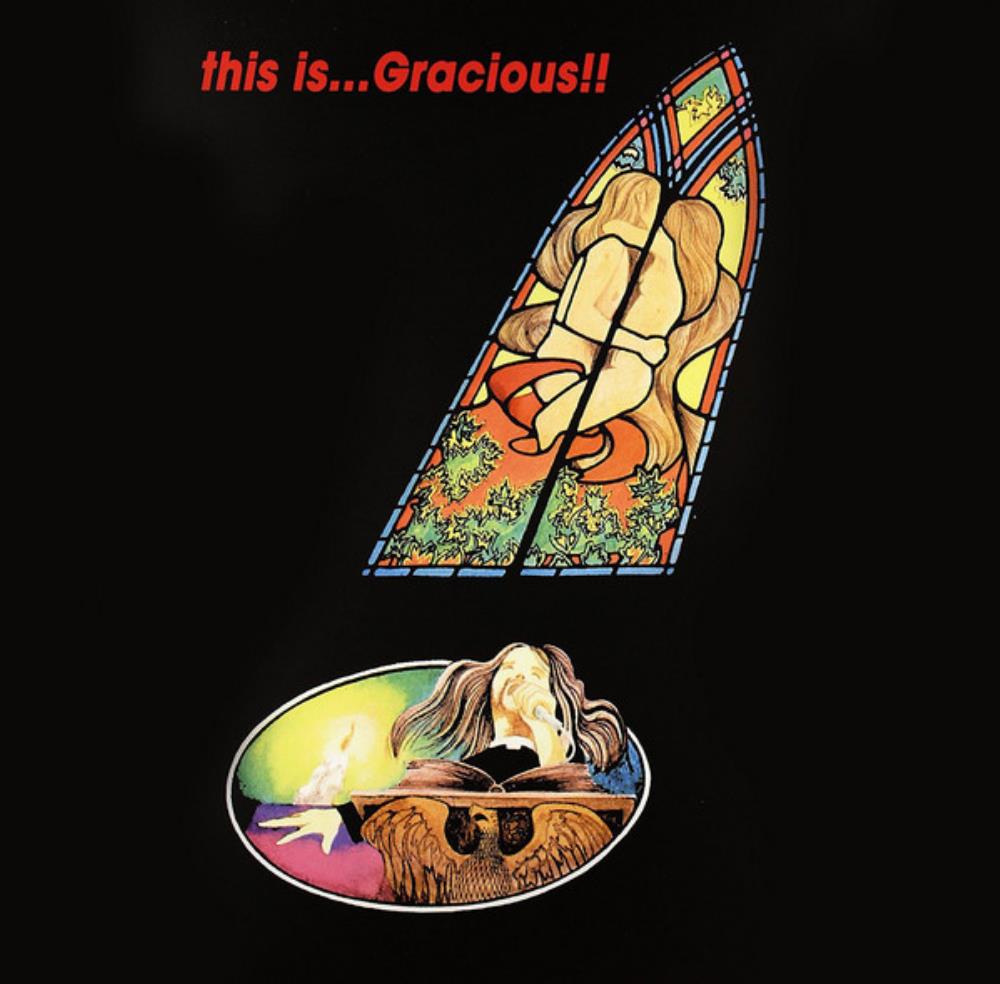
An album cover designed by Roger Dean. A mellotron sound inspired by In the Court of the Crimson King. An opening suite reminiscent of Syd Barrett-era Pink Floyd. this is…Gracious!! had many of the key ingredients needed for a superior prog album, but it didn’t sell, and the band broke up not long after their sophomore effort. Perhaps Gracious tried to be too much at once: prog, psych, hard rock, blues, space rock, etc. Sometimes this eclectic blend works; sometimes it does not. this is…Gracious!! lands somewhere in the middle. Here are some of my thoughts:
Unlike most of the albums I have reviewed, this is…Gracious!! includes a true prog epic, the four-part suite “Supernova,” which takes up the entire first side of the album. Clocking in at just under twenty-five minutes, “Supernova” had the potential to be a classic prog epic, but it suffers from some shortcomings. The first two parts of the song – the Floydian instrumental “Arrival of the Traveler” and the Crimsonian “Blood Red Sky” – are fine examples of prog’s “classic” era (although Paul Davis’s vocals may be an acquired taste for some). Anchored by drums and mellotron, the latter would have fit nicely on King Crimson’s debut album. Unfortunately, “Blood Red Sky” transitions rather awkwardly into “Say Goodbye to Love,” a romantic guitar ballad with saccharine lyrics that just feels out of place on this epic piece. The fourth and final part, “Prepare to Meet Thy Maker,” thankfully returns to the Floydian/Crimsonian sound.
“C. B. S.” opens with a catchy guitar riff courtesy of Alan Cowderoy, and stays anchored by Martin Kitcat’s clavinet and piano.
“Blue Skies and Alibis” also opens with a catchy riff and is by far the strongest and most upbeat track. Kitcat and Cowderoy share centerstage on mellotron and guitar, respectively. The rhythm section also holds its own: drummer Robert Lipson anchors the song with his pacing, and Tim Wheatley’s nimble fingers produce a hopping bass line.
It’s too bad Gracious never had a chance to develop their sound, as they may have ended up among the prog elite of the early 1970s. Alas, they are now instead part of the long but colorful list of obscure prog artists. this is…Gracious!! may be a diamond in the rough, but it’s certainly worth a listen: you may find it more polished than I did.
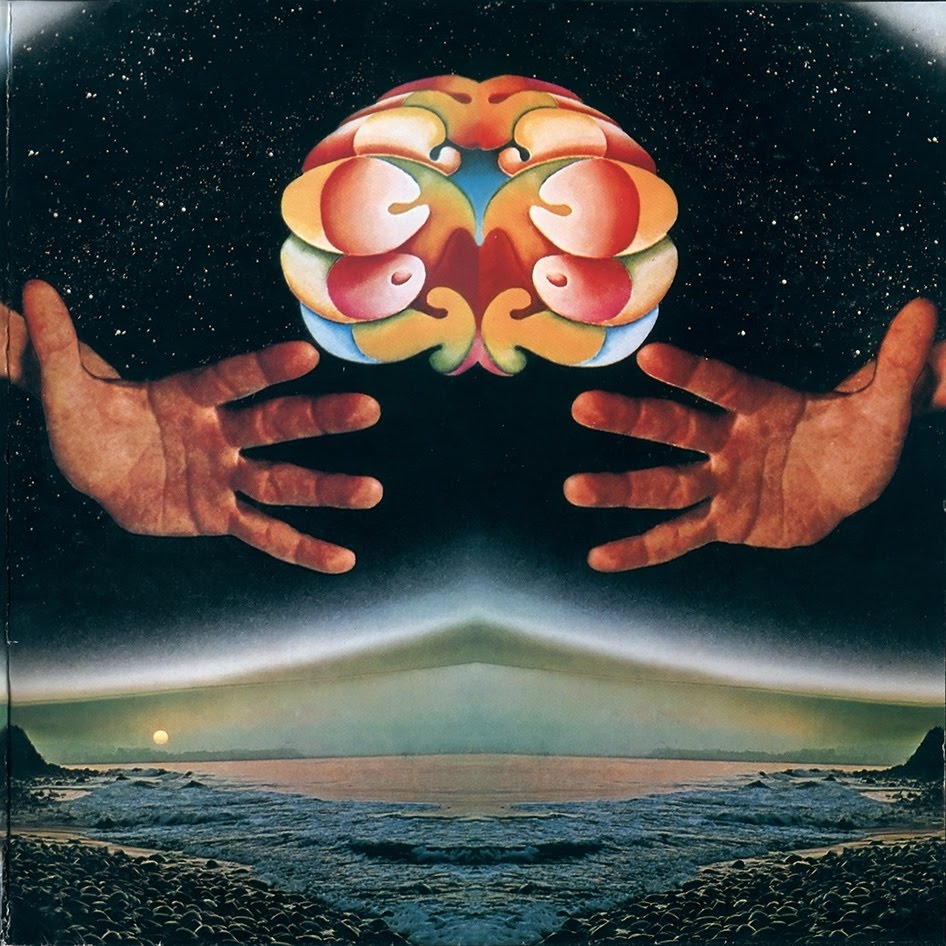
Featuring vocals reminiscent of Ian Gillan and keys that may call to mind (dare I say it?) Rick Wakeman and Keith Emerson, Touch produced one of America’s early progressive rock albums – and one of its finest. Yet despite having fans and supporters such as Kerry Livgren, Jimi Hendrix, and Mick Jagger, Touch remained relatively obscure, as bandleader and keyboardist Don Gallucci refused to tour the album. Unfortunately, that spelled the end for the band, and they never released a second album. Thankfully, we have an impressive selection of songs from their lone effort. Here are some of the highlights:
“We Feel Fine,” a rollicking opener of a song, makes for a fine introduction. Jeff Hawks immediately puts on display his impressive vocal range, but Gallucci shines on the organ, and Joey Newman gets to show off a little bit on guitar.
The Beatles come to mind upon hearing “The Spiritual Death of Howard Greer,” an acid-rock epic that tells the tale of a sad stick in the mud. It may remind listeners of “A Day in the Life” or a darker version of “The Diary of Horace Wimp.”
Odysseus and his crew may disagree, but “Down at Circe’s Place” is a wonderful tune and the most psychedelic piece on the album. An instrumental (although there are some spacey wordless vocals courtesy of Hawks), the tune opens with a catchy piano riff and features a wonderful cacophony of sound at the climax – sans guitar: Gallucci’s keys and John Bordonaro’s percussion drive the madness.
The second and final epic on the album, “Seventy-Five,” is the strongest and most progressive track. Hawks can shriek like Gillan or croon like Greg Lake depending on what is called for; it is an impressive vocal performance to say the least. Newman finally earns a spot front and center to display his talents on guitar, and he does not disappoint.
This is not an album to ignore: the musicianship is top-notch and the overall quality something you will not typically find in some of these older, more obscure releases. It’s time to give Touch a go.
The Pilgrimage: I. Desert of Facts, II. The Temple of Truth, III. The Quiet Room (10:38)
The Voice of the Waves (3:08)
Crownshine/Allthetime (10:51)
The Tower (9:48)
The Voice of the Evening Wind (4:24)
Yettocome/itmightbe (16:42)
Wait (5:13)
Nashville-based prog outfit Evership is the brainchild of Shane Atkinson, a musician with a background in Contemporary Christian Music dating back to the 1980s. It’s too bad CCM today doesn’t sound more like Evership’s music, because this group combines some of the best elements of the various eras of progressive rock. Atkinson has also been active in music for films, commercials, and theater, but he left the music industry years ago for the more stable world of software development after the birth of his first child. In 2005 he quit that and began his own music production company, with the goal of funding future albums. That future is here, with three Evership albums since the first was released in 2016.
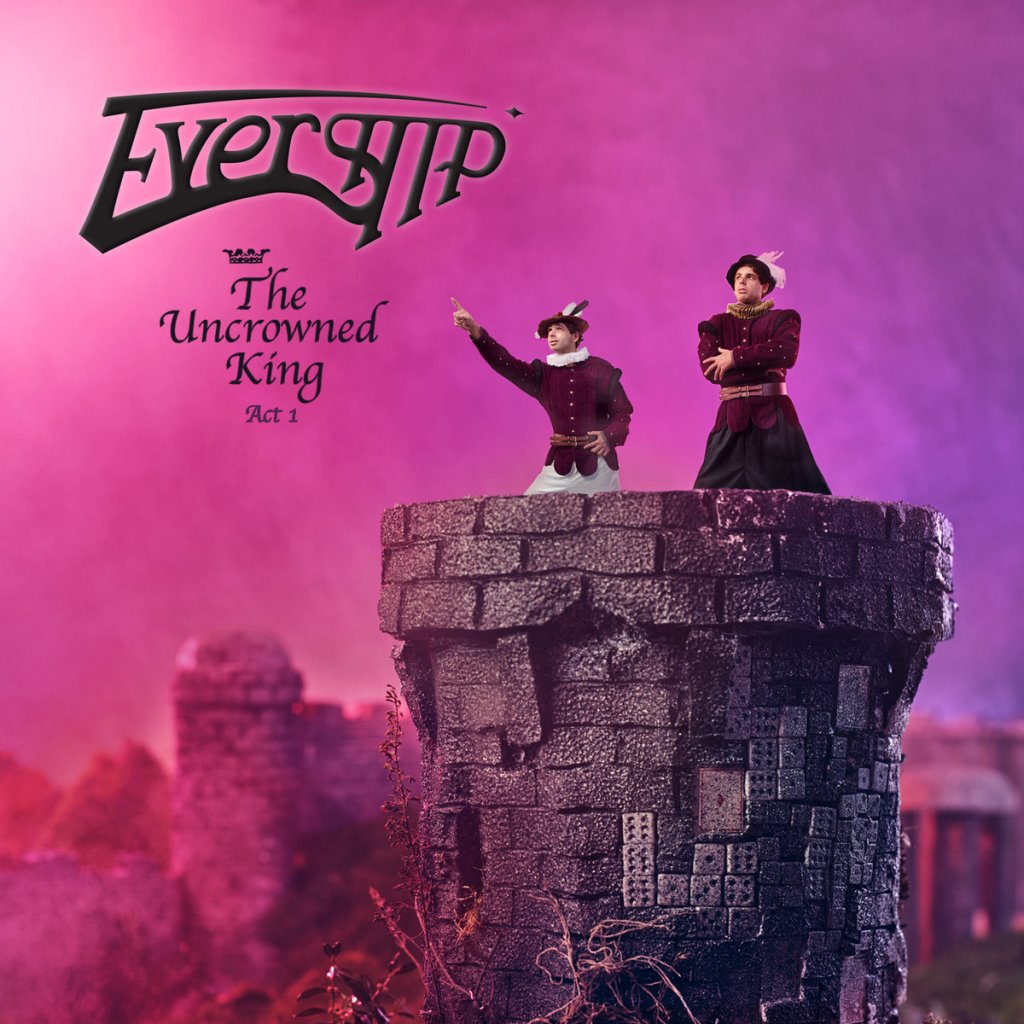
The latest Evership album, The Uncrowned King: Act 1, is based off the 1910 book of the same name by Harold Bell Wright, a bestselling American author in the early twentieth century. This album only tells part of the story, so be on the lookout for Act 2.
The music displays myriad influences, including 1970s prog, 80s synth rock, and the production values of today. The drums, which Shane plays himself, have a bit of the 80s sound, and some of the guitars, played by James Atkinson and John Rose, have an 80s Yes sound. The keyboards (played by Shane) often have a Rick Wakeman-esque flair, giving the album a strong Yes influence. The frequent use of piano reminds me of some of the better moments of CCM over the last thirty years, but I’ve spent my whole life going to churches that play CCM (of varying quality), so this may not mean much to most of our readers.
Beau West’s vocals elevate the story to the next level with a beautiful tone and range that befits the story. He really shines on “Yettocome/itmightbe,” which is a reflective song that focuses on the vocals with calm piano, synths, bass, and appropriate drumming.
The concept is rather compelling, with the whole musical and lyrical tapestry reminding me a bit of the Neal Morse Band. With three tracks over 10 minutes (one of them almost 17 minutes), you could say this is all rather epic. The length of the tracks gives the music and story room to breathe and develop. The musicianship itself is stellar. Ben Young’s bass provides a nice low end to what is a somewhat ethereal-sounding album. It’s definitely a rock album, but it’s more on the symphonic prog side of things. The guitar solos soar, and the drumming fits the mood at every moment. Simply put, the music helps tell the story.
There’s a touch of musical theater with tracks like “Wait,” again reminds me of the Neal Morse Band or even Ayreon. Vocal harmonies are used sparingly throughout to add extra depth to the music. These help provide that lovely prog aesthetic that’s becoming rather prominent with some bands in the genre. I hope Evership make even more use of it on Act 2.
All in all, The Uncrowned King: Act 1 is a wonderful album. It’s so nice to hear music like this being made by an American band. I wouldn’t be surprised if Evership will have a wider listening audience in Europe than here in America, but I certainly would enjoy hearing their music live.
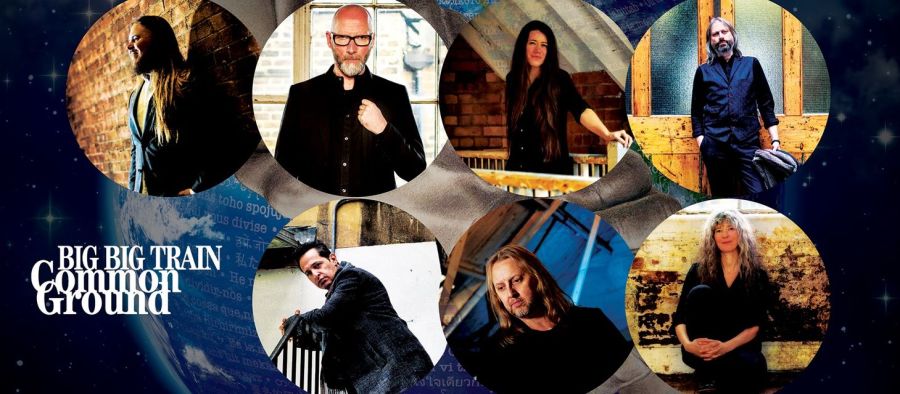
Today Big Big Train released a special live-in-studio acoustic version of their song “Common Ground” off their new album of the same name. The album was released on Friday, and it’s the top release of the year thus far, in my opinion.
One of the hallmarks of the classic era of progressive rock was the theatrics: Peter Gabriel’s eclectic costumes, Keith Emerson’s knives and flying piano, and Rick Wakeman’s flowing capes are just a few that come to mind. But few prog bands ever included an entire troupe on tour. Enter Principal Edwards Magic Theatre (PEMT), a fourteen member ensemble that included singers, musicians, poets, dancers, and sound and light technicians. This cast of characters, who at the time were students at the University of Essex, initially sought to express their artistic abilities through the medium of print, but it did not take them long to realize that it was more enjoyable to display their talents on stage.
Although they managed to release only two albums (in 1969 and 1971) before splitting up, they rubbed shoulders with some of the luminaries of prog and classic rock, including Pink Floyd (Nick Mason even produced their second album), Elton John, Yes, Fleetwood Mac, and King Crimson. Combining whimsical lyrics with flute, violin, acoustic guitar, a healthy dose of electric guitar, and spoken word vocals, PEMT sounds something like a blend of Fairport Convention and Pink Floyd. Here are a few standouts from their debut album, Soundtrack:
“Enigmatic Insomniac Machine,” besides earning the award for best-titled song on the album, is as bizarre as the title suggests. And if you can’t follow the story the song tells, you can at least enjoy Vivienne McAuliffe’s soothingly beautiful vocals. Fans of Judy Dyble, Sandy Denny, or Sonja Kristina will be impressed.
Root Cartwright’s electric guitar explodes onto the scene in “Sacrifice,” a song concerning, well, a human sacrifice. Cartwright’s guitar calms down for a few minutes before taking centerstage again after the murder of the poor lady about halfway through the song.
The peculiar man of La Mancha who fought windmills is dispatched in a somewhat unorthodox fashion in “The Death of Don Quixote,” a patchwork epic that jumps from one mood to the next without much warning.
The album closes with “Pinky: A Mystery Cycle,” which features some eerie violin courtesy of the multi-instrumentalist Belinda Bourquin and ominous spoken word vocals courtesy of McAuliffe. Cartwright again shines on electric guitar.
Soundtrack is an eclectic patchwork of psychedelia, folk, grunge, and prog. The album is neither particularly coherent nor consistent, but for some this will be part of its charm. For those who enjoy Curved Air, Fairport Convention, or Strawbs, this will be worth a listen. And judging by the live performance below, they must have been quite a group to see, too.
The Neal Morse Band, Innocence & Danger, Inside Out Music, August 27, 2021 Tracks: CD 1: 1. Do It All Again (08:55) 2. Bird On A Wire (07:22) 3. Your Place In The Sun (04:12) 4. Another Story To Tell (04:50) 5. The Way It Had To Be (07:14) 6. Emergence (03:12) 7. Not Afraid Pt 1 (04:53) 8. Bridge Over Troubled Water (08:08) CD2: 9. Not Afraid Pt 2 (19:32) 10.Beyond The Years (31:22)
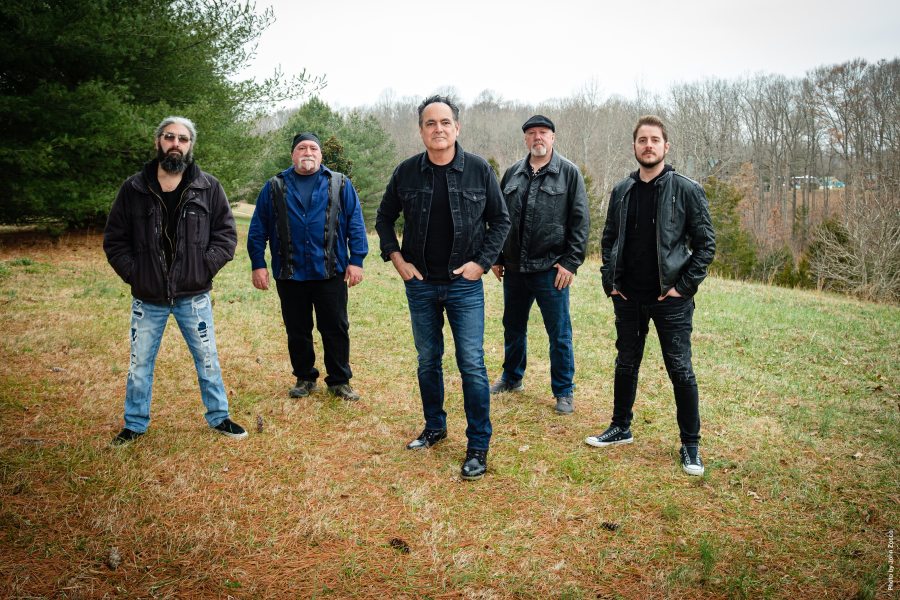
Last week I had the wonderful opportunity to interview Randy George from the Neal Morse Band about their upcoming album, Innocence & Danger. What an album! After back-to-back double concept albums, the band decided to make an album of independent songs. It’s still a double album, but it’s very digestible.
Innocence & Danger has quickly risen to one of my favorite albums of the year, and Randy George’s brilliant bass playing has a lot to do with that. His bass is more prominent in the mix, and it really shines opposite Mike Portnoy’s drums in the rhythm section. I think Neal Morse’s vocals also deserve a mention as they are the best they have sounded in years. Maybe that’s due to a lack of touring over the past year+, but he (and everyone else) sound great. The vocal harmonies are turned up to the max, and the prog is in full force. But don’t be surprised if you hear a few other surprise elements in the music – something we talk a bit about in the interview below. Oh, and “Beyond the Years,” the album’s 31-minute epic, may be the best long song I’ve heard from Neal Morse and company.
This interview was conducted on July 21, 2021 via Zoom. There was quite a bit of scratchiness in the Zoom audio, so I’ve decided to spare you that and just give you the transcript, which was edited lightly for readability. The interview is pretty wide ranging. We start with an update on the last year and a half for Randy before we go into a deep dive of the album. Then we discuss some of Randy’s influences as a musician before we talk a bit about the history of prog, it’s place in the music world, and how the future will look back on their music.
Bryan: Thanks for joining me here for Progarchy. I really appreciate you taking the time.
Randy: Yeah! Happy to do it.
Bryan: It’s been tough career-wise for musicians without being able to tour. How’ve you been in that regard?
Randy: Well, you know, I guess we’re all feeling it to some degree. I guess as a function of where I live it hasn’t really been that bad. We had done that Cover to Cover 3 CD, and it was wrapped and delivered to the label before the pandemic hit. There were some videos that needed to be [made]. We wanted to do videos, so there were a few videos, and I did a couple of those. And then Neal [Morse] did Sola Gratia. I recorded that and then we did videos for that. Then we did Morsefest in September, and my wife and I have been playing locally since September, pretty much twice a month or three times a month ever since last September.
In a lot of ways, yeah we had to wear masks a little more during the time, but for the most part we kept busy. We felt it most right at the beginning. Everybody was sort of freaked out, got shut down March through July or whatever. Then people started to open up a bit. So initially everyone was a little bit like, wow, there’s nowhere to go. But we both work from home. We really didn’t travel outside very much. We’re here on our own little plot. Plenty to keep us busy here. But yeah I watched it from a distance. I’m sure for some people it was really hard, and it sucks that it had to happen like that. I look forward to the end.
Bryan: Yeah I think everybody does. Morsefest was one of the first – definitely one of the biggest in the prog world of concerts that came back in person. That was kind of exciting because it was a glimmer of hope after so many months of nothing at all live-wise.
Randy: People will always find a way.
Bryan: Yeah exactly. I’ve had a chance to listen to Innocence and Danger a little bit over the last couple of days. It’s a fantastic album. It feels like a little bit of a different direction, especially after the last two concept albums. Can you tell me about how the album came together?
Randy: Well, the whole thing – we were going to start working on Innocence & Danger way back in the beginning of 2020. We initially signed a record deal with Inside Out. Then the pandemic hit. Mike [Portnoy] was really busy with Sons of Apollo, and we didn’t really have any clear cut date in mind that we could get together and do this. So quite honestly between signing the deal and getting in the studio to do this, it was more than a year. We did in January come together at Neal’s house and wrote the whole thing in about twelve days and tracked the drums and took it home and developed it over the next couple months, and Rich [Mouser] mixed it.
We went into it not having a lot of pre-written material. Neal didn’t have anything. Bill [Hubauer] and I both brought recorded ideas that were predominantly raw ideas that could be developed rather than finished demos that already had a lot of development to them. The Neal Morse Band tends to – no matter what you bring in, they want to redo it. So we kind of, it’s easier to bring in ideas that they can all sort of get their head into and write with. Some of it is much easier to do that, between Bill and I and Eric [Gillette], we have plenty of musical stuff. Neal, of course, he may not have come in with anything, but he gets up early in the morning and he’ll start writing and work on ideas then we end up working on them the same day or the next day. So Neal does actually write a fair amount of stuff. He just doesn’t always go into the session with all of it prepared, unless it’s a concept thing were he has an idea. We knew this wasn’t going to be another concept album. We just wanted to do an album of songs. We felt it was the right time for that.
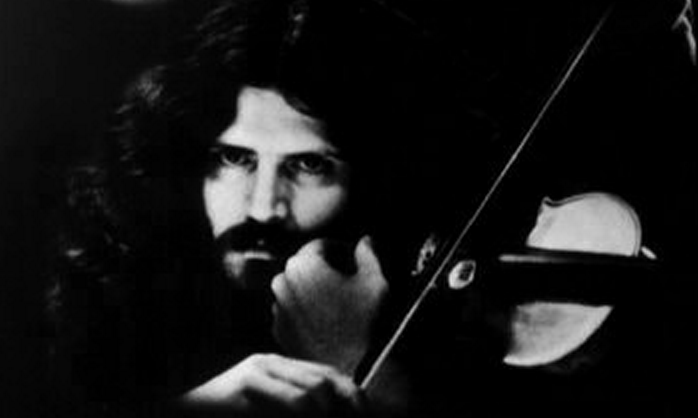
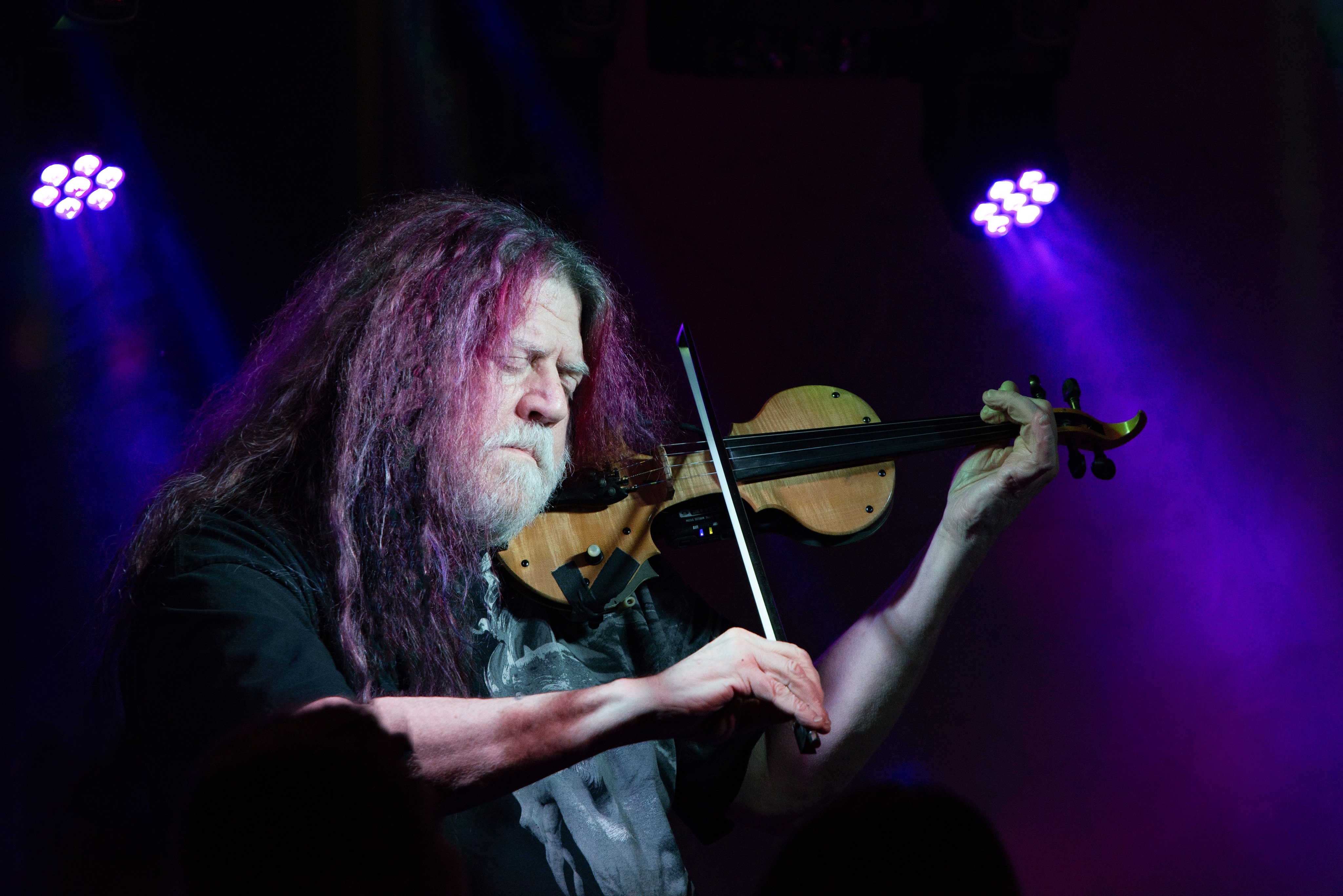
By now I’m sure you’ve heard that Robby Steinhardt passed away a week ago at age 71 after complications from acute pancreatitis and sepsis. I wanted to write something sooner, but it’s been a busy week. Since Robby Steinhardt is a far more important figure in progressive rock than he is given credit for, I thought I’d share a few thoughts. The timing of his death is doubly tragic since he was in the final phases of finishing a new solo album, and he had plans to tour the country in the future. I hope that album still gets released.
More so than any other band member, Steinhardt is arguably the one person who set Kansas apart from any other rock band in the 1970s. His violin created an entirely new sound. Sure there were other rock and progressive rock bands incorporating violins into their music, but no one else came close to touching Kansas. Pretty much every other rock band that incorporates a violin does it in a way that allows the violin to shine in a more traditional symphonic way. The violin tends to add a folk element to a rock band’s sound. That isn’t a critique against violinists in rock bands who play that way, but Robby didn’t play that way. Even though he was classically trained, he was able to take that background and apply it to a rock sound, creating something entirely new in the process.
Steinhardt’s violin had this magnificent ability to supplement Steve Walsh’s and Kerry Livgren’s keyboards in some parts of songs while carefully interplaying with Livgren’s and Rich Williams’ electric guitar riffs at other parts. He played a hard a fast violin for those rock moments, but he could play the gentler, smoother sounds when needed too. “Song For America,” one of Kansas’ best tracks, displays both methods. Without the violin, that song just wouldn’t have the power that it has. It’s pure Americana, and it’s pure progressive rock at it’s finest. Arguably a top ten track in the genre.
Like many people, I was initially drawn to Kansas’ music by the violin, as was my Dad, who saw the band play at Six Flags in Missouri in the early 1970s before the band released their first album. As a kid, he was struck by a rock band using a violin. I had the same reaction as a kid. I was exposed to Kansas’ music about the same time I first heard Rush’s music, and both bands ended up playing an enormous role in my life, so much so that I wrote an academic essay on Kerry Livgren for one of Dr. Brad Birzer’s (Progarchy’s founding father) classes in college. But it was that violin that first grabbed my attention and pulled me in for a closer listen.
If being a whiz on the violin wasn’t enough, Steinhardt also had a golden voice that elevated Kansas’ sound. In his prime, Steve Walsh had the finest voice in rock music, but Steinhardt added a grit to their sound. Walsh was capable of that heavier blues singing, which can be heard on their first couple of albums. Steinhardt didn’t add a blues flair, though. His voice had a natural deepness and tone, and the harmonies the two vocalists made were glorious. His voice had a distinctive sound, and it was backed by a lot of power.
Together Walsh and Steinhardt made a sound that was unique. Just listen to “The Devil Game.” When they harmonize, Walsh takes the highs and Steinhardt takes the lows, providing a well-balanced sound that reflects the lyrics. How many bands would have a secondary singer open up their album, as Kansas did with “Down the Road” off Song For America? That shows how vital Steinhardt’s vocals were to the band’s sound.
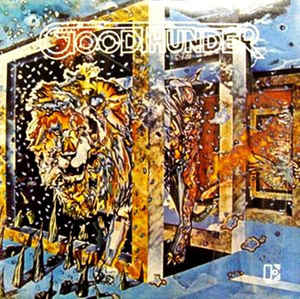
Hailing from the concrete jungle of Los Angeles, Goodthunder made music that was meant to be played loud. Clearly inspired by some of the blues-based and psychedelic hard rock groups of the day – Deep Purple and Uriah Heep, especially – the band featured some solid talent (guitarist David Hanson and keyboardist Wayne Cook stand out), but remained obscure during their brief existence. Of course they were not the only group at the time writing heavy, guitar-oriented songs, but Goodthunder displays a proficiency that makes one wonder what else they could have done had they enjoyed even a modicum of success. Here are some of the highlights from this obscure gem:
The album opens with the rollicking “I Can’t Get Thru to You,” a “radio-friendly” song as far as prog goes. Hanson’s guitar drives this brief but powerful piece.
“For a Breath” again showcases Hanson’s talents on the guitar, but Cook shines on the organ and Bill Rhodes impresses with a brief but solid bass solo.
David Hanson’s guitar continues to shine on “Home Again” and “P. O. W.” Both songs also feature impressive work from Cook on the keyboards.
The final song, “Barking at the Ants,” is by far the strongest and most progressive on the album. Although it opens with a catchy guitar riff courtesy of Hanson, it is Cook’s organ – reminiscent of the sound of the late Jon Lord – that takes center stage here.
Although Goodthunder did not make it very far in the music world, their sole album showcases quite a bit of potential. If you are in the mood for some obscure prog with a heavier edge to it, give them a shot.
Big Big Train, Common Ground, July 30, 2021 Tracks: The Strangest Times (5:08), All The Love We Can Give (8:06), Black With Ink (7:23), Dandelion Clock (4:14), Headwaters (2:27), Apollo (7:50), Common Ground (4:54), Atlantic Cable (15:06), Endnotes (6:59)
I love writing about Big Big Train. In fact, they’re one of the reasons I was drawn into reviewing progressive rock on a more regular basis. They are also one of the reasons this website was founded back in 2012. Our founders understood that Big Big Train wasn’t your ordinary rock band, and the band deserved a more intellectual approach to reviews. I don’t know if I’ve been able to live up to the standard Dr. Brad Birzer set for us, but I try my best. Big Big Train makes it easier by providing such solid material to write about. Common Ground is no different. In fact it may be the best album they have released since I began writing for Progarchy. It is certainly the best record released thus far in 2021.
Common Ground gets off to a rousing start in the best way possible. I’ve never enjoyed the opening of a Big Big Train album this much. While I don’t dislike Big Big Train’s more mainstream pop-like tracks (“Make Some Noise,” “Folklore,” “Wassail”), they aren’t my favorite in the band’s catalog. While “The Strangest Times” might fall into that aspect of the band’s repertoire, I absolutely love this. The piano at the beginning is so bright and upbeat, reminding me a bit of some of the more popular artists the band site as influences on this record. However I think it reminds me more of the band’s work back in the days of English Electric. The guitar work is phenomenal, proving right away that even though brilliant guitarist Dave Gregory may have left the group, the group haven’t abandoned the unique sound he brought to the table. I imagine lots of credit should go to Rikard Sjöblom for maintaining that tone.
Nick D’Virgilio absolutely hits a home run with his lead vocal sections on “All the Love We Can Give.” I was hoping we would get to hear more of his vocals on this record, and we do. Of course there is also his brilliant drumming throughout the album, which we probably take for granted at this point. This song has some blistering instrumental passages with heavy guitars and some face melting Hammond keyboards. We also get to hear a different side to David Longdon’s glorious voice, featuring the lower end of his register. The vocal harmonies at points in the song remind me of Gentle Giant and the Neal Morse Band, although this is nothing new for Big Big Train. They seem to have utilized it a bit more though throughout Common Ground than they have in the past.
As a matter of fact, the next track, “Black With Ink,” allows that to shine. We get a lead vocal from Rikard, Nick, and Carly Bryant, who joined the band for live shows, providing backing (and apparently lead) vocals, keyboards, and guitars. It’s a nice touch that the band included her on the recording, as well as Dave Foster (guitars on two tracks) and Aidan O’Rourke on violin throughout the record.
Lyrically “Black With Ink” is somewhat close to my heart, since Greg Spawton was influenced by a trip to a museum (I work in the collections department of a history museum). After a BBT show in Birmingham, England, in 2019, Greg visited the local art museum and saw a label about the history of the collection, which suffered from a bombing raid during World War II. Spawton talks more about that song at the official Big Big Train blog for the album, but in summary it grew out of a frustration with the destruction of knowledge (book burning, destroying art, etc.). The song specifically looks at the destruction (many centuries and millennia ago) of texts at libraries in Alexandria and Baghdad.
On the other side of the lyrical spectrum, Longdon keeps the band grounded in the present. “The Strangest Times” and “Common Ground” are influenced by the insanity the world has been going through over the last year and a half. In a recent interview, Longdon admitted to Progarchy’s Rick Krueger recently that he cannot wait for these lyrics to no longer be relevant, since we are all sick of quarantines, lockdowns, and other assorted nonsense.
“Apollo” is an almost eight-minute-long instrumental track, and it is glorious. The song was contributed by Nick, and it grew out of material he had created at his day job at Sweetwater, a music gear retailer and production studio in Fort Wayne, Indiana. He describes this track as Big Big Train’s “Los Endos,” which I believe they achieved. It’s a beautiful song, and I can see them either closing a first set or closing a live show with it before an encore. The inclusion of Longdon’s flute was a really nice touch, which will most definitely be a hit live. It’s pure BBT, brass band and all.
“Atlantic Cable” has all the grandiosity of “East Coast Racer.” I don’t think I have enjoyed a Big Big Train song this much since ECR. Spawton’s booming bass is at Squire-esque levels of brilliance. The interplay of the guitars, violin when it is used, the myriad voices, the long instrumental passages – this is Big Big Train’s “sound” at its absolute finest. I hope when they play it live, they extend that guitar solo as it peaks toward the end.
Lyrically the track tells the story of laying the first telegraph cable across the Atlantic, formally linking the old world with the new. This song is much grander than that story, though. The story serves as a metaphor representing the commonality we all share, which supports the overall theme of the album. The track has calmer passages, but it still has the hard rocking sections that feature on the rest of the record and also hearken back to The Underfall Yard and English Electric.
A song about laying a steel cable across the ocean floor was never going to be a pastoral piece of music. It needed some stormy moments, some grandeur. And it needed to be long enough to tell an epic tale. – Greg Spawton
The video the band shared for this song in the blog for the album is hilarious. It’s a video of Nick trying to figure out how to play the complicated time signatures. It was only a matter of time before the expletives were directed at Greg (all in good humor, of course), but it’s quite entertaining. It also goes to show how technically complicated this music is and how good these musicians are that they can (eventually) play it.
The Dave Desmond brass band shines bright as ever on “Endnotes,” the final track. The hint of violin reminds us of where the band has been, but in a more subdued light.
The pastoral elements and folk elements in the band’s arsenal are pulled back throughout Common Ground in favor of a heavier rock sound, but it’s undeniably Big Big Train. It’s exactly what I wanted from the band moving forward. I never complained about the pastoral direction the band moved into because I enjoyed it, but I’ll admit that I was beginning to miss certain elements that were more prevalent on The Underfall Yard and English Electric. I don’t think any of us wanted them to start copying themselves, though. Instead they have progressed into slightly different waters, pulling together all of those elements into a truly astounding whole. The hard rock, the atmosphere added by the violin and Longdon’s flute, and those stunning vocal harmonies create a pure sound.
Existing fans will almost assuredly love Common Ground. If you are new to Big Big Train, then this is as good a place to start as any. The album displays everything the band does so well.
Thanks Big Big Train. You’ve made a crappy year a little brighter.
Although this Philadelphia-based band debuted during the reign of a certain Queen with the same name, Elizabeth never enjoyed the success or the tenure of that estimable lady. Formed by Steve Weingarten (lead guitar and vocals), Bob Patterson (guitar and vocals), Jim Dahme (guitar, flute, and vocals), Steve Bruno (organ and bass), and Hank Ransome (drums), Elizabeth released one eponymous album in 1968 before calling it a day shortly thereafter.
The album itself is filled with accessible, “radio-friendly” songs. Here are a few of the standouts:
“Not That Kind of Guy,” the opening number, is a catchy song with an early Beatle-esque sound (similar to “Taxman”).
“Mary Anne” is a lovely jazz song with some elements of folk sprinkled in. Think of it as a less tragic version of “Eleanor Rigby.”
The fifth song, “You Should Be More Careful,” is the true highlight on this album. A cautionary tale about picking up strange girls at bars, this song is a force of nature that never lets up. Weingarten, employing a “fuzzy” guitar sound, breaks out into a twisted guitar solo that is worth listening to several times over.
“Alarm Rings Five” is a gentler tune that features some solid organ work courtesy of Bruno and beautiful flute courtesy of Dahme.
With elements of jazz, folk, and psychedelia, Elizabeth‘s sole album fits nicely into the proto-prog/acid rock music of the late ’60s. The music and lyrics will not necessarily captivate all listeners, but this album is worth a listen for psychedelic or jazz rock aficionados.