
 Outside the fact both groups employed players of a violin/viola in their lineups at one time or another, and possessed songwriters of legend, you’d be hard pressed to find common ground for Fairport Convention, last week’s soundstreamsunday feature, and the Velvet Underground. But in an imaginary Venn diagram of live rock jams from otherwise non-jammy groups circa ’68-’72, Fairport’s scratchy, chugging take on “Matty Groves” would share a noisy, electric segment of that interlocking circle with V.U.’s live work during the same period. In 1969 the Velvets, with aforesaid violist/bassist John Cale one year gone and a third album released (The Velvet Underground), recorded a handful of shows in Texas and San Francisco, showing an energetic, touring rock outfit whose songs of hustlers, dopers, and beloved Factory freaks worked even without Cale’s avant-garde contributions. Indeed, Cale’s replacement Doug Yule, doubling on organ, more than adequately filled in Cale’s creeped-out carnival viola drone. The tapes — unreleased until 1974’s 1969: Velvet Underground Live with Lou Reed (the full two-night run at San Francisco’s Matrix was released in 2015 in pristine glory and it is mind-blowing) — like the rest of their music, hold the seeds of punk. But beyond that, the jams they insert, not part of the studio versions, have a live inventiveness and melodic sensibility that rank among the finest of their long-haired time. On “I Can’t Stand It” — in its studio incarnation a proto pop-punk nugget of the variety the band could so effortlessly summon — the band opens up space for an extended guitar section that takes cues from Jim McGuinn’s intro to “Eight Miles High” and pushes its Coltrane-inspired riffing into the stratosphere. Mo Tucker’s relentless pounding and Yule’s bass background the song, never allowing the guitars of Lou Reed and Sterling Morrison to disintegrate into wandering exploration. This is a lean-and-mean live band unharried by the legend they would become (Tucker has even noted that on this tour audience members would tell her they couldn’t even find the band’s albums for sale), at a time when rock-n-roll was meant to be rough around the edges, and maybe even exact a toll.
*Above image, Doug Yule, Lou Reed, Sterling Morrison, Mo Tucker, 1969.
soundstreamsunday presents one song or live set by an artist each week, and in theory wants to be an infinite linear mix tape where the songs relate and progress as a whole. For the complete playlist, go here: soundstreamsunday archive and playlist, or check related articles by clicking on”soundstreamsunday” in the tags section above.
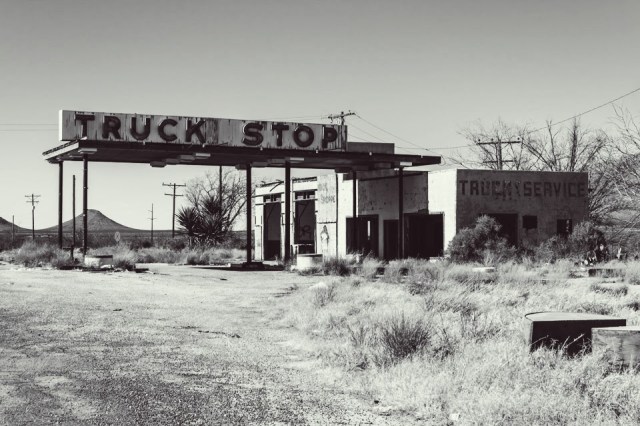 Years before the hybrid of classic rock and distorted garage psychedelia and punk became the legendary Grunge that vanquished the Hair Metal Dragon in the early 1990s, Screaming Trees and Thin White Rope plied their trade in relative obscurity and penury. Even as “punk broke” in America and they were afforded greater opportunity for exposure, as groups they had already cycled through lineup changes and masterwork albums, and the timing for broad success never really synced. Yet you can sight through the lens of their recorded legacy an understanding of what Grunge in America was, where it came from, what it meant, how it drew upon American roots music, acknowledging what Greil Marcus called the “old, weird America,” of everything from 13th Floor Elevators and Neil Young to the folk revival of the 1960s to the hillbilly/race records of the 1920s and 1930s. The references aren’t always apparent, but they’re embedded in the dust devils Thin White Rope appeared through and the rain-soaked northwestern pines the Screaming Trees turned dayglo.
 Three months after
