

Part rock, part funk, part punk, Brussels-based InHibit’s debut is unique and fun. The simple but funky baseline on “Shadows of Fire” reminded me of days gone by in popular music, but it sounds extremely fresh and clear. Uk-based journalist Chloe Mogg has more below:
By Chloe Mogg
InHibit’s latest EP Blinded is an appetising hybrid attempt at an 80s classic rock record, embroiled with metal riffs and drums beats and in-your-face vocals. The artist also rightfully takes influence from some of the greatest rock bands of late, and throws into the mix familiar elements from some of the best to ever do it, ensuring his EP has enough proven musicianship that’s sure to win him some points.
“Shame On Humans” crosses between charismatic, full bodied riffs and a squeaky, whining sound that’s almost like a sinister laugh; a villainous mock giving nod to the poor societal state of humanity that has encompassed most headlines in the turmoil that was 2020. The eponymous chorus is not unlike a Foo Fighters verse at all, while the most noteworthy section of the EP’s opener is its unravelling into a power ballad of a guitar solo that’s met in unison with InHibit’s discordant vocals, which break form from the established singing style and bring an endearing passion. InHibit’s aggressive vocals also seen in ‘Settings’ further help to determine that this is the best style for the artist, who should take pride in singing in a full-hearted, no-holds-barred style, which is definitely his forte in contrast to his softened, more intricate attempts seen in ‘The Quest’.
A jazzy, funk-filled bassline provides a fitting backdrop throughout ‘Shadows of Fire’, and ties the tracks surprising choice of instrumental sound together. The simple snare, hi-hat drum beat in parts, combined with the prevalent bass and the different layers of backing in vocals, does genuinely draw some resemblance to Queen’s infamously distinct style seen on the likes of ‘Bohemian Rhapsody’, which is only furthered through the whispered vocals and call and response claps which come toward the end of the track. Though InHibit’s work on this EP is far from the mastery of both Dave Ghrol and Freddie Mercury, the fact that the artist has attempted to replicate their superior musical notoriety and has found a place for it amongst his own style is a massive compliment alone.


 “Violence” erupts from Parquet Courts’ Wide Awaaaaake! (2018) in a riot of barbed slogans, proclaiming and exclaiming over everything from the “blazer of the Trail of Tears” to prison TV shows, against a dark drums’n’organ funk. The band have drawn comparisons across their productive years to Pavement, Beastie Boys, the hyper-literate NY punk cognoscenti, but here it’s all about

 (Hmmm …
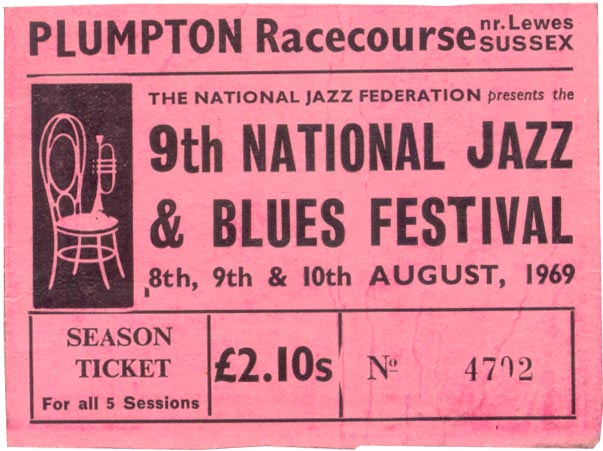
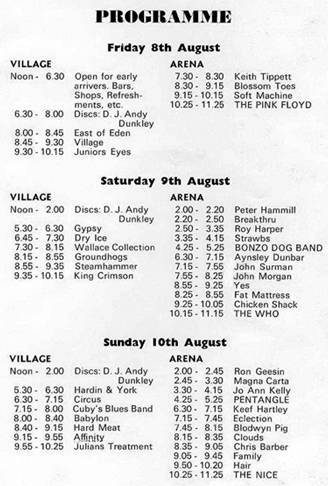
 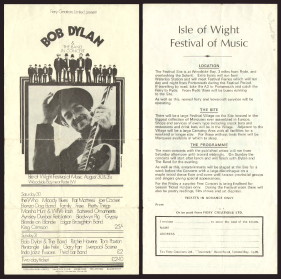 There’s also a copy of the Isle of Wight festival flier which I missed as it was the weekend which we were heading home. Such fond memories.
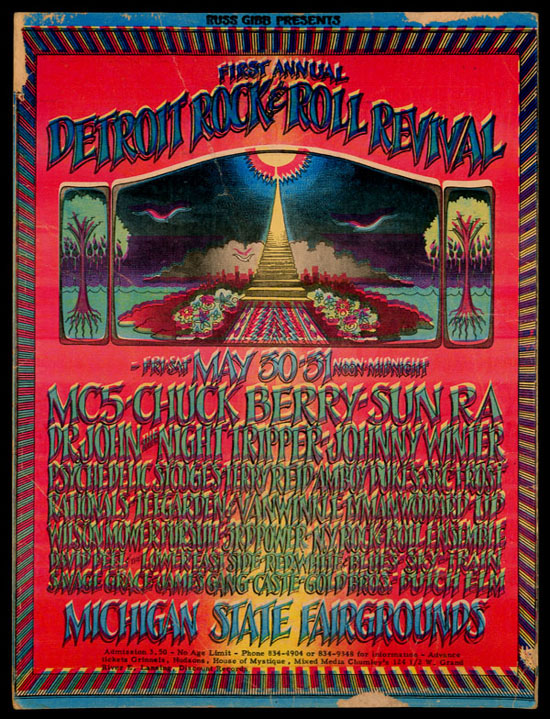 And talking with my brother later, I heard the story of how he and my cousin somehow got permission to go to the 1969 Detroit Rock’n’Roll Revival (with the MC5, Chuck Berry, Dr. John, The “Psychedelic” Stooges and many more acts) the night before my sister’s wedding. Maybe I should rethink missing
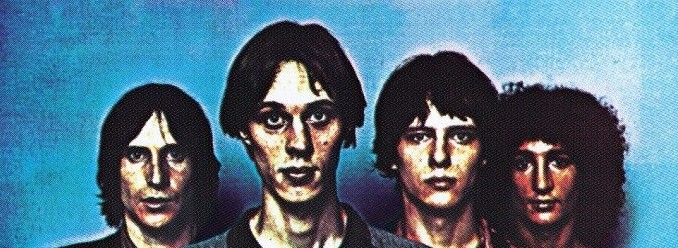
 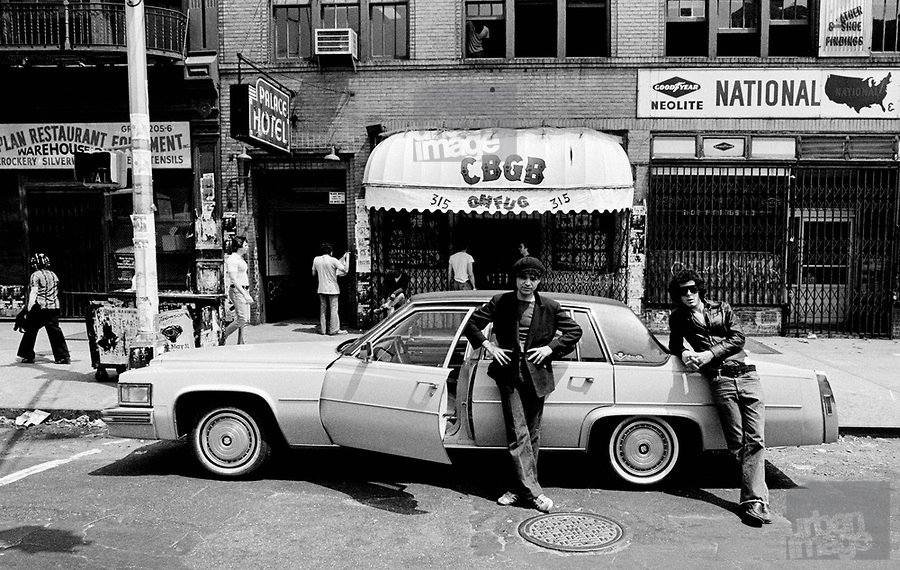 It’s not until it works its witnesses into a state of ecstatic frenzy, as if reading a preacher-inflected text so self-aware it reaches ascendancy, that New York rock satisfies itself and its audiences. It’s a city of distillations and self-regard, and so in its great contribution to rock and roll, New York puked up a revival so dazzling in its love for rock’s foundations it sometimes barely reads as the punk it became known as (or maybe a common idea of punk): there is no rejection, it is all embrace.
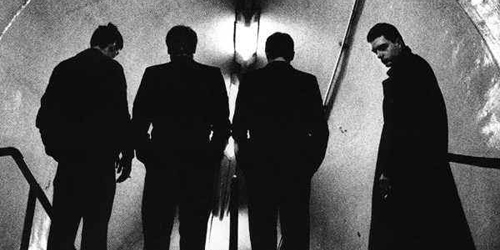 Music critics tend to dismiss Joy Division’s posthumous Still as a hit-and-miss collection of studio scraps paired with a lackluster recording of their last show. And in a specific context — compared to the brilliant Unknown Pleasures and Closer, it seems a bit of a rush job with less-than-pure motivations — this holds some weight, although I’d argue as its own thing Still may be more representative of the band as a whole, and that the live half of the double album contains fiery performances wildly joining hard rock, punk, and synth-y goth music. My first exposure to Joy Division, over thirty years ago now, was hearing “Shadowplay” from Still, and it gave me the metal thunder frights. It sounded as if Peter Hook, Bernard Sumner, Ian Curtis, and Stephen Morris channeled the essence of Fleetwood Mac’s “Green Manalishi” through a punk filter, as they sped to the center of the city in the night. Even as they rode their wave of goth punk popularity their songs betrayed the band’s primary strength: their music was as much about making connections as alienation, masked and revealed in turns by Curtis’s not-waving-but-drowning lyrics and delivery.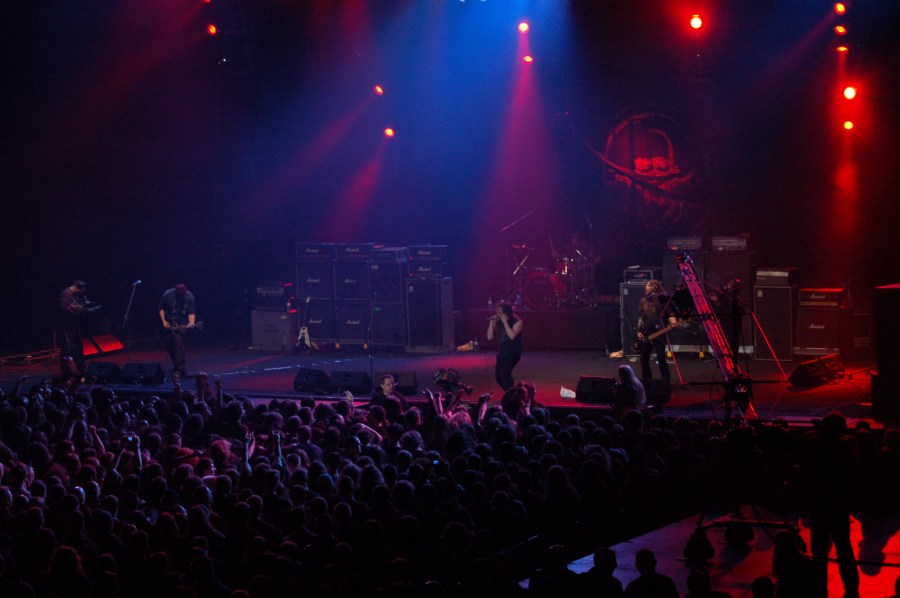
 Even with an acknowledgment that the guitar crossroads intersect and break and branch through
 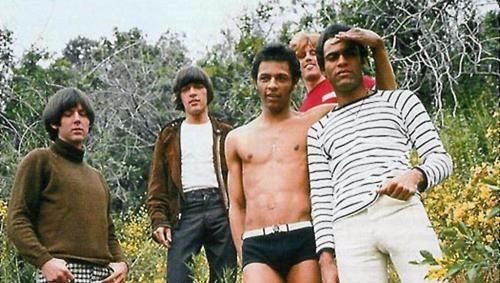 In 1966-1967 Los Angeles was Arthur Lee’s dark kingdom. Brian Wilson owned the sun, Jim Morrison traveled the other side, and while the Byrds and Buffalo Springfield gave L.A. its folkie hippie face, Lee’s band Love fashioned a punk muzak masquerade that fifty years on will still not relent. Their capstone album, 1967’s Forever Changes, is one of the handful of perfect rock records, but it is a difficult masterpiece, borne of a drug-addled band falling apart on the heels of some minor pop success (thanks to their cover of Bacharach/David’s “My Little Red Book” and the blazing protopunk of “7 and 7 Is”), as their chief admirers and competitors the Doors were surpassing them in popularity, commercially beating them at their own game. Forever Changes is not instantly recognizable for what it is, and its easy melodic beauty — indebted to the Tijuana Brass, smooth jazz, and surf instrumentals — supports a poetry far more complex and subtle than anyone else in rock was writing at the time, save perhaps Van Morrison.

