2023 In Review: kruekutt’s Final Favorites

Well – that was a longer break than anticipated. (Sometimes, as John Lennon sang, “Life is what happens to you/While you’re busy making other plans.”) Thanks for your patience and ongoing support as we wave goodbye to 2023 and 2024 begins! 

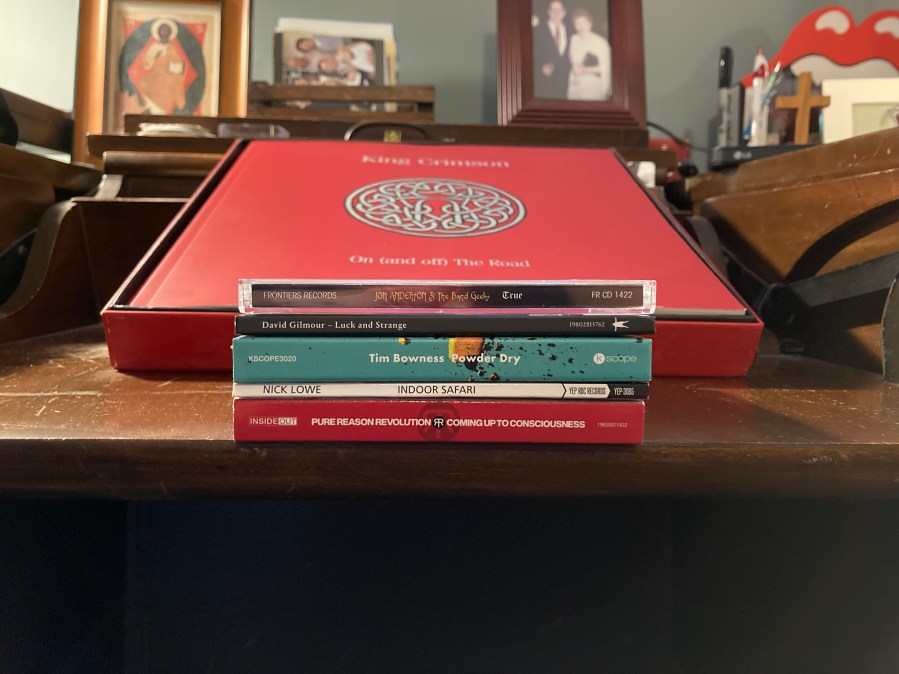
Thanks as well to Time Lord and Bryan for their 2023 wrap-ups. The flow of excellent new and reissued music continued unabated in November and December; below are some further favorites (plus some I didn’t get around to before my last post), with listening links and “micro-quick takes” to match.

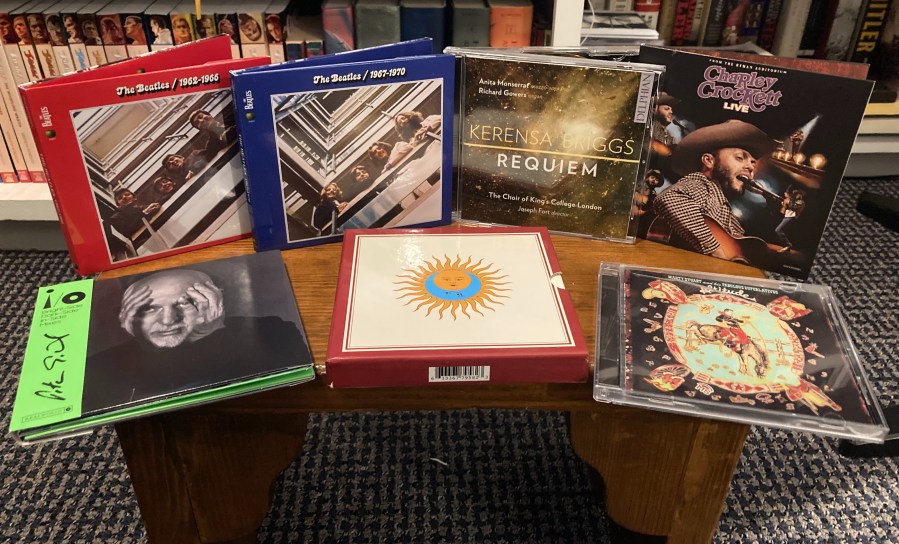
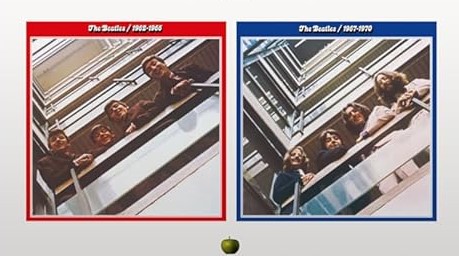
The Beatles, 1962-1966 & 1967-1970: The pioneering 1973 compilations get a cutting-edge makeover. The “Red” album expands by 12 tracks — more covers, more George vocals, more from Revolver — and everything’s finally remixed to breathtaking true stereo by Giles Martin. The “Blue” album broadens the picture of the Fab Four’s later years via 9 more tracks, with the archival swan song “Now and Then” (read Time Lord’s elegiac appreciation here) serving as a lovely, definitive coda. Fifty years on, a reminder of what all the shouting was about – and why Beatlemania has never really gone away.  

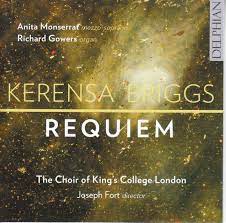
Kerensa Briggs, Requiem: The first new classical piece I’ve fallen in love with in a long time. Briggs is a young British choral composer with formidable gifts and a direct, appealing style; based in chant and ripened with echoes of the French romantics, her Requiem cuts straight to the heart of grief, consoling the listener’s spirit with its rich settings of Scriptural promises. The Choir of King’s College London, conducted by Joseph Fort, responds vibrantly on the major piece and other short works (including a setting of the Taoist text “Inner Light” that George Harrison nicked for a Beatles B-side). Restorative, uplifting and highly recommended.

Charley Crockett, Live from the Ryman Auditorium: A recent Nashville vacation (including a night at the Grand Ole Opry) triggered a deep dive into all things country — traditional, bluegrass, alternative, modern, you name it. Leaning on his Gothic concept album The Man from Waco, Texas troubadour Crockett and his band The Blue Drifters electrify a sold-out Mother Church of Country Music with this generous, rambunctious set. One of the most eclectic artists in the genre today, Crockett flavors his honky-tonk stew with everything from mariachi to Motown (check out “I’m Just A Clown”), from funk to deep blues, with props to Red Dirt forebears like James Hand and Townes Van Zandt along the way — and his thick, chewy baritone sells it all.  If you crave some down-home listening, you can’t go wrong here.

Peter Gabriel, i/o: Yeah, PG has been promising new music for twenty years — but, boy, has he delivered the goods! Released a track at a time every full moon, the finished album (available in three different mixes) is a hypnotic, seductive delight all the way. Whether on atmospheric opener “Panopticom”, melancholy meditations “Playing for Time” and “And Still”, or upscale worldbeat anthems “Road to Joy” and “Olive Tree”, killer hooks, arresting soundscapes and neoclassic soul melodies abound. It’s Gabriel as you remember him — including those lyrics that swing wildly between sappy motivational speeches and sage advice — freshly retooled and energized, blazing a hopeful, humanistic path thru this century’s chaos.

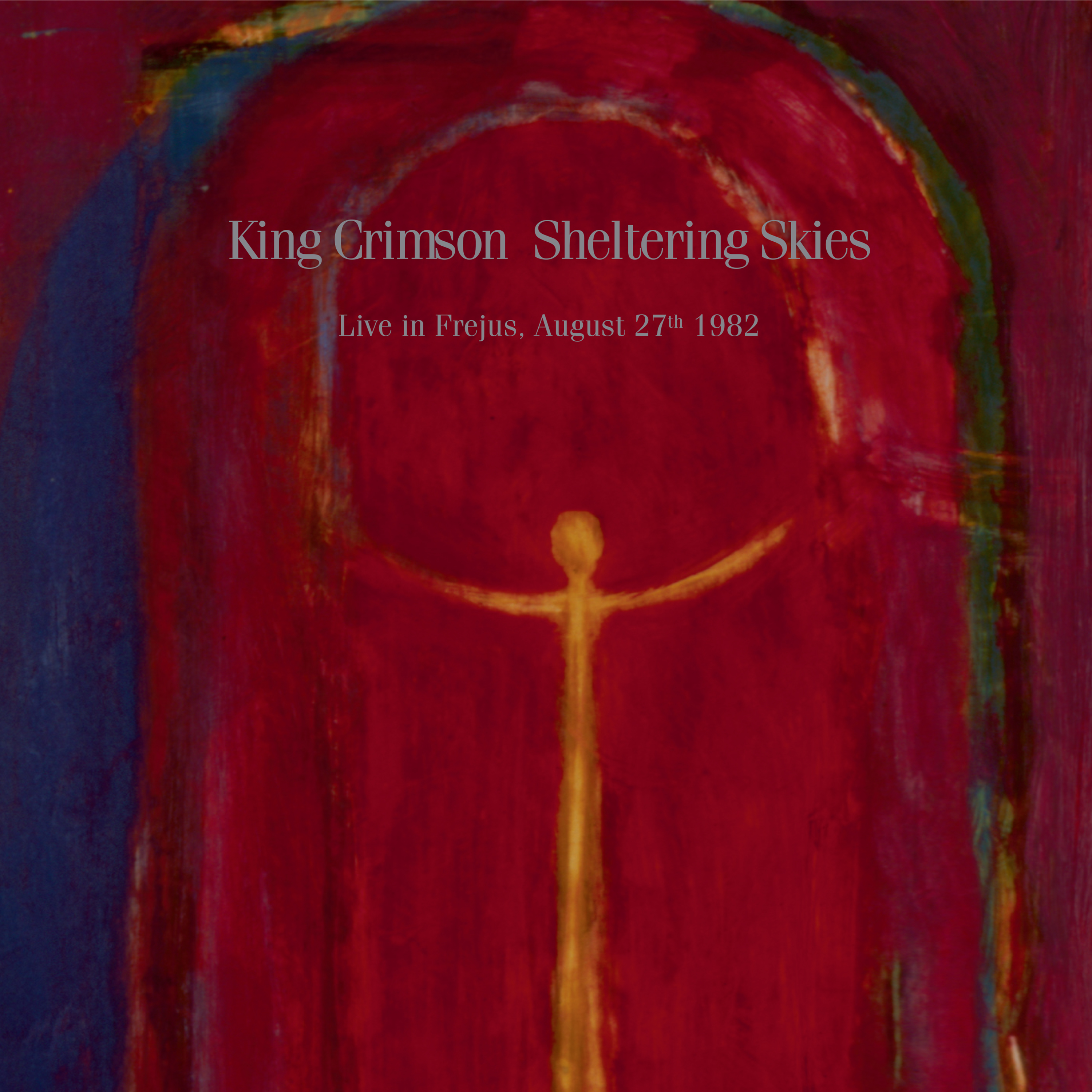
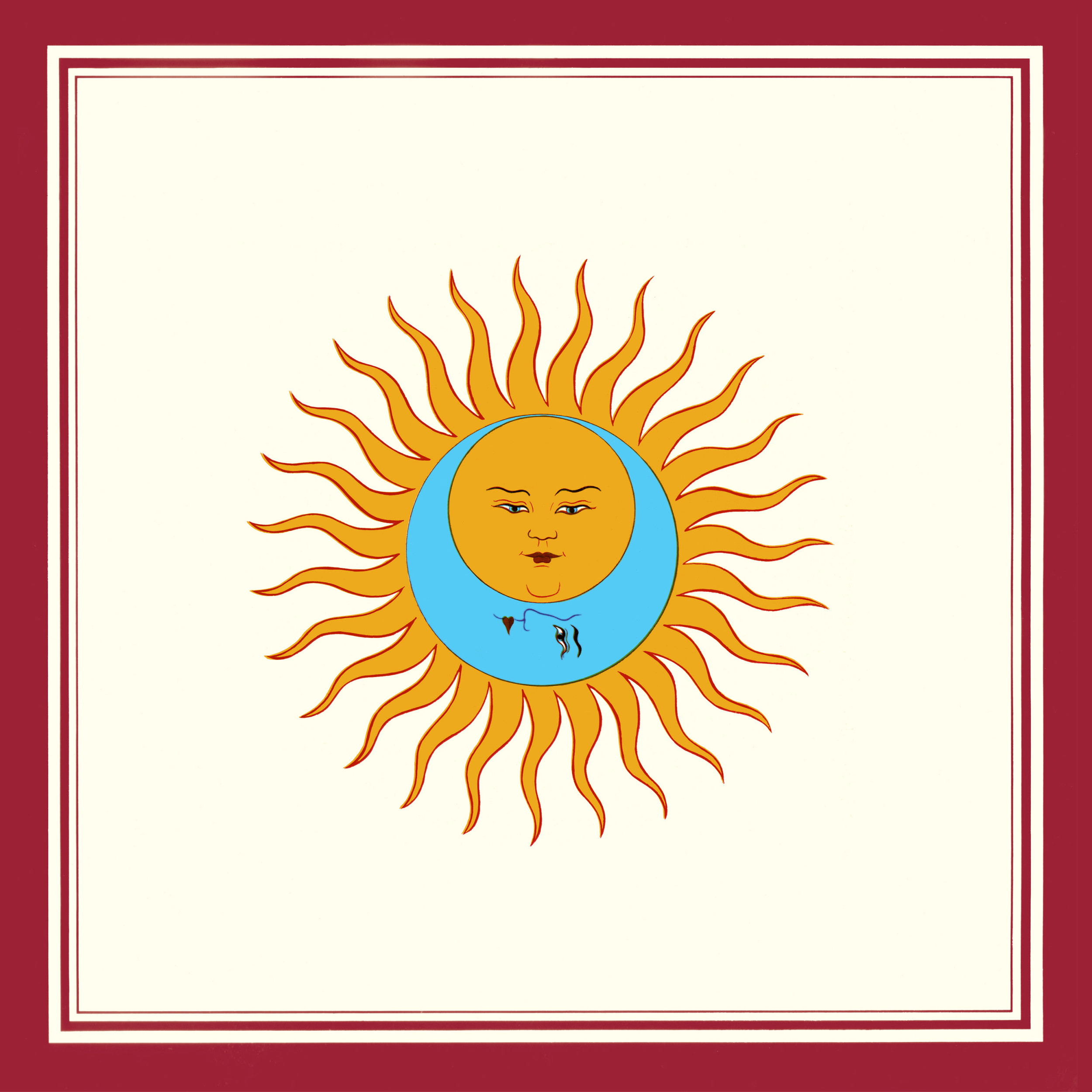
King Crimson, Larks’ Tongues in Aspic XL: Robert Fripp wasn’t kidding when he called the 1972-73 incarnation of Crimson a magic band. John Wetton on bass and Bill Bruford on drums bring the muscle; David Cross on violin and Jamie Muir on percussion add thrills in the moment. Arguably, the crunching Hendrix-meets-Stravinsky title tracks, menacing balladry of “Exiles” and improvised mojo of “The Talking Drum” set the template for the rest of KC’s career. This 2-CD/2-BluRay set includes a new spatial audio mix by (who else?) Steven Wilson, an “Elemental Mix” that spotlights individual contributions and the complete sessions for nerds like me who want to know how the sausage got made. Explosive, unstoppable stuff.

Marty Stuart and His Fabulous Superlatives, Altitude: Whether backing greats like Lester Flatt and Johnny Cash, riding his “hillbilly boogie” to a successful solo career, or charming Ken Burns’ documentary audiences, Stuart comes as close to the living personification of country music as anybody. Here he and his stellar backing band lay down some serious hoodoo: “Sitting Alone” fuses tight harmonies to a Byrdsy guitar jangle, the title track twangs with abandon, “Tomahawk” joyfully calls down the Second Coming in double time, and a hush descends for the haunting “And the Angels Came Down.” A fresh helping of Cosmic American Music as pioneered by The Grateful Dead and Gram Parsons: sleek, gutsy and deeply satisfying.

And in review, the list of my other favorite releases and reissues of the year, covered in previous Quick Takes (links are to my original articles):

Stay tuned, won’t you? With new albums due soon from Neal Morse, The Pineapple Thief, Steve Hackett, The Bardic Depths and Big Big Train (not to mention BBT’s first US tour this March), the Rockin’ Republic of Prog is ready for a banner year!

— Rick Krueger

In Concert, October 14, 2023: Bob Dylan’s Imperial Progress

I get into trouble and I hit the wall
No place to turn – no place at all
I pick a number between one and two
And I ask myself what would Julius Caesar do?

Bob Dylan, “My Own Version of You”

Shortly after Bob Dylan barked out those couplets to the audience at Grand Rapids’ DeVos Performance Hall, he answered his rhetorical question with another recent tune: “I prayed to the cross and I kissed the girls and I crossed the Rubicon”. So it was no surprise that, on a night where the 82-year-old icon genially lorded it over his band and a capacity crowd, another historical JC crept into the setlist too . . .

But let’s rewind. Hitting the stage in a black sequined suit and white hat, Dylan planted himself behind a baby grand piano and promptly dispelled any expectations of a by-the-numbers night of bygone hits. The opener was recognizable as the 1970s deep track “Watching the River Flow” — but only just. Words were stretched out, scrunched together and slurred, melodies recast on the very edge of speech, the original flowing folk song juiced up by jumpin’ R&B from the backup quintet. To top it off, Dylan took all the solos — ranging from inspired rhythmic riffs to maddeningly repeated three-note licks (the kind you played in grade-school piano duets) that occasionally locked in with the band’s chords. The message was clear: “I’m doing whatever I want with these songs tonight. Keep up.”

To their credit, Dylan’s crew did just that, with style to spare. Whether on electric or stand-up bass, long-time musical director Tony Garnier’s pulse was always squarely in the pocket; guitarists Bob Britt and Doug Lancio’s sturdy strumming kept the songs plowing forward, even when their boss pulled back on the melodies and rhythms. With the vehicle in motion, utility player Donnie Herron piled on the colorful trim — floating pedal steel guitar, countrified fiddle, sprightly mandolin. And drummer Jesse Pentecost, the newest band member, gave it all a kick in the pants, changing and chopping the grooves of every tune from Dylan’s latest album of new material, Rough and Rowdy Ways. Nothing was straight off the record: slow blues spread out into shuffles; crawling ballads shifted up a gear to more fluid tempos; the whimsical meditation “Key West (Philosopher Pirate)” turned into film noir, darkening on a dime during an ominous, reharmonized refrain. If details got lost in the roar of the journey, it proved an exhilarating ride. (And Dylan was digging it — late in the set, he introduced the band members by name, which apparently only happens when he’s in a good mood.)

Dylan proved equally daring on a relatively obscure selection of vintage tunes, taking the reinventions of this year’s live-in-studio Shadow Kingdom even farther. “I’ll Be Your Baby Tonight” careened from free-tempo intro to Little Richard stomper (complete with Jerry Lee Lewis piano glisses) to a hard-braked burlesque finale. “To Be Alone With You” got the full honky-tonk treatment, courtesy of Pentecost’s loping backbeat and Herron’s cry-in-your-beer filigree. Given the nature of the night, the biggest surprise wasn’t that Dylan’s fundamentalist calling card “Gotta Serve Somebody” cropped up as a rockabilly-flavored rhumba; it was that the only cover of the set, Chuck Berry’s “Nadine”, was played and sung absolutely straight (and garnered as much applause as anything else)!

Though I’ve gotta say the biggest kick for me was the relaxed finale: “Every Grain of Sand”, one of Dylan’s numerous farewells to whoever or whatever threatened to cramp his style over the decades. A final fruit of his evangelizing years, it proved a graceful closer for the evening, a benediction of sorts on the rapt audience, complete with Bob’s only harmonica solo of the night after the final lyrics:

I hear the ancient footsteps like the motion of the sea
Sometimes I turn, there’s someone there, other times it’s only me
I am hanging in the balance of the reality of man
Like every sparrow falling, like every grain of sand.

At which point, Bob Dylan carefully hobbled to center stage, stood there bathed in applause, smiled, and — the very embodiment of Boomer noblesse oblige — took leave of the 2,000 mere mortals before him, off to future stops on his latest imperial progress.

— Rick Krueger

Setlist:

  • Watching the River Flow
  • Most Likely You Go Your Way (And I’ll Go Mine)
  • I Contain Multitudes
  • False Prophet
  • When I Paint My Masterpiece
  • Black Rider
  • My Own Version of You
  • I’ll Be Your Baby Tonight
  • Crossing the Rubicon
  • To Be Alone with You
  • Key West (Philosopher Pirate)
  • Gotta Serve Somebody
  • I’ve Made Up My Mind to Give Myself to You
  • Nadine
  • Mother of Muses
  • Goodbye Jimmy Reed
  • Every Grain of Sand

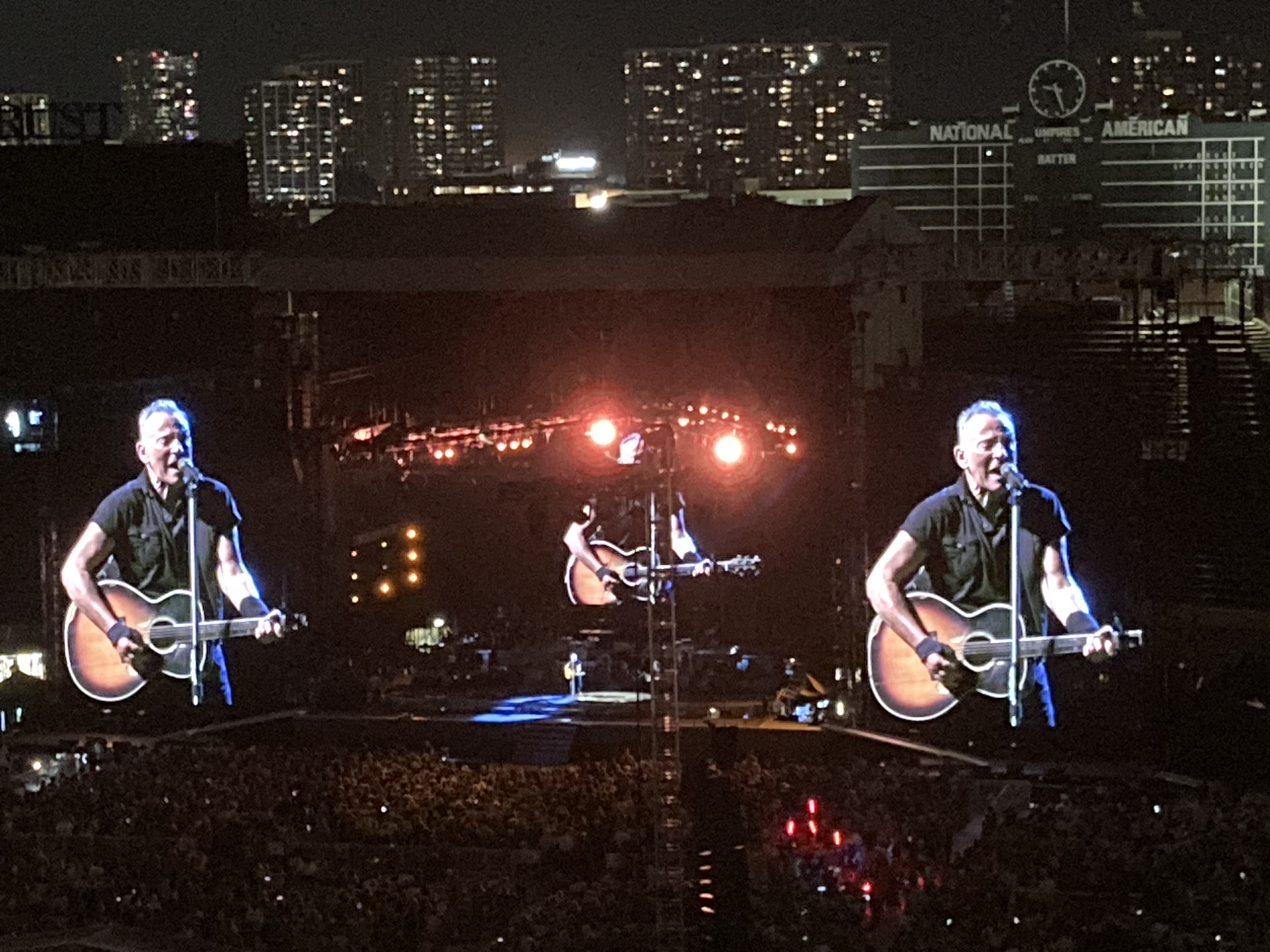
In Concert: Bruce Springsteen Proves It All Night

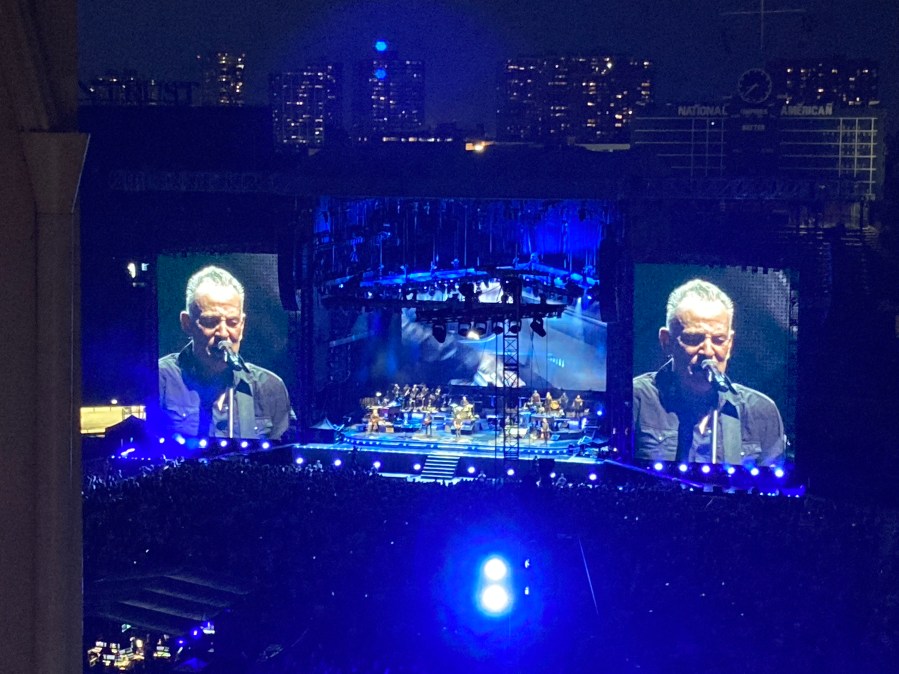
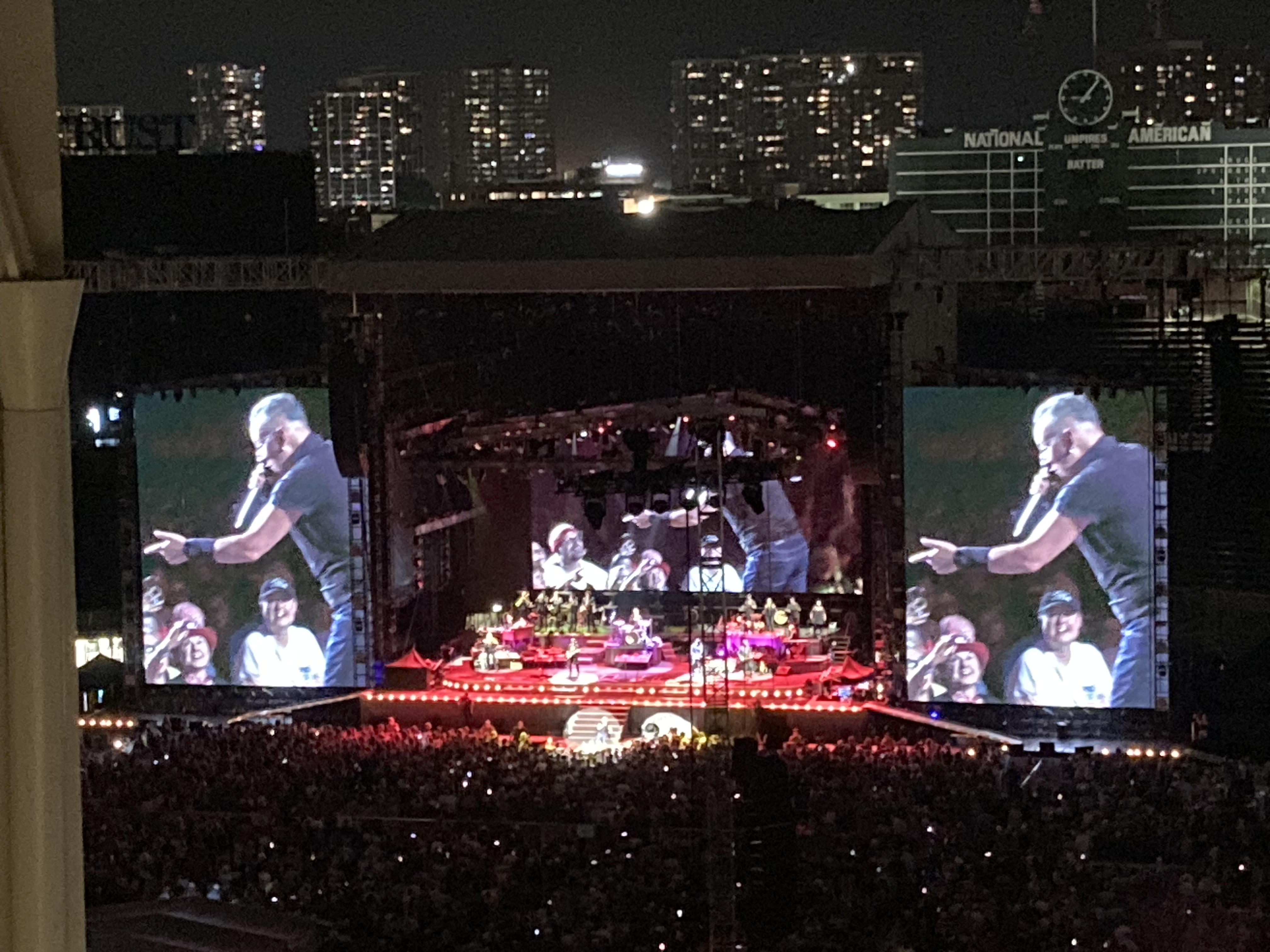
Bruce Springsteen and the E Street Band, Wrigley Field, Chicago, Illionis, August 9, 2023.

If it’s not official, it should be: since James Brown passed on, Bruce Springsteen live has to be The Hardest Working Man In Show Business.

Kicking off the second North American leg of his current world tour, Springsteen was in nonstop motion for three solid hours: counting in 26 tunes at the head of a supersized, 18-strong E Street Band — playing off wingman guitarists Stevie Van Zandt and Nils Lofgren, cueing “Mighty Max” Weinberg’s drum shots with his body, “conducting” the five-piece horn section (including featured saxman Jake Clemons), often to intentionally comic effect. And, oh yeah, he sang every lead vocal, took his share of guitar and harmonica breaks and rambled up and down multiple steps and ramps to engage the folks standing in front of the center field stage again and again. Whew!

But it isn’t just the 73-year-old Springsteen’s stamina that’s impressive; the body of work he brings onstage stacks up favorably against any classic rocker in his league. While some hardcore fans have complained of static setlists this go-round, the range and depth of what is being played would be pretty hard to beat. Almost half of second album The Wild, The Innocent And The E Street Shuffle — tunes that Bruce himself called “the soul children of the lengthly prog pieces” he’d written for a previous band; most of operatic breakout Born to Run; core songs from noir melodrama Darkness on the Edge of Town, mass culture beachhead Born in the USA and 2020’s elegiac Letter To You; and a choice cross-section from the rest of his catalog, including last year’s cover of the Commodores’ “Nightshift” (which spotlit his quartet of backing vocalists and percussionist Anthony Almonte). The 40,000-plus in attendance ate all of it up — cheering and “Brooooooce”-ing at will, dancing on the field and in the stands, singing along with everything from the monster hits to the funky Stones-alike deep track “Darlington County”. Even taking the first verse vocal of “Thunder Road” away from Springsteen while he stood there and smiled!

So there’s an alchemy at work at a Springsteen show; the fans’ determination to have a good time strikes sparks with the E Streeters’ ability to navigate endless twists and turns, stretch middle eights beyond their breaking point for maximum tension, build repeating riffs to towering heights and pile up enough false endings to make “Free Bird” seem like a punk-rock single. Presiding over it all, Bruce bounces between driven storyteller — eyes shut tight, straining as he belts out the lyrics with rough and ready voice — and genial MC — gazing out at the faithful in delight at what he’s stirred up, then turning back to his band to stoke up the fires one. More. Time!

And beyond that release, that feeling of freedom is the place where Springsteen can strike his deepest emotional vein; at the halfway point and the very end of the set, Bruce brought the volume down to address the heart of his subject matter, via solo acoustic takes on two songs that anchor Letter to You. Introducing “Last Man Standing”, dedicated to late bandmate George Theiss, he sharpened his message to a keen point: “Death’s final gift to the living is an expanded awareness of the possibilities of right now.” And after the final rave-up “Tenth Avenue Freeze-Out” incorporated video tributes to late E Streeters Danny Frederici and Clarence Clemons, “I’ll See You in My Dreams” looked ahead to what awaits us all, reveling in the memories made by those who have gone, yearning for a life beyond the grave.

It’s a paradox Springsteen has explored before, especially on his post-9/11 album The Rising. Both the title track and “Mary’s Place” were in the setlist at this show:

Meet me at Mary’s place, we’re gonna have a party
Tell me how do you live broken-hearted

“Mary’s Place”

Sometimes the best solution to the world’s pain and grief might just be a party, a timely reminder that life and love themselves are gifts. Here’s hoping the folks at Wrigley Field and on the rest of Bruce’s upcoming tour take that home truth along with them, long after their ecstatic night with Springsteen and the E Street Band has faded.

— Rick Krueger
Setlist:

  • No Surrender
  • Ghosts
  • Prove It All Night
  • Letter to You
  • The Promised Land
  • Out in the Street
  • Darlington County
  • Kitty’s Back
  • Nightshift
  • The E Street Shuffle
  • Mary’s Place
  • Johnny 99
  • Last Man Standing
  • Backstreets
  • Because the Night
  • She’s the One
  • Wrecking Ball
  • The Rising
  • Badlands
  • Thunder Road
  • Born to Run
  • Rosalita
  • Glory Days
  • Dancing in the Dark
  • Tenth Avenue Freeze-Out
  • I’ll See You in My Dreams

Rick’s Quick Takes: Summer, Part Two

Unless otherwise noted, title links are typically to Bandcamp for streaming and purchasing, or to Spotify/YouTube for streaming with a additional purchase link following the review.

First off, the triple-disc elephant in the room: the Neal Morse Band’s An Evening of Innocence & Danger: Live in Hamburg. Morse, Eric Gillette, Bill Hubauer, Randy George and Mike Portnoy deliver exactly what the title says, plowing through the NMB’s most recent conceptual opus with the added excitement of rougher vocal edges and elongated opportunities for face-melting solos. Welcome deep cuts at the end of each set plus the heady mashup encore “The Great Similitude” heat things up nicely. The band’s delight in being back in front of a transatlantic audience comes through with (sorry not sorry) flying colors. Order from Radiant Records here.

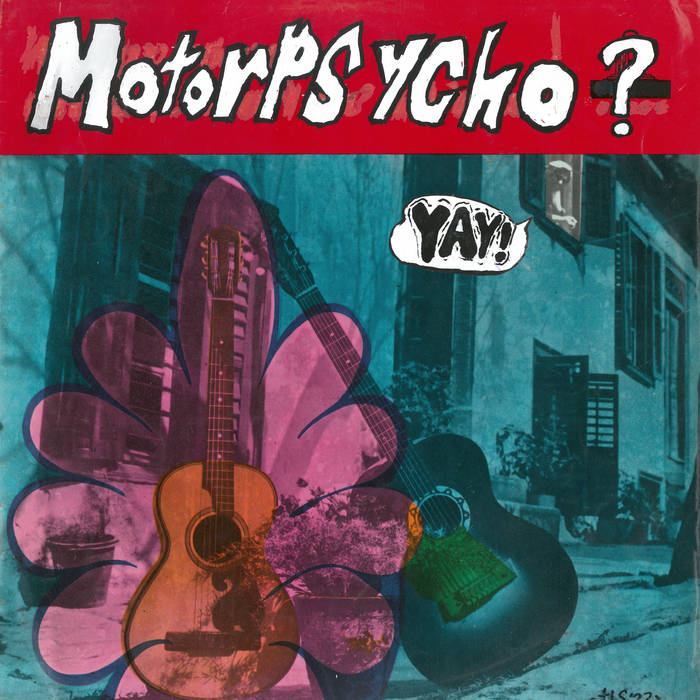
Motorpsycho, on the other hand, cools things down on their new, palindromically titled Yay! This time around, Bent Sæther, Magnus “Snah” Ryan and Tomas Järmyr back off the booming drones, steering into light acoustic textures and Laurel Canyon vocal harmonies for a fresh, intimate variation on their spiraling neopsychedelia. Even with titles like “Cold & Bored” and “Dank State (Jan ’21)”, the results are inviting and exhilarating. (And don’t worry — the band’s penchant for the long jam is alive and well on more expansive tracks like “Hotel Daedelus” and closer “The Rapture”) My favorite from this crew since 2017’s The Tower.

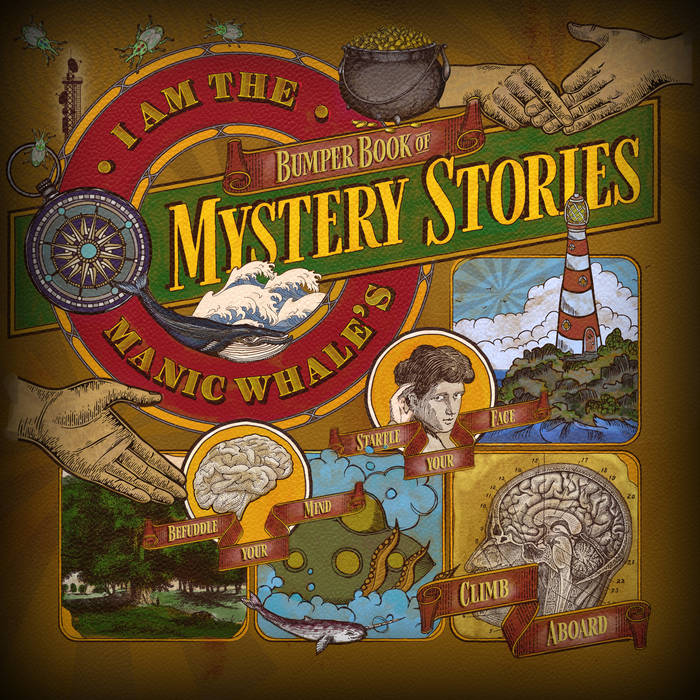
And, seconding Russell Clarke, I heartily recommend I Am the Manic Whale’s Bumper Book of Mystery Stories. Dialing down the snark of previous albums and turning up the atmospherics, it’s a thematically linked suite of veddy veddy British melodic prog vignettes engineered to thrill and disturb. Michael Whiteman and his jolly compatriots seem absolutely delighted to creep you out on “Ghost Train”, send your head spinning on “Erno’s Magic Cube”, and drag you into headlong adventure on land (“Secret Passage”), sea (“Nautilus”) and outer space (“We Interrupt This Broadcast . . .”). I felt like a kid again!

Meanwhile, Greta Van Fleet come slamming back with Starcatcher. With the polished studio sound of 2021’s The Battle of Garden’s Gate well and truly ditched, Frankenmuth, Michigan’s finest get down and dirty here, launching one ferocious rocker after another and mounting a stairway to . . . somewhere? on the trippy single “Meeting the Master.” Yeah, GVF still wear their influences on their capacious sleeves, and sometimes feel a bit inside the box for all the Kiszka brothers’ ecstatic caterwauling. But getting the Led out to Generation Z still strikes me as a worthwhile mission, and to see these young’uns keep the flame alight is all an aging rocker could ask for. Order from GVF’s webstore here.

Continue reading “Rick’s Quick Takes: Summer, Part Two”

Rick’s Quick Takes for Summer – Part One

Unless otherwise noted, title links are typically to Bandcamp for streaming and purchasing, or to Spotify for streaming with a additional purchase link where available.

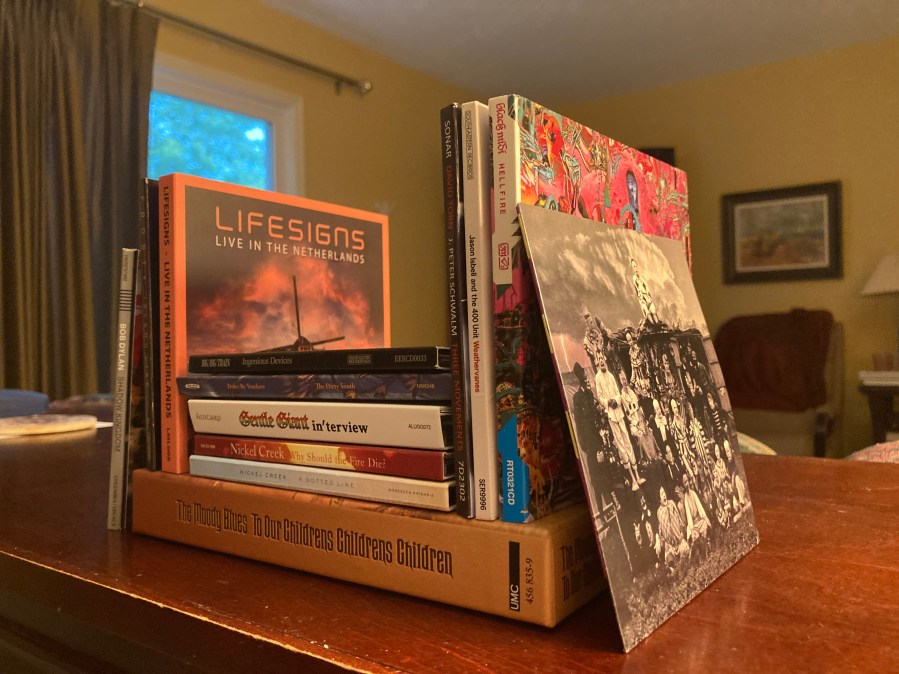
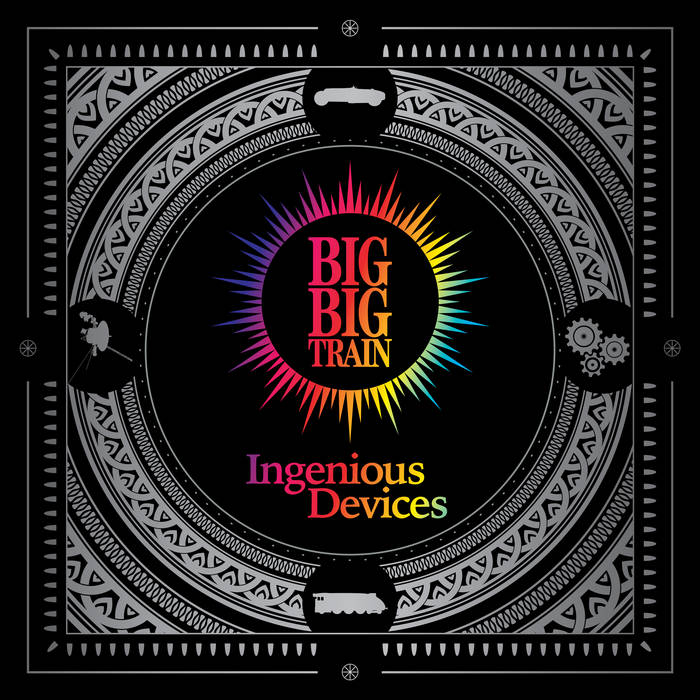
Starting with an obvious choice around these parts: Ingenious Devices proves a winning Big Big Train compilation, featuring Greg Spawton’s life-enhancing explorations of humanity’s drive to expand its reach. Vividly orchestrated reworkings of “East Coast Racer” and “Brooklands” join a remix of Grand Tour’s “Voyager” and a stirring live take of “Atlantic Cable” featuring new lead singer Alberto Bravin; the result is a fresh, vital, thoroughly moving suite of prog epics. Recommended without hesitation!

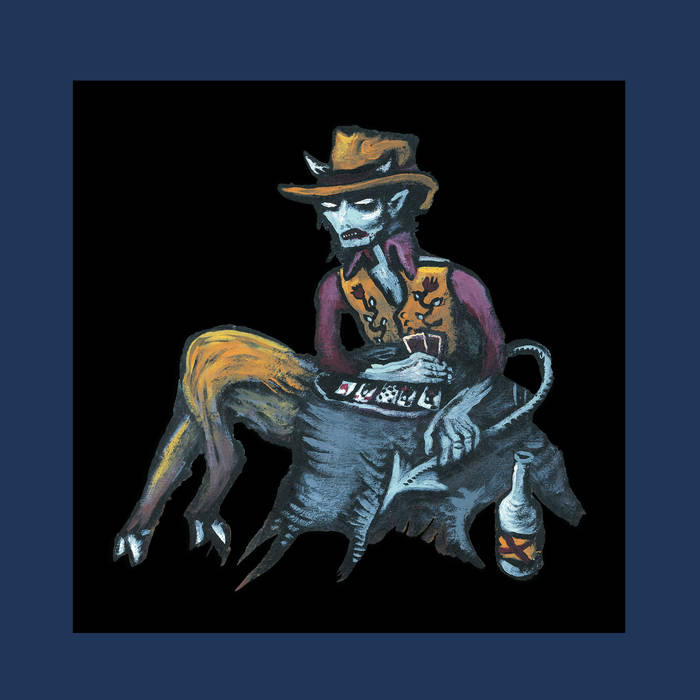
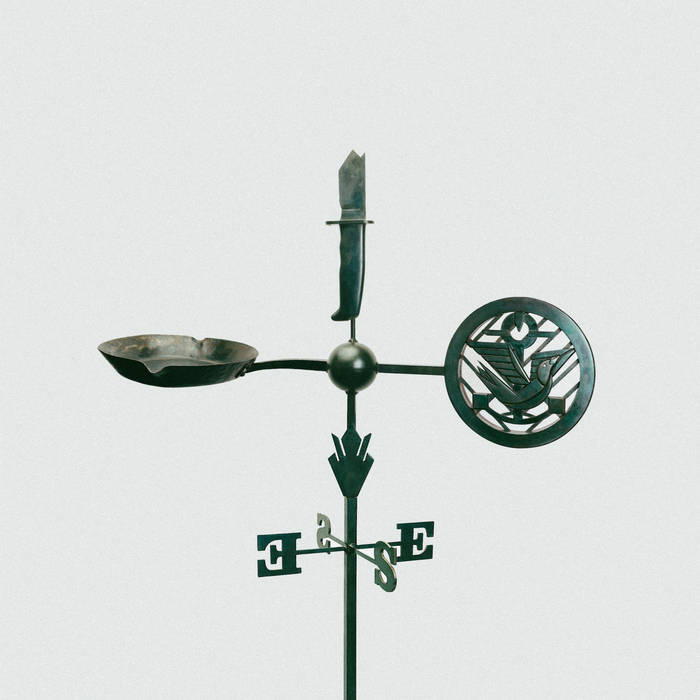
Southern rockers Drive-By Truckers have also reached back — fleshing out their classic 2004 effort as The Complete Dirty South, the double album they originally conceived. Triple-threat guitarist/songwriters Patterson Hood, Mike Cooley and Jason Isbell reel off tale after compelling tale of characters caught in desperate circumstances, torn between bad choices, clinging to vagrant hopes. Their rampaging hard-rock energy, seasoned with delicate country soul balladry, is what elevates the whole concept beyond haunted fatalism to an intense meditation on courage in the face of overwhelming odds. (Having left the DBTs in 2007, Jason Isbell continues to go from strength to strength. His brand-new effort with The 400 Unit, Weathervanes, brings tons of sharp writing and fiery playing to a clutch of deeply empathetic Americana narratives, topped with irresistible choruses and just a pinch of classic rock a la Bruce, The Byrds and Neil Young. Whatever your take on country music, you really shouldn’t miss either of these.)

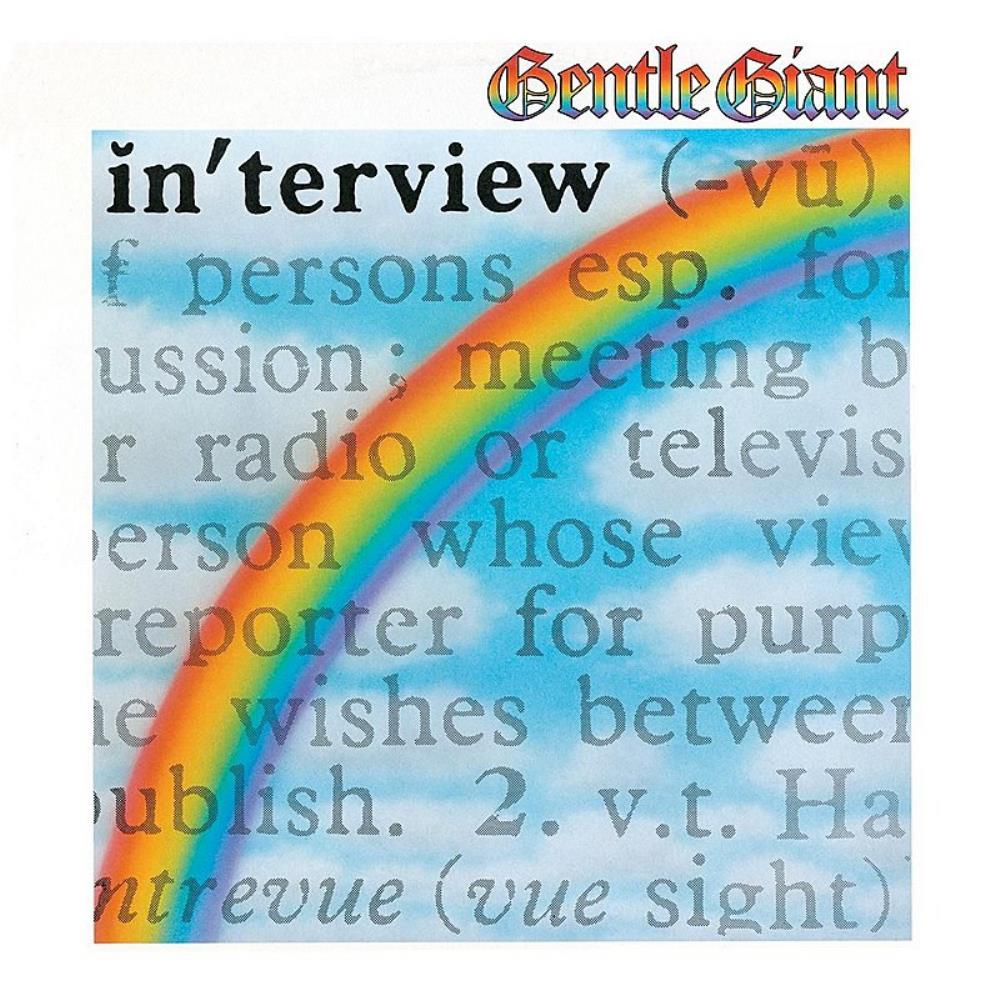
Also on the reissue front, Gentle Giant’s 1976 effort Interview now has a spruced-up, punchy remix from Steven Wilson (available here) that breezily clarifies the British quintet’s counterpoint vocals (“Design”), interweaving instrumental lines (the title track, frenetically funky closer “I Lost My Head”) and multistylistic hijinks (the unanticipated reggae chorus of “Give It Back”). The Moody Blues’ second release of 1969, To Our Children’s Children’s Children, becomes their third vintage set to get the multi-disc box treatment – though it’s only available digitally in the US. While the album proper leans toward studio psychedelia laced with wispy slow-dance tunes and the odd cabaret flourish, the bonus live tracks (including a complete set from the Royal Albert Hall) reveal the Moodies as quite the stomping rock outfit, slipping the leash on the album’s single “Gypsy,” the encore “Ride My Seesaw” and core tracks from Days of Future Passed.

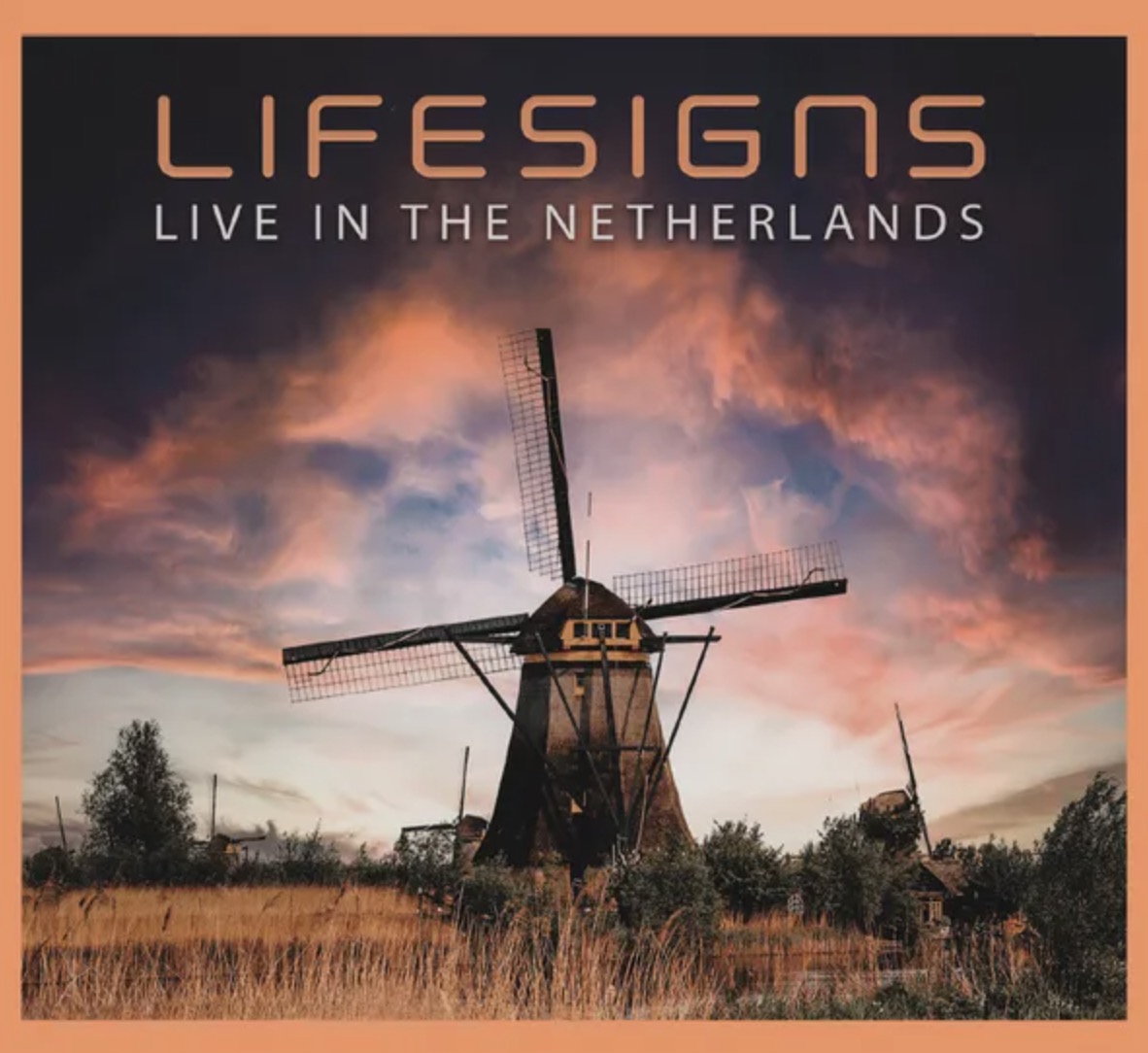
Live releases have picked up again as well. For their concert video debut Island Live (available through Magenta’s Tigermoth label), Jem Godfrey’s tech-forward quartet Frost* reap a whirlwind harvest of monumentally proportioned prog. With bassist Nathan King and drummer Craig Blundell anchoring the jumpy polyrhythms, guitarist John Mitchell and keyboardist Godfrey eagerly splatter as many unhinged solos as possible across devilishly ingenious harmonic structures, singing their hearts out all the while. (Check out a video sample here.) Prefer calmer (though no less extended) sonic voyages? Lifesigns’ Live in the Netherlands should be just the ticket. Leaning on the music from 2021’s Altitude, keyboardist/composer John Young and guitarist Dave Bainbridge prove steady hands on the wheel, soothing the soul as they scale the majestic heights of “Open Skies,” “Ivory Tower” and “Last One Home”. (One other winner from outside the genre: for a 2021 COVID-time video, Bob Dylan fused his recent rummagings amongst the blues and pre-rock vocal stylings to revitalize his vintage repertoire. The unplugged sorta-soundtrack Shadow Kingdom is the winning result; order it here.)

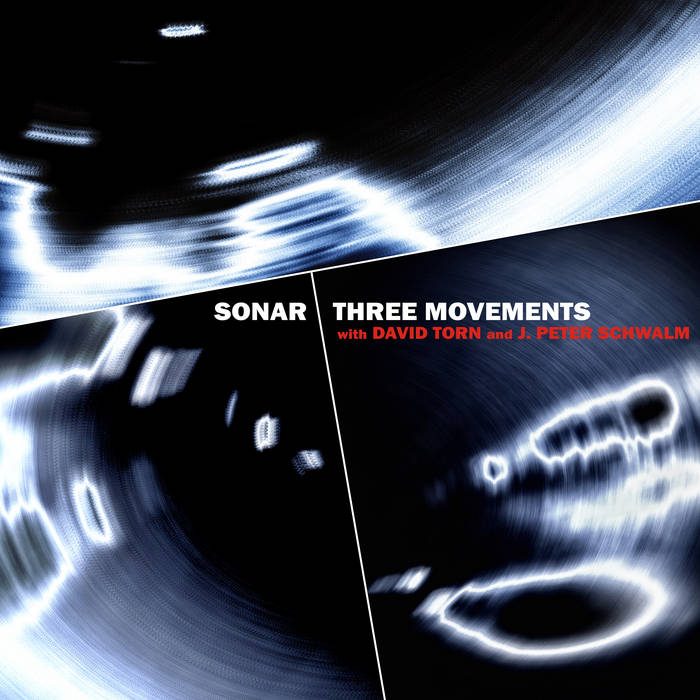
Speaking of concerts, my prep for a recent show by British “post-Brexitcore” bashers black midi included their latest album Hellfire, which hit plenty of 2022 best-of lists in and out of the prog world. A detailed live review is forthcoming; suffice to say that on record, bm’s dense, anarchic musical interaction tracks all too well with their jaundiced first-person lyrical vignettes — it’s postmodern life as absurd, unstoppable apocalypse. A welcome bonus from that concert was meeting Mike Potter, Renaissance man of the Eastern Seaboard — astrophysicist, former recording studio owner and a whiz on keys, woodwinds and vocals too! Potter’s band Alakazam has just released their fourth disc, Carnival Dawnit’s a heady conceptual effort that stirs equal parts Ray Bradbury and Stephen King into a bubbling stew garnished with ominous Mellotron, creepy clarinet and saxophone, and the wondrously deranged verbal musings of sundry evil clowns. By the pricking of my thumbs, it’s worth a listen — if you dare. And for a coolly energizing dose of order to chase the above chaos, you won’t do better than Sonar’s new Three Movements. Here Stephen Thelen and company harness a genuinely symphonic tension, building up towering rhythmic edifices that reach dizzying heights; at the climaxes, as guests David Torn on guitar and J. Peter Schwalm on electronics launch volley after volley of improvised ambience, the tension breaks, the clouds clear, and you might just hear the music of the spheres!

P.S.: in the aftermath of last month’s Nickel Creek concert, I’ve continued to delight in their back catalog. In addition to this year’s brilliant Celebrants, I especially recommend the final effort from their original run, 2005’s sprawingly eclectic Why Should the Fire Die?, and their tightly focused 2014 reunion, A Dotted Line. (Buy Nickel Creek CDs here.)

— Rick Krueger

In Concert: Brian Dunne Comes Off the Ropes

Brian Dunne with Brennan Wedl, The Pyramid Scheme, Grand Rapids Michigan, May 5, 2023.

Back when I started to read the music press in the mid-1970s, one of rock critics’ ongoing themes was “The Search for the New Bob Dylan.” Who could fill the bill? A widely-hyped superstar-in-training like Bruce Springsteen or Dire Straits’ Mark Knopfler? A fresh-faced folkie like John Prine or Steve Forbert? Or maybe Bob Dylan himself, after he: a) went acoustic again; b) went electric again; c) got divorced; or, d) got found by Jesus? The quest for an artist with that kind of potential, a unique alchemy of words, music and voice, got downright obsessive – and ended in disappointment more often than not.

Now that rock itself has taken a back seat to pop and hip-hop in mass culture — and Bob D. himself is 20-plus years into his ultimate, impressively rich comeback — “The Search for the New Dylan” has long been moribund. But if somehow it became a thing again, I’d submit New Jersey-born, Brooklyn-based Brian Dunne for consideration. On the basis of his first visit to Grand Rapids, touring behind his fourth album Loser on the Ropes, this youthful singer-songwriter is the real deal.

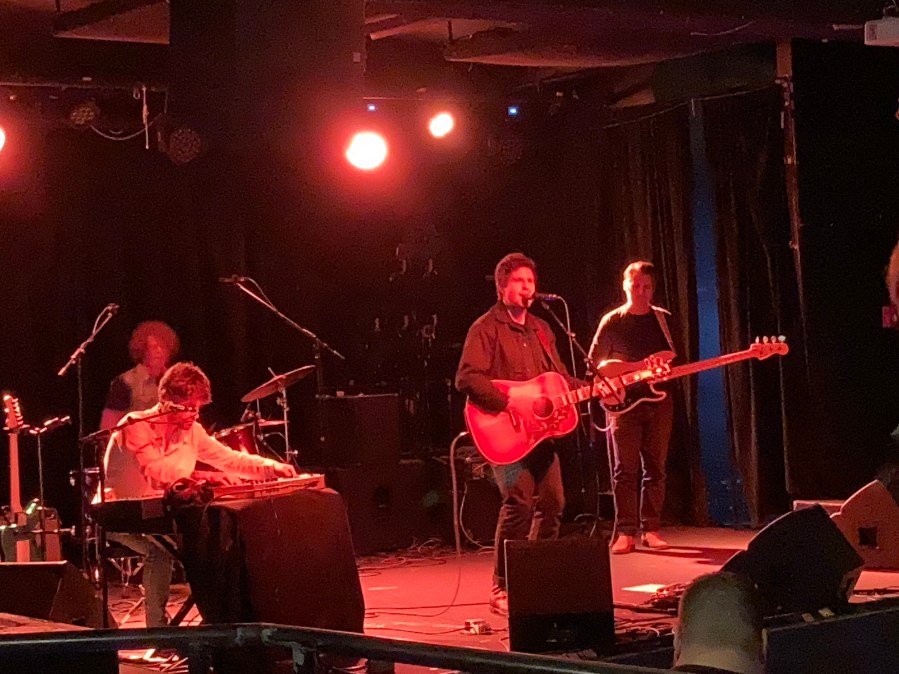
With three recruits from Brooklyn group The Tube in his corner, Dunne came out swinging: the catchy rocker “Stand Clear of the Closing Doors”, the stutter-stepping “Rockaway”, the new album’s pensive title track and the mid-tempo singalong “The Optimist” all connected solidly with the small but enthusiastic crowd. Dunne’s vivid, thoughtful lyrics — questing, skeptical, bemused, poignant all at the same time — gained force and traction riding his insistent verbal rhythms, immediate melodies, tightly constructed tunes, and direct, appealing voice. The backing band delivered consistent muscle: on guitar, keys and backing vocals, Tyler Rigdon added high harmonies, extra propulsion and Brothers in Arms/Born in the USA atmospherics; bassist Sam Gehrke locked in with a tight, solid groove; and Chris Krueger laid down an irresistible backbeat that vibrated the walls — or at least the cushions in the booth my wife and I occupied. (Full disclosure: Chris is my nephew!)

His pace firmly established and the crowd fully on his side, Dunne varied his attack, weaving in back-catalog highlights like the Mellencampish “Nothing Matters Anymore” with the band and the hushed “Chasing Down a Ghost” as a duet with opening act Brennan Wedl. Solo songs “New Tattoo” and “Taxi” set up a final full-band run, with the winning singles “Bad Luck” and “It’s A Miracle” bringing the audience to their feet and the rootsy “Fiona” (from Dunne’s collaborative side project Fantastic Cat) giving Rigdon, Gehrke and Krueger the chance to channel a bit of The Band.

Brian Dunne performs “Bad Luck” live in Grand Rapids.

Plowing into their encore without bothering to leave the stage, Dunne and his seconds delivered their final haymakers with the affecting “Sometime After This” and the rollicking “If You Wanna Stay Awhile”. All in all, an enjoyable night that sent me happily to the merch table for CDs and an autograph! If you’re looking for fresh, thoughtful songwriting that has both forthright appeal and subtle intensity, Brian Dunne’s music might just knock you out. (And check out The Tube and Brennan Wedl too!)

Links:

Set List:

  • Stand Clear of the Closing Doors
  • Rockaway
  • Loser on the Ropes
  • The Optimist
  • Walk Me Home
  • The Kids Are All Grown
  • Nothing Matters Anymore
  • Chasing Down a Ghost (with Brennan Wedl)
  • New Tattoo
  • Taxi
  • Thinking of a Place
  • Bad Luck
  • It’s a Miracle
  • Fiona (Fantastic Cat song)
  • Something to Live For
  • Sometime After This
  • If You Wanna Stay Awhile

— Rick Krueger
Rick’s Quick Takes for April

(As always, purchase links are included in the artist/title listing, with available online audio/video following.)

This month’s favorites:

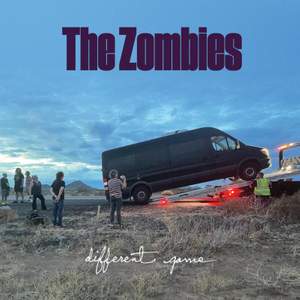
The Zombies, Different Game. Led by singer Colin Blunstone and keyboardist Rod Argent, The Zombies notched three hit singles (“She’s Not There”, “Tell Her No” & “Time of the Season”) and a noted album of psychedelia (the misspelled, wildly adored Odessey and Oracle) back in the 1960s. This fourth effort since their late-90s reunion is my unexpected album of the month: a mesmerizing mix of the Baroque, the blues, witty lyrics worthy of the Great American Songbook and pile-driving soul. Argent’s compact yet ambitious songwriting is at a peak here: check out the elegiac, Bach-meets-John Lee Hooker title track; the doo-wop harmonies of “Rediscover”; the Motown/Steely Dan workouts of “Runaway” and “Merry-Go-Round”; the forlorn, string-laden balladry of “If You Would Be My Love” and “I Want to Fly”. And Blunstone can still stir up a furious storm with his R&B-inflected shouting or calm troubled waters with his cool serenity, frequently in the same tune! Mostly cut live in the studio, this is rock classicism at its finest; don’t miss it.

Nickel Creek, Celebrants. On their first outing in nine years, the progressive bluegrass trio riffs off an unlikely source to stunning effect. Inspired by the Beach Boys’ unfinished modular masterpiece SMiLE, mandolinist Chris Thile, violinist Sara Watkins and guitarist Sean Watkins conceived this album as a suite, with songs and instrumentals interconnected by recurring melodies and lyrics. The result flows brilliantly from beginning to end, impelled by these technically formidable, yet invitingly inventive players; the music moves like a flash from supple chamber textures (“The Meadow”) to propulsive rock (“Where the Long Line Leads”), through pensive slices of life (“To the Airport”) to hard-pickin’ instrumentals (such as the widely separated bookends “Going Out . . . Despite the Weather”). And that’s to say nothing of the trio’s thrilling, acrobatic vocal work, both solo and in harmony. Nickel Creek opens my local outdoor amphitheater this summer — and I, for one, can’t wait to hear what they do with this material!

London Brew. As with so much floating in the atmosphere of early 2020, this concept (a London concert celebrating the 50th anniversary of Miles Davis’ groundbreaking fusion album Bitches Brew) mutated along with COVID-19. Instead, we got something that’s arguably better — a dozen of the hottest young British jazzers jamming for three days in the studio, inspired by Miles’ ideas but whipping up a double-length set of free playing that’s more a seething maelstrom than a reverent tribute. Saxophonists Shabaka Hutchings (Sons of Kemet, The Comet Is Coming) and Nubya Garcia are probably most familiar to American listeners. along with drummer Tom Skinner (Sons of Kemet, Radiohead side project The Smile). Their fluidly molten lines and explosive grooves are core elements of this stormy music — but so are Nick Ramm and Nikolaj Torp Larsen’s floating keyboards, Martin Terefe and Dave Okumu’s boundary-bursting guitars, Raven Bush’s arcing violin, Theon Cross’ pumping tuba, and the volatile rhythm section of Tom Herbert and Dan See. The end result spins unpredictably between open, spacious textures and unstoppable torrents of furious sound, delivering 90 minutes of inspired, spectacularly unclassifiable music that never doubles back on itself.

This month’s jazz:

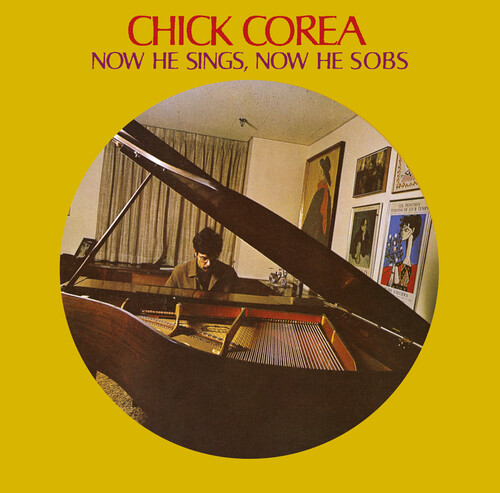
Chick Corea, Now He Sings, Now He Sobs (reissue). thanks to the no-frills Dutch reissue label Music On CD for bringing back this 1968 gem; arguably the first great album in Corea’s mind-boggling discography, it’s a near-perfect blend of lyricism and experimentation, simultaneously honoring and stretching the jazz tradition of the time. Teaming up with bassist Miroslav Vitous (later of Weather Report) and legendary drummer Roy Haynes, Corea weaves seamlessly through classic early compositions (“Matrix”, “Windows”), standards (Thelonious Monk’s “Pannonica”, “My One and Only Love”) and in-the-moment improvisations (the bulk of the original album and the additional session tracks included here). Laced with snatches of iconic Corea moments to come, this is also a solid, satisfying record in its own right.

Rickie Lee Jones, Buried Treasures. You can argue that Jones was always a jazz singer, even on her folk-inflected debut smash and her cinematic follow-up Pirates. (And hey, if Bob Dylan can sing songs made famous by Frank Sinatra . . .) Reunited with her original producer Russ Titelman and fronting a wonderfully sympathetic instrumental quartet plus horns, Jones lovingly leans into ten classic pre-rock songs, her inimitable voice gently caressing the melodies, her sparky gift for bringing the words and sentiments she sings to life blissfully intact. Hushed and intimate, but with rough edges in all the right places, Buried Treasures lives up to its title – and then some.

Rob Mazurek Exploding Star Orchestra, Lightning Dreamers. The latest from Chicago’s headily progressive jazz label International Anthem. Take trumpeter/composer Mazurek’s programmatic depictions of South American landscapes married to the free-form poetry of Damon Locks; add Gerald Cleaver and Mauricio Takara’s sturdy, hip-hop inflected percussion, Jeff Parker’s liquid post-rock guitar, and the atmospheric keys of Craig Taborn and Angelica Sanchez; then run the whole thing through a mixmaster of electronic treatments. Listen to this music with open ears, and you may come out the other side looking at the world around you with new eyes, too. A celebratory, cathartic experience.

This month’s veteran (cosmic?) rockers:

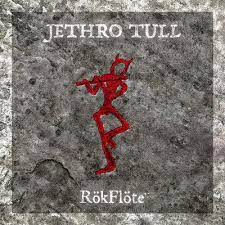
Jethro Tull, RökFlöte. After his revisionist take on the Bible on last year’s The Zealot Gene, Ian Anderson turns his gimlet eye on the old Norse gods, with 12 new songs that portray that mythology’s pantheon and flesh out present day cultural parallels — all in strict poetic meters, no less! The music is welcoming and nimble, often reminding me of classical or Celtic tunes I can’t quite place; Anderson’s flute work is wickedly sharp and his back-up band (including new guitarist Joe Parrish-James) give each tune plenty of oomph. And while Anderson can’t attack this material with the vocal gusto and range he had in Tull’s heyday, he’s learned how to cannily work with his limitations to pull the listener into each vignette. Reminiscent of the Songs from the Wood/Heavy Horses era of Tull, this will charm long-time fans while holding open possibilities for broader appeal.

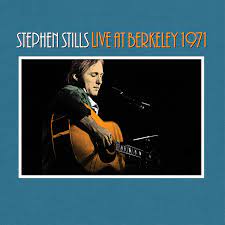
Stephen Stills, Live at Berkeley 1971. The latest fuel for my ongoing Crosby Stills Nash & Young fixation. No wonder they called Stills “Captain Many Hands”; two-thirds of this archival set feature the man holding an audience of 3,500 spellbound with just his voice, guitar, piano and banjo (oh, and David Crosby chipping in harmonies on two songs). Which makes the impact of the full band finale even stronger, as a six-piece group plus the Memphis Horns power Stills’ singing to soulful heights (while sounding remarkably proggy in the 7/4 section of the epic “Cherokee”). With impressive tunes spanning a broad spectrum of roots music and superb musicianship throughout, this set offers a valuable chance to hear a now-underrated American master at his best.

The Who with Orchestra, Live at Wembley. In 2019, I attended the first concert of Roger Daltrey and Pete Townshend’s foray into playing with a full-blown orchestra; recorded six months afterwards, this double set is now released in advance of The Who taking their symphonic show across Britain this summer. The bugs of that opening night had definitely been ironed out by the time they got to London; the orchestral backing on their “greatest hits plus a couple new tunes” set hits hard consistently, reaching majestic heights on the extended suite from Quadrophenia. And if Daltrey and Townshend’s voices are showing their age at long last, their gutsy commitment to the material triumphs over any moments that reveal the wear and tear. Still, the highlight of the show for me remains the duo’s acoustic duet on the evergreen “Won’t Get Fooled Again”, with Townshend supplying an introduction that pokes holes in any lingering political pretensions: “You provide the [expletive deleted] activism; we’ll provide the soundtrack.”

Box Set of the Month:

Blackfield, An Accident of Stars – 2004-2017. Customer service alerts first: the “limited one-time pressing” of this CD-based set, collecting Steven Wilson and Aviv Geffen’s first five albums under the Blackfield banner plus live audio and video is already sold out, though Amazon and indie stores like Michigan’s Dearborn Music are listing stray copies as available. Oh, and there’s a technical glitch with the included BluRay, which won’t play in American and Asian players. (Though purchasers can get a free replacement BluRay via press@snappermusic.co.uk) All that aside, Blackfield made a whole bunch of gorgeously doomy art pop in those 13 years, with Wilson and Geffen’s vocals adding salty, sour, spicy notes to their melancholy, string-laden soundscapes. While the debut Blackfield album is still my favorite, albums II and V really aren’t that far behind in quality – and there’s good stuff to be found on the lesser albums as well (all available individually through Burning Shed or Bandcamp). So if this piques your curiosity, go for selected highlights – or the complete set! (But be forewarned — KScope has announced a similarly limited box of early Pineapple Thief albums for June release, and a set of Wilson’s No-Man albums with Tim Bowness is rumored to be in the works. So start saving your shekels now . . .)

–Rick Krueger

Rick’s Quick Takes from March

“Delays, delays!”

Marvin the Martian, “Hare-Way to the Stars”

(A quick note: for new releases, order links are embedded in album titles; online playlists/previews/etc. follow reviews when available. For catalog albums, playlists are linked with titles.)

Once again, I get to second a positive review from Bryan — this time of Fauna, the new release from prog-metallers Haken. Wildly creative, I found this to be the British sextet’s most appealing effort since 2016’s Affinity, stirring in flavors of fusion, postmodern pop, funk, reggae, electronica and even opera alongside one heavy yet tuneful chorus after another. Whether on the short, sharp shocks of “Taurus” and “Lovebite” or the extended journeys of “Sempiternal Beings” and “Elephants Never Forget”, Ross Jennings’ vocals soar, Charlie Griffiths and Richard Henshall’s guitars crunch, Peter Jones’ keys fill what few sonic crevices remain, and rhythm section Conner Green and Raymond Hearne thunder. Play it loud — but look out for multiple, exciting curveballs on every track!

Last month also saw the release of two live albums from veteran bands who’ve made it through the pandemic back to the stage:

Van der Graaf Generator’s The Bath Forum Concert (a CD/DVD/BluRay set) documents the venerable trio’s 2022 return to action; tackling an ambitious setlist that spans their entire career, guitarist/pianist/singer Peter Hammill is as declamatory and vehement as ever, organist Hugh Banton covers the aural spectrum between cathedral and crypt, and drummer Guy Evans locks into or disrupts the grinding soundscapes as the spirit moves him. The beautifully filmed video shows VDGG working hard and watching each other, opting for the flow as they feel it rather than relying on clinical precision; warts and all, this is refreshingly in the moment, a strong show that captures the band’s existential angst and humanistic idealism in full.
Two years after their 2020 Far Eastern tour collapsed around them, King Crimson satellite band Stick Men returned to Japan and blew away any cobwebs that might have accumulated at Osaka’s BB Live venue. The resulting album Umeda showcases avant guitarist Markus Reuter, multi-bassist Tony Levin and percussionist Pat Mastelotto at their aggressive, angular best; whether on long-standing improvisational frameworks “Cusp”, “Schattenhaft” and “Swimming in Tea”, newer compositions “Ringtone”, “Tentacles” and “Danger in the Workplace” or Crimson classics “Red”, “Larks’ Tongues in Aspic Pt. II” or “The Sheltering Sky”, these guys are frighteningly good, whether working up a hair-raising din or backing off for spacey, unexpectedly lush interludes. A great introduction for newbies and a must for fans.

Plus, in February and March the recorded music industry resumed cranking out deluxe box set reissues and compilations — apparently the market of Boomers (like me) with more money than sense isn’t tapped out yet:

Continue reading “Rick’s Quick Takes from March”

Rick’s Quick Takes for August

It’s been another excellent month for new music. So let’s just cut to the chase, shall we? Purchase links are embedded in the artist/title listing; playlists or video samplers follow each review.

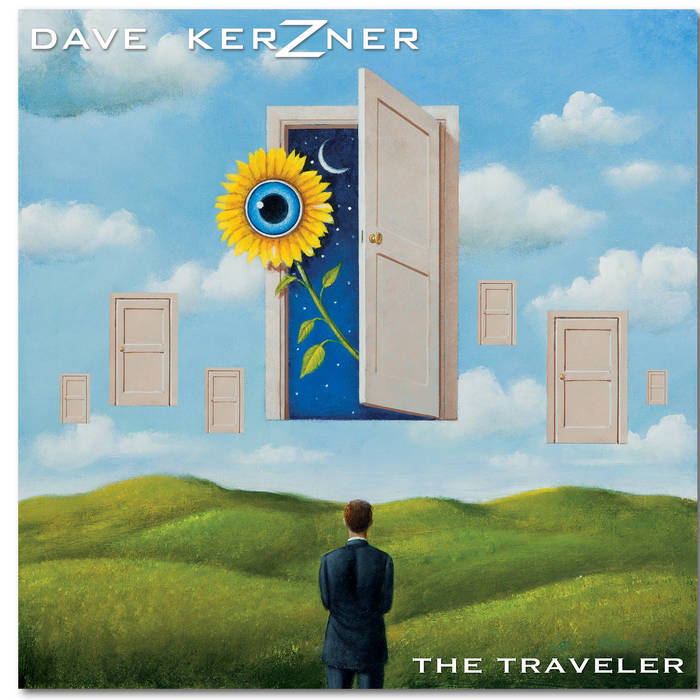
Dave Kerzner, The Traveler: A third concept album from Kerzner, continuing the through line of New World and Static (with nods to In Continuum’s Acceleration Theory lurking about as well). The opener “Another Lifetime” sets out this record’s remarkable strengths: confident, appealing songwriting with hooky yet sophisticated melodies and structures; Kerzner’s best, widest ranging vocals to date; and the perfectly judged contributions of Fernando Perdomo on guitar, Joe Deninzon on violin, Ruti Celli on cello and Marco Minneman on drums (only a smattering of the stellar guest list here). The dry, forward sound and the copious use of vintage keyboards on tunes like “A Time In Your Mind” evokes early-80s Genesis at times (since Kerzner got those keyboards from Tony Banks, no real surprise there), but the power ballad “Took It For Granted” and the closing suite framed by the two parts of “Here and Now” show Kerzner moving his character’s story forward while striking out in fresh musical directions like the sunshine guitar pop of “A Better Life”. Overall, Kerzner exhibits a lighter touch here, and The Traveler is the better for it; by letting his new songs sell themselves and keeping proceedings to the point, he both satisfies us and leaves us wanting more. After repeated listens, this one’s already on my “favorites of ’22” list!

Lonely Robot, A Model Life: John Mitchell has had a rough last few years, and he doesn’t care who knows it. In the wake of a global pandemic, the collapse of a long-term relationship, and a confrontation with his deepest doubts and fears, Mitchell’s done what he does best: slip into his Lonely Robot persona and pour it all out in a fine set of laterally structured, elegantly crafted, fearlessly emotional songs. Writing, singing and playing (especially in his rekindled relationship with the guitar solo) at peak inspiration, Mitchell lays the ghost of his former love (the nervy “Recalibrating”, the forlorn “Mandalay”), skewers our mad world (“Digital God Machine” and “Island of Misfit Toys”), mourns ways of lives and times now in the rearview mirror (the breathtaking ballad “Species in Transition”, the crunching elegy “Starlit Stardust”), and ponders how and why he became who he is (the brilliant final run of “Rain Kings”, “Duty of Care”, “In Memoriam”). Easily his best work under the Lonely Robot banner, Mitchell wears his heart on his sleeve and plays to the gallery at the same time; this is an outright spectacular effort that’s got both all the feels and all the chops. (Check out our latest interview with John Mitchell here.)

Motorpsycho, Ancient Astronauts: the kings of Norwegian drone-prog continue their enviable hot streak on their fifth album in six years. “We’re all a little bit insane,” Bent Saether chirps on the opener “The Ladder”, and as the track spirals upward, mingling the howl of Hans Magnus Ryan’s guitar and Saether’s darkly glimmering Mellotron, you believe him. The edgily abstract interlude “The Flower of Awareness” cleanses the palette for a Crimsonesque workout on “Mona Lisa/Azrael”; Ryan builds towering edifices of distortion over a trademark Saether riff, as drummer Tomas Jarmyr matches their ebb and flow all the way through the shuddering climax and the slo-mo collapse. Astonishingly, all this just serves as prologue to the “Chariot of the Sun: To Phaeton on the Occasion of the Sunrise (Theme from an Imagined Movie)” It’s as if Motorpsycho’s brief for this 22-minute finale was to rival “La Villa Strangiato” in both range and focus; gentle strumming and wordless vocals give way to more menacing bass riffs, fuzz guitar deployed in duet and counterpoint, feral percussive cross-rhythms. It all mounts to multiple climaxes (a mighty unison riff, ominous post-rock minimalism) that circle back to end with the melancholy lyricism that kicked it all off. Ancient Astronauts is a genuinely thrilling ride; strap in and brace yourself for liftoff.

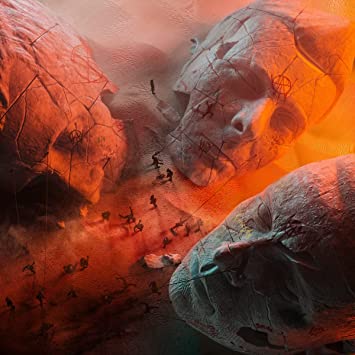
Muse, Will of the People: they’re baaack!!!!!! And as usual, Matt Bellamy, Chris Wolstenholme and Dominic Howard earn every one of those exclamation points. The guitars and drums are turned up to 12, the classical keyboard licks pack double the bombast (including a Bach “Toccata and Fugue” steal), the electronica wallows in creepshow kitsch, the vacuum-packed harmonies are piled even higher, and the gang chants are bellowed louder than ever. All this sound and fury portrays a world on the brink, an elite obsessed with control, and a populace angry that the game is rigged. Still, it’s hard to know who Bellamy is rooting for; at times, his lyrics and driven singing seem equally repulsed by both the leaders (“Compliance”, Kill or Be Killed”) and the led (the title track and “Euphoria”). But in the end, this is quite the slamming album; if you’re in the mood for existential desperation set to one badass, air-guitarable riff and singalong chorus after another — and these days, who isn’t? — this just may be your ticket. Might want to only play that obscenity-laden final track when no one else is around, though.

Continue reading “Rick’s Quick Takes for August”

Boz Scaggs & Robert Cray in Concert – Two from Out of the Blues

Boz Scaggs with the Robert Cray Band and Jeff LeBlanc, Meijer Gardens Amphitheater, Grand Rapids Michigan, August 22, 2022.

Fair warning: there was absolutely nothing prog about this show. And there didn’t have to be — my wife, my friends and I got the good time vibes we came for, along with about 2000 other locals, if sometimes from some unexpected directions.

Case in point: opening act Jeff LeBlanc. (All together now: “Who?”) A solo act like many others: one guy with his guitars, a way with catchy melodies that you might hear over the PA system at a place like Walgreens (he said it, not me!) and great taste in covers. Pulling out hometowner Al Green’s soul classic “Let’s Stay Together” as his third tune, he had the crowd firmly on his side by the end of his 15-minute set. If LeBlanc’s music is a bit anonymous, his affable stage presence still provided a great way to ease us into the evening.

Then, the Robert Cray Band took the stage for a absorbing hour of down home goodies. While Cray caught the attention of the 1980s blues scene on guitar, and still showcases great 12-bar tunes like the claustrophobic “Phone Booth” in his set, his singing and songwriting have always had broader horizons, stretching into R&B, soul and beyond. Supported by Les Falconer’s solid drumming, Richard Cousins’ booming bass and Dover “White Cliff” Weinberg’s idiomatic organ work, Cray powered through captivating originals like “Anything You Want”, “I Guess I Showed Her” and the humorous, instrumental Booker T homage “Hip Tight Onions”, singing and playing his heart out even with the sun in his eyes. But it was on quiet tunes such as “I Shiver” and the closer “Time Makes Two” that Cray really impressed, bringing his arresting solo breaks down to near silence and taking the rowdy audience with him. The standing ovation at the end — for a man who didn’t even play his biggest hit, “Smoking Gun” — showed that everyone with ears to hear knew they had just seen a master at work.

Then it was time for Boz Scaggs — sauntering into the spotlight with his six-piece backing band on front of a crowd that expected the hits and wound up getting more than they bargained for. Sure, Scaggs kicked off with “What Can I Say” — the opening track from his smash album Silk Degrees — then kept the slick, disco-edged soul of that record going with hit-radio favorites like “JoJo” and “Lowdown”. But he also dove into his most recent, rootsy effort Out of the Blues with tracks like the gritty “Rock and Stick”, Don Robey’s lush “The Feeling Is Gone” and the piledriving “Radiator 110”. Not to mention his own drop-dead gorgeous ballads “Harbor Lights” and “Look What You’ve Done to Me” (the cue for couples to snuggle as darkness fell and the temperature dropped). Through it all, Scaggs’ laconic, behind-the-beat singing and his effortless falsetto work revealed another master, who’d come through his flash of fame to the decades beyond, with his chops and his instincts for what makes great music intact.

Throughout, Eric Crystal shone on saxes and melodica, as well as utility keys and guitar; Mike Logan laid down smooth, supple work on organ, synths and electric piano; guitarist Mike Miller and legendary bassist Willie Weeks proved that the right few notes equal maximum groove; and a great drummer/percussionist duo (whose names I didn’t catch — your contributions are welcome!) not only kept the rhythms percolating, but joined with Logan to nail the high backing vocals that gave Scaggs’ hits some of their glossy sheen.

And, unsurprisingly for folks who delved deeper than those hits, Scaggs and the band could rock, too! Not only did Silk Degrees’ deep cut “Georgia” and the set closer “Lido Shuffle” roar out of the starting blocks, the band came back for encores “It’s Over” and Chuck Berry’s “You Never Can Tell” ready to rumble, with Crystal duckwalking across the stage and Miller ripping off some spellbinding leads. Then, acknowledging the rowdy, wildly applauding audience (“You guys play rough!”) and pushing against the township’s noise ordinance, Scaggs belted out the fiercest song of the night, “Breakdown Dead Ahead”, for a perfectly chosen finale.

To some extent, the careers of both Scaggs (even in the wake of his success) and Cray suffered from the change in American radio that happened in the late 1970s and early 1980s, when rock stations corporatized and honed their playlists to focus on Album-Oriented Rock. In the process they dumped the prog epics this site focuses on — but they also dropped anything that even paid homage to black music like the proverbial hot potato. (I’d heard at least a third of Scaggs’ setlist on Detroit rock radio back in the day — but only up till about 1979. After that, crickets.) So it’s possible Scaggs and Cray might have been bigger back in the day; but given the rapt reception they received this past Monday night, people seem realize that, whatever fruits of fame might have eluded these artists over the years, they still deliver the goods.

— Rick Krueger