Rick’s Quick Takes for Summer – Part One

Unless otherwise noted, title links are typically to Bandcamp for streaming and purchasing, or to Spotify for streaming with a additional purchase link where available.

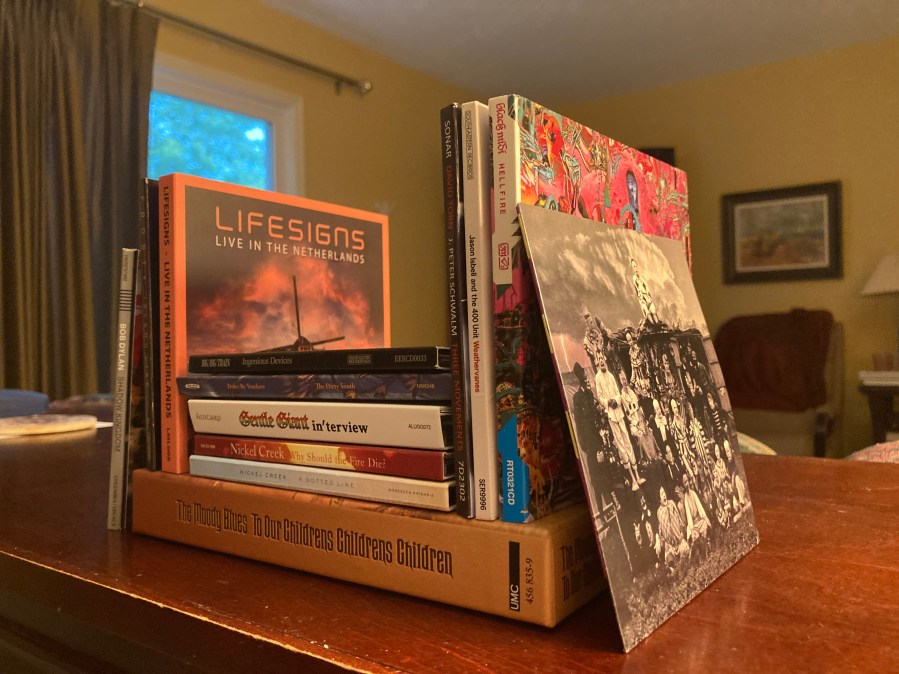
Starting with an obvious choice around these parts: Ingenious Devices proves a winning Big Big Train compilation, featuring Greg Spawton’s life-enhancing explorations of humanity’s drive to expand its reach. Vividly orchestrated reworkings of “East Coast Racer” and “Brooklands” join a remix of Grand Tour’s “Voyager” and a stirring live take of “Atlantic Cable” featuring new lead singer Alberto Bravin; the result is a fresh, vital, thoroughly moving suite of prog epics. Recommended without hesitation!
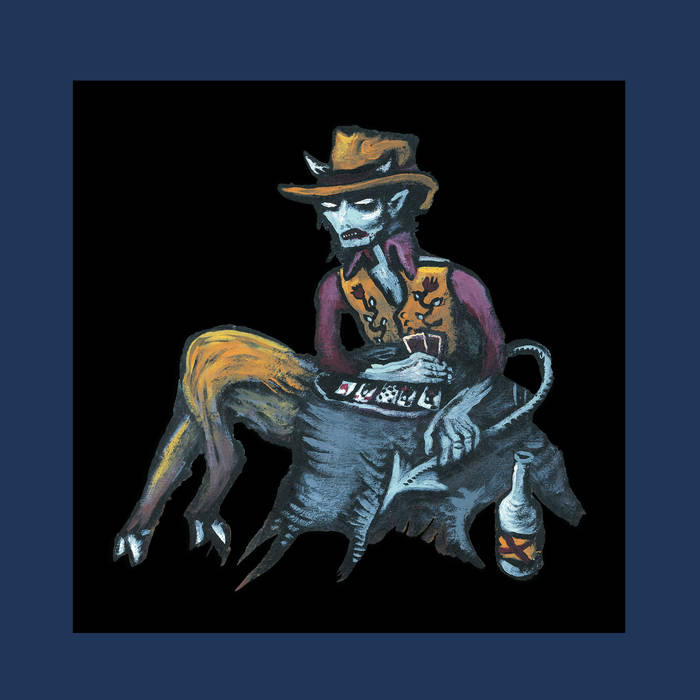
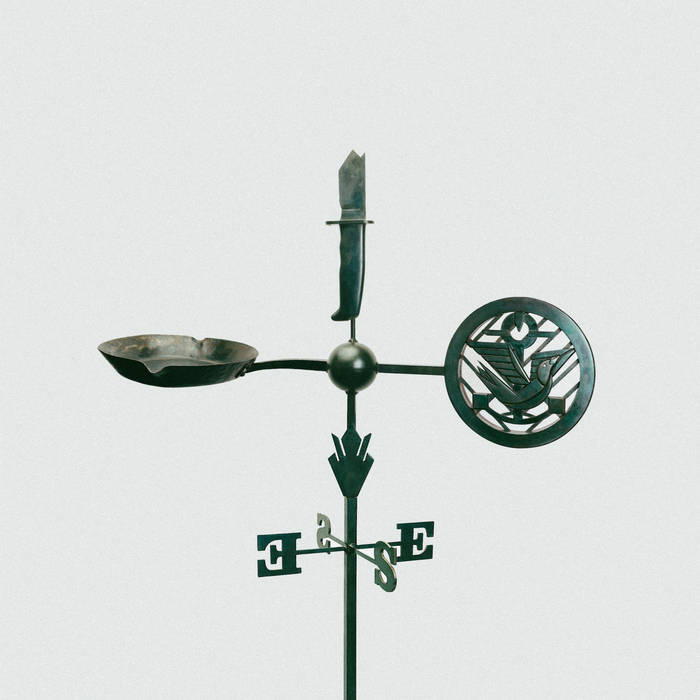
Southern rockers Drive-By Truckers have also reached back — fleshing out their classic 2004 effort as The Complete Dirty South, the double album they originally conceived. Triple-threat guitarist/songwriters Patterson Hood, Mike Cooley and Jason Isbell reel off tale after compelling tale of characters caught in desperate circumstances, torn between bad choices, clinging to vagrant hopes. Their rampaging hard-rock energy, seasoned with delicate country soul balladry, is what elevates the whole concept beyond haunted fatalism to an intense meditation on courage in the face of overwhelming odds. (Having left the DBTs in 2007, Jason Isbell continues to go from strength to strength. His brand-new effort with The 400 Unit, Weathervanes, brings tons of sharp writing and fiery playing to a clutch of deeply empathetic Americana narratives, topped with irresistible choruses and just a pinch of classic rock a la Bruce, The Byrds and Neil Young. Whatever your take on country music, you really shouldn’t miss either of these.)
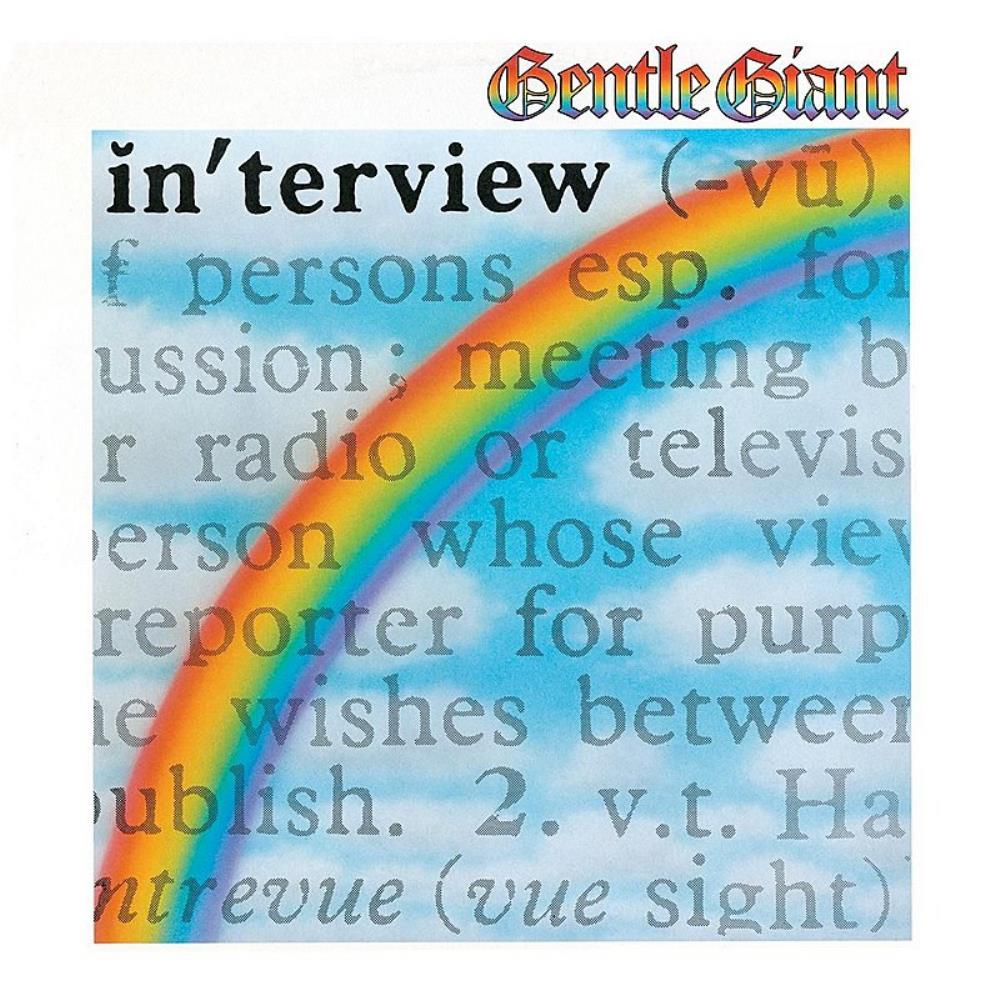
Also on the reissue front, Gentle Giant’s 1976 effort Interview now has a spruced-up, punchy remix from Steven Wilson (available here) that breezily clarifies the British quintet’s counterpoint vocals (“Design”), interweaving instrumental lines (the title track, frenetically funky closer “I Lost My Head”) and multistylistic hijinks (the unanticipated reggae chorus of “Give It Back”). The Moody Blues’ second release of 1969, To Our Children’s Children’s Children, becomes their third vintage set to get the multi-disc box treatment – though it’s only available digitally in the US. While the album proper leans toward studio psychedelia laced with wispy slow-dance tunes and the odd cabaret flourish, the bonus live tracks (including a complete set from the Royal Albert Hall) reveal the Moodies as quite the stomping rock outfit, slipping the leash on the album’s single “Gypsy,” the encore “Ride My Seesaw” and core tracks from Days of Future Passed.

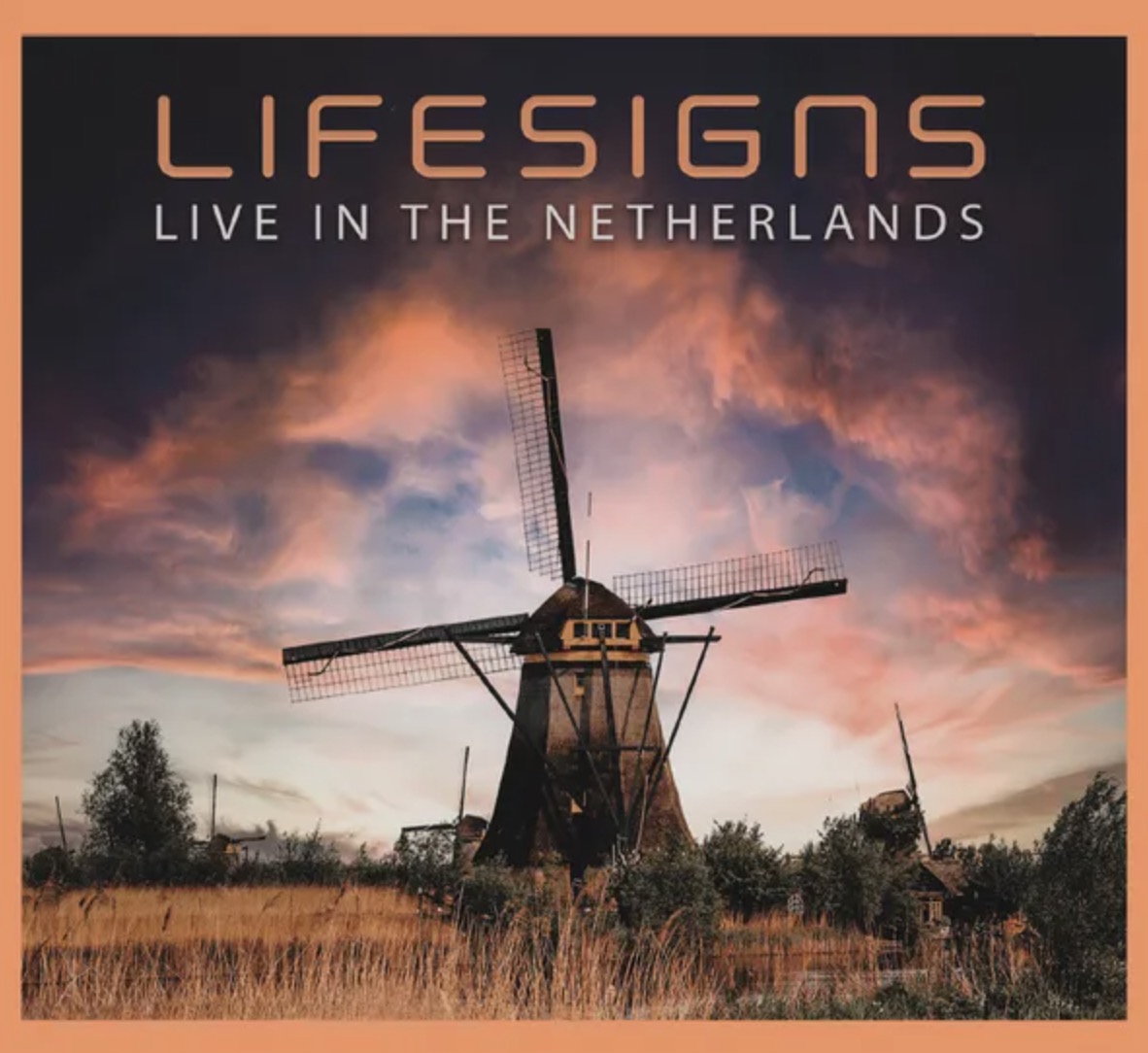
Live releases have picked up again as well. For their concert video debut Island Live (available through Magenta’s Tigermoth label), Jem Godfrey’s tech-forward quartet Frost* reap a whirlwind harvest of monumentally proportioned prog. With bassist Nathan King and drummer Craig Blundell anchoring the jumpy polyrhythms, guitarist John Mitchell and keyboardist Godfrey eagerly splatter as many unhinged solos as possible across devilishly ingenious harmonic structures, singing their hearts out all the while. (Check out a video sample here.) Prefer calmer (though no less extended) sonic voyages? Lifesigns’ Live in the Netherlands should be just the ticket. Leaning on the music from 2021’s Altitude, keyboardist/composer John Young and guitarist Dave Bainbridge prove steady hands on the wheel, soothing the soul as they scale the majestic heights of “Open Skies,” “Ivory Tower” and “Last One Home”. (One other winner from outside the genre: for a 2021 COVID-time video, Bob Dylan fused his recent rummagings amongst the blues and pre-rock vocal stylings to revitalize his vintage repertoire. The unplugged sorta-soundtrack Shadow Kingdom is the winning result; order it here.)
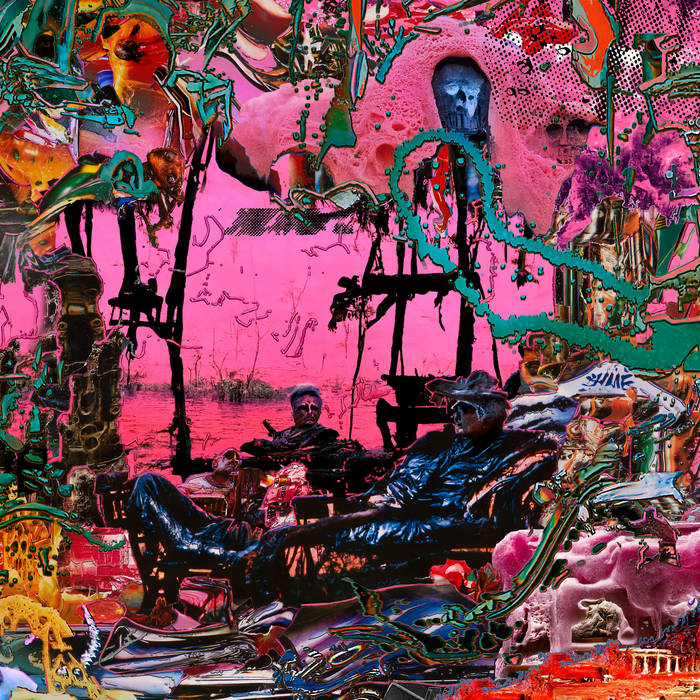
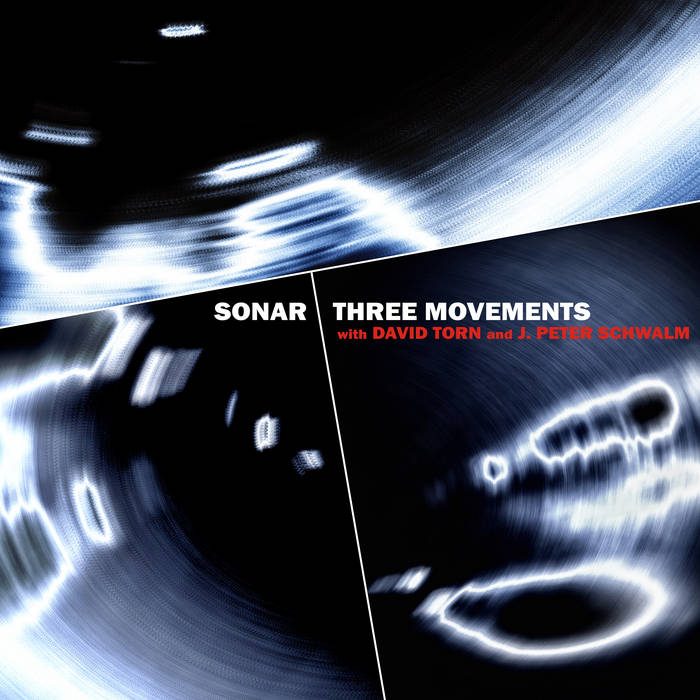
Speaking of concerts, my prep for a recent show by British “post-Brexitcore” bashers black midi included their latest album Hellfire, which hit plenty of 2022 best-of lists in and out of the prog world. A detailed live review is forthcoming; suffice to say that on record, bm’s dense, anarchic musical interaction tracks all too well with their jaundiced first-person lyrical vignettes — it’s postmodern life as absurd, unstoppable apocalypse. A welcome bonus from that concert was meeting Mike Potter, Renaissance man of the Eastern Seaboard — astrophysicist, former recording studio owner and a whiz on keys, woodwinds and vocals too! Potter’s band Alakazam has just released their fourth disc, Carnival Dawnit’s a heady conceptual effort that stirs equal parts Ray Bradbury and Stephen King into a bubbling stew garnished with ominous Mellotron, creepy clarinet and saxophone, and the wondrously deranged verbal musings of sundry evil clowns. By the pricking of my thumbs, it’s worth a listen — if you dare. And for a coolly energizing dose of order to chase the above chaos, you won’t do better than Sonar’s new Three Movements. Here Stephen Thelen and company harness a genuinely symphonic tension, building up towering rhythmic edifices that reach dizzying heights; at the climaxes, as guests David Torn on guitar and J. Peter Schwalm on electronics launch volley after volley of improvised ambience, the tension breaks, the clouds clear, and you might just hear the music of the spheres!

P.S.: in the aftermath of last month’s Nickel Creek concert, I’ve continued to delight in their back catalog. In addition to this year’s brilliant Celebrants, I especially recommend the final effort from their original run, 2005’s sprawingly eclectic Why Should the Fire Die?, and their tightly focused 2014 reunion, A Dotted Line. (Buy Nickel Creek CDs here.)

— Rick Krueger
Rick’s Quick Takes for August

It’s been another excellent month for new music. So let’s just cut to the chase, shall we? Purchase links are embedded in the artist/title listing; playlists or video samplers follow each review.

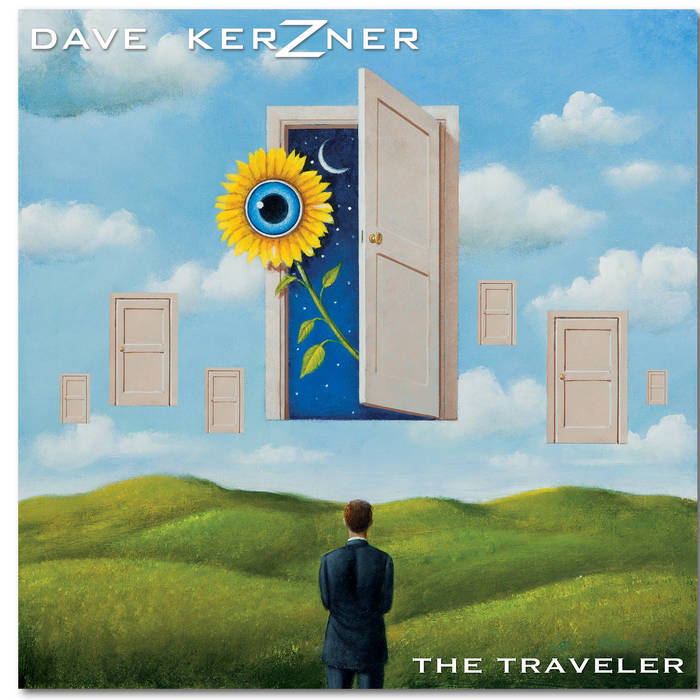
Dave Kerzner, The Traveler: A third concept album from Kerzner, continuing the through line of New World and Static (with nods to In Continuum’s Acceleration Theory lurking about as well). The opener “Another Lifetime” sets out this record’s remarkable strengths: confident, appealing songwriting with hooky yet sophisticated melodies and structures; Kerzner’s best, widest ranging vocals to date; and the perfectly judged contributions of Fernando Perdomo on guitar, Joe Deninzon on violin, Ruti Celli on cello and Marco Minneman on drums (only a smattering of the stellar guest list here). The dry, forward sound and the copious use of vintage keyboards on tunes like “A Time In Your Mind” evokes early-80s Genesis at times (since Kerzner got those keyboards from Tony Banks, no real surprise there), but the power ballad “Took It For Granted” and the closing suite framed by the two parts of “Here and Now” show Kerzner moving his character’s story forward while striking out in fresh musical directions like the sunshine guitar pop of “A Better Life”. Overall, Kerzner exhibits a lighter touch here, and The Traveler is the better for it; by letting his new songs sell themselves and keeping proceedings to the point, he both satisfies us and leaves us wanting more. After repeated listens, this one’s already on my “favorites of ’22” list!

Lonely Robot, A Model Life: John Mitchell has had a rough last few years, and he doesn’t care who knows it. In the wake of a global pandemic, the collapse of a long-term relationship, and a confrontation with his deepest doubts and fears, Mitchell’s done what he does best: slip into his Lonely Robot persona and pour it all out in a fine set of laterally structured, elegantly crafted, fearlessly emotional songs. Writing, singing and playing (especially in his rekindled relationship with the guitar solo) at peak inspiration, Mitchell lays the ghost of his former love (the nervy “Recalibrating”, the forlorn “Mandalay”), skewers our mad world (“Digital God Machine” and “Island of Misfit Toys”), mourns ways of lives and times now in the rearview mirror (the breathtaking ballad “Species in Transition”, the crunching elegy “Starlit Stardust”), and ponders how and why he became who he is (the brilliant final run of “Rain Kings”, “Duty of Care”, “In Memoriam”). Easily his best work under the Lonely Robot banner, Mitchell wears his heart on his sleeve and plays to the gallery at the same time; this is an outright spectacular effort that’s got both all the feels and all the chops. (Check out our latest interview with John Mitchell here.)

Motorpsycho, Ancient Astronauts: the kings of Norwegian drone-prog continue their enviable hot streak on their fifth album in six years. “We’re all a little bit insane,” Bent Saether chirps on the opener “The Ladder”, and as the track spirals upward, mingling the howl of Hans Magnus Ryan’s guitar and Saether’s darkly glimmering Mellotron, you believe him. The edgily abstract interlude “The Flower of Awareness” cleanses the palette for a Crimsonesque workout on “Mona Lisa/Azrael”; Ryan builds towering edifices of distortion over a trademark Saether riff, as drummer Tomas Jarmyr matches their ebb and flow all the way through the shuddering climax and the slo-mo collapse. Astonishingly, all this just serves as prologue to the “Chariot of the Sun: To Phaeton on the Occasion of the Sunrise (Theme from an Imagined Movie)” It’s as if Motorpsycho’s brief for this 22-minute finale was to rival “La Villa Strangiato” in both range and focus; gentle strumming and wordless vocals give way to more menacing bass riffs, fuzz guitar deployed in duet and counterpoint, feral percussive cross-rhythms. It all mounts to multiple climaxes (a mighty unison riff, ominous post-rock minimalism) that circle back to end with the melancholy lyricism that kicked it all off. Ancient Astronauts is a genuinely thrilling ride; strap in and brace yourself for liftoff.

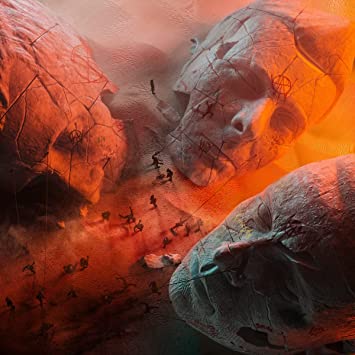
Muse, Will of the People: they’re baaack!!!!!! And as usual, Matt Bellamy, Chris Wolstenholme and Dominic Howard earn every one of those exclamation points. The guitars and drums are turned up to 12, the classical keyboard licks pack double the bombast (including a Bach “Toccata and Fugue” steal), the electronica wallows in creepshow kitsch, the vacuum-packed harmonies are piled even higher, and the gang chants are bellowed louder than ever. All this sound and fury portrays a world on the brink, an elite obsessed with control, and a populace angry that the game is rigged. Still, it’s hard to know who Bellamy is rooting for; at times, his lyrics and driven singing seem equally repulsed by both the leaders (“Compliance”, Kill or Be Killed”) and the led (the title track and “Euphoria”). But in the end, this is quite the slamming album; if you’re in the mood for existential desperation set to one badass, air-guitarable riff and singalong chorus after another — and these days, who isn’t? — this just may be your ticket. Might want to only play that obscenity-laden final track when no one else is around, though.

Continue reading “Rick’s Quick Takes for August”

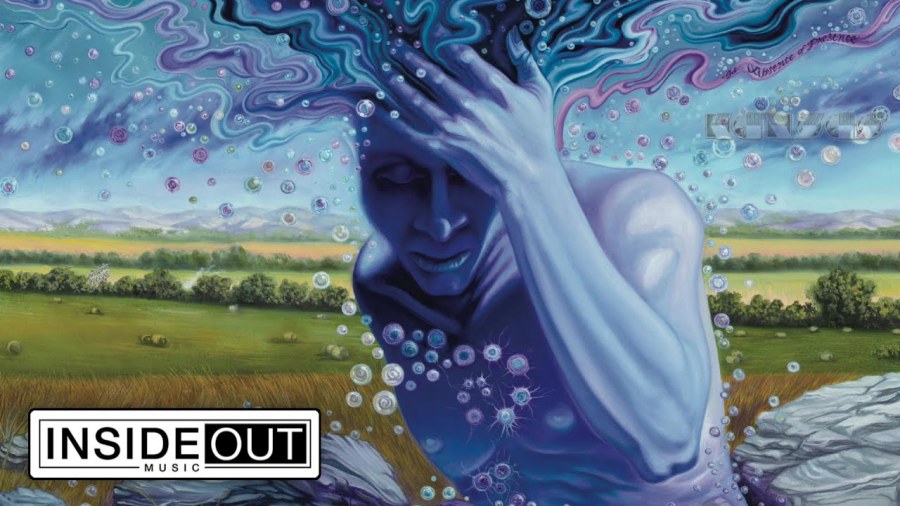
Kansas, The Absence of Presence

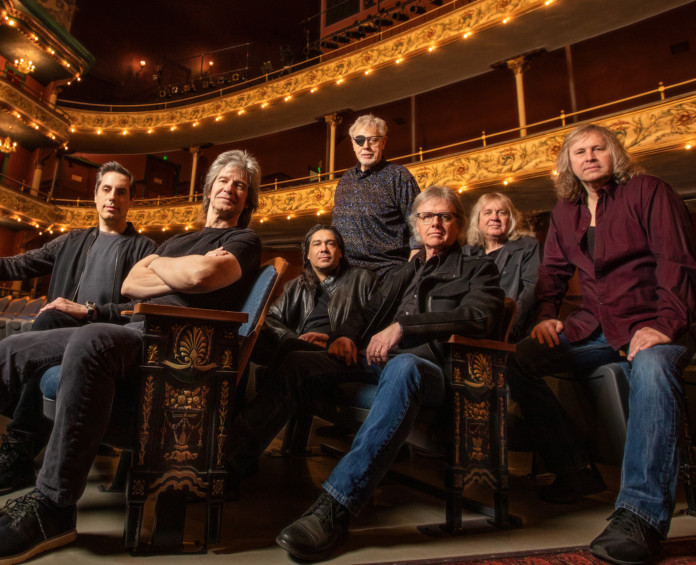
For all that Kansas can’t (and shouldn’t) shrug off the legacy of their golden days, especially the double whammy of Leftoverture and Point of Know Return, they’ve built up quite a track record beyond the hits over the decades.  The live set that followed the big albums, Two for the Show, is still thrilling; the 1980s version of the band fronted by Steve Walsh and guitarist Steve Morse changed up the sound without diluting the essence on Power and In the Spirit of Things; the original line-up reunited for a triumphant set of new Kerry Livgren compositions on 2000’s Somewhere to Elsewhere.  And 2016’s The Prelude Implicit proved a first-class return to sustained action.  The new recruits, guitarist/songwriter Zak Rivzi and singer/keyboardist Ronnie Platt, jelled nicely with Kansas’ long-term bedrock (stalwart violinist David Ragsdale, bassist/vocalist Billy Greer) as well as the band’s remaining founders (piratical guitarist Rich Williams and progressive rock’s most criminally underrated drummer, the brilliant Phil Ehart).

The good news is that Kansas’ latest, The Absence of Presence, is another great leap forward; appealing melodies, heady complexity and breathtaking power unite for maximum impact, and the whole album is a joy to hear.  Each player has upped his game multiple notches — Ragsdale, Rivzi and Williams peel off one ear-catching riff and solo after another, Platt sings with smooth, soaring power and commitment (evoking Walsh while being utterly himself), and I could listen to Greer and Ehart’s rolling, tumbling thunder all day.  New keyboardist Tom Brislin is the perfect match for this line-up, dishing up just the right lick no matter what’s required — pensive piano intros, crushing organ and synth riffs, lush textures, wigged-out solos, you name it.

kansas band shot

But it’s how all these ingredients blend that makes The Absence of Presence compulsively listenable; the writing is more collaborative this time around (Rivzi and Brislin on music, Brislin, Pratt and Ehart on lyrics), and the band navigates the twists and turns of the tunes with pin-sharp focus.  The multi-sectioned title track, the instrumental “Propulsion 1” and the unexpected up-tempo groove of “The Song the River Sang” (with Brislin on lead vocal) revel in Kansas’ proggier side. “Throwing Mountains” “Jets Overhead” and “Circus of Illusion” prove solid rockers, laced with unpredictable musical curveballs that set up the compelling, aspirational lyrics.  And the obligatory power ballads “Memories Down the Line” and “Never” are earworms you may not want to shake, with words and melodies that bring home the heartfelt sentiments without bogging down in sticky sweetness.

In short, The Absence of Presence shows Kansas unlocking a new level of achievement, still going strong and making excellent new music more than 40 years after their initial breakthrough.  Recommended without hesitation; this one has already hit my shortlist for this year’s favorites.  Listen for yourself below.

— Rick Krueger

soundstreamsunday #103: “Every Hungry Woman” by the Allman Brothers Band

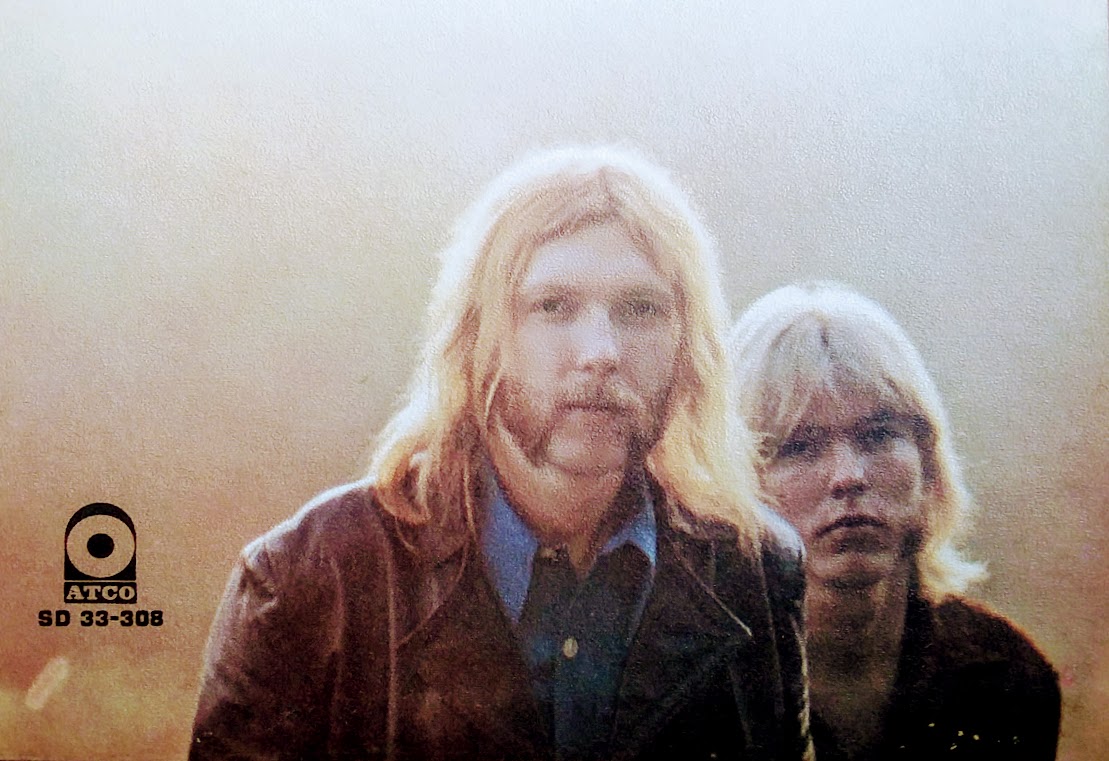
Allmans1Southern Rock’s manifesto is like no other rock album.  The Allman Brothers Band, released in November 1969, carries a hard sonic power absent from its closest temporal and spiritual brother, the Band’s Music from Big Pink (1968), and tight, sharp-cornered riffing missing from the work of the Grateful Dead, who the Allmans resembled in their two-drummer, double guitar form and in their tendency to stretch out in live performance.  Mostly, though, the group had the brothers themselves: Duane, a guitar sharpshooter whose session work had honed his chops — including a wicked slide technique — to a razor’s edge; and Gregg, whose organ playing and lyric writing demonstrated a finesse far beyond his 21 years, and whose voice was a soulful, ragged howl coming from a place of honest truth.  In an era when the integrity of white blues bands was, rightfully, beginning to be questioned, along with the plantation politics of the music industry, no one, not even Lester Bangs, argued with the Allman Brothers Band’s authenticity or the singular chords they struck, as they effortlessly crossed over into country and jazz, articulating a maturing musical vision for the American South.  That they were an integrated band was interesting (in 1969 much of Georgia, the Allman’s home base, still segregated its schools), but it was what underpinned that fact that made their music ascend: a fascination with next steps, set against a background of a changing rock vocabulary, so that every member of the band was important.  While Duane and Gregg receive much of the attention as the band’s geniuses (and they were), guitarist Dickey Betts’s influence on the band, particularly his use of the major pentatonic scale, went a long way towards defining the Southern Rock sound, while the rhythm section of Berry Oakley, Jai Johanny Johanson, and Butch Trucks provided a propulsive force but also a lithe one, booty shaking, more akin to what Carlos Santana was putting together on the west coast than anything coming out of the blues or country scenes of the time.

Paraphrasing the Rolling Stone Record Guide‘s review of the Allman’s Live at Fillmore East (1971), even when the band went long form, when they jammed, there weren’t any wasted notes.  At a scant 33 minutes, the Allmans’ first album is similarly lean, a killer hard rock set that proved to be less of a template than an opening salvo (1970’s Idlewild South shows voracious growth, as does 1972’s Eat a Peach, Duane’s death notwithstanding).  While “Dreams” and “Whipping Post” are the album’s jaw-dropping closers, this is a record with no filler whatsoever.  “Every Hungry Woman” is a favorite, metal crunch up against slide guitar sirens, organ moans, and an epic swamp beast of a riff.  The dueling guitars in the solo section say more in their few seconds than many bands say across a career, and Gregg’s roar channels some deep beast that must’ve drunk from the same watering hold as Ray Charles and Charley Patton.  Inimitable.

soundstreamsunday presents one song or live set by an artist each week, and in theory wants to be an infinite linear mix tape where the songs relate and progress as a whole. For the complete playlist, go here: soundstreamsunday archive and playlist, or check related articles by clicking on”soundstreamsunday” in the tags section.