As SVYNX prepares to unveil their debut full-length album This is Not Art on September 14th, we sat down with the progressive/alternative metal duo from Cologne, Germany, to discuss the album’s themes, the influence of the pandemic, and their creative process. Tackling heavy topics like societal disillusionment, corporate greed, and political unrest, the album pushes boundaries both musically and lyrically. With their unique blend of progressive rock, pop, and alternative music, SVYNX has crafted an album that reflects the uncertain times we live in. Below, the band shares insights into the creation of This is Not Art and how their personal experiences shaped its message.
Your upcoming album, This is Not Art, explores themes of societal change and disillusionment. How did the pandemic influence the creation of this album, and how do you think these themes resonate with listeners today?
Disillusionment fits the record’s concept well. The very beginning of the pandemic felt like a time for all of us to come together as equals and awakened hope for change. When that change fell flat, we had to write about our disappointment. Post-pandemic, the world seems even colder than it did before, and the political climate keeps evolving in a troubling fashion. All of these developments are still relevant and probably always have been. But it was the pandemic that revealed my own naivety, which is a recurring theme throughout the album. These emotions resonate with all of us when dealing with disappointment, be it in a grander societal context or in our interpersonal relations.
The track “Art Won’t Save Me Now” sets a poignant tone for the album. Can you elaborate on the message behind this track and how it reflects the overall message of This is Not Art?
“Art Won’t Save Me Now” serves as somewhat of an antithesis to the record’s title. It references Ton Steine Scherben’s “Musik ist eine Waffe” but focuses much more on my own shortcomings as a socially mindful person. Making music will not likely remedy that fact, but maybe it doesn’t have to.
You mentioned that many songs started as short ideas recorded on your computer. Can you walk us through your creative process? How did the studio become an instrument in shaping the album?
Tobi: All of the songs on the album were written collaboratively, but often we were not even in the same room, just elaborating on what the other had done. I honestly don’t know which guitar or vocal lines I came up with on my own and which Wolle has edited and twisted beyond recognition. Our workflows are very compatible that way. I usually take a quick and dirty approach, while Wolle is very detail-oriented.
Tracks like “Follow Me” and “Feed Me” tackle modern conveniences and their impact on our lives. How do you approach writing lyrics that are both thought-provoking and accessible to a broad audience?
Tobi: Lyrics are always difficult. I don’t know if they are thought-provoking or accessible. I try to stay away from absolute truths and write about my interpretations and intuitions—the writing itself is a way for me to understand myself, if that makes sense. [laughs]
“Harvest Season” and “Europa” delve into issues of corporate greed and Europe’s historical role. What inspired you to address these specific issues, and how do you hope your music will influence discussions around them?
Wolle: We are very privileged here in Germany. We feel like the right thing to do is to share our resources and build a more diverse society. Populists are weaponizing migration and turning the poor against each other, while big companies—and sometimes politicians—are stuffing their pockets with more money than anyone would ever need in their lifetime. What used to be common sense now needs to be said out loud: f*ck fascism, f*ck racism.
In “Never at Ease,” you highlight privilege and its influence on choices. What personal experiences or observations led to the creation of this track, and what message do you hope to convey through it?
Tobi: “Never At Ease” is one of the few tracks that was inspired by very specific situations. As a teacher, I’d love to believe that everyone has the power to shape their own lives. But many values I hold in high regard and might subconsciously use to judge someone’s character can’t be taken for granted by everyone. It’s much harder to be punctual, well-dressed, rested, or motivated if you’re responsible for preparing your siblings for school and cooking dinner. I failed to realize this until a 13-year-old pupil of mine shared their story with me. It really makes you uneasy when you hear things like this.
The album was self-recorded but mixed and mastered by professionals at RRenimArts. How did this collaboration impact the final sound of the album, and what was the experience like working with them?
Wolle: We worked for a long time on the album and initially tried mixing and mastering it ourselves, but we were never quite satisfied with the results. By the time we decided to let someone else handle the final touches, we were already very attached to how it sounded. Luckily, Gabri and Konny at RRenimArts knew exactly how to preserve our vision while improving the mix, especially considering we had songs that utilized both bass guitar and synths.
The album ends with “Alexandria,” which addresses rising right-wing forces in Europe. How do you view the role of music in responding to and influencing political and social issues?
Tobi: Tough question! Personally, I want artists to position themselves clearly, so it was important for us to do so. I don’t really know how effective music is in shaping the political landscape, and I don’t want to pretend to have all the answers. That’s part of the inspiration behind the album title. I don’t know who cares about what we’re singing, but we have to sing it.
You’re set to perform at the Euroblast festival this October. What does it mean to you to return to this festival, and how does it feel to perform alongside other bands that have inspired you?
Wolle: Last time we played Euroblast, our music was vastly different—more funky, less modern. After working on this music for over two years, we’re especially proud to return. Euroblast is the best time of the year for us. You meet a lot of open-minded people, and the music ranges from nasty riffs and blast beats to grand-sounding ballads. We really feel like our music fits right in, and we’re thankful for the opportunity to perform again this year.
As a duo, how do you manage the balance between your DIY ethos and the need for professional production? How has this balance evolved over time, especially with this album?
Wolle: Over the years, we’ve acquired a lot of equipment and now have our own little studio. It’s nowhere near professional-grade, but I think the sound we managed to capture speaks for itself. We were motivated by the saying, “If it sounds good, it’s good,” and a video of Devin Townsend recording vocals in a hotel room with mattresses for sound isolation. For the next record, I think we’ll be less obsessed with perfection—imperfection has its own value.
How has your approach to blending progressive rock, pop, and alternative music evolved with this album? Are there any new influences or techniques you experimented with on This is Not Art?
Tobi: Our previous releases were written and fine-tuned while jamming in the rehearsal room, and we limited ourselves to the sounds typically associated with a rock band. After listening to How I’m Feeling Now, I was super inspired. Incorporating synths and heavily effected vocals was our way of achieving a more modern sound. That said, no one wants to hear me play guitar in 4/4, so it had to be proggy. [laughs]
Looking ahead, what are your plans following the release of this album? Are there any upcoming projects or performances that fans should be excited about?
Wolle: Right now, we’re focused on playing shows and festivals and getting reviews out for this record. We both work full-time (Tobi is a teacher, and I’m a nurse), and since we’re only a duo, we can’t do everything at once. There are a few song ideas we’ve started working on, but with our limited time, we’re focusing on making this release as big as possible.
This is Not Art is out on September 14th, and is available as a digital download from Bandcamp, with the vinyl version coming later this Fall. For more about SVYNX visit their website, or follow them on Facebook and Instagram.
Formed just last year, Stockholm-Montreal-based progressive metal band Voidchaser has wasted no time making their mark. Following the release of their well-received EP Odyssey earlier this year, they have returned with their full-length debut album Solace, launched on September 6th. The album, a concept-driven masterpiece structured as a continuous piece of music, showcases Voidchaser’s distinct blend of technical precision, emotional depth, and theatrical flair. In this interview, we delve into the creative process behind Solace, the band’s rapid rise, and their ambitious plans for the future.
Progarchy talked with Voidchaser’s singer and rhythm guitarist Chad Bernatchez and bassist Jici LG.
Voidchaser formed just last year, yet you’ve already released an EP and are now gearing up for your debut album Solace. How has the journey been for the band so far?
The journey has been incredible. The band is really operating like a train without breaks. It feels like we are tighter and more creative than we’ve ever been.
Solace is a concept album structured as a continuous piece of music divided into movements. Can you talk about the creative process behind designing the album this way?
One of the things I love the most about music is the journey you take when listening and I always appreciate when an artist/composer recalls certain themes or melodies and uses them as identifiers, whether it be for characters, or emotions, etc. It’s story telling through songwriting.
The two tracks, “Solace Part II: Only Human” and “Solace Part IV: Alien,” are vastly different in tone and style. How do these contrasting pieces fit within the larger concept of the album?
The two songs are very much tied together narratively by the experience of our protagonist but are very much opposing each other in terms of emotion. In “Solace Part II: Only Human”, our protagonist is dealing with surviving in a new environment. They are coming to terms with their isolation and are trying to embrace it. In “Solace Part IV: Alien” it is very much the opposite. Our protagonist is feeling an embrace that they have longed for and is blindly following it with little regard for anything else. All of a sudden, the desire to survive and push forward disappear and the only thing they care about is love.
Your sound draws from progressive death metal, but also includes elements of melodic and theatrical music. How do you strike a balance between technical precision and emotional depth in your songs?
I love feeling things when I listen to music. I love hearing something and it makes me cry. I’m a very big fan of musical theater because of this. When I write the heavy riffs, I really try to find something that can serve as a “home base” and I think it becomes a little “pop-y” as a result. Once I have that I just let my imagination run wild and go crazy with time signatures and all the other fun stuff. And it’s the same thing with the emotional stuff. I think that part of the balance is giving a space for these things to exist but also offering more to the song than just a standard song structure. It makes it so that when we land on those parts they shine more because we’ve been building towards it or around it.
Chad, you’ve described Solace as Voidchaser’s most ambitious project yet. What were some of the challenges and triumphs in creating such an intricate and cohesive record?
I think the biggest challenge for me personally was to let go of it. I kept thinking “it’s not perfect yet” or “oh this person will probably hate this part” and with the rest of Voidchaser’s support I was able to overcome that self-doubt and just say “fuck it, I like it, we like it, let’s go” After that it was a breeze, recording and producing it ourselves was smooth, the collabs were easy, the mix and mastering was like a glove. I think the stars really aligned for us after that.
Guest performances by Ashbreather on “Only Human” add another layer to the track. How did that collaboration come about, and what do you feel it brings to the album?
Ashbreather have always been our friends, we recorded our very first single at their studio. They have been there since the beginning really. After that we did the “Ashes of the Void Tour” and that made really strengthened our friendship, so we just asked, and they were super into it. I think it adds a great layer of chaos and emotion to that section. They killed it!
Your debut EP Odyssey made a significant impact earlier this year, and tracks like “Tyrant” and “Star-Crossed Lovers” have garnered tens of thousands of streams. How did that early success influence the making of Solace?
We were planning on doing Solace before Odyssey was even released so it never derailed the plan but I think it just made us want to go all in with it. We felt like something was happening and we needed to give it everything we had and do it justice.
Solace explores themes of survival, resilience, and toxic relationships. Can you share how these themes developed and how they resonate with the band on a personal level?
These are just all experiences that I have had and I’m trying to write them in a way that more people can resonate with. I use the narrative as a way to relate a feeling that detaches itself from me, myself and I. Solace covers a very important chapter in my life. Years ago I found myself in a situation where the rug was swept from underneath my feet and all of a sudden it felt like my entire world was collapsing. Then I left and I moved to Montreal. I had no point of reference anymore, I felt alone and wanted to use that as a strength. Then I met someone, and we were together for a few years, but it was unhealthy. We were both filing a void through each other. Finally once that break up happened I had a lot of cathartic moments with myself and I started feeling inner peace.
Voidchaser has roots in both Montreal and Stockholm. How do these two cities’ distinct metal scenes influence your sound and the way you approach music?
I would say that we’ve been more involved with the scene in Montreal and its had an influence that you’ve already heard and will continue to hear. You go see a gig, have a good time, get inspired and go home and jam something out. Stockholm is still a mystery to us, but being in a new environment has supercharged my creativity. I have been writing a lot of new stuff. Stuff you won’t hear for a while but you will hear it eventually.
You’ve shared the stage with Ashbreather and The Aphelion on the Ashes of the Void Tour, and you’re about to embark on the Terra Corp Presents: The Only Human Tour. How does performing live shape the evolution of Voidchaser’s music?
It’s just a constant flow of inspiration really. You make music that makes you wanna go out and play it in front of people. Then you go on tour with your friends, have a blast, grow closer and by the time you get home you’re just inspired to make more music. I think feeling the audience’s reaction to our music also helps inform some of the song writing. I’ll be making music and say things like “oh this is gonna make people jump around” or “I think we might lose the audience in this section.” Plus it’s just fun. Performing is the pay off for me.
Jici, you mentioned that Voidchaser feels like an unstoppable force since releasing Odyssey. What is it about the band’s chemistry that has allowed you to move so quickly and decisively in the past year?
At some point, we realized that this band could be the vehicle to help us achieve our dreams as musicians and artists, as long as we put in the effort strategically. I believe everyone in the band has a deep and existential drive to fulfill their own personal goals, which creates a powerful force behind everything we do as a band. We strive to break through our self-limiting beliefs and give everything we’ve got. Honestly, we’ve already accomplished so many of our goals so far, and it’s just the beginning. It’s overwhelming, but it’s one of the best feelings we’ve ever experienced.
Chat Bernatchez (Voidchaser)
Progressive death metal often demands a high level of musicianship. How do you as a band continue to challenge yourselves technically while still staying true to the emotional core of your music?
I think we stopped limiting ourselves to what we can play. The philosophy now is very much write what sounds good and if you can’t play it, learn how and if it’s hard, practice.
The remixed version of “Tyrant” was critically acclaimed. What made you decide to revisit that track, and how did the remix alter its impact?
What made us revisit that track was our current sound engineer, Jason Poulin, who just liked the band and asked us if he could do a remix of Tyrant for us.
We liked it so much that we just decided to release it. We’ve been working with him ever since and he became a ghost member of Voidchaser a very good friend of ours.
Voidchaser has a theatrical element in both your recordings and live shows. How do you incorporate that theatricality into your stage performances, and what can fans expect from your upcoming tours?
Matching costumes for one. I believe a live performance needs to transcend beyond just the music. So there will be as much visuals as we can get for now, as well as some light choreography stuff. We are also gonna be playing with backing tracks for the first time to really give a FULL sonic experience.
The progressive death metal genre is known for its innovation, but also for pushing boundaries. What do you feel sets Voidchaser apart from other bands in the scene?
I think that it is our roots. We have a lot of variety in the kind of music we listen to individually, as well as the music we were around while growing up. But I would say the most important thing for us is that we embrace some traditional songwriting elements that are more pop oriented. We allow ourselves to fluctuate between being very heavy and technical to being light and breasy.
Looking back on the making of Solace, is there a particular moment in the process that stands out as a defining moment for the band?
I would say we all really stepped up our game and we knew that this had to be big so that was something we collectively established early on. I think the defining moment, for me anyway was when we heard Jason’s first crack at the mix. We just sat there in complete awe and said, this is huge, there’s something going on here.”
Finally, as you gear up for the release of Solace and your next tour, what are your hopes for the future of Voidchaser? What’s next after this album?
Oh man, we have so much more plans we want to do. We have 1 more EP that we are hoping to put out this year. 2025 will have 2 albums and one tour at least, then 2026 will have something that I think is even more ambitious. We are going full force with Voidchaser until it dies or I do.
Solace is available now; check it out on Bandcamp. For all things Voidchaser check out this location.
While Prog’s old guard still continue to defy the ages with a continuing stream of exceptional music, we must look ahead to identify the stars of tomorrow.
In the UK, we’ve seen a steady stream of younger bands breaking through the ranks and making their mark.
One such band is Azure, who initially caught everyone’s imagination when they brought their brand of complex, fantasy-based, metallic edged Prog to wider audiences notably through relatively low key llive appearances and a fascinating second album, Of Brine and Angel’s Beaks, together with a full-on single Mistress.
Topping the Readers’ Poll for Prog Magazine’s Best Unsigned Band in 2021, the band began 2022 working on their third studio album, which they declared would be an ambitious and far-reaching concept. And they weren’t kidding!
At their heart is the creative duo of vocalist/guitarist Christopher Sampson and guitarist Galen Stapley, who met while both were studying music at the University of Sussex in their now home city of Brighton.
Their mutual love of bands such as Dream Theater, Animals as Leaders and Yes brought them together to start creating their own brand of Prog. Its Unique Selling Point is very much the fantasy stories that Sampson writes, having published their first novel Path of the Adzinist: LU in December last year.
Many of the characters Sampson has created have found their way onto the album whose simplistic title Fym belies the extraordinary, spellbinding 78 minute journey on which Azure take their listeners.
But it’s not just Sampson’s incredible imagination that dominates this album. It’s also the extraordinary way in which Sampson and Stapley fuse their musical ideas, creating a vast but always accessible cinematic soundscape. Many long walks were taken along the south coast by Sampson and Stapley during the course of the album’s evolution as they spent countless hours refining the story and its soundtrack.
It also helps that Sampson is the possessor of a unique multi-octave, sometimes theatrical voice that can soar higher than Geddy Lee’s and evokes a kaleidoscope of emotions. Stapley is the perfect foil, their laser-like guitar runs that can so brilliantly illustrate the epic story, bringing other-worldly textures to the 12 shape-shifting tracks.
One can only guess the reaction when their regular bandmates Shaz D on keyboards and bassist Alex Miles, plus guest drummer Andrew Scott, when they saw the scale of Fym’s incredibly complex musical score. Whatever they might have thought, their contributions are key to interpreting the myriad nuances within the overall sound.
It’s not just the music, it is also the storyline which is centred on the centuries-spanning travails of introverted, jungle-dwelling historian Fym Sallow, whose mission is to retrieve the shards of a glass blade called Umbra.
Introducing characters from the book and previous albums including the aforementioned Mistress, Fym’s journey is fraught with danger as she is accompanied by The Lavender Fox, which has its own song and “voice”.
Each track has its own particular theme, depicting a specific sequence of the story.
One of the most memorable is the three track continuous sequence of Sky Sailing/Beyond the Bloom/Wilt, the central piece being the most vivid descriptive piece about a natural, but dangerous landscape in which the oboe of guest player Camille De Carvalhomakes an appearance.
Perhaps the most accessible song is the album’s single Weight of the Blade, a mid-paced deliciously energetic rocker on which Shaz D shines on grand piano. Its accompanying video (see link) shows the band performing on a deserted shoreline, whilw giving tantalising insights into the storyline.
The climax comes with a huge battle in Trench of Nalu, that explodes with drama and turmoil, Fym facing her biggest and potentially deadliest conflict in the bowels of an alternative Earth.
No spoilers on how it all ends, but the conclusion, the ridiculously beautiful Moonrise sees Sampson in melancholic mood, accompanied only by a gentle, soothing bass melody from Miles.
The double album’s cover is as striking as its contents, Felix La Mer, depicting many of the characters and scenes from within. The accompanying booklet telling the story also features a map and Sampson’s unique lyrical symbols.
It’s an outstanding achievement from the band, who pour every ounce of their emotional energy into layering the all-enveloping sound then producing it to an exemplary standard.
The band’s live performances are as dramatic as their music: they are currently regrouping to ensure they take their stage show to a different level to reflect the quality of their music.
Fym is one of the best Prog albums of recent years that you probably have never heard of. It’s a dazzling, head-spinning musical journey that I recommend everyone experiences.
I think Coming Up to Consciousness (2024) is my favorite Pure Reason Revolution album since The Dark Third (2006).
People say that Pure Reason Revolution disappeared for a decade. But really, Jon Courtney was just continuing the explorations begun on Amor Vincit Omnia (2009) and Hammer and Anvil (2010). He did so, for example, with Bullet Height and the album No Atonement (2017).
In my view, Jon Courtney has always been up to something interesting. But with Eupnea (2020) and Above Cirrus (2022), he returned to working with Chloe Alper to put those lovely trademark PRR harmonies to work again on albums of deliberately more progressive (more than just electronic) rock.
I always liked Chloe’s ability to sound like Kate Bush whenever she sang a solo line. But the magic sound of PRR has forever been their combined male and female vocal sound. With Chloe replaced by Annicke Shireen on Coming Up to Consciousness (2024), the main question is whether or not the magic continues.
Happily, it does. The characteristic male-female vocal mysterium coniunctionis of PRR is unmistakably present throughout. Jon deploys his trademark solo snarl whenever it is most effective to do so. And when Annicke sings a solo line, she may not be Kate Bush, but she has a pleasing ethereal quality, like a chanting Tolkien elf.
Greg Jong joins in with Annicke and Jon to keep that beautiful PRR sound going strong throughout the album. I find their work as a vocal trio to be exactly what keeps me a rabidly enthusiastic PRR fan. It’s such a great sound, and I can’t find it anywhere else.
What is most impressive is that on Coming Up to Consciousness (2024) the whole album feels like it is animated by the dreamlike sound and vibe of their debut album, The Dark Third (2006).
I haven’t verified the feeling by listening again to the back catalogue. But for the purposes of this review, it is enough for me to communicate my undeniable impression and firm conviction. This album truly feels to me, when I listen to it, like The Dark Third (2006). And that means I am in heaven again.
Jon wrote, produced, and engineered all the tracks. But Greg joined him in those three tasks on “Betrayal,” “Bend the Earth,” and “Lifeless Creature.” Jon wrote all the lyrics. But Greg is a production wizard who leaves his mark everywhere. Also, Greg played slide guitar and harmonica on “The Gallows.”
Ravi Kesavaram of the PRR touring lineup delivers a stellar drum performance here as an official band member. The fantastic sonic experience delivered by the drumming is no small part of what made me feel like I was in The Dark Third territory again. And Ravi did the drum mixing and added his hand to the production as well. Very impressive.
Guy Pratt played bass and did the bass production, and it sure sounds good all throughout. “Betrayal” is a particular favorite of mine in that regard. So smooth, so good. But Jon Sykes played bass on one track: “Worship.”
Lewin Krumpschmid supplied additional Fender Rhodes work along with piano and Hammond organ finesse. I love how everything blends together in the sort of spacey atmospheric and unusual tonal experience that is the PRR sound.
Bruce Soord mixed everything. Steve Kitch mastered the album. So now we have PRR sounding extra special good. I’m sure Bruce’s work is no small reason why the dreamy vibe of this whole album has me ranking it in favor next to The Dark Third (2006).
Bruce also added guitars to the three tracks that were released in advance of the official album release day (September 6, 2024): “Dig Till You Die,” “Betrayal,” and “Useless Animal.” Bruce also added guitars to a fourth track: the insanely great “Worship.”
I’m guessing that the especially cool combination of Bruce’s contribution to PRR in this regard—namely, both production and guitars—helped the band to decide which three songs to share with the public first.
I confess that I needed the full album context, hearing all tracks together at once on the same day, to be properly floored by the album. There’s something about PRR that makes them truly an album makers’ and album lovers’ experience. Jon wisely recognizes that about 40 minutes is the perfect album length (as he agreed with me when I interviewed him for Progarchy), but even short songs are marked by a prog aesthetic. They change through many moods, shift tempos, and toss in electronic oddities and textures, all to surprise and delight. It’s like mini prog. Just perfect.
The electronic download before release day listed 14 tracks. The advance reviewers’ copy of the album (supplied to us by the record company in MP3s of quality so crappy that I refused to review them in advance) also had the 14-track division. I notice that many advance reviewers complained about the six transition songs of interludes and a prelude, which seemed too ridiculously short to merit reviewers’ comments or even their own independent existence as distinct tracks.
I can happily report that the CD release has only eight songs. The “Prelude: Coming Up to Consciousness” (0:32) has been assimilated into “Dig Till You Die” (now 5:08 instead of 4:36) as its beginning, and so on with all the interludes, which have been assimilated as the true beginnings of the songs that they had previously preceded. The exception is “Interlude 5” (0:38), which is added to the end of “Lifeless Creature” (now 6:48 instead of 6:10).
I wanted to mention these facts, because the version you own will differ, depending on whether you buy a download from Apple (14 tracks) or buy physical media (8 tracks). If you’re a true fan like me, you own both, in order to support the band to the maximum.
Speaking of support, I did order the CD from Amazon, but only so the precious cargo could arrive exactly on release day, to be held in hand as the treasure that it is. However, to financially support the band, I ordered the special rare track CD, In the Realms of the Divine, from their Web store, Glassville Music.
Despite paying a pretty penny, and despite paying extra for tracking so that I could conduct surveillance on the thrilling progress of the disc to my mailbox, absolutely nothing has shipped yet. How disappointing. I think more fans would order direct from the band, and not Amazon, if they could be assured that their merchandise would arrive on release day or, even better, in advance of an official release day.
But I don’t want to end on a sour note. What I’m really saying is that PRR fans love PRR, because PRR keeps on delivering the best music to us. Congratulations, folks, on the truly beautiful work you have given us on Coming Up to Consciousness (2024). Many happy returns. We love what you do.
Pure Reason Revolution, Coming Up to Consciousness (2024)
It’s all true. Exactly what you’ve been hearing. This is the best Yes album of the past two decades.
On the one hand, a review of Jon Anderson’s True seems pointless. You would think all the Yes fans, like me, would have pre-ordered the CD and also listened to the singles as they were released.
I limited myself to only one listen of each advance song, so that I could save the full context, full album experience until release day. Of course, I was then blown away on August 23, 2024, just like so many others for whom Yes is their favorite band.
I read the advance reviews. They said it was best Yes album since The Ladder, or since Magnification. I was getting excited. Because those two albums have not been surpassed by any others released under the “Yes” name since.
But we all know a band doesn’t have to be called “Yes” to really be Yes. We learned that was true long ago, thanks to the eponymous album by a little group called Anderson, Bruford, Wakeman, Howe.
“Anderson, Bruford, Wakeman, Howe” sounds like a law firm, doesn’t it? I guess the joke was: We could sue you to prove that this group should really be called Yes, but why waste the time and energy, because we can instead just make an album that is obviously a Yes album to anyone with ears to hear.
We’ve had a couple of really nice Yes albums from Arc of Life. And you can insert your own favorite examples here. But my point is that it no longer matters what is an official Yes album or not. What matters is if it has surpassed The Ladder, or Magnification, or is on the same level.
What matters is that Yes has transcended being a band. Yes is really a style of music. A good example would be hearing something really good and having difficulty trying to identify the composer. For example, is it Bach or Buxtehude? In one respect, it doesn’t matter. It’s simply the greatest kind of music. The greatest musicians become influencers. In the same way, Yes has left their mark. Yes is classic. Yes is classical music.
Enter the group of musicians known as the Band Geeks. They can play live with Jon Anderson and sound just like Yes. They have clearly mastered the classic idiom of Yes music. And they are brilliant musicians and composers in their own right. They can work with Jon to compose new Yes music of the highest calibre.
And the music on True is so much more than derivative homage. Take the opening track, “True Messenger.” Andy Graziano surprises and amazes with his beautifully realized Steve Howe-like guitar tone and fretboard acrobatics. But by the end of the track, he has flipped into the 80s, by flawlessly rendering a Trevor Rabin guitar tone and its concomitant dive bombing attack.
So, on the one hand, a review of True seems pointless, since every track is absolutely killer. They each rank up there with the great Yes classics. “Counties and Countries” (9:51) and “Once Upon a Dream” (16:32), in particular, are the one-two knockout punch for anybody who would dare to argue that this is not a Yes album. And it seems that anyone who cares would have learned this by August 23, at the latest.
By the way, I read in one review a snarky comment about “Realization Part Two” (3:33). Namely, that that is such a prog-like title. Because, hey, where’s Part One? But it is clear when you listen to the album that “Realization Part Two” (3:33) is the finale to “Make It Right” (6:07), to which it is conjoined. So, really, there you have a third knockout punch for all the disbelievers. It’s a bona fide Yes epic: “Make It Right / Realization” (9:40).
Okay, now back to my thought that, on the one hand, anyone who cares would have been known by August 23, at the latest. Three punches. Knockout.
Yet, other the other hand, not everybody has heard the good news. I myself was walking through my neighborhood this week, happily listening to music off of my iPhone, when I saw a guy coming towards me. I already knew that he was a Yes fan, since my wife had taught piano for years to his stepdaughters and we had chatted about music many times before. So I silenced my EarPods and opened the conversation by asking how he liked the new Jon Anderson album.
Turns out, he had not heard of it! After I went on enthusiastically for about a minute about why it was the best Yes album since The Ladder, or since Magnification, he cut me short and said he was looking it up right now, to summon it into his own EarPods. Well, I felt so happy that I was able to bring the glad tidings and to spread a little joy into one more corner of the neighborhood.
And that, dear reader, is why I am writing this seemingly pointless review for you today. Do not miss out on True. If you haven’t yet heard about it, go get it now.
Because it’s all true.
By the way, I don’t want to spoil your fun, but be sure to notice that the word “true” is skillfully deployed in four songs, marking this as a coherently satisfying concept album: “True Messenger,” “Shine On,” “Build Me an Ocean,” and “Once Upon a Dream.”
Jon Anderson, True
★★★★★ A+ 10/10
Jon Anderson – lead vocals, production, musical arrangement
Nashville’s progressive/classic rock trio Gentry Blue have launched their debut album, Fragments. This record marks a significant milestone for the band, blending cosmic and emotional themes. We sat down with Sean Jannay and Lydia Gentry-DeBonis to discuss their journey, the creative process behind Fragments, and their plans for the future.
Congratulations on the release of Fragments! How does it feel to finally be sharing your debut album with the world?
Sean: Exciting, certainly. I’m nervous about how it will be received – this is the first band I’ve been in that actually seems to have some fans – but the few people that have heard it so far say they like it, so I’m hopeful.
Lydia: It feels intimidating. We’ve been working on Fragments for at least a year and a half and to finally have it out in the world in just a couple of days is wild, to say the least! I genuinely hope it brings a lot of joy into people’s lives.
The album explores cosmic and emotional themes. Can you talk about the inspiration behind some of the key tracks, like “Collide” and the title track “Fragments”?
Sean: Fragments is a song about identity crisis. I’m a guy who does a lot of stuff. A lot of it I do pretty well, and it takes all of my time and energy to make sure that’s the case; but I know that by choosing not to specialize, I sacrifice a level of greatness in all the things I do. I’ve spent a lot of nights looking in the mirror and asking myself what I actually want to be, and I always go to bed the same as I woke up – if I make it to bed. Of course, the chorus was inspired by the Bilbo Baggins line about feeling “thin, sort of stretched, like butter scraped over too much bread.” It’s a bit of dialogue I’ve always resonated with, since I was a kid.
Lydia: Collide is about the Andromeda and Milky Way galaxy collision that will occur in about five billion years. A couple years ago I was scrolling on social media and found this fascinating video about the subject; I had no idea about it. The thought of this made me so incredibly anxious, even though I won’t live to see it. Heck, all of humanity won’t either! Earth won’t be inhabitable in that time. All of these thoughts were swirling in my head and I needed to write a song about it. It’s almost about accepting our collective fate to be doomed. Brendan wrote the instrumental arrangement of it and I top-lined the lyrics and melody over it. Even though Collide is literally about a giant cosmic event that won’t happen for billions of years, at its core, it’s more about existential anxiety.
Your music blends progressive rock, gothic violin, and pop hooks. How did you develop such a distinctive sound, and what influences helped shape it?
Sean: Like with most artists, it’s an amalgamation of all the music we’ve ever listened to – for me, that spans from Zeppelin and Hendrix, through Nirvana and Alice In Chains, Porcupine Tree and Jeff Buckley, to Dave Brubeck and Coltrane, Bach, Becca Stevens, Jacob Collier, Sheryl Crow, Louis Cole… you get the point. There’s not a lot of conscious effort that went into it; we’ve all been making music for a long time, and this stuff is just what happened when we got together.
Lydia: I’m with Sean here–we make what we love! We have a variety of influences all over the place. If you pressed shuffle on my massive Spotify playlist, you would get a Rush deep cut, then a Taylor Swift song, then a song from a movie soundtrack, then Sierra Ferrell, Steven Wilson, Grateful Dead, Ghost, Muse, Janis Joplin, etc. We’re all a very eclectic bunch. At least for me, the love of music has left such a mark on me, that I feel like I have to return the favor and keep it going. As long as we keep it honest to ourselves and enjoy ourselves along the way, that’s what truly matters.
Lydia, as a violinist and vocalist, your role is quite unique in the rock world. How does the electric violin contribute to the overall sound and dynamic of Gentry Blue?
Lydia: I feel like I’m in a unique place among a lot of violinists in the non-classical world– the electric violin isn’t really a focal piece in a lot of our songs. I used to consider myself more of a violinist first, then a singer, but that was years ago. Right before COVID hit, I was a violin performance major and switched it to music business instead. Our college stopped private lessons if you weren’t a music major, and my level of playing really fell off the cliff in the time since. This past year I’ve been trying to regain what skills I’ve lost but also relearn how to unlock my creative side besides just simply performing live. I’ve been struggling with a lot of writer’s block; the last song I wrote was two years ago! Lately I’ve been learning a lot of fiddling songs since I occasionally gig in Downtown Nashville on Broadway and that’s been rewarding. My next goal is to become a sort-of ‘rhythm violinist’ in Gentry Blue since we don’t have two guitarists, just to fill up the space in live settings.
The album includes songs that were written years ago, alongside newer tracks written during the recording process. How does Fragments reflect the evolution of Gentry Blue’s songwriting over the years?
Lydia: Fragments is such a cool title to use for our debut album, because it truly contains ‘fragments’ from when we first started as a band and includes ‘fragments’ from just a few months ago! For example, What Lies on the Other Side was the first song that Brendan and I wrote together in 2019… we weren’t even dating by this point! Blackberry Bitter was written at a midpoint in our evolution as a band a couple of lineups ago when we had Aidan Cunningham on drums. We played that song a couple times live and then scrapped it from our setlist for a reason I don’t remember. We picked it back up earlier this year and made a few adjustments in the song to make it feel tighter. Songs like Become Invisible and Think I Might Be Crazy were written by Sean only a few months ago. This album is so special to me for all these reasons.
Sean, you’ve mentioned that producing Fragments taught the band a lot about your identity as musicians. What were some of the most important lessons learned during the album’s creation?
Sean: If I may deviate immediately from the central point here, the biggest change from this record to the next will be recording consistency. The drums on Fragments were recorded by 3 different drummers, across 3 different spaces; the vocals were recorded on a few different mics, all in less-than-ideal spaces; and it was all done over a very extended period of time, as about half the album was written during the recording process. You can hear some of this variation in the sound of the record, as hard as Colby and I worked to minimize it. The next record will be entirely written before we track it, and it’ll be recorded efficiently and consistently in the home studio space we built while making Fragments.
To add to your question, I think we’ve all grown immensely as musicians. Lydia’s voice is a whole different animal now from when I joined the band, and I’ve become much more confident when it comes to writing for her range. Working with Colby has also made me a way better mix engineer than I was before. It’s been a great experience.
Gentry Blue has been together since 2019, but the pandemic and lineup changes delayed your debut. How did those challenges affect the creative process for Fragments?
Sean: I managed to scare away the whole previous rhythm section within a couple months of joining. From that point, the process was pretty straightforward.
Lydia: Nashville is an interesting place to have an original band– a lot of musicians come and go for a variety of reasons like getting better gigs, and you have to be alright with that lack of permanence in your band. Although I had been dreaming of releasing an album as Gentry Blue even two to three years ago, we still were getting our feet planted in the scene and figuring out our identity as a band. The work on the album finally started right after Brendan and I got married in May 2023, and afterwards it was fairly simple. I remember getting the initial mix for Collide while Brendan and I were on our honeymoon and being blown away. It was absolutely surreal to be hiking for miles in the hills of southern France and receiving that text from Sean!
Your 2022 single “Tell Them I’m Insane” was produced by Grammy-winner Mitch Dane. How did that experience influence the way you approached recording Fragments?
Lydia: It was wild how that connection was made; a family friend messaged me about someone that she had in her church youth group that she directed years ago who now produces in town. I emailed him and he wanted to get coffee. I met Will Gibson, our bassist at the time, at Sputnik Sound, a studio that was just down the road from our college. Mitch was so hospitable! He made us a cup of coffee and we talked a lot about our hobbies and music. We already had Tell Them I’m Insane tracked but were waiting on the first mix. I remember being so nervous watching him listen to the stems! After the song was finished, he said that he wanted to hop on it and mix it for us, as a way to get our feet wet working together. We took him up on it and that’s history! We would love to work with him again later down the road. I think a great teaching moment for me was how important getting the mix right is, as well as working with professionals when we were still novice college students. Attention to detail is key.
The album touches on mental health, relationships, and personal introspection, all tied together by the theme of space. How do you balance these deeply personal and universal themes in your songwriting?
Sean: We don’t. We just made up the space thing after the album was done to make it sound cooler. We write about what we want; if it’s good, we use it. We’ve got a song about me getting a speeding ticket, for christsake.
Lydia: I’m going to disagree with Sean here; it was in the back of my head when we were working on the album… 😉
I feel like every topic can be epic enough if you make it. Especially when you’re in the thick of it, mental health issues can be detrimental and can feel like the world is ending.
Lydia, you and Brendan got married during the band’s formation. How does that personal connection influence the band’s chemistry and the collaborative process?
Lydia: It’s an awesome and rare connection to have for sure! He initially joined the band as our first drummer in February 2019 and we started dating later in that October. We just got married last May! It can be wonderful but sometimes difficult– we have to be in ‘business/band mode’ occasionally when we’re gigging or on the road together. But we work great together and there’s no other feeling like having your best friend on the road with you. He’s the only person I don’t feel self-conscious around when I show him my music, and he’s helped me grow a lot as a person. We’re each other’s number one cheerleader. 🙂
Your influences include legendary bands like Rush, Jefferson Airplane, and Fleetwood Mac. What elements from these bands do you feel resonate most in Gentry Blue’s music?
Lydia: This is insanely difficult to answer… a lot of our influences are simply bands that we look up to significantly. I think a huge element from Rush that resonates with me is their passion and being true to themselves; it’s inspired me a great deal.
How do you approach songwriting as a trio? Do you have a specific process for writing together, or does it differ from song to song?
Sean: Very few of our recent songs are true co-writes; generally, one of us will come up with something at home and bring it to the band just about fully-formed. I’ve top-lined a couple of Debo’s instrumentals; that’s about the extent of it since I’ve been in the group.
Lydia: Most of the time we’ll bring a fully formed song to the table, or occasionally top-line each other’s songs.
Fragments features a rich sonic landscape, thanks to the multi-instrumental talents of Brendan and Sean. How do you decide which instruments and sounds to bring into each song?
Sean: We rassle to see who plays what instrument on each song. You may think he’d win every time because of his size (he’s 6’3″), but I’ve got a lower center of gravity and I’m real wiry, so it’s actually a pretty fair fight.
You’re known for your captivating live performances. How does the energy of performing live influence the way you write and record your music?
Sean: We try to preserve some of the raw, blemished quality of a live performance in our recordings – just enough to remind the listener this thing was made by humans, with an actual instrument in a real space.
What do you hope fans take away from Fragments? Are there any specific messages or emotions you want listeners to connect with?
Lydia: I hope people resonate with the last song on the album, which is Cutthroat. Even though we live in a dark and depressing world and we will be knocked down time after time, we have to keep rising up after the fall. I think kindness and optimism can be hard to find in this time we live in, as cheesy as it sounds, and it’s up to us to keep that lantern of hope lit.
Nashville is known for its vibrant music scene, but Gentry Blue’s sound is quite different from the city’s mainstream genres. How has Nashville influenced your journey as a progressive rock band?
Sean: Nashville is where I’ve met one hundred percent of the musicians I know, and pretty much all the friends I have. Most of those people are not native to the city, and none of them are exclusively country-heads. The beauty of Nashville, regardless of what is popular in the scene here, is the mixing-pot element. Everywhere you go, you’re gonna run into somebody who’s a hundred times better than you at what you do, and they’re gonna introduce you to some crazy new idea or lick or artist, and you’re gonna go home wanting to practice. It is tough being a progressive rock band here – but I don’t think I’d want to be a musician anywhere else.
Lydia: Nashville is an awesome place to be a musician. There are so many opportunities to grow and learn, and despite what people may think, a lot of fellow musicians genuinely want to help each other out. There’s an amazing rock and metal scene here and so many live for the art.
Finally, what advice would you give to young or emerging bands looking to carve their own path in the music industry, especially in a genre like progressive rock?
Sean: Tune. Write. Write all the time. Write enough that you stop being precious about your songs. Practice your instrument. With a metronome. Learn how to record yourself. Tune. When you have a rehearsal, learn the songs before you get to the rehearsal. Unless you’re the last band at a show, tear your shit down fast. Tune. Post on social media regularly. Try not to be stressful to be around. Make sure your instrument is intonated reasonably well at all times. Learn to sing. I don’t care if you’re actually going to do vocals in the band. All together now – Tune!
Looking forward, what are Gentry Blue’s plans after the release of Fragments? Can fans expect a tour or any special live performances to celebrate the album?
Lydia: We’re back to work on our second album!
Fragments is out now; order it from Bandcamp here.
Forever in Transit, the Buffalo, NY-based progressive metal project led by songwriter, keyboardist and drummer Dan Sciolino, is set to release their brand new album, A Coming to Terms, on September 13th, 2024. The album marks the band’s return with a dynamic blend of high-energy metal and atmospheric soundscapes, exploring themes of identity, self-acceptance, and personal transformation. In this interview, Sciolino dives deep into the creative process behind the album, the evolution of the band’s sound, and the powerful philosophical ideas that shaped A Coming to Terms. Join us as we explore the journey behind this new release.
“A Coming to Terms” marks your return with a full-length album after several years. How does it differ from your previous releases, like “States of Disconnection” and “Re:Connection”?
One of the biggest differences between A Coming to Terms and our previous releases is that I wanted the writing to be more focused and intentional, while still preserving the longer song forms. For example, if you listen to some of the tracks on States of Disconnection, they have these really long, tangential bridges with lots of different ideas and unexpected changes. The songs on A Coming to Terms are still long, but I feel there is a stronger, more unified purpose informing the structure! I also spent a lot of time incorporating different motifs that pop up all over the album!
Another big difference is the lineup on A Coming to Terms. Jeremy Schroeder returns as the guitarist – he also played on States and Re:Connection, and is the only musician besides me to play on every Forever in Transit release. Our vocalist for this album is Chris Lamendola, and his voice really suits the direction I took this album, between his clean vocals and screams. We had a lot of fun arranging the vocals on this album! Finally, Daniel Ross joined us on bass guitar for this release, and he even played fretless bass on two songs – “What Lies Beneath” and “A Coming to Terms”!
Can you delve into the themes of identity, self-acceptance, and personal transformation that you explore on this album? What inspired you to focus on these concepts?
Following the release of States of Disconnection, many of the lyrics I had written explored these concepts, and they seemed to match well with the new music I had been working on at the time! The follow-up to States was originally intended to be an instrumental EP with three tracks forming a suite – “Tether”, “Void”, and “Empty” which were inspired by a character from the Avatar:The Last Airbender series. That character’s arc in the show revolves around letting go of attachment to attain greater freedom and power, and that served as a jumping-off point for me to explore it as a concept for the album! I eventually decided to expand to the seven songs that are on the album, laid out more like a journey exploring these themes, starting from initial questioning ultimately to acceptance. What I love about these themes is that I think they are universal – everyone has to come to grips with them at some point in their life! Who am I? How am I defined by the things that I attach myself to, and how does that shape my trajectory as a person?”
The album features a mix of high-energy progressive metal and ambient soundscapes. How did you approach blending these elements to create the dynamic sonic journey on “A Coming to Terms”?
What really helps in that balance is that I am both a drummer and a keyboardist, so playing with interpretations of rhythm and contrasting those different rhythmic ideas with immersive soundscapes has been a defining aspect of Forever in Transit’s sound. I think of Forever in Transit’s music as having this push-pull balance between inertia and weightlessness. The inertia comes from our more “metal” aspect, as well as the way that the songs are structured, and this gets contrasted with more open and ambient passages, which adds a layer of intimacy and emotional depth. I have always loved music – progressive and beyond – that takes me on a journey, and I strive to incorporate that into each Forever in Transit release.
“Enter the Void” features a guest performance by Diego Tejeida and his work on keyboards. How did this collaboration come about, and what was it like working with him?
I first met Diego when he was offering tour lessons, I think on Haken’s 10-year anniversary tour in 2017. I wanted to learn how to design sounds for Roli’s Seaboard, which is essentially a keyboard with a continuous silicone surface, so you can slide between notes, play vibrato right on each key, and control sounds in a really natural and intuitive way. I used all over the Re:Connection EP as well as the intro of our new song “Let Go Your Earthly Tether”. Fast-forward to 2020 when bands could no longer tour, and Diego, like many other touring musicians in that time, offered online lessons! After taking lessons from him, I had eventually asked him whether he would contribute a guest keyboard solo on “Enter the Void”, which he agreed to! He is very easy to work with – deeply knowledgeable, but always down to earth wanting to serve the best interest of the song!
You’ve mentioned that Diego Tejeida also mixed the album. How did his involvement influence the overall sound and atmosphere of “A Coming to Terms”?
One of the biggest areas that Diego influenced on the album was the sense of movement through each song. He is extremely detail-oriented, and the placement of all of the different elements change subtly in interesting ways. He also spent a lot of time maximizing the impact of each song, from a narrative standpoint. A great example of this is his mix for “Empty and Become Wind”. He maintained a very delicate balance of how much low end was present throughout the song, gradually incorporating more as the song unfolds, until you get to the very last section when everything reaches its peak! He also spends a lot of time working with music that is heavily layered with lots of sound design elements, so he was a perfect fit to mix the album!
Nick Borgosz recorded the album, and Andy VanDette handled the mastering. How did their expertise contribute to the final product?
If there is a word to describe Nick, it is meticulous! He recorded the drums, vocals, guitars, and some of the bass for the album, and when I record with him, I know that I am always going to capture the best takes I am capable of. He has a great ear for nuance, and will usually push and give feedback to get that extra 10% in a take! He also mixed our previous releases, States of Disconnection and Re:Connection.
Working with Andy was a great experience! He mastered many of my favorite artists, including Porcupine Tree, Devin Townsend, and VOLA, so I knew he was the perfect guy for the job! I was very satisfied with Diego’s mixes, but Andy’s masters just took the songs to another level! He is originally from the Buffalo, New York area where Forever in Transit is based. He also mastered another Buffalo based prog band called Turning Virtue, including their newest album He Held the Sun Captive, which I played keyboards on!
Dan Sciolino
The album opens with “Let Go Your Earthly Tether,” which sets the stage for the overarching narrative. Can you talk about the significance of this track in relation to the album’s themes?
“Tether” introduces many of the themes of the album by posing them as questions. Our narrator is at a place where they are frustrated, unsure of who they are or the direction they should take. “Who am I in relation to everything else? Where do I end, and the world begins?” Their attachments are perceived as tethers holding them back from their goal of inner peace. They wonder what would happen if they were to let go, but are afraid of the outcome. Emotionally, to me, Tether balances rage, fear, and desperation with an uplifting sense of hope! From more of a musical standpoint, I think Tether is a good representation of what to expect from the rest of the album – contrast between atmosphere and more driving sections, and lots of layering! There are also many motifs presented in “Tether” that pop up in other songs – keep an ear out!
Each track on the album represents a chapter in the journey of self-identity. How did you structure the album to reflect this narrative arc?
The album starts at a place where the narrator is questioning where they are in life and asking fundamental questions about who they are, especially when you strip away external attachment. From there, each track unveils a different step in the journey, until we arrive at a place where the narrator is at a place where they can fully accept the person they are, as they are, realizing that integrity to self is what will allow them to reach the goal they are after. Along the way, they have to navigate the pitfalls of their own biases and attachments, fears and insecurities, and emerge on the other side a better person.
It begins with the track “Let Go Your Earthly Tether”, which explores the challenge of unraveling the different biases and attachments that make it difficult to identify yourself, and the urge to discard those ties in a desperate effort to find inner peace. “What Lies Beneath” navigates the relationship between ourselves and the self-rationalizing narrative that we spin that compromises our identity. “Streams of Thought” is about the frustrations that we encounter when we try to find meaning or inner peace – it can take countless attempts or approaches and sometimes we arrive more lost than we began. “I Cling to Threads” represents the difficulty of letting go of our wants and expectations, even if they actually are the root cause of our suffering. “Enter the Void” deals with actuality and impermanence, and the idea that once we set aside all of the things we are supposed to “do” or “be”, then we are actually free to become anyone or anything that we can imagine. “Empty and Become Wind” deals with self-actualization, building on the themes presented in earlier songs as a culmination of becoming the person you were always meant to be. “A Coming to Terms” is the final step in the journey – learning to love and accept the person that you are, and to wield your identity with honesty and integrity.
“Empty and Become Wind” is described as the emotional climax of the album. What does this track represent in the context of the album’s story?
“Empty” is the fallout from the chaos of “Enter the Void”. It represents weathering a lot of hurt and pain, and emerging on the other side changed. Not necessarily in a good or bad way, but accepting the change, leaning into it fully, and making the most of it – turning it into a source of inner strength. The narrator is finally at a place where they can let go of things that no longer serve them. If the worst that can happen is that we lose everything, we are then free to act with limitless potential! “Empty” was the song I enjoyed working on the most!
Lyrically, you’ve explored various philosophical and spiritual perspectives on the album. Which philosophies or teachings influenced you the most during the writing process?
I had to spend a lot of time researching and studying different sources while working on the lyrics for A Coming to Terms. I’d say that lyrically, there are perspectives informed by bits and pieces of Existentialism, Taoism, Stoicism, Buddhism, psychology, cognitive science, and modern physics. I find it incredibly fascinating how each area can offer different insight or shed new light on a problem especially in the context of the main themes of the album, so I wanted to treat each source as a different lens! I am by no means an expert in any of these areas, but in general, I love learning and trying to see things from as many different perspectives as I can! I think the biggest challenge was to create a cohesive and unique tone lyrically for the album while incorporating all of these different influences, without getting too repetitive or too derivative.
You’ve mentioned that the album is deeply personal and reflects your own experiences in self-discovery. How did you balance this personal journey with making the album relatable to listeners?
I wanted to focus much more on the emotional processing rather than specific situations, which I think helps to make the songs more generalizable. I didn’t want the album to be about “me” specifically – I always hope my music can resonate with people in a way that is relevant to their life at that moment. I especially hope that my work can help people, or at the very least, help them to find some insight in what they are going through.
I have always considered Forever in Transit to be a vehicle to document my growth both as a musician and as a person. With each release, I want to progress in some dimension – songwriting, technical proficiency, or ability to create a more moving emotional experience! Forever in Transit’s music is intended to be an honest portrayal of where I am at a moment in time – lyrically, what moves me, what am I working through in my own life, and what I have experienced. That sentiment is where the project name came from – Forever in Transit – I am always a work in progress.
Progressive metal is known for pushing boundaries. How do you feel “A Coming to Terms” pushes the boundaries of modern progressive metal?
I don’t know at this time whether A Coming to Terms truly pushes the boundaries of modern prog metal in terms of doing things that have never been done before – I think I wear a lot of my influences on my sleeve in that regard. However, I do feel that the album presents modern prog in a very dynamic way, and that the push-pull approach between inertia and ambience I had mentioned earlier is uniquely implemented. At the end of the day, I’ll leave it up to fans of the genre to decide if this work pushes any boundaries!
With this album, what message or feeling do you hope listeners take away from their experience?
I hope listeners feel unburdened after listening to this album. Music has always been an incredible source of catharsis for me, so I hope I can offer this album so others can feel that same emotional release! I also hope that the concepts I explored resonate with people, and that it can help others to view themselves through a more positive and accepting lens.
The title track, “A Coming to Terms,” closes the album with a sense of acceptance and self-love. Can you share more about how this track encapsulates the album’s themes?
The underlying message of “A Coming to Terms” is acceptance for the person you are in spite of circumstance, your perceived flaws, or the challenges you have faced. Like a stone being worn smooth by the waves, our narrator arrives at a place of calmness and inner peace, living with integrity and newfound purpose. I decided to represent this by losing some of the metal edge from the previous tracks, leaning more into prog rock territory. The album both opens and closes with a stack of vocals singing “Let go…”, bringing the listener back to the start of the journey on “Let Go Your Earthly Tether”
As the release date approaches, how are you preparing to share “A Coming to Terms” with the world? Are there any plans for live shows or special events?
I’m already working on a follow-up album to A Coming to Terms, so that will be taking much more of a focus following this release, as well as continuing to promote A Coming to Terms. I am also working on developing Forever in Transit into a live act as well, most likely initially limited to the Western New York area! That is particularly exciting to me because until this point Forever in Transit has existed exclusively as a studio project!
Forever in Transit’s A Coming to Terms is out on September 13. The album is available on Bandcamp. Follow the band Facebook and Instagram.
Groovy riffs from The Down Troddence often inspires a dance more than headbanging. But they do bind that western groove metal backbone with some exotic elements. Even though these extraordinary and exotic strands originate several time zones away, everything they have conjured sounds coherent. This magical coherence of groove thrash with Indian classical or with that of local lore and folklore, or with regional dialect feels inexplicable. Unsurprising their roots reside in the land of looms and lores, a popular name for a small town in Kerala. Braiding Malayalam language and the surrounding cultural references, The Down Troddence weaves an enchanting hand crafted harmony, something which sounds familiar and yet remains foreign.
The song “Forgotten Martyrs” is a smoldering testament to all these qualities. Layering a Carnatic melody meets Jimi Hendrix like blues on a groove train, with precision vocal modulation, and sheer propulsive force of drums, The Down Troddence crafts an uncanny symphony. The track simply binds together an otherwise exploding album with diverse ideas. These influences range from groove, to folk to death metal and alternative. A track this rich, vibrant and well produced transports this elegant melange of an album to a new class. The tier where fine talent, production engineering, and refined aesthetic sensibilities converge, forging the subtle and exquisite ungodly metal we all adore.
Like a man named Will said, summer’s lease hath all too short a date – so I decided it was time for a lightning roundup of the season’s box sets! Purchasing links are included in the artist/title listings below, with streaming and video samples following each review.
Big Big Train, A Flare on the Lens: Officially released on September 13th, only promotional audio was available for review, so I can’t tell you how the closing night of BBT’s 2023 European tour looks on BluRay – but it sure sounds like dynamite! With all the animation and verve they displayed on this year’s first American jaunt, Greg Spawton’s mighty crew (joined by guest guitarist Maria Barbara and the obligatory brass quartet) tear into a similar setlist packed full of drama and pathos. New vocalist Alberto Bravin is particularly impressive, getting right to the heart of fan favorites like “Curator of Butterflies” and “A Boy in Darkness” along with epic standbys “East Coast Racer” and “Victorian Brickwork”. But everyone’s at the top of their game, culminating when Nick D’Virgilio and Rikard Sjöblom join Bravin up front for a devastating yet joyous medley of “Leopards”, “Meadowland” and “Wassail” in honor of the late David Longdon. Amply documented here as well as in Andy Stuart’s mouth-watering tour diary/photobook A View from the Embankment, A View from the Line, and on new album The Likes of Us, BBT’s rebirth is a genuine cause for celebration.
Fish, Vigil in a Wilderness of Mirrors and Internal Exile: In the wake of his stormy departure from Marillion, lead singer/lyricist Fish (AKA Derek Dick, rock star and Scottish nationalist) was unsurprisingly eager to prove his worth as a solo act. 1990’s debut Vigil In a Wilderness of Mirrors was as emotionally direct and lyrically convoluted as ever, built around the charged concept of climbing “The Hill” of success — a goal unrelentingly pursued despite the Stateside seductions of “Big Wedge”, the obsessions holding “The Voyeur” captive, the damage documented in “The Company” and “Family Business”. Internal Exile, released the following year after legal troubles and a label change, steers toward individual songs; highlights include delicate ballad “Just Good Friends”, comfortably numb polemic “Credo” and the Highland-inflected title track. Fish’s dramatic declamation is the focus throughout; it’s as riveting as always, though the music (mostly by sidekick Mickey Simmonds) can be a bit pedestrian, lacking the organic interplay and inspired unconventionality that marked Marillion’s response to his heady, hearty words. Each album is available as 2-LP Vinyl Editions, 3-CD Standard Editions (with bonus demos and live versions) and Deluxe Editions (with another disc of live versions and surround mixes on BluRay).
Grateful Dead, From the Mars Hotel:It took a looong time, but somehow I’ve finally tuned into the Grateful Dead’s wavelength (and without the use of illegal substances, mannnnn). Having zeroed in on the band’s “stoned electric bluegrass” period of the early 1970s, this latest 50th anniversary reissue is right up my alley – and it has more appeal even now than you might expect. Made in the midst of the Dead’s doomed attempt at running their own record label, there’s a delicacy instilled in the music, a humble yet unflinchingly honest cast to the lyrics. The social commentary of Jerry Garcia and Robert Hunter’s “U.S. Blues” and “Ship of Fools” is more bemused than bitter; tinged with Keith Godchaux’s harpsichord, “China Doll” is an exceptional ballad, and the awestruck love song “Scarlet Begonias” stayed in the band’s onstage repertory for decades. Plus, there’s Phil Lesh’s extended workout “Unbroken Chain”, one of the few Dead songs of that vintage to feature the bassist’s charmingly down-home vocals. Add a live set that handily covers the group’s career to that date, featuring well-chosen country covers and mesmerizing jams, all blasted through the band’s Wall of Sound to a University of Nevada audience the year of From the Mars Hotel’s release, and you have an exemplary package. 1971’s Skull and Roses (first encountered in my older brother’s record collection) and Europe ’72 remain the quintessential Dead in my book, but this isn’t far behind.
Joni Mitchell, The Asylum Albums (1976-1980): Let the record show that Mitchell carried a torch for jazz for decades, ranking Miles Davis right up there with Beethoven long before her music slid into the smoothly swinging grooves of 1974’s Court and Spark. With Hejira (1976), haunting meditations on love and wandering like “Coyote”, “Amelia” and the title track lit out for more expansive territory, simultaneously anchored and uplifted by fusion genius Jaco Pastorius’ free-floating bass work. 1978’s Don Juan’s Reckless Daughter stretched further into abstraction, with the side-long tone poem “Paprika Plains” swathed in rich orchestral colors, instrumental “The Tenth World” and the grooving “Dreamland” enveloped in Latin percussion, and Pastorius’ Weather Report compatriot Wayne Shorter swooping in with unmistakably lateral sax work. And in collaboration with a dying genius, 1979’s Mingus (instigated by composer/bassist Charles Mingus himself) saw Mitchell pay tribute to the era epitomized in the closing “Goodbye Pork Pie Hat”, with words as inspiringly bopping as the tunes. Add the live double album Shadows and Light, with Mitchell backed by then-young guns like Pat Metheny on guitar and Michael Brecker on sax, and you have a remarkably unified overview of her farthest out, yet most eccentrically open period. (Volume 4 of Mitchell’s Archives series, focusing on unreleased and live music from these years, is released October 4th.)
Atlanta-based progressive rock band ETHOS is back with their latest release, An Eye for an Eye, a full-length album that dropped on June 25th, 2024. With a rich blend of progressive rock elements and thought-provoking themes, ETHOS continues to push the boundaries of their sound, marking a significant evolution since their last work. In this exclusive interview, the band delves into the inspirations behind the album, the challenges they faced during its creation, and the unique songwriting processes that shaped this dynamic release. From tackling global power structures to exploring personal resilience, An Eye for an Eye offers a complex narrative that is as bold as it is introspective. ETHOS also shares their experiences working remotely, collaborating on guitar parts, and mastering the album alongside the renowned Jens Bogren. This interview gives fans a deeper look into the creative minds behind the music and what they can expect from ETHOS moving forward.
Congratulations on the release of “An Eye for an Eye”! Can you tell us about the inspiration behind the album’s title?
Austen: Thank you! I have a painting by fantasy artist Fian Arroyo that shares the same title. At some point during the post-production process for this album, I walked past the piece and it just clicked. A lot of the lyrical content is fueled by distrust of power structures or a tongue in cheek commentary on those systems and their inevitable reckoning. However, the implication of the phrase “An eye for an eye” assumes there is remedy for every wrong doing, and I don’t believe that to be true. Rather, I believe that through creativity we can heal ourselves and each other by transforming our experiences – even the worst – into something beautiful. There is a lot to be angry about in today’s world, but it’s important to ask yourself “what will you do with it?”
How did the process of writing and recording “An Eye for an Eye” compare to your previous works?
Kuyper: We relied more heavily on remote work this time around, for a variety of reasons. A lot of the initial ideas for this album came from remote sessions Austen and I had via JamLink, where we could join a session and play in real time. We started recording those sessions which led to me tracking my parts separately and sending them to Austen. Then the rest of the guys would get together in the studio and we would solidify song structures and rewrite parts until we were all happy with them. For a while we didn’t know how writing would work out of state but we adapted to that challenge and it definitely contributed to how we approached songwriting. Times when we were all in the same room were rare and precious so we handled a lot of the meticulous stuff over calls and remote sessions so we could enjoy every moment we had in person as a full band.
Austen, as both the vocalist and the keyboardist, how do you balance these roles during live performances and recordings?
Austen: It’s a much easier balancing act than vocals, keys, AND guitar… It used to be that Matt and I wrote a lot of dueling guitar parts together, I would sling the guitar over my back, hit a piano break, and back to guitar! “An Eye for An Eye” marks a shift in that and I focused more on vocals and keys. If it’s a piano driven song I tend to work out vocals earlier on, but we have plenty of material that was written instrumentally before most of the vocal ideas came into play. When the ideas are written that way it takes forethought and practice to make sure it’s feasible live. I still do some writing on the guitar but with 5 of us now, a lot of possibility has opened up and even more ideas can be shifted from instrument to instrument.
Kuyper and Matt, how do you collaborate on guitar parts to ensure a cohesive yet dynamic sound?
Matt: This EP was the first time Ethos has released music as a 5-piece. Before Kuyper came aboard, I was used to occupying most of the guitar space. Kuyper is an absolute beast of a guitar player and an incredible composer and what he brings to the table is so unique, but we each have our own way of approaching the guitar and songwriting. This allows us to give each song exactly what it needs. We are both writers and lead guitarists but I find that we mostly complement each other because of our differing styles.
Kuyper: Collaboration has been interesting because of the distance since I am in Nashville, TN and Matt is in Rome, GA. We really haven’t gotten to sit in the same room and write before. Because of that, we have had to cultivate a ton of trust. Matt is a brilliant guitar player and composer so it makes it easy to respond to an idea he has written. Overall I think our collaboration is defined by an unwavering trust in the other’s abilities and musical sensibilities.
Nick, can you talk about your approach to bass on this album and how you ensure it complements both the rhythm and the melody?
Nick: For me, the approach was a bit different than our previous releases. This was the first time we wrote music as a five piece, so with two distinct guitar parts going on for many of the songs, I was very careful in how I weaved in and out of those parts. I approach bass composition differently now than I did on our previous releases anyway. I have begun to find more interest in the “less is more” approach and how much is actually going on in rests and the spaces between notes. In other words, I don’t have to show my full hand or dig so deep in my bag of tricks for every song. I think it is OK to say that I am pretty proud of my parts on this album. I feel like they compliment the guitar parts instead of trying to push through or fight for space against the guitar parts. I always want to be conscious of what’s best for the song. It may not be the most flashy or technical part, but if it holds the song together and lays a good, solid foundation for the other parts, that is what I want to always strive to do.
Tribb, what were some of the challenges and triumphs you experienced while recording the drum tracks for this album?
Tribb: For this release, we took a different approach from our previous releases and I tracked drums remotely using an e-kit to help create a more crisp, punchy, “modern metal” production. In the past it’s been purely me on an acoustic kit, which of course has that warmth, dynamic, and imperfection that makes a natural drum performance so magical and have that human aspect that’s hard to replicate in an electronic setting. The danger in this day and age with all this technology at our exposure is phoning it in and over-editing drums so it essentially becomes a cold, perfect drum machine, instead of an actual drum performance. I think people can tell when it’s not real. It was important to me to still perform the parts and get them how I wanted them to be and how I actually played them and I’m more than happy with the end result.
Austen, you mixed the album at Darkroot Studios. How did being involved in this part of the production process influence the final sound of the album?
Austen: It’s a tricky thing to work on post production for your own project but I leaned on the guys for feedback in order to check my own bias. It allows me to run with ideas in the part writing such as doubling certain layers or being creative in how intentionally certain parts come through in the final mix. One of the benefits is that I am able to let the recording process inform some of the decisions we make in the arrangement of the songs – having a good pre-production process and creating demos allows you to hear how everything is interacting in a way that is more objective. Removing yourself from the performance often informs a decision to adjust parts, move them to a different instrument, or drop it completely for the benefit of the entire song.
The album was mastered by Jens Bogren at Fascination Street Studios. What was it like working with Jens, and how did his mastering impact the final product?
Tribb: Jens (Bogren) is one of the masters in the production world, mixing and mastering for bands we love like Haken, Katatonia and Opeth, so we were beyond ecstatic to work with him again. It was all through remote communication and file sharing and he was a pleasure to work with as usual. His mastering really rounded out the overall sound to make the songs sound fuller and bring out certain frequencies to really give it that extra push and a nice overall sheen.
Can you walk us through your typical songwriting process? How do you start, and how does a song evolve within the band?
Matt: Writing with Ethos is highly collaborative. It requires input from every band member. Typically one or two of us are instigators with some kind of riff or idea and then we continue to shape and mold it–usually over a long period of time. We’ll start a recording session or hash it out in a room until it sits well with everyone. Sometimes it’s seamless and other times it’s grueling and we completely disagree or dismantle a piece. However the process goes, we work until we are happy with it, which usually entails us getting the “feels” from the composition.
“An Eye for an Eye” has a very progressive sound. Which bands or artists have influenced your music the most?
Tribb: This could obviously be a very long list and we’ve all got varying influences across a lot of genres. Early on there was a heavy Muse, Circa Survive and 30 Seconds to Mars influence, then more modern prog bands like Karnivool, Porcupine Tree, and Haken, and more recently some “heavier” prog metal bands BTBAM, Opeth and Periphery. Mix in some more alternative bands like Third Eye Blind, Keane, The Reign of Kindo and a lot of influence from the “classic” prog bands like Rush, Queen, Yes and Styx have always been there as well.
What themes and messages are you trying to convey through the lyrics on this album?
Austen: Some key themes that come to mind are balances of power, calling out corruption and greed, introspection and our derivation of purpose, the cyclical nature of existence and what role we have to play in all of it. There is both a sense of hope and despair at times and I think it tends to reflect a lot on the fundamental truth that our experience is shaped by both. What truly defines a person is not their beliefs, but their adversities.
We tend to view chaos as fundamentally “evil” but the truth is that order breeds its own brand of evil and all things must live in balance if we are to call it “good.” I think ultimately Carl Jung said it best, “No tree can grow to reach heaven unless its roots reach down to hell.”
How do you think your music fits within the broader landscape of the progressive rock genre?
Tribb: Stylistically, we’ve definitely got a lot of progressive elements but one could argue we’re more in the alternative rock realm, and of course with some metal thrown in there. We venture into “classic” prog territory with certain pieces that are heavier on classical piano, theatrics, and more complexity in instrumentation with odd time signatures, like some of “The Archetype Suite”, but for the most part we’re looking more to experiment with layers and how pieces fit together and unique melodic approaches and creative rhythmic structures, rather than flexing any ability (or lack thereof) to shred in 13/8 or anything like that, though we all love those kinds of bands.
Can you share any interesting stories or experiences from the recording sessions for “An Eye for an Eye”?
Austen: There were a lot of unexpected road blocks along the way. We started recording this EP in early 2020 before having to step back during the shutdown and resuming in 2021. I wound up very sick after having COVID in August that year and continued to decline until I nearly died in the hospital with late onset Type 1 Diabetes February 2022. Recording was further delayed because of this but I came back feeling stronger than ever vocally and with a renewed sense of urgency in finishing what we started.
Kuyper: We didn’t plan for this EP to have any Archetype songs on it. It kind of dawned on all of us independently. I remember typing out a long Discord message to the group like “Hear me out…” pitching the idea to make the last 3 songs part of “The Archetype Suite”… Little did I know that Austen had the same epiphany the night before and had already spoken to at least one of the other dudes about it. It was a fun revelation and we knew it had to be that way since we were already on the same page without even talking about it.
What has been the response from your fans to the new album so far? Any feedback that particularly stood out to you?
Kuyper: A lot of people have spoken about how this release is more mature and polished. We have always taken care to put out a polished product but a few things have helped with that this time around. Growing as friends and being intentional with our time together in the studio has been a big part of it. Because of that we have been much more liberal with giving parts the ax and refining things. When you trust the other dudes with your life, making music is an incredible thing. Another significant callout on this polished sound absolutely comes from Austen’s continued dedication to production excellence. His business Darkroot Studios has allowed him to become an absolute monster and I would be remiss if I didn’t talk about what he has added to the album. His attention to detail is all through this album.
How do you prepare for live performances, and what can fans expect from an Ethos concert?
Tribb: We try to make our live performance high energy and dynamic. It’s nice to see people moving around and really getting into the music, but typically it’s equally rewarding for us to see people standing there really paying attention or with their eyes closed soaking it all in as well. We hope to eventually get to a point where more visuals and greater production can be a reality, since our music seems to translate better in theaters or closed environments to experience the atmosphere we’re going for. We’ve not played live in several years and actually never played with all five of us on stage, so that will take a lot of rehearsing and getting back in “live shape” and finding out what works or what we might need to change.
With the album released, what are your plans for the rest of the year? Are there any tours or live performances scheduled?
Nick: We’ve not scheduled any shows so far, but definitely hope to get back on stage at some point. Likely early next year, once schedules can line up and we can properly rehearse and prepare to bring the best live show we’re able to.
In the meantime, we’ve already gotten a head start on writing new material and have three or four fairly well developed ideas we’re all excited about. So hopefully we can get some new songs out there sooner than later.
How do you see the band’s sound evolving in the future? Are there any new directions or experiments you’re excited to explore?
Matt: To be honest, I don’t exactly know how it will evolve but I think that’s what is most exciting. I truly don’t believe we are a band that sets out to make progressive rock music, it’s just the product of all our collective minds, influences, and skill sets. With that being said, it’s astonishing the kinds of ideas we run with and we never know how it will end up. It’s like a painter with a blank canvas that doesn’t know what they’re about to paint but they start putting colors together and suddenly it’s a beautiful portrait or landscape. We have already started writing a new body of work since the release of “An Eye for an Eye” and it’s got us all jazzed… I can’t quite put my finger on the sound yet, which is exciting.
What do you think sets Ethos apart from other bands in the progressive rock scene?
Tribb: We’ve evolved a bit over the last several years and have some slightly different elements now that maybe weren’t as present before, but the classical piano has always been an integral part of our sound. Many prog bands have keyboards of course, but the way that Austen utilizes it with more of a classical sensibility, or even the songs that have more synth, hopefully provide a unique sound when mixed with our melodic alternative prog rock/metal approach.
Can you talk about the artwork for “An Eye for an Eye”? Who designed it, and how does it reflect the album’s music and themes?
Austen: I designed the album art and have done so for all of our releases so far. I was inspired by gold leaf orthodox icons for the style. There is a sinister tone to a lot of the material on this record and a leaning into our metal influence – I wanted that to be represented visually for this record. There are lyrical themes of corruption and commentary on power structures throughout with a tone of “holding the feet to the fire” so to speak. I would say that “Holy Water” probably informed a lot of the imagery when I was working on the artwork for this record, not to mention, I am a huge fan of the Dark Souls game series.
How do you stay creatively inspired and avoid burnout, especially in a genre as demanding as progressive rock?
Tribb: I think we all have enough unique ideas between the five of us to keep things interesting and exciting, in terms of writing creatively. Like any band, there are certain stages in the process where we might get stuck or there might be some frustration, but usually leaving it and revisiting later solves that. Most of us try to stay abreast of newer bands and hear fresh ideas and innovations and that helps to motivate us in a sense to try different things. We try to play to our strengths and stay true to our sound as well, instead of trying to be the “best”, “fastest” etc. since that’s an easy way to make it about an unhealthy competitive mindset and it can be really easy to get down on ourselves when there are so many insane bands out there, in terms of speed and technicality. It’s more about songwriting, melody and fitting pieces together in a way that’s unique for us I think.
For someone who is new to Ethos, which track from “An Eye for an Eye” would you recommend they listen to first and why?
Tribb: That’s tough since every song has different elements of our overall sound, but maybe a good starting point is “Holy Water”. It’s a bit more on the heavier, post-hardcore side than some of our other stuff and has less prog or classical elements, but it’s got good energy, Muse-tinged verses, a catchy chorus, and a heavy bridge with some organ thrown in. It’s already becoming a fan favorite from the feedback we’ve received.
Finally, what message would you like to send to your fans and listeners as they experience “An Eye for an Eye”?
Matt: First of all, thanks for listening! I hope the music takes them to a far away place. We love to write stuff that you don’t hear very often and may even surprise you. It’s not about the progressive rock skill flex, it’s about the relationship between the listener and the music. It’s that feeling of hearing a song for the first time and then having to play it back 10 more times because it strikes you exactly where you are but takes you to a different plane. I want someone to be carried away by it.

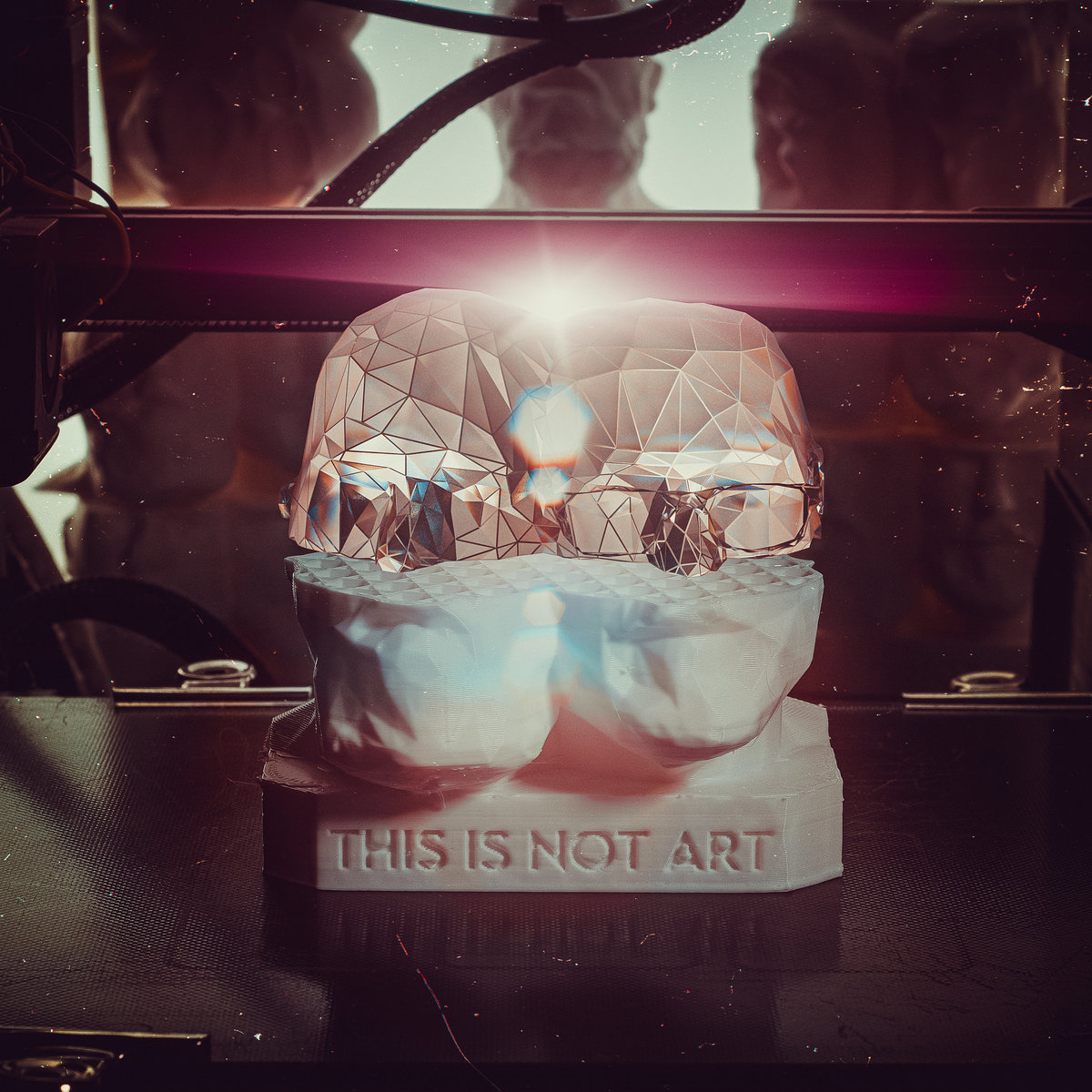
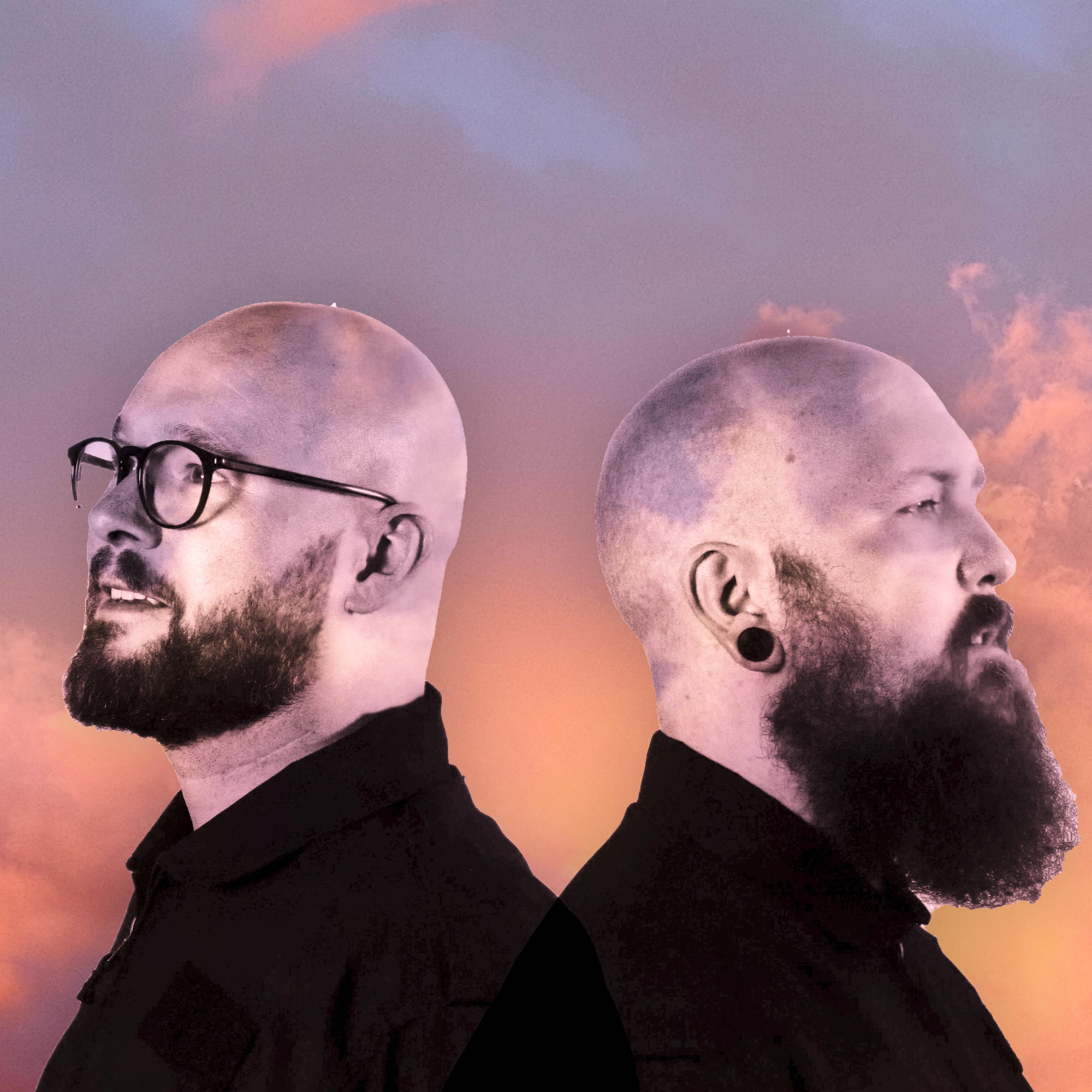
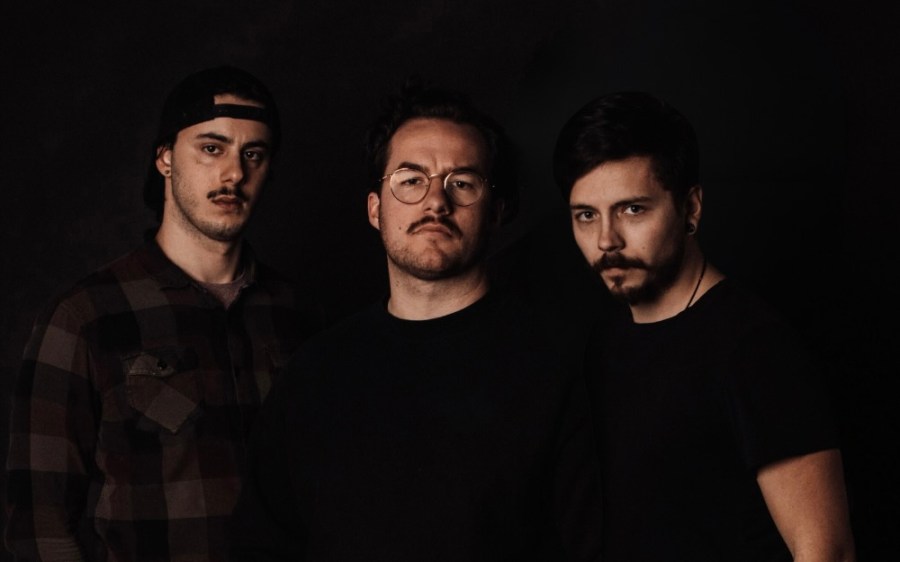
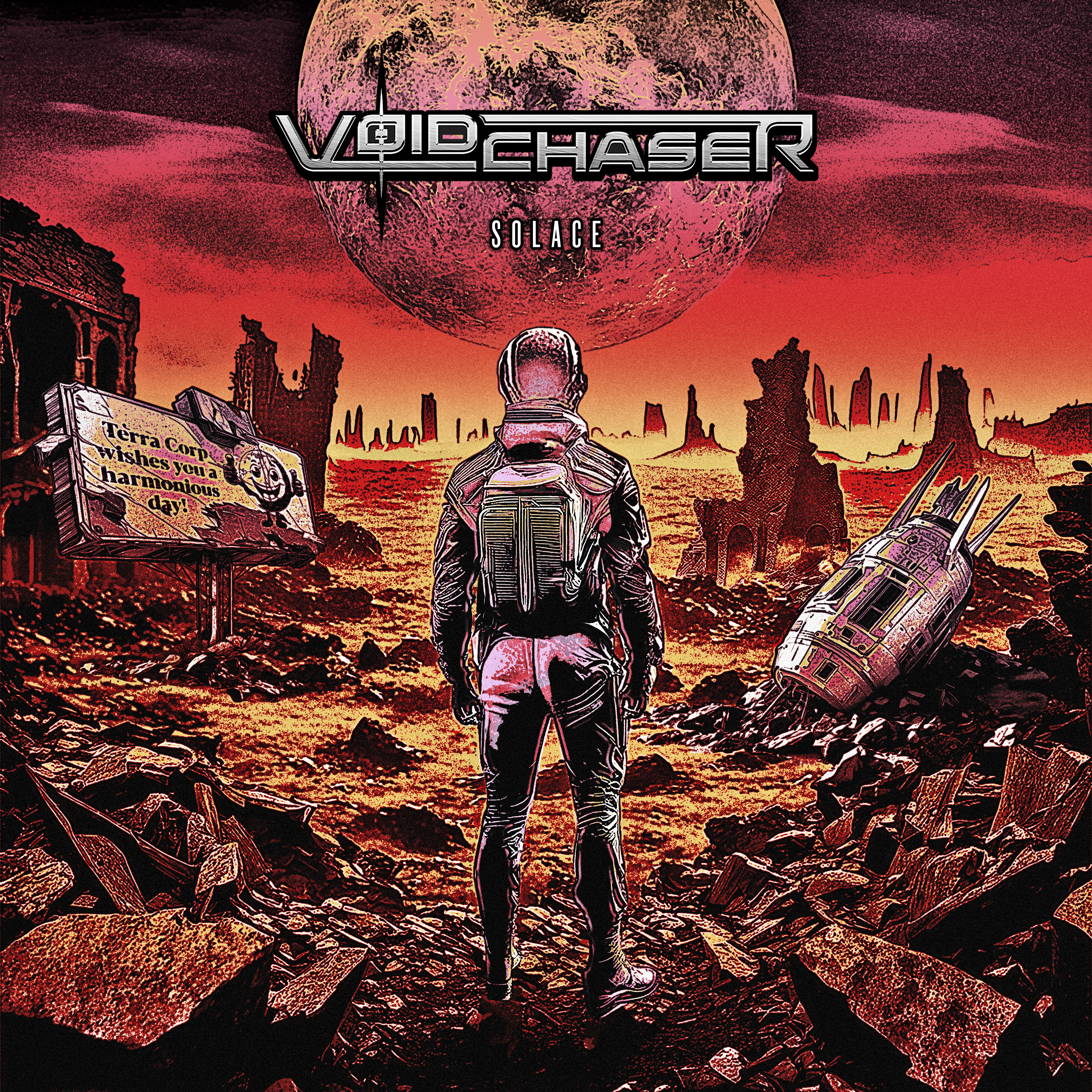

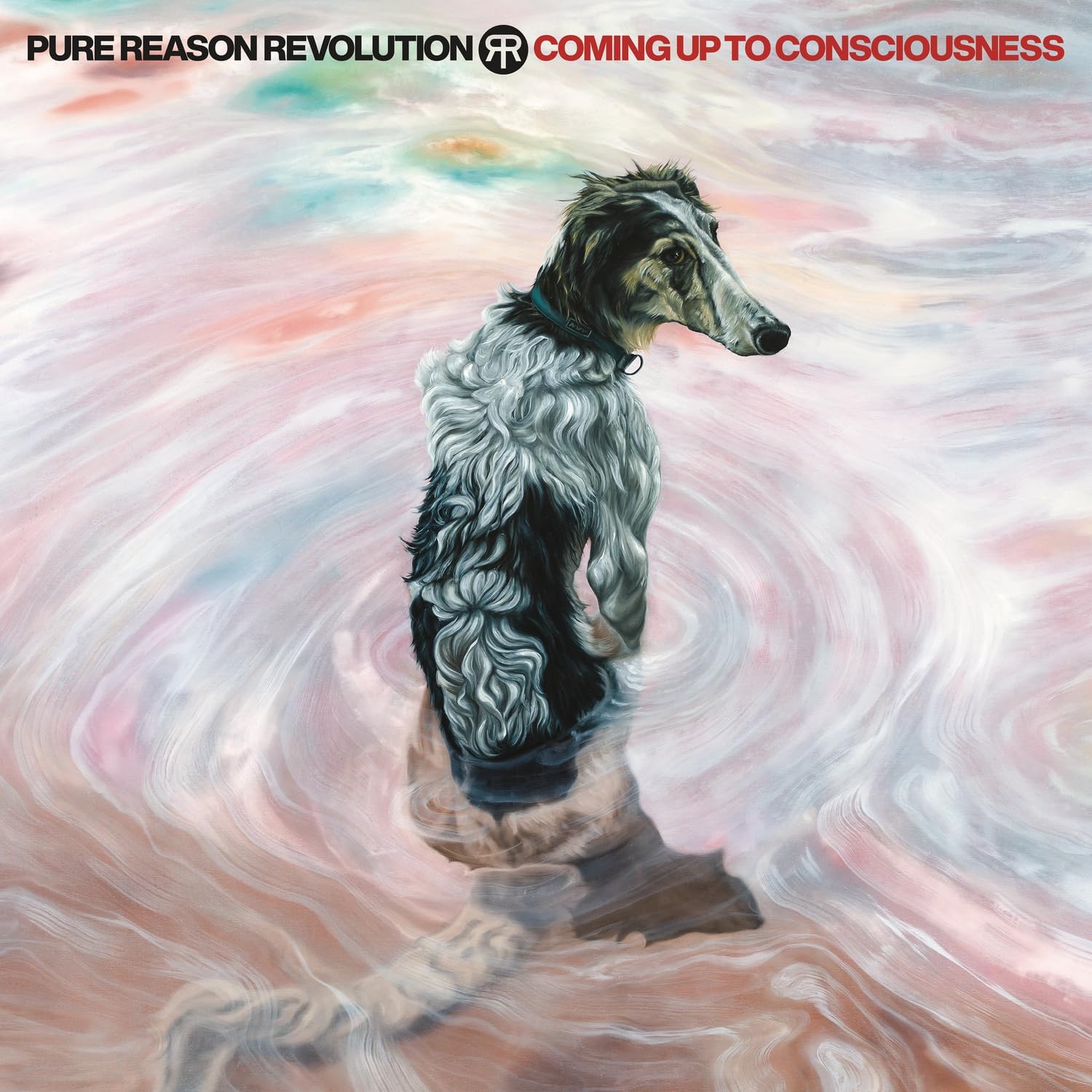

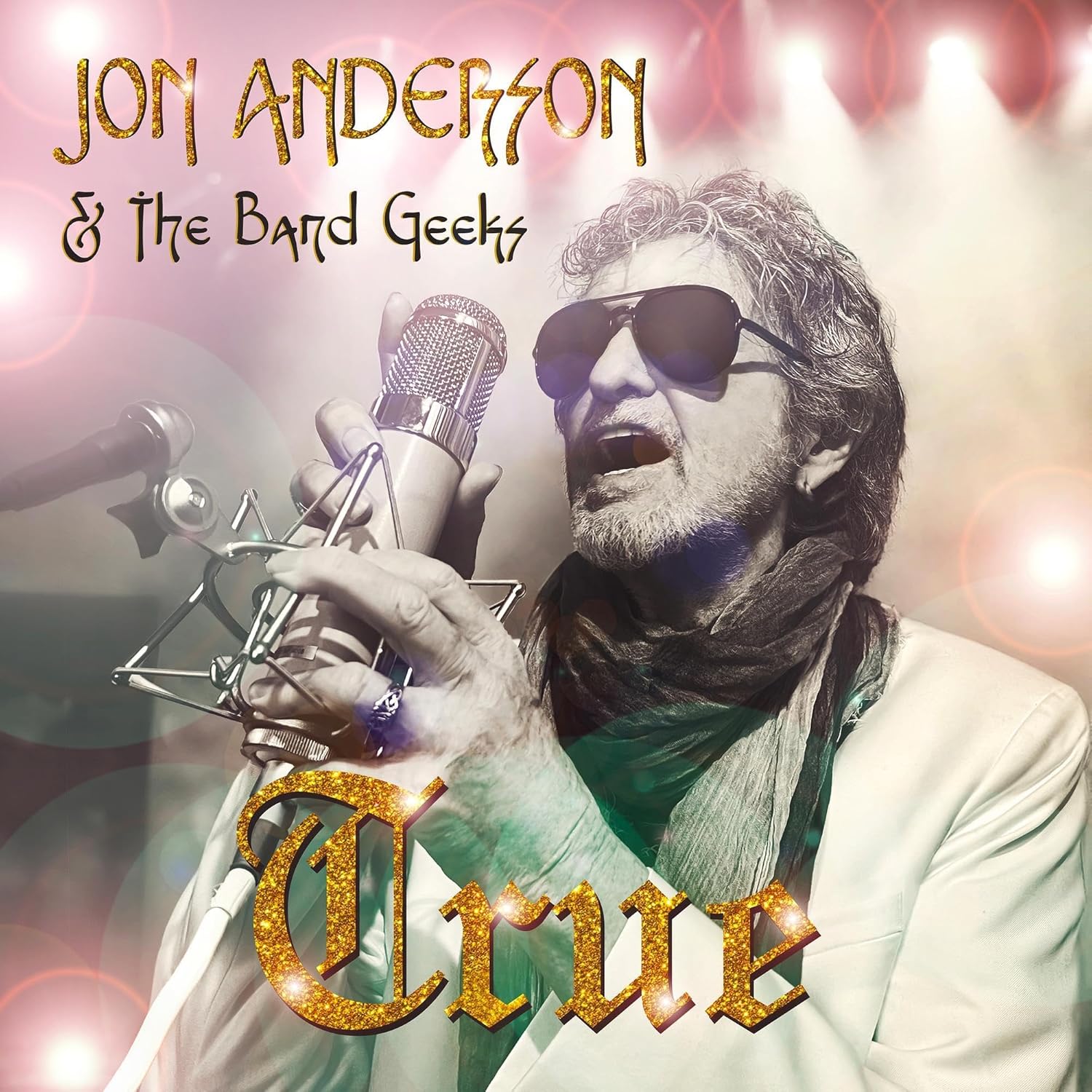


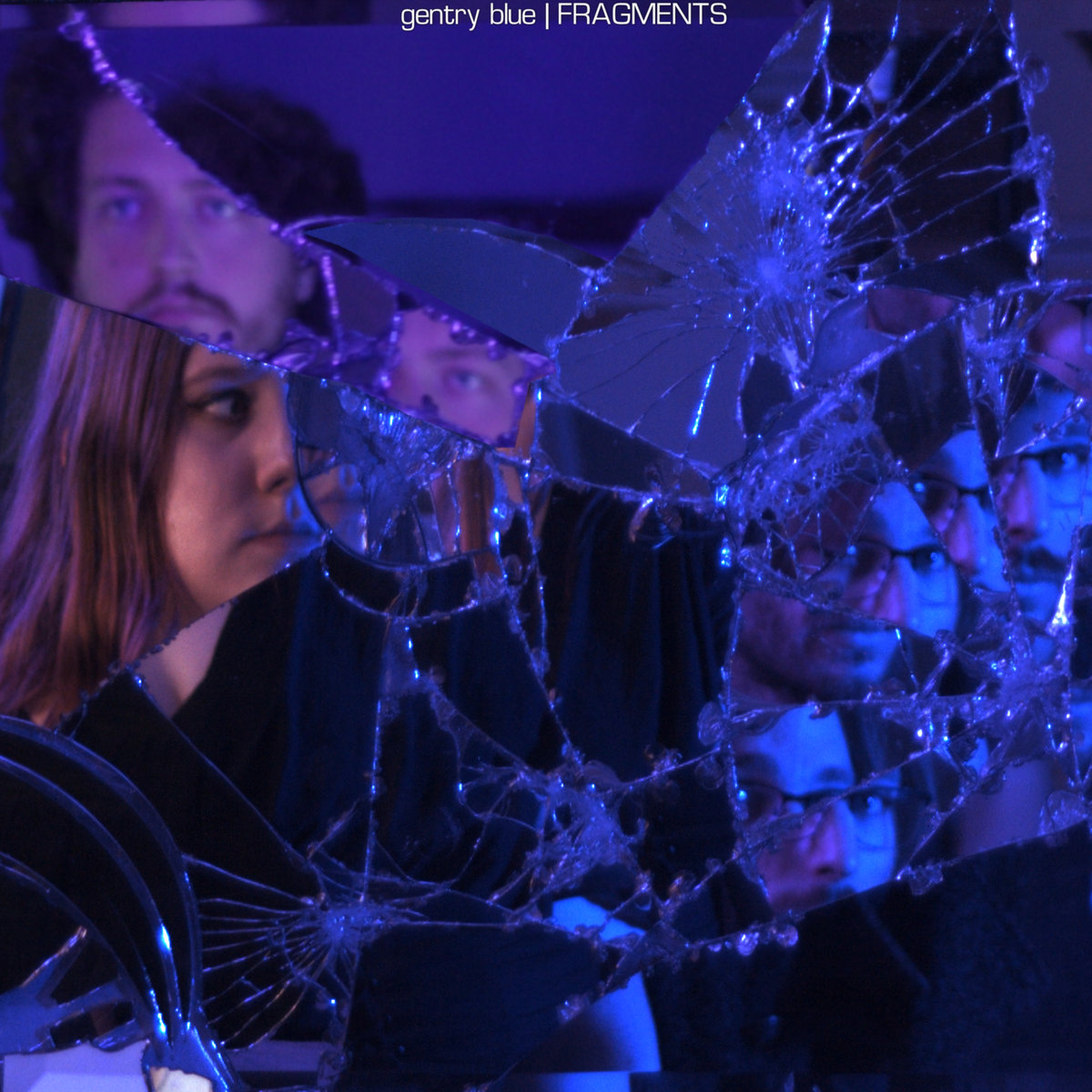

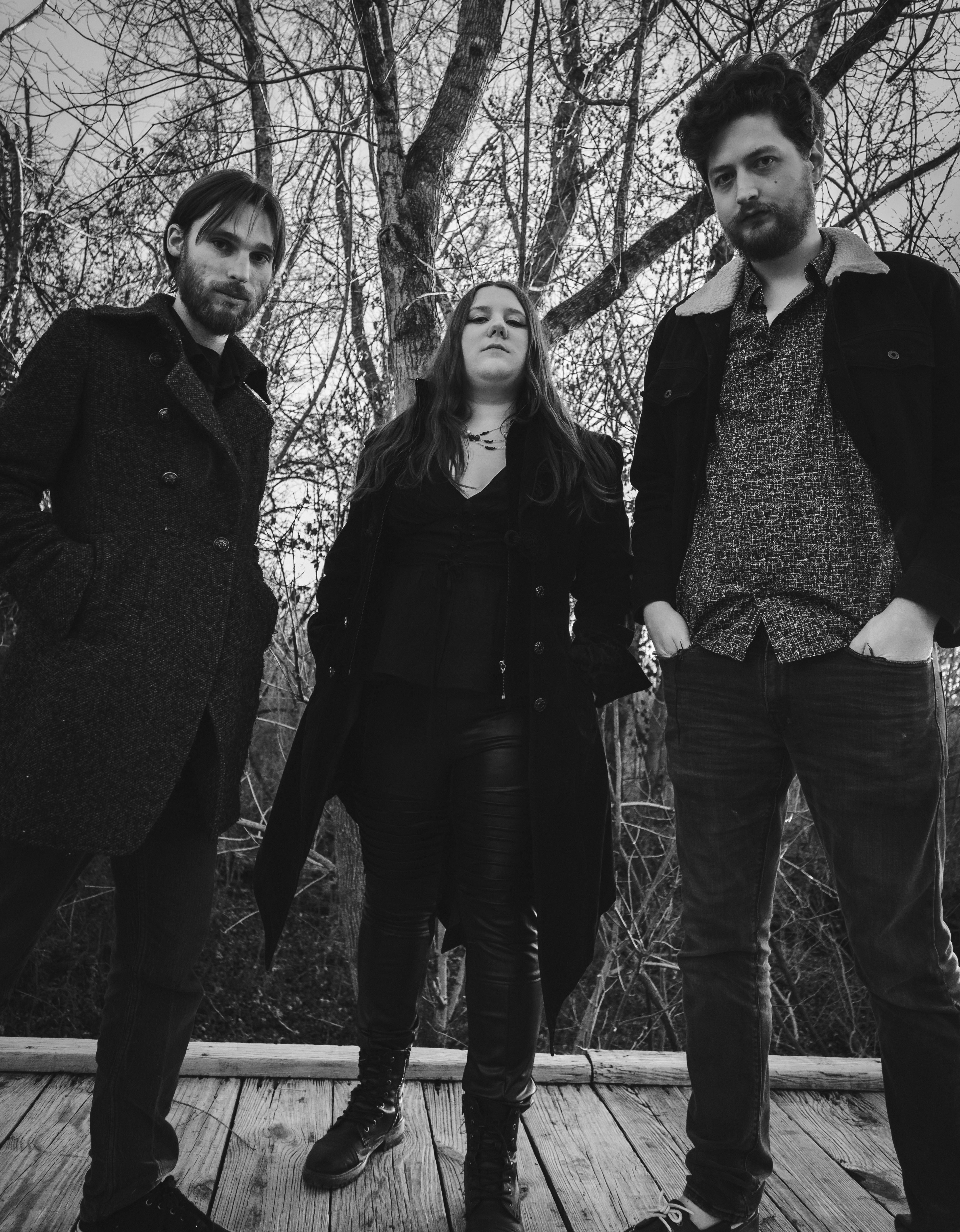
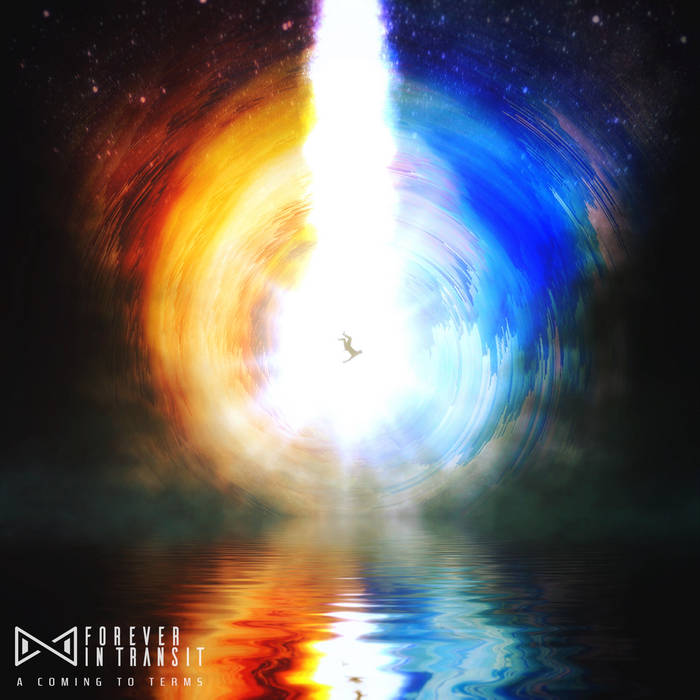
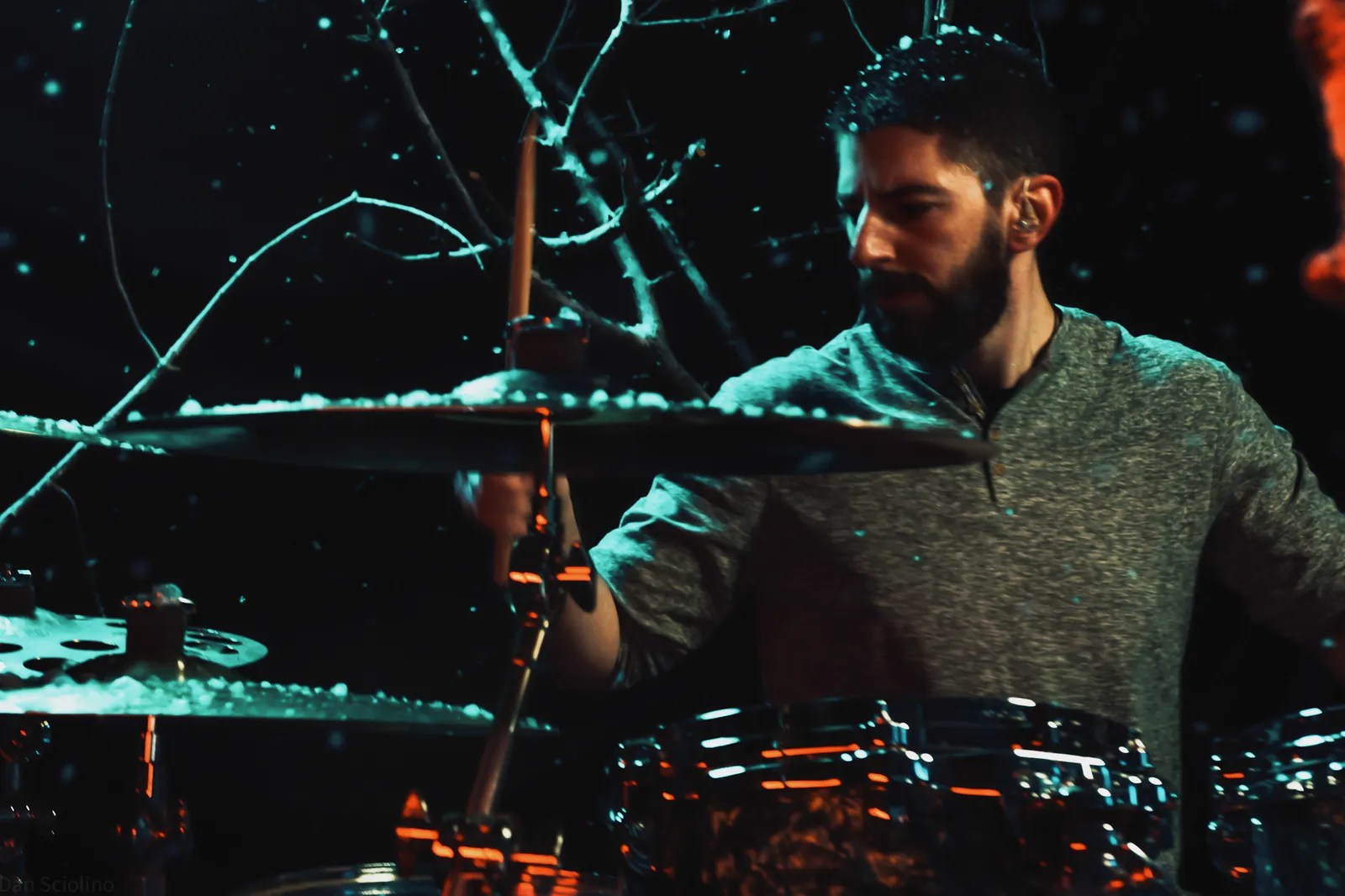
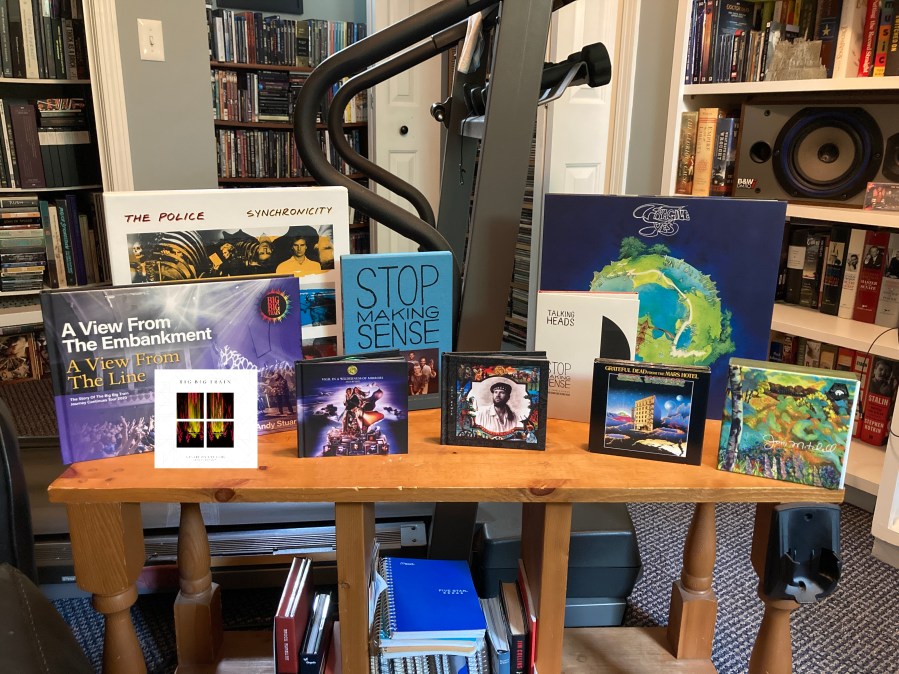

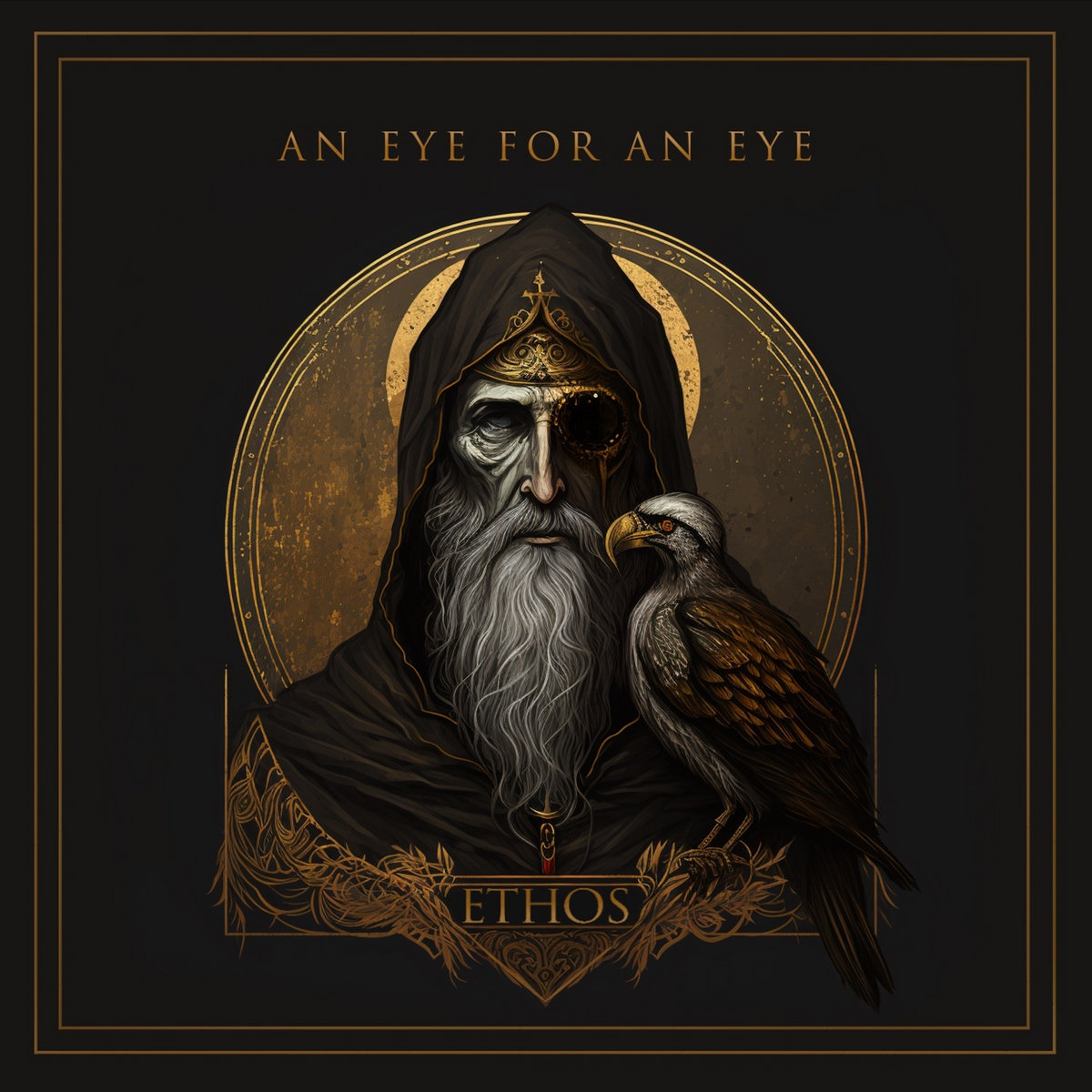
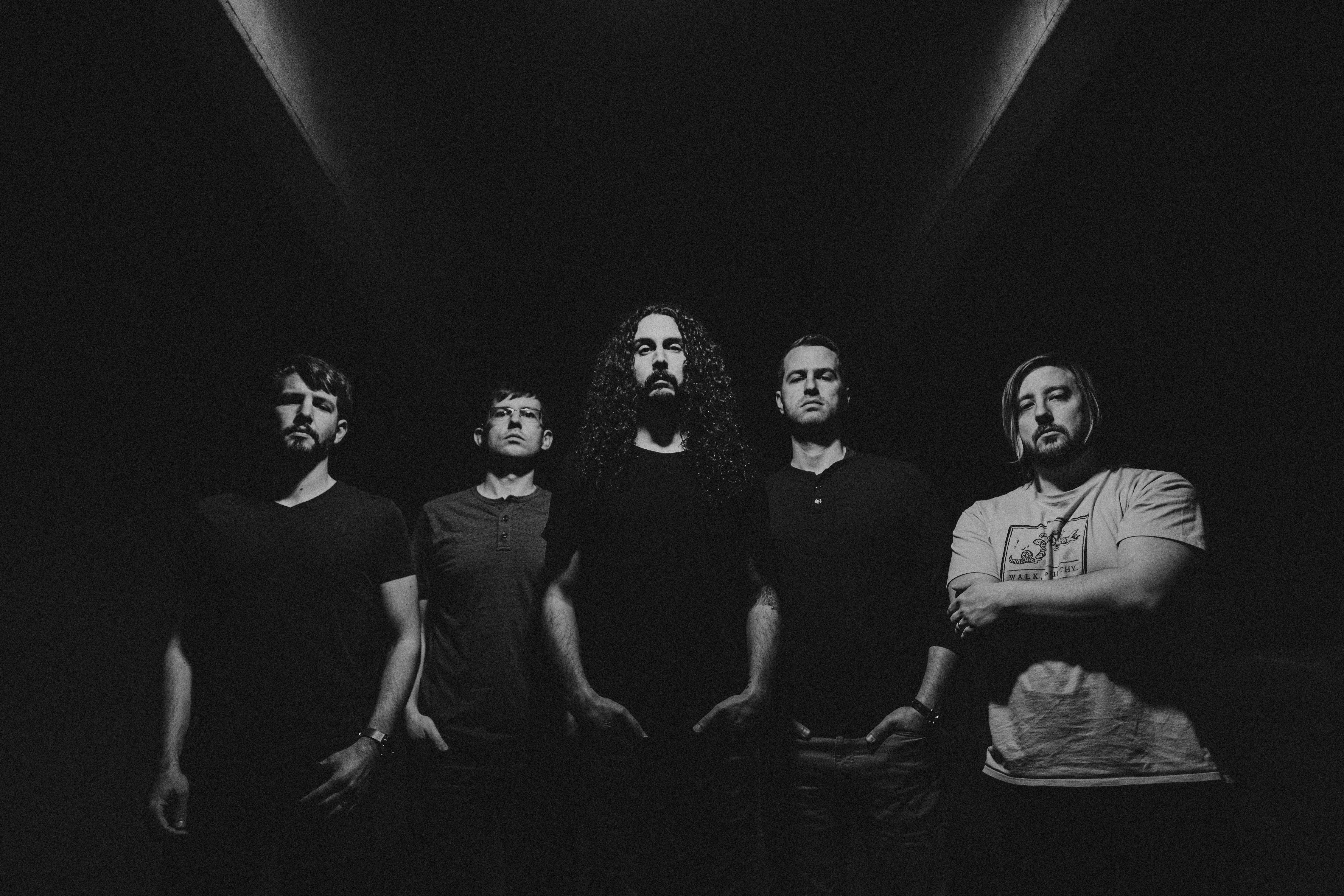
 Progarchy