

 Norway-based Soup has been around since 2005 and has released 6 albums since then. Their last full length CD released in 2013, “The Beauty of Our Youth” really grabbed me at the time with the overwhelming sense of melancholy in the songs, accented by fragile vocals offset by understated instrumentation. With the number of new releases since then I must admit they have not been in my listening rotation in a few years, which is pretty typical of most of my collection.
This makes the release of their new CD Remedies such a pleasant surprise. Their indie post-rock sound has grown tremendously and has a much more progressive feel with a new drummer and production by Paul Savage ( who mixed their last and has produced Mogwai, Franz Ferdinand). Lasse Hoile, Steven Wilson’s visual collaborator, has been a long-time fan and friend of the band and provides some stunning visuals.
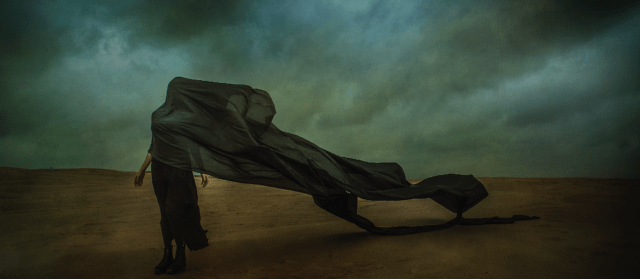 Remedies is short-three songs are 8, 11, and 13 minutes, with two shorter numbers totaling just over 40 minutes. The music typically begins softly-the melancholy remains, and builds to a wall of sound over repeating themes building to heart-wrenching finales. The vocals remind me of Grandaddy (Jed the Humanoid on the Sophtware Slump) and The Flaming Lips (Yoshima Battles the Pink Robots) overlaying their sound which has hints of God Speed You Black Emperor, Snow Patrol, Mogwai and Porcupine Tree.
The three longer songs-Going Somewhere , The Boy and the Snow and Sleepers are the highlights, while the shorter tunes Audion and Nothing Like Home , allow the listener to decompress after the intensity of the extended tunes . Sleeper and The Boy and the Snow really showcase the power of the new rhythm section, adding to the ‘progressive’ feel of Remedies.
The music is a collection of ear worms that make you want to hit repeat as soon as it ends. Highly recommended.
Click on the link for the Youtube video-at about 3 minutes the band really kicks in.
Soup is signed to Crispin Glover Records distributed by Stick-Man Records.



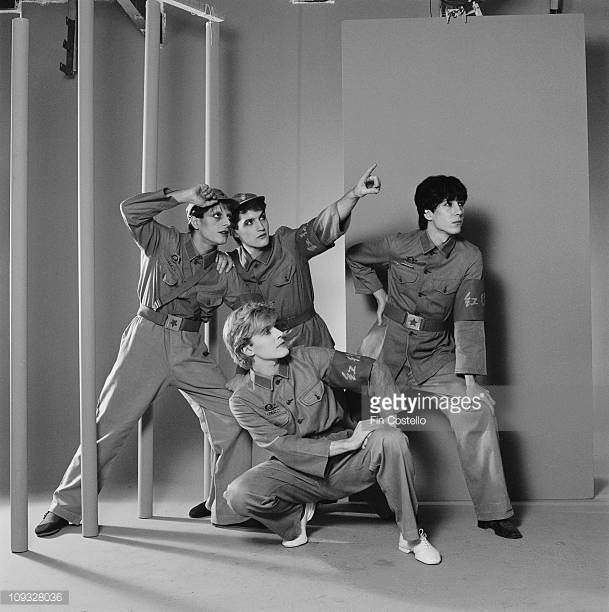 A British post-punk band could grow into just about anything in that fertile ground of the late seventies, and Japan proves the point, as over its short record-releasing career (1978-1981) the band moved from a funk punk glitz unit to new pioneers of progressive art rock. You can see the steam rising off the entire five-album catalogue, the creative engines driving full tilt, inevitably towards early breakdown. If the end came too soon there’s one more record, 1991’s self-titled Rain Tree Crow, that seals the deal: together, Mick Karn, Richard Barbieri, and brothers
 Progarchy