

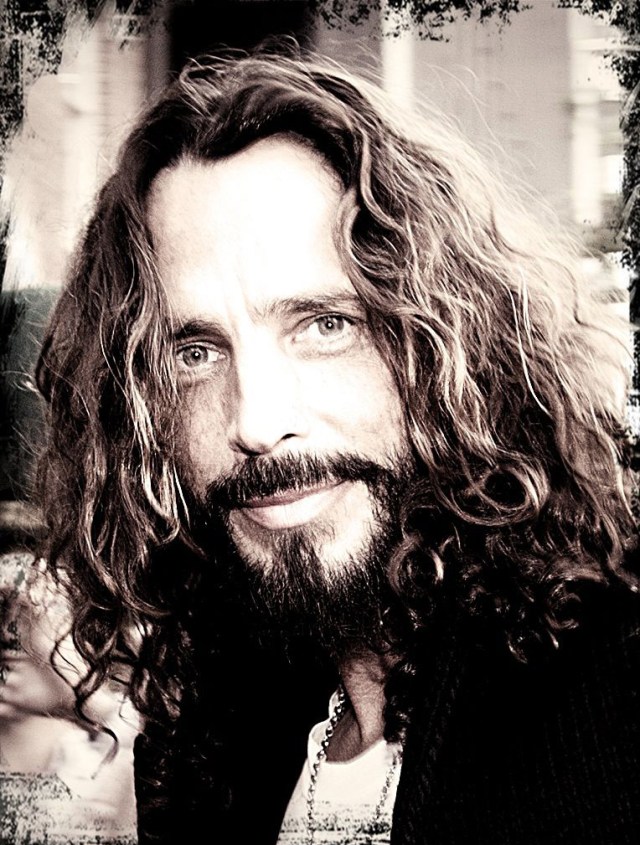
Update: There are now reports from the medical examiner that it was a suicide. Baffling and confounding.
——-
I awoke this morning to two texts from close friends. The first was terse and direct: “Chris Cornell has died.” The second:
“Just heard about Chris Cornell. Sad day for the music world. I’m in Detroit on my way to Florida. It’s all over the news here. Soundgarden played here last night. I doubt he killed himself.”
The first friend had accompanied me to Cornell’s stunning July 2016 concert at The Hult here in Eugene. We both agreed it was a remarkable show; it was even better than a solid 2013 show at a smaller venue just five minutes from my house. We marveled at Cornell’s range, presence, lyrics, musicianship.
Now we are both stunned by his sudden death in a Detroit hotel, not long after a Soundgarden concert that reportedly concluded with Led Zep’s “In My Time of Dying”—a staple in recent solo shows by Cornell.
There are reports that the death may have been a suicide. If so, that would be even more shocking. There had been ups and downs, but Cornell had avoided the deep dives into oblivion that eventually swallowed up Kurt Cobain, Andrew Wood, and Layne Staley. And had, over the past two decades, thrived both personally and professionally.
Cornell was a drug user in his early teens, then drank heavily (and apparently used drugs on occasion) during the heyday of Soundgarden in the 1990s. He hit bottom in the late ’90s as the band broke up and then his first marriage unraveled. Even then, however, he produced his (arguably) finest solo album “Euphoria Morning” (later updated to “Euphoria Mourning”), which demonstrated that he was not just about grunge, but could dip into gospel, blues, and folk. After a stint in rehab, he joined up with three members of Rage Against the Machine to form Audioslave, one of the finest supergroups in recent memory, producing three studio albums of muscular, confident rock that further demonstrated Cornell’s prowess as a songwriter. Several songs for movie soundtracks followed, including “You Know My Name”, the theme song to the 2006 James Bond film, Casino Royale. And Soundgarden’s 2012 “King Animal” was a solid, often brilliant, return for the legendary band.
Since the early 2000s, Cornell’s personal life appears to have been thriving. He married Vicky Karayiannis in March 2004, and by all accounts was a devoted husband and father. His most recent solo album “Higher Truth” was well received, revealing a mature and confident artist who was still trying new things as a songwriter and musician. In interviews, Cornell was thoughtful and funny; he seemed to embrace his fame without taking himself too seriously, which is not an easy thing to accomplish amid the fame and challenges of being a musician.
Again, I’m simply stunned. My God grant Chris Cornell peace and provide solace to his family during this most difficult time.

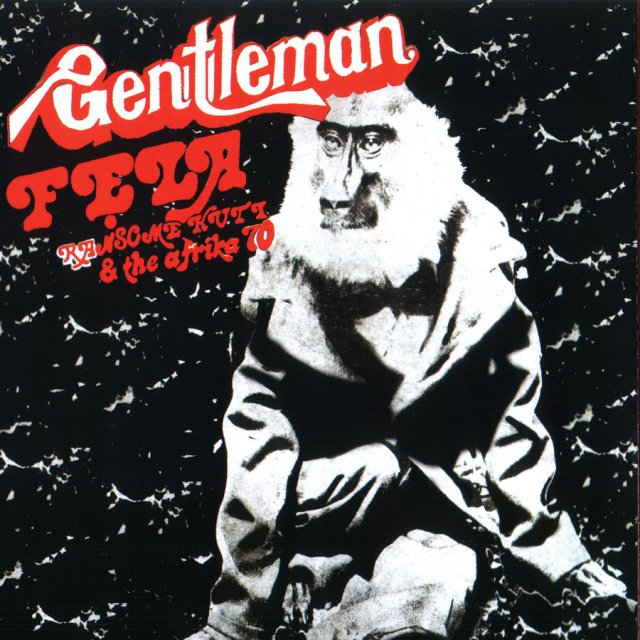 It can look like a conspiracy, from the outside, to know what those of us in middle America grew up with musically in the 1970s. Ensconced deeply in our Yeses and our Styxes and our REO-es and our Kansases, we often missed out on the larger view of the world, despite the delicious depths of what did come delivered over the airwaves. Case in point: Fela Kuti. The Afro beat. I suspect even if you were a jazzbo soldiering on in the post-bop wonderland delivered in the ever-widening sidelong jams of


 Progarchy