How does a two-week vacation circling the Great Lakes wind up being this . . . proggy?
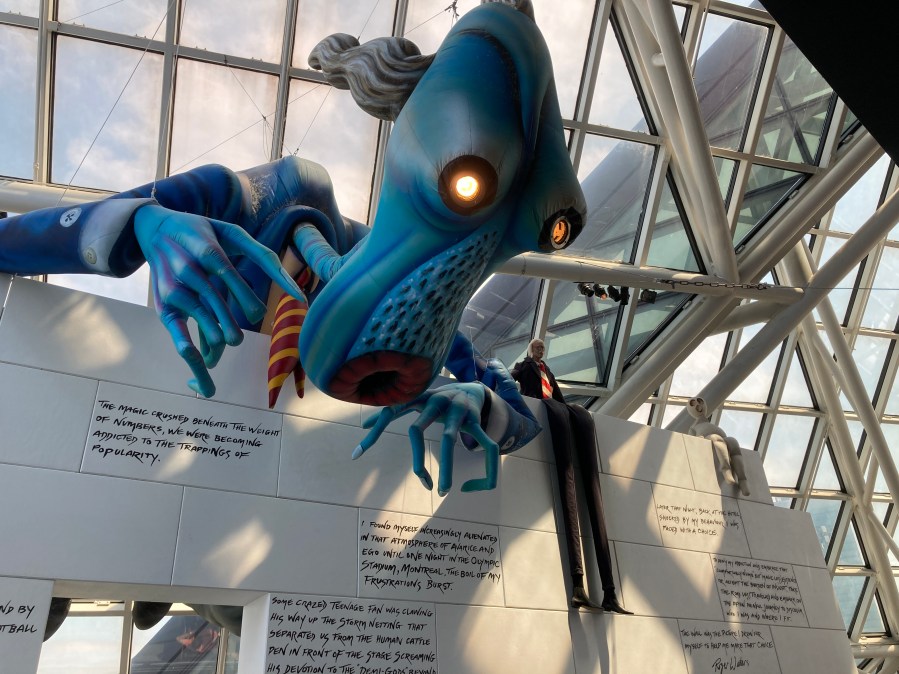
Well, starting out with a few days in Cleveland made a visit to The Rock and Roll Hall of Fame inevitable; it’s been almost thirty years since I set foot in its controversial precincts. (In fact, I’d argue that any hall of fame, no matter its subject, is about controversy — who’s in, who’s not, who should and shouldn’t be there. On such foundations are sports talk radio and the seething hatred of prog fans for Rolling Stone magazine built.) Has the R&RHoF improved in welcoming progressive rock since its fledgling days in 1997, when gigantic props from Roger Waters’ version of The Wall glowering from the top of its atrium (see above) were about the only evidence prog was even on its radar?
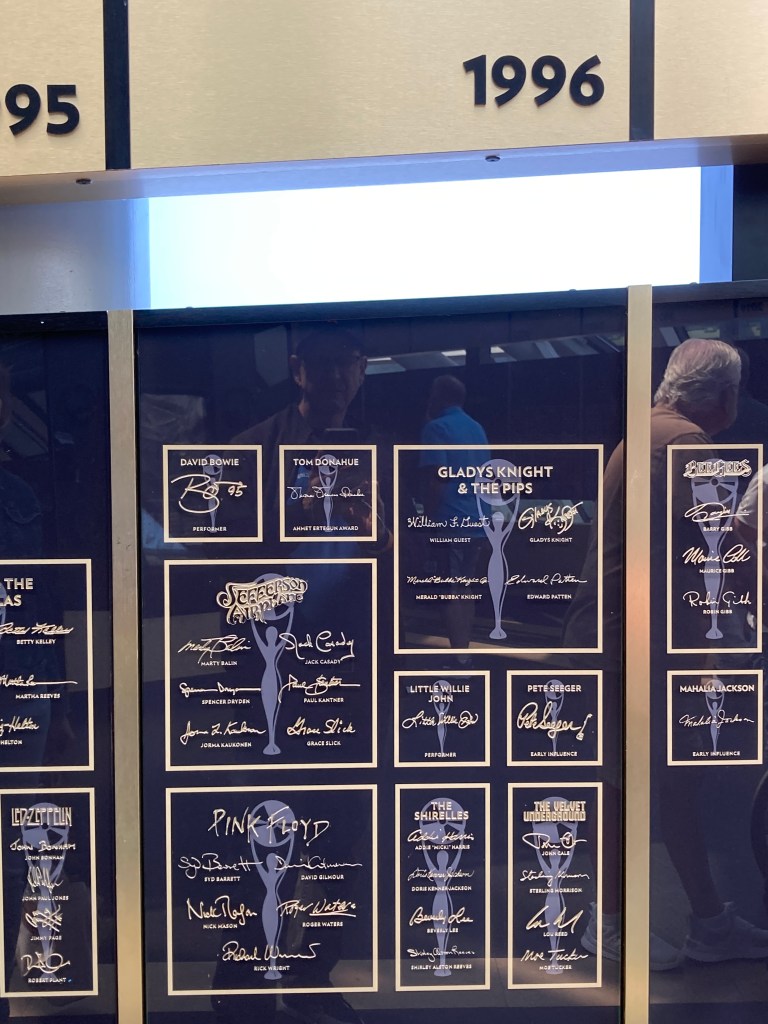
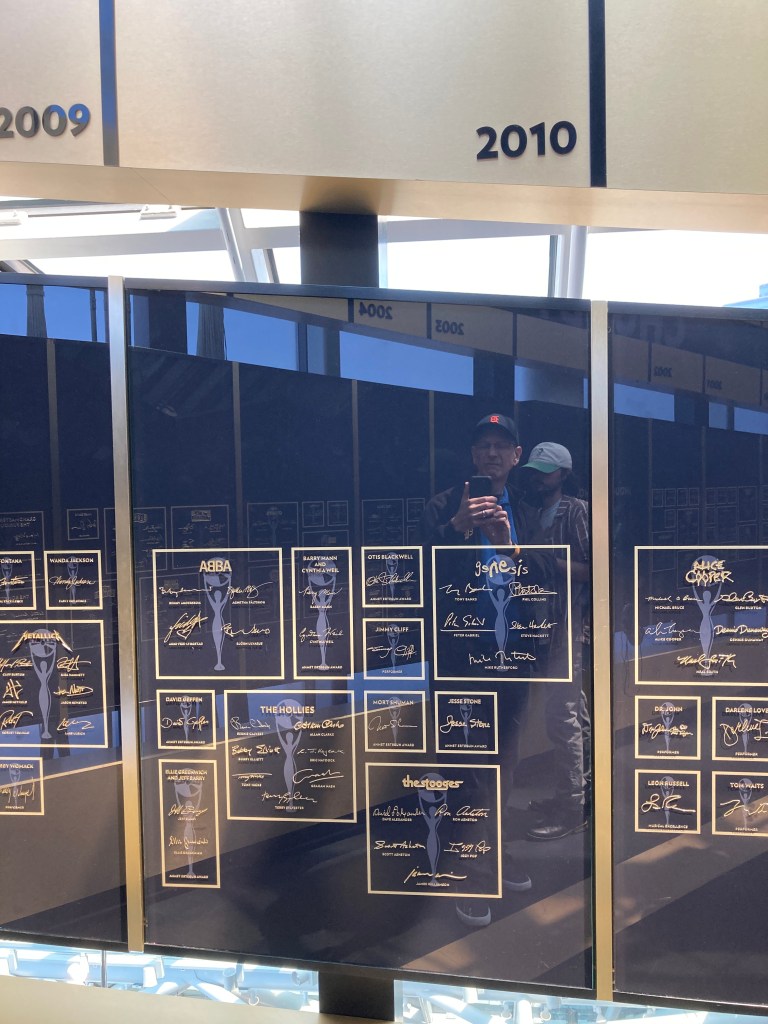
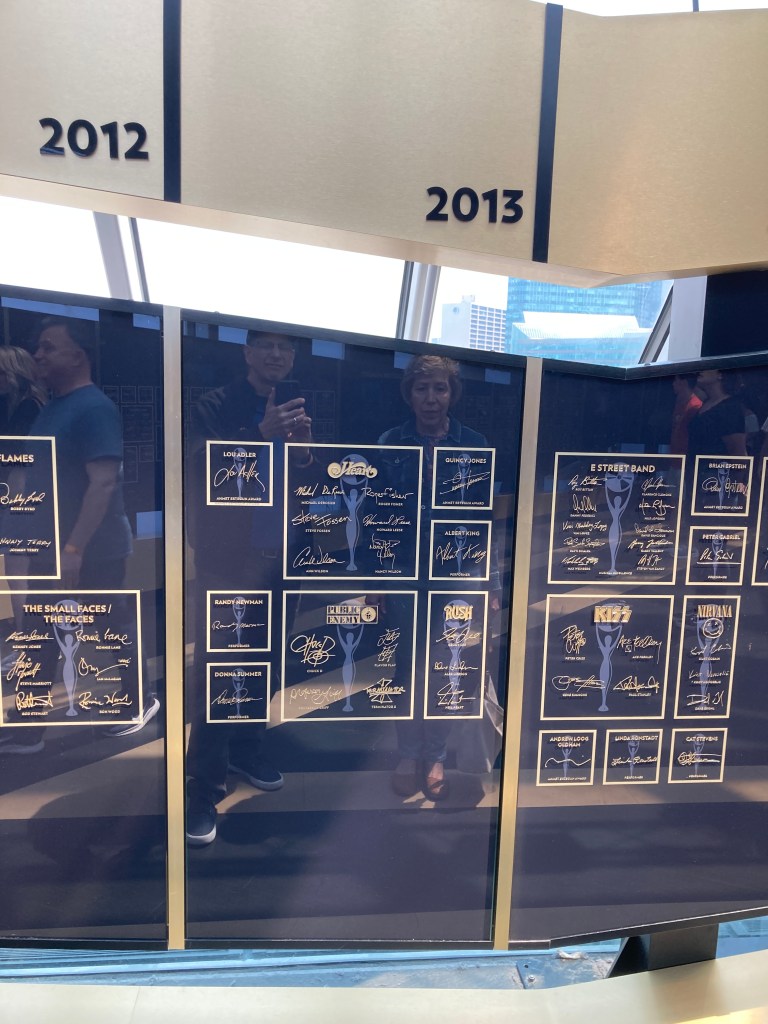
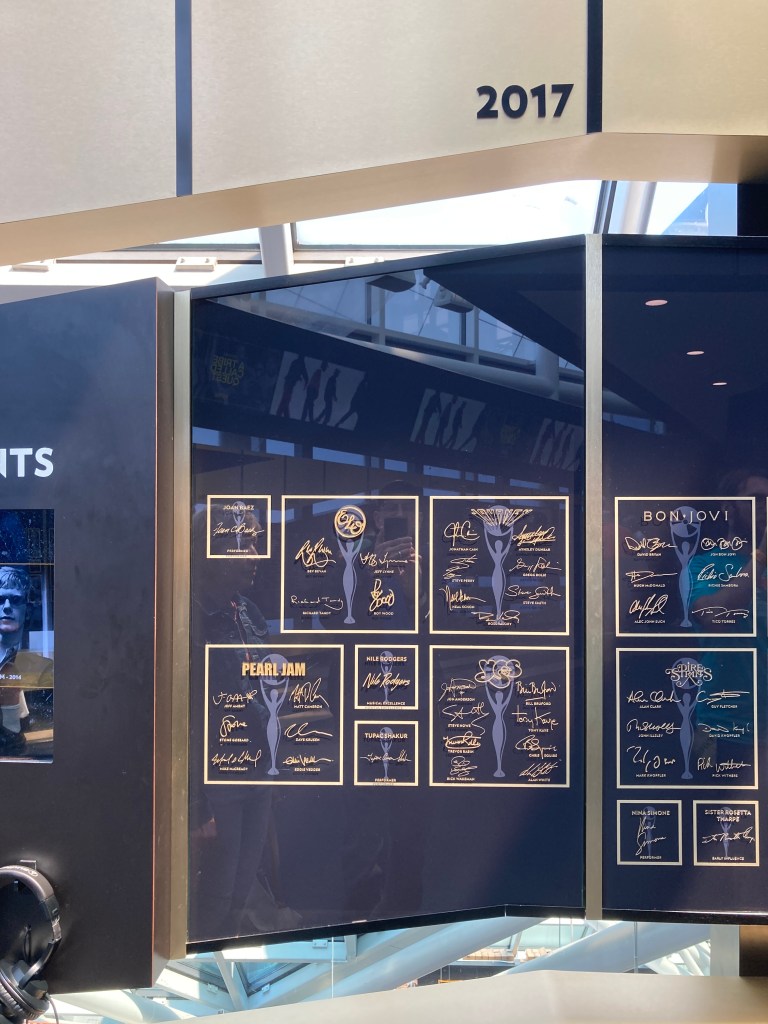
Honestly, omissions are still painfully plentiful; the otherwise comprehensive rock history displays on the first two floors blank out prog entirely, hopping from psychedelia and singer-songwriters to punk with only the barest nod to heavy metal. On the other hand, there has been movement in the last 30 years, with three of Britprog’s Big Six — Pink Floyd (1996), Genesis (2010) and Yes (2017) — plus Rush (2013) inducted into the Hall proper, currently housed on the third floor.
(By the way, you can watch highlights from any artist’s HoF induction on video displays stationed in the Hall. Of course I dialed up that marvelously manic night when Rush was honored — the highlight reel included a full minute of Alex Lifeson’s inspired “Blah blah blah” speech.)
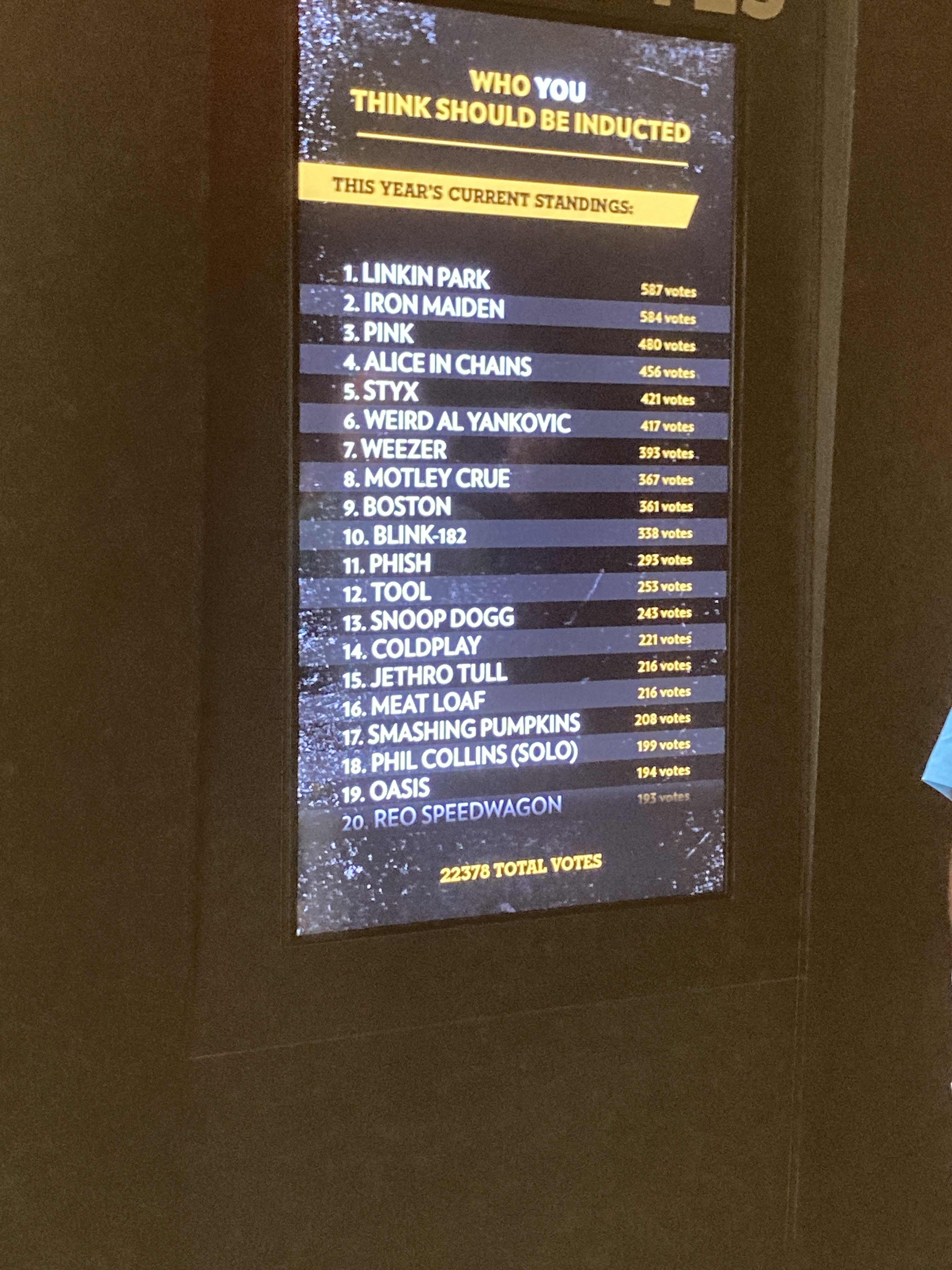
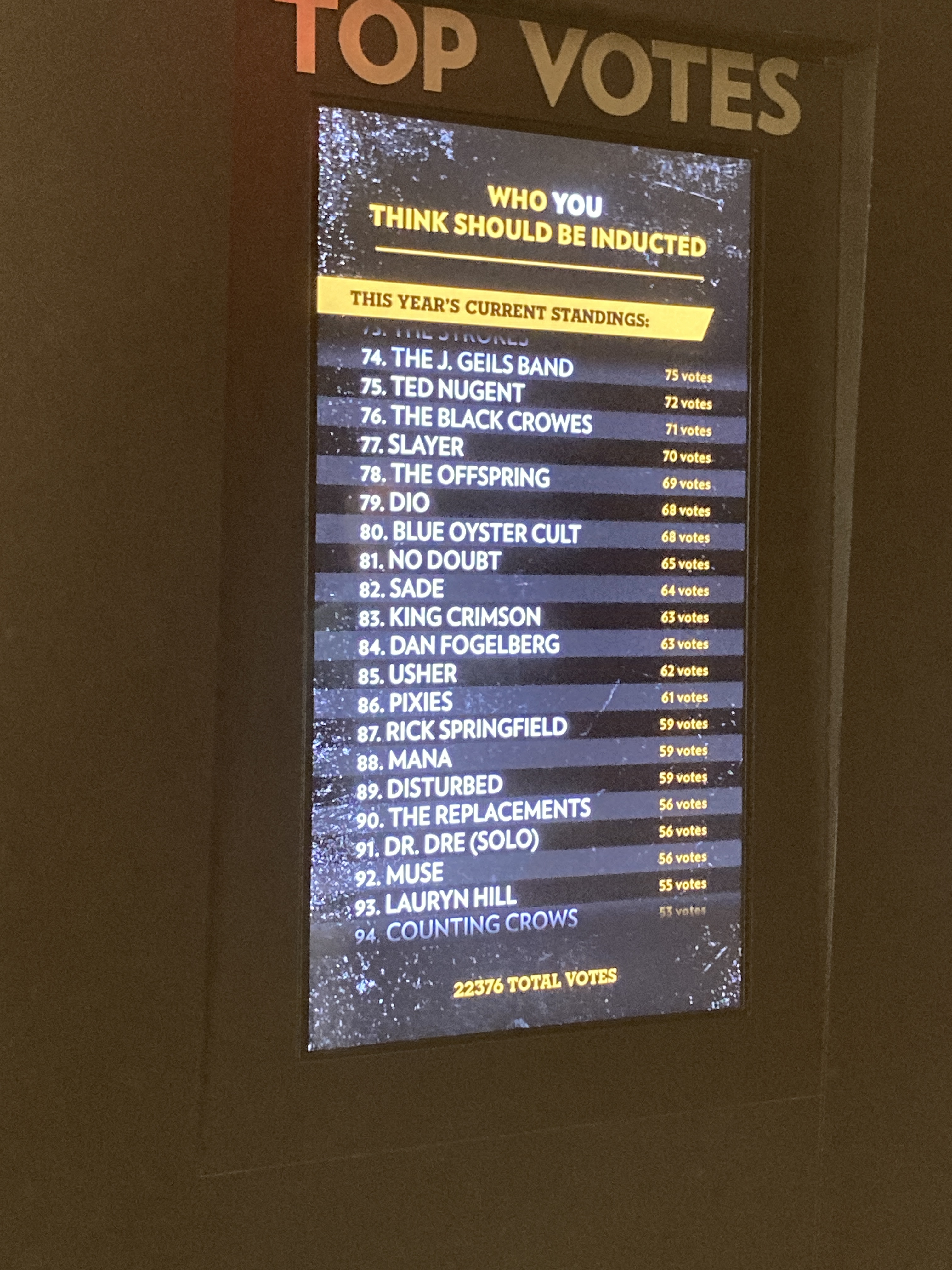
And, doubtless more to harvest email addresses than anything else, you can also vote on who you think should be in the Hall on adjacent video screens. Having done my civic duty by casting a vote for King Crimson, it was heartening to see them at #83 in the Top 100 of this year’s fan poll, though in a lower position than Styx (#5, just in front of Weird Al Yankovic), Tool (#12), Jethro Tull (#15), and Kansas (#35, not pictured). (And sad to say, Emerson Lake & Palmer were nowhere in sight.)
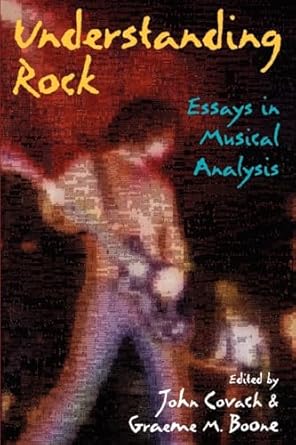
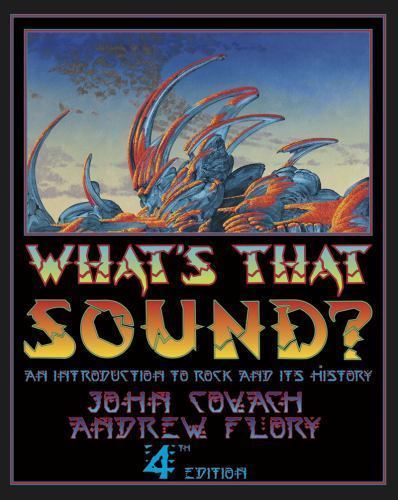
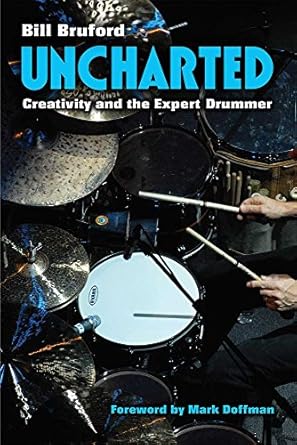
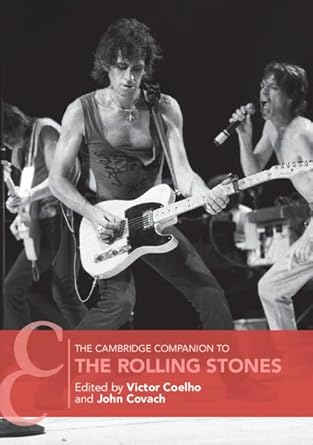
Then it was on to upstate New York, where I spent a delightful hour over coffee with noted music theory scholar and killer guitarist (and acquaintance from my grad school days) John Covach. One of the vanguard academics who pioneered rigorous analytical study of rock in general and prog in particular, John overflowed with good vibes as he waxed eloquent on the delights and challenges of shepherding books like Understanding Rock, What’s That Sound? and The Cambridge Companion to the Rolling Stones through the university press publication process; setting up a lecture tour of U.S. music schools for legendary drummer Bill Bruford (fresh from gaining his own Ph.D at the time); and getting gigs in a Yes tribute band when the post-Anderson version of the group still toured North America every summer! It was a blast to reconnect with John, who in addition to teaching and researching at the Eastman School of Music, is hard at work editing The Cambridge Companion to Progressive Rock (still in pre-publication, hopefully to be officially announced in 2026).
From there, it was a short border hop to an overnight stay in St. Catherine’s, Ontario — in a subdivision:
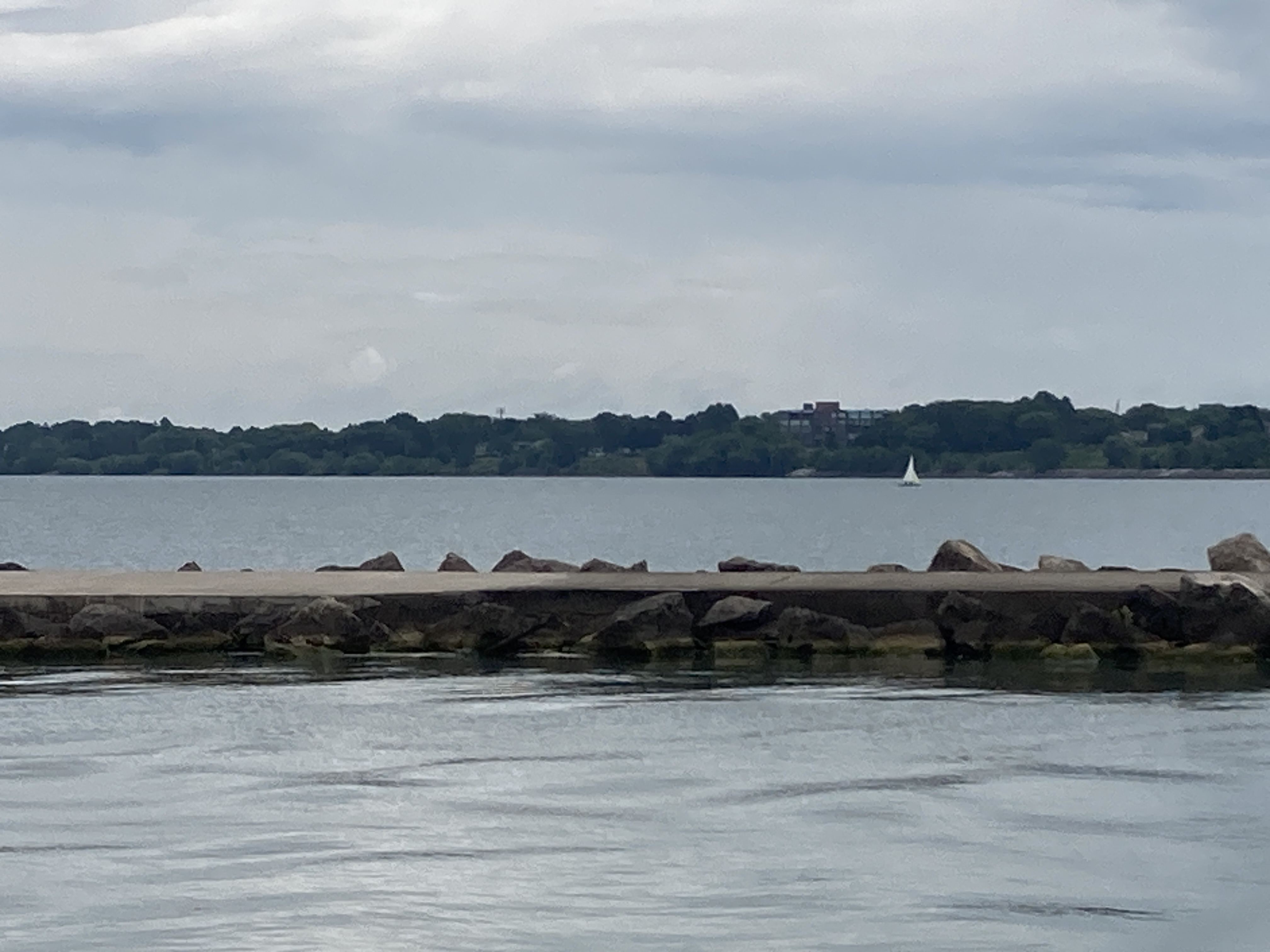
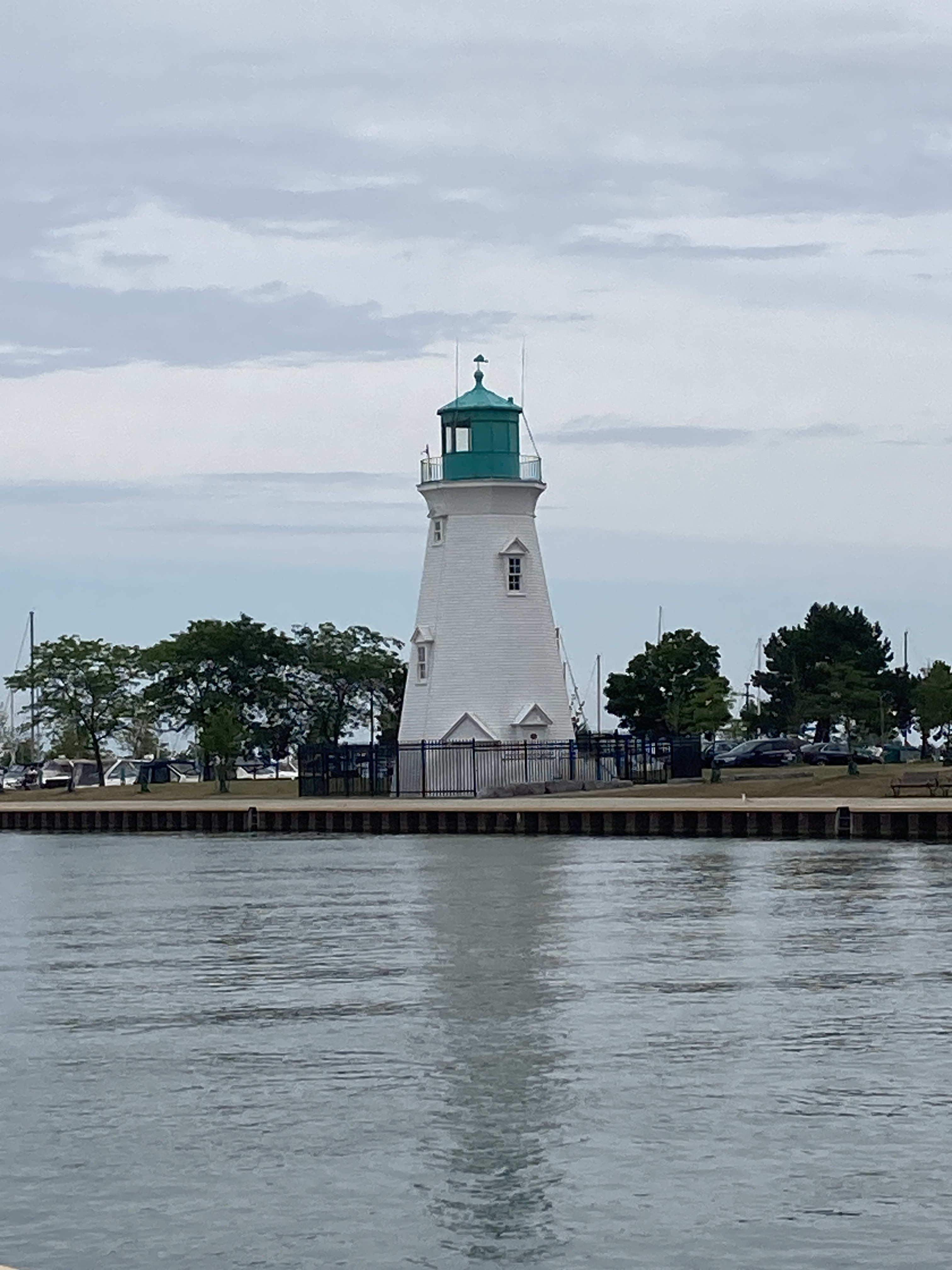
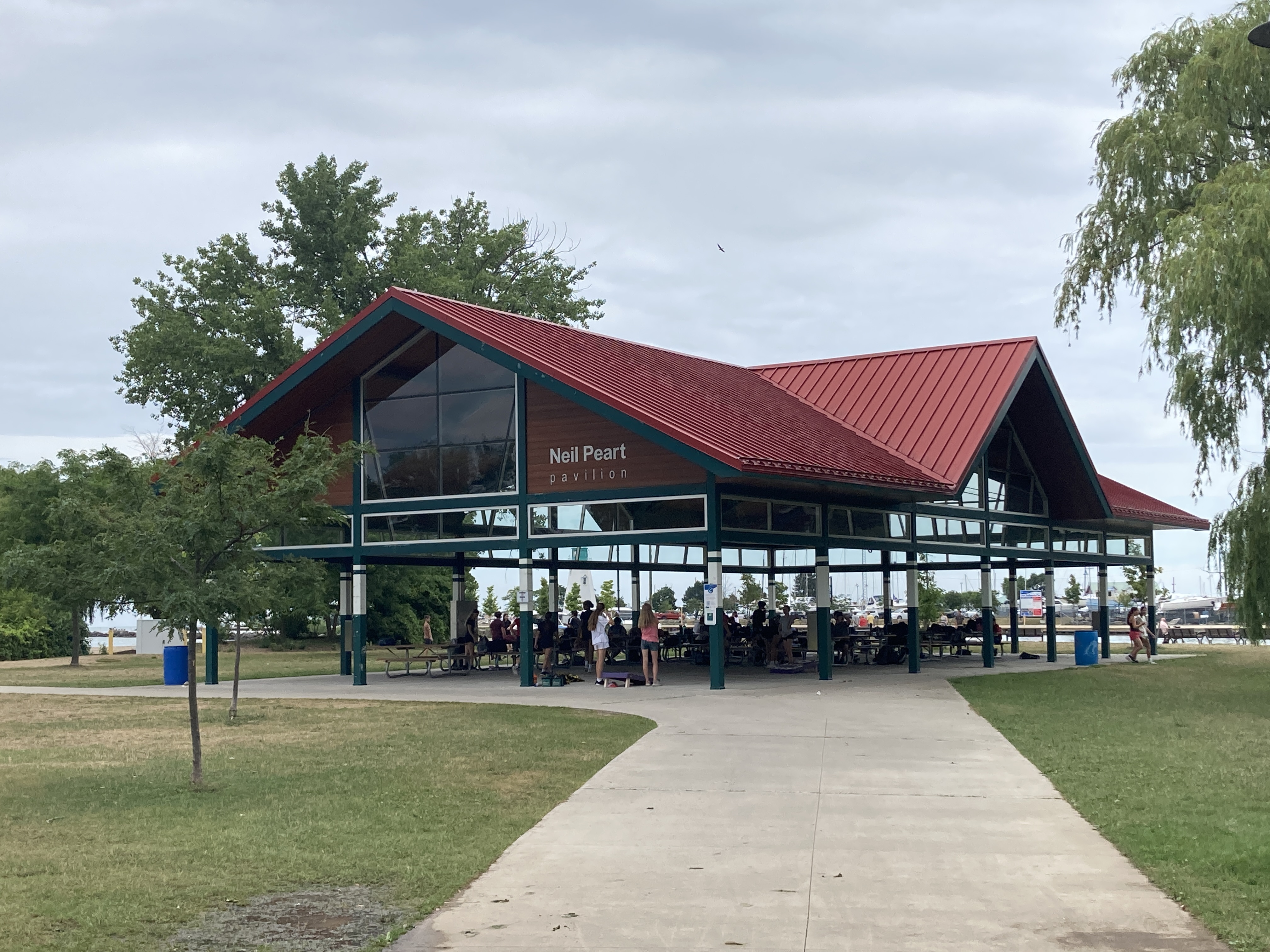
And yes, landing in the hometown of prog-metal’s finest drummer/lyricist was no coincidence; an outing to the town’s Lakeside Park (gorgeous even on an overcast day), complete with a picnic lunch in the shadow of the Neil Peart Pavilion brought the early Rush song of that name to vibrant life. (Fundraising for a memorial sculpture of Peart to be installed in the park has been in progress since last fall; click here for more information.)
If there’s a lesson, I suppose it’s this: a proggy vacation does not just happen; it must be carefully planned. So, fellow Progarchists: what’s your dream itinerary?
— Rick Krueger
P.S. Yes, all of the above is pretty retro; but new prog and more cool music piled up in my inbox while I was gone, so the appropriate Quick Takes are coming . . .
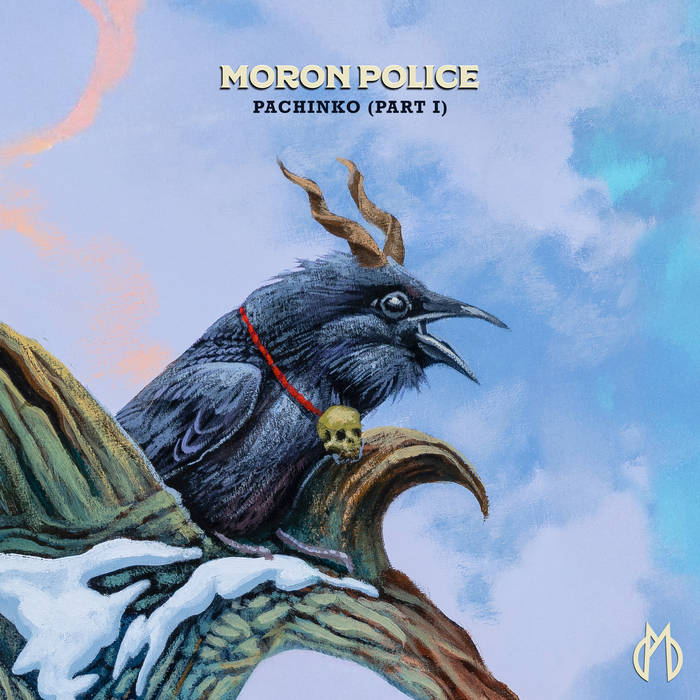
If you like your prog pop with a generous helping of quirk, then you will be delighted to know that Moron Police – one of Norway’s finest – dropped a new track (Pachinko, Pt. 1) from their upcoming album on Bandcamp. 11 minutes 44 seconds of absolute goodness!
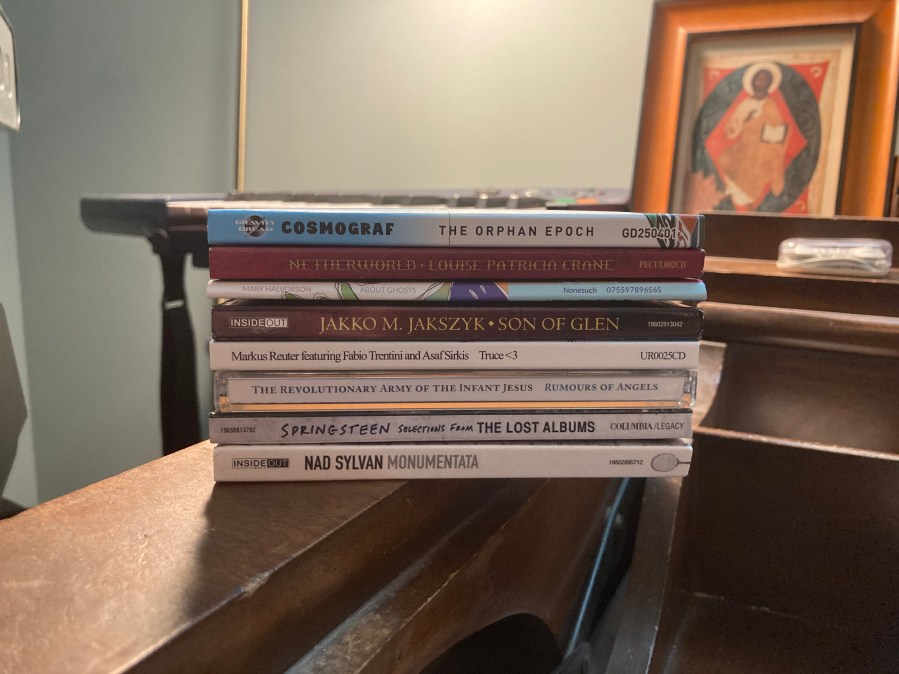
It’s been an hugely enjoyable month for out-of-the-box music! Along with the alluring, elegant wallop of Nad Sylvan’s Monumentata(listen here) and the mesmeric slow burn of Jakko Jakszyk’s ruminative Son of Glen (listen here), three impressive new releases, a compilation taken from one of this year’s most-anticipated box sets, an utterly unexpected reissue — plus one from last year that got away — have crossed my desk. As usual, purchasing links are embedded in the artist/title listing, with streaming options after the review.
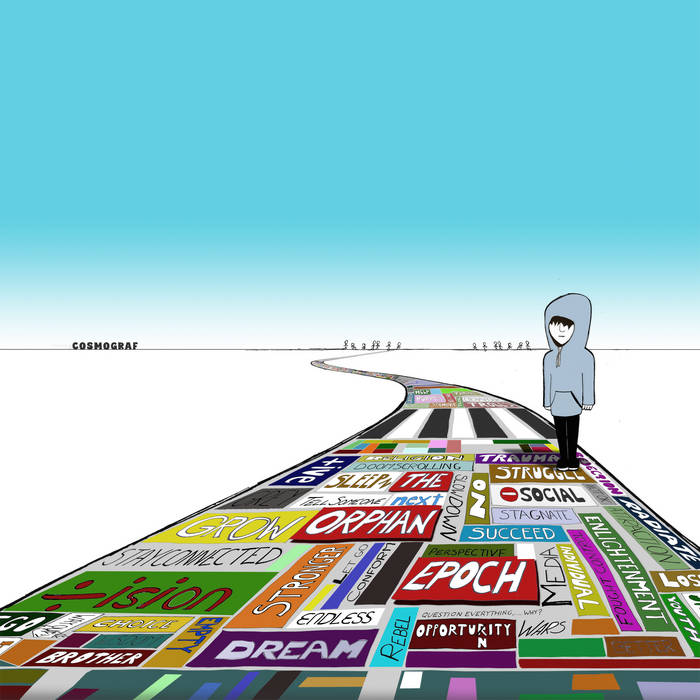
Cosmograf, The Orphan Epoch: Another winning set from Robin Armstrong! More thematic than conceptual this time around, The Orphan Epoch focuses on today’s younger generation and their search for a valid path, confronted by conformity and control like never before. “Division Warning” unfurls from fetching piano filigree to steamroller guitar supporting a dramatic, emotionally ripe chorus; elegance and savagery bob and weave, then fly in formation for “We Are the Young.” There’s gorgeous sax commentary from Peter Jones on the foreboding “Seraphim Reels”; big riffs, gang chanting and blustery organ workouts on “Kings and Lords”; a quiet, menacing synth pulse that, with Kyle Fenton’s skittering drums, propels the encroaching darkness of “You Didn’t See the Thief”; the loose yet inevitable build of “Empty Box.” It all coalesces along “The Road of Endless Miles,” as strong, hard power chording pushes Armstrong’s overdriven vocals to a striking crest, then ebbs away into dead silence. Impeccable, punchy, dynamic sound throughout brings out so much fine-grained detail, all in the service of Armstrong’s bleak yet beautiful, thoroughly humanistic vision. Moving and gutsy, this impressive record deserves the widest possible audience.
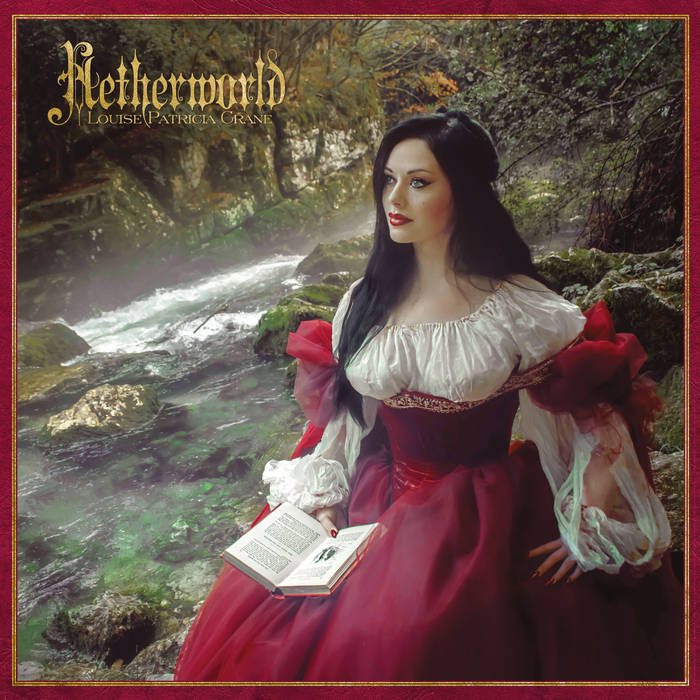
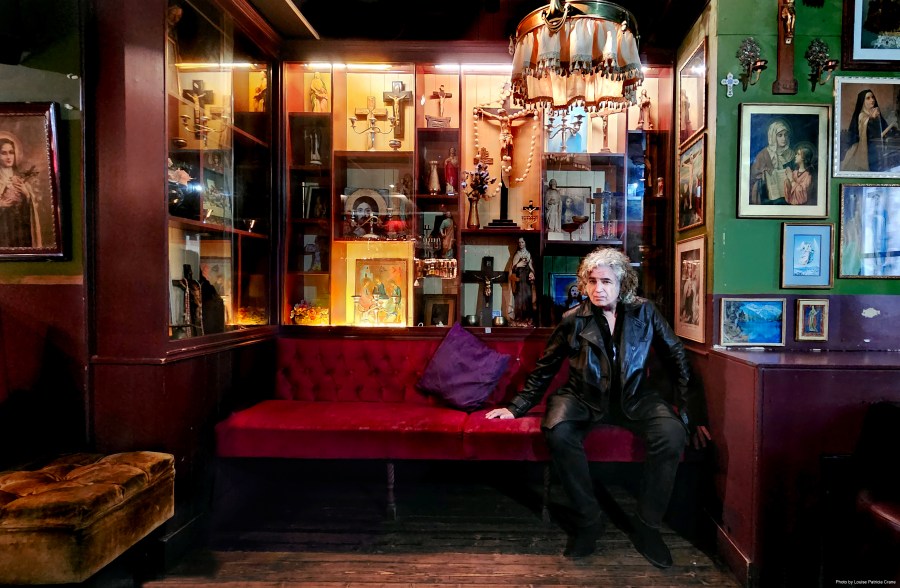
Louise Patricia Crane, Netherworld: Both in his recent Progarchy interview and in the liner notes for his latest, Son of Glen, Jakko M. Jakszyk has been beating the drums for this 2024 album – and he’s right to do it! Crane brings vaulting artistic ambition, assured worldbuilding and mad skills at singing, playing and production to bear on Netherworld; the result is an utterly absorbing song-cycle that pulls you in with the initial “Dance with the Devil” and refuses to let go until the last strains of “Japanese Doll” have died away. Wisps of early Genesis and Tull give “Tiny Bard” and “The Lady Peregrine’s Falcon” a folk-prog tinge, while a trace of vintage Kate Bush lingers in Crane’s resonant vocals, but the sweep of her archetypal lyrics and the variety of settings (from subtly psychedelic “The Red Room” to the overcast jazz of “Bete Noire”) dispel any hint of tired pastiche. Rather, Jakszyk joins an imposing crew of modern prog titans (hailing from King Crimson, Marillion, and points beyond), all dedicated to bringing Crane’s singular point of view to life. These classic ingredients come together in a heady, winningly original brew on an atmospheric soundstage that breathes; Nick Drake’s catalog and the rumbling calm of Talk Talk’s post-rock years are the closest parallels I can call to mind. Netherworld is a brilliant album, thoroughly deserving of your time, attention — and even love. It went on my Belated Favorites list like a shot!
Mary Halvorson, About Ghosts: More kaleidoscopic ensemble jazz from Halvorson’s Amaryllis sextet plus guests (including youthful sax giant Immanuel Wilkins). The warm, glittering sound of opener “Full of Neon” is typical here; launching a pointillistic riff, the ensemble builds through brass smears and a convoluted unison head to perfectly judged solos from trombonist Jacob Garchik and guest tenor Brian Settles. Trumpeter Adam O’Farrill, vibist Patricia Brennan and Wilkins get their licks in as well, while the rhythm section of Nick Dunston and Tomas Fujiwara kick up plenty of dust and swing like mad. And while Halvorson generally lays back as a soloist here (“Carved From”, also a spotlight moment for Wilkins, is an enjoyable exception), her pointed guitar tone laced with congenial digital wobbles consistently pokes through at just the right moments. From “Absinthian’s” uptempo tick-tock through the graceful Ellingtonia of the title track to the sleek glide of “Polyhedral” and “Endmost’s” smooth, richly chorded bossa, Halvorson and her players are always inventive and inviting, conjuring sunny textures from the knottiest material. A great way to either discover this fine composer/performer’s unique voice, or to check out her continuing growth.
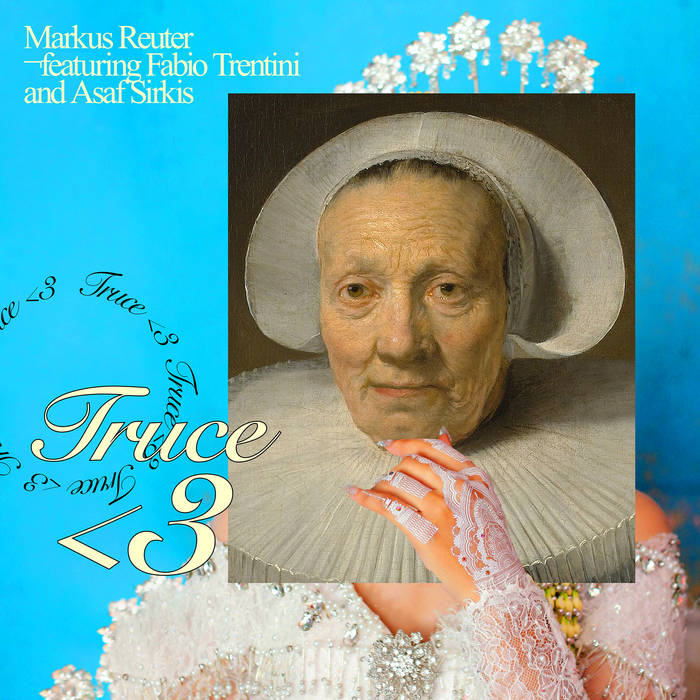
Markus Reuter – featuring Fabio Trentini and Asaf Sirkis, Truce <3: Full-on instrumental rock from three undersung players who know their stuff — including the magic that can happen when the red light comes on with nothing prepared! Reuter’s touch guitar conjures up hanging sonic clouds, cycling loops, piledriving licks and rich melodic spirals; Trentini’s bass lines ground the evolving excursions with a tasty mix of repetition and variation, plus fat, enticing tone; on drums, Sirkis is endlessly, subtly inventive within rock-solid grooves. Slinky kickoff “Not Alone,” the driven, stuttering funk of “It’s Not in the Cards,” the bubbling, smoldering interplay of “Crooked” and “Guardian Shadow,” with its stinging elegiac lament that morphs into a total wig-out, are just the highlights; every improvisatory leap here is inspired. Completely whipped up from scratch like the first two entries in this stunning series, Truce<3 catches music as it’s made on the fly, irresistibly setting body, mind and heart in motion. Already on the Favorites list for this year.
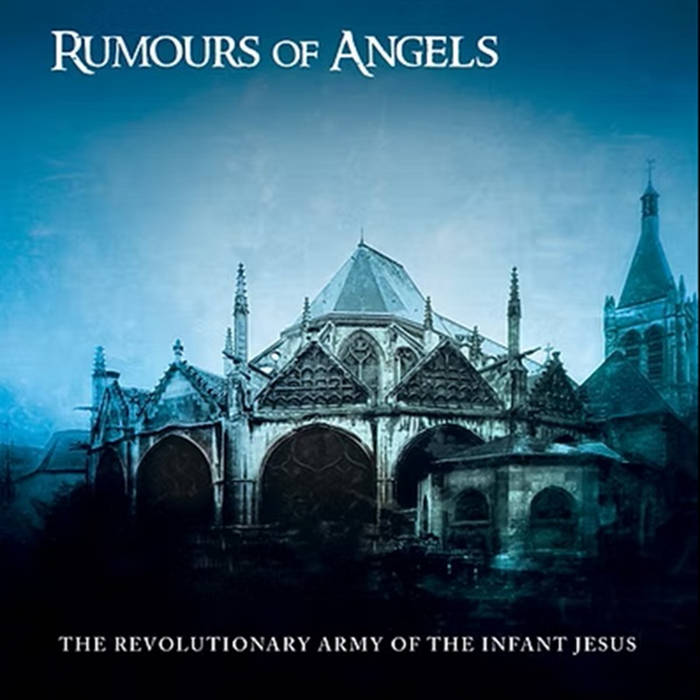
The Revolutionary Army of the Infant Jesus, Rumours of Angels: Originally part of 2013 French boxset After the End, this set compiles two EPs from the end of RAIJ’s 20th-century run and two previously uncollected tracks. As such, you can hear the gleeful clash of opposites — floating folk melodies, chant and spoken word colliding with low drones, tribal rhythms and bruising industrial noise, all drenched in thick, wet echo — that marked the Liverpool collective’s initial, headlong assault on modernity. If tracks like “Cantata Sacra” and “Dies Irae” feel like desperate attempts to call down the Holy Spirit through sheer, strenuous force, moments in “The Parable (of the Singing Ringing Tree)” and “Suspended on a Cross” point toward the mix of ambient stillness and randomized sound collage that permeate later, more considered classics Beauty Will Save the World and Songs of Yearning(my album of 2020). For those who’ve already taken the plunge, Rumours of Angels is an unexpected gift, a vital signpost on RAIJ’s road toward their current, more meditative (yet still earthy) incarnation. If you’re new to it all, don’t let me dissuade you from trying this one out — but be sure to buckle up!
Bruce Springsteen, Lost and Found – Selections from the Lost Albums: I’d argue there are at least three facets to Springsteen’s artistic persona: the unstoppable Boss, barnstorming the globe with the E Street Band; the compulsive singer/songwriter, forever panning his psyche for creative gold; and most evident here, the obsessional auteur, agonizing time after time over the content of his next release. This sampler from Tracks II, an expansive (and exorbitantly priced) box of 7 unreleased albums, startles with the scope of Springsteen’s musical inspirations — though your mileage may vary as to how convincing the various genre exercises are. Chilled-out trip-hop Bruce (“Blind Spot”), spiritual-but-not-religious Bruce (“Faithless”) and country/rockabilly Bruce (“Repo Man”) click best for me; and even tejano Bruce (“Adelita”) and saloon crooner Bruce (“Sunday Love”) have their arresting moments. If anything, the straight-up rockers might be the weakest element here; “You Lifted Me Up” reminds me of nothing so much as a third-string praise and worship chorus. Still, it’s hard to beat Lost and Found’s value — 1/4th of the box set’s tracks for 1/20th of the price, and it certainly lets you know what you’re in for from Springsteen’s latest raid on his vaults. If you’re intrigued like I am, check out the sampler, maybe listen to the complete set online — then hope for a Black Friday price drop.
“A Musical Memoir Like No Other” – as always, the estimable Alison Reijman nailed it in her review of Who’s The Boy with the Lovely Hair: The Unlikely Memoir of Jakko M. Jakszyk last fall. Stranger than fiction would be an understatement; only Jakszyk could have told this page-turning, hair-raising narrative — the son of Irish and American parents, raised by a older Polish/French couple, driven both to make his mark in the music business (from having his shoes noticed by Michael Jackson to joining The Kinks for a week to becoming the singer in King Crimson’s final incarnation to date) and to suss out the twisty, elusive truth of his life story.
In fact, Jakko’s past has consistently fed his most personal art, from radio dramas and one-man theatrical shows to his pensive, potent solo albums The Bruised Romantic Glee Club (2007) and Secrets and Lies(2020). Released later this month, his new record Son of Glen continues his quest for both clarity about his past and a settled present, building from subdued acoustic beginnings to an explosive electric finale with patient, long-breathed confidence. Like all Jakszyk’s work, it’s bracing stuff that nonetheless goes down smooth — fearless, affecting and engrossing.
It was a pleasure to talk to Jakko about the new album. Even at the end of what I’m sure was a long day, he was positive, attentive and kind — when I had audio problems at my end, he generously recorded the interview and sent it to me! My thanks to him for his time and for going the extra mile. Audio is immediately below, with a transcription following.
We last talked about five years ago, after your last [album] had been released, and I know you published your book in that time. What are the things that you see as milestones or turning points on your path between Secrets and Lies and Son of Glen?
Well, I guess the book came in between. I did a one-man show at the Edinburgh Festival, which is loosely based on events in my life; that followed the album.
And then, as a result of that, I got the book deal. And although I’d been asked to complete another record, I kind of started bits and pieces. Really, what inspired the record as it stands now was partly the work I did on an album called Netherworld by the lovely Louise Patricia Crane.
And I did a lot of things on there at her behest, I think; I found myself digging deep into my musical DNA and my past to come up with stuff that is part of what I grew up listening to, but stuff I hadn’t ever really used in my own work.
And then when we’d finished, when I’d finished the book, again, I was in a weird place and Louise was incredibly significant in building my confidence back up. And then I remember one evening we were having dinner and, having discovered my real father after decades of fruitless searching for him, she pointed out something that I guess was kind of obvious, but hadn’t crossed my mind in that the reason I exist at all is that my American airman father was stationed in England and fell in love with a dark haired Irish singer.
And here I was all these decades later, kind of repeating the same thing! Which was, I guess, kind of staring me in the face, but it was only when she mentioned it. And so that became the inspiration for the title track and the title of the song, really.
I then, armed with this conceptual idea — both [my] kids play, they’re both great musicians, both my kids. So there’s always instruments in the house everywhere. And they quite often, both of them, my daughter and my son, mess around with alternate tunings. I’ve never really done that. And I remember picking up a guitar and I had no idea what was going on, tuning-wise. And I came up with this pattern, and that started the whole title track.
And then it just developed. I didn’t set out to write some epic. It was just this conceptual idea, a few chords, and then it just kind of started to write itself, really. And then that set the tenor of the whole record, and the idea of making it relate to the book.
Okay. You mentioned some musical areas that you dug into when working on your partner’s album that you had maybe put aside or not necessarily used. Could you be a little more explicit about that?
Yeah, sure. When I was a kid, the band I probably saw live more than any other was the Gabriel-era Genesis, because they played locally to me, where I live in England. And I was completely taken with that. But I’ve never really done anything Genesis-like, I don’t think, on my own stuff. And there were certain references that Louise was utilizing when we were creating her album. And I thought, “oh, okay, yeah, I used to love that record!”
And so Genesis, there’s bits of Jethro Tull, again, a lot of acoustic-type stuff that’s not really normally evident or fundamental to any of the work that I’ve done. I think I’m referring to those specifically in terms of my own record. But there was other stuff. There’s a lot of the references that she utilized that I was able to kind of replicate, because I understood the musical language.
To backtrack a little bit, one of the things I noticed is that a number of the chapter titles in your book become song titles on Son of Glen. I’m assuming that’s a deliberate thing, and that there’s some significance involved with that.
Yeah, some of them were ideas I’d started and then wrote the book. In fact, there was a couple of things I’d done when I was promoting the book later on. There was a couple of instances where it was a really interesting thing, where I would talk about how some of the songs are kind of diary entries. They’re responding to something that’s happened. And so I was able to say, “well, look, what I’m going to do now is read a passage from the book that describes the event in detail, and then I’m going to play the song that I wrote about it.” So I was able to do that at that stage as well, because the two things started to overlap.
And sometimes I’d just have a title, which I then used as the title for the chapter of the book, and then extrapolated from that. And some of the things I’d already started, that were from way back, but fitted into the conceptual continuity of the whole nature of the book and the album together.
Another thing I noticed: if you divide the album into LP sides, each one opens with a distinct version of that instrumental, “Ode to Ballina”. Is that simply for the sake of variety, or does that play a part in how things unfold musically?
It was a deliberate ploy. I thought, and I was deliberately thinking about it as vinyl, even though I know it comes out on CD too. For the first time really, I was definitely thinking about it in vinyl terms. I had a conversation with Thomas Waber, whose label it is, and we were discussing about how the length of albums has got preposterous due to the ability to store more information on a CD. And in his head, and kind of mine, those album era years of the ‘70s, 40 minutes, 45 minutes, that was enough, that was ideal. So, I did think in those terms.
And I thought, well, “Ode to Ballina” is a piece based on my emotional response to going to Ireland, back to where my mum came from for the first time. And so I thought, that’s a great place to start, because that’s the kind of start of the story. And then halfway through, to reiterate that theme, but do it — by which time I’m now a musician, and I’m living a life as a musician — to reiterate that same thematic idea, but in a more modern, more electric way. So that was deliberate, as was the beginning of each side and the end of each side.
I knew I definitely wanted to end with the 10-minute title track. And I wanted to end side one with the song I wrote about Louise.
And as I heard that album, what I felt like was that the whole thing built from the acoustic beginning on the first side, it was almost like this long 40-minute crescendo, which was really effective.
Oh, well, thank you.
Because like you say, on side two, you’re bringing in more of the electric elements, and it just sort of gains in whoomp, to use a technical term.
[Laughs] That’s great. You know, these things, you have a rough outline of a conceptual idea, and then the music kind of takes over and presents itself in a way. So it’s a combination of finding a vehicle and then somehow something else takes over. I mean, I don’t know what it is, whatever you call it, you know, inspiration or the muse or whatever.
Yeah, I felt good that I’d kind of dealt with some subjects that are peppered throughout the book and ended up with a paean to my real father. That’s the mystery of the beginning of my book and the beginning of my life. That’s where the book ends, really: me finally, after decades of fruitless searching, finding who he was and stuff about him after being thrown all sorts of red herrings by my mother and downright lies.
I know one of the themes of the book is how difficult it has been to get to the truth, because you had to pick your way through any number of deceptions and equivocations.
Yeah. And it feels, like all of us, we want a degree of stability, we want to know who we are, we want some solid ground on which to stand, you know.
And you keep thinking, “Oh, OK, that’s what happened. Fantastic.” And then, and then, you know, a few years later, the rugs pulled out and you thought, “Oh, hang on, that was all bulls–t. Wait a minute!”
And so, you find yourself constantly in a state of flux. And, you know, these things, as we’ve discovered in the decades since — at its most basic in the 50s and 60s, I think the attitude was, “Well, having children adopted has got to be better than bringing them up in a home [orphanage],” and it’s only in the intervening decades that a lot of research has been done into how that experience fundamentally affects an awful lot of adopted kids, and it f—s with your psyche and it and it has a whole controlling influence on your whole personality.
So as you say, these songs are full of people from your history, your birth mother, your adoptive father, your current partner, your biological father, a friend who passed away. Does writing about them, whether in your book or for this album — how does that make a difference in terms of how you think about them, how you feel about them?
Well, I think writing the book in particular, because it’s so detailed and so if you’ve read the book, you’ll realize how long it is.
Oh yeah, that was one of the things that I think was fascinating about it, is how much detail and depth and — your life has been so full of incidents and coincidences and synchronicities, as well as — frankly, the incredibly difficult foundation that you had. But again, you can tell that you’re processing this.
Yeah. I tell you what, there was a weird thing right at the end of writing the book. There was a sense of achievement. Because I know when I was first approached to write the book, the publisher sent me a kind of contractual breakdown and advances and all this. And then I ignored it.
And about three weeks later, they said, “Do you not want to do this?” And I said, “I don’t think I can do it. I’m a small person at the bottom of the Himalayas. I can’t get up there. That’s miles away.”
And then they suggested, “Well, maybe we can get a ghostwriter.” And I said, “You know what? I’m not going to use a ghostwriter. So, I’m going to write an opening chapter. And if you think it’s of any worth, then let’s discuss it further.” And that’s what I did.
So, when I finished the book, there was a sense of achievement and euphoria that I’d actually done something that extraordinary and that long and [of] that depth. And that stayed with me for about a week. And then we had a meeting about it coming out.
And then suddenly it dawned on me that I’ve written this unbelievably personal, exposing stuff. And everyone would — you know, people were going to read this!
So that was a real shock. I mean, I know it sounds ridiculous in that that’s the very nature of writing a book. But that really freaked me out.
So, it was a whole rollercoaster of emotions, because on one level, it was incredibly cathartic. But on another level, you know, all these things have happened. There’s an approximate chronology in your head of how things led one thing to another. But when you sit down in a concentrated way and lay it all out before you, all of those things, the random things that you mentioned, you know, it’s kind of weird moments of luck and timing.
But they’re all kind of connected, because had I had a normal upbringing, I would not have been so driven and I wouldn’t have felt so fundamentally insecure and have a low self-worth, which means I wouldn’t have just worked like a maniac, you know, and said yes to everything. So I would never have put myself in those different places and gone forward, so it’s a kind of weird mishmash of the experience.
So, you’re still left with those fundamental flaws in your personality from what happened as a child. But at the same time, it’s enabled me to live this extraordinary life and meet the most amazing people. So, it’s a weird kind of car crash of of all those things, of all those emotions.
And I think the cathartic nature of it, seeing it all written down, understanding how bits fit. When I finished the book, I went into some post-adoptive counselling as well. And one thing I found is that, whilst you can place what happened and how you feel as a result of what happened and while you can understand it and see the logistics of it, what it doesn’t do is stop you — you still feel those feelings. The difference is, you now know where they come from, and you understand how that journey has manifested itself. But it doesn’t — for me anyway, it doesn’t stop those innate feelings. You just know where they come from.
[On the other side: Jakko talks with and about Steven Wilson, best mate/drummer supreme Gavin Harrison, the guys in Marillion, Robert Fripp, the future of King Crimson releases, and much more!]
“I’m not worried what people think of me anymore. When Steve Hackett chose me to be his singer for Genesis Revisited, I spent a lot of time adjusting to the limelight and dealing with insecurity. I wanted to be upfront and real this time, open and honest with the audience. The new album is meant to say, ‘Here I am. This is me.'”
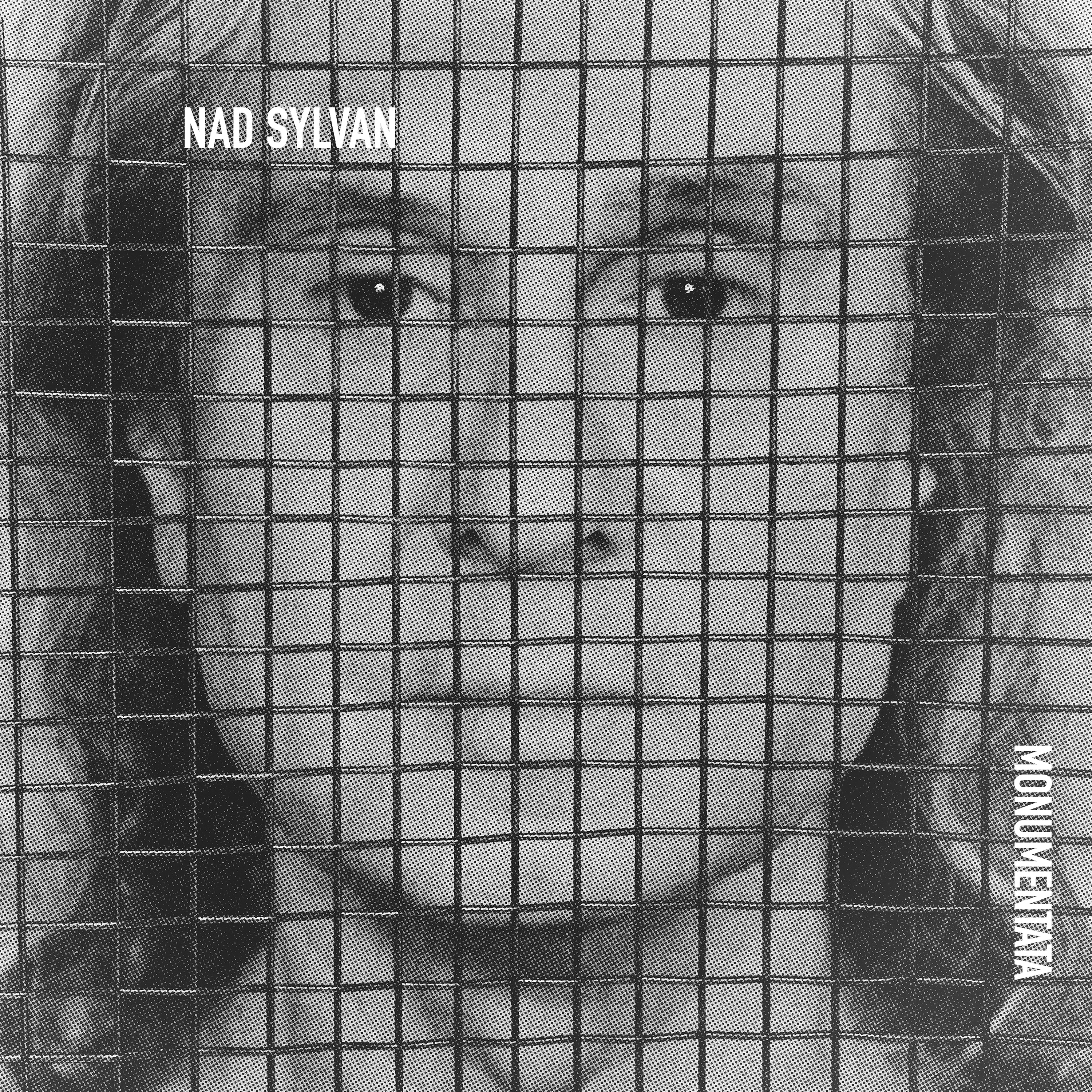
Speaking with Progarchy from his home in Sweden, Nad Sylvan is forcefully enthusiastic about Monumentata, his fifth album on Inside Out Music. As he should be: it’s a compelling listen that grabs hold and doesn’t let go, both direct and sophisticated musically, personal yet universal in its lyrical themes.
Monumentata definitely shares and expands on the musical approach of Sylvan’s Vampirate trilogy Courting the Widow, The Bride Said No and The Regal Bastard; that unique mix of rock punch, folk grace and prog elaboration riding irresistible funk and R&B grooves couldn’t come from anyone else. And moving on from 2021’s collaborative Spiritus Mundi, Nad is fully in the driver’s seat, writing all the songs and tackling most of the guitar and keyboard work. Terrific contributions from fellow prog luminaries (Randy McStine & David Kollar on guitar; Tony Levin, Jonas Reingold & Nick Beggs on bass, and Marco Minnemann & Mirko DeMaio on drums) polish impressive diamonds like the glammy album opener “Secret Lover” and the heavy rocker “That’s Not Me” to maximum brilliance, with Sylvan’s dramatic singing more upfront and delightfully in your face than ever.
What’s not here for the most part (OK, the showbizzy “I’m Steppin’ Out” is a fun exception) are larger-than-life characters or fantastic situations. As Sylvan says, “I’ve been searching for my own identity; this album gets closer to the bone than ever; it feels honest and good.” Having stashed the props of his public persona backstage, Sylvan leans into his true nature by exploring his past. While he recommends the album’s liner notes and lyrics to get the whole story behind the songs, he’s intensely communicative even without those helps, digging into the tangled roots of his family on “Monte Carlo Priceless”, standing up to users and stalkers on “Secret Lover” and “Wildfire”. But the emotional heart of Monumentata comes at the end with the deeply moving title track. Using spare, incisive brushstrokes, Nad deftly portrays his long-absent father, pays tribute to what their relationship might have been, and mourns his recent passing. It’s a devastating ballad that wounds to heal, already garnering powerful reactions online.
While Monumentata is a solid step forward in Nad Sylvan’s artistic development, upcoming tours this fall and next year with Steve Hackett mean that live work as a leader can only be an idea to pursue in the indeterminate future. But Sylvan’s OK with that. “The Lamb Lies Down on Broadway is the first album by Genesis I heard, when I was a record shop clerk in Gothenburg as a teenager; it’s still my favorite. To be singing those songs at the Royal Albert Hall to 5,000 people [documented on Hackett’s upcoming release The Lamb Stands Up Live] – it was extraordinary. Genesis is my musical DNA, and it feels like my life has come full circle.”
Whether belting out classics first sung by Peter Gabriel or Phil Collins fifty years ago or bringing his own music into the world, Nad Sylvan has been blazing a trail worth following for more than a decade. Monumentata is an ambitious, satisfying new milestone on his creative path.
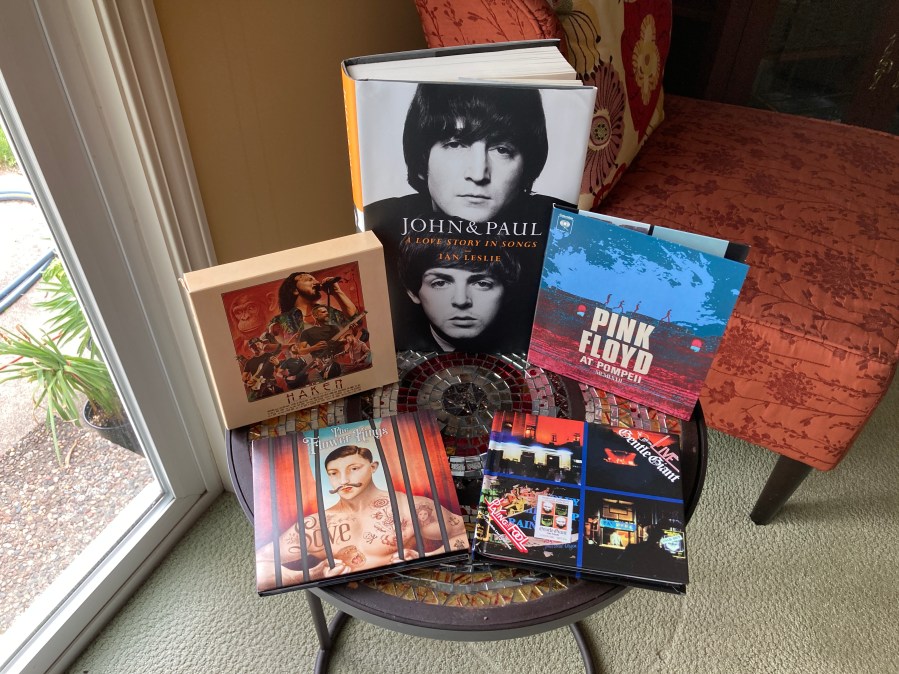
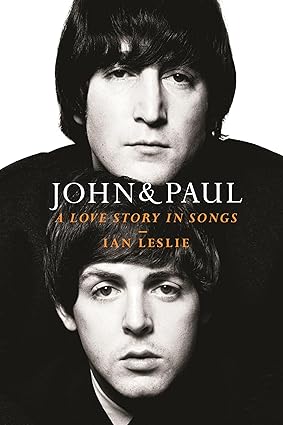
This month’s selection kicks off with something very special: John & Paul: A Love Story in Songs by Ian Leslie, the most impressive book on The Beatles I’ve encountered in ages. Pop-psychology journalist Leslie blew up the Internet in 2020 with “64 Reasons to Celebrate Paul McCartney”, but the driving passion here is his scrupulously balanced estimation of both Macca and John Lennon as men and musicians. Staying off the long and winding “John versus Paul” road so many authors take, Leslie traces the arc of an exceptionally deep male friendship between “two damaged romantics whose jagged edges happened to fit.” Which birthed an exceptional creative partnership, the fruits of which still brighten the world. His thoughtful reflections on 43 songs — grounded in copious documentary evidence, the best Beatle scholarship, accessible musical analysis and his own insight into creativity — vividly portray the forging, then the fracturing of Lennon and McCartney’s bond, from pre-Beatlemania through the Fab Four’s imperial phase and their ill-tempered breakup to Lennon’s shocking death. Tangled as their connection became in the throes of professional and personal conflict, John and Paul couldn’t help but look to each other throughout the 1970s — as competition (writing “Imagine”, John wanted the melody to be as good as Paul’s “Yesterday”), as foe or friend of the moment, as the only other person who could possibly understand. Throughout, Leslie brings to bear admiring gratitude for The Beatles’ music — George and Ringo get their props as well — along with compelling clarity on the emotions that drove that music. And in the end, his portrait of a collaboration that “even as its most competitive, was a duet, not a duel” is utterly moving, equal to chronicling what Lennon and McCartney made of their tempestuous time together and apart. Just read this.
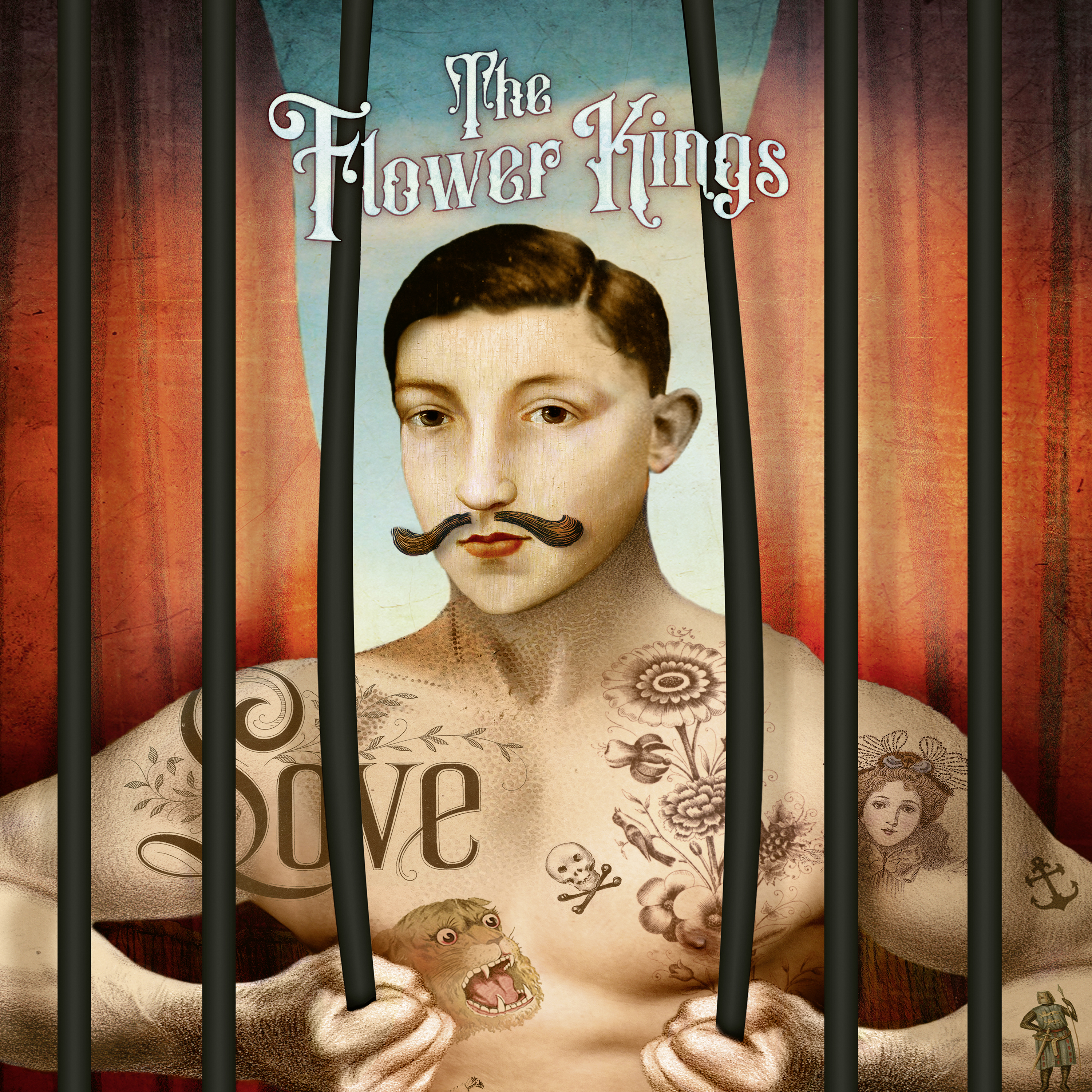
The Flower Kings, Love: A long-playing magic carpet ride, with the minutes effortlessly flying by in the capable hands of Roine Stolt and his Scandinavian comrades. Kicking off with a pair of change-ups (tough, bluesy opener “We Claim the Moon”, jazzified ballad “The Elder”), the Kings then settle into a multi-part suite that, if a bit sedate, has plenty of instrumental color and dynamic vocal shading to hold interest. But the home stretch of this album is where Stolt and company take wing, channelling their inner Yes for the acoustic lilt of “The Promise”, the orchestral build and double-time finale of “Love Is”, the grooving power ballad “Walls of Shame” and the extended closer “Considerations”. Sneakily, subtly addictive, Love is simultaneously a master class in ongoing invention and a psychedelic time travel exercise — so retro it’s actually back there, yet fresh as a daisy throughout.
Gentle Giant, Playing the Fool – The Complete Live Experience: The original 1977 release was inspired both by Gentle Giant falling victim to bootleggers and by the rush of mid-70s double concert albums (the British sextet had opened for Peter Frampton both before and after his game-changing Comes Alive set). On the edge of punk’s advent, was a mass-market breakout still possible for a prog band that promiscuously swapped guitars, saxes, recorders, violin, multi-keyboards, mallet percussion and hand drums onstage, mixing soul shouting with Baroque vocal counterpoint all the while? The Shulman brothers, Kerry Minnear, Gary Green and John Weathers give it their all here, from the ricocheting precision of “Excerpts from Octopus” to a wobbly take on “Sweet Georgia Brown” improvised when said keyboards blew up in Brussels. This brand-new reissue restores the complete live set, including three tracks off the contemporaneous “Interview” album, showcasing Gentle Giant as a jaw-dropping live act, doubtless as awesome to behold in the moment as they are to hear right now.
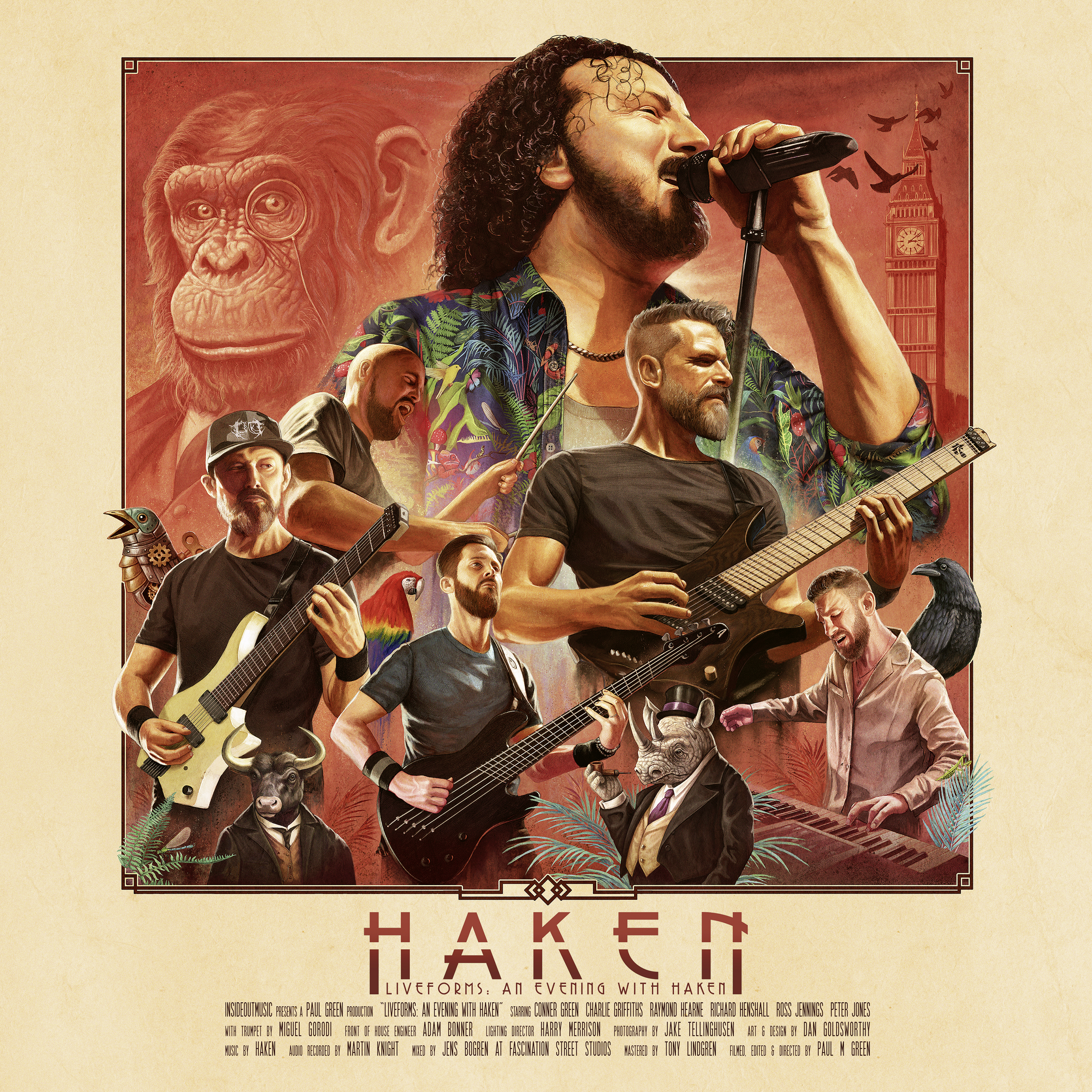
Haken, Liveforms: If Gentle Giant has a modern-day successor, it’s gotta be these guys! Captured in concert at London’s O2 Forum, Haken doesn’t constantly trade instruments, mind you — though the unrelenting interweave of Charlie Griffiths & Richard Henshall’s guitars and Connor Green’s bass (all downtuned, all with an extra string), Peter Jones’ Wakeman-meets-electronica keys and Raymond Hearne’s dizzily polyrhythmic drums evoke a similar instrumental giddiness. Mix in singer Ross Jennings’ searing, soaring leads and occasional demented-barbershop-quartet backing vox, and you have one singular, headturning sound.
A complete run-through of their latest album Fauna (featured on the vinyl version) is equal parts ballet and blitzkrieg. The BluRay/CD package adds a second set to showcase Haken’s catalog to brilliant effect, from the headlong pop-prog of “Cockroach King” and “1985” to the foundational metal epics “Crystallized” and “Visions”. Whether they’re pivoting on rhythmic and melodic dimes, diving into the heavy, or wrangling multiple genres at the same time, this band deserves a hearty “WWOOARRRRGGGHHH” from fans across the board.
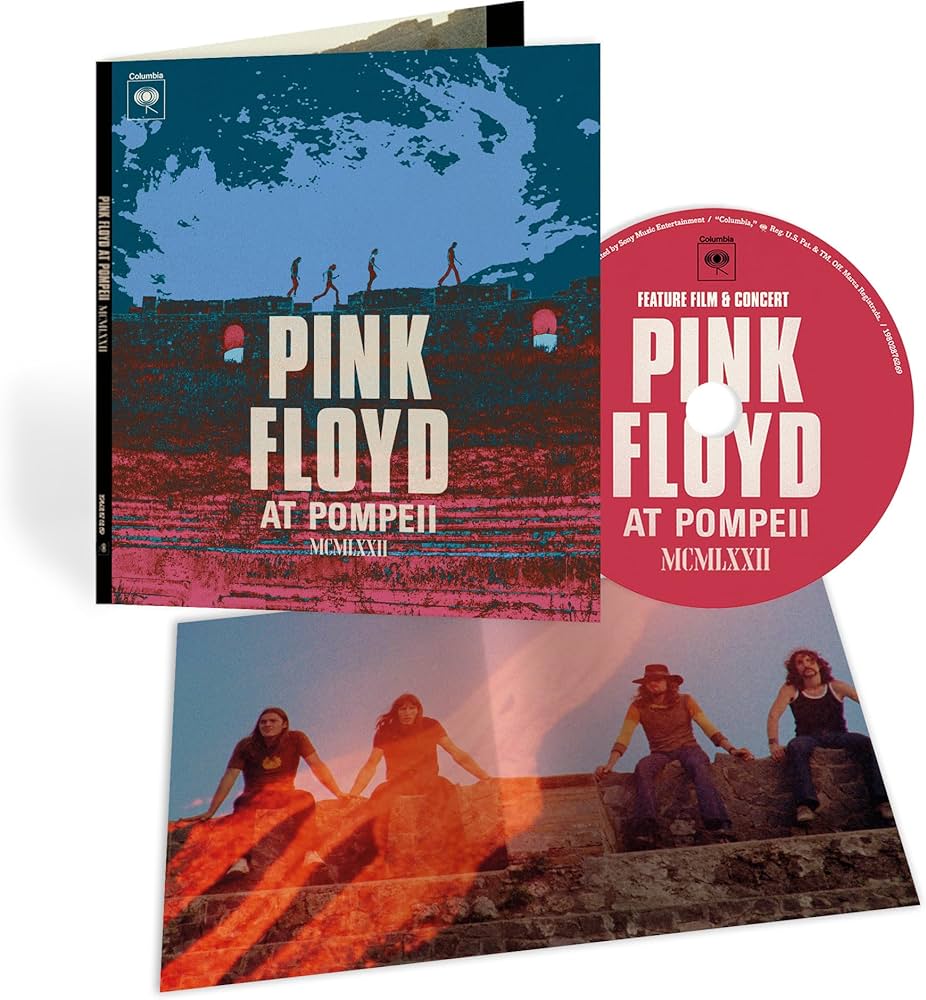
Pink Floyd, At Pompeii MCMLXXII: A pristine new version of the classic acid-trip midnight movie, complete with a typically crystal-clear, hard-hitting new sound mix from Steven Wilson. I dig the behind the scenes footage from the recording of The Dark Side of the Moon at Abbey Road — flashes of studio inspiration, David Gilmour and Nick Mason’s passive-aggressive interview snippets, revealing glimpses of the hostile, fragile band dynamic just waiting to be completely curdled by mass success. But the main course here is Roger Waters, Rick Wright, Gilmour and Mason huddled in that ancient, haunted amphitheatre, surrounded by devastated ruins and arid desert, conjuring up the spooky sonic webs of “Echoes” and “A Saucerful of Secrets”, the obsessive mantra “Set the Controls for the Heart of the Sun”, the whisper-to-scream catharsis of “Careful with That Axe, Eugene” and “One of These Days”.
Without those long years of building their lysergic, near-telepathic style to the feverishly precise pitch shown here, could the Floyd have taken the world by storm with Dark Side? Available in multiple audio and video formats, At Pompeii remains a stunning portrait of a band on the brink of an unlikely world-conquering moment.
The annual Summers End/Winters End festivals held at Chepstow in Wales are always a celebration of Prog.
Each one of them showcases some of the hottest names on the circuit, some high profile international names like Discipline, Wobbler and Moon Safari, and also lesser-known bands which organisers Stephen Lambe and Huw Lloyd-Jones have meticulously curated. Their Roladex of Prog must be absolutely bursting at the seams.
In October 2017, the Summers End Sunday afternoon openers caught everyone by surprise, delivering one of the most upbeat, quirky sets of the entire weekend, punctuated by elaborate time signatures and virtuoso playing.
Even more pleasing was the fact Half Past Four are Canadian, a country not renowned for producing well-known proggers beyond Rush, Saga, Mystery and Voivod, plus more recently Crown Lands.
The Toronto-based band are one of those hidden gems who have used their time together to hone their unique sound that tips its hat to the likes of KingCrimson, Frank Zappa and Kate Bush. It infuses traditional prog-rock music with folk, heavy metal, jazz and classical genres, among others.
Their fourth studio album Finding Time is released on 30th May. Keyboards player Igor Kurtzman says the band thinks it’s their best so far, and it would be hard to disagree.
From the rhythmic tango like opening of Tomorrowless, there’s never a dull moment from then on, the song shifting tempo and mood as vocalist Kyree Vibrant, who, using the analogy of organisms in the soil, explores the notion of what would happen if you found you did not have a tomorrow to look forward to. Bold, sassy and downright bonkers in places with lots of swishy percussion from drummer Roberto Bitti, staccato choruses and a shimmering guitar break from Boris Kalantyr, it’s one of the most ear popping introduction songs to be heard on many an album.
A stunning keyboards groove launches the jazzy Far Away Here, which skates along at a rapid rate, Vibrant’s voice hitting some heady heights over some delicious instrumental textures.
Slower and more studied with Dmitry Lesov’s bass guitar coming to the fore, Shake Your Head has a mystical quality reflected in the lyrics which Vibrant delivers with innate power and sensitivity. At its core is a dynamic instrumental section where intricate guitar work meets throaty keyboards and later plaintive piano.
Returning to the quirky, Igguana is all about mythical creatures living up trees, recounted in storytelling mode with some fantastic backing vocal harmonies that scale some dizzy Queen-like highs in places. There’s a lovely understated synth solo in the mix and some elaborate Crimson-like instrumental breaks.
Branches has Vibrant singing a lilting Kate Bush-like melody that rise and falls before the rest of the band ratchets up the tempo, Lesov’s bass acquiring a voice of its own intermittently and Kurtzman delivering a dazzling piano solo, while Kalantyr’s guitar solo has a touch of Andy Glass from Solstice with its soulful, fluid delivery.
Closer Underbelly has a much gutsier, bluesy feel to it, musing about there being a darker side to life in any given situation. Kurtzman’s stabbing keyboards and Bitti’s forceful beats give it a decidedly menacing feel.
Here’s a band who obviously love working and growing their distinctive sound together.
It’s time to discover Half Past Four. Find out more about them here and see them talking about Finding Timehere.
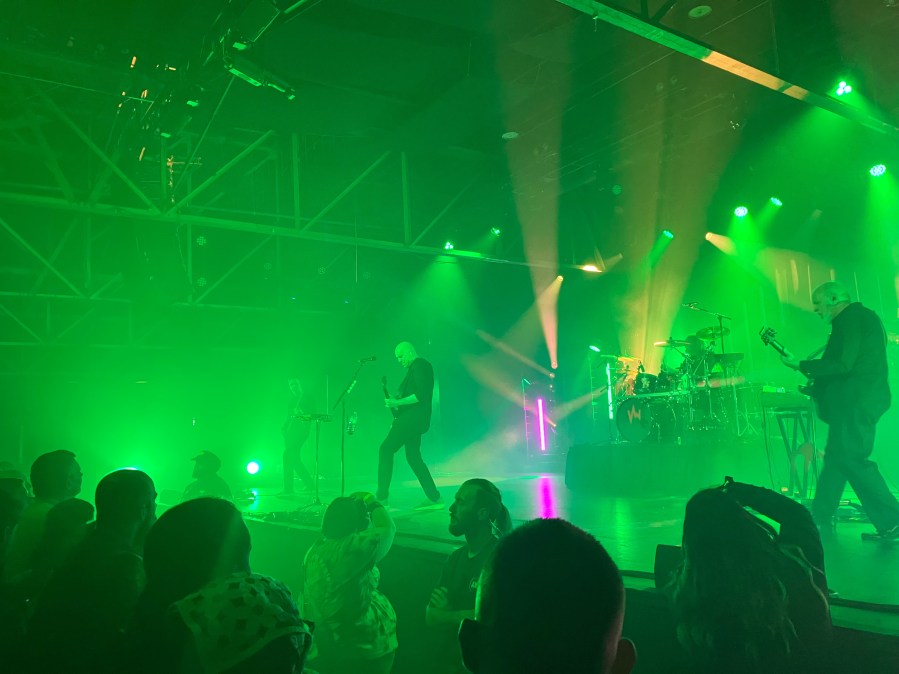
Tesseract, War of Being Tour, Part 2 Band: Daniel Tompkins (vocals), Acle Kahney (lead guitar), James Monteith (rhythm guitar), Amos Williams (bass), Jay Postones (drums) Setlist (one hour): Natural Disaster, Of Mind – Nocturne, King, Sacrifice, Legion, War of Being, The Grey, Juno (with Concealing Fate Part 3: The Impossible outro)
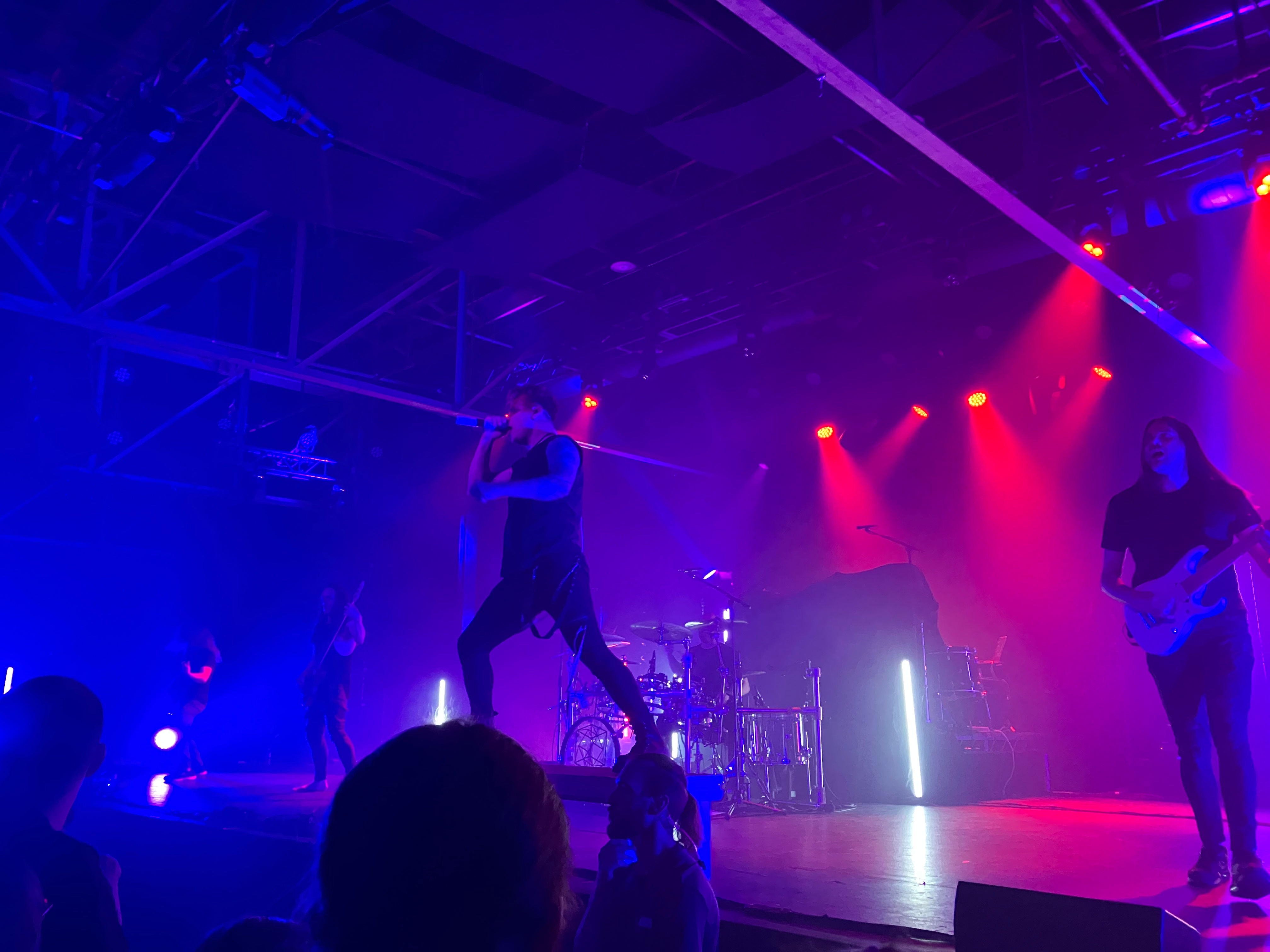
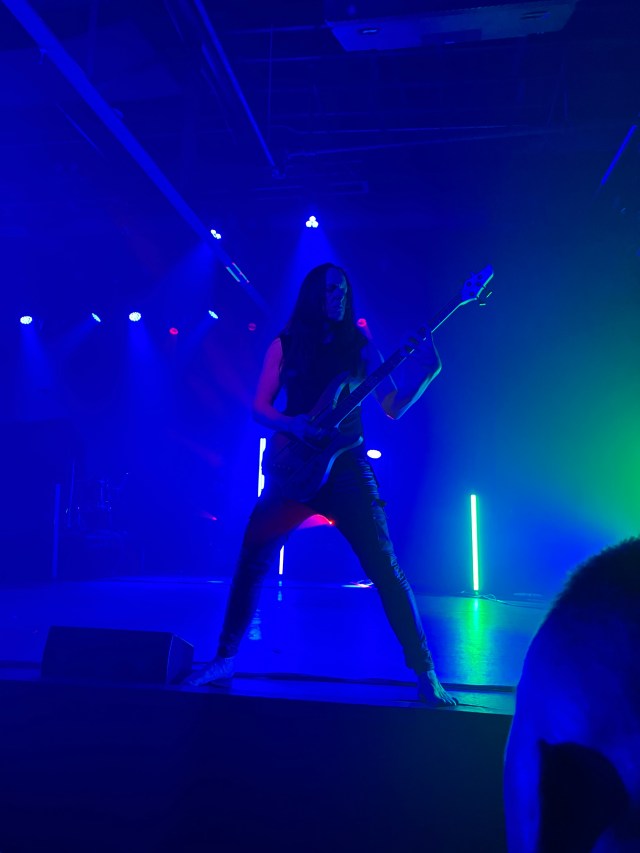
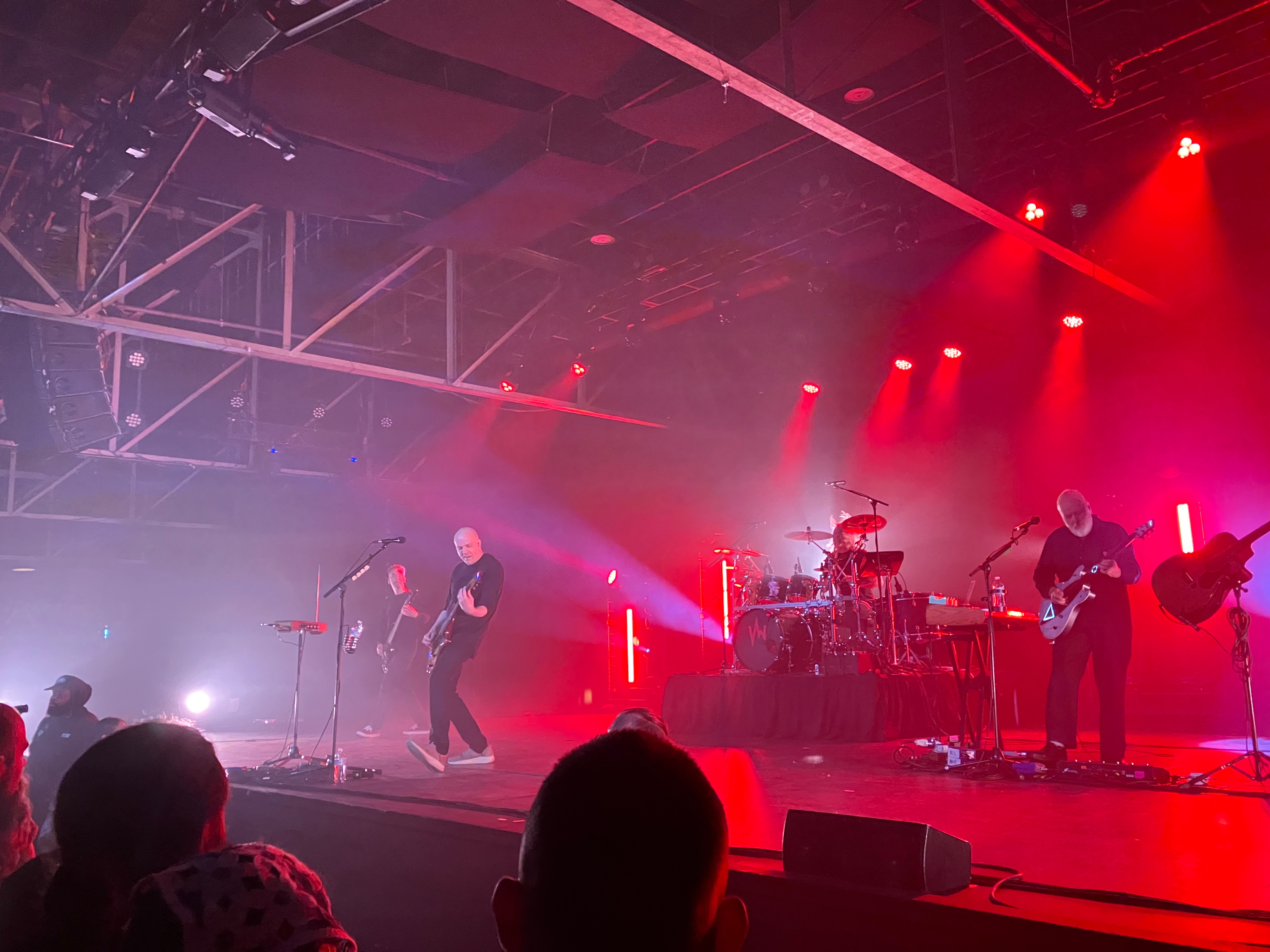
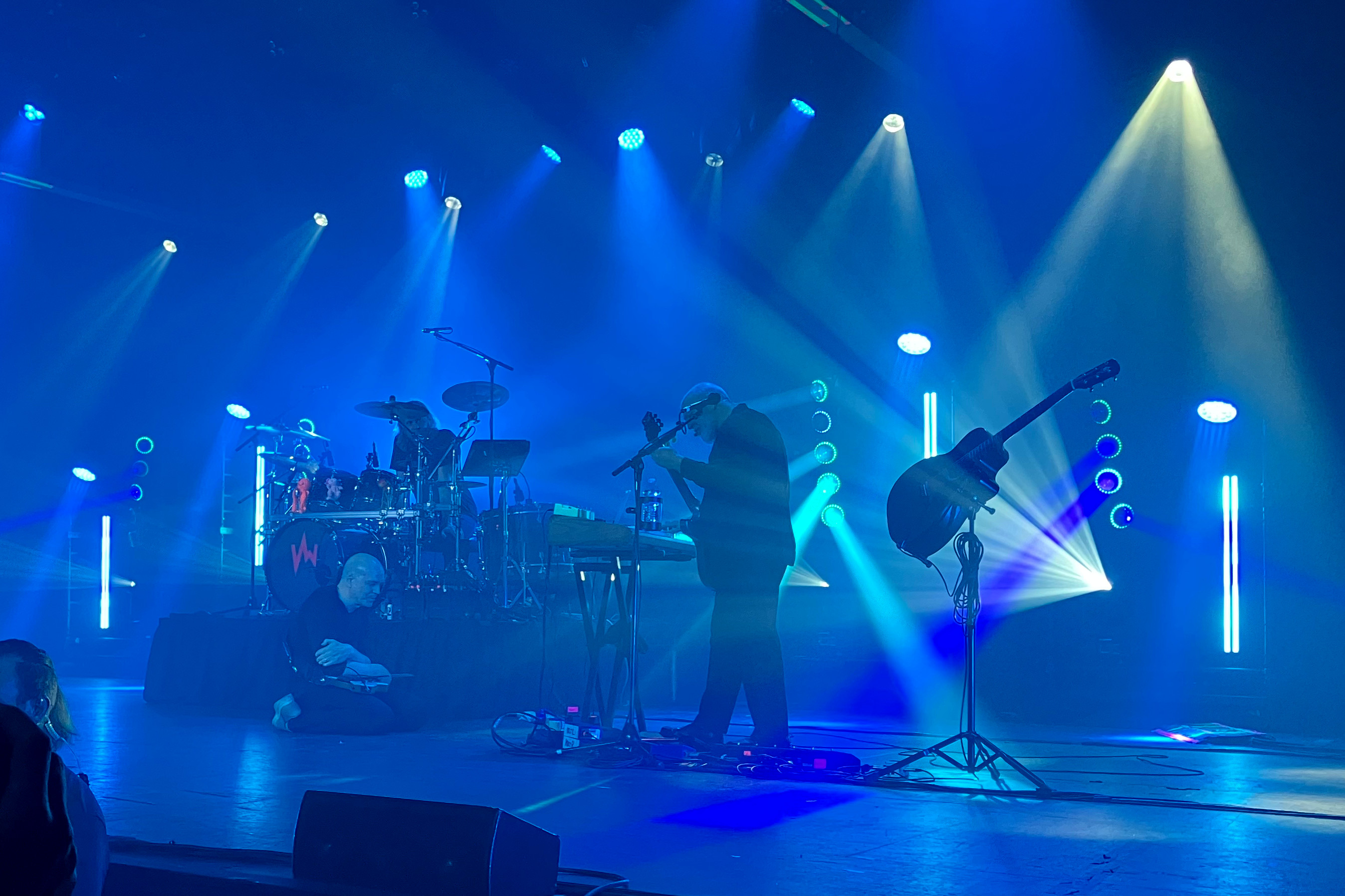
Devin Townsend, Powernerd Tour Band: Devin Townsend (vocals, lead guitar, theremin), Mike Keneally (rhythm guitar, keyboards, backing vocals), Darby Todd (drums), James Leach (bass) Setlist (~one hour fifty minutes): Powernerd, Love?, The Fluke, Lightworker, Dimensions, Aftermath, Deep Peace, By Your Command, Bastard, Why?, Gratitude, Almost Again, Truth, Kingdom Encore: Ih-Ah! (Devin solo acoustic), Deadhead, Bad Devil
Talk about a power lineup. For me, anyways. This show was only on my radar for the last couple weeks when I first saw it when stumbling across Devin’s Powernerd tour. When I saw TesseracT were opening for him on part 2 of their War of Being tour, I was intrigued. I saw them on the first part of this tour back in 2023 in St. Louis, and they were phenomenal. I had never seen Devin live before, but I’ve really fallen into his music since 2019’s Empath. I didn’t buy the tickets until a couple days before because work has been so busy and I’ve been so tired, but when Devin announced early last week that after this tour he would be stepping back from regular touring, I figured I needed to go. Nashville is a little over an hour from me, so it’s an easy trip and can be back in my own bed the same night. Or in my case falling asleep on the couch at 1am with the dog barking at me for leaving her at home.
I left work a little early to go home and feed the hound before heading south early for some BBQ near the venue and to get a free parking spot on the street near the venue, Marathon Music Works. Marathon Motor Works was a brass-era automotive manufacturer in Nashville, active from 1909-1914. The buildings still stand all these years later, and one of them is the home of this deceptively large venue. It looks like a small club from the outside, but inside has a standing capacity of 1800. For being in what is essentially a large open warehouse, the sound quality was quite good. More on that later. Multiple discretely located bars and a hot dog stand round things out inside. The weather was a bit crap, so the venue opened the doors long before the stated 6:00pm doors open time, allowing people to line up in the vestibule area. They also offered free water at the bars and security handed out free water bottles in the interim between bands. I’ve never seen a concert venue do that before, and considering the inexpensive cost of the show ($43 plus ~$13 fee), I was pleasantly surprised. This was a great venue. Parking is limited, but there are a few paid lots nearby and street parking in the area if you show up early.
Tesseract
Beginning right on time, TesseracT take the stage to a largely Devin-focused crowd. While it seems most people haven’t heard of TesseracT before (to their shame), the band seems to impress all-around. They thoroughly impressed me, playing a strong setlist of some of their best tracks. Unsurprisingly they pull from their heavier output, with crunching riffs and Tompkins distorted vocals. As the first show of the tour, Tompkins wisely paced himself. Their songs require a lot from him, so he has to pick and choose which high notes to reach for and which to knock down a notch. He knows which ones to shoot for to really make the songs. His distorted vocals were always stellar, and his high notes never disappointed.
I suppose you could say I was in the second row, standing right behind the folks leaning on the rail, off stage left (so, right side of the stage from the audience perspective). I had a great view of prog metal’s giant (literally – he looks like he’s 7 feet tall) James Monteith. When I saw them before, I was in the loft at that venue, which afforded a great overall view. This time it was nice to get a closer look at Monteith’s fingerwork. Their music is so complicated that often he was in the zone and focused on his fretwork. But he still took time to engage with the audience, even climbing on the little stool that Tompkins took more use of. Bassist Amos Williams also made several trips over from his side of the stage to engage a bit. Sadly Acle never wandered over to our side.
Watching the band up-close I was struck with how they really don’t get their power from a particular virtuosic player or excessively technical noodling, but rather from exquisitely tight riffs and technical polyrhythms. To stay in sync as well as they do is a remarkable accomplishment. While standing in line to get into the show, I saw a young dude with a t-shirt that asked, “Does it even djent?” TesseracT answered that question with a resounding YES. The heavy repetitive crunches, the stuttered drops, the thundering bass and drums – oh yes, it djents.
I brought earplugs as I usually do to shows like this. I found myself standing rather close to one of the stacks, although I was so close and it was hanging that I don’t think the full brunt of it was aimed at me. I could feel the bass though, but not in a makes you run to the bathroom way. I could actually feel my hair moving, and my pant legs had the signature quiver of a good subwoofer. With my earplugs in, I found it hard to hear some of the more dynamic elements, so I pulled them out for probably 60-70% of the entire show (both TesseracT and Devin). Taking them in and out may have been a bit awkward, but it worked out well and I left without the fuzzy head feeling. That’s a testament (ha!) to the sound engineer and whoever designed the sound system at the venue. There was no unpleasant distortion like I was expecting when I took the plugs out. The sound was clear and loud, but not overly loud. For it to sound so good when I was so close to the action was quite surprising.
TesseracT are a serious outfit and put on a serious show. Their stage is clean, and their lighting show it pristine, befitting the technical prowess present on stage. Tompkins had a serious demeanor, but he also clearly plays the role of the showman well, with precise movements on stage that mirror the riffs the band is playing. He had dark makeup on the upper part of his face (eyes up), fitting the aesthetic of War of Being. He talked to the crowd a little bit, at one point commenting that they opened for Devin fifteen years ago on his first solo headlining tour. That was probably one of their first tours as well, so it was cool to see them together again. Devin generously gave them an hour to play, which was a pleasant surprise. I figured they would have a 45 minute set, so when they played three songs more than I was expecting, I was thrilled. That was a switch from when I saw them headline in 2023, when they had two opening bands and only played an hour 15 minute headlining set. I enjoyed that show, but I was disappointed they didn’t play more. Here they played a little less than that but more than I expected, so I left very happy. All in perspective, I suppose. I look forward to seeing them live again someday.
I think they deserved more love than they got, although I saw a much longer line at their merch desk than there had been before the show started (Devin’s line was massive before the show), so hopefully they gained new fans. I, for one, bought my copy of the newly re-released CD of Concealing Fate before the show. It hasn’t been issued since it’s initial release, and it is darn near impossible to find, so it was great to pick up an overpriced copy at the merch desk.
Devin Townsend
Devin Townsend’s show is somewhat of a stark contrast to TesseracT’s, or to most other heavy metal or prog metal bands. Anyone who has seen Devin before or followed him at all could attest to that. I had never seen him live in-person before, and I was surprised at just how engaging he is with the crowd. And how much of a goof he is. He’s absolutely hilarious on top of being extremely talented. Right off the bat he came onstage without any kind of intro and started talking to the audience. He made it sound like there was some sort of issue with the intro music, but he may have been kidding. Whatever the issue was, he lightened the mood.
This was obviously Devin’s crowd. TesseracT put on a fantastic show, but most of the people were there to see Devin, and it showed with the energy level once he took the stage. That energy was infectious, but truth be told I couldn’t sustain the energy myself for very long. I used up a lot of my energy in TesseracT’s show, but it has also been a long few weeks. After a few hours of standing, I found myself wishing I had brought along my roll-on Icy-Hot for my lower back, and my feet were killing me. That put a damper on my enjoyment of Devin’s set, but it didn’t impact how good his set was and how much fun it was to see him live.
Since this was the first show of the tour and he didn’t play his Powernerd material on his more recent European shows, it was the live debut for the two songs he played off his new record (“Powernerd” and “Gratitude”). The title track was a great way to start the show, getting the audience revved up right away. I was thrilled he followed it with a Strapping Young Lad song (“Love?”), one of my favorite SYL songs. I overheard some people before the show commenting on how Devin doesn’t play the Strapping stuff anymore, but they clearly haven’t been paying attention the last several years because he re-introduced some of that material to his live shows, including three songs at this show (“Love?”, “Aftermath,” and “Almost Again”).
This was a very balanced set displaying the many sides of Devin. His heavy side dominated with tracks like “Powernerd,” “Love?”, and “Kingdom,” but his softer and sometimes spacier sides showed themselves in “Lightworker,” “Why?”, and the impromptu acoustic version of “Ih-Ah!”. He said that particular track wasn’t actually on the setlist, and I saw he didn’t play it at last night’s show in Georgia.
Devin’s humor was sprinkled throughout, whether it be through his belching, forgetting lyrics to the new songs, his balls jokes, inappropriate maneuvers with the theremin, air humping behind the security guy, briefly twerking, or the way he knelt down and wistfully looked at Keneally as that master played a keyboard solo with one hand and played some guitar notes with the other. In talking with the audience, Devin brought up the weird feeling of playing live after having been cooped up in the studio for so long. He lets his fans in on how he’s feeling, which helps create a connection between fan and artist.
I was over on the same side of the stage as Mike Keneally, and he was really fun to watch. He looks older than he is (he’s 63 but easily looks 70), which could be because of his borderline business-casual attire, in sharp contrast to both Devin’s hoody and the brutal riffs of much of the music. He was clearly having a blast, and watching him play those heavy Strapping riffs was hilarious. It is fitting that he’s playing with Devin now after playing a similar role for Frank Zappa many years ago; Devin reminds me a little of Zappa with his talent, quirkiness, and prodigious output.
The fun thing about this setlist is just how deep it is. Devin covered the length and breadth of his career. Despite the decades of music under his belt, his voice sounds as good as ever. From the operatic styling of “Why?” to the emotional distortion of “Deadhead,” Devin seemingly hasn’t aged a day. His voice really is a rare talent. Speaking of “Why?”, I’m so glad he played that. I love that song, and so did the crowd, judging by the unanimous sing-along that ensued. “Kingdom” is obviously always a hit, but I especially enjoyed hearing “Deadhead” live. It is probably my favorite Devin song, combining the best elements of his different styles. A perfect choice for an encore.
Encore
The show ended close to 11pm, with Devin giving us close to 2 hours of music – a surprise considering TesseracT played an hour. With Devin’s goofiness and chill personality the perfect balance to TesseracT’s seriousness and technical prowess, it was a stellar pairing, one I am glad I decided to go and see. They are only touring together for a couple weeks, so catch them if you can before they part ways on their respective tours.
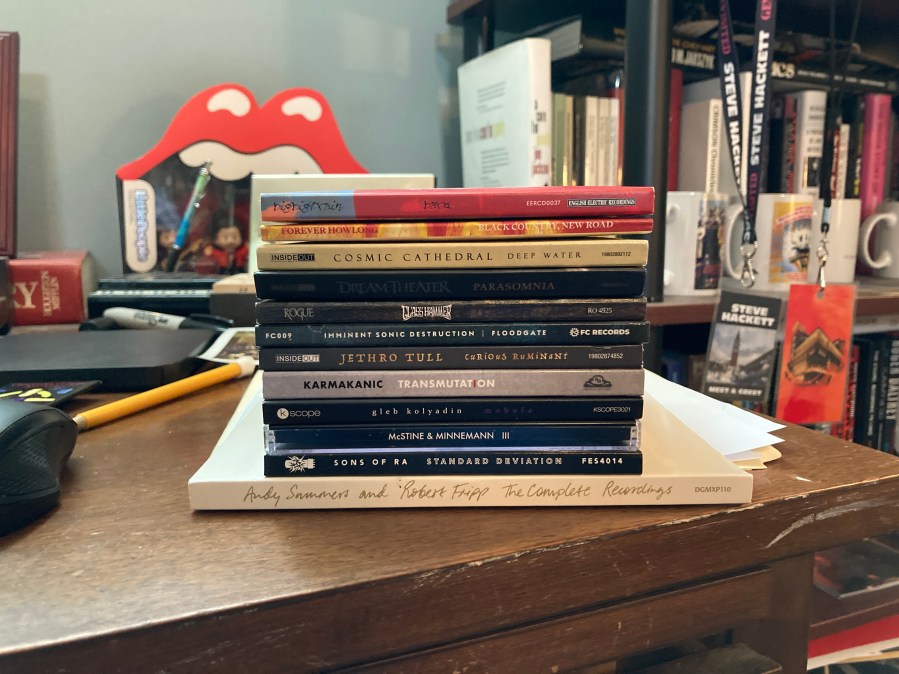
With new releases from the first third of 2025 piling up, a desperate attempt to answer the question “Can album reviews convey the essential info listeners need in haiku form?” For example, about the format used below:
Streams linked in titles; Brief poetic impressions; Shopping links follow.
Spawton’s young heartache Sparked this grandiose concept – Well-wrought remaster. (CDs sold out; vinyl available at Burning Shed and The Band Wagon USA)





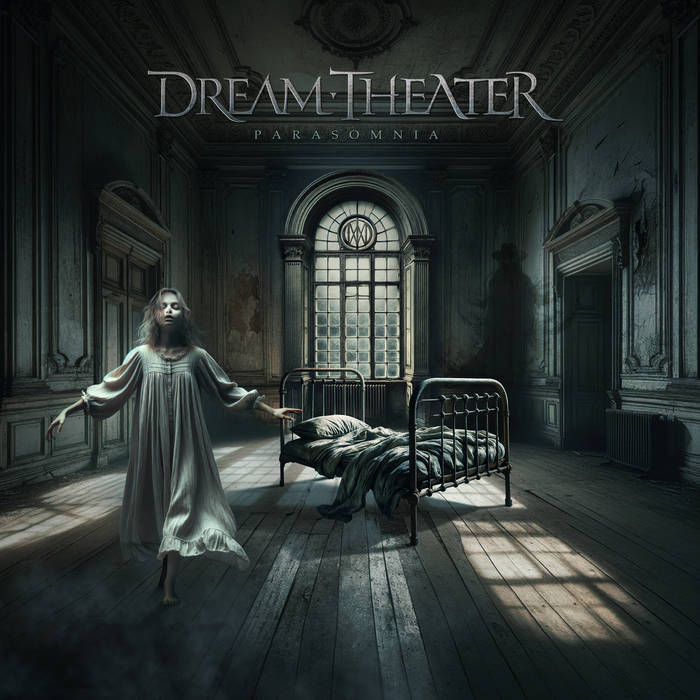
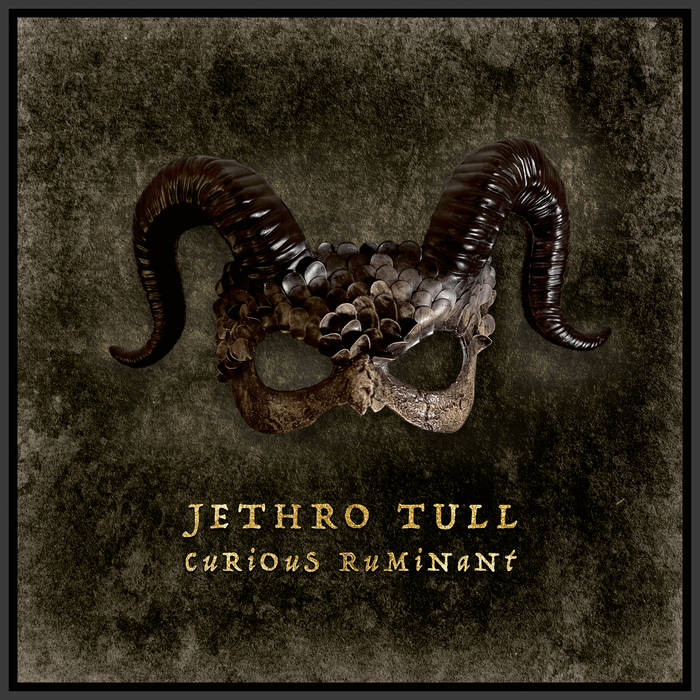
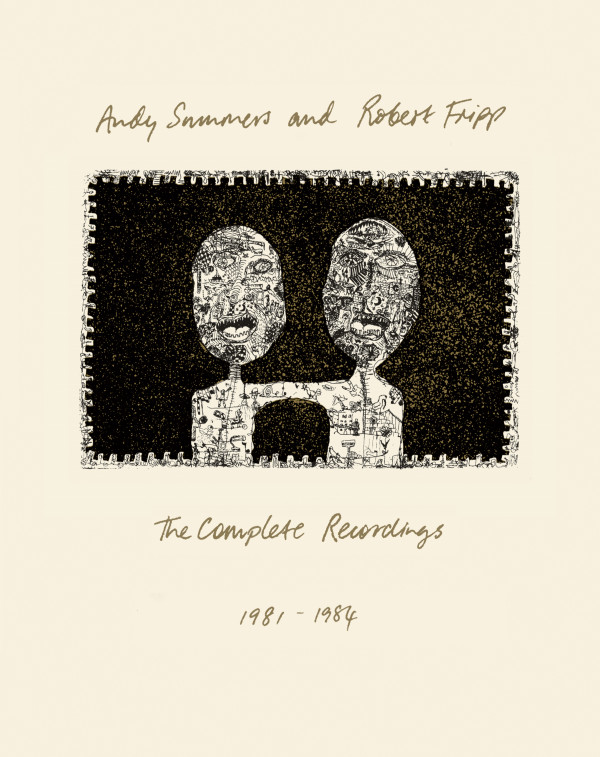
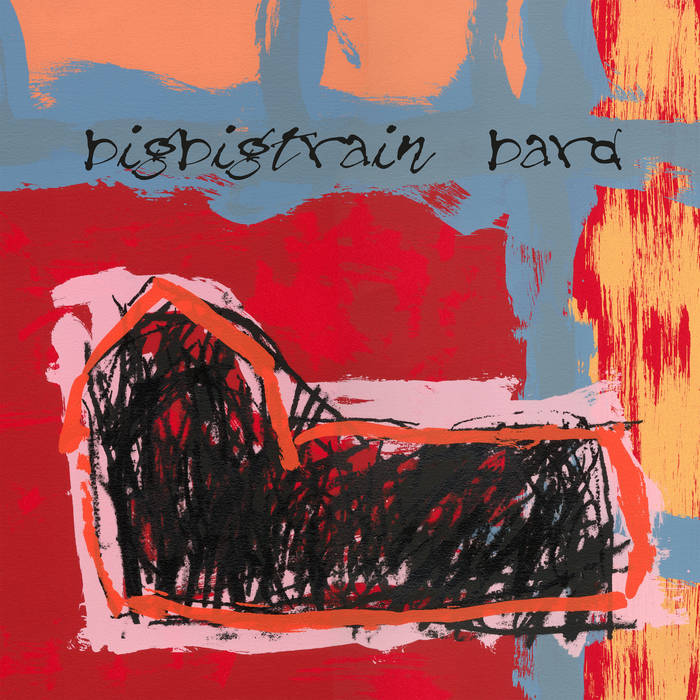

 Progarchy