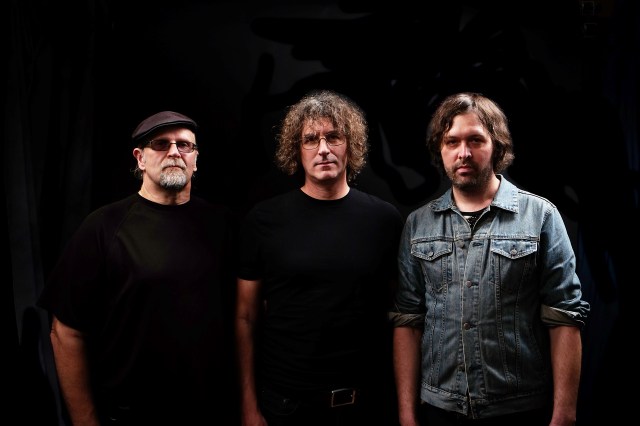
Sound Struggle are a wondrously talented band. Their 2014 self-titled album was one of the gems of the year. The pressure to create something equally incredible, or to even come close, would hurt many bands but much like their music, Sound Struggle are calm, collected, precise yet a titanic force to be reckoned with.
“Rise” follows a similar vein to its predecessor and whilst it can appear to be a smooth and methodical affair, it is not without its barbaric complexities and penchant for brutality.
‘Strongth’ followed by ‘The Disease’ show this songwriting proficiency; the former is a precise rhythmical piece, before the latter demonstrates the subtleties of the album momentarily until it opens wide into the surging, manic and violent rhythmic adventures and soaring majestic vocals.
“Rise” is as good as its predecessor, and it certainly possesses the quality to overtake the debut. “Sound Struggle” was on another plane that any follow-up by any band would struggle (pun intended). “Rise” is definitely one of the best things you’ll listen to this year. They reach a perfect middle ground with this release that fans of djent, metal, progressive rock and fans of music in general can appreciate.
Sound Struggle can create marvellous melodies, and soundscapes that can be listened to is one continuous passage of play. Time will tell where this album will land, but it is still far more exceptional than what many musicians can muster.
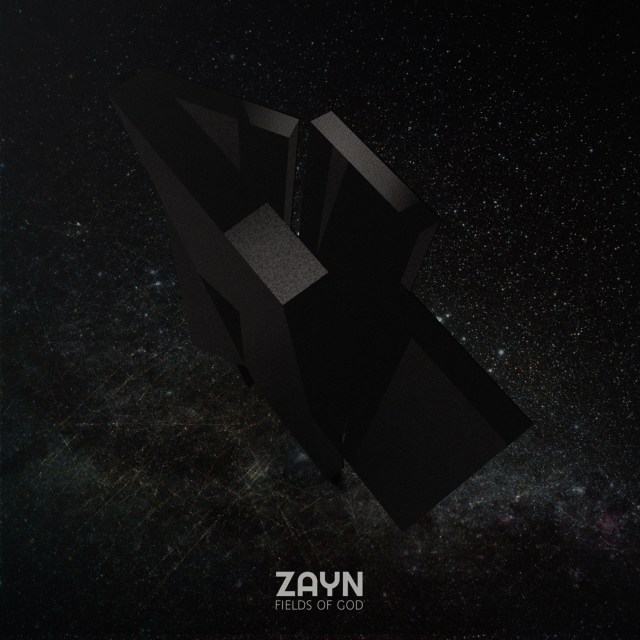
“Fields of God” by ZAYN is huge, superbly brilliant, and an absolute joy to listen to, though it may sound as a very dark release. Combining post-metal with a progressive rock vibe, psychedelia and tons of other elements, Zayn’s new album is a masterclass in the creation of music and throughout its playtime, it will encapsulate the listener and give them an extraordinary piece of music, even though this is an instrumental album.
“14,1” is the album opener, and it starts the chain which never really ceases. Clever ambient patterns trace the way for the rest of the material presented on “Fields of God,” which is accompanied with plethora of heavy riffs in a doom metal way, and shrieking guitar solos that are right between psychedelic and space rock, on steroids. Take “Ungodless” for example.
“Vicarivs Filii Dei (Animal Rituals)” and the title song are among the gems of this album, perfectly crafted in every sense with fan(t)astic swirling patterns and spiralling drumwork. These tunes invoke more than just appreciation for music, and talent, but unearth attitudes that few songs can manifest.
“Fields of God” is incredible, it’s only detraction is that it isn’t longer. But, considering that the band is already working on a new material, this is great while in transit.
Well going through the actual lyrics on the record, I seemed to find a lot of recurring themes of love and heartbreak and the passage of time. Where were you drawing from emotionally and ideologically when you were writing the record?
I sort of let that happen kind of on its own and then I sort of have a better perspective on what it all means to me a couple of years later, usually [laughs]. It’s moods and ideas that just sort of occur to me is the best way to put it and I tend to not put that under a microscope too much and the closest that this comes to a concept record really is in that I wanted it to be stripped down and I wanted it to kind of feed this type of acoustic touring that I’ve been doing over the last several years and I wanted that to become a kind of a living thing with new music and generating new ideas, as opposed to always a look back.
So I think like anything else – like a Soundgarden album or like an Audioslave album, the lyrics are often and the lyrical ideas are often inspired by the music and by the mood of the whole thing. And that ends up in this case being love and loss and heartache and the things that everybody goes through.
Has your approach as a song writer changed much over the years or is it similar to how you first started?
I’ve always pretty much done the same thing, which is whatever works [laughs]. So, that is always a moving target I think. Whatever it sort of takes to feel like not only am I writing but it feels good and it feels like I’m writing something that means something to me. I don’t think I’ve ever had writer’s block, I think I’ve just gone through periods where I’ve written things that I don’t particularly like. I guess that’s what writer’s block is maybe, I don’t know. But for me the process is always a moving target. …
When you read a lot of the reviews surrounding the record so far, a lot of the talk has been about just how strong your voice is shining through. How do you rate your voice at this stage of your career? For a lot of artists it can go away and become weaker and for others who work at it it can get stronger and it seems to be the general consensus that your voice is almost as strong as it ever has been.
Well I think it’s different and I think that mostly to do with what I try to make it do and what I want it to do and what’s important for me that it does. You know my approach to singing and what I want it to sound like and the songs that I write are really very different than 20 years ago or 30 years ago even. Really I think it’s more of an artistic issue than anything else. But I also think that there’s a dedication to craft in a sense and maybe that’s not fair and everybody’s different but I think of singing – I approach it as an instrument because it is, it’s a reed instrument really.
There’s a lot of factors that go into creating the particular tones that you want to try to create. The same that there would be if you were a trumpet player or if you played strings or you played the saxophone. Over the years with the amount of experience that I’ve head I’ve figured a lot of things out and have become a lot more experienced and getting a lot more out of what I believe it can do – getting my voice to do things I didn’t think it would do. That sort of learning curve never really goes away.
The entire interview is well worth reading. (Soundgarden fans: the band is planning a 2016 album.) And, as a bonus, here is Cornell performing “Josephine” from the new album; I happen to know it is one of TimeLord’s favorite Cornell cuts—and rightly so!
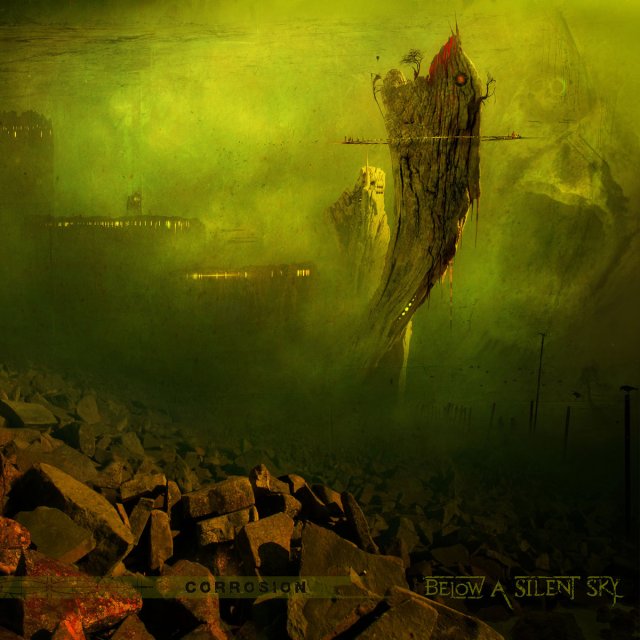
German progressive/post-metal band Below A Silent Sky have been around since 2012, and the quartet from Ilmenau released their debut album titled “Corrosion” this September. The album showcases that the band doesn’t afraid to explore their creative abilities and to push the boundaries and definition of their style of progressive metal.
Below A Silent Sky have managed to come up with an album which represents a mental journey that transcends the listener onto a whole another planet. The multi-dimensional, multi-layered six-track release should ideally be perceived as a single track rather than six individual. The creative brilliance of the band oozes through this masterpiece and it should definitely earn the band a level of respect from fans and critics alike.
Below A Silent Sky’s “Corrosion” is an enjoyable piece of music for just about any setting but it’s perhaps the best “travel album” released in 2015. When you are traveling, this album makes for the ideal companion, and before you realise it, the album compels you to loose yourself in an introspective world. A work of genius highly recommended for fans of progressive, experimental music.
Check out “Corrosion” on Bandcamp, and become a fan of Below A Silent Sky on Facebook too.
Here we are again, at year’s end. I can’t believe that another 12 months has passed since I began my countdown for 2014, it doesn’t seem that long ago. And yet, in the intervening period, a lot has happened. My eldest daughter has started nursery whilst my youngest has changed from a new born baby […]
Welcome to day two of my ‘Album Of The Year 2015’ countdown. If you missed the opening instalment of what is a series that will either make or break me, you can check it out right here: Album of the Year 2015 – Number 30. Additionally, if you missed my similar countdowns from the past […]
Rush is never going to get a #1 album as long as they continue to release a much anticipated new album the same day someone else, who has a wider fan base, releases theirs. R40 Live has ZERO chance of going #1 against Adele’s new album and it is pretty rare for a live album […]
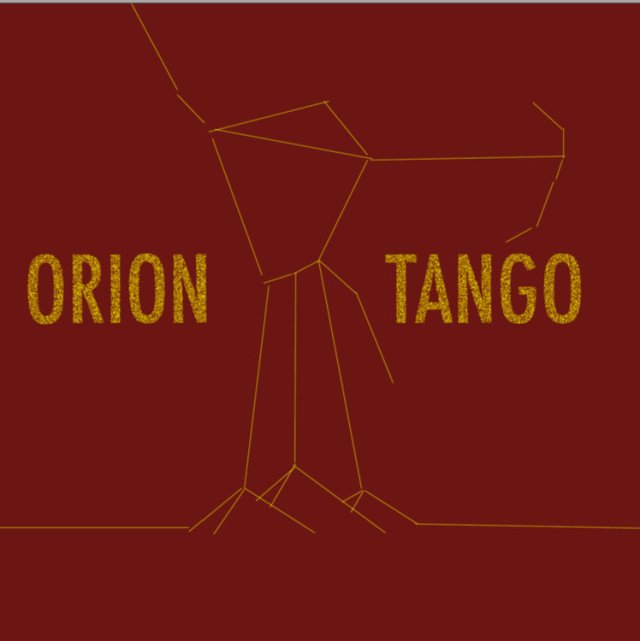
Orion Tango is the pet of guitarist Tim Motzer, bassist Barry Meehan and drummer Jeremy Carlstedt: “a team of premier musicians who’ve played together in various settings in the past, but never in this trio configuration before.” The trio has just put out a self-titled debut album via Philadelphia-based Motzer-owned label 1k Recordings.
I guess Orion Tango started as a kind of improvised jazz trio but with enough rock elements and energy to give them entry to that camp too. The other labels like avant rock, krautrock, psychedelic and prog rock old and new have been added. It’s closer to the truth that the group has defined a genre on their own through the music. Anyhow, “Orion Tango” is still instrumental improvised music. Sometimes so brutal that the headaches threaten, dominated by impressive energetic drums and bass, glowing guitar parts and electronics. But the trio also knows when to calm down, relax and create beautiful lyrical soundscapes. As far as I can hear, this cannot be all improvisation; at least there has to be some planning in advance when to calm down or heat up things. Most of time the band is somewhere in between; seldom really melodic and never pure noise. The album comes as a limited edition CD of 100, and is also available as digital download, bringing five tracks—two of them around the 9 minutes mark, one around 17 minutes, and two more around 5 and 8 minutes.
I am particularly fascinated by the tracks where the calmer parts and Motzer’s guitar dominate more than usual. The opening track “Find Your Happy Place” starts alarmingly melodic with rhythm section passage to Motzer’s layered guitarwork with hints towards King Crimson. “SuperGun” brings heavy hitting by Carlstedt accompanied by underlying bass and ambient guitar that add up to the overall fuzziness. There are so many other moods and sounds involved here. For instance, the 17-odd minutes “Gravity Knife” is a match to a symphony that constantly changes pace and moods. The Meehan-Carlstedt interplay sets the foundation for everything else that’s going on, and that is Motzer’s continuous exploring of vast and unknown of sound. He is indeed on a look for the right tones, and without doubt he succeeds in reaching and putting them right where they belong.
“Orion Tango” is an album that sneaks from behind; it’s melodic and noisy, but most importantly it’s an album where the band doesn’t loose any of its edge. A very fascinating record that asks for time, and time is something we definitely don’t lack of.