Kevin J. Anderson: Well Beyond a Clockwork Imagination

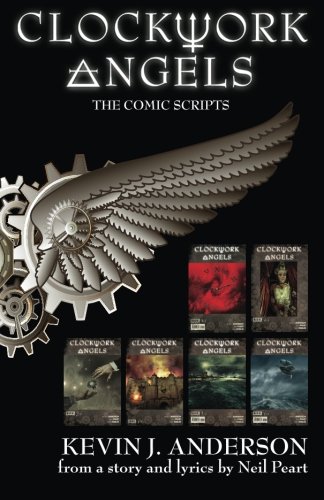
A review of Kevin J. Anderson, CLOCKWORK ANGELS: THE COMIC SCRIPTS (Monument, CO: Wordfire Press, 2014); from a story and lyrics by Neil Peart.

Birzer rating: 10/10.
ca-comic
From WordFire Press (December 2014).

Two things need to be stated before I even get into the heart of this review. Well, ok, let me put this in active form, before my students yell “foul!” I, Brad, need to state two things before getting into this review.

First, one could write a long and interesting article just about the convoluted and circuitous publishing history of CLOCKWORK ANGELS. And, why not? What a fascinating history. In the beginning, CLOCKWORK ANGELS was an album by Rush (remember, though, the first two songs came out almost two full years before the album itself).

Then, it was a best-selling novel by Kevin J. Anderson and Neil Peart.

Then, it was a huge worldwide rock concert tour, a live album, and a live concert DVD.

Then, it came out from BOOM! Studios in comic book form, illustrated by the extremely talented Nick Robles, over six issues. These six issues, of course, will be released in graphic-novel form in the spring (April 2015) with, I’m guessing, an intro or conclusion by Peart.

Now, however, CLOCKWORK ANGELS has come out from Anderson’s WordFire Press as THE COMIC SCRIPTS.

Soon, there will be a sequel, CLOCKWORK LIVES, which Anderson has only recently happily finished with the equally happy blessing of Neil Peart.

It’s possible the whole cycle might start over with the sequel.

And, if Rob Freedman is correct, CLOCKWORK ANGELS will probably grab the fancy of some Hollywood producer, direct, and acting talent, and it will be made into a major motion picture. If so—and, let’s pray this happens—the script is completely written, the scenes already storyboarded by Anderson, a true master of the art.

Second caveat. It’s no secret—at least to readers of progarchy—that I’ve been following the career of Neil Peart very closely since the spring of 1981. Since the age of 13, Peart has been as much a part of my life as has Ray Bradbury, J.R.R. Tolkien, Mark Twain, T.S. Eliot, and the list could go on.

Sci-fi demigod, Kevin J. Anderson.

Since some time in the early 1990s, however, I can also state the same about Kevin J. Anderson. Among modern science-fiction writers, the only other person I’ve followed as closely is J. Michael Straczynski. I’m absolutely fascinated by their writings as well as the trajectory of their careers.   Each is a expert of his craft and an imaginative perfectionist. Each is also very much in-tune with his audience and the possibilities the internet presents. And, as probably well known, each has advanced the cause of progressive rock in a variety of ways. Straczynski had done so by promoting the career of Christopher Franke and Anderson by writing with Peart, producing the story and lyrics (along with his wife) for Roswell Six, and through a myriad of other ways. Each, also, fully embraces the comic and graphic novel worlds. Straczynski tends toward horror and the gnostic, and Anderson tends toward science fiction and the mythic, but, otherwise, the two have a great deal in common.

So, these two caveats stated, let’s get back to Anderson’s latest, THE COMIC SCRIPTS.

Even from a cursory examination of Peart’s song lyrics, the story of CLOCKWORK ANGELS seems a nicely updated version of 1978’s HEMISPHERES. There’s the side of order, and there’s the side of chaos. The hero, choosing not to embrace either extreme, finds a via media, making his own path and his own choices. He finds, in reality, that his choices are limited, however, but choice does exist. So, free will exists, but it does so only within certain bounds.

Anderson’s novel offers a wondrous exploration of Peart’s universe. Employing the literary devices of utopia and dystopia, Anderson, a sci-fi demigod, gives the story a much needed and beautifully executed Tolkien-esque and Chestertonian fairy-tale ethos and atmosphere. We discover why the Clockmaker craves surety and the Anarchist disorder. We also discover why Owen must reject both and become, for all intents and purposes, the everyman version of Cygnus.

Not limited to lyrics for twelve songs merely, Anderson explores, lulls, mulls, and lingers. With his deft hand, the world of Owen and the CLOCKWORK ANGELS becomes rich, full, and tangible. Though many have labeled this world as Steampunk—a label neither Anderson nor Peart would deny—it is much more than Steampunk as well. The pastoral quality of parts is truly pastoral and adds the Tolkienian fantastic to it all. Indeed, Anderson’s best writing—while always superb—truly shines when he is detailing the cultures that arise in distant and rural landscapes.

Equally important, though, is that Anderson is not only a great friend of Peart’s, he’s also a huge fan of Rush (and Hugh Syme). These loves show in almost every word and on every page of CLOCKWORK ANGELS. For those of us obsessed with Rush, Anderson ably rewards the reader, throwing into his novel (and the comics, and, thus, THE COMIC SCRIPTS) Easter eggs galore.

What surprises me most about THE COMIC SCRIPTS, however, is how utterly and brilliantly visual Anderson’s imagination is. Frankly, after having read much of his science fiction and some of his detective fiction, I really have no right to be surprised by any of this! Anderson is a genius at nearly every level, but he is especially excellent in and at creating a MYTHOS around, behind, and near every one of his novels. There’s a reason major international serials praised his own renditions of the XFILES as some of the best sci-fi of the 1990s. Sure, the XFILES was a great TV show. But, Anderson’s skill made the characters and the MYTHOS a thousand times better. I suppose my surprise at Anderson’s ability to visualize and imagine is, if anything, an indication of my own lack of imagination.

Looking at THE COMIC SCRIPTS, one readily sees that Anderson anticipated and then directed every single panel of the comics. He describes the emotions on the faces as well as the technology that will (certainly) jolt the reader into a sort of glee. Anderson presents every aspect of the CLOCKWORK world in all of its alchemical madness and glory.

By describing every thing visually, Anderson paints an interesting portrait of this world that could tease the Rush fan and the sci-fi/fantasy reader without end. Some day, lit crit folks will have a field day deconstructing all of this. For example, per both Peart’s and Anderson’s desires, the reader never actually sees the faces of the angels. This must be left to the individual mystery and imagination. Or, one sees that the symbol of the order-loving Clockmaker is a beehive and honeybee. The beehive looks suspiciously like the symbol of Utah, the Mormons, and the former State/Empire of Deseret. Is this intentional? I don’t know.

Or, how about the description of our hero, Owen? He is truly everyman—“He is non-ethnically specific,” Anderson explains. He “should have darker/olive skin, dark eyes, dark hair.” Anderson describes the cities of his world as Manhattan with a twist of old Berlin with a huge touch of the art deco. Could this be Gotham? Metropolis? Dark City? Of course.

Ok, but what surprises me most? That Hollywood hasn’t snatched up Anderson in a major way. Holy Moses, this guy can think, he can write, and he can imagine.

So, should you buy this latest offering from Anderson?

Do you like Rush? Yes.

Do you like science fiction? Yes.

Do you like intelligence and imagination in your fiction? Yes.

Do you like the visual arts? Yes.

For me, THE COMIC SCRIPTS is another brilliant exploration of the CLOCKWORK world. But, even if you’d never heard of Rush or even if you’ve never read the novel or the comics, this is still well worth owning. Anderson’s writing is so good, and his visual imagination is so fascinating, that THE COMIC SCRIPTS could easily (and does) stand on its own as a screenplay or as an actual stage play.

I promise—you’ll be riveted from pages 10 to 253.

Enjoy. And, Merry Christmas.
Minutian — “Hollow Heroics”

“Hollow Heroics” is the first single off Inwards, the second album by Finnish prog band Minutian.

Inwards is to be released on 30 January 2015. I can’t wait! This is great stuff…

News Update from Big Big Train

bbtThis just appeared through email:

Apologies from the band for a recent lack of email updates. Over the summer, the mailing list grew too large to manage using our Outlook email client and we were no longer able to send updates. We have now moved the mailing list onto purpose-built software and will be able to provide more regular updates.

Unfortunately, the failure of our mailing list coincided with the announcement of three Big Big Train gigs at Kings Place in London next year. All the tickets for these shows have sold out but we will be playing further gigs in future years and will ensure early warning via the mailing list and social media.

Big Big Train filmed live performances of a number of songs at Real World studios in August 2014. These performances will be released on Blu-Ray and DVD in the autumn of 2015. At Real World, the band were joined by Rachel Hall on violin and vocals and Rikard Sjöblom on guitars, keyboards and vocals. We are pleased to announce that Rachel and Rikard have now joined both the live and recording line-up of the band.

The band has written around two hours of new songs. Recording of these will be completed for album releases in 2016 and 2017. An EP, featuring three new songs, will be released in April 2015.

We would like to take this opportunity to wish you a Merry Christmas and a Happy New Year!

Andy, Danny, Dave, David, Greg, Nick, Rachel and Rikard
Big Big Train

Follow BBT on Twitter: http://www.twitter.com/bigbigtrain
Join the BBT Facebook forum: http://www.facebook.com/groups/bigbigtrain

An Interview with Classical Guitarist and Progger Kevin McCormick

kevinmccormickandrachelm_largeProgarchy’s Kevin McCormick’s latest CD, In Dulci Jubilo, is an album dedicated to Advent and Christmas.  I also had the grand privilege of interviewing him at The Imaginative Conservative:

Christmas music turned out to be a perfect fit for our collaboration as father and daughter, guitarist and vocalist. It had the personal aspect that I was looking for and a collaborative component that was intriguing. I really was not sure how it would work out, but I had great confidence in Rachel’s abilities. We have a similar musical sense, so I knew we could work well together. By the time we began the recording Rachel was fifteen and really starting to blossom as a singer, but not with the heaviness that can sometimes be the soprano sound. She was at a unique moment between childhood and womanhood and I thought it would be a great time to capture that. At that point the time just seemed right for us to make the recording and I knew that my other projects could wait, whereas this one could not.

For the full interview, please go her: http://www.theimaginativeconservative.org/2014/12/kevin-mccormick-special-christmas-gift.html

To order Kevin’s CD, go here.

Tom Woods and Brad Birzer: The Best of 2014

Tom Wood Logo

This afternoon, I had the great privilege of speak with famed author and talk show host, Thomas E. Woods Jr., about the best of 2014 in rock/prog.

Our conversation included Salander, newspaperflyhunting,Fractal Mirror, Tin Spirits, Fire Garden, John KingBathmat Bassett, Andy Tillison, and Robin Armstrong. And, of course, we praised Greg Spawton and David Longdon.  Some Marillion as well.

47 minutes of prog talk.

http://tomwoods.com/po…/ep-310-the-year-in-progressive-rock/

Voyager — V (Best Prog Albums of 2014 — Part 8)

Before I devoted a lot of listening time to Voyager’s V, I was warned that the back half of it wasn’t as good as the front. But the odd thing is that as I got to know the album better, it was actually the back half of it that I liked the best! The songs that made the best early impression on me began with “Embrace the Limitless” (track 6) and went on to the end (“Seasons of Age”, track 13).

The dopey repetition in the chorus of the first track (I instantly hated the repetition of the word “Hyperventilating”) and the almost-grating second track annoyed me in the beginning (“Breaking Down” seemed too slogan-ey as a chorus phrase to me: an undeveloped idea, not a full lyric). Only as I warmed to the whole album did I eventually come to enjoy the first five tracks maximally. It just took awhile. After all, the guitar solo break in “Hyperventilating” is awesome and the musicianship is stellar, as it is everywhere on this disc.

I came to think of the album in three sections: the first five tracks (which it took the longest for me to warm up to, due to their seemingly too-commercial sound); the middle three tracks; and the last five tracks.

“Embrace the Limitless” (track 6) is a refreshing burst of loopy synth metal energy. Where none of the first five tracks grabbed me, this one actually made me sit up and take notice. Then track 7 (“Orpheus”) gets all dark and cool and interesting with even a bit of guttural vocals to match its mythological underworld theme. And finally track 8 was able to get me totally enthused with its cool riffing action and intelligent lyrics (“The Domination Game”). For a while, I would just skip the first five tracks and begin listening at track 6 to the album — with the first five appended to my playlist at the end (to hear if I had time). Eventually, I came to love the whole album and I now just listen to it sequentially as released, with no more playlist shenanigans.

Despite the advance word on the album, for me the finest moments come in the last block of five songs. Track 8 (“Peacekeeper”) is borderline dopey with its almost too-cute lyrical conceit, but it actually maintains its perfect metal balance and never crosses the line for me. In fact, it became one of my early favorites (and remains so) because the music is so darn good. Okay, confession: I love the guitar work on this album. The guitar sounds are just so excellent and well produced. And this track is a prime example.

But the best is yet to come: Track 9 (“It’s a Wonder”) has a strong claim for totally favorite track, especially because of its out-of-left-field uber-cool outro, which I absolutely love; it makes me want to listen to the track on repeat, every time!

But then, instead of hitting the replay button, we get the treat of the epic-scale last three tracks. “The Morning Light” (track 11) is a glorious sonic marvel. It clocks in as the longest track (5:58) with metal riffs and keyboards taking us to the prog places we all want to go. Whew! What a ride! Can it get any better? Well, we actually get to catch our breath with track 12 (“Summer Always Comes Again”), a stunningly beautiful song that is completely unexpected as a ballad-ey break. It’s only 2:21 long, but we end up wishing the beauty could go on forever.

The album could have ended there, leaving us with a sweet sense of infinite beauty and infinite longing. Instead, we get total appetitive gratification with the amazing album-closer: Track 13, “Seasons of Age”. This song has a magical sound and it totally rocks its way out to a jaw-dropping, drum-whacking finale.

This is proggy metal at its most melodic and accessible. Don’t be a hater; embrace the excellence. Superb musicianship, luminous production, and superstar vocal stylings? Yes! This disc definitely makes the cut for my Top Ten Prog Albums of 2014.

Album Of The Year 2014 – Number 14

manofmuchmetal's avatar

Welcome to Day 7 of my Album of the Year 2014 countdown, where I bring you a new album every day (or as close to that as I can) that has impressed me over the past 12 months. And, given the strength of 2014, there’s no let-up in the quality of the albums that I bring you.

If you’ve missed any of the past 6 days or even if you’ve missed any of the past two years’ lists, the links to all of these can be found at the bottom of this post. Please feel free to explore and enjoy!

And now, with that out of the way, let’s concentrate on the Number 14 position:

00 NeONe Obliviscaris
‘Citadel’
Season Of Mist

Superlatives get thrown around in music reviews with gay abandon these days it seems. ‘Amazing’ this, ‘awesome’ that; to the point where the sentiment becomes diluted and then, when…

View original post 596 more words

It’s 21/12—International Rush Day

rvkeeper's avatarrush vault

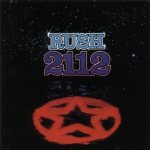
Every December 21, which is written “21/12” in much of the world, is International Rush Day in recognition of the band’s breakout piece and album, “2112.” It’s not an official day, but you never know. It might become one before long.

In recognition of the big day, here’s Rush playing 2112 in 1976, the year the album came out:

Part 1

Part 2

Happy #RushDay!

 More This and That.

From the publisher of Rush Vault:

Rush: Life, Liberty and the Pursuit of Excellence

cover-amaz

Great book, read slowly to fully enjoy it
“A very in-depth conversation from Rush’s start to the present. It is not a lot to read. You probably won’t rifle through this in a single sitting, and the author will likely challenge a lot of your interpretations of many of the songs. But more than worth considering the impact on Rush lyrics far beyond Rand and Aristotle…

View original post 6 more words

Is 2014 Over Already?

Time flies when you’re having fun listening to great music! 2014 brought in a bumper crop of excellent music in general, and prog in particular. Here are my favorites of the year:

Robert-Plant-lullaby-and-The-Ceaseless-Roar_638

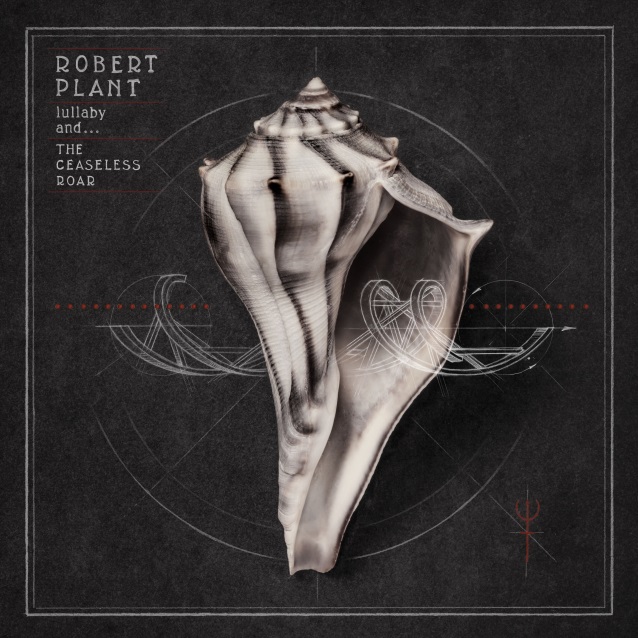
10. Robert Plant: Lullaby And …The Ceaseless Roar

Mr. Plant returns to his folk roots of Britain, and delivers a thoroughly enjoyable set of songs. A couple rock out, but this is mostly an acoustic tour de force that transcends any musical trends of the day.

WOAFB-cover

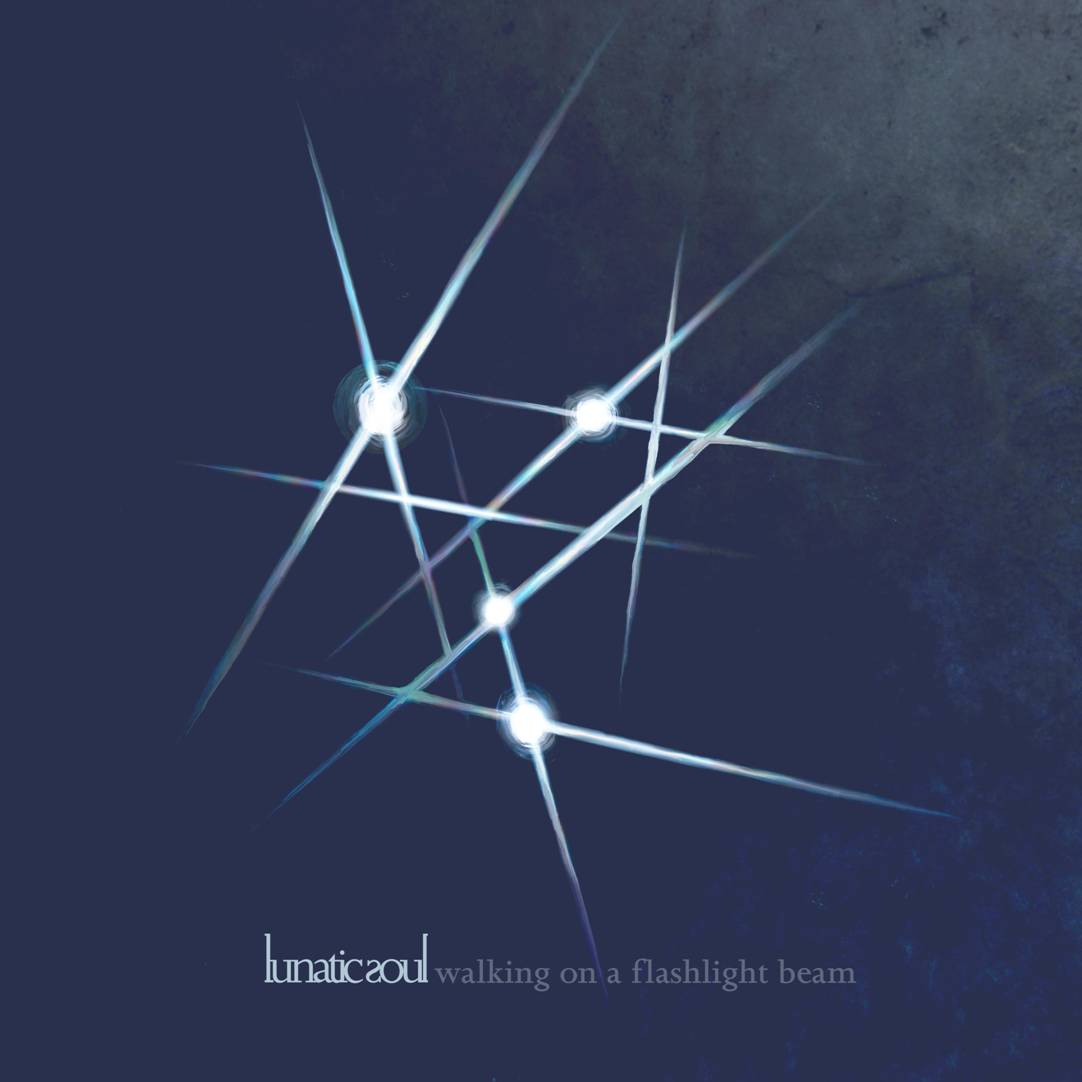
  1. Lunatic Soul: Walking On A Flashlight Beam

This album didn’t garner the rave reviews of his first two, but I still think anything Mariusz Duda produces is far better than 90% of anything else out there. “Treehouse” may be my favorite song he’s ever recorded.

So much greater than a muppet.

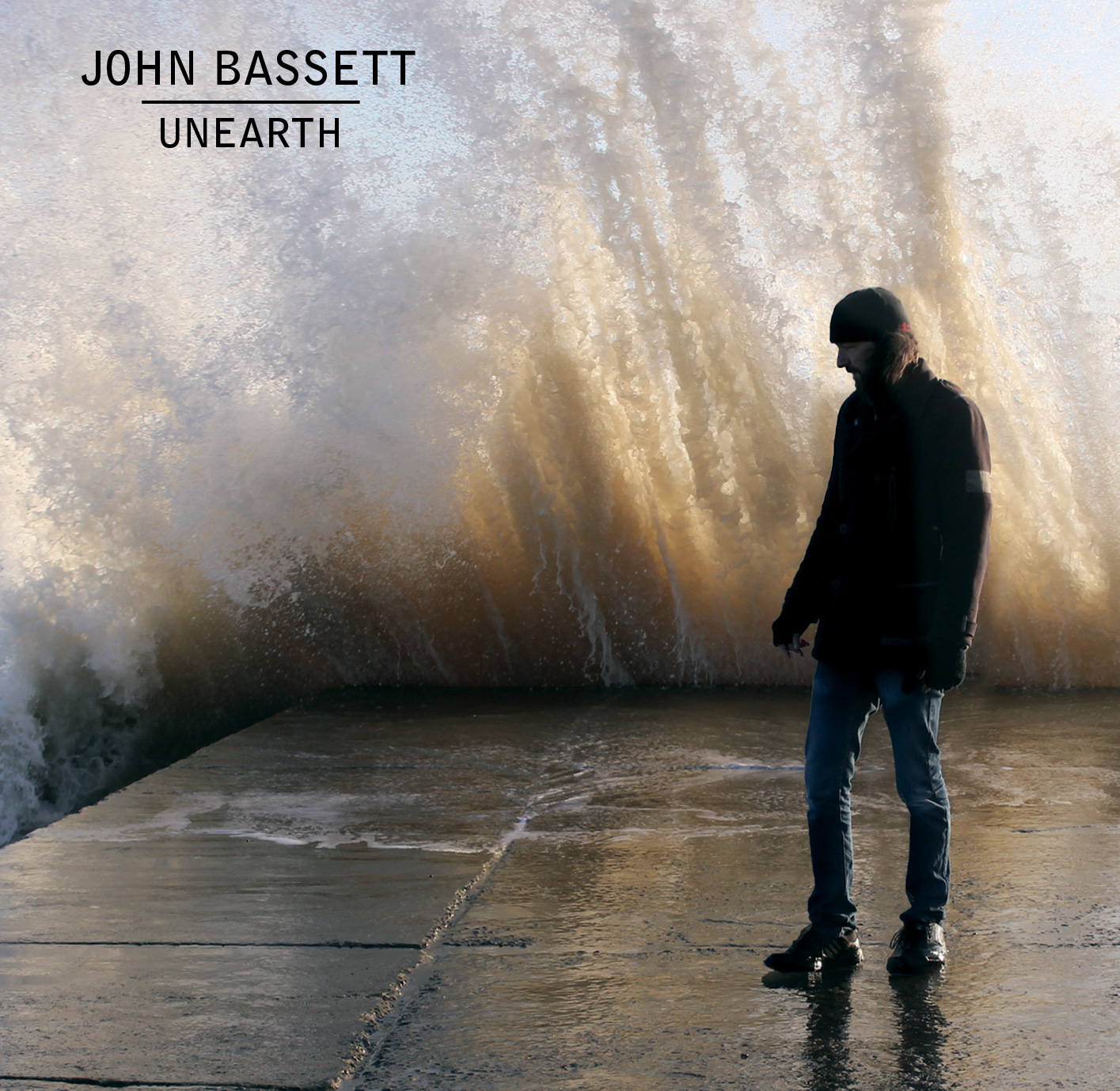
  1. John Bassett: Unearth

This album opened my eyes to entirely different side of Mr. Bassett’s talent, and I love it. I hope he does more music in this vein – thoughtful, melodic, acoustic pearls.

Disconnect-cover

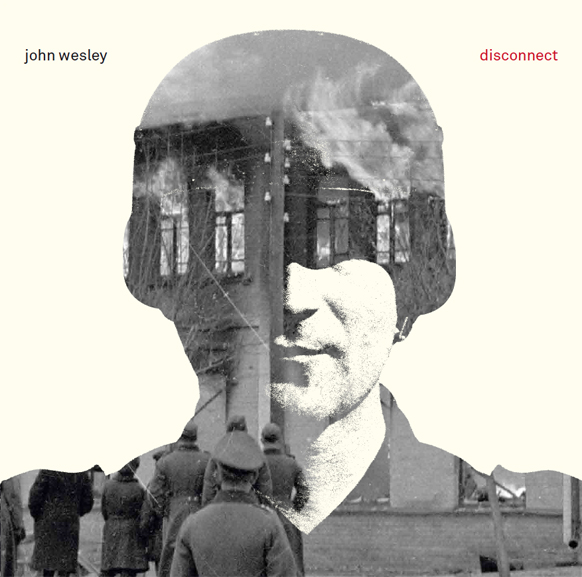
  1. John Wesley: Disconnect

Mr. Wesley has been Porcupine Tree’s secret weapon when they play live, and on the side he has been quietly making extraordinary music of his own. Disconnect is his best ever, and it features the inimitable Alex Lifeson on “Once A Warrior”.

Demon-300x300

  1. Gazpacho: Demon

It took me awhile to get into this album, but it was definitely worth the effort. It is a beautiful package, from the artwork and lyrics to the music itself. The subject matter is very dark, but listening to the entire album is a cathartic experience. It also has Jan-Henrik Ohme’s strongest vocals to date.

nao cover THE THIRD DAY

  1. North Atlantic Oscillation: The Third Day

Their third album, and the third one to make one of my best-of-the-year lists. Soaring vocals, gorgeous string arrangements, a wall of sound that is indescribably exhilarating. If Brian Wilson produced Catherine Wheel, it might sound as good as this.

Stunning album cover.  A progged-out version of Dolby's GOLDEN AGE OF WIRELESS.  Brilliant.

  1. Cosmograf: Capacitor

A marvelous steampunk trip through metaphysical dimensions. Robin Armstrong’s imagination knows no bounds, and his musical talent matches it.

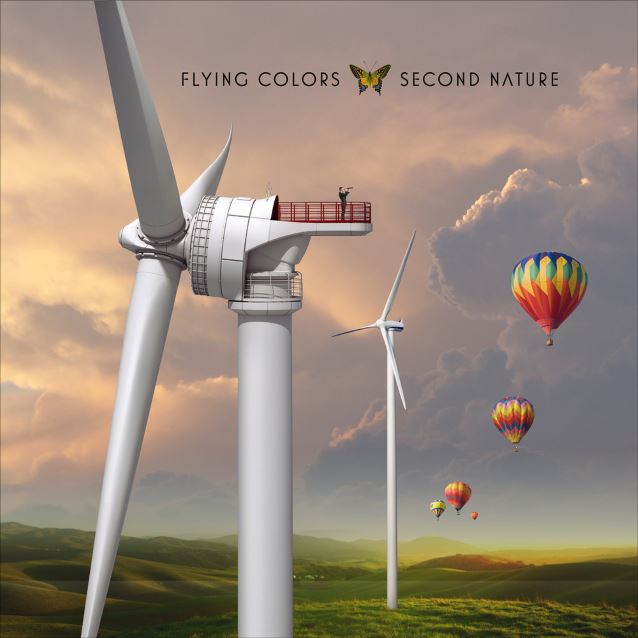
Second Nature

  1. Flying Colors: Second Nature

Wow. No “sophomore slump” for this band. One of the many Neal Morse/Mike Portnoy projects that are active these days, Second Nature is an outlet for the more melodic side of their talents. Throw in the genius guitar work of Steve Morse, and this is an irresistible set of songs.

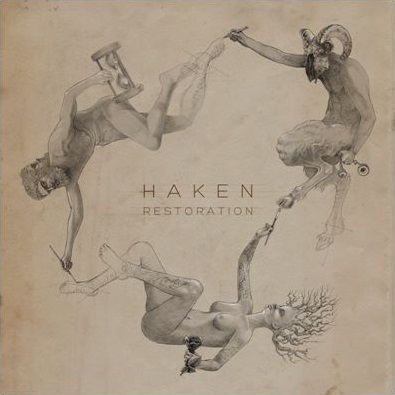
Restorations_by_Haken

  1. Haken: Restoration

Their Mountain album was my favorite of last year, and the only reason this isn’t number one is because it’s only 34 minutes long. I admit it – I’m greedy for more Haken music!

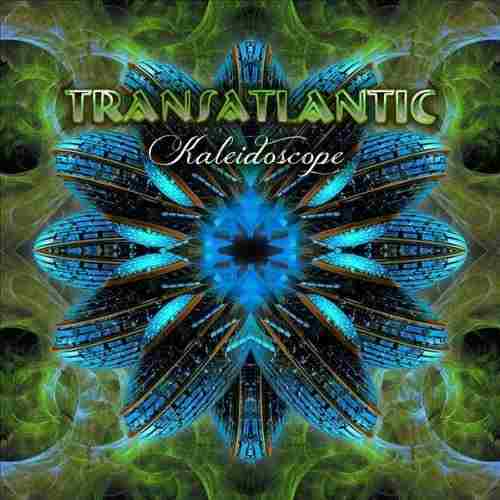
transatlantic-kaleidoscope-box-set-cddvd-deluxe-edition-11801-MLB20049782288_022014-O

  1. Transatlantic: Kaleidoscope

With Kaleidoscope, Stolt, Morse, Portnoy, Trewavas finally become a real group. On earlier works, you could tell which bits were Neal’s, which were Roine’s, etc. Every song on Kaleidoscope is stamped with Transatlantic’s distinctive sound, and it is a glorious one.