THE PROG WILL LIVE ON

If you have heard any of the progressive rock albums released in the last 25 years, chances are there are several of them that were engineered or mixed by Rich Mouser. He has several hundred credits to his name including Spock’s Beard, Transatlantic, Neal Morse Band, District 97, Magic Pie, Flying Colors, Tears for Fears, Pattern Seeking Animals, Liquid Tension Experiment, Moon Safari, and Lobate Scarp. His latest mixes include “No Hill for a Climber” for Neal Morse & The Resonance and Joe Deninzon & Stratospheerius’ “Impostor!”.

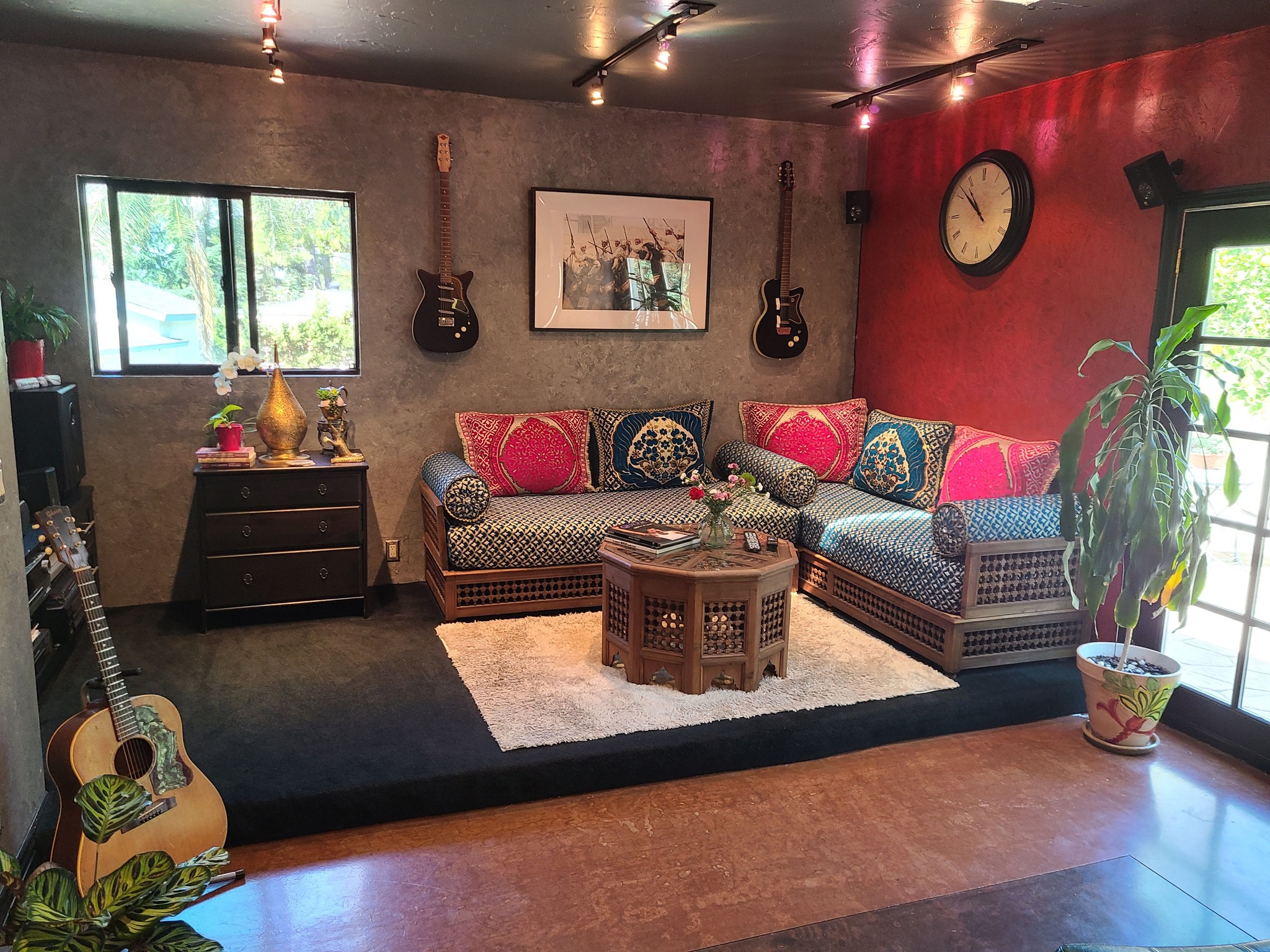
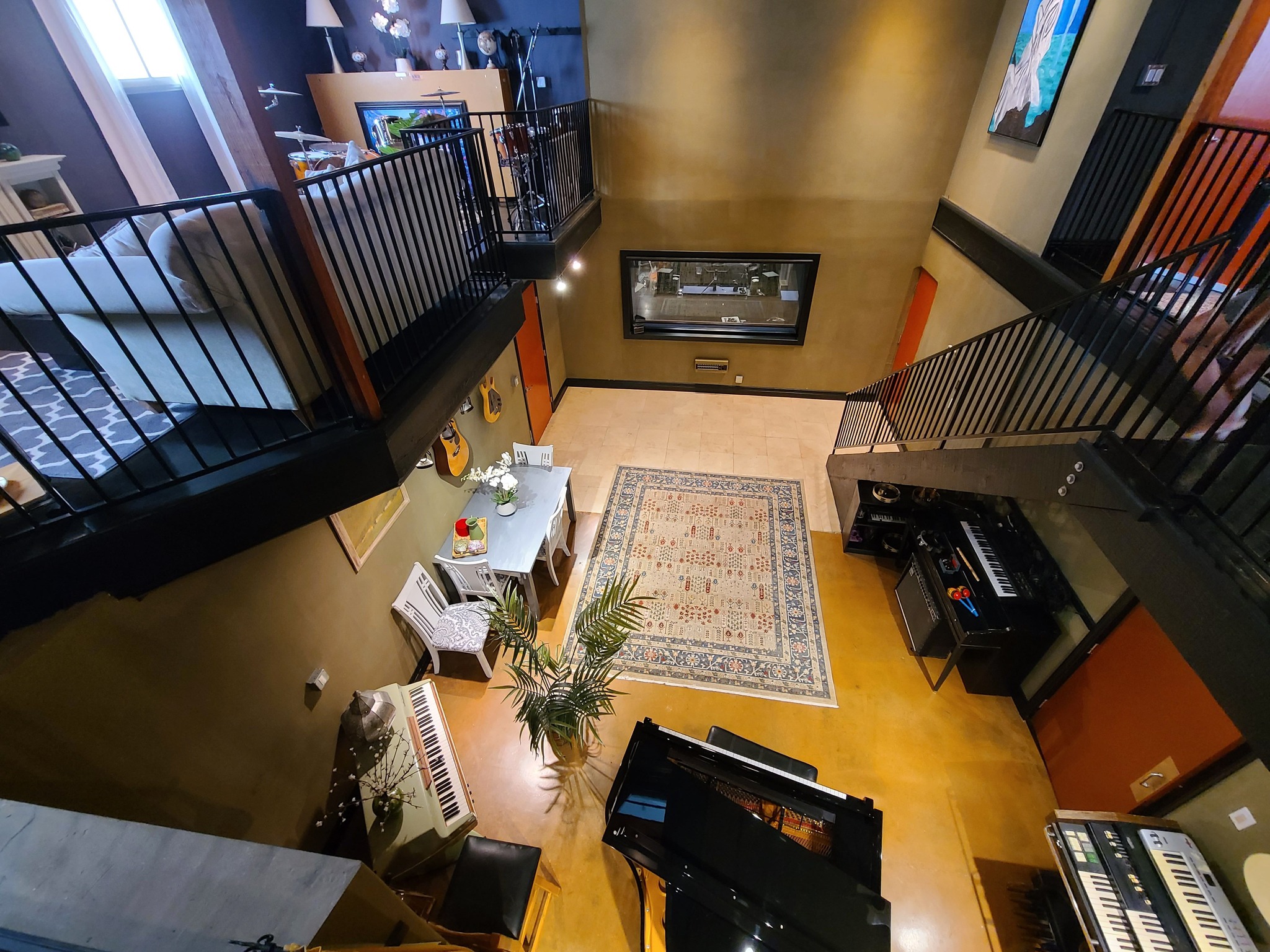
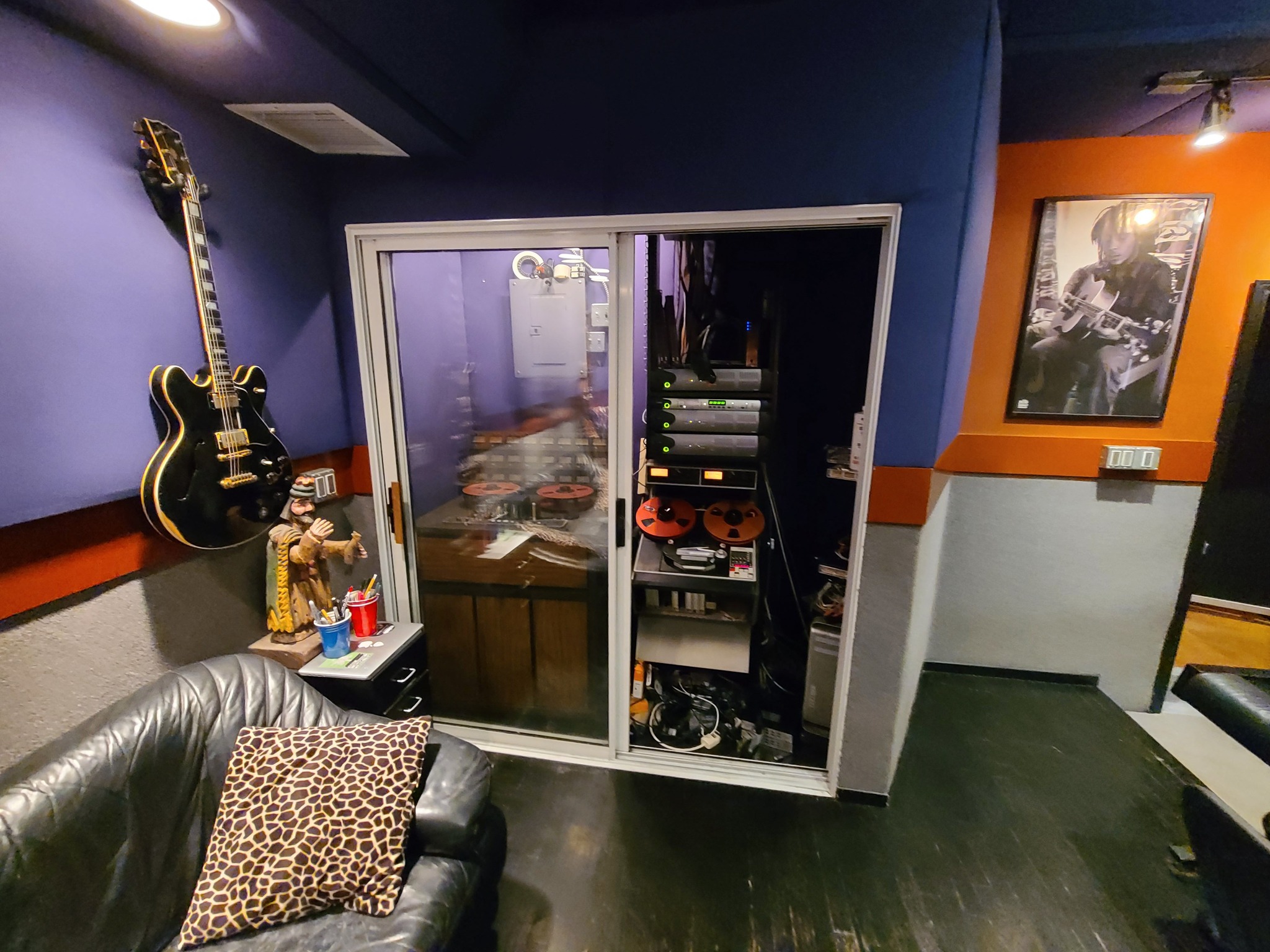
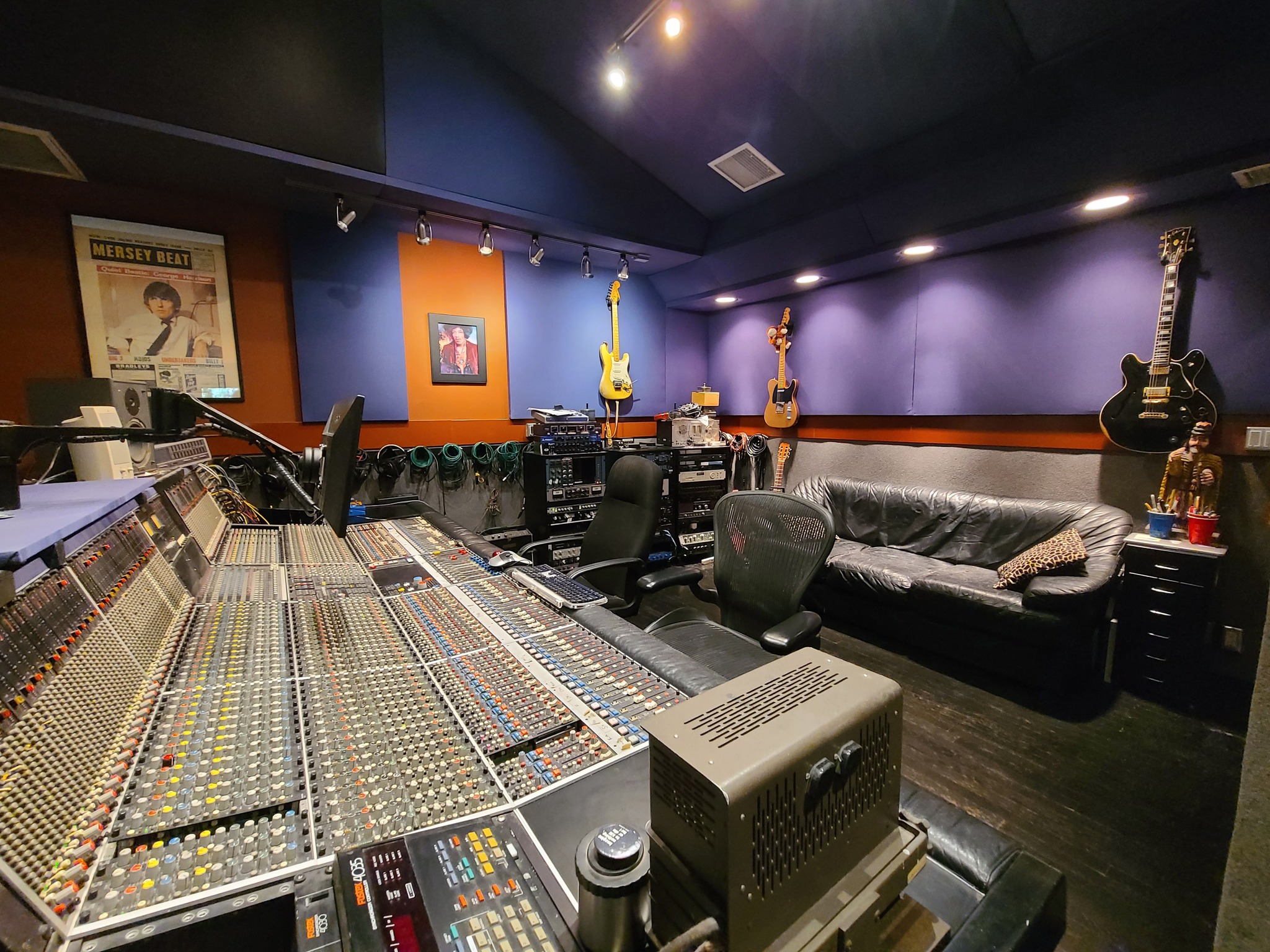
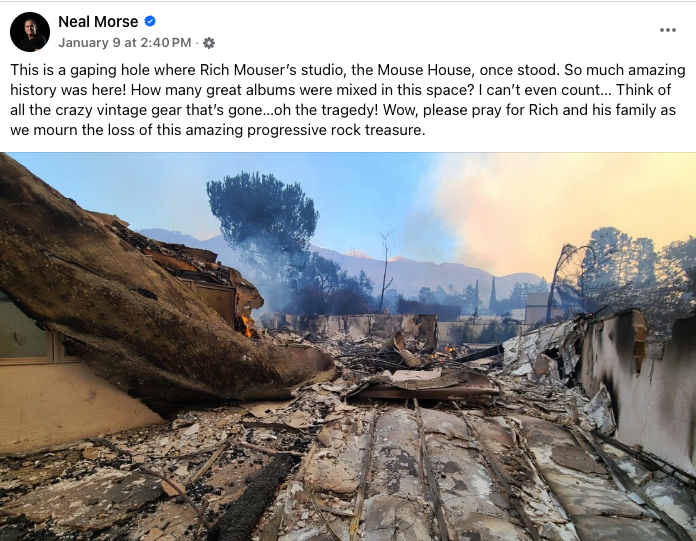
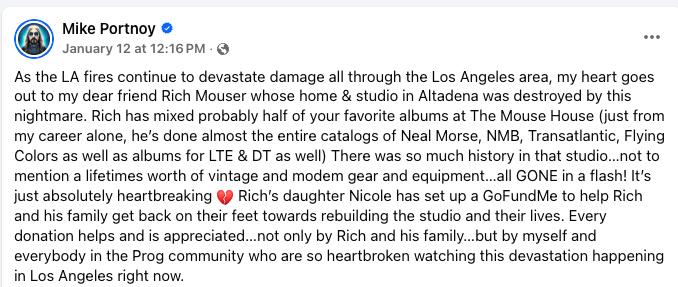
Two weeks ago, the Los Angeles wildfires decimated Rich’s Mouse House Studio. Not only was it his studio but, with his wife Bouchra, they remodeled it over the last couple years to make it their home, as well. Fortunately, the couple was able to evacuate themselves in time, but most of their belongings, including a vast collection of vintage musical equipment (some aged over 60 years) and containing the studio’s centerpiece of a rare 56-input Calrec UA8000 mixing console, were taken in the Eaton fire, located in Altadena, California.


Ask anyone who has recorded there and they will tell you it was a magical place. 

Rich’s daughter Nicole has started a GoFundMe page to help him with the costs of replacing some of his instruments and supplement the cost of the sound equipment that was destroyed. She said this in a recent post on Facebook:

“To say we are broken by this loss would be an understatement; It’s honestly surreal. Losing a home is devastating, so losing your life’s work as well is insurmountable… Dad has a wonderful fascination with music that has consumed him since he was 15 years old, and it’s with that dedication he created The Mouse House Studios. Over the decades he has channeled his passion for making music towards helping, and collaborating with musicians to achieve their artistic vision. The heart that was in this place was palpable; so many talented people stepped-foot through the doors; so much creativity…This place was not just for making music, but a place for friends and family. Birthdays, graduation celebrations, family get to together’s and holiday’s. I can not stress enough how much hard work was put into this place; year by year, the house and studio blossomed – it’s honestly hard to grasp it’s gone…The outpouring of love that has reached my dad is overwhelming. It’s amazing how you can go through tragedy, and still experience the beauty of life at the same time; the beauty of love and friendship. If you are in the position to do so, please donate what you can. Every bit helps. If you can’t, at your convenience please share this fundraiser around.”

The Prog community has already showed so much support with Neal Morse and Mike Portnoy ,among some of Prog’s biggest names, taking time to help get the word out.

My personal connection with Rich started when I was looking for someone to mix Lobate Scarp’s debut album in 2012. Being a huge fan of Spock’s Beard and Transatlantic, I was well acquainted with his phenomenal mixes. In a million years did I never thought he’d agree to work on “Time and Space”, (I was a nobody and a recent transplant to California) but we met, hit it off, and he loved the project.  Since then, I must have spent over 3000 hours at The Mouse House, much of it creating our most recent album, “You Have It All”, which Rich co-produced, mixed, mastered, and played several additional instruments.  The finished album became my proudest accomplishment, and it wouldn’t have been possible without Rich. We spoke the same musical language. Rich and his wonderful wife Bouchra always welcomed me and my musical cohorts with open arms and open hearts and many times Bouchra would welcome us with delicious omelettes when we arrived for morning sessions.   We were getting ready to go back into the studio to record our next album there, but obviously that will have to be postponed because not only is the studio gone, I can’t picture working on this with anyone but Rich. Hopefully, with help from the Prog community, Rich and Bouchra can build another studio/ home, and we can all start making music again soon.

Thanks to the generosity of Prog fans and musicians all over the world, Nicole’s Gofundme is more than halfway to its $75K goal. https://www.gofundme.com/f/help-my-dad-rebuild-his-musical-legacy

Rich, in good spirits, posted last week before heading to the UK for MorseFest: “Thank you all for the tremendous support and love through these uncertain times. It’s like Big Hugs from all over the world!!” https://www.facebook.com/rich.mouser/videos/1795775040827089/?ref=embed_video

So many amazing memories were made at The Mouse House and while we are grateful that Rich and Bouchra and their families are safe, we are looking forward to making even more in the Mouse House 2.0.

Rick’s Quick Takes: “Clean-up on Aisle ’24!”

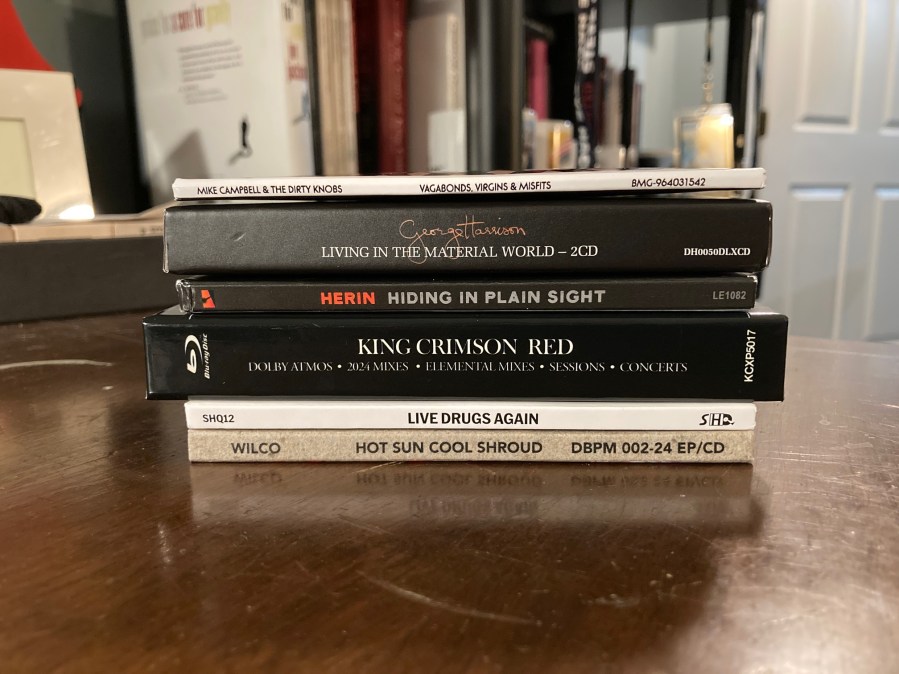
File under “unfinished business”, I guess. Below, albums from last year I hadn’t gotten around to reviewing, or hadn’t heard yet, or didn’t even know existed until I stumbled across them. (That last category, by the way, turned up a couple of real winners!) Purchase links are included in each artist/title listing; streaming options follow each review.

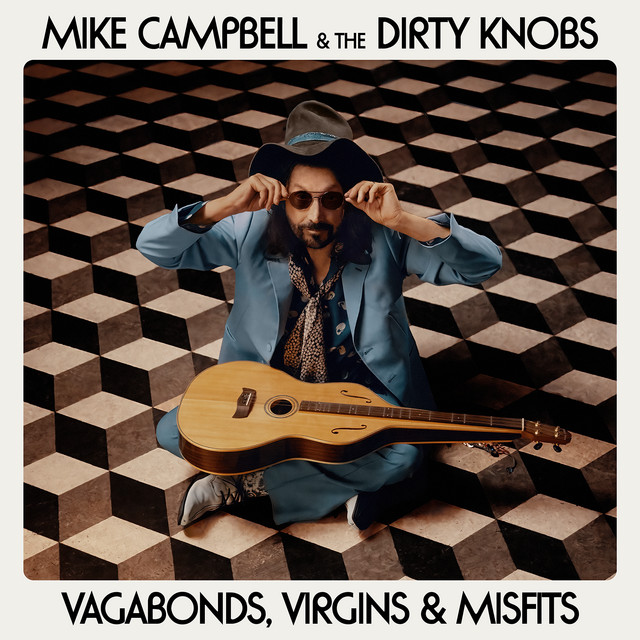
Mike Campbell and The Dirty Knobs, Vagabonds, Virgins & Misfits: On their third album as a band, the late Tom Petty’s right-hand man Campbell and compadres hit the motherlode. It takes a few tracks for the Dirty Knobs to loosen up, but once the desperate slowburn “Hands Are Tied” achieves rave-up velocity, it’s all gold — Byrdsy stomp “Shake These Bones”, harrowing border narrative “An Innocent Man”, honky-tonk single “Don’t Wait Up” (with country-soul heavyweight/summer tour partner Chris Stapleton kicking in a verse) and trashy addiction kiss-off “My Old Friends” are just the highlights! Guest stars galore, including former Heartbreakers, prove worthy foils for Campbell’s tales of big trouble and occasional triumph, spun out by his sinewy baritone and tasty, twangy guitar. If you’re looking for an album that puts the classic back in classic rock, look no further! I’m calling this a Delayed Favorite.

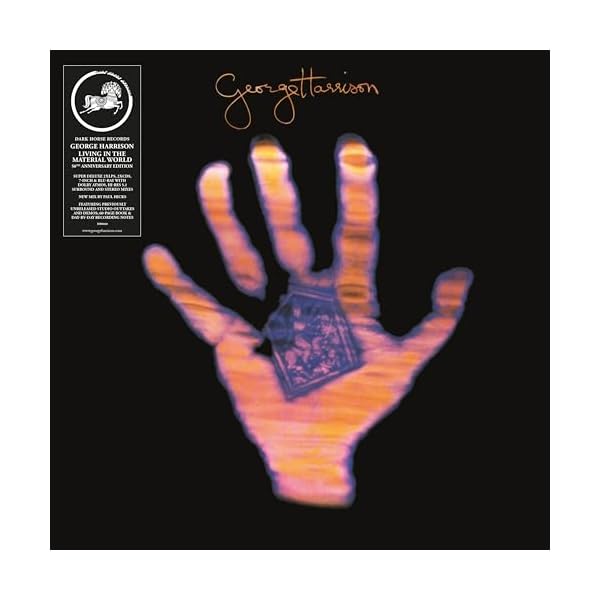
George Harrison, Living in the Material World (50th Anniversary Edition): While Harrison’s 1973 sophomore solo effort did chart-topping business and garnered positive reviews back in the day, it never quite lodged in public consciousness like his monumental debut All Things Must Pass. Songs that ricocheted between rapt religious devotion (“Give Me Love”, “Don’t Let Me Wait Too Long”), pressurized street-corner sermons (the title track, “The Lord Loves the One”) and sour reflections on post-Fab Four wrangling (“Sue Me, Sue You Blues”, “Try Some, Buy Some”) had a part in this, along with muddy production obscuring inspired, rootsy playing by George, Gary Wright & Nicky Hopkins on keyboards, and – rock solid as ever – Ringo as primary drummer. Paul Hicks’ fresh mix opens up things considerably: George’s breathy vocals are now more passionate than harsh, his acoustic playing shimmers, his slide work bites hard and sweet, and the band chugs along in high style. Now much more approachable, this vivid new version is well worth hearing (available in single, double and super-deluxe configurations).

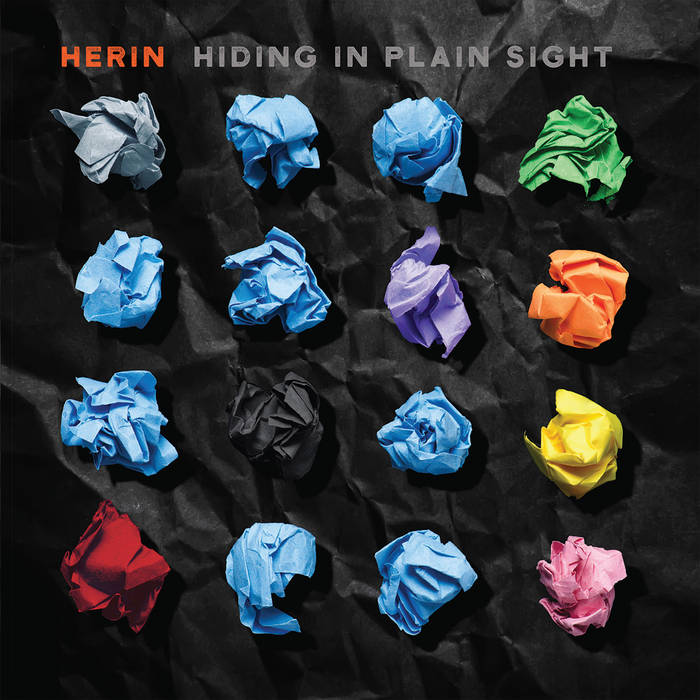
Herin, Hiding in Plain Sight: Detroit guitarist/songwriter Chris Herin is best known as the mainspring of hard-proggers Tiles (rooted in the music of Rush, with producer Terry Brown and artist Hugh Syme frequently on hand to play up the similarities) for 25 years. Here he goes solo with a deeply personal concept record, chronicling his beloved father’s 10-year struggle with Alzheimer’s disease. Grounding the music in accessible yet expansive AOR, Herin constantly shifts lyrical perspective — now observing dementia’s progress from the outside, now imagining how it played out inside his dad’s head. With Herin’s unswerving rhythm guitar at the center, an starry cast of players and vocalists bring his song cycle to life: highlights include subtle guitar textures from Jethro Tull’s Martin Barre (“The Darkest Hour”) and Alex Lifeson (“Second Ending”), a searing lead playout by Peter Frampton (“The Heart of You”), heart-piercing vocal turns from Porcupine Tree/Steven Wilson sideman Randy McStine (especially “Secret Adversary”) and a trio of dramatic soliloquies by Discipline’s Matthew Parmenter set to chamber music backdrops. Somber yet uplifting in its evocation of loss, pain and undying love, this is a special album.

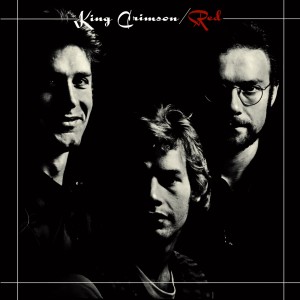
King Crimson, Red (50th Anniversary Edition): Limping home from the endless highways of America in 1974, Robert Fripp had had it with everything about King Crimson — even the unbeatable rhythm section of John Wetton (who wanted to go for mass appeal a la Dark Side of the Moon) and Bill Bruford (who wanted to hit as many things as possible loud, hard and often). Recorded in a last gasp before Fripp declared the band finished forever (oops), Red somehow gave all three players, plus guests from throughout Crimson’s first run, a unparalleled chance to shine. The uber-heavy title track, the wistful elegy “Fallen Angel”, the stinging clatter of “One More Red Nightmare” unleashed a power trio equally apt at dark romanticism and modernist brutality. And then there was “Starless” – a 13-minute swansong kicked off by Wetton’s most funereal vocal, collapsing in on itself, mounting to peak tension as Bruford slowly rebuilt the beat over a bass/guitar duel worthy of a Shostakovich string quartet, finally exploding into a double-time frenzy of wailing saxes and Fripp’s frantic, fuzzed-up speed-strums. This new 2 CD/2 BluRay version includes multiple fresh and original mixes, six complete concerts from the era, and all the surviving session reels. Overkill at its finest, capturing one of prog’s most ambitious bands going over the top just before Fripp called retreat and abandoned the genre label for good. (As mentioned last month, a Favorite for 45 years.)

The War On Drugs, Live Drugs Again: A second sampling of Adam Granduciel and his live septet making super-sized music to wallow in. Leaning heavily on 2021’s first-rate I Don’t Live Here Anymore, the WoD set one towering, hypnotic groove after another in motion; meanwhile Granduciel’s vocals skip atop the glistering surfaces, burrow between the chiming, interweaving riffs, howl burning desires above his choruses’ climactic maelstroms (pushed even farther by chewy, white-hot guitar tags). Part of the fun for rock history buffs like me is the kaleidoscope of callbacks that flit by, then fade into the aural soup: a Who-like synth cycle, high-impact four-on-the-floor drumming, distortion ramped up to touch the sublime, vocal yelps that channel Dylan, Springsteen, Bono. But the elation, the emotional release of these performances prove Granduciel and The War on Drugs are more than the sum of their wide-eyed, eclectic influences; this album is the closest thing to Elton John’s “solid walls of sound” that I’ve encountered in a long time. (Note that the CD version includes two extra tracks.)

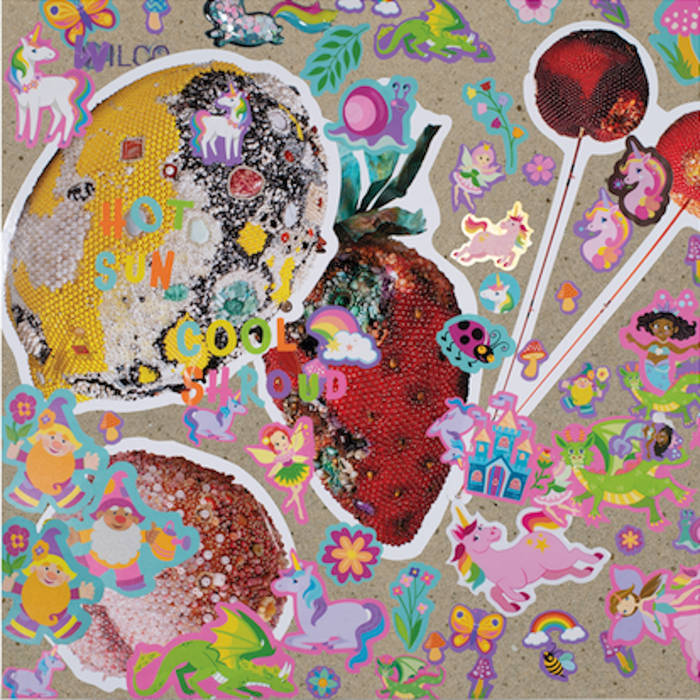
Wilco, Hot Sun Cool Shroud: A EP I missed from the Kings of Indie Dad-Rock, with the impact of an album twice its length; Jeff Tweedy and his long-time partners in chaos hit quick and dirty on six short, sharp tracks. Opener “Hot Sun” is driving yet ambiguous thrash underpinned with regally queasy synth/string pads; “Ice Cream” is a loose soul ballad with distant angel choirs and percussive rumbles; “Annihilation” goes from mumbly to lucid to arrhythmic, while closer “Say You Love Me” is a trademark Wilco eulogy, harnessing stately Beatleisms to preach connection and community. Stir in two instrumentals (the jabbering “Livid” and the bitonal acoustic gallop “Inside the Bell Bones”) and you have another Delayed Favorite. (One, I might add, very reminiscent of the band’s 2004 tour de force A Ghost Is Born, which is reissued in multiple deluxe formats next month.)

— Rick Krueger

Steven Wilson, “The Overview”

From Steven Wilson HQ:

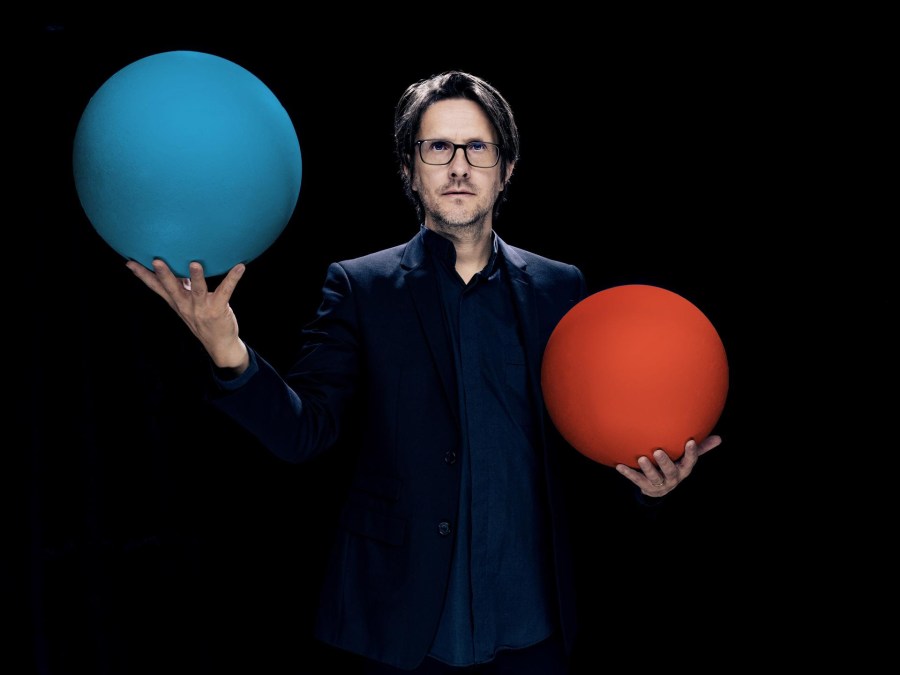
I’m thrilled to be able to officially share with you that my new album, The Overview will be released on 14th March. The album is based on the recognised phenomenon of the “overview effect’’, whereby astronauts seeing the Earth from space undergo a transformative cognitive shift; some experience an overwhelming appreciation and perception of the planet’s beauty, but others see the Earth truly for what it is – insignificant and lost in the vastness of space.

Prior to the album’s release date, The Overview will have its world exclusive premiere at the BFI IMAX in London on Tuesday 25th February. The music will be played back in immersive audio accompanied by a specially commissioned film by Miles Skarin that presents a constantly evolving series of visually stunning animated sequences documenting the vastness of space and the almost imperceptibly tiny part of it that the human race occupies. Screened on what is the UK’s largest cinema screen I’m confident this is going to be a pretty mind blowing experience.

The Overview will be released on Fiction Records in standard CD, blu-ray, half speed mastered (at Abbey Road) gatefold vinyl editions and limited deluxe art book. The blu-ray features high res stereo, 5.1 and Dolby Atmos mixes, all in both vocal and instrumental versions, for a total of 6 different audio streams. The deluxe art-book edition (in the same style and dimensions as previous SW deluxe books) features an additional 60 minute CD of music not included on the final album and an especially commissioned orchestral version of the 23 minute long Objects Outlive Us. The third disc is a blu-ray which expands on the standalone version by also including all of the bonus material in high res stereo, and 5.1 / Dolby Atmos mixes of the orchestral Objects Outlive Us.

The artwork for The Overview was illustrated/photographed by Hajo Muller and designed by Carl Glover, their combined efforts creating a visually stunning companion to the music, perfectly encapsulating the album’s themes of space and perspective. Notably in the art-book edition there are several fold out multi-panel illustrations. In the past these deluxe editions have sold out very fast, so if you’d like a copy (and you won’t be disappointed, it’s pretty stunning), I would recommend not hanging around!

Preorders for The Overview are now live at Steven Wilson’s official store and Burning Shed (the latter of which is – no surprise! – less expensive in the case of the deluxe editions).

— Rick Krueger

Bryan’s Best of 2024

Well here we are in early 2025, and I’m just now getting to my Best Of list for 2024. I know I’ve been pretty much AWOL from Progarchy over the past year. That wasn’t initially intentional, but it was a busy year with a lot of change for me. I started 2024 unemployed before having to move from St. Louis to Kentucky for a new job at the end of February. I’ve also been reviewing albums for over ten years now without much of a break, so I ended up using 2024 as a break, apart from a concert review here and a couple albums reviewed for the DPRP. My plan is to get back into it this year, starting with some highlights from last year.

Perhaps representative of my lessened interest in writing reviews over 2024, I wasn’t quite as adventurous with my listening. My list, then, is shorter than past years, and I think it is a weaker list than past years. I don’t know if that reflects the year in music or just my year. Whatever.

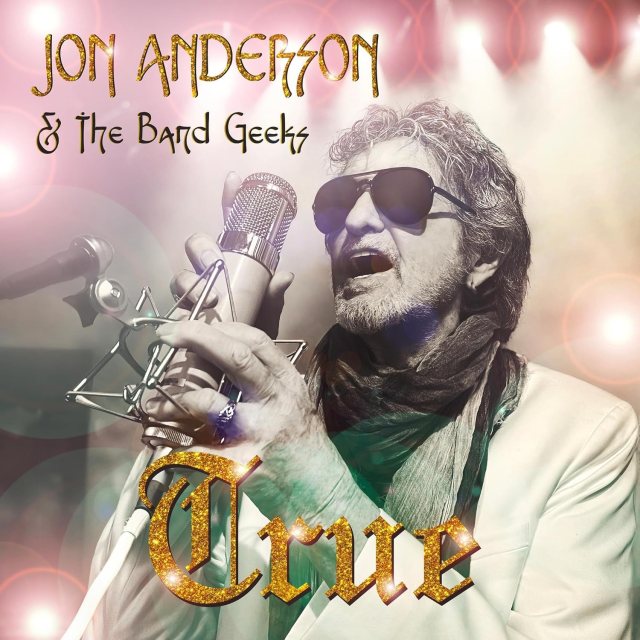
Jon Anderson & The Band Geeks – True

A fun poppy yet progressive album from the man with the ageless voice. Anderson sounds just about as good today as he did 50 years ago, and I’m glad he’s still making music. I didn’t listen to the album all that much, but it is one I want to return to in the future.

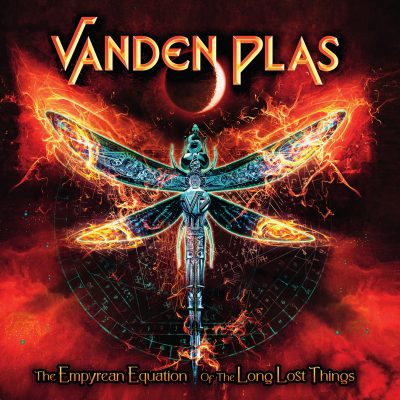
Vanden Plas – The Empyrean Equation Of The Long Lost Things

Germany’s best prog metal outfit returned with another concept album. It isn’t particularly groundbreaking, as very few of their recent albums have been. If you like Vanden Plas, you’ll know what to expect – symphonic, progressive metal with excellent vocals and cryptic storytelling.

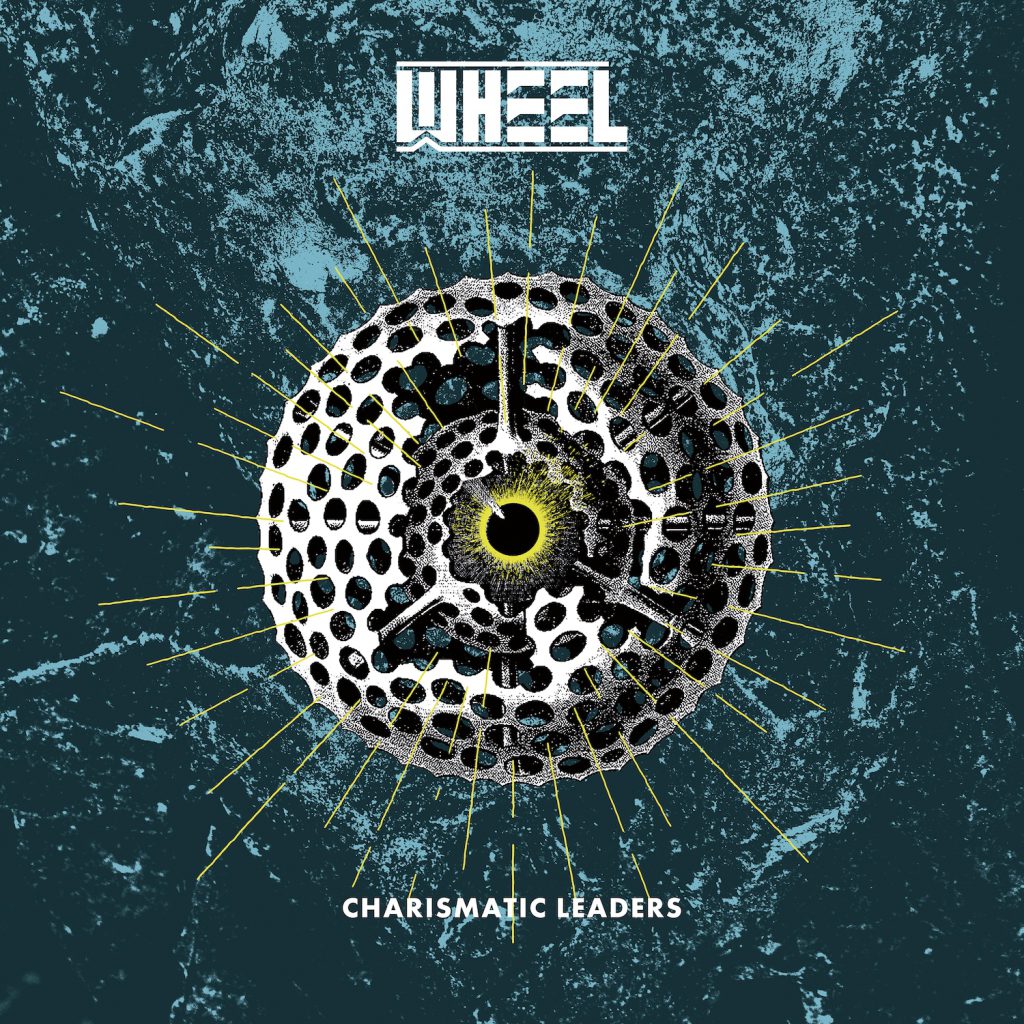
Wheel – Charismatic Leaders

A solid album from the Finnish band. Unfortunately it didn’t go in the direction I hoped it would after their stellar 2022 “Rumination” EP, which is included at the end of this album on CD. It isn’t as heavy, and plays it a little safe. Nevertheless, it still drew me back again and again.

Devin Townsend – Powernerd

I haven’t given this one much time as I haven’t purchased the CD yet, but it is a fun run through Devin’s heavier but still approachable side. He has been busy with multiple projects over the last few years, with Powernerd being the first of more to come.

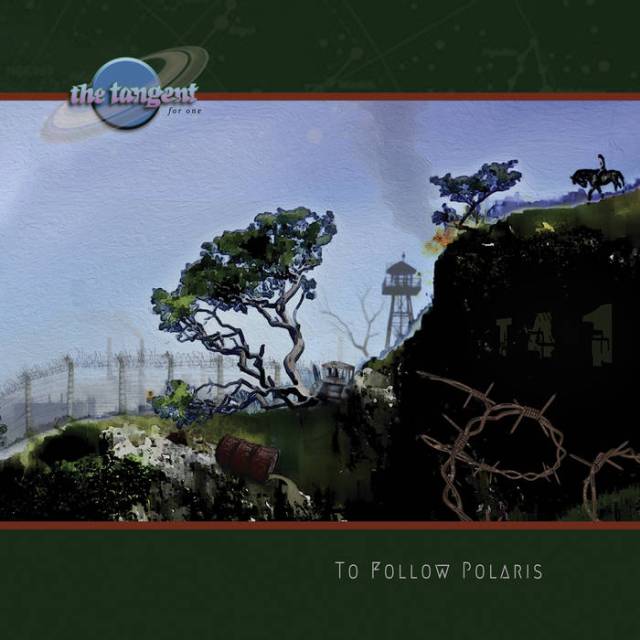
The Tangent – To Follow Polaris

With band members busy with other projects and mastermind Andy Tillison feeling the urge to create, this record is a Tillison solo Tangent album. He plays and sings it all here. Not to worry, though, because he’s still the masterful lyric-writer. He’s also learned a lot from his bandmates, making this a fine addition to their discography until they all get the time to sit down and work on another record as a group.

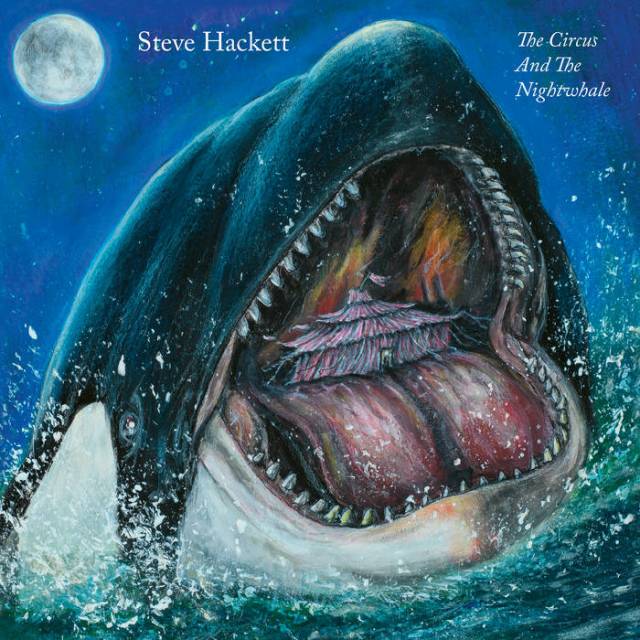
Steve Hackett – The Circus and the Nightwhale

A proper concept album from my favorite guitarist. This record didn’t speak to me as much as his past solo records from the past decade, but it is still very good and worthy of inclusion on this list. I still wonder how much of my apathy towards it has to do with what was going on in my life when it was released.

Airbag – The Century of the Self

I’ve been familiar with Airbag for years now, but I never really listened to much of their music. Over the last several years, however, I have dug into guitarist Björn Riis’ solo output, which is criminally underrated. So good. So when his main band released a new album, I gave it several listens, and it is quite good. Atmospheric, gloomy, contemplative – definitely a record worth checking out.

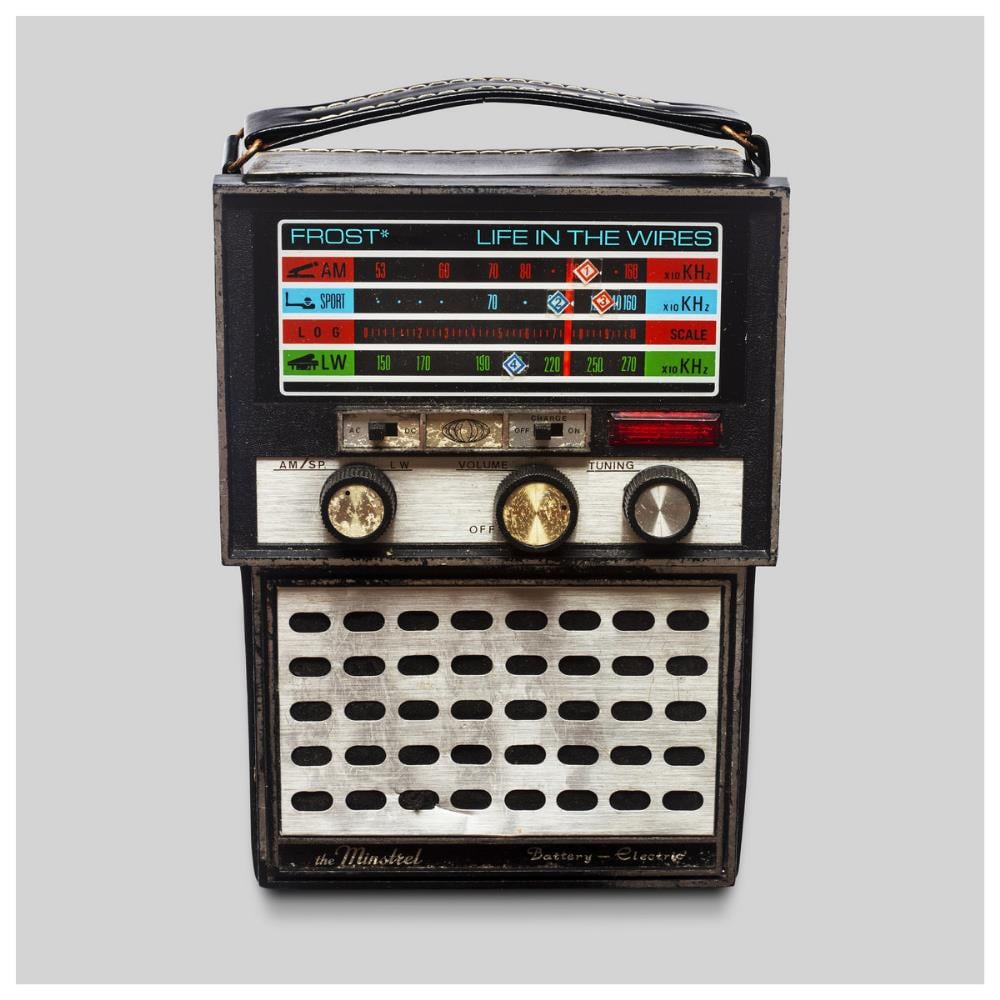
Frost* – Life In The Wires

Nice to have Frost* back making albums on a more consistent basis. This one is heavy, bordering on metal at points, but retaining that sound this is so unique to them.

Big Big Train – A Flare On The Lens (Live in London)

A brilliant live record from my favorite band. After seeing them live for my first time in March, this record is a wonderful companion with a similar setlist. The live record is taken from two shows played back-to-back nights at Cadogan Hall in London, with a bonus set featuring seven tracks only played the first night. The result is three hours of music with a terrific light show and brass band. The audio and picture quality are both top notch.

2. Big Big Train – The Likes Of Us

The band’s first studio album without David Longdon, and their first with Alberto Brevin on lead vocals. It’s a masterpiece, nodding to the band’s past while embracing its future. I have returned to the album consistently throughout the year, and it never fails to disappoint. “Miramare” is my favorite track off the album – the guitar solo making it worth the price of admission by itself. So glad the band decided to keep going and growing.

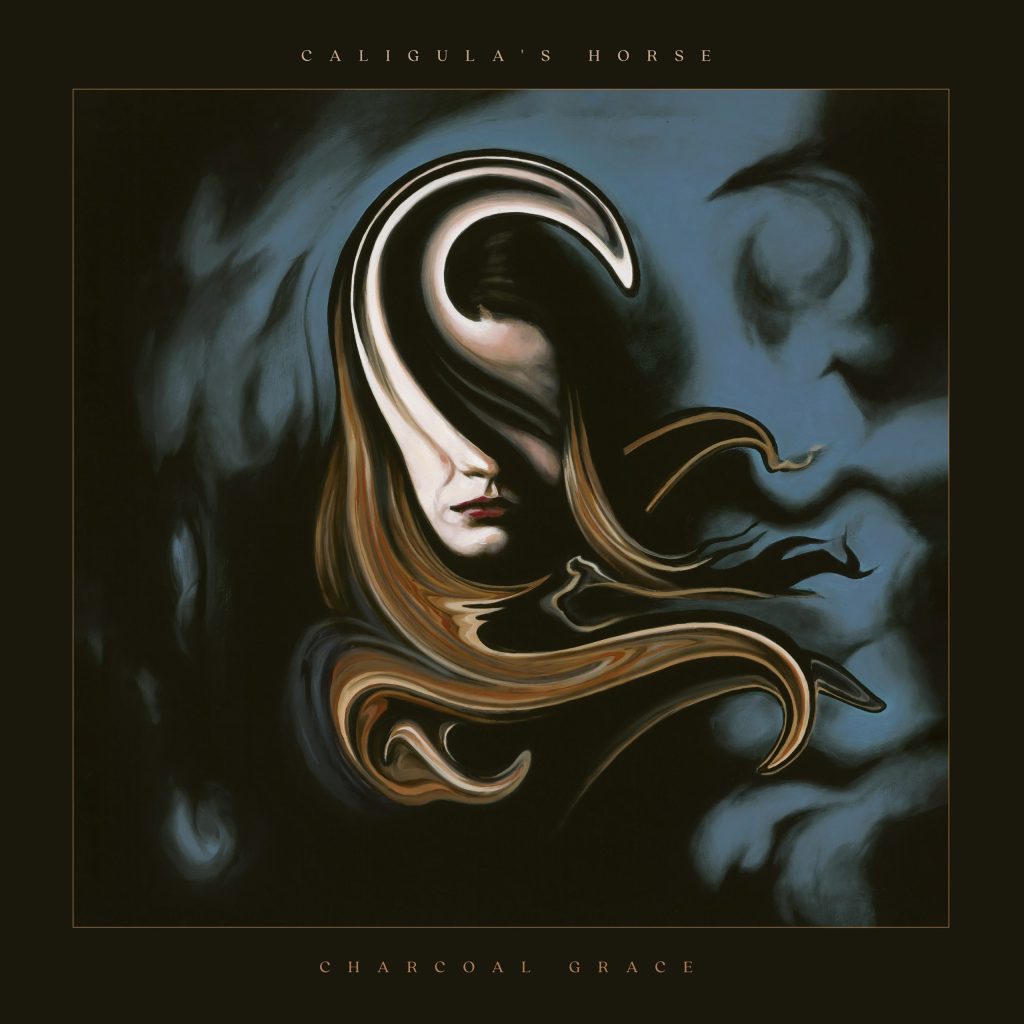
1. Caligula’s Horse – Charcoal Grace

    The best album yet from Australia’s premier prog-metal outfit. Heavier than past efforts while retaining earworm melodies, crunchy riffs, and exceptional vocals. I’m bummed I only found out about their North America tour, including a stop in nearby Nashville, after the fact. This record has been the one I’ve returned to most consistently over the course of the year, and as such it receives my top billing for album of the year.


    My favorite concert of the year goes to Big Big Train. I’m so glad I was able to be there for the band’s historic first-ever American show at Sweetwater in Indiana, and I’ve already purchased my ticket for their upcoming show there in April. I’m not usually one to travel long distances for concerts, but this is one band for which I will make that exception. Here’s hoping it can be an annual event.

    Sorry again for being so absent this year, but I do hope to change that in 2025. Prog on.

    Pocket Bandits

    POCKET BANDITS: Prioritizing Melody and Arrangement

    New York-based progressive fusion trio Pocket Bandits are on the verge of launching their full-length debut album titled Nine. The nine-tracker is full of adventurous, improvised, but also calculated musical elements that as a whole work splendidly well. The members of the band—Simon Bjarning (drums), Samuel B. Lupowitz (organ), and Joe Massa (guitars)—speak for Progarchy about the upcoming release, inspiration, influences, and more.

    “Nine” is your debut album—what’s the story behind its creation, and why did you choose the title “Nine”?

    SAM: We were into the idea of doing a retro-sounding, not-quite-self-titled debut, something like With the Beatles or Ladies and Gentlemen: The Rolling Stones. I think Simon suggested By Pocket Bandits, and when we thought about what was by Pocket Bandits — an album? A bunch of songs? Nine songs! — we wound up with Nine by Pocket Bandits.

    SIMON: We all have a love for the Beatles and since there are nine tracks on the album, we also decided to make a reference to “Revolution 9” from the White Album.

    Your sound is described as a modern twist on the old-school organ trio. What inspired you to explore this format, and how do you make it your own?

    SAM: One of my musical heroes, John Paul Jones from Led Zeppelin, once said he learned to cover bass parts while playing keyboards so he could switch instruments without having to worry about “some bass player” messing him up. I work as a keyboard player 90% of the time these days, but I love playing bass, and I was really inspired by the challenge and the liberation of covering both. Joe was the one who had the initial idea to put an organ trio together; he’s a big fan of Eric Krasno and Soulive, and Simon came into the fold with a real love of three-piece bands of any instrumentation. But I think early on any attempts to play “traditional” jazz organ trio music went by the wayside; we just kind of play and write what we like and make it work with this instrumentation, which winds up sounding pretty far from, say, Jimmy Smith or Delvon Lamarr.

    Each of you brings a distinct musical background to Pocket Bandits. How do your individual experiences shape the band’s sound?

    SAM: I think spending the majority of my musical life accompanying vocalists and writing lyrics has been a huge influence on how I approach playing in an instrumental ensemble. As much as we like to write complex, unexpected, intricate music, we also prioritize melody and arrangement. We want you to be able to sing and dance to our music as much as if there were vocals. 

    SIMON: We are very open to how each member plays, and we immediately explore our own sounds to be a good fit.

    Can you walk us through the creative process for a song like “The Pocket Bandit” or “Second Drink”? Where do you start, and how do the tracks evolve?

    SIMON: “The Pocket Bandit” was actually quite simple. I wrote a bass line – almost making the riff the melody. It’s a funny little tune and I had no idea what to call it so the working title became “The Pocket Bandit” and it stuck 🙂

    SAM: As collaborative as the end results wind up being, all three of us are pretty self-sufficient as composers. Generally one of us will bring in a demo with the tune and arrangement (with at least rough examples of the full instrumentation). Once we get in a room together, our natural personalities tend to color in the black-and-white outline of the demo, even if the tune is mostly written already. Often one of us will start filling in melodies or extra hooks that become a crucial part of the song, but if you listened to Joe’s pandemic-era demo of Second Drink, most of what’s on the record is there, at least in an embryonic state. You’d miss a couple of things though — like, imagine “Come Together” without Paul McCartney’s bass part. It’s not the same tune, even though, technically, it is.

    Simon, you’ve performed with everyone from Evanescence to symphony orchestras. How does your background in classical and rock influence your approach to drums in Pocket Bandits?

    SIMON: Yeah, it’s been a fun and diverse ride for sure. Those gigs were Livenation gigs, and I performed with bands like Evanescence and others as a percussionist. The thing (one of many) I love about Pocket Bandits is that I’m kind of leaving the idea of genre behind. Of course, we’ll have approaches as we work on tunes, but most of the time, I’m just letting my ears guide my hands and feet.

    I guess my background spoke louder years back, but as I’m getting older – in my case anyway – I’m becoming more my own player and actually liking what I do, haha. I grew up in Copenhagen, Denmark, and as it is over there as well as here, there’s a bit of pigeon holing going on in regards to being a jazzer or a rocker or a classical player. I’ve always been a little bothered by that, so maybe unintentionally I’ve never thought I was one type of player. I do, however, try to stay inspired, listen to my own sound, develop that, and discover new recordings or check out videos on YouTube, etc. I’m sure that there’s a pattern somewhere that reveals the true nature of my background, hahaha. Some days I listen more to heavier styles, some days it’s more jazz, and I have my classical periods as well. 

    Sam, as the Hammond organist and multi-tasker juggling basslines, melodies, and harmonies, how do you balance the demands of your role in the trio?

    SAM: it’s been an exercise in balancing what comes naturally to me with how far I can push my chops. As an organist and as a bass player, I have strong opinions about what I would want each instrument to do on its own, and I will hit the woodshed until I’m able to execute those independent parts together. That said, the most important thing is that the music FEELS good. As much as I want my left hand (and foot) to be James Jamerson, and as much as I want my right hand to sound like Billy Preston or Cory Henry, it’s also been educational to learn that sometimes less is more. Being crafty and finding ways to play the two roles in a way that locks together rhythmically, rather than trying to integrate two independent parts, has made for some slicker arrangement choices that sit in the pocket better than when I’m trying to force it too much.

    Joe, your electric guitar work on the album is described as vibrant and intense. Who are your biggest influences, and how do you approach your tone and phrasing?

    JOE: Influences include but are certainly not limited to: Larry Carlton, George Harrison, John Frusciante, Eric Krasno, John Scofield, Andy Summers.

    The biggest factor in approach is not having to account for a vocalist so it’s important to keep a balance between creating interesting and captivating melodies and making sure all the chord changes/harmonies are covered. Being an instrumental group also opens up some more options when it comes to composition as well, both from a structural and melodic standpoint and it’s a fun challenge to walk the balance of pushing the envelope while still trying to be as accessible as possible.

    You’ve mentioned being inspired by bands like Soulive and Snarky Puppy. What elements of their music do you admire, and how do you incorporate those influences into your own compositions?

    SIMON: Those guys are so good! The inspiration no 1:-). As a drummer, I use the energy and the jazzy and gospel-like elements to stay inspired. I pay attention to where Sam and Joe are going and I structure my parts around what they’re doing, leaving room for improv, in the same fashion as SP and Soulive.

    SAM: We love complex music that makes you dance! These bands have chops and progressive ideas for days, but it’s always the groove that grabs your attention first.

    The album closes with “The Sidler,” a jazzy and bombastic track. What was the inspiration for that piece, and how do you approach the challenge of ending an album with such a bold statement?

    JOE: I honestly wrote this song with the intention of using it as an album closer. I had written the outro separately from the first part of the song and once I put the two sections together, it came out pretty seamlessly.

    SAM: This was definitely the song we put the most extra studio production into — more layers of guitars, keyboards, and percussion than we have access to live as a three piece. Playing “Sidler” live has forced us to be really thoughtful about dynamics and textures, making sure we really let it build gradually and not peak too early. We certainly kept that concept in mind for the studio, but being able to build in extra parts and utilize some different instruments to expand the orchestral palette really helped us intensify the build.

    Beyond your original compositions, you’re known for unique covers of artists ranging from The Beatles, Steely Dan to Super Mario Brothers. How do you choose which songs to reimagine, and what do you hope to bring to those renditions?

    SIMON: My approach is usually “Hey, I like this tune. Should we cover it?”  Nothing deeper than that on my end. We cover Life On Mars as well as Kid Charlemagne. Those are very far apart stylistically, but they have in common that they are really great tunes. That’s a big draw for us.

    SAM: We just want to have fun! We love to choose songs that get a little “aha” from the audience, especially songs that land in an interesting way without lyrics or vocals. I think music from video games or movies or TV would be harder to integrate into a band with a singer, but the themes from Succession or Super Mario 64 are familiar in a different way than what might come up on a Spotify playlist. And I don’t think people generally expect three white guys around middle age to bust out contemporary pop tunes, and while our audiences have been very receptive to our more challenging music, I love to feel the lift from the audience when we hit the chorus of a Chappell Roan or Billie Eilish song. And sometimes our song choices are just about a power move. We can cover Kid Charlemagne because Joe can crush the guitar solo. We can bust out Kashmir because we can give it the weight and grandeur that it requires without it feeling like an underwhelming bar band version (and I don’t have to try to sing or dress like Robert Plant). We like to flex those muscles! We’re in a weird, challenging time for live music, and I think we all want to make sure we deliver freshness and surprise while still being inviting, rather than alienating.

    How has the Central New York music scene shaped your journey as a band, and how do you see your music reaching audiences beyond the region?

    SAM: Joe is born and raised in this area, his father is also a musician, so he knows this scene well. Simon and I both moved to this area from other parts of the world in the last decade or two, and I think we both love the opportunity and diversity of musicians and styles we’ve connected with. Pocket Bandits seems to fill a musical niche that’s different than a lot of other things going on in our area, but it’s also engaging and (to my surprise and delight) accessible to people stumbling across us at a bar. But part of the appeal of this project has been that it’s a little easier to pack up and go — we’ve all got families and extramusical commitments, but we all want to get out there and play for as many people as possible, and I’m hoping some jazz and progressive rock festivals, along with breweries and other small indie venues, will take to us too, as we begin to book gigs in support of Nine by Pocket Bandits.

    Your live performances are clearly a big part of your identity. What do you think makes a Pocket Bandits show special and memorable for your audience?

    SAM: I think it’s our chemistry, that we’re having a great time seeing where the music is going to take us. I think that joy is infectious. These guys make me play better, and I’m always as excited as anyone to see what’s going to happen when we get going!

    SIMON: I think our focus on musical diversity and our striving towards virtuosity. And to put smiles on people’s faces. Positive energy is important to us. 

    The pandemic played a role in forming Pocket Bandits. How did that period of reflection and limitation influence the band’s vision and music?

    SAM: Joe and I had been playing together in multiple bands nonstop for so many years, and I think the two of us were just dying to get back to playing together after this sudden, unplanned hard stop. With all the challenges around lockdown and people taking care of their families and the other life changes that came with Covid, something small and low maintenance (with no vocals, you don’t even need a PA system) made sense. It just felt more manageable to try for something more intimate than the seven-to-ten-piece bands with horns and a bunch of vocalists we’d been working in. And the downtime meant Simon was available, and we’d been admiring his playing in the region and hoping for a chance to work more closely with him. 

    But all that said, the stress and anxiety of that time did make it challenging for me to rise to the occasion of covering organ and bass on this very complex music. It was a couple of years of casually working on music as a trio before I felt I could get it together to really commit. After those first few variant waves were past us, we really hit the ground running with writing and gigging.

    Funk, jazz, progressive rock—your music spans multiple genres. How do you strike a balance between these influences while staying true to your sound?

    SAM: Honestly, I think it’s just what comes out when we play! We’re all heavily inspired by those genres in different ways, and it all becomes part of the stew. It feels authentic because it is authentic — not a lot of thought about “is this too jazzy, is this too aggressive.” It’s just what we like and what we do!

    What’s next for Pocket Bandits after the release of “Nine”? Are there plans for touring, new music, or other projects in the works?

    SAM: We’re not looking to hit the road for months at a time, but we’re trying to travel around the northeast US and beyond as much as we can, anywhere that will have us. It’s always a challenge getting a new ensemble off the ground, but with this album out in the world, we’re really looking forward to playing for as many people in as many places as possible. And we’re always writing, so I don’t think it will be very long until the next record is underway!

    Pocket Bandits’ Nine is out on January 24, and is available for pre-order on Bandcamp. For more about Pocket Bandits, visit their website. Follow the band on Facebook and Instagram.
    Fernando Perdomo Makes Waves

    From Progarchy friend & guitar slinger extraordinaire Fernando Perdomo:

    HAPPY NEW YEAR! HAPPY NEW ALBUM!
    This is ‘Waves’- the beginning of my Waves 1-12 series which is the successor of my critically acclaimed ‘Out to Sea’ 1-4 series.

    I will be doing something unheard of … 12 Waves albums in 2025! One out on the first of every month. Each with a gorgeous cover by Former Crosby Stills and Nash, Robert Palmer, and Foxy drummer Joe Galdo.

    Each album will be available digital or a limited to 50 copies cd autographed by me.

    Collect em all … This is the best instrumental prog music I have made since Out to Sea.

    All records will be 10 songs long and mastered by Zach Ziskin.

    Happy New Year and let’s make Waves in 2025.

    On first hearing, Waves 1 is a beautiful, subtly thrilling album, great fun to listen to whether you actively enjoy it or bliss out in its delectable aural atmosphere! Order it from Bandcamp here, or sample it below first:

    — Rick Krueger

    Top Ten Albums of 2024

    The Time Lord’s Top Ten Albums of 2024:

    #1 Judas Priest, Invincible Shield

    #2 Jon Anderson, True

    #3 Riot V, Mean Streets

    #4 Unleash the Archers, Phantoma

    #5 Richie Kotzen, Nomad

    #6 Sebastian Bach, The Child Within the Man

    #7 Witherfall, Sounds of the Forgotten

    #8 Pure Reason Revolution, Coming Up To Consciousness

    #9 Neal Morse, The Dreamer—Joseph: Part 2

    #10 Big Big Train, The Likes of Us

    2024 In Review: kruekutt’s Final Favorites!

    No big hoo-hah this year: just a down and dirty list of my favorite releases and reissues of the year, covered in previous Quick Takes or elsewhere on the Web (links are to my original articles)!

    New Releases

    Reissues

    (Re)Discoveries

    Thanks for your ongoing attention and steadfast support. We at the Rockin’ Republic of Prog appreciate it! Best wishes as we all turn the corner and head into the New Year!

    — Rick Krueger

    Mi’ens math rock hits warp speed on Future Child

    The end of the year is a great time to look back at all the best new music we have discovered in the preceding months. But December’s homestretch is a particularly exciting time. The whirlwind of solstice celebrations presents us with many additional opportunities to discover overlooked albums.

    One of my favorite finds during the past few weeks has been Richie Kotzen’s fantastic Nomad album, which I somehow missed earlier in 2024 (despite being a big fan). I’ve been playing it repeatedly as the year closes out. It’s rocketed onto my top ten list, but more on that later.

    For the moment, I wanted to mention a cool album from a couple of years ago that I’ve just now gotten into. Clear your headspace and get ready to discover strange new worlds with this little gem from Mi’ens (pronounced “mittens,” but of course with the requisite accent):

    Mi’ens is a mathy noise rock duo from Vancouver, Canada, founded in 2012. Experimental, with a side of sparklepop. Mi’ens is the female-fronted shredding of Kim Glennie on guitar/loops/Moog, backed by the polyrhythmic blastbeats of Evan Heggen on drums. Their unique brand of math noise consists of live loops, layered textural guitar and effects, the warm, analog drone of the Moog, coupled with well-placed vocalizations, all atop breakneck beats. Mi’ens veers into the territory of art rock/post rock on their latest, Future Child, a follow up to 2017’s Challenger, their 2014 LP experimentalsparklenoisepop and the 2013 demo EP Mi’ens. Mi’ens has toured the US, UK and Canada, and has opened for Tera Melos, Elephant Gym, LITE and Drug Apts.
    Bakelit

    BAKELIT Brings Progressive Rock and Artful Ambition

    Swedish keyboard maestro Carl Westholm, known for his work with CarptreeCandlemass, and Avatarium, has launched his latest venture, Bakelit, with the release of their debut album, Asleep or Insane. This project merges the atmospheric depth of progressive rock with the experimental edge of electronic art rock.

    In this exclusive interview, Carl shares insights into the creative process behind Bakelit, the challenges of going solo, the inspiration behind their music, and what fans can expect next from this new project.

    Asleep or Insane by Bakelit

    Carl, you’ve been involved in many iconic projects like Carptree, Candlemass, and Avatarium. What inspired you to create Bakelit, and how does it differ from your previous work?

    This project actually started with an ambition to create something entirely on my own, without involving anyone else. Over the years, I’ve had a folder on my computer filled with songs that didn’t fit into my other projects. It’s not that I don’t enjoy collaborating with other musicians—I do—but sometimes, it’s refreshing to try something different.

    At first, I wasn’t sure where this would lead, but as the project evolved, I realized some songs needed input from others—like drums, guitar, and lead vocals. That’s when I reached out to some trusted friends and collaborators from my past projects. Although the songs were already written, their contributions elevated the music to a whole new level.

    The songs for Asleep or Insane have had a long journey. Could you share more about how they evolved into their final versions?

    The earliest versions were purely instrumental, featuring only synthesizers, drum machines, and my organ or Fender Rhodes. Occasionally, I’d add bass. Over time, melodies emerged, and I began experimenting with vocal arrangements, but I wasn’t satisfied with the results.

    I eventually brought in my friends. Lars played drums while listening to the original drum machine tracks, which gave his playing a unique groove. We decided to keep both layers, and it worked better than I’d expected. Similarly, Öivin and Cia added their personal touch to the lead and background vocals, creating something I could never have done alone.

    Bakelit blends progressive rock with electronic art rock. What influenced this fusion, and how do you balance these two styles?

    It’s always difficult to pinpoint influences, especially with this project. I’d say the process itself shaped the sound more than anything else. There wasn’t a conscious decision about the final style—it emerged naturally as the songs developed.

    You brought collaborators from earlier projects into Bakelit. How did these relationships shape the album?

    I gave everyone a lot of freedom. The songs and melodies were already written, but I left the interpretation and attitude up to them. For example, Lars and Ulf approached the drums and guitars entirely in their own way, which added a unique character to the album.

    The singles “Coolest Place on Earth” and “Remember Who You Are” introduced Asleep or Insane. Why were these tracks chosen, and what do they represent?

    “Coolest Place on Earth” was the first single because we all felt it was the most accessible track, with a catchy chorus while still being a progressive rock song. It’s a bit of a departure for me, but I was happy with the result.

    “Remember Who You Are” came next. It’s a heavier song that showcases all the band members’ talents. Honestly, I don’t remember exactly why we picked it as the second single, but it felt like a natural follow-up.

    The music videos have received praise for their dreamy, surreal aesthetic. How important is the visual aspect to Bakelit?

    Thank you! I wanted the videos to feel dreamy and slightly unreal, but still introduce the band without resorting to the typical “five people playing on stage” setup. It’s another mix of two worlds—visual and musical.

    You released Asleep or Insane under your revived label, FOSFOR Creation. Why this choice, and what does it signify?

    FOSFOR Creation has been my own label for over 20 years. I started it with Nicas (from Carptree) to release our music independently. It feels good to have control over the process, even though working with a major label might have offered more resources. At this point in my career, it’s easier to rely on my own efforts rather than reaching out to labels for help.

    The album title, Asleep or Insane, suggests duality. What themes or ideas run through the album, and how did you choose the title?

    I love the duality in the title—it reflects how I often see the world. Sometimes, you’re not sure if you’re dreaming or just going insane. While the album doesn’t follow a specific concept, the songs are connected by this sense of uncertainty and introspection.

    Are there specific tracks on the album that hold special significance to you?

    “Coolest Place on Earth” stands out for me because I dared to take a different direction, and it worked. It’s a song I’m particularly proud of.

    What has the reception been like for Asleep or Insane, and how does it feel to see this project come to life?

    I’m thrilled with the reception, especially in the past few days as the number of listeners has grown significantly. Of course, I’d love for more people to discover it, but the positive reviews we’ve received so far are very encouraging.

    What’s next for Bakelit? Can fans look forward to live performances or new projects?

    Absolutely! Everyone in the band is excited about the idea of performing live, so we’re working on putting together a live act. I also hope to explore more creative projects in the future.

    As a seasoned musician, how do you see the evolution of progressive rock, and where does Bakelit fit into it?

    Since the album is so new, I still can’t listen to it objectively or place it within the genre’s evolution. Ask me again in a year!

    What do you hope listeners take away from Bakelit’s music, especially this debut album?

    I hope listeners give the album time to grow on them and experience its blend of progressive rock and electronic music. It’s a fusion of two styles that I think offers something unique.

    Asleep or Insane by Bakelit is out now, offering a fresh and innovative take on progressive music. Check it out on Bandcamp here. Follow Bakelit on Facebook and Instagram, and visit their website.