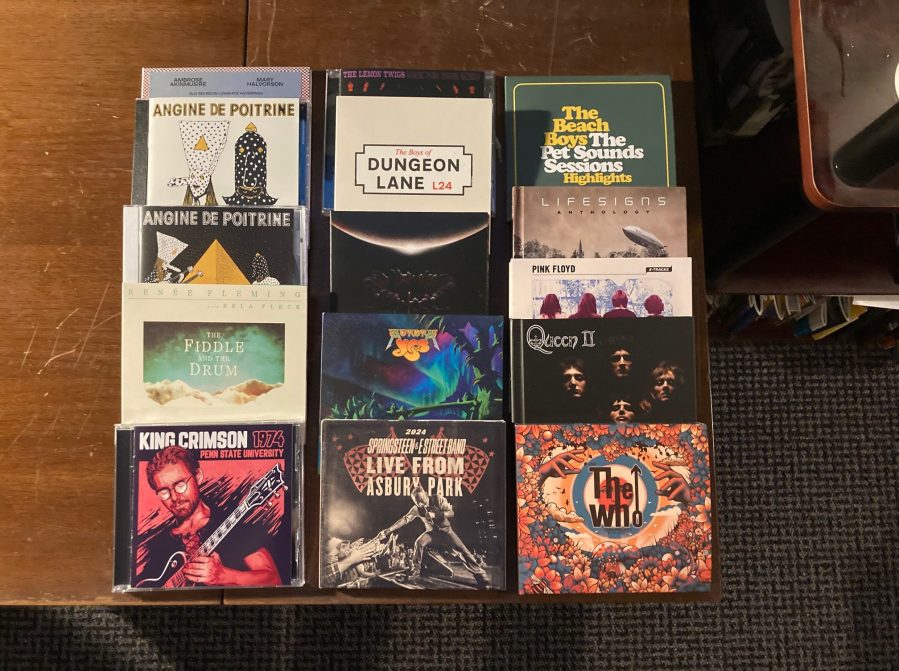
Rick’s Quick Takes: April Showers . . .

. . . bring the chance to catch up on the ever-growing backlog of good stuff; all of these sets (new or old, live or archival) have something to recommend them. Where available, listening links are embedded in the album titles; purchase links are also included when necessary.

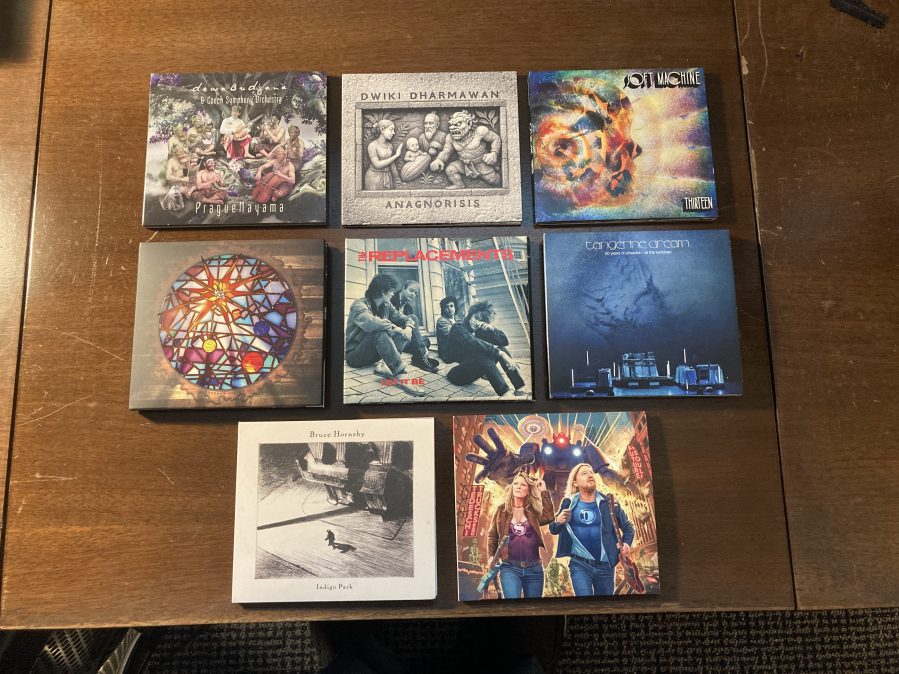
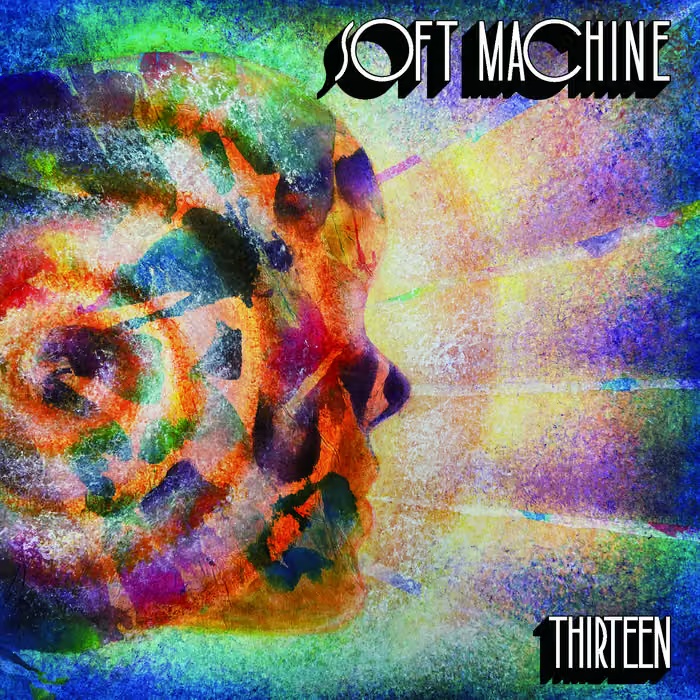
Two instant favorites this time around! The 21st century incarnation of Soft Machine has always made worthwhile music; their new album Thirteen takes the whole enterprise up a notch, easily standing with the best of the band’s variegated 1970s output. New rhythm buddies Fred Thelonious Baker on bass and Asaf Sirkis on drums bring fiery precision and attractively fuzzed grunge to the engine room (Sirkis also provides contrast with his lovely downtempo tunes “Lemon Poem Song”, “Waltz for Robert” and “Disappear”); veteran guitarist John Etheridge and sax/keyboardist Theo Travis ramp up gnarly vamps, unexpected splashes of musical color, and thrilling solo excursions on hard rockers (“Open Road”, Baker’s “Turmoil”) intricately swinging fusion (“Green Books”, “Time Station”), even a multi-sectioned prog epic, “The Longest Night”. There are echoes of classic Softs throughout, culminating in a finale built around glissando guitar by founder Daevid Allen, but this isn’t a throwback or a pastiche. With all four players feeding off each other and raising their game to new heights, Thirteen makes for an audacious, exhilarating jazz-rock journey.
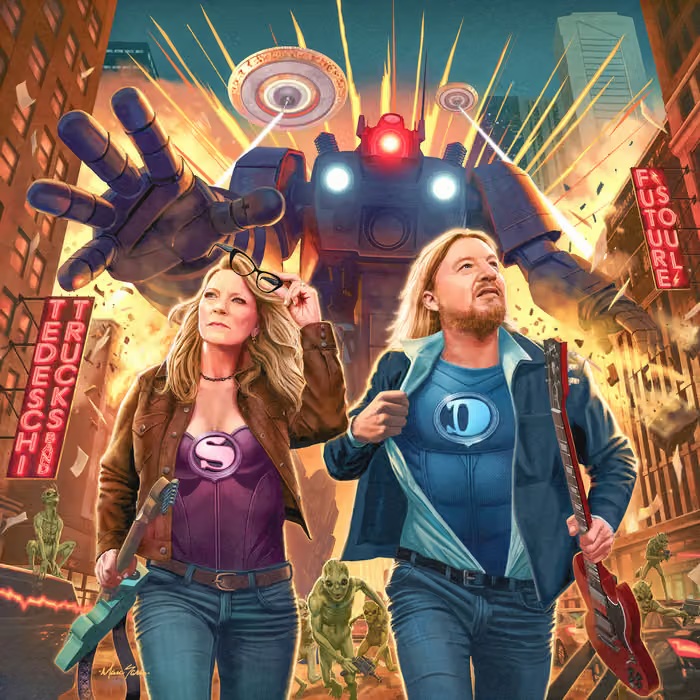
Meanwhile, the Tedeschi Trucks Band proves less can be more on their latest, Future Soul. Focusing on making music that’s killer without filler, the 12-piece TTB shines on 11 short, sharp tunes — rootsy as ever, chock full of hooks that conjure up like-minded musical ramblers from Joe Cocker and Leon Russell to Delaney & Bonnie. Have no fear: the funky “Crazy Cryin'”, country soul like “What in the World” and “Under the Knife”, the riff-rock rampages “Hero” and the title track – every track, in fact – will stretch out nicely into opulent jamming onstage; but the economy embraced here polishes and focuses this band’s spectacular talent to a newly gleaming finish. Susan Tedeschi’s riveting Joplin/Raitt croon, Derek Trucks’ intoxicating blend of John Coltrane, Duane Allman and his own imaginative take on slide guitar, Gabe Dixon’s chunky, resonant organ and synth work, Mike Mattison’s strong support and vocals and songwriting mesh with rock-solid rhythm, wailing gospel singers and dizzyingly eclectic horn parts into one mighty, sanctified roar. A heady, hearty collection that already brings a buzz on disc and may well levitate live.

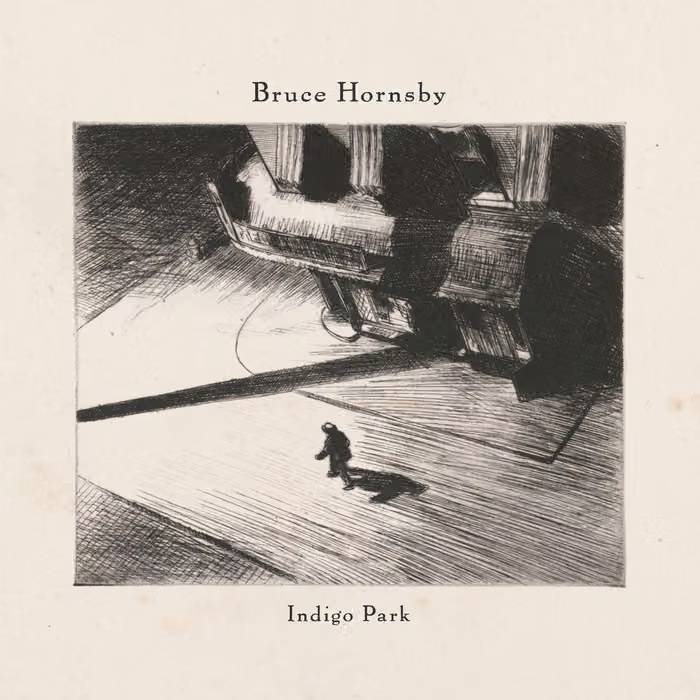
One more brand-new release: Bruce Hornsby’s Indigo Park. An American maverick of long distinction, Hornsby is at his most poetic lyrically as he confronts aging, mortality, idyllic memories tempered with maturing wisdom, and the pull of home versus the push of the road. But seasoned by decades of collaboration with everyone from the Grateful Dead to Spike Lee, Bruce has long since stretched beyond the “New Age meets Yacht Rock” idiom of his hit singles. There’s astounding range (sorry) here: the longing Americana of the title track and the closer “Take a Light Strain”; the playground b-ball tall tale “Ecstatic”, powered by slinky hip-hop loops and verbal rhythms; a sardonic, dulcimer-driven take on smalltown complacency, “North Dakota Slate Roof”; even aching, old-timey slow drags “Alabama” and “Might As Well Be Me, Florinda” (on the latter, Dead founder Bob Weir gleefully sinks his teeth into a near-atonal duet worthy of Hornsby’s modern classical idols, matching Bruce melodic loop for melodic loop). Confident and complete in itself, Indigo Park feels like a farewell statement, but road dogs like Hornsby and his Noisemakers will doubtless approach these tunes as rough sketches to flesh out in concert. And who knows what directions they’ll go with such fine material? (Buy Indigo Park from Hornsby’s webstore.)

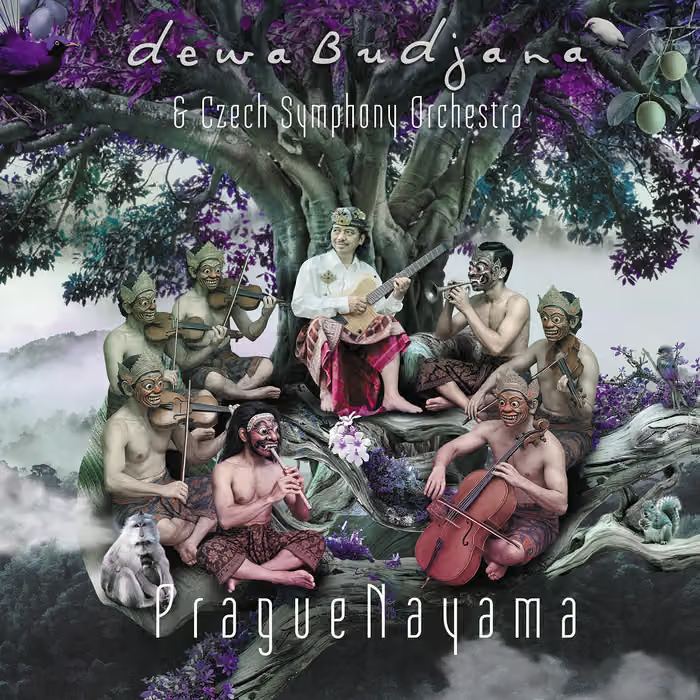
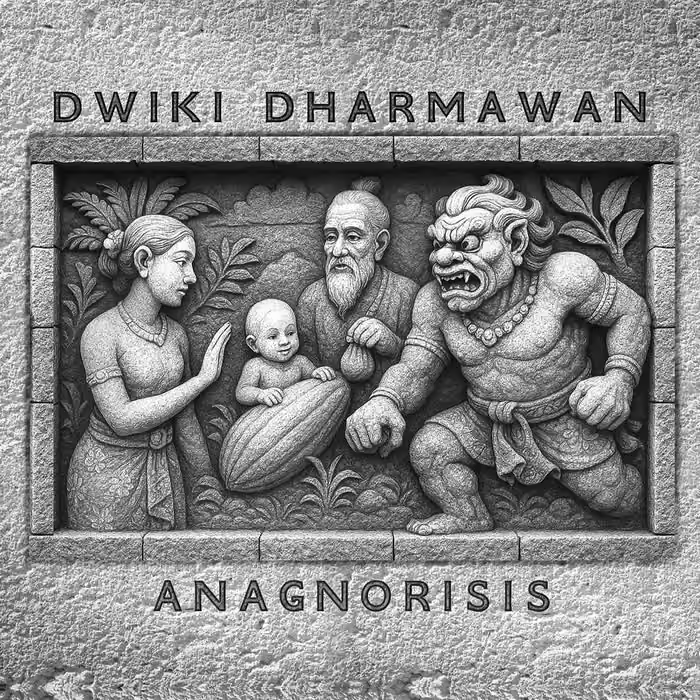
It’s great to see that the ever-resourceful Leonardo Pavkovic has bounced back yet again; in recent months, Pavkovic’s flagship label MoonJune Records has been shipping to the USA once more, finding effective workarounds to navigate the increasingly incoherent regime of international trade. MoonJune’s philosophy of bringing musicians together from across the globe, turning them loose and releasing the stimulating results is front and center in two recent releases. Dewa Budjana’s Praguenayama pairs the Indonesian fusion guitarist with the Czech Symphony Orchestra on an appealing selection of Budjana’s soaring, thoughtful melodies; East meets West to lush, reflective effect here – with just the right spice at key moments. Meanwhile, keyboardist Dwiki Dharmawan unites with Israeli saxophonist Gilad Atzmon and a Greek rhythm section for the probing, eclectic set Anagnorisis. Running the gamut from the Indonesian folk tradition through free jazz and impressionist balladry to the blues, this album is constantly intriguing and a genuine ensemble effort, with Dharmawan and Atzmon, Harris Lambrakis on ney flute, Vironas Ntolas’ guitar, Kimon Karoutis’ bass and Nikos Sidirokastritis’ drums all active in the conversation of equals.

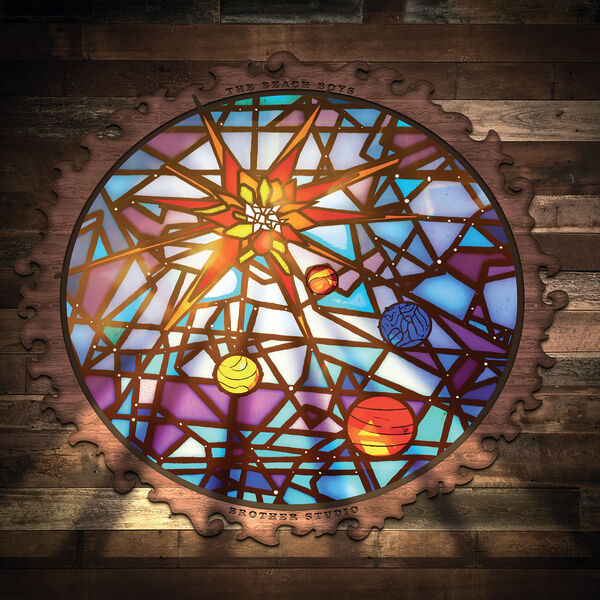
Earlier this year, The Beach Boys’ We Gotta Groove: The Brother Studio Years was the talk of the rock press – quietly released on short notice, immediately sold out of its small initial pressing (I ponied up for the Japanese, CD-only edition, complete with tariffs), the subject of near-unanimous rave reviews. With a second pressing set for release at the end of this month, the buzz has backed down, which is too bad, because this fresh compilation of mid-1970s material deserves attention, at least on historical grounds. The heart of the box is The Beach Boys Love You album — the result of Brian Wilson being given his head after being dragooned back into the band for its 15th anniversary. It’s equal parts the pop genius of rock’s single greatest auteur (“Let Us Go On This Way”, “Honkin’ Down the Highway”, “The Night Was So Young”) and the painful gaucherie of a man battling for his mental health (“Good Time”, “I Wanna Pick You Up”), with both facets sometimes occupying the same song (see “Johnny Carson”, “Ding Dang”, “Solar System”). Meanwhile Carl & Dennis Wilson, Mike Love, Al Jardine and Brian’s voices can come across as tired, worn, even phlegmy, but the sound they make is still resonant and affecting. On the other hand, the sessions for the unreleased album Adult/Child are a headscratching mess – some glorious ideas (“Still I Dream Of It” was meant for Sinatra), blandly arranged for big band and excruciatingly sung. Lots of oldies from the 15 Big Ones sessions — genuinely classic production work on songs of variable quality — complete the tracklist; Brian’s one-man-band version of “You’ve Lost That Lovin’ Feeling” and Carl’s all-or-nothing take on “Shortnin’ Bread” are genuine highlights. But all of the above might be the Beach Boys’ rationale for all the stealth; Brian Wilson idolaters and hardcore fans like me will gobble it all up, but who beyond those subcultures will listen to a physical copy more than once? (If you’re with me, you can preorder the second pressing of We Gotta Groove from the Beach Boys’ webstore.)

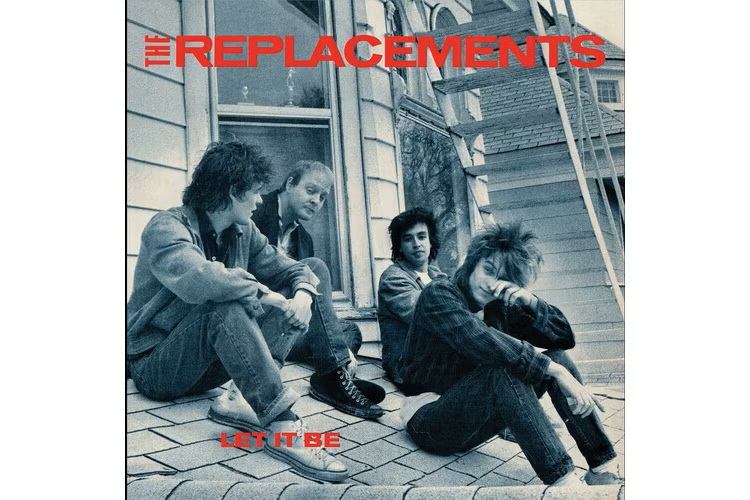
The Replacements were nowhere in the vicinity of existential angst when 1983’s Let It Be became the talk of the college rock circuit; onstage they remained snotty punks from Minneapolis who couldn’t care less about – well, pick the topic! But as Paul Westerberg groped his way toward disciplined songcraft, catchy tunes like “I Will Dare”, “Unsatisfied” and “Sixteen Blue” looked through others’ eyes for the first time, gaining emotional depth in the bargain. And that lent the band’s goofiness (the seriocomic “Tommy Gets His Tonsils Out”, an unironic cover of KISS’ “Black Diamond”) an odd sense of purpose, their fury (“We’re Comin’ Out”, “Answering Machine”) a unexpected intensity. This new deluxe edition shows the ‘Mats flirting with — dare I say it — maturity in the studio, then blowing the very idea away with a raucous, forceful live set at Chicago’s Cubby Bear. On the brink of wider success and confronting the growing disinterest of wayward guitarist Bob Stinson (a fan of Yes & Asia’s Steve Howe – it does come through, fitfully), the Replacements couldn’t figure out how to deal with either. In many ways, that was this band’s tragedy, told most fully in Bob Mehr’s empathetic group bio Trouble Boys; forty years on, Let It Be catches them at their most openhearted, suspended between ramshackle chaos and the ambitious yet self-sabotaging major label career that followed. (Buy the Deluxe Edition of Let It Be at Rhino Records’ webstore.)

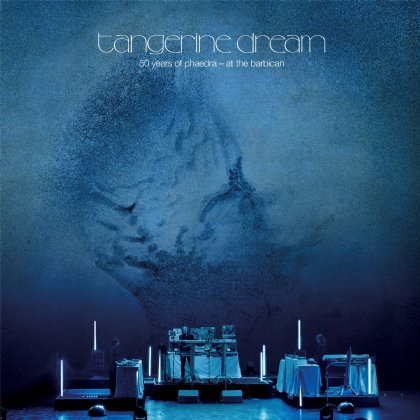
Finally, a last look at the legacy circuit: Thorsten Quaeschning’s continuation of Tangerine Dream has consistently played two hands since its reconstitution, creating excellent new electronica and marking substantial highlights in the original band’s career. Recorded in London in 2024, 50 Years of Phaedra – at the Barbican (trailer only here) does what it says in the title and more for good measure! 1974’s groundbreaking album is there in its entirety, but so is a mesmerizing multi-movement improvisation, seamlessly embedded within the suite by synth wizard Quaeschning, violinist Hosiko Yamane, and utility keyboardist Paul Frick. And if that’s not enough, a second disc enfolds the Dream’s 1980s albums, their soundtrack work from films to video games, and their recent creations; one flowing experience, both soothing and energizing, well worth the time you spend on this unique synthesized trip. (Buy 50 Years of Phaedra from Burning Shed.)

— Rick Krueger

Kruekutt’s 2022 Favorites

A few notes before I dive in: items I’ve reviewed here are linked to the relevant Progarchy article via the artist/album title; If I didn’t review an item here or elsewhere, it’s marked with an asterisk (*) — but I hope the capsule description and listening/order links will encourage you to check it out!

My favorite new music of 2022:

  • Dave Bainbridge, To The Far Away: A thrilling, ravishingly beautiful album about love, longing, hope and a future. Lyrics of rich simplicity cradled in a lush orchestral blend of rock, prog and Celtic folk. My interview with Bainbridge is here.
  • Big Big Train, Welcome to the Planet: what turned out to be BBT’s final effort with the late David Longdon consolidates the widened horizons of Grand Tour and the intimate subjects of Common Ground, casting an epic light on the everyday glory of family, community, joy and loss.
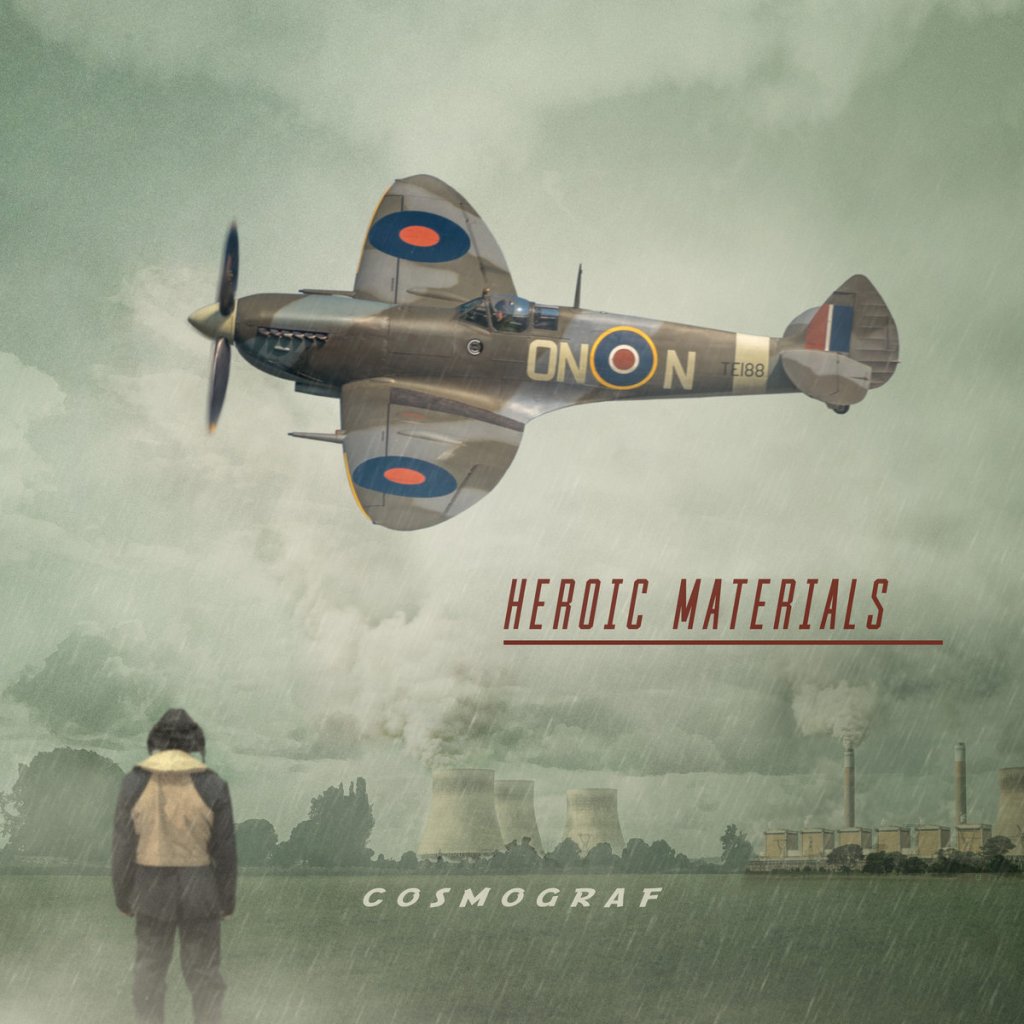
  • Cosmograf, Heroic Materials: Elegiac in its evocation of past achievements, urgent in its contemporary call to action, breathtaking in its poised blend of fragility and strength, Robin Armstrong’s latest is a riveting listen.
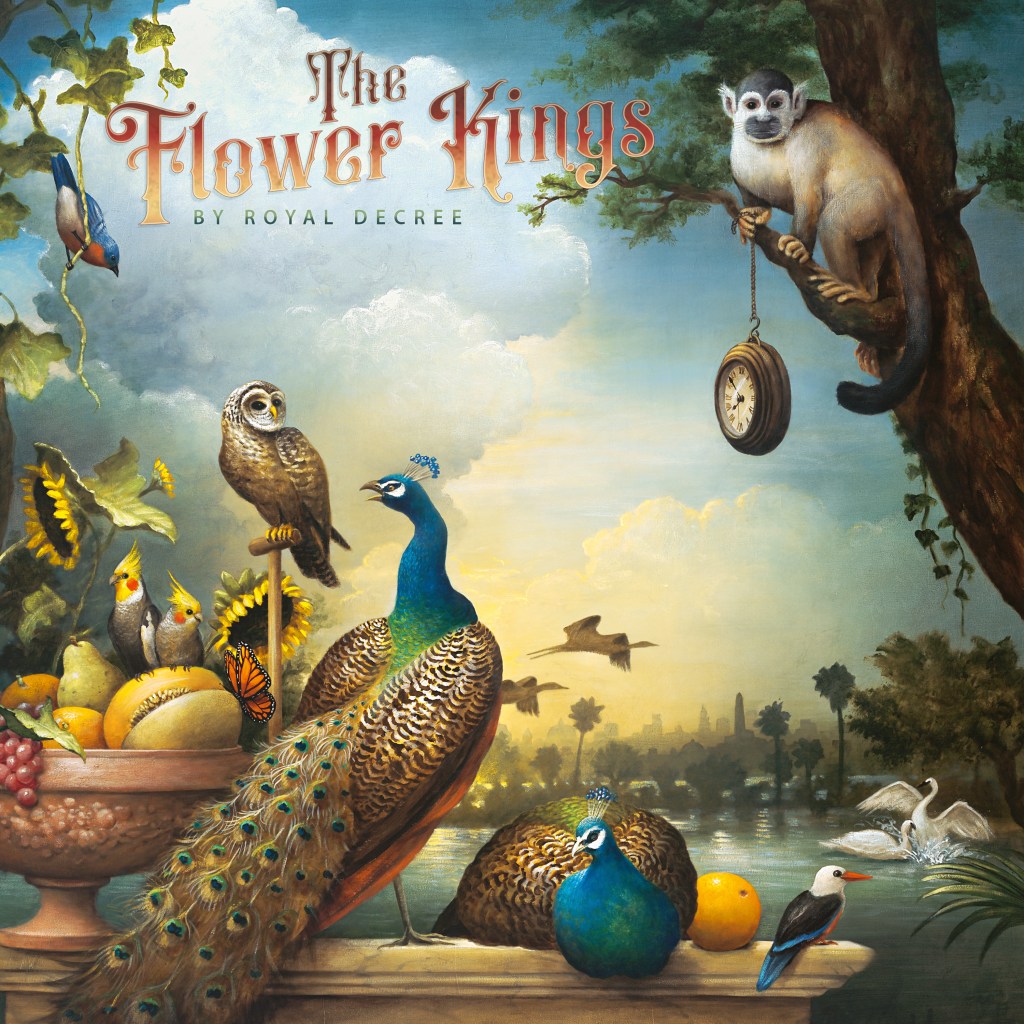
  • The Flower Kings, By Royal Decree: TFK’s third double album in a row, this is the sound of Roine Stolt and company refreshed and revisiting their optimistic roots, soaring on the wings of one marvelous melody after another. As much a joy to hear as it must have been to create.
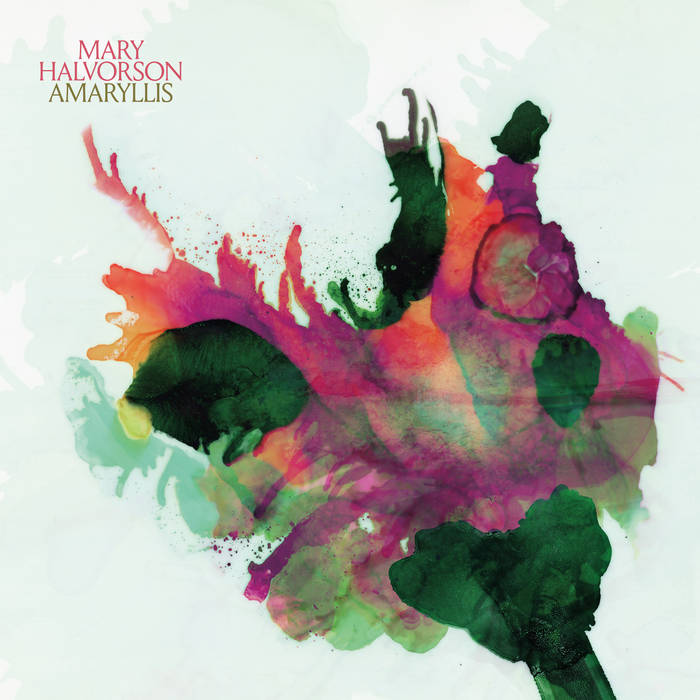
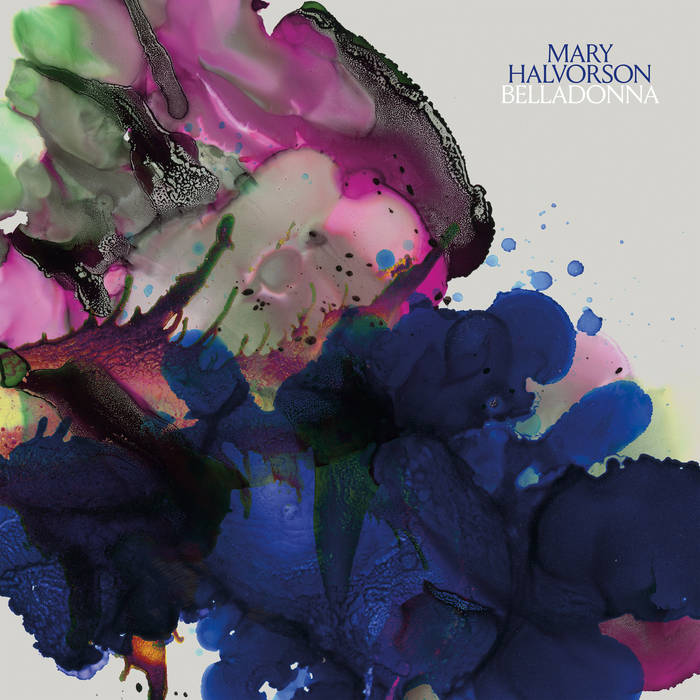
  • Mary Halvorson, Amaryllis & Belladonna: free jazz guitarist Halvorson hits a major label with two albums — teaming with a boisterously simpatico sextet on Amaryllis, then dancing atop and around modern classical textures from the Mivos Quartet on Belladonna. Audacious and engrossing, this music will open your ears real good!
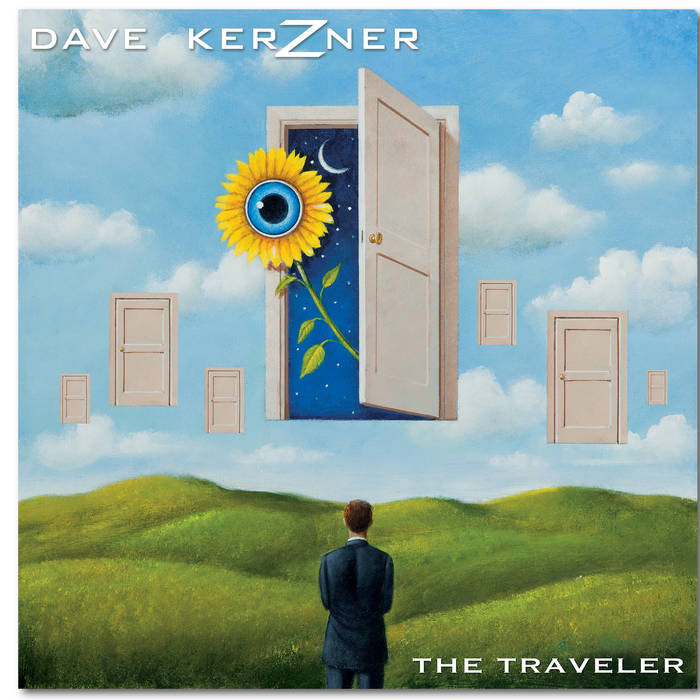
  • Dave Kerzner, The Traveller: confident, appealing songwriting with hooky yet sophisticated melodies and structures, Kerzner’s best, widest ranging vocals to date and perfectly judged contributions from a stellar guest list. Letting his new songs sell themselves and keeping proceedings to the point, he both satisfies us and leaves us wanting more. 
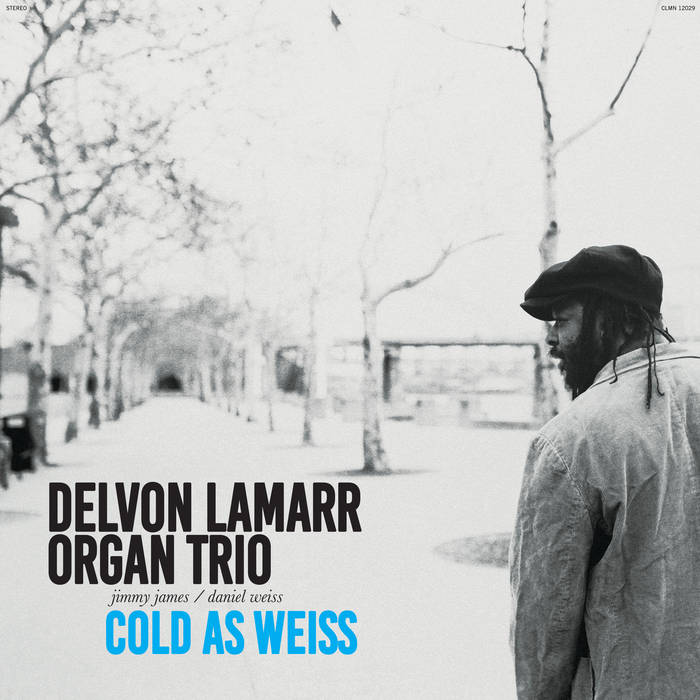
  • The Delvon Lamarr Organ Trio, Cold As Weiss: An immediately accessible reboot of a classic jazz trio format. Organist Lamarr, guitarist Jimmy James and drummer Daniel Weiss are thrilling players who never fail to make their instruments sing. Funky, catchy bite-size tracks with great individual playing and razor sharp ensemble. 
  • Marillion, An Hour Before It’s Dark: The front half of Los Marillos’ latest has more swagger than they’ve mustered in a while; the back half’s meditative downshift climaxes with the sweeping smashcut finale “Care,” as power chords and massed choirs climb heavenward. Unique as anything in their catalog, and another thoroughbred winner.
  • Pure Reason Revolution, Above Cirrus: this fifth album reveals PRR at their best, consistently upping their game to the next level. For every moment of blissful harmonies and glidepath atmospherics, there’s an equal and opposite moment of feral guitar/drum slammin’ — and when they layer the two together, look out! Well worth buckling up for the ride.
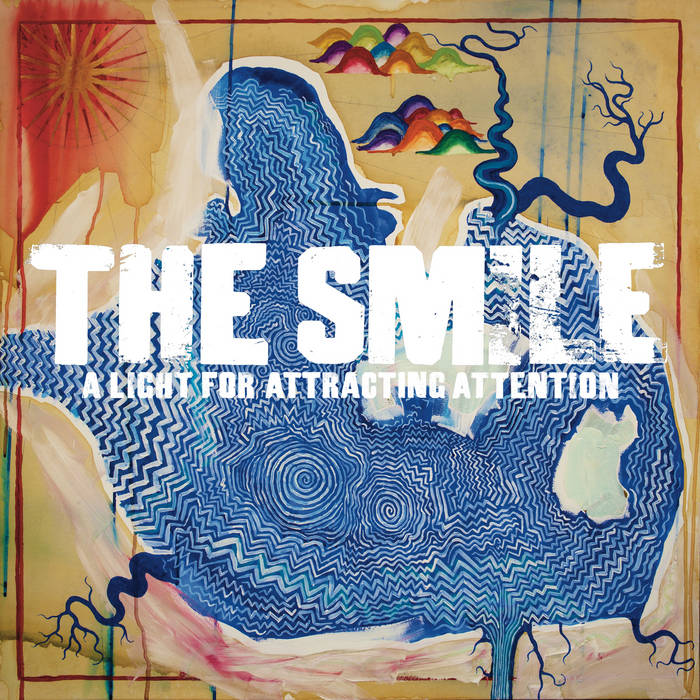
  • The Smile, A Light For Attracting Attention: A Radiohead side project worth your while. Thom Yorke overflows with apocalyptic dread; Jonny Greenwood’s off-kilter instrumental instincts are keener than ever; Tom Skinner’s skittering beats relentlessly drive the grim, lush soundscapes forward. Music for our contemporary dystopia, irresistibly sucking you in.
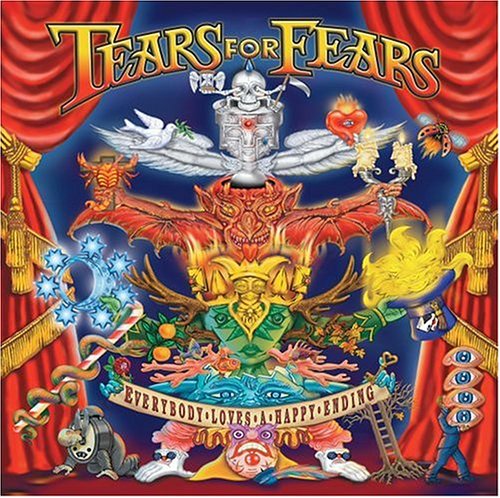
  • Tears For Fears, The Tipping Point: Roland Orzbaal & Curtis Smith’s catchy-as-always comeback goes for catharsis via unstoppable rhythms, unforgettable choruses and naked vulnerability on every single track, Devastatingly gorgeous, uncompromising art-pop that will haunt you long after every listen.
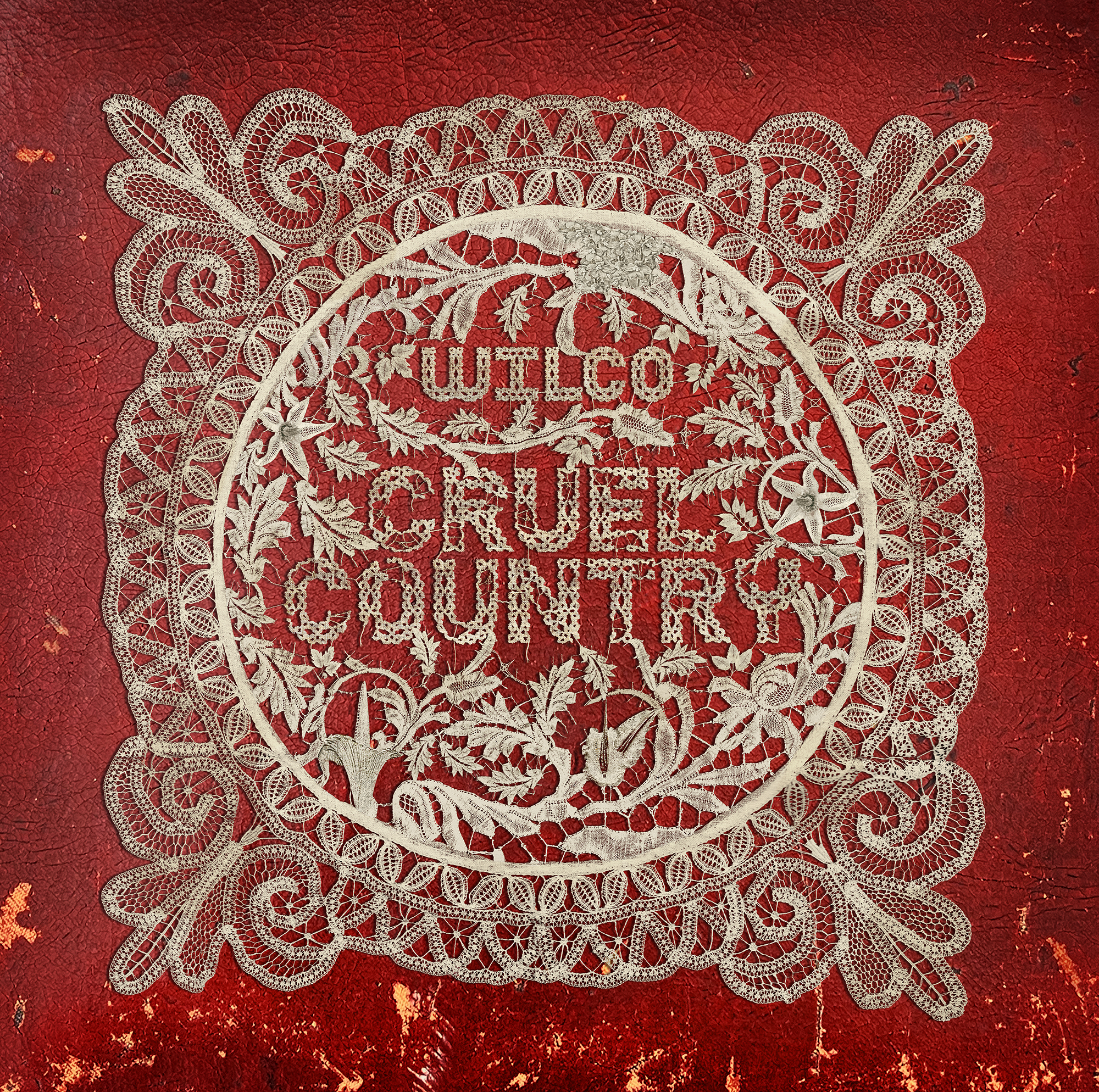
  • And my Top Favorite of the year — Wilco, Cruel Country. A double set that detours from Jeff Tweedy’s thoughtful dad-rock toward Nashville and Bakersfield, the tactile interplay of the band and Tweedy’s quizzical, empathetic probes of societal alienation elevate this to an album of genuine tenderness and subtlety, gathering strength and heart as it unrolls. After a digital-only release this year, it’s finally coming out on LP and CD January 20!

My favorite reissues of 2022:

  • The Beatles, Revolver Special Edition*: No Revolver, no Sergeant Pepper — no prog? Regardless of what ifs, the Fabs’ great leap forward of 1966 was brilliant in its own right, dragging pop headlong toward the avant-garde. Here it gets a subtle yet effective remix, with fascinating studio outtakes framing the cutting-edge results.
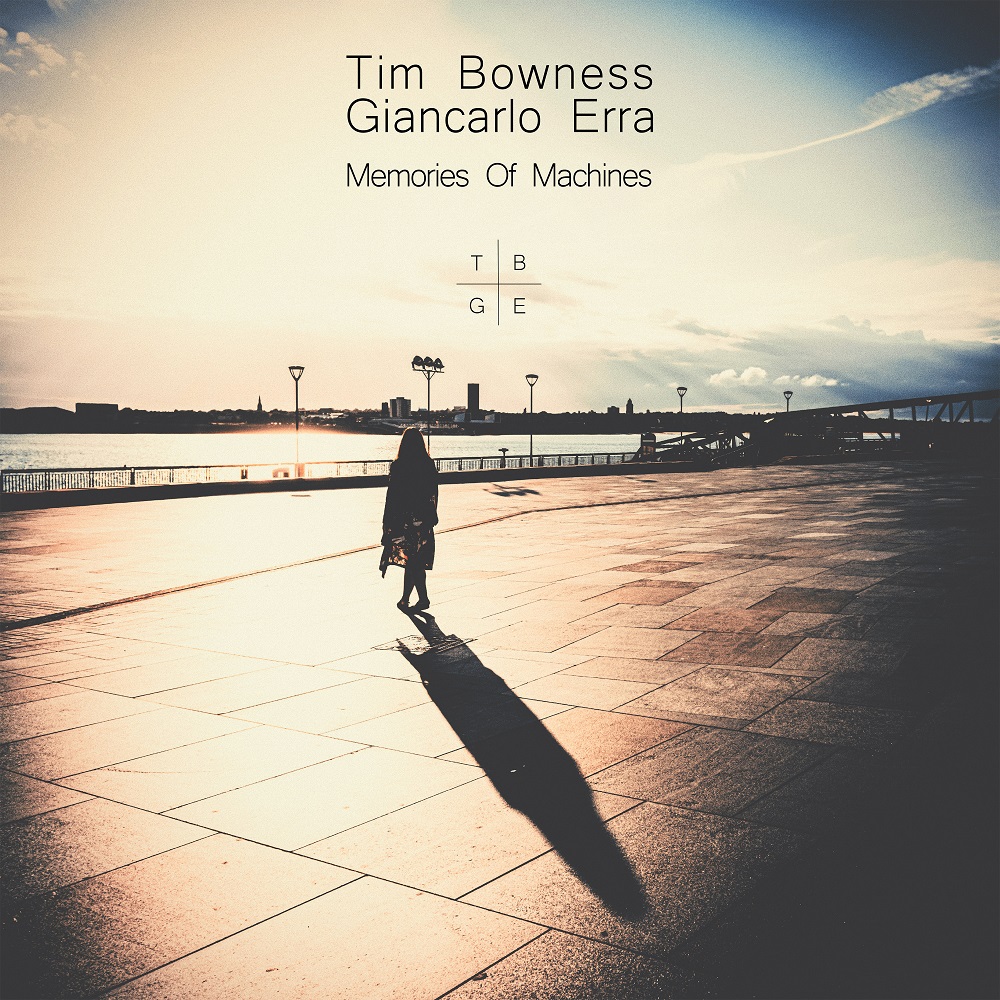
  • Tim Bowness & Giancarlo Erra, Memories of Machines: an irresistible mix of unflinchingly intimate art-rock and lowering ambient backdrops. Ten years on, original arrangements and track lengths are restored, Erra’s textural work is inched forward — and as always, Bowness breaks your heart with his ringing couplets and his stoic voice.
  • My Top Favorite Reissue of the year: Robert Fripp, Exposure/Exposures. The guitarist’s 1979 return to active duty after a post-King Crimson sabbatical, binding together a disparate set of songs and guest artists with his innovative ambient Frippertronics. Whether by itself or as part of a gargantuan box set that chronicles Fripp’s entire “Drive to 1981,” it’s a wild, worthwhile listen in and of itself, while providing distinctive previews of coming attractions.
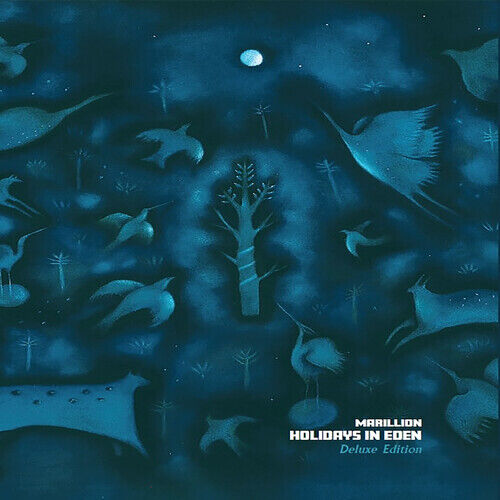
  • Marillion, Holidays in Eden Deluxe Edition*: my introduction to the band (I first saw them live on the US tour promoting the album), Holidays was partially a product of record company pressure for hit singles, but it also has plenty of Marillion’s trademark ambition, power and lyricism. A fresh remix complemented by exciting live shows on both audio and video.
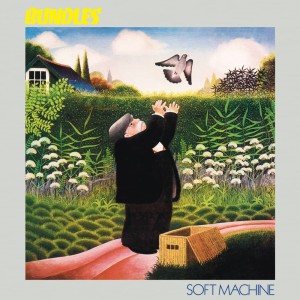
  • Soft Machine, Bundles*: Add blazing young guitarist Allan Holdsworth to one of the pioneering British jazz-rock bands, stir in quirky compositions by keyboardists Karl Jenkins and Mike Ratledge, and stand by for fireworks! This fresh reissue also includes a hot live set featuring Holdsworth’s successor John Ethridge (still active with the Softs today).
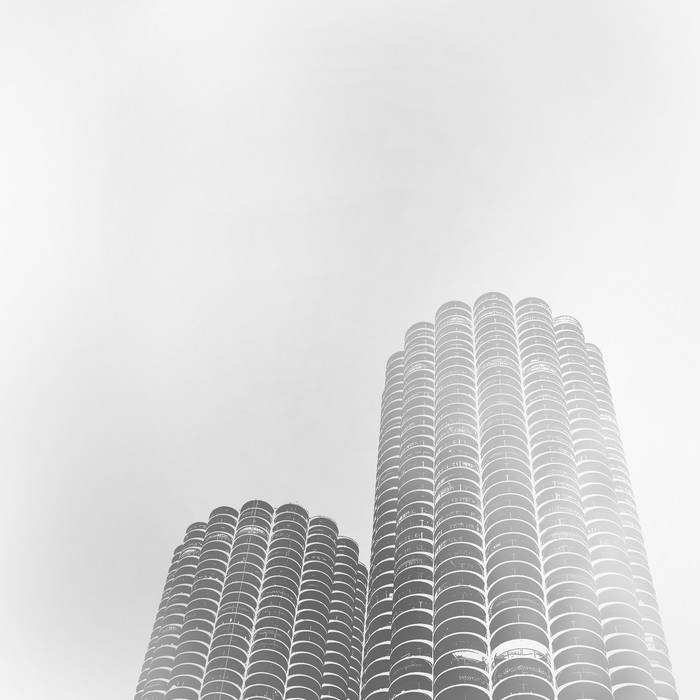
  • Wilco, Yankee Hotel Foxtrot Super Deluxe Edition*: The album that put Wilco on the map (after they were dropped by their label), YHF mutated from Americana through dream-pop to electronica-tinged folk-rock as band members and producers came and went. Eight discs that copiously chronicle the recording process, plus blistering two live sets.

My favorite (re)discoveries of 2022:

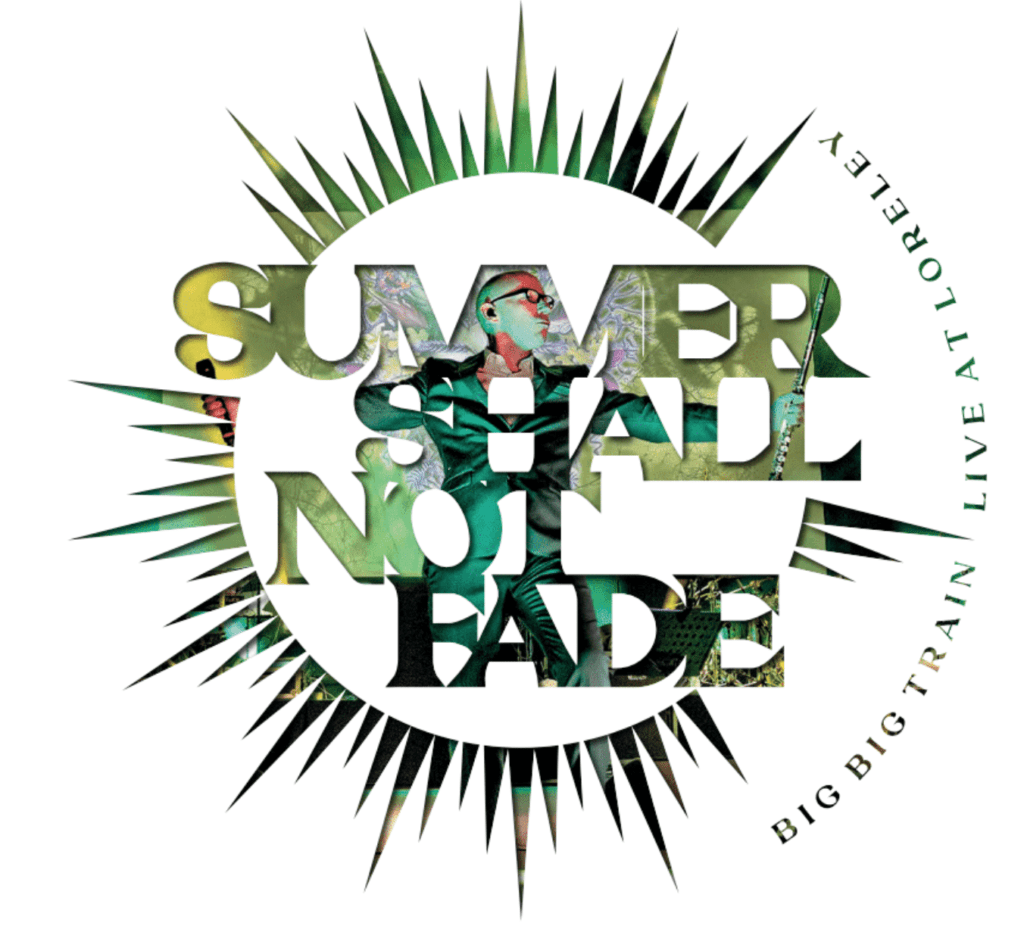
My favorite live album of 2022: Big Big Train, Summer Shall Not Fade*. Equal parts power and grace, BBT’s 2018 headlining gig at Germany’s Night of the Prog may be their best live release yet. Playing to their largest crowd ever, David Longdon commands the stage; Greg Spawton and Nick D’Virgilio provide a muscular foundation; Dave Gregory, Rikard Sjobom, Danny Manners and Rachel Hall serve up one delightful moment after another. Bryan Morey’s review nails it; this is indispensable.

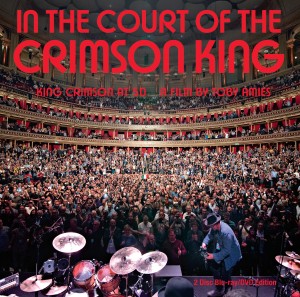
My favorite rock documentary of 2022: In The Court of the Crimson King: King Crimson at 50*. The most unconventional band of the last five decades gets the most unconventional documentary possible. Crims past and present weigh in on “living, dying, laughing, playing and rocking out”, with Robert Fripp providing the ever-present focal point in a particularly puckish fashion. There’s also a deluxe edition with live Crimson video (both in the studio and at 2019’s Rock in Rio festival) and four bonus CDs of soundtrack cuts, rarities, etc.

My favorite books about music of 2022:

  • Vashti Bunyan, Wayward: Just Another Life to Live. Singer-songwriter Bunyan’s unlikely late-60s odyssey from Swinging London to the Hebrides forms the heart of this evocative narrative. Laboriously traversing the heart of England, she gains understanding of the natural world, of human kindness and cruelty — and of her own sturdy inner core.
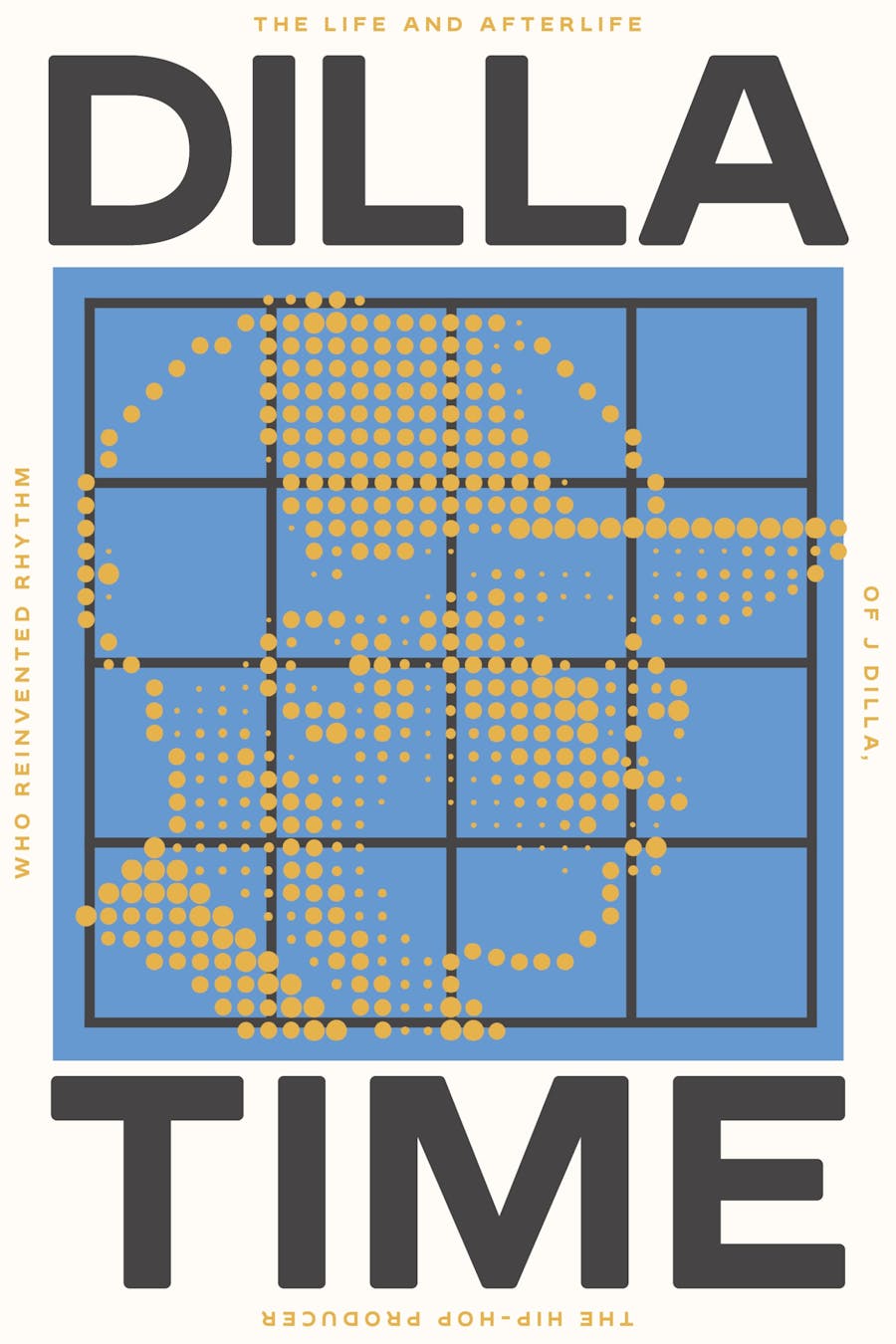
  • Dan Charnas (with musical analysis by Jeff Peretz), Dilla Time: The Life And Afterlife Of J Dilla, The Hip-Hop Producer Who Reinvented Rhythm*. In Charnas’ telling, Dilla emerges as an innovator who laid down new paths for neo-soul and conceptual hip-hop, via his subtle yet unsettling variations on previously straight-up rhythms. Peretz’s equally innovative graphic depictions of rhythmic innovations across the decades buttress the page-turning narrative.
  • Robert Fripp, The Guitar Circle*. More a philosophical tome than a how-to book, though still remarkably practical, Fripp’s highly conceptual explanation of his process (as unfolded in Guitar Craft courses and Guitar Circles) won’t be for everyone. But those who dig in will grasp where this eternally questing musician is coming from better than ever before.
  • David Leaf, God Only Knows: The Story of Brian Wilson, The Beach Boys And The California Myth*. The third edition of Leaf’s lifework chronicles The Beach Boys’ journey from surf-rock through eccentric art-pop to the dead end of nostalgia, then sidesteps to Wilson’s solo comeback, culminating in the completion of his masterwork Smile. Not in the least objective, but comprehensive, even-handed toward the rest of The Beach Boys, and heartfelt.
  • Grant Moon, Big Big Train – Between The Lines: The Story Of A Rock Band. How BBT became a prog powerhouse — through sheer bloody-mindedness, growth in craft and a keen ear for musical contributors — is the tale told in this richly detailed bio/coffee table tome. Both a celebration of the music made and an unflinching look at the price paid for a dream.

And in closing . . .

If you’re interested, check out these recordings I played or sang on that were released in 2022:

— Rick Krueger

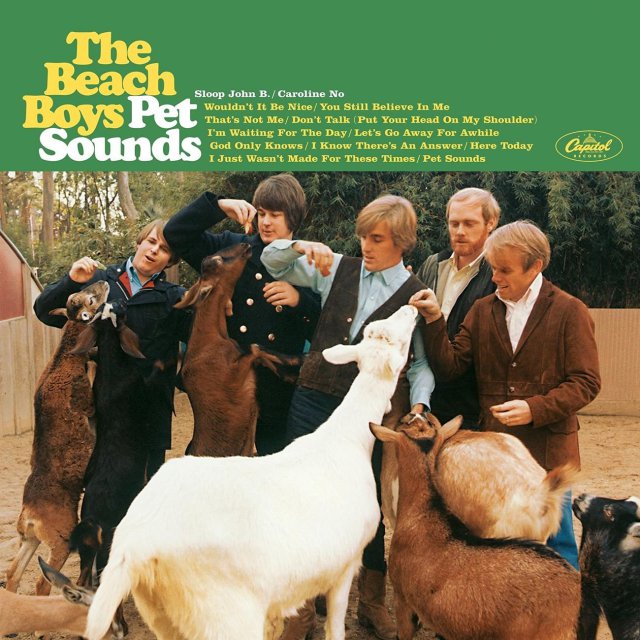
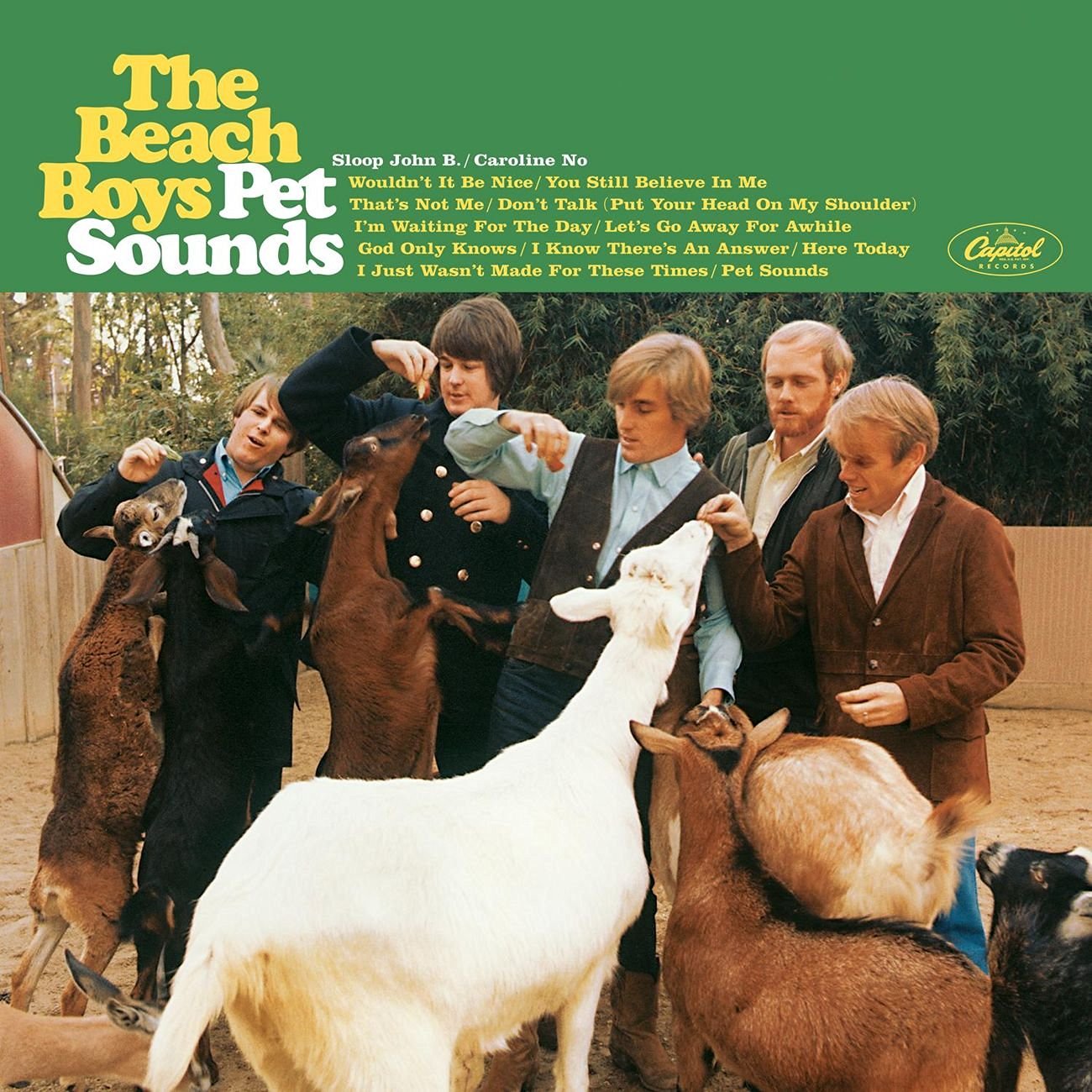
The Albums That Changed My Life: #8, Pet Sounds by The Beach Boys

by Rick Krueger

The good Dr. Birzer did a fine track-by-track survey of this milestone album for its 50th anniversary in 2016.   While I’m tempted to say “just read his article,” it wouldn’t answer the implied question this series poses.  How did hearing Pet Sounds change my life?

Though I always liked the Beach Boys, I didn’t glom onto Pet Sounds until I was in my 30s. My older brother had a few of their early records; I remember borrowing the In Concert album and subjecting my family to repeated plays on one vacation.  Some of their songs from the 1970s filtered through to FM rock radio in my high school years, too; “Sail On Sailor” was particularly popular.  I even arranged a medley of the band’s 1960s classics for my final choir concert at Lutheran High School East.  But I typically thought of the Beach Boys as a group with cool harmonies, a Chuck Berry fixation, and decent songs about surfing, cars and girls.

Then, on a whim, I picked up the 30th anniversary edition of Pet Sounds in 1996.  Which included liner notes featuring Paul McCartney quotes like “this is the album of all time” and “no one is educated musically until they’ve heard that album.”  I figured I’d better give it a serious listen.

Continue reading “The Albums That Changed My Life: #8, Pet Sounds by The Beach Boys”

PET SOUNDS, 1966-2016: Fifty Years of Prog

pet-sounds
Arguably, the very first prog album.

Though I’m sure someone could make the case for either REVOLVER or SGT. PEPPER’s being the first prog album, I’ve always turned to PET SOUNDS by the Beach Boys.  I’m sure there’s a bit of the American in me that desires this to be so, so I can’t completely claim to be unbiased.  I know English proggers–understandably–think of Prog as one of their many national gifts to the world, somewhere above the Magna Carta.  And, it is!  Still, it’s conceivable that it came about in California but then was perfected by the English.  Maybe.  Maybe not.


As Brian Wilson has noted, he found his own inspiration for the album in RUBBER SOUL by the Beatles.  Is it possible the influence went both directions across the Atlantic?  Most certainly.

Regardless, PET SOUNDS is fifty years old.  And, what an extraordinary achievement it is.  Though one might regard it somewhat probably as a Brian Wilson solo album, it came out under the name of the Beach Boys, and it carries with it many of the trademark Beach Boy sounds and touches.

Continue reading “PET SOUNDS, 1966-2016: Fifty Years of Prog”