
. . . bring the chance to catch up on the ever-growing backlog of good stuff; all of these sets (new or old, live or archival) have something to recommend them. Where available, listening links are embedded in the album titles; purchase links are also included when necessary.
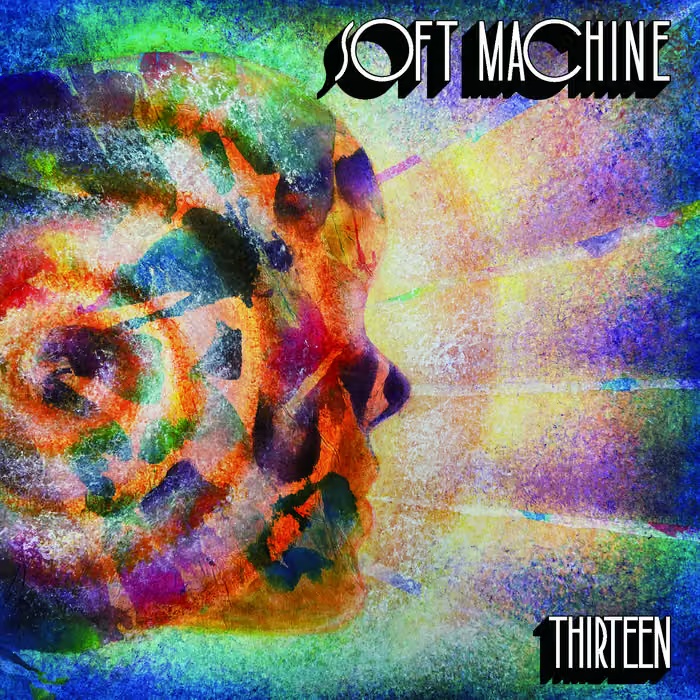
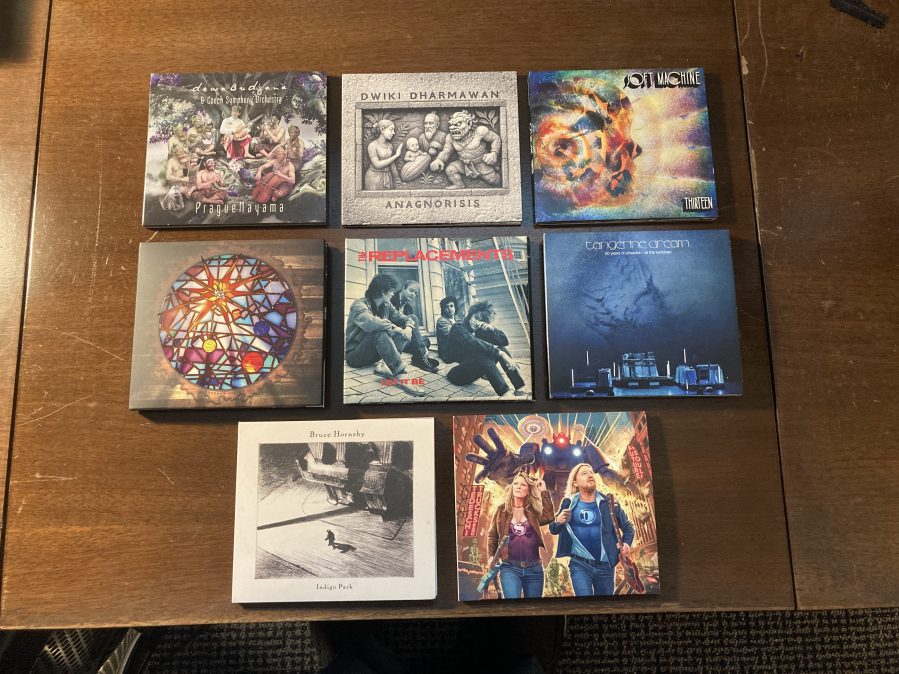
Two instant favorites this time around! The 21st century incarnation of Soft Machine has always made worthwhile music; their new album Thirteen takes the whole enterprise up a notch, easily standing with the best of the band’s variegated 1970s output. New rhythm buddies Fred Thelonious Baker on bass and Asaf Sirkis on drums bring fiery precision and attractively fuzzed grunge to the engine room (Sirkis also provides contrast with his lovely downtempo tunes “Lemon Poem Song”, “Waltz for Robert” and “Disappear”); veteran guitarist John Etheridge and sax/keyboardist Theo Travis ramp up gnarly vamps, unexpected splashes of musical color, and thrilling solo excursions on hard rockers (“Open Road”, Baker’s “Turmoil”) intricately swinging fusion (“Green Books”, “Time Station”), even a multi-sectioned prog epic, “The Longest Night”. There are echoes of classic Softs throughout, culminating in a finale built around glissando guitar by founder Daevid Allen, but this isn’t a throwback or a pastiche. With all four players feeding off each other and raising their game to new heights, Thirteen makes for an audacious, exhilarating jazz-rock journey.
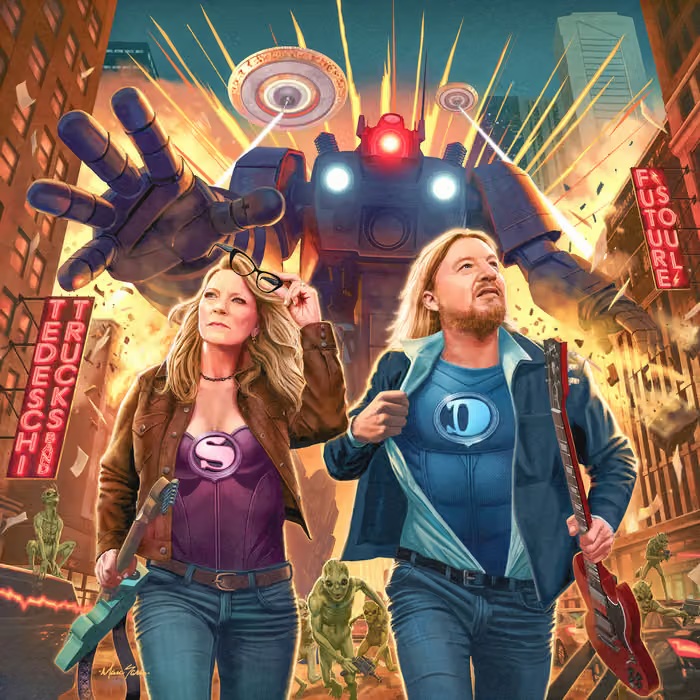
Meanwhile, the Tedeschi Trucks Band proves less can be more on their latest, Future Soul. Focusing on making music that’s killer without filler, the 12-piece TTB shines on 11 short, sharp tunes — rootsy as ever, chock full of hooks that conjure up like-minded musical ramblers from Joe Cocker and Leon Russell to Delaney & Bonnie. Have no fear: the funky “Crazy Cryin'”, country soul like “What in the World” and “Under the Knife”, the riff-rock rampages “Hero” and the title track – every track, in fact – will stretch out nicely into opulent jamming onstage; but the economy embraced here polishes and focuses this band’s spectacular talent to a newly gleaming finish. Susan Tedeschi’s riveting Joplin/Raitt croon, Derek Trucks’ intoxicating blend of John Coltrane, Duane Allman and his own imaginative take on slide guitar, Gabe Dixon’s chunky, resonant organ and synth work, Mike Mattison’s strong support and vocals and songwriting mesh with rock-solid rhythm, wailing gospel singers and dizzyingly eclectic horn parts into one mighty, sanctified roar. A heady, hearty collection that already brings a buzz on disc and may well levitate live.
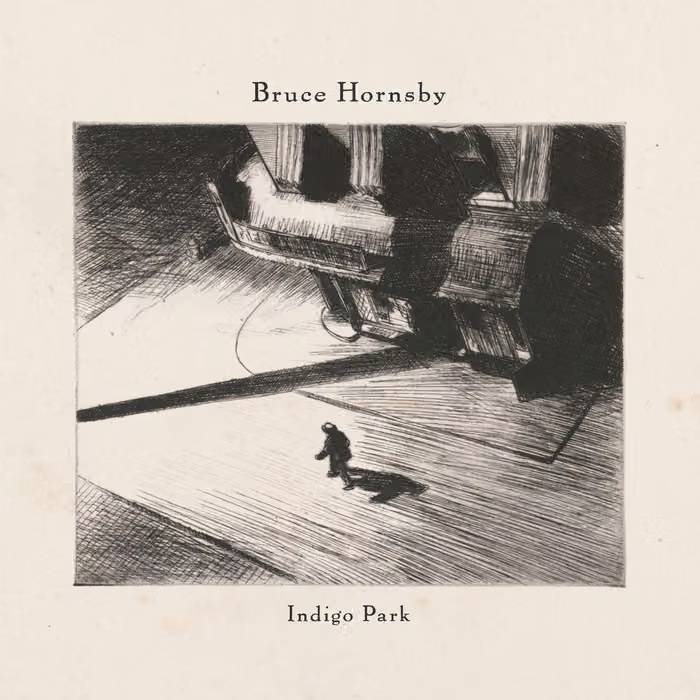
One more brand-new release: Bruce Hornsby’s Indigo Park. An American maverick of long distinction, Hornsby is at his most poetic lyrically as he confronts aging, mortality, idyllic memories tempered with maturing wisdom, and the pull of home versus the push of the road. But seasoned by decades of collaboration with everyone from the Grateful Dead to Spike Lee, Bruce has long since stretched beyond the “New Age meets Yacht Rock” idiom of his hit singles. There’s astounding range (sorry) here: the longing Americana of the title track and the closer “Take a Light Strain”; the playground b-ball tall tale “Ecstatic”, powered by slinky hip-hop loops and verbal rhythms; a sardonic, dulcimer-driven take on smalltown complacency, “North Dakota Slate Roof”; even aching, old-timey slow drags “Alabama” and “Might As Well Be Me, Florinda” (on the latter, Dead founder Bob Weir gleefully sinks his teeth into a near-atonal duet worthy of Hornsby’s modern classical idols, matching Bruce melodic loop for melodic loop). Confident and complete in itself, Indigo Park feels like a farewell statement, but road dogs like Hornsby and his Noisemakers will doubtless approach these tunes as rough sketches to flesh out in concert. And who knows what directions they’ll go with such fine material? (Buy Indigo Park from Hornsby’s webstore.)

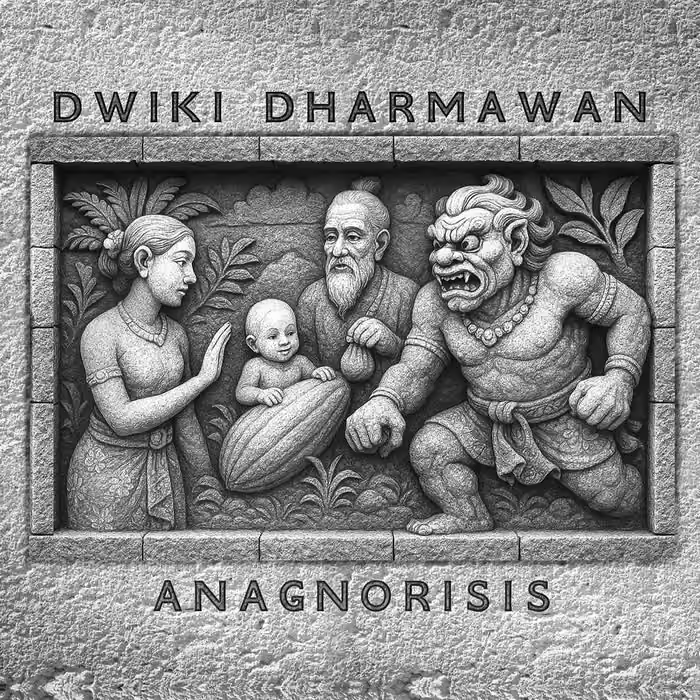
It’s great to see that the ever-resourceful Leonardo Pavkovic has bounced back yet again; in recent months, Pavkovic’s flagship label MoonJune Records has been shipping to the USA once more, finding effective workarounds to navigate the increasingly incoherent regime of international trade. MoonJune’s philosophy of bringing musicians together from across the globe, turning them loose and releasing the stimulating results is front and center in two recent releases. Dewa Budjana’s Praguenayama pairs the Indonesian fusion guitarist with the Czech Symphony Orchestra on an appealing selection of Budjana’s soaring, thoughtful melodies; East meets West to lush, reflective effect here – with just the right spice at key moments. Meanwhile, keyboardist Dwiki Dharmawan unites with Israeli saxophonist Gilad Atzmon and a Greek rhythm section for the probing, eclectic set Anagnorisis. Running the gamut from the Indonesian folk tradition through free jazz and impressionist balladry to the blues, this album is constantly intriguing and a genuine ensemble effort, with Dharmawan and Atzmon, Harris Lambrakis on ney flute, Vironas Ntolas’ guitar, Kimon Karoutis’ bass and Nikos Sidirokastritis’ drums all active in the conversation of equals.
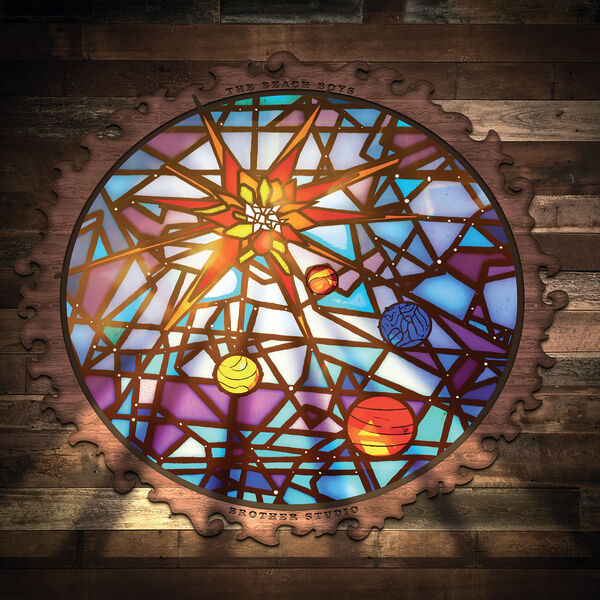
Earlier this year, The Beach Boys’ We Gotta Groove: The Brother Studio Years was the talk of the rock press – quietly released on short notice, immediately sold out of its small initial pressing (I ponied up for the Japanese, CD-only edition, complete with tariffs), the subject of near-unanimous rave reviews. With a second pressing set for release at the end of this month, the buzz has backed down, which is too bad, because this fresh compilation of mid-1970s material deserves attention, at least on historical grounds. The heart of the box is The Beach Boys Love You album — the result of Brian Wilson being given his head after being dragooned back into the band for its 15th anniversary. It’s equal parts the pop genius of rock’s single greatest auteur (“Let Us Go On This Way”, “Honkin’ Down the Highway”, “The Night Was So Young”) and the painful gaucherie of a man battling for his mental health (“Good Time”, “I Wanna Pick You Up”), with both facets sometimes occupying the same song (see “Johnny Carson”, “Ding Dang”, “Solar System”). Meanwhile Carl & Dennis Wilson, Mike Love, Al Jardine and Brian’s voices can come across as tired, worn, even phlegmy, but the sound they make is still resonant and affecting. On the other hand, the sessions for the unreleased album Adult/Child are a headscratching mess – some glorious ideas (“Still I Dream Of It” was meant for Sinatra), blandly arranged for big band and excruciatingly sung. Lots of oldies from the 15 Big Ones sessions — genuinely classic production work on songs of variable quality — complete the tracklist; Brian’s one-man-band version of “You’ve Lost That Lovin’ Feeling” and Carl’s all-or-nothing take on “Shortnin’ Bread” are genuine highlights. But all of the above might be the Beach Boys’ rationale for all the stealth; Brian Wilson idolaters and hardcore fans like me will gobble it all up, but who beyond those subcultures will listen to a physical copy more than once? (If you’re with me, you can preorder the second pressing of We Gotta Groove from the Beach Boys’ webstore.)
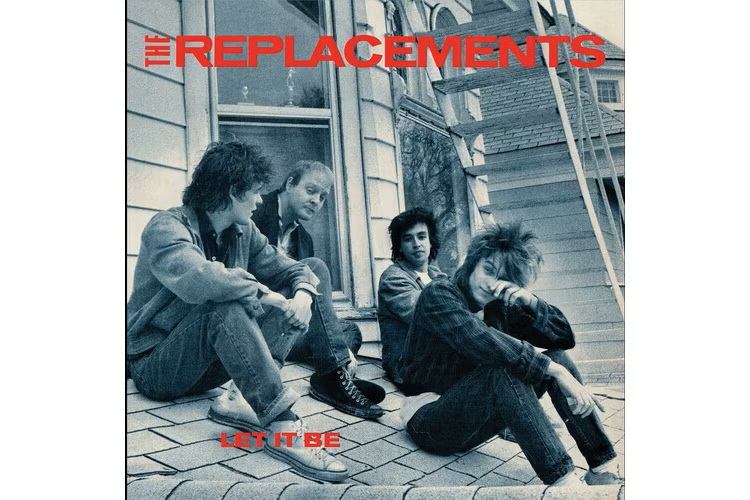
The Replacements were nowhere in the vicinity of existential angst when 1983’s Let It Be became the talk of the college rock circuit; onstage they remained snotty punks from Minneapolis who couldn’t care less about – well, pick the topic! But as Paul Westerberg groped his way toward disciplined songcraft, catchy tunes like “I Will Dare”, “Unsatisfied” and “Sixteen Blue” looked through others’ eyes for the first time, gaining emotional depth in the bargain. And that lent the band’s goofiness (the seriocomic “Tommy Gets His Tonsils Out”, an unironic cover of KISS’ “Black Diamond”) an odd sense of purpose, their fury (“We’re Comin’ Out”, “Answering Machine”) a unexpected intensity. This new deluxe edition shows the ‘Mats flirting with — dare I say it — maturity in the studio, then blowing the very idea away with a raucous, forceful live set at Chicago’s Cubby Bear. On the brink of wider success and confronting the growing disinterest of wayward guitarist Bob Stinson (a fan of Yes & Asia’s Steve Howe – it does come through, fitfully), the Replacements couldn’t figure out how to deal with either. In many ways, that was this band’s tragedy, told most fully in Bob Mehr’s empathetic group bio Trouble Boys; forty years on, Let It Be catches them at their most openhearted, suspended between ramshackle chaos and the ambitious yet self-sabotaging major label career that followed. (Buy the Deluxe Edition of Let It Be at Rhino Records’ webstore.)
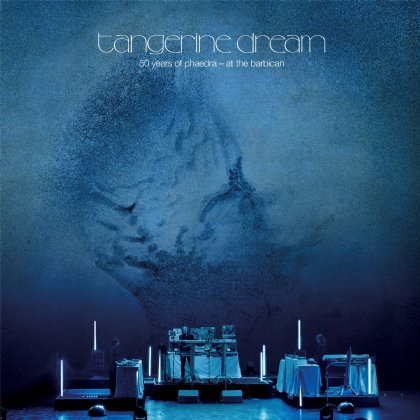
Finally, a last look at the legacy circuit: Thorsten Quaeschning’s continuation of Tangerine Dream has consistently played two hands since its reconstitution, creating excellent new electronica and marking substantial highlights in the original band’s career. Recorded in London in 2024, 50 Years of Phaedra – at the Barbican (trailer only here) does what it says in the title and more for good measure! 1974’s groundbreaking album is there in its entirety, but so is a mesmerizing multi-movement improvisation, seamlessly embedded within the suite by synth wizard Quaeschning, violinist Hosiko Yamane, and utility keyboardist Paul Frick. And if that’s not enough, a second disc enfolds the Dream’s 1980s albums, their soundtrack work from films to video games, and their recent creations; one flowing experience, both soothing and energizing, well worth the time you spend on this unique synthesized trip. (Buy 50 Years of Phaedra from Burning Shed.)
— Rick Krueger

