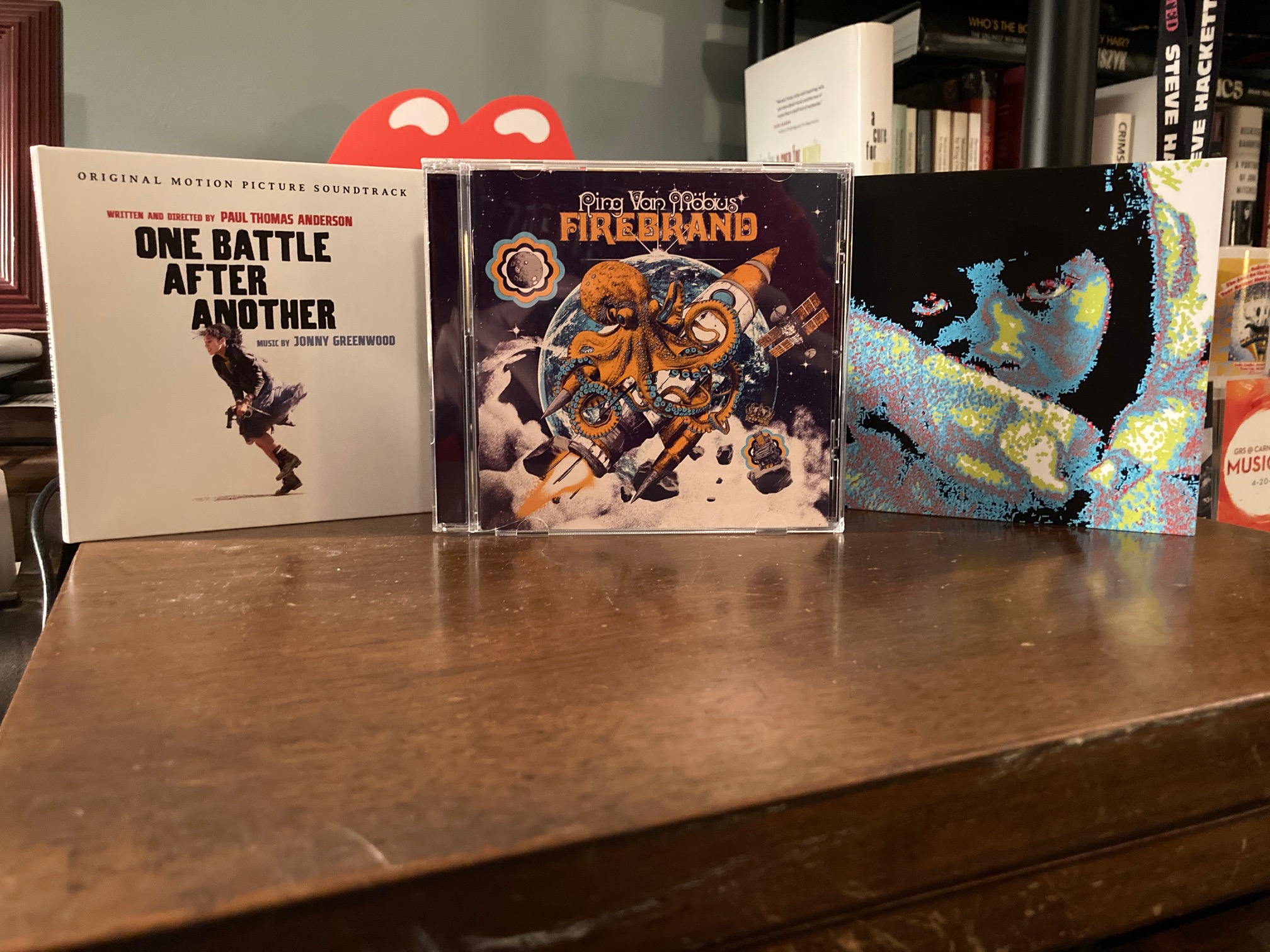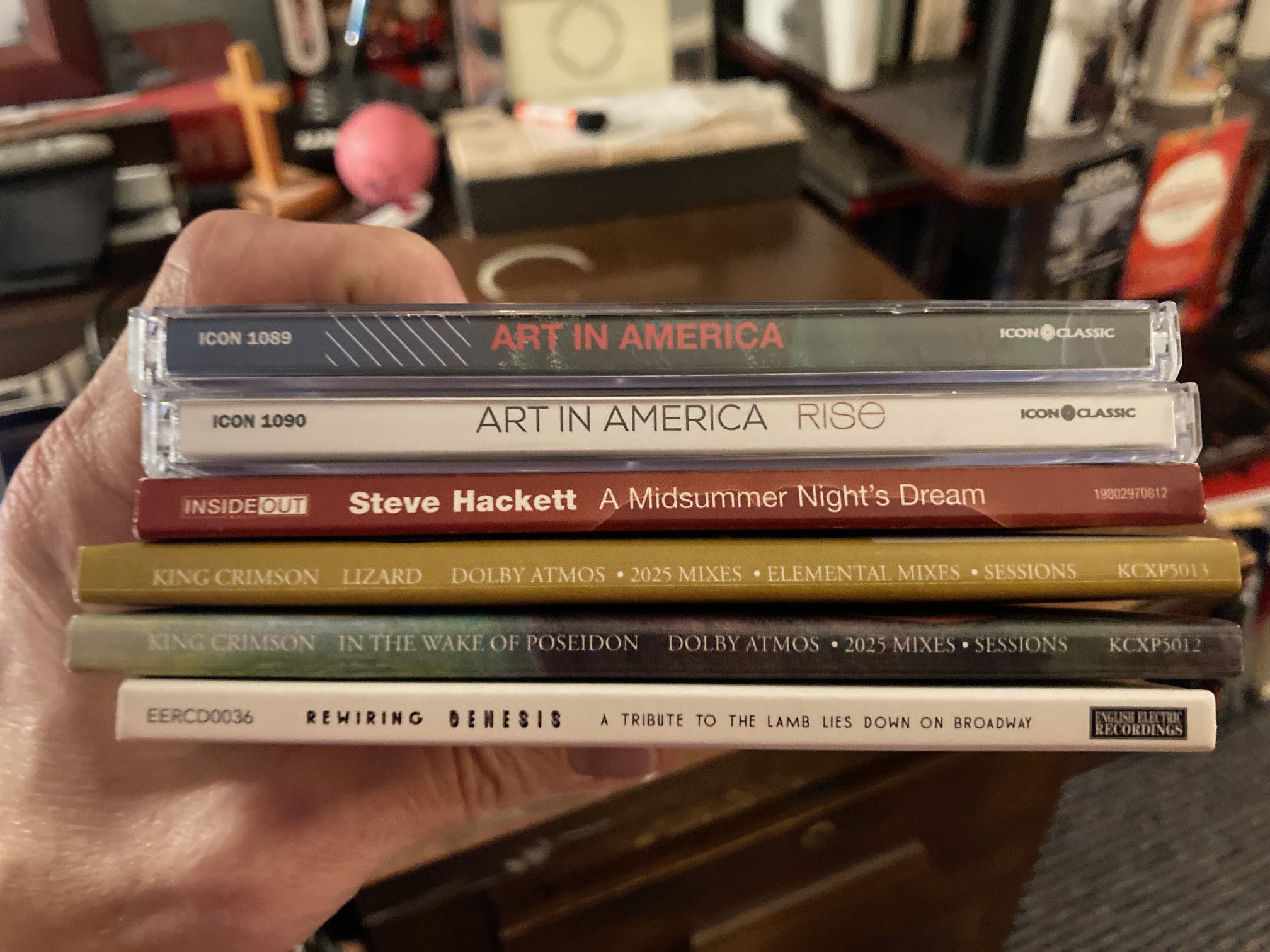
Rick’s Quick Takes for Summer’s End

As usual, direct purchase links will follow each album review, along with video or audio streaming where available. Given the potential impact of new US tariffs and regulations on both overseas musicians and the vendors who sell their music, I especially encourage readers to support your favorite prog artists and retailers during this period of transition.

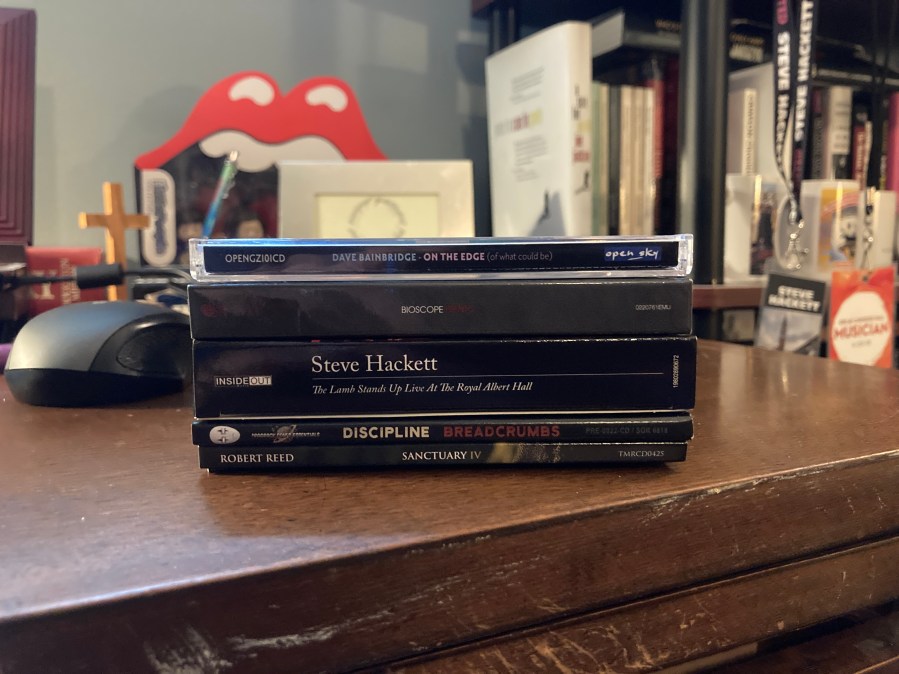
Dave Bainbridge, On the Edge (Of What Could Be): I glommed onto Bainbridge with his fabulous 2021 effort To the Far Away, but every one of his solo albums is crammed full of delights — rocking, rhapsodic and ravishing throughout. On the Edge is no exception: a double album with a self-contained suite on each disc, like Dave’s band Iona it takes listeners on a trip through the beauty of this world to the promise of a life to come. So many highights they can’t all fit here! Up-tempo elegy “Colour of Time” (with Randy McStine’s fierce vocal inspiring Bainbridge to heights of biting, frenzied jazz-fusion); the title track’s multi-sectioned build from triple-time acoustic folkiness to a thrilling electric climax; Simon Phillips’ fleet drum groove on “Farther Up and Farther In”, topped with mind-melting acrobatics from Bainbridge and piper Troy Donockley; Frank van Essen’s evocative violin and Bainbridge’s primal, Santana-meets-Mahavishnu cry on the orchestral “Beyond the Plains of Earth and Sky” are just a few of many great moments. Toss in vocals (in English and Gaelic) from a bevy of fine singers and virtuoso keyboards from Bainbridge, and you have an set that takes you on a genuinely amazing journey, gathering power as it builds to a spectacular culmination. Already a 2025 Favorite and a solid contender for the year-end top spot.

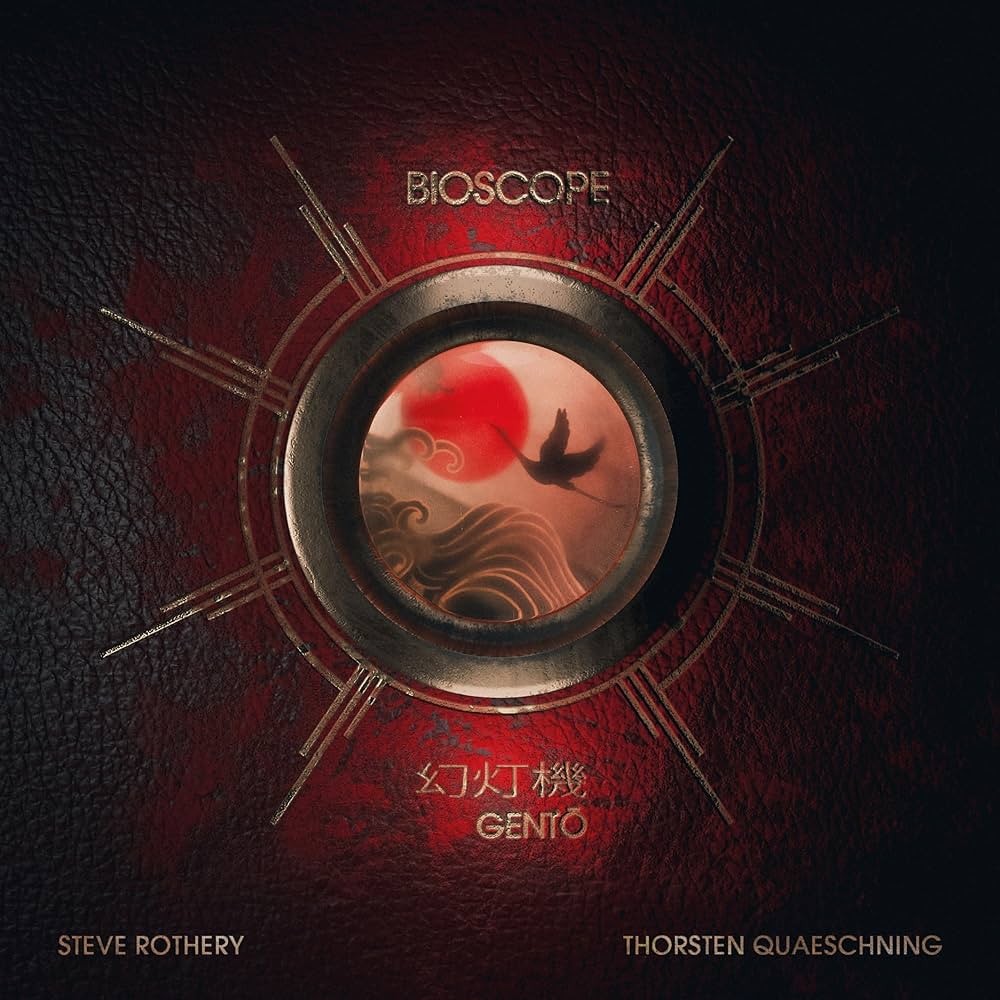
Bioscope, Gento: Steve Rothery’s keening, singing guitar has been one of Marillion’s prime calling cards for more than 40 years; as Edgar Froese’s appointed musical heir, Thorsten Quaeschning has recently propelled synth-rock trailblazers Tangerine Dream to fresh creative heights. Recorded during breaks in their bands’ work, the duo’s debut is a classic example of how two great tastes can taste great together. With the exception of psychedelic-Beatles closer “Kaleidoscope”, the musical elements on Gento repeatedly gather from thin air, coalesce, intensify, interact, react and dissipate — whether driven by Quaeschning (the wispy melodies, luxuriant textures and motorik rhythms of the three-part opener “Vanishing Point”), Rothery (the chiming rhythm guitar, slide/synth duets, fierce fuzz riffing and floating arabesques that shape another trilogy, “Bioscope”), or both in wonderfully organic call and response mode at multiple pieces’ climaxes. Add the rock solid drumming of Elbow’s Alex Reeves, and the results really are magical. Gento has gently, unobtrusively grown on me, all the way to making my 2025 Favorites list; it may take a few listens, but I think it will do something similar for you.

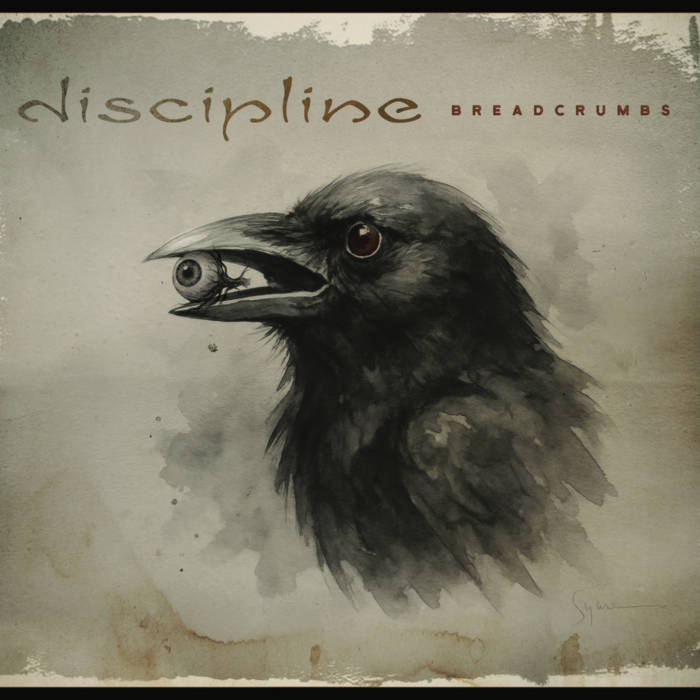
Discipline, Breadcrumbs: Eight years on from their last record, the Detroit proggers serve up another helping of their trademark, stately melancholia. Breadcrumbs proudly mines veins dug by King Crimson, Gabriel-era Genesis, Van der Graaf Generator — even a bit of keyboard-period Rush, with production by Terry Brown and art by Hugh Syme to boot — but as always, the results are a heady, hearty brew all its own. Throughout the intriguing title epic, the measured lament of “Keep the Change”, the relentless, stinging “When the Night Calls to Day/Aloft” and the thwarted, impressionistic “Aria”, Matthew Parmenter’s lyrical rhetoric and harmonically slippery keys take point, with Chris Herin providing pungent, tasty support and comment on guitar. While Breadcrumbs leans away from the slashing theatrics of vintage Discipline classics Unfolded Like Staircase and To Shatter All Accord, it still gives off a chilly intensity that showcases the band at their most spellbinding and cathartic. Through every challenging musical twist and verbal turn. this album is finely crafted and delivered with total conviction — another instant 2025 Favorite!

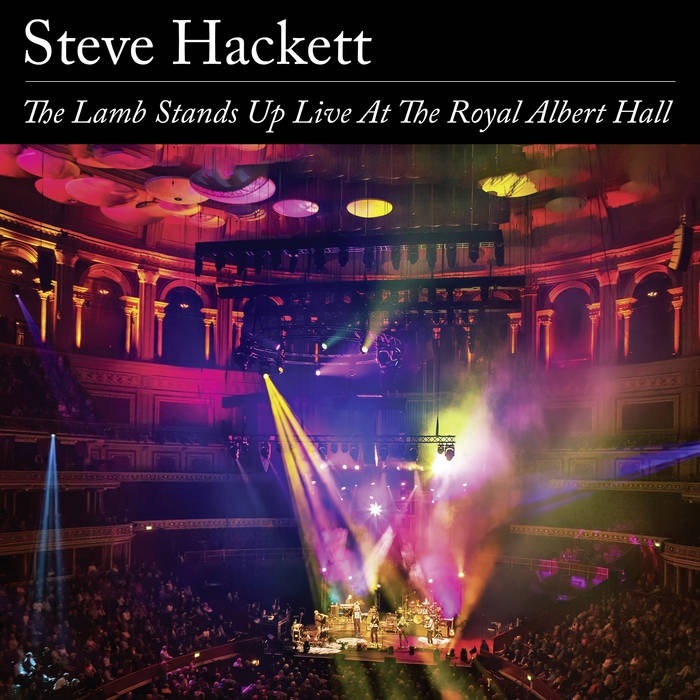
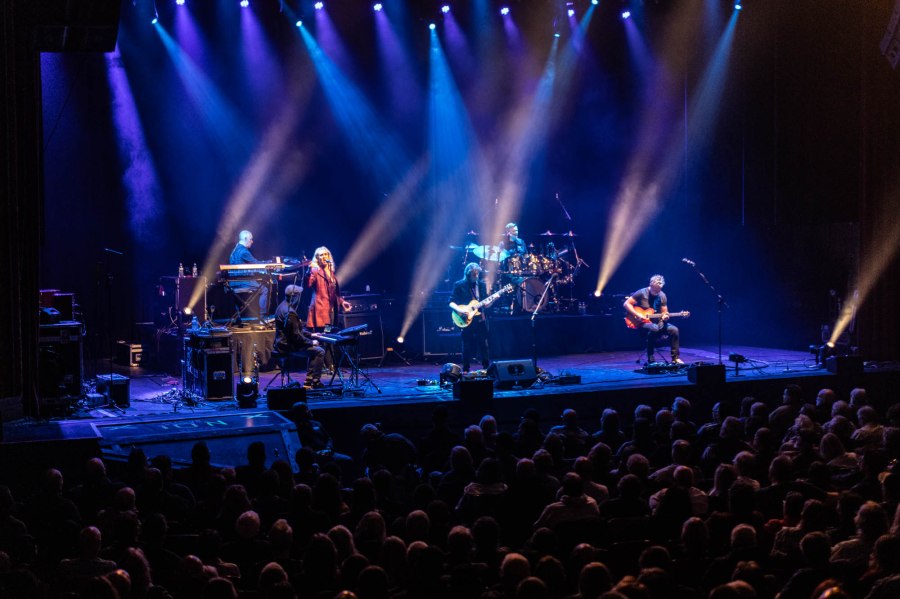
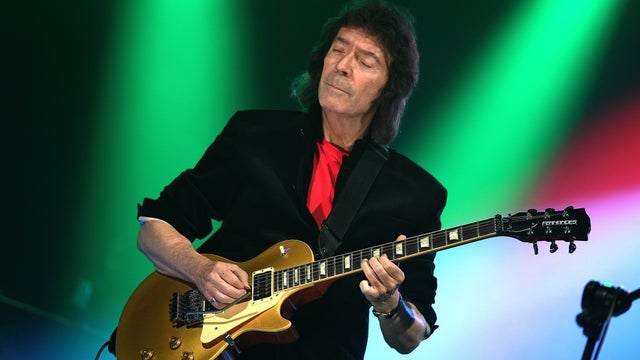
Steve Hackett, The Lamb Stands Up Live At The Royal Albert Hall: Yes, it’s Hackett’s tenth live album of the 21st century, but as usual, fans will find this a must for multiple reasons. Given recent personnel announcements, it’s probably Steve’s last live set with Roger King’s keyboards and Craig Blundell’s drums driving his talented band forward; the first half proves a spirited solo set, with lots of pleasingly vintage material and a thrusting trilogy of excerpts from 2024’s The Circus and The Nightwhale. And it’s hard to conceive of a better anniversary celebration for The Lamb Lies Down on Broadway! Nad Sylvan utterly inhabits protagonist Rael and Peter Gabriel’s other sundry characters; unjustly-forgotten Genesis vocalist Ray Wilson conjures an atmospheric, rumbling take of “Carpet Crawlers”; reflective moments like “Hairless Heart” shimmer, narratives like “The Lamia” and the title track subtly, potently grip your attention, and heavier moments like “Fly on a Windshield”, “Lilywhite Lilith” and “It” slam good and hard. With the super-deluxe box of The Lamb finally coming out at the end of September after multiple delays, sets like Dave Kerzner’s studio tribute and Hackett’s new concert set have nicely filled the gap while reminding both long-time and first-time listeners how ahead of its time the album was, and how vibrant this music still is.

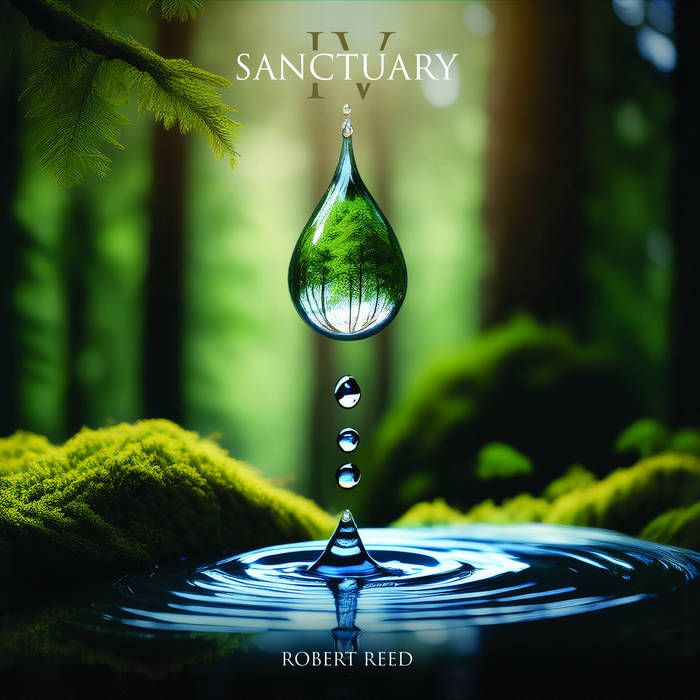
Robert Reed, Sanctuary IV. One of the driving forces behind 1990s neo-proggers Magenta, Reed has branched out impressively in the following decades. Reed’s Sanctuary albums — episodic long-form pieces in the genre pioneered by Mike Oldfield’s Tubular Bells — have evolved far beyond pastiche or even tribute, and here he refines and re-energizes his approach to its peak. Compelling opener “The Eternal Search” races forward, climaxing with an utterly berserk Simon Phillips drum solo; “Truth” bounces vivid instrumental colors off of sampled male vocals, morphs into a nautical shuffle laced with Les Penning’s recorder tootles, then lunges for a grandiose, double-time finale; and the closing “Sanctuary” provides the perfect comedown with its gentle, compact, well-wrought theme. If you’re looking for a sweet spot between Bainbridge’s Celtic maximalism and Bioscope’s kinematic ambience, Sanctuary IV’s shimmering, tuneful instrumentals could be just your ticket.

— Rick Krueger
My Proggy Vacation

How does a two-week vacation circling the Great Lakes wind up being this . . . proggy?

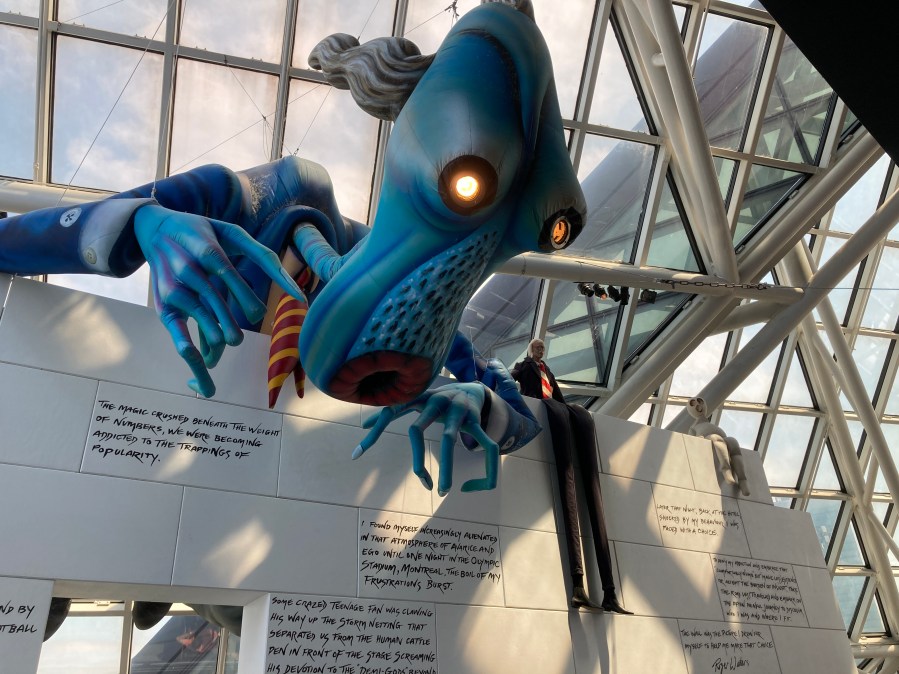
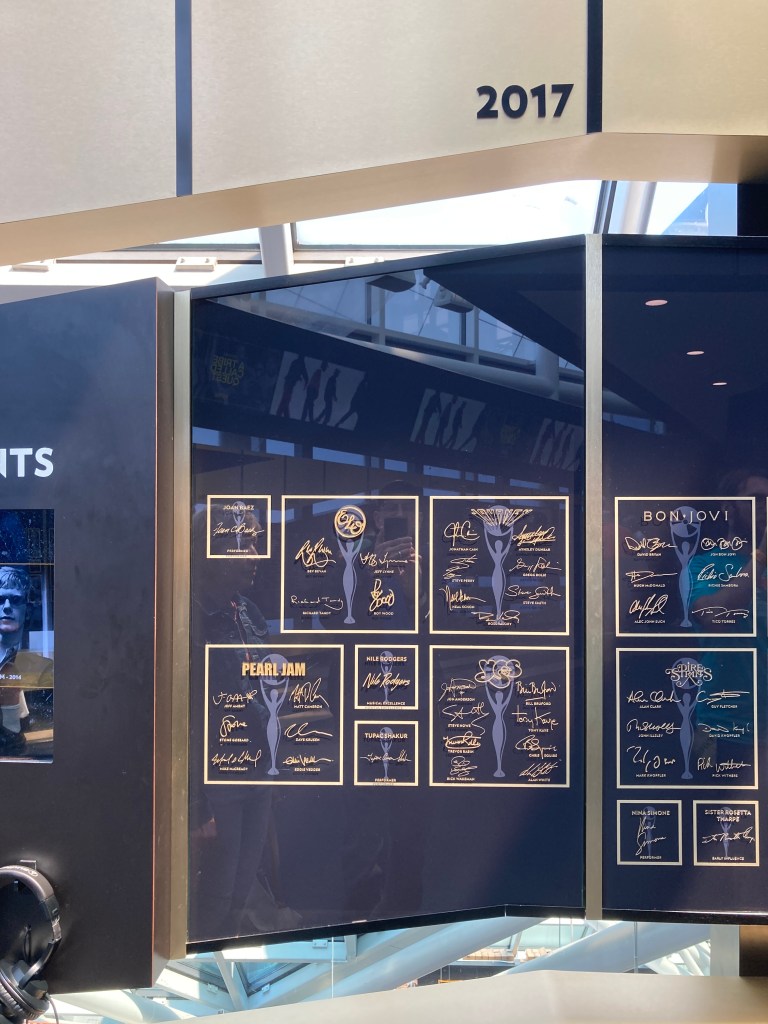
Well, starting out with a few days in Cleveland made a visit to The Rock and Roll Hall of Fame inevitable; it’s been almost thirty years since I set foot in its controversial precincts. (In fact, I’d argue that any hall of fame, no matter its subject, is about controversy — who’s in, who’s not, who should and shouldn’t be there. On such foundations are sports talk radio and the seething hatred of prog fans for Rolling Stone magazine built.) Has the R&RHoF improved in welcoming progressive rock since its fledgling days in 1997, when gigantic props from Roger Waters’ version of The Wall glowering from the top of its atrium (see above) were about the only evidence prog was even on its radar?

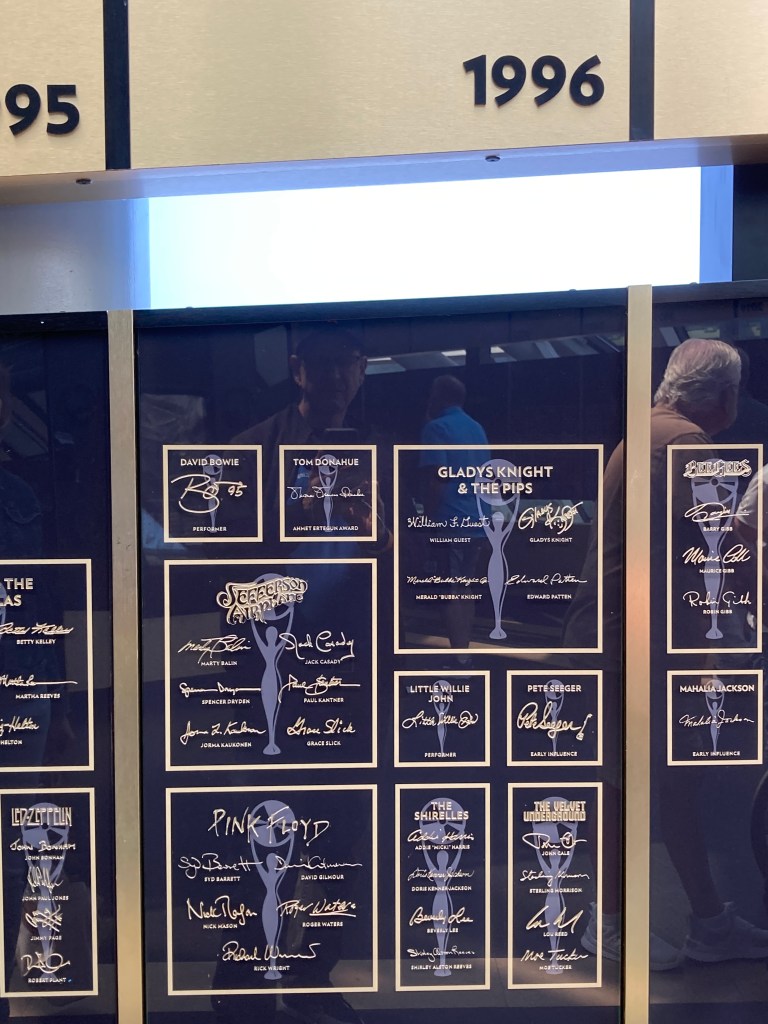
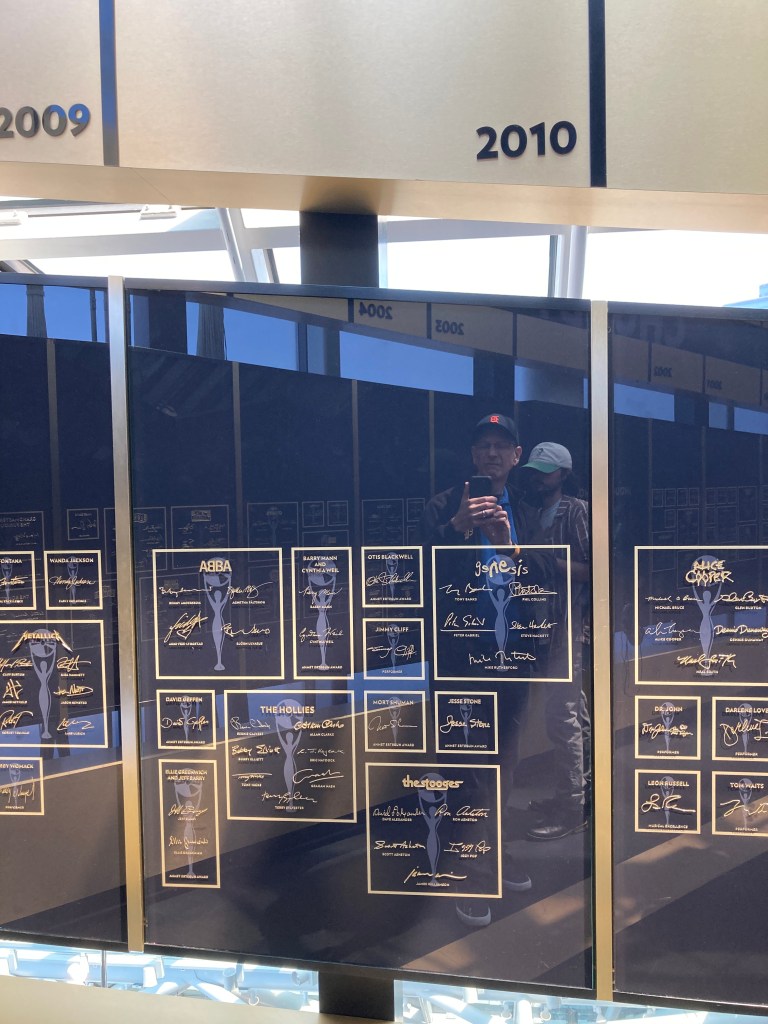
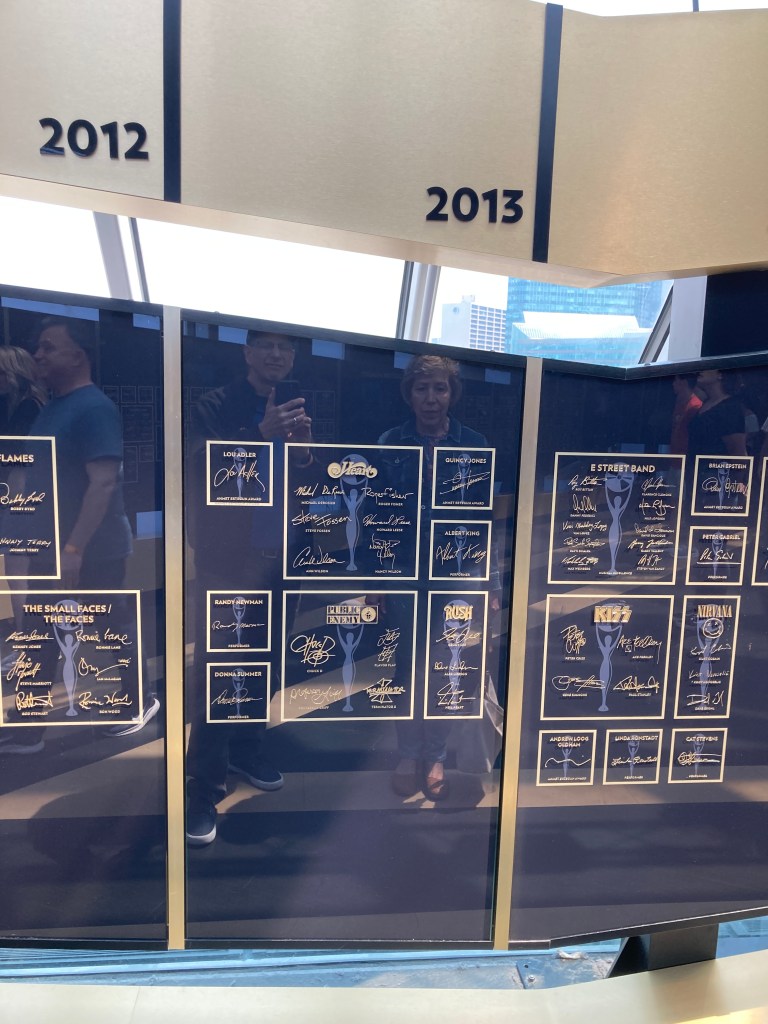
Honestly, omissions are still painfully plentiful; the otherwise comprehensive rock history displays on the first two floors blank out prog entirely, hopping from psychedelia and singer-songwriters to punk with only the barest nod to heavy metal. On the other hand, there has been movement in the last 30 years, with three of Britprog’s Big Six — Pink Floyd (1996), Genesis (2010) and Yes (2017) — plus Rush (2013) inducted into the Hall proper, currently housed on the third floor.

(By the way, you can watch highlights from any artist’s HoF induction on video displays stationed in the Hall. Of course I dialed up that marvelously manic night when Rush was honored — the highlight reel included a full minute of Alex Lifeson’s inspired “Blah blah blah” speech.)

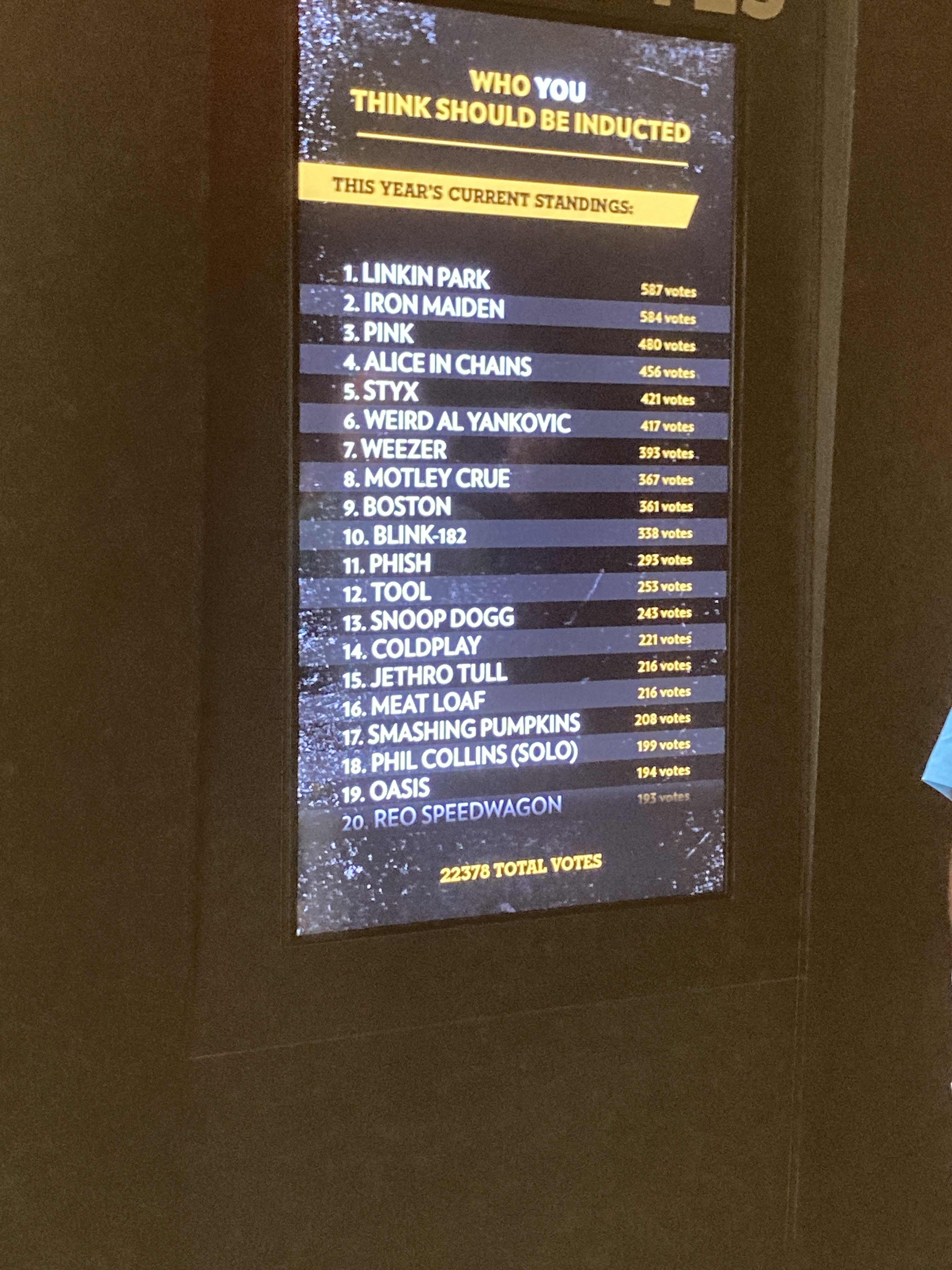
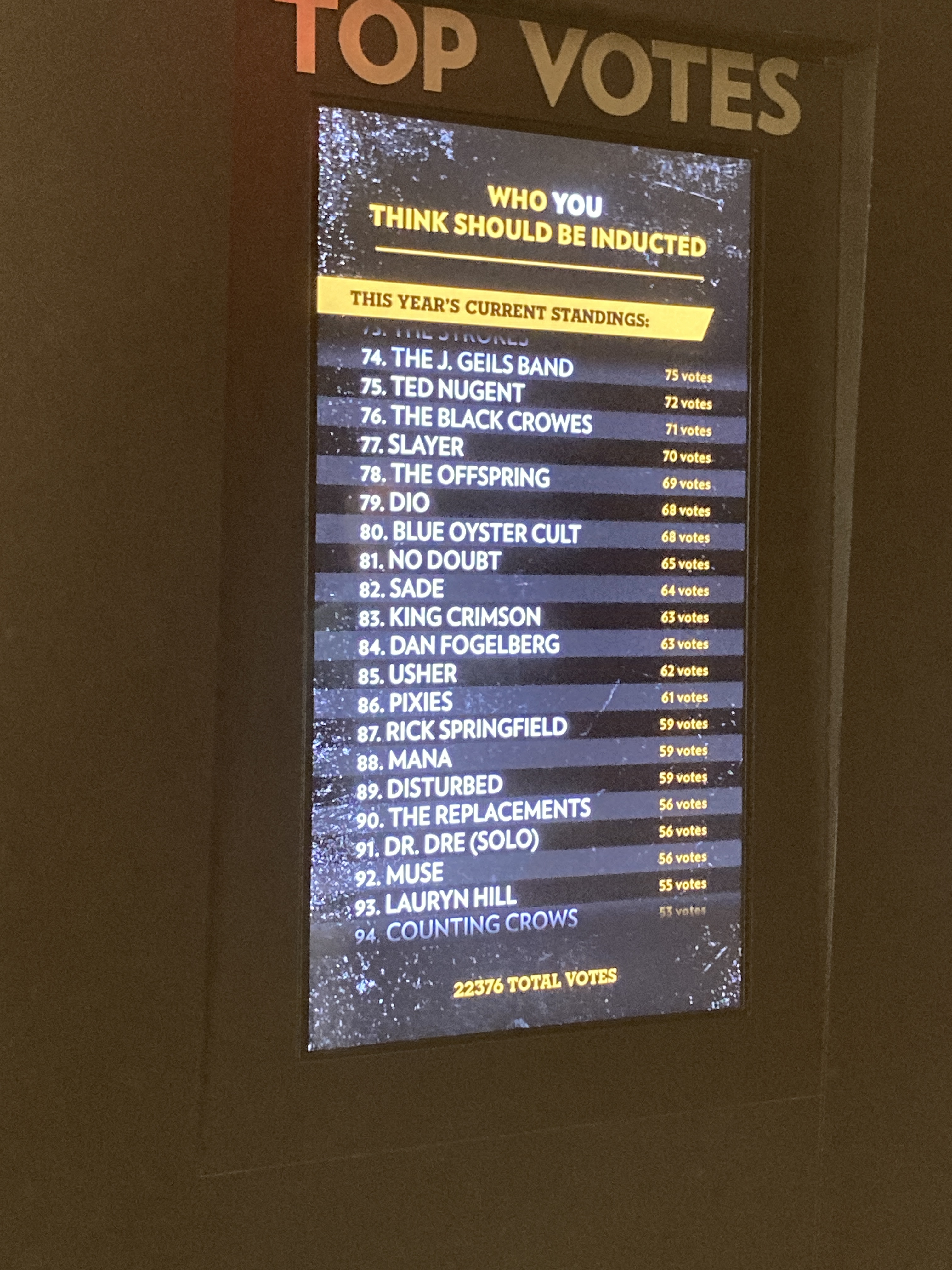
And, doubtless more to harvest email addresses than anything else, you can also vote on who you think should be in the Hall on adjacent video screens. Having done my civic duty by casting a vote for King Crimson, it was heartening to see them at #83 in the Top 100 of this year’s fan poll, though in a lower position than Styx (#5, just in front of Weird Al Yankovic), Tool (#12), Jethro Tull (#15), and Kansas (#35, not pictured). (And sad to say, Emerson Lake & Palmer were nowhere in sight.)

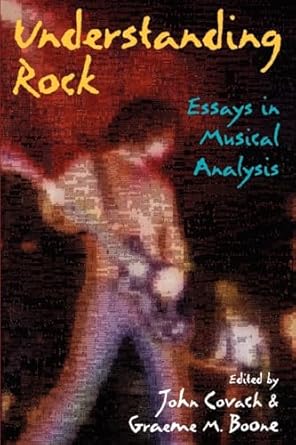
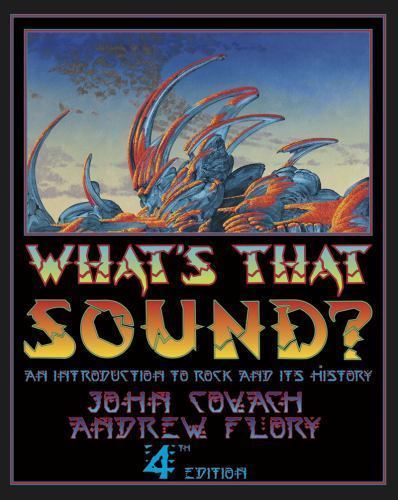
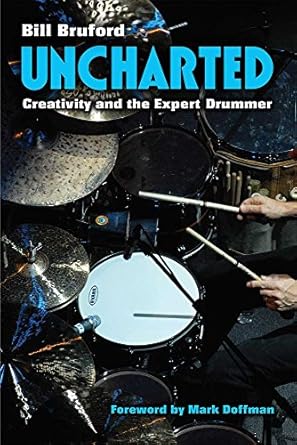
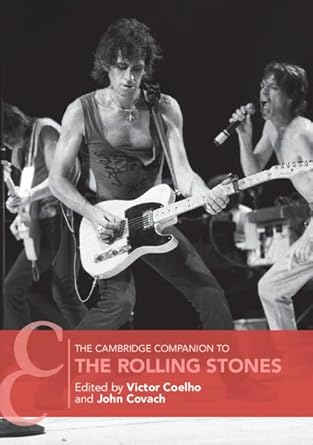
Then it was on to upstate New York, where I spent a delightful hour over coffee with noted music theory scholar and killer guitarist (and acquaintance from my grad school days) John Covach. One of the vanguard academics who pioneered rigorous analytical study of rock in general and prog in particular, John overflowed with good vibes as he waxed eloquent on the delights and challenges of shepherding books like Understanding Rock, What’s That Sound? and The Cambridge Companion to the Rolling Stones through the university press publication process; setting up a lecture tour of U.S. music schools for legendary drummer Bill Bruford (fresh from gaining his own Ph.D at the time); and getting gigs in a Yes tribute band when the post-Anderson version of the group still toured North America every summer! It was a blast to reconnect with John, who in addition to teaching and researching at the Eastman School of Music, is hard at work editing The Cambridge Companion to Progressive Rock (still in pre-publication, hopefully to be officially announced in 2026).

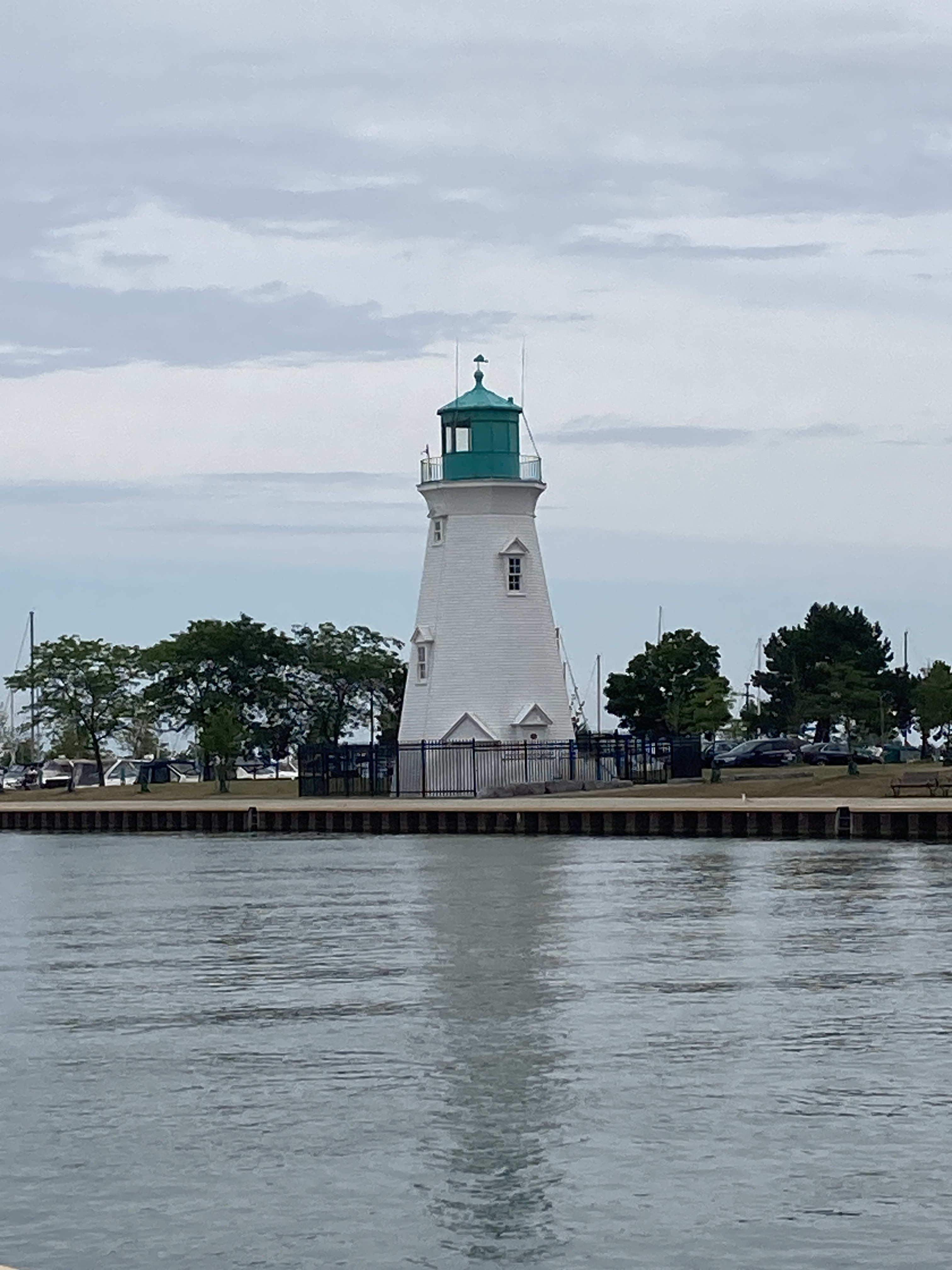
From there, it was a short border hop to an overnight stay in St. Catherine’s, Ontario — in a subdivision:

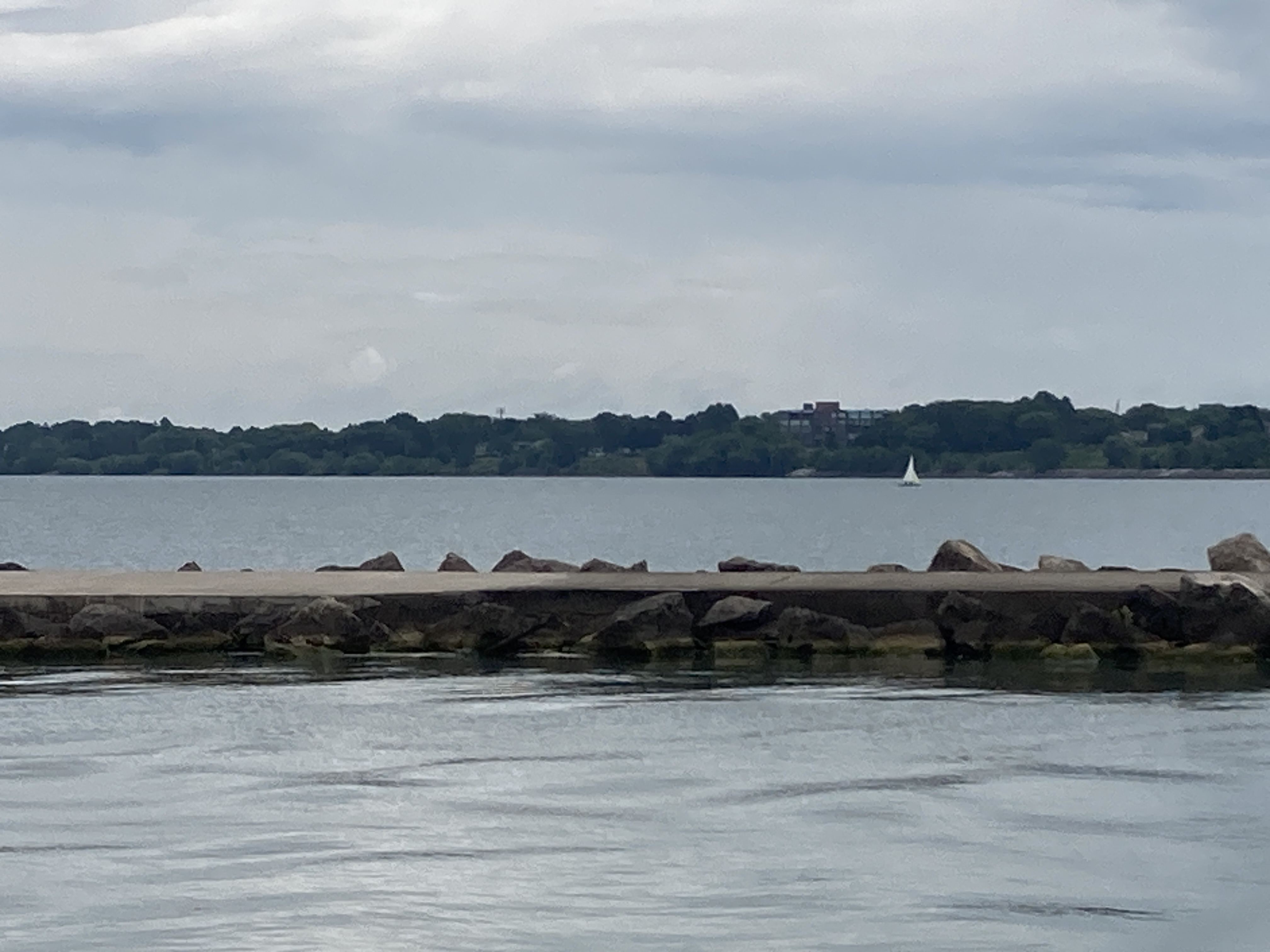
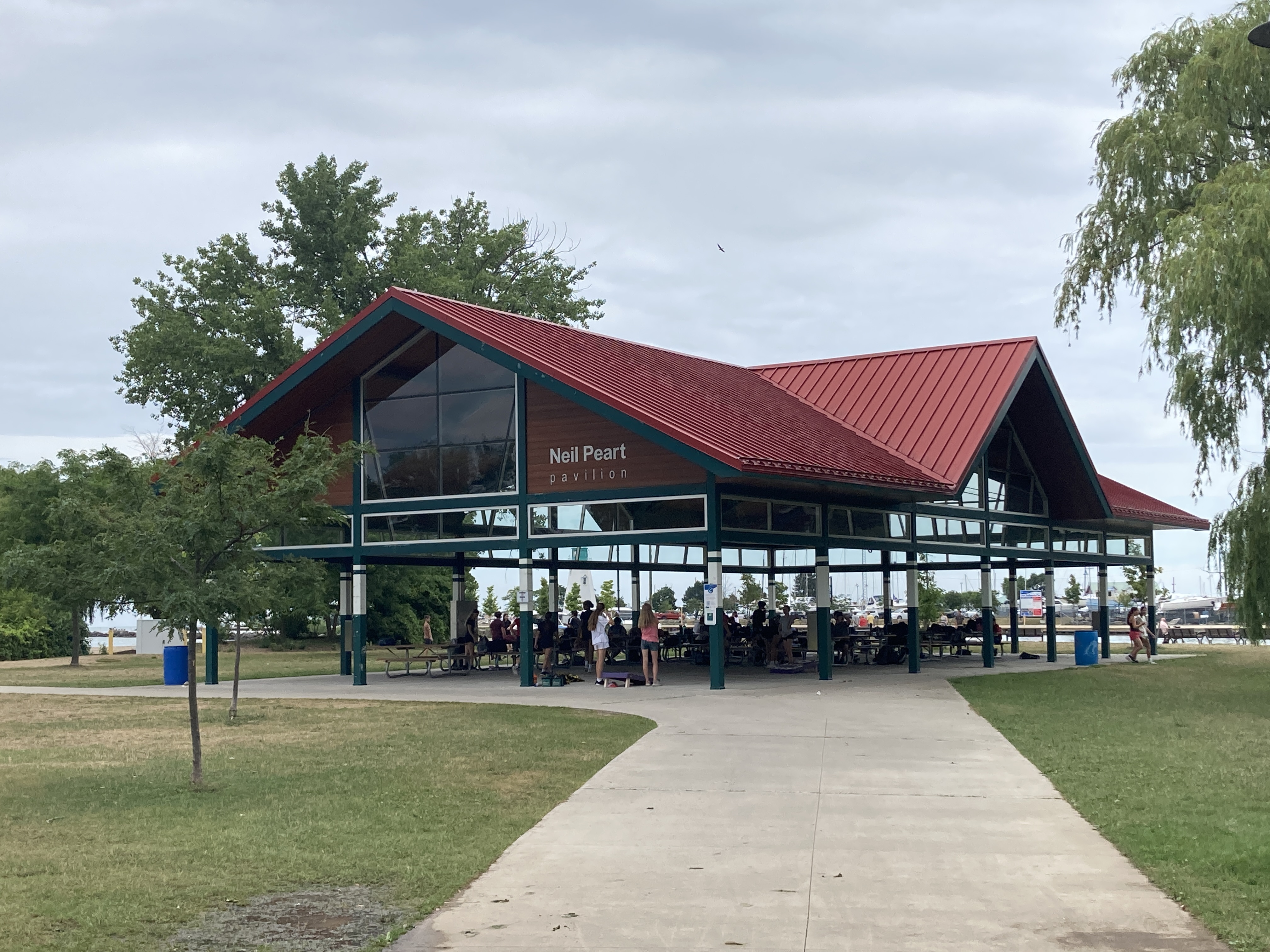
And yes, landing in the hometown of prog-metal’s finest drummer/lyricist was no coincidence; an outing to the town’s Lakeside Park (gorgeous even on an overcast day), complete with a picnic lunch in the shadow of the Neil Peart Pavilion brought the early Rush song of that name to vibrant life. (Fundraising for a memorial sculpture of Peart to be installed in the park has been in progress since last fall; click here for more information.)

If there’s a lesson, I suppose it’s this: a proggy vacation does not just happen; it must be carefully planned. So, fellow Progarchists: what’s your dream itinerary?

— Rick Krueger
P.S. Yes, all of the above is pretty retro; but new prog and more cool music piled up in my inbox while I was gone, so the appropriate Quick Takes are coming . . .

Rick’s Quick Takes: Box Set Report, Q1

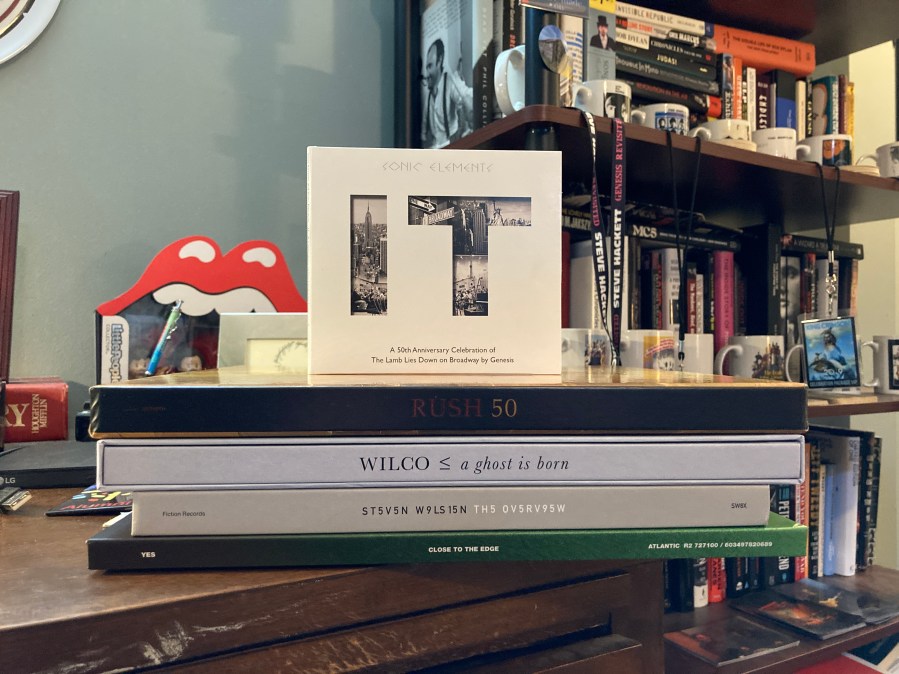
By January 31st of this year, I had already ordered a ridiculous number of multiple-CD box sets since Christmas. With three delayed in the production process, five have already landed on my doorstep (OK, one was small enough to fit in the mailbox). Reviews follow in the order that I tripped over them on the porch coming home from work. As usual, order links are embedded in the Artist/Title listing and streaming options follow whenever available.

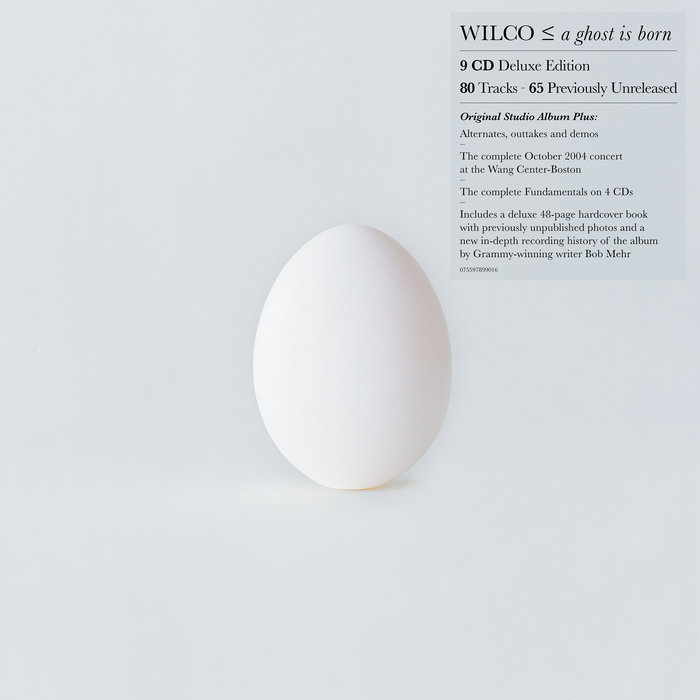
Wilco, A Ghost Is Born Deluxe Edition: springing from entangled hardcore and Americana roots, Jeff Tweedy had steered Wilco through band tumult and record company rejection to plant a left-field cultural marker with 2001’s freak-folk classic Yankee Hotel Foxtrot. The band’s 2004 follow-up A Ghost Is Born went to further extremes, a sputtering tornado of punky guitar thrash, electronic noise, avant-garde improvisational systems and lyrical grapplings with personal vulnerability, mental dysfunction and substance abuse. Heavy? Yep. But never offputting or boring; Glenn Kotche and John Stirratt lay down lateral yet accessible beats that float (“Muzzle of Bees”, “Wishful Thinking”) crackle (the hypnotic “Spiders (Kidsmoke)”) shuffle (“Handshake Drugs”, “Theologians”, “I’m A Wheel”) and stomp (“At Least That’s What You Said”, “The Late Greats”) while Leroy Bach and Mikael Jorgenson add spicy, soulful accents and colors. All the while Tweedy waxes deadpan yet primal, ripping holes in the fabric of his personal time and space, searching out both tender and torturous byways to catharsis and healing. If that kind of quest sounds up your alley, this reissue gives it up in excelsis: the finished album plus 4 discs of jammed “Fundamentals”, 2 discs of outtakes and alternates, and a double-disc live show with then-new members Pat Sansone and Nels Cline fleshing out Tweedy’s unique, unlikely Hero’s Journey. Great, extensive liner notes by Replacements biographer Bob Mehr as well. Already on my Favorites list for the year.

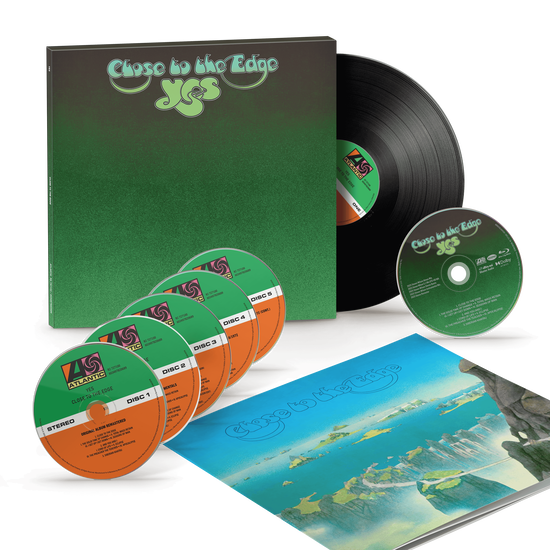
Yes, Close to the Edge Super Deluxe Edition: Well, I did ask for this — and Rhino delivered! The third in the series of SD Yes reissues, this captures what might be the quintessential prog band’s quintessential album in pristine, high-impact sound (both the original mix remastered and Steven Wilson’s latest remixes). It all comes down to the three original tunes from 1972 — the side-long title track, the majestic “And You and I” and the remarkably funky “Siberian Khatru” — with Jon Anderson’s wailing word games, Steve Howe’s lacerating guitar licks, Rick Wakeman’s extravagantly classical keys, and the simmering, bubbling rhythm work of Chris Squire and Bill Bruford all battling for space yet somehow fusing into a triumphant whole. Bonuses include plenty of rarities and alternates (including both versions of Yes’ classic take on Paul Simon’s “America”) and a complete live show from the tour that followed, with Alan White’s beefy thwack on drums replacing Bruford’s loose, limber dance. Well worth hearing and picking up, even if you have previous reissues; another instant Favorite.

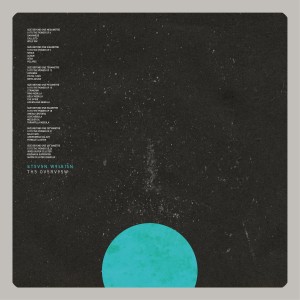
Steven Wilson, The Overview: If Wilson has never realized his dream of broad pop stardom, he’s entranced the mainstream rock press this time around — both usual (Prog Magazine) and unusual (MOJO named it album of the month) suspects have hailed The Overview as a return to prog that doubles as a conceptual tour de force. For once, though, I’m underwhelmed; while intermittently galvanizing, the two-track album stubbornly refuses to coalesce in my ears. Is Wilson’s musical material stretched too thin? (Side One’s 23-minute suite “Objects Outlive Us” is ultimately a set of variations on one six-chord sequence.) Are his influences, for once, undigested? (The Dark Side of the Moon, Tangerine Dream and “Space Oddity” are practically italicized and bracketed on Side Two’s title suite.) Or is it more likely that I’m bouncing off Wilson’s main conceit (admittedly snarky paraphrase: “the universe is big, cold, and dead, so loosen up in your petty day-to-day lives and find your own existential purpose in the face of meaninglessness”)? As stunning as its high points can be, for me The Overview feels like Wilson’s chilliest, least empathetic effort since his 2008 solo debut Insurgentes. Still, I wouldn’t be surprised if hearing SW live this fall, backed by the players responsible for the instrumental highlights here (Randy McStine and Adam Holzman absolutely bring the goods) shifts my perspective. After all, I wound up advocating for The Future Bites . . . Bonuses of the sold-out deluxe edition include an orchestrated version of Side One and the complete take of album closer “Permanence”, with saxophonist Theo Travis lighting up Wilson’s ambient aural nebulas.

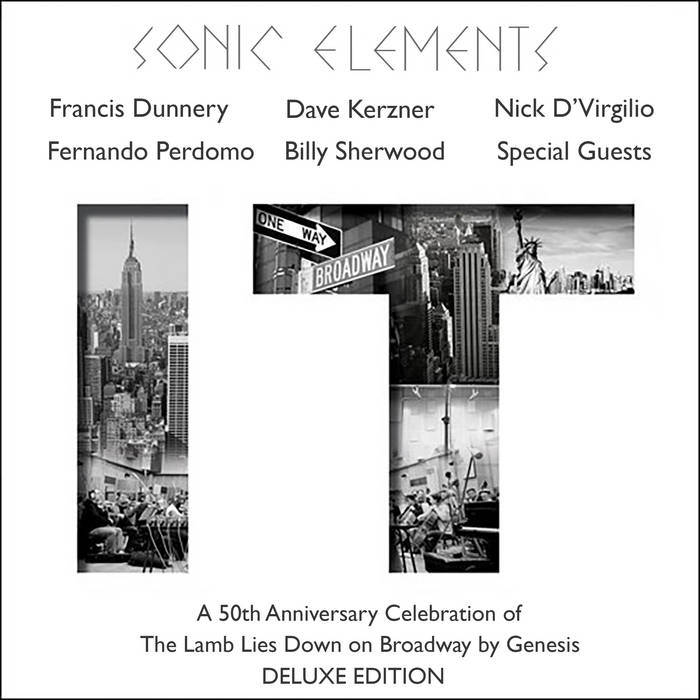
Sonic Elements, IT – A 50th Anniversary Celebration of The Lamb Lies Down on Broadway by Genesis: Genesis’ first entry into the superdeluxe marketplace, a 50th-anniversary remaster of their 1974 rock opera, wound up being delayed until June. In meantime, we have to content ourselves with this remake, masterminded by keyboardist/conceptualist extraordinaire Dave Kerzner. But never fear; there’s contentment — indeed, satisfaction — aplenty to be found! An all-star team of contemporary American giants (Kerzner, Fernando Perdomo on guitar, Billy Sherwood on bass) have the time of their lives rewiring The Lamb as a lushly upholstered, dynamic film score, complete with Nick D’Virgilio’s drums and orchestrations repurposed from a similar 2009 project. But the secret sauce here is vocalist Francis Dunnery (whose credits range from original lead singer for Brit neo-proggers It Bites to guitarist for Robert Plant); his magnificent, dramatic singing echoes Peter Gabriel’s originals while avoiding the safety of imitation. Dunnery absolutely inhabits Genesis’ Puerto Rican punk pilgrim Rael on his journey from the streets of New York through realms of embodied myth to absorption into Jung’s collective unconscious (I think). It’s all done with love, gusto and plenty of polish, and it’s absolutely thrilling. Available as a basic double-disc set, a Deluxe triple set with alternate versions of multiple tracks, or a hi-res download with even more alternate takes. Well worth every penny, whichever version you opt for, and in the running for the Favorites list.

Rush 50, Deluxe Edition: So how do you put together yet another Rush anniversary compilation — especially the first since the passing of Neil Peart? Rush 50 turns out to be a pretty ingenious solution to the problem — not just one of marketing, but of producing genuine value. Yes, it’s organized around the career arc of everyone’s favorite Canadian hard-prog power trio as usual; yes, there’s at least one song from every album, with career high points from Fly By Night to Clockwork Angels given extra representation. But more than half the 50 tracks are live versions — spanning the decades from an early TV appearance recorded at an Ontario secondary school to the encore from the final gig of the R40 tour, taken from the canonical All the World’s A Stage, the bonus concerts on recent 40th-anniversary reissues, later live video/audio packages, and the vaults. If some of the fledgling band’s material seems woefully unfashionable now — the Beatles’ “Bad Boy” spun into a psychedelic workout a la Cream, for example — we still get the privilege of eavesdropping as Alex Lifeson, Geddy Lee and Peart grow in muscularity, depth and confidence, building an audience with their audacity and prowess, while time stands still before our ears. The mouthwatering physical package, with sympathetic, well-reported overviews of the band’s first and final decades plus mouthwatering new art by the stalwart Hugh Syme, is the icing on the cake here. Even if most of this material is familiar to longtime fans, having it all in one box turns out to be a genuine pleasure.

— Rick Krueger
Rick’s Quick Takes: Gotta Lotta Live If You Want It

With apologies to The Rolling Stones and Neil Young (and of course, Nicolette Larson) . . .

A good chunk of early 2025’s prog action has been concentrated “in the arena”: new releases and reissues of concert recordings, whether of decades-old vintage or just yesteryear, unplugged or fully electrified. Purchase and streaming links are provided below where available. (One relatively new challenge: physical media is selling out faster than ever these days; some of what’s below ran out of stock even before the official release! Bookmark the appropriate page and hope for restocks, I guess?)

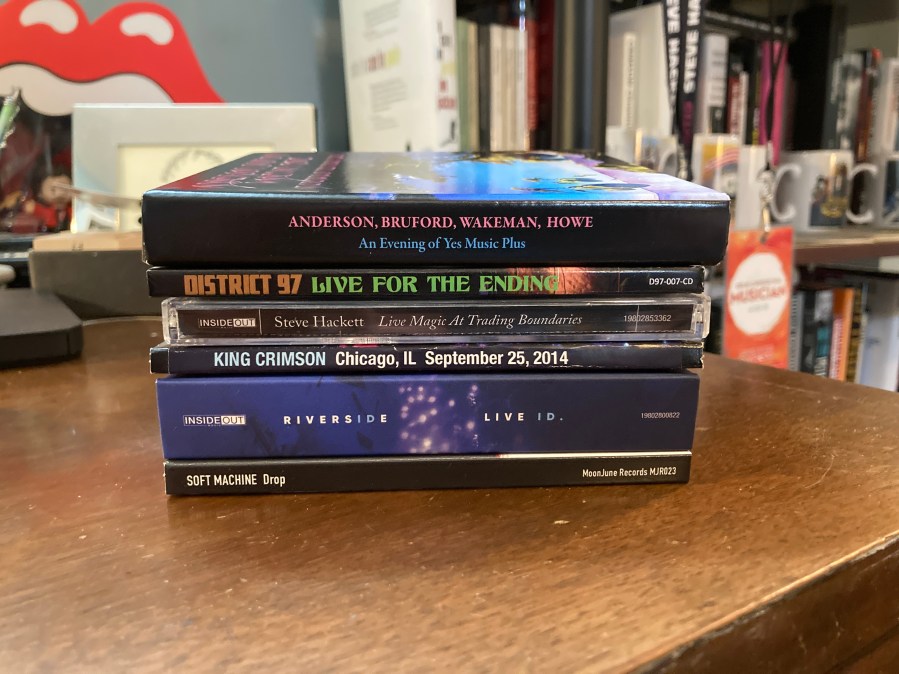
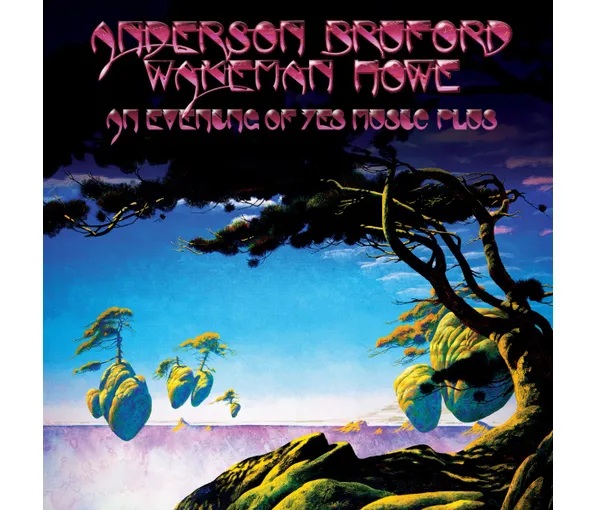
Anderson Bruford Wakeman Howe, An Evening of Yes Music Plus: One of the odder detours in Yes history, as Jon Anderson left the more commercial mothership of the 1980s and gathered 3/5th of the band’s breakthrough line-up for an album/tour cycle that proved equal parts throwback and reboot. As on ABWH’s 1989 studio album, the freshest moments of this 2 CD/2 DVD concert set occur when Howe’s plangent guitar and Wakeman’s graceful piano vault over Bruford’s syndrum clatter on new tracks “Birthright”, “Brother of Mine” and “Order of the Universe”. (Meanwhile, Anderson’s melodic volleys of New Age word salad remain consistent. Never change, Jon!) Potent, precise takes on classics like “Close to the Edge” and “Heart of the Sunrise”, along with plenty of solo space, make for an enjoyable show that proved there was life in these middle-aged dogs yet — even if Trevor Rabin and Chris Squire wouldn’t share the original group’s name. Thanks to Action Records of Preston, UK for their prompt service when preorders sold out!

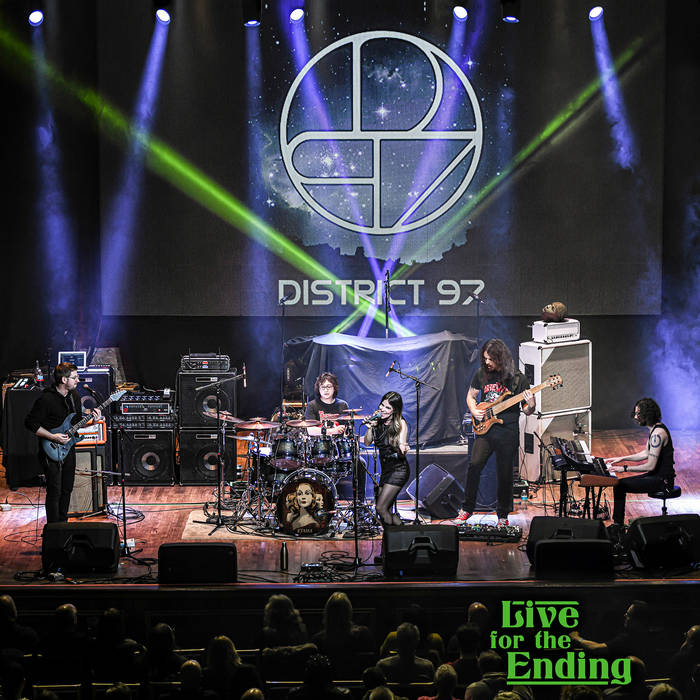
District 97, Live for the Ending: Chicago’s finest proggers play the entirety of their latest album live, at home and overseas. D97’s reading of the complete Stay for the Ending is a straight-up recital with few variations from the recording; what impresses here is the consistent commitment and energy on display. It’s evident how fiendishly difficult this stuff is, how the now-long-time lineup of Andrew Lawrence, Jim Tashjian, Tim Seisser and Jonathan Schang sink their teeth into the harmonic and melodic extremes of each track — and how consistently Leslie Hunt rises to the occasion, riding every chunky guitar/bass lick, synth blast and time-warping drum fill with her expressive, acrobatic singing. Given the constant hairpin turns and switchbacks of this music, the occasional rough edges slot right in; this is a band playing right up to the limits of their considerable skills, then going above and beyond! Longtime fans like me won’t be disappointed, and newbies will get a solid sense of how gutsy and thrilling District 97 are in concert.

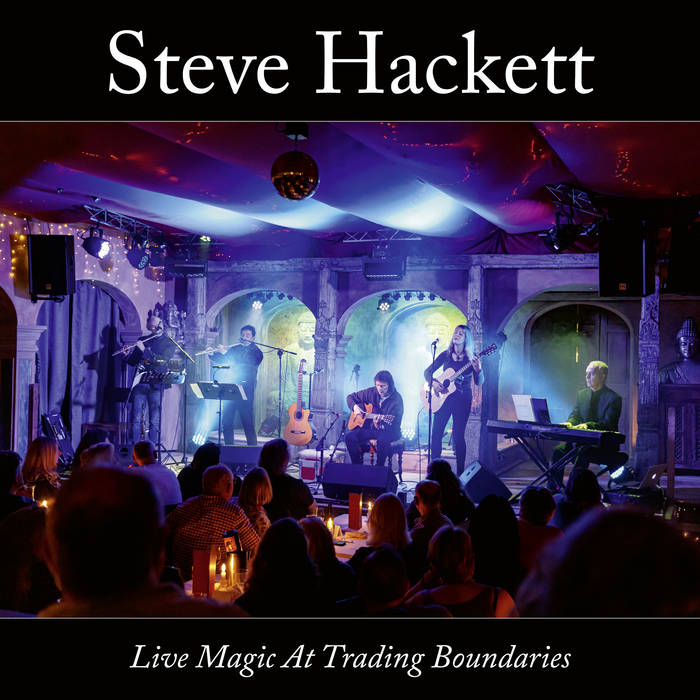
Steve Hackett, Live Magic at Trading Boundaries: The ninth live album of Hackett’s Genesis Revisited era, this unplugged set compiled from multiple year-end performances at an art gallery/performance space/boutique hotel in the British countryside, is genuine surprise and a refreshing change of pace. With Hackett focusing on nylon-string acoustic guitar, there’s plenty of old-school Genesis (the medley of an excerpt from “Supper’s Ready” and “After the Ordeal” is a masterstroke), an eclectic range of solo material (with Hackett’s brother John and Rob Townsend on woodwinds), lovely original songs from sidekick Amanda Lehmann (with Steve on harmonica!) — even a blast of digital keys from Roger King, waking everyone up with a bit of Francis Poulenc’s organ concerto! Delicate, luscious and immediately appealing , Live Magic also proves a worthwhile appetizer for recently reissued “special editions” of Hackett’s acoustic back catalog (1983’s Bay of Kings, 1988’s Momentum, 2005’s Metamorpheus and 2008’s Tribute) — which seem to be selling out even as I type . . .

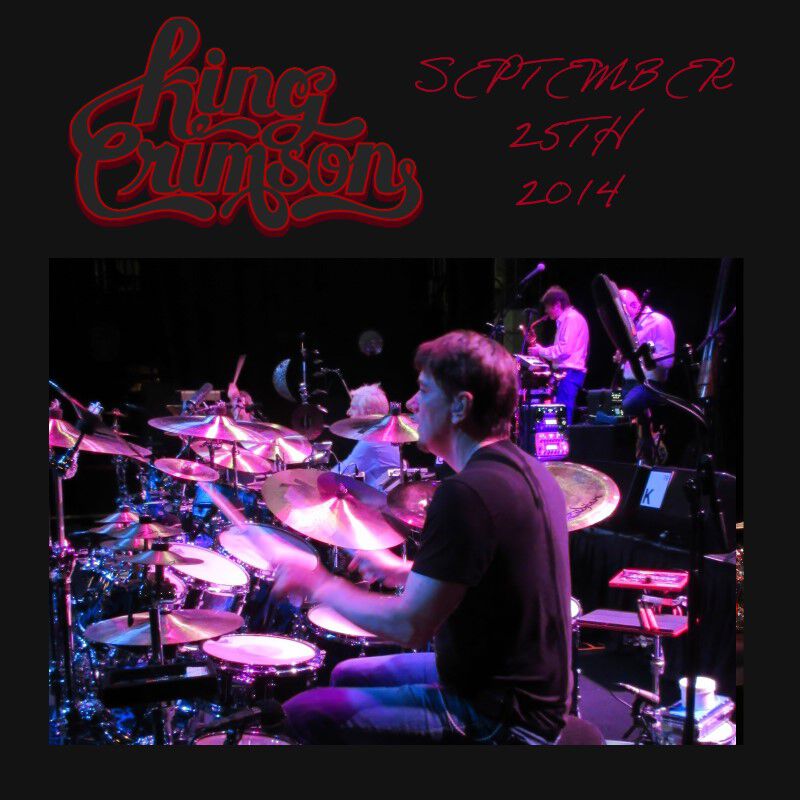
King Crimson at nugs.net: Partnering with the premiere online concert specialists (whose clientele range from superstars Bruce Springsteen and Jack White to up-and-coming jammers Billy Strings and Goose), Robert Fripp’s Discipline Global Mobile has already made 44 Crimson shows (26 from 1996’s Double Trio outings, 18 from the 2014 Elements of KC tour) available for streaming with paid subscription, or for purchase as downloads or CDs. I picked up the CD of the night I attended the 2014 tour in Chicago (September 25th at the Vic Theater); after six years away from the concert stage, this edition of The Mighty Crim blew away the audience with its triple-drummer frontline, Mel Collins’ visceral attack on multiple saxes, Jakko Jakszyk’s mellifluous vocals, and a wide-ranging setlist stretching from 1969 psychedelia to the wide-open soundscapes of 2011’s A Scarcity of Miracles. With more tour bundles from across the decades promised for the future, nugs.net now seems the go-to source for archival Crimson concertizing. Bring on the 2019 and 2021 tours, please!

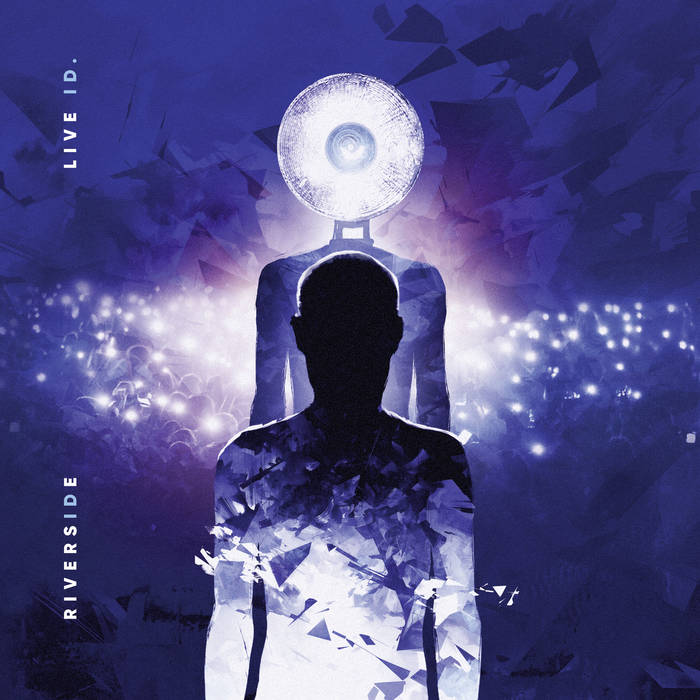
Riverside, Live.ID: The Polish quartet comes out smoking hot for the final gig of their 2023 ID.Entity tour on this 2 CD/BluRay set. Michal Lapaj’s ebullient keyboards grab hold with sizzling synth and organ hooks; Maciej Miller’s gruff power chords and earthy leads anchor the driving hard-rock sound; Piotr Dozieradzki’s pounding drums push the music forward. And at center stage, Mariusz Duda holds down one busy bass groove after another, all the while launching compelling, dystopian narratives of isolation in an overconnected age. With a setlist split evenly between their last album and their back catalog, these guys prove looser, yet more ferocious than on their fine studio albums, never letting up on the intensity. And the audience respond in kind, matching Duda’s request for them to be “the fifth member of Riverside” with enthusiasm to spare. More than a concert, this feels like an event — a great intro for neophytes, a rewarding summary of Riverside’s career to date for longtime fans. (Note that the CD/BluRay version is already hard to find!)

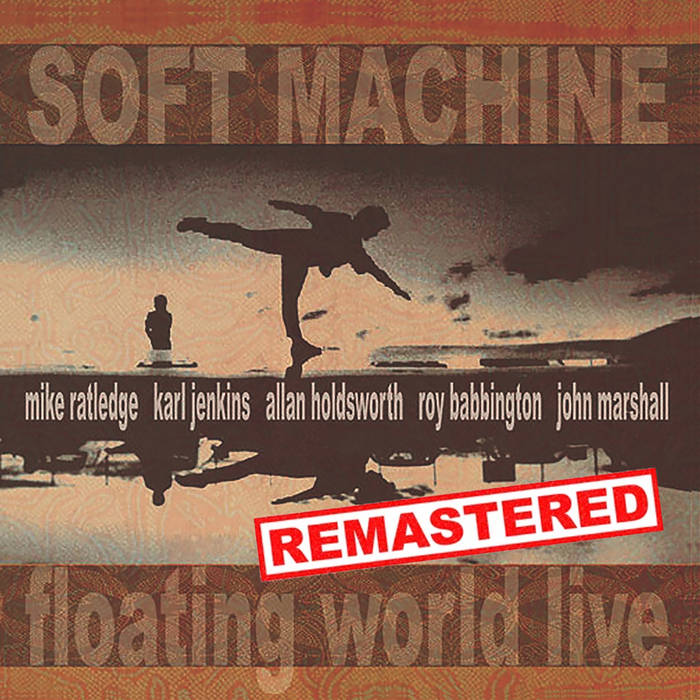
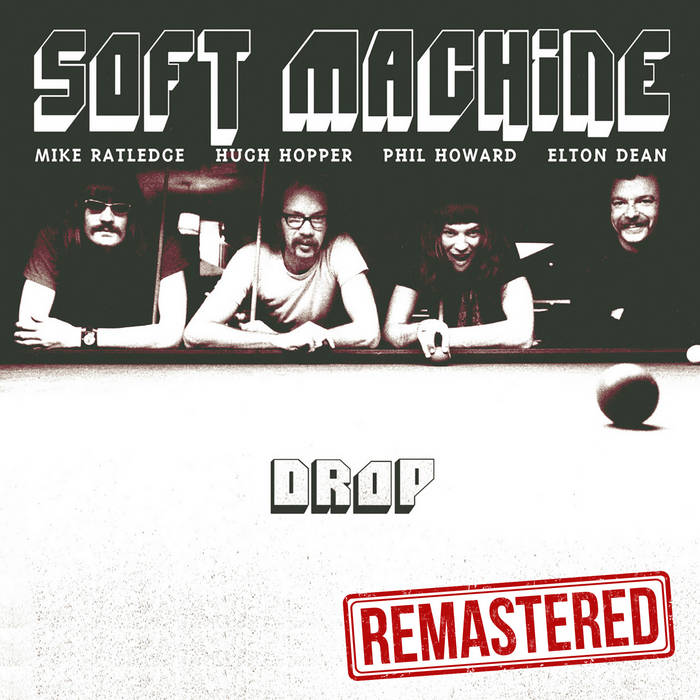
Soft Machine, Drop & Floating World: Only four years separate these two sets from the pioneering British jazz-rockers, freshly remastered by guitarist Mark Wingfield — but what a difference those years make! Recorded live on a 1971 German tour, Drop unveiled a quartet speeding headlong for the outer limits of music itself; riding cascading waves of Phil Howard’s manic, loose-limbed drumming, saxophonist Elton Dean screams and howls into the ether, while bassist Hugh Hopper and keyboardist Mike Ratledge hang on for dear life. It’s a breathtaking whirlwind of sound, shaped more by free rhythm than discernible melody — exhilarating, but not for the squeamish.

By 1975, Dean, Hopper and Howard were out; in their place, Karl Jenkins (later to earn a knighthood for his classical crossover project Adiemus), Roy Babbington and John Marshall were laying down a more fusion-oriented, arguably more sedate vibe. Enter fledgling guitar hero Allan Holdsworth to fire things up on another German tour; his lightning-quick runs and ear-catching chord work energize Floating World Live, inspiring his bandmates to fresh heights of invention and interplay on pieces from the first-rate studio effort Bundles. Awash with echoes of Mahavishnu Orchestra and Return to Forever filtered through a genial, sardonic English sensibility, this is required listening for fans of the genre and Holdsworth heads. (A manufacturing error has held up the release of the Floating World Live CD, but MoonJune Records mainman Leonardo Pavkovic is on the case!)

— Rick Krueger

In Concert: With Steve Hackett, It’s All Highlights

Steve Hackett: Genesis Revisited – Foxtrot at Fifty + Hackett Highlights, The State Theatre, Kalamazoo Michigan, March 23, 2024.

Yet again, another Progarchist beat me to reviewing Steve Hackett’s current tour — this time by three months! I can’t complain, though; Connor’s November review and last fall’s CD/BluRay release convinced me to catch Hackett in concert for the fifth time since he resumed stateside touring in 2013. And I’d say this most recent gig — played to over 1500 fans that packed a historic downtown theatre in Gibson Guitars’ original hometown — was the best of the five.

As I mentioned the last time Hackett played West Michigan, his current band is both precision tooled and breathtakingly daring. Craig Blundell’s fleet, thundering drums propel the music forward at a thrilling pace (no click tracks here!); bassist Jonas Reingold anchors the low end with nimble melodic licks and a terrific sense of interplay; self-effacing keyboardist Roger King genuinely deserves the “one-man orchestra” label. The opening blast from Hackett’s brand-new album The Circus and the Nightwhale — dramatic overture “People of the Smoke”, giddy tarantella “Circo Inferno”, classically-tinged ballad “These Passing Clouds” — showed their remarkable range, while Rob Townsend’s woodwinds and Hackett’s lead guitar took off from that solid musical foundation with tasty, direct themes and hyperspeed unison lines.

While the initial set of “Hackett Highlights” contained plenty of reliable crowd-pleasers, my favorite was the deep cut “Camino Royale”. A funky Reingold solo spot merged into a duet with Blundell, suddenly crashing into the bold opening riff; then an extended midsection gave Townsend space to develop his most compelling solo of the night, followed by Hackett’s wildest playing — squeezing out metallic sparks one moment, launching keening, heart-piercing sustains the next.

Still, let’s face it: Hackett wouldn’t have his current touring career if he hadn’t been fervently waving the “Genesis Revisited” banner for the last eleven years. And it was the classic 1972 Genesis album Foxtrot that this audience had come to hear.
Continue reading “In Concert: With Steve Hackett, It’s All Highlights”

Steve Hackett Live at the Pabst Theater (11/03): A Brief Review

What else need be said about Steve Hackett on the pages of Progarchy? The man’s well deserved reputation as a stellar and innovative guitarist precedes him, and I do not believe I can add much to the praises already heaped upon him. But I did finally have the good fortune to see him perform last night in downtown Milwaukee’s historic Pabst Theater,* so I thought I would give a brief recap and share a few thoughts:

The first half of the show featured several classic pieces from Hackett’s solo work, including “Ace of Wands,” “A Tower Struck Down,” “Camino Royale,” and (my personal favorite) the concluding instrumental section of the epic “Shadow of the Hierophant.” The veteran guitarist’s deft hands needed no warming up: he was electric from the first note. His supporting cast (the usual – Sylvan, King, Townsend, Reingold, and Blundell) was also superb, and I especially enjoyed Jonas Reingold’s funky bass solo in the middle of “Camino Royale.”

Set Two was dedicated to Foxtrot. As soon as Roger King opened with the haunting Mellotron notes of “Watcher of the Skies,” the audience knew it was in for a brilliant second half. Nad Sylvan’s caped figure and glowing red eyes, hearkening back to the theatrical performances of Peter Gabriel, next appeared on a heightened platform in between the drums and keyboards. But Sylvan is far more than a quirky accessory: his vocals were on point the whole night. The following tracks, although arguably lesser known, were nonetheless played with as much gusto as all the others. And then came the beautiful “Horizons,” the classically-inspired piece I consider “the calm before the storm.”

As soon as “Horizons” concluded, an excitable chap shouted, “I wonder what you’re going to play next!” And as we all laughed, he was answered with the opening words of “Supper’s Ready,” the twenty-three minute long epic concerning good and evil. The band, fittingly, delivered what was an epic performance. I am grateful to have been in attendance.

Hackett is clearly still going strong at 73. His website features an extensive list of tour dates for 2024, so keep your eyes peeled and ears open for an opportunity to see him work his magic on stage. Here’s to many more years of Steve Hackett!

*A brief and embarrassing disclaimer: I left at the end of “Supper’s Ready” and so failed to hear both “Firth of Fifth” and “Los Endos.” I am currently sick with a cold and I also hate crowds, but I am still kicking myself for leaving when I did. Mea culpa. Please forgive this hasty Progarchist!

The Best Prog Bands You’ve Never Heard Of (Part Thirty-Six): Fireballet

Progressive rock + Mussorgsky = symphonic prog epic. That equation has appeared to work out well at least twice in prog rock history. Like Emerson, Lake, and Palmer before them, Fireballet, an American band inspired by their talented cousins across the pond, gifted to the music world a progressive spin on one of the Russian master’s classic compositions. But there’s more here than Mussorgsky! So, without further ado, here’s my brief take on each of the songs:

“Les Cathedrales”, a ten-minute piece reminiscent of a medieval fairy tale (thanks in part to some spoken word lyrics), opens with a beautiful symphonic flourish of keys and synth (courtesy of Brian Hough and Frank Petto). There is a clear Genesis/Happy the Man vibe throughout the song, but also a fun twist: Ian McDonald (who also produced the album), makes a brief guest appearance on saxophone.

The next two pieces – “Centurion” and “The Fireballet” – feature more superb work by the two keyboardists and from guitarist Ryche Chlanda. Despite their shorter lengths, both songs manage to fit complex melodies and fun counterpoint into (relatively) smaller packages.

“Atmospheres” is the shortest and gentlest piece on the album, reminiscent of the soft opening to Genesis’s “The Musical Box.” It is a welcome break from some of the more frenetic moments of the previous three songs.

The title track nearly lives up to its grand namesake. Opening with the same melody as Mussorgsky’s masterpiece, the band then add some interesting percussive and synth touches for a more progressive spin on the original. Furthermore, this version of the classic piece includes vocals, and lead singer Jim Cuomo is at his best here, ranging from a soft Jon Anderson to a screaming David Byron or even Ian Gillan. Each musician shines on this one, however, and overall it is a solid tribute to one of “The Five.”

One would like to believe an album produced by Ian McDonald with an epic title track would certainly be destined for success. But, alas, it was not to be. Fireballet may not be as renowned as Modest Mussorgsky, but Night on Bald Mountain would certainly be a worthy addition to any prog lover’s collection.

Rick’s Quick Takes from March

“Delays, delays!”

Marvin the Martian, “Hare-Way to the Stars”

(A quick note: for new releases, order links are embedded in album titles; online playlists/previews/etc. follow reviews when available. For catalog albums, playlists are linked with titles.)

Once again, I get to second a positive review from Bryan — this time of Fauna, the new release from prog-metallers Haken. Wildly creative, I found this to be the British sextet’s most appealing effort since 2016’s Affinity, stirring in flavors of fusion, postmodern pop, funk, reggae, electronica and even opera alongside one heavy yet tuneful chorus after another. Whether on the short, sharp shocks of “Taurus” and “Lovebite” or the extended journeys of “Sempiternal Beings” and “Elephants Never Forget”, Ross Jennings’ vocals soar, Charlie Griffiths and Richard Henshall’s guitars crunch, Peter Jones’ keys fill what few sonic crevices remain, and rhythm section Conner Green and Raymond Hearne thunder. Play it loud — but look out for multiple, exciting curveballs on every track!

Last month also saw the release of two live albums from veteran bands who’ve made it through the pandemic back to the stage:

Van der Graaf Generator’s The Bath Forum Concert (a CD/DVD/BluRay set) documents the venerable trio’s 2022 return to action; tackling an ambitious setlist that spans their entire career, guitarist/pianist/singer Peter Hammill is as declamatory and vehement as ever, organist Hugh Banton covers the aural spectrum between cathedral and crypt, and drummer Guy Evans locks into or disrupts the grinding soundscapes as the spirit moves him. The beautifully filmed video shows VDGG working hard and watching each other, opting for the flow as they feel it rather than relying on clinical precision; warts and all, this is refreshingly in the moment, a strong show that captures the band’s existential angst and humanistic idealism in full.

Two years after their 2020 Far Eastern tour collapsed around them, King Crimson satellite band Stick Men returned to Japan and blew away any cobwebs that might have accumulated at Osaka’s BB Live venue. The resulting album Umeda showcases avant guitarist Markus Reuter, multi-bassist Tony Levin and percussionist Pat Mastelotto at their aggressive, angular best; whether on long-standing improvisational frameworks “Cusp”, “Schattenhaft” and “Swimming in Tea”, newer compositions “Ringtone”, “Tentacles” and “Danger in the Workplace” or Crimson classics “Red”, “Larks’ Tongues in Aspic Pt. II” or “The Sheltering Sky”, these guys are frighteningly good, whether working up a hair-raising din or backing off for spacey, unexpectedly lush interludes. A great introduction for newbies and a must for fans.

Plus, in February and March the recorded music industry resumed cranking out deluxe box set reissues and compilations — apparently the market of Boomers (like me) with more money than sense isn’t tapped out yet:

Continue reading “Rick’s Quick Takes from March”

Rick’s Quick Takes for September

Another month of thoroughly enjoyable releases across the progressive spectrum from quiet to loud, from controlled to anarchic — often all in the same album! As always, order links are included in the artist/album title listing, and streaming audio or samples follow the review.

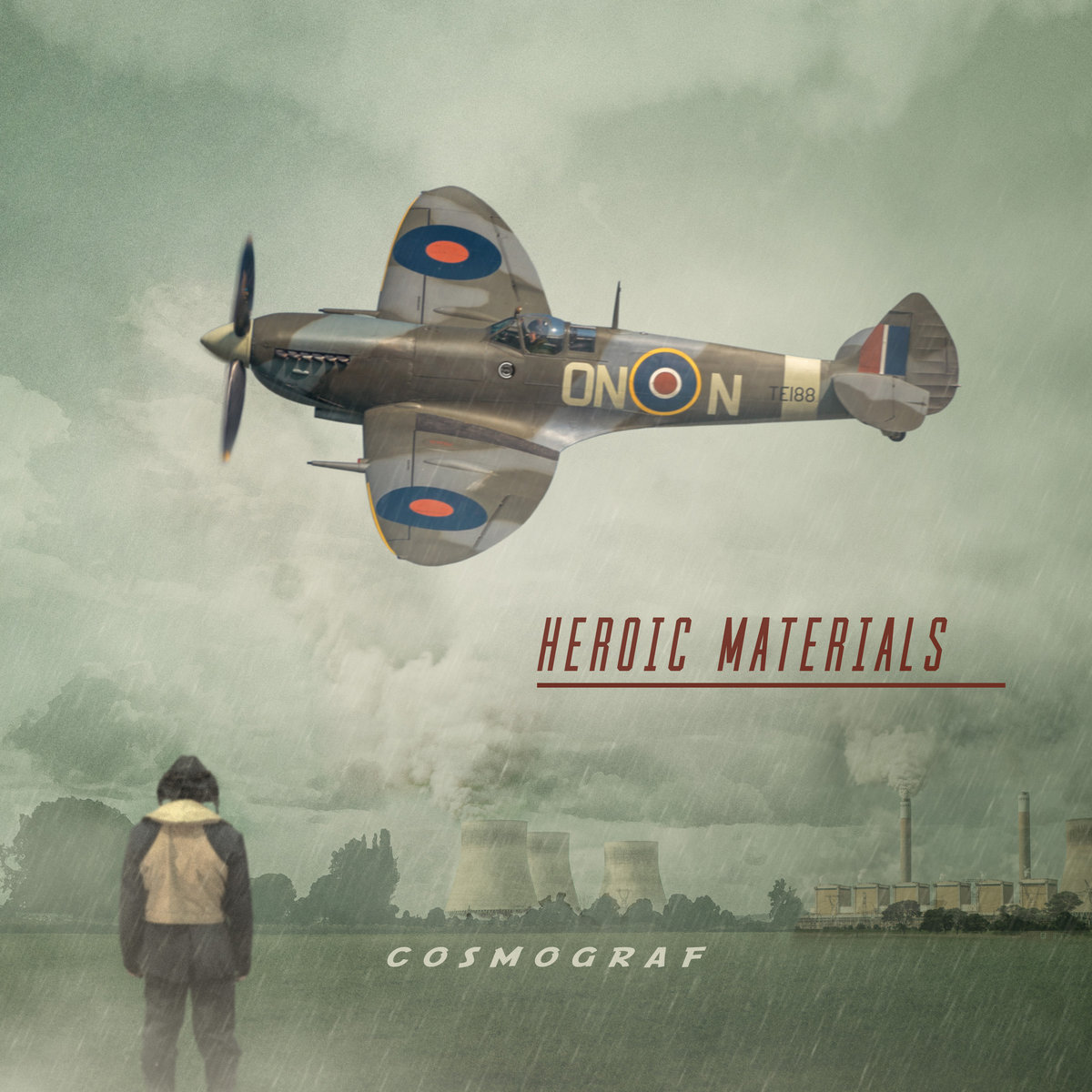
Cosmograf, Heroic Materials: Robin Armstrong’s latest concept album speaks softly and hits home hard. As a World War II fighter pilot recalls the challenge he rose to as a young man and laments the passing of his golden era, he also sounds the alarm about the challenges the generations who’ve followed have inherited. Throughout, Armstrong’s lyrics are simply stated yet deeply affecting, sung with real gravity and soul. And as the music patiently unreels, it becomes impossible to pick out a standout track; each brooding acoustic interlude, each stinging electric solo, each cinematic ebb and flow leaves its indelible mark. Elegiac in its evocation of past glories, urgent in its call to action today, breathtaking in its poised blend of fragility and strength, Heroic Materials is a riveting listen and a thing of beauty, already on my list of favorites for this year.

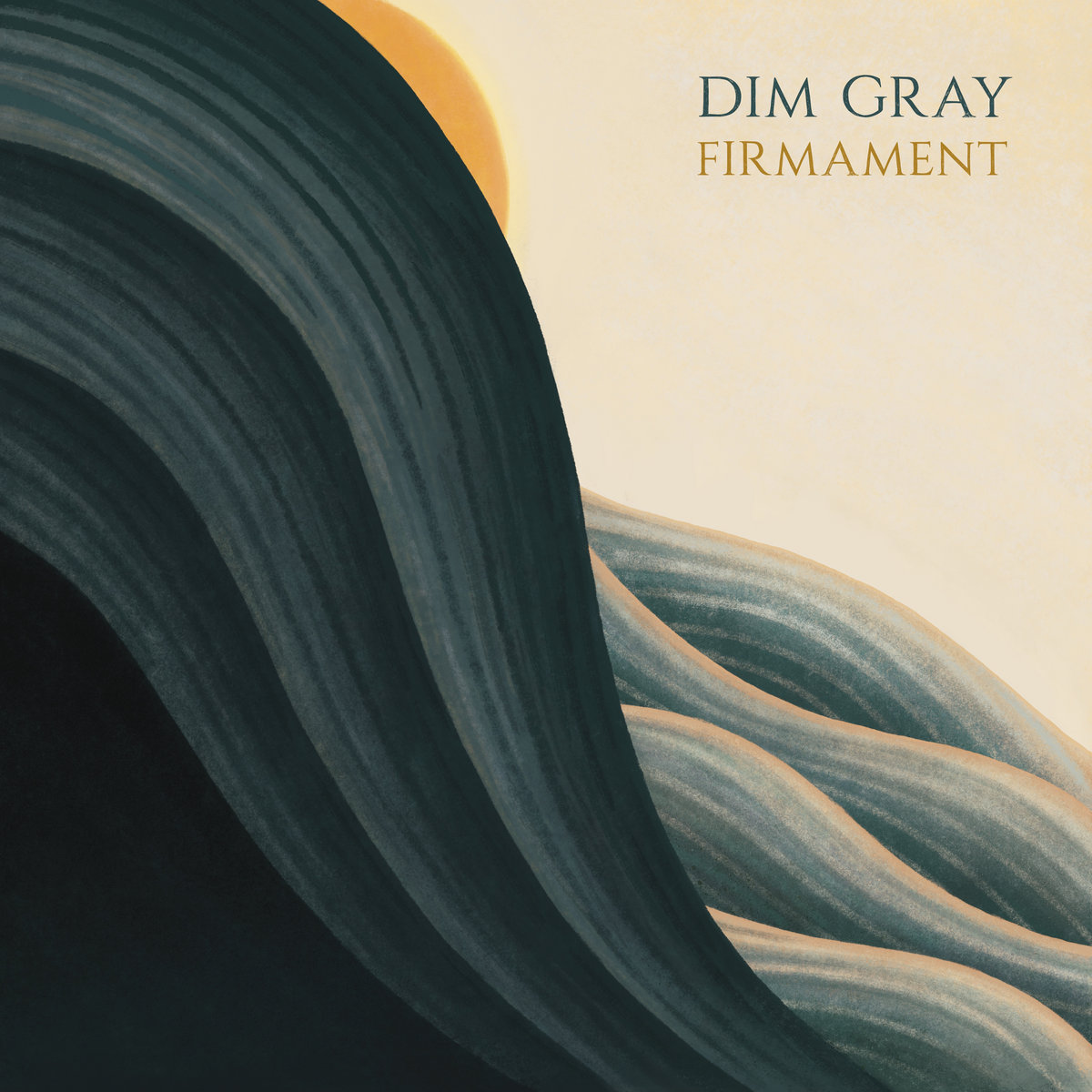
Dim Gray, Firmament: a Norwegian band that’s getting a broader push courtesy of Kingmaker Management, with an opening slot on Big Big Train’s recent tour (to say nothing of Oskar Holldorf’s filling BBT’s keyboards/backing vocals slot live) and their second effort released through the English Electric label. Kingmaker knows how to pick ’em; Holldorff, guitarist Hakon Høiberg and drummer Tom Ian Klungland whip up a mighty noise on Firmament’s 12 succinct tracks, with Holldorff and Høiberg’s ethereal, evocative singing launched above one swirling, quasi-orchestral crescendo after another. From opener “Mare” to finale “Meridian”, middle-aged farts like me might hear echoes of Phil Spector’s Wall of Sound, Brian Wilson’s pocket symphonies and Avalon-era Roxy Music, while younger listeners may catch hints of Fleet Foxes’ seamless, potent vocalises and Sigur Ros’ relentless ensemble builds. Whatever Dim Gray’s influences, the trio’s pin-sharp ensemble and pacing, thrilling sense of dynamics and undeniable gift for melody make for an arresting sound, with impressionistic lyrics that complement the sweep and yearning of the music. Here’s an album that not only dreams big, but actually delivers.

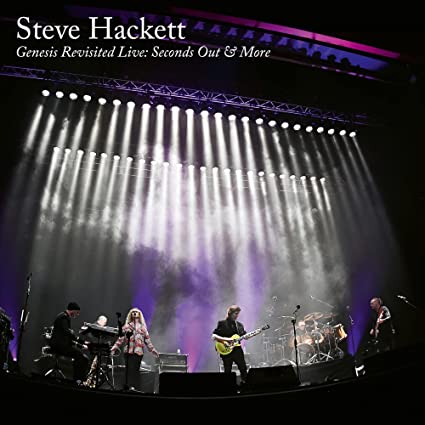
Steve Hackett, Genesis Revisited Live – Seconds Out & More: by my count, this is Hackett’s sixth live set since the Genesis Revisited concept revived his worldwide touring mojo a decade ago, beating out even Rush’s late career live output. Too much of a good thing? Arguably — but on the other hand, both Bryan Morey and I raved about this tour when it hit the Midwest this past spring, so I can also argue that more is better! With Amanda Lehmann complementing his usual merry men on second guitar, Hackett and band rip through a set of solo classics (and I wholeheartedly include Surrender of Silence tracks “Held In the Shadows” and “The Devil’s Cathedral” in that description) that climax with Lehmann’s floating vocals and Craig Blundell’s jaw-dropping drum workout on the vintage “Shadow Of The Hierophant”. Then it’s nirvana for Hackett-era Genesis fans, with the entirety of their 1977 live masterwork reprised (and sometimes gently, sometimes deliriously reimagined) in one go. Gorgeous sound whatever the format, and nicely hi-def visuals on the BluRay; it all does what it says on the cover, with Hackett’s usual flair and panache. See you next year for the Foxtrot At Fifty set?

King’s X, Three Sides of One: “Calling all saviors/And I’m shouting at God/Oh won’t you come and save us/Don’t you think we need you now/So let it rain, to wash the fear away.” dUg pinnick’s vocal testifies while his bass thunders, Ty Tabor’s guitars chime and howl like lightning, Jerry Gaskill’s drums crack open the earth and sky. And the apocalyptic “Let It Rain” is only the start for a trio that’s lost none of its power. King’s X’s first album in fourteen years, Three Sides of One’s rock is thick, gnarly, punchy and unbelievably tough no matter the tempo or texture, always locked into a sweet groove that carries you along. With Pinnick’s gospel-rooted shouts complemented by Tabor and Gaskill’s spindly, psychedelic harmonies, the band prowls the waterfront of life today, calling out the hucksters of “Festival” and the digital overlords of “Swipe Up”, commiserating with “all the lonely people” of “Give It Up” and “Holidays”. Stir in the drained cynicism of “Flood Pt. 1” and the dystopian parable “All God’s Children” and you have a compelling vision of societal despair. Human love (“Take the Time”, “She Called Me Home”) offers respite, but there’s no closure in sight; as pinnick preaches on the final track, “The whole world is crying for love/Every everywhere.” Lighting candles and cursing the darkness with alternate breaths, King’s X rocks on regardless — and I consider that heartening in and of itself.

Continue reading “Rick’s Quick Takes for September”

Steve Hackett in Concert: From Spectral Surrender to Seconds Out

Steve Hackett — Seconds Out + More, GLC Live at 20 Monroe, Grand Rapids, Michigan, May 4, 2022

Once again, Bryan Morey has beaten me to the punch with a live review of Steve Hackett. (My excuse this time: he had ten days head start on me.) Like Bryan, I was impressed with the energy and delight Hackett and his merry band projected as he returned to my hometown venue for the third time. “The weekend starts here!” he crowed to the capacity crowd (quoting the classic BBC-TV pop show Ready Steady Go) and boy, did he make good on that pitch! Hopefully without repeating Bryan’s many excellent points, a few more comments follow . . .

While I was delighted when I heard that Seconds Out would be the focus of Hackett’s show, I wondered how well it would work in concert — because Genesis never played this exact setlist in 1977! The original live album is a construct, with the music re-sequenced for maximum impact over four sides of vinyl (that year’s encore, “The Lamb Lies Down on Broadway/The Musical Box” was moved forward to the end of side two), excerpted from onstage medleys (“Afterglow” immediately followed “In That Quiet Earth” back then, the way I heard Hackett perform it in 2013) and even flown in from the previous tour (“Cinema Show” had been recorded in 1976 and shelved).

But arguably, those interventions are part of why this album made such an impact on both Genesis fans and the broader public over the years; as it’s endured, it’s gained stature as a balanced, thorough survey of the band’s proggiest era, with an unhurried pace and flow that gradually gains in both momentum and excitement. Which explains why the whole thing did work live, this time as a multi-course banquet of Hackett’s finest hours in his defining group. And in that light, the whirlwind trawl of Hackett’s solo career that kicked things off, informed by both the poised classicism of 1979’s Spectral Mornings and the manic energy of two tracks from last fall’s Surrender to Silence, served as the perfect appetizer.

But all that’s conceptual; what about the execution? Briefly, this was the most free and most daring that Hackett and his supporting cast have been in the four times I’ve seen him. Rather than reverentially presenting the material as if fixed in stone, the players took this music by storm; throughout the night the band consistently pushed Hackett musically — and he consistently delivered.

Continue reading “Steve Hackett in Concert: From Spectral Surrender to Seconds Out”