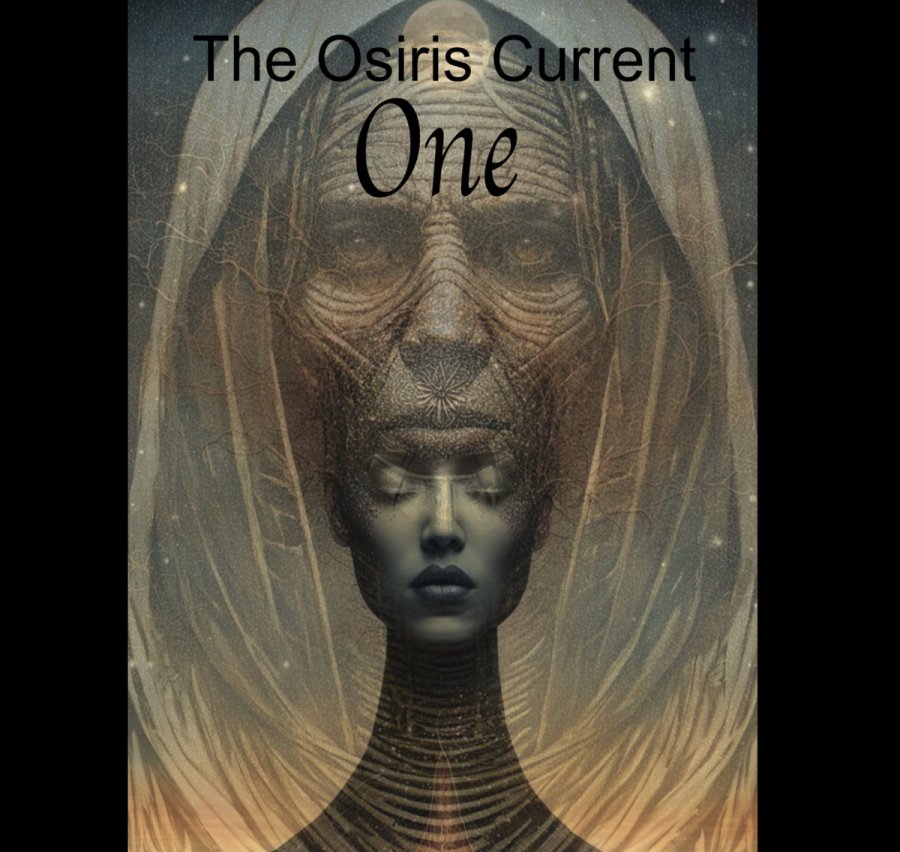
The Osiris Current’s One is a progressive rock/metal album that grabbed my attention from the first listen. The California-based band blends heavy desert rock with occasional oriental influences, creating a sound that is extremely expansive. With five tracks, each offering its own unique experience, One proves to be quite a dynamic and unpredictable journey.
The album opens with “Touching the Void,” a track that would undoubtedly shine in a live setting. The explosive vocal delivery, combined with crushing riffs and a thick desert rock atmosphere, immediately establishes The Osiris Current’s distinct sound. The energy is palpable, drawing you into a world where the heaviness of the music feels like an unstoppable force.
“The Plan” continues this intensity, with pounding drums, sharp vocals, and a relentless groove that builds into something almost cinematic in its power. The track’s blend of progressive metal elements and raw aggression is impressive, but it’s “Sanctuary” that really shows the band’s range. The song shifts effortlessly between moods, with guitar melodies flowing like water, perfectly capturing the album’s fluidity. It’s this seamless integration of heaviness and melody that makes One so engaging.
One of the most striking features of the album is the way The Osiris Current balances intensity with moments of beauty. “Mud” is a prime example, where delicate, ethereal female vocals weave through gritty, tank-like riffs. The contrast between the soaring vocals and the heavy instrumentation creates a mesmerizing effect, demonstrating the band’s ability to craft complex soundscapes that don’t sacrifice aggression.
The closing track, “Around the Bend,” is an epic 11-minute journey that encapsulates everything the band excels at: atmospheric tension, aggressive grooves, and soaring melodies. The song’s layers of vocals, riffs, and drums come together in a way that feels epic and intimate, a perfect finale to an album that’s anything but predictable.
One is a stunning debut that showcases the band’s ability to mix heaviness with beauty, intensity with subtlety. The songwriting is impeccable, the performances are top-notch, and the production is flawless. This is a progressive metal album that will likely find its way onto many year-end lists, providing it reaches right ears. If you’re a fan of forward-thinking metal with a unique sound, One is a must-listen.
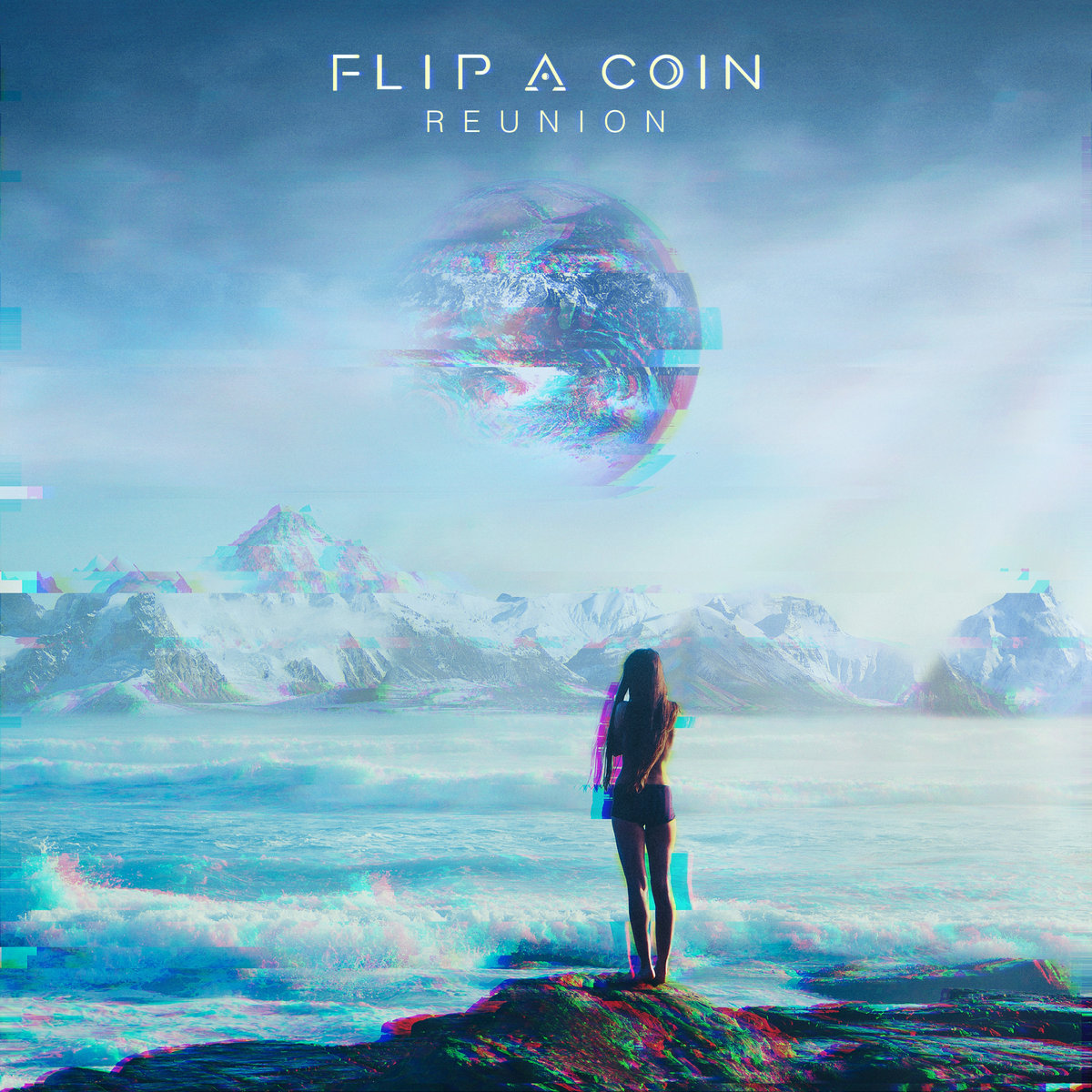
Flip a Coin is an international progressive metalcore duo, comprised of Czech guitarist and songwriter Tomáš Biza and American vocalist Heyden Smith. Despite the challenges of collaborating across a seven-hour time difference, the duo released their highly anticipated debut album Reunion in June 2024. Blending elements of melodic post-hardcore, deathcore, and progressive metal, Reunion showcases the band’s versatility and willingness to experiment with diverse sounds. In this interview, Tomáš and Heyden discuss their collaborative process, the creative evolution of Reunion, and how they navigate the unique challenges of being an international band.
How did Flip a Coin come together as an international duo, and what challenges have you faced working across a seven-hour time difference?
Tomáš: The distance between us brings forth challenges both in the creative and production side of things. Being able to sit in the same room and just vibe and bounce ideas one from each other in real-time is something I think we both long for. Production-wise, we both depend on just our own knowledge of how to actually record ourselves and use our gear in the best way possible, which can be a limiting factor sometimes.
Heyden: There’s limited amount of time in the day to talk about things in real time. Shout out Tômas for being willing to have midnight video calls in his time zone. I do feel like we’ve developed a pretty good process of collaborating over the past few years.
Your debut album “Reunion” represents four years of creative growth. How did the collaborative process evolve over those years, and what were some of the key milestones?
Tomáš: I think the most key moment came from before this album even happened, and that was the release of our first single called Haven four years ago. Once that was out, we knew like, yeah. We can actually do this. And that was super affirming. During the process of working on Reunion, though, I’d say fully finishing the longest song on that record, False Promises, felt like a real landmark.
Heyden: These songs weren’t recorded in one batch. There wasn’t really a demo process. We were kind of writing and recording them at the same time, and I think you can hear that across the different songs. “Lifestream” and “False Promises” were recorded close to a couple years apart, so I definitely think we brought some new tricks with us into that song.
The album spans multiple subgenres, from melodic post-hardcore to borderline deathcore and progressive metal. How did you decide to embrace such a diverse range of sounds on “Reunion”?
Tomáš: To be honest, that was not a completely conscious decision! My music taste leans towards albums where I feel like each song has it’s own identity, that every song does something a little bit different from the rest. And so that’s just where my songwriting takes me naturally.
Heyden: I’m a fan of bands that fall into all of those subgenres, and plenty of non-metal stuff too. I’m always excited to experiment with songs that are outside of what I’m used to performing. It’s a huge reason I joined Flip a Coin.
How do you manage to maintain a cohesive sound across the album when experimenting with so many different styles?
Tomáš: But do we really? Haha. I believe that is mostly Heyden’s work, he brings his own vocal style into each song and that sort of ties it all together and makes the differences less jarring. If it wasn’t for his singing the album would feel much more disjointed since the instrumentals are so vastly different.
While the songs are pretty different from each other, I think we both have our own style that we bring into every song. At this point I’ve jammed our demos enough to know a Tomâš riff when I hear one…and the riffs he’s cooking up are quite tasty.
“Reunion” feels like a very cinematic album. How do you approach writing music that feels as immersive and dynamic as your tracks on this record?
Tomáš: I’m so happy you used the words immersive and cinematic, because that is exactly what I was trying to achieve with the sound of this record! I did this with layering many different instruments – guitars, synth pads, strings – on top of each other; just when I thought it was enough I always tried to take it one step further. Then contrasting these parts with more raw sounding sections creates that sort of experience. Also lots of samples and special effects. I wanted each song to feel almost like a movie, sort to speak.
Heyden: That’s all Tomâš. I think this aspect of our music lent itself well to the lyrics that are more story-driven in “False Promises” and “Passengers”. My inner theatre kid definitely came out in my vocal delivery for those.
Tracks like “Lotus” and “Lifestream” have a strong melodic focus, while others like “Amaterasu” lean towards a heavier, deathcore sound. How do you balance melody and aggression in your songwriting?
Tomáš: It’s very much about where I’m at life during the time of writing, or what bands I’m currently listening to, or just the mood and feeling I’m trying to capture. I have a good image in my head of what kind of song I’m trying to write almost every time before I even pick up my guitar. Sometimes I’m going for a rather pretty and melodic sound, other times I want to write something dark and heavy. Songs like Lifestream or Passengers strike a good balance of both, I think.
Heyden: It all starts with what Tomáš brings to the table instrumentally, although I try to avoid predictability when I’m writing vocals. There’s kind of a tired trope of singing on melodic parts and screaming on heavy parts in a lot of modern metal, which I find boring. Ultimately though, I try to just embody the emotions the song makes me feel.
Heyden, as a vocalist, how do you approach matching the intensity and emotion of the different styles of music on “Reunion”?
Heyden: I think all music that makes you feel something has a good grasp on tension and release. I try to tell a story with each song where it has ups and downs and recurring themes. Bringing back certain parts in a new way kind of helps tie everything together. Other than that, it’s getting out of my head when I’m tracking my takes. Trying to worry less about hitting a note perfectly and trying to be “in the song”, for lack of a better term.
Tomáš, you not only wrote and played the music but also handled the production, mixing, and mastering. What were some of the biggest challenges of wearing so many hats on this album?
Tomáš: I’d say the biggest challenge for me is bridging the creative and production processes. Sometimes the parts I write end up sounding very different from what I heard in my head once they‘re recorded and fully fledged out. So failing to translate my ideas into the actual music can be frustrating. On the other hand, this can also make for some really cool, unexpected moments. Being in complete control over the entire process from start to finish is both a blessing and a curse.
The album features guest musicians like Michael McGinley on piano and Jake Maaka on vocals. How did these collaborations come about, and what did they bring to the project?
Tomáš: Jake was featured on a very heavy piece of music I was enjoying a lot a few years back, and when I wrote Amaterasu, I realized he’d be the perfect person to have a feature on it. The piano parts Michael wrote for Lifestream were the last piece of the puzzle that interlocked the different sections of the song. I still remember the moment when I heard what he wrote for the first time, I was honestly shocked by how well it hit the spot.
Heyden: Michael McGinley is my dear friend and bandmate in my other project Flora Nova. Check that out if you want to hear more of him shredding on the keys. I thought Jake brought a visceral kind of aggression to “Amaterasu” that fits so well, and his delivery on the chorus had similarities to Tommy from Between the Buried and Me who is one of my favorite vocalists. I liked filling in on backing vocals for that song and playing off of his melodies. I think both features brought influences to the album that we wouldn’t have otherwise.
“Amaterasu” is one of the heavier tracks on the album. Can you tell us more about how this song came together, and what inspired its powerful sound?
Tomáš: The first half of the song basically wrote itself over a span of a few days. At that time I already knew this one had to end up being a single because of the super straightforward structure and open chorus. I even think it’s the song with the earliest chorus on the album? However, then I hit a brick wall with the ending and it took me 2 years to come back to it. As far as inspiration goes, it’s a very Veil of Maya inspired song.
With “Reunion” being your debut album, how do you feel it sets the tone for Flip a Coin’s future? Are there any particular directions you’re excited to explore moving forward?
Tomáš: As you’ve mentioned, the album features a very wide sound palette, and I’m super happy about our debut album having this kind of character. That’s because it shows we can do it all, and it sort of leaves you wanting more while not knowing what to expect next at the same time!
Heyden: It’s good to have it out there! I’m excited to get more experimental with the next batch of songs and expand on the variety of sounds we were able to achieve on this album.
What are some of the major influences, both musical and non-musical, that shaped the sound and themes of “Reunion”?
Tomáš: I started writing this album right after I moved away from my family and entered college at 19. Now I’m 23, and I think I don’t have to explain how so many things happen in a person’s life during this period. It was a rollercoaster and all these experiences served as a fuel for writing and are reflected in the album. Sound-wise, I drew inspiration from many of my favorite records which came out during that time, most notably from bands like Periphery, ERRA and Counterparts.
Heyden: It probably comes as no surprise that I joined this band after seeing a post from Tomáš on the r/periphery subreddit. They’re definitely a huge influence for both of us. In the realm of prog and metal, Protest the Hero, The Contortionist, and Corelia have been pretty big influences on me. Both Tomâš and I are into sci-fi, so that’s where some of the more conceptual lyrics came from. The rest is inspired from both of our perspectives on past relationships, loss, mental health, and personal beliefs.
Given the album’s independent release, how have you approached getting your music out to the world and building a fanbase for Flip a Coin?
Tomáš: Making music is an outlet for both of us, and so that’s the most important aspect before anything else for the band. I personally really enjoy the visual aspects as well, so coming up with the artwork and music video ideas was lots of fun and I feel like it can help connect with our audience. For our guitar oriented fans, I’ve also recorded guitar playthroughs for some of our songs and tabbed them out, you can find that stuff on our YouTube and Bandcamp.
Heyden: We put out music videos for “Lifestream” and “The Algorithm” and a few more visualizers for “Lotus”, “Insomnia”, and “Amaterasu”. We’ve also pitched music to some playlist curators. It’s tough when you can’t promote by playing shows and finding a scene to be a part of. Ultimately though, we’ll write this music whether there’s a fanbase or not. It’s first and foremost a passion project and an outlet for creative expression.
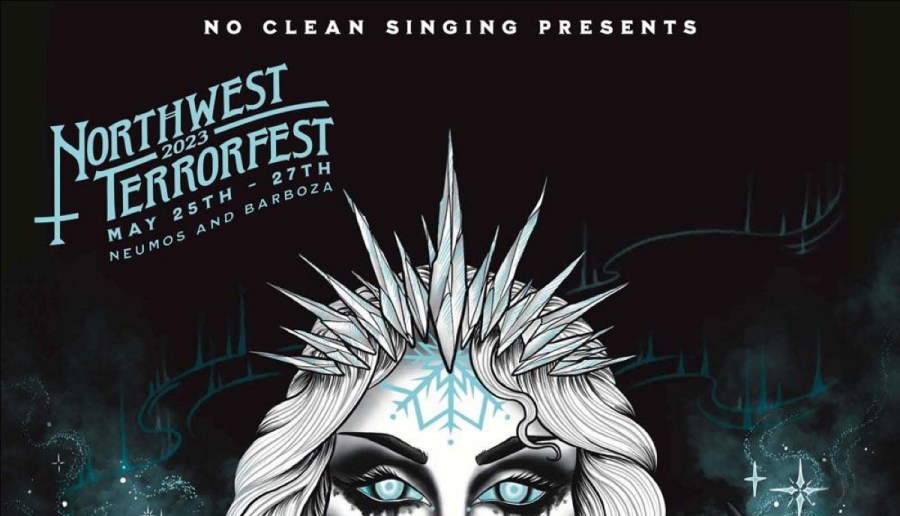
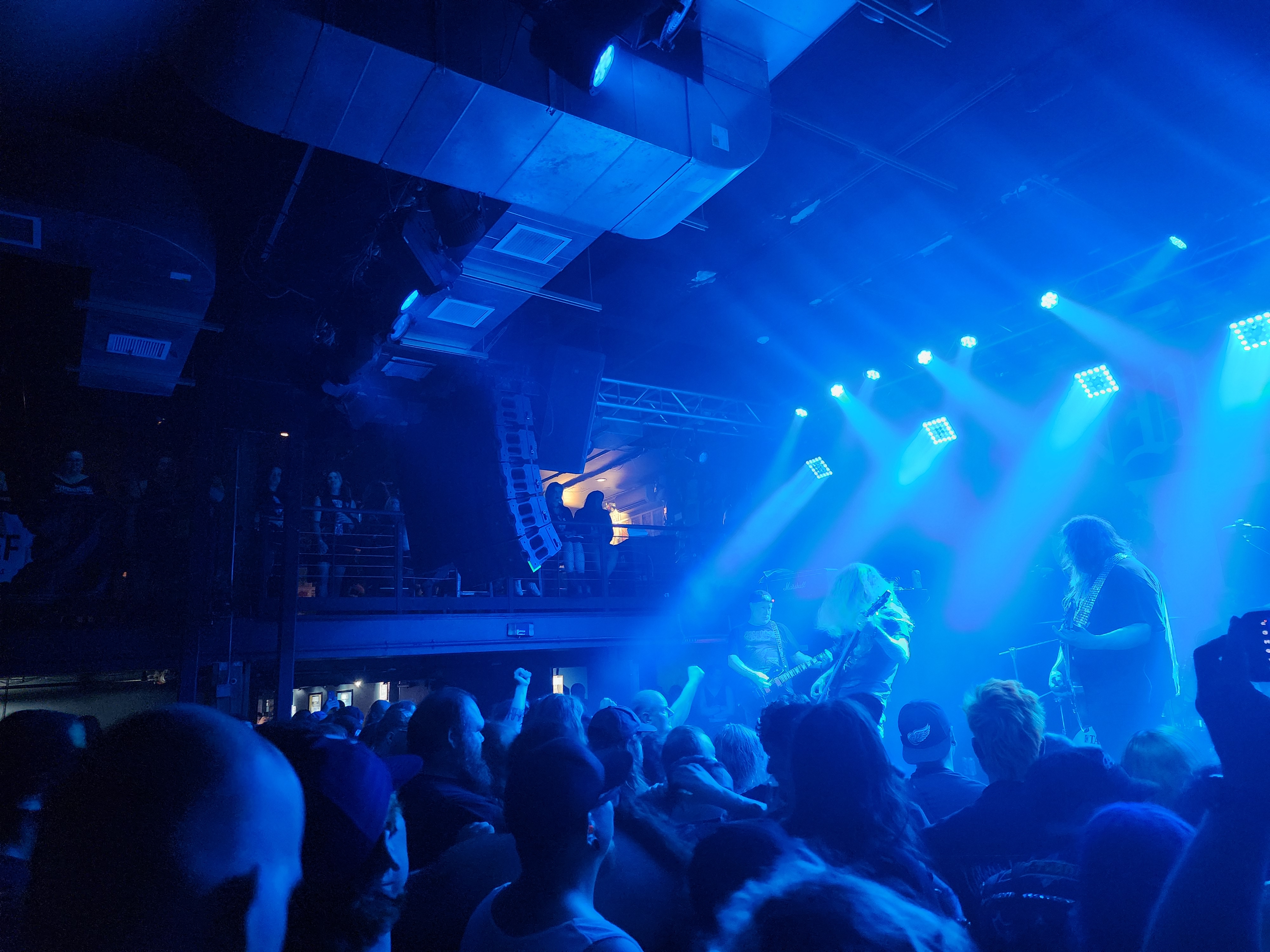
Quite like the 90s Seattle scene, Northwest Terrorfest also specializes in everything grungy. Guitars here are drop D downtuned to the abyss, decibels are off the charts, and all this at a venue which could be mistaken for a dive bar. Such bleak aesthetics would easily surpass the lows of an average Pacific Northwest winter. Mirroring those archetypal lifestyle and geographic signatures, if not accentuating them, this is probably as dark as it can get. Three days with about forty extreme bands will sort of explore the limits of your resilience. Safe to say, it’s probably not for the delicate of heart or health. But, all this translates to pure bliss if you’re one of those hardened metalheads.
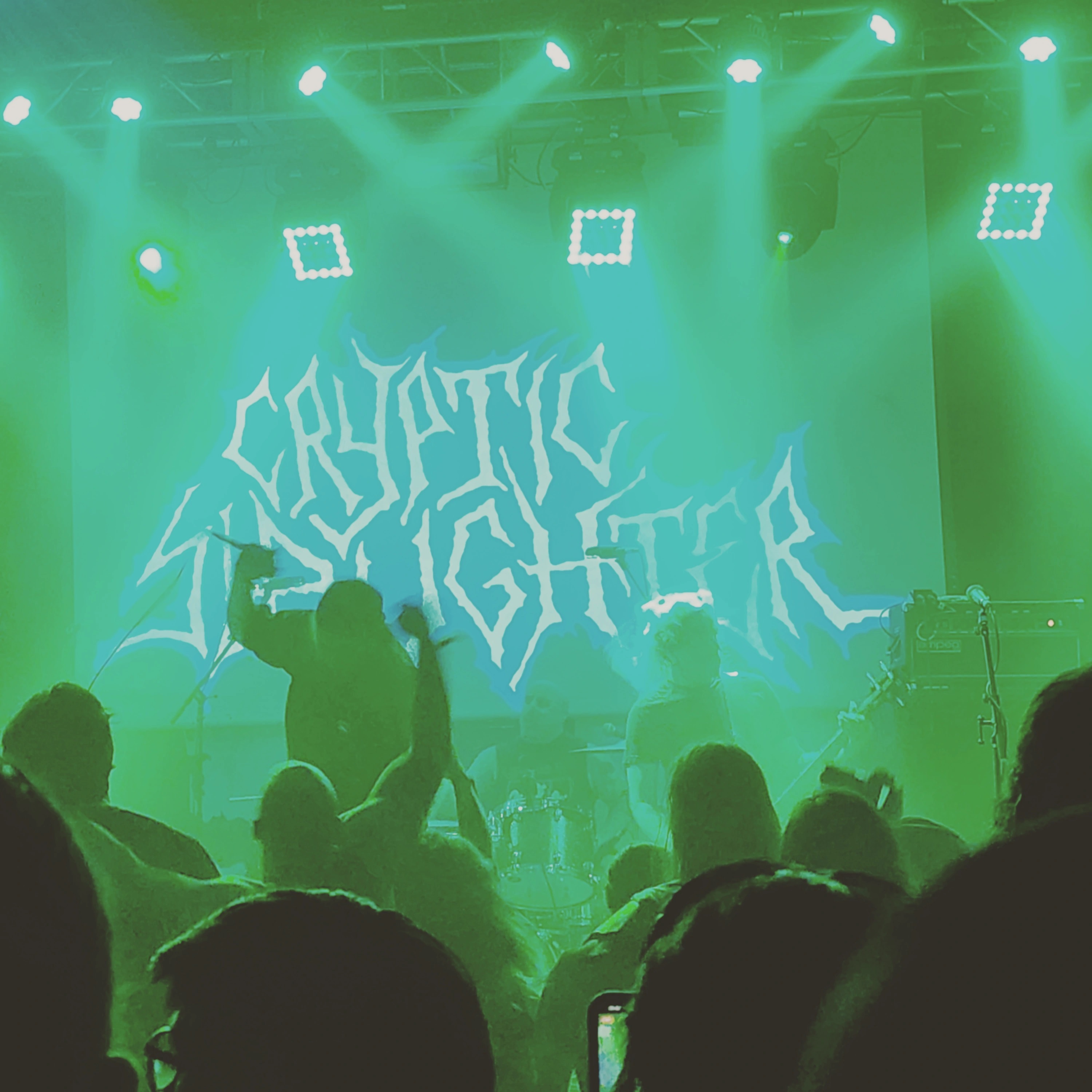
Pattern here is similar to other fests, it combines the esoteric and the arcane bands with few well known acts, and then throws in couple of legends, but yet everyone here flies under the radar of most of the civilized world. Basically Northwest Terrorfest caters to an audience who are at least neck deep in metal, if not actually submerged and drowning. Even though spanning more than a few sub-genres, even by normal extreme metal standards, every band here fits exclusively within the grim and grisly end of the spectrum. Imagine cross-over thrash like Cryptic Slaughter being the most cheerful of the lot! Mighty Autopsy being the grisliest, and seeing them live qualifies as one of those unique life moments. Their death/doom imprint is deeply embedded on to a broad range of 90s extreme metal acts. Basically you have heard Autopsy, if you have been exposed to any of the Florida, NY Death or Swedish bands.
In fact, most of the entourage here owes or shares their DNA in varying degrees with Autopsy and Cryptic Slaughter. These two bands combined captures a broad set of extreme metal building blocks. Hardcore punk, guitar melodies, doom, thrash and electric blues. Bands like Necrot, Misery Index, Ghoul, Genocide Pact or Antichrist Siege Machine will basically trace their entire lineage to them. Doom/Stoner like YOB, Conan or Bell Witch shares a subset of influences. Same with post-metal like The Silver. But, there are also some curve-ball folk bands like Serpentent which shares little in terms of musical influences, but still follows similar aesthetics. Seems like Northwest Terrorfest tells a story, and it’s all in shades of melancholy and gloom, but quite memorable if you find beauty in those hues. Honestly, all this sounds a lot like life in Pacific Northwest itself.
Immolation’s impact is beyond dispute, but over three decades of high quality records could use some reflection. Those infamous soaring leads, complex drum patterns and increasingly sophisticated arrangements. Needless to say, this melancholic train exhibits all the sublime deathly qualities, that subtle convulsive precision and more, in short everything which separates death from the rest is illustrated. Even more than that, these rather tortuous harmonies are uniquely memorable, and often tend to get stuck in our head. Riffs and drums playing in a loop, even hours after the album ended.
Acts of God does not deviate from their typical signature. Just like their earlier works, it’s an ongoing duet of contradictions. It’s like a discord of wistful guitars with bludgeoning drums, of aggressive tremolo picking with mournful growls, and of sorrowful depth with grunt tech death precision. Eventually crafting a texture so intricate, tangled, and yet comfortingly atmospheric. Just like that famous duality of man, Immolation is on a perpetual sonic duel, a tussle of contradictions which seems to never concede. Thankfully the consequence is all immersive death metal, and a career trajectory so rich and consistent, that it defies all known universal laws.
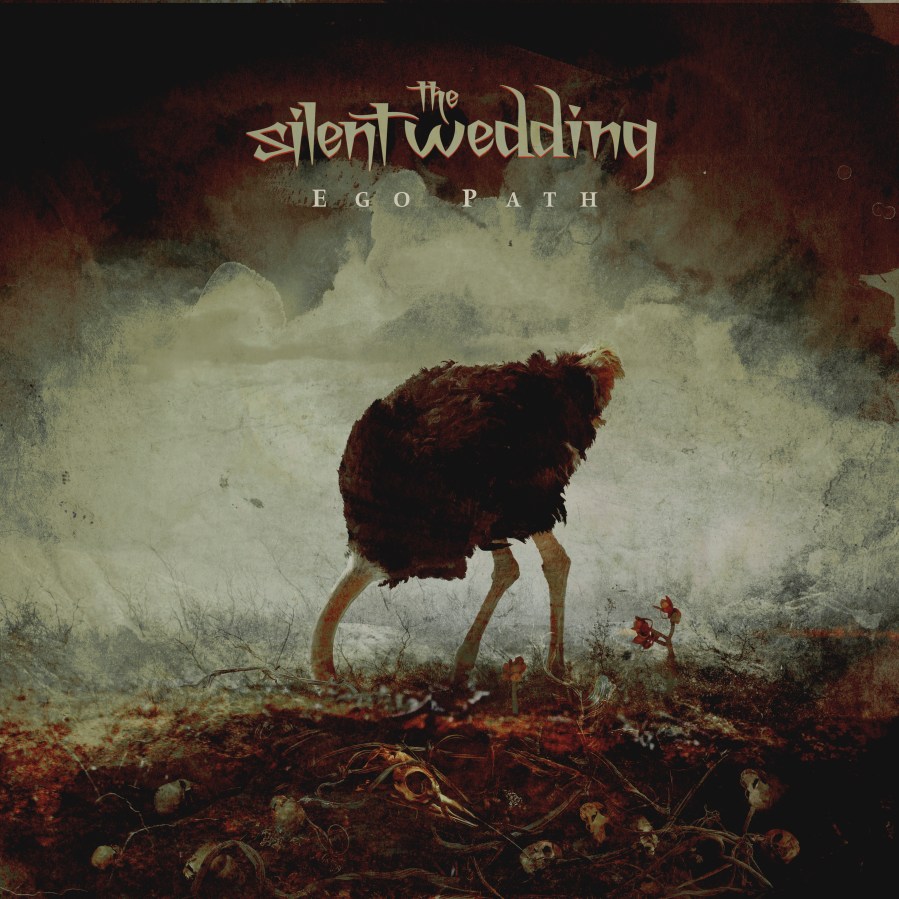
The Silent Wedding has covered this song called “Diamonds and Rust”, for almost everyone that means Joan Baez, but for ageing metalheads it simply channels mighty Judas Priest. We all have our own aesthetic preferences, and The Silent Wedding successfully appeals to those very classic metal predilections. That essentially means, Ego Path is rife with melody, neo-classical shredding, NWOBHM riffs, and all the other essential signatures reminding us of that classic lineage.
It’s that time-honored sonic tradition running from UFO and Judas Priest, to 80s British heavy metal, eventually mutating into that melodic power metal path via the great Ronnie James Dio. Obviously, all these influences are not complete without those omnipresent progressive tendencies. Add those clean vocals with adequate range, meandering melodic ballads, and passages tailored for arena rock — The Silent Wedding becomes that exquisite expedition every classic metal fan and prospective classic metal fan seek!
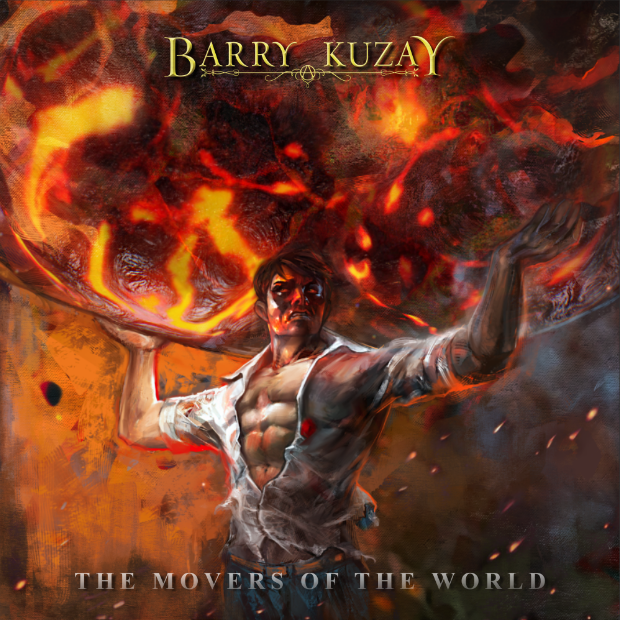
Barry Kuzay, The Movers of the World, 2021 Tracks: Overture 2021 (2:43), The Movers of the World (6:20), Alone in the Mountains (8:28), The Virtues of Greed (9:09), The Pirate (7:26), The Twentieth Century Motor Company (12:33), Who is John Galt? (2:45), Enigmatic Engine (4:21), Wyatt’s Torch (5:27), Superspreader [bonus track] (2:57)
Barry Kuzay may be an unknown name in the music world, but that doesn’t mean he’s without talent. A civil engineer from northern Wisconsin by day, Kuzay rocks out by night. His 2021 album, The Movers of the World, is a concept album based upon Ayn Rand’s Atlas Shrugged. The record has a classic heavy metal sound with elements of thrash and power metal.
Kuzay wrote the album, sings the vocals, and plays guitar, and his brother Ben plays bass. Drums are played by Matt Thompson of King Diamond, and there are a few other guest vocalists playing particular parts on the album. Kuzay has two styles of singing on the album. His quieter vocals are not as strong as his full on heavy metal vocals. When he sings his heart out, he sounds like Dee Snider. That grit works perfectly for this music and makes for an enjoyable listening experience.
Tim “Ripper” Owens (lead singer for Judas Priest in the late 90s and early 2000s) provides guest vocals on “Wyatt’s Torch,” and he has some epic metal shrieks that provide a classic thrash sound. This may be the best track on the album. Since this is the final track in the story, the album goes out on a high note.
Musically the album rocks. There are symphonic elements that layer on top of the pounding drums and shredding guitars. This gives the album a bit of a European power metal flair. There are quieter tracks that help move the story along, but the album is at its best in its heavy metal moments. There are some clever musical moments, as well. The opening of “Enigmatic Engine” has a really cool guitar, bass, and drum riff that sounds like a steam engine. It’s a fun instrumental track that manages to move the story along, even without lyrics.
I haven’t read Ayn Rand, but I’m at least vaguely familiar with her views and her works, which have influenced other progressive rock albums, most notably Rush’s career-saving masterpiece 2112. There arguably hasn’t been a more fitting time than now to adapt Ayn Rand’s Atlas Shrugged since 2112 and the economic malaise of the late 1970s. Things are far worse now. In fact they’re worse now than they were when Kuzay wrote and recorded this album in 2020 and early 2021. [I’ll spare you the long rant I wrote about how and why America is on the verge of total collapse.]
All this to say that many elements of Kuzay’s musical adaptation of Rand’s novel directly apply to contemporary society. Sometimes you forget that this is actually telling a story and not commenting on modern events, although I suspect this is intentional on Kuzay’s part. The lyrics are well-written, and thus the story he tells is compelling and rewards on repeated listens.
The bonus track might tick some people off, but I love it. Kuzay pulls no punches, and he says what’s on his mind. I agree with him completely, and it’s nice to finally hear someone in the music world go against the narrative. The song has a great drum intro too, reminiscent of classic thrash metal.
I also want to mention that the album artwork is great throughout the CD booklet. The art is science fiction and steampunk-themed, which fits the story. I’m guessing Kuzay spent quite a bit to have the artwork done, because it looks like something from a big-budget album. Definitely pick up the CD, if you’re so inclined.
Give The Movers of the World a spin. The production quality punches far above its weight as an independent release, and the album is enjoyable on repeated listens.
Often reminding us of 70s prog or jazz rock, and at times of their Motörhead roots, Voivod sound pretty much their usual self. Live recording adds some rough textures, but not enough to eclipse the classical symphony, or those intricate transformations, or even those strange lyrical plots. It’s also easy to notice that interesting contrast — two songs on the EP occupying slightly different ends of their musical spectrum. ‘The End of Dormancy’ reflecting their proggy sophistication, while ‘The Unknown Known’ rooted in their more dissonant past. Giving us all a glimpse into that unique set of influences only Voivod dares to blend.
Post-Watershed, Martin Lopez and Peter Lindgren were conspicuously missing, but so was that musical coherence! It was complex progressive rock, but reflected very little of Opeth’s signature aesthetics. Even though all those vibrant influences were still present, a certain noticeable imbalance, especially in how they were composed! This is easily audible relative to In Cauda Venenum, here they bring back that all-immersive-experience of Blackwater Park and Still Life.
Their signature is exactly that ability to harmonize divergent strands. Funk to folk, jazz fusion to goth, all peacefully coexisting, a splendid harmony across discordant influences. It’s that harmony in discord when proggy riffs flawlessly transitions to strange ramblings in “Charlatan”, or when that further moves on to gothic blues of “Universal Truth”. That rich consistency in musicianship is also complemented by vocals– Åkerfeldt evokes a spectrum of emotions, almost reminiscent of Damnation.
Seems like Opeth was testing the waters with their first three prog rock records, and In Cauda Venenum is the consequence. Quite like an evolving organism, they are adding layers to their prog skeleton, bringing higher levels of coherence and texture. So, those underlying influences remain the same, but now they are gently cloaked beneath few exquisite layers of artistic splendor.
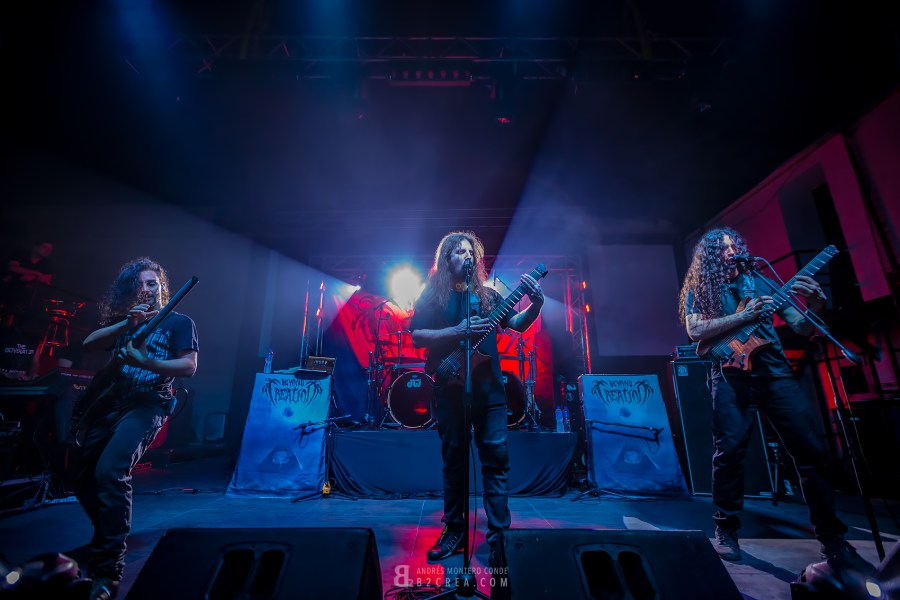
Beyond Creation’s death illustrates the same old influences, but in a remarkably novel way. With jazz fusion and layered signature progressions, these Canadians craft an atmosphere often too poignant for tech death. Channeling that proficient lineage running from Mahavishnu Orchestra to Atheist, Algorythm is tech death at its refined best. Demanding bass lines, odd drum patterns, and deathly grows — the band simply marvels in their unquestionable extreme metal territory.
With a structured ease and sophistication, songs bridge jazz rock segments with pristine death. Whether it’s “Surfaces Echoes” or the title track, these transformations are frequent, and happens with an Opeth like finesse. So it’s quite possible, when that atmospheric jazz fusion harmony fades into a passage as brutal as Suffocation’s, the listener might be too captivated to even realize the subtle, vital and stunningly unique nature of this symphony.
“I live my life a quarter mile at a time. Nothing else matters: not the mortgage, not the store, not my team and all their bullshit. For those ten seconds or less, I’m free.” – said that guy from ‘The Fast and the Furious’. But it applies to all sorts of fanatics, whether it’s music or cars. Try living a concert at a time – and for those ten seconds of fast and furious deathly riffs, you are free. For some, a year can be simply about those collective 10 second memories.
Few months ago on my way to a Neurosis concert, I actually ran into their bassist Dave Edwardson. For a second it was difficult to believe. Fifteen feet away from crossing each other, I just stopped and looked at him. He noticed that puzzled look on the guy wearing Vader T-shirt, and simply acknowledged with a nod and a friendly smile. If this was a fortunate accident, running into Thomas Gabriel Fischer at an L.A. Koreatown Denny’s is what some might call a windfall. And this was the morning after we saw him perform a full Celtic Frost setlist. “Circle of the Tyrants” played live – as good a metal moment as it can get.
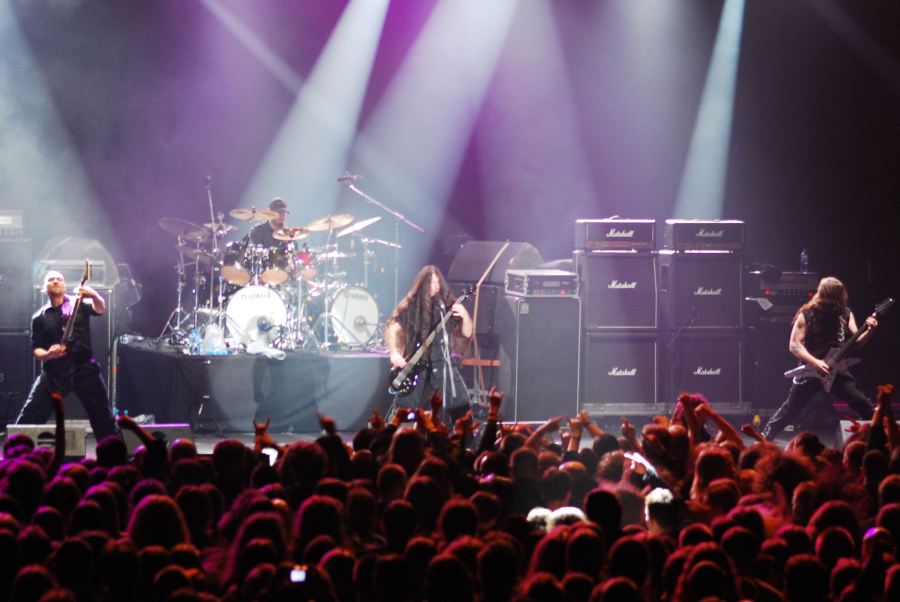
But it’s not always just about epic moments, sometimes it can be epic with a touch of weird. After all metal sub-culture resides right at the fringes of civic society. For instance, Krisiun opening for Suffocation was an absolute high, but watching these death metal greats at a Salsa bar was a tad unusual. Outside the venue it was a richter scale 5.5 earthquake — walls vibrating and shutters rumbling with every dissonant note. The venue was simply not built for death metal. Well, if this was just whimsy, Dying Fetus show was positively bizarre. Midway into their setlist, Sean Beasley said — “Everyone’s welcome on stage, let’s f*** this sh*t up”. Of course, after that announcement, stage diving was off-the-charts! It was like watching an extreme metal video, people swarming on to the podium, but only this time it is unscripted. Madness went on till the event organizer came on stage and pleaded.
Unexpected moments can also sometimes leave a deeper mental imprint, and they need not be Dying Fetus level audacious. It can be just about drinking À Tout le Monde beer (Megadeth beer) and crashing a Red Fang show, even though you have tickets for Armored Saint. Or headbanging to Mastodon in an open air arena, while enduring some pacific northwest drizzle. Or all those moments when you are reminded, metalheads are fortunate for affordable tickets, and thoroughly spoiled for getting to experience legends like Paradise Lost and Morbid Angel up-close at small venues.
But there are rare disappointments too, like the new Amorphis record, and how deeply detached it is from their Black Sabbath roots. Or that moment when you read about the next leg of Slayer’s “final” tour once again passing through town – but this time only with a slightly different set of opening bands. But, highs outweigh the lows, thanks to engaging conversations and stunning riffs.

 Barry Kuzay, The Movers of the World, 2021

 Progarchy


