How does a two-week vacation circling the Great Lakes wind up being this . . . proggy?
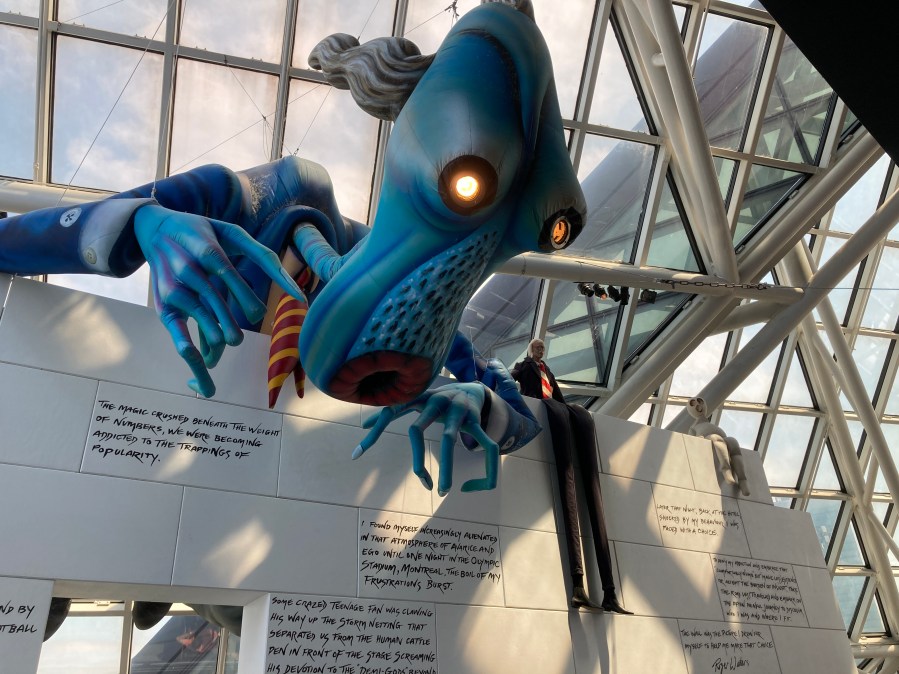
Well, starting out with a few days in Cleveland made a visit to The Rock and Roll Hall of Fame inevitable; it’s been almost thirty years since I set foot in its controversial precincts. (In fact, I’d argue that any hall of fame, no matter its subject, is about controversy — who’s in, who’s not, who should and shouldn’t be there. On such foundations are sports talk radio and the seething hatred of prog fans for Rolling Stone magazine built.) Has the R&RHoF improved in welcoming progressive rock since its fledgling days in 1997, when gigantic props from Roger Waters’ version of The Wall glowering from the top of its atrium (see above) were about the only evidence prog was even on its radar?
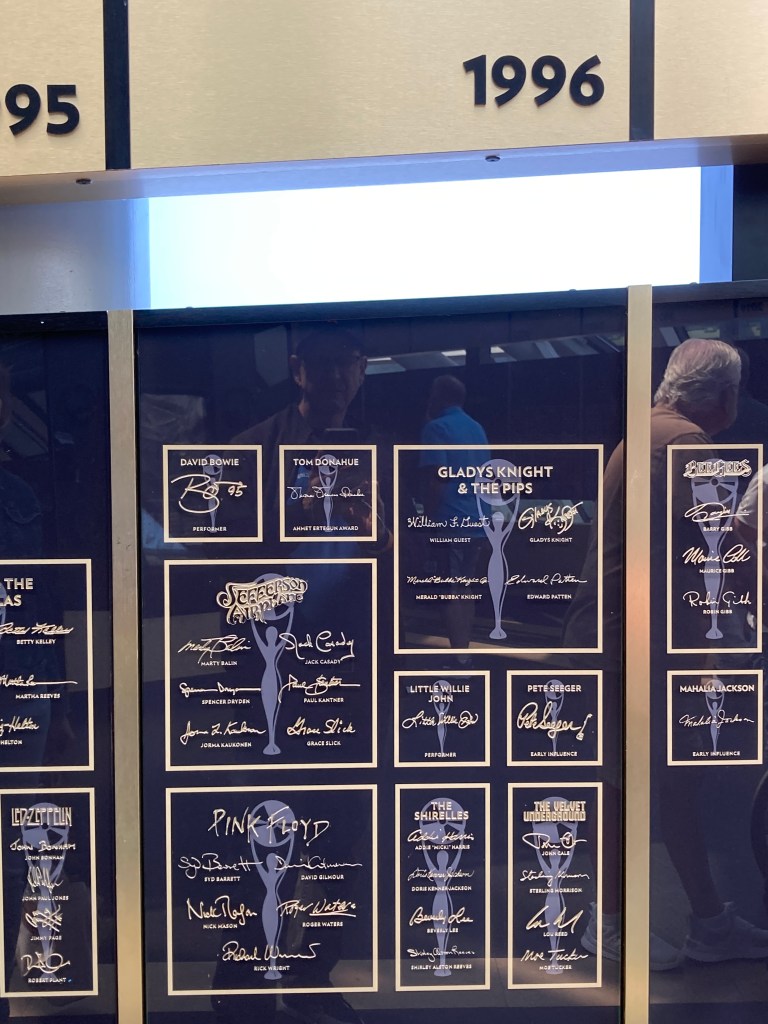
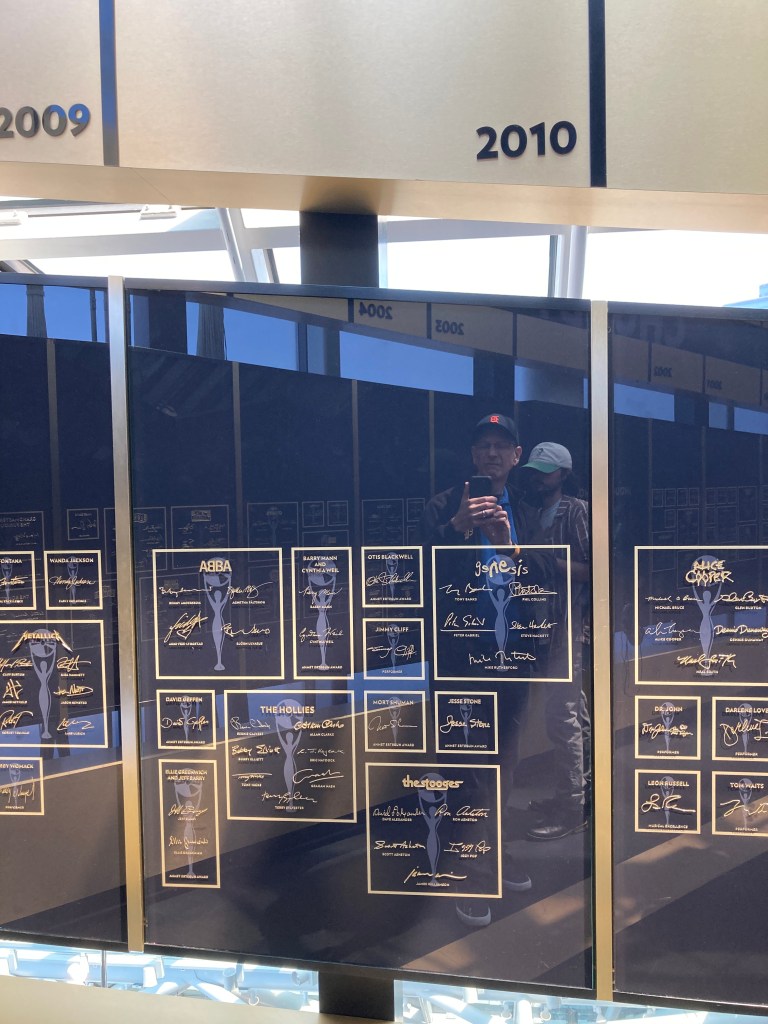
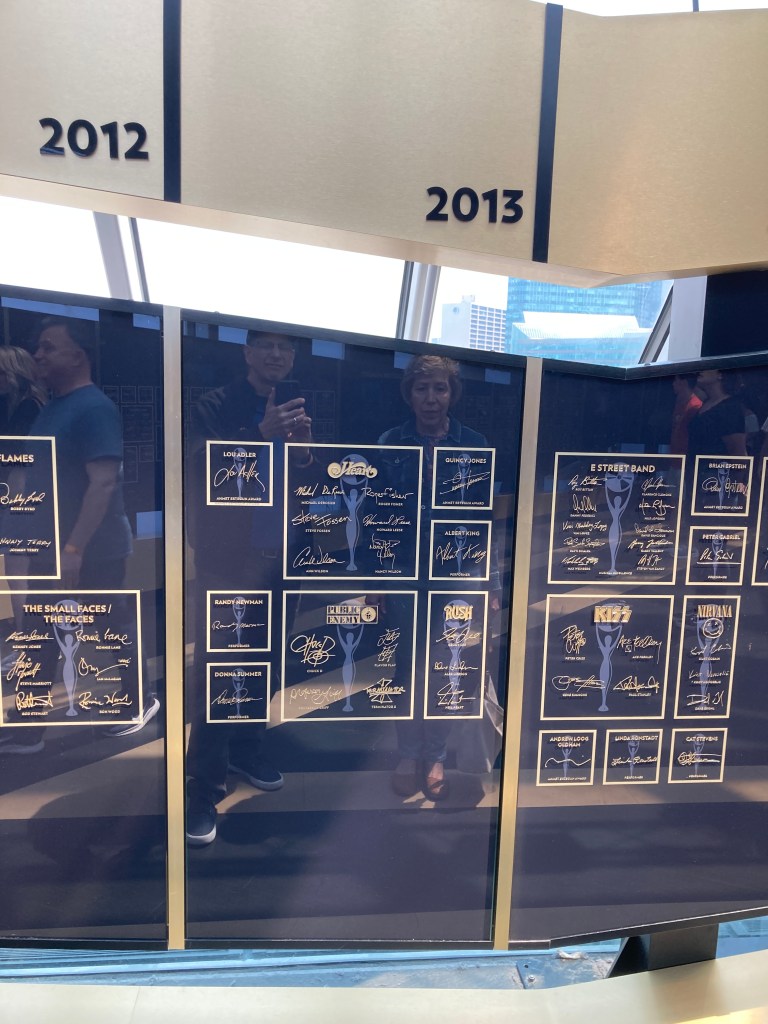
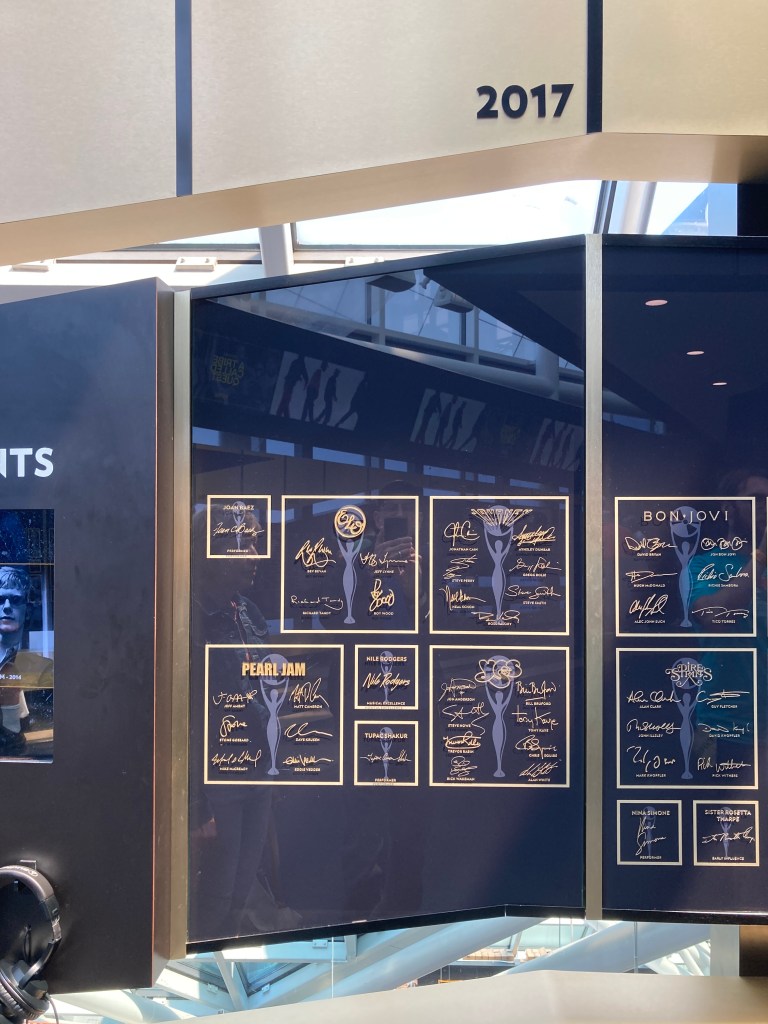
Honestly, omissions are still painfully plentiful; the otherwise comprehensive rock history displays on the first two floors blank out prog entirely, hopping from psychedelia and singer-songwriters to punk with only the barest nod to heavy metal. On the other hand, there has been movement in the last 30 years, with three of Britprog’s Big Six — Pink Floyd (1996), Genesis (2010) and Yes (2017) — plus Rush (2013) inducted into the Hall proper, currently housed on the third floor.
(By the way, you can watch highlights from any artist’s HoF induction on video displays stationed in the Hall. Of course I dialed up that marvelously manic night when Rush was honored — the highlight reel included a full minute of Alex Lifeson’s inspired “Blah blah blah” speech.)
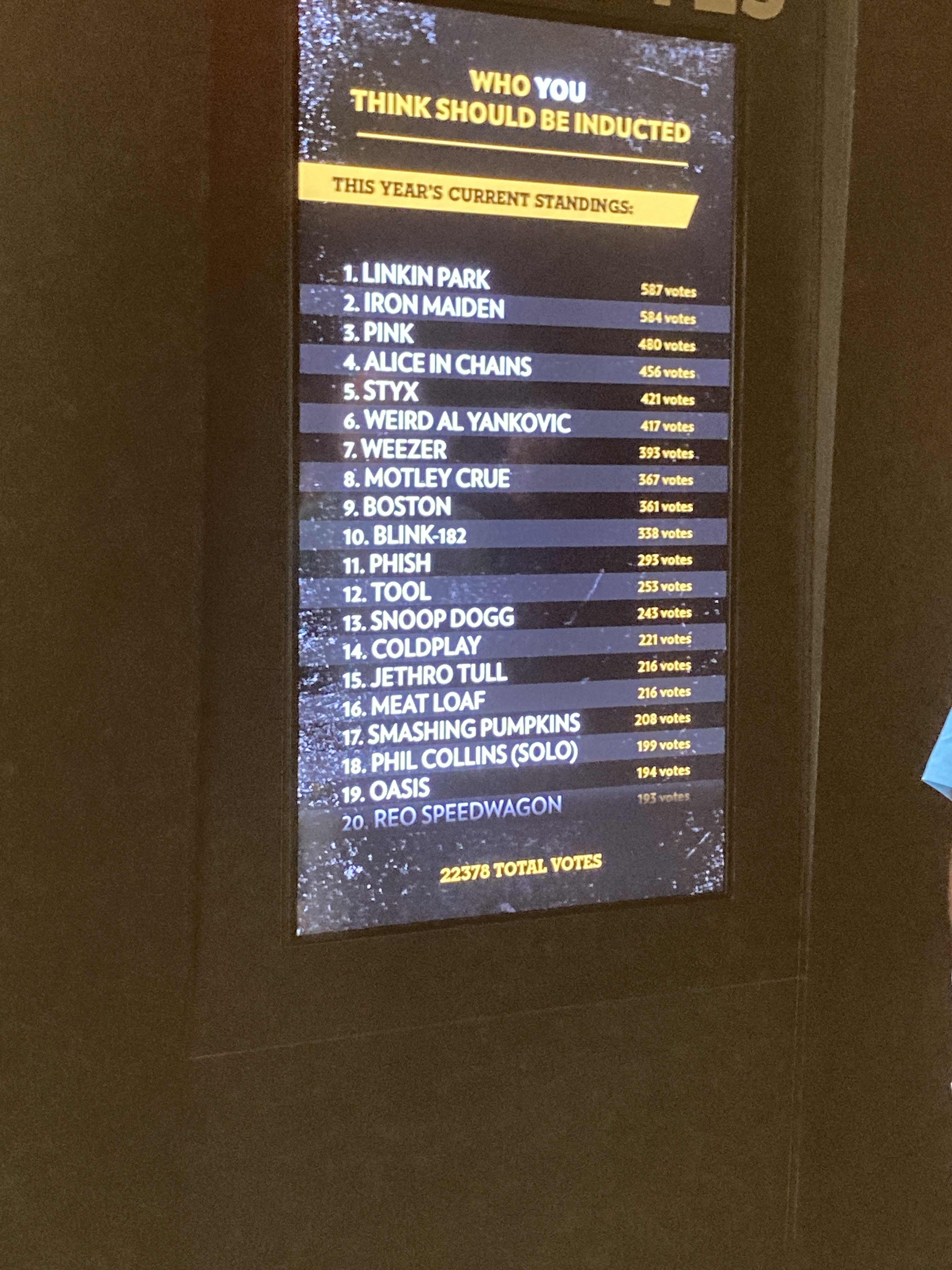
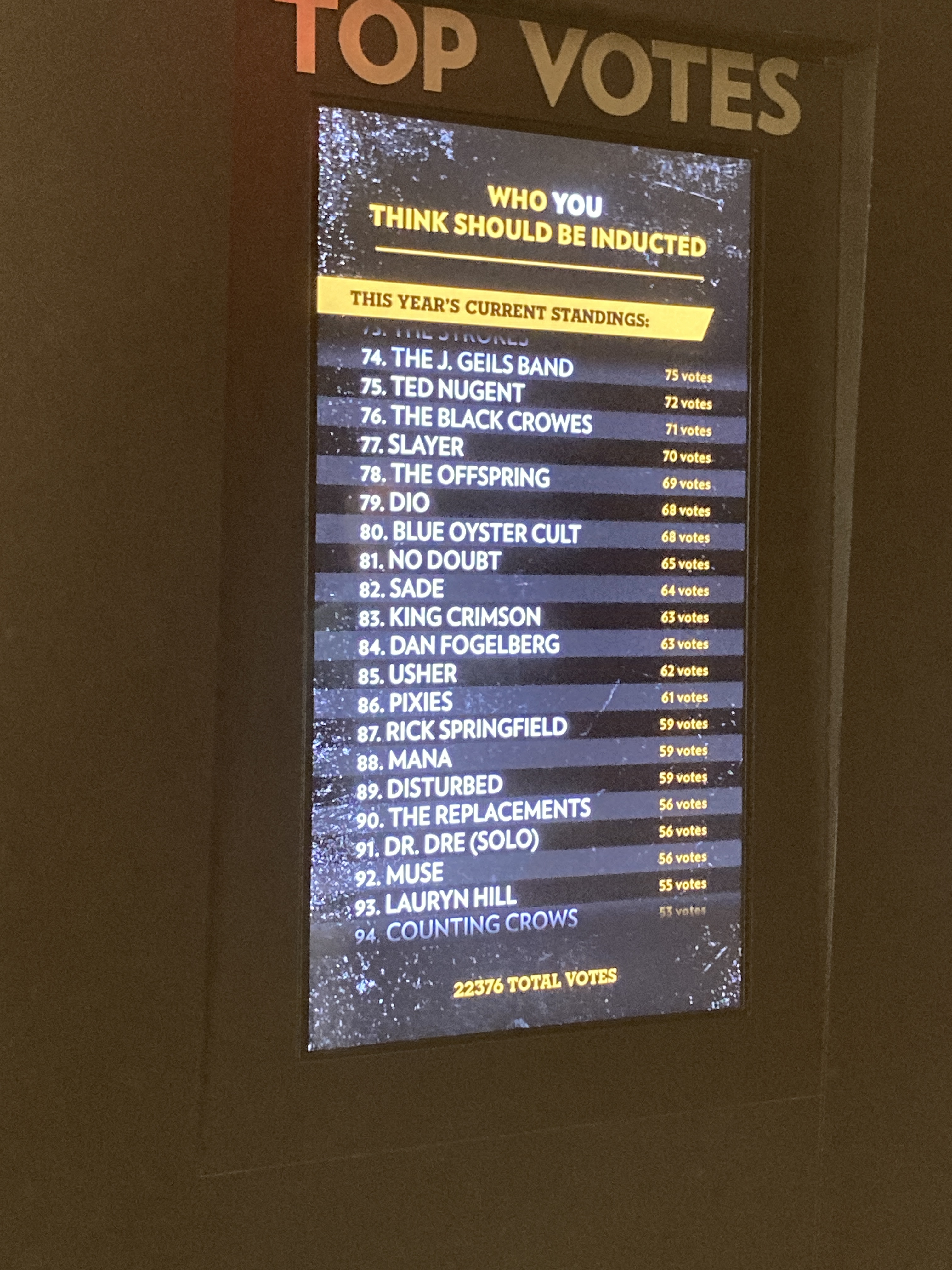
And, doubtless more to harvest email addresses than anything else, you can also vote on who you think should be in the Hall on adjacent video screens. Having done my civic duty by casting a vote for King Crimson, it was heartening to see them at #83 in the Top 100 of this year’s fan poll, though in a lower position than Styx (#5, just in front of Weird Al Yankovic), Tool (#12), Jethro Tull (#15), and Kansas (#35, not pictured). (And sad to say, Emerson Lake & Palmer were nowhere in sight.)
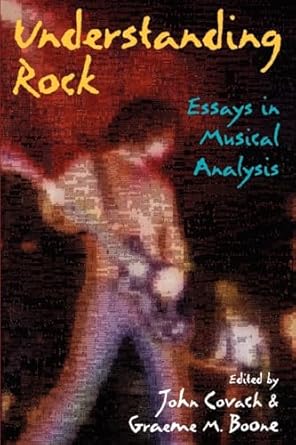
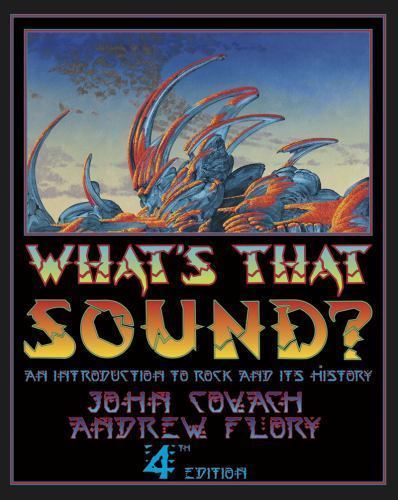
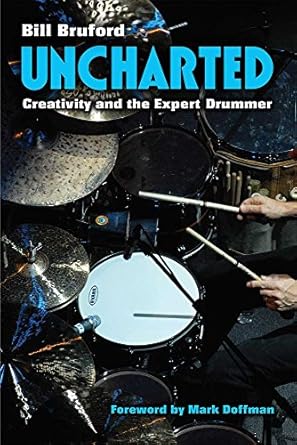
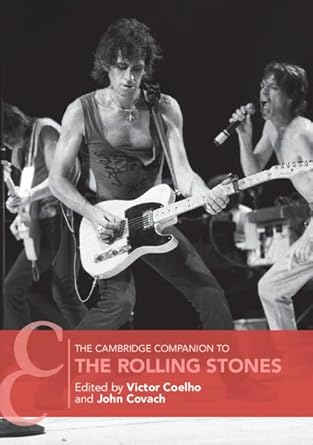
Then it was on to upstate New York, where I spent a delightful hour over coffee with noted music theory scholar and killer guitarist (and acquaintance from my grad school days) John Covach. One of the vanguard academics who pioneered rigorous analytical study of rock in general and prog in particular, John overflowed with good vibes as he waxed eloquent on the delights and challenges of shepherding books like Understanding Rock, What’s That Sound? and The Cambridge Companion to the Rolling Stones through the university press publication process; setting up a lecture tour of U.S. music schools for legendary drummer Bill Bruford (fresh from gaining his own Ph.D at the time); and getting gigs in a Yes tribute band when the post-Anderson version of the group still toured North America every summer! It was a blast to reconnect with John, who in addition to teaching and researching at the Eastman School of Music, is hard at work editing The Cambridge Companion to Progressive Rock (still in pre-publication, hopefully to be officially announced in 2026).
From there, it was a short border hop to an overnight stay in St. Catherine’s, Ontario — in a subdivision:
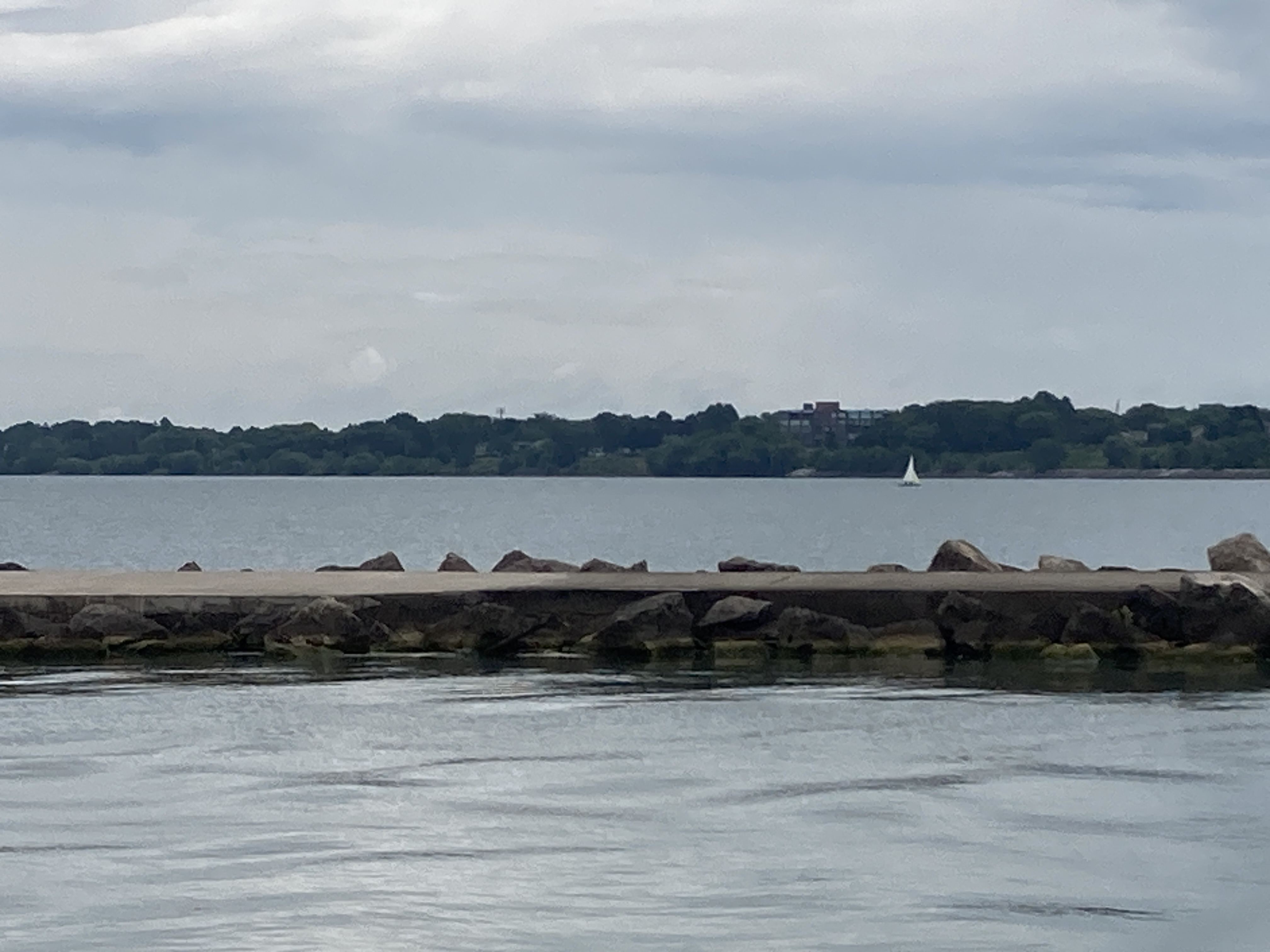
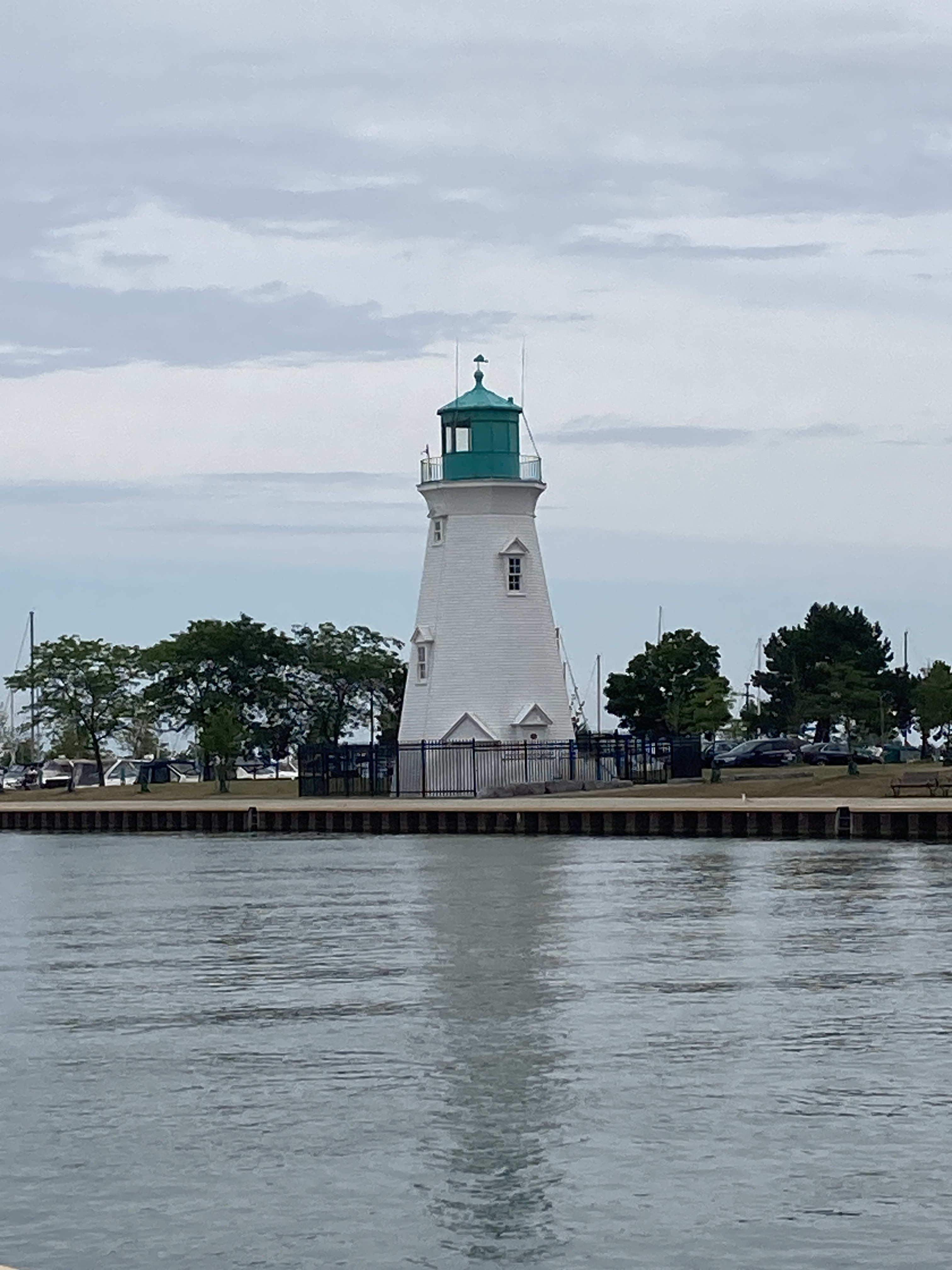
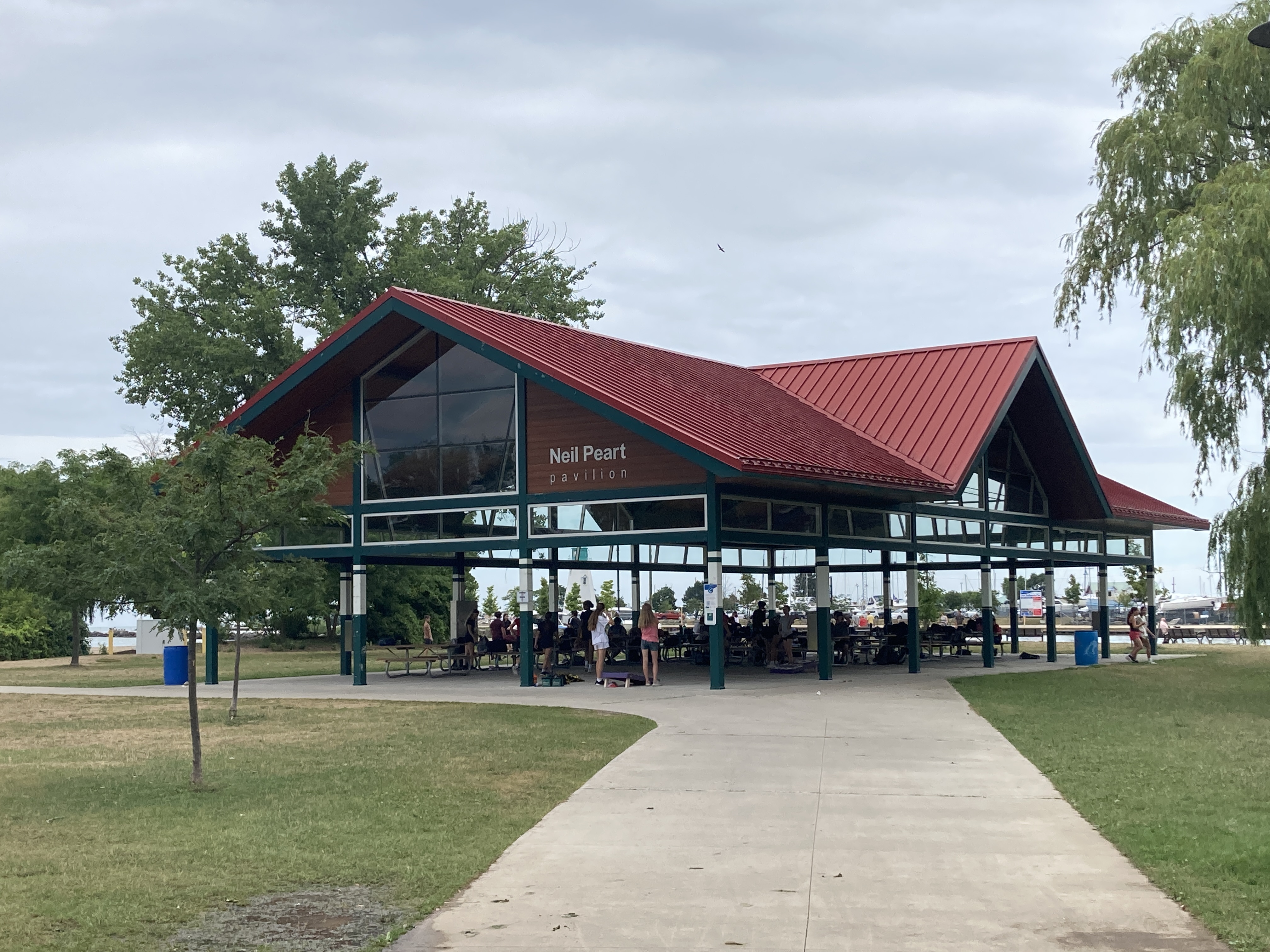
And yes, landing in the hometown of prog-metal’s finest drummer/lyricist was no coincidence; an outing to the town’s Lakeside Park (gorgeous even on an overcast day), complete with a picnic lunch in the shadow of the Neil Peart Pavilion brought the early Rush song of that name to vibrant life. (Fundraising for a memorial sculpture of Peart to be installed in the park has been in progress since last fall; click here for more information.)
If there’s a lesson, I suppose it’s this: a proggy vacation does not just happen; it must be carefully planned. So, fellow Progarchists: what’s your dream itinerary?
— Rick Krueger
P.S. Yes, all of the above is pretty retro; but new prog and more cool music piled up in my inbox while I was gone, so the appropriate Quick Takes are coming . . .
With new releases from the first third of 2025 piling up, a desperate attempt to answer the question “Can album reviews convey the essential info listeners need in haiku form?” For example, about the format used below:
Streams linked in titles; Brief poetic impressions; Shopping links follow.
Spawton’s young heartache Sparked this grandiose concept – Well-wrought remaster. (CDs sold out; vinyl available at Burning Shed and The Band Wagon USA)
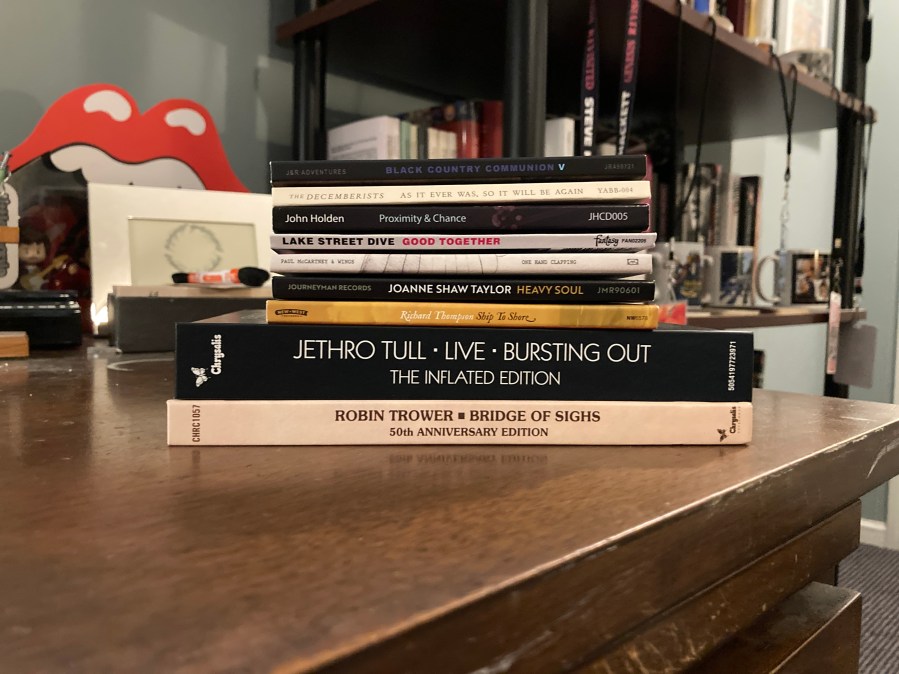
What do the new releases shown above and reviewed below have in common? To me, they all show their creators working at the top of their capabilities — whatever the genre of music and whenever it was made. Purchase links are embedded in the album titles.
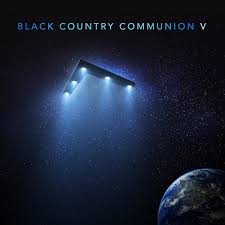
For example: these days, nobody does rock in the classic vein better than Anglo-American supergroup Black Country Communion. Never mind the unimaginative title: BCC’s fifth album V hearkens back to the days of Deep Led Purple Zeppelin in high style. Whether on opener “Enlighten” with its drone/riff switchoffs, the doomy chug of “Red Sun”, syncopated symphonic wobble “Skyway” or the crushing power-chord funk of finale “Open Road”, Joe Bonamassa’s guitar wails and stutters, vocalist Glenn Hughes howls at the moon, Derek Sherinian’s keys grind away underneath, and Jason Bonham brings that devastating family backbeat. From start to finish, this addition to my Favorites of 2024 list is whoop-ass hard rock at its finest.
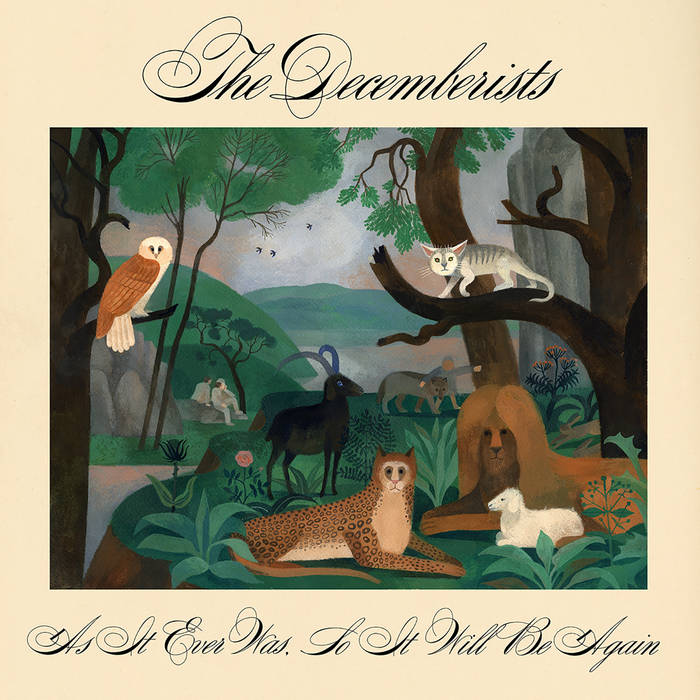
Back during the indie-rock boom of the early 2000s, The Decemberists flew a geekier flag than most; Colin Meloy’s artsy ensemble reminded me of nothing so much as They Might Be Giants and Fairport Convention collaborating on a Very Special Episode of Glee. The band’s first album in six years, As It Ever Was, So It Will Be Againis a double-LP summation of Meloy’s enduring obsessions: the snarky jangle-pop of Side One (“Burial Ground”, ” Long White Veil”); the death-haunted Brit-folk on Side Two (“William Fitzwililam”, “The Black Maria”); Side Three’s servings of vicious, brassy satire (especially the scabrous “America Made Me”) and – what else? – a side-long prog-rock epic, “Joan in the Garden” (think Pink Floyd’s “Echoes” with Uriah Heep mounting a hostile takeover), to wind the whole thing up. It’s all utterly theatrical and ever so tongue in cheek; but you can also tell that Meloy and his merry crew also adore what they (gently) mock. If you’re looking for a record that has everything including the kitchen sink, this sprawling, delightful mess could be just the ticket; it snuck its way onto my Favorites list with nary a warning.
DIY Brit-progger John Holden, on the other hand, takes his theatricality seriously, and the result, Proximity and Chance, is the best album of his burgeoning career. It’s sleek, richly dramatic musical storytelling throughout, whether Holden is basing his playlets on true stories (Victorian melodrama “Burnt Cork and Limelight”, modern-day spy scenario “Agents”), plundering Kipling to grand effect (the mini-cantata “The Man Who Would Be King”), or marveling at the odds against existence, let alone love (the two-part title track). An talented array of singers and players — Peter Jones leaning into his vocal roles and providing exquisite saxophone work, Sally Minnear leaving it all on the studio floor for the breakup ballad “Fini” — bring their A-games to enhance the lush synthesized orchestrations. Craft meshes beautifully with content here on Holden’s most flowing, accomplished effort to date.
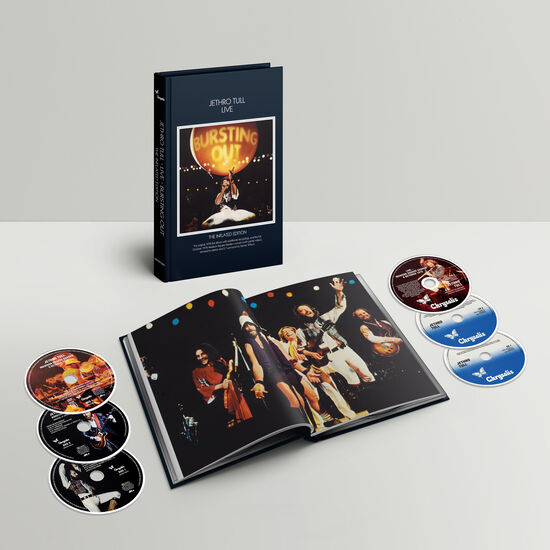
Speaking of theatrical prog: two-thirds of the way through their late 1970s “folk trilogy”, Jethro Tull were arguably at the height of their fame and drawing power — so what better time for their first complete live album? The latest deluxe re-boxing from Tull’s catalog, 1978’s Bursting Out returns as “The Inflated Edition”; along with the obligatory, whistle-clean Steven Wilson remix of the original album, this 3-CD/3-DVD set includes concert video simulcast by satellite from Madison Square Garden. Both shows impress: Ian Anderson is an adrenalized whirling dervish on vocals, acoustic guitar and flute, while the rest of Tull is an equally driven performing unit, executing with passion and precision throughout a mix of hits (“Skating Away”, “Thick As a Brick”, “Aqualung”, “Locomotive Breath”) newer tunes (“Songs from the Wood”, “Heavy Horses”) and oddball moments (“God Rest Ye Merry Gentlemen”? Eric Coates’ “Dambusters March”?) A sentimental fave from my college years, it’s as solid a sampler of Tull as you could hope to find.
As accomplished young players aiming for smart, retro-soul nirvana, Boston’s Lake Street Dive has occasionally got in their own way attempting to crown their groovy concoctions with Big Social Statements. But their latest, Good Together, hits the bullseye for brainy, danceable pop; Bridget Kearney’s ear-catching bass licks and Rachael Price’s arresting vocal hooks make for a winning combination on the title song, the single “Dance with a Stranger” – heck, all the way through the album! And with witty commentary on the state of postmodern love stirred into deep tracks like keyboardist Akie Bermiss’ “Better Not Tell You” and drummer Michael Calbrese’s “Seats at the Bar”, the whole band is pulling in the same direction, sharp and on point throughout. Even the thinkpiece ideas like the closer “Set Sail (Prometheus and Eros”) click this time; Good Together is proof of concept that Lake Street Dive can boogie down and philosophize at the same time. The end result is fun that stays with you long after your feet stop moving.
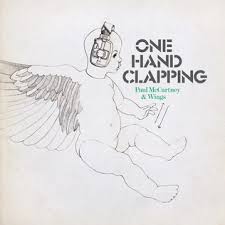
You can understand why the soundtrack of Paul McCartney & Wings’ live-in-studio video One Hand Clapping remained unreleased for fifty years – the drummer quit, new albums followed quickly, Macca tossed off a lot of twee tunes from behind the piano. But really, this is a magnificent find; raucous and committed, the band sizzles here. Linda McCartney’s thick synth sweeps, Jimmy McCullough’s eager, active lead guitar, perfectly judged touches of brass and strings all back up Paul’s riveting performances of core Wings tracks plus sideswipes at Elvis and the Beatles. There’s glam rock, a country excursion or two, the cinemascope brilliance of “Live and Let Die” – whew! Yes, Wings had their daft moments, but if you think McCartney never got his mojo working again after Abbey Road (or if you don’t get why people listen to this geezer who’s older than both presidential candidates), you owe it to yourself to hear this.
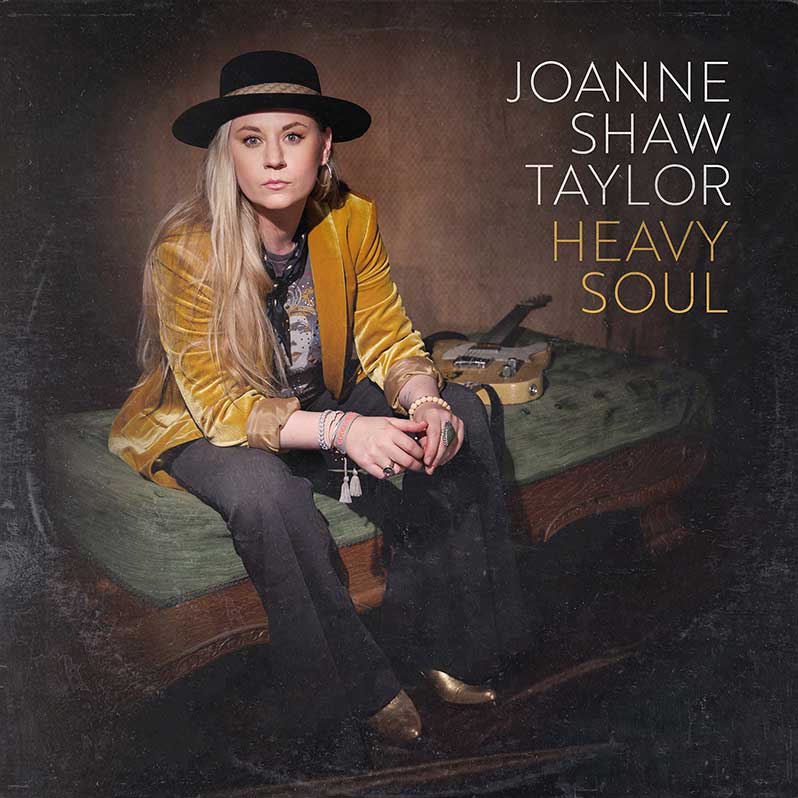
About twelve years ago, I heard Joanne Shaw Taylor live at a local hole in a wall and was appropriately floored. A fiery British blues-rock guitarist with an impassioned singing voice that sounds like it’s been soaked in Tennessee whiskey? Count me in! At every stop on her checkered path Shaw Taylor has always impressed, but her new Heavy Soulwent straight on this year’s Favorites list. Her songcraft takes a giant step forward on “Sweet ‘Lil Lies”, “Black Magic” and the onomatopoeic title track – her developing pop chops mesh magnificently with her blues roots – and she tackles Joan Armatrading’s anthemic “All the Way from America”, Gamble and Huff’s funky “Drowning in a Sea of Love” and the Celtic soul of Van Morrison’s “Someone Like You” with joyful abandon. If you’ve not checked JST out, you should, and this is a strong a shot of her as you’ll find.
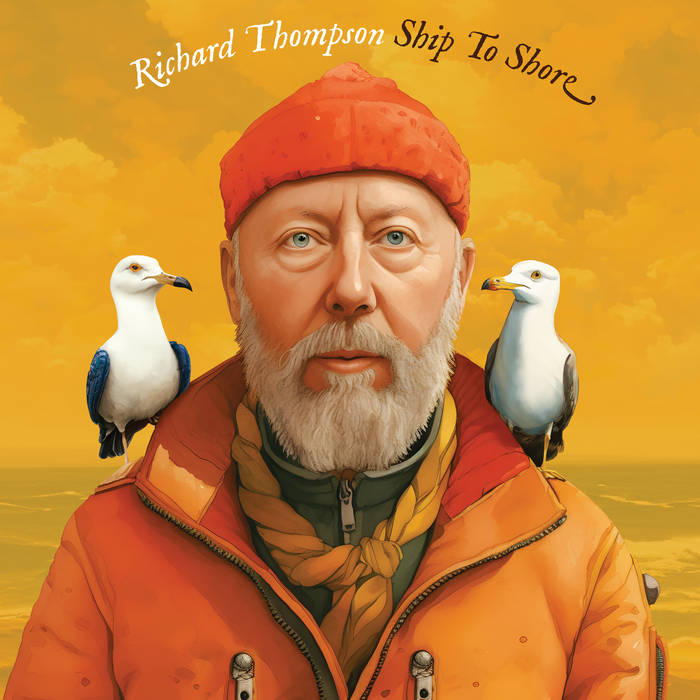
Richard Thompson is the guitarist Joanne Shaw Taylor probably hopes she can be someday, the songwriter Colin Meloy wishes he somehow could be; from his days inventing British folk-rock with Fairport Convention through a critically acclaimed set of solo albums that never captured mass attention, Thompson’s gleefully downbeat tunes and gnarly instrumental wizardry have never failed to move and shake those in the know. His latest album Ship to Shoreis another first-in-six-years gem; if anything, Thompson is working on a higher level than before. His acidic takes on thwarted love (“Freeze”, “Trust”, “Turnstile Casanova”) leave you gasping for breath; shadows lurk behind the desperate infatuation of “Maybe”, the queasy jollity of “Singapore Sadie” and the downhome cliches of “What’s Left to Lose” and “We Roll”. Backed by Taras Prodaniuk’s bass and Michael Jerome’s drums, Thompson conjures a clinging fog of guitar anchored in power-trio punch, with one brooding texture and lacerating lead break after another. As the title of one of his self-released albums unsubtly insinuates, doom and gloom from the tomb are Thompson’s stock in trade – but watch out! His unique blend of heartbreak and black humor can be oddly addictive.
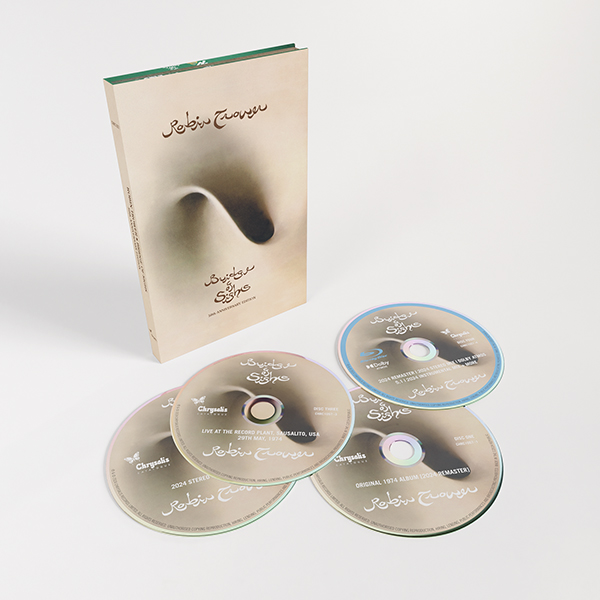
Finally, the undisputed masterwork of the man who taught King Crimson’s Robert Fripp to bend a string gets the deluxe edition it deserves. Robin Trower’s 1974 classic Bridge of Sighs hit rock fans in the USA (where Trower and Crimson toured together that year) like a ton of bricks; in vocalist/bassist Jimmy Dewar and drummer Reg Isidore, Trower had his dream team to escape the classical flourishes of Procol Harum and dig into musical veins previously mined by his hero Jimi Hendrix. “Day of the Eagle”, “Too Rolling Stoned” and “Little Bit of Sympathy” hit hard and funky; the title track, “In This Place” and “About to Begin” leave the listener floating on little wings of poignant mysticism. And everywhere, Trower’s unique solo sound; a guitar that really does sound like the sky is crying. A rough mix that reveals producer Matthew Fisher and engineer Geoff Emerick’s crucial roles in unifying the album and a raucous live-in-studio set provide the perfect complements to a genuinely great record.
— Rick Krueger
This set of Quick Takes is in memory of friend and concert buddy Jack Keller (1952-2024), with whom I saw Joanne Shaw Taylor, Richard Thompson, and many other fine artists live. Wish I could hear his story about working security for the Grand Rapids stop of Genesis’ The Lamb Lies Down on Broadway tour one more time . . .
And I will do alright Well in truth, I might I may be stumbling round on some cold night And I will miss the times when we were so right Although it seems so long ago, so long
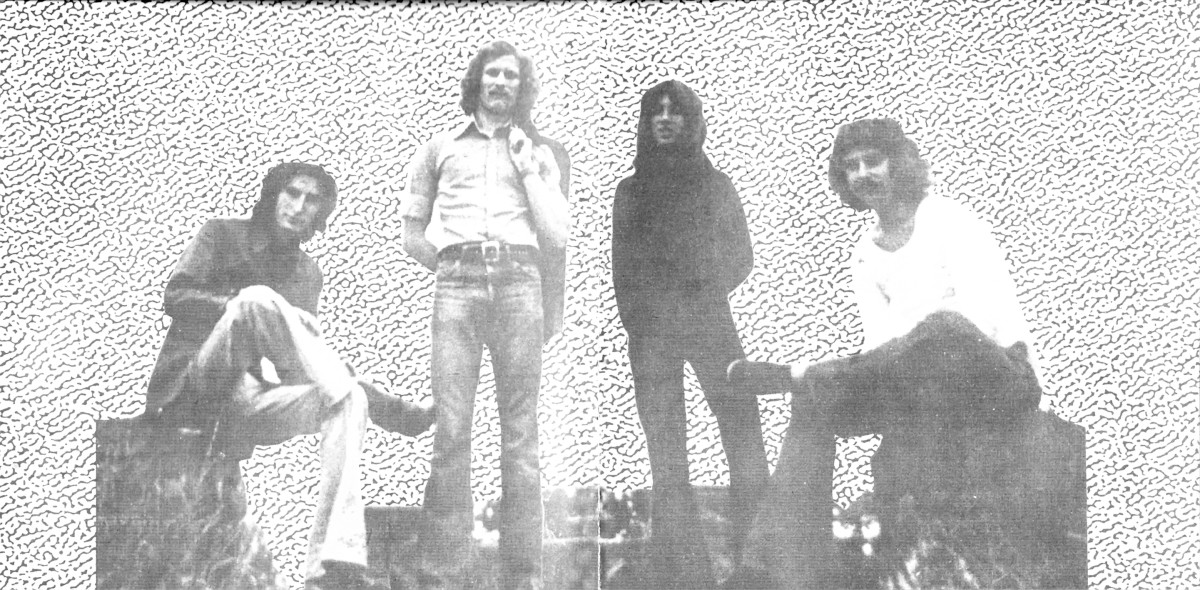
When it comes to obscure prog bands, these guys might just take first prize. Fifty years ago, four British chaps known collectively as Sindelfingen released their only complete studio album, the delightfully named Odgipig – but only 100 copies were made available. Thanks to the Internet, however, we now have regular access to a particularly rare gem such as this one.
Odgipig, although somewhat inconsistent in places, is a solid and even rather original debut. Unlike many of their prog contemporaries, Sindelfingen forwent the typical keyboard setup and opted instead for a glockenspiel (played superbly by Roger Woods), which lends the album a unique and pastoral sound a la Jethro Tull’s Songs from the Wood. This sound is shaped also by the presence of acoustic guitars and recorder (both played with finesse by Mark Letley), especially on “Today and Tomorrow” and “Perpetual Motion,” the former being, in my humble opinion, the strongest track on the album. Lead singer Richard Manktelow (who also plays guitar) and drummer Roger Thorn are no slouches themselves, however, in their respective roles. Manktelow’s vocals are easy on the ears and Thorn anchors a dependable rhythm section with Letley (who also plays bass; he’s the type of musician who might have been recruited by Gentle Giant).
Sindelfingen enjoyed a brief foray into the prog world before fading into obscurity, but we today can appreciate the little gem they left behind for us. Below is the original album along with some bonus tracks that are also worth a listen.
(As always, purchase links are included in the artist/title listing, with available online audio/video following.)
This month’s favorites:
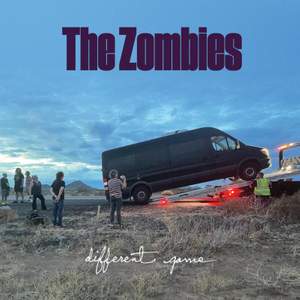
The Zombies, Different Game. Led by singer Colin Blunstone and keyboardist Rod Argent, The Zombies notched three hit singles (“She’s Not There”, “Tell Her No” & “Time of the Season”) and a noted album of psychedelia (the misspelled, wildly adored Odessey and Oracle) back in the 1960s. This fourth effort since their late-90s reunion is my unexpected album of the month: a mesmerizing mix of the Baroque, the blues, witty lyrics worthy of the Great American Songbook and pile-driving soul. Argent’s compact yet ambitious songwriting is at a peak here: check out the elegiac, Bach-meets-John Lee Hooker title track; the doo-wop harmonies of “Rediscover”; the Motown/Steely Dan workouts of “Runaway” and “Merry-Go-Round”; the forlorn, string-laden balladry of “If You Would Be My Love” and “I Want to Fly”. And Blunstone can still stir up a furious storm with his R&B-inflected shouting or calm troubled waters with his cool serenity, frequently in the same tune! Mostly cut live in the studio, this is rock classicism at its finest; don’t miss it.
Nickel Creek, Celebrants. On their first outing in nine years, the progressive bluegrass trio riffs off an unlikely source to stunning effect. Inspired by the Beach Boys’ unfinished modular masterpiece SMiLE, mandolinist Chris Thile, violinist Sara Watkins and guitarist Sean Watkins conceived this album as a suite, with songs and instrumentals interconnected by recurring melodies and lyrics. The result flows brilliantly from beginning to end, impelled by these technically formidable, yet invitingly inventive players; the music moves like a flash from supple chamber textures (“The Meadow”) to propulsive rock (“Where the Long Line Leads”), through pensive slices of life (“To the Airport”) to hard-pickin’ instrumentals (such as the widely separated bookends “Going Out . . . Despite the Weather”). And that’s to say nothing of the trio’s thrilling, acrobatic vocal work, both solo and in harmony. Nickel Creek opens my local outdoor amphitheater this summer — and I, for one, can’t wait to hear what they do with this material!
London Brew. As with so much floating in the atmosphere of early 2020, this concept (a London concert celebrating the 50th anniversary of Miles Davis’ groundbreaking fusion album Bitches Brew) mutated along with COVID-19. Instead, we got something that’s arguably better — a dozen of the hottest young British jazzers jamming for three days in the studio, inspired by Miles’ ideas but whipping up a double-length set of free playing that’s more a seething maelstrom than a reverent tribute. Saxophonists Shabaka Hutchings (Sons of Kemet, The Comet Is Coming) and Nubya Garcia are probably most familiar to American listeners. along with drummer Tom Skinner (Sons of Kemet, Radiohead side project The Smile). Their fluidly molten lines and explosive grooves are core elements of this stormy music — but so are Nick Ramm and Nikolaj Torp Larsen’s floating keyboards, Martin Terefe and Dave Okumu’s boundary-bursting guitars, Raven Bush’s arcing violin, Theon Cross’ pumping tuba, and the volatile rhythm section of Tom Herbert and Dan See. The end result spins unpredictably between open, spacious textures and unstoppable torrents of furious sound, delivering 90 minutes of inspired, spectacularly unclassifiable music that never doubles back on itself.
This month’s jazz:
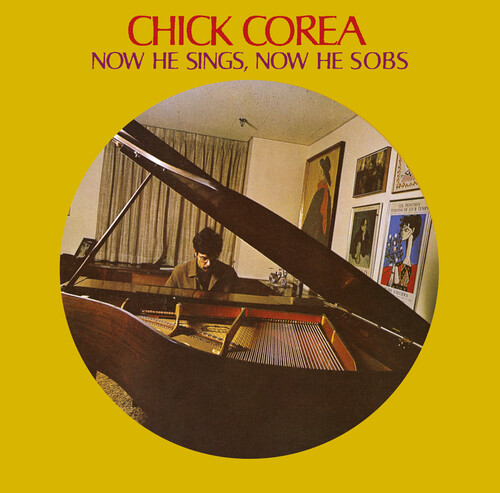
Chick Corea, Now He Sings, Now He Sobs (reissue). thanks to the no-frills Dutch reissue label Music On CD for bringing back this 1968 gem; arguably the first great album in Corea’s mind-boggling discography, it’s a near-perfect blend of lyricism and experimentation, simultaneously honoring and stretching the jazz tradition of the time. Teaming up with bassist Miroslav Vitous (later of Weather Report) and legendary drummer Roy Haynes, Corea weaves seamlessly through classic early compositions (“Matrix”, “Windows”), standards (Thelonious Monk’s “Pannonica”, “My One and Only Love”) and in-the-moment improvisations (the bulk of the original album and the additional session tracks included here). Laced with snatches of iconic Corea moments to come, this is also a solid, satisfying record in its own right.
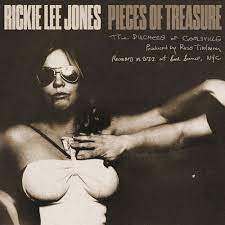
Rickie Lee Jones, Buried Treasures. You can argue that Jones was always a jazz singer, even on her folk-inflected debut smash and her cinematic follow-up Pirates. (And hey, if Bob Dylan can sing songs made famous by Frank Sinatra . . .) Reunited with her original producer Russ Titelman and fronting a wonderfully sympathetic instrumental quartet plus horns, Jones lovingly leans into ten classic pre-rock songs, her inimitable voice gently caressing the melodies, her sparky gift for bringing the words and sentiments she sings to life blissfully intact. Hushed and intimate, but with rough edges in all the right places, Buried Treasures lives up to its title – and then some.
Rob Mazurek Exploding Star Orchestra, Lightning Dreamers. The latest from Chicago’s headily progressive jazz label International Anthem. Take trumpeter/composer Mazurek’s programmatic depictions of South American landscapes married to the free-form poetry of Damon Locks; add Gerald Cleaver and Mauricio Takara’s sturdy, hip-hop inflected percussion, Jeff Parker’s liquid post-rock guitar, and the atmospheric keys of Craig Taborn and Angelica Sanchez; then run the whole thing through a mixmaster of electronic treatments. Listen to this music with open ears, and you may come out the other side looking at the world around you with new eyes, too. A celebratory, cathartic experience.
This month’s veteran (cosmic?) rockers:
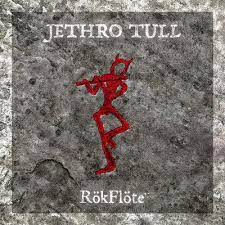
Jethro Tull, RökFlöte. After his revisionist take on the Bible on last year’s The Zealot Gene, Ian Anderson turns his gimlet eye on the old Norse gods, with 12 new songs that portray that mythology’s pantheon and flesh out present day cultural parallels — all in strict poetic meters, no less! The music is welcoming and nimble, often reminding me of classical or Celtic tunes I can’t quite place; Anderson’s flute work is wickedly sharp and his back-up band (including new guitarist Joe Parrish-James) give each tune plenty of oomph. And while Anderson can’t attack this material with the vocal gusto and range he had in Tull’s heyday, he’s learned how to cannily work with his limitations to pull the listener into each vignette. Reminiscent of the Songs from the Wood/Heavy Horses era of Tull, this will charm long-time fans while holding open possibilities for broader appeal.
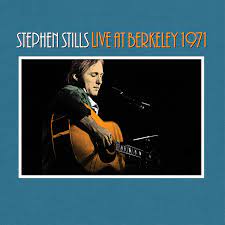
Stephen Stills, Live at Berkeley 1971. The latest fuel for my ongoing Crosby Stills Nash & Young fixation. No wonder they called Stills “Captain Many Hands”; two-thirds of this archival set feature the man holding an audience of 3,500 spellbound with just his voice, guitar, piano and banjo (oh, and David Crosby chipping in harmonies on two songs). Which makes the impact of the full band finale even stronger, as a six-piece group plus the Memphis Horns power Stills’ singing to soulful heights (while sounding remarkably proggy in the 7/4 section of the epic “Cherokee”). With impressive tunes spanning a broad spectrum of roots music and superb musicianship throughout, this set offers a valuable chance to hear a now-underrated American master at his best.
The Who with Orchestra, Live at Wembley. In 2019, I attended the first concert of Roger Daltrey and Pete Townshend’s foray into playing with a full-blown orchestra; recorded six months afterwards, this double set is now released in advance of The Who taking their symphonic show across Britain this summer. The bugs of that opening night had definitely been ironed out by the time they got to London; the orchestral backing on their “greatest hits plus a couple new tunes” set hits hard consistently, reaching majestic heights on the extended suite from Quadrophenia. And if Daltrey and Townshend’s voices are showing their age at long last, their gutsy commitment to the material triumphs over any moments that reveal the wear and tear. Still, the highlight of the show for me remains the duo’s acoustic duet on the evergreen “Won’t Get Fooled Again”, with Townshend supplying an introduction that pokes holes in any lingering political pretensions: “You provide the [expletive deleted] activism; we’ll provide the soundtrack.”
Box Set of the Month:
Blackfield, An Accident of Stars – 2004-2017. Customer service alerts first: the “limited one-time pressing” of this CD-based set, collecting Steven Wilson and Aviv Geffen’s first five albums under the Blackfield banner plus live audio and video is already sold out, though Amazon and indie stores like Michigan’s Dearborn Music are listing stray copies as available. Oh, and there’s a technical glitch with the included BluRay, which won’t play in American and Asian players. (Though purchasers can get a free replacement BluRay via press@snappermusic.co.uk) All that aside, Blackfield made a whole bunch of gorgeously doomy art pop in those 13 years, with Wilson and Geffen’s vocals adding salty, sour, spicy notes to their melancholy, string-laden soundscapes. While the debut Blackfield album is still my favorite, albums II and V really aren’t that far behind in quality – and there’s good stuff to be found on the lesser albums as well (all available individually through Burning Shed or Bandcamp). So if this piques your curiosity, go for selected highlights – or the complete set! (But be forewarned — KScope has announced a similarly limited box of early Pineapple Thief albums for June release, and a set of Wilson’s No-Man albums with Tim Bowness is rumored to be in the works. So start saving your shekels now . . .)
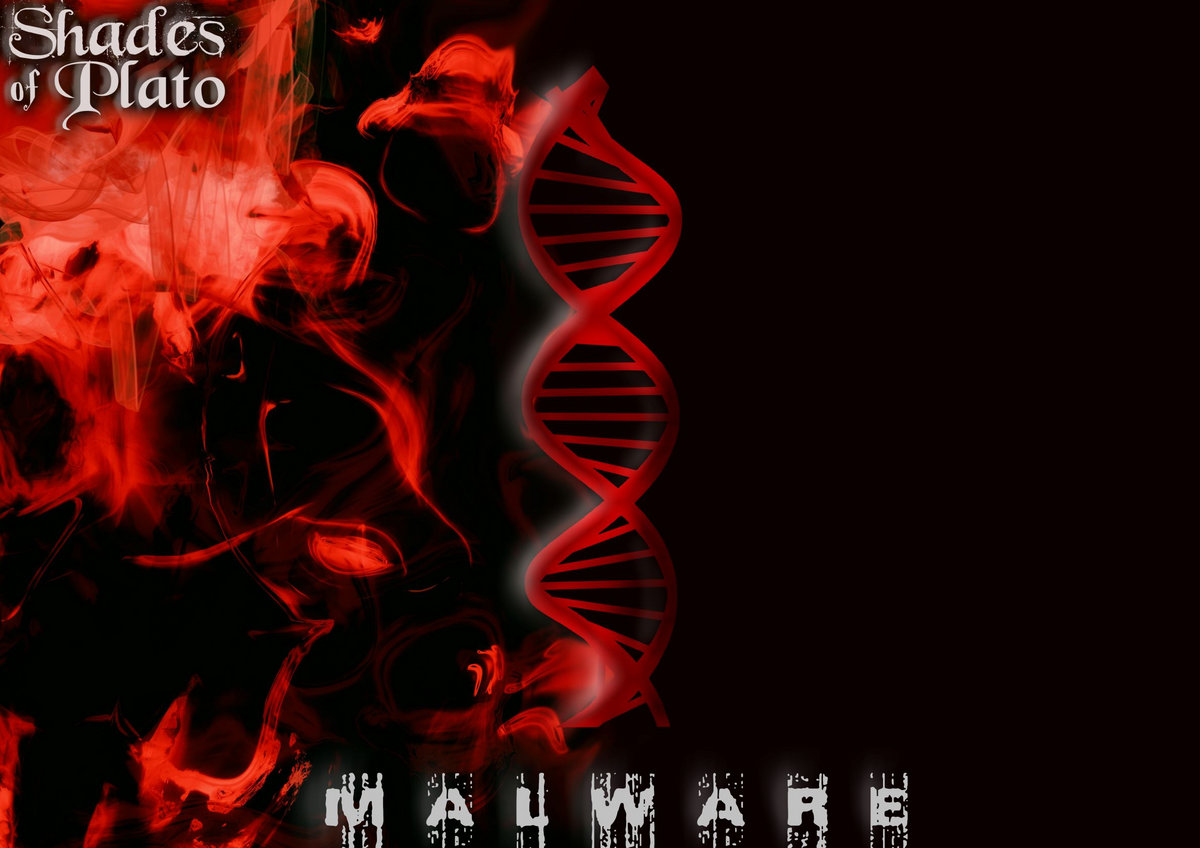
Shades of Plato, Malware, March 28, 2022 Tracks: Malware (3:57), Death Of Me (4:23), All Women To Me (3:11), Oliver Reed (3:44), Clickbait (3:59), Time Is Not Your Friend (3:49), Ecdysis (3:57), Une Place Au Soleil (5:14), A Little Learning (3:53), She’s Always Hitting On Me (4:41), No Friend To Me (3:35), The Dead Don’t Dance (3:38), Mr. Von Hugo (3:22), People Suck (6:14), Don’t Let Your Dreams Be Shadows (4:54)
Three years in the making and five years after their debut album, UK band Shades of Plato’s sophomore album Malware blends musical and lyrical influences into a compelling and hard-hitting rock album. The result sounds a bit like Jethro Tull minus the folk influence. Sprinkle in a bit of Canterbury scene influence (hey, the album was recorded in Kent) and straight up hard-rock, and you have a pretty good idea of their overall sound. Frank Zappa’s eclecticism also seems to be a pretty strong influence.
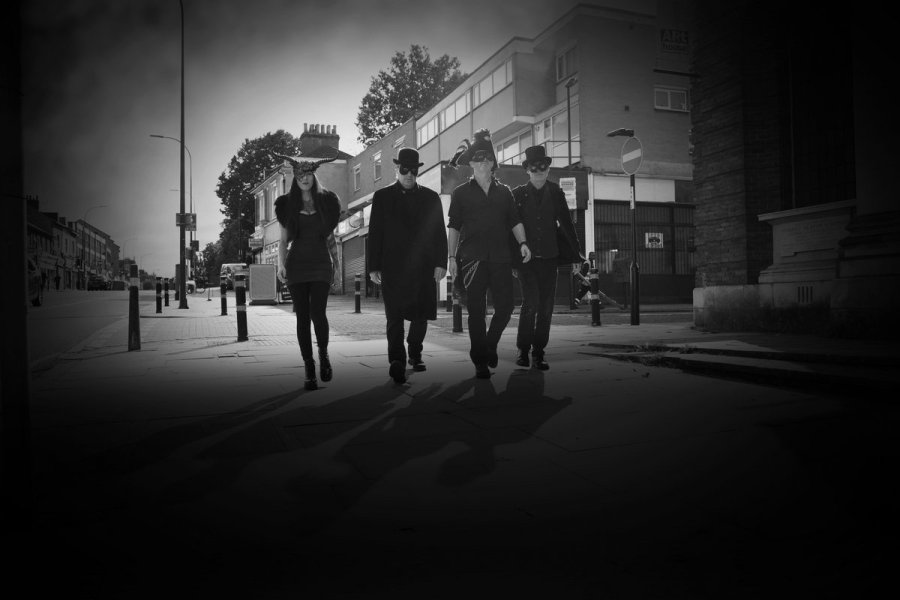
The four band members play behind pseudonyms: Ol’ Dirty Flute on vocals and flute, Captain Black on bass and keyboards, Jack Sorrow on guitars and keyboards, and Pandora on drums. Ol’ Dirty Flute’s voice is very reminiscent of Ian Anderson, albeit without the range Anderson had in his prime. His flute make the Tull influence unmistakable, yet it manages to still not sound pastoral at all.
The music itself leans perhaps more classic rock than prog as we might think of it today. The tracks are on the shorter side, and they tend to show off varying influences while still maintaining a cohesive sound across the record. The bass on the title track has a heavy Tool sound, while the opening rhythm of “Death Of Me” reminds me a lot of early Black Sabbath, a sound maintained in the song by a distinct guitar crunch.
The songs contain memorable hooks and melodies, which help serve the quite exceptional lyrics. The band even shows some quirkiness with a track like “Mr. Von Hugo,” which has a catchy repetitive chorus. The vocals on the album could be a bit stronger, as the limited range does seem cause the vocals to fade back into the mix a little bit. Having the lyric sheet included with the digipack CD is a help.
The lyrics really stand out on this record. As the band’s name might suggest, Plato is a big influence here, with his ideas spread throughout the record. The philosophic bend to the lyrics reminds me of Neil Peart’s lyrics at times, especially in the middle period of Rush’s career. Shades of Plato also have a strong grasp on contemporary culture, and as such there are some great critiques of modern ills. “Clickbait” brings up the negative aspects of the internet, such as the ability of it to radicalize people or turn them into virulent “activists” in ways they might not be in real life.
You can be an activist It takes one finger to enlist Virtue-signalling your friends With whatever twitter trends Share the same ideology Hash tag haters by decree Then selfie surfeit Instagram Like a good Kardashian
“Clickbait”
“Time Is Not Your Friend” is a good reminder that life is fleeting. Things you wanted to tell your loved ones but didn’t should be said when you get the chance. No matter how far away we think the end is, it is indeed there waiting for us, and that should cause us to act.
Counting on your demise As a far distant event Well think again, it sits in wait At every hour you are sent Time is not your friend And you’re always close to the end And you can’t go round again
“Time Is Not Your Friend”
“A Little Learning” is fantastic. Every big-name musician or any actor who decides to use their platform to push beliefs which have nothing to do with how they make their living really should take this song to heart.
I’d put a sock in what you’ve said so far You ain’t changing shit with your guitar Keep your polemics to yourself Your audience, they don’t share your wealth
Don’t proselytize on my timeline Your diatribes don’t define My anarchy, it’s not okay Keep your own counsel, is what I saw
A little learning is a dangerous thing I’m going to duck you in the Pyrian spring…
“A Little Learning”
Shades of Plato save the best for last: the final track, “Don’t Let Your Dreams Be Shadows,” takes its influence from Plato’s Allegory of the Cave. For those unfamiliar with said allegory, the short version is everyone is living in the darkness of a cave where their reality is limited to shadows cast by a candle. Someone escapes from the cave and discovers the brightness of reality in the outside world. That person (the philosopher) returns to the cave to bring everyone else out into reality, but they refuse to leave their world of shadows. Shades of Plato similarly call the listeners not to “let your dreams be shadows,” choosing instead to “run free through orchid meadows / Unhindered by the hedgerows.” Experience life as it really is, not as the internet projects it to be (see “Clickbait”).
And I’ll be waiting for you Here on the outside When light comes streaming through I’ll be your guide Until you’re accustomed to The cosmos in your eyes And our ascent to the firmament Is assured; undying; heaven-sent.
“Don’t Let Your Dreams Be Shadows”
Earlier I said this album had more of a classic rock edge, but this is no mere straightforward hard-rock album. The lyrics move far beyond that, and combined with the subtle keyboard washes and the recurring flute, this album begins to take on a progressive edge. While not necessarily a concept album, there are lyrical themes that pop up across the album that connect with each other in subtle ways, some of which I have touched on in this review. The album is worth digging into for the lyrics alone, but you’ll also find the music very rewarding.
The album is available at Bandcamp for download or a CD – both priced at £5.
Jethro Tull have released a new song, “Sad City Sisters,” off their upcoming album, The Zealot Gene, which is set to be released on January 28, 2022. Ok, I have a little trouble calling Ian Anderson’s band Jethro Tull without Martin Barre contributing, but that’s what Anderson is going with now. I have nothing against Joe Parrish-James or Florian Opahle, who play guitar on the album. In fact I think Opahle is a fantastic guitarist (I’ve hot heard Parrish-James’ work). I’ve seen Opahle live twice with Ian Anderson’s band on the Thick As A Brick tour in 2012/13, and he was great. But I see this as an Ian Anderson solo album, not Jethro Tull.
With that said, I quite like this little ditty. It has a bit of the folkish aspects of late 70s Tull, and Ian Anderson’s vocals sound way better than I was expecting. Like way way way better. Obviously he’s singing in lower key, but still. The song also prominently features longtime keyboardist John O’Hara’s accordion, which has become a bit of a staple in the live shows and on Anderson’s solo albums. Longtime drummer Scott Hammond and bassist David Goodier join on the album as well. Any way you slice it, this is Jethro Tull’s first official album since 2003’s The Jethro Tull Christmas Album.
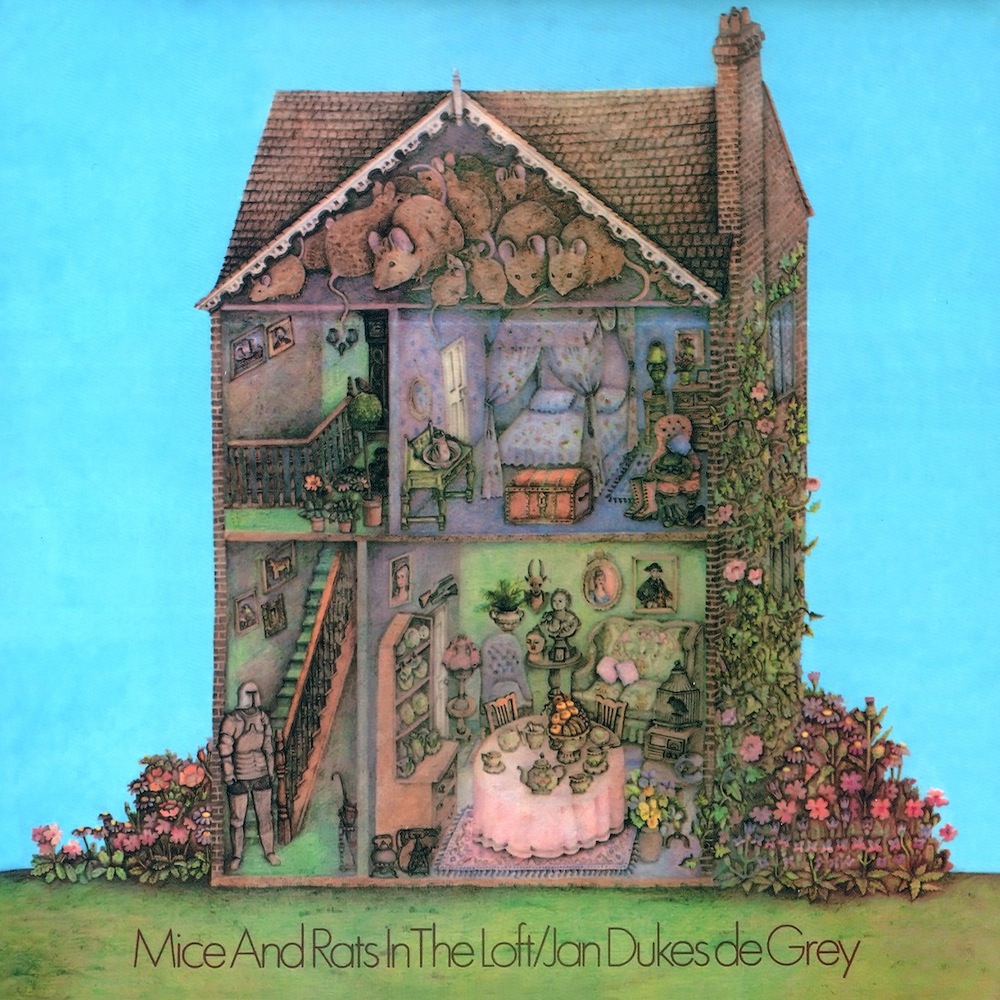
Combine the following ingredients in a vintage mixing bowl: the Gothic atmosphere of Van der Graaf Generator, the versatility and dexterity of the members of Gentle Giant, the guitar of Jimi Hendrix, the flute of Peter Gabriel, and include dash of Jethro Tull for taste. The result? Perhaps the most polished of obscure gems I have reviewed thus far. Jan Dukes de Grey’s Mice and Rats in the Loft is a psychedelic, folk-inspired acid trip that will leave the listener both mildly disturbed (listen closely to the lyrics) and suitably impressed.
After Sorcerer‘s (their debut album) cool reception from both fans and critics, British duo Jan Dukes de Grey (multi-instrumentalists Derek Noy and Michael Bairstow) brought on drummer Denis Conlan to give their follow up effort some “umph.” Although Mice and Rats in the Loft received little attention upon its initial release, it has since acquired a dedicated cult following; the album is now an in-demand collector’s item. Like many prog albums of yore, Mice and Rats in the Loft includes only three songs, but they are heavy hitters:
The opening number, “Sun Symphonica,” begins like a Jethro Tull song: your ears are greeted by the lovely, pastoral sound of a lilting flute. But soon the madness begins: Conlan pounds the drums, and Bairstow and Noy sound like two madmen enjoying themselves through music. The latter two gentlemen display their talents on just about everything: keys, guitar, flute, sax, clarinet, etc. Noy’s theatrical vocals combine with some rather ominous lyrics to weave a tale that is sure to leave you rattled by the end.
“Call of the Wild” skips the pleasant opening notes of the first song and gets straight to the madness. Noy’s work on twelve-string guitar on this album is superb – comparable to Hackett or Howe, in fact – and he shreds (yes, shreds) on this song. There are several moments – one about eight minutes in, another at the end of the piece – where Noy’s distorted guitar transports the listener into a Gothic-folk setting. This song is downright Lovecraftian in atmosphere.
The title track leaves the listener feeling no less worried about his mental or emotional state: we are greeted with the sound of a wailing siren before Noy’s electric guitar (sounding like Hendrix here) is unleashed on our ears. Like the previous two songs, the lyrics are meant to unsettle (“The blood trickled down between his…fingers”). It’s not long before we begin to wonder what exactly those mice and rats are doing upstairs….
This album is a marvelous maelstrom – a chilling cacophony – a sinister symphony – of sound. The (slightly) twisted minds of Bairstow, Noy, and Conlan offer the best elements of prog: fantastical lyrics, theatrical vocals, unbelievable versatility, and an overall unsettling atmosphere that will satisfy even the most persnickety of proggers. Do yourself a favor and give this one a listen.
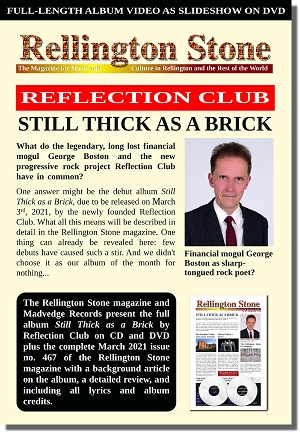
Reflection Club, Still Thick As A Brick, March 3, 2021 Tracks: Prelude (2:00), Time Out (4:03), Years on the Fast Track (3:31), Rellington Town (6:17), The Club of Hopeful Pinions (3:47), The Foray of the Sharks (5:45), Sentimental Depreciation (5:19), Nervesoothers (3:09), The Great Dance around the Golden Calf (3:36), Bedlam (5:48), Look Across the Sea (4:24)
Berlin-based progressive rock project Reflection Club have mastered the spirit and sound of the classic era of Jethro Tull. A frequent critique from some people regarding the current wave of progressive rock is that it often sounds like it’s copying the sounds of the 70s – particularly Genesis and Yes. Reflection Club avoid that critique by making it abundantly clear where they get their influence. They aren’t pretending to make their own unique sounds, but they place themselves out on a ledge by blatantly “reflecting” Jethro Tull, because in doing so they have to live up to the hype they’re creating. Thankfully, they do.
Reflection Club is primarily the creation of German multi-instrumentalist Lutz Meinert together with German guitarist Nils Conrad, American flautist Ulla Harmuth, and English vocalist Paul Forrest. Not surprisingly, Forrest sings in a tribute band called Jethro Tull Experience. He expertly matches the tone and style of Ian Anderson’s voice circa 1972. Lyrics are written by one George Boston… Ok they’re really written by Meinert.
In the style of the original Thick As A Brick, the group created a beautiful hardcover booklet in a magazine style satirizing music magazines, album and concert reviews, and interviews. It’s really quite hilarious if you take the time to read it. The booklet comes with a CD and a DVD, which has the album on a 5.1 mix or a high quality stereo uncompressed stereo mix. The DVD has a slideshow to go along with the album, helping tell the story. The album is also available on vinyl.
While this music certainly sounds like Jethro Tull, it in no way sounds like a copy of Thick As A Brick. It is a concept album like the original, and the lyrics are written in Anderson’s style. The album is split into 11 tracks, but it’s really one long song with seamless transitions between tracks. The lyrics deal with many of the issues we deal with in our complex modern world. Thankfully there’s no mention of the pandemic.
I’d like to strike the next person who says “Christmas this year will look a bit different.” Well it doesn’t have to sound different. If you find yourself alone this Christmas Eve/Christmas (like me), there’s plenty of Christmas-related prog to keep you entertained.
Devin Townsend’s Christmas livestream A couple hours ago Devin Townsend released a Christmas-themed live stream. If you’ve ever wanted to see the mad genius imitate a crooner, you’re in luck. Mostly he plays his own music spanning his career, and his whole demeanor is incredibly calming. It’s an acoustic set and a one-man show, so if you’re not as big a fan of the extreme side of his career, then this is the show for you. Ok it’s Devin so there are a few screams, which are almost comical considering he’s playing an acoustic guitar. The acoustic version of Strapping Young Lad’s “Love” is pure gold in that regard. The man has a golden voice no matter how he’s using it.
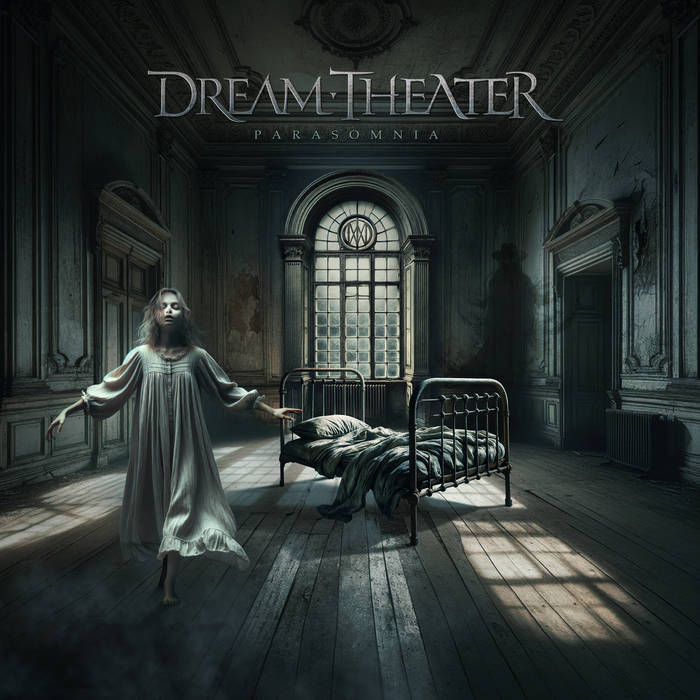
Dream Theater’s “The Holiday Spirit Carries On” The mighty Dream Theater released a Christmas medley track a couple weeks ago to raise money for their live crew. It’s $2.99, and all the proceeds go to their crew. If you’ve ever wanted to hear James LaBrie sing “Fa-la-la-la-la la la-la la, then you had better buy the track soon because it’s only available during the month of December: https://dreamtheaterofficial.bandcamp.com. Here’s a brief sample:
Neal Morse’s “Last Minute Christmas Album” Neal Morse decided to write a Christmas album over the last couple weeks, and it is available for download over at his label, Radiant Records. It’s his singer-songwriter side of things rather than his prog side, but it’s still Neal Morse. https://www.nealmorse.com/2020/12/19/download-now-neal-morse-last-minute-christmas-album/
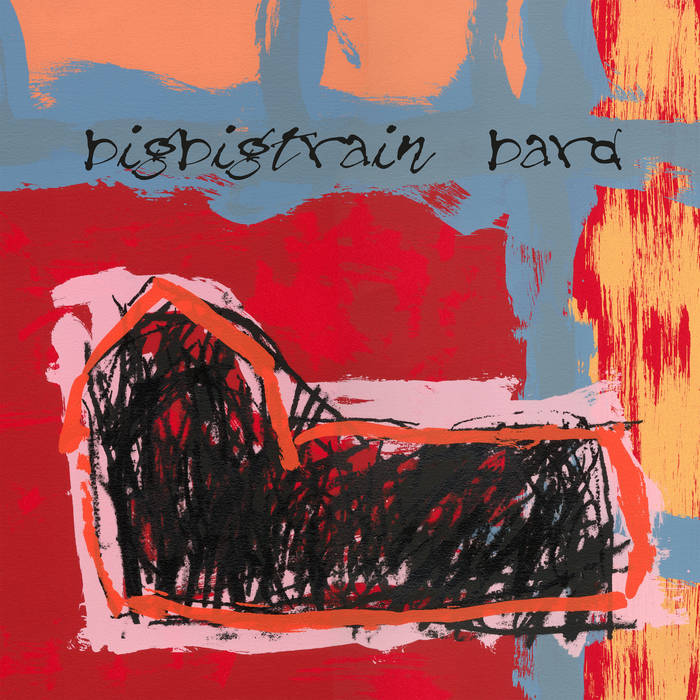
Big Big Train’s “Merry Christmas” and “Snowfalls” Big Big Train released the single “Merry Christmas” along with the even-better B-side “Snowfalls” back in 2017. They’ve become two of my favorite tracks of the season, and I would love to hear a whole album of original Christmas music from them, along with their take on some classic Christmas carols.
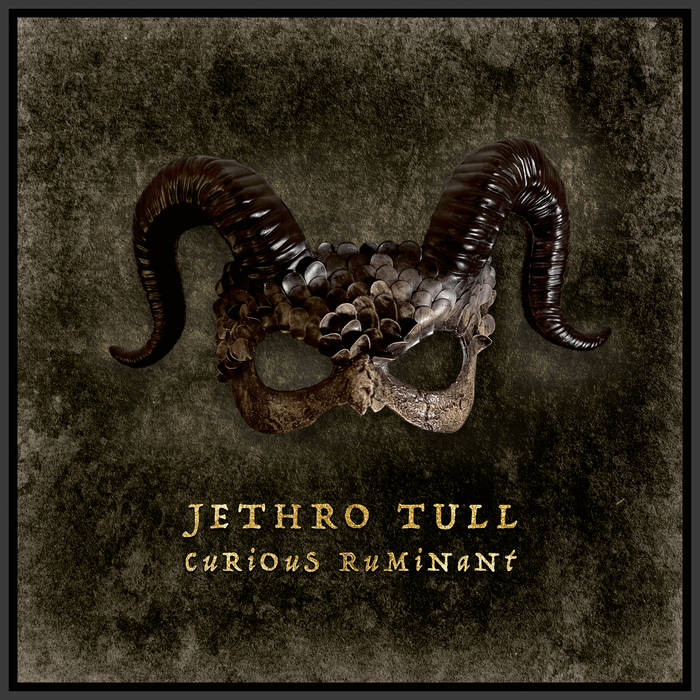
Jethro Tull’s Christmas Album “The Jethro Tull Christmas Album” has been a favorite of mine for several years now. I listen to it every Christmas season.
LEAH’s “Ancient Winter” It’s been a while since we’ve heaped praises upon the head of Canadian Leah McHenry. Last year she released “Ancient Winter,” a wonderful album celebrating the winter season. This album leans more into her Celtic influences than her metal influences, which fits the season. Definitely worth a listen or two.
There’s other Christmas prog out there, but I don’t want to overwhelm you. May you have a blessed holiday in spite of everything going on in the world. Christmas is a time when we remember that God humbled Himself to be born as one of us so that He could live like us before sacrificing His very life so that we might live forever if we follow Him. His burden is light when compared to the weight of our sin, and if 2020 has taught us anything, it is that we’d all be better off bearing that burden than the weight of the world. There’s always hope in the world, no matter what’s going on. This music is just a little glimpse of the goodness available to us even in the darkest moments.







 Shades of Plato, Malware, March 28, 2022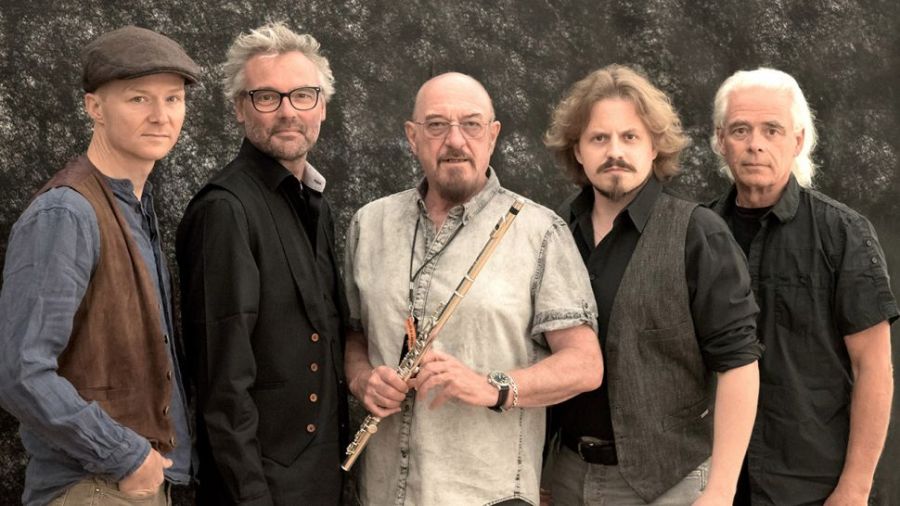
 Reflection Club, Still Thick As A Brick, March 3, 2021
 Progarchy