Rick’s Quick Takes: Summer, Part Two

Unless otherwise noted, title links are typically to Bandcamp for streaming and purchasing, or to Spotify/YouTube for streaming with a additional purchase link following the review.

First off, the triple-disc elephant in the room: the Neal Morse Band’s An Evening of Innocence & Danger: Live in Hamburg. Morse, Eric Gillette, Bill Hubauer, Randy George and Mike Portnoy deliver exactly what the title says, plowing through the NMB’s most recent conceptual opus with the added excitement of rougher vocal edges and elongated opportunities for face-melting solos. Welcome deep cuts at the end of each set plus the heady mashup encore “The Great Similitude” heat things up nicely. The band’s delight in being back in front of a transatlantic audience comes through with (sorry not sorry) flying colors. Order from Radiant Records here.
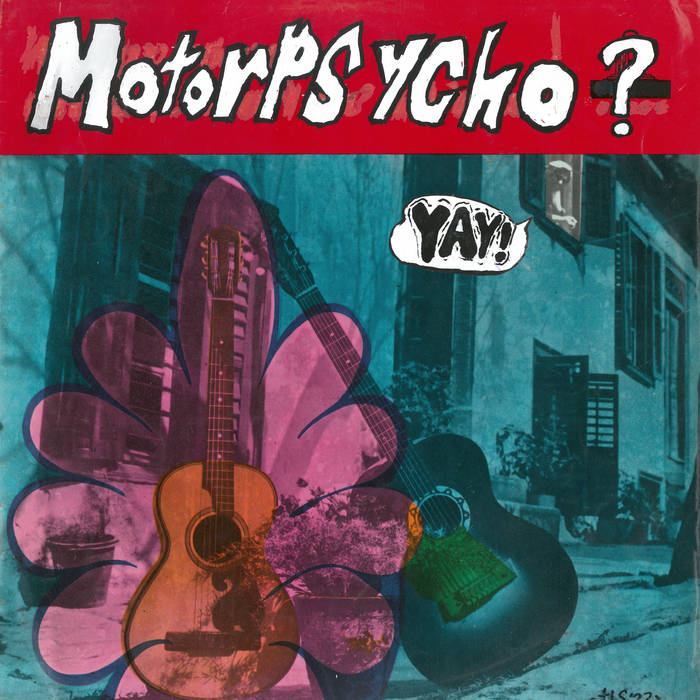
Motorpsycho, on the other hand, cools things down on their new, palindromically titled Yay! This time around, Bent Sæther, Magnus “Snah” Ryan and Tomas Järmyr back off the booming drones, steering into light acoustic textures and Laurel Canyon vocal harmonies for a fresh, intimate variation on their spiraling neopsychedelia. Even with titles like “Cold & Bored” and “Dank State (Jan ’21)”, the results are inviting and exhilarating. (And don’t worry — the band’s penchant for the long jam is alive and well on more expansive tracks like “Hotel Daedelus” and closer “The Rapture”) My favorite from this crew since 2017’s The Tower.
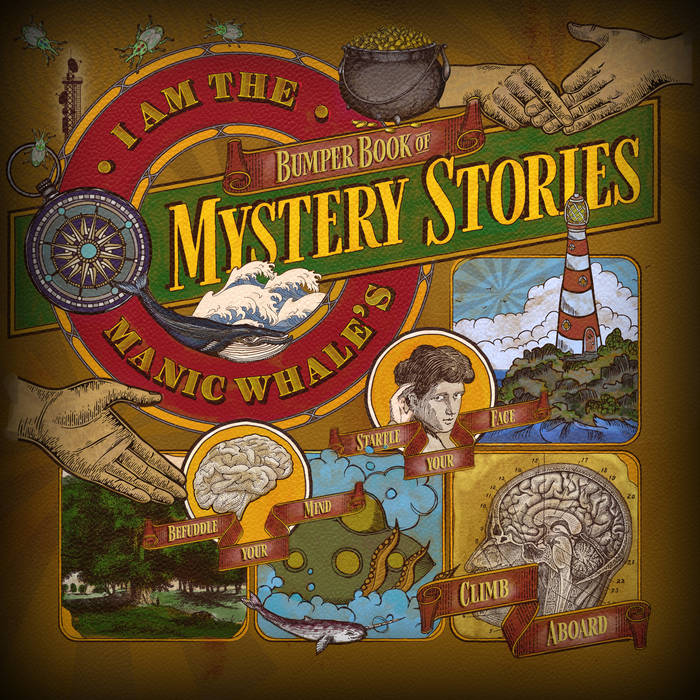
And, seconding Russell Clarke, I heartily recommend I Am the Manic Whale’s Bumper Book of Mystery Stories. Dialing down the snark of previous albums and turning up the atmospherics, it’s a thematically linked suite of veddy veddy British melodic prog vignettes engineered to thrill and disturb. Michael Whiteman and his jolly compatriots seem absolutely delighted to creep you out on “Ghost Train”, send your head spinning on “Erno’s Magic Cube”, and drag you into headlong adventure on land (“Secret Passage”), sea (“Nautilus”) and outer space (“We Interrupt This Broadcast . . .”). I felt like a kid again!
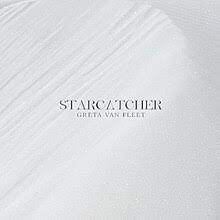
Meanwhile, Greta Van Fleet come slamming back with Starcatcher. With the polished studio sound of 2021’s The Battle of Garden’s Gate well and truly ditched, Frankenmuth, Michigan’s finest get down and dirty here, launching one ferocious rocker after another and mounting a stairway to . . . somewhere? on the trippy single “Meeting the Master.” Yeah, GVF still wear their influences on their capacious sleeves, and sometimes feel a bit inside the box for all the Kiszka brothers’ ecstatic caterwauling. But getting the Led out to Generation Z still strikes me as a worthwhile mission, and to see these young’uns keep the flame alight is all an aging rocker could ask for. Order from GVF’s webstore here.

Continue reading “Rick’s Quick Takes: Summer, Part Two”

The Big Prog (Plus) Preview for Fall 2021!

What new music and archival finds are heading our way in the next couple of months? Check out the representative sampling of promised progressive goodies — along with a few other personal priorities — below. (Box sets based on reissues will follow in a separate article!) Pre-order links are embedded in the artist/title listings below.

Out now:

Amanda Lehmann, Innocence and Illusion: “a fusion of prog, rock, ballads, and elements of jazz-blues” from the British guitarist/vocalist best known as Steve Hackett’s recurring sidekick. Available direct from Lehmann’s webstore as CD or digital download.

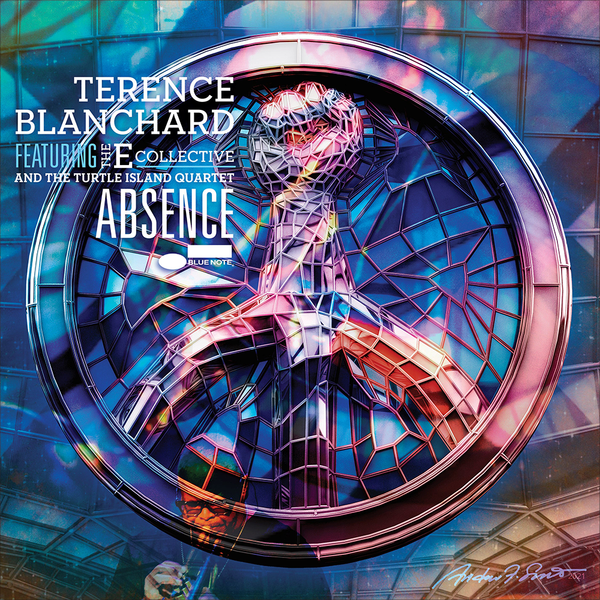
Terence Blanchard featuring the E-Collective and the Turtle Island Quartet, Absence: trumpeter/film composer Blanchard dives into music both written and inspired by jazz legend Wayne Shorter. His E-Collective supplies cutting edge fusion grooves, and the Turtle Island String Quartet adds orchestral depth to the heady sonic concoctions. Available from Blue Note Records as CD or digital download.

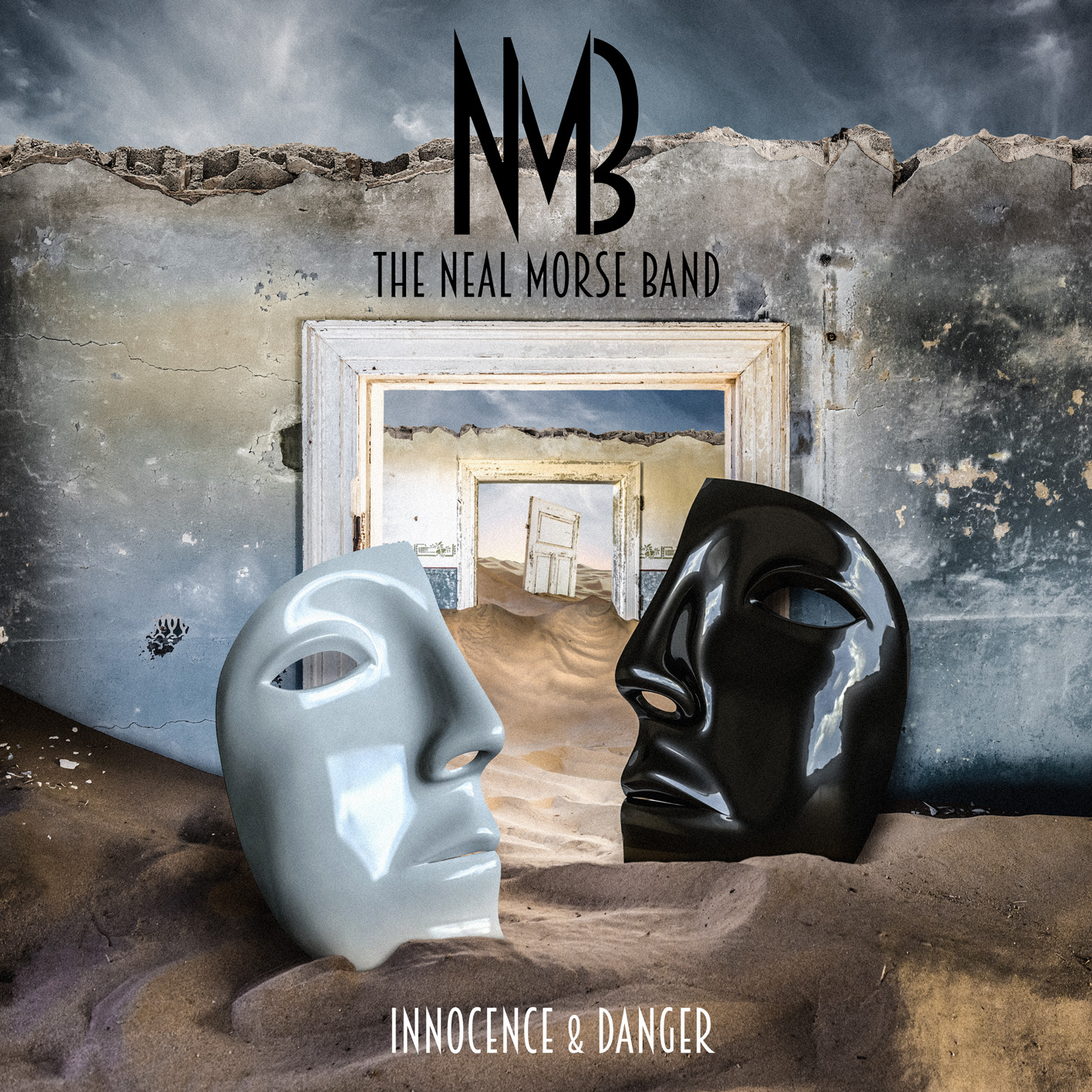
The Neal Morse Band, Innocence and Danger: another double album from Neal, Mike Portnoy, Randy George, Bill Hubauer and Eric Gillette. No overarching concept this time — just everything and the kitchen sink, ranging from a cover of Simon and Garfunkel’s “Bridge Over Troubled Water” to brand-new half-hour epics. Available from Inside Out as 2CD, 2CD/DVD or 3 LPs/2 CDs

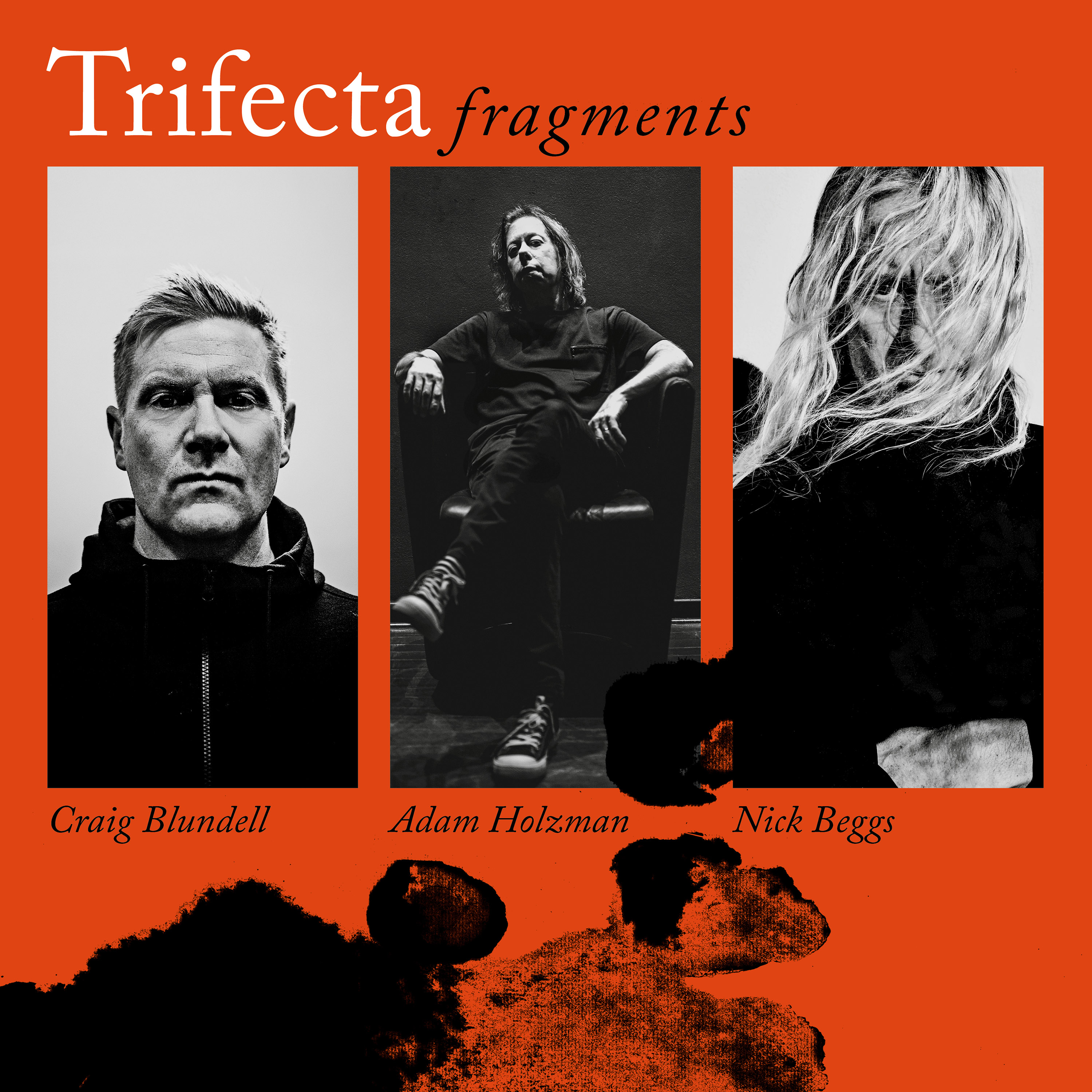
Trifecta, Fragments: what happens when Steven Wilson’s rhythm section turns his pre-show sound checks into “jazz club”? Short, sharp tracks that mix the undeniable chops and musicality of Adam Holzman on keys, Nick Beggs on Stick and Craig Blundell on drums with droll unpredictability and loopy titles like “Clean Up on Aisle Five” and “Pavlov’s Dog Killed Schrodinger’s Cat”. Available from Burning Shed as CD or LP (black or neon orange).

Upcoming releases after the jump!

Continue reading “The Big Prog (Plus) Preview for Fall 2021!”

Rick’s Reissue Roundup: Attack of the Spring Box Sets!

Shed a tear for the hardcore prog collector — actually, don’t.  This week has been absolutely crammed with articulate announcements looking to part fans from their hard-earned cash or pull them deeper into debt.  And no, I’m not talking about the upcoming Derek Smalls solo album.  Check out what’s coming our way as winter (hopefully) gives way to the spring of 2018:

Continue reading “Rick’s Reissue Roundup: Attack of the Spring Box Sets!”

Allan Holdsworth (1946-2017): Endless Melody

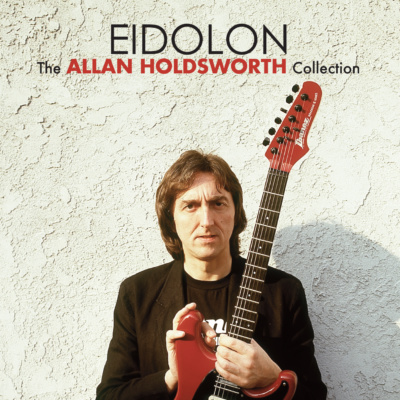
It took me a while to get my hands on a copy of the late Allan Holdsworth’s new compilation, Eidolon.  It was well worth the wait.

What strikes me on the second listen to Eidolon is the seemingly endless flow of melody Holdsworth tapped.  Despite his stunning contributions to the first U.K. album, it’s clear in retrospect that the man wasn’t comfortable in a highly structured musical environment.  Like his hero John Coltrane, Holdsworth was much happier stating the tune at the start, in bebop head style, then seeing where he could travel with it.

Taking on the basic materials of scales and arpeggios from oblique directions, chaining them together into lightning fast, super-dense sheets of sound, slowing or stopping dead on a sustained note or an unexpected harmonic twist at just the right moment, all somehow connected to the chord changes he floated above — this is what Holdsworth brought to the Tony Williams Lifetime and Soft Machine, what he developed further in Bill Bruford’s band (before and after U.K.), and what he spent the rest of his life exploring.  From the evidence here, he never ran out of new territory to pioneer; minds were duly blown, and hearts were duly moved.

Despite the admiration and support of more famous shredders like Eddie Van Halen and Joe Satriani, Allan Holdsworth never broke through to wide acclaim. But Eidolon leads me to believe that the gift of music — especially of melody — always brought him joy. Kudos to Manifesto Records for their re-release of all of Holdsworth’s albums (compiled as The Man Who Changed Guitar Forever) and this excellent compilation — which you can check out below.

Rick Krueger

soundstreamsunday: “Lush Life” by John Coltrane and Johnny Hartman

hartmancoltraneIf love is one of the most common themes in song, love songs that stretch beyond simple declarations, admitting a type of defeat in the face of defining such an emotion, are remarkably rare.  In the past weeks soundstreamsunday has featured Nick Drake and Lal Waterson, who each spun their songs about love from a point of deep uncertainty. So, on then, this week, to disappointment and devastation.  It would be hard to name a song as beautifully crushing as John Coltrane’s and Johnny Hartman’s reading of Billy Strayhorn’s “Lush Life,” an ode to unrequited love amidst a wash of “jazz and cocktails,” from the only album the duo made.  Recorded in 1963, during Coltrane’s legendary run at Impulse! Records, John Coltrane and Johnny Hartman is a one-off, remarkable in the careers of both men, one a premier saxophone player of his time and the other a largely unknown but extraordinary vocalist and interpreter of jazz standards. In itself the concept was business-as-usual: a large part of twentieth-century jazz music up to this time consisted of runs through the “American Songbook” of Gershwin, Rodgers and Hammerstein, Porter, Berlin, et al. This pairing, however, stood out. Coltrane was moving fast at this point in his career, and Impulse! gave him the leeway to pursue concept records in a jazz recording industry that was still entrenched in the robber baron tactics that enriched all but the actual musicians (even the greatest players rarely got more than a day or two in the studio to produce an album’s worth of material).  For his part, Hartman’s smooth baritone gave the sessions a focus on the lyric, and while Coltrane’s horn gave Hartman’s almost-lounge vocalizing a distinct edge, Hartman balanced the soloist’s tendency to go long (in 1958, Coltrane recorded another classic, but 14-minute version, of “Lush Life”), while his voice filled a gap you otherwise wouldn’t think about when listening to Coltrane’s other work. The result was six songs on an album clocking in at an economical 31 minutes.  Every one of the songs is generous, and the musicians (also including Elvin Jones, McCoy Tyner, and Jimmy Garrison, all from Coltrane’s band and all legends in their own right) support a mood, literally set forth in the last song on the record, “Autumn Serenade,” of turning leaves, fading light, a cold snap. “Lush Life” is the album’s peak, a drinker’s guide to lost love, it’s final statement “Romance is mush, stifling those who strive, I’ll live a lush life, in some small dive, And there I’ll be while I rot with the rest, Of those whose lives are lonely too,” rendered, knowingly but without a hint of irony, as smooth jazz.  Way ahead of its time.

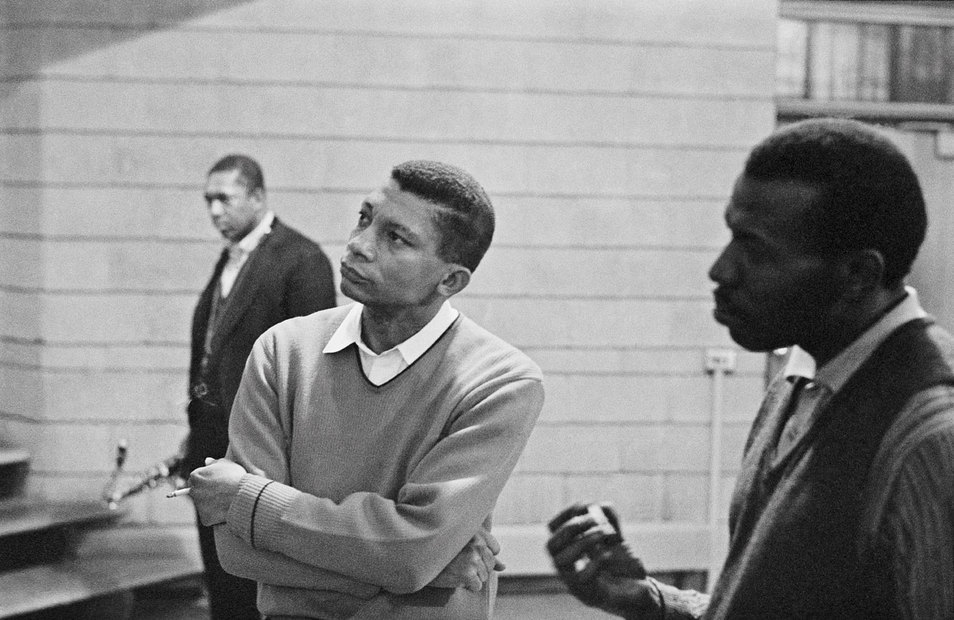
*Photo above by Joe Alper: John Coltrane, Johnny Hartman, and Elvin Jones, 1963.

soundstreamsunday playlist

soundstreamsunday archive

Use the Force — Listen to Prog

Chris+Squire+YesChrisSquire

Mark Judge has a nice meditation over at Acculturated.com:

Urban Outfitters now has a section dedicated to vinyl records. The one in my hometown of Washington is in Georgetown, and as I walked to it I had a flashback to the 1980s when I regularly went to any one of the three record stores around Wisconsin and M Streets to shop. There was a mediative, contemplative aspect to the process. You’d get into a kind of peaceful spiritual state as you browsed, awash in the album artwork, the music, and thoughts about love, art, and life. It was like praying.

The piece is called “Star Wars and Vinyl Records: Evidence That Technology Will Not Save Us”!