

No haikus this time, I promise! However, I am going to try and make up for my recent radio silence by covering a lot of ground at a fast and furious pace. Listening links will be available in the title listings. Buckle up . . .
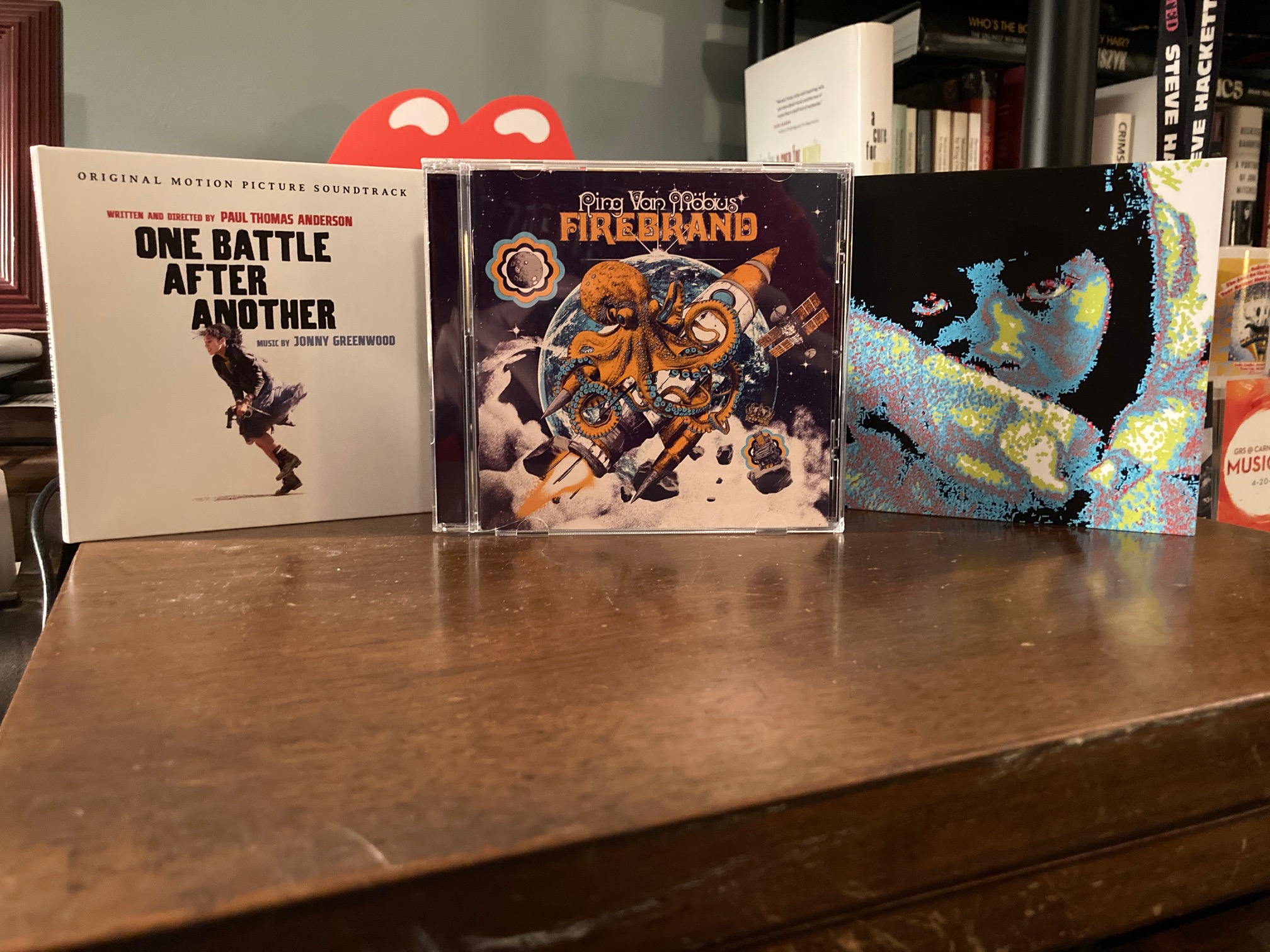
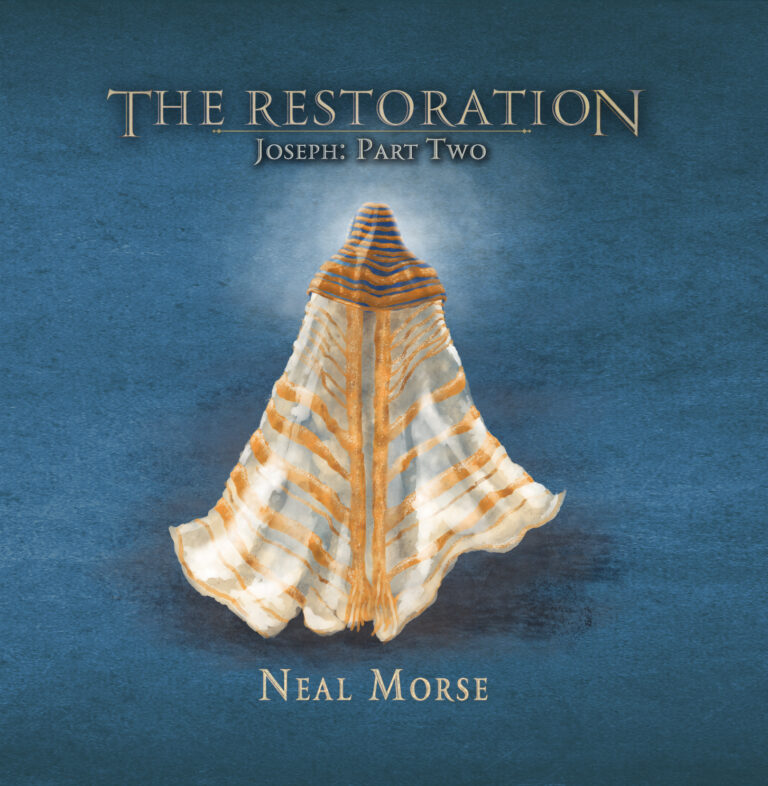
Completely new & noteworthy releases have seemed few and far between the last few months — although I’ve not yet heard the new Neal Morse album Time Lord has so fulsomely praised. My hands-down favorite (easily making my year-end shortlist) has to be Firebrand, the farewell album from Norwegian keyboard trio Ring Van Möbius. On three extended tracks, Thor Erik Helgesen delivers more frenzied organ riffs and howling modular synthesizer licks per minute than we’ve heard since the glory days of Emerson, Lake & Palmer — plus thoroughly unhinged singing of Dag Olav Husås’ trippy lyrics to boot! With Havard Rasmussen’s growling bass and Husås’ throbbing percussion driving the album to multiple shattering climaxes, Firebrand is a demented psychedlic journey to the outer limits of angular, aggressive prog — and all the more gripping on account of it! Meanwhile Tony Levin, Markus Reuter and Pat Mastoletto are back as Stick Men for a 5-track EP of new material, Brutal. This one packs a serious, King Crimson-adjacent punch; the title track, “Bash Machine” and “Pulp” all live up to their names, leaping out of the speakers with heady abandon, precision instrumental riffery, and dense blocks of hardcore sound. More, please! And whatever the debate over the merits of Paul Thomas Anderson’s latest film One Battle After Another, Jonny Greenwood provides yet another arresting soundtrack for the director; this time around, Greenwood foregrounds jagged piano over his exquisitely modernist orchestral textures (as well as the occasional gnarly reminder of his trademark guitar sounds in Radiohead and The Smile).
On the other hand, there’s a motherlode of excellent live albums out this quarter! Big Big Train score yet again with Are We Nearly There Yet?, as Alberto Bravin, Greg Spawton and their band of equals blitz through 2024’s fabulous The Likes of Us on disc 1, then gloriously reaffirm BBT back-catalog highlights and rarities on disc 2. District 97 has buffed up and expanded their stellar 2013 collaboration with John Wetton, One More Red Night: Live in Chicago, doubling the disc’s playing time with the Wetton/Leslie Hunt duet “The Perfect Young Man” and D97’s debut album epic “Mindscan”. Reunited with Mike Portnoy, Dream Theater’s 3-CD, 2-BluRay Quarantieme: Live a Paris is an unbeatable 40th-anniversary souvenir; from the crunchy, complex metal of “Metropolis” and Scenes from a Memory through phone-waving power ballads like “Hollow Years” and “The Spirit Carries On” to full-on prog suites “Stream of Consciousness” and “Octavarium”, the entire band operates at a new peak. And, while mashing up a new production of Hamlet with songs from Radiohead’s Hail to the Thief for the Royal Shakespeare Company, Thom Yorke decided the group’s concert takes on the material deserved their own release. Hail to the Thief (Live Recordings 2003-2009) is a banger well worth fans’ time; Radiohead is at their most feral here, squeezing fresh juice from the album’s fuzzed-up, squelchy snapshots of cultural unease with a tightened-up yet wilder sound.

Still, two live particular live releases stood out for me. David Gilmour’s 2024 tour set, available as audio from throughout (The Luck and Strange Concerts) or breathtaking video of a single show (Live at the Circus Maximus), is sleek and spectacular in equal measure, the subdued melancholy and sublimated anger of his solo albums and late Pink Floyd interlaced with the familiar flavors of selected Floyd classics. One of the best things about this set is that it isn’t all Gilmour’s baby: Greg Phillinganes ably fills the keyboard and vocal roles of Richard Wright on “Time”; daughter Romany visibly steals the Rome audience’s heart with her lead vocal on “Between Two Points”; backing vocalists Louise Campbell and The Webb Sisters light up a fresh take on “The Great Gig in the Sky” plus recent solo songs “The Piper’s Call” and “A Boat Lies Waiting”. But Gilmour is still the star, never disappointing on the standards, raising chills with his singing and solos every bit as much on “A Great Day for Freedom” and “High Hopes” as on “Wish You Were Here” and “Comfortably Numb”, his young backing band keeping up all the while. Unmissable, and a unquestioned 2025 Favorite, especially the video version.

Plus, just this past week I discovered my holiday album of the year! Yorkshire songstress Kate Rusby, “the nightingale of Barnsleydale”, has made eight Christmas albums in the last two decades; her latest, Christmas Is Merry, is a live compilation from recent December tours that celebrates the season with the joy and awe it deserves. From whimsical takes on Tin Pan alley chestnuts (“It’s the Most Wonderful Time of the Year”, “I Want a Hippopotamus for Christmas”) to rumbustious traditional carols (“Hark Hark”, “Sunny Bank”) to off-center originals (“Glorious”), all backed by a trad folk band and brass, Rusby is guaranteed to raise a smile. And when she switches to her intimate croon for the foreboding “The Moon Shines Bright” and a hushed “O Little Town of Bethlehem”, I dare you not to be moved. An immediate 2025 Favorite; you really need to hear this.
There have been first-rate reissues aplenty as well. My Favorites have been: The Zombies’ long-neglected Summer of Love classic Odessey and Oracle remastered in mono, with Colin Blunstone’s sublime vocals and Rod Argent’s classically tinged organ propelling an impressively mature song suite; the 20th anniversary remaster of Sigur Ros’ Takk — a delightfully imaginative, massively symphonic highlight of the Icelandic post-rockers’ output; and Pink Floyd’s 50th anniversary edition of their elegiac masterpiece Wish You Were Here (especially the BluRay release, which includes a complete 1975 show suitably exhumed from its original bootleg by Steven Wilson).

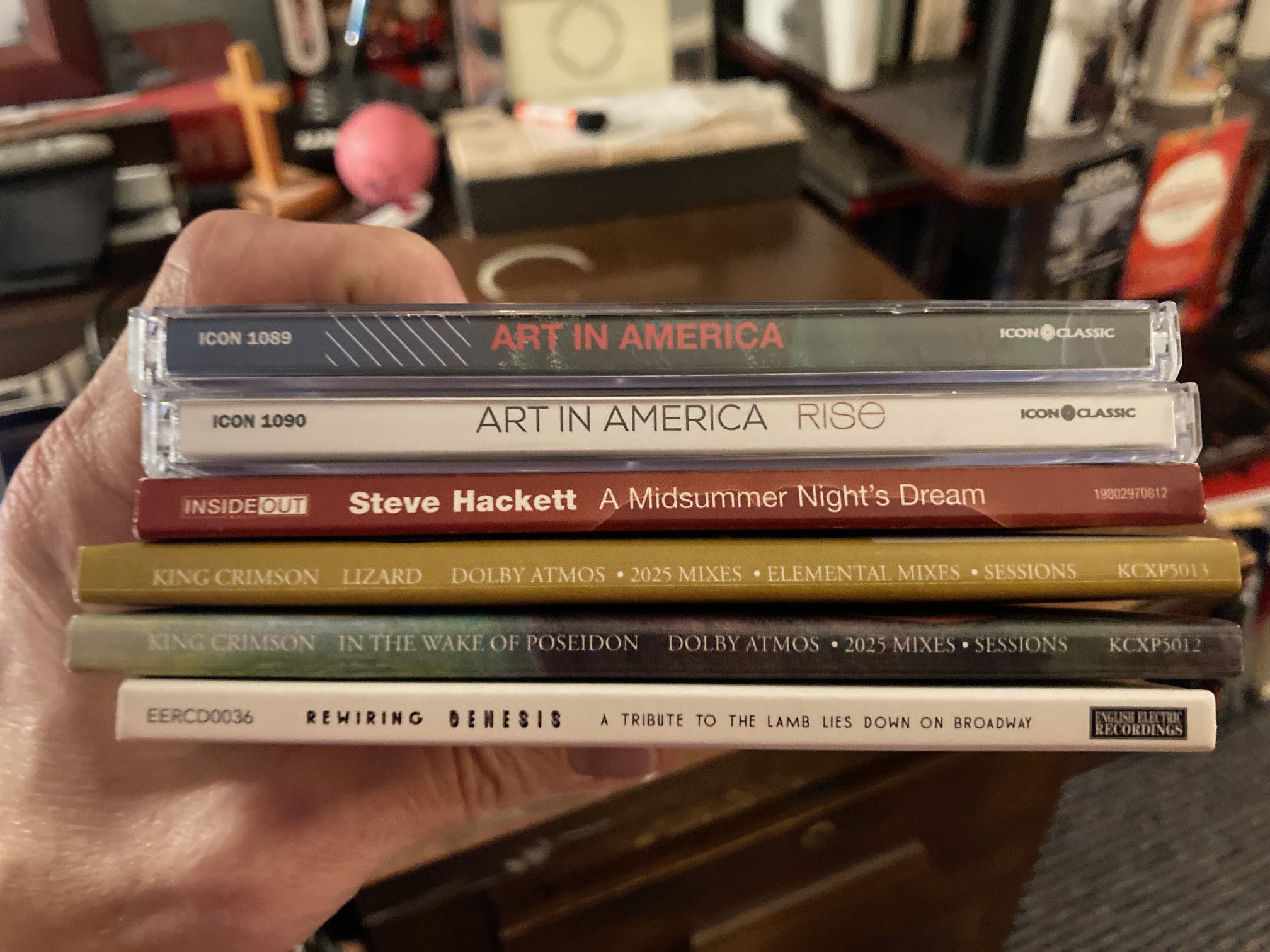
And there are lots more reissues worth a listen: the 1983 debut from Detroit pop-proggers Art in America (they had a harp player — yes, a giant harp, one with all those strings) along with their unreleased second album Rise; Steve Hackett’s album-length acoustic collaboration with Shakespeare and the Royal Philharmonic Orchestra, A Midsummer Night’s Dream; fresh Steven Wilson remixes in stereo, surround and Atmos of King Crimson’s transitional albums In the Wake of Poseidon (Robert Fripp and Peter Sinfield carrying on from the innovative debut with a rotating cast of characters) and Lizard (free jazz meets post-Wagnerian romanticism; quite the magnificent mess); Nick d’Virgilio and Mark Hornby’s long-unavailable, polystylistic Rewiring Genesis: A Tribute to The Lamb Lies On Broadway (with full orchestra on “In the Cage” a Dixieland “Counting Out Time”, sneaky Jethro Tull quotes tucked in the fadeout of “The Waiting Room”, etc.)
Lastly, while the music industry’s annual fourth-quarter release glut means that my box set backlog is worse than ever, I can wholeheartedly recommend the super-deluxe version of the original The Lamb Lies Down on Broadway; while the set’s Atmos mix has been controversial, its straight-up stereo remaster gives the music an absorbing clarity that fills in the blanks of Peter Gabriel’s opaque storyline, and a live bootleg from Genesis’ contemporaneous tour (with vocals mostly overdubbed by Gabriel 20 years later) is equally, winningly surreal. Finally, the 20-disc Peter Hammill: The Charisma and Virgin Recordings, 1971-1986 isn’t for the faint of heart — but given Hammill’s track record with Van der Graaf Generator, hardcore enthusiasts like me knew that anyway. Boundless existential musings set to music of structural, timbral and histrionic extremes — nearly 200 tracks, with 1975’s proto-punk album Nadir’s Big Chance and 1977’s dark, devastating break-up song cycle Over standing out. Hammill (who opened for Genesis during parts of The Lamb tour) may be strong meat, but he never gives less than his all.

— Rick Krueger

 Progarchy