Big Big Train’s Alberto Bravin: the 2026 Progarchy Interview!

Two years on from our first chat, Alberto Bravin of Big Big Train joins us again to bring us the inside scoop on the superb new BBT album Woodcut, released February 6th on Sony’s InsideOut label. (Woodcut is available for preorder on CD, CD/BluRay combo and vinyl from The Band Wagon USA and Burning Shed. Andy Stuart’s companion book Woodcut: The Making and the Meaning from Greg Spawton’s Kingmaker Publishing is also available.)

For Woodcut, Alberto was in on the genesis of the album concept and composed a substantial chunk of the material; in the studio, he sang lead vocals, played guitar and keys, and produced the whole thing – so he has plenty to share about its creation! A lightly edited transcript of our conversation follows the video.

So, first of all, congratulations on Woodcut. I’ve been able to listen to it and I’m really impressed and moved by it. It’s a powerful album.

Oh, thank you. Thank you very much.

You’re welcome. So, what was the original spark for its concept?

So, it was really random. Because we never talk about doing a concept seriously. Like, sitting down and saying, “Okay, we’re doing a concept album now.” We’ve never done it. So, me and Greg, we were on tour. We were in Oslo at the [Edvard] Munch Museum.

Okay.

And it was just me and Greg. I mean, we wake up early. We like to have a walk in the early morning. So, we went there and it’s an incredible place. Really, really nice. And everybody knows Munch for “The Scream.” That it’s his most famous painting. But I didn’t know, he actually made a lot of woodcuts.

So, we were there and there was a part of the museum about these woodcuts. And I know what a woodcut is. But I didn’t know that in English you call it woodcut. I knew the Italian word, but not the English word. So, as soon as I’ve seen the name woodcut, I just looked at Greg. And Greg looked at me and we said, “Oh, this is the title of a concept album!”[Laughs]

So, that moment was the actual spark of the concept. And we had no music, no story, no lyrics, nothing; it was just the title. And we started to work from there. [Laughs]

So, once you had that brain spark, how did the rest of the band react? And how did you go about fleshing out what would come from just that word association?

So, as I said, we were on tour. We were like on the bus together. And I think that night or maybe the day after, we just thought about it, me and Greg. And we said, “I think this is a good pitch to tell them what it could be about.” At the beginning, the idea was to write a story about Munch. That was the first idea. “Oh, he has an interesting story; it could be interesting.”

But then we wanted to have a little bit more freedom on the story. So, we kind of invented our own artist there. But we had this idea of a struggling artist. And it could have been something a little bit more magical. And the idea was to have kind of a dark album. But with the Big Big Train stamp on it.

So, we just told the other guys! Like a stream of words and stuff. And everybody was, “oh, this is great! Let’s do it!” And from there, everybody was aware of this. And everybody wrote some ideas or some songs or some melodies and stuff, and put it on a Dropbox folder. And then we started from there. We started from the music, actually. The lyrics came later.

Okay. And I know that happens a lot in the rock and roll field. You get the music and then you get the lyrics to go with it.

Yeah.

It’s also interesting to me, because certainly in Big Big Train’s history, there’s been this sense of craftsmanship. Of creativity. You see that in the lyrics. You see that in the sort of artisan, bespoke way the band has been run for such a long time. But it’s interesting that you decided to go in a slightly darker direction with it. That’s not necessarily what people have come to expect. Which I suppose is one reason to do it!

No, absolutely. I mean, if it’s easy, [laughs] I don’t like it. I want to do, every time, something different. And the approach was really different from The Likes of Us, the previous album, where we had some songs that were already there. And we kind of went for the Big Big Train way. Everything sounded, apart from the singer of course, like Big Big Train.

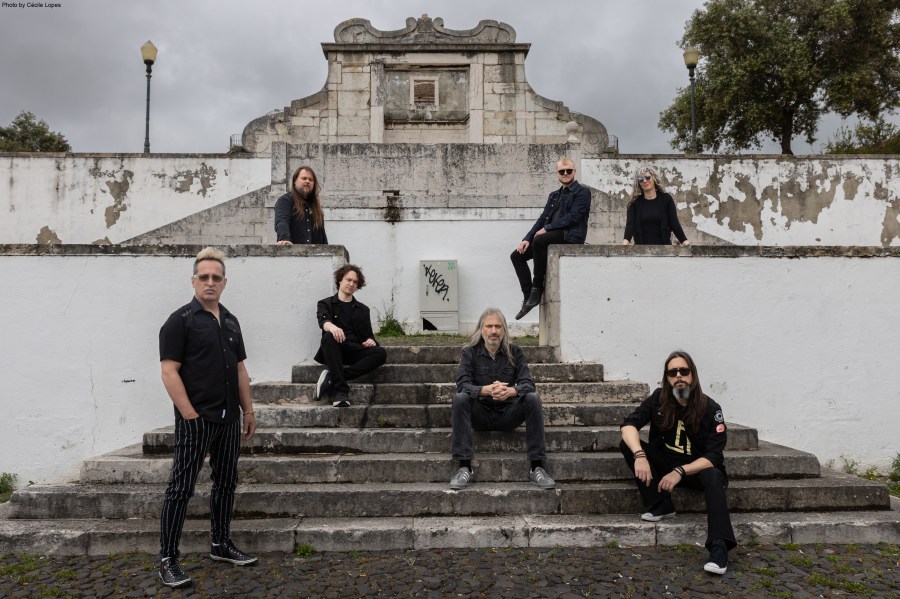
I think this time – this is just the photo of the band now. So there was nothing like a thought or something that we sat down and said, “Oh, we have to do this.” It was just so easy! We just wrote those songs and I put them together. And it just sounds like us now.

Well, yes. A couple of things pop in my head. First of all, I’ve seen you guys live twice with you in the lead. And both times I’ve noticed, wow, these guys really like each other and really like playing with each other. That vibe is constantly coming off the stage.

Oh, yeah.

And the other thing that I noticed when I was listening to Woodcut, I mean, it doesn’t have one extended track. The whole thing has that sense of organic growth, of heading for a destination.

Yeah.

And my question was going to be, did that fall into place? Was it a lot of hard work to get there? Or was it kind of both of the above?

It was a crazy amount of work. I mean, we had this folder with a lot of songs, songs and melodies, ideas and stuff.

From day one, I had the idea of, “If we’re doing a concept album. It’s going to be a proper concept album, like one hour of music. No stop. You cannot skip it. [Laughs] You have to listen to it.” So, yeah, the idea was that. Like a flow, like everything had to be linked and everything like this one song when it’s going to go into the other.

And so I put all the ideas and all the songs and all the melodies in a Logic project, like the DAW [digital audio workstation] that I use to do production and mixing and stuff. I had everything just laid down. And so from there, I tried to put them together like a Tetris thing. And I was like a crazy, crazy guy. I just cut it and pasted it and changed the keys and pitch. It was like a crazy, crazy moment. But I had the idea of this stream of music.

And whenever I was listening, I was hearing a strong theme or a line – of course, I didn’t invent something. It is the progressive thing – you have a theme, you repeat it. So I tried to do that as much as possible, find the way to put everything [in]. All the themes are repeating during the album. And one time it’s the trumpet; one time it’s the vocals; one time it’s guitar and everything put together.

So I remember I was working. I mean, I worked, more of one month just to have the initial idea of something. Because I wanted to present to the guys that – what I had in mind. Maybe it was a mistake! OK, I throw away one month of my life! But I wanted to. And so everybody was saying, “what is Alberto doing? Where’s the music?” They were waiting for me to just send a file to listen to!

And then I did actually. And everybody was really happy! Of course, we changed stuff; we changed it in the pre-production. But then when we went to the studio to record the album, we changed it again! We changed the set list; one song was completely written in the studio. We’re playing with these guys, it’s like this. We can do it! So it’s good.

Yeah. Before we go on into the recording process, just a little bit, you mentioned you were kind of following the classic concept album/rock opera model. It starts here; it goes to there. And I know Greg has mentioned in the publicity [Genesis’] The Lamb [Lies Down on Broadway] and [Yes’ Tales from]Topographic Oceans as the two [of the most] famous or infamous prog albums out there. Can you think of any models from prog history that maybe influenced you or even any that you tried to avoid?

[Laughs] I think so. I mean, I’m a huge fan of Transatlantic! And [The] Whirlwind is one of my favorite albums of all time. So that was that was one of – the ideas where, “oh, OK, they’re repeating this.” I mean, I love Neal [Morse]. He became like, well, not a friend; I know him, I sang with him and I was just a fan and I’m still a fan. But now knowing him, it was magical. I’m a huge, huge fan. So I love that.

But actually, I also listened to The Incident by Porcupine Tree. That’s a little bit more metal thing. But for the ideas, sometimes you can take the ideas.

And actually, I always go back to The Beatles and the Abbey Road medley. Sometimes always something where I have to refresh my ears. So I listen to that. “Oh, they did this in ‘69. I can do something in 2026! So let me try to do something.”

Exactly. All those really resonate with me: Transatlantic was kind of my gateway drug back into prog after some time away. And Abbey Road I’ve loved since I was a kid.

Yeah! And of course, Genesis, of course Yes. There are a lot of incredible concept albums. But yeah, those were “just go in there, just in the background, just to have a listen and to get inspired.”

Well, you learn from the masters, it’s true.

Absolutely, yes, of course.

So I wanted to play kind of a lightning round game with you. And this can be maybe talking about your time in the studio, especially, but also about the rest of the development process. I wanted to ask you your perspective on what each of your bandmates kind of brought to Woodcut that’s special.

[More after the jump . . .]

Continue reading “Big Big Train’s Alberto Bravin: the 2026 Progarchy Interview!”

Kruekutt’s 2022 Favorites

A few notes before I dive in: items I’ve reviewed here are linked to the relevant Progarchy article via the artist/album title; If I didn’t review an item here or elsewhere, it’s marked with an asterisk (*) — but I hope the capsule description and listening/order links will encourage you to check it out!

My favorite new music of 2022:

  • Dave Bainbridge, To The Far Away: A thrilling, ravishingly beautiful album about love, longing, hope and a future. Lyrics of rich simplicity cradled in a lush orchestral blend of rock, prog and Celtic folk. My interview with Bainbridge is here.
  • Big Big Train, Welcome to the Planet: what turned out to be BBT’s final effort with the late David Longdon consolidates the widened horizons of Grand Tour and the intimate subjects of Common Ground, casting an epic light on the everyday glory of family, community, joy and loss.
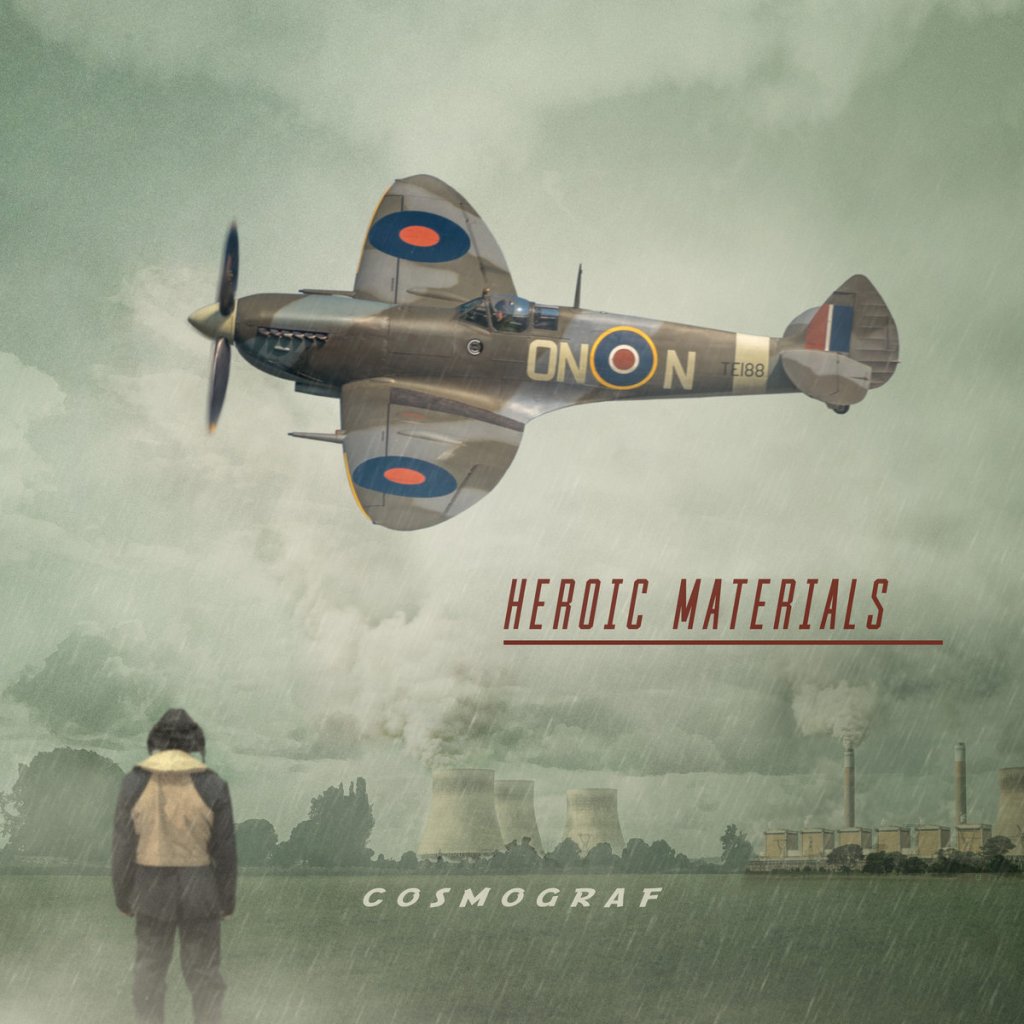
  • Cosmograf, Heroic Materials: Elegiac in its evocation of past achievements, urgent in its contemporary call to action, breathtaking in its poised blend of fragility and strength, Robin Armstrong’s latest is a riveting listen.
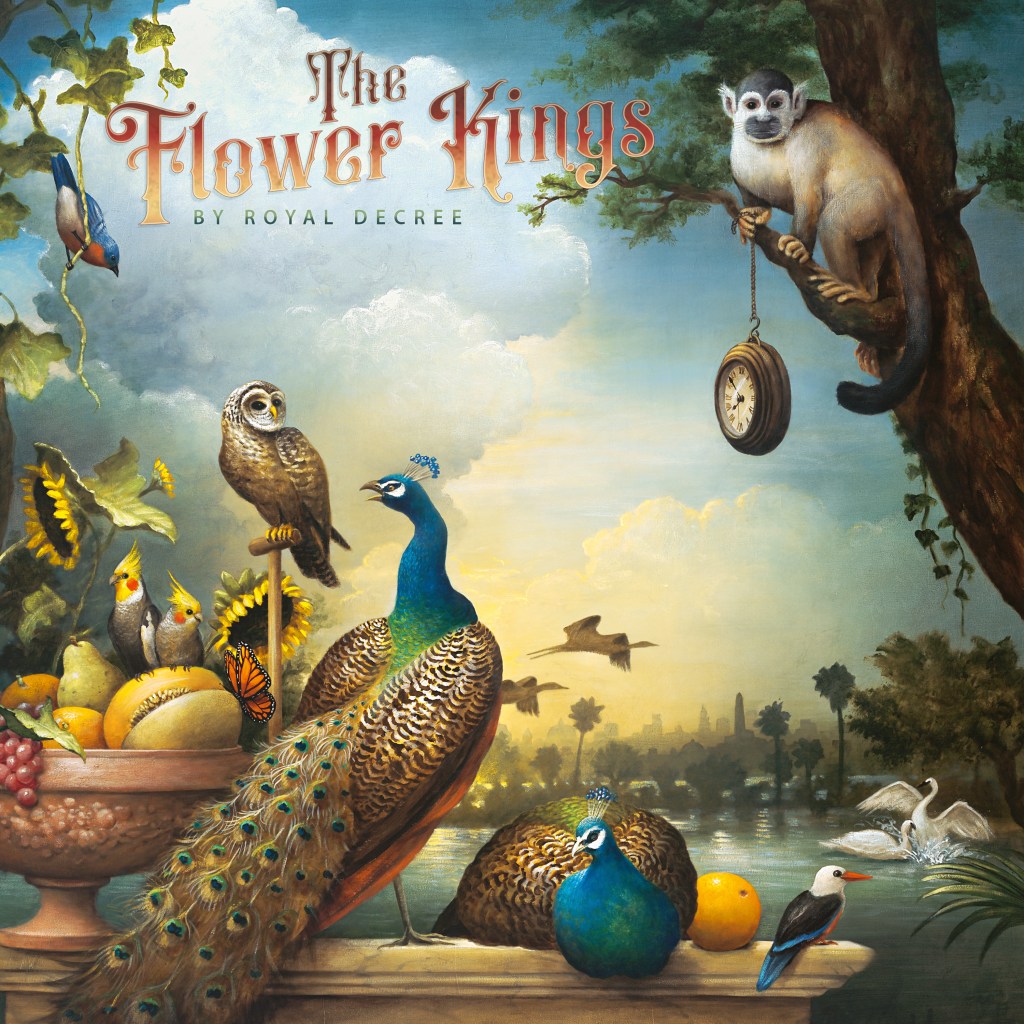
  • The Flower Kings, By Royal Decree: TFK’s third double album in a row, this is the sound of Roine Stolt and company refreshed and revisiting their optimistic roots, soaring on the wings of one marvelous melody after another. As much a joy to hear as it must have been to create.
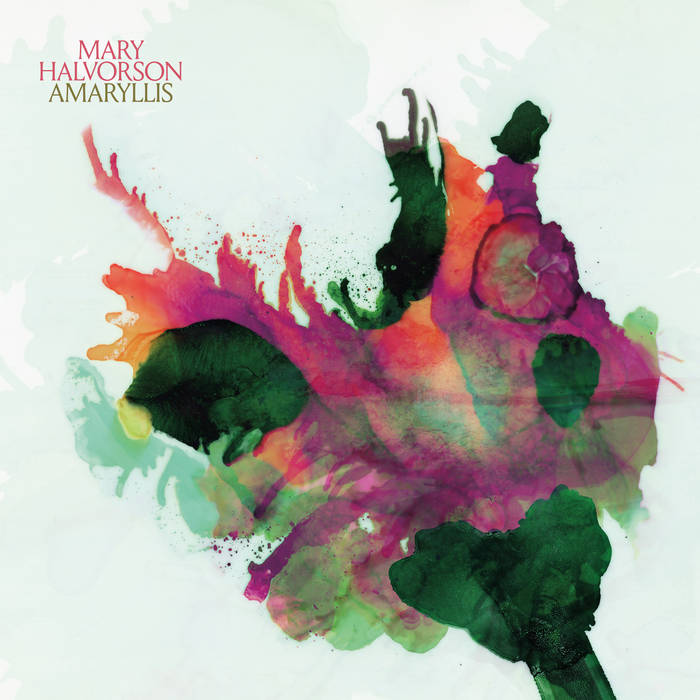
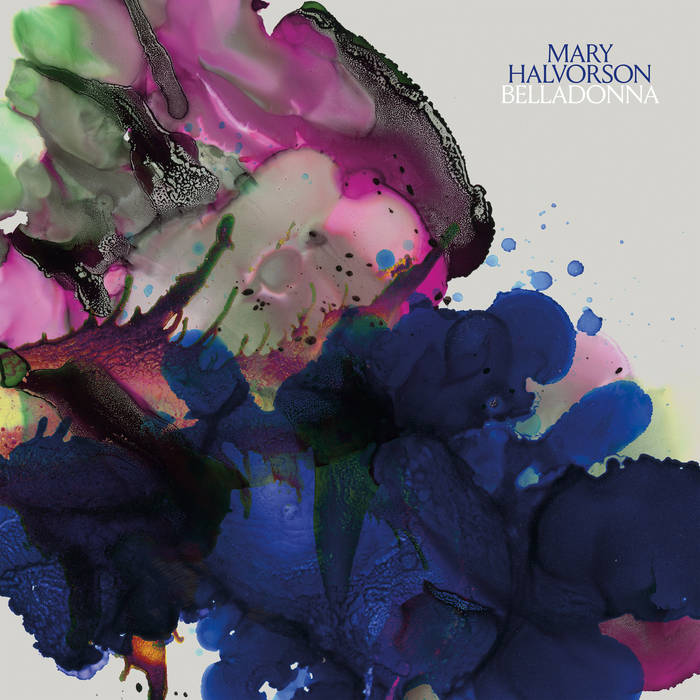
  • Mary Halvorson, Amaryllis & Belladonna: free jazz guitarist Halvorson hits a major label with two albums — teaming with a boisterously simpatico sextet on Amaryllis, then dancing atop and around modern classical textures from the Mivos Quartet on Belladonna. Audacious and engrossing, this music will open your ears real good!
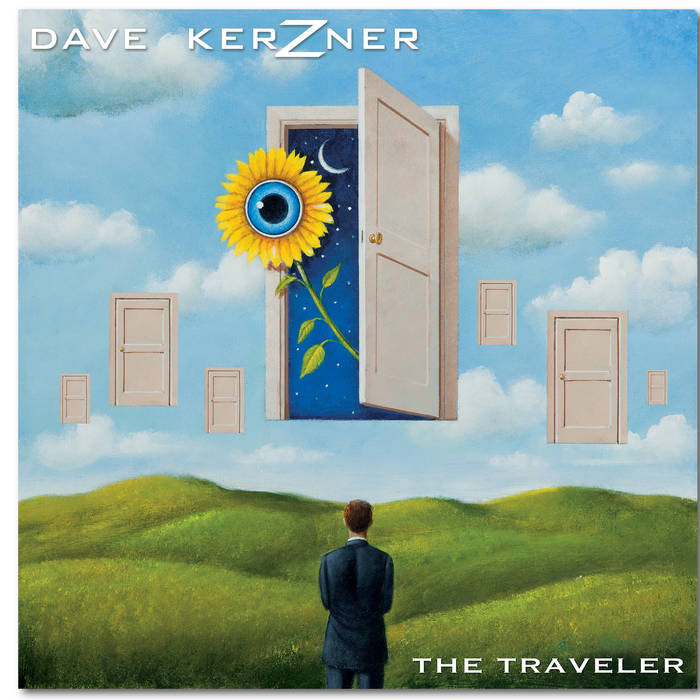
  • Dave Kerzner, The Traveller: confident, appealing songwriting with hooky yet sophisticated melodies and structures, Kerzner’s best, widest ranging vocals to date and perfectly judged contributions from a stellar guest list. Letting his new songs sell themselves and keeping proceedings to the point, he both satisfies us and leaves us wanting more. 
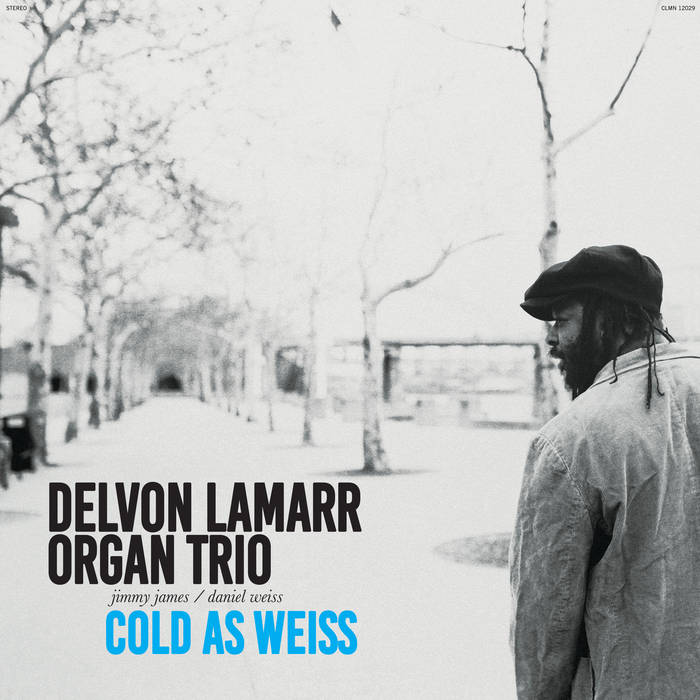
  • The Delvon Lamarr Organ Trio, Cold As Weiss: An immediately accessible reboot of a classic jazz trio format. Organist Lamarr, guitarist Jimmy James and drummer Daniel Weiss are thrilling players who never fail to make their instruments sing. Funky, catchy bite-size tracks with great individual playing and razor sharp ensemble. 
  • Marillion, An Hour Before It’s Dark: The front half of Los Marillos’ latest has more swagger than they’ve mustered in a while; the back half’s meditative downshift climaxes with the sweeping smashcut finale “Care,” as power chords and massed choirs climb heavenward. Unique as anything in their catalog, and another thoroughbred winner.
  • Pure Reason Revolution, Above Cirrus: this fifth album reveals PRR at their best, consistently upping their game to the next level. For every moment of blissful harmonies and glidepath atmospherics, there’s an equal and opposite moment of feral guitar/drum slammin’ — and when they layer the two together, look out! Well worth buckling up for the ride.
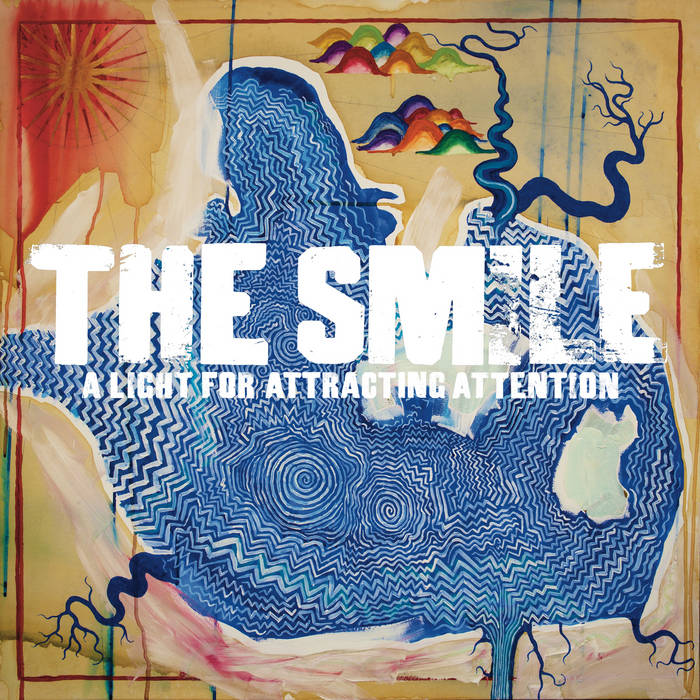
  • The Smile, A Light For Attracting Attention: A Radiohead side project worth your while. Thom Yorke overflows with apocalyptic dread; Jonny Greenwood’s off-kilter instrumental instincts are keener than ever; Tom Skinner’s skittering beats relentlessly drive the grim, lush soundscapes forward. Music for our contemporary dystopia, irresistibly sucking you in.
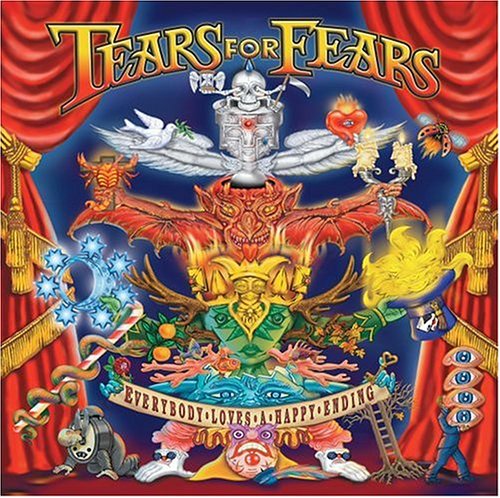
  • Tears For Fears, The Tipping Point: Roland Orzbaal & Curtis Smith’s catchy-as-always comeback goes for catharsis via unstoppable rhythms, unforgettable choruses and naked vulnerability on every single track, Devastatingly gorgeous, uncompromising art-pop that will haunt you long after every listen.
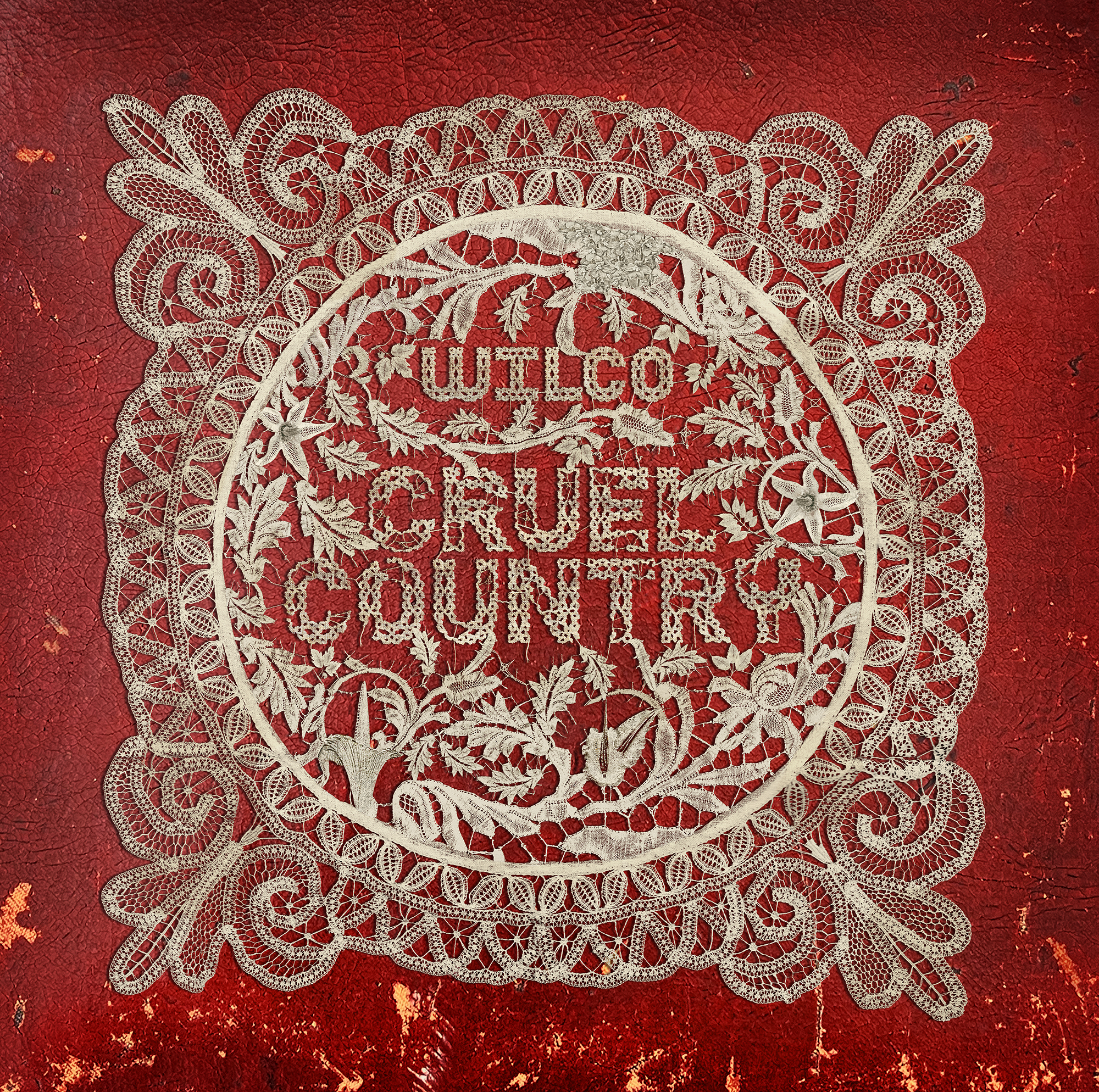
  • And my Top Favorite of the year — Wilco, Cruel Country. A double set that detours from Jeff Tweedy’s thoughtful dad-rock toward Nashville and Bakersfield, the tactile interplay of the band and Tweedy’s quizzical, empathetic probes of societal alienation elevate this to an album of genuine tenderness and subtlety, gathering strength and heart as it unrolls. After a digital-only release this year, it’s finally coming out on LP and CD January 20!

My favorite reissues of 2022:

  • The Beatles, Revolver Special Edition*: No Revolver, no Sergeant Pepper — no prog? Regardless of what ifs, the Fabs’ great leap forward of 1966 was brilliant in its own right, dragging pop headlong toward the avant-garde. Here it gets a subtle yet effective remix, with fascinating studio outtakes framing the cutting-edge results.
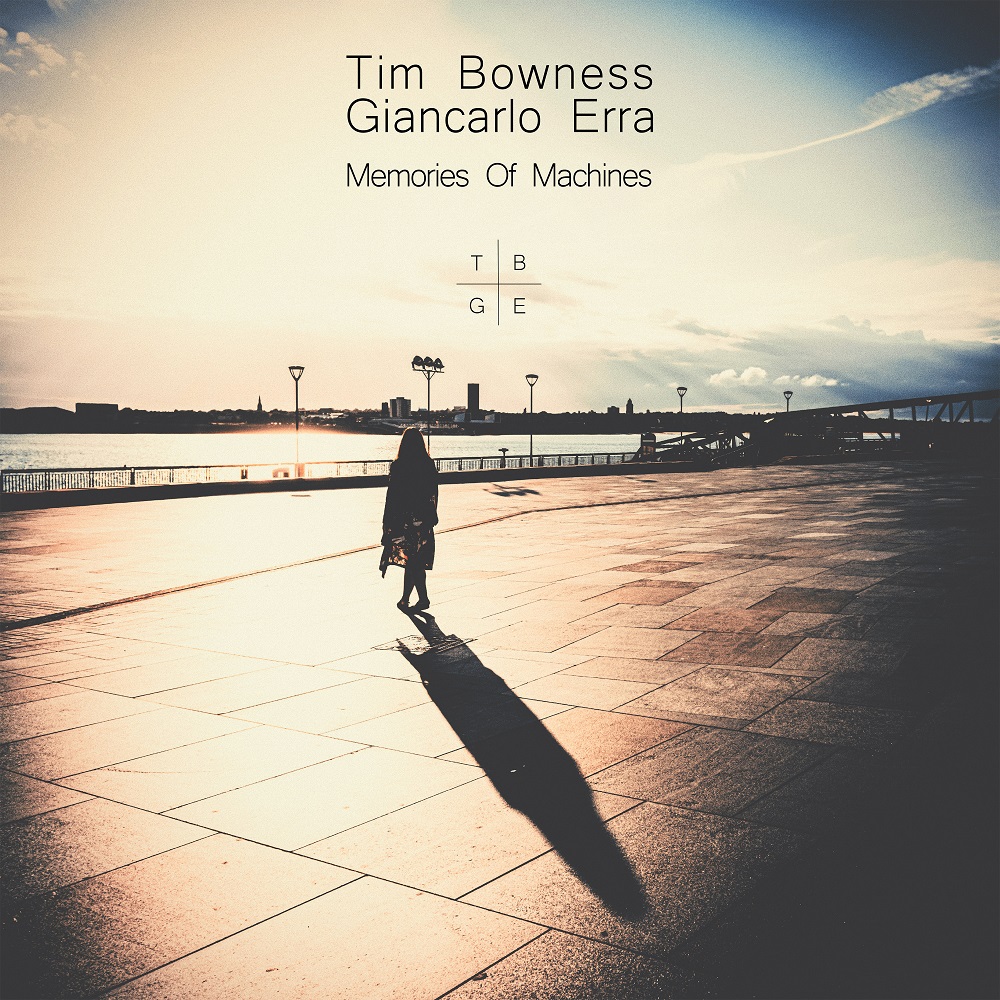
  • Tim Bowness & Giancarlo Erra, Memories of Machines: an irresistible mix of unflinchingly intimate art-rock and lowering ambient backdrops. Ten years on, original arrangements and track lengths are restored, Erra’s textural work is inched forward — and as always, Bowness breaks your heart with his ringing couplets and his stoic voice.
  • My Top Favorite Reissue of the year: Robert Fripp, Exposure/Exposures. The guitarist’s 1979 return to active duty after a post-King Crimson sabbatical, binding together a disparate set of songs and guest artists with his innovative ambient Frippertronics. Whether by itself or as part of a gargantuan box set that chronicles Fripp’s entire “Drive to 1981,” it’s a wild, worthwhile listen in and of itself, while providing distinctive previews of coming attractions.
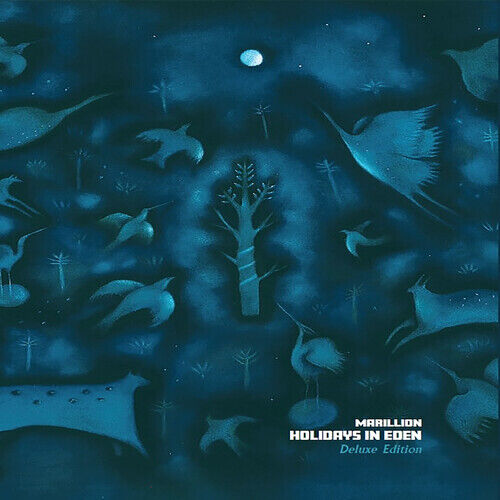
  • Marillion, Holidays in Eden Deluxe Edition*: my introduction to the band (I first saw them live on the US tour promoting the album), Holidays was partially a product of record company pressure for hit singles, but it also has plenty of Marillion’s trademark ambition, power and lyricism. A fresh remix complemented by exciting live shows on both audio and video.
  • Soft Machine, Bundles*: Add blazing young guitarist Allan Holdsworth to one of the pioneering British jazz-rock bands, stir in quirky compositions by keyboardists Karl Jenkins and Mike Ratledge, and stand by for fireworks! This fresh reissue also includes a hot live set featuring Holdsworth’s successor John Ethridge (still active with the Softs today).
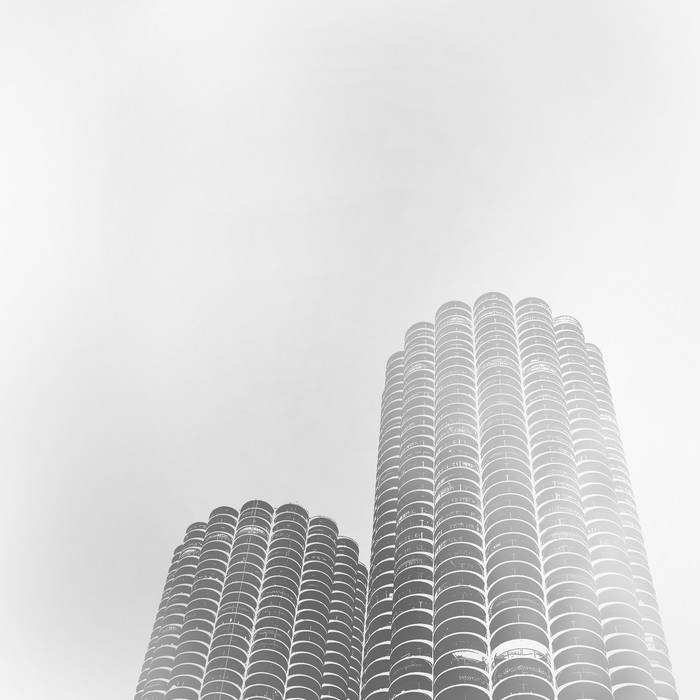
  • Wilco, Yankee Hotel Foxtrot Super Deluxe Edition*: The album that put Wilco on the map (after they were dropped by their label), YHF mutated from Americana through dream-pop to electronica-tinged folk-rock as band members and producers came and went. Eight discs that copiously chronicle the recording process, plus blistering two live sets.

My favorite (re)discoveries of 2022:

My favorite live album of 2022: Big Big Train, Summer Shall Not Fade*. Equal parts power and grace, BBT’s 2018 headlining gig at Germany’s Night of the Prog may be their best live release yet. Playing to their largest crowd ever, David Longdon commands the stage; Greg Spawton and Nick D’Virgilio provide a muscular foundation; Dave Gregory, Rikard Sjobom, Danny Manners and Rachel Hall serve up one delightful moment after another. Bryan Morey’s review nails it; this is indispensable.

My favorite rock documentary of 2022: In The Court of the Crimson King: King Crimson at 50*. The most unconventional band of the last five decades gets the most unconventional documentary possible. Crims past and present weigh in on “living, dying, laughing, playing and rocking out”, with Robert Fripp providing the ever-present focal point in a particularly puckish fashion. There’s also a deluxe edition with live Crimson video (both in the studio and at 2019’s Rock in Rio festival) and four bonus CDs of soundtrack cuts, rarities, etc.

My favorite books about music of 2022:

  • Vashti Bunyan, Wayward: Just Another Life to Live. Singer-songwriter Bunyan’s unlikely late-60s odyssey from Swinging London to the Hebrides forms the heart of this evocative narrative. Laboriously traversing the heart of England, she gains understanding of the natural world, of human kindness and cruelty — and of her own sturdy inner core.
  • Dan Charnas (with musical analysis by Jeff Peretz), Dilla Time: The Life And Afterlife Of J Dilla, The Hip-Hop Producer Who Reinvented Rhythm*. In Charnas’ telling, Dilla emerges as an innovator who laid down new paths for neo-soul and conceptual hip-hop, via his subtle yet unsettling variations on previously straight-up rhythms. Peretz’s equally innovative graphic depictions of rhythmic innovations across the decades buttress the page-turning narrative.
  • Robert Fripp, The Guitar Circle*. More a philosophical tome than a how-to book, though still remarkably practical, Fripp’s highly conceptual explanation of his process (as unfolded in Guitar Craft courses and Guitar Circles) won’t be for everyone. But those who dig in will grasp where this eternally questing musician is coming from better than ever before.
  • David Leaf, God Only Knows: The Story of Brian Wilson, The Beach Boys And The California Myth*. The third edition of Leaf’s lifework chronicles The Beach Boys’ journey from surf-rock through eccentric art-pop to the dead end of nostalgia, then sidesteps to Wilson’s solo comeback, culminating in the completion of his masterwork Smile. Not in the least objective, but comprehensive, even-handed toward the rest of The Beach Boys, and heartfelt.
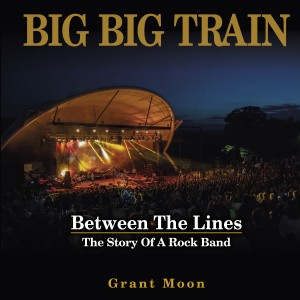
  • Grant Moon, Big Big Train – Between The Lines: The Story Of A Rock Band. How BBT became a prog powerhouse — through sheer bloody-mindedness, growth in craft and a keen ear for musical contributors — is the tale told in this richly detailed bio/coffee table tome. Both a celebration of the music made and an unflinching look at the price paid for a dream.

And in closing . . .

If you’re interested, check out these recordings I played or sang on that were released in 2022:

— Rick Krueger