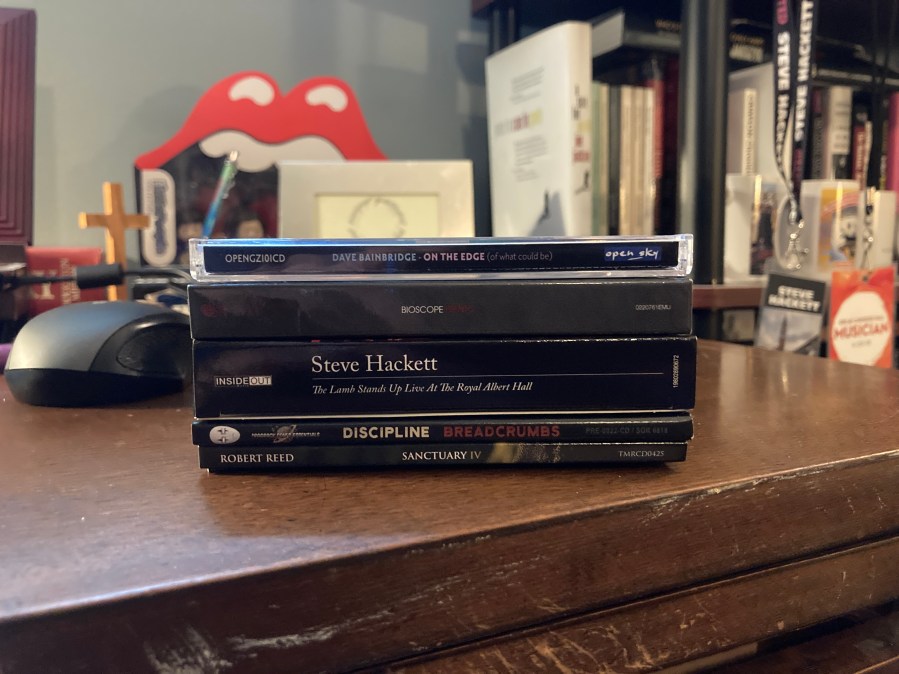
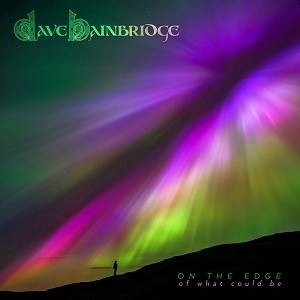
Dave Bainbridge, On the Edge (Of What Could Be): I glommed onto Bainbridge with his fabulous 2021 effort To the Far Away, but every one of his solo albums is crammed full of delights — rocking, rhapsodic and ravishing throughout. On the Edge is no exception: a double album with a self-contained suite on each disc, like Dave’s band Iona it takes listeners on a trip through the beauty of this world to the promise of a life to come. So many highights they can’t all fit here! Up-tempo elegy “Colour of Time” (with Randy McStine’s fierce vocal inspiring Bainbridge to heights of biting, frenzied jazz-fusion); the title track’s multi-sectioned build from triple-time acoustic folkiness to a thrilling electric climax; Simon Phillips’ fleet drum groove on “Farther Up and Farther In”, topped with mind-melting acrobatics from Bainbridge and piper Troy Donockley; Frank van Essen’s evocative violin and Bainbridge’s primal, Santana-meets-Mahavishnu cry on the orchestral “Beyond the Plains of Earth and Sky” are just a few of many great moments. Toss in vocals (in English and Gaelic) from a bevy of fine singers and virtuoso keyboards from Bainbridge, and you have an set that takes you on a genuinely amazing journey, gathering power as it builds to a spectacular culmination. Already a 2025 Favorite and a solid contender for the year-end top spot.
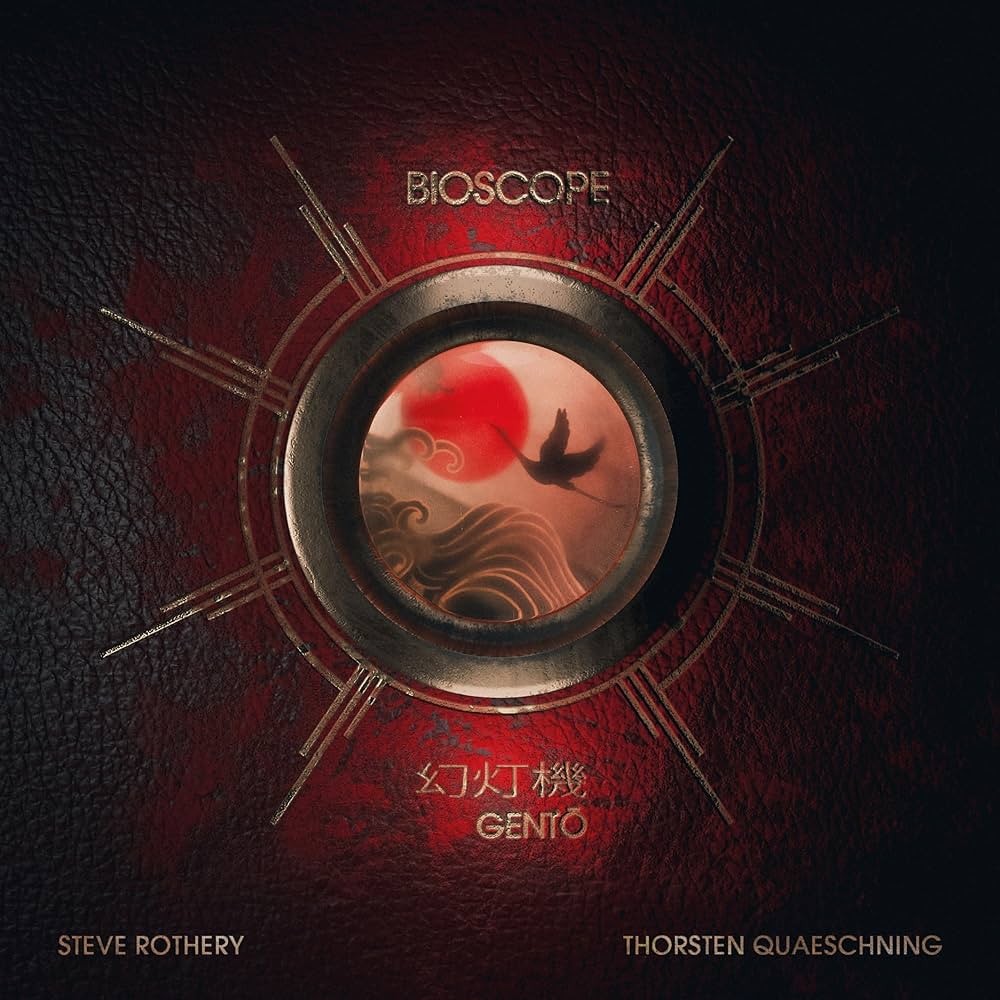
Bioscope, Gento: Steve Rothery’s keening, singing guitar has been one of Marillion’s prime calling cards for more than 40 years; as Edgar Froese’s appointed musical heir, Thorsten Quaeschning has recently propelled synth-rock trailblazers Tangerine Dream to fresh creative heights. Recorded during breaks in their bands’ work, the duo’s debut is a classic example of how two great tastes can taste great together. With the exception of psychedelic-Beatles closer “Kaleidoscope”, the musical elements on Gento repeatedly gather from thin air, coalesce, intensify, interact, react and dissipate — whether driven by Quaeschning (the wispy melodies, luxuriant textures and motorik rhythms of the three-part opener “Vanishing Point”), Rothery (the chiming rhythm guitar, slide/synth duets, fierce fuzz riffing and floating arabesques that shape another trilogy, “Bioscope”), or both in wonderfully organic call and response mode at multiple pieces’ climaxes. Add the rock solid drumming of Elbow’s Alex Reeves, and the results really are magical. Gento has gently, unobtrusively grown on me, all the way to making my 2025 Favorites list; it may take a few listens, but I think it will do something similar for you.
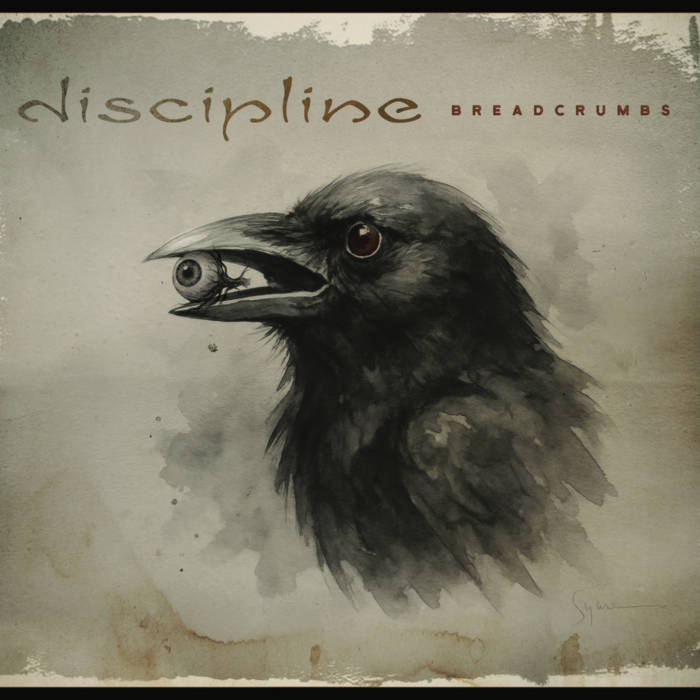
Discipline, Breadcrumbs: Eight years on from their last record, the Detroit proggers serve up another helping of their trademark, stately melancholia. Breadcrumbs proudly mines veins dug by King Crimson, Gabriel-era Genesis, Van der Graaf Generator — even a bit of keyboard-period Rush, with production by Terry Brown and art by Hugh Syme to boot — but as always, the results are a heady, hearty brew all its own. Throughout the intriguing title epic, the measured lament of “Keep the Change”, the relentless, stinging “When the Night Calls to Day/Aloft” and the thwarted, impressionistic “Aria”, Matthew Parmenter’s lyrical rhetoric and harmonically slippery keys take point, with Chris Herin providing pungent, tasty support and comment on guitar. While Breadcrumbs leans away from the slashing theatrics of vintage Discipline classics Unfolded Like Staircase and To Shatter All Accord, it still gives off a chilly intensity that showcases the band at their most spellbinding and cathartic. Through every challenging musical twist and verbal turn. this album is finely crafted and delivered with total conviction — another instant 2025 Favorite!
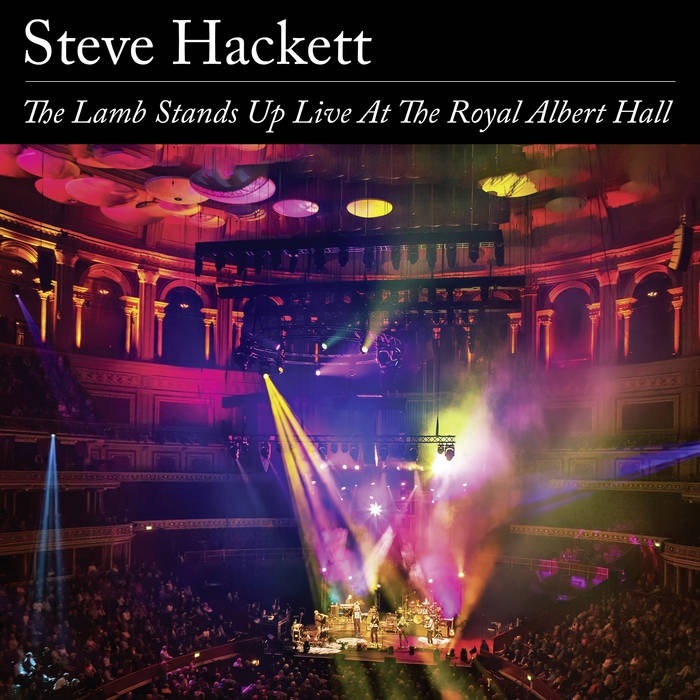
Steve Hackett, The Lamb Stands Up Live At The Royal Albert Hall: Yes, it’s Hackett’s tenth live album of the 21st century, but as usual, fans will find this a must for multiple reasons. Given recent personnel announcements, it’s probably Steve’s last live set with Roger King’s keyboards and Craig Blundell’s drums driving his talented band forward; the first half proves a spirited solo set, with lots of pleasingly vintage material and a thrusting trilogy of excerpts from 2024’s The Circus and The Nightwhale. And it’s hard to conceive of a better anniversary celebration for The Lamb Lies Down on Broadway! Nad Sylvan utterly inhabits protagonist Rael and Peter Gabriel’s other sundry characters; unjustly-forgotten Genesis vocalist Ray Wilson conjures an atmospheric, rumbling take of “Carpet Crawlers”; reflective moments like “Hairless Heart” shimmer, narratives like “The Lamia” and the title track subtly, potently grip your attention, and heavier moments like “Fly on a Windshield”, “Lilywhite Lilith” and “It” slam good and hard. With the super-deluxe box of The Lamb finally coming out at the end of September after multiple delays, sets like Dave Kerzner’s studio tribute and Hackett’s new concert set have nicely filled the gap while reminding both long-time and first-time listeners how ahead of its time the album was, and how vibrant this music still is.
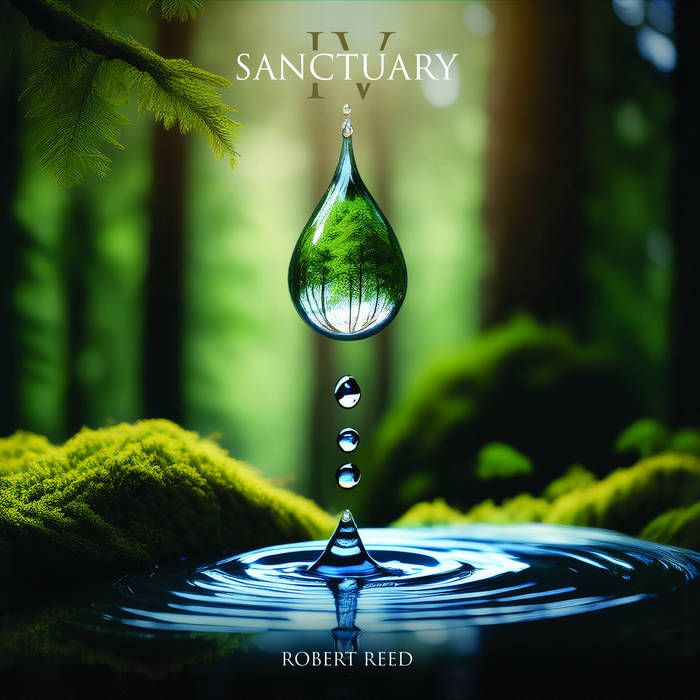
Robert Reed, Sanctuary IV. One of the driving forces behind 1990s neo-proggers Magenta, Reed has branched out impressively in the following decades. Reed’s Sanctuary albums — episodic long-form pieces in the genre pioneered by Mike Oldfield’s Tubular Bells — have evolved far beyond pastiche or even tribute, and here he refines and re-energizes his approach to its peak. Compelling opener “The Eternal Search” races forward, climaxing with an utterly berserk Simon Phillips drum solo; “Truth” bounces vivid instrumental colors off of sampled male vocals, morphs into a nautical shuffle laced with Les Penning’s recorder tootles, then lunges for a grandiose, double-time finale; and the closing “Sanctuary” provides the perfect comedown with its gentle, compact, well-wrought theme. If you’re looking for a sweet spot between Bainbridge’s Celtic maximalism and Bioscope’s kinematic ambience, Sanctuary IV’s shimmering, tuneful instrumentals could be just your ticket.
A typically quiet summer in our little corner of the music world came to an abrupt end last week, with the news that at the end of August, the United States government would impose new tariffs on goods from UK and the countries of the EU — two prime sources of progressive rock for American fans. In addition, a ‘de minimis’ exemption that allowed foreign packages valued under $800 to enter the US duty-free was going away at the same time. This prompted the Royal Mail, other European postal services and international businesses like Etsy and DHL to suspend deliveries to the US, allowing time for new procedures and paperwork to be developed and put in place. (The Royal Mail has restarted deliveries, providing tariff collection services on their end and charging sellers an additional handling fee.)
The impact on musicians we’ve come to know and love is currently unclear. Progarchy’s go-to British retailer Burning Shed will collect the new 10% tariff on UK shipments to the US — but only on merch, citing Royal Mail guidance that “informational materials” (books, CDs, vinyl, DVDs, BluRays, cassettes, posters and photographs) are exempt. Bandcamp is providing similar guidance to their international sellers (including Leonardo Pavkovic’s MoonJune Records — though as ever, Leonardo does things in his own unique way) and US buyers, but they also note that
The exception will depend on the seller including the correct HS codes on the customs forms and the US agencies processing the packages correctly . . . For those packages that are shipped to the United States after August 29, 2025, you (the buyer) may be charged tariffs upon delivery of the order. Any import duties are the buyer’s responsibility to pay.
Stalwart American importer (and Progarchy fave) The Band Wagon USA is leery about the impact of these changes, citing the real possibility of price increases and more limited stock in the near future. To their credit, they’re also stepping up to provide US distribution for DIY artists like Celtic-Tolkien progger Dave Brons (previously featured on this site), whom these new taxes and regulations will impact the most. But even the bigger acts in the genre are pondering their options; Marillion was one of the first to sound the alert about the coming changes, then suspend shipments until the fog clears. And since the two largest prog labels — Inside Out, a European division of Sony, and Kscope — are headquartered overseas, saying what the future holds only becomes more difficult.
“A Musical Memoir Like No Other” – as always, the estimable Alison Reijman nailed it in her review of Who’s The Boy with the Lovely Hair: The Unlikely Memoir of Jakko M. Jakszyk last fall. Stranger than fiction would be an understatement; only Jakszyk could have told this page-turning, hair-raising narrative — the son of Irish and American parents, raised by a older Polish/French couple, driven both to make his mark in the music business (from having his shoes noticed by Michael Jackson to joining The Kinks for a week to becoming the singer in King Crimson’s final incarnation to date) and to suss out the twisty, elusive truth of his life story.
In fact, Jakko’s past has consistently fed his most personal art, from radio dramas and one-man theatrical shows to his pensive, potent solo albums The Bruised Romantic Glee Club (2007) and Secrets and Lies(2020). Released later this month, his new record Son of Glen continues his quest for both clarity about his past and a settled present, building from subdued acoustic beginnings to an explosive electric finale with patient, long-breathed confidence. Like all Jakszyk’s work, it’s bracing stuff that nonetheless goes down smooth — fearless, affecting and engrossing.
It was a pleasure to talk to Jakko about the new album. Even at the end of what I’m sure was a long day, he was positive, attentive and kind — when I had audio problems at my end, he generously recorded the interview and sent it to me! My thanks to him for his time and for going the extra mile. Audio is immediately below, with a transcription following.
We last talked about five years ago, after your last [album] had been released, and I know you published your book in that time. What are the things that you see as milestones or turning points on your path between Secrets and Lies and Son of Glen?
Well, I guess the book came in between. I did a one-man show at the Edinburgh Festival, which is loosely based on events in my life; that followed the album.
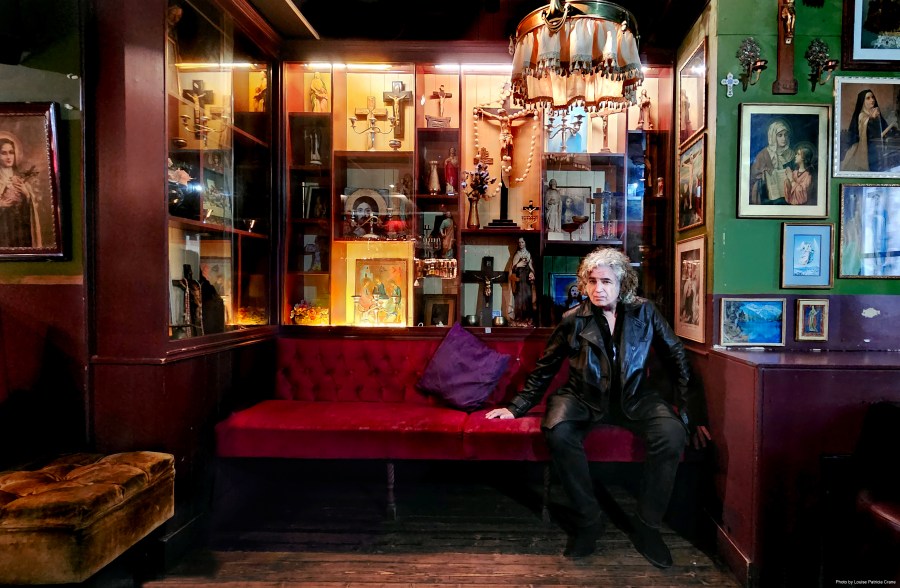
And then, as a result of that, I got the book deal. And although I’d been asked to complete another record, I kind of started bits and pieces. Really, what inspired the record as it stands now was partly the work I did on an album called Netherworld by the lovely Louise Patricia Crane.
And I did a lot of things on there at her behest, I think; I found myself digging deep into my musical DNA and my past to come up with stuff that is part of what I grew up listening to, but stuff I hadn’t ever really used in my own work.
And then when we’d finished, when I’d finished the book, again, I was in a weird place and Louise was incredibly significant in building my confidence back up. And then I remember one evening we were having dinner and, having discovered my real father after decades of fruitless searching for him, she pointed out something that I guess was kind of obvious, but hadn’t crossed my mind in that the reason I exist at all is that my American airman father was stationed in England and fell in love with a dark haired Irish singer.
And here I was all these decades later, kind of repeating the same thing! Which was, I guess, kind of staring me in the face, but it was only when she mentioned it. And so that became the inspiration for the title track and the title of the song, really.
I then, armed with this conceptual idea — both [my] kids play, they’re both great musicians, both my kids. So there’s always instruments in the house everywhere. And they quite often, both of them, my daughter and my son, mess around with alternate tunings. I’ve never really done that. And I remember picking up a guitar and I had no idea what was going on, tuning-wise. And I came up with this pattern, and that started the whole title track.
And then it just developed. I didn’t set out to write some epic. It was just this conceptual idea, a few chords, and then it just kind of started to write itself, really. And then that set the tenor of the whole record, and the idea of making it relate to the book.
Okay. You mentioned some musical areas that you dug into when working on your partner’s album that you had maybe put aside or not necessarily used. Could you be a little more explicit about that?
Yeah, sure. When I was a kid, the band I probably saw live more than any other was the Gabriel-era Genesis, because they played locally to me, where I live in England. And I was completely taken with that. But I’ve never really done anything Genesis-like, I don’t think, on my own stuff. And there were certain references that Louise was utilizing when we were creating her album. And I thought, “oh, okay, yeah, I used to love that record!”
And so Genesis, there’s bits of Jethro Tull, again, a lot of acoustic-type stuff that’s not really normally evident or fundamental to any of the work that I’ve done. I think I’m referring to those specifically in terms of my own record. But there was other stuff. There’s a lot of the references that she utilized that I was able to kind of replicate, because I understood the musical language.
To backtrack a little bit, one of the things I noticed is that a number of the chapter titles in your book become song titles on Son of Glen. I’m assuming that’s a deliberate thing, and that there’s some significance involved with that.
Yeah, some of them were ideas I’d started and then wrote the book. In fact, there was a couple of things I’d done when I was promoting the book later on. There was a couple of instances where it was a really interesting thing, where I would talk about how some of the songs are kind of diary entries. They’re responding to something that’s happened. And so I was able to say, “well, look, what I’m going to do now is read a passage from the book that describes the event in detail, and then I’m going to play the song that I wrote about it.” So I was able to do that at that stage as well, because the two things started to overlap.
And sometimes I’d just have a title, which I then used as the title for the chapter of the book, and then extrapolated from that. And some of the things I’d already started, that were from way back, but fitted into the conceptual continuity of the whole nature of the book and the album together.
Another thing I noticed: if you divide the album into LP sides, each one opens with a distinct version of that instrumental, “Ode to Ballina”. Is that simply for the sake of variety, or does that play a part in how things unfold musically?
It was a deliberate ploy. I thought, and I was deliberately thinking about it as vinyl, even though I know it comes out on CD too. For the first time really, I was definitely thinking about it in vinyl terms. I had a conversation with Thomas Waber, whose label it is, and we were discussing about how the length of albums has got preposterous due to the ability to store more information on a CD. And in his head, and kind of mine, those album era years of the ‘70s, 40 minutes, 45 minutes, that was enough, that was ideal. So, I did think in those terms.
And I thought, well, “Ode to Ballina” is a piece based on my emotional response to going to Ireland, back to where my mum came from for the first time. And so I thought, that’s a great place to start, because that’s the kind of start of the story. And then halfway through, to reiterate that theme, but do it — by which time I’m now a musician, and I’m living a life as a musician — to reiterate that same thematic idea, but in a more modern, more electric way. So that was deliberate, as was the beginning of each side and the end of each side.
I knew I definitely wanted to end with the 10-minute title track. And I wanted to end side one with the song I wrote about Louise.
And as I heard that album, what I felt like was that the whole thing built from the acoustic beginning on the first side, it was almost like this long 40-minute crescendo, which was really effective.
Oh, well, thank you.
Because like you say, on side two, you’re bringing in more of the electric elements, and it just sort of gains in whoomp, to use a technical term.
[Laughs] That’s great. You know, these things, you have a rough outline of a conceptual idea, and then the music kind of takes over and presents itself in a way. So it’s a combination of finding a vehicle and then somehow something else takes over. I mean, I don’t know what it is, whatever you call it, you know, inspiration or the muse or whatever.
Yeah, I felt good that I’d kind of dealt with some subjects that are peppered throughout the book and ended up with a paean to my real father. That’s the mystery of the beginning of my book and the beginning of my life. That’s where the book ends, really: me finally, after decades of fruitless searching, finding who he was and stuff about him after being thrown all sorts of red herrings by my mother and downright lies.
I know one of the themes of the book is how difficult it has been to get to the truth, because you had to pick your way through any number of deceptions and equivocations.
Yeah. And it feels, like all of us, we want a degree of stability, we want to know who we are, we want some solid ground on which to stand, you know.
And you keep thinking, “Oh, OK, that’s what happened. Fantastic.” And then, and then, you know, a few years later, the rugs pulled out and you thought, “Oh, hang on, that was all bulls–t. Wait a minute!”
And so, you find yourself constantly in a state of flux. And, you know, these things, as we’ve discovered in the decades since — at its most basic in the 50s and 60s, I think the attitude was, “Well, having children adopted has got to be better than bringing them up in a home [orphanage],” and it’s only in the intervening decades that a lot of research has been done into how that experience fundamentally affects an awful lot of adopted kids, and it f—s with your psyche and it and it has a whole controlling influence on your whole personality.
So as you say, these songs are full of people from your history, your birth mother, your adoptive father, your current partner, your biological father, a friend who passed away. Does writing about them, whether in your book or for this album — how does that make a difference in terms of how you think about them, how you feel about them?
Well, I think writing the book in particular, because it’s so detailed and so if you’ve read the book, you’ll realize how long it is.
Oh yeah, that was one of the things that I think was fascinating about it, is how much detail and depth and — your life has been so full of incidents and coincidences and synchronicities, as well as — frankly, the incredibly difficult foundation that you had. But again, you can tell that you’re processing this.
Yeah. I tell you what, there was a weird thing right at the end of writing the book. There was a sense of achievement. Because I know when I was first approached to write the book, the publisher sent me a kind of contractual breakdown and advances and all this. And then I ignored it.
And about three weeks later, they said, “Do you not want to do this?” And I said, “I don’t think I can do it. I’m a small person at the bottom of the Himalayas. I can’t get up there. That’s miles away.”
And then they suggested, “Well, maybe we can get a ghostwriter.” And I said, “You know what? I’m not going to use a ghostwriter. So, I’m going to write an opening chapter. And if you think it’s of any worth, then let’s discuss it further.” And that’s what I did.
So, when I finished the book, there was a sense of achievement and euphoria that I’d actually done something that extraordinary and that long and [of] that depth. And that stayed with me for about a week. And then we had a meeting about it coming out.
And then suddenly it dawned on me that I’ve written this unbelievably personal, exposing stuff. And everyone would — you know, people were going to read this!
So that was a real shock. I mean, I know it sounds ridiculous in that that’s the very nature of writing a book. But that really freaked me out.
So, it was a whole rollercoaster of emotions, because on one level, it was incredibly cathartic. But on another level, you know, all these things have happened. There’s an approximate chronology in your head of how things led one thing to another. But when you sit down in a concentrated way and lay it all out before you, all of those things, the random things that you mentioned, you know, it’s kind of weird moments of luck and timing.
But they’re all kind of connected, because had I had a normal upbringing, I would not have been so driven and I wouldn’t have felt so fundamentally insecure and have a low self-worth, which means I wouldn’t have just worked like a maniac, you know, and said yes to everything. So I would never have put myself in those different places and gone forward, so it’s a kind of weird mishmash of the experience.
So, you’re still left with those fundamental flaws in your personality from what happened as a child. But at the same time, it’s enabled me to live this extraordinary life and meet the most amazing people. So, it’s a weird kind of car crash of of all those things, of all those emotions.
And I think the cathartic nature of it, seeing it all written down, understanding how bits fit. When I finished the book, I went into some post-adoptive counselling as well. And one thing I found is that, whilst you can place what happened and how you feel as a result of what happened and while you can understand it and see the logistics of it, what it doesn’t do is stop you — you still feel those feelings. The difference is, you now know where they come from, and you understand how that journey has manifested itself. But it doesn’t — for me anyway, it doesn’t stop those innate feelings. You just know where they come from.
[On the other side: Jakko talks with and about Steven Wilson, best mate/drummer supreme Gavin Harrison, the guys in Marillion, Robert Fripp, the future of King Crimson releases, and much more!]
No big hoo-hah this year: just a down and dirty list of my favorite releases and reissues of the year, covered in previous Quick Takes or elsewhere on the Web (links are to my original articles)!
Bruce Hornsby, The Way It Is; Scenes from the Southside; Harbor Lights; Here Come the Noisemakers (live); Intersections 1985-2005 (box set); Solo Concerts (live). See my appreciation of Bruce’s career here!
Thanks for your ongoing attention and steadfast support. We at the Rockin’ Republic of Prog appreciate it! Best wishes as we all turn the corner and head into the New Year!
Where have the last two months gone? And how many new releases have I enjoyed in the interim? Enough that I’ll be shooting to summarize each one included below in two to four sentences, max! (Though I can’t guarantee they’ll be short sentences.) Purchase/streaming links embedded as usual, so here we gooo . . .
New Music
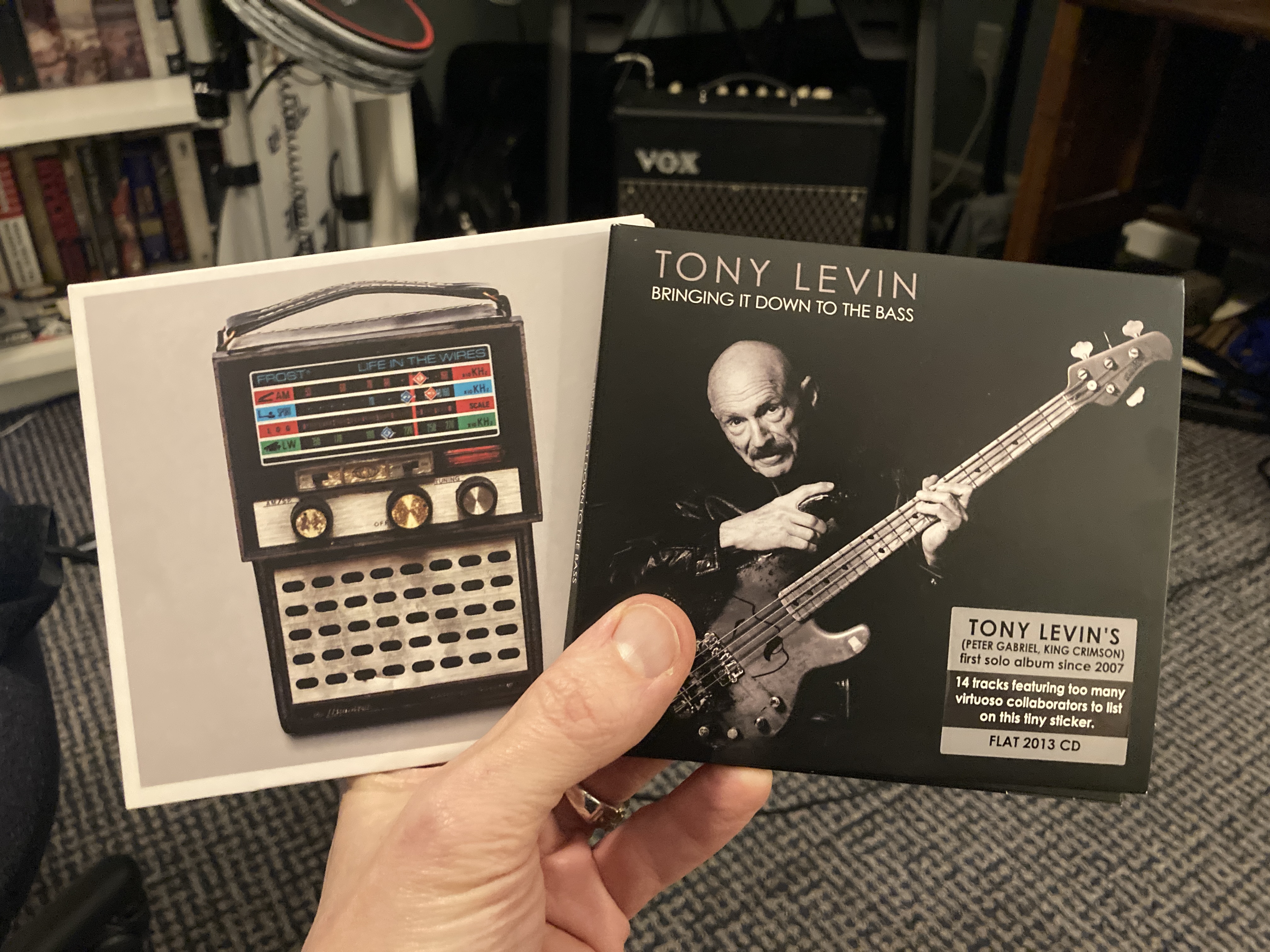
As teased in our October interview with mainman Jem Godfrey, Frost*’s Life in the Wires(listen here) is the conceptual album of a prog fan’s fondest dreams; the storyline is vintage dystopia (1984 meets Who’s Next), the music a full-on sonic assault from the get-go (replete with widdly synthesizer solos). Pitted against the required cybernetic supervillain, in search of freedom out there in the fields, can Godfrey’s protagonist Naio escape permanent lockdown in teenage wasteland? The ultimate answer is well worth the winding journey; powered by the heady backing of John Mitchell, Nathan King and Craig Blundell, Godfrey easily conjures up the equal of previous band high points Milliontown and Falling Satellites.
On his fresh solo album Bringing It Down to the Bass, Tony Levin launches 14 low-end odysseys with (to quote the hype sticker) “too many virtuoso collaborators to list.” But whether proving that “Boston Rocks” with Bowie guitarist Earl Slick and Dream Theater drummer Mike Portnoy, “Floating in Dark Waves” below Robert Fripp’s soundscapes, or reuniting with fellow Peter Gabriel bandmembers on multiple jams, Levin always grabs the ear with his supremely melodic bass, Stick and cello work. And his low-key, half-spoken vocals prove surprisingly effective, especially on dry barbershop throwbacks “Side B/Turn It Over” and “On the Drums” and the moving John Lennon tribute “Fire Cross the Sky.”
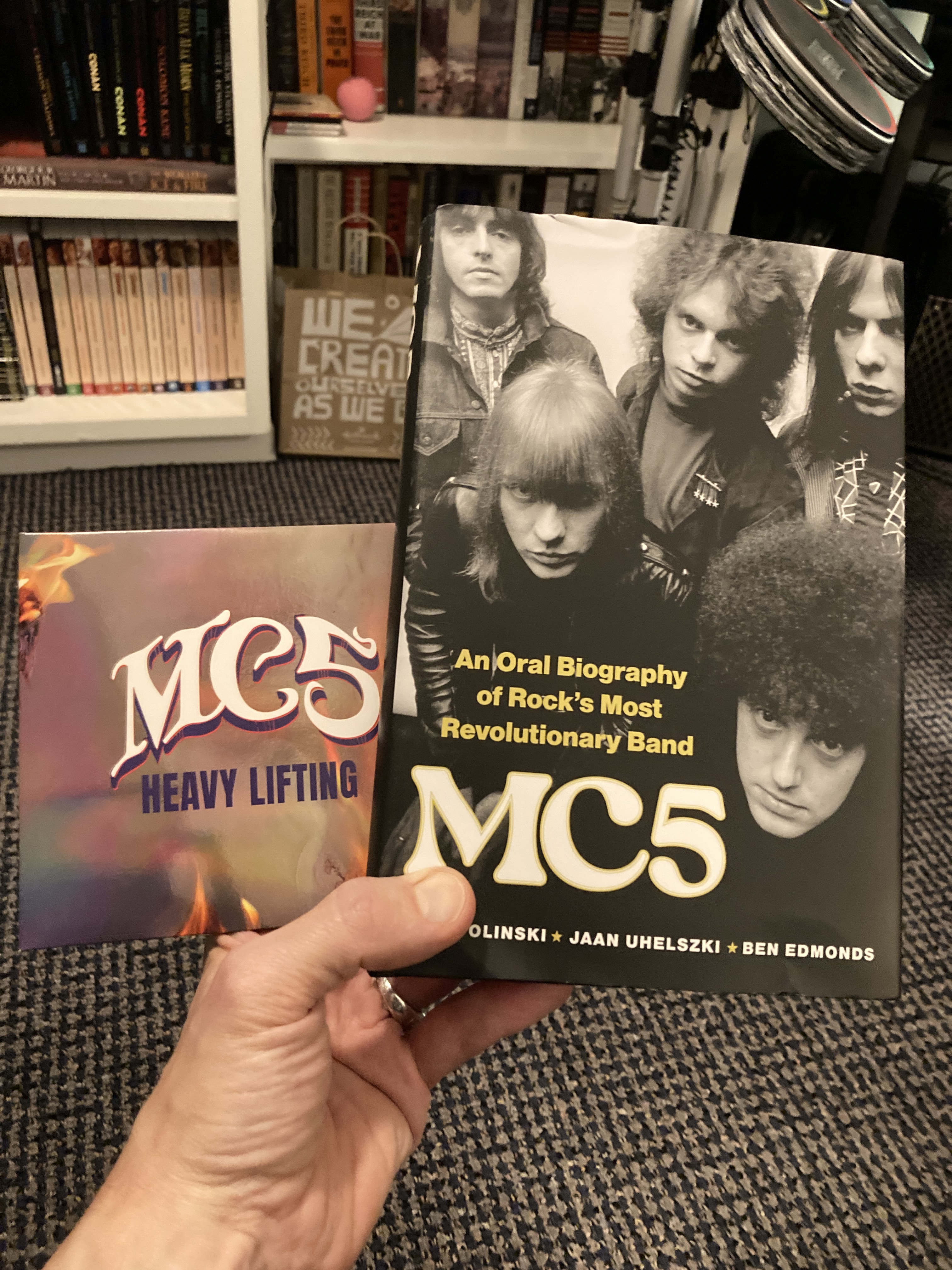
Pioneer garage rock guitarist Wayne Kramer had one more winner in him before his passing earlier this year. Credited in tribute to Kramer’s seminal Detroit collective MC5, Heavy Lifting(listen here) rages against the political and cultural machines still standing since the band’s original heyday, agitating for a better deal with 13 brash, irresistible helpings of punk (“Barbarians at the Gate”), rock (“Edge of the Switchblade”) and soul (Edwin Starr cover “Twenty-Five Miles”). For the full skinny on why Kramer & company finally snuck into the Rock & Roll Hall of Fame through the back door this year, the newMC5: A Oral Biography of Rock’s Most Revolutionary Band is essential reading.
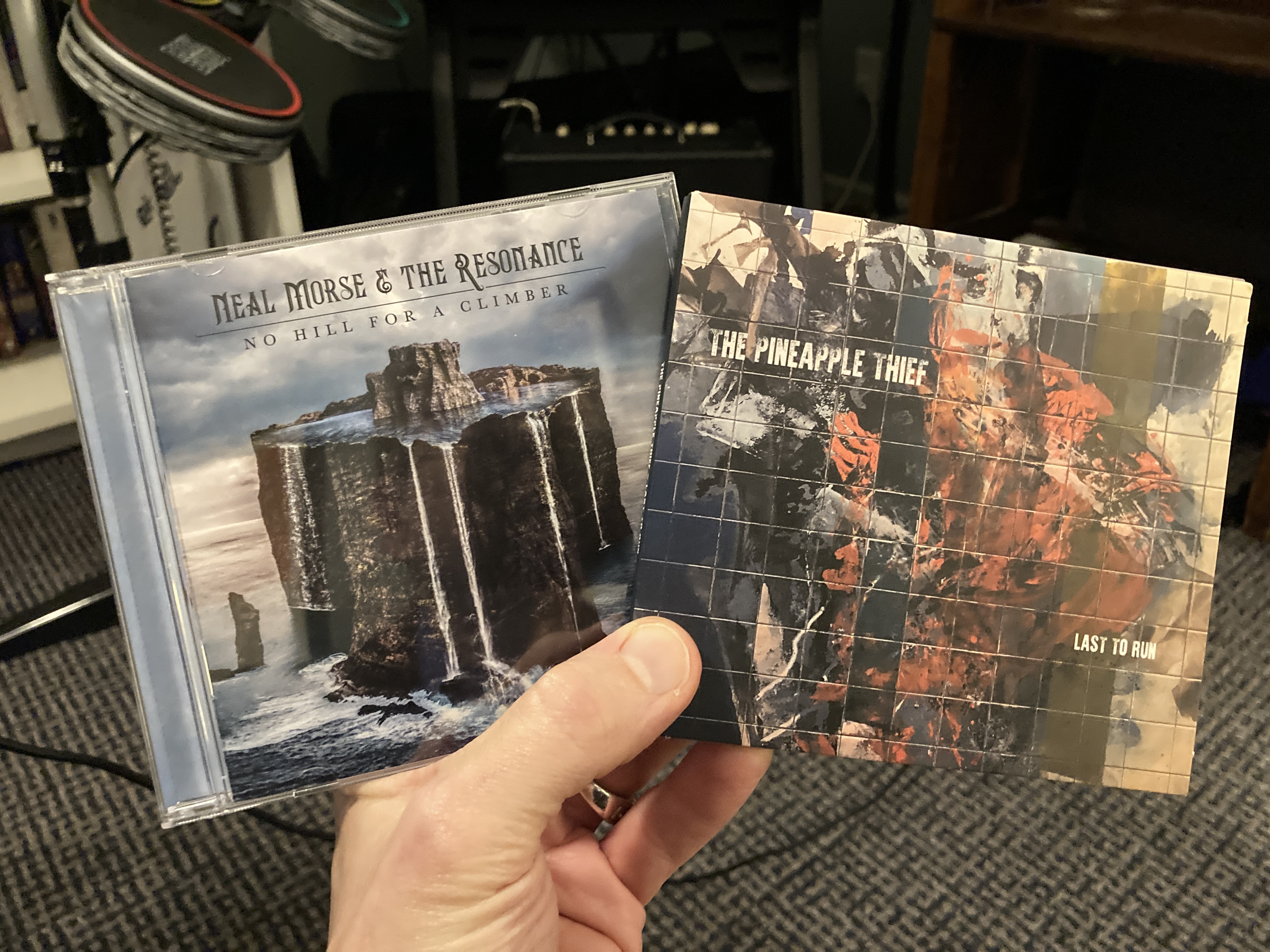
As his long-time collaborators spin off in other directions, Neal Morse just keeps on keeping on! Teaming with The Resonance, a purpose-built quartet of young Nashville hotshots, Morse’s latest No Hill for a Climber(listen here) is a bit of a throwback; instead of full-blown rock opera, Morse builds a multi-faceted album, sandwiching creepy swinger “Thief”, head-down rocker “All the Rage” and melting ballad “Ever Interceding” between twin epics (opener “Eternity in Your Eyes” and the closing title suite). The more straight-on vibe Morse embraced on his Joseph duology predominates here, but with enough detours to keep long-time listeners coming back and intrigue new hearers.
Straight-on is a pretty good description of the new The Pineapple Thief EP Last to Run(listen here) as well; far more than leftovers from the fine It Leads to This, the five songs included here strike hard and deep. As Gavin Harrison weaves enticing rhythmic illusions on drums, Bruce Soord spins up dark, pensive vignettes of personalities in crisis (“All Because of Me”), relationships snarled by dysfunction (“No Friend of Mine”) and societies on the brink (“Election Day”). Another band that mines a familiar vein repeatedly, yet consistently leaves listeners craving more.
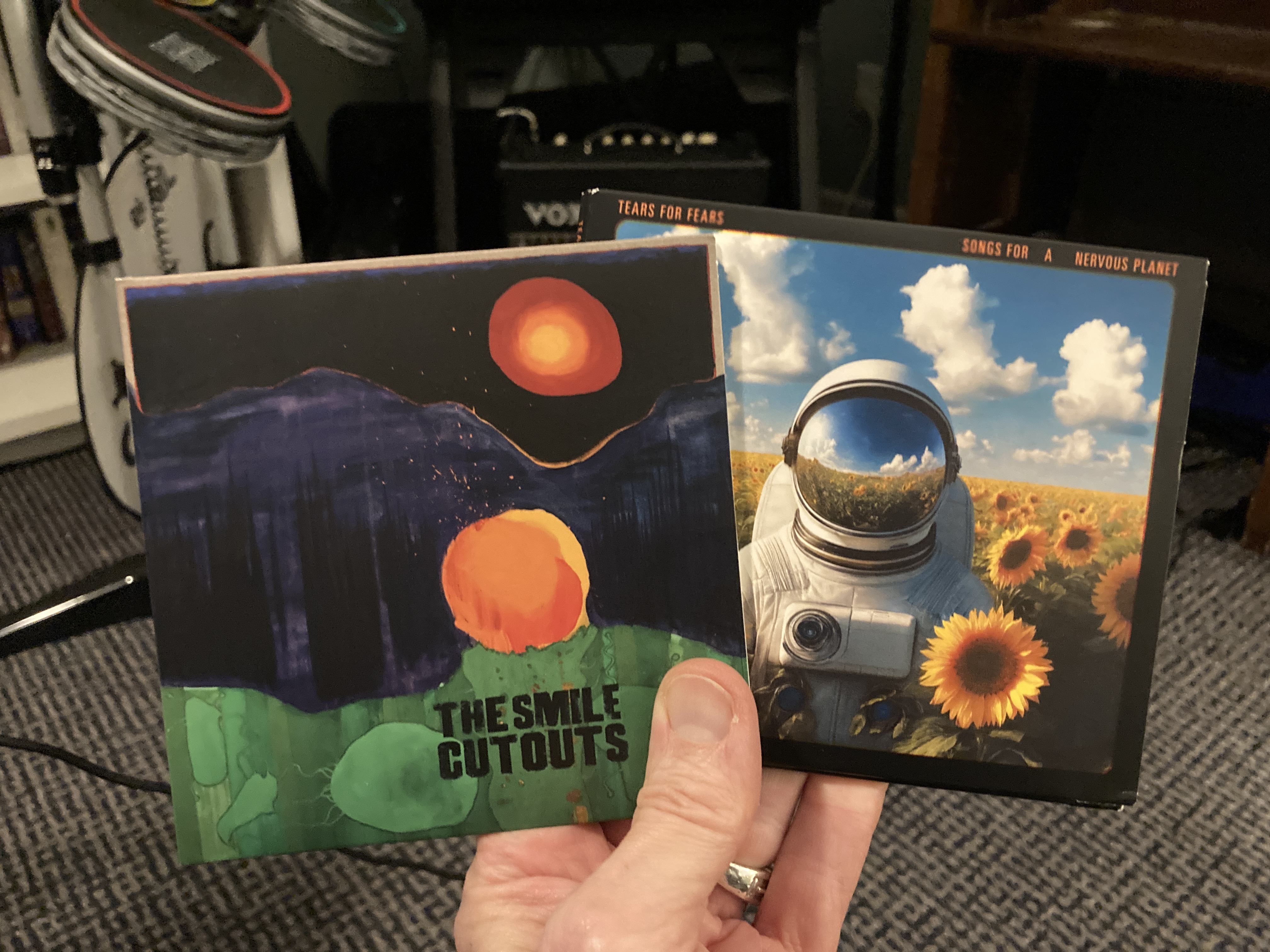
Speaking of dysfunction, The Smile’s Cutouts(listen here) resembles nothing so much as a numbed comedown, trailing the apocalypses unflinchingly depicted earlier this year on their Wall of Eyes. Thom Yorke’s nonsense lyrics and bleached-out vocal affect sound light-years away from the redemption Radiohead intimated even at their most jaundiced; Jonny Greenwood spins up orchestral/electronics, evoking distant, forgotten nightmares; Tom Skinner holds down the spare, spacey beat, blithely driving into nothingness. If not as gripping as this trio’s first two albums, Cutouts can still compel with its chill.
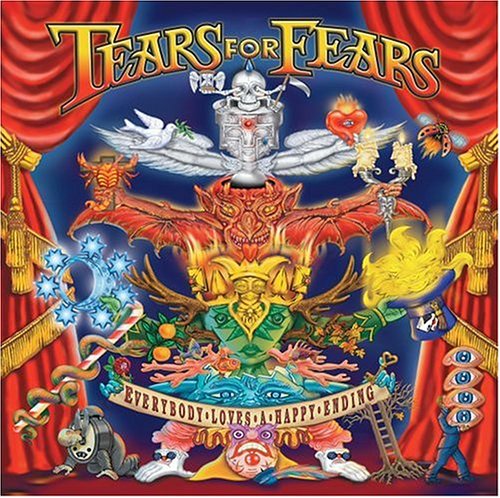
But where The Smile chills, Tears for Fears seeks warmth; the four fresh tracks on TfF’s mostly-live Songs for a Nervous Planet(listen here) home in on healing (“Say Goodbye to Mom and Dad”), lasting love (the lush “The Girl that I Call Home” and the psychedelic “Emily Says”) and self-actualization (the quirkily glib “Astronaut”). And there’s plenty more catharsis in concert, as Roland Orzbaal, Curt Smith and backing band blast out the hits of yesteryear and revisit the highlights of their fine 2022 comeback The Tipping Point, all with plenty of enthusiasm and aplomb.
(Live albums and archival releases – box set time! – follow the jump.)
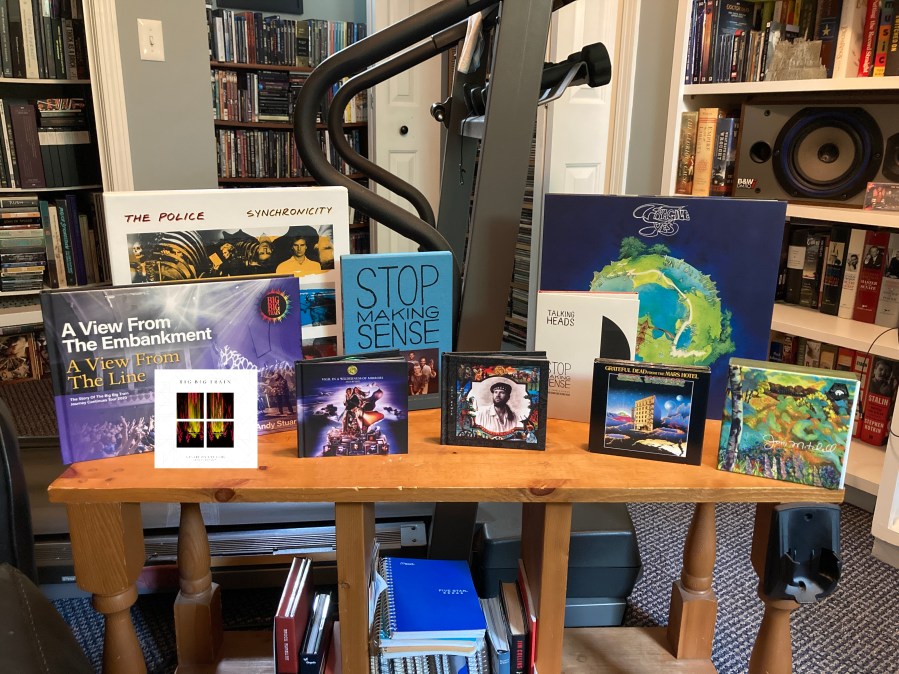
Like a man named Will said, summer’s lease hath all too short a date – so I decided it was time for a lightning roundup of the season’s box sets! Purchasing links are included in the artist/title listings below, with streaming and video samples following each review.
Big Big Train, A Flare on the Lens: Officially released on September 13th, only promotional audio was available for review, so I can’t tell you how the closing night of BBT’s 2023 European tour looks on BluRay – but it sure sounds like dynamite! With all the animation and verve they displayed on this year’s first American jaunt, Greg Spawton’s mighty crew (joined by guest guitarist Maria Barbara and the obligatory brass quartet) tear into a similar setlist packed full of drama and pathos. New vocalist Alberto Bravin is particularly impressive, getting right to the heart of fan favorites like “Curator of Butterflies” and “A Boy in Darkness” along with epic standbys “East Coast Racer” and “Victorian Brickwork”. But everyone’s at the top of their game, culminating when Nick D’Virgilio and Rikard Sjöblom join Bravin up front for a devastating yet joyous medley of “Leopards”, “Meadowland” and “Wassail” in honor of the late David Longdon. Amply documented here as well as in Andy Stuart’s mouth-watering tour diary/photobook A View from the Embankment, A View from the Line, and on new album The Likes of Us, BBT’s rebirth is a genuine cause for celebration.
Fish, Vigil in a Wilderness of Mirrors and Internal Exile: In the wake of his stormy departure from Marillion, lead singer/lyricist Fish (AKA Derek Dick, rock star and Scottish nationalist) was unsurprisingly eager to prove his worth as a solo act. 1990’s debut Vigil In a Wilderness of Mirrors was as emotionally direct and lyrically convoluted as ever, built around the charged concept of climbing “The Hill” of success — a goal unrelentingly pursued despite the Stateside seductions of “Big Wedge”, the obsessions holding “The Voyeur” captive, the damage documented in “The Company” and “Family Business”. Internal Exile, released the following year after legal troubles and a label change, steers toward individual songs; highlights include delicate ballad “Just Good Friends”, comfortably numb polemic “Credo” and the Highland-inflected title track. Fish’s dramatic declamation is the focus throughout; it’s as riveting as always, though the music (mostly by sidekick Mickey Simmonds) can be a bit pedestrian, lacking the organic interplay and inspired unconventionality that marked Marillion’s response to his heady, hearty words. Each album is available as 2-LP Vinyl Editions, 3-CD Standard Editions (with bonus demos and live versions) and Deluxe Editions (with another disc of live versions and surround mixes on BluRay).
Grateful Dead, From the Mars Hotel:It took a looong time, but somehow I’ve finally tuned into the Grateful Dead’s wavelength (and without the use of illegal substances, mannnnn). Having zeroed in on the band’s “stoned electric bluegrass” period of the early 1970s, this latest 50th anniversary reissue is right up my alley – and it has more appeal even now than you might expect. Made in the midst of the Dead’s doomed attempt at running their own record label, there’s a delicacy instilled in the music, a humble yet unflinchingly honest cast to the lyrics. The social commentary of Jerry Garcia and Robert Hunter’s “U.S. Blues” and “Ship of Fools” is more bemused than bitter; tinged with Keith Godchaux’s harpsichord, “China Doll” is an exceptional ballad, and the awestruck love song “Scarlet Begonias” stayed in the band’s onstage repertory for decades. Plus, there’s Phil Lesh’s extended workout “Unbroken Chain”, one of the few Dead songs of that vintage to feature the bassist’s charmingly down-home vocals. Add a live set that handily covers the group’s career to that date, featuring well-chosen country covers and mesmerizing jams, all blasted through the band’s Wall of Sound to a University of Nevada audience the year of From the Mars Hotel’s release, and you have an exemplary package. 1971’s Skull and Roses (first encountered in my older brother’s record collection) and Europe ’72 remain the quintessential Dead in my book, but this isn’t far behind.
Joni Mitchell, The Asylum Albums (1976-1980): Let the record show that Mitchell carried a torch for jazz for decades, ranking Miles Davis right up there with Beethoven long before her music slid into the smoothly swinging grooves of 1974’s Court and Spark. With Hejira (1976), haunting meditations on love and wandering like “Coyote”, “Amelia” and the title track lit out for more expansive territory, simultaneously anchored and uplifted by fusion genius Jaco Pastorius’ free-floating bass work. 1978’s Don Juan’s Reckless Daughter stretched further into abstraction, with the side-long tone poem “Paprika Plains” swathed in rich orchestral colors, instrumental “The Tenth World” and the grooving “Dreamland” enveloped in Latin percussion, and Pastorius’ Weather Report compatriot Wayne Shorter swooping in with unmistakably lateral sax work. And in collaboration with a dying genius, 1979’s Mingus (instigated by composer/bassist Charles Mingus himself) saw Mitchell pay tribute to the era epitomized in the closing “Goodbye Pork Pie Hat”, with words as inspiringly bopping as the tunes. Add the live double album Shadows and Light, with Mitchell backed by then-young guns like Pat Metheny on guitar and Michael Brecker on sax, and you have a remarkably unified overview of her farthest out, yet most eccentrically open period. (Volume 4 of Mitchell’s Archives series, focusing on unreleased and live music from these years, is released October 4th.)
Happy Easter. Someone at Progarchy usually posts some version of Marillion’s “Easter” every year, but this year it seems more fitting than ever. The lyrics of the song refer to The Troubles Ireland experienced for much of the second half of the twentieth century, and the title and lyrics also reference William Butler Yeats’ poem, “Easter, 1916,” about the 1916 Irish rebellion. In troubled times like these, with violent bloody wars popping up all over threatening to draw us back into darker times, Marillion’s “Easter” rings out truer than ever:
What will you do? Make a stone of your heart? Will you set things right When you tear them apart? Will you sleep at night With the plough and the stars alight?
As always, purchase links are embedded in each artist/title listing; playlists/videos/samples follow the review.
Artemis, In Real Time: This second album delivers on the promise and potential of Artemis’ 2020 debut. As I recently discovered in concert, here’s a jazz sextet with a forceful front line (Nicole Glover and Alexa Tarantino on woodwinds, Ingrid Jensen on trumpet) and an assertive rhythm section (founder Renee Rosnes on piano, Noriko Ueda on bass, Allison Miller on drums) that revels in both challenging and collaborating with each other. Whether hurtling through the post-bop twists of Miller’s “Bow and Arrow” and Jensen’s “Timber”, reaching for the skies on Ueda’s open-hearted “Lights Away From Home” or tenderly exploring Rosnes’ spacious ballads “Balance Of Time” and “Empress Afternoon” — not to mention their unique spins on tunes by departed giants Lyle Mays and Wayne Shorter — this is a group of top-rank players that mesh marvelously as an ensemble, delivering a whole lot of serious, elegant fun.
Brian Dunne, Loser on the Ropes: It’s true that I wouldn’t have come across this New Jersey-born, Brooklyn-based singer-songwriter if my nephew hadn’t played drums for his recent tour. But I’m glad I did! Dunne’s vivid lyrics — questing, skeptical, bemused, and poignant all at once — hitch a ride on his insistent verbal rhythms, catchy melodies and tightly constructed tunes, sung with his direct, inviting voice to impressive effect. He rocks out on “Stand Clear of the Closing Doors” and “Bad Luck” and whips up midtempo singalongs on “It’s A Miracle” and “Optimist,” slowing down for more reflective efforts like the title track and the closer “Something to Live For”. There are sonic echoes of mid-period Dire Straits and (inevitably?) 1980s Springsteen, but this is fresh, thoughtful music with both forthright appeal and subtle intensity, well worth hearing.
Bill Evans, Treasures: from the late 1950s to his premature demise in 1980, Bill Evans changed jazz piano forever with what Miles Davis called his “quiet fire”, reshaping the piano trio format as a conversation of equals in the process. The latest in a rich harvest of archival discoveries from jazz detective Zev Feldman and his compatriots, Treasures captures Evans’ steady, probing artistic growth in the late 1960s via a series of visits to Denmark. Whether captured solo, in full flight with various bassists and drummers, or even at a heart of a suite for big band and orchestra, Evans is consistently engaged, shaping jazz standards, rarified pop tunes and his own compositions into things of sheer beauty with his intense lyricism and sense of swing. As good an introduction to this titan of the genre as any!
Guardians of the Galaxy, Awesome Mix, Vol. 3:Fair warning: this semi-soundtrack to the latest Marvel Cinematic Universe blockbuster probably won’t give children of 1970s radio like me the same nostalgia buzz as the first two volumes of Awesome Mix. Sure, there are still great throwbacks from Heart, Rainbow, Earth Wind & Fire, Alice Cooper and Bruuuce; but this time around they share playlist space with the American slacker punk (X, The Replacements) rock-rap (Beastie Boys, Faith No More), and post-indie dream pop (Florence and the Machine) that followed over the decades. So it’s a more diffuse experience, with tracks that are actually eminently forgettable (Spacehog? The Mowgli’s?) — not to mention a missed opportunity for a prog shout-out. On the other hand, any compilation that includes The Flaming Lips’ hospice anthem “Do You Realize?” and EHAMIC’s “Koinu No Carnival” — Chopin filtered through an electronica mixmaster! — deserves at least a listen, and possibly space on your shelf or hard drive.
Marillion, Seasons End Deluxe Edition: The final reissue in the set of Los Marillos’ eight EMI albums, boxed up in typically comprehensive fashion. Layering his and John Helmer’s words atop the veteran band’s latest soundscapes (often repurposed from a futile final effort at working with original vocalist Fish), new boy Steve Hogarth brought it all back home with melodies that tacked closer to folksong than operatic recitative and scenarios that evoked slice-of-life drama as well as existential soliloquies. In retrospect, Seasons End was just the start of H-era Marillion’s evolution, but the end result still rocks hard, smart and sharp after all these years, from the atmospheric intro of “The King of Sunset Town” to the unnerving claustrophobia of closer “The Space”. In addition to a remix of the 1989 original, we get b-sides, demos and early versions of multiple album tracks — plus three high-energy live sets (audio and video from 1990, plus 2022’s British Marillion Weekend) and two documentaries on the CD Blu-Ray version. Like the entire series, this re-release is great listening and great value for money. (And deluxe boxes of post-EMI albums have been promised by manager Lucy Jordache. Stay tuned …)
Paul Simon, Seven Psalms: Designed as a unified song-cycle to be heard in its entirety (it’s one 33-minute track on CD and streaming audio), Simon’s new work is a dreamlike meditation unlike anything else in his catalog. His subdued voice and acoustic guitar carry the musical weight, hinting at gospel, folk and blues as the suite unfurls, with ambience courtesy of composer Harry Partch’s “cloud chamber bowls”, British choir Voces8 and full orchestra. Anything but orthodox, metaphor-packed portraits of “The Lord” — who Simon compares to, among other things, a virus, a virgin forest and a record producer — become a recurring theme, punctuating scattered thoughts on life past and present. Scattered, that is, until the finale “Wait” (“I’m not ready/I’m just packing my gear”), where Simon abruptly, delicately drills down to our common endpoint. Ruminating on what’s been becomes a stoic stock-taking of what we’ve become, a bracing reminder of what awaits us all — and, just possibly, a call to hope in what might lie beyond. Subtle and devastatingly effective, Seven Psalms is a momento mori for the Boomer generation — and for anybody else with ears to hear.
U.K., Curtain Call: When keyboardist/violinist Eddie Jobson locked in with guitar genius Allan Holdsworth and the then-defunct King Crimson’s rhythm section — John Wetton on bass & vocals, Bill Bruford drumming — sparks flew thick and fast. U.K.’s 1978 debut album was a sleek, captivating blend of progressive rock and jazz fusion; 1979’s Danger Money slimmed down to a more focused power trio as Zappa drummer Terry Bozzio replaced Bruford and Wetton’s writing veered toward proto-Asia pomp-rock. The inevitable semi-reunion happened in the 2010s, with Jobson coming off a productive career in film and TV scoring and Wetton rebounding from a hard-fought battle with substance abuse for a extraordinary final run. Joined here in 2013 by hot young virtuosos Alex Machacek (guitar) and Marco Minnemann (drums), the duo triumphantly roar through U.K.’s complete repertoire to an enthusiastic Tokyo crowd. From the crash/bash technoflash of “In the Dead of Night”, “Alaska/Time To Kill” and “Carrying No Cross” to the glowering, tasty tension of “Thirty Years” and Rendezvous 6:02″, this foursome whips up a level of excitement and energy that was unstoppable on the night and remains irresistible on disc. Now remastered and reissued by Jobson in tribute to his late partner, this reasonably priced video (on BluRay & DVD with a bonus audio Blu-Ray) is an immensely satisfying summation for long-time fans, and a glimpse of what the fuss was all about for curious newbies.
Yes, Mirror to the Sky: After the stodgy fiasco that was Heaven & Earth and the modest charm of The Quest, Steve Howe and the rest of Yes’ current line-up actually raise a ruckus this time around. Large helpings of vocal and instrumental interplay in the grand tradition, plenty of fresh, arresting guitar licks by Howe, and lots of splendidly evocative harmonies from Jon Davison and Billy Sherwood make Mirror to the Sky a real pleasure to hear. If you expect the peak inspiration and combustible drive of Yes’ classic era, you’ll be disappointed, but this release is a convincing mix of extended epics like the title track and proggy pop like the singles “Cut from the Stars” and “All Connected”, with only the bonus disc’s “Magic Potion” sounding like a dud to my ears. For me, the most enjoyable new Yes album since 1999’s The Ladder. Check out Time Lord’s review here.
A few notes before I dive in: items I’ve reviewed here are linked to the relevant Progarchy article via the artist/album title; If I didn’t review an item here or elsewhere, it’s marked with an asterisk (*) — but I hope the capsule description and listening/order links will encourage you to check it out!
Big Big Train, Welcome to the Planet: what turned out to be BBT’s final effort with the late David Longdon consolidates the widened horizons of Grand Tour and the intimate subjects of Common Ground, casting an epic light on the everyday glory of family, community, joy and loss.
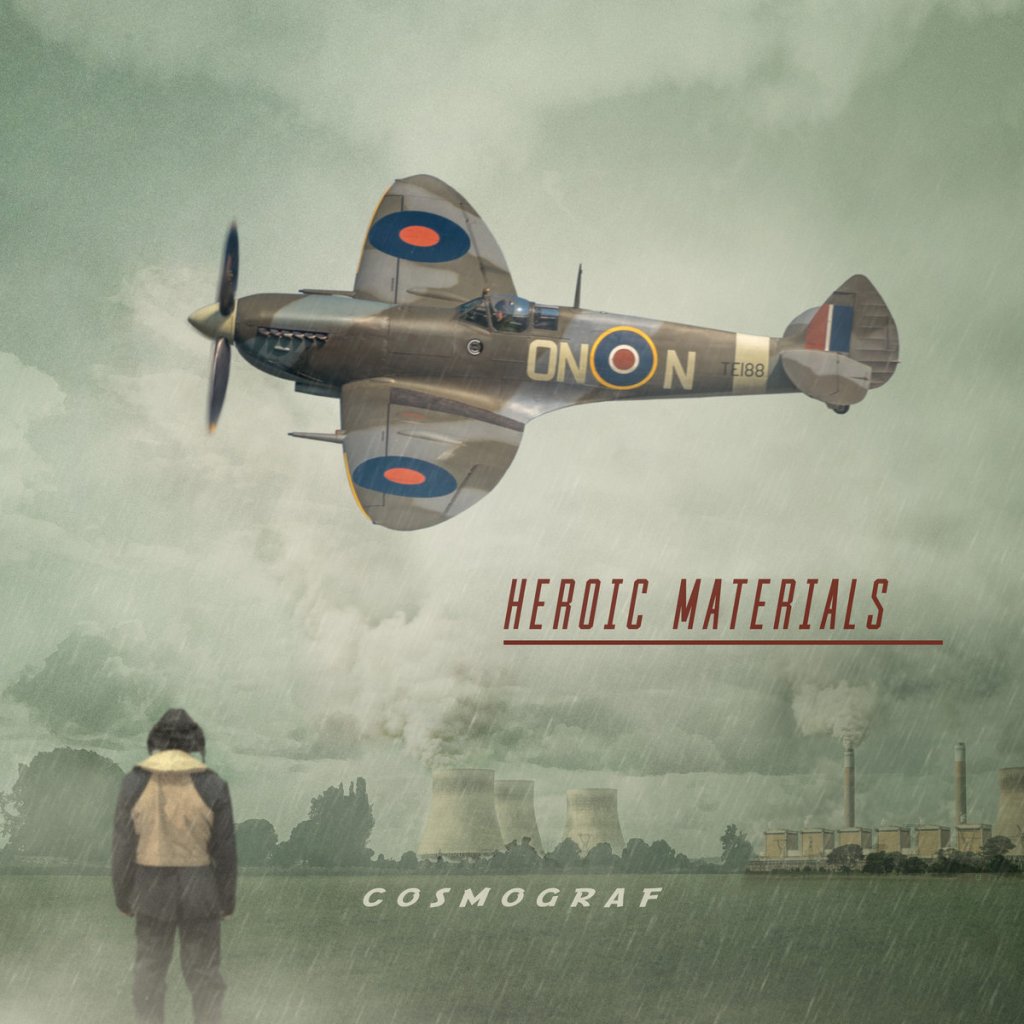
Cosmograf, Heroic Materials: Elegiac in its evocation of past achievements, urgent in its contemporary call to action, breathtaking in its poised blend of fragility and strength, Robin Armstrong’s latest is a riveting listen.
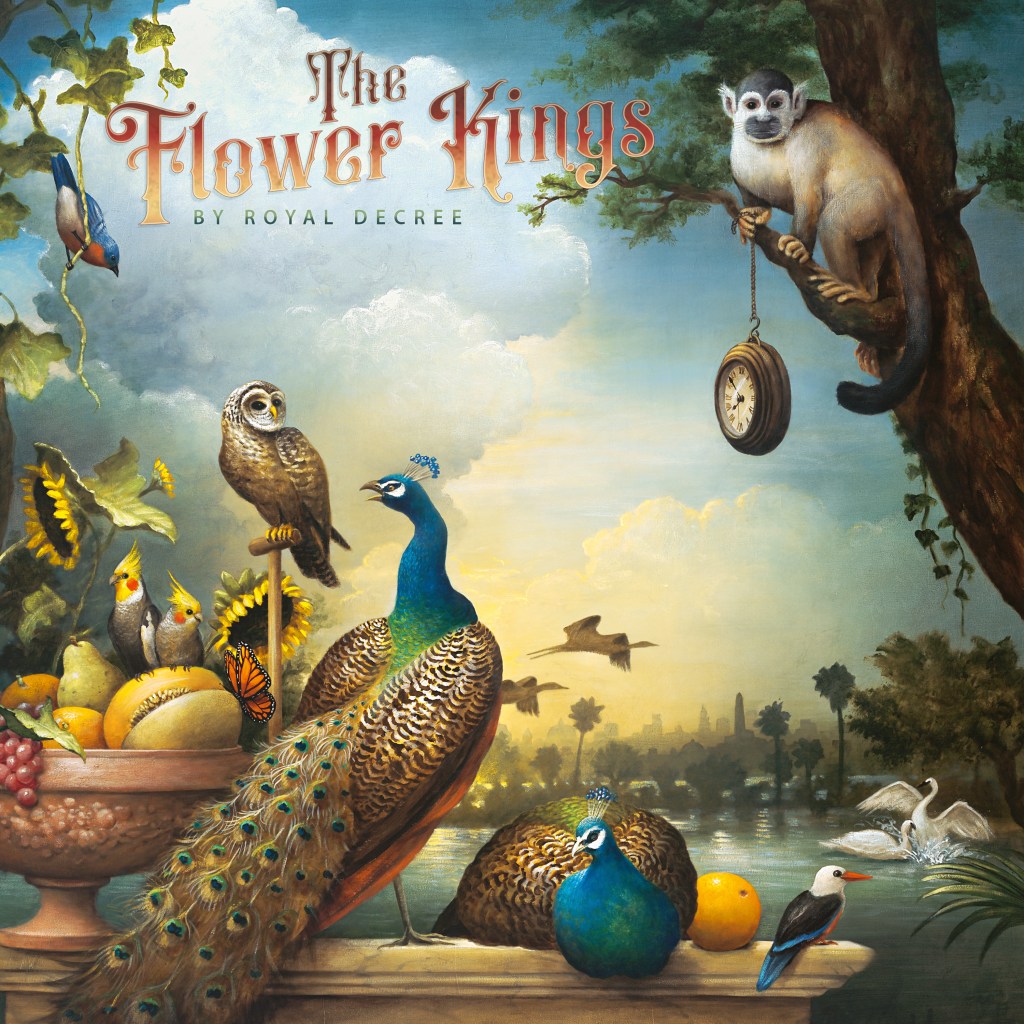
The Flower Kings, By Royal Decree: TFK’s third double album in a row, this is the sound of Roine Stolt and company refreshed and revisiting their optimistic roots, soaring on the wings of one marvelous melody after another. As much a joy to hear as it must have been to create.
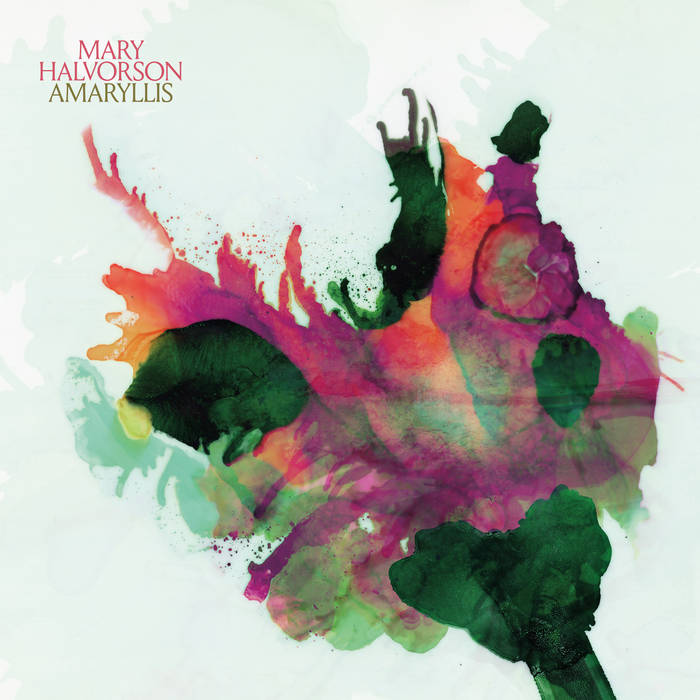
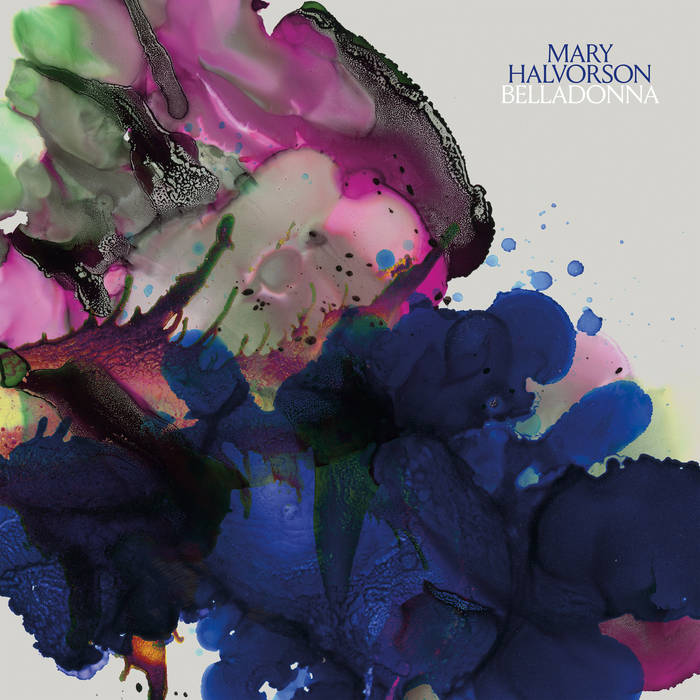
Mary Halvorson, Amaryllis & Belladonna: free jazz guitarist Halvorson hits a major label with two albums — teaming with a boisterously simpatico sextet on Amaryllis, then dancing atop and around modern classical textures from the Mivos Quartet on Belladonna. Audacious and engrossing, this music will open your ears real good!
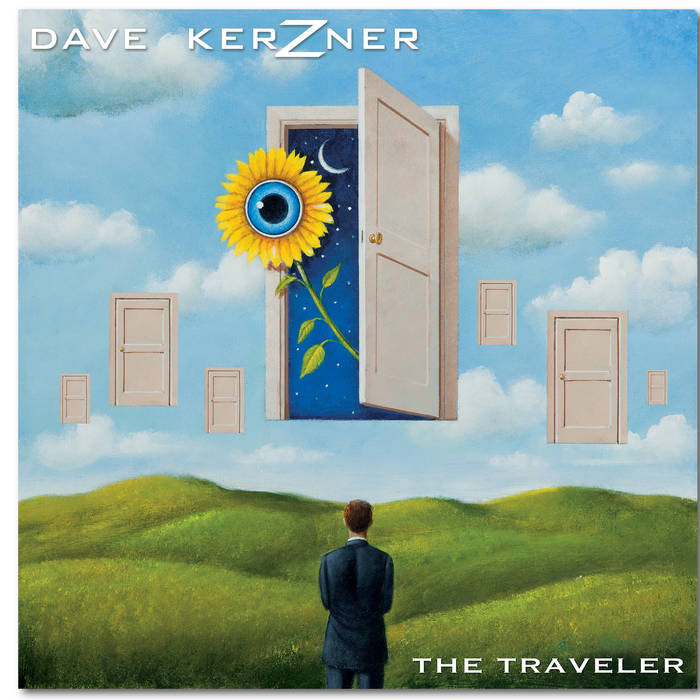
Dave Kerzner, The Traveller: confident, appealing songwriting with hooky yet sophisticated melodies and structures, Kerzner’s best, widest ranging vocals to date and perfectly judged contributions from a stellar guest list. Letting his new songs sell themselves and keeping proceedings to the point, he both satisfies us and leaves us wanting more.
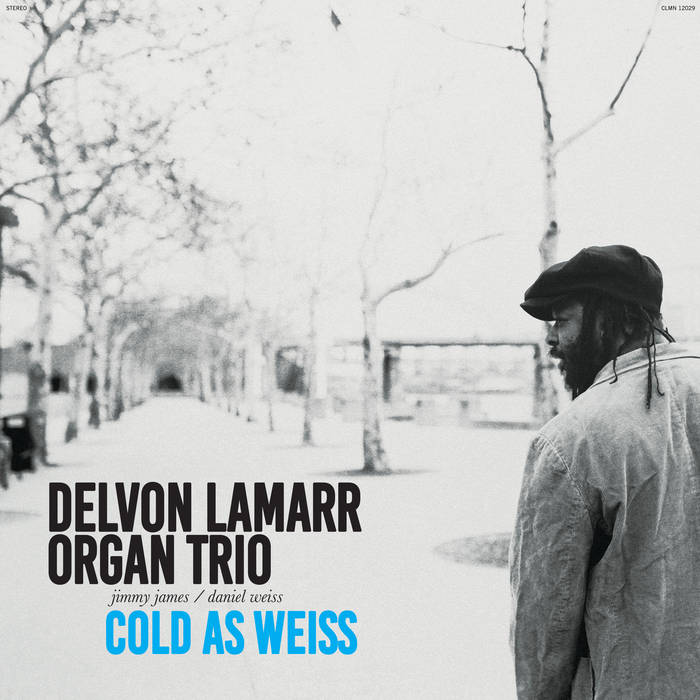
The Delvon Lamarr Organ Trio, Cold As Weiss: An immediately accessible reboot of a classic jazz trio format. Organist Lamarr, guitarist Jimmy James and drummer Daniel Weiss are thrilling players who never fail to make their instruments sing. Funky, catchy bite-size tracks with great individual playing and razor sharp ensemble.
Marillion, An Hour Before It’s Dark: The front half of Los Marillos’ latest has more swagger than they’ve mustered in a while; the back half’s meditative downshift climaxes with the sweeping smashcut finale “Care,” as power chords and massed choirs climb heavenward. Unique as anything in their catalog, and another thoroughbred winner.
Pure Reason Revolution, Above Cirrus: this fifth album reveals PRR at their best, consistently upping their game to the next level. For every moment of blissful harmonies and glidepath atmospherics, there’s an equal and opposite moment of feral guitar/drum slammin’ — and when they layer the two together, look out! Well worth buckling up for the ride.
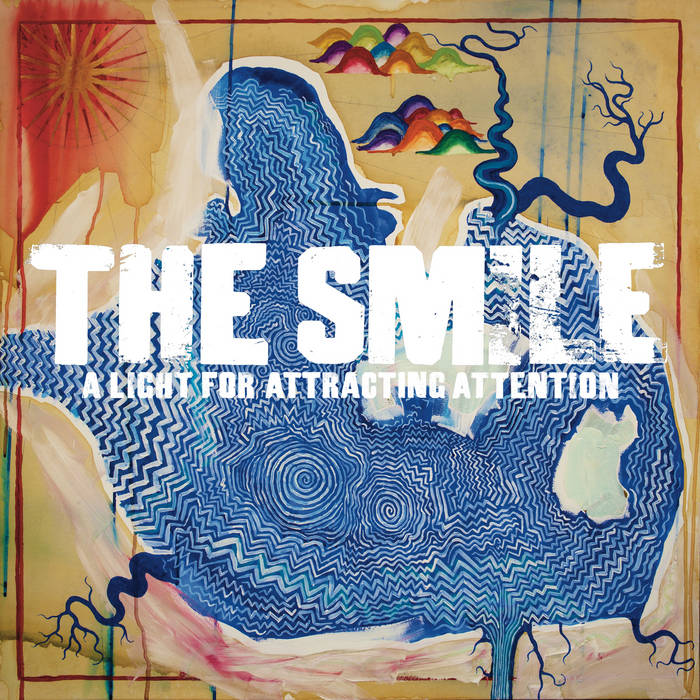
The Smile, A Light For Attracting Attention: A Radiohead side project worth your while. Thom Yorke overflows with apocalyptic dread; Jonny Greenwood’s off-kilter instrumental instincts are keener than ever; Tom Skinner’s skittering beats relentlessly drive the grim, lush soundscapes forward. Music for our contemporary dystopia, irresistibly sucking you in.
Tears For Fears, The Tipping Point: Roland Orzbaal & Curtis Smith’s catchy-as-always comeback goes for catharsis via unstoppable rhythms, unforgettable choruses and naked vulnerability on every single track, Devastatingly gorgeous, uncompromising art-pop that will haunt you long after every listen.
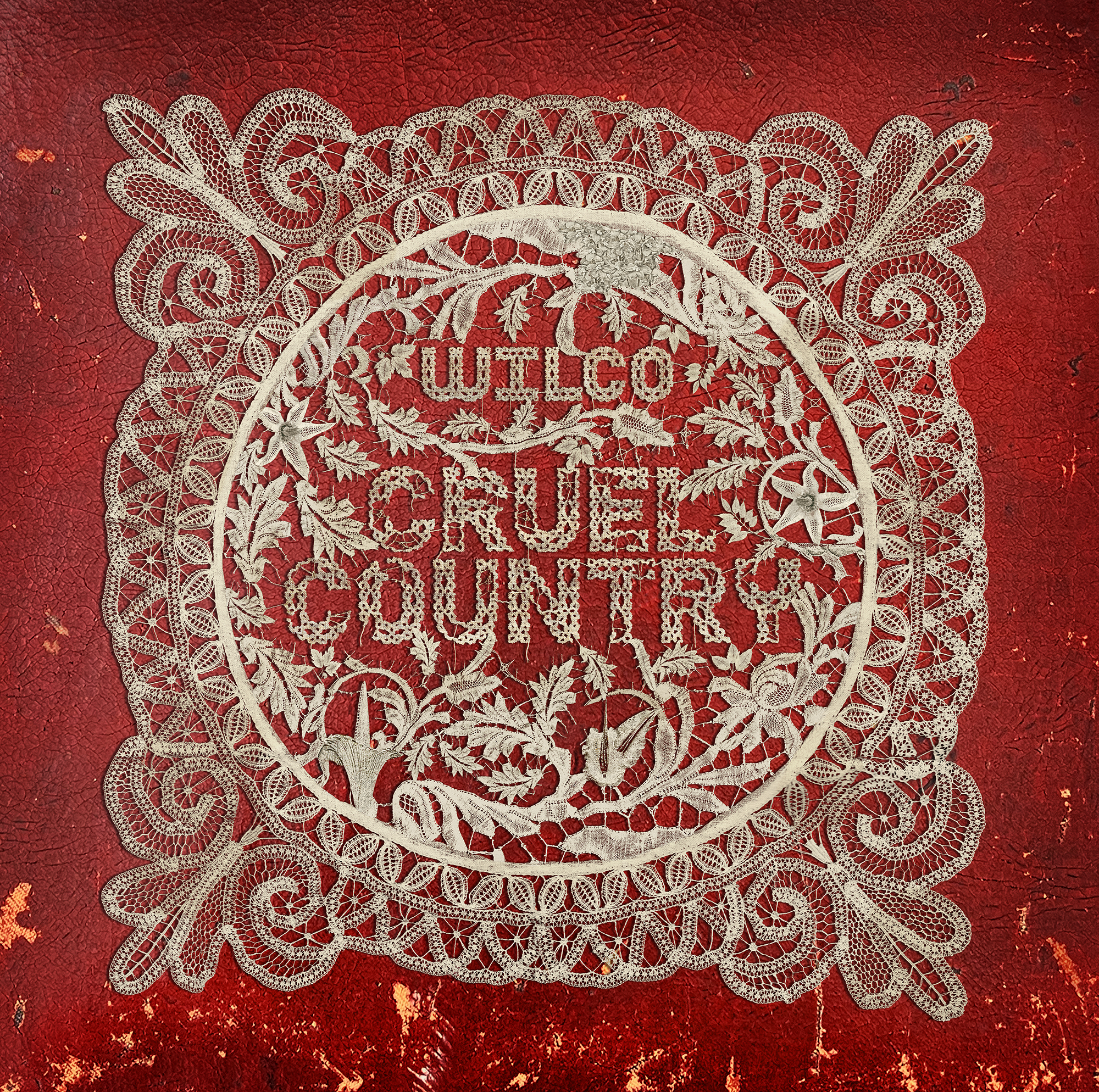
And my Top Favorite of the year — Wilco, Cruel Country. A double set that detours from Jeff Tweedy’s thoughtful dad-rock toward Nashville and Bakersfield, the tactile interplay of the band and Tweedy’s quizzical, empathetic probes of societal alienation elevate this to an album of genuine tenderness and subtlety, gathering strength and heart as it unrolls. After a digital-only release this year, it’s finally coming out on LP and CD January 20!
My favorite reissues of 2022:
The Beatles, Revolver Special Edition*: No Revolver, no Sergeant Pepper — no prog? Regardless of what ifs, the Fabs’ great leap forward of 1966 was brilliant in its own right, dragging pop headlong toward the avant-garde. Here it gets a subtle yet effective remix, with fascinating studio outtakes framing the cutting-edge results.
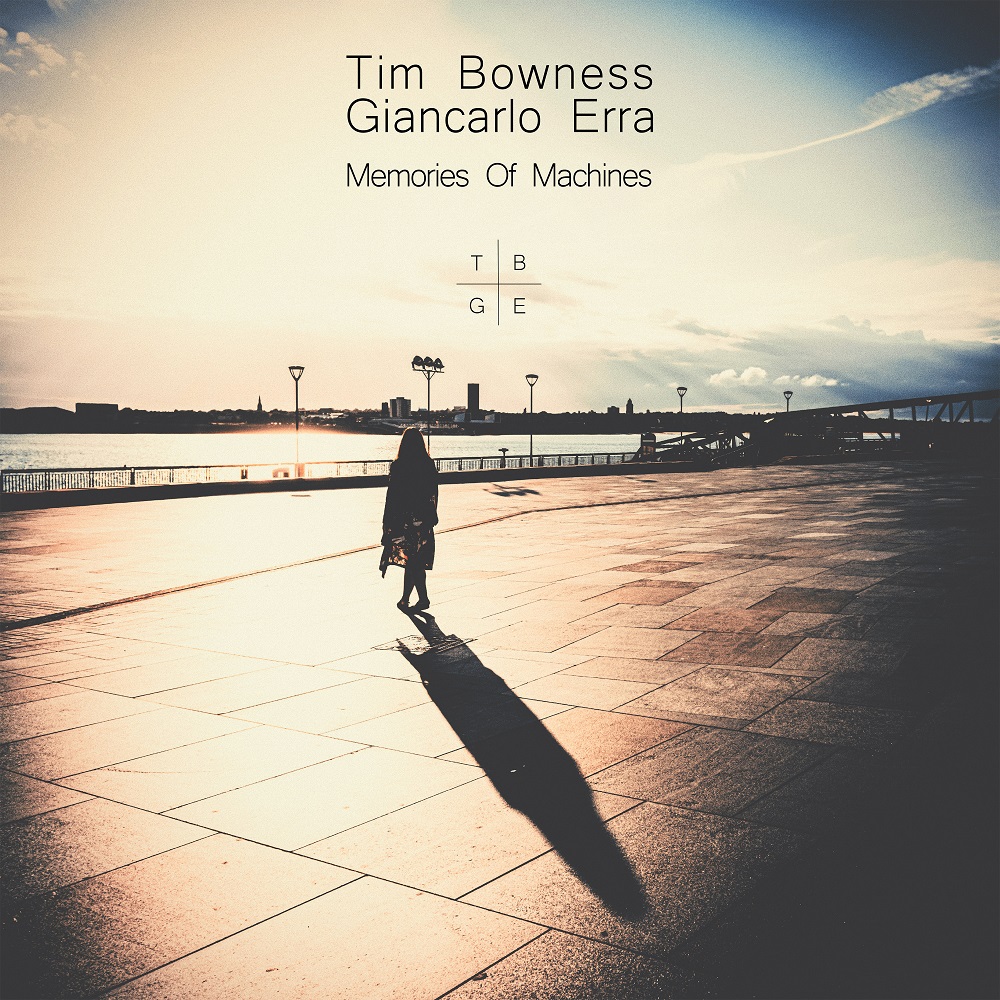
Tim Bowness & Giancarlo Erra, Memories of Machines: an irresistible mix of unflinchingly intimate art-rock and lowering ambient backdrops. Ten years on, original arrangements and track lengths are restored, Erra’s textural work is inched forward — and as always, Bowness breaks your heart with his ringing couplets and his stoic voice.
My Top Favorite Reissue of the year: Robert Fripp, Exposure/Exposures. The guitarist’s 1979 return to active duty after a post-King Crimson sabbatical, binding together a disparate set of songs and guest artists with his innovative ambient Frippertronics. Whether by itself or as part of a gargantuan box set that chronicles Fripp’s entire “Drive to 1981,” it’s a wild, worthwhile listen in and of itself, while providing distinctive previews of coming attractions.
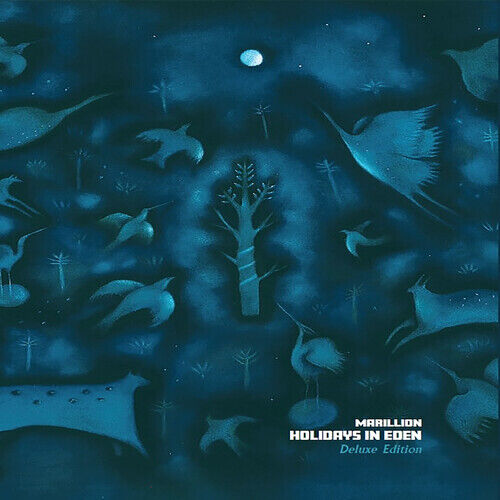
Marillion, Holidays in Eden Deluxe Edition*: my introduction to the band (I first saw them live on the US tour promoting the album), Holidays was partially a product of record company pressure for hit singles, but it also has plenty of Marillion’s trademark ambition, power and lyricism. A fresh remix complemented by exciting live shows on both audio and video.
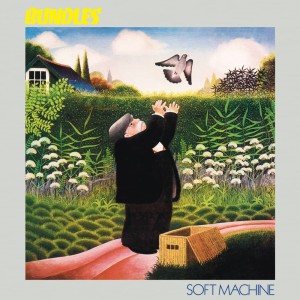
Soft Machine, Bundles*: Add blazing young guitarist Allan Holdsworth to one of the pioneering British jazz-rock bands, stir in quirky compositions by keyboardists Karl Jenkins and Mike Ratledge, and stand by for fireworks! This fresh reissue also includes a hot live set featuring Holdsworth’s successor John Ethridge (still active with the Softs today).
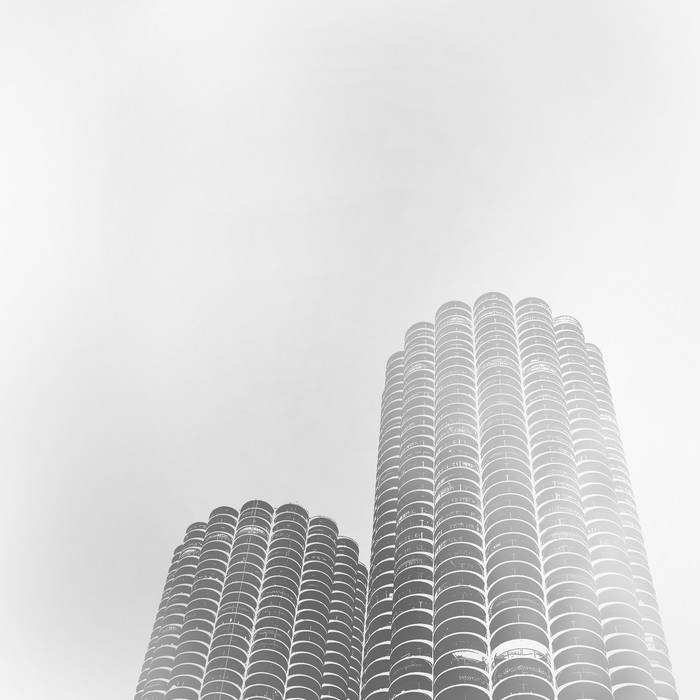
Wilco, Yankee Hotel Foxtrot Super Deluxe Edition*:The album that put Wilco on the map (after they were dropped by their label), YHF mutated from Americana through dream-pop to electronica-tinged folk-rock as band members and producers came and went. Eight discs that copiously chronicle the recording process, plus blistering two live sets.
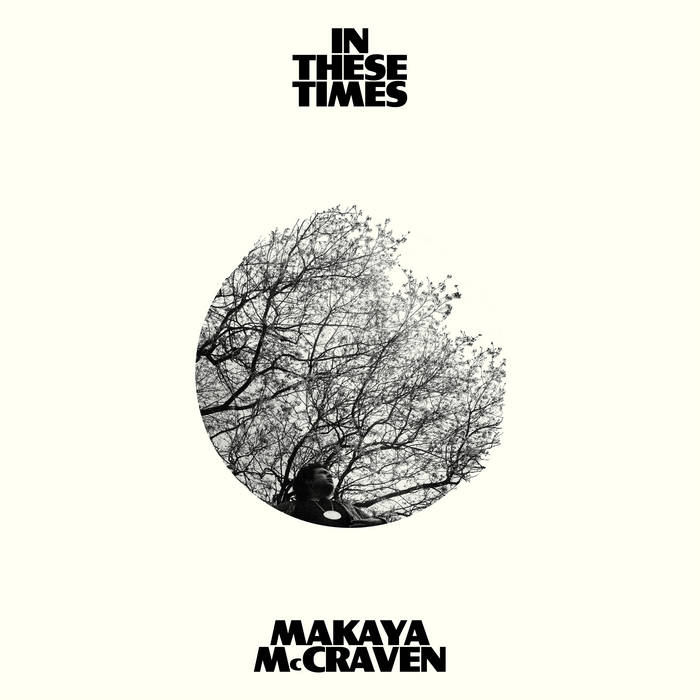
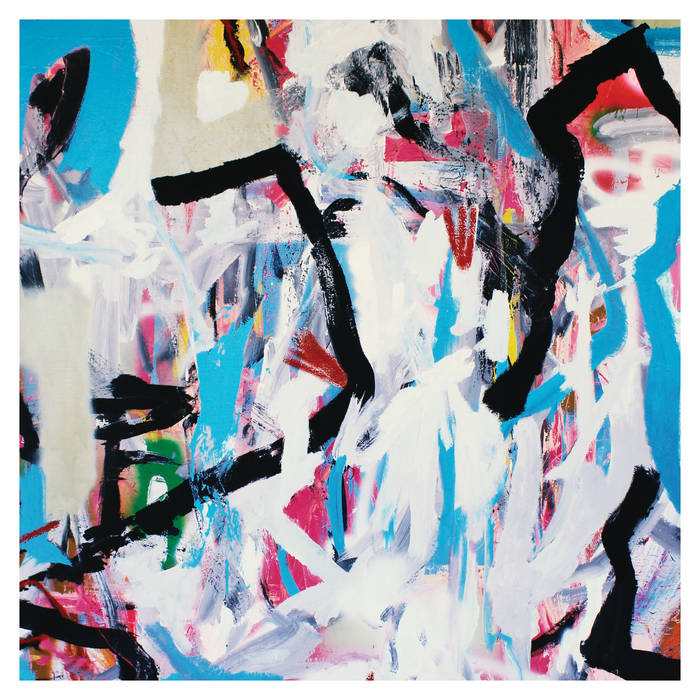
Anything released by Chicago’s International Anthem Recording Company! For starters, check out these beauties on Bandcamp: drummer/producer Makaya McCraven’sIn These Times*; cornetist/composer Rob Mazurek’s Exploding Star Orchestra, Dimensional Stardust*; and guitarist/improviser Jeff Parker’s The New Breed*. Hoping to write more about this amazing label and the music released on it in the new year!
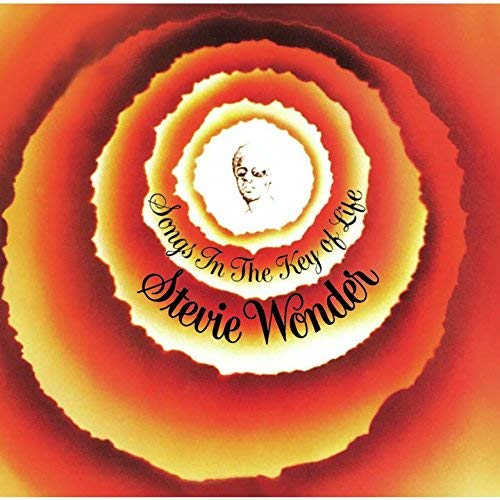
Stevie Wonder, Songs in the Key of Life & Original Musiquarium I: On his groundbreaking 1970s albums, Wonder blended heavenly melodies, sophisticated chord structures, groundbreaking synthesizer work and heaping helpings of funk rhythms for one innovative, irresistible breakthrough after another. Songs in the Key of Life remains Wonder’s most expansive, fascinating and welcoming classic; Musiquarium is a double-disc highlights compilation from that golden decade.
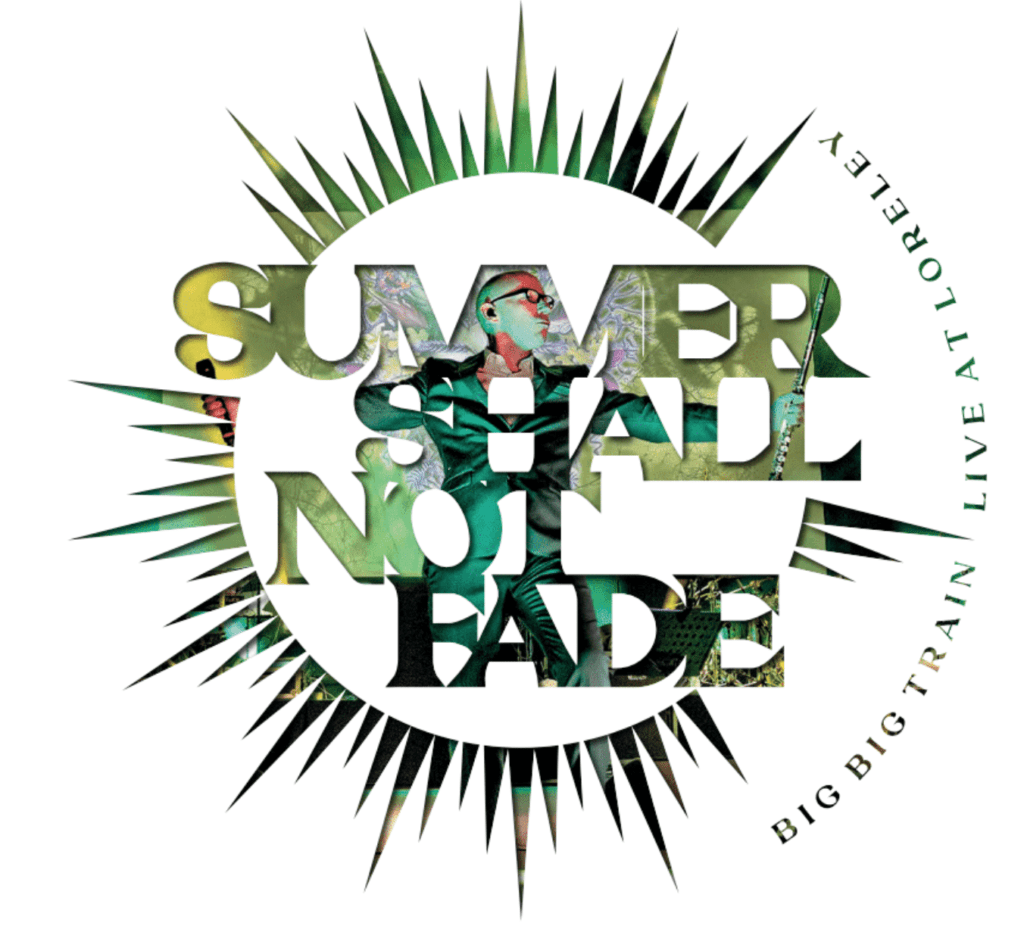
My favorite live album of 2022: Big Big Train, Summer Shall Not Fade*. Equal parts power and grace, BBT’s 2018 headlining gig at Germany’s Night of the Prog may be their best live release yet. Playing to their largest crowd ever, David Longdon commands the stage; Greg Spawton and Nick D’Virgilio provide a muscular foundation; Dave Gregory, Rikard Sjobom, Danny Manners and Rachel Hall serve up one delightful moment after another. Bryan Morey’s review nails it; this is indispensable.
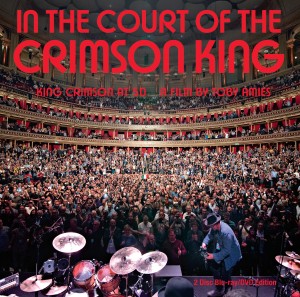
My favorite rock documentary of 2022: In The Court of the Crimson King: King Crimson at 50*.The most unconventional band of the last five decades gets the most unconventional documentary possible. Crims past and present weigh in on “living, dying, laughing, playing and rocking out”, with Robert Fripp providing the ever-present focal point in a particularly puckish fashion. There’s also a deluxe edition with live Crimson video (both in the studio and at 2019’s Rock in Rio festival) and four bonus CDs of soundtrack cuts, rarities, etc.
My favorite books about music of 2022:
Vashti Bunyan, Wayward: Just Another Life to Live. Singer-songwriter Bunyan’s unlikely late-60s odyssey from Swinging London to the Hebrides forms the heart of this evocative narrative. Laboriously traversing the heart of England, she gains understanding of the natural world, of human kindness and cruelty — and of her own sturdy inner core.
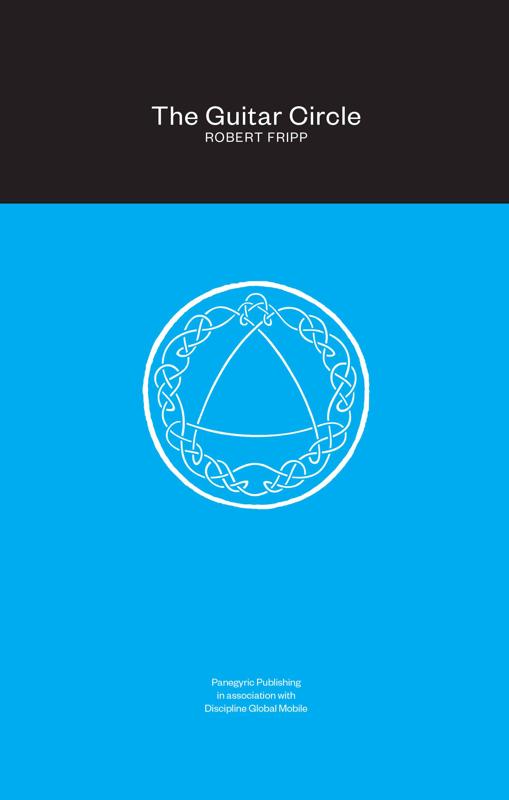
Robert Fripp, The Guitar Circle*. More a philosophical tome than a how-to book, though still remarkably practical, Fripp’s highly conceptual explanation of his process (as unfolded in Guitar Craft courses and Guitar Circles) won’t be for everyone. But those who dig in will grasp where this eternally questing musician is coming from better than ever before.
David Leaf, God Only Knows: The Story of Brian Wilson, The Beach Boys And The California Myth*. The third edition of Leaf’s lifework chronicles The Beach Boys’ journey from surf-rock through eccentric art-pop to the dead end of nostalgia, then sidesteps to Wilson’s solo comeback, culminating in the completion of his masterwork Smile. Not in the least objective, but comprehensive, even-handed toward the rest of The Beach Boys, and heartfelt.
Grant Moon, Big Big Train – Between The Lines: The Story Of A Rock Band. How BBT became a prog powerhouse — through sheer bloody-mindedness, growth in craft and a keen ear for musical contributors — is the tale told in this richly detailed bio/coffee table tome. Both a celebration of the music made and an unflinching look at the price paid for a dream.
And in closing . . .
If you’re interested, check out these recordings I played or sang on that were released in 2022:
This year has been an interesting one for me musically. For much of the middle of the year I was absorbed by older progressive metal music, primarily diving into back catalogs for Meshuggah, Pain of Salvation, TesseracT, and Caligula’s Horse. I found that I wasn’t as compelled by more traditional “prog rock,” at least not in its shorter forms. I did find myself enjoying some of the longer form tracks, like Lobate Scarp’s “Flowing Through The Change” and Ryo Okumoto’s “The Myth Of The Mostrophus.” Much of my favorite new music leaned towards post-progressive music, with a few more traditional picks thrown in as well. I’ve reviewed a lot of music this year and listened to far more, some of which would have made a best-of list in years past where I listened to less music. Alas.
The following order is relatively arbitrary apart from my top album at the end.
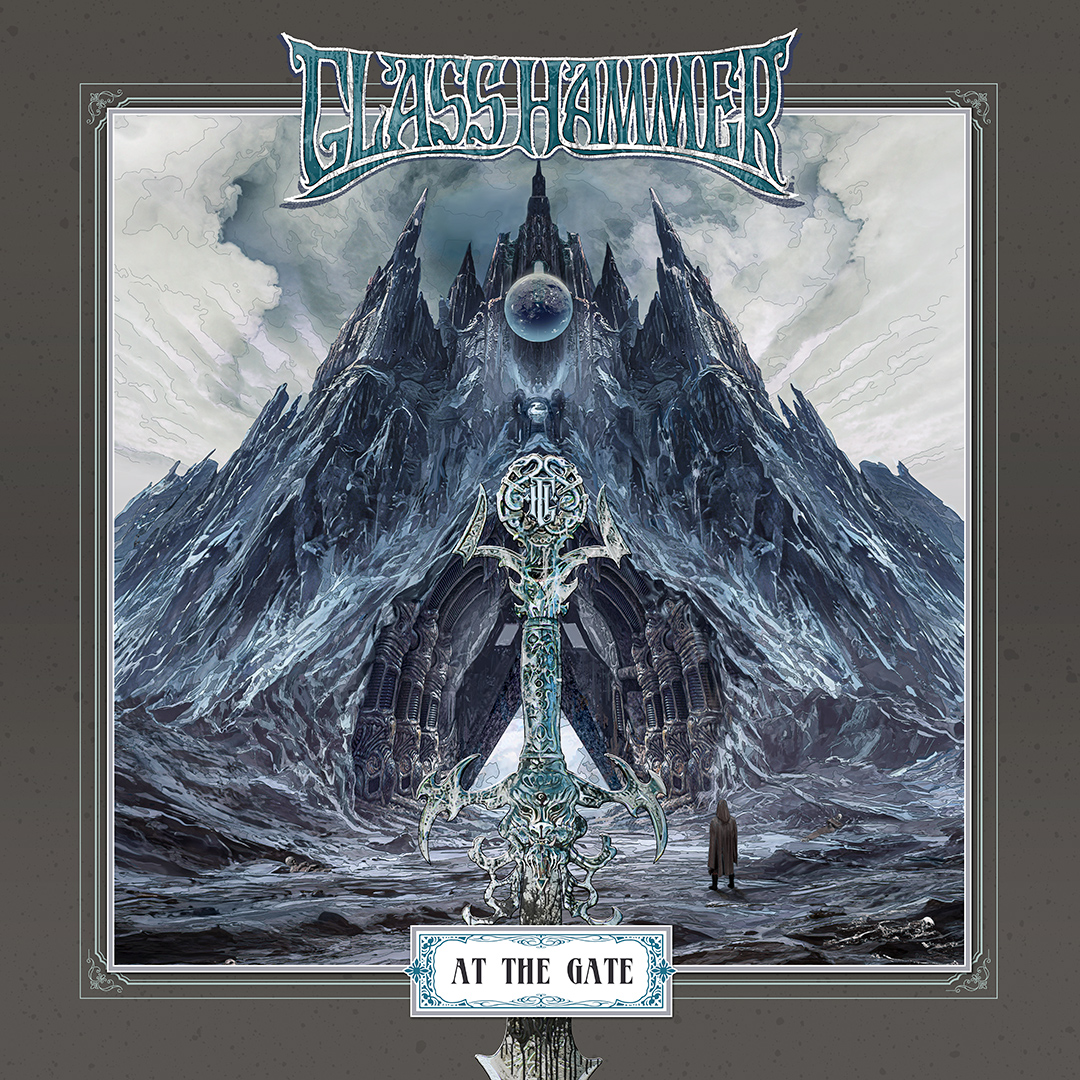
Glass Hammer – At The Gate
The third record in Glass Hammer’s Skallagrim trilogy of fantasy albums doesn’t disappoint. In fact in may be the best of the trilogy. Equal parts heavy and proggy, I think my favorite parts are when the band goes full Rush. You don’t hear many bands really showing a mature Rush influence (as opposed to hearing elements of a Rush sound), and it was great to hear it on this album.
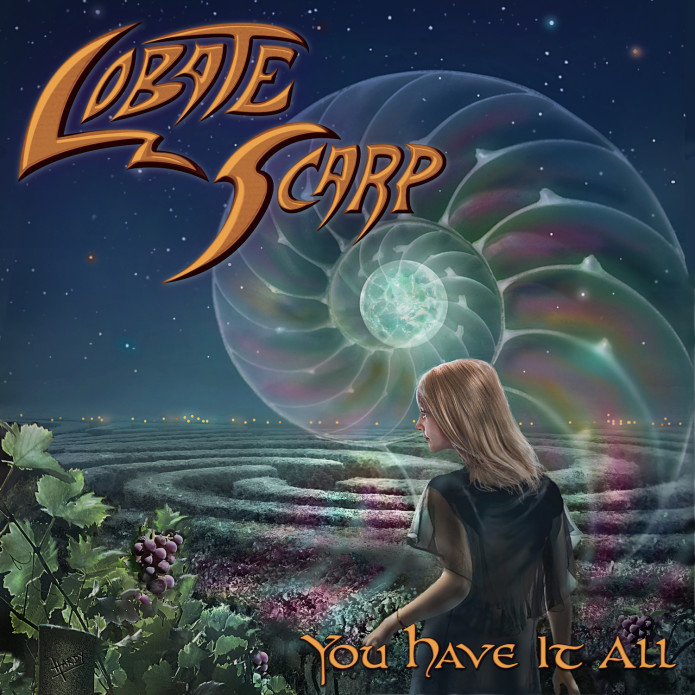
Lobate Scarp – You Have It All
This record was a long time in the making for Lobate Scarp and it’s mastermind, Adam Sears. The record masterfully blends prog with pop sensibility, all while bearing a strong Spock’s Beard influence. My favorite song is the 17-minute “Flowing Through The Change.” Beyond that, I’ve found many of the uplifting lyrics from other tracks running through my mind over the course of the year. Check out Time Lord’s review: https://progarchy.com/2022/05/06/album-review-you-have-it-all-by-lobate-scarp/.
Dave Brons – Return to Arda
Dave Brons recently released a follow-up to his 2020 Tolkien-influenced record, Not All Those Who Wander Are Lost.Return to Arda looks at nature within Tolkien’s “Middle-Earth” through a celtic progressive rock lens. Featuring vocals from Sally Minnear, and mixing by Dave Bainbridge. Check out the album on Bandcamp: https://davebrons.bandcamp.com/album/return-to-arda.
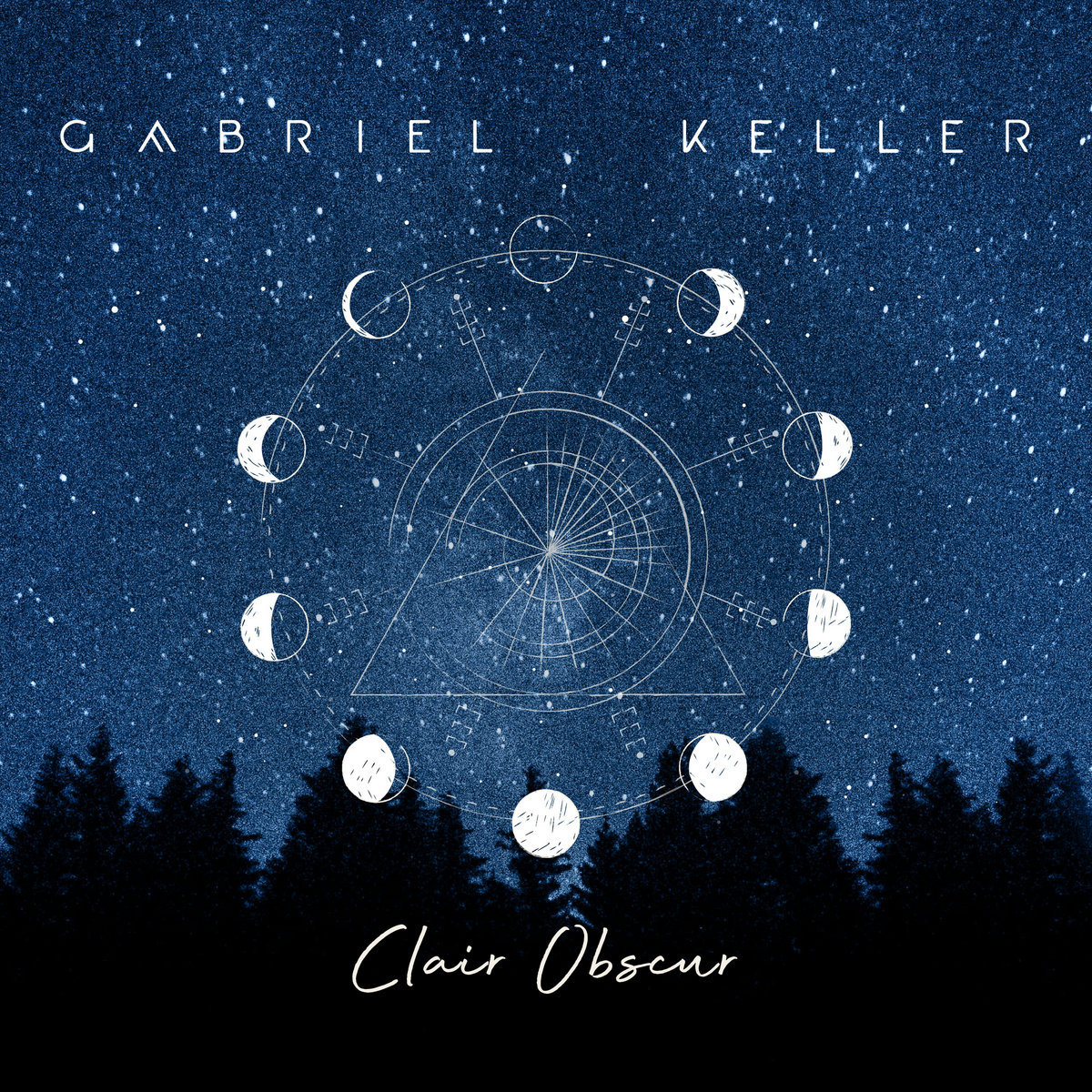
Gabriel Keller – Clair Obscur
I reviewed quite a few albums from France this year, and this record was my favorite of those. It contains a blend of English and French lyrics with multiple vocalists. The album has a variety of styles, gradually getting darker and heavier as it goes along. Check out my review: https://progarchy.com/2022/11/13/gabriel-kellers-stunning-musical-journey-clair-obscur/.
Inhalo – Sever
I reviewed this debut album from the Dutch proggers for the Dutch Progressive Rock Page earlier this year, and it was a very pleasant surprise for me. It reminded me of TesseracT if they were playing just hard rock and not metal. Very atmospheric with a mature sound. I love their wall-of-sound approach. It’s a solid record, and I look forward to more music from the band. Check out my DPRP review: https://www.dprp.net/reviews/2022/071.
Big Big Train – Welcome To The Planet
This record was bittersweet, being the final Big Big Train record to feature David Longdon on lead vocals. It was also an album of change for the band, with new member Carly Bryant taking a more prominent role on the record compared to Common Ground released a mere six months earlier. The record contains a pleasant blend of the band’s more accessible bits as well as their proggy moments. “Capitoline Venus” is a touching love song, while “Oak and Stone” fits in a long tradition of Big Big Train’s pastoral contemplative tracks. The title track is a bit unlike anything we’ve heard from the band, at least during Longdon’s tenure, reflecting Bryant’s new influence. It took me a few listens, as it took me by surprise at first. But once I “got” it, I really came to enjoy it. Check out my review: https://progarchy.com/2022/01/19/album-review-big-big-trains-welcome-to-the-planet/; and check out Rick’s review too: https://progarchy.com/2022/01/21/ricks-quick-takes-for-january/.
Big Big Train – Summer Shall Not Fade
The band’s 2018 performance at the Night of the Prog in Loreley, Germany, has been a bit legendary amongst the band’s fans for years, and I suspect the band decided to release it this year due to Longdon’s tragic passing last year. The concert finds the “classic” lineup of the band playing at or near their best in front of a very large crowd. We’re reminded of how great a frontman Longdon really was. It’s a pleasant way to remember this part of the band’s history. Check out my review: https://progarchy.com/2022/11/05/big-big-train-summer-shall-not-fade/.
Bjørn Riis – Everything To Everyone
This record dominated my listening early in the year. Riis is an excellent guitarist, and his atmospheric rock is always compelling. Every one of his solo albums is worth listening to for his music, vocals, and lyrics. His albums are melancholic, like most of the progressive rock I’ve heard from Norway. Check out my review: https://progarchy.com/2022/05/09/album-review-bjorn-riis-everything-to-everyone/.
Devin Townsend – Lightwork/Nightwork
Devin may have gone quieter on Lightwork, but the album displays his talent as well as any of his records. His skills as a mixer, writer, composer, guitarist, and singer are on full display. The companion album, Nightwork, has some heavier moments, perhaps to soothe parts of his fan base. Either way, both records are great. Check out my review: https://progarchy.com/2022/12/22/devin-townsend-lights-the-night-lightwork-and-nightwork/.
Meshuggah – Immutable
It has taken me close to a decade of listening to progressive metal before I was able to finally get into Meshuggah, and it happened this year! I’ve long known about them and respected them, but I just couldn’t get it. Maybe me getting into Devin Townsend’s more extreme side over the past couple years helped open that door, but I’m now a big Meshuggah fan. I could even hear a Meshuggah riff (from “Demiurge”) coming from my knife and cutting board when I was chopping celery last week. “Immutable” is a fantastic record, finding the band tweaking their sound a bit without changing their substance at all. “Broken Cog” is heavy, brooding, and atmospheric. The scream of “broken cog” close to the end is absolutely epic. Check out Mahesh Sreekandath’s review: https://progarchy.com/2022/11/25/immutable/.
Porcupine Tree – Closure Continuation
I didn’t get into Porcupine Tree until after their hiatus following 2009’s “The Incident” and subsequent tours. I had no real expectations for this record, since Porcupine Tree has played a lot of different styles over the course of their long career. I kept an open mind, and I was highly rewarded. This album is pure Porcupine Tree without feeling like it’s trying to create a certain sound. It’s just what came about from the members writing and playing together on occasion over the past decade. Upon reflection, I think my dislike for some of Steven Wilson’s poppier solo work might be tempered if he continues to make music like this in other outlets. Check out Rick Krueger’s review of the band’s live show in Chicago: https://progarchy.com/2022/09/23/porcupine-tree-in-concert/.
Marillion – An Hour Before It’s Dark
Another record that dominated my listening early in the year. This record is almost as good as 2016’s F.E.A.R. Perhaps not quite, but it is close. It’s one I’ll likely enjoy for years to come. Well written music and lyrics (for the most part – I have my beefs with one track) that ponder the turmoil of the last few years. It’s a hopeful album that has some calls to reflect and change our ways. In the end, it makes you think, as all good art should. Check out my review: https://progarchy.com/2022/03/27/we-still-have-time-marillions-message-of-hope-an-hour-before-its-dark/.
1. Oak – The Quiet Rebellion Of Compromise
Oak never disappoint me. Their latest record finds them evolving their sound a little bit, but it is still definitively Oak. Their layered soundscapes, haunting vocals, and thoughtful lyrics have kept them at the top of my list of favorite newer bands since I first heard them in 2016, and they’ve only confirmed that for me with this record. They’re a band that deserves far more recognition from the prog world. Check out my review: https://progarchy.com/2022/12/14/oaks-third-masterpiece-the-quiet-rebellion-of-compromise/.
My favorite prog book of the year was Steven Wilson’s Limited Edition of One. Breaking the mold of rock artist memoirs, Wilson (and Mick Wall, who helped him in the writing process) created a post-modern masterpiece. I typically dislike anything deconstructive (in an academic sense), but Wilson turned it into an art form. He combines memories with lists of his favorite music, books, and movies along with more philosophical commentary on his career and on music in general. Check out my full review of the book: https://progarchy.com/2022/05/08/more-than-a-memoir-steven-wilsons-limited-edition-of-one/.
This best-of list feels woefully incomplete considering how much excellent music was released this year… Muse, The Flower Kings, Six by Six, Ryo Okumoto, The Bardic Depths, Cosmograf – all great records, but the above list really captured my attention for one reason or another.
Hopefully 2023 will be another great year for prog. As usual for me, music has been an escape, a sedative, a lighthouse in the storm. With 2022 being one of the most difficult years of my life, music provided much needed comfort and direction over the course of the year. I suspect that will continue in the new year.
Merry Christmas and Happy New Year, everyone. Thanks so much for reading.















 Glass Hammer – At The Gate
 The Tangent – Songs From The Hard Shoulder
 Lobate Scarp – You Have It All
 Dave Brons – Return to Arda
 Gabriel Keller – Clair Obscur
 Inhalo – Sever
 Big Big Train – Welcome To The Planet
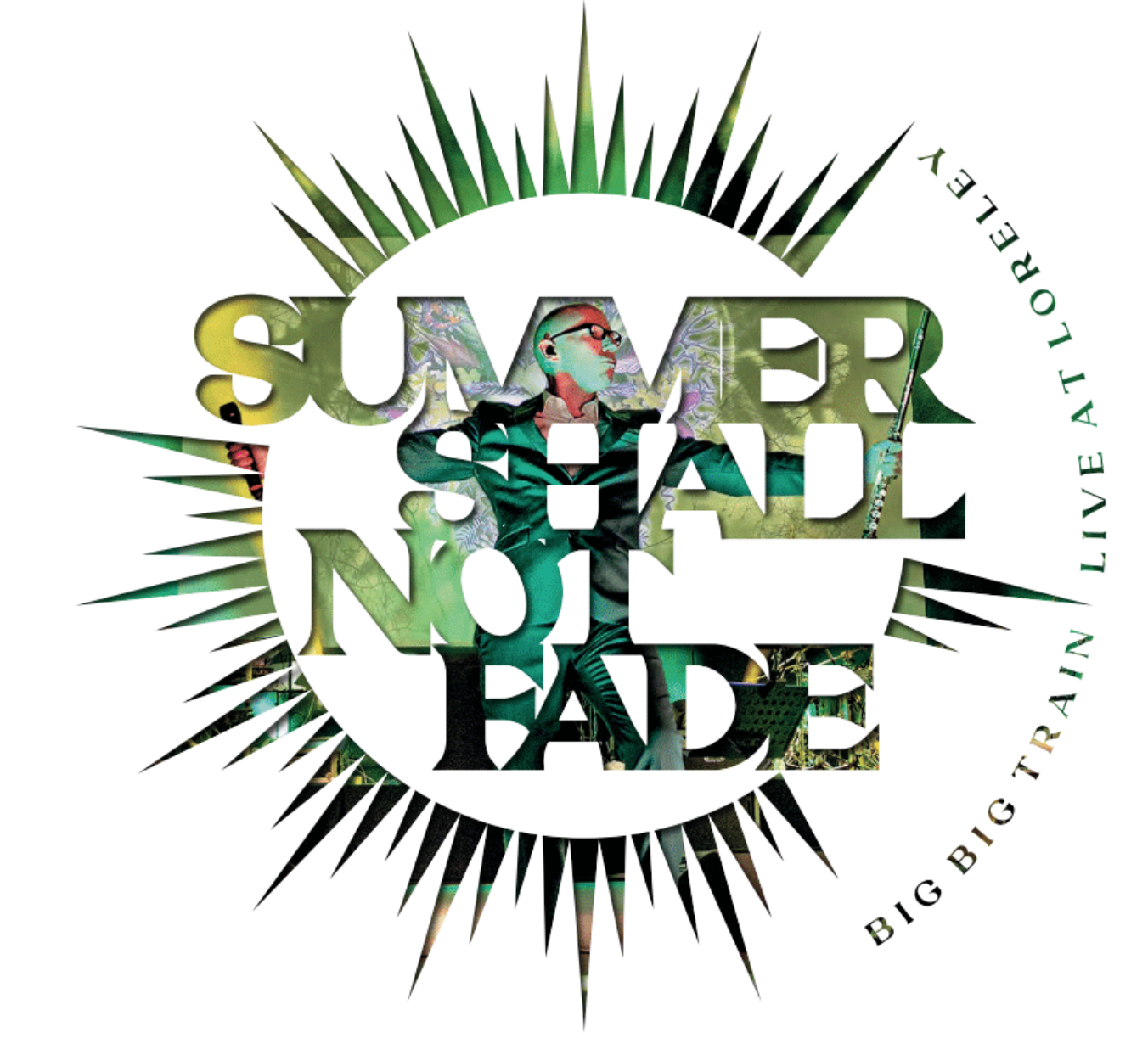 Big Big Train – Summer Shall Not Fade
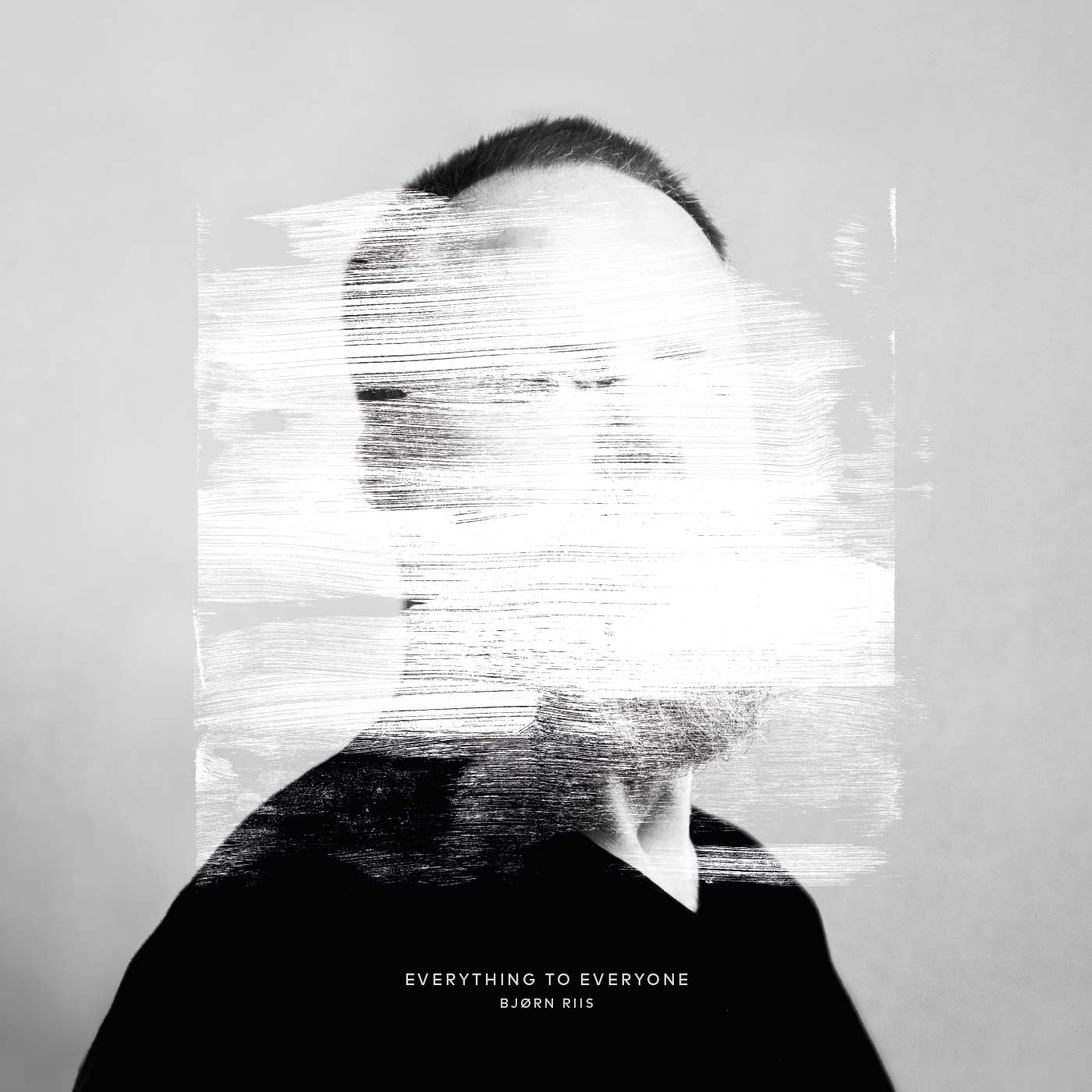 Bjørn Riis – Everything To Everyone
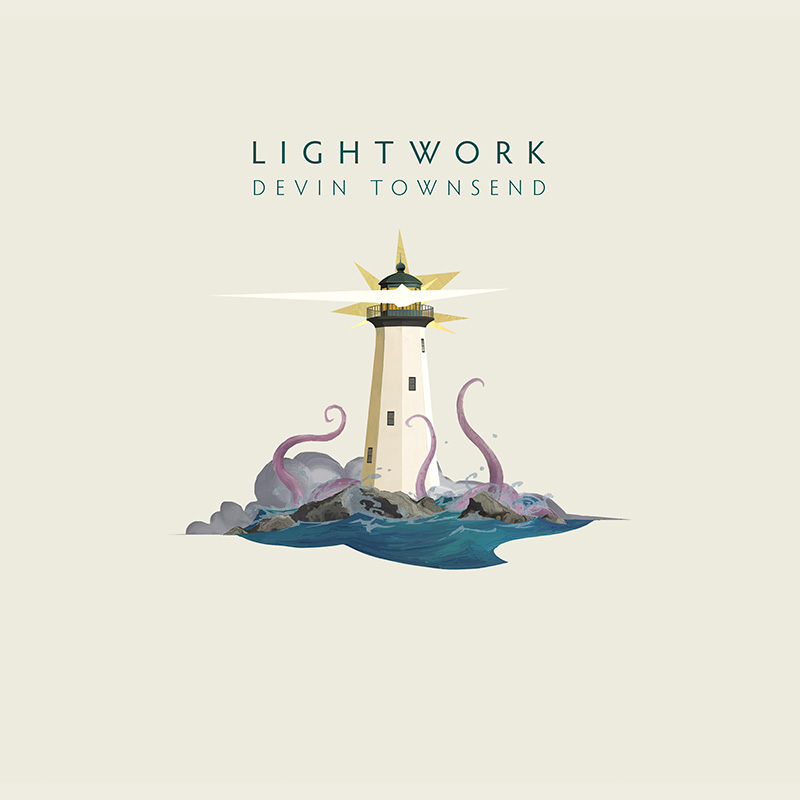 Devin Townsend – Lightwork/Nightwork
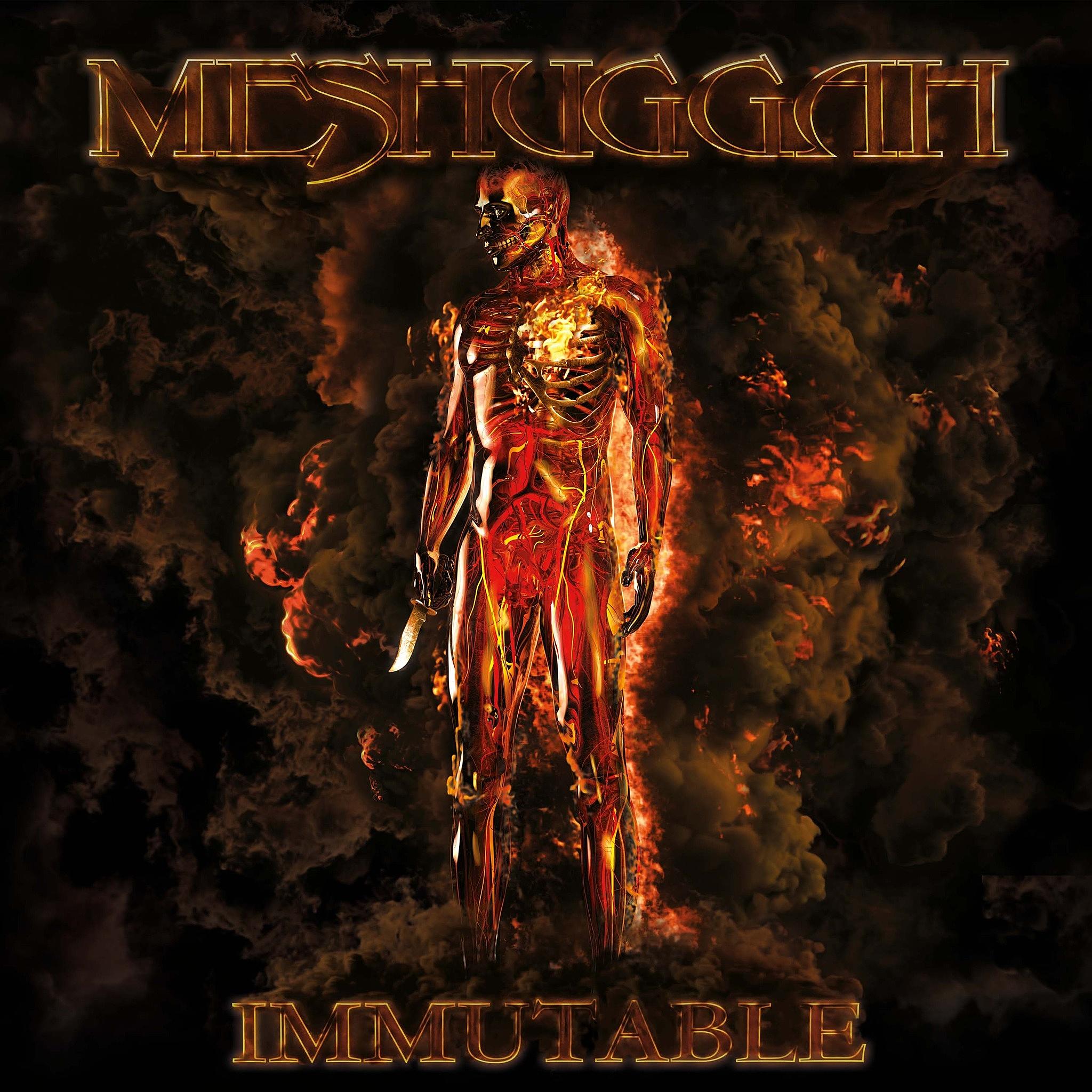 Meshuggah – Immutable
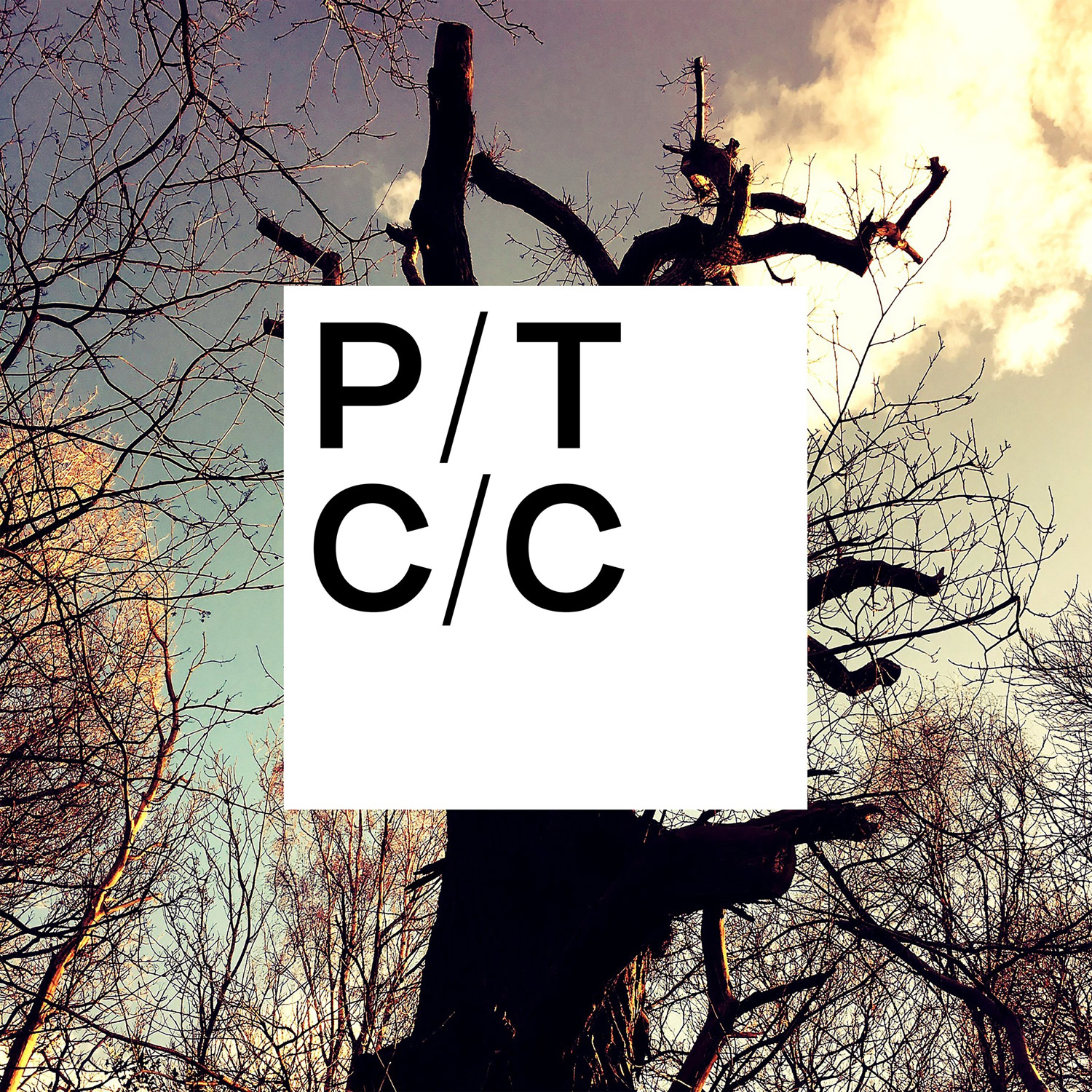 Porcupine Tree – Closure Continuation
 Marillion – An Hour Before It’s Dark
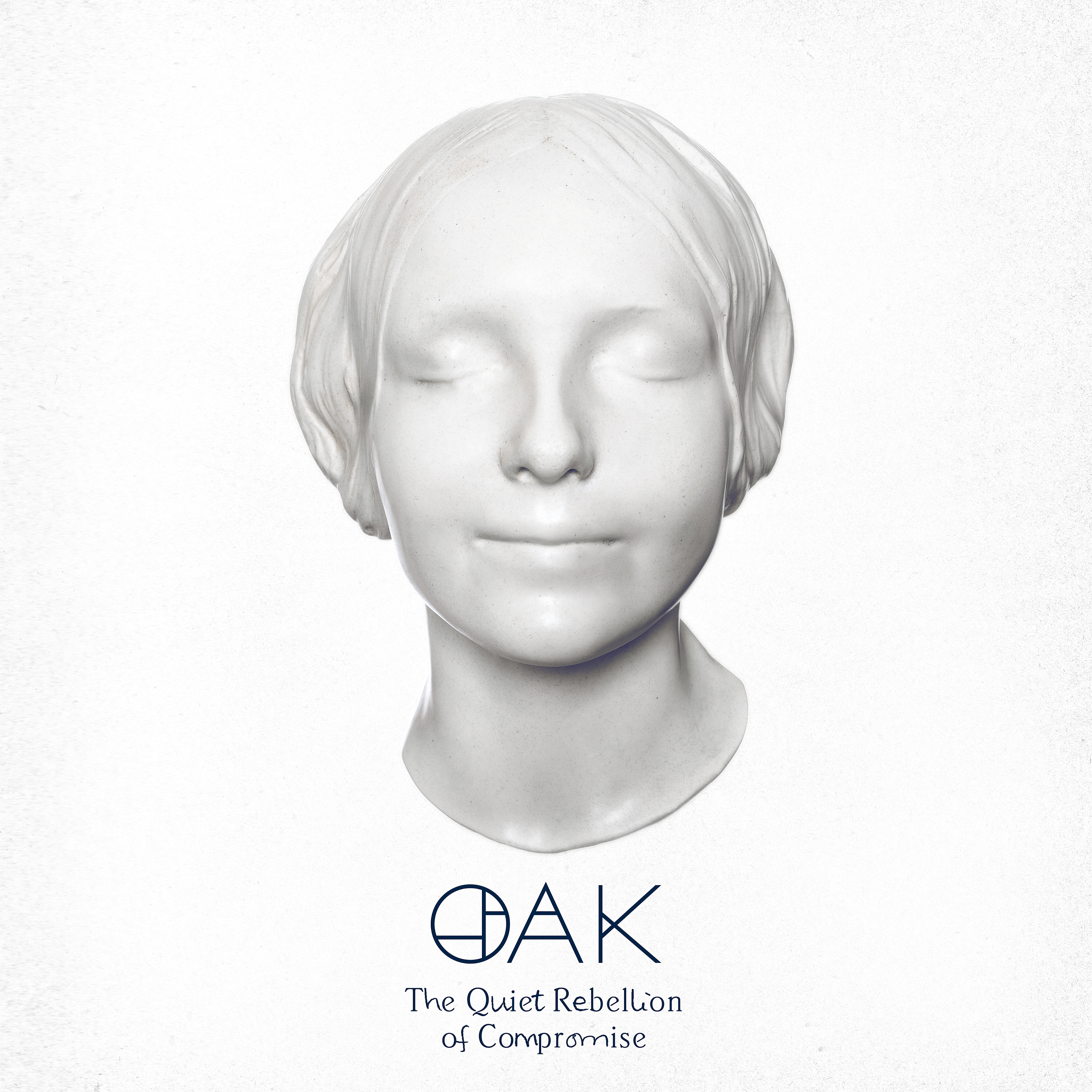 1. Oak – The Quiet Rebellion Of Compromise
 My favorite prog book of the year was Steven Wilson’s Limited Edition of One. Breaking the mold of rock artist memoirs, Wilson (and Mick Wall, who helped him in the writing process) created a post-modern masterpiece. I typically dislike anything deconstructive (in an academic sense), but Wilson turned it into an art form. He combines memories with lists of his favorite music, books, and movies along with more philosophical commentary on his career and on music in general. Check out my full review of the book:
  Progarchy