Rick’s Quick Takes for June

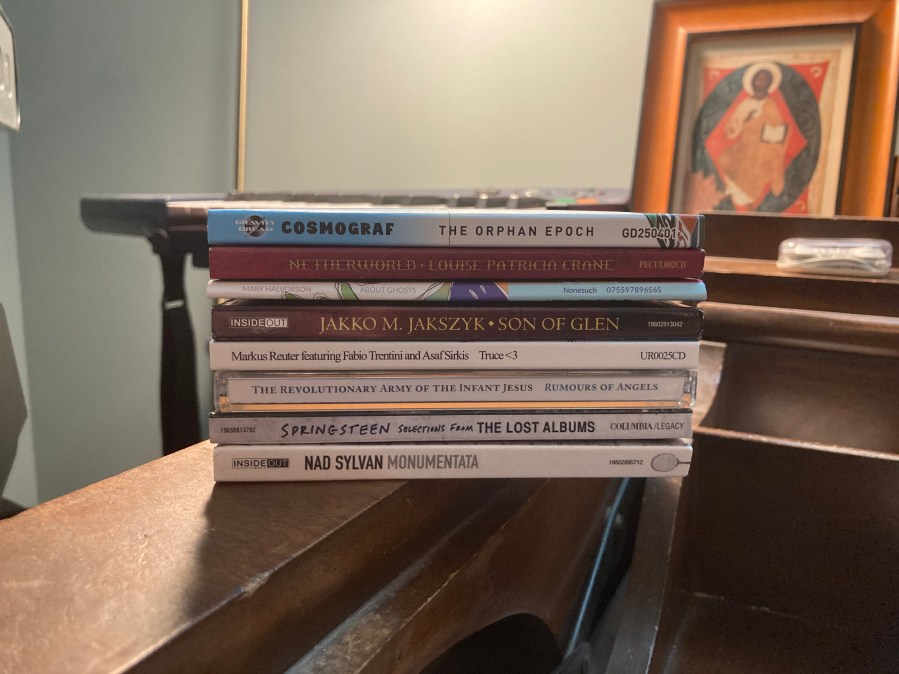
It’s been an hugely enjoyable month for out-of-the-box music! Along with the alluring, elegant wallop of Nad Sylvan’s Monumentata (listen here) and the mesmeric slow burn of Jakko Jakszyk’s ruminative Son of Glen (listen here), three impressive new releases, a compilation taken from one of this year’s most-anticipated box sets, an utterly unexpected reissue — plus one from last year that got away — have crossed my desk. As usual, purchasing links are embedded in the artist/title listing, with streaming options after the review.
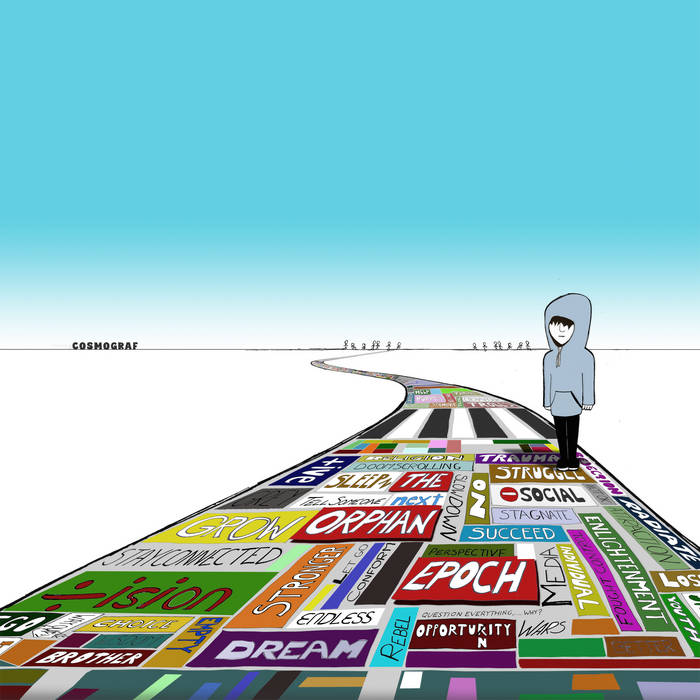
Cosmograf, The Orphan Epoch: Another winning set from Robin Armstrong! More thematic than conceptual this time around, The Orphan Epoch focuses on today’s younger generation and their search for a valid path, confronted by conformity and control like never before. “Division Warning” unfurls from fetching piano filigree to steamroller guitar supporting a dramatic, emotionally ripe chorus; elegance and savagery bob and weave, then fly in formation for “We Are the Young.” There’s gorgeous sax commentary from Peter Jones on the foreboding “Seraphim Reels”; big riffs, gang chanting and blustery organ workouts on “Kings and Lords”; a quiet, menacing synth pulse that, with Kyle Fenton’s skittering drums, propels the encroaching darkness of “You Didn’t See the Thief”; the loose yet inevitable build of “Empty Box.” It all coalesces along “The Road of Endless Miles,” as strong, hard power chording pushes Armstrong’s overdriven vocals to a striking crest, then ebbs away into dead silence. Impeccable, punchy, dynamic sound throughout brings out so much fine-grained detail, all in the service of Armstrong’s bleak yet beautiful, thoroughly humanistic vision. Moving and gutsy, this impressive record deserves the widest possible audience.
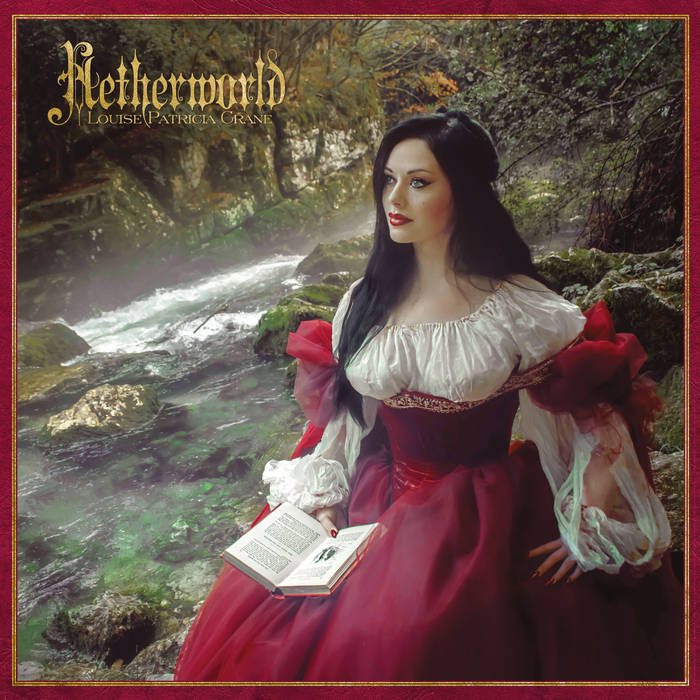
Louise Patricia Crane, Netherworld: Both in his recent Progarchy interview and in the liner notes for his latest, Son of Glen, Jakko M. Jakszyk has been beating the drums for this 2024 album – and he’s right to do it! Crane brings vaulting artistic ambition, assured worldbuilding and mad skills at singing, playing and production to bear on Netherworld; the result is an utterly absorbing song-cycle that pulls you in with the initial “Dance with the Devil” and refuses to let go until the last strains of “Japanese Doll” have died away. Wisps of early Genesis and Tull give “Tiny Bard” and “The Lady Peregrine’s Falcon” a folk-prog tinge, while a trace of vintage Kate Bush lingers in Crane’s resonant vocals, but the sweep of her archetypal lyrics and the variety of settings (from subtly psychedelic “The Red Room” to the overcast jazz of “Bete Noire”) dispel any hint of tired pastiche. Rather, Jakszyk joins an imposing crew of modern prog titans (hailing from King Crimson, Marillion, and points beyond), all dedicated to bringing Crane’s singular point of view to life. These classic ingredients come together in a heady, winningly original brew on an atmospheric soundstage that breathes; Nick Drake’s catalog and the rumbling calm of Talk Talk’s post-rock years are the closest parallels I can call to mind. Netherworld is a brilliant album, thoroughly deserving of your time, attention — and even love. It went on my Belated Favorites list like a shot!

Mary Halvorson, About Ghosts: More kaleidoscopic ensemble jazz from Halvorson’s Amaryllis sextet plus guests (including youthful sax giant Immanuel Wilkins). The warm, glittering sound of opener “Full of Neon” is typical here; launching a pointillistic riff, the ensemble builds through brass smears and a convoluted unison head to perfectly judged solos from trombonist Jacob Garchik and guest tenor Brian Settles. Trumpeter Adam O’Farrill, vibist Patricia Brennan and Wilkins get their licks in as well, while the rhythm section of Nick Dunston and Tomas Fujiwara kick up plenty of dust and swing like mad. And while Halvorson generally lays back as a soloist here (“Carved From”, also a spotlight moment for Wilkins, is an enjoyable exception), her pointed guitar tone laced with congenial digital wobbles consistently pokes through at just the right moments. From “Absinthian’s” uptempo tick-tock through the graceful Ellingtonia of the title track to the sleek glide of “Polyhedral” and “Endmost’s” smooth, richly chorded bossa, Halvorson and her players are always inventive and inviting, conjuring sunny textures from the knottiest material. A great way to either discover this fine composer/performer’s unique voice, or to check out her continuing growth.
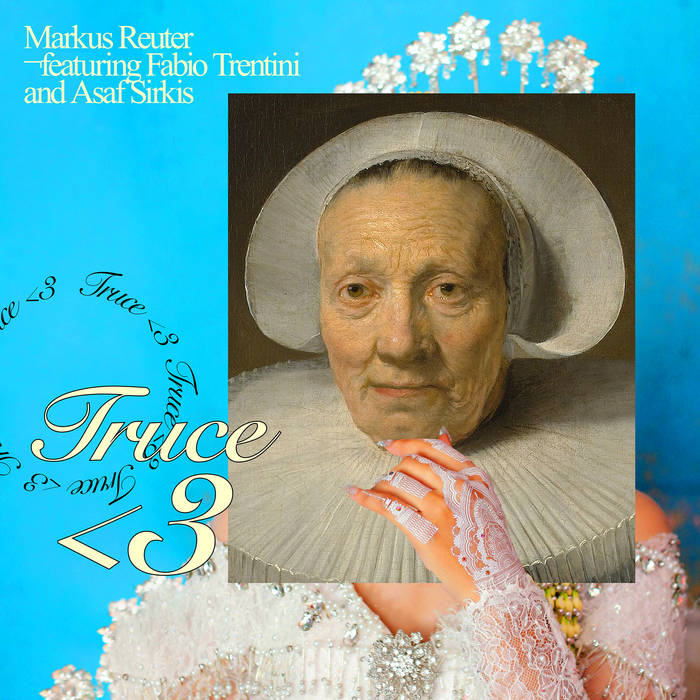
Markus Reuter – featuring Fabio Trentini and Asaf Sirkis, Truce <3: Full-on instrumental rock from three undersung players who know their stuff — including the magic that can happen when the red light comes on with nothing prepared! Reuter’s touch guitar conjures up hanging sonic clouds, cycling loops, piledriving licks and rich melodic spirals; Trentini’s bass lines ground the evolving excursions with a tasty mix of repetition and variation, plus fat, enticing tone; on drums, Sirkis is endlessly, subtly inventive within rock-solid grooves. Slinky kickoff “Not Alone,” the driven, stuttering funk of “It’s Not in the Cards,” the bubbling, smoldering interplay of “Crooked” and “Guardian Shadow,” with its stinging elegiac lament that morphs into a total wig-out, are just the highlights; every improvisatory leap here is inspired. Completely whipped up from scratch like the first two entries in this stunning series, Truce<3 catches music as it’s made on the fly, irresistibly setting body, mind and heart in motion. Already on the Favorites list for this year.
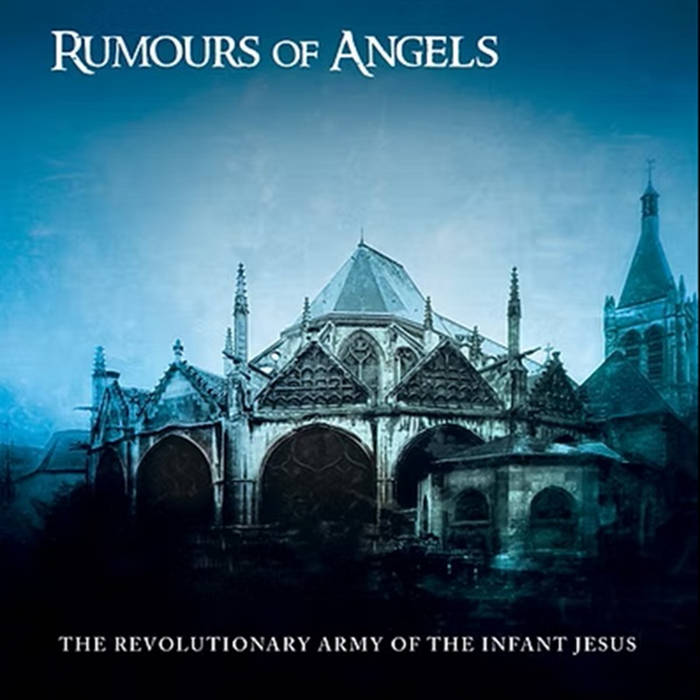
The Revolutionary Army of the Infant Jesus, Rumours of Angels: Originally part of 2013 French boxset After the End, this set compiles two EPs from the end of RAIJ’s 20th-century run and two previously uncollected tracks. As such, you can hear the gleeful clash of opposites — floating folk melodies, chant and spoken word colliding with low drones, tribal rhythms and bruising industrial noise, all drenched in thick, wet echo — that marked the Liverpool collective’s initial, headlong assault on modernity. If tracks like “Cantata Sacra” and “Dies Irae” feel like desperate attempts to call down the Holy Spirit through sheer, strenuous force, moments in “The Parable (of the Singing Ringing Tree)” and “Suspended on a Cross” point toward the mix of ambient stillness and randomized sound collage that permeate later, more considered classics Beauty Will Save the World and Songs of Yearning (my album of 2020). For those who’ve already taken the plunge, Rumours of Angels is an unexpected gift, a vital signpost on RAIJ’s road toward their current, more meditative (yet still earthy) incarnation. If you’re new to it all, don’t let me dissuade you from trying this one out — but be sure to buckle up!

Bruce Springsteen, Lost and Found – Selections from the Lost Albums: I’d argue there are at least three facets to Springsteen’s artistic persona: the unstoppable Boss, barnstorming the globe with the E Street Band; the compulsive singer/songwriter, forever panning his psyche for creative gold; and most evident here, the obsessional auteur, agonizing time after time over the content of his next release. This sampler from Tracks II, an expansive (and exorbitantly priced) box of 7 unreleased albums, startles with the scope of Springsteen’s musical inspirations — though your mileage may vary as to how convincing the various genre exercises are. Chilled-out trip-hop Bruce (“Blind Spot”), spiritual-but-not-religious Bruce (“Faithless”) and country/rockabilly Bruce (“Repo Man”) click best for me; and even tejano Bruce (“Adelita”) and saloon crooner Bruce (“Sunday Love”) have their arresting moments. If anything, the straight-up rockers might be the weakest element here; “You Lifted Me Up” reminds me of nothing so much as a third-string praise and worship chorus. Still, it’s hard to beat Lost and Found’s value — 1/4th of the box set’s tracks for 1/20th of the price, and it certainly lets you know what you’re in for from Springsteen’s latest raid on his vaults. If you’re intrigued like I am, check out the sampler, maybe listen to the complete set online — then hope for a Black Friday price drop.

— Rick Krueger
Rick’s Quick Takes for January (In the Bleak Midwinter)

Note: Artist/title links go to purchase options; streaming previews follow reviews.

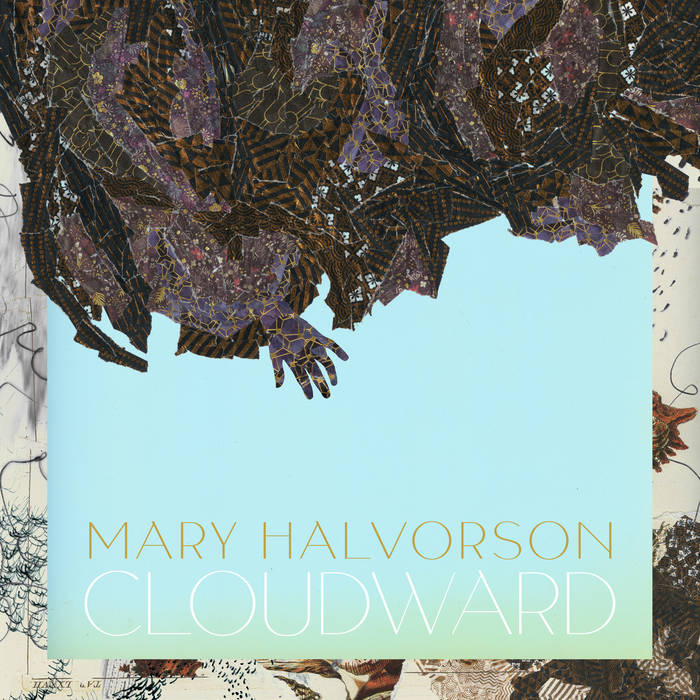
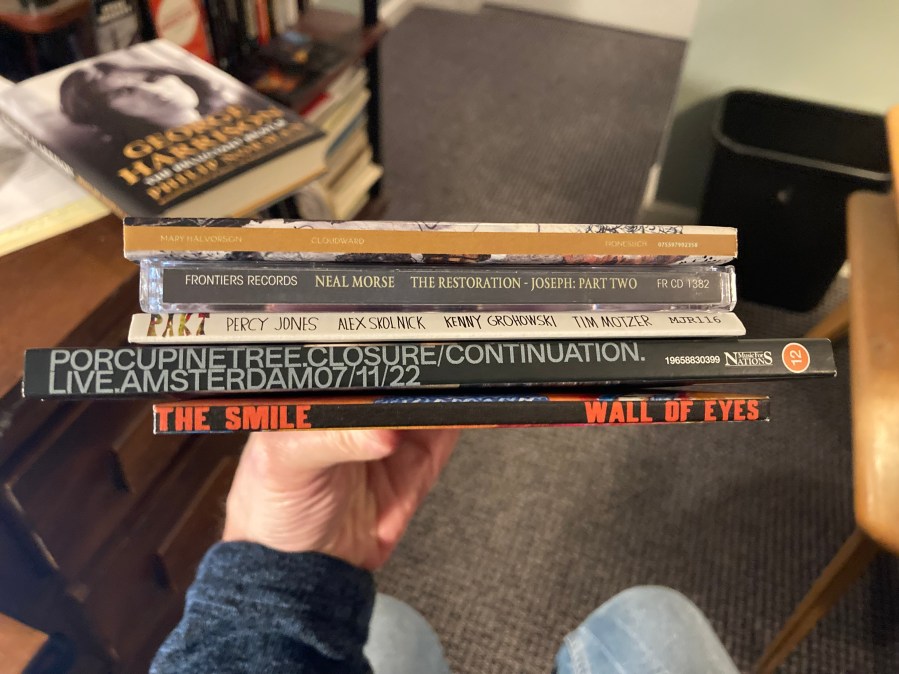
Mary Halvorson, Cloudward: Trailblazing guitarist Halvorson gathers the sextet from her 2022 classic Amaryllis around eight new avant-jazz compositions. Trumpeter Adam O’Farrill and trombonist Jacob Garchik sizzle on opener “The Gate”; Patricia Brennan’s vibraphone lends a rich shimmer to “The Tower”; Nick Dunston launches an epic bass solo to kick off the closing “Ultramarine”. And Tomas Fujiwara? He’s everything you could imagine in one drummer — meditatively punctuating “Unscrolling”, driving the riff-fest “Tailhead” and covering all points in-between. Set these folks loose on their leader’s sinewy, elegant concoctions of yearning and abstraction, and you never know what will happen next. All the while, Halvorson sets the pace on her instrument, with a woody, delay-laced sound and a skittering, percussive style all her own. Whether Halvorson’s and company are swinging like mad on “Collapsing Mouth” or coalescing like electrical static around Laurie Anderson’s guest violin on “Incarnadine”, Cloudward is another head-spinning, laugh-out-loud delight.

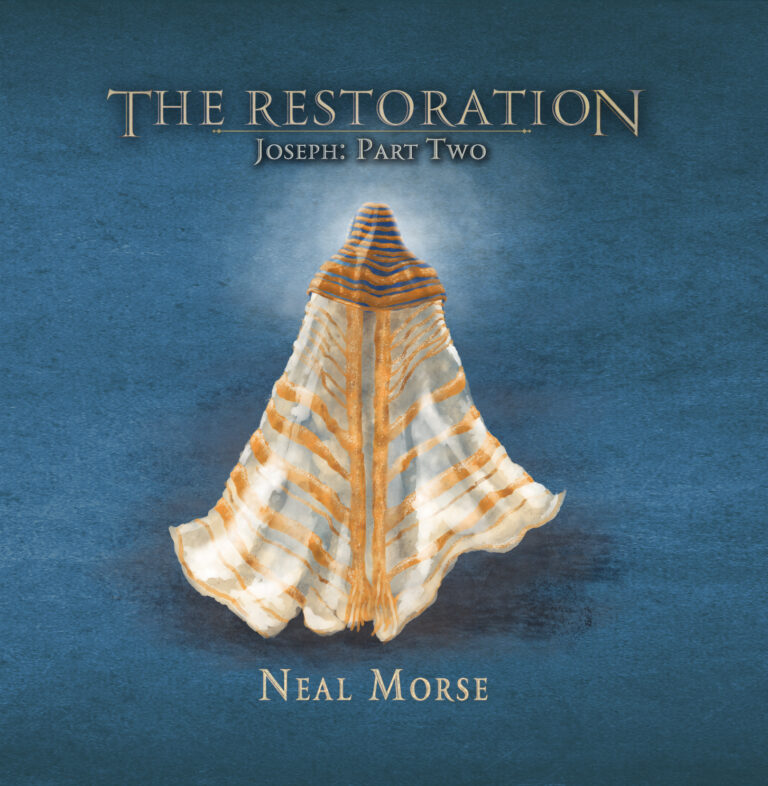
Neal Morse, The Restoration — Joseph, Part Two: The conclusion of Morse’s latest rock opera takes Part One’s rough and ready swagger and turns it up to 11, with grit even in the proggiest moments (Jacob’s sons’ vocal fugue a la Gentle Giant on “The Argument”) and fresh muscle propelling the Latin groove “Everlasting”. There’s heft to the lyrics too, as the showdown between a newly-powerful Joseph and his off-balance brothers displaces Neal’s usual conversion narrative. (Don’t worry, though; reconciliation and revival are just a title track away.) With tight melodic/thematic connections to The Dreamer and a beefy sound recalling George Harrison’s All Things Must Pass and Joe Cocker’s Mad Dogs and Englishmen, The Restoration is also a spectacular vocal showcase; ensemble highlights include Ted Leonard’s emotive Judah and the Nick D’Virgilio/Ross Jennings cameos as Pharaoh’s butler and baker, and Morse puts his newly darkened tone to thrilling use at dramatic highpoints like “I Hate My Brothers”. Together, the Joseph albums are easily my favorite Morse-related releases since The Similitude of a Dream and The Great Adventure, and The Restoration goes straight to my Official Faves List for the new year.

PAKT, No Steps Left to Trace: Another year, another heaping helping of cutting-edge free improvisation from MoonJune Records, courtesy of indefatigable impresario Leonardo Pavkovic! Now in their third year as a collective, bassist Percy Jones, guitarist Alex Skolnick, drummer Kenny Grohowski and guitarist/electronicist Tim Motzer unleash their first double album, created entirely from scratch both in the studio and live. It’s a genuinely explosive set, especially when Jones (best known from Phil Collins’ 1970s fusion band Brand X) ramps up the double-time grooves and his compatriots lock on! But the intensity doesn’t slacken when the music spaces out, either; listening hard and leaning into their deep, uncanny sense of interplay, PAKT also conjures some of the most arresting ambient jams I’ve come across recently. Bursting every genre boundary you can think of, No Steps Left to Trace isn’t for the musically faint of heart — but, for those with ears to hear, it’s a trip well worth taking.

Porcupine Tree, Closure/Continuation. Live Amsterdam 7/11/22: The show I saw in Chicago a couple of months before but bigger, scaled up for packed European arenas instead of partially-filled Stateside auditoriums and rush-released on video before Christmas. The sum of all the prog-metal parts here is flat-out engaging: Gavin Harrison’s percussive impossibilities and Richard Barbieri’s synth squelches ground Steven Wilson’s driven singing and sardonic patter, while utility players supreme Randy McStine and Nate Navarro slam the songs home. Newer material stacks up well against PT’s classics, with pensive slowburns “Dignity”, “Chimera’s Wreck” and “Buying New Soul” nicely offsetting thrashy frequency-eaters “Blackest Eyes”, “Herd Culling” and “Anesthetize”. A solid introduction for anyone who missed the Tree’s initial, spiky flowering, this one will probably resonate deeper with longtime fans (like me) who took Wilson’s long-term “never again” PR onslaught at face value – until we no longer had to.

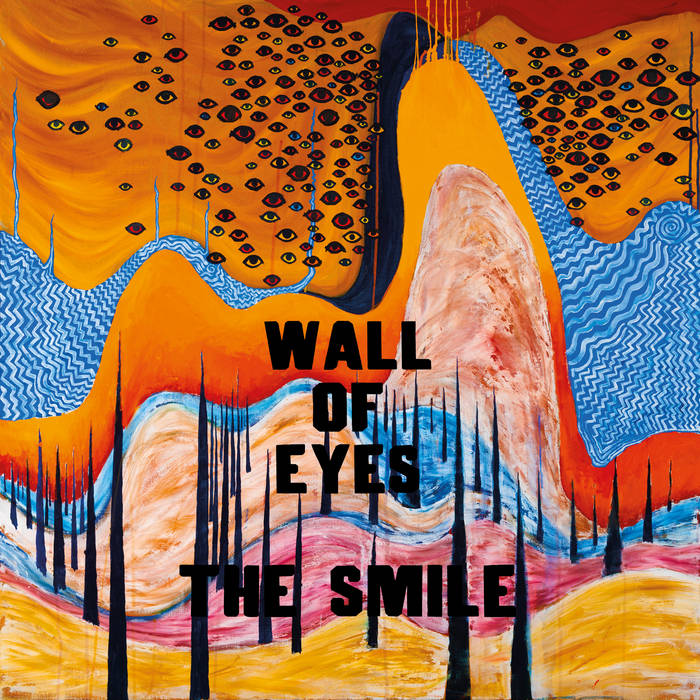
The Smile, Wall of Eyes: Admit it: does Stanley Donwood’s latest album cover look like a psychedelic Lord of the Rings paperback cover from the 1960s or what? And the title track kick-off of this Radiohead-facing project is every bit as disorienting: a understated bossa nova from Tom Skinner to which a balefully depressive Thom Yorke lyric, tightly wound orchestral smears and Jonny Greenwood’s arhythmic guitar plinks attach themselves like disfiguring barnacles. No forthright kicks to the head in the style of A Light for Attracting Attention here; The Smile beckon us toward dystopia ever so gently — odd-time licks over the ominous vamp “Read the Room”, Greenwood and Skinner gouging a trench below Yorke’s mewling protests on “Under Our Pillows”; the Beatlesque ballad “Friend of a Friend” delicately dissolving the boundary between courage and despair in less than five minutes. In the face of lives ever more trapped onscreen, are the only options self-destruction (as “Bending Hectic’s” dissonant strings erupting into unmistakable Greenwood power chords) or resignation to Technopoly’s embrace (the closing “You Know Me!”)? Whatever our take, Yorke, Greenwood and Skinner once again prove brutally honest guides to the expanse of beauty and abyss of horrors lying before us. 

— Rick Krueger 
Kruekutt’s 2022 Favorites

A few notes before I dive in: items I’ve reviewed here are linked to the relevant Progarchy article via the artist/album title; If I didn’t review an item here or elsewhere, it’s marked with an asterisk (*) — but I hope the capsule description and listening/order links will encourage you to check it out!

My favorite new music of 2022:

  • Dave Bainbridge, To The Far Away: A thrilling, ravishingly beautiful album about love, longing, hope and a future. Lyrics of rich simplicity cradled in a lush orchestral blend of rock, prog and Celtic folk. My interview with Bainbridge is here.
  • Big Big Train, Welcome to the Planet: what turned out to be BBT’s final effort with the late David Longdon consolidates the widened horizons of Grand Tour and the intimate subjects of Common Ground, casting an epic light on the everyday glory of family, community, joy and loss.
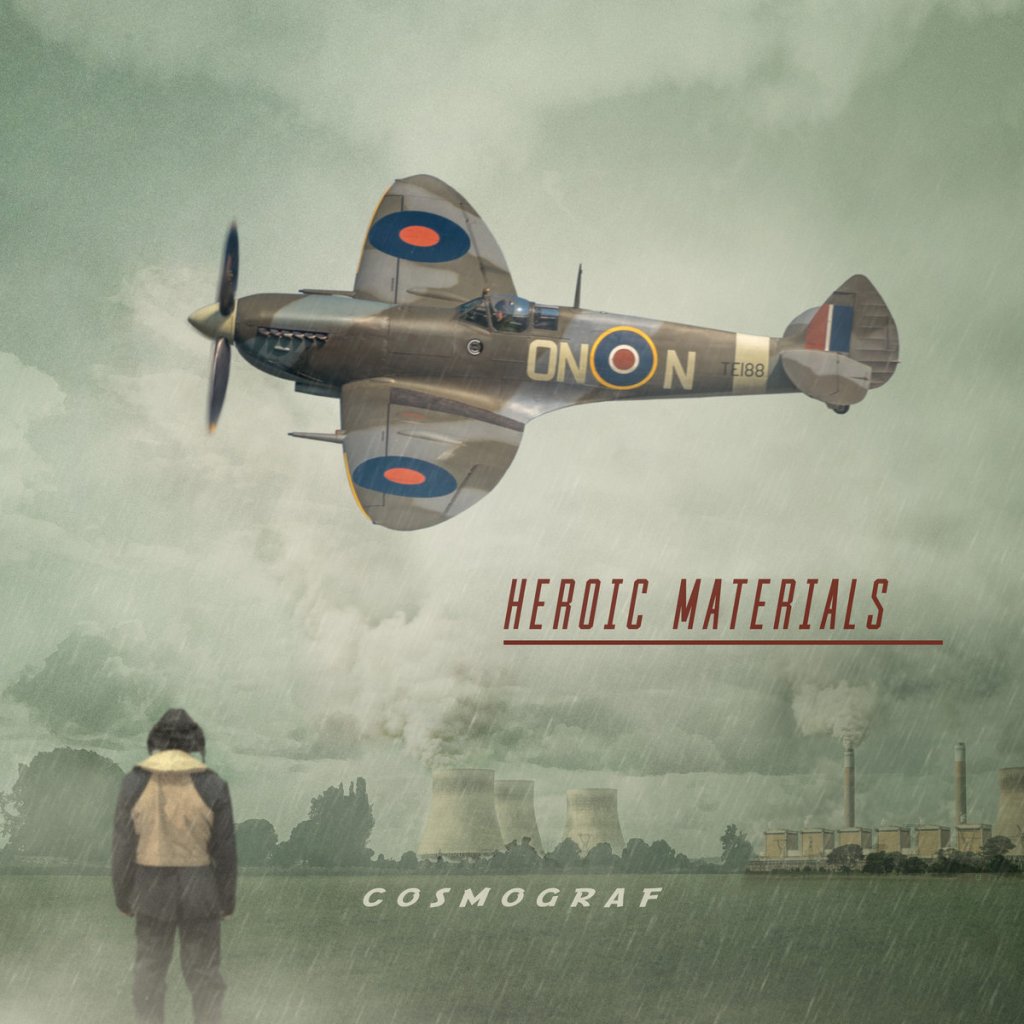
  • Cosmograf, Heroic Materials: Elegiac in its evocation of past achievements, urgent in its contemporary call to action, breathtaking in its poised blend of fragility and strength, Robin Armstrong’s latest is a riveting listen.
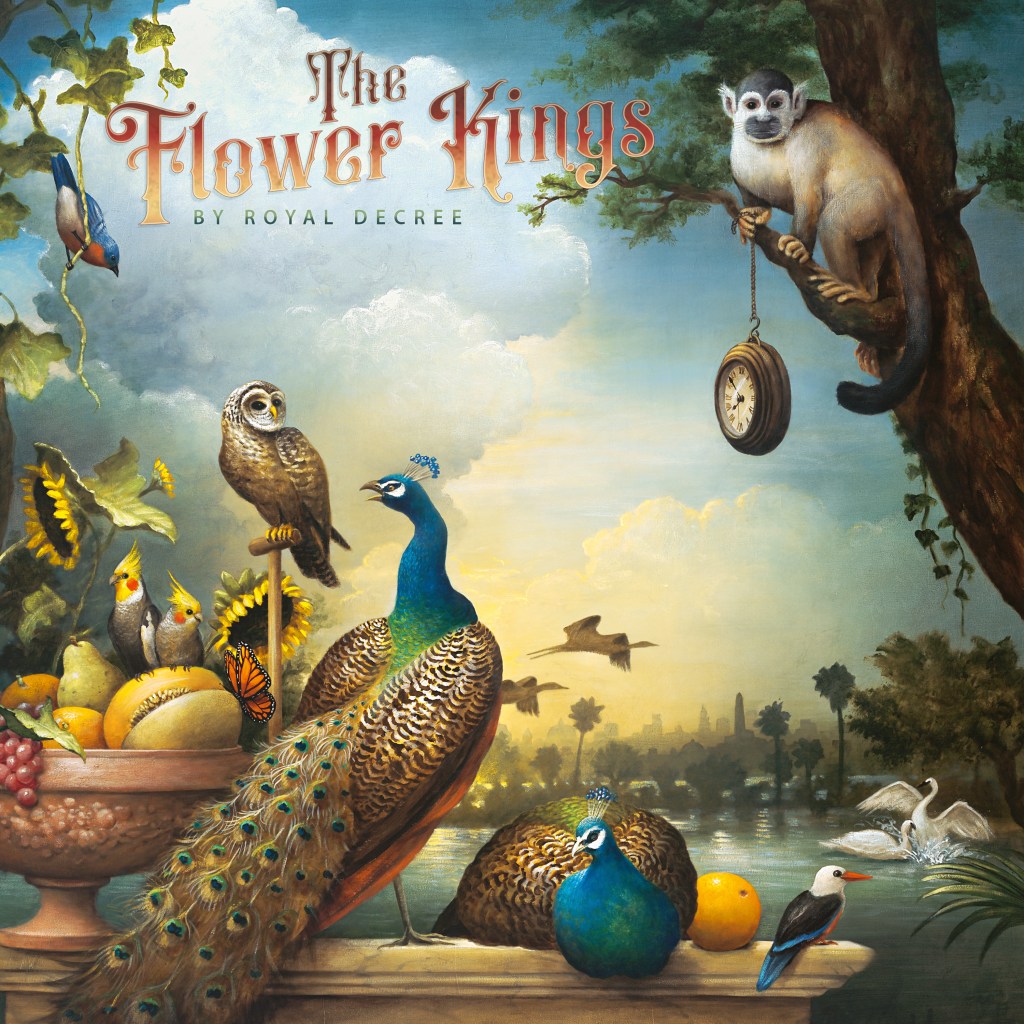
  • The Flower Kings, By Royal Decree: TFK’s third double album in a row, this is the sound of Roine Stolt and company refreshed and revisiting their optimistic roots, soaring on the wings of one marvelous melody after another. As much a joy to hear as it must have been to create.
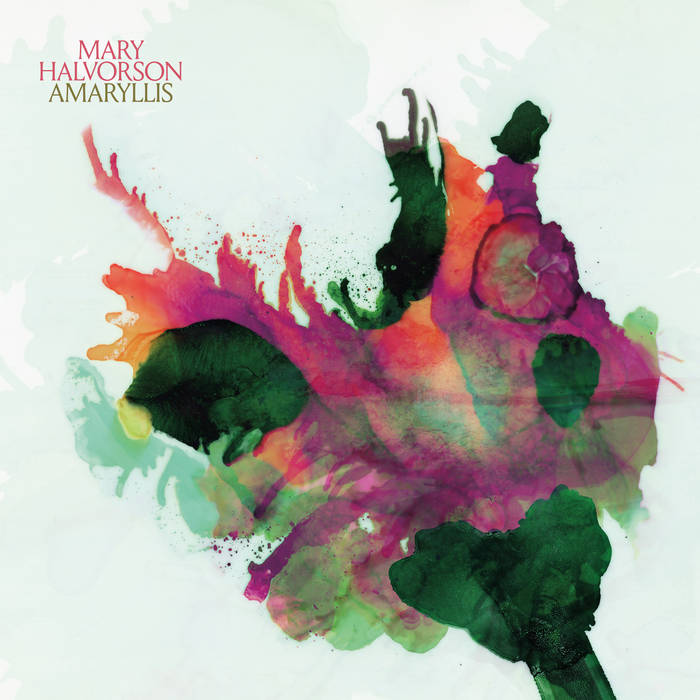
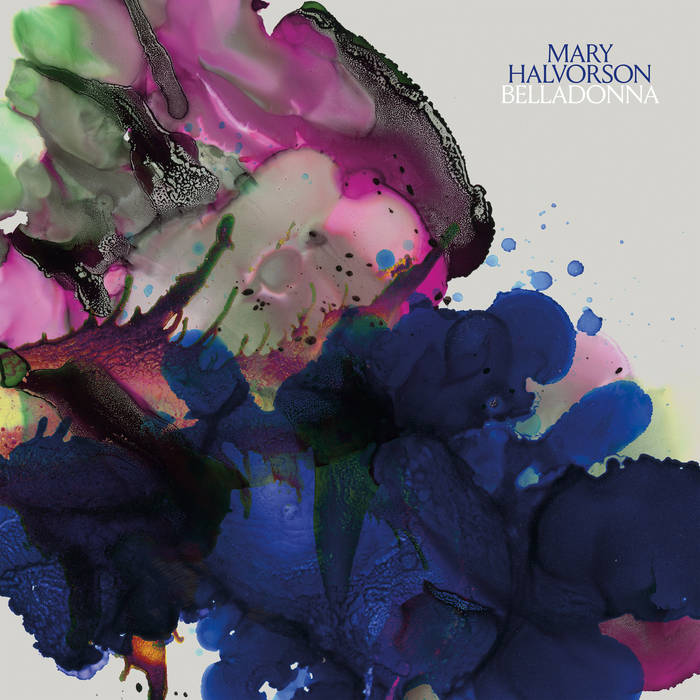
  • Mary Halvorson, Amaryllis & Belladonna: free jazz guitarist Halvorson hits a major label with two albums — teaming with a boisterously simpatico sextet on Amaryllis, then dancing atop and around modern classical textures from the Mivos Quartet on Belladonna. Audacious and engrossing, this music will open your ears real good!
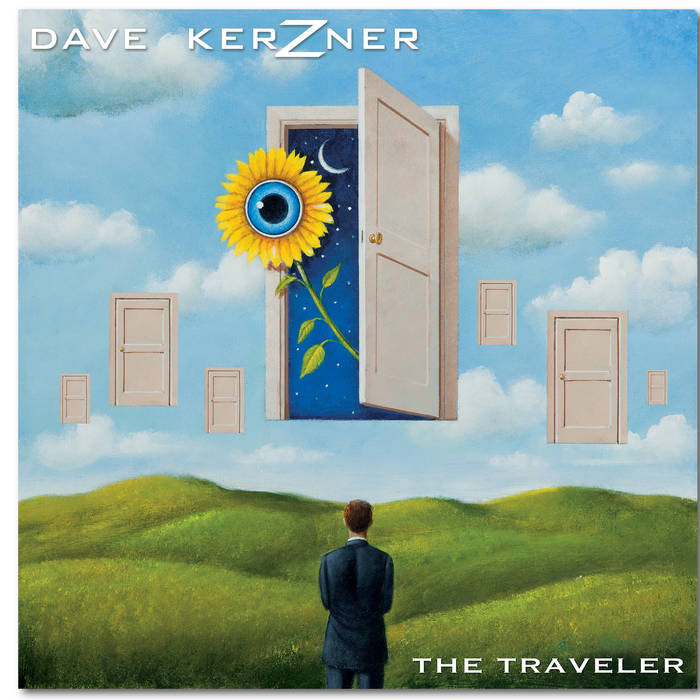
  • Dave Kerzner, The Traveller: confident, appealing songwriting with hooky yet sophisticated melodies and structures, Kerzner’s best, widest ranging vocals to date and perfectly judged contributions from a stellar guest list. Letting his new songs sell themselves and keeping proceedings to the point, he both satisfies us and leaves us wanting more. 
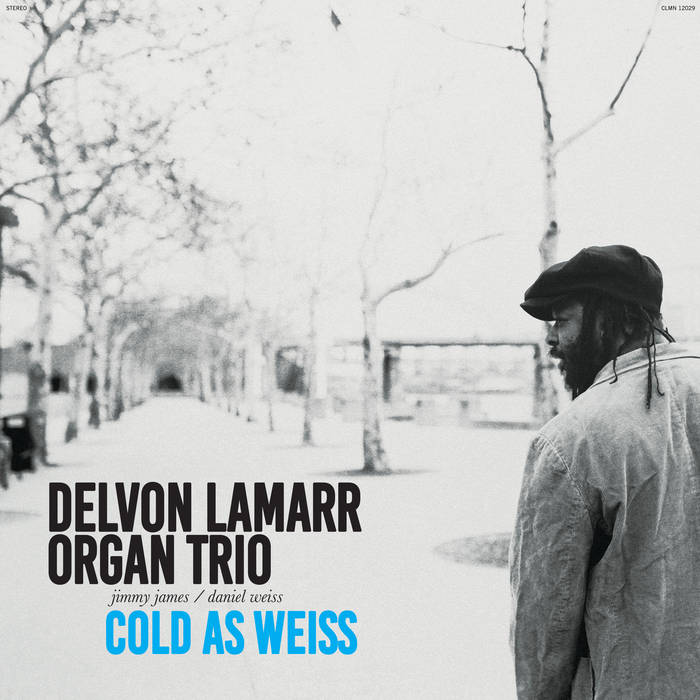
  • The Delvon Lamarr Organ Trio, Cold As Weiss: An immediately accessible reboot of a classic jazz trio format. Organist Lamarr, guitarist Jimmy James and drummer Daniel Weiss are thrilling players who never fail to make their instruments sing. Funky, catchy bite-size tracks with great individual playing and razor sharp ensemble. 
  • Marillion, An Hour Before It’s Dark: The front half of Los Marillos’ latest has more swagger than they’ve mustered in a while; the back half’s meditative downshift climaxes with the sweeping smashcut finale “Care,” as power chords and massed choirs climb heavenward. Unique as anything in their catalog, and another thoroughbred winner.
  • Pure Reason Revolution, Above Cirrus: this fifth album reveals PRR at their best, consistently upping their game to the next level. For every moment of blissful harmonies and glidepath atmospherics, there’s an equal and opposite moment of feral guitar/drum slammin’ — and when they layer the two together, look out! Well worth buckling up for the ride.
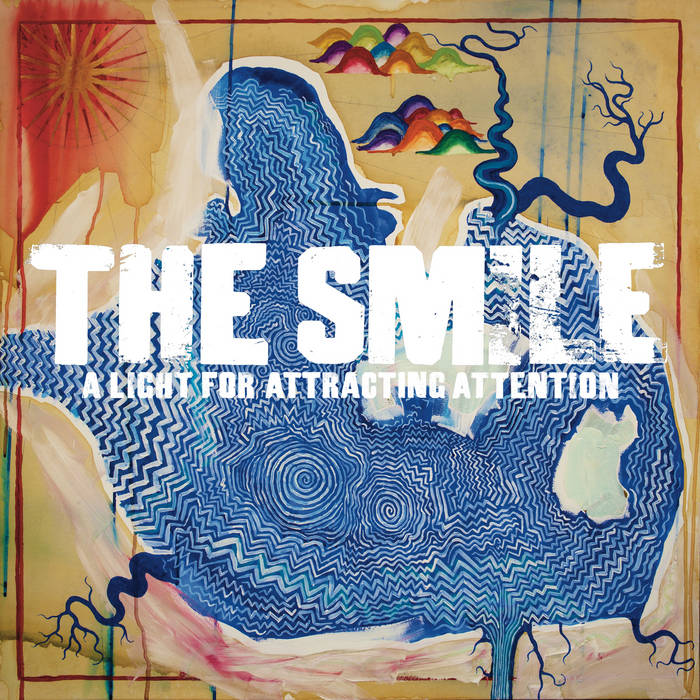
  • The Smile, A Light For Attracting Attention: A Radiohead side project worth your while. Thom Yorke overflows with apocalyptic dread; Jonny Greenwood’s off-kilter instrumental instincts are keener than ever; Tom Skinner’s skittering beats relentlessly drive the grim, lush soundscapes forward. Music for our contemporary dystopia, irresistibly sucking you in.
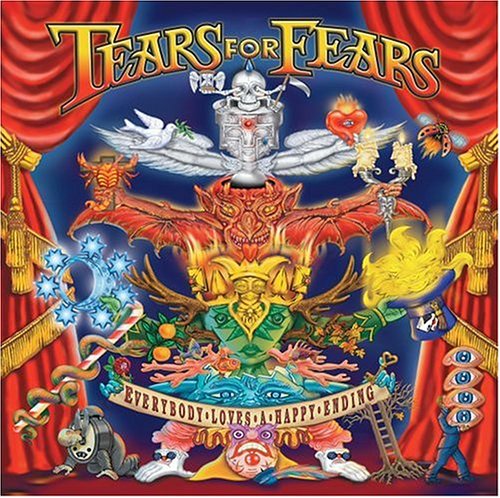
  • Tears For Fears, The Tipping Point: Roland Orzbaal & Curtis Smith’s catchy-as-always comeback goes for catharsis via unstoppable rhythms, unforgettable choruses and naked vulnerability on every single track, Devastatingly gorgeous, uncompromising art-pop that will haunt you long after every listen.
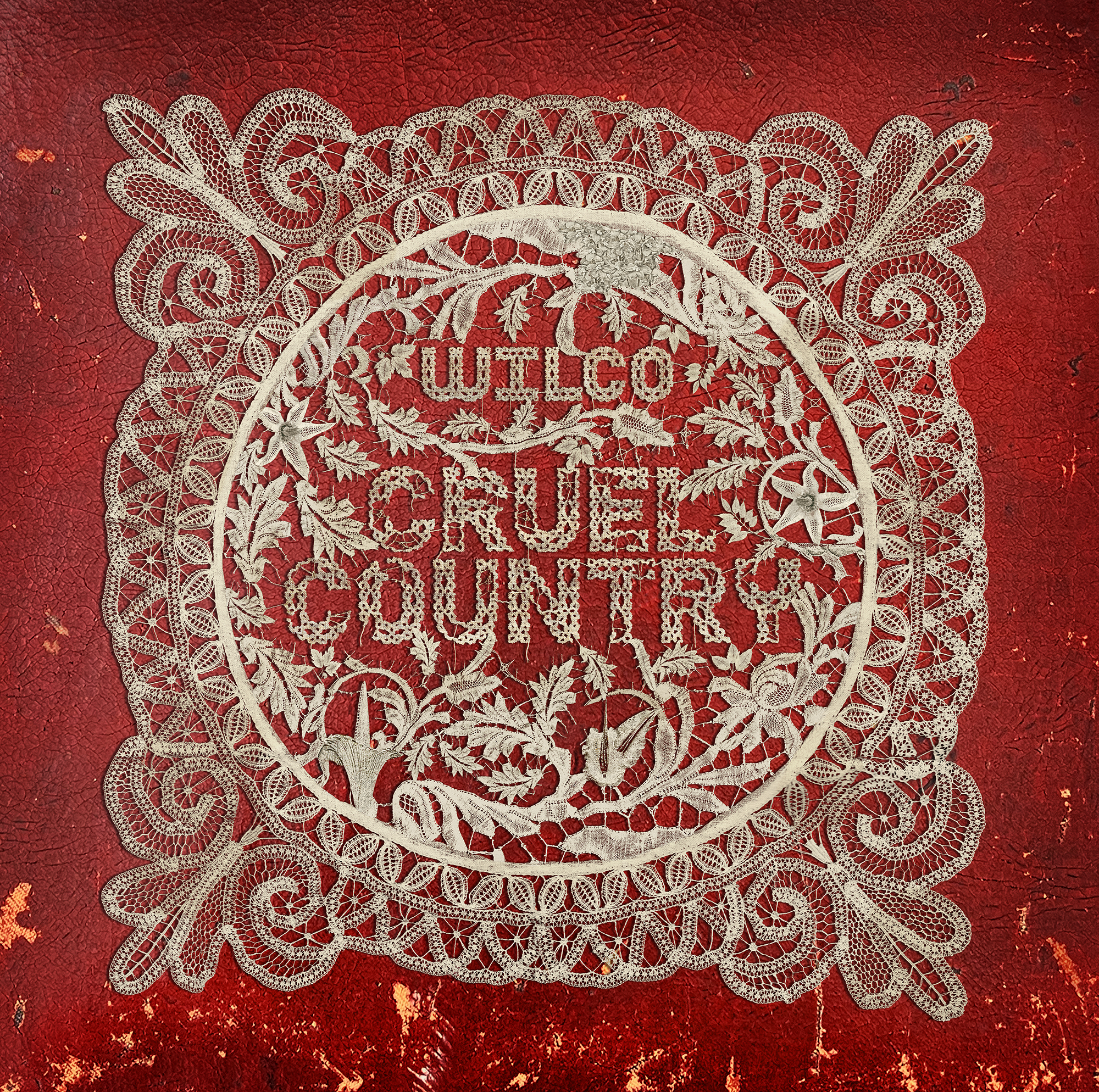
  • And my Top Favorite of the year — Wilco, Cruel Country. A double set that detours from Jeff Tweedy’s thoughtful dad-rock toward Nashville and Bakersfield, the tactile interplay of the band and Tweedy’s quizzical, empathetic probes of societal alienation elevate this to an album of genuine tenderness and subtlety, gathering strength and heart as it unrolls. After a digital-only release this year, it’s finally coming out on LP and CD January 20!

My favorite reissues of 2022:

  • The Beatles, Revolver Special Edition*: No Revolver, no Sergeant Pepper — no prog? Regardless of what ifs, the Fabs’ great leap forward of 1966 was brilliant in its own right, dragging pop headlong toward the avant-garde. Here it gets a subtle yet effective remix, with fascinating studio outtakes framing the cutting-edge results.
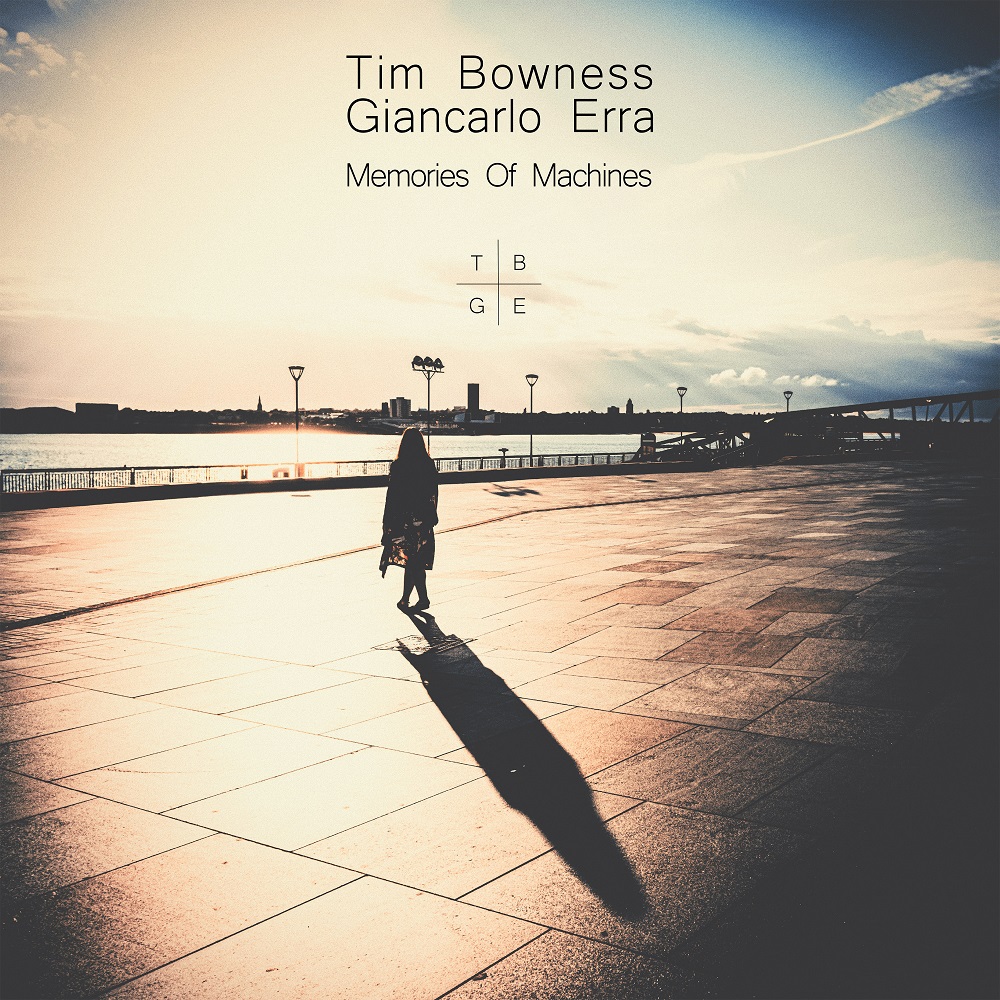
  • Tim Bowness & Giancarlo Erra, Memories of Machines: an irresistible mix of unflinchingly intimate art-rock and lowering ambient backdrops. Ten years on, original arrangements and track lengths are restored, Erra’s textural work is inched forward — and as always, Bowness breaks your heart with his ringing couplets and his stoic voice.
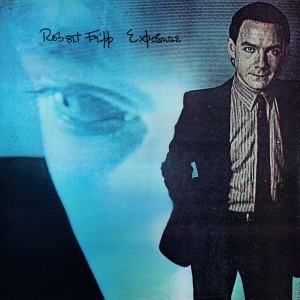
  • My Top Favorite Reissue of the year: Robert Fripp, Exposure/Exposures. The guitarist’s 1979 return to active duty after a post-King Crimson sabbatical, binding together a disparate set of songs and guest artists with his innovative ambient Frippertronics. Whether by itself or as part of a gargantuan box set that chronicles Fripp’s entire “Drive to 1981,” it’s a wild, worthwhile listen in and of itself, while providing distinctive previews of coming attractions.
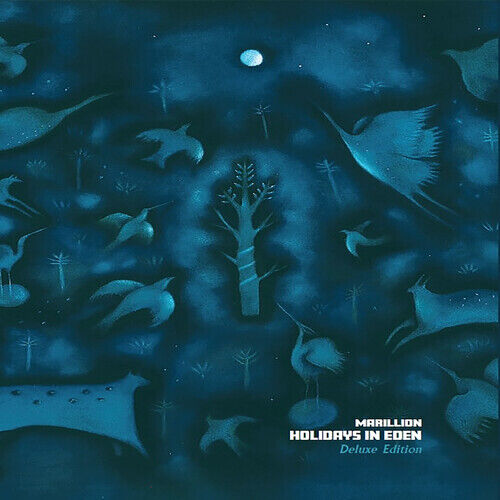
  • Marillion, Holidays in Eden Deluxe Edition*: my introduction to the band (I first saw them live on the US tour promoting the album), Holidays was partially a product of record company pressure for hit singles, but it also has plenty of Marillion’s trademark ambition, power and lyricism. A fresh remix complemented by exciting live shows on both audio and video.
  • Soft Machine, Bundles*: Add blazing young guitarist Allan Holdsworth to one of the pioneering British jazz-rock bands, stir in quirky compositions by keyboardists Karl Jenkins and Mike Ratledge, and stand by for fireworks! This fresh reissue also includes a hot live set featuring Holdsworth’s successor John Ethridge (still active with the Softs today).
  • Wilco, Yankee Hotel Foxtrot Super Deluxe Edition*: The album that put Wilco on the map (after they were dropped by their label), YHF mutated from Americana through dream-pop to electronica-tinged folk-rock as band members and producers came and went. Eight discs that copiously chronicle the recording process, plus blistering two live sets.

My favorite (re)discoveries of 2022:

My favorite live album of 2022: Big Big Train, Summer Shall Not Fade*. Equal parts power and grace, BBT’s 2018 headlining gig at Germany’s Night of the Prog may be their best live release yet. Playing to their largest crowd ever, David Longdon commands the stage; Greg Spawton and Nick D’Virgilio provide a muscular foundation; Dave Gregory, Rikard Sjobom, Danny Manners and Rachel Hall serve up one delightful moment after another. Bryan Morey’s review nails it; this is indispensable.

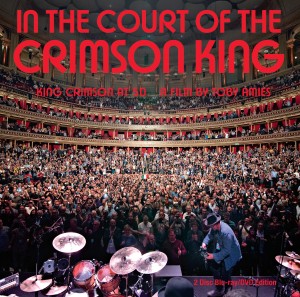
My favorite rock documentary of 2022: In The Court of the Crimson King: King Crimson at 50*. The most unconventional band of the last five decades gets the most unconventional documentary possible. Crims past and present weigh in on “living, dying, laughing, playing and rocking out”, with Robert Fripp providing the ever-present focal point in a particularly puckish fashion. There’s also a deluxe edition with live Crimson video (both in the studio and at 2019’s Rock in Rio festival) and four bonus CDs of soundtrack cuts, rarities, etc.

My favorite books about music of 2022:

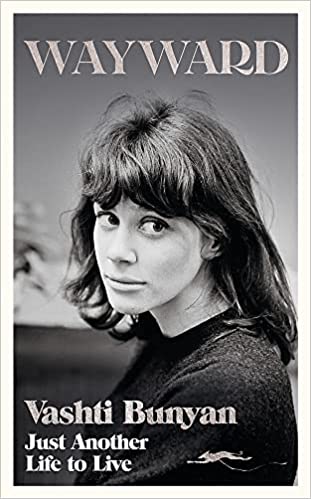
  • Vashti Bunyan, Wayward: Just Another Life to Live. Singer-songwriter Bunyan’s unlikely late-60s odyssey from Swinging London to the Hebrides forms the heart of this evocative narrative. Laboriously traversing the heart of England, she gains understanding of the natural world, of human kindness and cruelty — and of her own sturdy inner core.
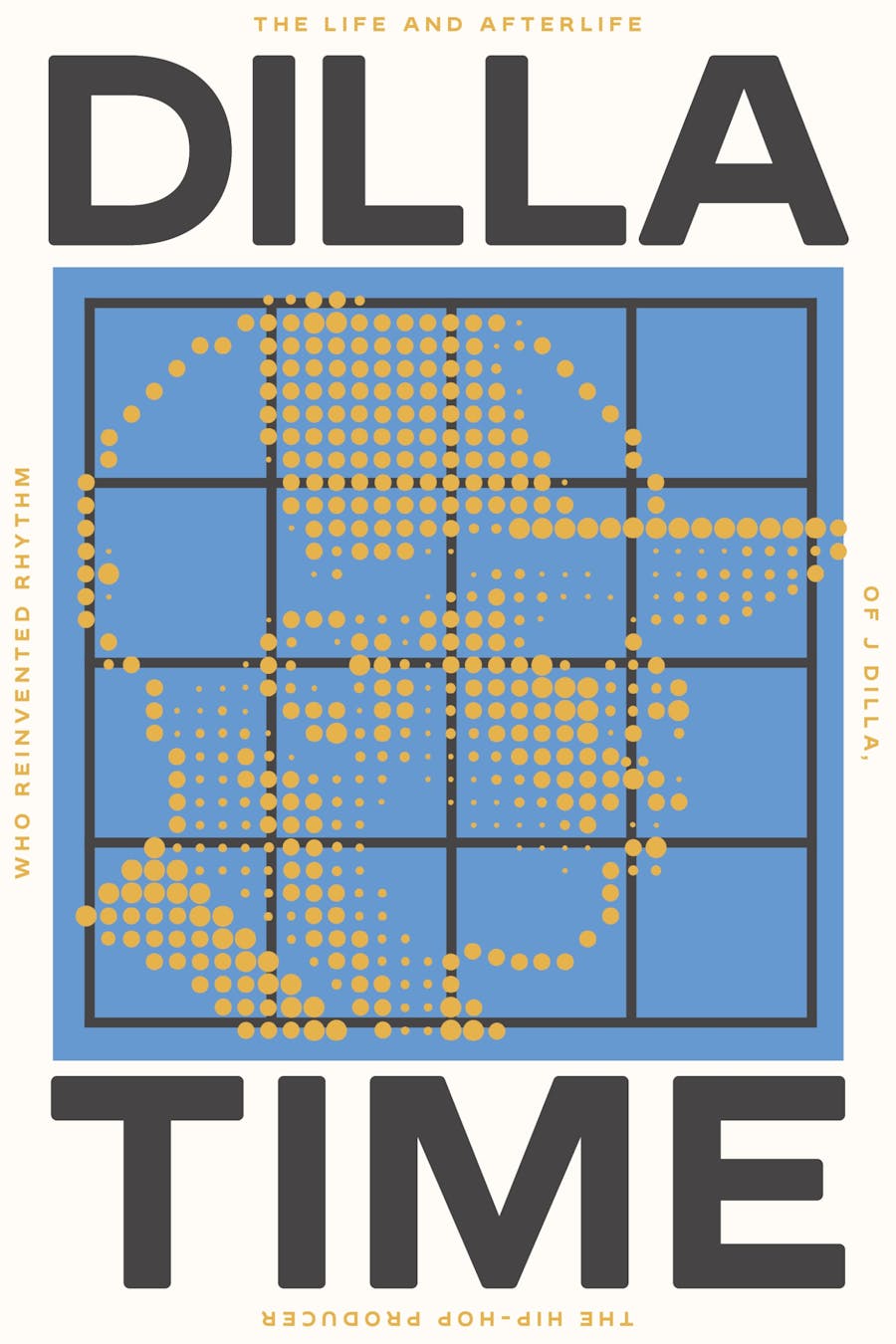
  • Dan Charnas (with musical analysis by Jeff Peretz), Dilla Time: The Life And Afterlife Of J Dilla, The Hip-Hop Producer Who Reinvented Rhythm*. In Charnas’ telling, Dilla emerges as an innovator who laid down new paths for neo-soul and conceptual hip-hop, via his subtle yet unsettling variations on previously straight-up rhythms. Peretz’s equally innovative graphic depictions of rhythmic innovations across the decades buttress the page-turning narrative.
  • Robert Fripp, The Guitar Circle*. More a philosophical tome than a how-to book, though still remarkably practical, Fripp’s highly conceptual explanation of his process (as unfolded in Guitar Craft courses and Guitar Circles) won’t be for everyone. But those who dig in will grasp where this eternally questing musician is coming from better than ever before.
  • David Leaf, God Only Knows: The Story of Brian Wilson, The Beach Boys And The California Myth*. The third edition of Leaf’s lifework chronicles The Beach Boys’ journey from surf-rock through eccentric art-pop to the dead end of nostalgia, then sidesteps to Wilson’s solo comeback, culminating in the completion of his masterwork Smile. Not in the least objective, but comprehensive, even-handed toward the rest of The Beach Boys, and heartfelt.
  • Grant Moon, Big Big Train – Between The Lines: The Story Of A Rock Band. How BBT became a prog powerhouse — through sheer bloody-mindedness, growth in craft and a keen ear for musical contributors — is the tale told in this richly detailed bio/coffee table tome. Both a celebration of the music made and an unflinching look at the price paid for a dream.

And in closing . . .

If you’re interested, check out these recordings I played or sang on that were released in 2022:

— Rick Krueger

Rick’s Quick Takes for May

If there’s a theme this month, it might be “musicians going for it” — whatever the era, whatever the wisdom they assimilate along the way. Another common factor: all of these are strong contenders for my end of the year favorites list! As usual, purchasing links are embedded in each artist/title listing; where available, album playlists or samples follow each review.
Bill Bruford, Making a Song and Dance: completists may go pale, but this isn’t another massive “collect ’em all” box a la Bruford: Seems Like A Lifetime Ago or Earthworks Complete. Rather, it’s a judiciously curated, career-spanning set targeted at a wider market and chosen by the man himself. Organized to reflect the creative roles Bruford posited for expert drummers in his doctoral dissertation Uncharted, discs 1 and 2 cover his years as a “collaborator” in ongoing bands, (mostly Yes and King Crimson), while discs 3 and 4 lay out his qualifications as a jazz-oriented “composing leader” in the above bands and other occasional combos. But if your listening experience is like mine, discs 5 (“The Special Guest”) and 6 (“The Improviser”) will provide the freshest material and perhaps the niftiest surprises; Bruford sits in with everyone from folk-rock iconoclast Roy Harper to speed-fusion guitarist Al DiMeola to the Buddy Rich Big Band, then contributes equal amounts of chops and space to music conjured from thin air with (among others) daringly lateral pianists Patrick Moraz and Michael Borstlap. When the man said he retired from performance because he couldn’t think of anything more to play, he wasn’t kidding — based on the evidence collected here, he’d already done it all. Not only does Making A Song and Dance give an ample picture of Bruford’s stylistic range, it brilliantly charts the growth of an essential artist down the decades.

Vashti Bunyan, Wayward – Just Another Life to Live: indirectly named after a Biblical queen, Vashti Bunyan’s thirst for meaning led from a middle-class childhood through Oxford art school to a London fling as a wannabe pop chanteuse (her debut single was a Mick Jagger/Keith Richards offcut). Adrift in the aftermath, Bunyan seized what seemed a golden opportunity: a journey with her paramour from the Big Smoke to a new life in the Hebrides, undertaken by horse-drawn wagon. That unlikely odyssey forms the heart of this evocative, compelling narrative; laboriously heading north through the heart of England, Bunyan gains understanding of the natural world, of the extremes of human kindness and cruelty — and of her own animating passions, her sturdy inner core. She also writes the deceptively simple, uncommonly rich songs that became her lovely 1970 album Just Another Diamond Day. The fulfillment (and dissolution) of Bunyan’s quest, her immersion in “lookaftering” children and stepchildren, and her artistry’s rebirth when the Internet rediscovered her music in the early 2000s provide the epilogue to this tale of a wandering soul’s coming to terms with the beauty and the beastliness of life. Highly recommended.

Robert Fripp, Exposure: After King Crimson “ceased to exist” in 1974, Fripp withdrew from the music industry, pursuing a spiritual sabbatical. Reinvigorated, he dipped his toe back in the water via guest shots with David Bowie and Blondie, then moved to New York City to get serious about returning to active service. Exposure was Fripp’s calling card for his “Drive to 1981,” self-described as research and development for what might come next; along with nods to his current production work with Peter Gabriel and Daryl Hall, ghosts of Crimson past (the metallic “Breathless”) and future (“NY3,” with ‘found vocals’ from Fripp’s argumentative neighbors draped over cyclical odd-time riffs) haunt the album. But there’s also New Wave 12-bar blues (“You Burn Me Up I’m A Cigarette,” with tongue-twister lyrics gamely tackled by Hall), furious punk energy (“Disengage,” featuring Peter Hammill’s improvised, gleefully atonal vocals cutting across Fripp’s proto-shred guitar and Phil Collins’ blunt, brutal drumming), and surprising amounts of gentle lyricism (Hall on “North Star”, Terre Roche on “Mary”, Gabriel on a gorgeous solo piano “Here Comes the Flood”). What binds these disparate tracks together is the innovation of Frippertronics — the solo guitar looping set-up that Fripp then took to concert halls, dance clubs, restaurants and record stores on a low-budget promotional tour — weaving in, out, between and behind it all to unify the album and give it a futuristic impetus. As strange and compelling a beast as any Fripp has brought us over the years, Exposure is a wild, worthwhile listen in and of itself, while providing distinctive previews of coming attractions. The new “Fourth Edition” features a discreetly energizing remix by Steven Wilson, plus previous versions (including an unreleased master with Hall as the primary vocalist) on a bonus DVD. For those with deeper pockets, the 32-disc box set Exposures exhaustively archives Fripp’s studio and live work from 1979-1981 — including the Frippertronics concert at Peaches Records in Detroit that completely exploded my own musical boundaries. (More of this boundary-breaking beauty can be found on the new release of 1981 Frippertronics, Washington Square Church.)

Continue reading “Rick’s Quick Takes for May”

The Progarchy Interview: Mary Halvorson

In his 2018 book Playing Changes: Jazz for the New Century, Nate Chinen devoted his final chapter to guitarist Mary Halvorson, rightly declaring her “an original in every sense.” Her spiky, pick-driven timbre, sparse yet compelling use of effects, daring improvisational command and distinctly off-center compositions add up to a sound like no one else’s, effortlessly catching (then twisting) the ear regardless of context — from the radiant solo album of covers Meltframe to her head-spinning work with avant-garde trio Thumbscrew to the precise, conversational octet writing of 2016’s Away with You (my first, heady exposure to her music).

Also in 2018, Halvorson released Code Girl, her first extended foray into songwriting; the band she put together for the album boasted serious roots in jazz, but fearlessly mashed up genres and straddled extremes of expression, pivoting on a dime from a murmur to a scream and back again. On October 30, the revamped Mary Halvorson’s Code Girl (pictured below) returns with a second album, Artlessly Falling. Reconnecting with vocalist Amirtha Kidambi, bassist Michael Formanek and drummer Tomas Fujiwara, Halvorson also welcomes new collaborators Adam O’Farrill (trumpet) and Maria Grand (tenor saxophone and voice). For the cherry on top, three of the new tracks are sung with gravity and grace by Soft Machine founder Robert Wyatt, one of Halvorson’s most profound influences.

Code Girl, left to right: Maria Grand, Michael Formanek, Amirtha Kidambi, Adam O’Farrill, Tomas Fujiwara, Mary Halvorson.

It was an utter delight to speak with Mary Halvorson — a thoughtful musician and a serious music fan — about her approach to lyrics, songwriting, composition, collaboration, improvisation and more. The video of our conversation is below; a lightly edited transcript follows the jump!

Continue reading “The Progarchy Interview: Mary Halvorson”