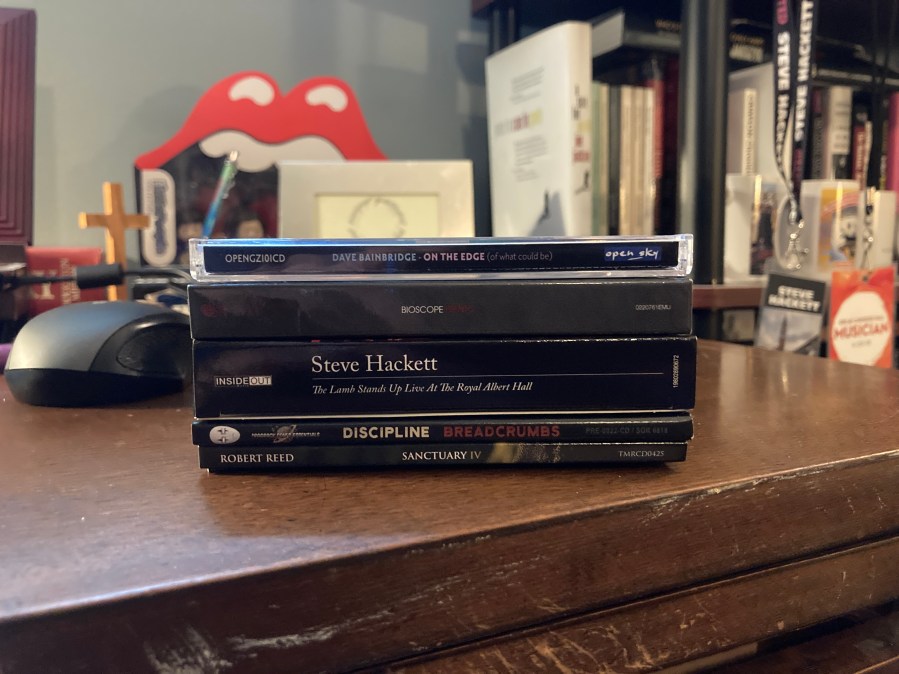
Rick’s Quick Takes for Summer’s End

As usual, direct purchase links will follow each album review, along with video or audio streaming where available. Given the potential impact of new US tariffs and regulations on both overseas musicians and the vendors who sell their music, I especially encourage readers to support your favorite prog artists and retailers during this period of transition.
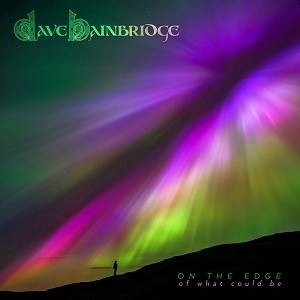
Dave Bainbridge, On the Edge (Of What Could Be): I glommed onto Bainbridge with his fabulous 2021 effort To the Far Away, but every one of his solo albums is crammed full of delights — rocking, rhapsodic and ravishing throughout. On the Edge is no exception: a double album with a self-contained suite on each disc, like Dave’s band Iona it takes listeners on a trip through the beauty of this world to the promise of a life to come. So many highights they can’t all fit here! Up-tempo elegy “Colour of Time” (with Randy McStine’s fierce vocal inspiring Bainbridge to heights of biting, frenzied jazz-fusion); the title track’s multi-sectioned build from triple-time acoustic folkiness to a thrilling electric climax; Simon Phillips’ fleet drum groove on “Farther Up and Farther In”, topped with mind-melting acrobatics from Bainbridge and piper Troy Donockley; Frank van Essen’s evocative violin and Bainbridge’s primal, Santana-meets-Mahavishnu cry on the orchestral “Beyond the Plains of Earth and Sky” are just a few of many great moments. Toss in vocals (in English and Gaelic) from a bevy of fine singers and virtuoso keyboards from Bainbridge, and you have an set that takes you on a genuinely amazing journey, gathering power as it builds to a spectacular culmination. Already a 2025 Favorite and a solid contender for the year-end top spot.
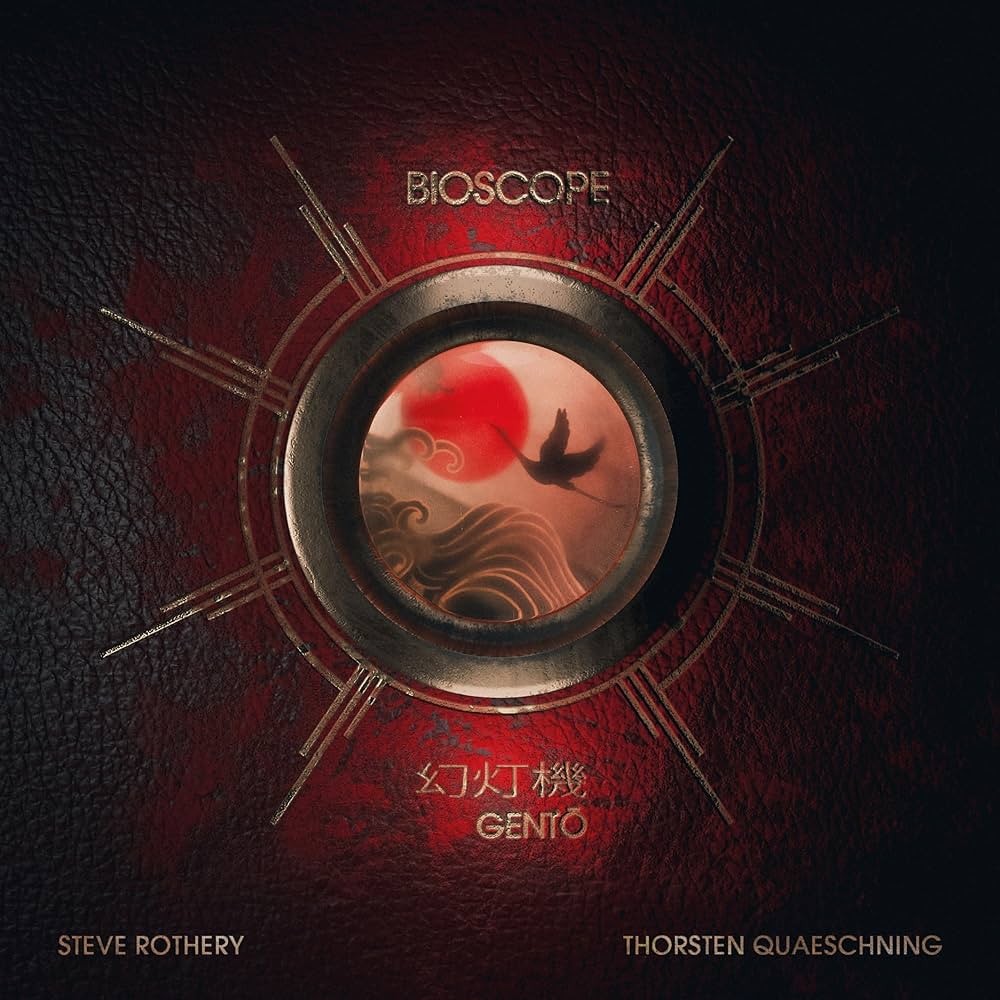
Bioscope, Gento: Steve Rothery’s keening, singing guitar has been one of Marillion’s prime calling cards for more than 40 years; as Edgar Froese’s appointed musical heir, Thorsten Quaeschning has recently propelled synth-rock trailblazers Tangerine Dream to fresh creative heights. Recorded during breaks in their bands’ work, the duo’s debut is a classic example of how two great tastes can taste great together. With the exception of psychedelic-Beatles closer “Kaleidoscope”, the musical elements on Gento repeatedly gather from thin air, coalesce, intensify, interact, react and dissipate — whether driven by Quaeschning (the wispy melodies, luxuriant textures and motorik rhythms of the three-part opener “Vanishing Point”), Rothery (the chiming rhythm guitar, slide/synth duets, fierce fuzz riffing and floating arabesques that shape another trilogy, “Bioscope”), or both in wonderfully organic call and response mode at multiple pieces’ climaxes. Add the rock solid drumming of Elbow’s Alex Reeves, and the results really are magical. Gento has gently, unobtrusively grown on me, all the way to making my 2025 Favorites list; it may take a few listens, but I think it will do something similar for you.
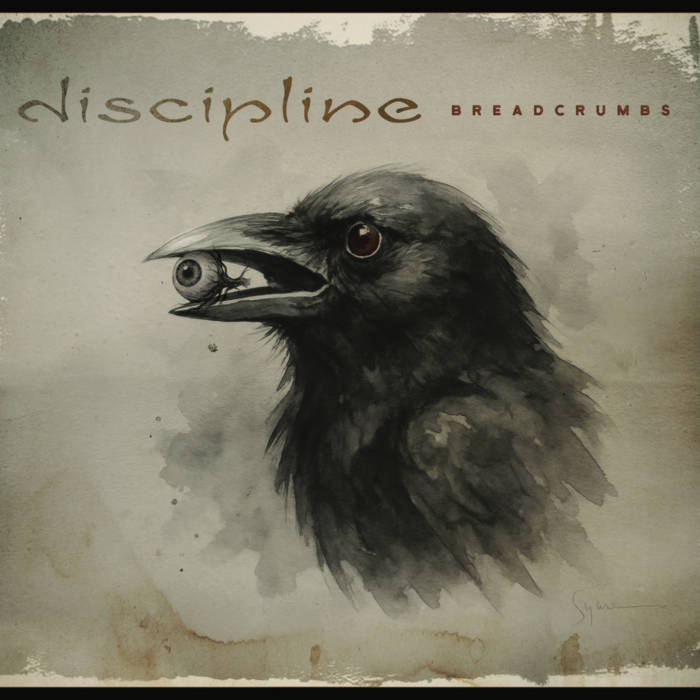
Discipline, Breadcrumbs: Eight years on from their last record, the Detroit proggers serve up another helping of their trademark, stately melancholia. Breadcrumbs proudly mines veins dug by King Crimson, Gabriel-era Genesis, Van der Graaf Generator — even a bit of keyboard-period Rush, with production by Terry Brown and art by Hugh Syme to boot — but as always, the results are a heady, hearty brew all its own. Throughout the intriguing title epic, the measured lament of “Keep the Change”, the relentless, stinging “When the Night Calls to Day/Aloft” and the thwarted, impressionistic “Aria”, Matthew Parmenter’s lyrical rhetoric and harmonically slippery keys take point, with Chris Herin providing pungent, tasty support and comment on guitar. While Breadcrumbs leans away from the slashing theatrics of vintage Discipline classics Unfolded Like Staircase and To Shatter All Accord, it still gives off a chilly intensity that showcases the band at their most spellbinding and cathartic. Through every challenging musical twist and verbal turn. this album is finely crafted and delivered with total conviction — another instant 2025 Favorite!
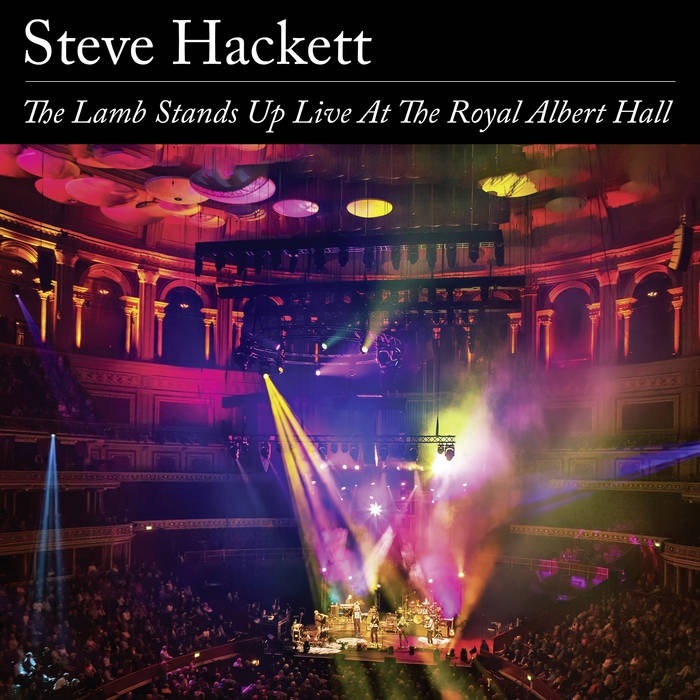
Steve Hackett, The Lamb Stands Up Live At The Royal Albert Hall: Yes, it’s Hackett’s tenth live album of the 21st century, but as usual, fans will find this a must for multiple reasons. Given recent personnel announcements, it’s probably Steve’s last live set with Roger King’s keyboards and Craig Blundell’s drums driving his talented band forward; the first half proves a spirited solo set, with lots of pleasingly vintage material and a thrusting trilogy of excerpts from 2024’s The Circus and The Nightwhale. And it’s hard to conceive of a better anniversary celebration for The Lamb Lies Down on Broadway! Nad Sylvan utterly inhabits protagonist Rael and Peter Gabriel’s other sundry characters; unjustly-forgotten Genesis vocalist Ray Wilson conjures an atmospheric, rumbling take of “Carpet Crawlers”; reflective moments like “Hairless Heart” shimmer, narratives like “The Lamia” and the title track subtly, potently grip your attention, and heavier moments like “Fly on a Windshield”, “Lilywhite Lilith” and “It” slam good and hard. With the super-deluxe box of The Lamb finally coming out at the end of September after multiple delays, sets like Dave Kerzner’s studio tribute and Hackett’s new concert set have nicely filled the gap while reminding both long-time and first-time listeners how ahead of its time the album was, and how vibrant this music still is.
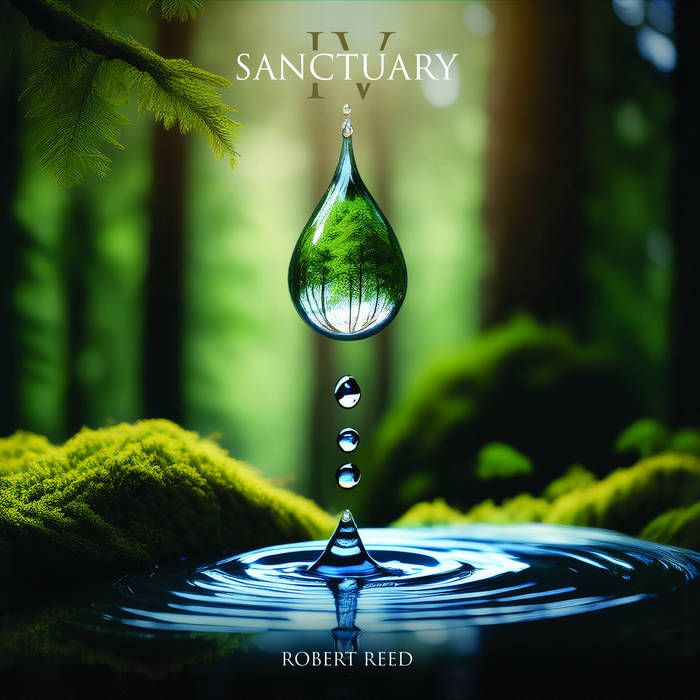
Robert Reed, Sanctuary IV. One of the driving forces behind 1990s neo-proggers Magenta, Reed has branched out impressively in the following decades. Reed’s Sanctuary albums — episodic long-form pieces in the genre pioneered by Mike Oldfield’s Tubular Bells — have evolved far beyond pastiche or even tribute, and here he refines and re-energizes his approach to its peak. Compelling opener “The Eternal Search” races forward, climaxing with an utterly berserk Simon Phillips drum solo; “Truth” bounces vivid instrumental colors off of sampled male vocals, morphs into a nautical shuffle laced with Les Penning’s recorder tootles, then lunges for a grandiose, double-time finale; and the closing “Sanctuary” provides the perfect comedown with its gentle, compact, well-wrought theme. If you’re looking for a sweet spot between Bainbridge’s Celtic maximalism and Bioscope’s kinematic ambience, Sanctuary IV’s shimmering, tuneful instrumentals could be just your ticket.

— Rick Krueger

The Best Prog Bands You’ve Never Heard Of (Part Thirty-Five): Hartmut Zinn

I am ashamed to say it has been a full year since I last posted in this series! But I have returned, this time with Hartmut Zinn, a German musician whose debut effort, Heile’s Land, will transport listeners back fifty years to Mike Oldfield’s legendary debut Tubular Bells. Like Oldfield, Zinn released his first album at a very young age (20), played every instrument himself (over a dozen, sans tubular bells), and opted for an entirely instrumental concept album. Although the highlight of the work is the two-part title track (which opens with beautifully layered keys, similar to the aforementioned T. B.), the shorter pieces showcase Zinn’s talents on various acoustic guitars, which he plays with skill and gusto.

This is no cheap imitation of Mike Oldfield, but rather an album that deserves greater attention, especially from aficionados of instrumental symphonic prog.

But enough from me. Enjoy:

The Best Prog Bands You’ve Never Heard Of (Part Twenty-Four): Paul Brett

Considering his reputation as one of the greatest living twelve-string guitar players, Paul Brett is probably not among the more obscure names I have included in this series thus far. Having performed with the likes of Arthur Brown, Roy Harper, and the Strawbs in the late 1960s and early 1970s, Brett was by no means a stranger to the prog scene by the time he ventured forth on his own. He released several solo albums in the 1970s, Interlife being perhaps the most celebrated of the bunch. Although Brett’s acoustic and electric guitars are the stars of the show, the album also features the talents of ex-Strawbs drummer Rod Coombes and the ubiquitous Mel Collins on saxophone, who helps give the album a jazzier feel. Here are a few highlights from this hidden gem:

The opening number “Interlife” is both the longest and strongest track on the album. Although it begins as a soft folk tune with the rich sound of layered acoustic guitars, it transitions quickly and seamlessly to a unique blend of folk and jazz rock. Each member of Brett’s supporting cast is able to show off their chops, be it Coombes on drums, Collins on Sax, Derek Austin on synthesizer, or Delisle Harper on bass. Fans of Mike Oldfield’s instrumental prog masterpiece Tubular Bells – which also features several acoustic and electric guitars – will appreciate this track.

The remaining tracks, beginning with “Celebration,” are much shorter and equally enjoyable. Brett again opens with the gentle sound of acoustic guitar on “Celebration” before he’s joined by his mates. The electric guitar soars on this piece before the track finishes in a sort of jig.

“Segregation” also begins gently, but transitions suddenly to a jazzy guitar riff and a thumping bass line courtesy of Harper, who does a superb job on this piece. “Isolation,” another acoustically-driven work, follows “Segregation” before we arrive…

“Into Life,” the heaviest piece on the album. Unlike the other tracks, the closer opens with electric guitar, bass, and drums. Perhaps this is meant to represent the (somewhat) chaotic transition into life itself, but it does feel somewhat out of place on what is otherwise a rather subdued album.

Fans of the Strawbs, Mike Oldfield, and Roy Harper will not want to miss Interlife. For those less inclined toward the prog folk scene, I would still recommend this as an excellent album for a rainy or slow-paced day. Brett’s work on both acoustic and electric guitar (but especially the former) is simply superb and would be appreciated by any prog enthusiast.

Stay tuned for number twenty-five!

Mike Oldfield Man on the Rocks

ManOnTheRocks
I am a huge Mike Oldfield fan, and have been for over 20 years. My first exposure to Mike’s work was in 1992, when Tubular Bells II was released, and the copy of the live premiere in Edinburgh taped from the telly was an oft rewatched video. So discovering my Dad had Mike Oldfield boxed on vinyl, with the quadraphonic remixes of Tubular Bells, Hergest Ridge (which is probably my favourite album by Mike) and Ommadawn, complete with a bonus 4th record of unreleased or rare material, was a revelation for me, and since then I have collected all of Mike’s releases as they have come out. In fact Mike Oldfield is the only artist whose complete back catalogue (both studio and live) I own. I can’t abide silence, wherever I am there has to be music on for me, it helps me think, keeps me motivated and there’s so much of it out there that you never have enough time to listen to all of it. Mike is a very English composer, his pastoral pieces like Hergest Ridge, Tubular Bells and the later albums like Music from the Spheres or Voyager, follow a line from Elgar or Vaughan Williams. When studying and trying to concentrate for exams, Mike’s beautiful pieces like Hergest Ridge, Incantations, and Amarok were perfect to lose yourself in. Through working backwards I have come to appreciate the work of Vaughan Williams, his Lark Ascending comes from the same idea in England that the mighty Hergest Ridge came from. When I discovered Mike he was embarking on creative resurgence and a mighty purple patch in the late ‘90’s that spawned some fantastic albums like Guitars, Tubular Bells III, The Millennium Bell, as if, freed from his shackles at Virgin he was happy to be creating again. Through his more atmospheric ambient pieces at the start of the century like Tres Lunas, and Light and Shade, Mike has never disappointed, constantly moving on and expressing himself musically. There are very few artists of Mike’s calibre and longevity who can consistently produce great albums. However it’s been a very long wait for this new album Man on the Rocks, his first complete collection of songs since 1989’s Earth Moving, and his first rock album since 2005’s Light and Shade. He’s not been quiet though, in the meantime Mike has released Music of the Spheres, a classical album, performed live at the 2012 London Olympics opening ceremony and has overseen the impressive remastering and reissuing of his back catalogue (currently up to 1983’s Crises, which in its 5 disc set is a beauty) with his first real vocal album Discovery (1984) due soon, which I am really looking forward to.
I mention Discovery because on first glance, Man on the Rocks has a lot in common with its illustrious predecessor, which is my favourite of all Mike’s ‘vocal’ albums.
Mike Oldfield
It has a consistent set of musicians, the same vocalists, and instead of being the man behind all the instruments, we’re getting Mike the band member, rather than Mike the ringmaster. This time however there are no instrumental tracks (unless you buy the deluxe 2 disc set, which features the whole album sans vocals, and is an interesting alternative to the original-guess which set I bought?) and instead of two vocalists alternating leads, or duetting, we have one vocalist, the singularly superb Luke Spiller, frontman with The Struts whose vocal performances are an ideal foil to Mikes music.This album has been out a while (nearly three months to be honest) but as I have been a Man in the rocks myself, instead of writing based on first impressions, this is more of a road test than a review (apt seeing as though the album has spent a lot of the time in the car with me, as I travelled between Kent and Bristol in the midst of a house and job move) and as such the album is a real grower. It also marks a return to the Virgin label for Mike, for the first time since 1991’s Heavens Open (due to his current label, Universal buying Virgin EMI & merging it with Mercury!)
Comparisons will inevitably be made between the opener, Sailing, to Mikes big hit Moonlight Shadow, mainly due to the presence of an acoustic guitar and catchy tune, with lyrics about taking the day off and going sailing, it’s a superb opener, and is reminiscent of the sentiment expressed in On Horseback from Ommadawn nearly 40 years ago, the need for freedom is still the same, the mode of transport is different.
Moonshine, (the second track in his career that’s been called Moonshine) with Davy Spillanes superb whistles, and Paul Dooleys violin, is an emotive track similar in vein to Fairport Conventions My Love is in America, all about the Irish émigrés to American looking for a new life and a taste of freedom, and again Luke’s vocals shine. We then come to the first true classic on the album, the title track, with it’s heartfelt lyrics, Lukes stunning vocals wrench every inch of emotion out of the track, whilst freed from multitracking and long compositions, Mikes guitar absolutely sings, well known for talking through his music, Man on the Rocks is one hell of a personal statement, and the power unleashed through his soloing is probably Mikes best guitar work since his Guitars album back in 1999. With little notes in the booklet about what has inspired the songwriting, I would suggest that the work Mikes been doing on his back catalogue has also given him inspiration, as I haven’t heard his music this fresh, this inspired, this involved and this contemporary since Tres Lunas from 2002.
The band Mike has assembled are also on fire, with John Robinson on drums and Lee Sklar on bass giving the music the solid base on which Mike, who only performs on guitar, keyboards and bass on this album, can build, with the help of Matt Rollings on piano and acoustic guitars from Michael Thompson and co-producer Stephen Lipson, whose deft touch works really well with Mikes music, and means the sound is uncluttered and clear. Working within a band environment is clearly beneficial for Mike’s music, as the strong musical interplay on tracks like Castaway and Dreaming in the Wind showcase the best of all involved. Nuclear, again looking at the darker side of emotions, with Lukes vocals again raging with the lyrics, and Mikes guitar cutting through the track like a scythe is superb. The rocking Chariots, with a great chorus and Lukes great vocals is a gem, and Following the Angels is a beautiful musical tribute to the spirit of the 2012 Olympics. Irene is inspired by the power of Hurricane Irene that passed over Mikes base in Nassau in the Bahamas, and has Luke giving his best Robert Plant throughout. The final track, the beautifully performed and excellently interpreted is a cover of William McDowell’s gospel track I give myself Away, which rounds off a superb collection of tracks. This will be compared to Mike’s previous musical outings, and if you are expecting some of his longer instrumental pieces then you will be disappointed, this isn’t the essence of this album. These 11 tracks are a statement that Mike wanted to make, and with one vocalist, the brilliant Luke Spiller, who is a real find, it hangs together as an album far better than it’s only comparison point in Mikes catalogue Earth Moving, which was a touch disjointed due to the different vocalists on each track. In fact you would have to go back to Discovery to find the last set of Mikes ‘vocal’ works that were this consistent, and this bloody good. This doesn’t sound like the work of a Man on the Rocks, it sounds like the work of a musician at ease with his legacy (which Mike hasn’t always been) and who has his creative juices fired up and ready to show the world what he’s capable of. Lets face it, if you can create Tubular Bells when you are 19, you can pretty much do anything you want to set your mind to doing! In conclusion then, Man on the Rocks is the best Mike Oldfield album since Guitars in 1999, and when taken in context with his entire back catalogue, will rang alongside Discovery, Hergest Ridge, Platinum,Tubular Bells and Amarok as one of the greats.

A Prog Awakening (Part 1)

I suppose it is inevitable that kids encounter music first through the filter of parents’ or siblings’ tastes. That was certainly true in my case. In the early 70s, the meagre set of records owned by my mum and stepdad was my only window onto the world of music. I remember several LPs by Elton John and Rod Stewart, the odd one or two by The Beatles and The Stones, also The Carpenters, John Denver, Mama Cass…

At some point, I began to assert my musical independence and sought out new sounds. At that time in the UK, the main channels for hearing new ‘popular music’ were Radio 1 and the TV show Top Of The Pops. Like most kids, I listened to ‘The Charts’ and had little awareness of anything else. Glam rock and disco had no appeal, but then punk and ‘New Wave’ came on the scene. Like many young people of that era, I found the energy and non-conformist attitude of these new genres incredibly exciting. For the first time in my life, I starting buying my own music: 7″ singles by The Clash, Buzzcocks, The Stranglers, Siouxsie & The Banshees…

Yet the signs were there that I would soon move on to other things. In amongst all that punk were singles by rock acts such as The Who, Queen and Nazareth. Further clues were to be found in my fascination with three albums from my stepdad’s otherwise middle-of-the-road collection. The first of these was a cassette of Pink Floyd’s seminal Dark Side Of The Moon. I forget when I first heard this, but it was before I started buying singles: probably 1975, certainly no later than 1976. I used to sit in the corner of the living room with headphones on, bewitched by the stereo sound effects as much as the epic qualities of the music. I hadn’t realised just how well-crafted music could be until that point.

The second of these intriguing albums was a Focus ‘greatest hits’ compilation – one of Polydor’s ‘Rock Flashback’ series. The cover was awful – fluorescent yellow with the band name spray-painted in green above a skewed, oddly-tinted band photo – but the music more than made up for that. There was so much to enjoy here: Jan Akkerman’s incredibly fluid and inventive guitar playing, Thijs van Leer’s unhinged, operatic performance on Hocus Pocus… In its own way, this was every bit as exciting as the punk that would very soon inspire me to start buying records. Focus remain a favourite of mine to this day, and Sylvia would almost certainly feature as one of my ‘Desert Island Discs’.

And the third of these influential albums? None other than Tangerine Dream’s Atem, completely unlike anything else in my stepdad’s collection. I suspect he saw it going cheap somewhere and bought it on the strength of the artwork. I doubt that he liked what he heard! He played the track Wahn for me, probably in the expectation that I would be shocked by its weirdness. I certainly found it challenging, but it was also strangely compelling. It was a tentative start to what would eventually become an infatuation with TD’s 1970s and 1980s material.

The transition period for me can be roughly dated as late 1978 to early 1979. Before that period, I was a chart-listening, single-buying slave to musical fashion who occasionally managed to reach beyond such superficiality and touch something deeper and more meaningful in music; after that period, I considered myself a serious music fan – album-focused, interested in seeking out new music for its own sake rather than its popularity, ready for the transcendent experiences of witnessing my favourite bands performing live.

That daunting leap from punk to prog was made via the convenient stepping stone of hard rock, principally in the form of Led Zeppelin and Deep Purple. The first rock album I owned was, in fact, Zeppelin’s The Song Remains The Same – a present from Christmas 1978, I think. I no longer recall the precise chronology of my musical discoveries, but I still remember all of the vinyl LPs that were added to my burgeoning collection over that period from Christmas ’78 to my fourteenth birthday in July ’79: the first post-Hackett Genesis album, And Then There Were Three; Pink Floyd’s Wish You Were Here; Paris by Supertramp; Mike Oldfield’s Exposed; and 2112 by Rush. The latter, in particular, had a profound effect on me. I think Side 1 of 2112 was probably my first encounter with a true prog epic. Rush have been one of my favourite bands ever since.

Coming up in Part 2: My own musical ‘Cambrian explosion’ of 1979-1981, and my first gigs…