

I’ve kept a spiral-bound notebook titled “Core Discs: The Honor Roll” since the mid-1990s, when I was deeply into a classical music binge at the height of that genre’s last recording boom. Over the years, as I migrated through jazz (courtesy of the Ken Burns documentary) and country/folk (blame Johnny Cash & Leonard Cohen) back into my earlier love of rock, I find it intriguing that my picks started shifting in tandem with the prog revival of the 21st century, long before I started writing for this site in 2017. But unlike Bryan’s methodology for finalizing his excellent list, when I sat down to pick my ten favorite albums of the last ten years, I looked at my top favorite for each year and said, “yeah, those are all still up there.” Which is why I also decided to just list them by the year of their release (not always the year I first heard them) instead of ranking them from 10 to 1. (Oh, and links to my original reviews are embedded in the artist/album listing from 2017 onward.)
It’s true that, in more recent years, my picks have been busting out of genre boundaries — but, if you’ve been generous enough to sample my wares before, you’ve probably figured that out. And hey, if such a tendency isn’t progressive, then what is? Whether the following list confirms or challenges your preconceptions of “what’s prog”, I fervently believe that every one of these albums is worth checking out — but be warned, your mileage may vary!
So, without further adieu:
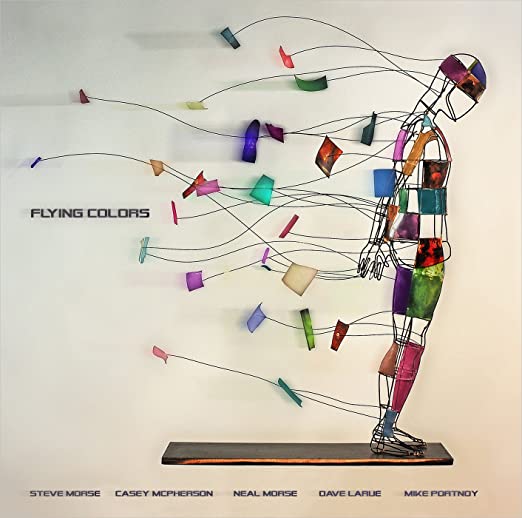
2012 – Flying Colors: gotta agree with Time Lord here — this one’s a total winner from start to finish. Neal Morse and Mike Portnoy had captivated me long before this with the first three Transatlantic releases and Morse’s two Testimony albums, but Flying Colors showcased an even broader stylistic range, from the Beatlesque “Fool In My Heart” through the retro-80s prog-pop vibe of “Blue Ocean” and “Kayla” to the cutting-edge Museings of “Shoulda Coulda Woulda” and “All Fall Down”. The album also proved that Morse and Portnoy know how to pick collaborators! Guitarist Steve Morse applied his unique mix of Southern-fried chicken pickin’, fusion a la Mahavishnu John McLaughlin and Purpleish power riffs to winning effect (solidly supported by his longtime bassist Dave LaRue), and vocalist Casey McPherson proved he could run with the big boys, stirring fresh melodic and lyrical flavors into every track, including more familiar constructions like the inspirational “The Storm” and the epic finale “Infinite Fire”. This one also gets nostalgia points for being available at Best Buy stores back in the day (remember when you could get CDs there?).

2013 – Big Big Train, English Electric Full Power: OK, I actually didn’t discover this one until 2016, when the BBT bug finally bit me — more on this in a future post. And while I sort of wish I had done so earlier, maybe hearing EEFP on the British trip my wife and I took the year it was released would have been too much of a good thing! Steeped in a love of their native land and affectionate empathy for its people, Greg Spawton and David Longdon doubled down on the longform approach of 2009’s The Underfall Yard to probe forgotten milestones of British history (“The First Rebreather”, the heart-stopping “East Coast Racer”) and portray unforgettable characters (“Uncle Jack”, “Curator of Butterflies”) against a bucolic landscape (“Upton Heath”, “The Permanent Way”), along with the perennial challenges of the heart (“The Lovers”) and the soul (“A Boy in Darkness”, “Judas Unrepentant”). All in a style that recalled original prog touchstones (looking at you, Gabriel-era Genesis) but blended in the dizzying guitar of Dave Gregory and the wicked drum grooves of Nick D’Virgilio to awesome effect. The two separate volumes of English Electric and the Make Some Noise EP certainly have their charms, but in the scope and sequence of this complete package, Spawton, Longdon and company touched on perfection.
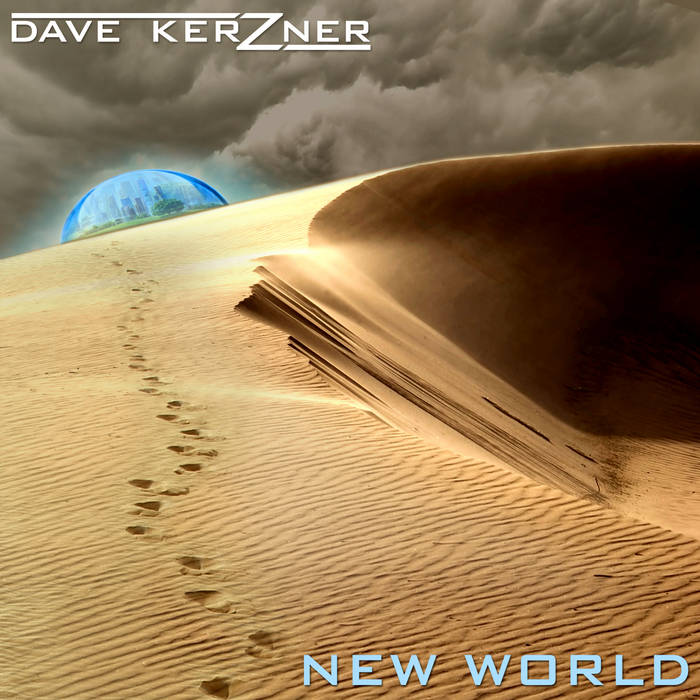
2014 – Dave Kerzner, New World: another late arrival in my collection, this is the album that convinced me a genuine prog-rock revival was afoot beyond the continuing efforts of Morse/Portnoy and Steven Wilson. Kerzner’s mastery of cinematic soundscapes was evident from the first Floydian flourish of “Stranded” to the closing upward spiral of “Redemption”; his ability to involve guest stars like Steve Hackett and Keith Emerson, as well as quality players like guitarist Fernando Perdomo and Nick D’Virgilio (him again!), bore impressive results; and his intuitive grasp of pop hooks proved a solid foundation for irresistible shorter songs like “The Lie” and “Nothing”. Stir in longer, brooding tracks “Into the Sun”, “Under Control” and “My Old Friend” (in memory of performer/producer/polymath Kevin Gilbert), and you had a consistently gripping effort. Whether in its single-disc or deluxe double-disc format, New World aimed high and hit every target that a latter-day concept album could — thoroughly immersive, richly compelling and a breakthrough kick-off for Kerzner’s ongoing solo career.
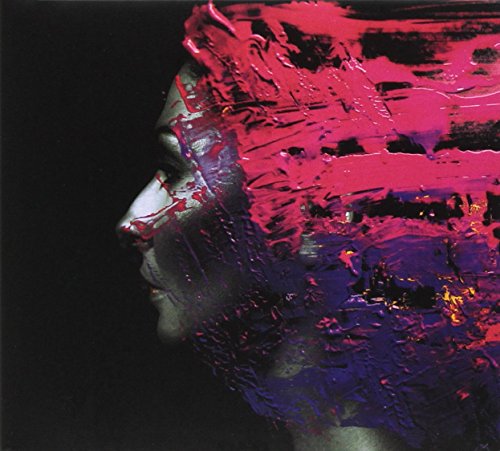
2015 – Steven Wilson, Hand. Cannot. Erase: speaking of latter-day concept albums . . . Seems like *everyone*, especially the ex-SW fans who think he lost the plot with To The Bone and The Future Bites now cite this as his best effort; me, I remember the online ruckus when “Perfect Life” became the pre-release single. (“IT’S! TOO! POP!” As I’ve said before, if only they had known . . .) But as Bryan mentions in his article, Wilson struck conceptual paydirt with the true story of Joyce Carol Vincent’s lonely death, unearthing both the bleakness and the beauty inherent in a life of urban isolation. His sharp, highly committed writing met its match in the blistering playing of his band: guitarist Guthrie Govan (“Regret #9), keyboardist Adam Holzman (“Home Invasion”) and singer Ninet Tayeb (“Routine”) all have some of their best recorded moments featured here. HCE’s enduring appeal does partially stem from its similarity to Porcupine Tree in their prime — but both Wilson’s musical growth in the intervening years and his return to a humane lyrical vision after the voyeurism of Insurgentes and Grace for Drowning were what made the difference then, and now. The melancholy inherent in the final track “Happy Returns” still feels like we’re mourning a life, lived and lost, for real.
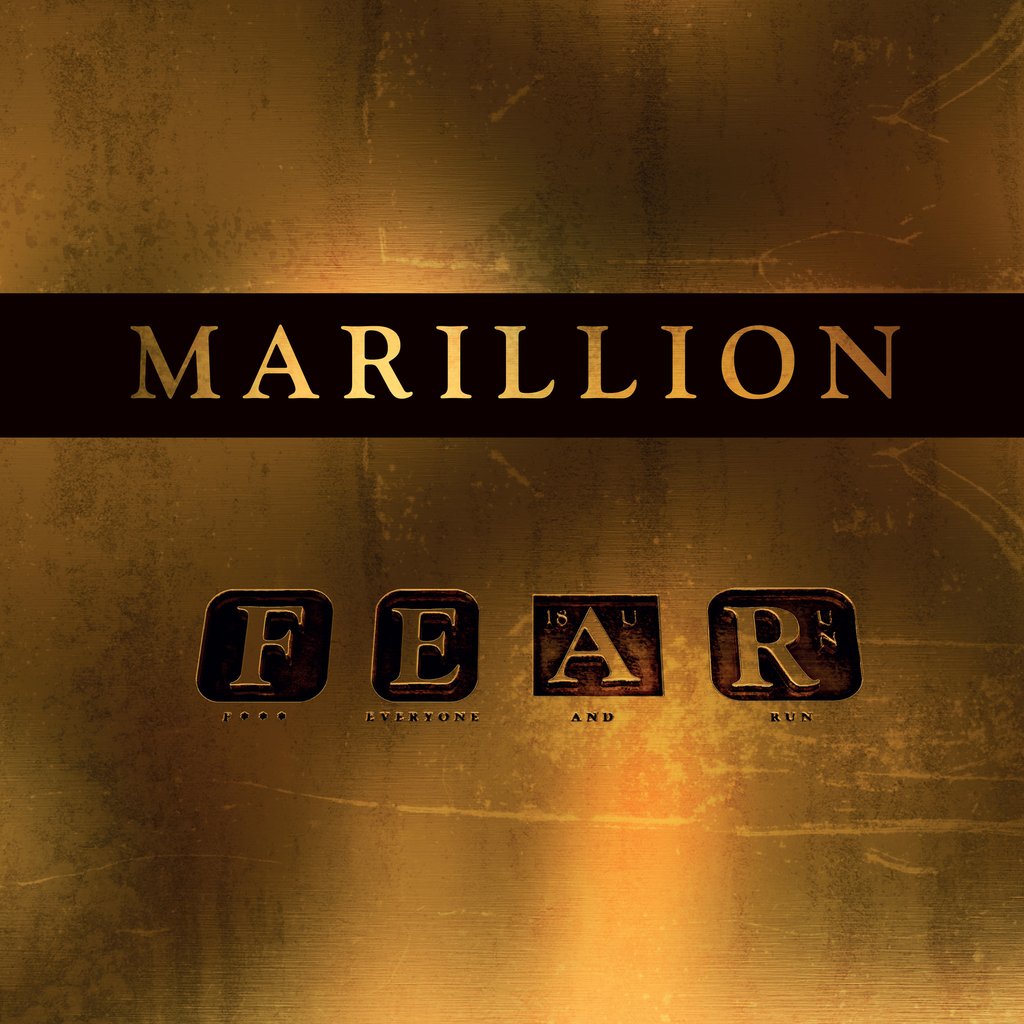
2016 – Marillion, FEAR: that rare example of a band hitting a creative and commercial peak simultaneously. Marillion as a band got even more serious about musical substance here, with lush, detailed sonic backdrops adding depth and resonance to their smash-cut collages. All of which fused seamlessly with Steve Hogarth’s lyrical concerns — for example, the opener “El Dorado” built from self-satisfied, affluent peace to twitchy paranoia, as the lyrics and music stewed in the pressure cooker of an over-connected, unsettled world. The heartfelt road narrative of “The Leavers” made a consummate live epic that captured the special relationship between the band and its fans, while ominous closer “The New Kings” (capped by H’s heartbroken refrain, “Why is nothing ever true?”) still seems way too spooky — and way too relevant six years later. Since its release, FEAR’s success has enabled Marillion to go from strength to strength both live (as I witnessed in 2018) and with their equally powerful follow-up, this year’s superb An Hour Before It’s Dark. Which testifies to its ongoing impact, then and now.
Continue reading “Rick’s Best of the Decade” Sonny Sharrock’s Ask the Ages (1991), with its depth-defying groove and meet-up of ambition and gravitas, is the portrait of a maturing artist hitting his stride. Sharrock was 51 and riding a creative wave — one foot in the free jazz he brought his guitar to in the 1960s, one in the “collision music” envisioned by musical partner and producer Bill Laswell — when he made this record with a sympathetic band of jazz leaders: drummer Elvin Jones, saxophonist
  Progarchy