

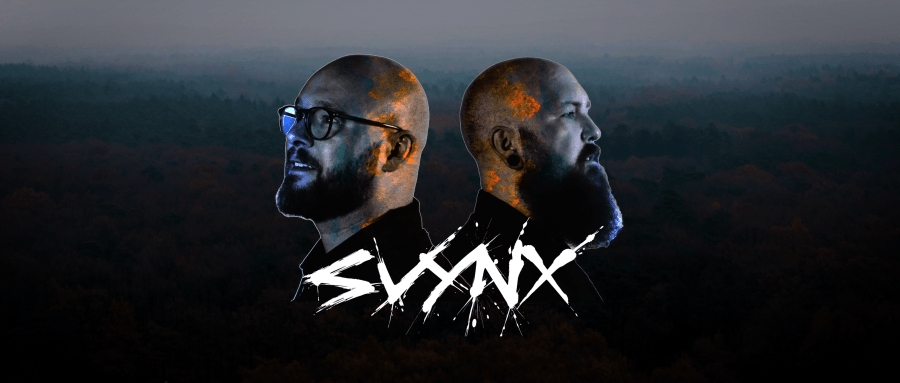
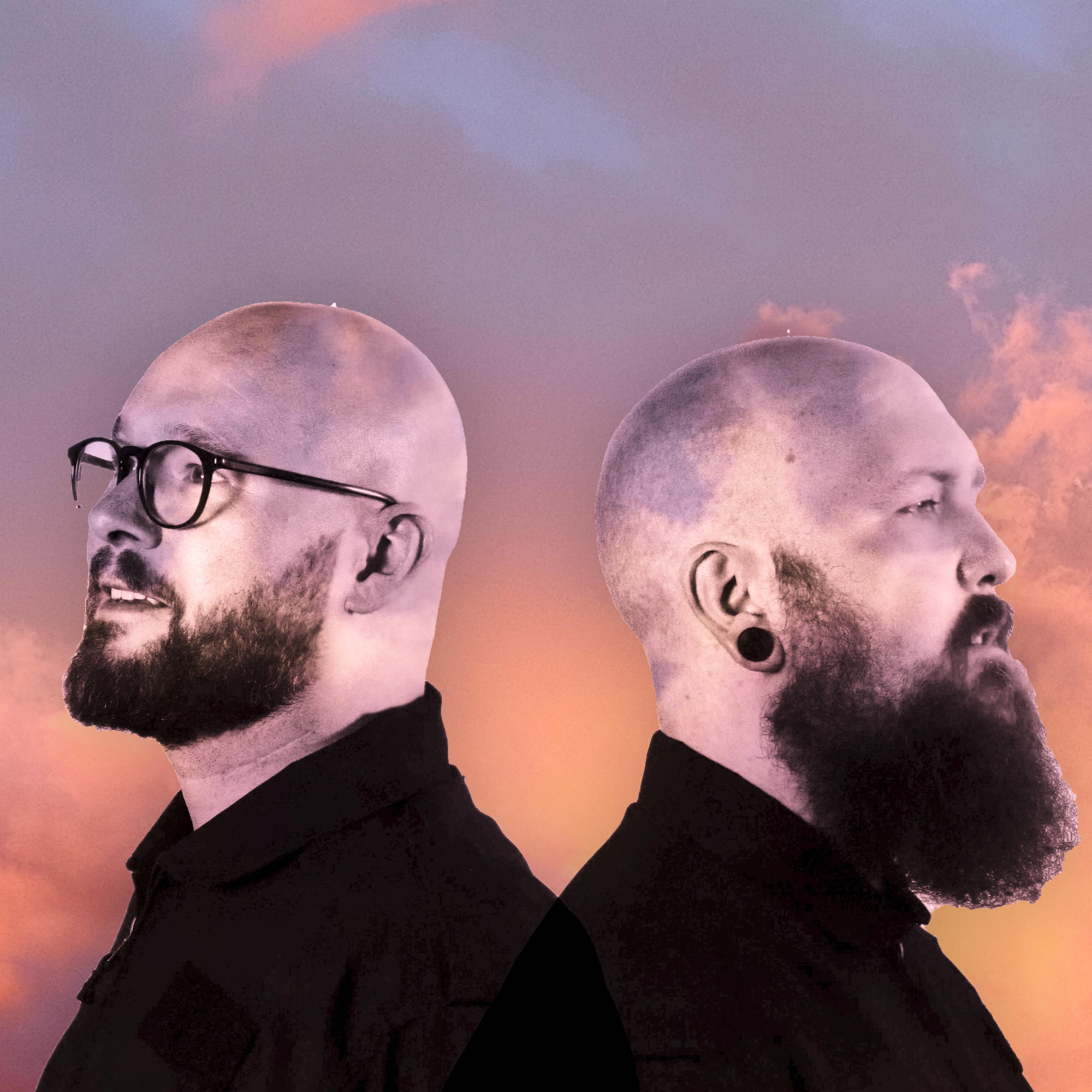
As SVYNX prepares to unveil their debut full-length album This is Not Art on September 14th, we sat down with the progressive/alternative metal duo from Cologne, Germany, to discuss the album’s themes, the influence of the pandemic, and their creative process. Tackling heavy topics like societal disillusionment, corporate greed, and political unrest, the album pushes boundaries both musically and lyrically. With their unique blend of progressive rock, pop, and alternative music, SVYNX has crafted an album that reflects the uncertain times we live in. Below, the band shares insights into the creation of This is Not Art and how their personal experiences shaped its message.
Your upcoming album, This is Not Art, explores themes of societal change and disillusionment. How did the pandemic influence the creation of this album, and how do you think these themes resonate with listeners today?
Disillusionment fits the record’s concept well. The very beginning of the pandemic felt like a time for all of us to come together as equals and awakened hope for change. When that change fell flat, we had to write about our disappointment. Post-pandemic, the world seems even colder than it did before, and the political climate keeps evolving in a troubling fashion. All of these developments are still relevant and probably always have been. But it was the pandemic that revealed my own naivety, which is a recurring theme throughout the album. These emotions resonate with all of us when dealing with disappointment, be it in a grander societal context or in our interpersonal relations.
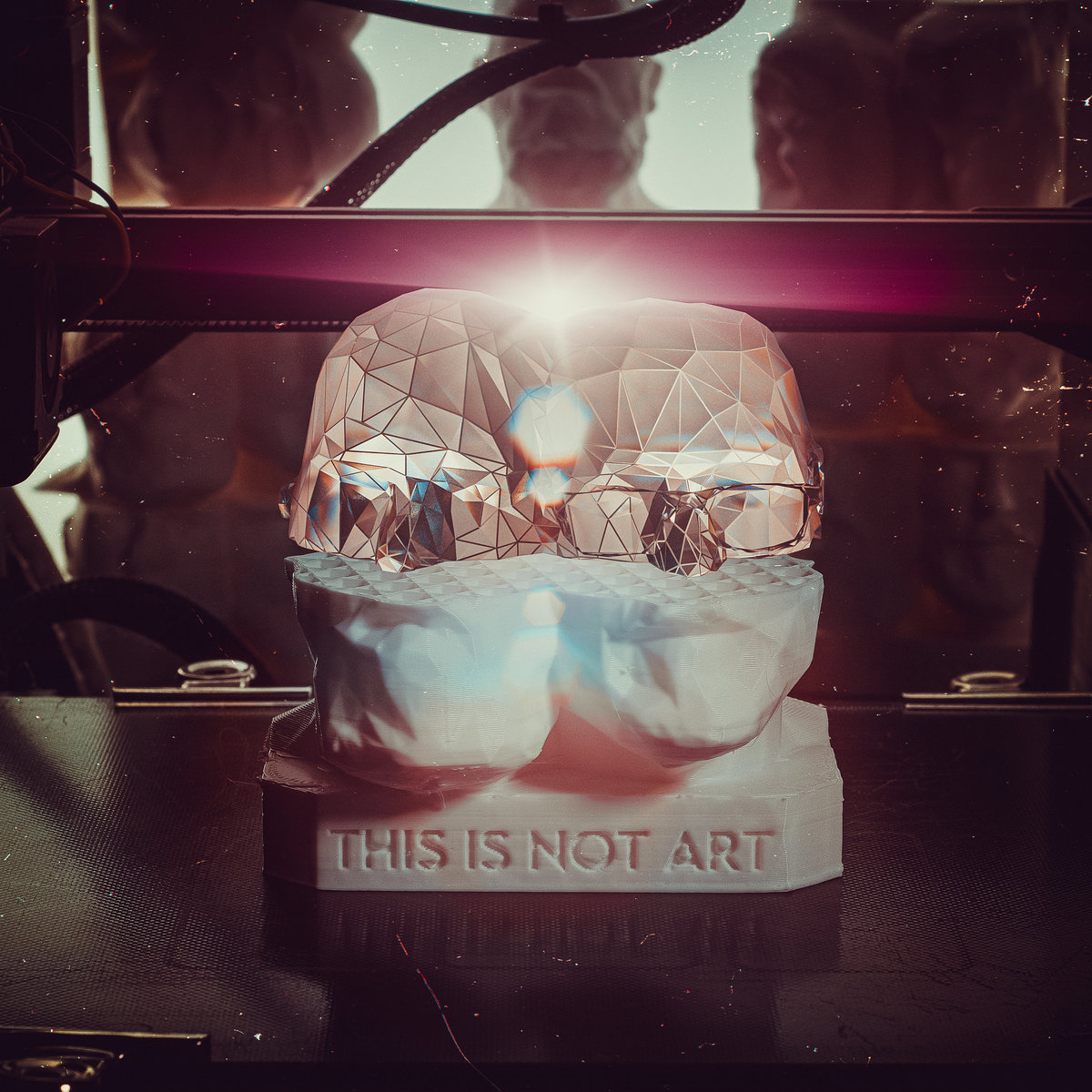
The track “Art Won’t Save Me Now” sets a poignant tone for the album. Can you elaborate on the message behind this track and how it reflects the overall message of This is Not Art?
“Art Won’t Save Me Now” serves as somewhat of an antithesis to the record’s title. It references Ton Steine Scherben’s “Musik ist eine Waffe” but focuses much more on my own shortcomings as a socially mindful person. Making music will not likely remedy that fact, but maybe it doesn’t have to.
You mentioned that many songs started as short ideas recorded on your computer. Can you walk us through your creative process? How did the studio become an instrument in shaping the album?
Tobi: All of the songs on the album were written collaboratively, but often we were not even in the same room, just elaborating on what the other had done. I honestly don’t know which guitar or vocal lines I came up with on my own and which Wolle has edited and twisted beyond recognition. Our workflows are very compatible that way. I usually take a quick and dirty approach, while Wolle is very detail-oriented.
Tracks like “Follow Me” and “Feed Me” tackle modern conveniences and their impact on our lives. How do you approach writing lyrics that are both thought-provoking and accessible to a broad audience?
Tobi: Lyrics are always difficult. I don’t know if they are thought-provoking or accessible. I try to stay away from absolute truths and write about my interpretations and intuitions—the writing itself is a way for me to understand myself, if that makes sense. [laughs]
“Harvest Season” and “Europa” delve into issues of corporate greed and Europe’s historical role. What inspired you to address these specific issues, and how do you hope your music will influence discussions around them?
Wolle: We are very privileged here in Germany. We feel like the right thing to do is to share our resources and build a more diverse society. Populists are weaponizing migration and turning the poor against each other, while big companies—and sometimes politicians—are stuffing their pockets with more money than anyone would ever need in their lifetime. What used to be common sense now needs to be said out loud: f*ck fascism, f*ck racism.
In “Never at Ease,” you highlight privilege and its influence on choices. What personal experiences or observations led to the creation of this track, and what message do you hope to convey through it?
Tobi: “Never At Ease” is one of the few tracks that was inspired by very specific situations. As a teacher, I’d love to believe that everyone has the power to shape their own lives. But many values I hold in high regard and might subconsciously use to judge someone’s character can’t be taken for granted by everyone. It’s much harder to be punctual, well-dressed, rested, or motivated if you’re responsible for preparing your siblings for school and cooking dinner. I failed to realize this until a 13-year-old pupil of mine shared their story with me. It really makes you uneasy when you hear things like this.
The album was self-recorded but mixed and mastered by professionals at RRenimArts. How did this collaboration impact the final sound of the album, and what was the experience like working with them?
Wolle: We worked for a long time on the album and initially tried mixing and mastering it ourselves, but we were never quite satisfied with the results. By the time we decided to let someone else handle the final touches, we were already very attached to how it sounded. Luckily, Gabri and Konny at RRenimArts knew exactly how to preserve our vision while improving the mix, especially considering we had songs that utilized both bass guitar and synths.
The album ends with “Alexandria,” which addresses rising right-wing forces in Europe. How do you view the role of music in responding to and influencing political and social issues?
Tobi: Tough question! Personally, I want artists to position themselves clearly, so it was important for us to do so. I don’t really know how effective music is in shaping the political landscape, and I don’t want to pretend to have all the answers. That’s part of the inspiration behind the album title. I don’t know who cares about what we’re singing, but we have to sing it.
You’re set to perform at the Euroblast festival this October. What does it mean to you to return to this festival, and how does it feel to perform alongside other bands that have inspired you?
Wolle: Last time we played Euroblast, our music was vastly different—more funky, less modern. After working on this music for over two years, we’re especially proud to return. Euroblast is the best time of the year for us. You meet a lot of open-minded people, and the music ranges from nasty riffs and blast beats to grand-sounding ballads. We really feel like our music fits right in, and we’re thankful for the opportunity to perform again this year.
As a duo, how do you manage the balance between your DIY ethos and the need for professional production? How has this balance evolved over time, especially with this album?
Wolle: Over the years, we’ve acquired a lot of equipment and now have our own little studio. It’s nowhere near professional-grade, but I think the sound we managed to capture speaks for itself. We were motivated by the saying, “If it sounds good, it’s good,” and a video of Devin Townsend recording vocals in a hotel room with mattresses for sound isolation. For the next record, I think we’ll be less obsessed with perfection—imperfection has its own value.
How has your approach to blending progressive rock, pop, and alternative music evolved with this album? Are there any new influences or techniques you experimented with on This is Not Art?
Tobi: Our previous releases were written and fine-tuned while jamming in the rehearsal room, and we limited ourselves to the sounds typically associated with a rock band. After listening to How I’m Feeling Now, I was super inspired. Incorporating synths and heavily effected vocals was our way of achieving a more modern sound. That said, no one wants to hear me play guitar in 4/4, so it had to be proggy. [laughs]
Looking ahead, what are your plans following the release of this album? Are there any upcoming projects or performances that fans should be excited about?
Wolle: Right now, we’re focused on playing shows and festivals and getting reviews out for this record. We both work full-time (Tobi is a teacher, and I’m a nurse), and since we’re only a duo, we can’t do everything at once. There are a few song ideas we’ve started working on, but with our limited time, we’re focusing on making this release as big as possible.
This is Not Art is out on September 14th, and is available as a digital download from Bandcamp, with the vinyl version coming later this Fall. For more about SVYNX visit their website, or follow them on Facebook and Instagram.

 Progarchy