Happily PROG-ed.

logo-prog


August 11, 2014

Well, I admit it. Freely admit it. I was more than wrong.

Last week, I was pretty much banging my head on the wall trying to get the new PROG iPad app to work. Despite following the instructions, I just couldn’t get the thing to work. By the way, for those of you who know me personally, you won’t be surprised that 1) I couldn’t get it to work; and 2) I was frustrated.

Strangely enough, some technology comes to me immediately, and I can flow gracefully through, with, and around it. Other technology confounds me and makes me feel like a total idiot. Generally, I get along well with computers, but, equally, I can’t figure out cell phones worth a . . . well, you get the idea.

Part of my frustration came from the obvious fact that PROG is my favorite magazine, and I love basically everything that Jerry Ewing does.   So, I wanted my PROG!

After some very kind help from Ally at TeamRock this mornin, I was able to get my first new, improved, and enhanced issue of PROG.

And, holy schnikees, was it worth the wait. Using the same format as CLASSIC ROCK, the new PROG app allows for deep reading, support for hunting through the maze of web information surrounding a band or album, and, graphically, jumps off the page of the iPad. In other words, TeamRock has figured out what most traditional publishers still don’t understand—how to explore and utilize the possibilities of the iPad to their very limits. Good for them. And, great for us.

So, I didn’t get immediate gratification last week. I am now more than satiated. Thank you, Jerry and Ally. Thank you very, very much.

My faith is restored. Yours, Brad

Vote for The Train

Make Some Noise is nominated in the Anthem Category. Lets make it a winner
Vote here
http://awards.progmagazine.com

The Dramatic Rock of Fire Garden’s “Sound Of Majestic Colors”

4PAN1T1PKSTC

During the month of May, some of us Progarchists switched into “Rush Appreciation Mode” as we paid tribute to the group that, for some of us, forever altered our view of what music could be on the occasion of the 40th anniversary of their self-titled debut release. This very site is a reflection of our appreciation for a genre of music that, for so many of us, started with our first exposure to Rush. For so many, they were springboard into the world of progressive rock.

Of course, there’s another generation of progressive rock fans from the 1990’s who cut their teeth on prog through Dream Theater, while for some of us older folks, Dream Theater was the group that picked up the torch for progressive rock starting in the 1990’s, when iconic bands such as Rush and Yes had either changed their songwriting approach and/or gradually declined in popularity. Still other prog fans recently found their love of the genre through Tool’s and/or Steven Wilson’s works.

In the spirit of the more recent iconic, progressive hard rock groups such as Dream Theater, Chicago-based Fire Garden has released their first full-length album, “Sound Of Majestic Colors,” which follows their December 2012 EP release, “Prelude.” As is the case with most prog, repeated listens will reveal layers within the music, but the album is also accessible from the get-go.

Prog fans will have little trouble picking out styles and sounds similar to Dream Theater, but anyone who dismisses the group simply as a knockoff of DT does so at their own peril, for Fire Garden is very much their own band.

That said, the album opens with perhaps the group’s biggest nod to its Dream Theater influence in “The Joker.” Guitarist/songwriter Zee Baig channels John Petrucci’s guitar sound from “Train Of Thought,” there are echoes of the Derek Sherinian era DT with some nice organ work, some percussive keyboard patches that take from Jordan Rudess’ work in later years and even some fast kick drum work that might recall Mike Portnoy’s heavier playing prior to his departure from DT.  A vocal-heavy middle section breaks up the influences noted above, showcasing the group’s range.

Despite liking “The Joker” quite a bit over repeated spins, I was a bit fearful that I might be subjected to an album not unlike “Train Of Thought,” which is one of my least favorite DT albums, but oh, how Fire Garden quickly proved me wrong.

It’s rare that I’ll hear a succession of tracks for the first time and think, “This one’s my favorite!,” then say to the next, “No – THIS one’s my favorite,” but that’s exactly what unfolded during the first four tracks on “Sound Of Majestic Colors” as “The Joker” gave way to the soulful “Alone,” abandoning the bombast of the opening track for a slower, more atmospheric vibe. We then get a touch of “Images And Words”-era Dream Theater with the big-sounding “Time Machine,” but Fire Garden then shows us an altogether different side with “Endless Memories,” with bassist Barry Kleiber weaving melodic bass lines over acoustic/electric guitars, setting the tone for what is easily the most accessible track on the album. The track features a lovely, soaring chorus that’ll no doubt have audiences singing along.

This changing up and blending of styles that Fire Garden seem so comfortable writing continues throughout the album with a trifecta of big rtracks in “Redemption,” “Behind The Face”, and “Echoes Of Silence,” then broken up by the lovely, harmony-laden “Far From Grace,” and finally, the cinematic album ender, “The Last Step.” If rock radio was still open to progressive hard rock they way it was 20 years ago, tracks from “Sound Of Majestic Colors” would find a place in station’s rotation, to be sure.

It’s worth mentioning that throughout “Sound Of Majestic Colors,” singer Kevin Pollack does a fine job using his range – a bit lower but a welcome change from the wails of many prog/metal vocalists – bringing the proper measure of energy, emotion and, well, gravitas to each song.

The lyrics on the album tend to explore dark themes – battling demons both internal and external, sometimes literal – in “Alone,” “The Joker,” “Echoes In Silence” and “Redemption,” greed in “Time Machine,” love lost in “Endless Memories,” and finally, reaching for redemption/rejuvenation in “The Last Step.”

Half of the 10 tracks on “Majestic Colors” clock in between eight and nine minutes, giving the band plenty of space for stylistic exploration without falling into the noodling/padding trap that’s so often a cliche of prog.  They also avoid cramming as many time signatures into each tune as possible just for the sake of it, making the album quite accessible to those ears tripped up a bit by odd-meter shifts.

Fire Garden also gets it right with the album packaging and liner notes, very much reminiscent of Hugh Syme’s best work with Rush and Dream Theater, as each lyric is mated its own piece of artwork, beautifully complementing our listening experience in way that liner notes from the aforementioned bands do.

Knowing that the prog community is a tight-knit one, I would highly advise any reader with influence over any prog festival or cruise – as is the case these days – to quickly snap up Fire Garden as they’d be a worthy addition and sure-fire fan favorite. Better still, how’s about groups like Rush and Dream Theater consider the next generation of prog by dropping the well-worn “Evening with…” format and getting these guys out on tour to build as big a following as possible?

“Sound Of Majestic Colors” is more than enough evidence that Fire Garden has an extensive palette of talent and styles to “paint” with, making this release a more than worthy addition to prog fans’ libraries.  Dream Theater’s ridiculously, prodigiously-talented lineup may still have a tight hold on prog’s hard rock torch, but Fire Garden stands as a potential successor with “Sound Of Majestic Colors.”

Fire Garden Band Photo 1


The Beginning of a Beautiful Friendship – Rush’s “Tom Sawyer” and “Moving Pictures”

mp

I don’t know how many people can actually point to a single moment that changed their lives forever and for the better.  Yes, many would point to traditional milestones such as a graduation, wedding day, the birth of their children, etc. All valid events and experiences, to be sure.

I’m talking about something different. Something that might be best termed, to quote Robert Fripp, a “point of seeing.” A singular experience that truly alters your life’s course, where you can look back on that point, that one moment in your life where “your earth” seemingly moved under you. Everything in your world, everything you know, the very lens in which you viewed the world forever changed because of that moment.

Many might cite a religious experience as fitting the bill described above. For me, it was a musical experience.

First, a little backstory…

As a pre-teen kid from around 1978 to 1980, my musical “sun” rose and set with KISS, a band I spent hours upon hours listening to, reading about and talking about. I drew their iconic logo on anything I could find, thumb-tacking any poster of them I could come across on my bedroom walls and ceiling, playing air guitar and drums to them, dressing up like one of them (Ace, circa “Dynasty”) for Halloween, and just staring at their album covers for hours on end. As a beginning drummer, I first picked up the basics of rhythmically separating both hands and feet playing along to “Strutter” while on a family vacation.

Despite this level of fandom, my level of music appreciation probably wasn’t too different from most kids growing up at that time. Having been born in the late 1960’s to parents who parents who kept a couple dozen albums  – “Meet the Beatles” and “Elvis: Aloha From Hawaii Via Satellite” among others – in the record bin of their furniture-sized record player/stereo (yet didn’t really use it), I cut my musical teeth on late-70’s pop, AOR and disco that came across AM radio. Artists such as Styx, Foreigner, The Bee Gees, Cheap Trick, AC/DC, and a couple others were among my first active musical experiences as opposed to passive ones.

That all changed In the spring of 1981 in a Northern California suburb, when a kid two doors down from me invited me over one afternoon following school to hear some music from a band called Rush. I knew nothing of Rush save for an entry in a late-70’s World Almanac that showed a number of their albums going gold or platinum. That was it.

I walked into my friend’s parents’ family room, sat cross-legged on an off-white, plush carpet floor as he took out an album, placed on the turntable and sat down near me.

The next 4 minutes and 33 seconds changed me forever.

rush-ts

It was “Tom Sawyer,” the leadoff track from Rush’s new album, “Moving Pictures.”

The blend of instruments, how every instrument fit perfectly into this new (to me) music, the spacey sound that triggers throughout and, of course, a level of drumming I hadn’t heard before. It was rock and roll, yes, but the sound that spilled out of the stereo speakers was on a level of which I had no prior knowledge.

Without knowing anything about Rush, without knowing anything about the genre of music I was experiencing for the first time, I was hooked on this music.

I hadn’t even begun to decipher what was sung, but no matter; to paraphrase another quote of Fripp’s, “…music leaned over and took me into its confidence. I honestly can’t remember if my neighbor played it again after the first listen or not; for all I know, I probably went home in a daze.

Whenever I “came to,” I’m certain my first order of business was to ask my parents for some money so I could go to my small town’s record shop and see if they had “Tom Sawyer.” Despite it not quite being a Top 40 single in the U.S., it had been released as a single and the store had a copy in stock.

So, for the next month or so, I proceeded to listen to my “Tom Sawyer” 7-inch single over and over (not so much the B-side, “Witch Hunt,” at the time), never tiring of it and surely wearing out my family who heard the same song from my bedroom every weeknight and weekend.

Later, with school out and with some half-decent grades, I was rewarded with the opportunity to buy a couple albums and “Moving Pictures” was, of course, the only album I really cared about owning. The rest of my summer was mostly spent holed up in my bedroom, playing one side of “Moving Pictures” and then the other, over and over, every day.

With what was possibly my first album lyric sheet, I first memorized the lyrics to the six songs with vocals and later began to draw mental pictures of what Neil Peart wrote (with Pye Dubois’ help on “Tom Sawyer”) and what Geddy Lee sang, most of those pictures still vivid all these years later, available simply by playing any of the songs on the album…the “repeatable experience” that Peart has commented on.

I’ve never been able to recreate that first-listen experience, no matter how many hundreds times I played it again that year and the (likely) thousands of times I’ve heard it in the last 33 years. It was almost like the Nexus in “Star Trek Generations,” where Guinan explained to Captain Picard that being in the Nexus was like “being inside joy,” prompting one to do ANYTHING to get back to that place.

“Tom Sawyer” gave me my first exposure to a philosophy put to music:

“No his mind is not for rent…to any god or government.” 

What a WAY of thinking for an impressionable teen! Only years of maturity keeps me from determinedly thrusting my fist into the air any time I hear that line sung.

“Red Barchetta” was the first telling of a short story put to music I had heard, “YYZ” was my first rock instrumental (rock bands PLAY instrumentals?) and “Limelight” seemed like the perfect side closer. Really, is there a better album side (of songs) in progressive rock? In all of rock?

“The Camera Eye” was the first epic I ever heard; the intro to it remains one of my all-time favorite intros. “Witch Hunt” initially served as a perfect soundtrack to drawing up AD&D adventures in my bedroom – yes, I was THAT kind of kid – and much later I came to really appreciate Alex Lifeson’s riffs on that track. Finally, while reggae was an unknown genre to me, I came to like “Vital Signs” as something different, more “digital” in the sequencers, shimmering chords and tight snare in the track – and boy, would we be treated to something different on their next album!

The front and back covers of “Moving Pictures” are legendary images to me, as are the sleeve notes, lyrics (down to the fonts) and the images of the band playing their instruments; until that point, the only pictures of them I saw were the ones from the “Tom Sawyer” single and I didn’t who played what!

Aside from being exposed to a couple Rush classics such as “Fly By Night” and “Working Man” – both doing almost nothing for me as they lacked the modern sounds and playing of “Moving Pictures,” my next Rush album was “Exit..Stage Left,” then I moved backwards to take in – in order – “2112,” “Permanent Waves,” “Hemispheres” and “A Farewell To Kings,” all before “Signals” came out in the fall of 1982.

“Moving Pictures” turned out to be the first of four albums that would define and dominate the soundtrack of my life: 1982 brought me “Asia,” in 1983, Yes’ “90125” was released and soon after I got my first listen to their previous masterwork, ‘Drama.” While these albums might not carry the same level of adoration for many that numerous progressive rock albums of the ’60’s and ’70’s do, they set me on a musical journey that continues today, pointing me towards a genre of music where MUSIC is valued above all else.

IMG_6080

However, I can trace my love of music in general – which, to me, is like breathing – as well as anything I do musically, back to those 4 minutes and 33 seconds on a spring day in 1981, when I experienced “Tom Sawyer” for the first time…

…because you never forget your first time.

An Interview with Integrity’s Minstrel: John Bassett the Brilliant

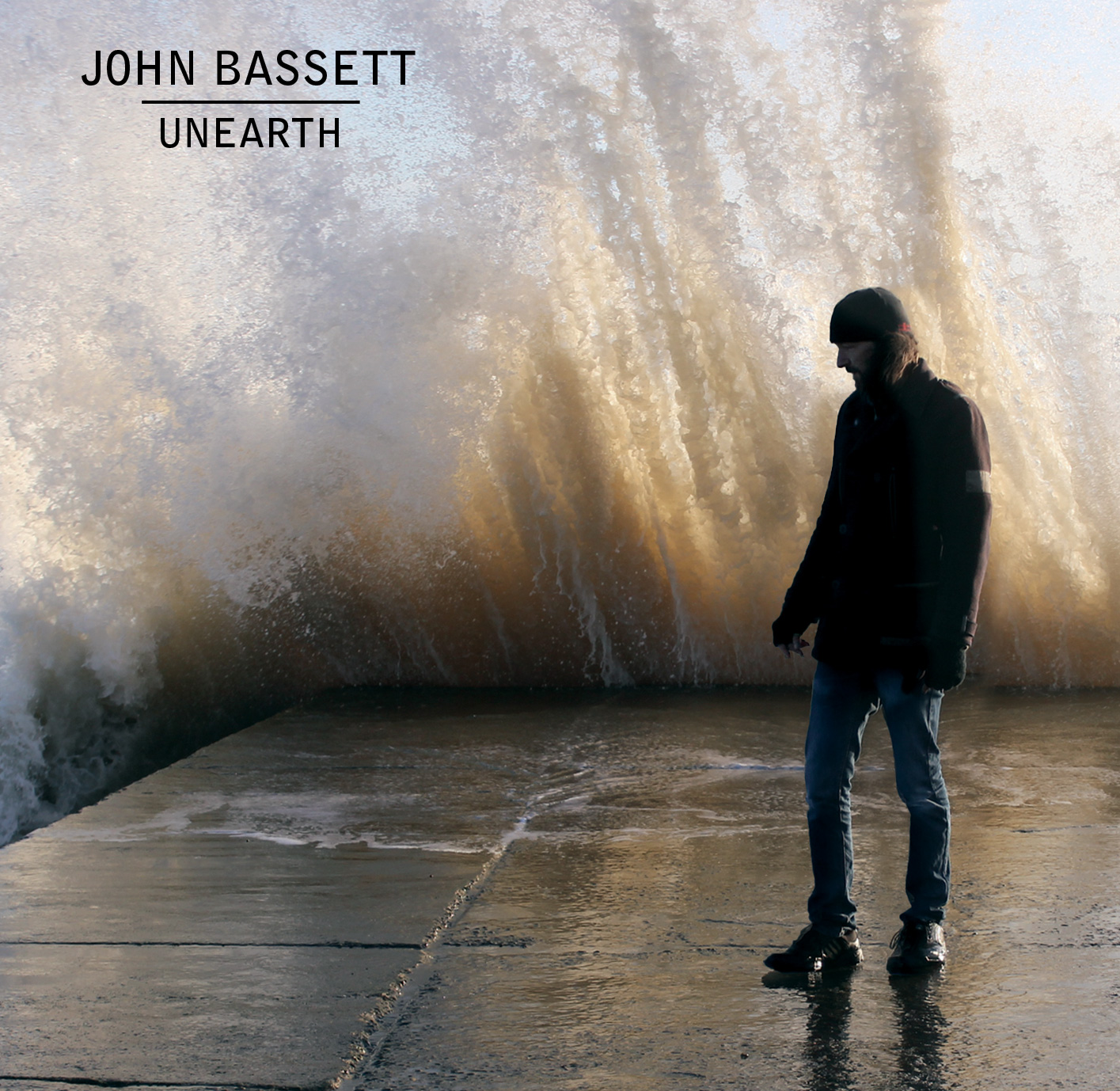
Much to my happiness, I had the chance to talk with John Bassett, Integrity’s Minstrel, about his new solo album, UNEARTH.  UNEARTH has already received a properly enthusiastic reception from the music community.  For good reason.  John is simply brilliant, and every note radiates goodness, creativity, and substance.  For all intents and purposes, John is the Neil Peart of his generation, though with less of a Nietzschean streak than the younger Neil possessed.  So, without further blathering on my part, it’s my honor to present an interview with the mastermind behind Kingbathmat, John Bassett.  As you’ll see, John is as intelligent as he is musically talented.  His insights here speak volumes.

Unearth-Album-Cover

***

Progarchy (Brad): John, thanks so much for talking with us.  I know how busy you are.  It’s a great honor to talk with you.  As you know, we progarchists are huge fans of yours.  So, let’s get started.  What is your goal with a solo album? Why do one?

JB: Hi Brad, I’ve got a bucket list of musical projects I want to achieve before I pass into the next world and one of them was an acoustic album, so that is now crossed off my list. I suppose overall, I was attempting to recapture the days when I was first started learning guitar, and writing my first songs. I was astonished to find that I could create tunes out of nothing, it was a revelation to me, an individual, who at that time was quite unconfident, lost and unsure of himself. I would listen back to recorded cassette tapes of those early songs with a sense of pride thinking that there may actually be something that I may be good at after all and that I might not be as I first thought, completely useless. Around that time I became quite infatuated with writing songs and was obsessed with the album “Pet Sounds”. So this is me now, recreating that past frame of mind and musical sensibility with the more modern outlook that I have today.

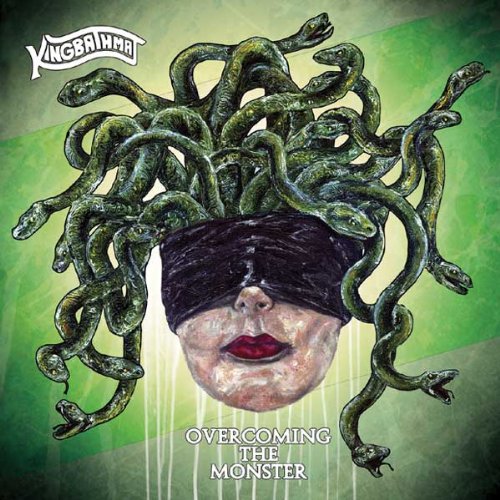
Kingbathmat OTM

Progarchy: When writing songs, do you come up with lyrics or music first? How does it all come together?

JB: Music always comes first for me. It usually happens in this order, I’ll sit down, in a comfy chair with a tasty beverage, pick up an acoustic guitar and create garbled, wordless vocal melodies over a sequence of chords which sound pleasing to me or emotionally meaningful. The vocal melodies are always very precise and there are usually no words assigned to the tune, lyrics always come later. I don’t know if this is a commonplace procedure for people who write songs but its the way I’ve always done it, especially in regards to vocal melodies. Sometimes when mumbling these incoherent melodies over these chords a word will abruptly spring out of nowhere that fits perfectly with the tune, this happened recently with the song “Comedian” (last track on “Unearth”), the word “comedian” came out of nowhere whilst composing and when this happens I feel obliged to keep that word in the song even if it means I have to change the entire concept of that song so as so to fit that one word into it. Luckily with that word “comedian” it subsequently reminded me of a situation in my childhood from which I then drew on for the rest of the lyrics for that particular song.

Progarchy: Why take the solo album into more acoustic and acid folk?

JB: I never intended for it to have a psychedelic folk slant, but I suppose I just can’t help tinkering with different sounds in the studio. I love acoustic records, there’s something pure, honest and unfiltered about that style and that’s what attracted me to making this album and for the nostalgic reasons already mentioned above.

Progarchy: Any chance you’d make a Kingbathmat album incorporating some of the style of Unearth? Maybe a concept album, alternating between soft and hard styles?

JB: I’m unsure where to go with the next KingBathmat album, I’ve got a concept idea, I’ve also got some instrumental tracks I’m curious to make. I don’t know, there are a few tracks that I’ve started working on. It will probably be more cinematic and more experimental. I do want to take that emotional vibe with “Unearth” and introduce some musical shocks within it. Set up a musical pretext and then flip it around but of course it would have to work musically and not undermine it.

Progarchy: Who are your artistic (music, lit, etc) heroes?

JB: I feel the best artists are those individuals who achieve something worthwhile for themselves and others and yet all the while, retain their original sense of self. Being honest and truthful is all important to me. I don’t like an artist who adopts a facade generated by his over inflated ego, you can see this with numerous successful artists who start to delude themselves. In my opinion, musical artists that have achieved huge success but then also remained true to themselves would include Jimi Hendrix, Kurt Cobain, Frank Zappa and Rory Gallagher, I’m sure there are many others but those are the notorious ones that first spring to my mind. This level of authenticity shines through when you observe them in interviews, there’s seems to be no bullshit with them, and I think it is this attitude that not only endears them now to the public but also enabled them to create brilliant music. Many may have died through drink and drugs, yet artistically, I feel they remained unaffected. So I suppose it is this authenticity element that I admire and would like to emulate from these people.

Sketch of Bassett by the lovely Anne-Catherine de Froidmont.

Progarchy: Anyone currently you’d love to work with?

JB: There’s loads of people I’d like to work with, If I was to start mentioning names this page would turn into an infinite scroll of people that would never unravel. Ideally the best people to work with in a musical sense are those that can do what you can’t do or what you’re lacking in. Someone who has a different musical sensibility to you and therefore can inspire you to think in a different way which then resets your sonic freshness button.

Progarchy: Your lyrics and videos possess both surrealism and biting cultural criticisms? What message, if any, would you like the listener to take?

JB: Well I suppose with this latest album I’m just speaking from my own personal mindset, yes I maybe overly paranoid, and I may have a deep mistrust of authority but I’m hoping that other people will identify with my individual thoughts and emotions, as effectively we are all the same aren’t we? I don’t really have a pre-composed message that is deliberate I’m just literally expressing my thoughts as they come. Fear is a commodity that is openly traded virtually through mediums, I don’t believe it exists in of itself, it’s only created in our minds, but fear can and is placed into our minds by others for means of control through suggestion and the success of that placement of fear is dependent upon their power of influence. Music is a hugely motivational and powerful force that can inspire and influence people, it can remove the obstacles of imposed fear and encourage people to be brave and make a change. Yet popular mainstream music as supplied by the music industry into the millions of homes around the world has never been so uninspiring, worthless and devoid of any true meaning. If there is a message to be taken from popular music today it is that of a uniformly materialistic message to go and buy unnecessary things that will help you inflate your own personal idea of status. It is unbelievable really, the turgid, vacuous, corporate entities that are bandied around and promoted with serious money under the banner of music. This is now considered the norm for mainstream music. I find it hard to believe that this is a natural stagnation that has occurred as some state and rather more so a deliberate removal of an influential and motivational force available to the public, perhaps it is a controlled demolition of music? There is plenty of good music out there, whether its pop, rock whatever, but unless you actively search it out, its not going to find you and your not going to find it. I like this quote that I read last week from a guy called Tim Hall – “Never forget that the majors’ business model is based on keeping the public from hearing music that the majors don’t own” – this I feel is very true, and over the many years I have been doing this, the options for self promotion seem to be decreasing, and if any new avenues appear they are very soon closed off. In some ways its a reflection of the world today where corporations grow bigger, monopolise and restrict individuality, creating an identikit world of mundanity. The only real way for any music that is both created and produced independently to become successful is through people power, word of mouth and endorsements from the public, just as any change in society can only truly be achieved through a collective show of strength. So if you like my songs or any other musicians/bands that self release their own music, please share and tell your friends about them as it means so much.

Progarchy: Thank you so much, John, for your time as well as your insights.  You are the future of prog.


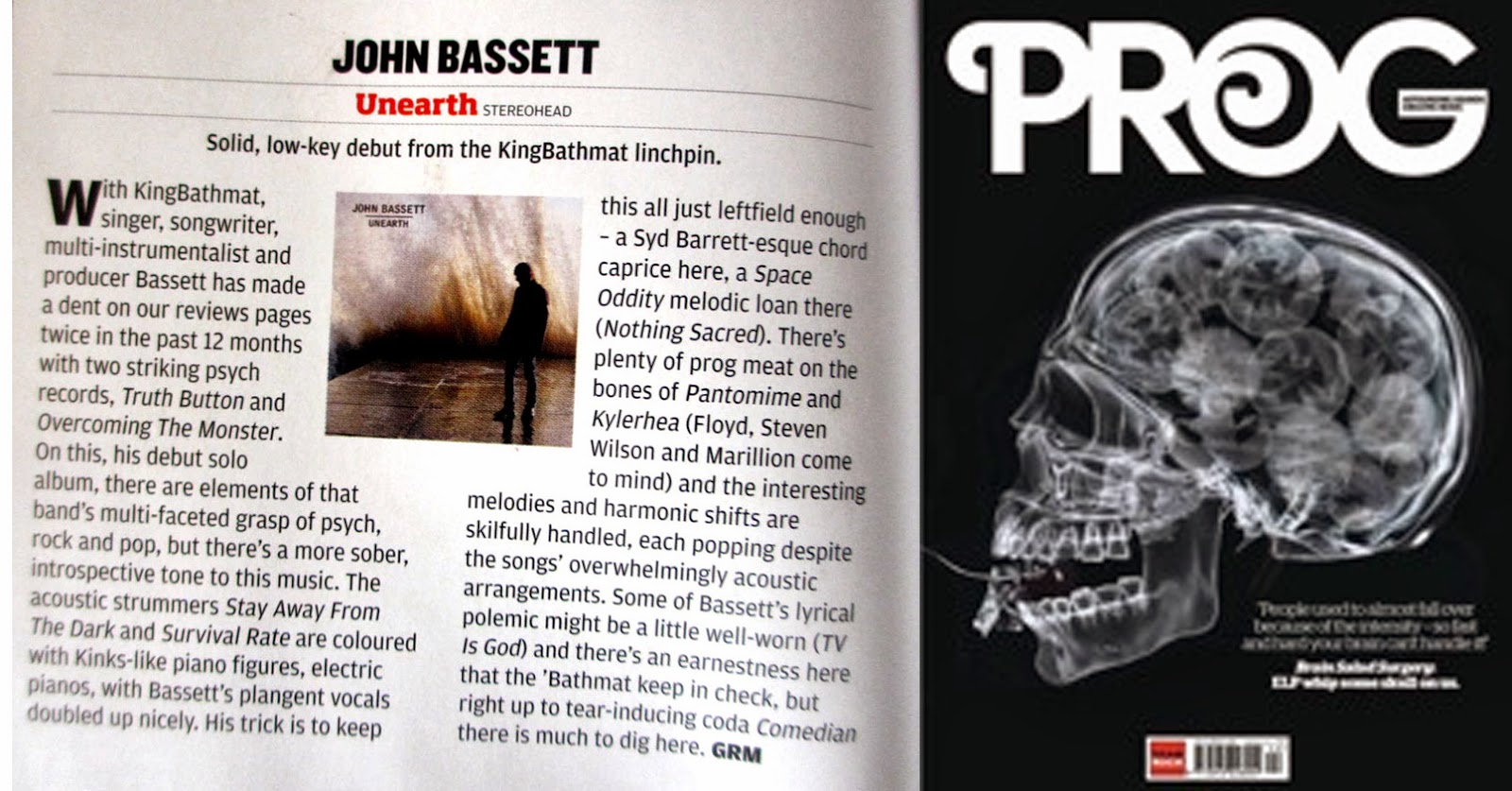
PROG, edited by progmaster Jerry Ewing.

You can order John’s solo album through Burning Shed as well as from his own website.  He’s worth supporting!

Here She Comes: April 5 Progarchy News

Just when I thought spring might have sprung in Michigan, vernal verities hit hard. Upon arising from my heavy slumbers, I have looked out the window to discover there’s a fresh layer of snow upon everything. Old Tom was right: April is the cruelest month.

Some great things happening in the world of music, especially as interests the citizens of progarchy. So, in no order discernable to me:

Unearth-Album-Cover
Bassett, contemplating immensity.

John Bassett, Integrity’s Minstrel, continues to receive nothing but excellent reviews for his solo album, Unearth.  Not surprisingly.

Mischievous progger, Andy Tillison.

Andy Tillison reports the first version of the new The Tangent album is done and will be released early next year by Insideout Music.

Also, don’t forget that Andy is selling much of his excellent back catalogue through his online website.  To purchase, go here: http://thetangent.org [navigate through a couple of pages; it’s worth it]

Leah, Metal Maid.
Leah, Metal Maid.

Our own lovely metal maid, Leah McHenry, has just raised the full $25,000 of her Indiego campaign. And, even three days early of her goal. Congratulations to Leah! We’re extremely proud of her. And, of course, we’re looking forward to the followup to her spectacular Otherworld.

Mike Kershaw, Wakefield's progger.
Mike Kershaw, Wakefield’s progger.

The ever-interesting Mike Kershaw is about to release his next album.  We very much look forward to it as well.

Edited by everyone's favorite Master of Fate, Jerry Ewing.
Edited by everyone’s favorite Master of Fate, Jerry Ewing.

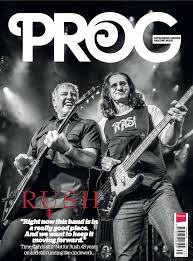
PROG magazine, edited by the incomparable Jerry Ewing, will now be distributed in physical form throughout North America.

cover

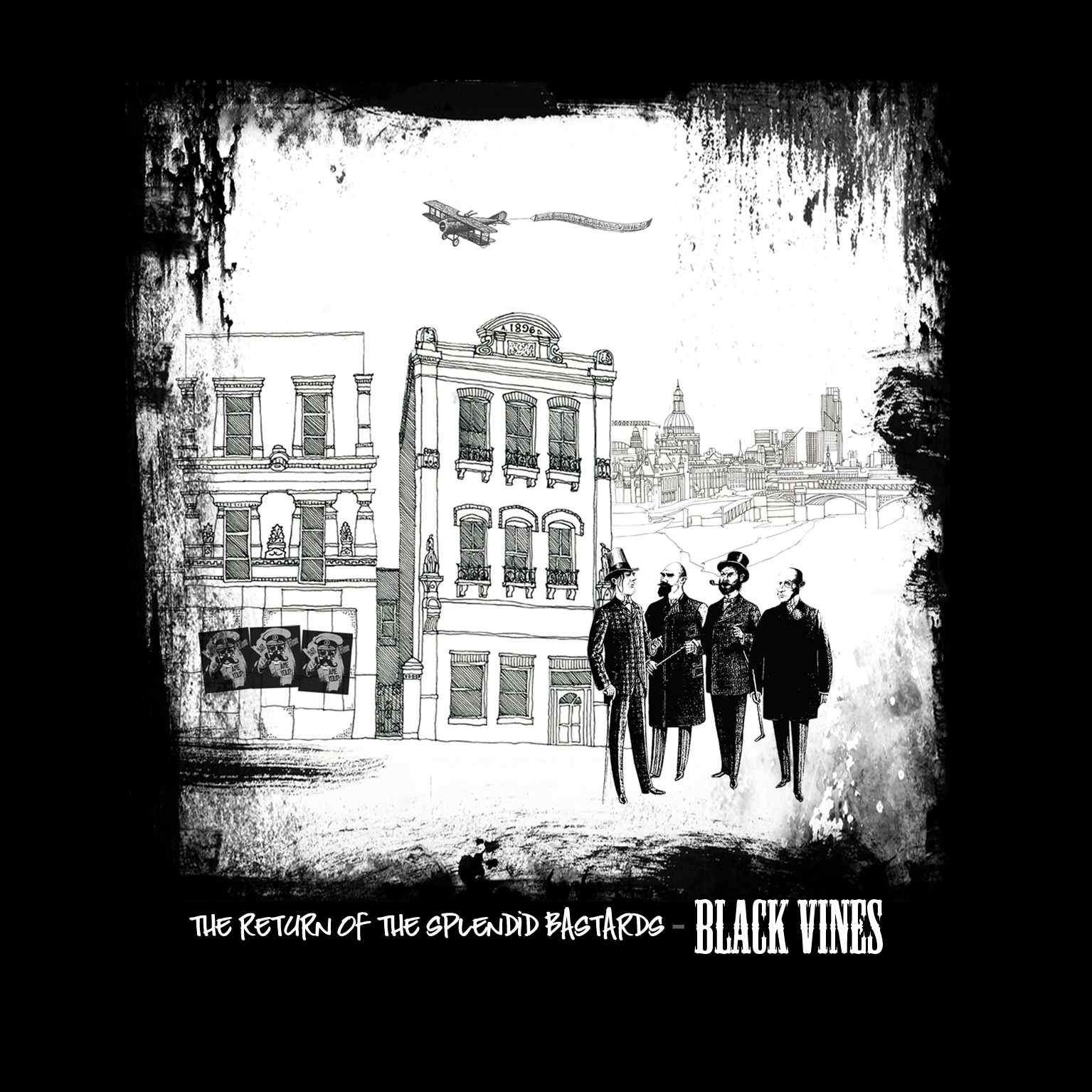
The Black Vines, heavy rockers, from the Sheffield area of England, have just released their second album, Return of the Splendid Bastards. It’s some great, great rock. To download or purchase the physical CD, go here: http://blackvines.bandcamp.com

Dr. Rachel Cohen, lead singer of The Reasoning.  Photo by Tim Hall.
Dr. Rachel Cohen, lead singer of The Reasoning. Photo by Tim Hall.

The Reasoning is offering some really nice bundles at their online webstore:

You may also have noticed that our website has been updated. We have had a clear-out, done a major restructure and completely rebuilt the shop. Rob, our ivory tickler, has done a splendid job and we here at Comet HQ are extremely grateful to him. You will find the new shop stocked to the hilt with a bunch of wonderful new discounted “bundles” plus new individual items and, of course, the usual shop fair. There may even be some copies of CDs that have not been available for a very long time (wink, wink). Your shopping experience is now going to be quicker AND simpler. Win! Have a look at what’s available and treat yourself… because you’re worth it.

To check out the bundles, go here: http://www.thereasoning.com/shop/

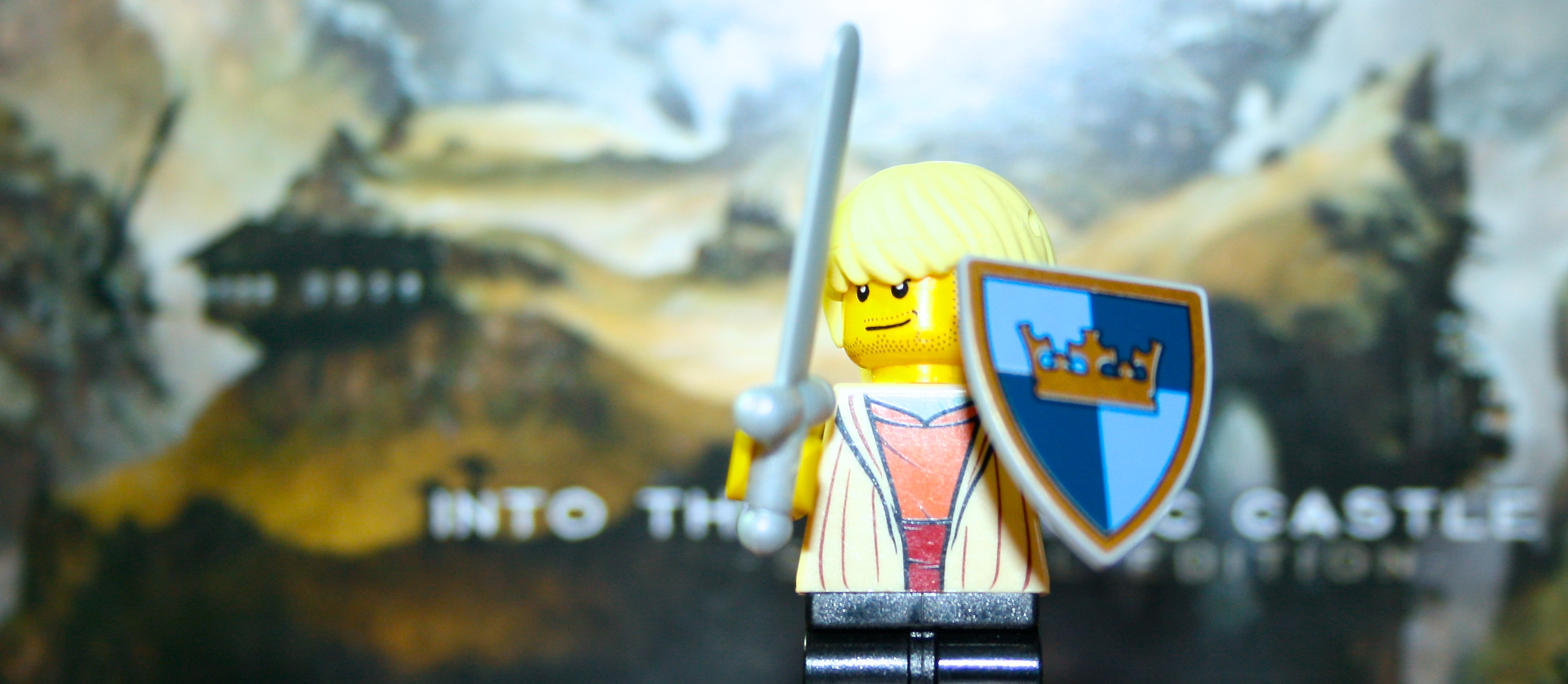
Lego Arjen.
Lego Arjen.

From a few hints offered, it appears that Arjen Lucassen is deep into his next project. His legions of fans can collectively sigh, “amen.”

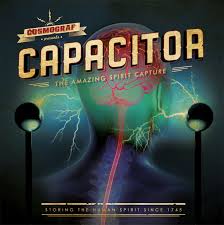
Stunning album cover.  A progged version of Dolby's GOLDEN AGE OF WIRELESS.  Brilliant.
Stunning album cover. A progged version of Dolby’s GOLDEN AGE OF WIRELESS. Brilliant.

The new Cosmograf, Capacitor, is done, and from the trailer, it looks nothing short of spectacular. Indeed, when it comes to watching this video, I might have an addiction problem. “Hello, my name is Brad Birzer, and I’m a Cosmografaholic.” Righteously ominous.  To watch (and you should, repeatedly), go here: https://progarchy.com/2014/04/01/capacitor-the-amazing-spirit-capture/

New progarchy editor, Craig Breaden.

I’m very happy to announce that within the quasi-anarchical structure of progarchy, Craig Breaden has achieved the rank of editor! This comes with a Vorpal Blade and an additional 17 hit points. Craig has been a close friend of mine since 1990, and he first introduced me to some of the greatest music of the late 1960s and 1970s, especially to much of the best rock not found in what’s typically called progressive or new wave. From Spooky Tooth to Richard Thompson to Newspaperflyhunting and everything in between, Craig throws himself into reviewing, always revealing equal depths of intellect, humanity, and grace in his articles. He is a real treasure in the world of music. He’s also, importantly, a professional sound archivist, as well as a devoted father and husband. He’s a hard guy not to love and respect.

The elusive Nemo Dre.

Nemo Dre finally revealed to me his real name.


One of Suzanne Vega's best albums, Nine Objects of Desire.
One of Suzanne Vega’s best albums, Nine Objects of Desire.

Burning Shed is now selling Suzanne Vega’s music. This is very cool and speaks well of both Vega and Burning Shed.

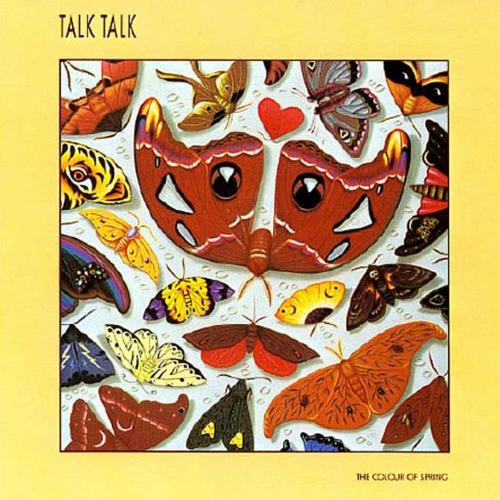
One of the best albums of all time, The Colour of Spring.

Finally, it’s April 5, International Talk Talk Day. https://progarchy.com/2013/04/05/here-she-comes-laughter-upon-her-lips-talk-talks-1986-masterpiece/  Make sure you listen to your favorite Talk Talk album today to celebrate.


No Solo Prog

Roger Scruton writes in “Music Goes Solo”:

The big change, it seems to me, came when music began to be packaged for home consumption – home consumption, without home production. The gramophone and the radio did some of this work. But it was completed by the iPod, and the habit, which children now acquire from the earliest age, of walking around with their music in their ears, regardless of what else they are doing. Music is no long something you stop to listen to, so as to pass, with whatever degree of wonder, from the world of ordinary causality into this sphere of freedom. Still less is it something that you take time off to play, or to make with your friends. It has been brought down to earth, so as to flow around everyday things, like rainwater on the pavement, demanding no effort either to make it or to hear it, as much a part of the background as the weather or the sound of traffic.

Some of the consequences of this are often remarked on: the fact that children are no longer motivated to learn musical instruments or to sing, whether alone or in choirs; the fact the musical tastes remain static, insulated from judgment, since the iPod only presents you with the things that you like; the fact that children only half attend to the things they are doing, just as they only half attend to the things that are sounding in their ear. But that last point is perhaps the most important. Thanks to the packaging of music we are entering a new world of half attention, a world where everything is done, read, understood, engaged with by half, the other half being the musical tapestry on which the thing of the moment is pinned.

Should we worry about this? And if so, is there anything we can do about it? One major difficulty in confronting the phenomenon is that – precisely because people are plugged into their music from morn to night – it is no longer possible to separate people from their music. We cannot  invite them to stand back from their music in a posture of critical judgment.

A few observations about prog:

When done right, prog demands total attention and total immersion from the listener. (Long song lengths are merely a sign that prog grants no concessions on this point; namely, its classical demand for full musical attention.)

Prog demands musical excellence on the part of the instrumentalists. (The renowned virtuosity of prog’s best players is well known, as is their propensity for group collaborations that are opposed to the lone “soloist” mentality.)

Prog takes technology and self-consciously subordinates it to its musical purposes. (Towers of keyboard gear, for example, are tamed and brought into the service of a transformed rock idiom. And frequently this occurs during concept albums that take as their explicit theme the confrontation of humanity with technological threats and tyrannical regimes.)

And finally, prog takes pride its judgmental, critical mentality. Prog listeners are happy to argue for the superiority of their favorite genre and for their favorite artists within that genre. Progarchists love to debate the critical merits of proggy musical achievement. Disputations about artistic merit still thrive in the prog corner.

So, perhaps what Friedrich Hölderlin observed — an observation that Heidegger frequently liked to bring in to his meditations on technology — may be glimpsed as the promise of prog:

But where danger is, grows
The saving power also.

And even if one can enjoy prog alone, it still propels one to public discussion of it. In this way, it may also be seen as — by its very nature — no solo music.

First Glass Hammer single and video from ODE

Jerry Ewing and PROG have just posted the first video/single from the forthcoming (March 11) new album from Glass Hammer, ODE TO ECHO.

Have a listen:

http://www.progrockmag.com/stream/glass-hammer-premiere-crowbone/

Brand X – rare recordings

As a teenager I was a big fan of Genesis (and still am), and as a budding, slightly obsessive completist I sought out the solo material and extra-mural projects of band members as well as the group recordings (as much as my limited income at the time would allow). It was through this route that I had my first real encounter with Jazz Rock Fusion, in the guise of Phil Collins’ solo project, ‘Brand X’.

I was quickly blown away by the virtuosity, energy and inventiveness of Messrs Collins, Goodsall, Lumley Jones & Pert, with later contributions from Robinson, Giblin & Clark. This was exciting music, which took me to places that Prog rock didn’t, and I loved it (and it took me into the multi-faceted realms of more conventional jazz, too). I even managed to catch the band on tour in 1980 at Bradford University, sharing the bill with Bruford, which was a particular joy.

I was delighted to discover that some of the band’s rarer material had become more widely available recently. One was a live recording of a show the band performed in September 1979 at the Roxy, LA. Most of the material here is from the ‘Product’ album (the first of their recordings that I bought, and which they were promoting at the time), and the recordings are of a slightly poor quality, probably being audience-recorded bootlegs. There is a good interaction between band and crowd, with some attempts at Pythonesque humour in places (the band had Michael Palin write sleeve notes for ‘Do They Hurt’ in 1980), though there are some slightly annoying ‘whoops’ from the audience at times: throughout, the musicianship is first rate, as one would expect.

The other is a collection of early session recordings from 1975 & 1976 with early versions of tunes from their first couple of albums, and other material which never made the official releases. So we have ‘Dead Pretty’, which became ‘Born Ugly’; ‘Why Won’t You Lend Me Yours?’ which emerges as ‘Why Should I Lend You Mine (When You’ve Broken Yours Off Already)’; and an early version of live standard ‘Malaga Virgen’, which begins life as ‘Miserable Virgin’.

An interesting couple of collections, which give some insights into the workings of this great group of musicians.

Trojan Horse, The Fierce and the Dead, Knifeworld, Stabbing a Dead Horse Live Review.

Stabbing a Dead Horse – Slight Return

Trojan Horse, The Fierce and the Dead and Knifeworld

The Barfly, Camden, Sunday 2nd February 2014.

 Having been championing the Fierce and the Dead and Matt Stevens solo work for large parts of last year in various articles, the opportunity to see them live was too good to miss.

Not only did I get the Fierce and the Dead, I was also lucky enough to see an encore of last years highly acclaimed Stabbing a Dead Horse tour, where these three highly innovative and original bands toured the country.

The Barfly in Camden is a classic British rock club, about as far as its possible to get from overly managed arena gigs as possible, and the tiny room upstairs was full, not just of the bearded middle aged bloke type fan the prog scene is full of, although there were plenty of those there, but there were plenty of women, and lots of youngsters, I know they were young by the fact that at the bar they were whipping our their passports to prove they were old enough to drink.

The site of these young kids cheered me up no-end, as it proved to me that if the youngsters are appreciating this kind of music, then the future is in safe hands.

First up was Mancunian 4 piece psychedelic noise vendors Trojan Horse, whose brand of rock is spacy, heavy, eclectic and hard to pigeonhole, which I suspect is how they like it. With some fantastic three-part vocals from Nick, Lawrence and Eden, and their tight, sound, backed by Guy Crawford on drums they had the Barfly going from the opening bars of their first song.

With musical dexterity, lyrical creativity and a heavy dose of good honest social observation which, in this day and age needs to be done, they gave their all into an almighty half house set, culminating in a legendary performance of their new, epic single Paper Bells, with some fantastic guitar work, a haunting keyboard riff, and some truly arresting lyrics it encapsulates their sound neatly. This was the first time I’d seen Trojan Horse, but on tonight’s evidence it won’t be the last.

Next up were the instrumental behemoth that is The Fierce and the Dead, Matt Stevens (guitar), Kev Feazey (Bass), Steve Cleaton (guitar) and Stuart Marshall (drums). With their latest album, the rather fantastic Spooky Action getting rave reviews wherever it is heard, there’s no surprise that the set was Spooky Action centric. The band were selling copies on the night, but judging by the crowds’ reaction it looked like most of the audience already had it.

On record the Fierce and the Dead are epic, live they are somewhere else entirely, at several points during the set I had to pause and count them, yup, there’s only 4 of them, but hell, they make one massive sound.

With the intensity of Matt Stevens guitar work on one side of the stage, Steve Cleaton on the other, and Kev and Stuart anchoring their guitar guys, the music takes off. Spooky Action tracks like Lets Start a Cult, I like it, I’m into, and the single Ark, were played to perfection, the guitars singing, the bass and drums echoing off the walls. The Fierce and the Dead live are a mighty proposition, like the Wall of Sound mixed with King Crimson and Zappa, throwing mad riffs and impossible tunes out to an appreciative audience who were absolutely loving it.

As a recording act the Fierce and the Dead are amazing, as a live band they are unstoppable and one of the best I’ve seen for a very long time.

Finally up were Knifeworld, a band I’ve been looking forward to seeing for a long time, unfortunately due to the vagaries of British transport times on a Sunday night I had to leave halfway through their set, a fact which disappoints me very much. To console myself I bought their 2 CD’s on the way out to listen to at home.

Again Knifeworld are a unique musical proposition, with the superb guitar and vocals of Kavus Torabi, the traditional band format (keyboards Emmett Elvin, drums Ben Woolacott, bass Charlie Cawood) is expanded by the sound of Chloe Herington (bassoon, sax, vocals) Josh Perl (sax, guitar, vocals) Nicki Maher (clarinet, sax, backing vocals) and Melanie Woods (percussion, glockenspiel, backing vocals) and this addition of a horn section gives them an edge live.

Opening with the latest single download Don’t Land on Me, which gives you a good introduction to the work of Knifeworld, with its huge sound and great vocals, then a set full of crowd pleasers like The Wretched Fathoms and Torch, Knifeworld are an impressively tight live act. Torabi is a magnetic frontman, a charismatic performer, with superb guitar skills and great vocals, whilst the sound that Herington, Perl and Maher produce in union is fantastic.

I have it on good authority that Knifeworld continued to perform a fantastic set, and it’s a pity I couldn’t see the end of it.

Overall it was a fantastic evening of great music, watching three totally different bands own the stage, and show the most inventive, eclectic and entertaining live line up I have seen together for a long time.

The future of this wonderfully diverse genre we call prog is in safe hands, and I had the pleasure of seeing three of its most interesting bands perform live.