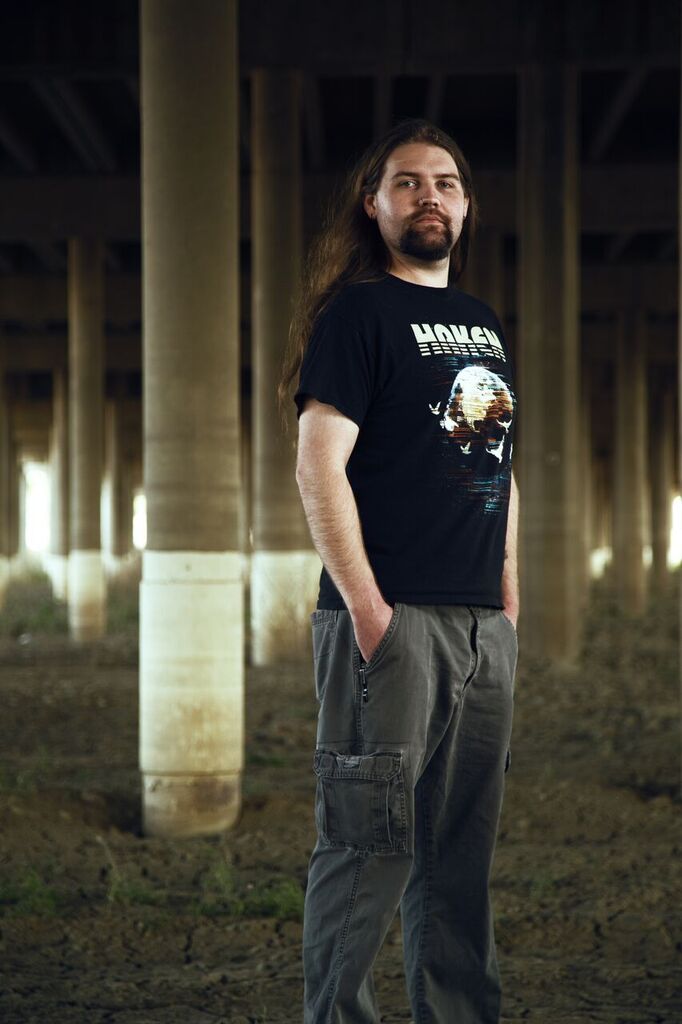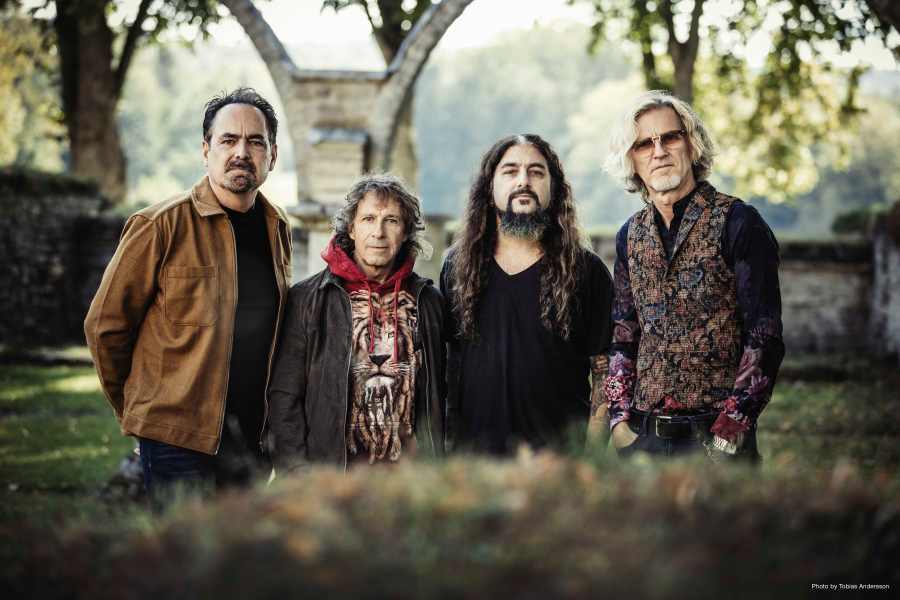
Neal Morse, Pete Trewavas, Mike Portnoy, Roine Stolt

Parallel Universes: Transatlantic’s Dueling Epics

This is probably the only time I’ll have a legitimate reason to use this cool new WordPress feature.

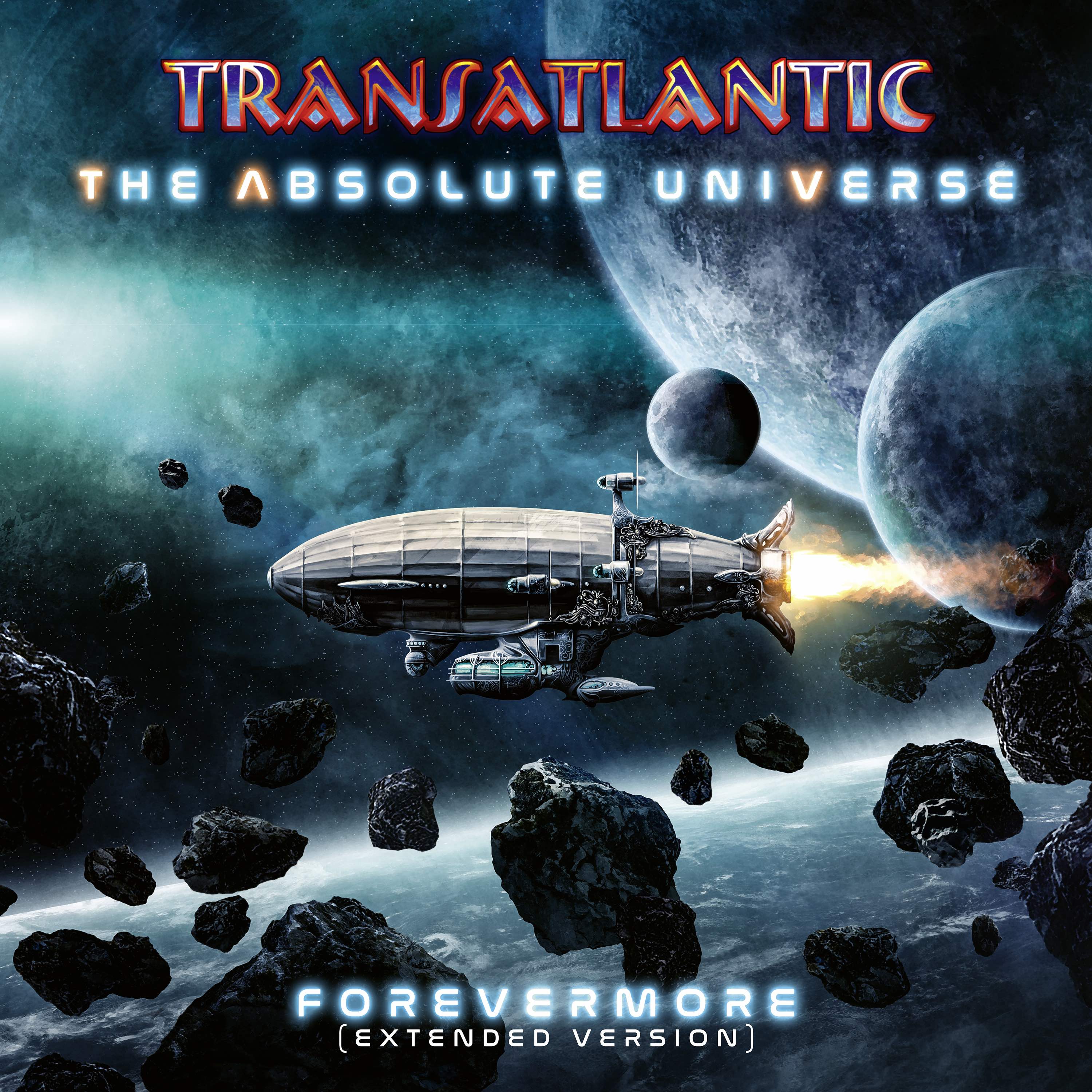
Transatlantic have reached the ripe old age of 21, and with that they’ve released a brand new album. Wait, that isn’t right. They’ve released two brand new albums. Well, no, they haven’t really done that either. What they have done is released two versions of one album: one at ~65 minutes and the other at ~91 minutes. The Absolute Universe: The Breath of Life is the short one, and The Absolute Universe: Forevermore is the long one. For the sake of clarity (both mine and yours), I’m going to refer to the albums as the extended version and the abridged version.

Now why on earth, you may ask, would a band want to release two different versions of an album? Excellent question. I was a bit miffed when Big Big Train did it with Folklore (the vinyl and Hi-Res audio version was longer with some tracks from the Wassail EP and a slightly altered track listing), and I’m a bit miffed that Transatlantic has done it. Apparently the band couldn’t come to an agreement on whether they should release a longer version of what they had written or a condensed version, so they decided to release both.

The abridged version is $9.99 on iTunes, while the extended edition is $16.99, so it’ll cost you just under $30 to buy the downloads. You may need to take out a loan to buy physical copies. And don’t think you can get away with buying just the extended version thinking you’ll just get the abridged version plus some extra tracks. Nope they’ve gone and changed things in the tracks that overlap, so in many ways they’re very different. There’s also a third version on Blu-Ray only that combines the two into a ~96 minute version. Good grief. I haven’t heard that version, nor do I intend to.

If you’re going to buy only one of them, I suggest you buy the extended version. It has a much better flow to it with smoother transitions than the abridged version. Even though it’s longer, it isn’t packed with filler. To my ear it sounds more like a Transatlantic album. There are more songs with Roine Stolt on lead vocals. Yes of course he sings on the abridged version, but he sings less in the second half of that album. That makes the abridged version seem to morph into a Neal Morse album as it comes to a close. “Lonesome Rebel” towards the end of extended version remedies that by restoring some balance. In addition to Roine’s stellar vocals, the mix of wonderful electric and acoustic guitars and vocal harmonies really makes this track stand out.

Continue reading “Parallel Universes: Transatlantic’s Dueling Epics”
SomeWhereOut – Deep In The Old Forest – Album Review

SomeWhereOut – Deep In The Old Forest, January 15, 2021

Tracks: 1. Prelude – The Stories (1:40), 2. Blood, Bones and Fear (5:08), 3. Mara (3:38), 4. Someone With No Name (6:55), 5. Our Promise (4:07), 6. Interlude I – Covenant (1:07), 7. The Fallen One (8:33), 8. You and I (6:00), 9. The Midnight Bell (5:21), 10. The Crystal Mountain (4:29), 11. Interlude II – Winter (1:14), 12. The Old Forest (14:49)

Classically-trained Spanish guitarist, composer, and music teacher Raúl Lupiañez has long held a love for rock and metal. His formal training in both guitar and composition is immediately clear on his latest SomeWhereOut album, Deep in the Old Forest. He is the primary musician for the group, handling guitar, all of the keyboards, and most of the bass. Francisco Garoz plays all of the drums, and there are a few other players who contribute guitar and bass solos as well as violin and other string work. There are also eight vocalists featured on the album. 

Deep in the Old Forest transcends progressive and atmospheric elements while remaining a thoroughly metal album. At points the verses on songs will be more sedate before pounding into a more straight-forward metal or prog metal chorus. There are symphonic elements as well, but I wouldn’t label SomeWhereOut a symphonic metal band because the strings are used more in the way Steve Hackett uses them on his albums. They add atmosphere when needed, but they aren’t the driving force in the music. I think a symphonic metal band places almost equal importance on the symphonic elements and the metal elements. 

The album is full of musical surprises. For instance the light accent of Spanish-style acoustic guitar strumming behind the wall of metal guitars on parts of “Bloods, Bones and Fear” is a nice touch. The solo violin parts add a calmer reflective touch. The violin on “Our Promise” even reminds me of Rachel Hall’s work with Big Big Train. There are many moments across the album, particularly in the keyboards, bass, and some of the guitar solos, that remind me of Steven Wilson’s more progressive solo albums. Apart from the vocals, which sound nothing like Wilson, the track “The Fallen One” could have come off Hand. Cannot. Erase.

Continue reading “SomeWhereOut – Deep In The Old Forest – Album Review”

IKITAN – Twenty-Twenty

Get ready for an instrumental musical joyride. Genoa, Italy-based band, IKITAN, hit the studio in the summer of 2020 to record a twenty-minute and twenty-second long rockfest, aptly titled “Twenty-Twenty.” The band features Luca Nash Nasciuti on guitar and effects, Frik Et on bass and effects, and Enrico Meloni on drums. They produce a much larger sound than their numbers suggest. 

The track is a heavy tour de force for the first 11+ minutes before a slow-down just under 12 minutes in for a brief interlude of sorts. The song gradually builds back up over the next two minutes. While the first half of the song is guitar-driven, the second half seems to be more bass driven. The fantastic drumming pulls it all together throughout.

For an instrumental track “Twenty-Twenty” really takes you on a journey. It’s heavy, but in more of a Deep Purple way than an Iron Maiden way. With that said there are elements of psychedelic rock and space rock, but played at a much heavier and quicker tempo. The musicianship is top notch, and while the song has a sort of musical jamming vibe to it, the musical talent on display keeps the music flowing in an organized fashion. There are multiple movements and changes throughout the track. The twenty minutes flies by without you realizing you were going so fast.

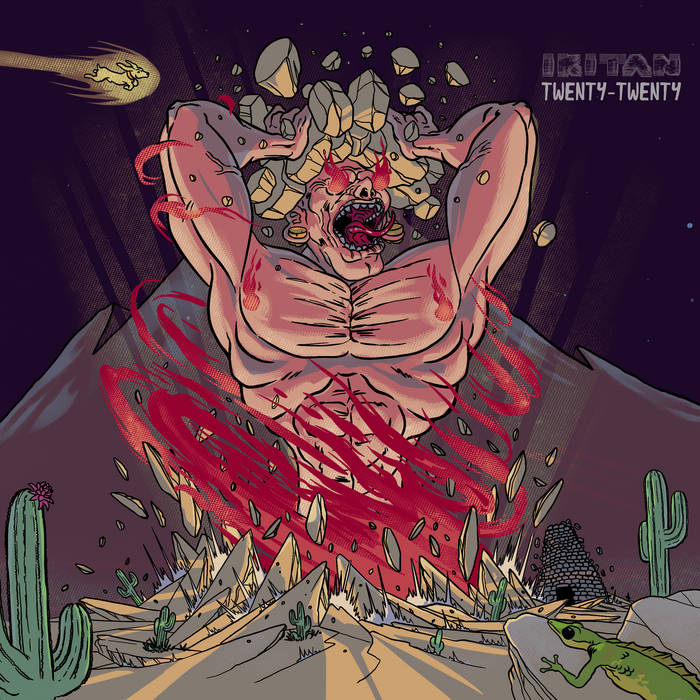
And just look at that album art! One of the best record covers I’ve seen in a while. It screams heaviness, rage, and frustration – a perfect summary of the year 2020. It’s a great cover for an instrumental track that is pure hard rock in the most honorable sense of that description. It’s wholeheartedly progressive, but it isn’t trying to be overly complex. It just plain rocks. 

Interview with KRISHNA PERI

Krishna Peri

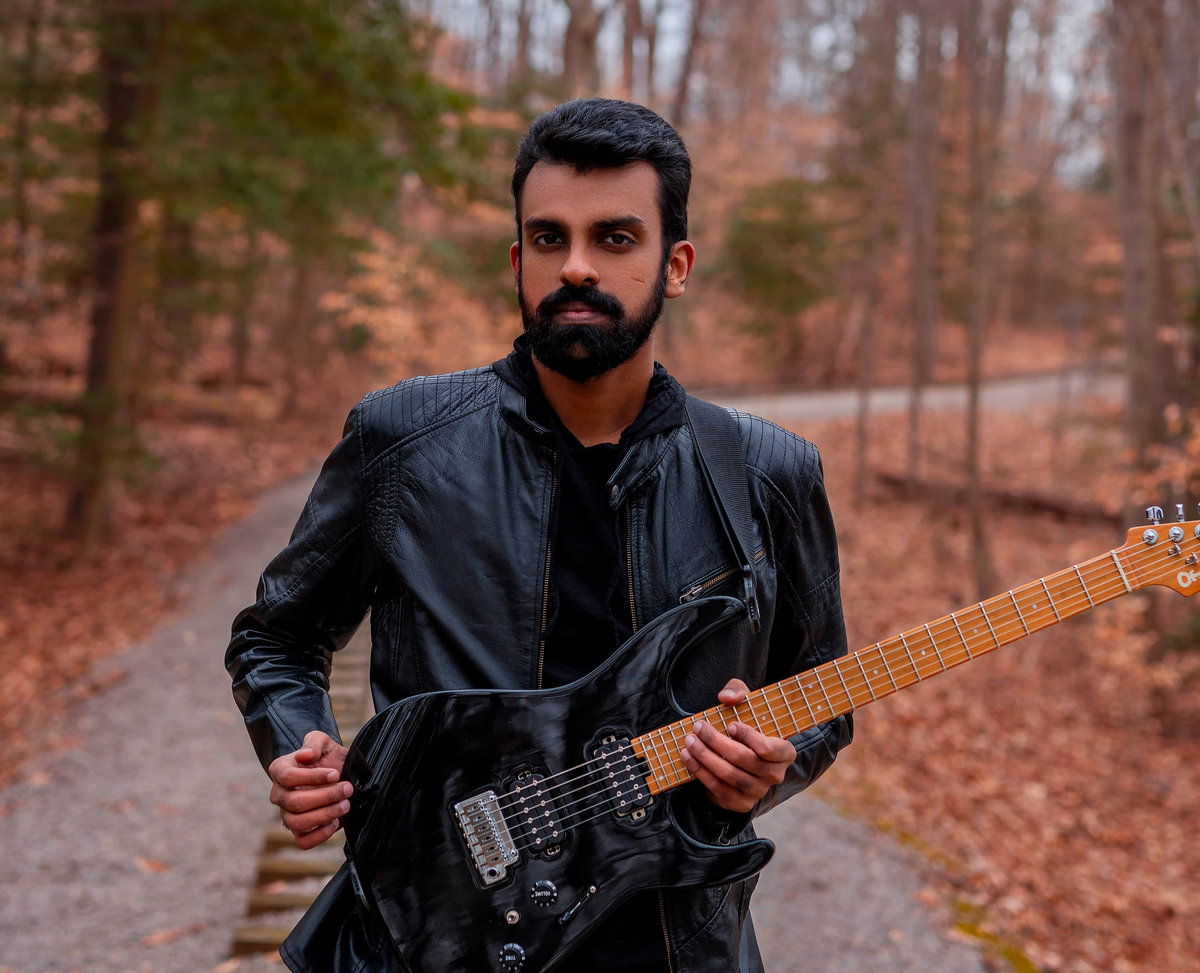
Dallas based guitarist, producer and songwriter Krishna Peri is about to launch his debut album “Across the Horizon” on August 15th, a release where the musician explores different music styles and adapting them to his own experimental formula.

Peri spoke for Progarchy about the album, but also his influences, writing process, and more.

What made you decide to release “Across the Horizon” under your own name? Does it feel more personal that way?

I am like a musical sponge and I like to absorb different genres that I come across, whether it is metal or anything else. I felt like if I am playing in a band, I have to stick to one particular style, for example, if you play in a death metal band, you can only play that and can’t really add extra quirkiness to it. Of course, I do enjoy playing in a band like that too but as an independent artist, I felt like I can touch base on multiple sounds and it would still be acceptable.

How do you usually describe your music?

I try to do two things – play heavy, memorable riffs but at the same time, focus on the underlying melody. To me, melodic playing and attention to the notes goes a long way and I try to incorporate the same in my music.

Across the Horizon

What is your writing process like?

I usually have a bunch of demos recorded on my phone, whenever I am just in a relaxed leisure mood. I would go back and listen to these raw clips from time to time whenever I need some inspiration. Once I find the right one, I create a session in my DAW, program the drums and lay down the guitar parts. By this point, the song starts taking its shape. Once finished, I send the demos to my drummer and bassist, who listen to it with a fresh pair of ears and give their comments. Once we polish the whole thing, the final drums are recorded in a studio. And then, I lay down my guitar tracks in my home studio. Last step would be sending these stems to the bassist, who does his part. I look over certain things from a producer’s perspective like, if the song needs any additional layers, keys etc. Finally, the whole thing gets mixed and mastered.

Who or what is your inspiration, if you have any?

Joe Satriani, Marty Friedman, Dimebag Darrell, Plini, Nick Johnston and John Petrucci – these are my main influences when it comes to instrumental music and soloing.

What is your favourite piece on the upcoming album and why?

“Stained Glass Memory” is my most favorite song on this album because it has these ambient sections followed by crushing heavy parts. The entire song jumps back and forth from 7/4 to 15/8 to 6/8, which gives it this mystical feeling. We’re working on releasing a music video for this particular track with a concept behind it, so stay tuned for that!

What makes “Across the Horizon” different?

I would say, complex time signatures, intricate solos, solid drumming and bass work, and the exploration of different genres like Viking metal, black metal, death metal etc.

What should music lovers expect from the album?

They should expect some expressive melodic playing. If you are a fan of modern instrumental music like the Intervals or Plini then I guarantee that you would dig it!

What kind of emotions would you like your audience to feel when they listen to your music?

Instrumental music is a tricky market to break in, just because there’s no vocals to convey anything. Which is why, we have to be very diligent in coming up with phrases because the guitar itself is treated like a vocal part. I would want my audience to feel the same thing and enjoy the tension and release of some of the songs that I am trying to present to them.

Pick your three favourite albums that you would take on a desert island with you.

That’s such a difficult question because there’s so many! I’ll try my best – Rust in Peace by Megadeth, Shockwave Supernova by Joe Satriani and Remarkably Human by Nick Johnston.


“Across the Horizon” is available on Bandcamp. Follow Peri on Facebook and Instagram.

In Cauda Venenum

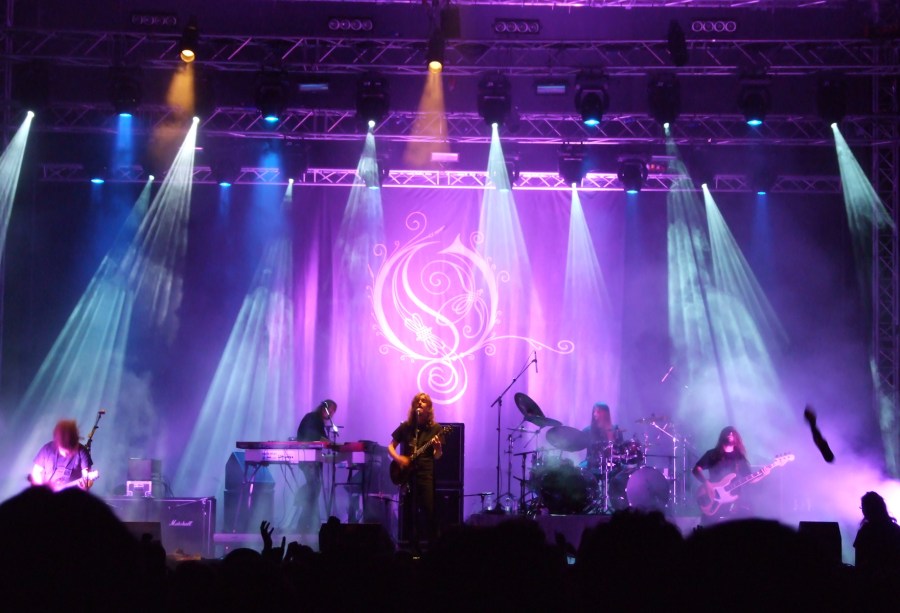
Post-Watershed, Martin Lopez and Peter Lindgren were conspicuously missing, but so was that musical coherence! It was complex progressive rock, but reflected very little of Opeth’s signature aesthetics. Even though all those vibrant influences were still present, a certain noticeable imbalance, especially in how they were composed! This is easily audible relative to In Cauda Venenum, here they bring back that all-immersive-experience of Blackwater Park and Still Life.

Their signature is exactly that ability to harmonize divergent strands. Funk to folk, jazz fusion to goth, all peacefully coexisting, a splendid harmony across discordant influences. It’s that harmony in discord when proggy riffs flawlessly transitions to strange ramblings in “Charlatan”, or when that further moves on to gothic blues of “Universal Truth”. That rich consistency in musicianship is also complemented by vocals– Åkerfeldt evokes a spectrum of emotions, almost reminiscent of Damnation.

Seems like Opeth was testing the waters with their first three prog rock records, and In Cauda Venenum is the consequence. Quite like an evolving organism, they are adding layers to their prog skeleton, bringing higher levels of coherence and texture. So, those underlying influences remain the same, but now they are gently cloaked beneath few exquisite layers of artistic splendor.

MrPanyGoff / CC BY-SA

LEPROUS Drummer BAARD KOLSTAD Talks “Pitfalls,” Band’s Position on the Scene, Rendezvous Point & More

LEPROUS Drummer BAARD KOLSTAD Talks “Pitfalls,” Band’s Position on the Scene, Rendezvous Point & More

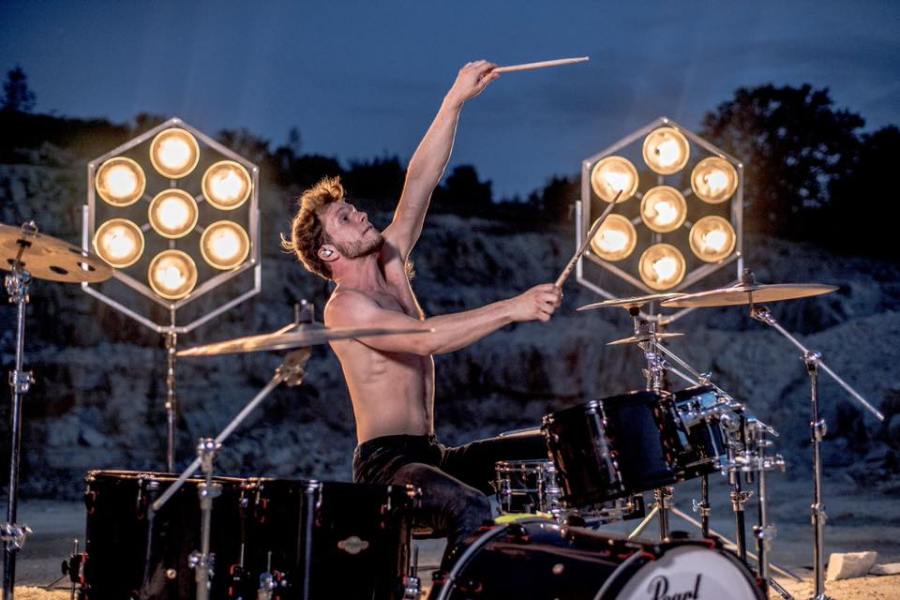
Leprous and Rendezvous Point drummer Baard Kolstad did an interview before the Leprous show in Istanbul on February 13th where he talks about the group’s latest effort Pitfalls, the Prog scene, the upcoming edition of the Prognosis Festival in Eindhoven, and more. The full video interview, as well as a few excerpts, can be seen below.

Asked to comment about the new Leprous album being arguably the most dynamic release the band put out to date, Baard said: “We’ve always been suckers for dynamic and whatever is making the right vibe; it that’s to play soft or if it’s to have everything soft but the drums extremely hard. It’s difficult to point out exactly what’s going on when we make very variated album as that, but of course there were some barriers or not barriers, but it was like new Leprous kind of stuff happening. For instance from my point of view as a drummer, when I heard demos for ‘By My Throne’—it’s just like, ‘okay, that’s a new kind of Leprous, let’s make this sound like us and try to put that into the Leprous setting.’”

About whether or not Leprous defy progressive rock and metal conventions with Pitfalls, Kolstad commented: “When I’m searching new music I’m not going only for progressive bands, I’m going for all kinds of music. It doesn’t really matter what it is, but of course we have a background we love, like Opeth and Tool and Dream Theater—not the others but I love Dream Theater—bands like that, Meshuggah. But that’s tools again—not the band Tool—but tools for us to use in composition and musicianship. We don’t try to care much about expectations, but I guess like the way we write or like Einar writes, the way we play will naturally be for people that only play stoner rock. We will always be a prog band, but for the proggers we will probably not be a prog band. And for a pop group we will definitely be proggy or weird or something like that. We kind of don’t belong anywhere.

During the interview Baard also talks about the expectations fans usually have from bands in terms of the sound and musical direction, Leprous’ 20th anniversary next year, the current Rendezvous Point tour with Anathema, drum clinics, his tips for aspiring drummers, and more. Watch the full interview below.

Album Review: LUNAR – Eidolon

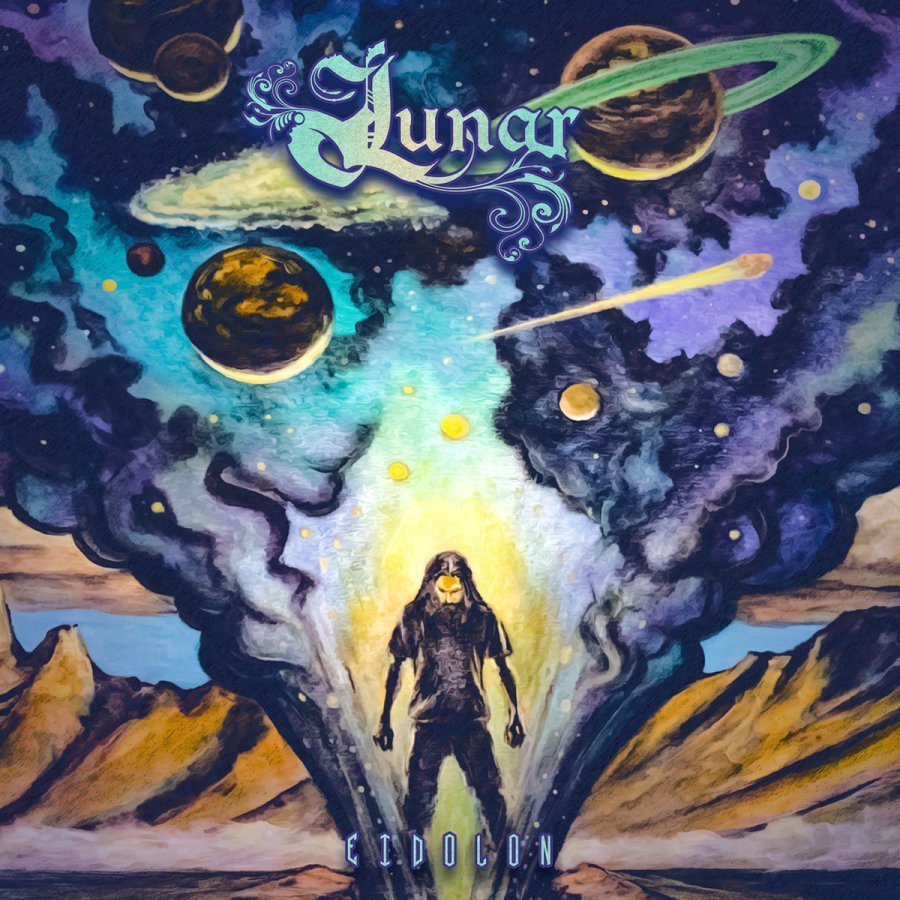
Originality is tough in music, and especially so in progressive metal. So many genres have cross-pollinated over the years that trying to put a unique spin on music usually ends up with going so far off the reservation that coherency can be lost. It’s a shame that “progressive” has become a kind of cliche-ridden sound of its own, hence my temptation is to call Eidolon — the second album by Sacramento’s Lunar — a progressive death metal album. Not in the sense that it uses “prog” tropes, but because it genuinely sounds like a forward step in terms of what can be done with death metal.

I’m not often a fan of likening bands to other bands, because I think unless it’s an intentional throwback or copycat it does a disservice, but the first thing that comes to mind is Opeth by way of Fates Warning and I do not say this lightly. Eidolon has an intensity to it that is organically broken up with occasional clean or melodic sections that never sound out of place; the group — brainchild of drummer and songwriter Alex Bosson — never comes across as hokey or gimmicky.

Alex_Bosson
Alex Bosson, founder of Lunar

All right, let’s dig in a bit. The musicianship is as tight as any metal release you’re likely to hear this year or any other year. Every member is on top of their game.  And speaking of members, the core of the group is comprised of singer Chandler Mogel, bassist Ryan Price, and guitarist Balmore Lemus, along with already mentioned Bosson on drums. Eidolon also features guest contributions from members of Haken, Leprous, Thank You Scientist, Fallujah, and more.

The guitars layer beautifully, with chunky riffs both alternating and occasionally layering beneath more melodic lines. The rhythm section pounds along, with a bass guitar that fleshes out instead of simply sitting at the root notes, even getting plenty of room to shine on its own (which I appreciate) and a drummer that can handle blistering double bass and blast beats right alongside jazzier sections. All the while we have a vocalist who manages to be perfectly understandable when he growls, by death metal standards anyway, without ever losing that sense of intensity and roughness.

One of the best things about (progressive) metal is that feeling of not knowing what to expect next. Sometimes it’s less enjoyable if it feels like the band doesn’t have a grip on what they’re doing and keep taking left turns to the mood, but once again Lunar succeeds by having each song feel like a distinct entity while never losing the tone of the album as a whole. After the two three “proper” songs (after the instrumental intro “Orbit”), the appropriately named “Comfort” comes in with a melodic and prog-rock/jazz inspired beginning, blossoming into a behemoth of a track that puts acoustic guitar and jazz drumming front and center forming a foundation and building to an explosion of a soothing guitar solo courtesy of Haken axeman Richard Henshall.

At this point you might think you’ve heard all of Lunar‘s arsenal, and you would be all wrong and a bag of chips. The very next track, “Potion,” is way more into the prog rock territory, with underlying acoustic guitar melody and jazz bassline carrying it.

The closing 12-minute epic “Your Long Awaited Void” is like a revue of all the best bits of the rest of the album: heavy riffs, clean vocals mixed with growls, acoustic bits, guitar soloing, in addition to cello-laden atmospherics,…

The word “classic” gets tossed around a lot, but I honestly can’t think of a better word for Eidolon. From front to back and top to bottom, this album is both firmly rooted in death metal with a progressive bend while standing alone atop the mountain. It’s equally headbang heavy and enthralling, music to get in the mosh pit and simply sit in awe of. This is required listening, because there’s nothing else quite like it.

Eidolon is out now and is available from Bandcamp. Check Lunar on Facebook and Instagram.

Album Review: Parliament Owls – A Span Is All That We Can Boast

Parliament Owls, a quintet from Canada, have quite a challenge as with any new band playing this stylistically demanding music. They either need to add something exciting and original to the genre, or be so bloody good at delivering captivating rock (that visits quite a few genres) in its conventional form that they stand head and shoulders above the oceans of ordinariness that surround them. While they will not win any awards for innovation, the debut full-length release “A Span Is All That We Can Boast” does in fact rise most convincingly from the latter category, and has enough variation in its six tracks to keep interest levels high.

A Span Is All That We Can Boast

Beginning with “Cocobolo,” Parliament Owls expertly marry the math rock histrionics of The Dillinger Escape Plan to the noise rock sensibilities of Melvins. The band doesn’t joke about with long intros, and like to get on with the business at hand, with only one track clocking at almost seven minutes. This makes for a more urgent and also provides a much more organic feel to the band’s playing.

In addition to The Dillinger Escape Plan and Melvins you can undoubtedly hear the massive influence of Cult of Luna, Mono, Mastodon, Between the Buried and Me, all the major names, but Parliament Owls somehow manage to put a unique stamp on this rather derivative framework.

Parliament Owls have risen far above the sum of their influences, and delivered a very fine rock album. Check it out!

Follow Parliament Owls on Facebook.

Review: Drummond – In Sand

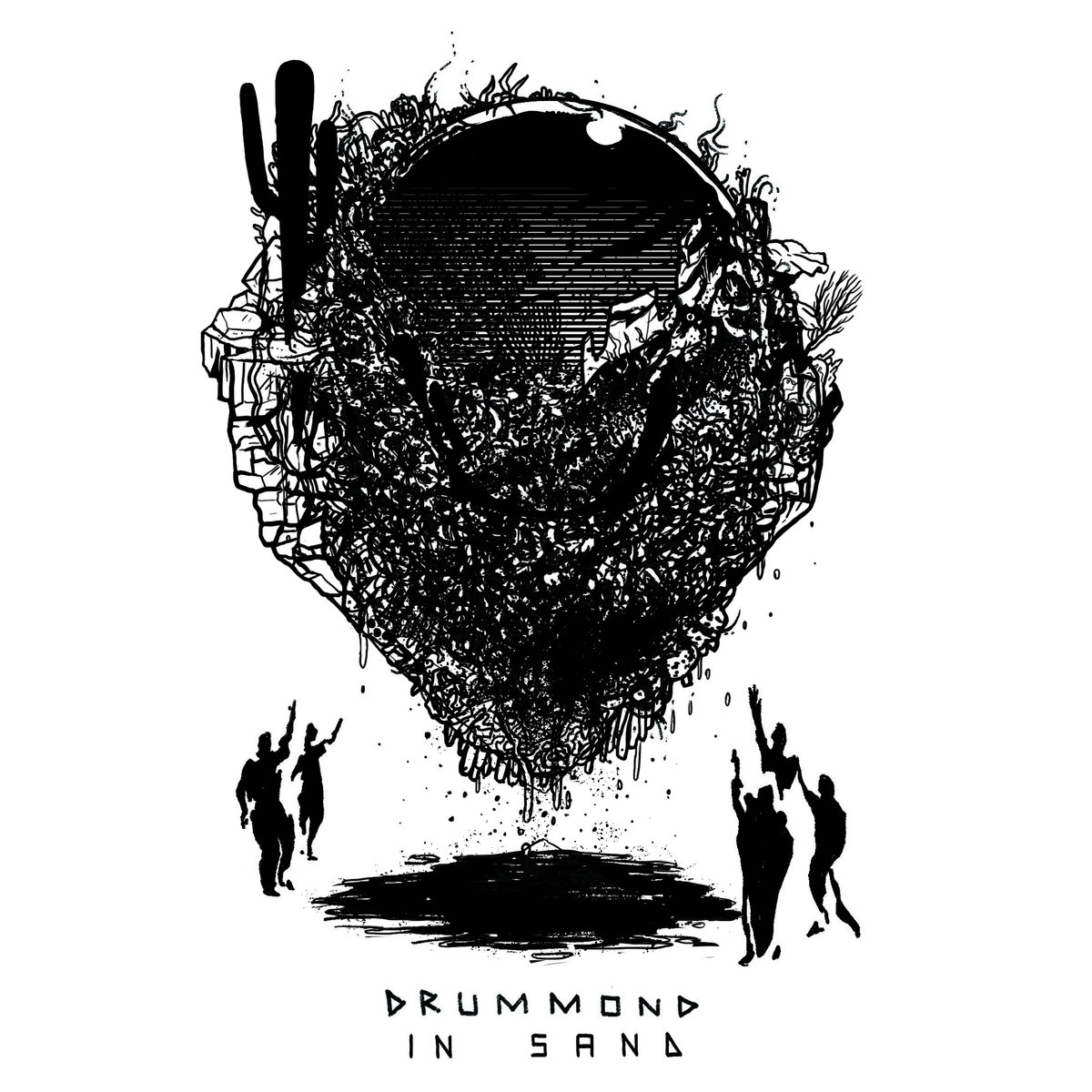
In Sand

Bedroom composing and producing has been on the rise in recent years. Drummond, a young songwriter from NewYork, has just launched his second EP “In Sand” in June.

There’s a real sense of movement in each of the three tracks here. “Submerge” feeds the ear a lovely set of liquid guitar chords, tasty synths and irregular rhythms, while “Root” laces its main melody and harmonies with bustling, positive energy.

The closing title track features extensive lead guitar that complement a busy drum kit and the tracks build confidently rather than hurtling towards their crescendos.

It’s tough to ignore the incredible versatility, technical prowess and emotion in the lead guitar’s phrasings. Talented musicians often overload their music with impressive, yet characterless fretboard acrobatics. Thankfully, Drum does not subject his audience to the same ordeal. The solos are wholesome yet light, devastating yet controlled. His sound is smooth, well-rounded, and, at its core, brimming with delightful energy. The record puts listeners into motion—they can soar and eventually reach a celestial landscape, sweating from the trip and anticipating the next step in this young guitarist’s growth.

For more info about Drummond visit his website.

Premiere: Experimental Rockers KALIKA Launch “Data Religion” EP

Kalika

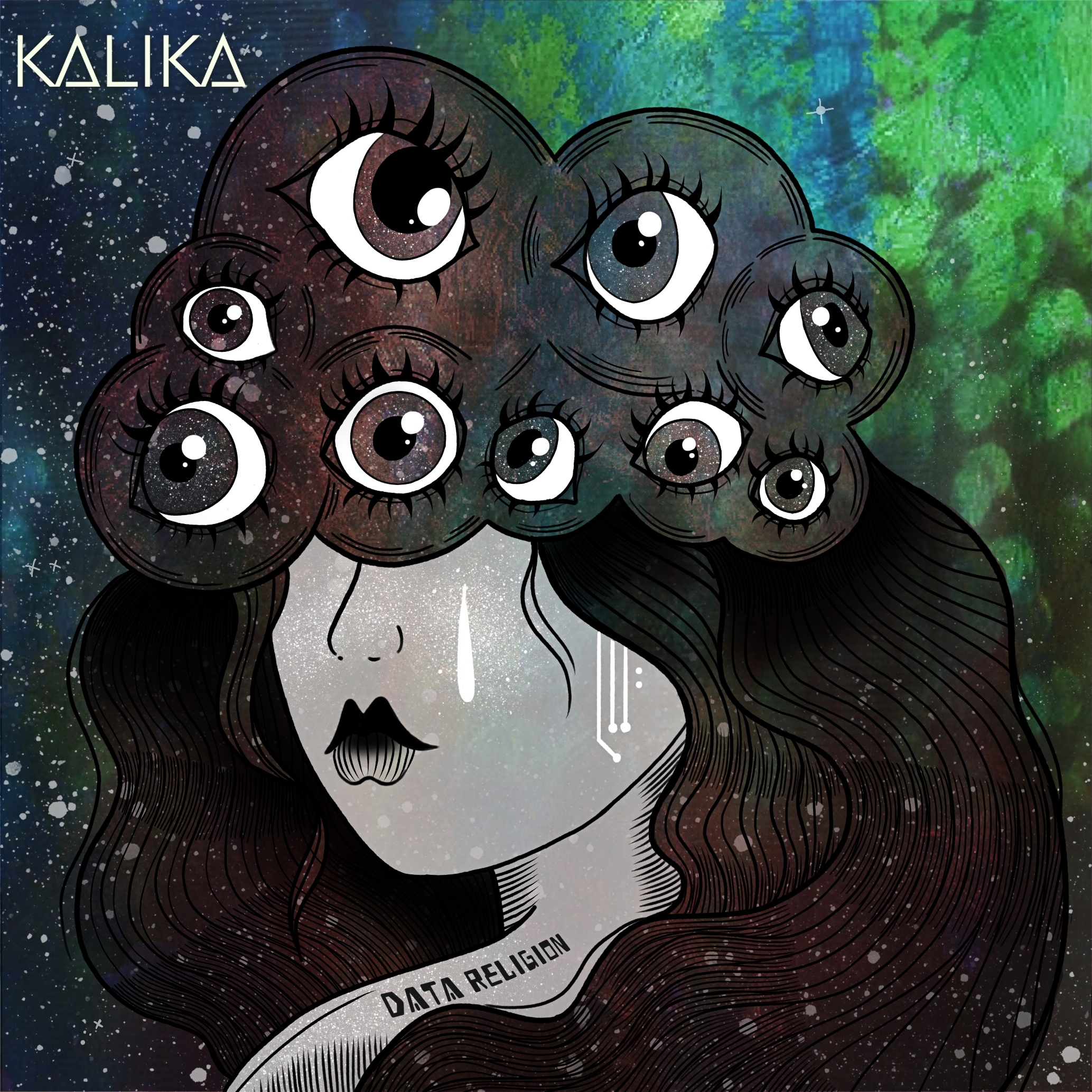
Maastricht, the Netherlands-based experimental rock quartet Kalika are releasing their sophomore EP “Data Religion” via Progarchy. Stream the EP in full below.

Named after the Hindu goddess Kali, on “Data Religion” Kalika tackle the theme of technology as a tool which can manipulate people pretty effectively. Singer and guitarist Prannay Sastry previously commented: “Today, personal data is freely available to the big data hoarders and is regularly misused. The EP examines a world in which things have gone wrong and there is a divide between the haves and have-nots of all this data. This divide is one of ownership – the data horders own the have-nots, leaving them powerless.

Kalika - Data Religion

Transferring a myriad of emotions through the six-track release, Kalika depicts the moments of darkness, happiness, as well as melancholy. About the EP’s flow, Sastry had to say the following:

We wanted to subvert the narrative arc that a lot of albums have by starting with the darker songs and ending on a lighter note. We carefully curated the order and the flow of the tracks so that the listener can go on their unique journey.

“Data Religion” is out today; stream it below. Follow Kalika on Facebook and Instagram.