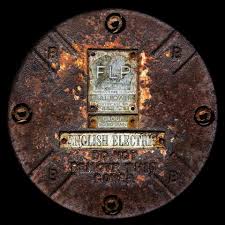
Celebr8.3 News

Photo from PROG.
Photo from PROG.

Jerry Ewing’s PROG has a nice teaser about the forthcoming prog festival, Celeb8.3.  For our British and European readers especially.  The rest of us get to joy for you and sorrow for us!

Incredible lineup: Andy Tillison’s The Tangent, Robin Armstrong’s Cosmograf, Matt Stevens’ The Fierce and the Dead, and Stu Nicholson’s Galahad.  Sheesh, like “old home week” at college.  Ok, feeling nothing but joy for my prog friends on the other side of the Atlantic, nothing but joy. . . .

http://www.progrockmag.com/news/celebr8-3-confirms-first-acts/

Andy Tillison on Progarchy!

Elfin Andy!

Best promo/commercial EVER made for a website.

And, no, Eric Perry (ha!), I’m not employing hyperbole.  Thank you so much to Mr. Diskdrive!

Not surprisingly, Progarchy’s editor is smiling uncontrollably, ear to ear.

Progarchy: 2013 in Review, A WordPress Report

The WordPress.com stats helper monkeys prepared a 2013 annual report for this blog.

Here’s an excerpt:

The Louvre Museum has 8.5 million visitors per year. This blog was viewed about 88,000 times in 2013. If it were an exhibit at the Louvre Museum, it would take about 4 days for that many people to see it.

Click here to see the complete report.

Nick’s Best of 2013 (Part 3)

Following on from Part 1 and Part 2, here is the third and final part of my ‘Best of 2013’ list: positions 5 to 1 in my Top Ten.

(By the way, if you are wondering at the absence of Big Big Train’s magnificent English Electric: Full Power, remember that I am excluding rereleases of older material; without that restriction, it would most certainly be up near the top of my list!)


5. Maschine – Rubidium

The debut release from the formerly-dubbed Concrete Lake, featuring two alumni of The Tangent: guitarist Luke Machin and bassist Dan Mash. Be prepared for a rollercoaster ride through a dizzying array of different musical styles as this album jumps effortlessly from prog metal shredding to jazz to salsa (yes, really!) and back again. It’s bonkers, but I love it to bits.


4. Riverside – Shrine Of New Generation Slaves

A minor change in direction for Poland’s premier prog rockers finds them flirting with more straightforward hard rock, blues and even jazz influences in places, to great effect. The resulting album is more cohesive conceptually than any of their previous work and touches on similar issues to those explored by The Tangent’s latest opus. Disc 2 of the special edition features over 22 minutes of instrumental music quite different in tone from the main album but highly enjoyable nonetheless.


3. Sanguine Hum – Weight Of The World

An accomplished follow-up to 2010’s Diving Bell from Joff Winks, Matt Baber & Co. Sanguine Hum’s sound calls to mind Turin Brakes, Pierre Moerlen’s Gong, the layered electronica of North Atlantic Oscillation and even Porcupine Tree in their more reflective moments. It’s captivating, however you describe it, and the songs on this album are beautifully constructed. Apparently, the band have two album’s worth of new material already written, which bodes well for the future.


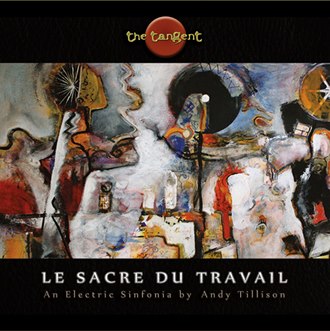
2. The Tangent – Le Sacre Du Travail

The best release yet from the ‘Steely Dan of prog’, offering a more coherent vision than their earlier high points Not As Good As The Book and A Place In The Queue. With music loosely inspired by Stravinsky’s Rite Of Spring and a thought-provoking, opinion-polarising message regarding the mundanity of the daily grind and our role as wage slaves, this is a progressive tour de force as far as I’m concerned.


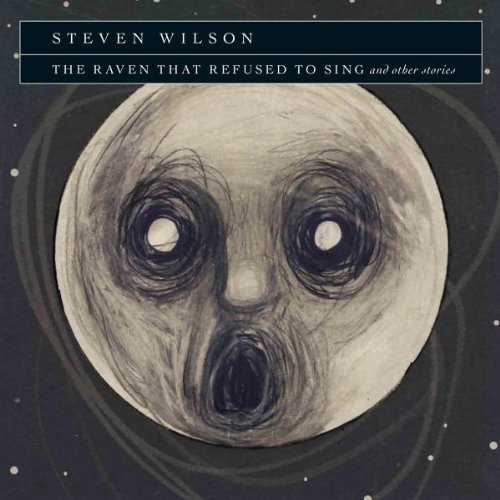
1. Steven Wilson – The Raven That Refused To Sing

Quite simply, Steven Wilson’s finest work to date. Opting for a live recording approach over meticulous overdubs has paid off handsomely and the music frequently builds to a thrilling intensity as this masterful band of players feed off each others’ energy. It is difficult to pick out highlights from something so consistently brilliant, but Guthrie Govan’s guitar solo in Drive Home really does take the breath away, leaving us wondering how in the name of prog Wilson is going to better this.

Interview with Andy Tillison by James R Turner

Andy Tillison, songwriter, multi-instrumentalist and driving force behind the Tangent, who had at the time I conducted this interview, released this two albums Le Sacre Du Travail (The ritual of work) and a companion piece L’Etagere Du Travail (the shelf of work), and had been hailed as the bands finest work to date. So I caught up with Andy to talk all things Tangent and Travail.

Excerpts from this interview were published on Albion Online, and are included here with their kind permission, whereas this is the full, unedited interview, remastered with bonus tracks if you like!

The new albums being well received Andy,

‘What I’ve read is encouraging, we’ve had mainly good reviews across the board, a couple just decided to break the mould, people do like to diss things from time to time. Some comments are lazy, that’s the problem online, everyone’s an expert, a couple of months ago a friend of mine accidentally put diesel in a petrol car, so he went online for advice, 50% of the people told him don’t turn your engine on, whilst the other 50% said turn it on, it’ll be fine, at which point the internet has lost its value, its gone because you get two opposite stories, its all matter of opinion rather than fact, and the editorial control online isn’t strong enough.

I’ve got no sales figures for the new album yet, as the record label we’re on (Inside Out) is no longer a cottage industry, its now part of Universal so we have to go through the accounts department, I do know that we’ve been shifting more from the house than we have for any previous release’.

Now Le Sacre de Travail, the album itself,

‘It’s a modernity thing, I’m an older guy, I love technology but every change brings something with it, Lord Reith of the BBC said TV wouldn’t take off, people said what an idiot, but he didn’t see people wanting to sit down in one place, and this changes the way we live, electronics, MP3, Spotify, means people are more inclined to listen to a track rather than an album.

Also people don’t tend to listen to the whole thing, I decided to do an album like that and let the music lead the technology, most people will want to enjoy it in one sitting, it’s a sit down album.

I have my ways of writing, which came through the years, I had concepts, a couple of things that had been around for a while, I wrote a lot of music in the 80’s which has never been published, although most is current, from the now.

I wanted to do the work thing, it would have been difficult to achieve had I not been back at work myself, I spent 10 years as a fully professional musician, and I recently changed to working in lecturing, which was meant to be one afternoon a week and has now become 4 days a week.

It put me back on the bus, back on the commute, back into a world I could comment on. If I’d not been on that bus it would have felt supercilious, elitist ‘What does Andy know about commuting, he doesn’t do it’ so I am doing it.

‘I write from experience, its very important, people I know write about things that they don’t know about, all he does is sit on his settee and yet he writes excellent music and lyrics. For me I’ve got to have lived it, if I’m spending time commenting on the futilities, the humdrum it would have presumptuous had I sat there at home.

When it comes to concepts like Roger Waters and the Wall, I don’t like it, its about the problems of being unbelievably rich, with that money you can do anything you want, so don’t complain about it, it left me cold and was far removed from the world that we live in, and I wanted to write about the world that we live in.

Sat on a bus, lots of songs out there aren’t for people on the bus, it was time for the people on the bus to have a song for them.

‘How did you find the time to complete the album whilst working full time?

‘I had to juggle time, use weekends and evenings, now its finished I’ve got to adjust to having this spare time, I’ve written some new tunes and rebuilt my motorcycle, and the timing of the release was critical as well, the album came out over Summer, so I could do interviews and promote it whilst I’m off college.

What about L’Etagere the companion piece?

‘It didn’t take shape til we’d experienced how the main album was sounding, essentially I had enough for a double album, (Le Sacre) needed to stand alone. The only reason there’s bonus tracks (on Le Sacre) is because it’s in my contract, I wish they weren’t there but that’s how it is.

The material (on L’Etagere) is the same stuff, part of the same writing sessions, it had to be separate because its not as finished, and it doesn’t include the same musicians, and it’s basically a set of high quality demos.

I’d rather release it as is than have it as the next album, we need to have a stream of income, to release an album to pay for the album we’ve made, the budget we work on is much smaller.

There may be some live shows planned for the next year for the album.

There’s lots of talented collaborators on this album, how did that come about?

‘I gave up the ghost of keeping a permanent band together because of the fact that as we were a band, we had to have meetings and the logistics of distance, I needed the freedom to get on and work. I got a phone call from Jakko (Jakszyk) offering to help out, and he said lets get Gavin (Harrison) in, as a session drummer, he’s a world famous drummer, with a high price tag, he’s not a permanent member of the Tangent, after Porcupine Tree and Level 42, I doubt he’d relish a gig at Rotherham.

We have to accept who we are, we haven’t done the Porcupine Tree thing, we’ve never attempted to become a commercial band, this is all about the music, if I were doing this for the money you wouldn’t have heard of me, there are people out there who do that, but not me.

I do love playing live, when you look at what Steven Wilsons done, that guys been on the road for 20 years, after two weeks I want to go home, the hotels, the breakdowns, not for me, he’s given his life to that but its not me, I appreciate his success.

So is there a definite work life balance for you?

‘I enjoy my work as a teacher, and having been a professional musician for 10 years is a big thing, living on the proceeds of your music, particularly in prog, but I reached the age of 53, I thought I’m suffering a lot for this, and I’d like to make it a bit easier, to have a few more things that I’d like.

My motorcycle is the only vehicle I own, I rent the house I live in, it’s a frugal existence,

So you were the man on the bus..

At 53 I decided I could do with more than just surviving, you can feel like that, when I’m at work, I know there’s more to my life than that, I know there are people for whom there is nothing else, where I’ve always got this aim, this reason.’

Listening to the album there’s more influences than just prog

‘I’m a huge prog fan, my embrace was a lot wider, certain acts like Yes/ELP/Genesis but didn’t go far enough out, from the lighter end of Renaissance to VDGG, Henry Cow, I like the whole lot. My preference lay at the heavier end like Yes Relayer or Tales from Topographic oceans, I went for those the most, but drew the line at Sky. From 4-12 my Mum played a lot of classical music, all the time, I worked my way through Stravinsky, Beethoven, Bach, then Glen Miller jazz etc the music that was around when I was 10, the Beatles etc wasn’t switching me on, I made my own stories up to the music, a lot of it to do with Thunderbirds, then I saw 2001 A Space Odyssey in 1968 and was bamboozled by it, I begged my parents to let me see it, they were baffled, but the music was amazing, Beethoven’s pastoral symphony, or the blue Danube waltz to me all about the Thunderbirds, then there’s this big spaceship to the blue Danube, after which point ‘She Loves You’ wasn’t having that effect.

I learnt about Legatti, amazing music, Stravinsky and then I heard Yes when I was 12, and thought ‘This is it’ this is someone making the music I want to hear.

Music and stories, it gets me onto one of my beefs, the concept that we view history in a funny way, when we think of movies, we think of blockbusters, black and white films, then silent movies, and before that no movies. Instead before they invented movies there were movies without pictures, Mussorgsky’s programmes of music, stories all there without a picture.

The movie industry began with pictureless movies and I still think I’ve had more pleasure out of pictureless movies, folk songs, the Beatles were folk songs, Stravinsky, Yes, all movies without pictures.’

And the album artwork ties in with these themes,

‘Anybody who grew up with prog had the vinyl experience, the experience of asserting your individuality, buying the album, reading the artwork, knowing the lyrics, taking the whole thing, I consider that important.

When we made our album Comm 2 years ago into a vinyl there were more people saying they’d buy it, than actually bought it. Inside Out were assuming that we were going to do a vinyl this time round, but I said no. Le Sacre was written for CD, I chose something bold, that looked good for its size.

If I had a 12” piece to work with I’d do more, so I do what I can with the 5”.

You make it work, and you do come up against some people who say vinyl sounded better, there’s a lot of nostalgia knocking around prog, which is difficult to overcome.

An element of the audience and artist have problems with moving prog out of the 1970’s, with people not happy to embrace the new.

Lots of people judge by records heard in the 1970’s.

There’s a young prog fan I know whose obsessed with it, he collects and knows all about it, he looks on Yes as the great gods of before and raves about the obscure, yet he see’s all of us, Magenta etc as reproduction furniture, manufactured and not the genuine thing, we get a lot of these people, the ones who’ve lived through it all and who don’t move on, they’re the ones who’ll buy all the old stuff but not ours.

The re-releases are killing it, how many times has Close to the Edge been remastered? And there’s another one out!

Another friend has every edition of Close to the Edge, every single remaster, it will all be on his shelf, and he’ll buy the new one, but he’ll not want to buy the new Magenta, he’ll just download it.

It’s a nostalgia trip, they’ll part with money for the old stuff but not buy the new, or fans who’d rather see a tribute band.

Roger Waters played a German town at the same time as the Australian Pink Floyd, and they got the larger crowd.

To my mind, if you’ve already bought the album and they remaster it you should be able to upgrade, but no-ones come up with that scheme.

A few years ago Genesis did a huge gig and made a DVD, they’d not played for over 10 years and we did some rough calculations that on the night they played, more money was made for them than has been made by all new prog bands combined since 1994.

I think we were being conservative in our estimates.

They hadn’t released any new music, in fact US promoters prefer to book you if you’ve not got a new album out. I saw Kula Shaker in the T&C in Leeds and the Filmore in San Francisco, in Leeds they played the whole new album, in the states they played no new stuff and just the hits, because in the states all the promoters want is you to play the old stuff.

When Genesis toured they sold at every gig a CD of that nights performance, and fans bought every CD from the tour.

I saw what they were doing and took the Tangent off the road for the year, no one would be coming to our gigs.

Most Genesis fans did at least 2 gigs, they’d spend £500 plus on just doing the gig, the DVD and the CD’s, they really milked the market for the year.

The continued rise of old bands has created a bit of a problem for the bands who re-opened the door and all the mags who came into being on the rebirth of prog.

These guys cast a big shadow over everything, I feel it quite hard. Sometimes I feel bitter about it really, I’ve been here for 10 years with the Tangent, 12 years with parallel or 90 degress, over 20 years in the industry, I’ve won an award for a lifelong contribution to prog, had great reviews, played Europe/Russia etc and in all that not one person from the 70’s crew has commented on my music. Its like I don’t exist.

My band split up with Luke(Machin) and Dan (Mash) formed Mashine, the guys are 24 years old and its really important new music that’s about to happen, and my first thought was I need to support this. None of them were introduced via the old guard, the only one most open to it is Steve Hackett whose used a few performers on his own work.

In 2005 The Tangent headlined Rosfest (a big American prog festival) that was the last time a 3rd gen band headlined, it was the best gig we ever did, and yet since then they’ve always pulled someone out of the 70’s, Nearfest had the New Trolls headlining, who weren’t even minor league in the 1970’s.

People get obsessed with its history, and the argument goes round. Progressive never did mean a manifesto, it changed, it did progress, and then we had punk back to the three and half minute songs, then evolution like Blondie, Television, Japan, change is the nature of all music.

You take your influences and make what you want, its not the musicians, it’s the music, music that develops, not verse chorus, verse.

Its music that does something, it moves from point A to point B. Like Radioheads 2+2=5 or Paranoid Android, true progressive music takes you from one point to another.

This is documented in things in the past and I was once asked who is the most important person in prog rock?

Its Neil Armstrong, up til that point the only music about Space was Telstar, landing on the moon in 1969 needed better music, King Crimson Court of the Crimson King, Bowie Space Oddity, Concorde, Woodstock, all this amazing stuff during the age of prog rock, the zeitgeist creates all art, it was such an amazing period that the music had to be special.

We’re living through another revolution now but the internets not as good as that.

Watching man land on the Moon, I’ll never see that again, jealous people who believe the moon landing was all a hoax, they just want to be the first man on the moon.

One of the other things that annoys me, and it’ll probably be written on my tombstone is that they made a film about Apollo XIII but no-one made one about Apollo XI, no-one thought it important enough to bother.’

And would you make a piece about the moon landings?

‘It may well happen….’


Thanks to Andy Tillison for his time. More information can be found at www.thetangent.org

The Raven That Refused to Sing and other stories (Best of 2013 — Part 9)

Coming in the #9 slot (in alphabetical order) on my Best of 2013 list is the masterpiece from:

Steven Wilson

Also known as “Mr. Prog” — but that title for Mr. Wilson is currently up for debate here at Progarchy.com.

My two cents: A title like “Mr. Prog” should only be bestowed based on an objective standard of measurement: e.g., the sheer quantity of artistic output in a year; i.e., count up all the releases, the remixes, the live gigs, the collaborations, etc. Then, whoever has the biggest total, is “Mr. Prog” — whether you like his stuff the best or not.

Well, I haven’t done the math, so somebody else can tell me who the winner of the title is. (Maybe we will have to make a shortlist: Steven, Neal, Mike, et al.)

By the way, the winner of the math for each year should be called “Mr. Prog” for that year. So it should be an annual award, and not a one-time decision.

And then, if a long-term pattern does emerge (e.g., we have the same “Mr. Prog” year-after-year), that individual can be designated (after years of distinguished service to prog) as “The Godfather of Prog.”

Now that we have that out of the way, let me talk about “The Raven That Refused to Sing and other stories.

I don’t get it when people talk about this album as “cold,” or whatever. Go put on a sweater!

I don’t know what you’re talking about! Because this is the first album by Steven Wilson that has really elicited a deep emotional response from me.

All his previous work has received intellectual engagement from me, and I have noted and admired it all. But this magnificent Wilson disc is the first one that causes my heart to leap at the musical excitement that it generates.

Right from the beginning, “Luminol” elicits a response of joy. As in: Omigosh! Is that Chris Squire running around my living room playing bass? It sure sounds like it! Woo-hoo. We’re having a prog party! Hey, here he comes again…

And the album does not let up from there. It’s just layer after layer of beauty and complexity. For me, this album stands out from all of Wilson’s other work as going above and beyond, as a truly distinguished musical masterpiece.

After all, it ends with the title track, “The Raven That Refused to Sing,” which is simply the most gorgeous and moving song on the album. It possesses a rare quality of unusual beauty that transcends mere musical virtuosity (which is the usual stock-in-trade of prog), and rightly marks this album with the distinction of being an inspired, otherworldly product. How fitting that this gift of the Muses is memorialized in the album title!

Let me end on a controversial note. Brad has slagged this album as “The Tangent lite,” a remark which I shall myself reinterpret as a compliment: i.e., where The Tangent’s “Le Sacre du Travail” may err with the defect of pretentious satirical excess, Steven Wilson’s “The Raven That Refused to Sing” achieves the right aesthetic balance of the golden mean (a sober restraint that some may mistake for “coldness”).

Perhaps the comparison is also apt in other ways. Wilson’s “sad sack” vocals in the past have prevented me from placing his releases in the annual Top Ten upper echelons. I have a similar obstacle with The Tangent presently; the vocals are too histrionic, à la Roger Waters, for my taste. But now, with “The Raven That Refused to Sing,” I find that Wilson’s vocals have been honed to work to perfection, especially on the haunting final track of this distinguished work.

In conclusion, then, because The Tangent is Big Big Train’s evil twin, I must place The Tangent on my Best of 2013 list… but only in the mirror universe.

In this universe, the award goes to Steven Wilson’s “The Raven That Refused to Sing.”

Postscript:

Hey, I may be wrong about all this. I will have to keep listening to all these fine 2013 albums for years to come! Perhaps minds will change. In any event, the conversation at Progarchy will continue. After all, de gustibus est disputandum:

Perhaps the most persistent error in aesthetics is that contained in the Latin tag that de gustibus non est disputandum— that there is no disputing tastes. On the contrary, tastes are the things that are most vigorously disputed, precisely because this is the one area of human life where dispute is the whole point of it. As Kant argued, in matters of aesthetic judgement we are “suitors for agreement” with our fellows; we are inviting others to endorse our preferences and also exposing those preferences to criticism. And when we debate the point we do not merely rest our judgement in a bare “I like it” or “It looks fine to me”; we search our moral horizons for the considerations that can be brought to judgement’s aid. Just consider the debates over modernism in architecture. When Le Corbusier proposed his solution to the problem of Paris, which was to demolish the city and replace it with a park of scattered glass towers and raised walkways, with the proletariat neatly stacked in their boxes and encouraged to take restorative walks from time to time on the trampled grass below, he was expressing a judgement of taste. But he was not just saying, “I like it that way.” He was telling us that that is how it ought to be: he was conveying a vision of human life and its fulfilment, and proposing the forms that gave the best and most lucid expression to that vision. And it is because the city council of Paris was rightly repelled by that vision, on grounds as much moral and spiritual as purely formal, that Le Corbusier’s aesthetic was rejected and Paris saved.

Likewise, when I dispute with my leftist friends about the Dutch and Danish windmills— windmills whose blank and spectral faces are now beginning to stare across my native English woods and fields—we don’t just exchange likes and dislikes, as though discussing the rival merits of Cuban and Dominican cigars. We discuss the visual transformation of the countryside, the disruption, as I see it, of a long established experience of home, and what this means in the life of the farmer, and the presence, as my leftist friends see it, of the real symbols of modern life, which now stand on the horizon of the farmer’s world, summoning him to the realities which he has avoided for far too long. By disputing tastes in this way we are not just striving for agreement. We are working our way towards a consensual solution to long term problems of settlement: we are discovering the terms on which we might live side by side in a shared environment, and how that environment should look in order that we can put down roots in it. Conceived in this way aesthetic judgement is the primary form of environmental reasoning: it is the way in which human beings incorporate into their present decisions the long-term environmental impact of what they do.

Steven Wilson: A Minority Report

In almost every way, Steven Wilson is widely regarded as the current leader of progressive rock music.  It’s a title he claims he did not seek, does not want, and, in fact, fought against time and time again.

Press photo, February 2013.

And yet, he is, for all intents and purposes, “Mr. Prog.”  “No discussion on progressive rock is complete without mentioning Steven Wilson,” Tushar Menon has recently and rightly claimed at Rolling Stone (June 24, 2012).

Having turned 46 this year [I’m just two months older than Wilson], Wilson has been writing and producing music for over two decades.  Best known in North America for his leadership of the band, Porcupine Tree, Wilson came to the attention of the American and Canadian public through the appreciation offered by North American prog acts, Spock’s Beard, Rush, and, most especially, Dream Theater.

In addition to the thirteen studio albums released under the name of Porcupine Tree, Wilson also has played in No-man, Bass Communion, and, most recently, has released three well-received solo album.  Last year, he and Swedish progressive metal legend, Mikael Akerfelt, wrote a brooding folk-prog album under the name of “Storm Corrosion.”

He has also leant his talents–for he is one of the finest audiophiles alive [though, I much prefer the talents of a Rob Aubrey]–to re-mixing a number of classic but often forgotten or misunderstood progressive albums from the 1970s and 1980s, including works by Jethro Tull, Yes, XTC, and King Crimson.

Porcupine Tree music is very very simple.  There’s nothing complex about it at all.  The complexity is in the production.  The complexity is in the way the albums are constructed . . . . And that really is why I have to take issue when people describe us as progressive rock.  I don’t think we are a progressive rock band.–Steven Wilson, 1999 interview with dprp.net.

Porcupine Tree albums probably cannot be classified, at least not easily.  Beginning as somewhat of a satire on psychedelic music, not too far removed from the fake history of XTC’s alternative ego, The Dukes of Stratosphear, Porcupine Tree invented its own history when Wilson first released music under the name.  Since then, Porcupine Tree albums have crossed and fused a number of genres, including space rock, impressionist jazz, hard rock, AOR, New Wave, pop, and metal.  Wilson has been open about his influences, and he has prominently noted the work of Talk Talk, Tangerine Dream, Pink Floyd, Rush, The Cure, and a whole slew of others.

What Wilson claims to like most is the creating and maintaining of the “album as an art form, [to] treat the album as a musical journey that tells the story,” rejecting the importance of an individual song.  “That’s what I’m all about,” he told a reporter for the Chicago Tribune (April 26, 2010).

In hindsight, he believes that his fear of being labeled “progressive” was simply a fear of being associated with those he considers the wrong type of people  (interview with Dave Baird, dprp.net, June 2012)

And, yet, almost and anyone connected in any way with the progressive rock world would immediately identify Wilson as its most prominent face and voice.  One insightful English fan of the genre, Lisa Mallen, stated unequivocally, “Steven Wilson is THE most highly regarded person working in the prog industry right now.”  Though a long time devotee of progressive rock, Mallen has only recently started listening to Wilson’s music.  Wilson is also shaping and defining music in a way that probably only Neil Peart could and did for a generation coming of age in the late 1970s and 1980s.  A graduate student in the geographic sciences in Belgium as well as a musician, Nicolas Dewulf, writes, “Steven made me appreciate music in a totally different way, as an art form.”  Another long-time prog aficionado, serious thinker, and prolific reader, Swede Tobbe Janson (and fellow progarchist) writes, “I respect SW for being very serious about this wonderful thing called music.”  Still, with a mischievous Scandinavian twinkle in his eye, Janson asks, Wilson “is fascinating but sometimes I can wonder: where’s the humour?”

Most recently, Wilson has claimed the golden age of rock music to be 1967 to 1977, the years during which rock realized it could be an art form as high as jazz and classical but before the reactionaries of punk gained an audience through their simple, untrained, and unrestrained anger.  “I was born in ’67/The year of Sergeant Pepper and Are You Experienced?  It was a suburb of heaven,” Wilson sings in 2009’s “Time Flies.”  Wilson’s dates are probably more symbolic than literal.  For example, he cites “Pet Sounds” (1966) and “Hemispheres” (1978) as essential albums in rock.

For his part, Wilson believes it critical to maintain his independence as much as possible.  “The moment you have a fan base, is the moment you start to lose a little bit of your freedom.  The greatest thing of all is to make music without having a fan base because [it’s] the most pure form of creation.” (interview with Menon, Rolling Stone India, June 24, 2102)  Reading Wilson’s words, it’s difficult not to think of a younger Neil Peart writing the lyrics of Anthem (1975).  As Wilson recently told Menon, “For me, it’s still about being very selfish and doing what I want to do.”

Wilson even refuses to read reviews of his music, and he asks those around him (including his manager) not even to hint to him what been written, good or bad.  Wilson admits to becoming just as upset by good reviews as by bad, as he thinks even the good reviewers rarely understand him.  With the good reviews, Wilson especially despises when the reviewer “compare[s] you to somebody that you don’t like.”  Further, Wilson claims, he’s a “kind of idiot-savant” and “I think I’m incapable of making records [ ] for anyone else than myself.” (interview with Dave Baird, dprp.net, June 2012).

Wilson has proclaimed repeatedly that he is a “control freak,” and, frankly, it would be difficult for anyone to listen to any of his music without realizing the perfectionist side of him immediately.  It’s one of the greatest joys of listening to his music.  It’s never flawed in anyway.  Indeed, if there is a flaw in Wilson’s music, it comes with fatigue of immersing oneself in such perfection.

As Canadian classical philosopher and fellow progarchist, Chris Morrissey, has so aptly described it, “His use of 5.1 mixes perhaps shows us the way forward for prog’s future. The beauty and complexity of prog music seems to demand the sort of treatment that Steven Wilson has shown us it deserves.”

None of this, however, should suggest that Wilson is without his critics.  An American mathematician and highly-skilled artist of wood and glass, Thaddeus Wert (another progarchist!), offers an appreciative but equally objective appraisal of Wilson’s works: he “seduces the listener with beautiful music, but there is often an undercurrent of menace and despair in his lyrics that can be disturbing.”

Wert is correct.  One of the most jarring aspects of any Steven Wilson song is its gorgeous construction on top of very dark subjects and lyrics.  In interviews, he claims to give as much attention and detail to his lyrics as he does to the beauty and perfection of the music.  “I try to make the lyrics have some depth, yes, I mean I don’t want the lyrics to be trivial” (interview with Brent Mital, Facebook Exclusive, April 28, 2010).  His lyrics deal with drug (illicit and prescription) use, cults, the banality of modernity, commercialism (Wilson believes “Thatcherism” accelerated the western drive toward hollow materialism), serial killing, death in an automobile, and mass conformity.

Porcupine Tree, Fear of a Blank Planet (2007).  One of the best prog rock albums ever made.
Porcupine Tree, Fear of a Blank Planet (2007). One of the best prog rock albums ever made.

Widely regarded as his best work, Porcupine Tree’s 2007 “Fear of a Blank Planet” offers one of the most interesting critiques of modern and post-modern culture in the world of art today.  Based on Bret Easton Ellis’s novel, Lunar Park, the album explores the banal world of the “terminally bored” and features the disturbing front cover of a teenager, zombified by the glow of the T.V. Screen.  Wilson’s album is effective and artful social criticism of the best kind.   Even the EP released shortly after Fear of a Blank Planet, “Nil Recurring” offers some of the most interesting rock music ever produced.

Outside of being labeled and “forced” to conform to the expectations of fans, Wilson’s greatest fear comes from the irrationality and demands of religious belief, as he sees it.  In his lyrics and in interviews, Wilson speaks at length about his opposition to religion.  “Anything to do with organized religion really makes me really f***in’ angry.”  Even non-cultish ones are “living a lie, but, you know, ok, if it makes them happy, that’s fine” (Interview with Mital, FB Exclusive, April 28, 2010).  One can probably safely assume that Wilson has never read Augustine, Aquinas, More, Bellermine, or Chesterton.  Would they still appear so bloody stupid if he had?

Usually far more articulate than this, Wilson expresses his greatest Bono-esque opposition to televangelists who use faith to create power and promote self-aggrandizement.  In the same interview, Wilson states that Christians of all kinds must find the need to divorce his lyrics from his music if they’re to appreciate his work.  “I’m sure we have fans that are Christians and . . . . [in original] I know we do, you know.  That’s not something lyrically I think they could ever find sympathy with or I could, but musically they must love the music” (Interview with Mital, FB Exclusive, April 28, 2010).

An "artsy" scene from a Storm Corrosion video.
An “artsy” scene from a Storm Corrosion video.

Wilson’s most blatant statement of skepticism comes from the video for a single from his Storm Corrosion album, “Drag Ropes.”  Stunningly beautiful and haunting gothic folk prog–akin to some of the earliest work of The Cure–drones, while stained glass images of Tim Burton-eque creatures defy the Catholic Church and embrace some form of paganism.  A Catholic priest, under the bloody image of a Crucifix, laughs diabolically as a pagan is dragged to the gallows.  Paradoxically, not only is the art and animation of the video utterly dependent upon the iconography of the Christian tradition, but the music also carries with it an intense if elegiac and funerary high-church quality.

Whether Wilson recognizes this explicitly or not, he’s correct about what a Christian might find appealing about his music.  Whether he’s writing a solo work or working in Porcupine Tree, No-man, or Storm Corrosion, his music exudes the liturgical despite what genre he employs on any given song or album.  Consciously or not, it’s almost certainly one of the qualities that most draws listeners to Wilson’s vast corpus of work.  Liturgy predates Christianity, of course.  It dates back to the public performances of the polis of ancient Greece, a way to incorporate all through art and performance into a community. Every person–no matter his or her race, ethnicity, or religious (or lack thereof)–desires to be a part of such a thing.  It’s worth remembering that we define a sociopath precisely as this because he or she refuses to be a part of community.

As is clear from the Storm Corrosion video, Wilson does not understand the mass of Christians (at least Catholic and Eastern Orthodox ones) and their desires or their serious failings.  In this, he’s not much different from the rest of the modern world, and probably few serious Christians will get upset with the attempt to upset them.  Christians have endured far, far worse than Wilson’s video, and, of course, sadly, they’ve dealt out far worse than the priest of Storm Corrosion’s imagination.

Theology aside, if there’s one essential thing missing in Wilson’s art, it’s his inability to present something in a truly organic form.  One sees this most readily when comparing his work to that of other progressive greats (though, to be fair (well, honest) to Wilson, he’s claimed that there really is no competition within progressive rock; of course, he’s completely wrong).  His most Talk Talk-eque song, for example, is his two-minute “The Yellow Windows of the Evening Train” (2009).  In almost every way, with one vital exception, it could have appeared on Talk Talk’s 1991 masterpiece, “Laughing Stock.”  Porcupine Tree’s most Rush-eque song is the 17-minute masterpiece, “Anestheize” (2007).  Each song, though, remains an abstraction, a stunning mimicry.  As great as each song is, each is missing the very soul that made Talk Talk and makes Rush so good.  And, this despite the fact that Rush’s Alex Lifeson performs the guitar solo on “Anethetize.”  It might, interestingly enough, be Lifeson’s best solo, ever.

Compared to other prog greats of this generation, Wilson’s music seems impoverished.  Not because it’s not great, but because it lacks a sense of the human and of the humane.  Even at his best, Wilson remains abstract and disconnected.  When one hears the music of much of the last two decades, one feels the very depth of the soul and being that each of these groups/artists brings to the art.  Five minutes of listening to Big Big Train, Matt Stevens, The Tangent, or Cosmograf makes me realize how human and humane these artists are.  They give their very selves to their art.  Listening to Wilson, as much as I appreciate the precision put into the music, the lyrics, and, especially, the audio quality, I can’t help but think he’s reading a treatise from the most rational person of the 18th century.  Where are the kids?  Where are the relationships?  Where are the foibles?  Where is the greatness?

What hit me hardest came not with Storm Corrosion, with its blatant anti-Christian posturing, but with Wilson’s third solo album, The Raven That Refused to Sing, released this year.

"Steven Wilson" by the very talented Anne-Catherine de Froidmont.
“Steven Wilson” by the very talented Anne-Catherine de Froidmont.

From Jerry Ewing to Greg Spawton to Harry Blackburn to Richard Thresh to Anne-Catherine de Froidmont to a number of other folks I respect immensely, The Raven has received almost nothing but praise.

For me, though, it’s almost 55 minutes of parody—cold, perfect, distant, abstract.  From the opening few lines and minutes of the album, I thought, “This is simply Andy Tillison’s work without the humor, the warmth, the depth, the breadth, or the sharp-witted intelligence.”  I thought this on my first listen, and I thought this on my most recent listen (today).  I certainly don’t want to put Tillison in a bad spot, and I don’t want to praise one while knocking down the other.  But, the comparison between Wilson and Tillison, I think, is a fair one.  Listen to the 55 minutes of The Raven (2013) and the 60 minutes of The World That We Drive Through (2004).  While it’s not a note for note similarity, it’s clear that Wilson has found his style (compare The Raven to his first two solo albums) in what Tillison has so wonderfully cultivated over the last decade.

I have absolutely nothing against honoring or borrowing from the greats.  But, it does rankle a bit thinking about the genius who has spent most of his career separating himself from his brethren while the thinking of the other genius who has struggled so seriously in the very name of his brethren.

Honor should go where honor should go.  Really, who deserves to be Mr. Prog?

Please don’t get me wrong.  I’m a fan of Steven Wilson.  I own everything he’s produced (even the more obscure stuff from early in his career), and I almost certainly will continue to do so.  But, his own self-admitted quirks will always keep me at a distance.  And, from what I’ve read from him, he’s perfectly fine with this.  In fact, he’ll almost certainly never even know this article existed.

"The World That We Drive Through" by The Tangent, 2004.  Cover art by Ed Unitsky.
“The World That We Drive Through” by The Tangent, 2004. Cover art by Ed Unitsky.

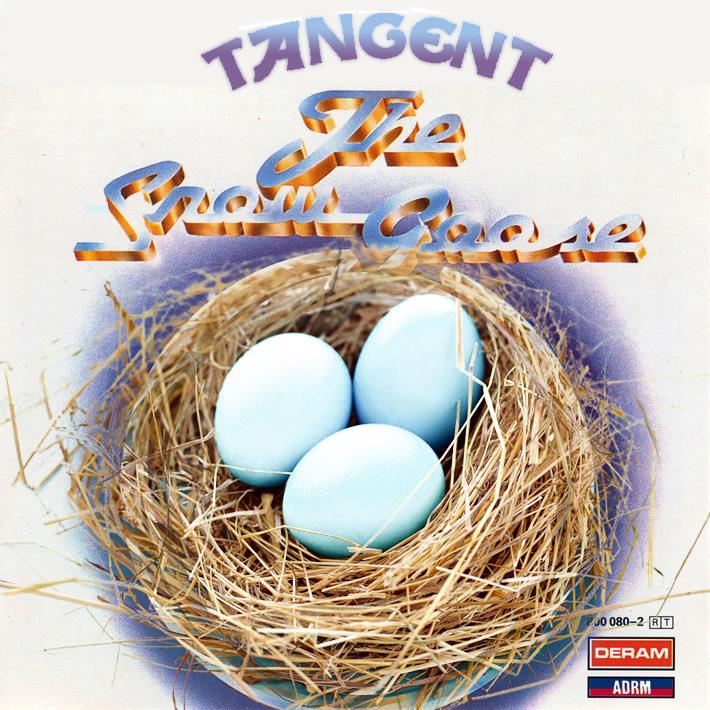
The Tangent, SNOW GOOSE PROJECT–now available

The Tangent -snow goose

Progarchists, our good friend and hero, Andy Tillison, has just released a video and a special download, The Snow Goose Project, inspired by Camel.  The money raised for this will go to help those fighting cancer.  A worthy cause if ever there was one.  Please support Andy and Sally and their wonderful cause.  Plus, you’ll get some fabulous music.

Eric Perry did an excellent job introducing the project yesterday.  Go here to see it.

http://thetangent.org

http://www.youtube.com/watch?feature=player_embedded&v=7iKgFTYTBBo


I’m not the-list-kind-of-guy but…

…nevertheless I have done my homework and now will present my list of the best albums from this absolutely fantastic year of prog! 🙂 I mean 2012 and 2013 have been excellent years both of them but 2013 has been special. I think we can agree on that even though our personal lists may differ a bit. Not to be spoiling too much, but the number one was a no-brainer really, but then it was extremely hard to distinguish between albums 2 to 6. These are five albums that actually can interchange their positions depending on what kind of day it is for me. 🙂 This is how it all ended up today at least. So off we go!

10. Camelias Garden – You Have A Chance

You Have A Chance

Lovely debut album by this Italian band. Folky prog a bit in the vein of Harmonium.

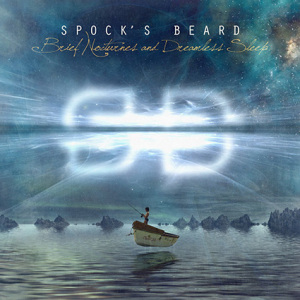
9. Spock’s Beard – Brief Nocturnes and Dreamless Sleep

sb

Well, who would have thought that my favourite SB-album would be the one without both Neal and Nick? But so it is!

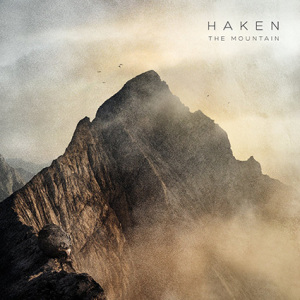
8. Haken – The Mountain

haken1

Rawk’n’rawl and some real quirkiness in a fine mix! Will always remember sitting in Mr Ian Greatorex’s listening room with high end stereo equipment, giving this a first listen…with a Big Big Beer in my hand.

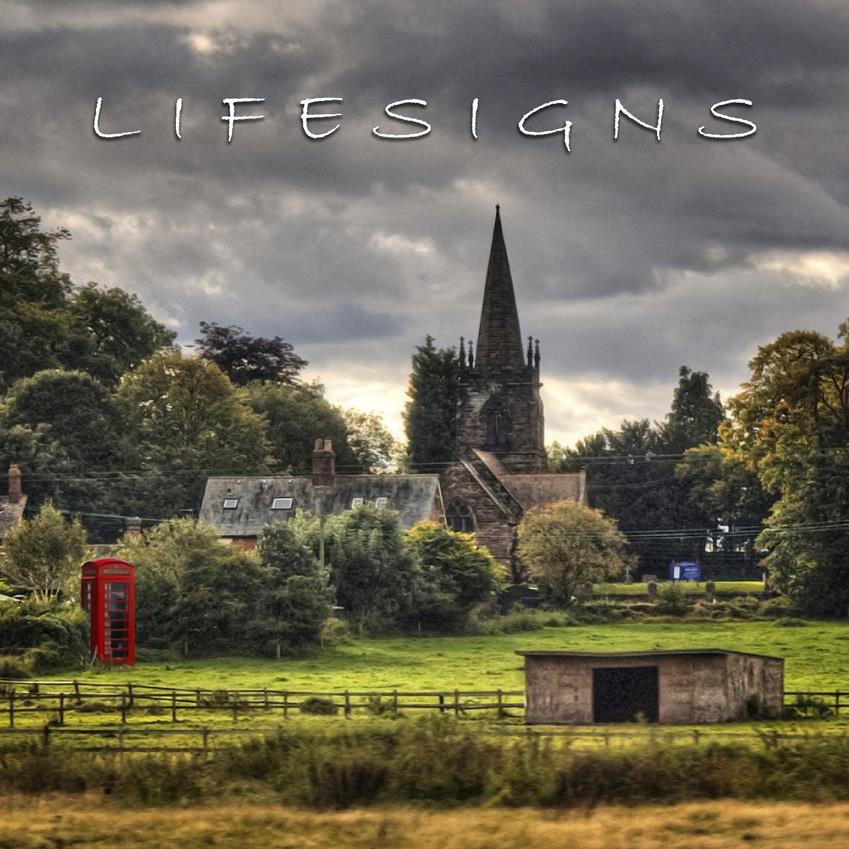
7. Lifesigns – Lifesigns

Lifesigns CD (2)

After feeling it was a bit “meh” to start with this lush album has grown and grown. Some really beautiful songs here!

6. The Tangent – Le Sacre du Travail

tangent 2013 cover

Mr Andy Tillison’s magnum opus to date! Greatness! And with Gavin on drums and Jonas on bass, what can possibly go wrong?

5. Cosmograf – The Man Left In Space

cosmograf

Superb album by Robin Armstrong’s brainchild, comsograf! It’s one of those you just have to listen to from beginning to end totally undisturbed. 

4. Moon Safari – Himlabacken Vol. 1

Himlabacken Vol. 1

I can’t resist this band’s music! It always makes me so very happy and warm inside! Lovely peeps in the band as well!

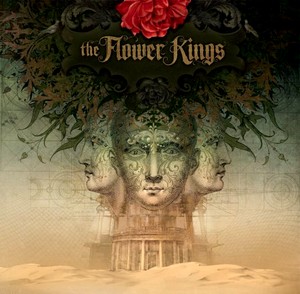
3. The Flower Kings – Desolation Rose

"Pure Flower Kings, pure prog and Kingly epic."

Best TFK album since Space Revolver I dare say. So glad they’re back and sounding so fresch and on their toes again!

2. Steven Wilson – The Raven That Refused To Sing

Raven That Refused to Sing

What can I say? It’s a gorgeous album!

1. Big Big Train – English Electric: Full Power

Progarchy Best Packaging, 2013: Big Big Train, English Electric Full Power.

Well, nobody’s probably really surprised about this being my number one of 2013. 😀 It’s a stunner and will be for many years to come! It’s the best album of any genre for me this year. Without competition.

So…that’s it folks. Outside my list of Top 10 you can find some that are very fine albums and would have made any Top 10 from any other year before 2012. Vienna Circle – Silhouette Moon, Days Between Stations – In Extremis, Johannes Luley – Tales From The Sheepfather’s Grove and Shinebacks fine album Rise Up Forgotten, Return Destroyed (added 20130103) are examples of albums bubbling just beneath position number 10. Then we find albums that I haven’t found the time, motivation or curiousness to listen to more than very casually at the best. Riverside, Airbag, Fish, Nemo, Maschine etc are among those bands or artists that I haven’t given proper attention as of yet.

Merry Christmas and A Happy New Year everyone!

PS. Best prog-related and most fun and interesting experience of the year: Big Big Weekend 14-15 September in Winchester and Southampton!

http://www.youtube.com/watch?v=4sIveLBgVl8

My Review of 2013

2013, what a superb year for prog music, there have been dozens of fantastic albums released across the whole gamut, from classic English prog, to experimental rock music, and returns of several prog legends with fantastic new albums and new bands making waves and moving the genre on.
This is what I consider to be the albums that have been the strongest this year, and ones which I have kept coming back to over and over again, the musicality, the performances, the songwriting, the production, the sound is different from album to album, the topics wide ranging and when you listen to these albums back to back, they are all fresh, vibrant and new.
This is my sound of 2013, and these are albums that will stay with me, long after 2013 is but a memory.

Kingbathmat: Overcoming the Monster

Following on from last years superb Truth Button, Kingbathmat returned in triumph, on their most assured album to date, Overcoming the Monster is all about dealing with psychological obstacles, which is reflected in the brilliantly observant lyrics, and the superb cover art as well.
Masters of making an album, rather than just one track, the full force of Kingbathmats impressive musical arsenal is unleashed and untamed over these 6 fantastic tracks, with luscious harmonies reminiscent of Yes in their heyday, with tracks like the driving Parasomnia and the musical finale, the epic riff driven full on space rock masterpiece that is Kubrick Moon, with its superb guitar and keyboard work, and the interplay between all 4 members of the band is a joy to listen to as the track reaches its epic conclusion after 11 plus minutes of sheer musical abandon.

Lifesigns by Lifesigns

Keyboard player John Young, bassist Nick Beggs and Martin ‘Frosty’ Beedle have combined their not inconsiderable talents, and present 5 amazing tracks as the Lifesigns project.
With guests of the calibre of Steve Hackett, Thijs Van Leer, Robin Boult and Jakko Jakszyk Lifesigns fits nicely in the English progressive tradition, with inventive performances, quality musicianship, (the interplay between Beggs fluid bass playing and Youngs superb keyboard playing is a particular delight, while Beedle builds on and adds to a tradition of inventive percussion started by Bill Bruford and others) and instead of imitating or following a pre-ordained idea of what progressive rock should be, this is showing what it is.
Intelligent mature well crafted songs, atmospheric and ambient soundscapes created by the band, where Youngs emotive vocals weave over, and the beauty of the album from the superb Lighthouse to the closing 11 minutes worth of Carousel, Lifesigns is the sound of three talented musicians having the time of their life, not compromising, and delivering the album they were born to make.

Thieves Kitchen-One for Sorrow Two for Joy

The trio of Amy Darby, Phil Mercy and Thomas Johnson have moved from being a live band to a studio project, and in the process have moved organically away from Thieves Kitchens original prog roots, into something more prog folk, with some fantastic vocals from Amy, whilst Phil’s versatility as a guitarist shows all over this album from the brilliant The Weaver, the two epics in which the album hangs, Germander Speedwell and the closing Of Sparks and Spires, whilst Thomas is as inventive a keyboard player as any on the current scene. This is a well-performed, well-produced album, which is made to be listened as a whole. There’s no dipping in or out of songs here and this is a superb musical meeting point of songs and lyrics and performance, and a high point in Thieves Kitchens story so far.

Ravens & Lullabies: Gordon Giltrap & Oliver Wakeman

Two musical powerhouses in their respective fields, guitar maestro Giltrap and keyboard supreme Oliver Wakeman combine their considerable talents on this magnificent concept album on Esoteric.
With Giltraps effortlessly beautiful playing and Wakemans beautifully fluid keyboards, any album with one of them on is a joy; with them both together you’re getting a masterclass in collaborative performances.
With Olivers vocalist of choice the incomparable Paul Manzi on board (seeing Oliver and Paul perform together sends shivers down your spine) and with Wakeman and Giltrap trading licks, exchanging riffs and building things of beauty around each others talents, has to be heard to be believed.
This album is a thing of great power and great beauty and is one which you’ll find you keep returning to again and again, and each time you’ll discover something new, one of the best albums either man has put their name to, and this is one of those collaborations you hope continues.

John Lees’ Barclay James Harvest: North

The first new studio album from John Lees BJH since 1999’s Nexus, this is a superb continuation of the BJH sound, and a triumphant musical return for one of the most underrated bands of the progressive scene, this is classic BJH at its finest.
However in an album full of strong tracks like the digital single Unreservedly Yours, The highlights of this superb album, which as the name suggests draws on the Northern roots of the band, reflecting beautifully and evocatively on where they came from, is the epic and beautiful title track, which brings the landscape and area home to anyone from the North, especially if they are so far from home, that and its beautiful finale At the End of the Day, a wonderful musical end with words from a poem by Northern poet Ammon Wrigley, these two tracks close a magnificent and wonderful album, with grace, beauty and pathos
This deserves to be acclaimed as a great album from John Lees Barclay James Harvest, building on the fine musical tradition and heritage that BJH have, whilst giving their sound a contemporary feel.

Manning: The Root, the Leaf & The Bone

This is Guys 14th album, and he shows no sign of slowing up, with a magnificent concept all about change and time passing, brilliantly executed and realised, with superb pieces like the opening title track, the dramatic Forge with its fantastic percussive sound, and the lyrical themes running through the album about what has been lost to progress.
The core Manning band are a stunningly tight group, and guest musicians like Chloe Hetherington and Marek Arnold enhance the magic of Guys music.
This is a brilliant folk tinged work that shows Guys songwriting to be top notch and is another triumph for Manning.

The Tangent – Le Sacre Du Travail
L’Etagere Du Travail

After a break of 2 yrs Andy Tillison and the Tangent return with not one, but two stunning new albums.
The main treat is the new studio album proper Le Sacre Du Travail, which translates as the Rite of Work. Influenced strongly by Stravinskys Rite of Spring, this is a contemporary progressive symphony for modern times, with Andy thinking big about things that don’t necessarily fascinate other songwriters, the music itself is written and should be listened to as a complete symphony, like Andy says, progressive music should take you on a journey, and Le Sacre does that, from the opening of Coming up on the Hour (overture) the 22 minute epic Morning Journey and Arrival, its musical dexterity, with wryly observant and sympathetic lyrics, pulling you into the piece, and its counterpart the leading to the conclusion of the symphony, Evening TV, with its cyclical ending of ‘it all starts again’. This is one of the finest examples of a rock sinfonia I have ever heard.
The companion piece of an album as well L’Etagere Du Travail, the Shelf of Work, a 10 track supplementary disc of outtakes and alternate mixes available only from the Tangents website, from the older material the remix Dansant Du Paris is the Tangent go pop, with a fantastic sax break and clever remix, and a different version of the brilliant Ethernet. There are also 5 extra tracks on here, the brilliant Monsanto, the contemplative lost in Ledston, however the stand out track here is the fantastic Suppers Off, an amazing piece of work, from the free festivals of the 70’s to the corporate greed of today via questions about why people have stopped making things and only want to make money, this is a musical angry young man statement, with big questions about musical recycling, and how come big bands remaster stuff all the time, and people lap it up.
To create a masterpiece like Le Sacre is achievement enough, but to then follow it up with a companion album including Suppers Off which would be a significant track by anyone’s standards is an astonishing record by any musician, but to do it in one year as a simultaneous release reminds us why Andy Tillison is one of the most important voices on the prog scene.

Shineback: Rise up Forgotten Return Destroyed

This debut release by Tinyfish frontman Simon Godfrey with lyrics from Robert Ramsay, this is a step away from the Tinyfish sound.
Drawing on a diverse range of genres and sounds, this tells the story of Dora who videos her dreams and is drawn into a dark journey into her own past uncovering dark secrets.
Danny Claires vocals work so well on the album in the musical blog interludes, telling part of Dora’s story, whilst musically the genres flip from the driving electro rock of Is this the Dream? The synth driven Bedlam days that mixes techno and garage sounds, with some great keyboard work.
Godfrey has pulled together an amazing story and the electro emphasised music taking his muse in a totally different direction from anything he’s done before.
His own insomnia is drawn on throughout the album adding to the story, particularly on the mood changing piano driven Faultlines, his vocals being sublime throughout the album, whilst the title track is 10 minutes plus of musical brilliance.
This is a superb debut for a talented musician stepping out from the music he’s known for, into a left field musical future. The fact that this succeeds so well is testament to Godfreys talent and vision, and his choice of collaborators (including Matt Stevens, Dec Burke, Henry Rogers). This is fantastic.

The Fierce and the Dead: Spooky Action

The Fierce and the Dead is this intense, powerful, exciting groove monster.
The 11 new tracks that make up this mighty album all take you different places, and into unexpected territories, from the opening groove of Part 4, the driving intensity of the single Ark underpinned by a monster bass riff, and powerful percussion sound, whilst the twin guitars trade riffs and licks of an almost industrial nature, it’s a mighty blend of light and shade.
There are hints of jazz, of rock, of prog, of allsorts running through this album, and plenty of sounds coming through that you wouldn’t expect a guitar to be able to make, the fantastic Lets start a Cult with its stabs of brass and epic finish, the funk stomp of I like it, I’m into it, with its great drum beats and dirty bass and guitar sound, and a that killer riff, this is the sound of a band operating at full capacity.
Kev Feazey plays his bass like a third guitar, whilst the guitar sparring of Matt Stevens and Steve Cleaton is exemplorary, both being mighty guitarists, whilst the drums of Stuart Marshall underpin everything and build to the mighty sound of the Fierce and the Dead.
This is experimental, this is exciting, this is everything that is good about instrumental rock, new, fresh and an album you will keep returning to, time and time again as there is so much depth to these tracks that you pick something new up every time you listen.

Sanguine Hum: The Weight of the World

Oxfords Sanguine Hum took their debut, Diving Bell as their starting point, and pushed their music even further creatively and musically, creating as they do so, one of the most interesting, exciting and unpredictable albums I have heard all year.
From the musical tour de force that is the epic title track, clocking in at well over 15 minutes, and not one minute of which is wasted, there are hints of electronica running throughout the album, pulsing through the fantastic Cognoscenti, providing an exciting counterpoint to the beautifully melodic guitars and the driving percussion, whilst Day of Release provides one of the many musical highpoints, with hints of early OMD and Joffs vocal melody providing a sublime contrast.
From the start not a moment is wasted, not a foot is put wrong, and there is beauty throughout the album, in the music, the lyrics, the spaces between the notes.
This is an album like albums are supposed to be made, running almost seamlessly from start to finish.
I would argue that they are one of the few truly progressive bands out there, not copying, but creating, not imitating, but innovating.

Conundrum in Deed – Gentlemen

This is London based quartet Conundrum In Deeds debut album and is classic jazz prog rock, with their sound being enhanced by the fact that instead of different keyboard sounds, its just Sadlers piano adding to the rock, sound, and from the opening Falling leaves, right through to the closing title track, the music entrances you, draws you in and takes you on a journey.
With the lyrics as important (if not more so) than the music, songs like the beautifully mellow Strangers in Sympathy, the driving funk bass driven Love in the Age of Technology, the brilliant Holy Flowers, and the majestic Rise/Church Bells with its stunning bass/piano interplay.
Conundrum in Deed are the finished article, a superb band with something new to say, echoing the sounds of yesterday, reminiscent of bands like Caravan and others of that ilk from the Canterbury Scene.

Big Big Train – English Electric Full Power

A monumental collection by anyone standards, this is strange as it may seem, my first introduction to Big Big Train, and what an introduction.
This is English Electric parts One and Two, and the EP Make some Noise, in a lavish hardback book with some beautiful new pictures, stories behind the songs, and is a weighty package suitable for one of the greatest musical projects its been my pleasure to listen to.
From the opener of Make some Noise, and into the albums proper, the expansive sound, the powerful musicianship, the intelligent and well observed lyrics, this is a complete musical package.
Tracks like Uncle Jack, the haunting and poignant A boy in darkness, the English sound of Hedgerow and Keeper of Abbeys, and the frankly brilliant East Coast Racer make this a double album to get lost in, you don’t listen to one or two songs, you clear the decks, turn off the phone or internet, put the album on and sit down, let it wash over you, as you absorb its beauty, its strength, its power.
This is a magical work and one, which in 20 years time will be looked on as a significant musical achievement.

There are loads more albums that could have made this list, and some honourable mentions must go out to Chris Wade, whose been so prolific this year (three Dodson & Fogg albums, and one prog instrumental one) that it has been hard to choose between them, the musical maturity and progression from Derring Do, to The Call, via the Sounds of Day and Night have been exciting to listen to, and fascinating to see where Chris is going to take his musical talent next, I predict even bigger things for him in 2014.
Haze’s fantastic Last Battle saw their triumphant return, and what was nearly a goodbye has become a new beginning for them.
Jump just get better and better, and like a fine wine keep on maturing, and their stunning Black Pilgrim takes familiar themes and weaves their musical magic round them.
If I’ve missed out some other big releases like the Steven Wilson album, or the new Magenta album then it’s because sadly I’ve not heard them yet!
2013 will go down in Prog history as a superb year, and I am already excited about the prospect of 2014, so I shall end by wishing you all Merry Christmas and a Happy New Year.