Bristol based psychedelic prog folk band Hi-Fiction Science came to my attention last year when their 2nd album Curious Yellow was released on the Esoteric Antenna label, fundamental to their sound is guitarist and songwriter James McKeown, whose recently released his latest solo album
From his background and his previous full band releases with Hi Fiction Science, you would have expected the Dead Astronaut to be a full on prog psych album, with plenty of the imaginative guitar work that is given on any project James is involved with, however you’d be wrong.
With it’s haunting and sparse artwork by highly regarded designer Carl Glover, to the musical contents, the album is as different from Hi Fiction Science as is possible to get, and as we’ll find out later has a loose narrative written around some highly personal and emotional issues experienced by James.

As he explains in the interview below, writing the album was like therapy, and it’s more intimate, stark and emotionally raw than anything I’ve heard him do before.
With a small core of collaborators, including HFS band mates Aidan Searle and Jeff Green and guitarist Paul Bradley, one of the sounds that is at the heart of this record, and believe me, this is a record that is full of heart and soul, is the cello of Charlotte Nicholls, which, when coupled with the emotionally raw and confessional style of songs that James presents here, adds so much to the texture and the tone of the record, and yes, I am talking about a record as I opted for the vinyl edition, which is a pure immersive experience to listen to.
Taking a deliberate musical step away from the powerful full electric band sound is a HFS trademark, James instead has opted for the maxim of ‘less is more’ on this record, with the sympathetic guest musicians and the deconstructed singer songwriter sound working in harmony with some truly great examples of confessional songwriting.
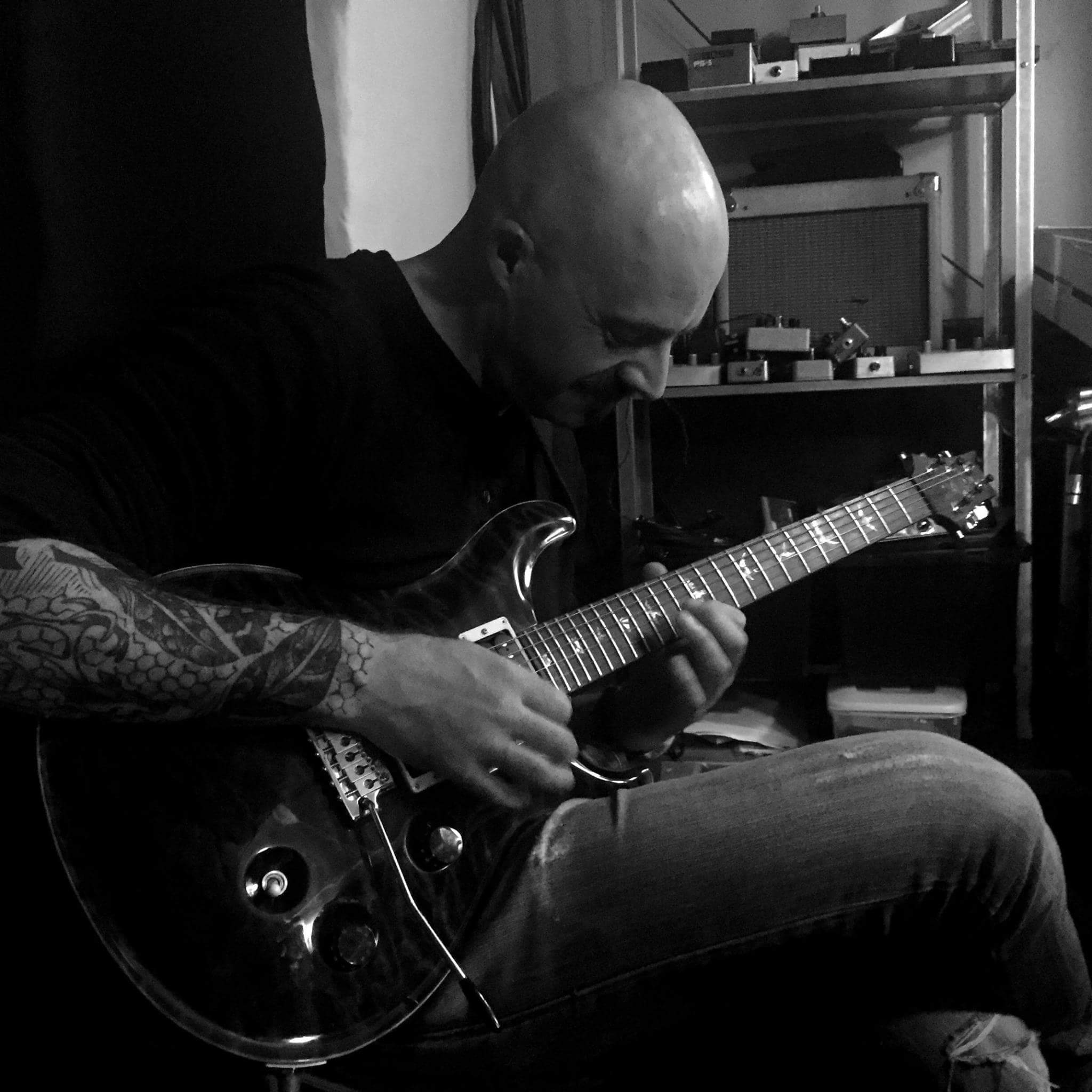
With the low fi drone of North Star Loop leading into the mournful haunting beauty of Concrete Town, with it’s bleak lyrics and the cello accompanying James guitar this is a powerful and beautiful opening to an album like no other I’ve heard this year, it’s dystopian world view an acoustic counterpoint to Hawkwinds High Rise 30 odd years on.
As a listener, reader or viewer I get excited and engaged by media that features places that I know, so this albums references to James home town (and my adopted city) of Bristol also draws me in, from references to the Underfall Yard (a topic covered by another band close to Progarchys heart) on Underfall or the mention of College Green on Worktable really grounds this album for me, and I would love to listen to it on my iPod as I walk round the city on a cold winters day.
Ricochet is one of the stand out tracks on this album, the cello and guitar working beautifully together, whilst the bands performance is amazing here as James pours his soul out to the world, this is definitely the antithesis of easy listening and yet James warm vocal works perfectly with the bleak and haunting lyrics on display here, not to mention him unleashing one of his astounding guitar solos loose here.
The word bleak comes up again and again when describing the themes on this album, and this shouldn’t ever put you off, there is beauty in this darkness, and whilst James is pouring out his heart, the production and the music adds warmth, almost like the song is giving him a big hug as he’s singing it.
The trademark guitar sound comes out again on the darkly wry Black Sky, whilst the beautiful, very English sound of Severn is matched by the darkest lyrics I have heard this year, James juxtaposing the dark and the light to perfect effect here.
The trumpet playing of Pete Judge adds its timbre to the gentle beauty of Underfall, again working in perfect symmetry with the music and the therapy of walking round the floating harbour in Bristol, James has been very selective with his collaborators, and each and every one add something to the music, not a note wasted, not a heartstring untugged.
This album has a very English sound to it, and the pared back sound allows the songs to breath and the lyrics to shine, it’s like the difference between early Pink Floyd records and Syd Barrett solo records.
The title track is another beautiful piece where James intricate guitar playing is almost folk like in its style. Skyboat then continues in the folk vein, whilst the only nod to James heavier psych sound come on the Skyboat reprise where he psychs out as a HFS power trio, and the additional keyboard sounds from Duncan Gammon from fellow Bristol proggers Schnauser, gives a nod to James roots and showcases the improvisational side of his compositional skills, which when you consider it’s a full electric space wig out, it could have jarred, but as the album flows it fits perfectly and works incredibly well in context.
The closer of Blackberry Hill, again with its wonderful trumpet work adds an element of melancholy optimism to the album, showing a chink of light in the darkness, and some fantastic lyrics and another great vocal performance by James.
You can hear the humanity and the raw emotions on display throughout this album, and again you can feel it, through the music, the lyrics and the sparse packaging, this isn’t an album that can be ignored.
Once it’s in your heart and in your head it takes over the room you are listening to it, and it’s one of those albums that demands your attention, and rewards your listening time and time again.
This is as far removed from the traditional prog albums I have heard all year, and yet, no album has grabbed me quite as much as this has, it is a record of immense power and beauty, and with its raw emotional depth, astonishing musical performances throughout, and themes that are identifiable and that resonate with me on a personal level, is an album that will stay with me forever.
Not to mention of course it is just a bloody good record, and one that once you’ve heard it, will never leave you.

I also caught up with James recently in a cosy pub The King William, on King St in Bristol to talk about The Dead Astronaut album and some of the themes behind the songs and the concept.
I started by talking about the release, as it’s been produced by Tonfeloat Records on Vinyl and download only,
‘I was expecting to do a package of vinyl and CD originally, but get speaking to Charles at Tonefloat, and he’s a massive vinyl enthusiast, so their preferred format is the 180g vinyl, with the download available from band camp. To be honest I never thought in a million years that they would do it’
‘It’s a beautiful vinyl package with a Carl Glover sleeve, which is a massive thing for me as a No-Man fan, it was amazing to be introduced to Carl and get the dialogue going about the album and it was weird because I didn’t want to tell him what to do!’
‘I explained the concept and he sent over some NASA images that I really liked, I was expecting him to use some stock footage, but he explained he had a whole set in his personal archive from the Apollo launch.
After looking at the images I choose the one that I want, I wanted the clear expanse, like the ones you get with the No-Man albums, I wanted it clean not like a Floyd/Hipgnosis sleeve, I didn’t want to be obviously copyist, and the artwork and music came together really well, it’s an amazing package and the sound is phenomenal’.
How did the concept of the album come about?
‘The idea came from the last twelve months where I had a strange series of life events, which were fairly traumatic relating back to my childhood which came back to haunt me. I had some therapy and came up with this idea about inner space in your mind, the way that your mind can run away and how on a fundamental level how the universe is like that. Then I came to the idea of the Astronaut on a space walk, cut off and left to drift. The title track came as a song, sometimes you have an idea and it just comes out of you. I wrote the lyrics on the iPhone, and then got some chords and it all came together. I had some other songs that were melancholy and very intimate and it was very much a tool for therapy.
It started coming together thinking about the space theme, and compiling the songs and putting them into a concept in a very loose sense, the narrative doesn’t flow like an obvious concept, but there’s a narrative I can explain.’
At this point James was kind enough to go in to more detail about each song on the album,
Side A
North Star Loop – Sets the scene and gets you in the ambience to take you on a trip, I used a sample from a the NASA site and a piano drone piece layered over it, then expanded on it in the studio.
Concrete Town– I’m nuts about JG Ballard and dystopia, that kind of sci-fi, a very human sci-fi, this introduces the character and is following through his eyes, this is the character and this is where he’s at.
Ricochet- This is the ‘Shit this is what happened, this is what it’s done to my life’ moment.
Worktable – This is written around and based on an arts festival here in Bristol, In Between Time that was on at the Arnolfini. I am interested in contemporary art, and this was a piece of conceptual art in Portakabins, where you would walk and be surrounded by all this stuff from around the city, you would select an object then destroy it, and through a series of rooms reassemble it in a different way, taking something that has been destroyed and remade in your own image.
It read to me like an analogy for self-harm and it fitted into the bleak narrative.
All the lines in the song relate to the arts festival and is profound in its own way.
Black Sky– Very much about Black Sky thinking, a few songs were developed on the drum machine and this is one of them. The thing about Black Sky is I started using this mellotron sample of a boys choir which had a melodic quality to it, I was going for a Cardiacs sound and it came out a bit Kate Bush.
Side B
I hadn’t had much thought about sequencing the album for vinyl, but it seemed to work, as what I’d imagine to follow Black Sky was
Severn– the lyrics for this are bleak and expressive, a melodic song talking about something horrible, that juxtaposition of someone talking about wanting to kill themselves but changing their mind with the music.
Underfall – One of those narrative songs I wanted to talk a lot about Bristol, the landmarks of the city that mean a lot to me, I love to walk along the harbour side and through the Underfall Yard, I also mention places like College Green on the album. It came out like a simple Big Star song, 13 or something like that.
The Dead Astronaut- This is the title track.
Skyboat – It takes it cues from the Skye Boat song that my Dad sang as a lullaby to me as a child, and it could be like a Spacecraft, its very confessional, I remember watching Columbia launch and how the obsession with space started.
Skyboat (reprise) – This is all about trying to recapture myself, Jeff & Aidan as Hi-Fiction Science before Maria brought so much more to the band, as we used to improvise with these long kraut rock jams and when she joined us we became more song based and a much better band for it.
This was a second take of a live in the studio jam, its probably a bit out of place having all these confessional sons and then bam into this space jam, but I thought Fuck it, it’s my album, in the spirit of Neil Youngs After the Gold rush. That will of being able to do it because I funded the album, it’s not commercial and I’m not accountable to anyone, I just did it myself.
Blackberry Hill– I wrote this when I was 16 on a piano at my Mums house, I brought it up to date, re-wrote the lyrics to make it more relevant and it became the closing track.
Were any of these songs ever destined for Hi-Fiction Science?
No, it was always intended as my project, because it was so personal, it was always going to be a solo album, my last one came out on a tape label, and as I thought about it and thought more about the concept I get other musicians involved and then wanted to call it something, it made more sense to do that.
Hi-fiction Science we have our own studio that we rent out with other guys, its called Joes Garage and is run by Joe Garcia whose recently done a recording there with Dylan Carlson and Maddy Prior. He’s a skilled engineer and I worked closely with him, explained the concept, as I am nuts about recording, I’ve always done it at home but I had this toy box and thought lets do it. I had two days to get the basic tracks, its fairly low key because of the time and the budget as it was totally self financed so we did it in those two days.
I got Charlotte (Nicholls) in on cello, she’s worked with Portishead and Crippled Black Phoenix and Joe suggested her, she’s such a pro and gave it the vibe I wanted, so mournful and it adds the timbre.
My wish list was her, Paul Bradley whose a crazy Irishman, I’ve known about him for years from when he played with an Anglo Irish psych band called Me, he plays improvised guitar and sings harmony vocals and I also got Pete Judge in on trumpet.
Jeff (Green) & Aidan (Searle) from Hi-Fiction Science provide bass and drums, and I got Duncan Gammon in (from Schnauser), I sent him Skyboat (Reprise) and said I wanted something between Mike Ratledge and Richard Wright, and he did, all over it. He added an extra flavour to the piece, he did so much more that I had to edit down otherwise it would have been too uber prog.
Would you do a prog album?
It would be great to do that with Duncan and get Gaz Williams in from Asteroid Deluxe and do an ultimate prog album.
Is there a sequel to Curious Yellow in the works?
HFS 3 is currently being worked on in the studio in town, and The Dead Astronaut has given me more scope with my songwriting, we’re going to get Charlotte in to play some cello, there’s some songs I wrote around the same time as the Dead Astronaut that we’ve reworked as band songs.
It’s a very dark album, such a hackneyed phrase, but it is quite dark in terms of the sound, I wanted the guitar to sound raw and the themes are all pretty dark. It’s got a real ritualistic sound to it. As a band on this one I think we’ve nailed it’
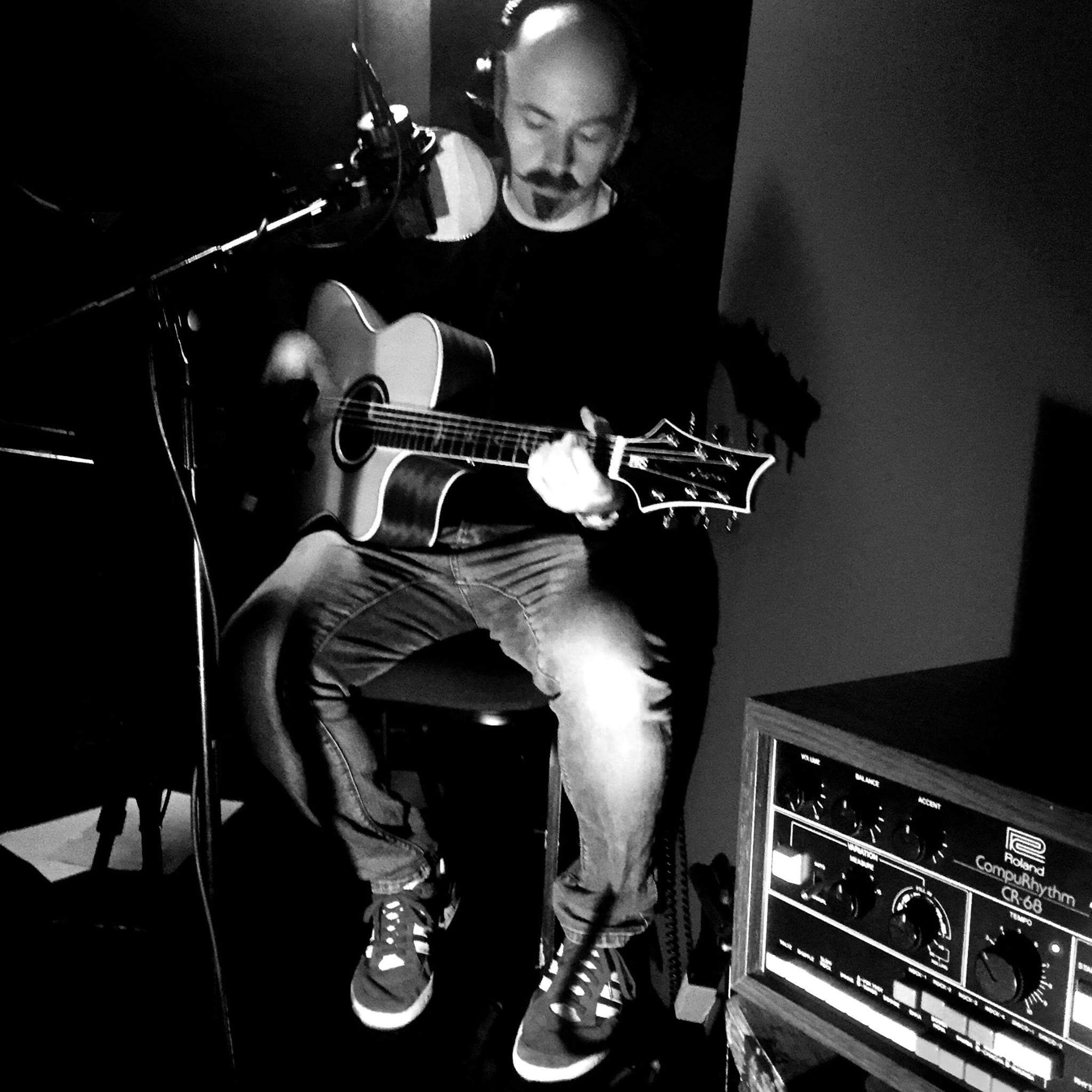
James spoke about the art scene in Bristol earlier, and indeed it crops up on The Dead Astronaut, he was recently invited to play at an instillation called Sanctum, that was 27 days worth of art performances in a disused church running 24 hours a day for the duration of the installation.
I got to play at 8pm on a Friday night where I debuted the album there and played the majority of it, then Jeff and Aidan joined me for Skyboat, Skyboat (reprise) and we chucked in a new HFS track, it really captured the audience, they were really receptive, it was a case of just getting it out there and it was great to be affiliated with an art organisation promoting art across the city.
I did two slots there and got a taste for playing those kind of gigs and I’ve now got another The Dead Astronaut set at the Exchange in Bristol on the 9th January in the afternoon at 1pm, which I am really looking forward to.
Thanks to James for his time and supplying the pictures for this piece.

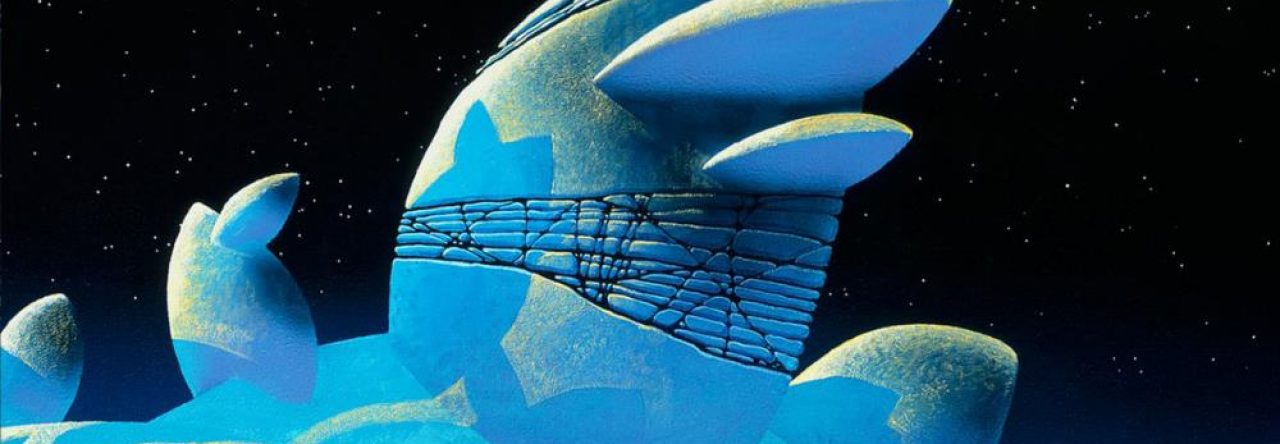
 You may remember way back in January when we reviewed Australian band Lucid Planet’s sophomore album. It’s a great album, and now it will be coming to vinyl on November 5. Pre-orders are open now. With beautifully detailed album artwork, the large record sleeve will look great. A real eye-catcher.

 Progarchy