

 In the last few years, David Eugene Edwards has taken Wovenhand — soundstreamsunday #85 — in an increasingly heavy direction, towards drone metal underpinning an utterly unique and dead serious frontier circuit preacher mysticism. The drone as tribal, the ancient tool of ascension to the Common One, and so Wovenhand’s thunderous droning riffs on 2012’s Laughing Stalk and 2014’s Refractory Obdurate relate to themes steeped in Native American and old time music, eastern desert whirlwinds and western desert stoner rock. It is a vast music carrying a mad sensibility:
In its gothic-ness and existential riddles the music of Wovenhand is tied to bands like Siouxsie and the Banshees, early Cult and, going further back, Popol Vuh. The masters of acoustic and electrified devotional drone and chant music, Florian Fricke’s Popol Vuh were for decades known mostly for their Werner Herzog film soundtracks and often, mistakenly I think, identified as New Age. The krautrock revival of the 1990s put them on a proper map and made their records — ranging from drifting synth meditations to acoustic chants — widely available, while their celebration by bands like Opeth (who often play Popol Vuh prior to coming on stage) have given them a certain hip cred.
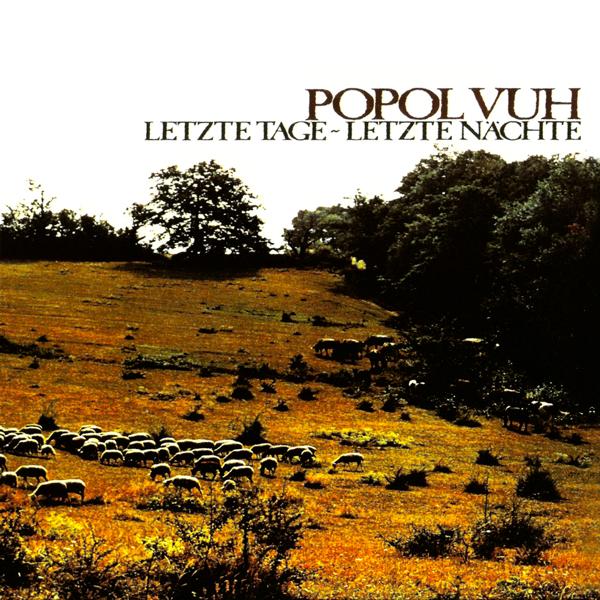
By the mid-1970s Popol Vuh’s association with fellow Munich-based rock band Amon Duul II opened their music to harder electric exploration, and when drummer/guitarist Danny Fichelscher left ADII to join Popol Vuh following Connie Veit’s departure (Veit played on Popol Vuh’s stunning classic, 1972’s Hosianna Mantra), he brought with him the Teutonic heaviness that was ADII’s stock-in-trade. What followed was a string of records where Fichelscher gave form, importantly, to Fricke’s east-meets-west devotional exercises. Among these albums was 1976’s Letzte Tage Letzte Nachte, an electric monument joining dark guitar figures with Popol Vuh’s trademark mantras. Renate Knaup, also from ADII, contributes vocals along with Dyong Yun, the band’s primary singer. “Oh wie nah ist der Weg hinab,” though, is an instrumental, and is representative of the shadows and light found in the set. Darkness builds and thunder cracks, and then the storm breaks, the world made new. There is an intended spiritual drama unfolding here, as it does in Wovenhand’s music, and, wordless as it is, the message is clear.
soundstreamsunday presents one song or live set by an artist each week, and in theory wants to be an infinite linear mix tape where the songs relate and progress as a whole. For the complete playlist, go here: soundstreamsunday archive and playlist, or check related articles by clicking on”soundstreamsunday” in the tags section.
 Like Robin Pecknold of
  Progarchy