Led Zeppelin: A Progressive Rock Band?

ledzeppelin2

John Paul Jones would answer, “Yes.” I have contemplated this question for some time now: is Led Zeppelin worthy of being labeled a “progressive rock” band? Although best remembered for the being the premier hard rock band of the 70s, Led Zeppelin could easily fit into the category of progressive rock-at least to some extent. For a band that never released a single, never performed on “Top of the Pops” (or any other television program), and was able to get away with leaving their name off their album covers, the Zep certainly achieved a level of success unmatched by any other band during the “progressive” era. Please bear with me as I detail the history of Led Zeppelin’s gradual transition from blues-based rockers to true “progressive” artists.

The history of Led Zeppelin’s music demonstrates that they are indeed worthy of the “prog” label. Bursting on to the scene with Led Zeppelin I in 1969, the band’s early repertoire was dominated by blues-inspired songs, but early on they were showing signs of being something more than just a hard rock band. Dazed and Confused, memorable for Jimmy Page’s use of a violin bow on guitar strings to eerie effect, which demonstrated just how willing these virtuosos were willing to go to break the mold, one step at a time. Was the album truly “progressive” in the way we think of the word? Perhaps not, but it was a step in the right direction.

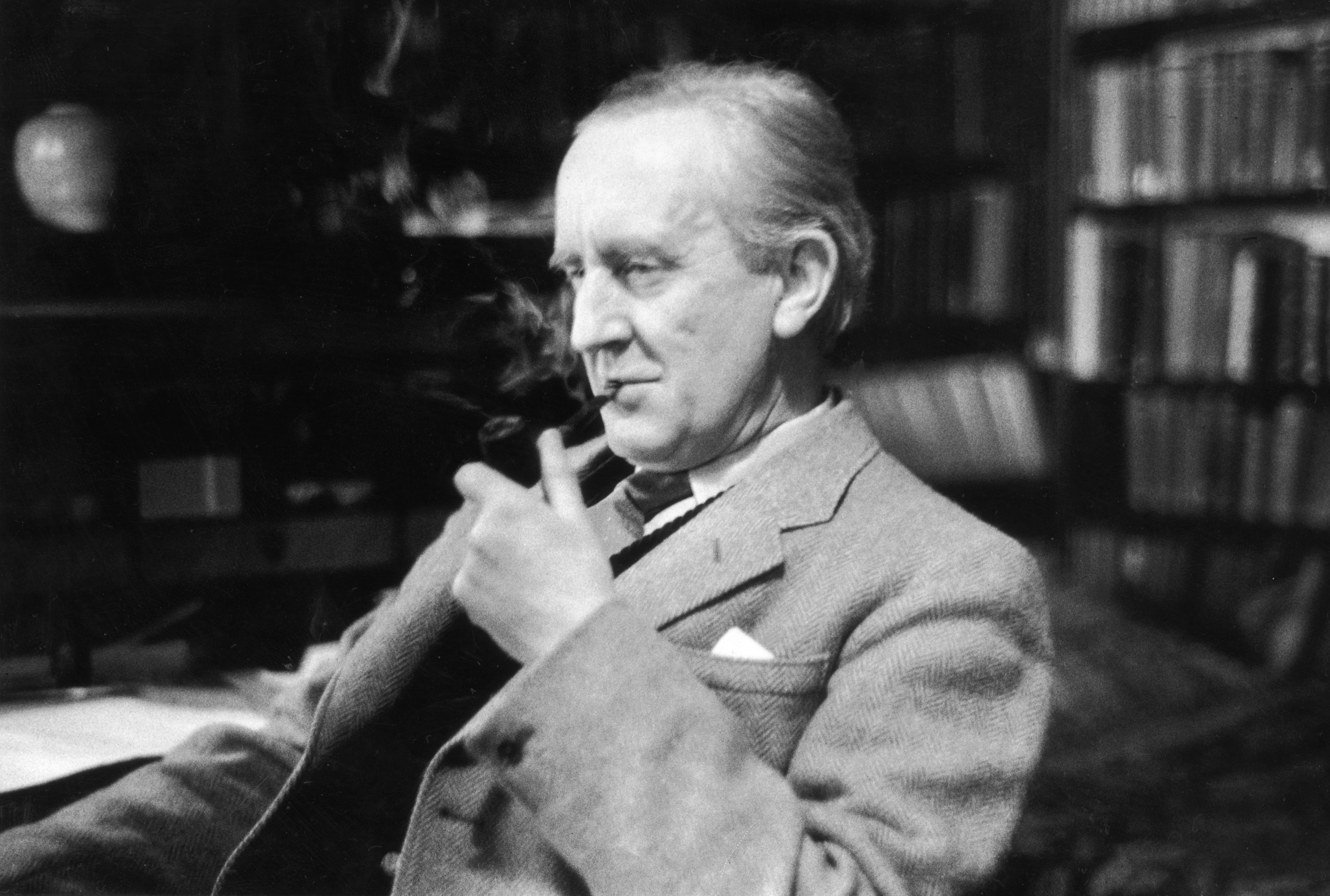
Led Zeppelin II was not a significant departure from the first album, many of the themes remaining the same (namely, women and sex), and most of the songs still bluesy in their origins. II, however, did introduce the rock n’ roll world to Tolkien and his masterpiece The Lord of the Rings in the excellent folk-rock piece Ramble On. And so began the marriage of Tolkien and the (progressive) rock world, thanks to Robert Plant’s fascination with Middle Earth. An odd match, perhaps, but it was a wonderful union indeed, one that would inspire generations of future progressive rock artists. (Also, observe the uncanny resemblance between Robert Plant and Theoden. Coincidence? I think not).
J R R Tolkientheoden

Led Zeppelin III demonstrated yet again the willingness of the band to experiment with various styles. An eclectic album to say the least, the boys shift from metal (Immigrant Song) to blues (Since I’ve Been Loving You) to traditional folk (Gallows Pole, That’s The Way, Bron-Y-Aur Stomp) rather seamlessly. Although the decision to include more folk and traditional music was not as well received, III has grown in popularity and respect over the years. It was not until the next album, however, that Zeppelin placed themselves firmly on the mantle of progressive rock.

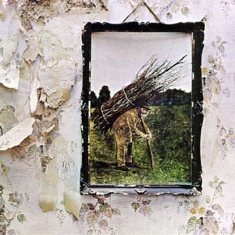
By 1971 Led Zeppelin had developed such a following that they neglected to put their name on the album cover: and it did not hurt them in the slightest. As a matter of fact, Led Zeppelin IV proved their most successful album, and one of the most influential albums of all time. IV may also be considered their first “pure” progressive album. Although Black Dog and Rock and Roll retain thelziv “standard” rock sound, the rest of the album is undoubtably unique in its composition. The Battle of Evermore, an explicit reference to Middle Earth, and Misty Mountain Hop pay homage to Plant’s favorite literary land. Going to California is a pleasant yet intricate folk song dedicated to Joni Mitchell, the Canadian singer who supposedly captured the hearts of both Page and Plant. Four Sticks may be the first “math rock” song ever composed, a song so complex that it was only performed by the band once in concert. When the Levee Breaks features explosive drums from John Bonham and fine harmonica work from Plant. Finally, there is the iconic Stairway to Heaven, an eight minute long epic with enigmatic lyrics that starts off slowly and builds up to a climax of one of the most impressive guitar solos in rock history. If that does not fit the “progressive” mold, then I don’t know what does.
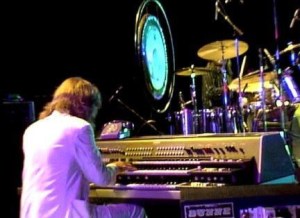
Zeppelin’s repertoire only became more progressive after the immense success of IV. Houses of the Holy featured two more Tolkien-inspired songs: the folk-rock Over the Hills and Far Away, and the haunting No Quarter. Physical Graffiti not only featured their longest song (In My Time of Dying, eleven minutes), but also perhaps their greatest one: Kashmir, one of the finest progressive rock songs ever composed. Backed by an orchestra, Plant, Page, Bonham, and Jones unleashed in this full scale epic of travels in a far off land, a theme explored by progressive rock groups past and present. Their next album, Presence, although perhaps their weakest, nevertheless featured the powerful (and progressive) opener Achilles Last Stand, as well as the catchy rocker Nobody’s Fault But Mine. Zeppelin’s next and final album (although they did not know it at the time) remains their most progressive. In Through the Out Door is dominated by John Paul Jones’ synthesizers and keyboards, and he is more than a competent keyboardist. His work prior to this album (Trampled Under Foot, No Quarter, The Rain Song) was impressive, but he truly shines on Zeppelin’s last album. In the Evening and Fool in the Rain prove he is more than capable on the keysjpjkeys, but it is his frenetic yet dexterous playing on the lengthy and cryptic Carouselambra that established Jones’ place in the canon of great prog rock keyboardists. This claim may be a stretch to some, as most identify Jones as a bassist, but I would urge the reader to listen to these songs mentioned above before arguing otherwise.
After John Bonham’s untimely death in 1980, the band split up, each man going his own direction. Jimmy Page, one of the most versatile guitarists to ever grace the stage, actually teamed up with Chris Squire and Alan White of Yes to form XYZ (X-Yes and Zeppelin). Although the project was aborted after a short time, it nevertheless demonstrated Page’s willingness to form what could have been a truly “progressive” super-group.

I hope this piece did not drag on for too long, but I felt it necessary to delve deep into and explore the fascinating world of Led Zeppelin. Many consider this group to be among the best, if not the best, in rock n’ roll history, but to me they are more than a standard rock n’ roll band. In my book, they were also one of the finest progressive rock bands of all time.
My Top Three Albums of 2014

As many on this site have already covered, or are in the process of covering, their favorite albums of 2014, I will keep my post (very) brief.  2014 was, as many have observed, an excellent year for progressive rock music.  Here, in no particular order, are my top three albums of the year:

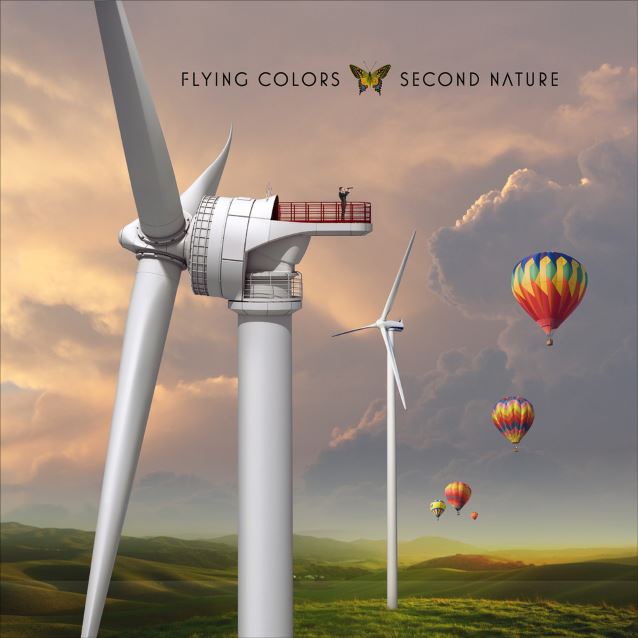
Second Nature-Flying Colors: These five virtuosos did not disappoint in their sophomore effort, a complex yet accessible symphonic prog album.Second Nature

The Endless River-Pink Floyd: A beautiful and touching tribute to deceased keyboardist Richard Wright, David Gilmour and Nick Mason proved to the world that they are still top-notch musicians. PINK-FLOYD-THE-ENDLESS-RIVER-album-artwork-low-res-600x350

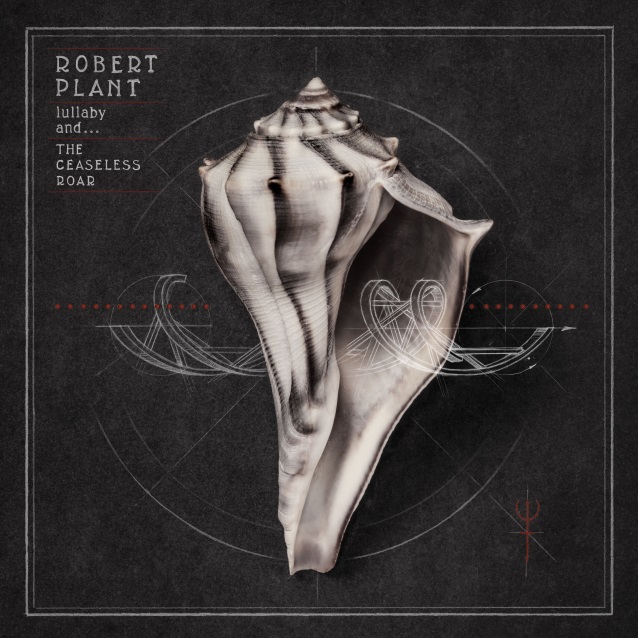
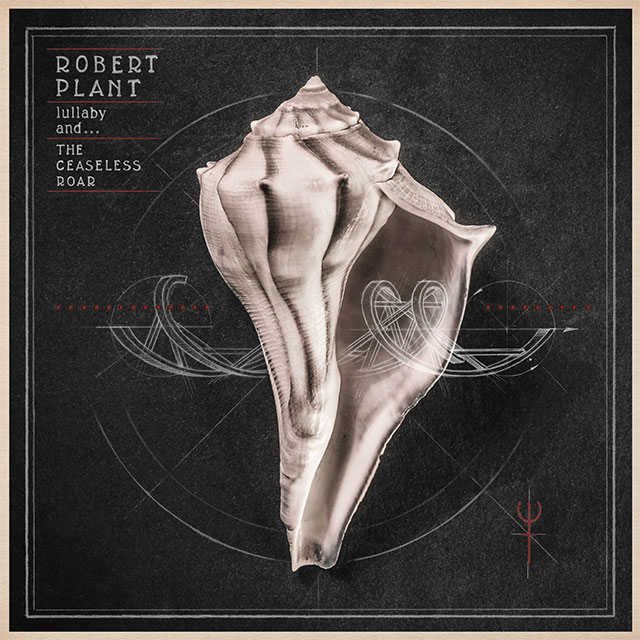
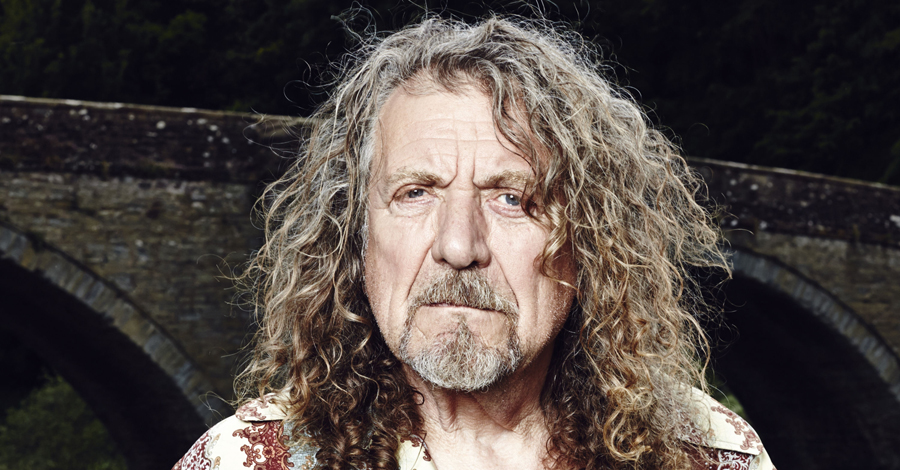
lullaby… and the Ceaseless Roar-Robert Plant: the ex-Led Zeppelin frontman does not rock out like he used to, but his new album, a blend of folk and Americana, is nevertheless a delight to the ears. (You can read my full review of the album here).Robert-Plant-lullaby-and-The-Ceaseless-Roar_638

I look forward to another great year of music in 2015. A Merry Christmas and Happy Holidays to my fellow Progarchists and to all of our readers!

Rest in Peace, Jack Bruce

jackbruce

Jack Bruce, Cream’s extraordinarily talented bassist, has died at the age of 71. I have posted the full story below.

https://music.yahoo.com/news/cream-bassist-jack-bruce-dead-71-153400112-rolling-stone.html


Re-Entering the Universe

dennisleeaskew

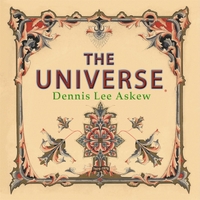
Well, it has been exactly one year since I first joined Progarchy, and what a positive experience it has been. In celebration, I have decided to briefly give another shout out to my friend Dennis Lee Askew of the band Universe, one of my favorite American prog bands.  I very much enjoyed reviewing his first album in an earlier post.  Dennis recently issued a new album (pictured above) containing some songs from his first album and a few others previously unreleased. If you enjoy the sounds of psychedelia, space rock, acid rock, and prog, you will enjoy this album. It is a superb blend of Pink Floyd and The Moody Blues with some Yes added for good measure.  My two favorite songs on the album are I Am, which is keyboard driven and definitely has an early Pink Floyd vibe, and The Axiom, which features a cool synth opening and some great guitar work. You can support Dennis and his work by visiting his website and purchasing the album.

http://www.universemusic.us

The Levin Brothers: A Review

levinbros

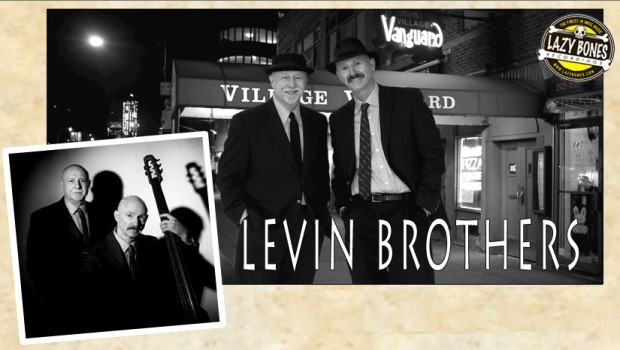
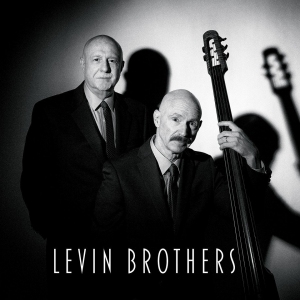
On September 9, renowned musicians (and brothers) Tony and Pete Levin released their first album together.  Although Tony is primarily a rocker and Pete primarily a jazz musician who has played with some rock bands, this album is strictly classic jazz.  Both brothers (and their supporting musicians) shine on this album, as Tony yet again amazes with his bass work and Pete does a wonderful job on piano and keys.  And what more would you expect from two classy Boston guys? My first impression after listening was how I wished I could be in a nightclub chatting with some pals enjoying music like this. The album just has that kind of atmosphere. While listening, you’ll probably be tempted to tap your feet and say, “Play it again, fellas.” I highly recommend this album for anyone who is interested in jazz, especially the classic jazz scene of the 1950s. There is a great mix of slow paced, relaxing piano driven songs and up tempo, sax and percussion driven pieces that will make you want to swing. Here are some of my favorites:

Bassics: the first song features the acclaimed drummer Steve Gadd, and this is primarily a bass and percussion driven track anchored by Gadd’s steady rhythms and Tony’s melodic bass

Brothers: a faster paced piece featuring excellent keyboard work from Pete and the usual fine bass work from Tony

Havana: played with some Spanish flair and even features some scat singing

Gimme Some Scratch: saxophone (played with dexterity by Erik Lawrence), one of my favorite instruments, really shines on this song

If you’re searching for some classic jazz music from a classy group of guys (who also happen to be extraordinary musicians), then this is an album certainly worth adding to your collection. You can support the Levin Brothers by visiting their website: http://thelevinbrothers.com


Lullaby and… The Ceaseless Roar: A Review

lullaby

I was hooked from the start. I have already listened to Lullaby and… The Ceaseless Roar twice in its entirety and thus far it is one of the few albums of which I can sincerely say I enjoy every song. Be forewarned, however: this is not the Plant of hard-rocking Led Zeppelin. Instead, this album is a blend of alternative, folk, Americana, progressive, and world music, a peculiar amalgam of genres, but it works. It is more Battle of Evermore-esque (my favorite Zeppelin song) than Whole Lotta Love-like. Absent is the wailing guitar of Page; the thunderous and formidable drumming of Bonham; the dexterous bass of Jones. This might seem disagreeable to some, but guess what: I don’t miss them and the album doesn’t either. These standards of the rock genre have been replaced by bendirs, banjos, kologos, ritis, and other exotic instruments to create a distinctly West African/alternative inspired sound. Imagine Peter Gabriel, Gordon Lightfoot, and George Harrison got together one day and made an album: this would be the product. Add Plant’s vocals and I’d say you have a recipe for success. Fortunately, Plant acknowledges his strengths and understands his weakness: namely, that his vocals are not what they used to be. You will hear no wailing or screaming; no vain attempt to hit notes out of his range that at this point would make him sound like a man in agony rather than the great vocalist that he is. Anyway, the point I am trying to make here is that I cannot recommend this album highly enough. As someone who appreciates the complexity and diversity of world music and folk, I believe Robert Plant has found his niche, crafting music that is good, true, and beautiful.

Here are my favorite songs from the album:plant

Little Maggie: an enjoyable traditional folk song updated with a somewhat “alternative” sound

Embrace Another Fall: somber, haunting, alternative sound with a dash of electric guitar added for good measure

Up on the Hollow Hill: sounds like a softer, eerier version of When the Levee Breaks from IV, featuring a consistent drum and guitar pattern

Arbaden: shortest song on the album; more alternative with a techno-edge, similar in sound to some of Coldplay’s works; features Fulani vocals by Juldeh Camara, a native Gambian

P.S. I also highly recommend Plant’s previous two releases, Band of Joy and Mighty ReArranger.

Elephant Talk: An Interview With Tony Levin

Levin-Brothers

Interview conducted via e-mail and reproduced below.

1. First of all, we at Progarchy would like to thank you for this opportunity. Many of us are big fans of King Crimson, Peter Gabriel, Pink Floyd, etc. We know you have a busy schedule, so I’ll keep the questions to a minimum. The 1950s was obviously a huge decade for jazz, featuring the talents of Miles Davis, Buddy Rich, and others of the cool jazz movement. What first attracted you to the jazz scene and do you have a preferred “style”?

It’s an interesting combination, me and Pete, because I’m primarily a rock player, who also plays jazz – while he’s a jazz player, who has played a lot of rock. So, Pete’s played in lots of jazz styles, on tons of records and tours. For me, I’m usually called in to a jazz album when they want it to be more like rock(!) But this time it’s us calling the shots, and we wanted to go back to the style we loved when we were kids just starting to play… the ‘cool jazz’ then may or may not have been ‘cool’, but it had melodic songs, and the solos weren’t as long winded as some other styles. In general it seemed less designed for the players, and more about having good writing, played well. So that’s what we aimed at with this album, hopefully giving the listener songs that’ll keep running thru their heads, and hopefully it’s music that has a classic element, and will sound as good 10 years from now as it does today.

2. What was the music scene like growing up in the 1950s Boston area and how much of an influence did it have on the you and your brother’s playing style?

When I was living in Boston I was only into Classical. There were great opportunities, and the Greater Boston Youth Symphony Orchestra took me to Carnegie Hall and the White House. But it was after I left to go to school in Rochester that I started playing jazz and rock — so I wasn’t much influenced by what was going on at home.

3. This is your first time releasing an album with your brother Pete, an accomplished musician in his own right. Why so long a wait? What was the experience like?

We did release a single track way back years ago, and it was a comedy piece! Otherwise, we’ve played on each others albums and projects many times, but really this is the first time we sat down and said, let’s make this album together. Surprising it took us that many years to do it. (And hopefully it’s worth the wait!)

4. Listening to the audio sample on Youtube, I was impressed by the quality musicianship, but it was certainly unlike anything most of your fans have heard before. Most listeners are familiar with your work with Peter Gabriel and King Crimson. What can they expect from the Levin Brothers album?

Oh this is different for sure. What it’s about is; nice jazz songs, played well, with unusual instrumentation (a lot of my cello playing the lead, as well as Pete’s piano and organ, and Erik’s sax). The solos are short and each guy does his best playing, then moves on for somebody else.
Oh, there is one King Crimson song, Matte Kudasai, that we included so that folks might have one song they already know.

5. I also noticed from the Levin Brothers site that Steve Gadd, one of the world’s most renowned drummers, is featured as a guest on two songs. However, a few other musicians, perhaps not as well known, appear on the album. Could you briefly discuss the talents of Jeff Siegel, David Spinozza, and Erik Lawrence?

Jeff and Erik are great players that Pete has gigged with a lot though the years. Guitarist David Spinozza has been in a jazz band with me, called L’Image, for … well, ever since I can remember — we don’t do much touring or recording, but there’s a good musical comraderie, so he seemed the right guy to bring in. You’re right about Steve Gadd being renowned, and it was important to me to have him on the track “Bassics”, because he was instrumental in making me a jazz player, back in the 60’s when we were in music school together. So it just seemed right to have him on that piece, which is mostly bass playing the lead, with drums sharing the spotlight.

6. This album is a dramatic shift from your typical role in a progressive rock band. As you continue to play for prog rockers such as King Crimson and Peter Gabriel, do you see yourself continuing to work on more jazz related projects in the future?

I never have much idea what the future will bring, but my plan is to continue with Crimson and Gabriel, but Pete and I will not only continue to do the local gigging we’ve always done – we will certainly take the band from the album out on tour sometime in the next year.

7. How did the songwriting process go? I noticed all but one song (Matte Kudasai) is an original composition. Whose specific influence (if any) can we hear on this album?

Pete and I both wrote songs for it – once the style was set (and I was very focussed on the albums of Julius Watkins and Oscar Pettiford) it was fun coming up with songs. We wrote more than we needed for the album, but also we kept the tracks short, on both the CD and LP, so we could fit many more songs on than is usual.
Incidentally, it was a longtime wish of mine to release a real vinyl album, and this was surely the right time for it – so we’re loving having the big artwork and vintage back cover on the vinyl version. Of course, as is standard nowadays, it comes with a download card for digital versions of all the songs.

8. Finally, do you plan on doing any touring once the album is released. I understand King Crimson is about to go on tour again, but will fans be treated to any live performances by the Levin Brothers in the near future?

Yes, as I mentioned before, I’ve got some Crimson and Gabriel tours to do this Fall, but next year we’ll also do some Levin Brothers jazz club dates for sure.

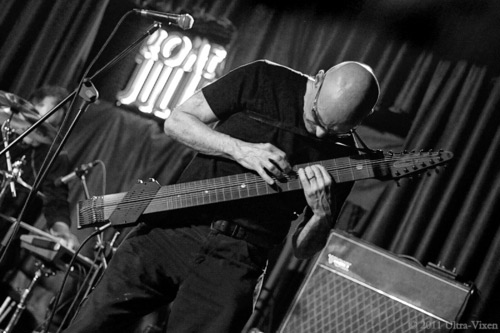
Best of luck on this album Tony and Pete. And one more question, if you don’t mind. A few of my fellow Progarchists (myself included) were wondering: where and when did you pick up the Chapman Stick? tony-levin-chapman-stick

Thanks, Connor. The Chapman Stick appealed to me as soon as I heard it, as a way to play my bass parts in a different way than normal. In prog music, I’m usually looking for those subtle things that move my playing forward. I never imagined, in my first years with the instrument, that I’d eventually play the guitar strings on it too, and form a group (“Stick Men”) that I now tour with more than any other group. It’s been a really rewarding experience for me.

For more information regarding the album:

http://thelevinbrothers.com

Advice From The Strawbs

nomadness

As I watch the political ads attempting to convince each Connecticut resident who the “right” choice for governor is, I cannot help but think of this brilliant song by The Strawbs, a band I have enjoyed for a few years now. “Mind of My Own,” not surprisingly, urges people to think for themselves, a skill which seems to be in short supply these days. I especially recommend playing this song out loud (or at least in your head) if you ever find yourself surrounded by a group of Republicans or Democrats. Now, if only this song could be heard by every American…