Grateful for my beloved wife, son, daughter-in-law, grandchildren and siblings. Also a lover of theology, music, history, philosophy, classic novels, science fiction, fantasy and Looney Tunes.
I’m thrilled to be able to officially share with you that my new album, The Overview will be released on 14th March. The album is based on the recognised phenomenon of the “overview effect’’, whereby astronauts seeing the Earth from space undergo a transformative cognitive shift; some experience an overwhelming appreciation and perception of the planet’s beauty, but others see the Earth truly for what it is – insignificant and lost in the vastness of space.
Prior to the album’s release date, The Overview will have its world exclusive premiere at the BFI IMAX in London on Tuesday 25th February. The music will be played back in immersive audio accompanied by a specially commissioned film by Miles Skarin that presents a constantly evolving series of visually stunning animated sequences documenting the vastness of space and the almost imperceptibly tiny part of it that the human race occupies. Screened on what is the UK’s largest cinema screen I’m confident this is going to be a pretty mind blowing experience.
The Overview will be released on Fiction Records in standard CD, blu-ray, half speed mastered (at Abbey Road) gatefold vinyl editions and limited deluxe art book. The blu-ray features high res stereo, 5.1 and Dolby Atmos mixes, all in both vocal and instrumental versions, for a total of 6 different audio streams. The deluxe art-book edition (in the same style and dimensions as previous SW deluxe books) features an additional 60 minute CD of music not included on the final album and an especially commissioned orchestral version of the 23 minute long Objects Outlive Us. The third disc is a blu-ray which expands on the standalone version by also including all of the bonus material in high res stereo, and 5.1 / Dolby Atmos mixes of the orchestral Objects Outlive Us.
The artwork for The Overview was illustrated/photographed by Hajo Muller and designed by Carl Glover, their combined efforts creating a visually stunning companion to the music, perfectly encapsulating the album’s themes of space and perspective. Notably in the art-book edition there are several fold out multi-panel illustrations. In the past these deluxe editions have sold out very fast, so if you’d like a copy (and you won’t be disappointed, it’s pretty stunning), I would recommend not hanging around!
Preorders for The Overview are now live at Steven Wilson’s official store and Burning Shed (the latter of which is – no surprise! – less expensive in the case of the deluxe editions).
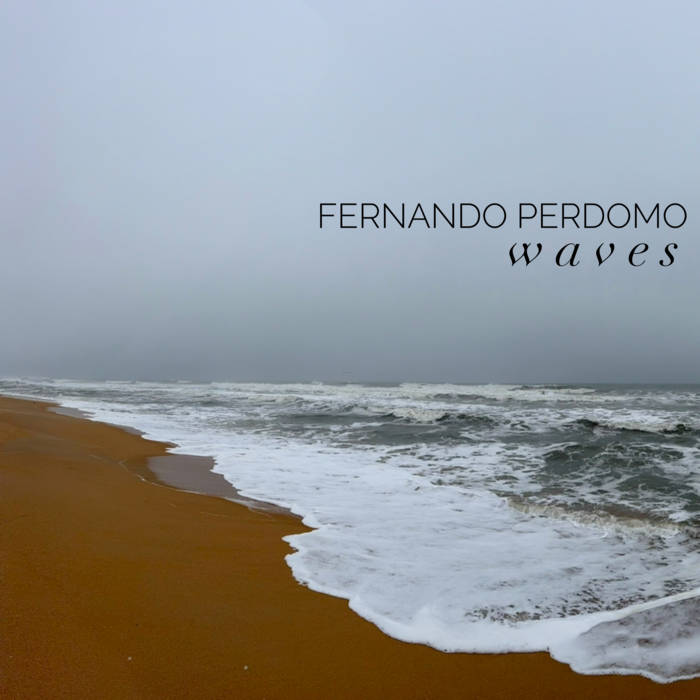
HAPPY NEW YEAR! HAPPY NEW ALBUM! This is ‘Waves’- the beginning of my Waves 1-12 series which is the successor of my critically acclaimed ‘Out to Sea’ 1-4 series.
I will be doing something unheard of … 12 Waves albums in 2025! One out on the first of every month. Each with a gorgeous cover by Former Crosby Stills and Nash, Robert Palmer, and Foxy drummer Joe Galdo.
Each album will be available digital or a limited to 50 copies cd autographed by me.
Collect em all … This is the best instrumental prog music I have made since Out to Sea.
All records will be 10 songs long and mastered by Zach Ziskin.
Happy New Year and let’s make Waves in 2025.
On first hearing, Waves 1 is a beautiful, subtly thrilling album, great fun to listen to whether you actively enjoy it or bliss out in its delectable aural atmosphere! Order it from Bandcamp here, or sample it below first:
No big hoo-hah this year: just a down and dirty list of my favorite releases and reissues of the year, covered in previous Quick Takes or elsewhere on the Web (links are to my original articles)!
Bruce Hornsby, The Way It Is; Scenes from the Southside; Harbor Lights; Here Come the Noisemakers (live); Intersections 1985-2005 (box set); Solo Concerts (live). See my appreciation of Bruce’s career here!
Thanks for your ongoing attention and steadfast support. We at the Rockin’ Republic of Prog appreciate it! Best wishes as we all turn the corner and head into the New Year!
“Big Big Train’s sound is as tight and lush as ever, but it’s also very much a rock show… There’s an edge to their rich textures. An urgency that keeps even the gentlest moments interesting. Almost everyone has a lead-ready voice… Attributes of a band quietly rewriting the rules for what a rock group ‘should’ be. It’s prog rock in excelsis… but always with a song in its heart, even without words. How cool it is that a group like this exists today.” (Prog Magazine live review, November 2024)
From Inside Out/Sony and our good friend Roie Avin:
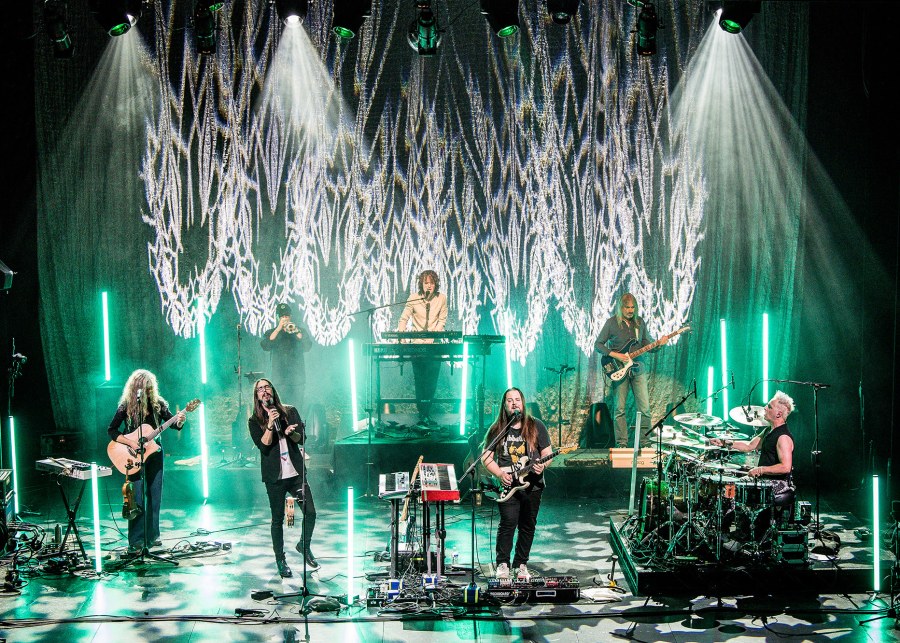
Big Big Train are delighted to announce seven further shows to take place in April 2025 in North America. In addition to returning to the United States (following a successful short run of shows in March this year), the band will also make its debut in Canada, with details of two Canadian shows expected to be announced shortly. The majority of these shows will take place following the band’s co-headlining appearance on board Cruise To The Edge. In addition, Big Big Train will play for the first time in Portugal at the beginning of May at the Gouveia Art Rock festival.
At these performances the seven piece band will be promoting their recent studio and live albums The Likes Of Us and A Flare On The Lens, which were released by InsideOut/Sony in March and September respectively this year to great critical acclaim.
Lead vocalist Alberto Bravin says: “We really enjoyed bringing Big Big Train to the United States for the first time earlier this year and playing to such enthusiastic audiences. We’re excited about returning and playing a mixture of recent and older material. As well as visiting some venues and locations that we played in March this year, we’re also bringing the band to some new areas as we seek to build our profile further. With two nights again in New Jersey, we’ll be varying the set list to some extent as well. Roll on April!”
Drummer Nick D’Virgilio comments: “We had an absolute blast last year playing in the States and on board the Cruise, so we were keen to do a longer run of shows this time around, including venturing north of the border into Canada. We’re taking a step by step approach to North America – if we can make this second run of shows successful, then the next step would be to get further west and south.”
Violinist Clare Lindley continues: “I’m looking forward not only to Big Big Train’s return to North America but also to the band playing for the first time ever in Portugal at Gouveia Art Rock. The festival has a great reputation and we relish the opportunity to add to the list of great bands that have played there over the years.”
Bassist Gregory Spawton says: “Over the last couple of years Big Big Train has really matured as a live band. Since September 2022 we’ve played almost 50 live shows and I think audiences have been able to see and hear how strongly we’ve gelled. This line-up works so well together, both musically and socially, and we’re keen to build on our current momentum.”
Keyboardist Oskar Holldorff adds: “On tour in September and October this year it felt as if we grew as a band every night. Alberto, NDV, Greg, Rikard, Clare and I simply love playing together and we feel we’ve found a real gem in Paul Mitchell, who joined us on trumpet in September and October and will be with us again next year.”
For the balance of 2025, Big Big Train will focus on recording their next studio album, expected to be released by InsideOut/Sony in the first half of 2026.
“We’ve got some great material in progress already for the next Big Big Train studio album,” comments guitarist Rikard Sjöblom. “Everyone has been contributing to the writing process to varying degrees and we’re confident about building on the foundations that we laid with The Likes Of Us.”
The band’s shows in North America and Portugal are likely to be their only appearances in 2025.
BIG BIG TRAIN – LIVE IN ‘25 – THE LIKES OF US IN NORTH AMERICA TOUR
Wednesday 2nd April – Sweetwater, Fort Wayne, Indiana, USA Friday 4th April – Wednesday 9th April – Cruise To The Edge Thursday 10th April – Arcada Theatre, St. Charles, Illinois, USA Friday 11th April – The Token Lounge, Westland, Michigan, USA Sunday 13th April – Electric City, Buffalo, New York, USA Thursday 17th April – Regent Theatre, Arlington, Massachusetts, USA Friday 18th April – Rivoli Theater at The Williams Center, Rutherford, New Jersey, USA Saturday 19th April – Rivoli Theater at The Williams Center, Rutherford, New Jersey, USA
Tickets for all shows go on sale at 10am Eastern time on Friday 13th December. A pre-sale open to the band’s 2025 tour patrons and members of the Passengers Club for all shows (except Cruise To The Edge and the Gouveia Art Rock festival) opens at 10am Eastern time on Wednesday 11th December. Ticket links and Tour Patron information are available at www.bigbigtrain.com.
See you in Illinois or Michigan, fellow Passengers?
Where have the last two months gone? And how many new releases have I enjoyed in the interim? Enough that I’ll be shooting to summarize each one included below in two to four sentences, max! (Though I can’t guarantee they’ll be short sentences.) Purchase/streaming links embedded as usual, so here we gooo . . .
New Music
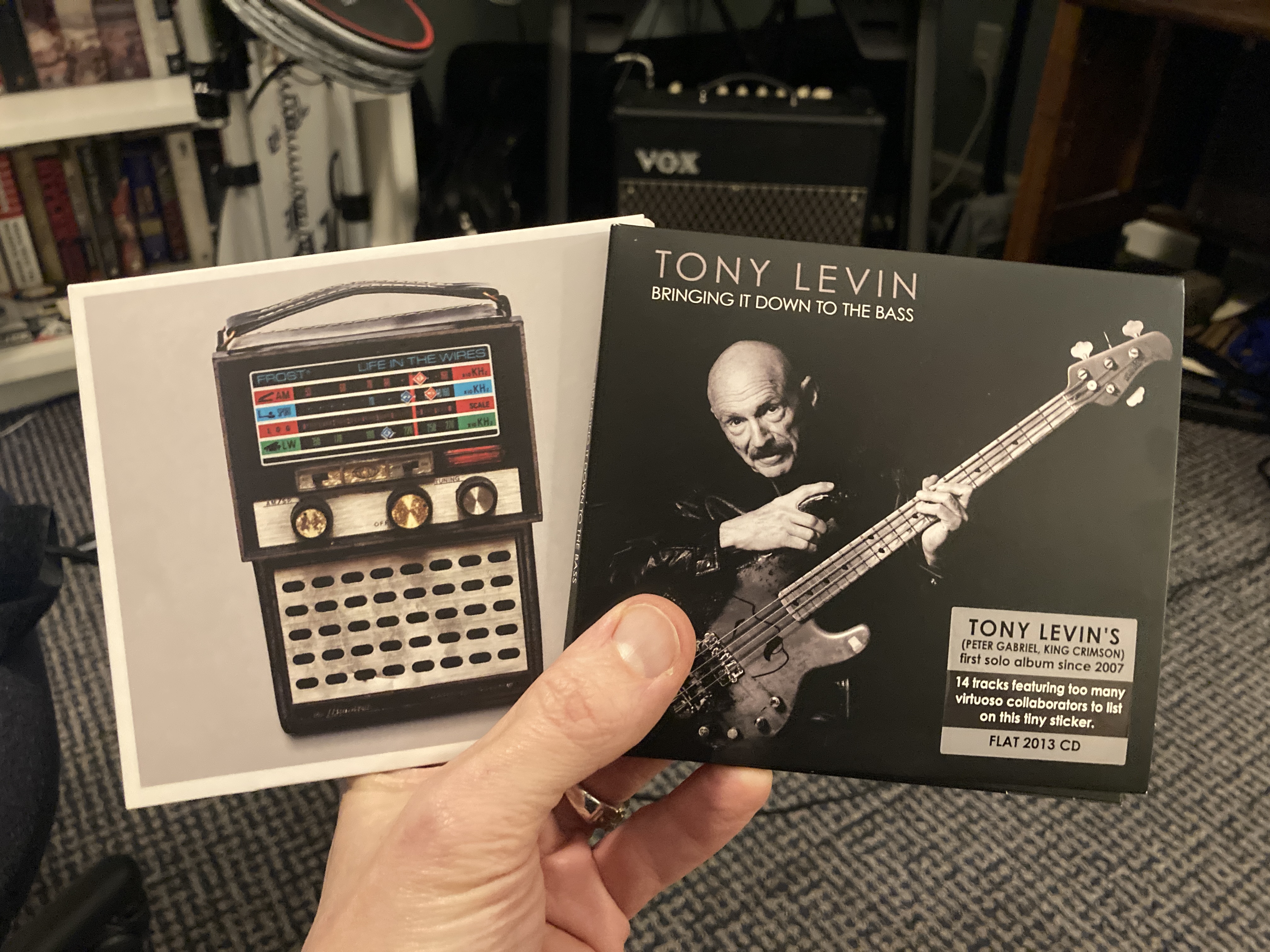
As teased in our October interview with mainman Jem Godfrey, Frost*’s Life in the Wires(listen here) is the conceptual album of a prog fan’s fondest dreams; the storyline is vintage dystopia (1984 meets Who’s Next), the music a full-on sonic assault from the get-go (replete with widdly synthesizer solos). Pitted against the required cybernetic supervillain, in search of freedom out there in the fields, can Godfrey’s protagonist Naio escape permanent lockdown in teenage wasteland? The ultimate answer is well worth the winding journey; powered by the heady backing of John Mitchell, Nathan King and Craig Blundell, Godfrey easily conjures up the equal of previous band high points Milliontown and Falling Satellites.
On his fresh solo album Bringing It Down to the Bass, Tony Levin launches 14 low-end odysseys with (to quote the hype sticker) “too many virtuoso collaborators to list.” But whether proving that “Boston Rocks” with Bowie guitarist Earl Slick and Dream Theater drummer Mike Portnoy, “Floating in Dark Waves” below Robert Fripp’s soundscapes, or reuniting with fellow Peter Gabriel bandmembers on multiple jams, Levin always grabs the ear with his supremely melodic bass, Stick and cello work. And his low-key, half-spoken vocals prove surprisingly effective, especially on dry barbershop throwbacks “Side B/Turn It Over” and “On the Drums” and the moving John Lennon tribute “Fire Cross the Sky.”
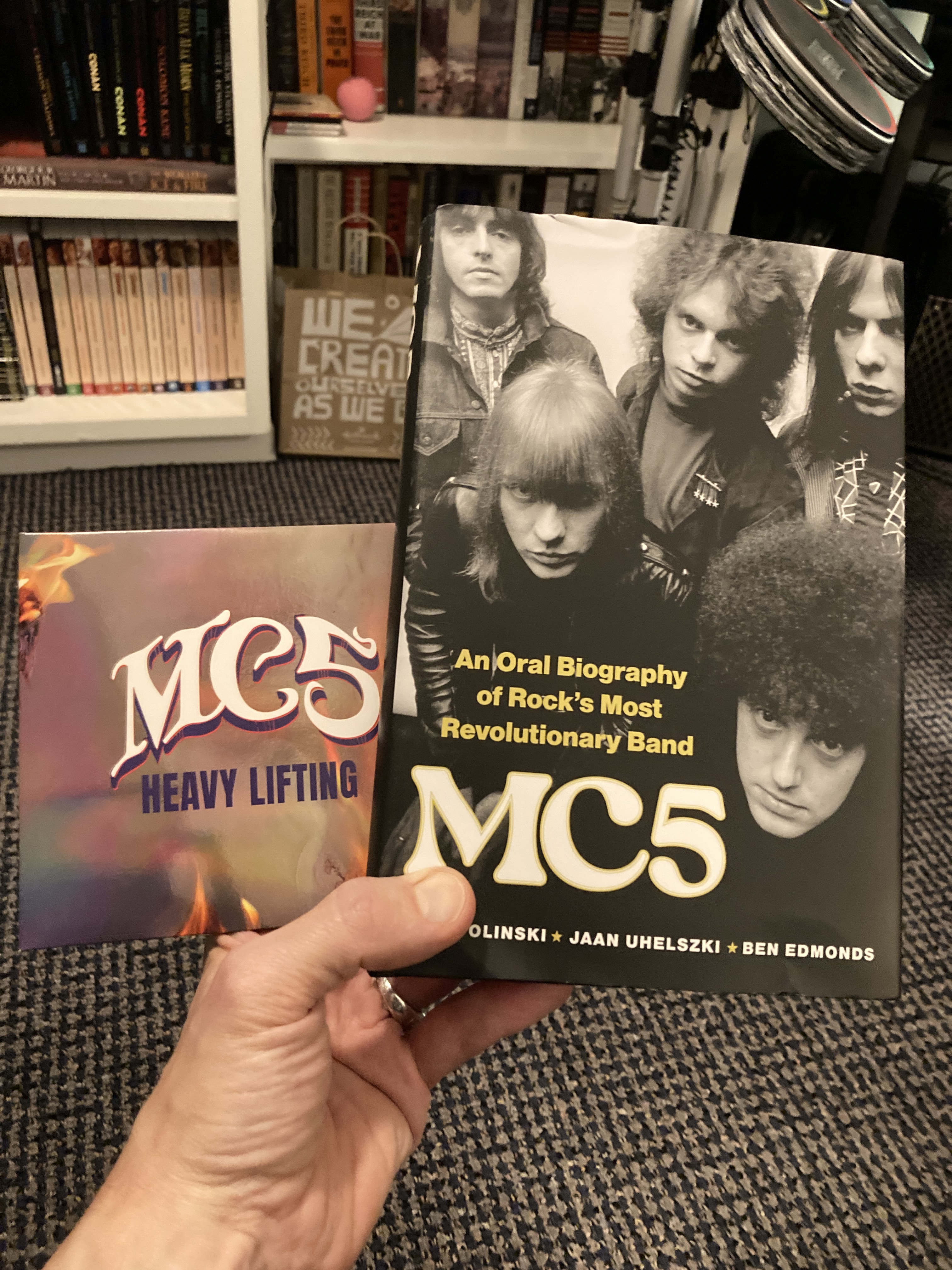
Pioneer garage rock guitarist Wayne Kramer had one more winner in him before his passing earlier this year. Credited in tribute to Kramer’s seminal Detroit collective MC5, Heavy Lifting(listen here) rages against the political and cultural machines still standing since the band’s original heyday, agitating for a better deal with 13 brash, irresistible helpings of punk (“Barbarians at the Gate”), rock (“Edge of the Switchblade”) and soul (Edwin Starr cover “Twenty-Five Miles”). For the full skinny on why Kramer & company finally snuck into the Rock & Roll Hall of Fame through the back door this year, the newMC5: A Oral Biography of Rock’s Most Revolutionary Band is essential reading.
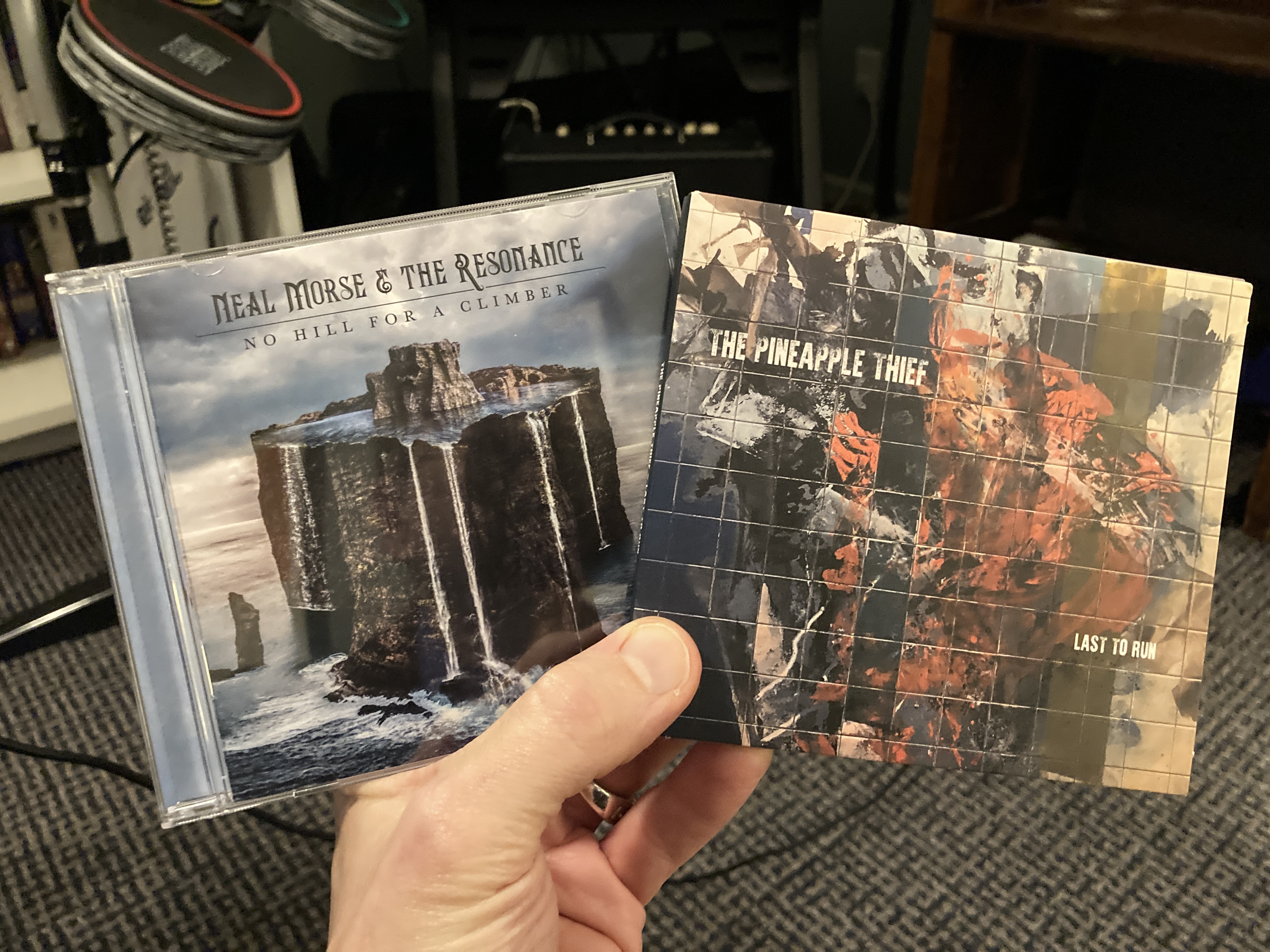
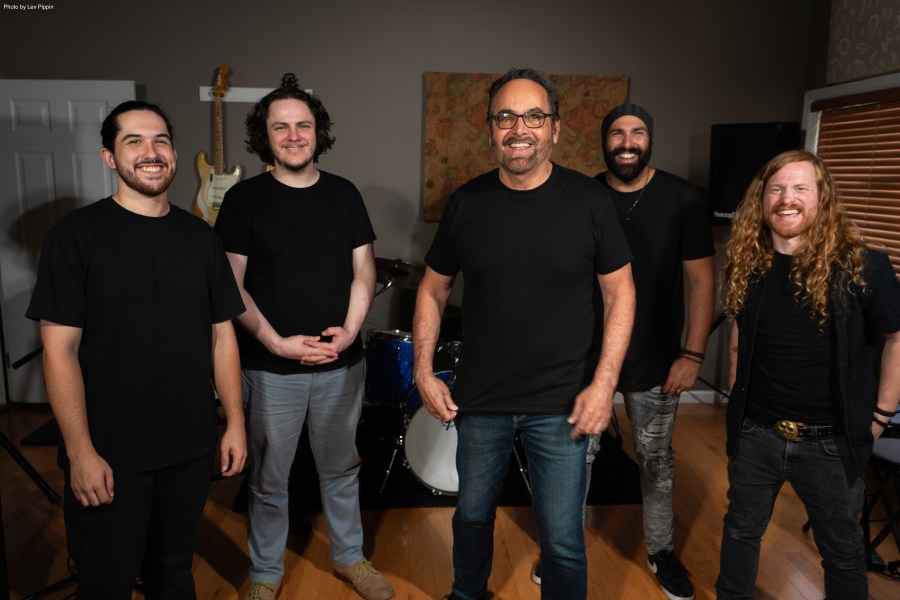
As his long-time collaborators spin off in other directions, Neal Morse just keeps on keeping on! Teaming with The Resonance, a purpose-built quartet of young Nashville hotshots, Morse’s latest No Hill for a Climber(listen here) is a bit of a throwback; instead of full-blown rock opera, Morse builds a multi-faceted album, sandwiching creepy swinger “Thief”, head-down rocker “All the Rage” and melting ballad “Ever Interceding” between twin epics (opener “Eternity in Your Eyes” and the closing title suite). The more straight-on vibe Morse embraced on his Joseph duology predominates here, but with enough detours to keep long-time listeners coming back and intrigue new hearers.
Straight-on is a pretty good description of the new The Pineapple Thief EP Last to Run(listen here) as well; far more than leftovers from the fine It Leads to This, the five songs included here strike hard and deep. As Gavin Harrison weaves enticing rhythmic illusions on drums, Bruce Soord spins up dark, pensive vignettes of personalities in crisis (“All Because of Me”), relationships snarled by dysfunction (“No Friend of Mine”) and societies on the brink (“Election Day”). Another band that mines a familiar vein repeatedly, yet consistently leaves listeners craving more.
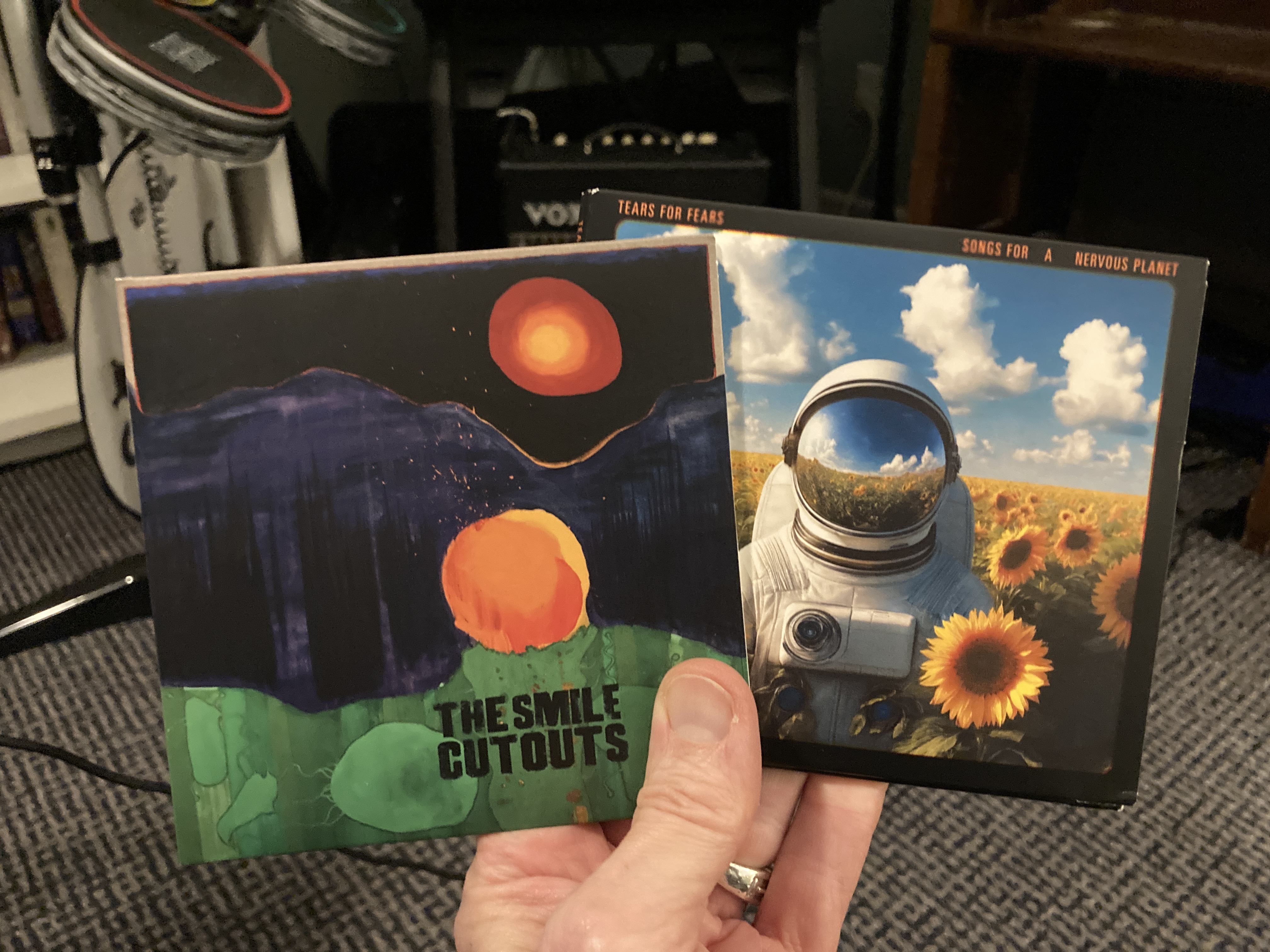
Speaking of dysfunction, The Smile’s Cutouts(listen here) resembles nothing so much as a numbed comedown, trailing the apocalypses unflinchingly depicted earlier this year on their Wall of Eyes. Thom Yorke’s nonsense lyrics and bleached-out vocal affect sound light-years away from the redemption Radiohead intimated even at their most jaundiced; Jonny Greenwood spins up orchestral/electronics, evoking distant, forgotten nightmares; Tom Skinner holds down the spare, spacey beat, blithely driving into nothingness. If not as gripping as this trio’s first two albums, Cutouts can still compel with its chill.
But where The Smile chills, Tears for Fears seeks warmth; the four fresh tracks on TfF’s mostly-live Songs for a Nervous Planet(listen here) home in on healing (“Say Goodbye to Mom and Dad”), lasting love (the lush “The Girl that I Call Home” and the psychedelic “Emily Says”) and self-actualization (the quirkily glib “Astronaut”). And there’s plenty more catharsis in concert, as Roland Orzbaal, Curt Smith and backing band blast out the hits of yesteryear and revisit the highlights of their fine 2022 comeback The Tipping Point, all with plenty of enthusiasm and aplomb.
(Live albums and archival releases – box set time! – follow the jump.)
BEAT, Copernicus Center, Chicago, Illinois, Friday, November 1st, 2024
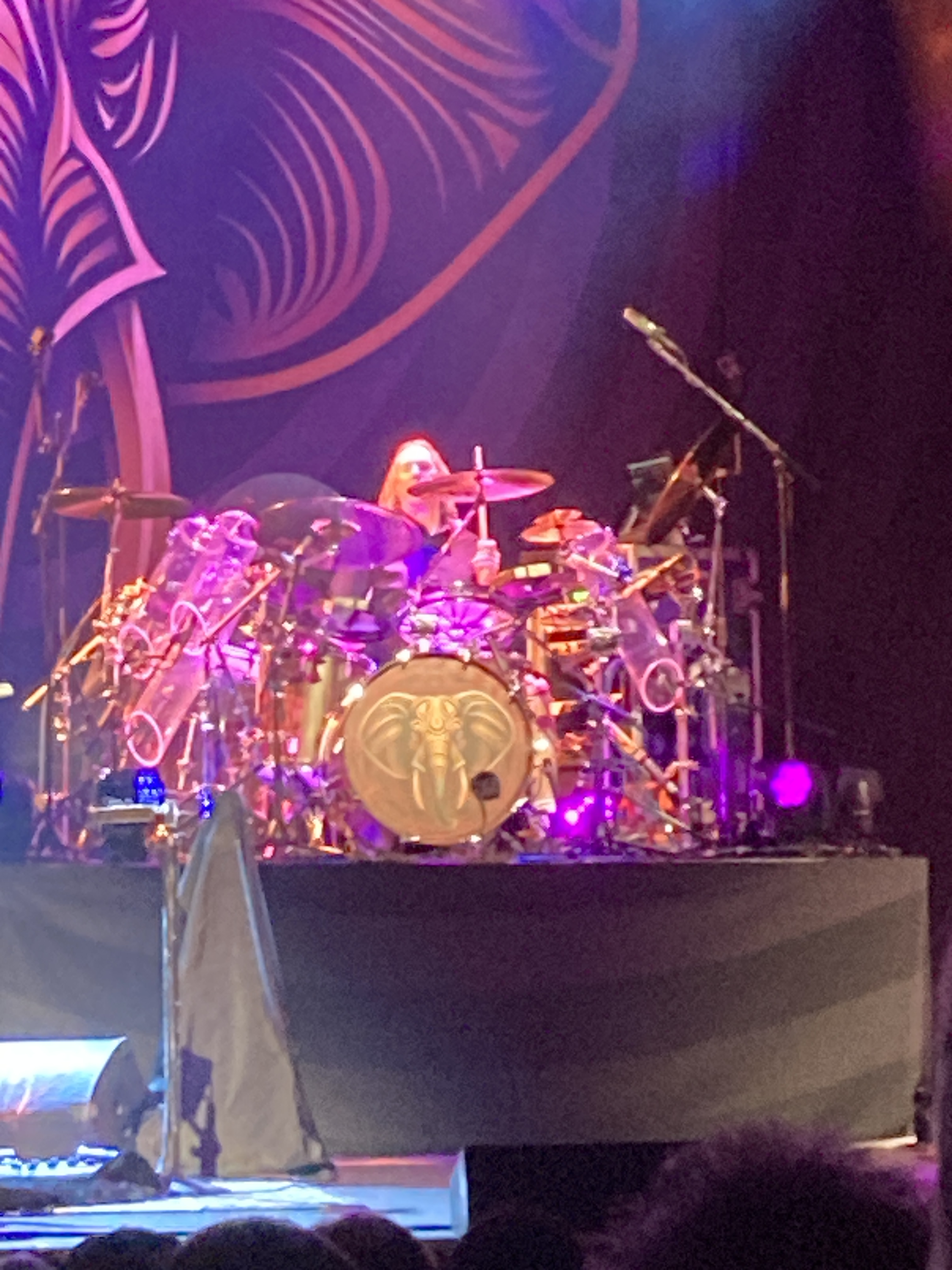
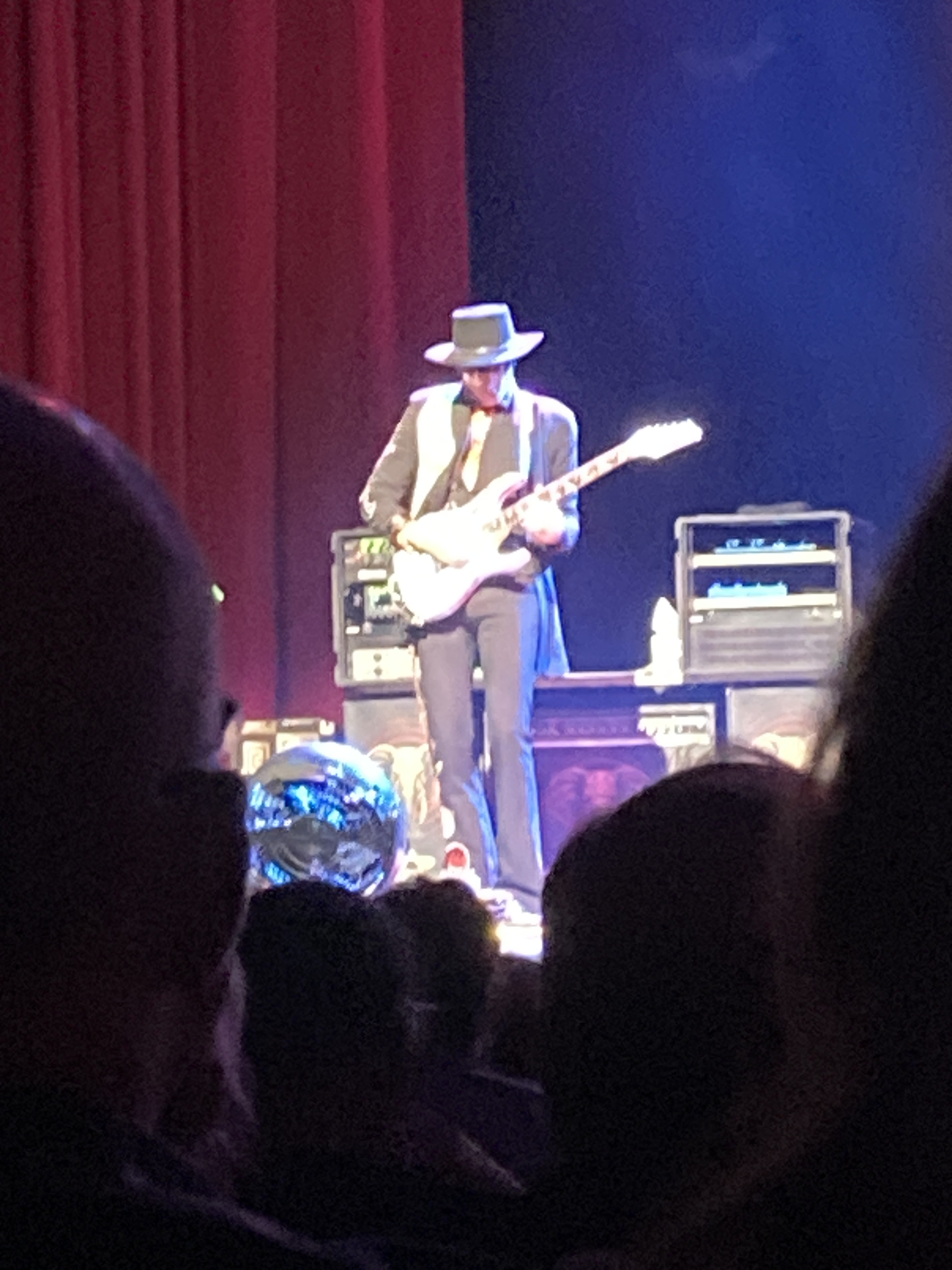
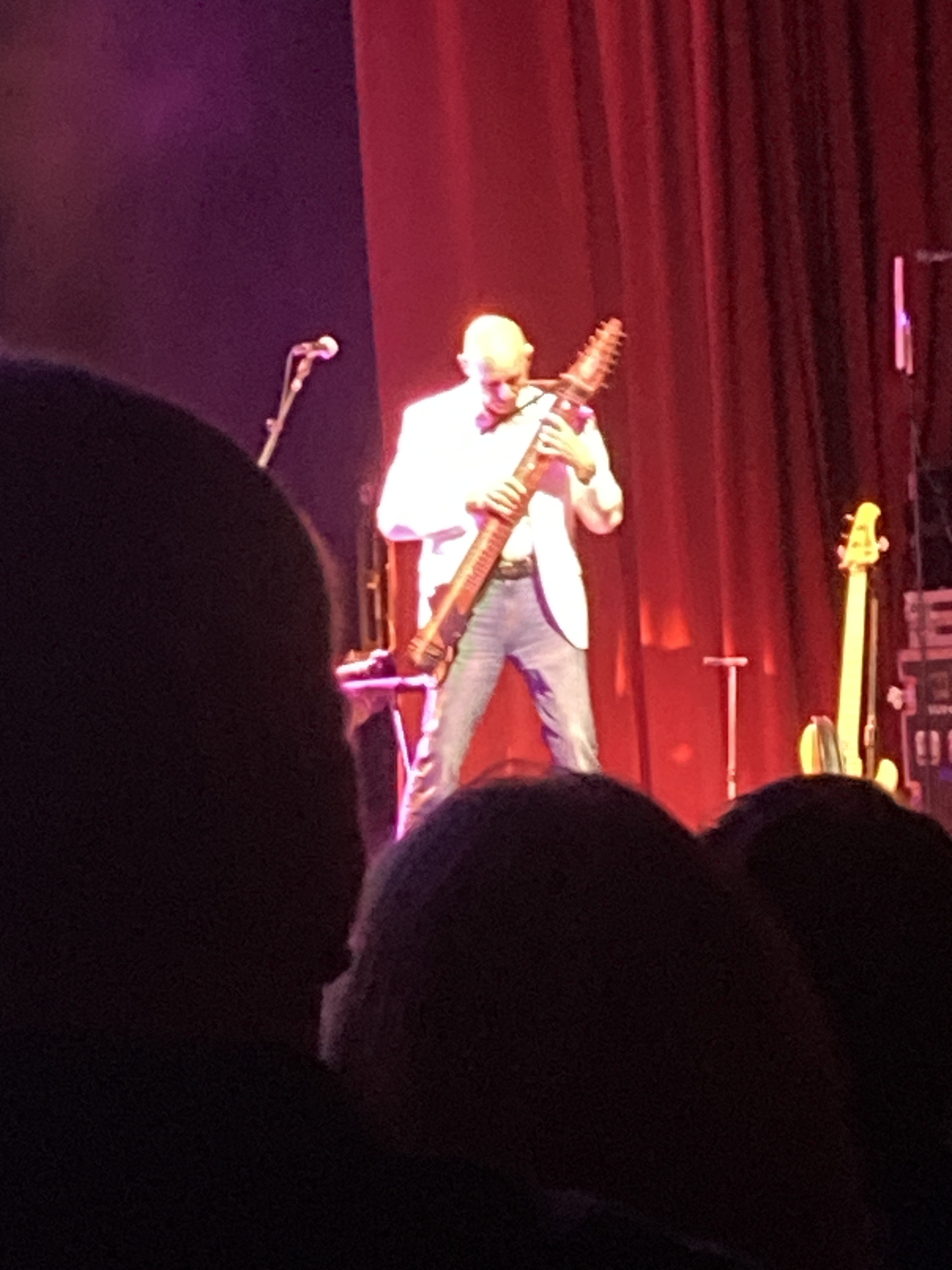
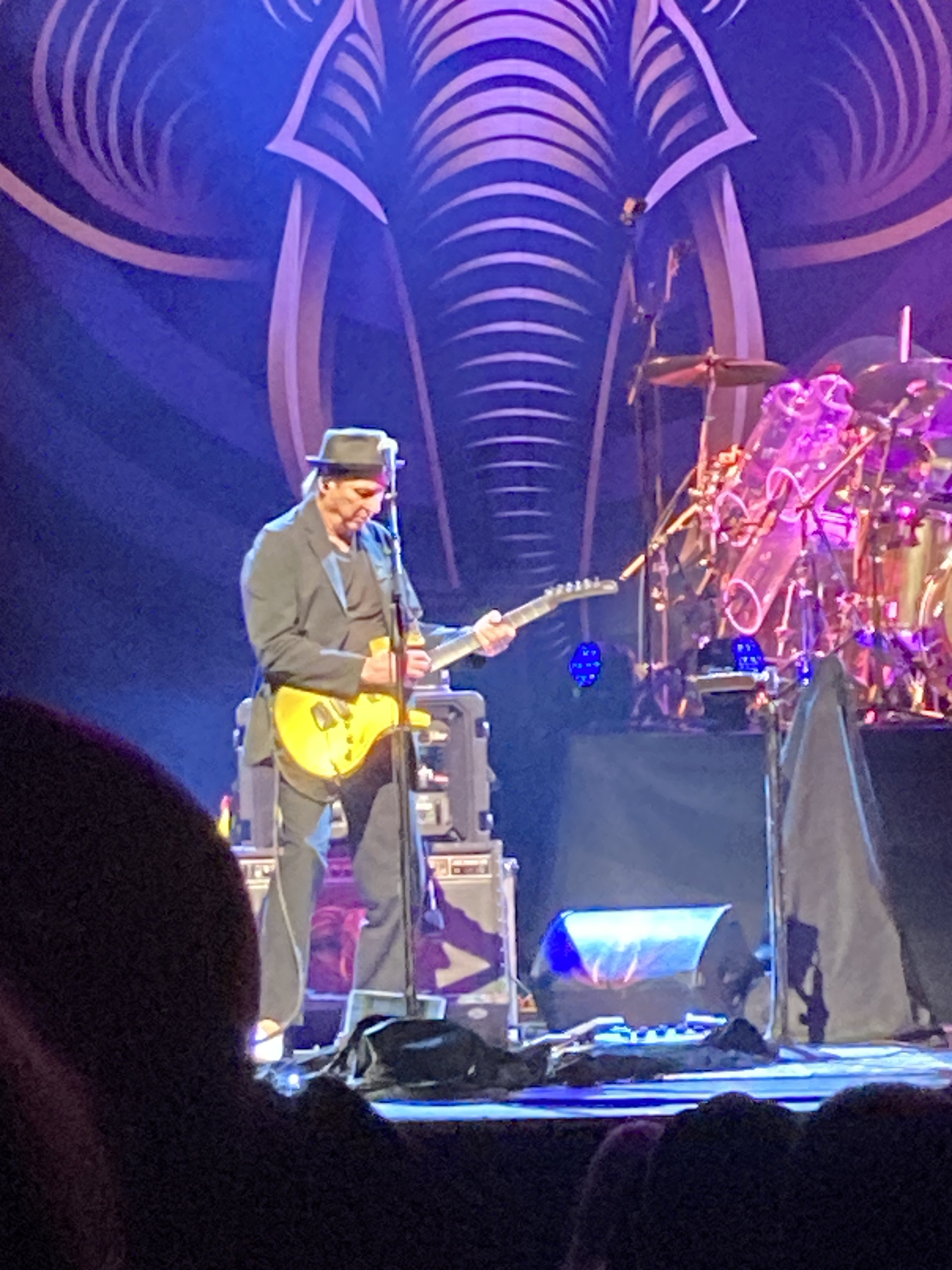
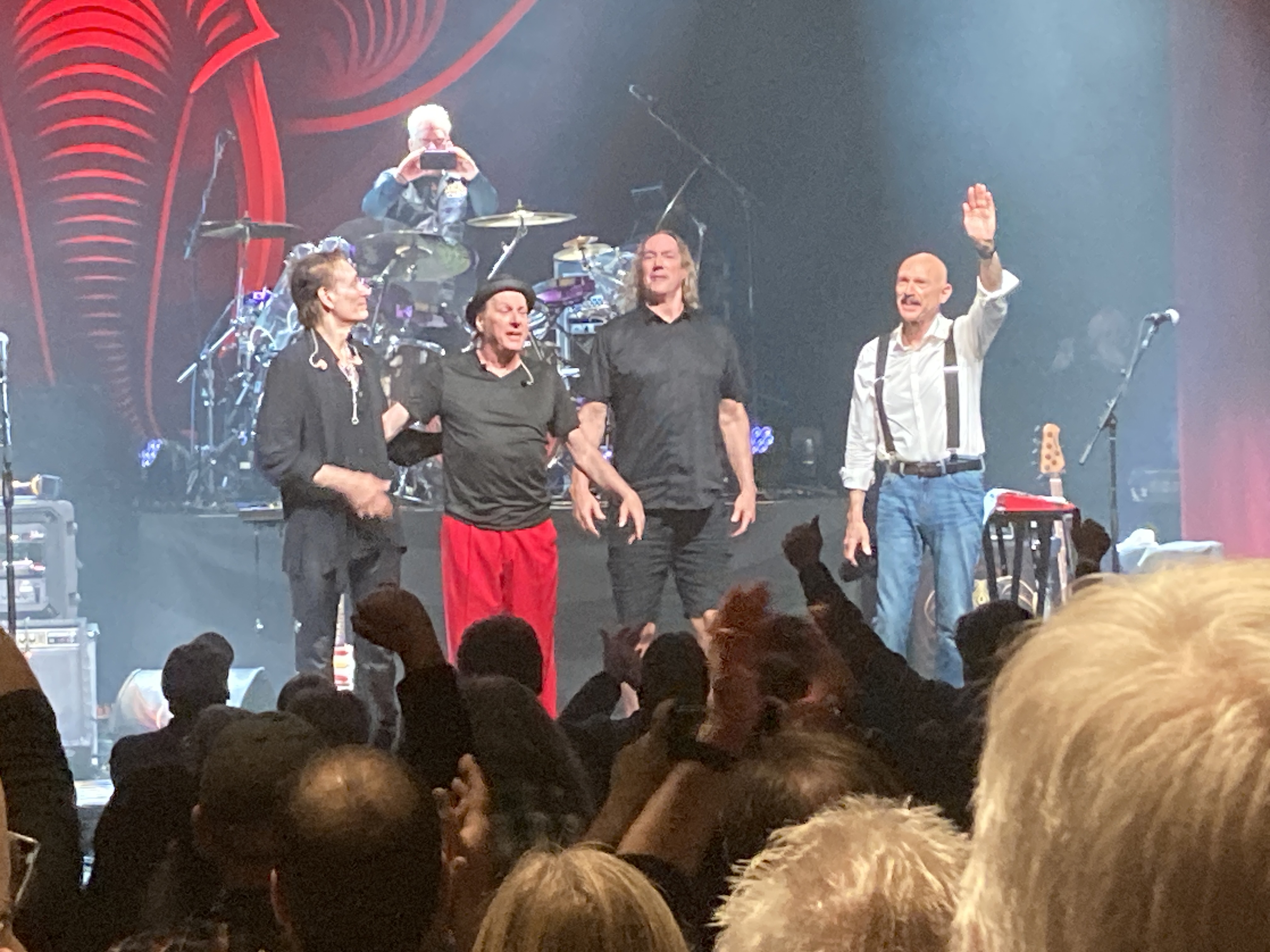
Halfway through a three-month North American tour, Adrian Belew and Tony Levin’s 40th anniversary remount of 1980s King Crimson readily commanded the stage of this vintage Art Deco theater, slamming into the ecstatic audience like a truckful of bricks spontaneously rearranged as abstract sculpture. BEAT’s reinvention of this cutting-edge music offers much more than fresh trim on a classic chassis; with virtuosi Steve Vai and Danny Carey at the stations originally manned by Robert Fripp and Bill Bruford, there was power to spare under the hood, and the edgy thrill of exploration that Belew and Levin’s previous celebration (first known as Two of a Perfect Trio, then as the Crimson ProjeKct) only mustered intermittently back in the early 2010s.
With both Fripp and Bruford retired from Crimson (and publicly supporting this venture), the new recruits leapt into their roles with gleeful abandon. At stage left, Carey straddled his monolithic drum set, cutting loose with both the confident drive he brings to Tool and the innovative riot of percussive colors Bruford brought to bear. The overall effect was devastating: electronic drums, boo-bams, rototoms, and more danced in head-spinning polyrhythmic patterns above rock-solid odd-time grooves. To Carey’s right, Vai’s stage presence couldn’t have been more different than Fripp’s buttoned up demeanor — leaning into the riffs with an easygoing strut, taking the original finger-busting licks to the next level, topping ferocious solos with distinctive, showy flourishes beloved by fans since his days with Frank Zappa. For all its fearsome complexity, the music was remarkably free and exceptionally fiery — to the extent that the newbies even accelerated a bit ahead of Belew and Levin on a few occasions!
But if the Crimson veterans were surprised by occasional mess-ups, they really didn’t seem to mind, grinning and bopping away as they caught up, Carey and Vai decelerated, and everyone locked in to the mesmerizing weave once again. I’d argue that Levin’s role in 80s Crimson was both essential and underrated, and this show offered fresh evidence for my case; alternating between Chapman Stick and bass, he simultaneously dished up both the low-end foundation and the hypnotic rhythm figures that give these pieces shape and harmonic direction. And with the beautiful noise of the other three players to carry him along, Belew was in his element. Duetting with Vai on fiendish bursts of counterpoint, wrestling every possible noise made by animal or power tool from his cubist array of guitars, yelping out proto-rap or firing off riveting arcs of vocal melody, the man was eager and energetic throughout the night, obviously delighted to do his thing, committed to keep the fun going.
When I saw King Crimson live for the first time back in 1984, “fun” would not necessarily have been the descriptor that sprang to mind; Fripp and Bruford were publicly feuding in the music press, Levin had programmed a click track to keep everyone in sync onstage, and Belew was doing tour publicity pretty much on his own. It was no surprise when Fripp declared that innovative incarnation finished at the end of the run, so I’ve always considered the subsequent regroupings across the decades unpredictable bonuses. And in the same way that the “chamber ensemble plus drum corps” Crimson of the 2010s gave Fripp a final run at the band’s entire history with a simpatico crew of colleagues (including Levin), I’d argue that BEAT gives Adrian Belew the version of Crimson that suits him best, focused on the slice of repertoire he values most. Belew, Levin, Vai and Carey are far from uptight or perfectionist, yet they’re unquestionably up to the demands this mighty music presents them, and absolutely dedicated to giving its fans their due. The results in Chicago were every bit as satisfying to me (now a 12-timer in catching KC’s various versions) as they were for long-time fans who’d never got to see the 1980s team in action (like my eloquent concert buddy Cedric Hendrix – check out his take here). If you’re ready to have your face melted, mind blown and heart stirred, catch BEAT while you can!
Justifiably one of our Artists of the Decade, Neal Morse has been prolific as ever in the past few years: a two-album rock opera on the Biblical tale of Joseph, made with an all-star cast [The Dreamer and The Restoration]; solo albums like 2020’s Sola Gratia and the new Late Bloomer; album/tour cycles with Transatlantic [The Absolute Universe] and the NMB [Innocence and Danger]; plus the new semi-acoustic trio with Nick D’Virgilio and Ross Jennings, as heard on the albums Troika and Sophomore. When I connected with him recently, the focus was on his new band The Resonance, their new album No Hill for a Climber (out November 8th) and his upcoming cycle of Morsefest weekends in the US, EU and UK. Due to audio glitches beyond our control, we can’t post the whole conversation, but the excerpts below capture Neal’s excitement about the new release and his upcoming shows, his candor about the challenges of putting an album together, and his enthusiasm for delving deep into the creative process.
How the new album project came together:
‘I was looking out at 2024, and I didn’t know what I would be doing aside from the Late Bloomer album; I’d already written all the songs. And then I had Morsefest London and we had Cruise to the Edge with Flying Colors. But aside from that, I didn’t have anything else booked for the whole year.
And I was talking about it with my wife. And she said, there are all these really great local guys that I’ve played with at different events – Christmas concerts, church gigs, things like that. It was her idea that I’d try to make a prog album with those guys. At first, I was like, “well, maybe we could do a few writing sessions and see how it feels.”
But the thing that really attracted me to it was the fact that everybody’s local. I read about The Beatles in the old days; they were all living around London, some of them only ten minutes from the studio. So, if somebody was inspired with a song, they could just get on the phone and meet at the studio very often, while the fire is hot, so to speak. There’s something really inspiring about that for somebody that’s creative. If you get inspired by an idea, it can be a bummer if it takes a really long time to work on it or come to fruition.
I really enjoyed this; there was a lot more freshness happening on No Hill for a Climber for me. Some of those things I just had the idea right before we got together to work on it. And I actually wrote quite a bit of the stuff in the room, and I also wrote some of the stuff by myself.
There’s great players of all shapes and sizes [in Nashville]. And really, those musicians: they might be playing country cause that’s what pays, but secretly they love Mahavishnu Orchestra or something! I’ve found that to be very common. Same in Christian music. These guys really love prog, actually! And it was great to get together with some young people with different ideas. There were ideas they had that would never occur to me!’
About the members of The Resonance
‘Chris Riley I’ve known for about ten years. I first met him at Morsefest, actually. I can’t remember when I met him next, but over time we became friends; he began to play bass at City On A Hill Church in downtown Nashville, the church where I was pastoring at the time. And he’s come to all the Radiant Schools, these week-long schools that I have here. And so I started to hear his progressive rock music, which was really amazing! At the Radiant School, when we’d listen to each other’s music that the students were all writing during the week and also had brought in stuff they’d written. When Chris’ music would be playing, everybody would come running like, “What is that?” And he’s a multi-instrumentalist, a really interesting artist, I think. Kind of a left-field guy. He’s the guy that helped me do the soundscapes on the Joseph albums, some of the really weird ones. He’s really out there. Expect the unexpected with Chris Riley!
Philip Martin is a young guy that I’ve known most of his life, because we’re friends with his parents. And I got to watch him develop as a musician, as a person. He was getting better and better at the drums, and so I asked him to start playing percussion; he’s been the percussionist at Morsefest for many years now. So, Philip’s been percussionist at Morsefest and also playing with me – you might recognize him in some of the videos I’ve done; he’s been in other things. He’s really blossomed as you can hear on the album. The drumming’s pretty great, I think!
Andre Madatian is a music teacher and a guitar player that I’ve known for about 10 years also. And he played a guitar solo on the Joseph album that I really, really liked. Anyway, he’s a really pleasant guy to be around, and when I was talking about who might I make a record with – whenever he comes to play, he just brings so much to the table. And so I thought, “Well, let’s have preparatory writing sessions,” and the rest is history, you might say.
[The vocalist] was the wild card. When we were writing this music, we were hearing, I was hearing particularly these high vocals in certain sections. In fact [ballad] “Ever Interceding”, when I wrote it, I wrote it in D, knowing that I can’t sing it! The bridge starts on an A and I can’t get anywhere near that, really. But I didn’t want to change the key and lower it for me; it didn’t feel right.
So, there we had all these songs, but we didn’t have a singer. And we were delivering the album in May and it was mid-April! And I was talking to the singer that was a friend of Andre’s that he said was just awesome and came highly recommended. Well, I talked to him for a week; he said he was going to come over the next week. And around the end of April, he says “Hey, I’m busy; can we talk about June?” And I said, “No; I’ve already got a time line on this!” And Rich [Mouser] is set up to mix. We’ve gotta deliver this thing!
So I started making some more calls, and a mutual friend said, “Oh, I’ve got the guy, this Johnny Bisaha. He’s gonna be amazing!” What’s so incredible to me, I think we met right at the end of April; he came over the first week of May, I believe, and did all his vocals on the album in two days. In the eleventh hour he came and just hit it right out of the park. And he’s also just another pleasant, great guy to be around, and that’s important too.’
Where the album title came from:
‘Well, it’s not a concept album, so it’s not telling a story; it would be like Close to the Edge. “No hill for a climber” – I was reading a book called Demon Copperhead [by Barbara Kingsolver], and that was in February. We were flying to see my daughter and her husband in Colorado, and I was reading that. And I said, “What a phrase!” I don’t know if you ever do that, if you’re reading and a phrase will jump out at you. “That’s a cool saying! I’ve never heard that – no hill for a climber.”
So I was just sitting there on this airplane flight, and I started singing it to myself. I got up and I started walking up and down, cause I didn’t want to wake up the person sitting next to me! So, I’m walking up and down the aisle singing into my phone real close, hoping it’ll come out with all the noise. Quite a bit of the sketch of that chorus came right out on the airplane.
And then I sat down and started reading the book again. And a little while later, I started hearing the thing that comes afterward. So I get up and I’m walking around the airplane again! I got up a few times on that one flight. My wife finally said to me, cause she was sitting with the baby elsewhere, and she said “Man, what’s with you? What’s going on? Have you gone crazy?” I said, “I don’t know, man; God’s giving me a lot of stuff – I want to make sure I don’t lose it!” I knew it was good.’
About the opening suite, “Eternity in Your Eyes”:
‘Some of what I wrote, I would say that’s got some of the most Spock’s Beard-type stuff in it. Some of it’s quite reminiscent of Spock’s Beard – even the sounds. The bass sound – we actually ran four tracks of bass to achieve the sound that we got! I’m really happy with it.
There’s so much to say about it. It originally was not a particularly long piece. I had written the verse and the chorus for “Eternity in Your Eyes” on piano. Part of my job as producer was to listen to the other music that the other guys had written and figure out where to place it or how to use it. And so I had the idea to start off that piece – as it grew; after we added Chris Riley’s demos, the “Northern Lights” part and the “Hammer and Nails” section. Cause I listened to his demos, and he had this really long piece; I don’t remember how long it is, it’s like 40 minutes long. And I asked if we could take those parts out and put them in “Eternity in Your Eyes”. And he was just like, “Oh, yeah, sure, yeah.” And I was like, “Oh, great!” Cause I loved those sections.
So then the challenge was to figure out how to get into there from “Eternity in Your Eyes”, and then how to get out! And once we did that, I listened down to the whole thing and went, “You know, we need something between those two parts!” [Laughs} I was in the mountains in Gatlinburg, Tennessee for a few days, and I had the idea to put in a jam in the middle. I was like, “man, there isn’t enough stretching out and soloing!” One thing I really liked that Transatlantic did was that they would stretch out parts and really get into a long solo section that starts off small and builds up. I’ve always really liked that, but I don’t always remember to put those into the things I’m working on.
Anyway, I had the idea to put in the jam thing, but then going from the jam into “Hammer and Nails” didn’t really work. So then the idea to put in a little bit of the chorus. And now that it’s becoming this longer piece, it makes a lot of sense to put in a little bit of the chorus in there, to tie it all in. And then it was one of the other guys that had the idea to have Johnny sing it! Then once Johnny came in, it was, oh! We need him to sing on more than “Ever Interceding” and “No Hill”. So let’s have him sing a verse of “All the Rage”, and let’s put him in the bridge of “Eternity in Your Eyes” – you see what I’m saying? As it was developing, all of these things were changing. Right up until the last minute, actually.
Everything you put in changes the perspective of the whole piece. Cause when you listen down, you want to feel the flow. And that’s the greatest challenge of the long pieces is getting the flow right. It’s not easy! [Laughs] It doesn’t usually just happen perfectly out of the gate. There’s a lot of consideration and cutting and pasting and putting in. But as long as you step back from the canvass and go, “Yeah! Yeah! It’s working; I think we’ve got it, [British accent] by Jove!”’
About “Thief”, the second track and second single:
‘Yeah! I don’t know where these things come from. I was just taking a nap one afternoon; and I woke up with this strange “Thi-e-e-e-f” [Demonstrates words and bass line]. So I had this idea for the beginning. And this is one of these times where collaborations really kick in. I had the beginning, which was weird and kinda spooky, and it was like, “Where do I go from here?” I tried a bunch of things; I finally went into a 6/8 thing. [Demonstrates} “Everything you touch turns into lies”. I was very happy with that; it sounded kind of like Queen. And then I had the idea [demonstrates], “My Lord’s gonna fight” and I wanted to go into something big – but I everything I tried, I tried a lot of different things and nothing was working for me.
So I called up Chris Riley; that’s the great thing about having everybody local. Chris just came over that night and he listened to it. “Oh, yeah, cool! What about this thing?” That middle part of “Thief” is actually something that Chris Riley brought in to the Radiant School about 3 years ago [demonstrates] with the ascending bass and the organ. He actually laid that into the computer, when we were just sort of getting it out. Cause I didn’t really remember how that went.
And I knew I wanted to peak it out and have it stop, wait and go “Thief!” Cause that’s the way my mind works. My original idea was that we’d do some blistering fiddly bit and then stop. But I thought, “I don’t know; it seems like I’ve done that a lot.” Then I had the idea, “What if we all just freak out? We’re just going along and all of a sudden, everybody just starts going out, playing random, crazy stuff? And then stopping all together!” And of course, obviously, that’s what we wound up doing. That’s actually one of my favorite moments on the album. [Laughs] It’s so crazy! When we first tracked that, it was Philip Martin and me playing bass. It started out with just bass and drums and everything else was layered on on top of it.’
About “All the Rage”, the first single:
‘I was looking for a chorus; I wrote that one by myself, so I had the opening that I thought was good, proggy but yet a little rock riff. It’s in 4/4, you know? [Chuckles] I had the whole thing up to the chorus, and I kept trying different choruses.
And when I came up with that “all the rage” thing, that was what fed the whole lyric. “You’re all the rage, but you won’t turn the page.” The whole lyric sort of fell out of that. It’s a challenge to write stuff that’s progressive yet short yet accessible. And we tracked that together in the room, just rockin’. And I think you can feel that; that has a good fresh feel about it. And the tempo’s changing; if you notice, the last chorus is quite a bit faster than the other choruses. But I think that’s what gives it life. I think it has a lot of good feel to it.’
It hadn’t been an auspicious beginning for The David Cross Band’s stateside tour; their opening night in Asheville, North Carolina was scuttled by Hurricane Helene’s brutal landfall, blowing a hole in their plans (and their finances) and stranding them in the disaster zone for a couple of fateful days, until they could source a full tank of gas and find an open road north. As they took the stage at Grand Rapids’ Pyramid Scheme, you could tell they felt for the devastated community they’d left behind — but also that they were also grateful to be back on track and playing for an enthusiastic (if compact and shall we say, mostly of a certain vintage) audience.
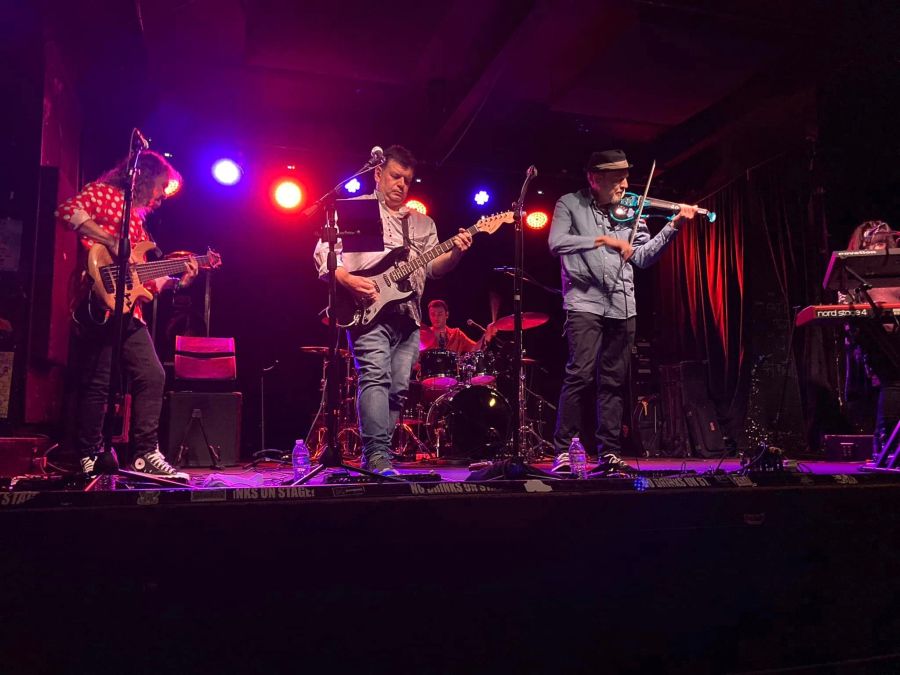
Electric violinist Cross, best known for his early-1970s stint in King Crimson, wasn’t messing around. As guitarist/vocalist John Mitchell — yep, fellow Progarchists, that genial jack of all trades from The John Wetton Band/Frost*/Lonely Robot’/Kino/Arena/It Bites/etc. — hit a chord, Cross took off on the kind of free improvisation that awed Crimson fans back in the day (including the drummer two seats over from me, who raved about a stop at GR’s Aquinas College 50 years ago). Cross, Mitchell, bassist/vocalist Mick Paul, keyboardist Sheila Maloney and drummer Jack Summerfield quickly locked in, building the folky core material to a simmering peak with classical flourishes and just the right amount of rock muscle. The epic Cross original “Calamity” shared a similar brooding feel, while “Tonk” and “Starfall” (the latter written with Crimson lyricist Richard Palmer-James) proved convincing slabs of the hard-hitting odd-time prog-metal the crowd had come to hear.
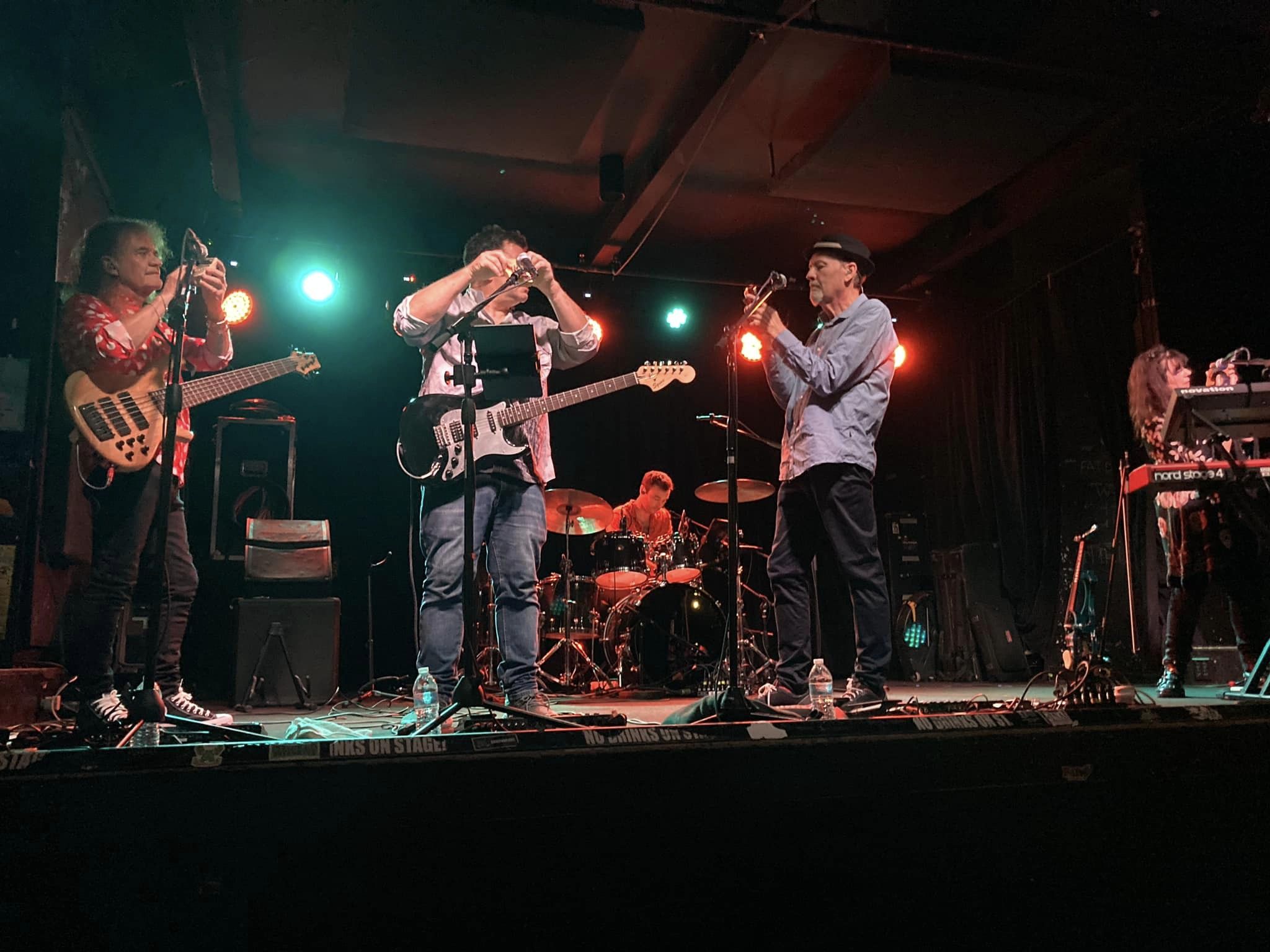
But as cool as Cross’ original work is, this North American stint isn’t called the “Larks Tongues’ 50+” tour for nothing; there was plenty of classic King Crimson on tap. “The Great Deceiver” was a high-octane update of the “flying brick wall” groove with which Bill Bruford and Wetton had terrorized Robert Fripp and Cross back in the day, as Paul, Mitchell and Maloney belted out Palmer-James’ sardonic lyrics; “Red” remains every inch the monstrous instrumental stomp it was in 1974. And after an apropos announcement in the vein of the Who’s Keith Moon from Mitchell (“Silence for rock history, please – especially up there in the jazz club”), the band launched into the entire Larks’ Tongues in Aspic album — complete with the extended thumb-piano intro that opens Part 1 of the title track.
Not on their cell phones: the Larks’ Tongues in Aspic Thumb Piano Ensemble in action
Throughout the night, Summerfield and Paul drove the band forward with propulsive power and a wicked edge, while Maloney served up lush keyboard colors, the occasional synth solo, and a nifty electronica backbone to freshen the mournful ballad “Exiles”. Paul’s rough-hewn voice soared on that tune, and Mitchell’s singing spanned the tender ardor of “Book of Saturday” and the vicious kiss-off of “Easy Money”, channeling Fripp’s monolithic power chords and tritone-laced solo style all the while. At center stage, Cross covered all bases with aplomb; buzzing like a hornet’s nest, shrieking like a banshee or launching sustained flights of aching, soaring melody, he moved with the music in the moment, no matter its direction or destination. Eschewing the precision tooling of recent King Crimson tours for a freer flow, the band built the tribal funk of “The Talking Drum” to a fever pitch, then pumped up the crushing Hendrix-plays-Stravinsky riffs of “Larks’ Tongues Part Two” to a shattering climax.
The final touch could only be “Starless”, one of the last pieces Cross played live with Crimson in those early salad days. Mitchell rose to the occasion, singing Wetton & Palmer-James’ melancholy words with fervor and grace. Then Summerfield and Paul cranked the tension of the instrumental build to a tipping point. From that height, Cross dove into the breakneck double-time coda, blazing the trail for Maloney and Mitchell to follow. As the quintet stuck the landing, the audience hit their feet (with only minimal prompting from Mitchell), glad to be in the moment with a band that, on this night, had ascended to a sweet spot where memory and spontaneity combine.
With their upcoming double album, Life in the Wires, ringing in my ears, I recently sat down to talk with Frost* conceptualist/keyboardist/vocalist/grinning mastermind Jem Godfrey. Impishly humorous and thoughtfully reflective in turn, he was more than ready to talk about how the new album came to be, where it sits in the grand tradition of prog concept albums, what each band member contributes, the chances of touring behind this record, and possibilities for Frost*’s future. Video of our chat is below, with a full transcript following.
First of all, congratulations on the new album, Life in the Wires! It’s been three years since the last one by Frost*. And the first thing I was curious about was, what was the journey between the last one and this one? How did Day and Age perhaps lay the groundwork for this album?
Weirdly, it created a world, a sort of cinematic universe that the new album is set in. When John and I were writing Day and Age – I didn’t realize this at the time, but I think quite visually in terms of music. I’ve started to realize that when I’m writing songs, I can kind of see the world that these people are in. The Day and Age world was quite cinematic; to me it felt very cinematic with these different places, and the album cover being quite iconic with the five megaphone-holding gentlemen, and the world it was in! It felt quite cinematic. And so, at the end of Day and Age, there’s a little bit at the end of the song “Repeat to Fade” where the song fades out and is replaced by static. And there’s just a voice in the static that says, “Can you hear me?” Which is how the new album starts.
I quite liked that; I put it in at the end of Day and Age thinking it might be nice to have a little hook. It’s almost like the sort of thing where they say, “James Bond will return.” I quite liked that sort of idea.
In my head, it’s set in the same world, like the video game Grand Theft Auto, where you used to be able to be in one city driving around and doing stuff. But if you wanted to, you could just jump in a car and drive across the bridge to another city, and there’d be another world going on there. It felt a bit like that to me, the Day and Age world and the Life in the Wires world are the same world. But things are happening concurrently. So while in Day and Age-land we’ve got the characters, like in “Terrestrial” and “The Boy Who Stood Still”, these characters similarly over here there’s the character in Life in the Wires and that’s happening there at the same time. I quite liked the idea that it’s all set in the same universe. And so, as a result of that, visually and musically, it was quite easy to set a house style, in that respect.
Ah! OK, that makes sense. Was that part of the emphasis behind making it a double album as well?
Not really; I think that the story of Life in the Wires, there was enough of a story to tell that it felt like a double album would do it justice. Cause there’s nothing worse than a prog band – I’m saying this hopefully – there’s nothing worse than being judged as a prog band that’s waffling on. We’ve always thought that we had enough to say within the confines of a 60-minute CD format previously.
But with this one I very much had a mind, I wanted to do vinyl, as in, it’s four sides of vinyl. And as a result, each bit of vinyl, the constraint’s about 20 minutes [a side] for optimum audio quality. What’s nice about that it is gave me some parameters to work in. And weirdly, when you say 86 minutes that seems like a very long time. But if you say four 20-minute sides of vinyl, in my head it doesn’t feel anywhere near as daunting.
The double album idea, we’d always wanted to do one, I’d always wanted to do one. This just felt like the right time to do that fabulous prog cliché of the double vinyl album!
Four sides kind of gives you a structure like a movie structure to play with.
Exactly! You introduce the characters in the first half, the first act – there you go, that’s the word! And then the journey happens over the next phase, which is Act Two. And then you have the third act, where it’s all concluded and the fable is told, the lessons are learned, or whatever. So yeah, it had enough material, musically, for it to extend over those sorts of formats. And because I was thinking of it in longer bits of music like 20 minutes – they’re not all 20 minutes long, but all the songs are connected. So they’re sort of like a suite of songs.
And so naturally with that, the feeling is “well, the songs need to be more progressive; there needs to be more of a journey.” Like The Wall is a continuous thing and The Lamb, is quite a lot of it linked.
It just felt like that right, natural thing to do. I think if I gone into it thinking, “I’m making a CD,” it would have been different. But my mind said it was four sides of vinyl and it seemed – I don’t know, it seemed perfectly natural this time around.
And that seems to be a shift that’s happened across the music industry. You can tell that things are being planned more for sides of an LP, if you will, than a single CD. It certainly covers a lot of ground; I had the chance to listen to it this week, and there’s a lot of sonic difference and variation, and there’s quite a bit of thematic ground that it covers as well. But you also mentioned, in the press release, that there are deliberate nods to the back catalog; Milliontown was mentioned in the press release. What kind of facets of your previous albums did you want to bring forward? And were there any particular reasons for that?
There is [laughs] – I was thinking about this earlier. I went on a nice long walk; it’s this beautiful autumn day, and I was thinking about it. The push/pull for me is that I sort of know why, but what I don’t necessarily want to do at this point is talk too much about it. Because I don’t want it to be too defined – it sounds like a strange thing to say. If I say, “well, this is because of that”, everyone’s gonna go ,“Oh, well, fine, I won’t bother!” I think at this point, there’s quite a lot I’d like to leave up to people’s imaginations and interpretations.
I know why it is, and the reason is tied up in the name of the character, but apart from that it’s open to interpretation. In my head, I have a reason why it is. I will explain it, but maybe not yet.
Yeah, I understand the need to avoid spoilers at this point!
[Laughs] Yes, exactly.
But I did notice that this time around, there’s more – we Americans would call them 16th notes; I believe you call them semiquavers – involved than there were on Day and Age.
Mainly [drummer] Darby Todd was the purveyor of 16th notes and 32nd notes on Day and Age. Yes, with Day and Age we made a conscious decision to not do too much widdle, you know? We wanted to pull back from that a bit. Because there’s obviously a danger; you can drown in a sea of hemi-demi-semiquavers [64th notes]. What we decided on that one is to do arrangements.
But then what I realized is that in the gap between Falling Satellites and this album is, I think, eight years? A decade is quite a long time to ask your fanbase to put up with you not doing one of the things they enjoy you doing! Again, also because the album is more progressive in its demeanor and arrangement, it seemed sensible for us to not have any rules this time. So, we can play and we can do a bit of soloing; we can be a bit cleverer. Also, as you’ve said, it covers many, many different moods and atmospheres. And as a result of that, if you take away the ability to solo or to express yourself in musical terms instrumentally, you are over the course of 86 minutes making it more difficult for yourself. I think one of the things that we all enjoy about this genre and musicians in it is when they can cut loose with a bit of this [mimes guitar shredding]. It seemed fair to have a bit of light and shade, to allow that in the band; so we’ve all had a little moment when we allow ourselves to let go a bit. I hope it’s tasteful! I hope it’s tasteful! [Laughs]
Well, sometimes bad taste is the best taste, but …
Exactly. Well, look at my dress sense! Exactly. [Both laugh]
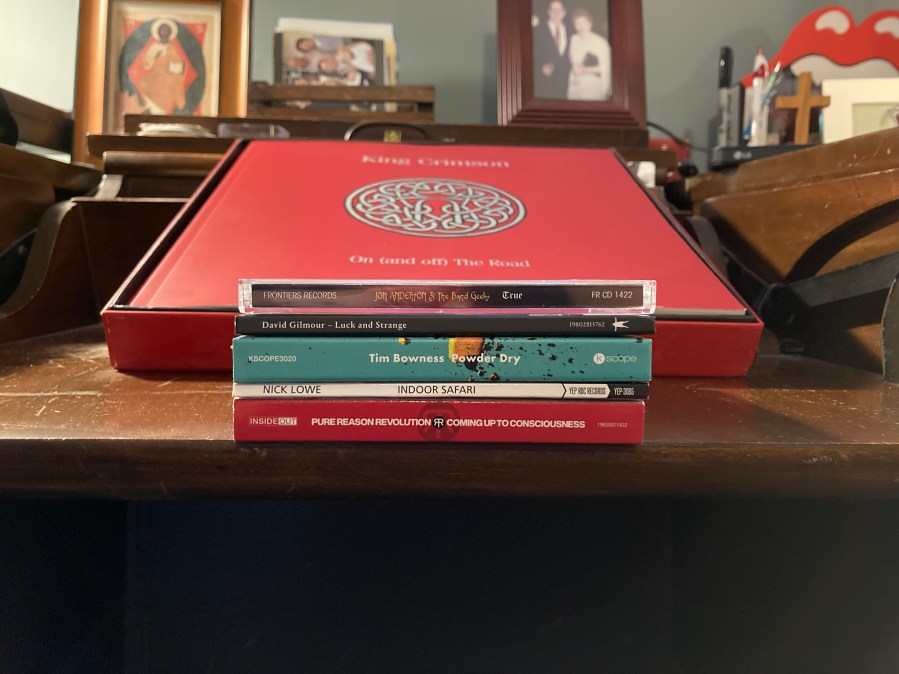
This month’s connecting thread: grizzled veterans connect with high-powered talent from younger generations; the chemistry fizzes, fuses and pops — and some excellent new music is the result! (Of course, there’s an outlier or two in this month’s stack as well.) Let’s get down to it, shall we? Purchase links are embedded in the artist/title listing, with album streams or samples following the review.
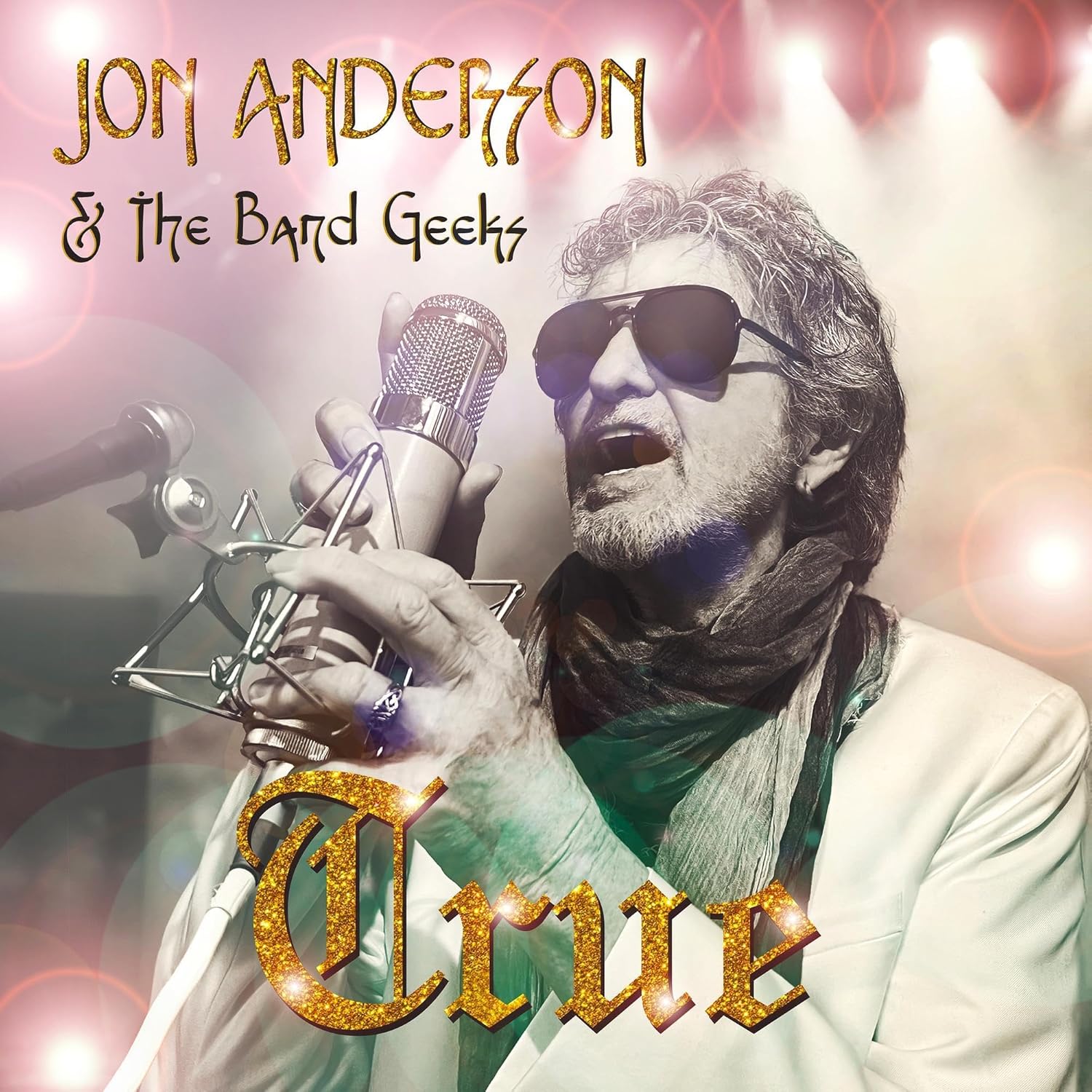
Jon Anderson and The Band Geeks, True: Anderson (going on 80, and as seemingly immortal as Keith Richards) has consistently worked with little-known yet impeccable virtuosos since his abrupt exit from Yes; watching him front a high-impact big band from the 10th row in 2019 was a thrilling experience. Now, teaming with a quintet of killer players half his age, he delivers the album fans have desired for decades. Sure, there are times when The Band Geeks (bassist Richie Castellano, guitarist Andy Graziano, keyboardists Christopher Clark and Robert Kipp and drummer Andy Ascolese) seem a little too eager to ape their counterparts in the classic Yes lineup, but overall they lean into epics like “Counties and Countries” or “Once Upon a Dream” and shorter romps like “True Messenger”, “Shine On” and “Still a Friend” with full commitment, fresh creativity and chops galore. Then there’s Anderson, still soaring into sub-orbit with that unmistakable voice, still preaching peace, love and understanding with his trademark New Age word salads. (Is there no way this man could run for U.S. President? At this point, he’d get my vote.) At first, I thought Time Lord’s full review was a bit over the top — but repeated hearings are bringing me around. Most hardcore Yes-heads will flip over this, and casual listeners will find plenty to lure them in.
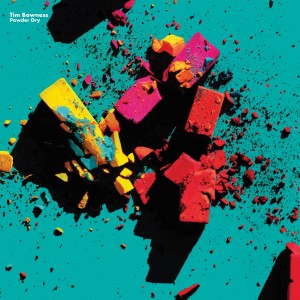
Tim Bowness, Powder Dry:the exception to this month’s rule, Bowness’ first-ever “solo solo project” hits the speakers like a cold slap in the face. Instead of the languorous widescreen ruminations of previous albums, we get brusque, sparse song sketches (rarely more than 3 minutes); a disorienting mix of natural tones, machine rhythms, bracing industrial grit and gnarled lo-fi samples yields shocks, disturbances and wake-up calls aplenty across these 16 tracks. Well practiced in the dark arts of ineffable yearning and melancholy, here Bowness hones and refines his lyrics to bare-knuckled, highly charged haikus, whether staring down decadent cultures (opener “Rock Hudson”), devolving psyches (“This Way Now”, the title track), disintegrating connections (“Heartbreak Notes”) or the unholy conjunction of all three (“Summer Turned”, “Built to Last”). With his stoic vocals bearing the brunt of this emotional tangle, Bowness’ voice plumbs fresh depths, flickering in desperate hope one moment, driven to sublimated fury and fear the next. If you’re already a Bowness fan, stow your expectations — but whether he’s familiar or brand new to you, don’t hesitate to strap in for a compelling, cathartic ride.
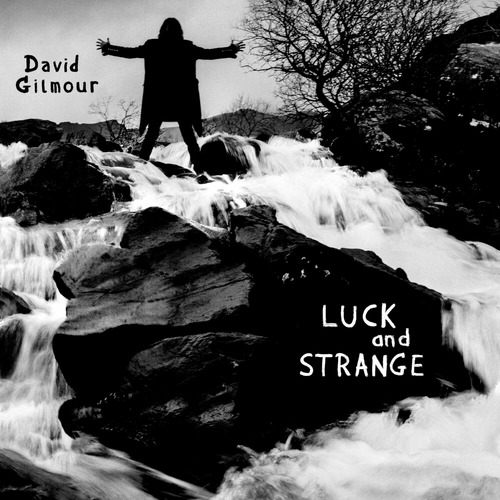
David Gilmour, Luck and Strange: another prog legend who can sound like nobody but himself cranks up one more time. But the canvass Gilmour paints on here accents different tones and tints, with youthful co-producer Charlie Andrew shaking up instrumental backgrounds and song formats to good effect. There’s a sense of lightness, air and space this time around, a less obviously Floydian palette that both complements and contrasts with Gilmour’s craggy singing and singular take on blues guitar. Polly Samson’s lyrics level up as well, tackling well-worn topics (nostalgia on “Luck and Strange”, spirituality on “A Single Spark”, love as refuge on “Dark and Velvet Nights” and “Sings”) from newly contemplative angles, sounding absolutely right coming out of Gilmour’s mouth. (Oh, and daughter Romany Gilmour totally enthralls in her vocal turn on The Montgolfier Brothers’ “Between Two Points”.) By the time Gilmour hearkens back to which one’s Pink, firing off a final round of Stratocaster fireworks on orchestral closer “Scattered”, he’s taken us on the most varied – and I’d argue, most sheerly enjoyable – ride of his solo career; this one’s already a 2024 Favorite.
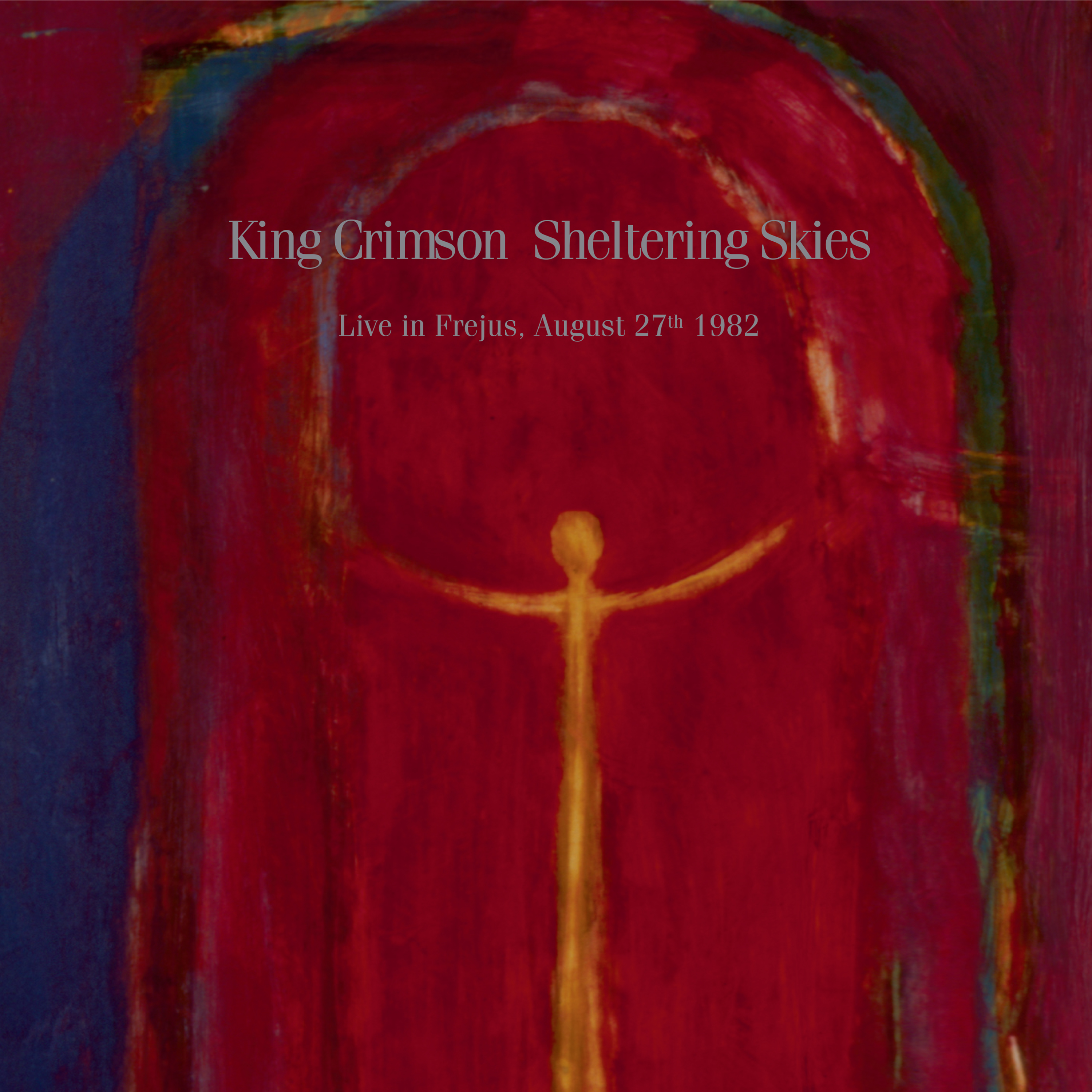
King Crimson, Sheltering Skies: OK, so this one isn’t “new” new. But when Crimson sherpas Robert Fripp and Bill Bruford teamed with American upstarts Adrian Belew and Tony Levin back in the 1980s, the result was a revitalized second reign for the King, swapping out trademark Mellotrons and prodigious pomp for raucous noise, limber polyrhythms and surging, seething energy. With Belew and Levin now touring this music again as BEAT, this issue of a 1982 show previously released on video couldn’t come at a better time; opening for Roxy Music on the French Riviera, Crimson pulls the unsuspecting audience right into the clinches for the hottest of hot dates. From the subdued intensity of “Matte Kudasai” and “The Sheltering Sky” through the dynamic clatter of “Indiscipline” and the hypnotic guitar weave of “Neal and Jack and Me” to Bruford and Belew’s ecstatic percussion duet that kicks off “Waiting Man”, this is that rare live album of nothing but highlights. Banter, bicker, balderdash, brouhaha, ballyhoo — whatever their desired flavor of elephant talk (including some 70s throwbacks), Crim devotees will find it here.
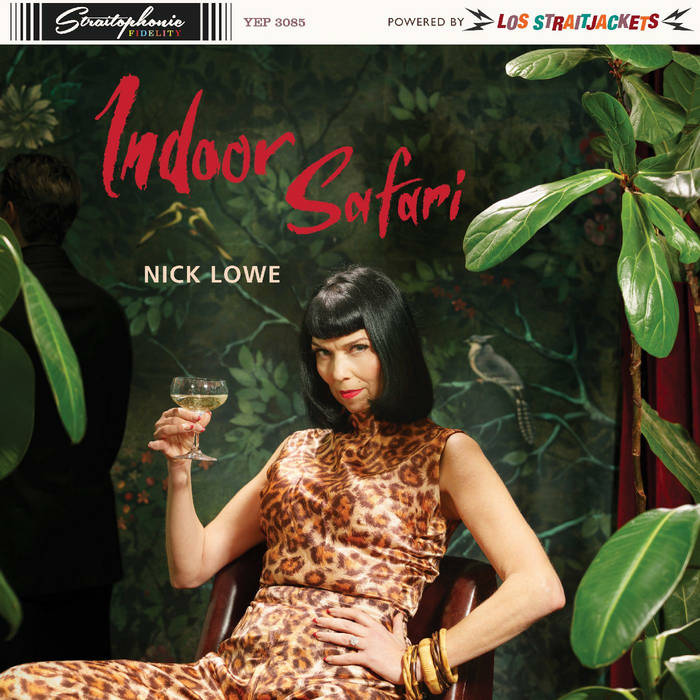
Nick Lowe, Indoor Safari:almost 50 years on from his solo debut at the crest of the New Wave, Lowe’s pure pop for now people remains pin-sharp and on point. Who else can still pump out breezy rockers like “Went to A Party” and “Jet Pac Boomerang” (the latter complete with high-culture similes and a Fab easter egg), ring wry changes on the battle of the sexes in “Blue on Blue” (“You’re like a mill, you run me through”) and “Don’t Be Nice to Me”, then capture the emotional devastation of the quietly crooned “A Different Kind of Blue”? Masked surf-rockers Los Straitjackets (currently celebrating their 30th anniversary) prove crucial here, laying down swinging retro grooves for Lowe’s originals and hoisting just the right backdrops as he nails the blue-collar aspiration of Garnet Mimms “A Quiet Place” and the innocent romance of Ricky Nelson’s “Raincoat in the River”. Lowe’s smart-aleck satire has always entertained, but his later embrace of pre-rock stylings deepened his songwriting and singing; now, even at his jauntiest, his aim for the heart is true. This is a real charmer that’s gone straight onto my 2024 Favorites list.
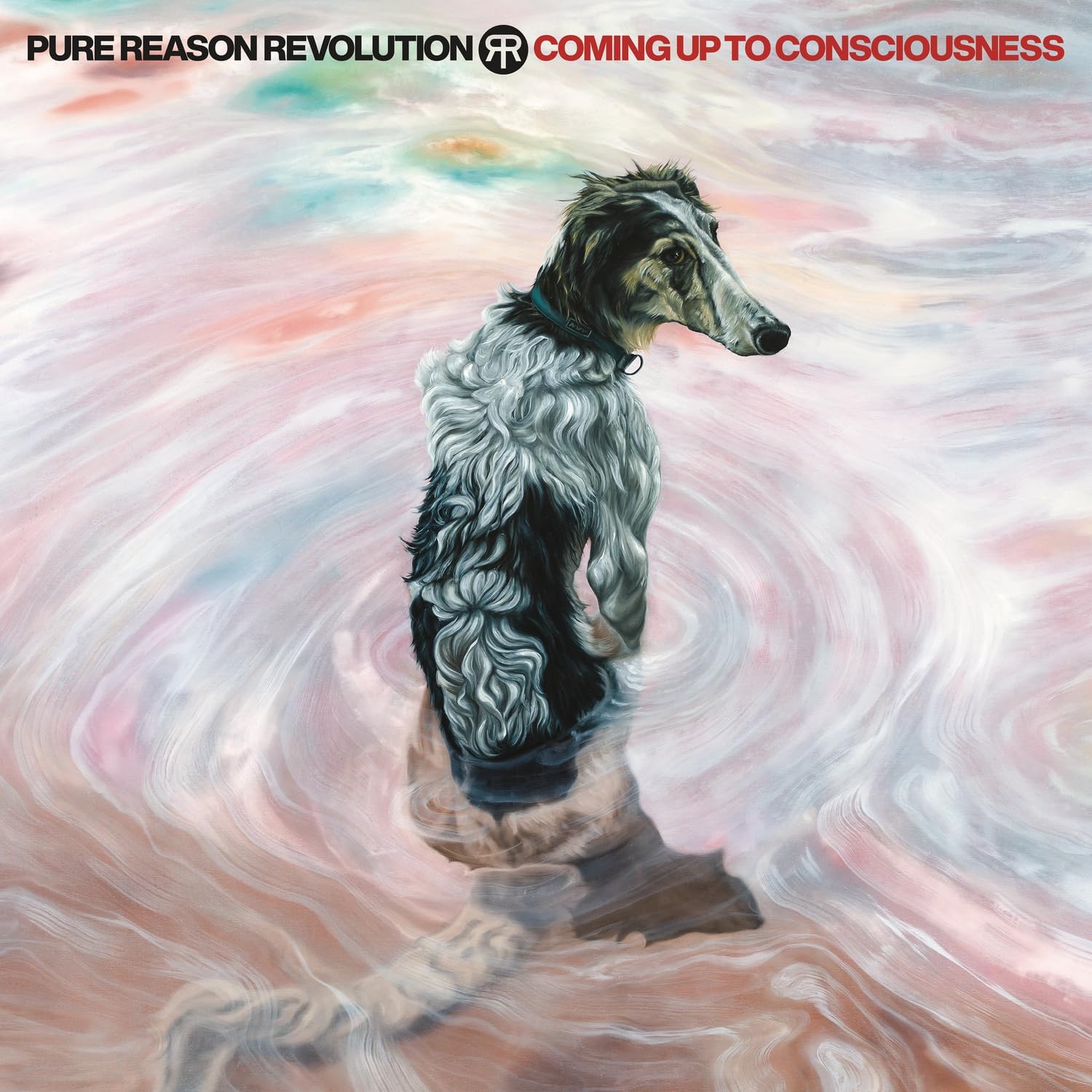
Pure Reason Revolution, Coming Up to Consciousness:a variation in reverse of this month’s theme, as long-time Pink Floyd/Gilmour bassist Guy Pratt brings extra low-end oomph to the latest from Jon Courtney, Greg Jong and their fellow electroproggers. As Time Lord ably spells out in his full review, once again PRR relies on the proven recipe of previous high points like 2006 debut The Dark Third and 2022’s Above Cirrus: float in on low-key ambience, keep the verses chilled out, ramp up on the bridge, kick hard into the chorus! (While seasoning to taste with lush harmonies, towering guitar riffs and slamming club beats, whipping up maximum tension and release before serving.) Here the results are consistently yummy, not least because the soundscapes’ ebb and flow echo Courtney’s perennial lyrical themes. As Courtney, Jong and Annicke Shireen’s voices entwine, splinter, and reunite, there’s a serene insistence on transfiguration, on something more than material, beyond the harsh realities of eros (“Dig til You Die”, “Betrayal”), fear (“The Gallows”), and death itself (“Useless Animal”, “As We Disappear”). Pure Reason Revolution isn’t giving us answers, but Coming Up to Consciousness points us toward the mystery they’ve pursued all along.


 Progarchy