Grateful for my beloved wife, son, daughter-in-law, grandchildren and siblings. Also a lover of theology, music, history, philosophy, classic novels, science fiction, fantasy and Looney Tunes.
King Crimson at the Chicago Theatre, June 28, 2017.
This was the eighth time I’ve heard King Crimson in concert — and, for me, the best. Pretty much the entire night was a peak experience, miles ahead of any previous rock show I’ve seen in my forty years of concert-going.
Why? Because this incarnation of Crimson can play it all, from the muted to the majestic to the metallic. And because they did play it all — fluent, ferocious, daring and delicate by turns (and sometimes all at once). Nearly three hours of an utterly unique band hitting one high point after the other, in thoroughly unpredictable fashion.
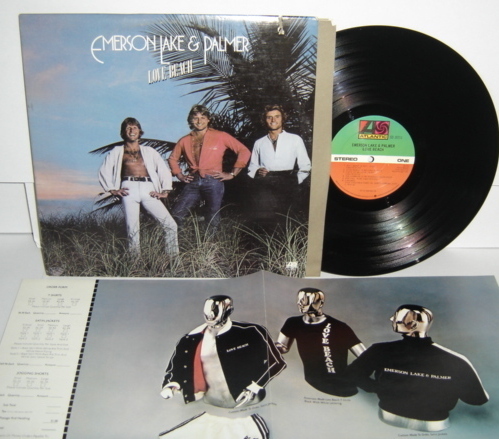
My first reaction to Love Beach (purchased at the Grosse Pointe location of Harmony House, after hearing “The Gambler” on Detroit rock radio in November 1978) wasn’t about the music. It was about the merchandising insert included with the first pressing. I think my actual thoughts were something along the lines of, “They’re selling satin Love Beach jogging shorts?!?”
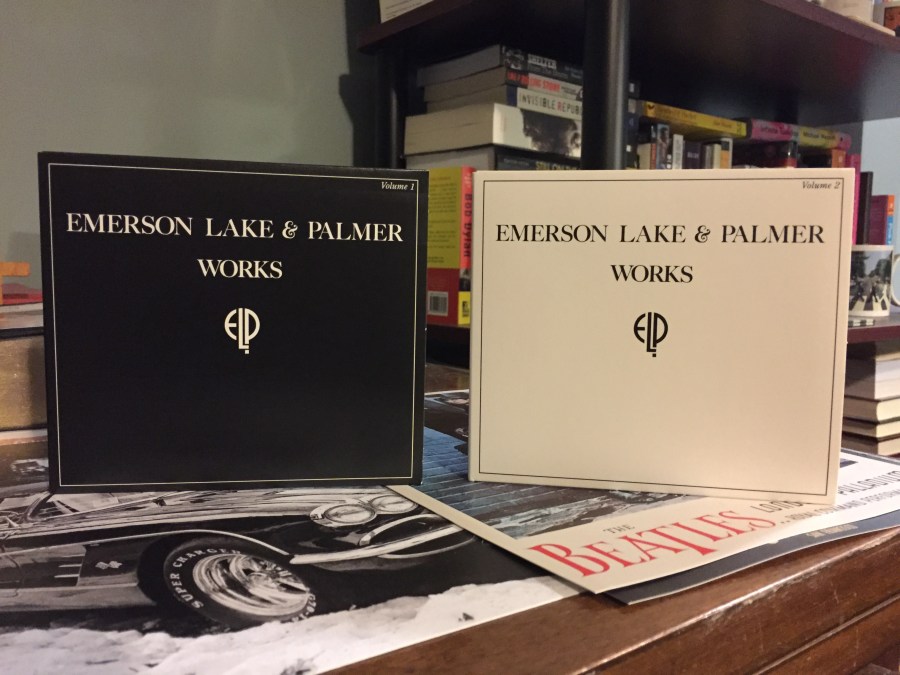
When I picked up Works Volume 2 (on the day after Thanksgiving 1977, at Hansen’s Music Store in Greenville, Michigan — thanks for taking me along, Mom!), it didn’t feel like a disappointment. In fact, on first listen it was a nifty change of pace from the orchestral bombast of Volume 1 — 12 shorter tracks, all new to me, exploring the jazz, blues and boogie that only occasionally showed up on ELP’s earlier records.
“Studio and live are two worlds. Would you, the audience, prefer to have a love letter or a hot date? Each have their value. Crimson were always a band for a hot date. From time to time they could write a love letter, too, but for me they were better in the clinches.” (Robert Fripp)
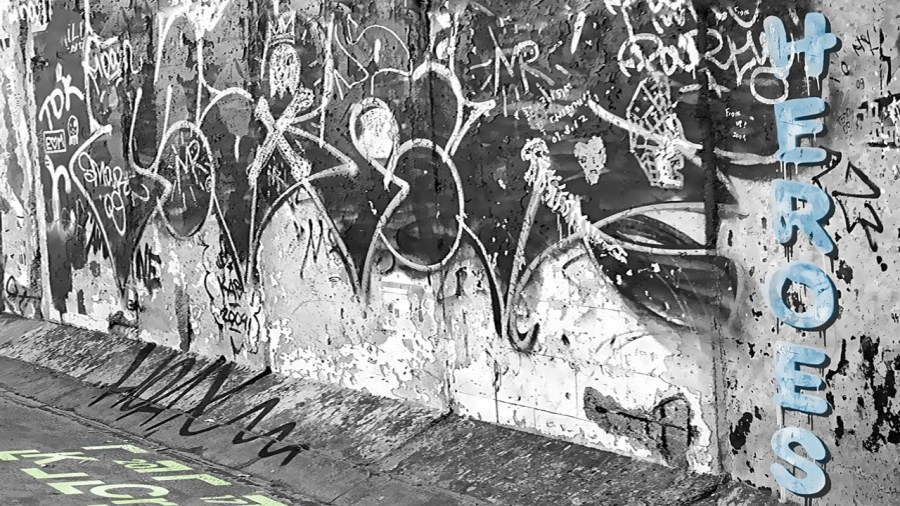
In advance of King Crimson’s upcoming US tour (starting June 11 in Seattle), Discipline Global Mobile has released Heroes, a low-priced live EP of recordings from last fall’s European excursion. Blending the best of Fripp’s two worlds, it shows the Seven-Headed Beast that was 2016’s Crimson in fine fettle and ready for the clinches.
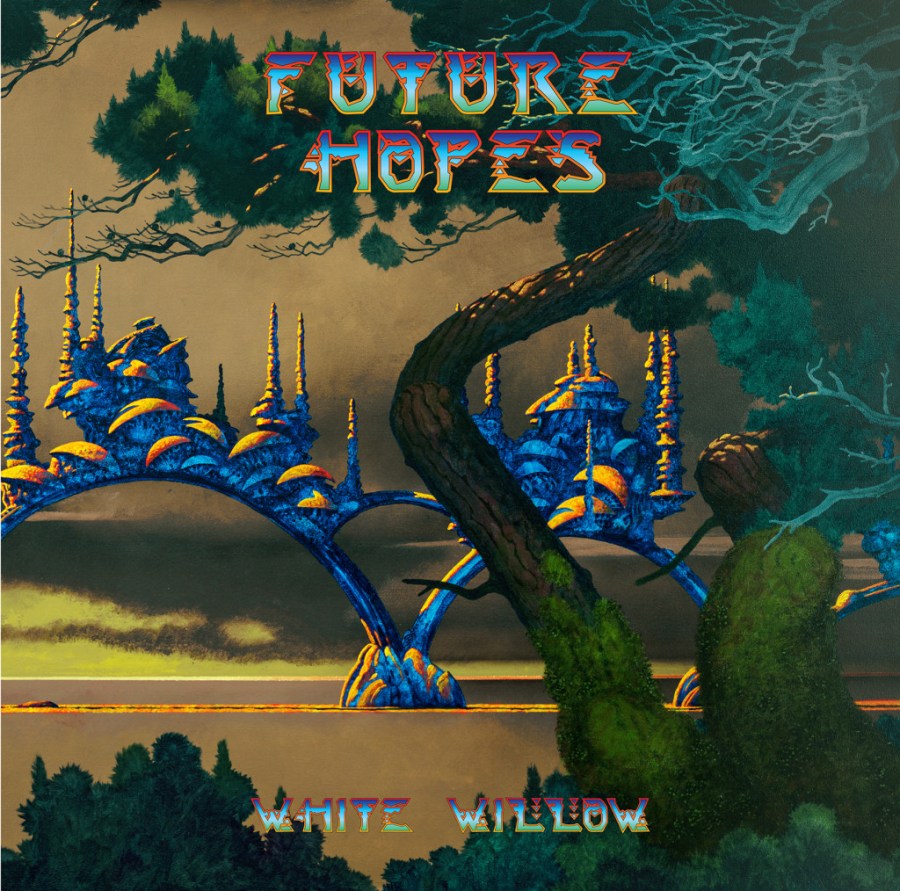
The only White Willow album I’d heard before their new effort was 2011’s doomy Terminal Twilight. Gorgeous, Gothic stuff, but it didn’t leap out at me as anything special. Future Hopes, however, is a gripping album, unpretentious in presentation (Roger Dean cover notwithstanding) but wonderfully ambitious in scope and sonics. It starts in darkness, then doggedly journeys toward the light — and it carried me along from beginning to end. Continue reading “White Willow, Future Hopes”→
“The word ‘bombastic’ keeps coming up as if it were some trap I keep falling into … when I’m bombastic, I have my reasons. I want to be bombastic. Take it or leave it.” – Dave Brubeck
What were they thinking?
You’re Emerson, Lake & Palmer, coming off a three-year layoff — though admittedly, you were at the top of the charts and your game when you downed tools. To regain your fan base and add to your audience, would you come back with a double album that had one side of material by each band member (with guest players and full orchestras) and only one side of ELP playing together? And then, would you take a 59-piece orchestra and 6-voice choir on the road with you? To most people, that would sound like a recipe for disaster.
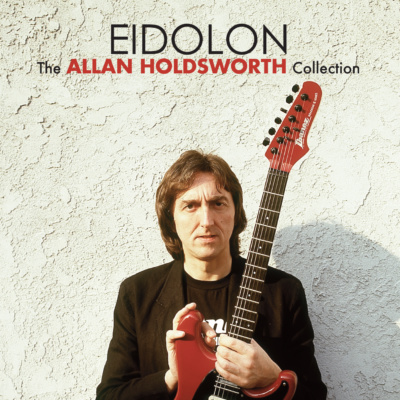
It took me a while to get my hands on a copy of the late Allan Holdsworth’s new compilation, Eidolon. It was well worth the wait.
What strikes me on the second listen to Eidolon is the seemingly endless flow of melody Holdsworth tapped. Despite his stunning contributions to the first U.K. album, it’s clear in retrospect that the man wasn’t comfortable in a highly structured musical environment. Like his hero John Coltrane, Holdsworth was much happier stating the tune at the start, in bebop head style, then seeing where he could travel with it.
Taking on the basic materials of scales and arpeggios from oblique directions, chaining them together into lightning fast, super-dense sheets of sound, slowing or stopping dead on a sustained note or an unexpected harmonic twist at just the right moment, all somehow connected to the chord changes he floated above — this is what Holdsworth brought to the Tony Williams Lifetime and Soft Machine, what he developed further in Bill Bruford’s band (before and after U.K.), and what he spent the rest of his life exploring. From the evidence here, he never ran out of new territory to pioneer; minds were duly blown, and hearts were duly moved.
Despite the admiration and support of more famous shredders like Eddie Van Halen and Joe Satriani, Allan Holdsworth never broke through to wide acclaim. But Eidolon leads me to believe that the gift of music — especially of melody — always brought him joy. Kudos to Manifesto Records for their re-release of all of Holdsworth’s albums (compiled as The Man Who Changed Guitar Forever) and this excellent compilation — which you can check out below.



 Progarchy