No big hoo-hah this year: just a down and dirty list of my favorite releases and reissues of the year, covered in previous Quick Takes or elsewhere on the Web (links are to my original articles)!
Bruce Hornsby, The Way It Is; Scenes from the Southside; Harbor Lights; Here Come the Noisemakers (live); Intersections 1985-2005 (box set); Solo Concerts (live). See my appreciation of Bruce’s career here!
Thanks for your ongoing attention and steadfast support. We at the Rockin’ Republic of Prog appreciate it! Best wishes as we all turn the corner and head into the New Year!
Where have the last two months gone? And how many new releases have I enjoyed in the interim? Enough that I’ll be shooting to summarize each one included below in two to four sentences, max! (Though I can’t guarantee they’ll be short sentences.) Purchase/streaming links embedded as usual, so here we gooo . . .
New Music
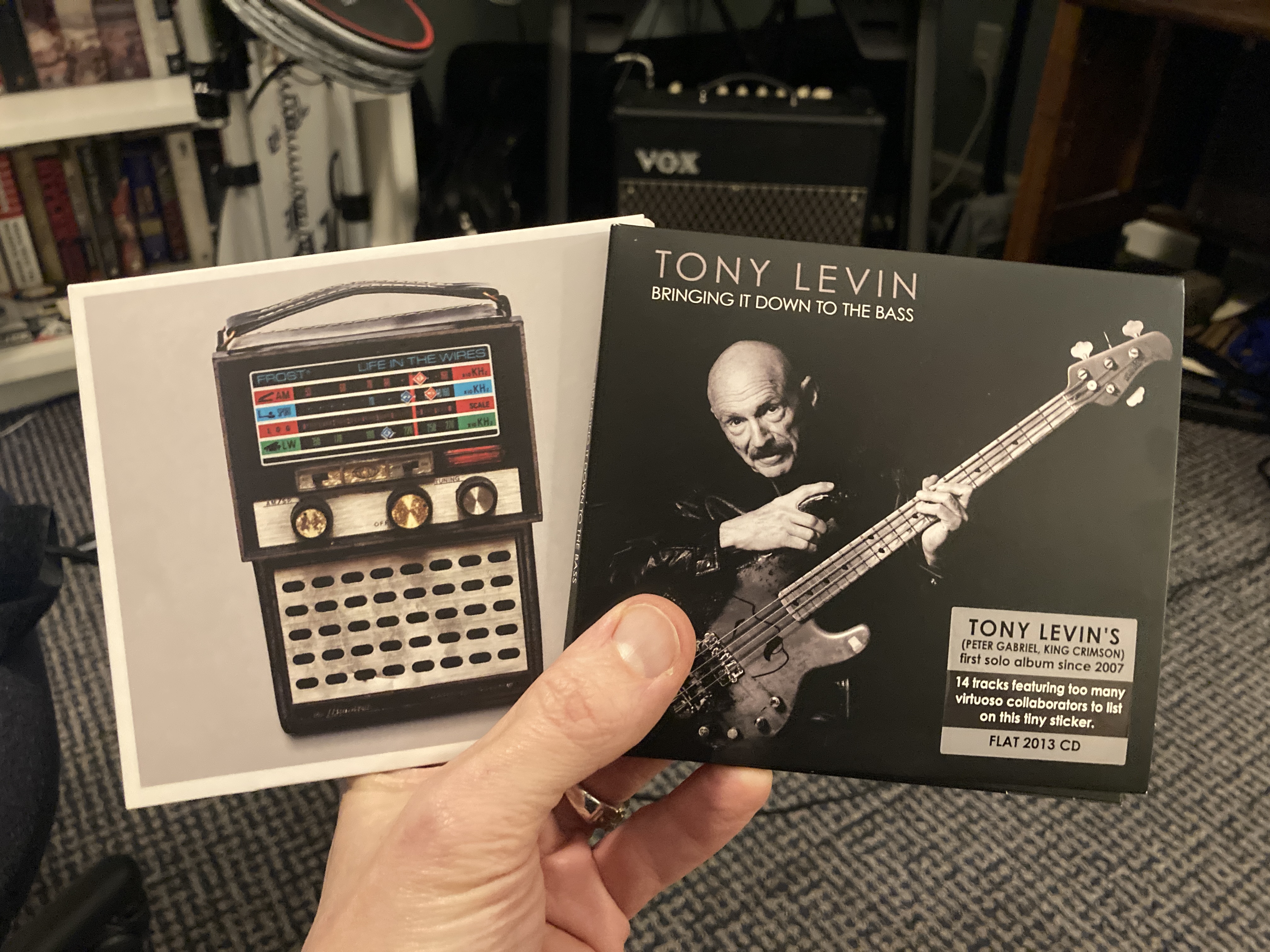
As teased in our October interview with mainman Jem Godfrey, Frost*’s Life in the Wires(listen here) is the conceptual album of a prog fan’s fondest dreams; the storyline is vintage dystopia (1984 meets Who’s Next), the music a full-on sonic assault from the get-go (replete with widdly synthesizer solos). Pitted against the required cybernetic supervillain, in search of freedom out there in the fields, can Godfrey’s protagonist Naio escape permanent lockdown in teenage wasteland? The ultimate answer is well worth the winding journey; powered by the heady backing of John Mitchell, Nathan King and Craig Blundell, Godfrey easily conjures up the equal of previous band high points Milliontown and Falling Satellites.
On his fresh solo album Bringing It Down to the Bass, Tony Levin launches 14 low-end odysseys with (to quote the hype sticker) “too many virtuoso collaborators to list.” But whether proving that “Boston Rocks” with Bowie guitarist Earl Slick and Dream Theater drummer Mike Portnoy, “Floating in Dark Waves” below Robert Fripp’s soundscapes, or reuniting with fellow Peter Gabriel bandmembers on multiple jams, Levin always grabs the ear with his supremely melodic bass, Stick and cello work. And his low-key, half-spoken vocals prove surprisingly effective, especially on dry barbershop throwbacks “Side B/Turn It Over” and “On the Drums” and the moving John Lennon tribute “Fire Cross the Sky.”
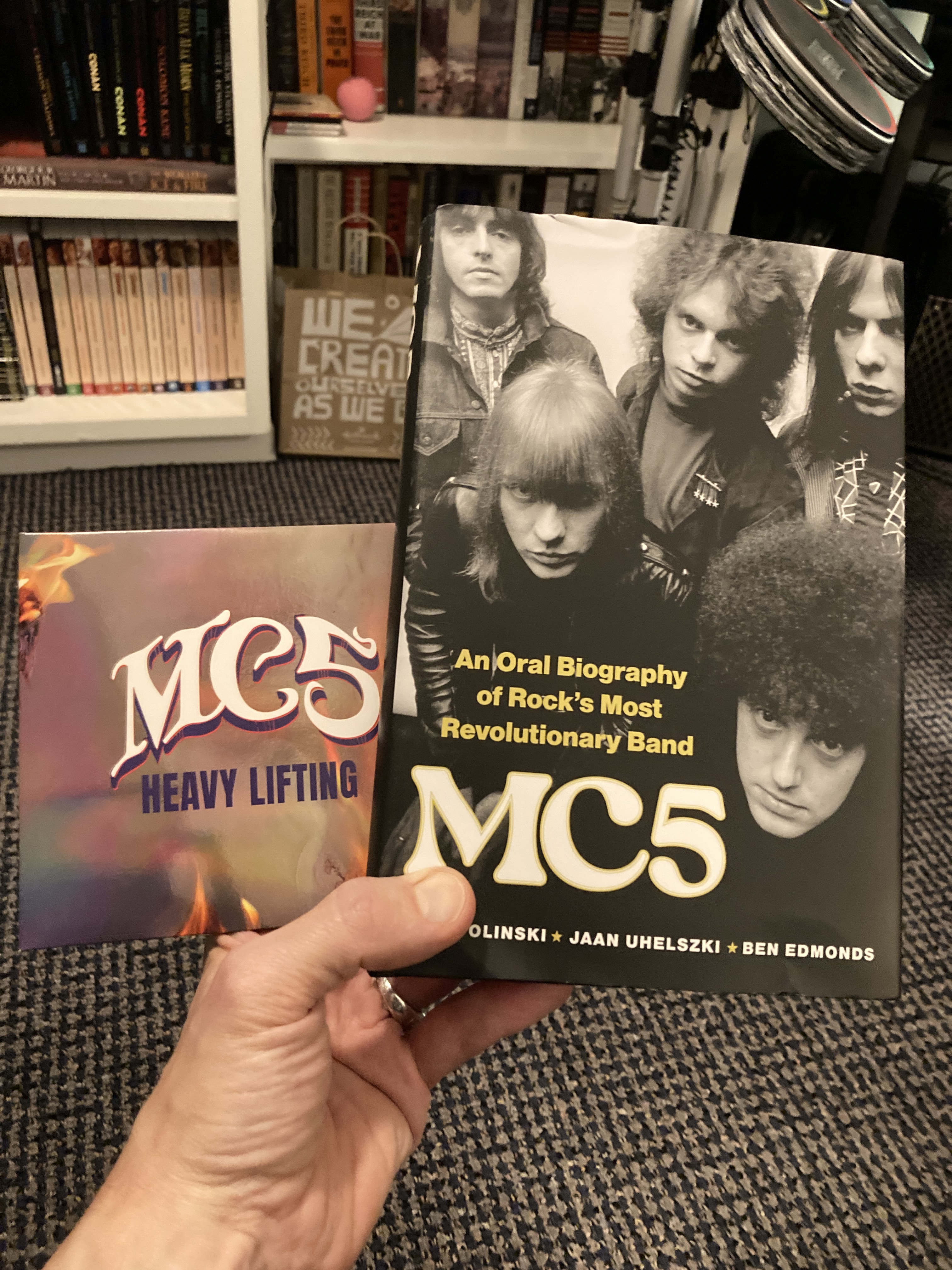
Pioneer garage rock guitarist Wayne Kramer had one more winner in him before his passing earlier this year. Credited in tribute to Kramer’s seminal Detroit collective MC5, Heavy Lifting(listen here) rages against the political and cultural machines still standing since the band’s original heyday, agitating for a better deal with 13 brash, irresistible helpings of punk (“Barbarians at the Gate”), rock (“Edge of the Switchblade”) and soul (Edwin Starr cover “Twenty-Five Miles”). For the full skinny on why Kramer & company finally snuck into the Rock & Roll Hall of Fame through the back door this year, the newMC5: A Oral Biography of Rock’s Most Revolutionary Band is essential reading.
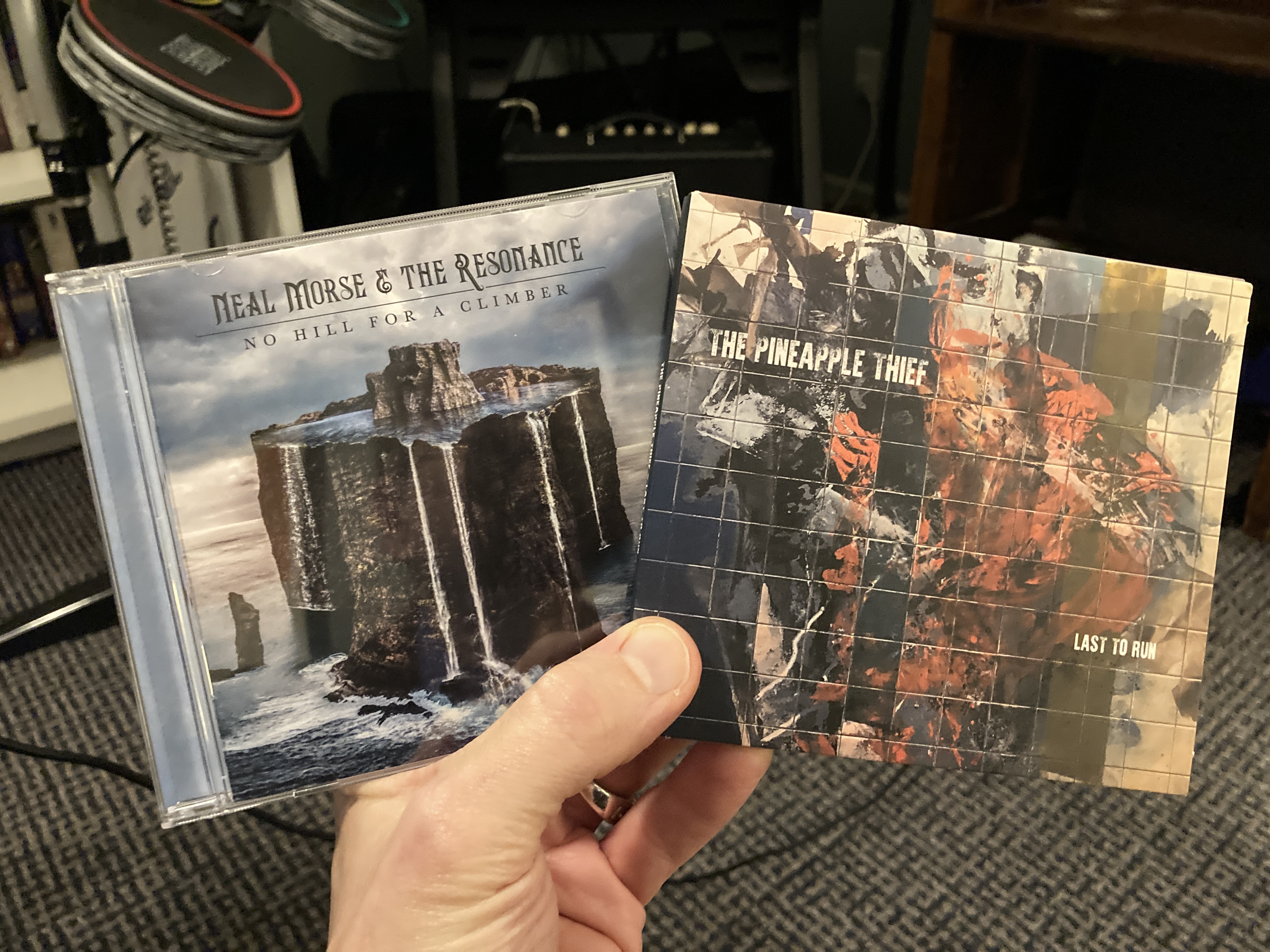
As his long-time collaborators spin off in other directions, Neal Morse just keeps on keeping on! Teaming with The Resonance, a purpose-built quartet of young Nashville hotshots, Morse’s latest No Hill for a Climber(listen here) is a bit of a throwback; instead of full-blown rock opera, Morse builds a multi-faceted album, sandwiching creepy swinger “Thief”, head-down rocker “All the Rage” and melting ballad “Ever Interceding” between twin epics (opener “Eternity in Your Eyes” and the closing title suite). The more straight-on vibe Morse embraced on his Joseph duology predominates here, but with enough detours to keep long-time listeners coming back and intrigue new hearers.
Straight-on is a pretty good description of the new The Pineapple Thief EP Last to Run(listen here) as well; far more than leftovers from the fine It Leads to This, the five songs included here strike hard and deep. As Gavin Harrison weaves enticing rhythmic illusions on drums, Bruce Soord spins up dark, pensive vignettes of personalities in crisis (“All Because of Me”), relationships snarled by dysfunction (“No Friend of Mine”) and societies on the brink (“Election Day”). Another band that mines a familiar vein repeatedly, yet consistently leaves listeners craving more.
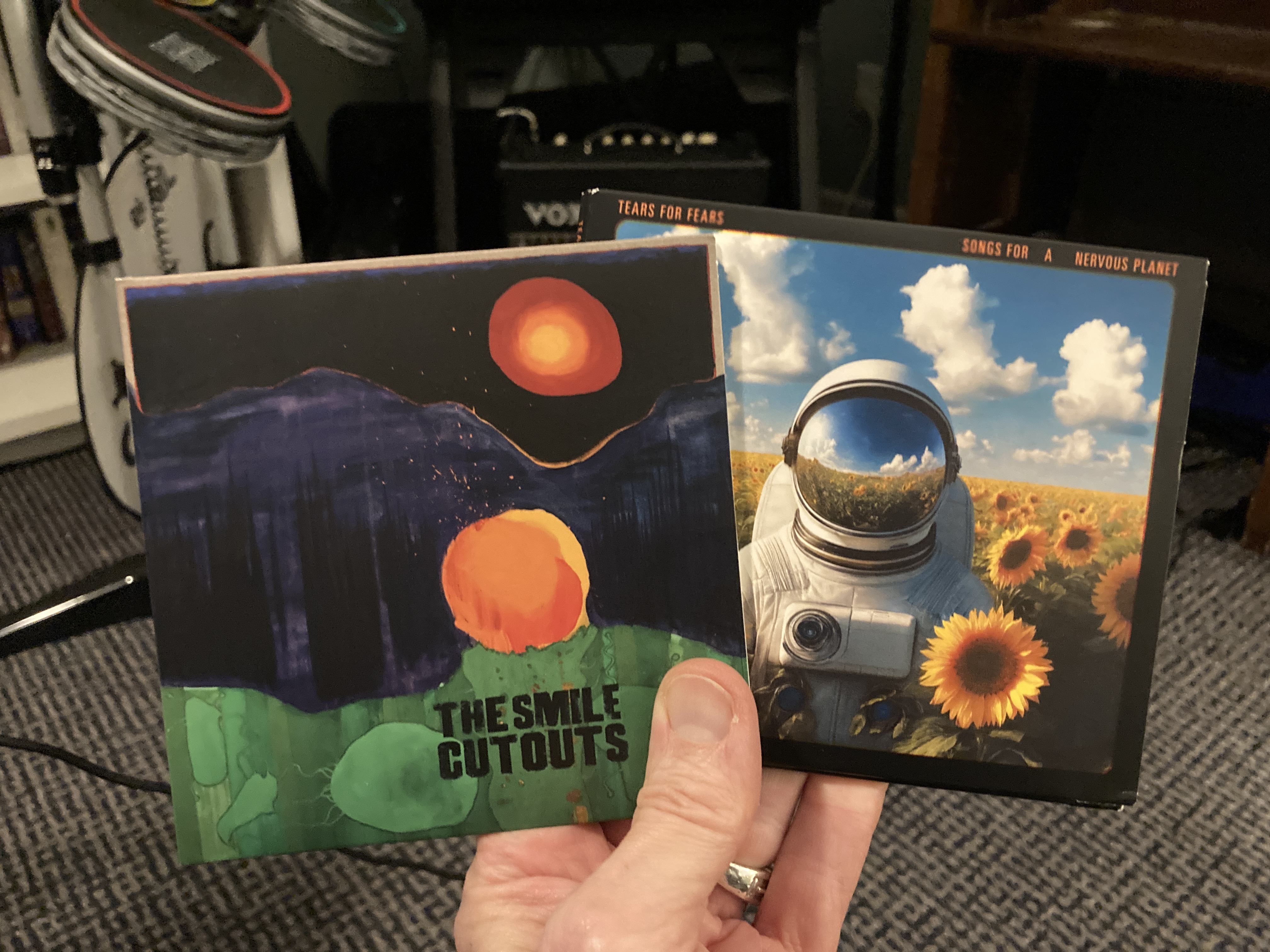
Speaking of dysfunction, The Smile’s Cutouts(listen here) resembles nothing so much as a numbed comedown, trailing the apocalypses unflinchingly depicted earlier this year on their Wall of Eyes. Thom Yorke’s nonsense lyrics and bleached-out vocal affect sound light-years away from the redemption Radiohead intimated even at their most jaundiced; Jonny Greenwood spins up orchestral/electronics, evoking distant, forgotten nightmares; Tom Skinner holds down the spare, spacey beat, blithely driving into nothingness. If not as gripping as this trio’s first two albums, Cutouts can still compel with its chill.
But where The Smile chills, Tears for Fears seeks warmth; the four fresh tracks on TfF’s mostly-live Songs for a Nervous Planet(listen here) home in on healing (“Say Goodbye to Mom and Dad”), lasting love (the lush “The Girl that I Call Home” and the psychedelic “Emily Says”) and self-actualization (the quirkily glib “Astronaut”). And there’s plenty more catharsis in concert, as Roland Orzbaal, Curt Smith and backing band blast out the hits of yesteryear and revisit the highlights of their fine 2022 comeback The Tipping Point, all with plenty of enthusiasm and aplomb.
(Live albums and archival releases – box set time! – follow the jump.)
Like a man named Will said, summer’s lease hath all too short a date – so I decided it was time for a lightning roundup of the season’s box sets! Purchasing links are included in the artist/title listings below, with streaming and video samples following each review.
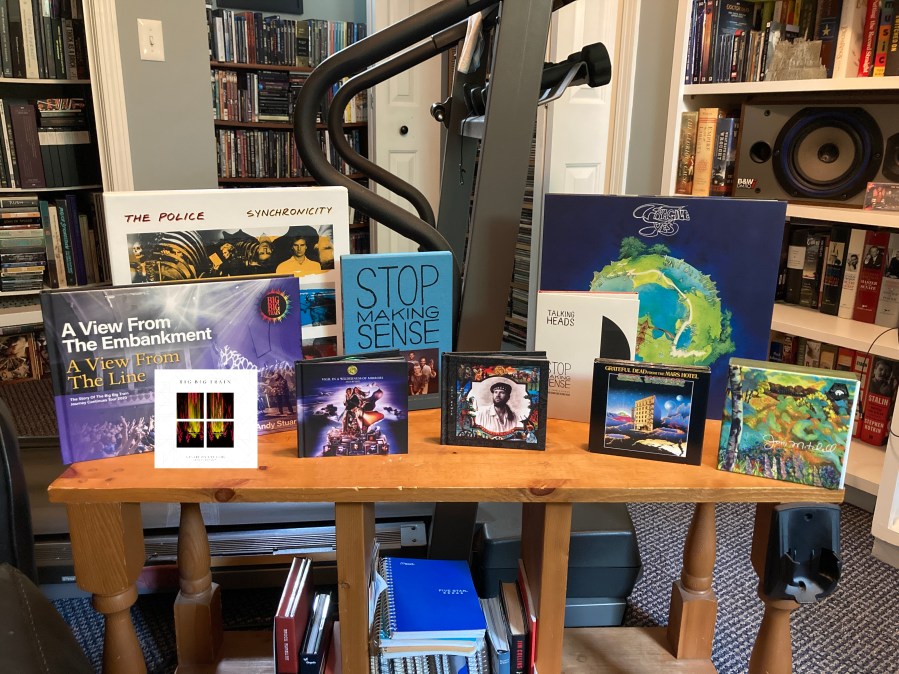
Big Big Train, A Flare on the Lens: Officially released on September 13th, only promotional audio was available for review, so I can’t tell you how the closing night of BBT’s 2023 European tour looks on BluRay – but it sure sounds like dynamite! With all the animation and verve they displayed on this year’s first American jaunt, Greg Spawton’s mighty crew (joined by guest guitarist Maria Barbara and the obligatory brass quartet) tear into a similar setlist packed full of drama and pathos. New vocalist Alberto Bravin is particularly impressive, getting right to the heart of fan favorites like “Curator of Butterflies” and “A Boy in Darkness” along with epic standbys “East Coast Racer” and “Victorian Brickwork”. But everyone’s at the top of their game, culminating when Nick D’Virgilio and Rikard Sjöblom join Bravin up front for a devastating yet joyous medley of “Leopards”, “Meadowland” and “Wassail” in honor of the late David Longdon. Amply documented here as well as in Andy Stuart’s mouth-watering tour diary/photobook A View from the Embankment, A View from the Line, and on new album The Likes of Us, BBT’s rebirth is a genuine cause for celebration.
Fish, Vigil in a Wilderness of Mirrors and Internal Exile: In the wake of his stormy departure from Marillion, lead singer/lyricist Fish (AKA Derek Dick, rock star and Scottish nationalist) was unsurprisingly eager to prove his worth as a solo act. 1990’s debut Vigil In a Wilderness of Mirrors was as emotionally direct and lyrically convoluted as ever, built around the charged concept of climbing “The Hill” of success — a goal unrelentingly pursued despite the Stateside seductions of “Big Wedge”, the obsessions holding “The Voyeur” captive, the damage documented in “The Company” and “Family Business”. Internal Exile, released the following year after legal troubles and a label change, steers toward individual songs; highlights include delicate ballad “Just Good Friends”, comfortably numb polemic “Credo” and the Highland-inflected title track. Fish’s dramatic declamation is the focus throughout; it’s as riveting as always, though the music (mostly by sidekick Mickey Simmonds) can be a bit pedestrian, lacking the organic interplay and inspired unconventionality that marked Marillion’s response to his heady, hearty words. Each album is available as 2-LP Vinyl Editions, 3-CD Standard Editions (with bonus demos and live versions) and Deluxe Editions (with another disc of live versions and surround mixes on BluRay).
Grateful Dead, From the Mars Hotel:It took a looong time, but somehow I’ve finally tuned into the Grateful Dead’s wavelength (and without the use of illegal substances, mannnnn). Having zeroed in on the band’s “stoned electric bluegrass” period of the early 1970s, this latest 50th anniversary reissue is right up my alley – and it has more appeal even now than you might expect. Made in the midst of the Dead’s doomed attempt at running their own record label, there’s a delicacy instilled in the music, a humble yet unflinchingly honest cast to the lyrics. The social commentary of Jerry Garcia and Robert Hunter’s “U.S. Blues” and “Ship of Fools” is more bemused than bitter; tinged with Keith Godchaux’s harpsichord, “China Doll” is an exceptional ballad, and the awestruck love song “Scarlet Begonias” stayed in the band’s onstage repertory for decades. Plus, there’s Phil Lesh’s extended workout “Unbroken Chain”, one of the few Dead songs of that vintage to feature the bassist’s charmingly down-home vocals. Add a live set that handily covers the group’s career to that date, featuring well-chosen country covers and mesmerizing jams, all blasted through the band’s Wall of Sound to a University of Nevada audience the year of From the Mars Hotel’s release, and you have an exemplary package. 1971’s Skull and Roses (first encountered in my older brother’s record collection) and Europe ’72 remain the quintessential Dead in my book, but this isn’t far behind.
Joni Mitchell, The Asylum Albums (1976-1980): Let the record show that Mitchell carried a torch for jazz for decades, ranking Miles Davis right up there with Beethoven long before her music slid into the smoothly swinging grooves of 1974’s Court and Spark. With Hejira (1976), haunting meditations on love and wandering like “Coyote”, “Amelia” and the title track lit out for more expansive territory, simultaneously anchored and uplifted by fusion genius Jaco Pastorius’ free-floating bass work. 1978’s Don Juan’s Reckless Daughter stretched further into abstraction, with the side-long tone poem “Paprika Plains” swathed in rich orchestral colors, instrumental “The Tenth World” and the grooving “Dreamland” enveloped in Latin percussion, and Pastorius’ Weather Report compatriot Wayne Shorter swooping in with unmistakably lateral sax work. And in collaboration with a dying genius, 1979’s Mingus (instigated by composer/bassist Charles Mingus himself) saw Mitchell pay tribute to the era epitomized in the closing “Goodbye Pork Pie Hat”, with words as inspiringly bopping as the tunes. Add the live double album Shadows and Light, with Mitchell backed by then-young guns like Pat Metheny on guitar and Michael Brecker on sax, and you have a remarkably unified overview of her farthest out, yet most eccentrically open period. (Volume 4 of Mitchell’s Archives series, focusing on unreleased and live music from these years, is released October 4th.)
This time around, a cross-section of mostly new, mostly instrumental albums that may start in one genre but willfully refuse to stay there — with frequently bracing results. Purchase links are embedded in the artist/title listings, with any additional purchase links for physical media at the end of a review and streaming access following.
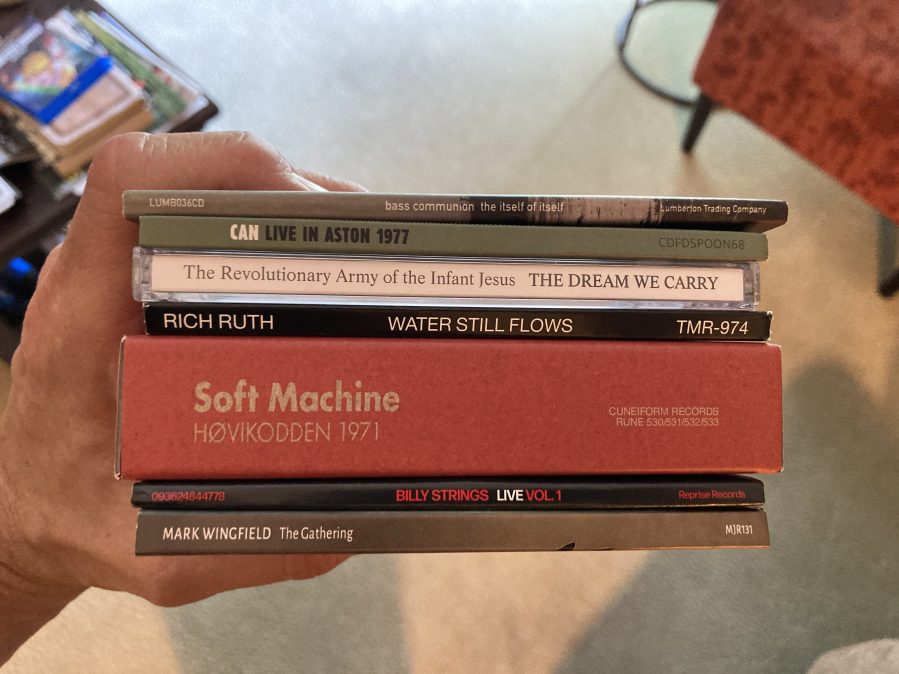
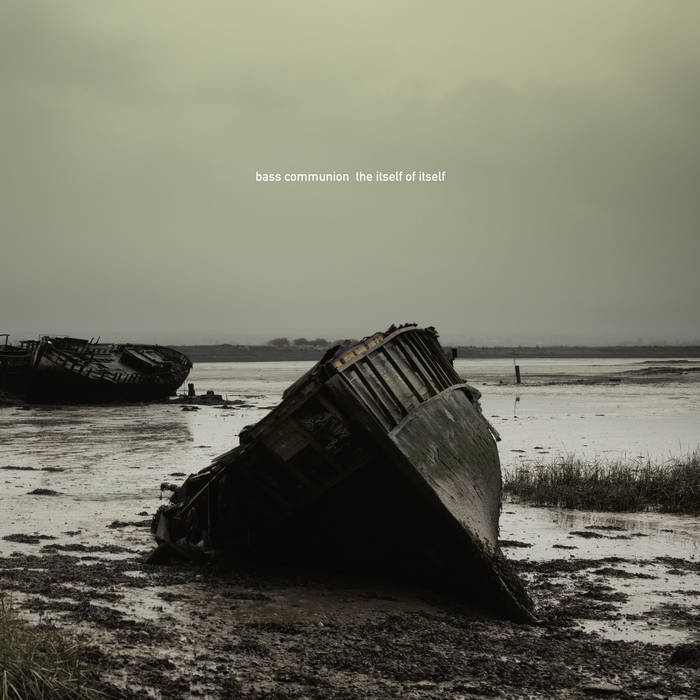
Bass Communion, The Itself of Itself:We can’t say Steven Wilson doesn’t warn us on the album sleeve: “audio artefacts and noise such as tape hiss, wow and flutter, vinyl crackle, distortion and earth hum are (probably) deliberate.” Delving into his longstanding experimental/electronic doom-drone persona, Wilson once again abandons melody and rhythm to slap down raw sonic textures and grind them together across extended time spans. The results range from arresting (the relentless build of horror-soundtrack opener “Unperson”, the uneasy, alarming stasis of the title piece) to utterly forgettable (when my dehumidifier kicked in during “Study for Tape Hiss and Other Artefacts”, I really thought it was part of the track). Am I finally sussing out (as some have theorized) Wilson’s extended con of the prog world? Getting a sneak peek of his 2025 solo album The Overview? Or hearing the latest from an artist who just does whatever he wants and doesn’t particularly care how possessive fans get about him? I’m a diehard Wilson fan, but when it comes to Bass Communion, your guess as to his motivation is probably as good as mine. (Order the CD from Burning Shed here.)
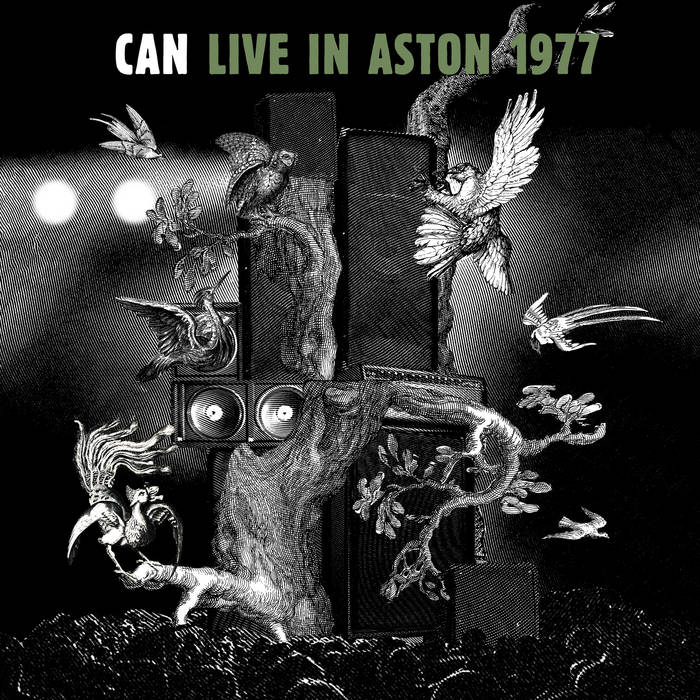
Can, Live in Aston 1977:Krautrock’s most thoroughly improvisational outfit got thoroughly funky in the late ’70s, courtesy of Rosko Gee, Jamaican bassist of no mean ability. With Gee powering the beat and previous bassist Holger Czukay dialing up snippets from shortwave radio and tape libraries, this version of Can is rhythmically tighter and tonally looser at the same time. That means Michael Karoli has more room to howl on guitar, Irmin Schmidt can conjure thicker clouds and launch edgier thunderbolts from his keyboards, and drummer Jaki Liebezeit can drill down into his unstoppable, drily metronomic groove. The clangorous solo section of “Drei” (enticing in its ambiguity – who’s playing this crazy thing that sounds like a bell choir in hyperdrive?) and the insistent, stonking, organ-led groove of “Vier” are high points. A solid addition to this fine archival series of vintage concerts.
The Revolutionary Army of the Infant Jesus, The Dream We Carry: RAIJ’s 2020 effort Songs of Yearning was my Top Favorite album of that strange year; I called it “a sacramental transmission from, then to, the heart of creation.” The Liverpool “experimental arthouse collective” has reduced its core personnel and pared back its weirdness ever so slightly, but their inviting mélange of reflection and insistence, sacred and profane persist. Jesse Main’s vocals and Eliza Carew’s cello gracefully arc over Paul Boyce and Leslie Hampson’s lush instrumental backing; on multi-track suites like “Les Fils des Etoiles” through “Object of Desire”, fragments of multilingual poems, songs and spoken word rise from nowhere, become incarnate, declare their tidings, then disappear into a wistful bed of chamber and orchestral tone color. Like RAIJ’s entire catalog, The Dream We Carry testifies to mystery tucked within the mundane, exemplified by album ender “The Song of Wandering Aengus”; it’s an eloquent yet elusive invitation to encounter the Spirit active at the heart of the fields we know.
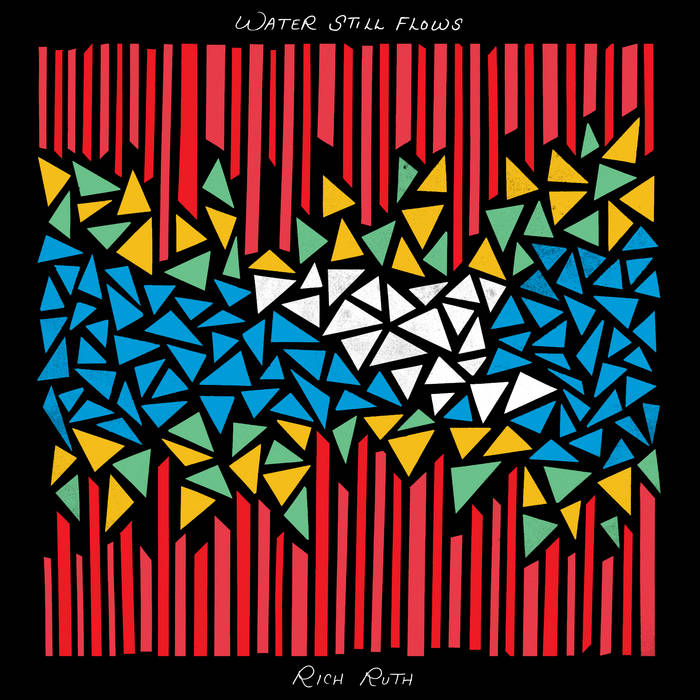
Rich Ruth, Water Still Flows:Reviewing 2022’s I Survived, It’s Over, my thumbnail sketch of Nashville guitarist Rich Ruth pointed to him as RAIJ’s American counterpart — but on the evidence of his latest, that assessment sells him short. For Water Still Flows, Ruth adds massive slabs of dark metal riffage to his already potent mix of cosmic ambience, celebratory spiritual jazz, and slow-crawling post-rock. Opener “Action at a Distance” feels like a heftier “Won’t Get Fooled Again”; marauding power chords choke off the luxuriant strings of “God Won’t Speak”; the blissful comedown of “Somewhere in Time” sticks a soft landing after the devastating climax of “Aspiring to the Sky”. With an eclectic ensemble of sax, harp, and pedal steel plus Ruth’s frenetic axework anchored by Reuben Gingrich’s crashing drums, this album is a mighty, impeccably shaped tone poem that once again journeys through pain and catastrophe to refreshment and renewal. (Order the LP or CD from Third Man Records here.)
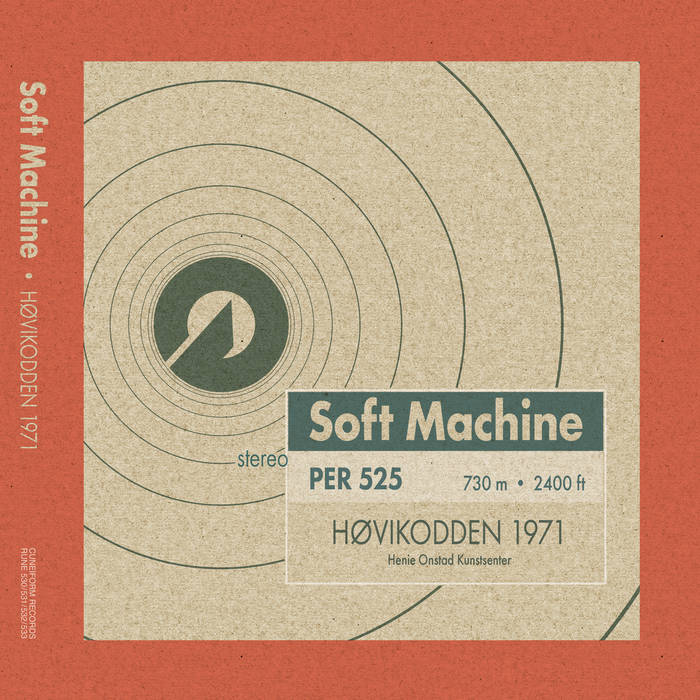
Soft Machine, Høvikodden 1971: The seminal British jazz-rock band at its creative peak, recorded over two nights at a Norwegian arts center. At each show, Mike Ratledge’s inimitable fuzz organ takes command; multi-saxist Elton Dean lets loose with an unending stream of raucous Coltrane licks; Hugh Hopper’s bass swarms, clambers and climbs, refusing to stay on the low end; Robert Wyatt’s limber drumming seethes, weaving through the tonal murk at will. Sometimes locking together in breathtaking unison, sometimes scattering to widely separated corners, the Softs approach classic material like “Facelift”, “Fletcher’s Blend” and “Out-Bloody-Rageous” from vastly different perspectives at different shows; the first night is a anarchic fireworks display, gobsmacking in its sweep, while the second night channels the quartet’s energy into a thrilling, thrusting sense of unified drive (albeit with laid back interludes). There’s tons of live Soft Machine available, but this newly released box set is a genuine high point of their already formidable discography.
Billy Strings, Live Vol. 1: I’ve gotta admit, I’m late to the party here; before a recent sojourn in Nashville and a resulting reacquaintance with all things Americana, I had missed out on the mightiest musician to hail from Michigan in a long, long time. Strings is, without a doubt, the real deal: a virtuoso guitarist, a first-rate singer and a songwriter who’s already shown signs of true, durable greatness. On his first live release, he and his band turn gritty evocations of small-town vice (“Dust in a Baggie,” “Turmoil and Tinfoil”) and poetic contemplations of the bigger picture (“Long Forgotten Dream”, “Fire Line/Reuben’s Train”) into unabashed, dynamic bluegrass brilliance, stirring in proggy interplay and psychedelic seasoning, stretching out their jams for maximum tension and impact, but with nary a wasted note or a thoughtless lick. This is an absolutely smashing major label debut, a snapshot of a phenomenon in perpetual motion, the music grounded in Strings’ heart as well as his fearsome chops, and already on my Favorites list for this year. (Strings’ next studio album, Highway Prayers, has just been announced for a September 27 release.)
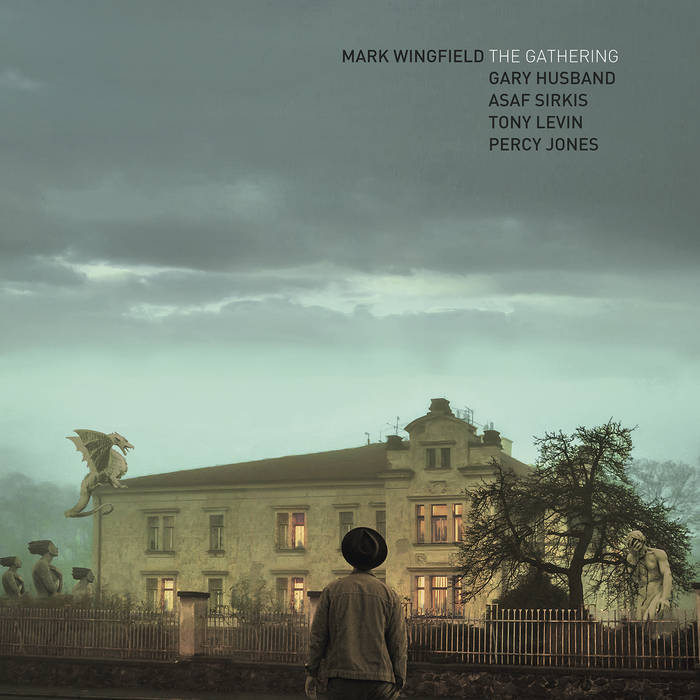
Mark Wingfield, The Gathering:Nightmarish complications severely curtailed MoonJune Records’ ability to sell this beauty on CD — which is a shame, because it may be British fusionist Wingfield’s most accomplished and focused effort to date. Languorous, enticing compositions like “Apparition in the Vaults”, “A Fleeting Glance” and “Cinnamon Bird” consistently take flight here: Wingfield’s guitar traces ecstatic melodic parabolas and sparse changes; Gary Husband colors the soundscape with juicy pads, inspired atmospheres and choice accents on piano and synth; Asaf Sirkis lays down a spacious, unshakeable polyrhythmic grid to propel things forward. What makes this even more of a killer session is the overdubbed bass contributions of King Crimson’s Tony Levin (focusing on active, rich-toned counterpoint) and Brand X’s Percy Jones (bubbling under with his unique tone and angular comping). It’s daring and delightful from start to finish, as an all-star lineup of truly great players work with total concentration and dedication, and make this sophisticated yet accessible music their own.
Due to circumstances beyond my control — thanks to everybody who helped out! — this edition of Quick Takes is playing catch-up. This time around, purchase links are embedded in the release title, with any additional sample/streaming links labelled (LISTEN HERE).
The last few months’ progressive rock releases have skewed heavily toward reissues — for example, Keith Emerson and Greg Lake’s mid-1980s reunion with hard-rocker Cozy Powell in the drummer’s chair. Triple-cd box Emerson, Lake & Powell: The Complete Collection(LISTEN HERE) is a compact, yet worthy appendix to the ELP canon. The main album, ranging from extended throwbacks “The Score” and “The Miracle” through jazzy diversion “Step Aside” to souped-up classical gas like the single “Touch and Go” and Holst’s “Mars, the Bringer of War” is big, brash, widescreen stuff; both in the studio and on the two live discs included, Emerson’s thrusting digital synthesizer upgrades, Lake’s full-throated bravura vocals and Powell’s sleek percussive drive come on like gangbusters on new material and vintage classics such as “Pictures at an Exhibition” and “Pirates”. ELP’s mass appeal remained in the rear view mirror, but Emerson, Lake and Powell was a game try at reinvention for a different time.
Carl Palmer was playing drums for Asia during ELPowell’s flare and fade, but he’s remained engaged with his biggest band’s work, stepping up as legacy guardian after Emerson and Lake’s passing. Disc 1 of Palmer’s solo boxFanfare for the Common Man(a reissue/expansion of 2001’s Do You Wanna Play, Carl?) shows how he emerged from his bandmates’ shadows in the later 1970s, asserting himself in spellbinding trio jams, big band blowouts and a stylish, eclectic percussion concerto; disc 2 covers his roots in British R&B and psychedelia plus his later collaborations with Asia and others, while a new 3rd disc documents live work reinventing the ELP repertoire for guitar-based power trio. The accompanying BluRay video and biography are revealing, though scattered and even self-contradictory. But that’s a minor blemish: Palmer remains rightly admired and respected by musical peers and fans, and still on the road in his 70s, he retains the rhythmic fire and momentum that this set amply demonstrates.
ELP weren’t the only proggers trying to reinvent themselves after the mid-70s; on side one of 1977’s The Missing Piece(LISTEN HERE), the manic British sextet Gentle Giant made ever so coy feints at co-opting the energy of punk and New Wave (especially on the self-conscious spoof “Betcha Thought We Couldn’t Do It”). Side two was more relaxed; reaching for the soul-inflected art-pop that Genesis and Yes later rode to the top of the charts, the Shulman brothers & company still stirred in Baroque cross-rhythms (“As Old As You’re Young”), stately balladry (“Memories of Old Days”) and breakneck instrumental and vocal twists and turns (“Winning”). With Steven Wilson providing fresh stereo and spatial audio remixes, this is another delightful installment in the Giant’s ongoing series of album upgrades.
English folk-classicalists Renaissance kept plugging through the decades, with operatic lead singer Annie Haslam at the helm. 2000’s Tuscany(LISTEN HERE) was Haslam’s last go-round with key members guitarist Michael Dunford and drummer Terence Sullivan (plus limpid guest piano work from former keyboardist Jon Tout). Not as urgent as their 1970s work, it’s still a lovely, impressionistic album, gently meditating on the nexus of art (“Lady from Tuscany”, “Dear Landseer”), nature (“Pearls of Wisdom,” “Dolphin’ s Prayer”) and love (“In the Sunshine”, “One Thousand Roses”). A complete live show from Renaissance’s 2001 tour of Japan included as a bonus mixes new tunes with career standbys such as “Carpet of the Sun,” “Northern Lights” and “Mother Russia”, showing off Haslam and company’s musicality and consistency. As usual, Esoteric Recordings’ latest Renaissance reissue provides the context to better assess the work of this underrated band.
And in the wake of its new reissue, I now consider Yes’ 1994 album Talk the most unified effort of their post-prog decade. (It was also the least well-known, due to grunge taking over rock radio and Yes’ record company collapsing.) The only full-blown songwriting team-up of hippie muse Jon Anderson and guitarist/keyboardist/composer Trevor Rabin, Talk’s tunes ooze out-there ambition and hi-gloss appeal; the choral kick of “The Calling” and “Walls”, “Real Love’ jangle-pop/heavy metal synergy, the skip-hopping “State of Play” and the closing multi-part epic “Endless Dream” are stunningly remastered to devastating impact. Rhythm section Chris Squire and Alan White are at their most down and dirty; Tony Kaye leans in with expressive, gnarly organ work. And a bonus live set (from the soundboard at a 1994s tour stop) showed that this lineup could conjure a fairly close approximation of the classic sound on standbys like “Heart of the Sunrise” and “I’ve Seen All Good People”. If you loved Yes but wrote them off between 90125 and Union, I’m serious; give Talk a shot.
There have also been plenty of ear-opening new releases, mostly rooted in improvisation rather than composition. The latest posthumous set from piano legend Chick Corea has its source in a 2019 tour and follow-up sessions with eclectic banjo virtuoso Bela Fleck; the aptly-titled Remembrance(LISTEN HERE) covers an incredible range of sonic possibilities, with the duo wailing on Thelonious Monk’s “Bemsha Swing”, Scarlatti sonatas, brand new compositions and impromptus pulled from thin air. Impeccably tasty and always in the moment, Corea and Fleck spark off each other constantly, caught up in an unending sense of play and delight. Fans of either player will love this, and folks who dig acoustic jazz, bluegrass or both will find themselves smiling again and again when they hear it.
While Brad Mehldau is one of the numerous young lions who followed in Corea’s wake on piano, his sound and vision are uniquely his own, as a fresh pair of solo discs make clear. On After Bach II, Mehldau brings his love for the classical piano tradition and his improvisational chops to bear on a second set of J.S. Bach’s richly poised keyboard works, mingling preludes and fugues played straight with jazzier extrapolations (“Between Bach”) and superimposed twists of rhythm and counterpoint based on one of Bach’s pinnacles, the Goldberg Variations. Apres Fauré brings a similar freedom to the music of Gabriel Fauré, the French composer who became a unique bridge between the late Romantic and Impressionist schools; Mehldau responds to Fauré’s sense of adventure with sweeping repetitious bass lines, long-spun singing melodies, and thick two-handed harmonies. Plenty of rigorous development to chew on, plenty of knotty invention and lush sound to bask in on both of these!
On their new EP Tropic of Cancer, Chicago’s heavy-prog-jazzers Sons of Ra show how they can unspool variations on a theme with staggering impact. Setting a nimble, dancing idea with roots in fusion’s golden age into motion, multi-instrumentalists Erik Oldman and Keith Wakefield and drummer Michael Rataj put it through exhilarating paces over 23 minutes: you get wah-wah electric piano extrapolations, a sax/bass duet over a bed of guitar/sax noise; a wonderfully idiomatic folk/Celtic throwdown (complete with guests on violin, flute and pipa); a Santanesque guitar jam that spirals up dizzingly before it goes off like a fireworks display; and a gargantuan finish with hypnotic sax wailing over a shuddering guitar army. No jive; this is great stuff, and Sons of Ra are a band to which attention must be paid!
King Crimson-adjacent power trio Markus Reuter, Trey Gunn and Pat Mastelotto are also back with the ironically titled Tu-Ner for Lovers, another heaping helping of rich, doomy thrash. Sculpted from improvs recorded on their 2023 tour, the trio scrape, scratch and scrawl from the get-go, with Mastelotto laying down off-kilter tribal beats, Gunn rattling listeners’ innards with sludgy bass lines and Reuter slapping down arresting leads and color clusters on touch guitar. Stalking the abstract sublime, the music coalesces as the album progresses, locking in to galvanizing effect on closing stompers “They Call Him Threnody” and “Transistor Valentine”, wispily floater “I Put a Crush on You” and skittering finale “Combat and Courtship”. You may need to be in the right mood for this to grab you — alienation? Righteous anger? — but when you are, boy, does it hit home!
Kamasi Washington’s long-awaited double album Fearless Movement is every bit as kickass and sprawling as previous spectaculars The Epic and Heaven and Earth (the latter my 2018 Album of the Year), but somehow settles in a gentler, more welcoming vein. It kicks off with “Lesanu”, an Egyptian Orthodox chant of Psalm 96 riding first a free-jazz slam, then a finger-snapping, hand-clapping vamp and ends with “Prologue”, an Astor Piazzolla tango that morphs into a blaxploitation movie theme; at all points within and between, Washington on tenor sax, keyboardists Cameron Graves and Brandon Coleman, Ryan Porter and Dontae Winslow on brass, and a platoon of guests play and sing up a storm. But slower burning tracks like “Asha the First” and “Together” provide respite from the intensity of Washington’s sweep and surge, and a looser, relaxed sense of momentum on the Zapp cover “Computer Love” and the extended workout “Road to Self (KO)” helps you catch your breath. Washington and his friends are still making audacious spiritual jazz, building from whispers to screams again and again and dancing across barlines like they don’t exist; but somehow this set feels more like a place to make a home than a monument to visit. And yes, this one’s gonna be on my Favorites list this time around, too . . .
And sometimes, you just need some down-home picking and singing. On the heels of selling out the Ryman Auditorium (documented on record to great effect last year) and duetting with Willie Nelson, Charley Crockett pitches a passel of new songs our way on $10 Cowboy(LISTEN HERE) As with much of Crockett’s recent work, this album leans into soul nearly as much as country; the choogling brass and choral vocals of “America”, the piano-with-strings heartbreaker “Gettin’ Tired Again” and the funky “Diamond in the Rough” can’t help but call Motown and Memphis to mind. But there’s plenty of Nashville/Austin classicism too, in the steel guitar-laced single “Hard Luck and Circumstances”, the Latin-flavored acoustic revenge ballad “Spade” and the honky tonk shuffle “Ain’t Done Losing It” Whether this is the long-predicted breakthrough for Crockett or not, $10 Cowboy is a thoroughly satisfying album, capturing sharply defined snapshots of a nation wondering when things will get better.
And (thanks to the copious music collection found at the main branch of the Grand Rapids Public Library), I discovered that Sierra Ferrell’s 2021 debut Long Time Coming is every bit as good as her new one (Trail of Flowers, reviewed last time). My entire notes for this one consisted of the word “WOW!!”, so I’ll just point you in the direction of this review (from my go-to site for genre news and reviews, Saving Country Music), add Long Time Coming to my 2024 Favorites list and look forward to hearing her live in September!
For your consideration, recent releases from the worlds of prog, jazz, folk, country and marvelously unclassifiable music. As usual, purchase links are embedded in the artist/title listing, with streaming previews below the review.
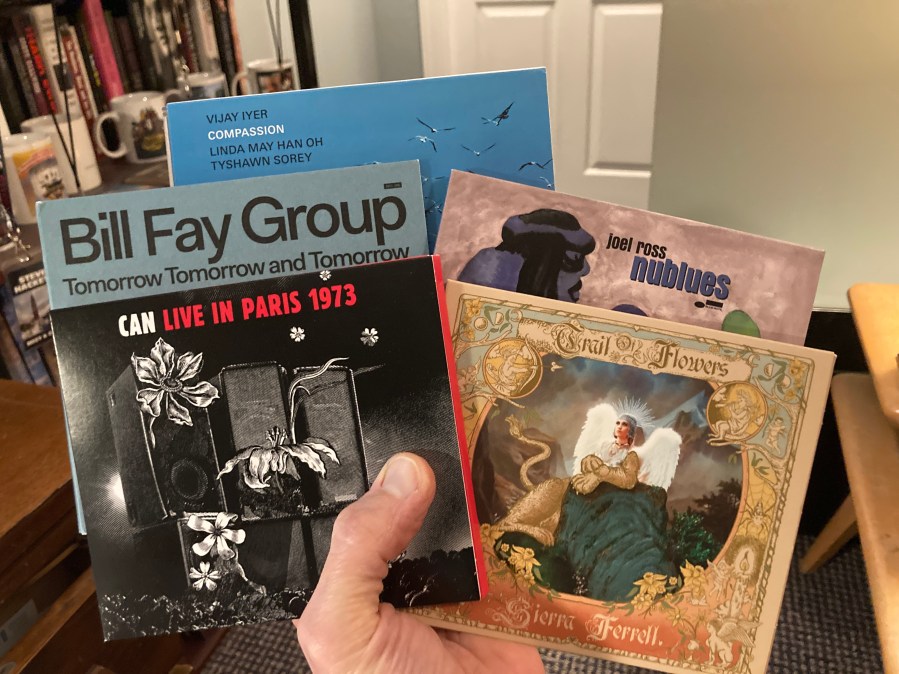
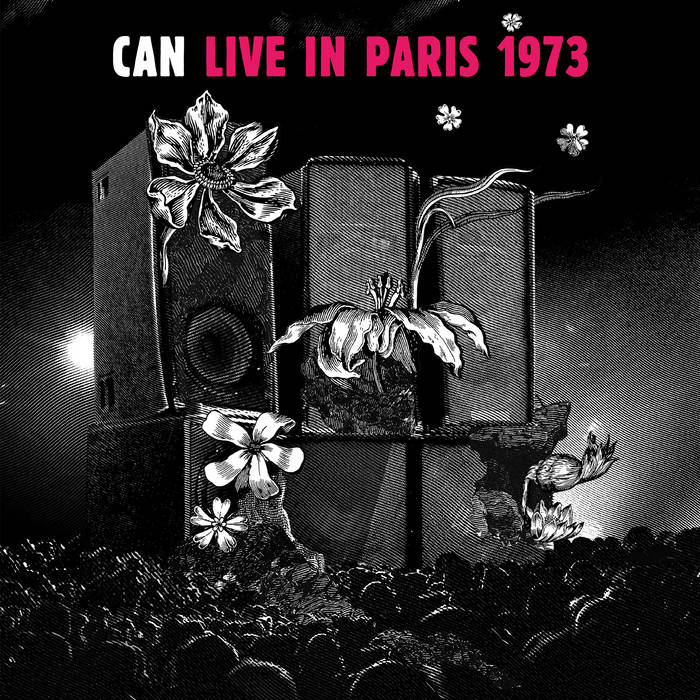
Can, Live in Paris 1973: Another immensely enjoyable archive release from the guys who sent krautrock into orbit with a winning combination of tight grooves and freeform jamming. The fresh angle this time around is the presence of late vocalist Damo Suzuki; locking in with Jaki Liebezeit’s propulsive percussion, the throbbing bass of Holger Czukay, and Michael Karoli and Irwin Schmidt’s guitar/keyboard interplay, Suzuki burbles, banters, bickers – a daffy, devious jester who pulls improvised melody and lyric from thin air as he goes along. Oh, and forget about sounding “just like the records” – studio tracks “One More Night” and “Spoon” are touched on to kick off the jams, then abandoned or deepened, stretched like taffy to the point of sonic hypnosis, mannnn . . . Five gripping examples of Can’s live prowess; whether they could actually stop time or not (it may have been the psychedelics), these ninety minutes of unbridled creativity go by in a flash.
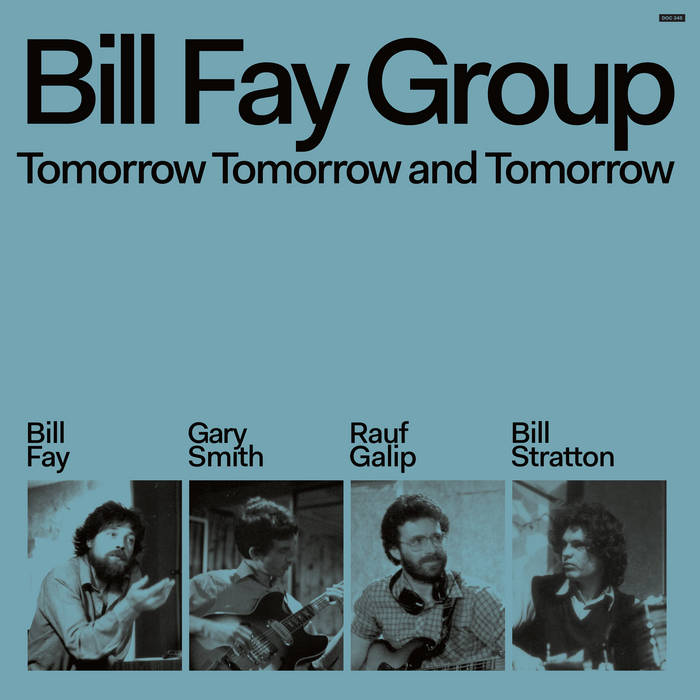
The Bill Fay Group, Tomorrow and Tomorrow and Tomorrow: Ignored in the late 1960s and early 70s, British singer-songwriter Fay achieved cult favorite status after Wilco covered his hymnic “Be Not So Fearful” in the wake of 9/11. Utterly unlike the manneristic Dylan-meets-Kinks pop of his debut or the bleak rock crunch of 1971’s lost classic Time of the Last Persecution (both well worth seeking out), these vibrant demos from 1977 capture the gentle Christian mysticism at the heart of Fay’s songs, executed with grace and empathy by the three-piece Acme Quartet (?). The multiple versions of meditations like “Strange Stairway”, “Isles of Sleep” and “Life” radiate understated grace and power, foregoing apocalyptic panic to embrace simple, jubilant confessions of faith (“So that the world might believe/That Life has risen/That Life has conquered”). Prayers and hypnotic invocations that invite and welcome without rancor or hectoring, couched in song that’s timeless yet vividly in the moment.
Sierra Ferrell, Trail of Flowers:Widescreen mountain music for the anxious generation, this went straight to my 2024 Favorites list. In West Virginia native Ferrell’s sure grasp, her second album mounts to melodramatic heights on the wings of old time country. Ferrell’s sly, witty songwriting whiplashes between Americana subgenres to perfection; her opening run of originals – yearning road dog anthem “American Dreaming”, cautionary honky-tonk stomp “Dollar Bill Bar”, giddy fiddle reel “Fox Hunt”, and string-swathed heartbreaker “Wish You Well” left me astonished in the wake of their range and breadth. There isn’t a dud track here (check out jaunty Latin-tinged romp “Why Haven’t You Loved Me Yet”, murder ballad “Rosemary”, hybrid gospel/love song “Lighthouse” – oh heck, all of ’em); when you add in Ferrell’s beguiling voice (spanning the spectrum of twang from Janis Joplin to Dolly Parton and all points between) and gutsy fiddle work, plus producer Eddie Spear’s rich gothic ambience, the result is thoroughly winning. Believe the hype – if anybody can save country music from Greater Nashville’s ongoing torrent of processed pop, artists like Sierra Ferrell and Charley Crockett (both playing my local outdoor amphitheater this summer) are your best bet.
Vijay Iyer, Compassion: Building on the near-telepathic teamwork they established on 2021’s Uneasy (one of my faves from that year), pianist Iyer, bassist Linda May Han Oh and drummer Tyshawn Sorey come out swinging with this full-on follow-up. The impressionistic title tune shimmers into focus, with the trio relying on space and silence as much as sound; a luscious take on Stevie Wonder’s “Overjoyed” doubles as a tribute to Chick Corea, inspired by Iyer’s opportunity to play the late legend’s own piano. Whether on the angular, driving “Ghostrumental” or the rugged throwback blues “It Goes”, Oh pulls gorgeous melodies out of the air, Sorey whips up a seething percussive stew even as he grooves, and Iyer stirs in one heady, pensive idea after another. Iyer characterizes the music as “a reminder, an assurance, a plea, and perhaps an inspiration – to find each other in this together”; it’s a tribute to these exceptional musicians that, with what seems like maximum grace and minimum sweat, Compassion tangibly conjures up the empathy it advocates in sound.
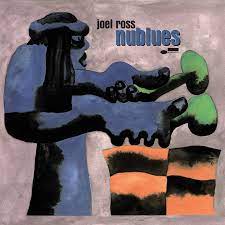
Joel Ross, nublues: Chicago-born vibraphonist Ross impressed me to no end when I caught him live as part of the Blue Note 85th-Anniversary All-Star Band this past January. His fourth album is of a piece with his previous three: a soundworld of abstract yet delightfully contemplative jazz, soaked in the blues, always tumbling and turning with a non-stop flow of invention. Ross’ interaction with young saxophone lion Immanuel Wilkins (also an All-Star), Jeremy Corren on piano and bass/drums duo Kanoa Mendenhall and Jeremy Corren are the secret sauce at the music’s heart, whether putting their own spin on Thelonious Monk’s “Evidence” or John Coltrane’s “Equinox” and “Central Park West”, conjuring the title track from thin air – Mendenhall shines on bowed bass here – or building “Bach (God the Father in Eternity)” into a steamrolling surge of gospel-soaked eloquence. It’s like crashing a conversation already in progress and discovering you were invited all along.
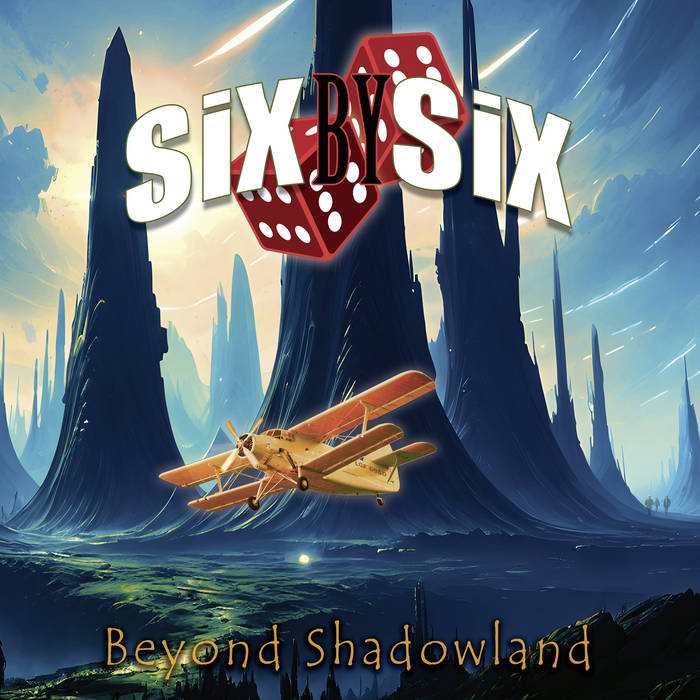
SiX by SiX, Beyond Shadowland: Robert Berry, Ian Crichton and Nigel Glockler hit hard and strong, blasting past Difficult Second Album Syndrome to craft a wild and wooly extension of their first-rate debut. Sonically, this one comes across hotter and crunchier, as multi-instrumentalist Berry corrals Crichton’s hypercreative guitar licks into decidedly unconventional song structures, then layers in heaping helpings of lyrical positivity, while Glockler lays down rock solid percussive foundations. The result is a record that gets stronger as it goes, with head-turning surprises that stack up thick and fast: the acoustic-based sci-fi narrative “Obiliex”, the slashing, tribally funky “Titans”, the fuzz-toned flutter of “Sympathize” and, in “One Step”, an epic that progresses from yearning balladry through a proggy midsection to a hip-hop shuffle that works! Add in the relatively straight-up singles “Arms of a Word” and “The Mission” and you have a sophomore effort that oozes both mass appeal and maximum creativity. Check out the new Progarchy interview with Robert Berry here.
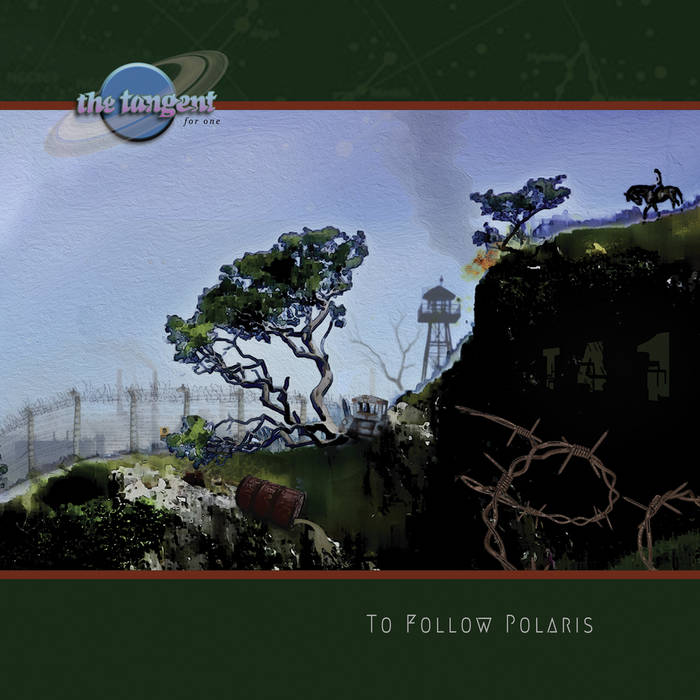
The Tangent, To Follow Polaris (released May 10):On which Andy Tillison takes off the gloves. Playing all the instruments himself (the album’s labeled “Tangent for one”) with style and panache, Tillison sails confidently through textures ranging from glitchy electronica to vintage soul and funk, with generous lashings of his trademark organ and synthesizer throughout. Kaleidoscopic overture/mission statement “The North Sky” lays down Tillison’s lyrical marker on graspable truth; brooding ballad-of-the-algorithm “A Like in the Darkness” paints a genuinely creepy portrait of online life; “The Fine Line” muses on the commodification of journalism, “destroy[ing] the world to sell the story”. Then on “The Anachronism”, Andy lets it rip – a furious jeremiad calling out both the ineffectual monocracy that’s lost its grip on events and the self-absorbed masses who watch it all happen on their phones. The whole thing builds to a crashing, anarchic climax – only to return to Tillison’s beginning, “follow[ing] the North Star/(When all around me seems to be going South)”. Be warned: something Tillison sings on this audacious, accomplished effort will probably cheese you off – but only because, in a world of grinning provocateurs, shameless attention whores and cynical game players, he’s a genuine idealist, with no other agenda than speaking his mind and wondering why we can’t have a better world.
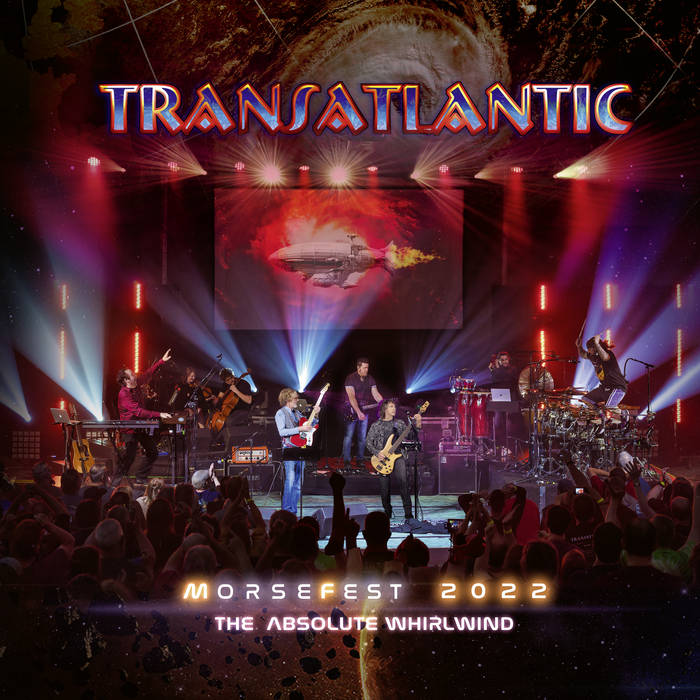
Transatlantic, Morsefest 2022: The Absolute Whirlwind: Or should this be subtitled, “More Never Is Enough . . . Yet Again, Still”? Transatlantic’s second live set off the back of 2022’s The Absolute Universe, this five-CD, two-BluRay set certainly doesn’t skimp on the quantity. There’s five hours of music here from two consecutive nights: the twin album-length epics that provide the release’s title, three elongated ballads, a side-long Procol Harum cover, and bits and bobs of five more extended extravaganzas from the back catalog. It’s not all gravy; there are brief instants where the energy flags and, as Neal Morse and Roine Stolt strain to sing the high notes, I’m reminded that it’s been25 yearssince this supergroup first crashed into the prog world’s consciousness. But these are far outnumbered by the moments where Morse, Stolt, Pete Trewavas, Mike Portnoy and “fifth Transatlantic” Ted Leonard fire up the afterburners and launch into startlingly tight ensemble passages, awe-inspiring solos, pin-sharp vocal counterpoint (often backed up by a real choir), dizzying transitions and over-the-top, orchestrally augmented climaxes. Too much of a good thing? It’s possible – but, with the recent news that Portnoy’s resumed the drum chair in Dream Theater, Transatlantic isn’t a good thing to be taken for granted.
Well – that was a longer break than anticipated. (Sometimes, as John Lennon sang, “Life is what happens to you/While you’re busy making other plans.”) Thanks for your patience and ongoing support as we wave goodbye to 2023 and 2024 begins!
Thanks as well to Time Lord and Bryan for their 2023 wrap-ups. The flow of excellent new and reissued music continued unabated in November and December; below are some further favorites (plus some I didn’t get around to before my last post), with listening links and “micro-quick takes” to match.
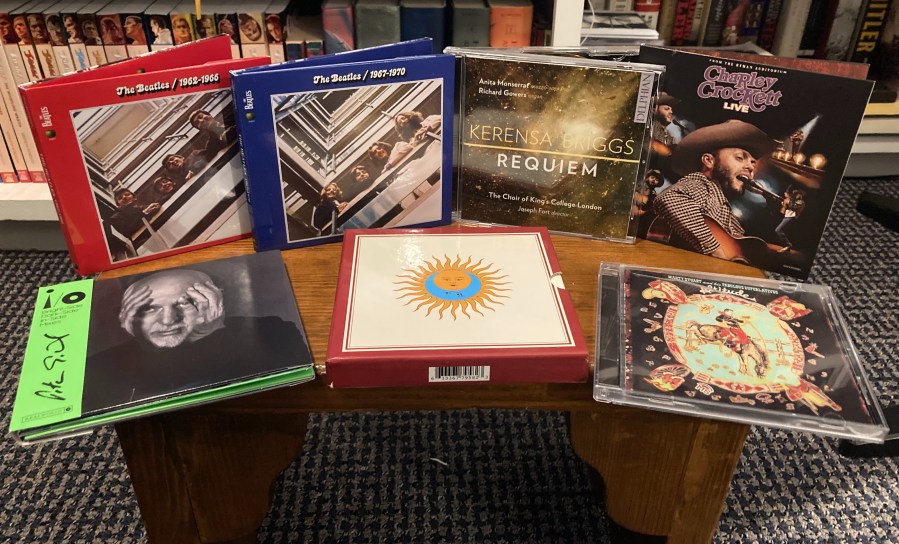
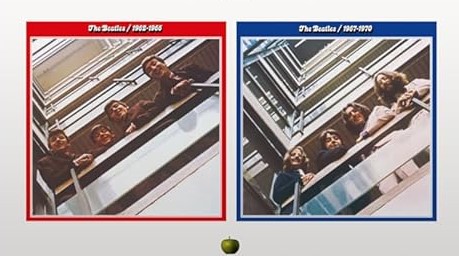
The Beatles, 1962-1966 & 1967-1970: The pioneering 1973 compilations get a cutting-edge makeover. The “Red” album expands by 12 tracks — more covers, more George vocals, more from Revolver — and everything’s finally remixed to breathtaking true stereo by Giles Martin. The “Blue” album broadens the picture of the Fab Four’s later years via 9 more tracks, with the archival swan song “Now and Then” (read Time Lord’s elegiac appreciation here) serving as a lovely, definitive coda. Fifty years on, a reminder of what all the shouting was about – and why Beatlemania has never really gone away.
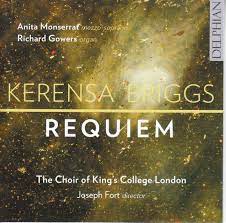
Kerensa Briggs, Requiem: The first new classical piece I’ve fallen in love with in a long time. Briggs is a young British choral composer with formidable gifts and a direct, appealing style; based in chant and ripened with echoes of the French romantics, her Requiem cuts straight to the heart of grief, consoling the listener’s spirit with its rich settings of Scriptural promises. The Choir of King’s College London, conducted by Joseph Fort, responds vibrantly on the major piece and other short works (including a setting of the Taoist text “Inner Light” that George Harrison nicked for a Beatles B-side). Restorative, uplifting and highly recommended.
Charley Crockett, Live from the Ryman Auditorium: A recent Nashville vacation (including a night at the Grand Ole Opry) triggered a deep dive into all things country — traditional, bluegrass, alternative, modern, you name it. Leaning on his Gothic concept album The Man from Waco, Texas troubadour Crockett and his band The Blue Drifters electrify a sold-out Mother Church of Country Music with this generous, rambunctious set. One of the most eclectic artists in the genre today, Crockett flavors his honky-tonk stew with everything from mariachi to Motown (check out “I’m Just A Clown”), from funk to deep blues, with props to Red Dirt forebears like James Hand and Townes Van Zandt along the way — and his thick, chewy baritone sells it all. If you crave some down-home listening, you can’t go wrong here.
Peter Gabriel, i/o:Yeah, PG has been promising new music for twenty years — but, boy, has he delivered the goods! Released a track at a time every full moon, the finished album (available in three different mixes) is a hypnotic, seductive delight all the way. Whether on atmospheric opener “Panopticom”, melancholy meditations “Playing for Time” and “And Still”, or upscale worldbeat anthems “Road to Joy” and “Olive Tree”, killer hooks, arresting soundscapes and neoclassic soul melodies abound. It’s Gabriel as you remember him — including those lyrics that swing wildly between sappy motivational speeches and sage advice — freshly retooled and energized, blazing a hopeful, humanistic path thru this century’s chaos.
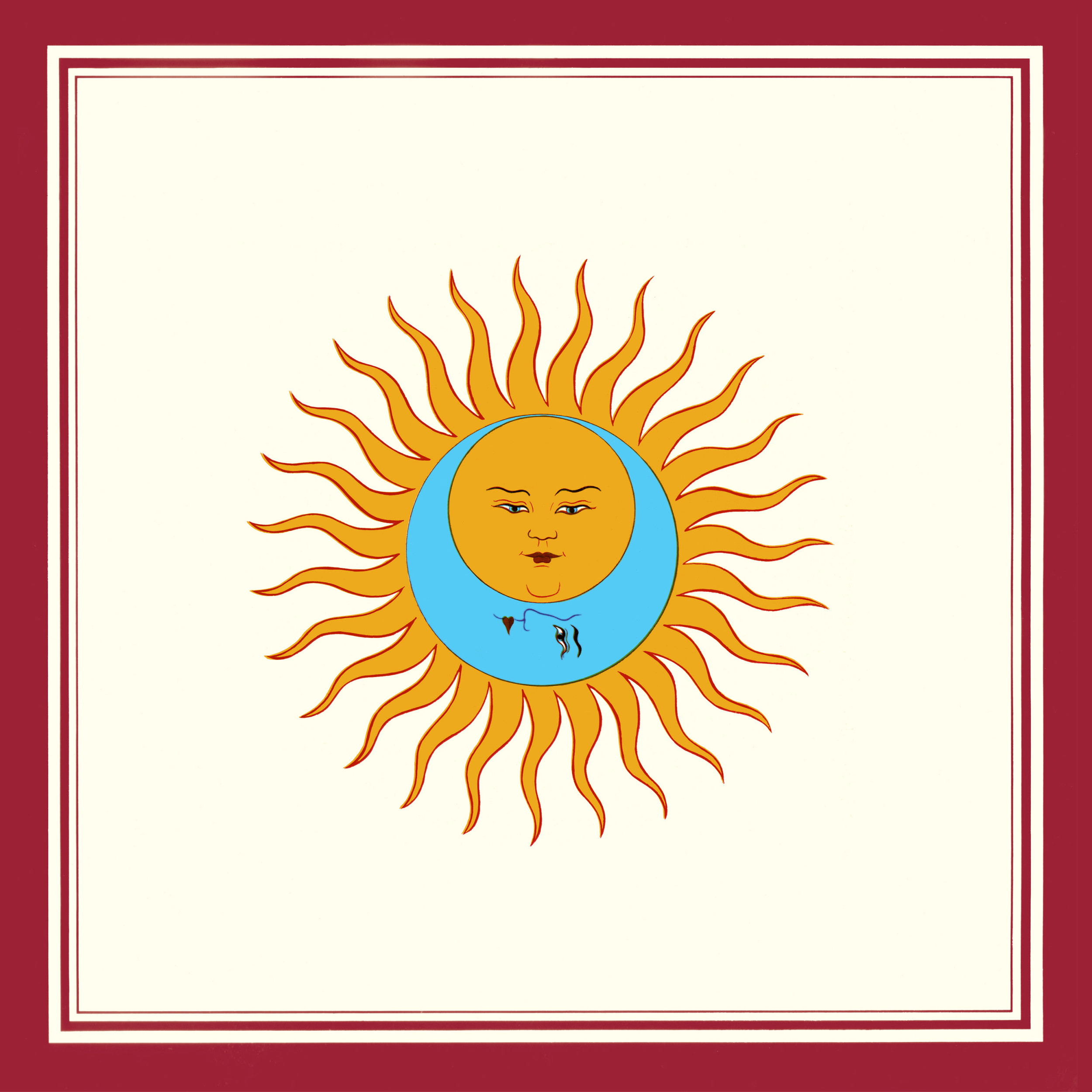
King Crimson, Larks’ Tongues in Aspic XL:Robert Fripp wasn’t kidding when he called the 1972-73 incarnation of Crimson a magic band. John Wetton on bass and Bill Bruford on drums bring the muscle; David Cross on violin and Jamie Muir on percussion add thrills in the moment. Arguably, the crunching Hendrix-meets-Stravinsky title tracks, menacing balladry of “Exiles” and improvised mojo of “The Talking Drum” set the template for the rest of KC’s career. This 2-CD/2-BluRay set includes a new spatial audio mix by (who else?) Steven Wilson, an “Elemental Mix” that spotlights individual contributions and the complete sessions for nerds like me who want to know how the sausage got made. Explosive, unstoppable stuff.
Marty Stuart and His Fabulous Superlatives, Altitude:Whether backing greats like Lester Flatt and Johnny Cash, riding his “hillbilly boogie” to a successful solo career, or charming Ken Burns’ documentary audiences, Stuart comes as close to the living personification of country music as anybody. Here he and his stellar backing band lay down some serious hoodoo: “Sitting Alone” fuses tight harmonies to a Byrdsy guitar jangle, the title track twangs with abandon, “Tomahawk” joyfully calls down the Second Coming in double time, and a hush descends for the haunting “And the Angels Came Down.” A fresh helping of Cosmic American Music as pioneered by The Grateful Dead and Gram Parsons: sleek, gutsy and deeply satisfying.
And in review, the list of my other favorite releases and reissues of the year, covered in previous Quick Takes (links are to my original articles):
Stay tuned, won’t you? With new albums due soon from Neal Morse, The Pineapple Thief, Steve Hackett, The Bardic Depths and Big Big Train (not to mention BBT’s first US tour this March), the Rockin’ Republic of Prog is ready for a banner year!
I get into trouble and I hit the wall No place to turn – no place at all I pick a number between one and two And I ask myself what would Julius Caesar do?
Bob Dylan, “My Own Version of You”
Shortly after Bob Dylan barked out those couplets to the audience at Grand Rapids’ DeVos Performance Hall, he answered his rhetorical question with another recent tune: “I prayed to the cross and I kissed the girls and I crossed the Rubicon”. So it was no surprise that, on a night where the 82-year-old icon genially lorded it over his band and a capacity crowd, another historical JC crept into the setlist too . . .
But let’s rewind. Hitting the stage in a black sequined suit and white hat, Dylan planted himself behind a baby grand piano and promptly dispelled any expectations of a by-the-numbers night of bygone hits. The opener was recognizable as the 1970s deep track “Watching the River Flow” — but only just. Words were stretched out, scrunched together and slurred, melodies recast on the very edge of speech, the original flowing folk song juiced up by jumpin’ R&B from the backup quintet. To top it off, Dylan took all the solos — ranging from inspired rhythmic riffs to maddeningly repeated three-note licks (the kind you played in grade-school piano duets) that occasionally locked in with the band’s chords. The message was clear: “I’m doing whatever I want with these songs tonight. Keep up.”
To their credit, Dylan’s crew did just that, with style to spare. Whether on electric or stand-up bass, long-time musical director Tony Garnier’s pulse was always squarely in the pocket; guitarists Bob Britt and Doug Lancio’s sturdy strumming kept the songs plowing forward, even when their boss pulled back on the melodies and rhythms. With the vehicle in motion, utility player Donnie Herron piled on the colorful trim — floating pedal steel guitar, countrified fiddle, sprightly mandolin. And drummer Jesse Pentecost, the newest band member, gave it all a kick in the pants, changing and chopping the grooves of every tune from Dylan’s latest album of new material, Rough and Rowdy Ways. Nothing was straight off the record: slow blues spread out into shuffles; crawling ballads shifted up a gear to more fluid tempos; the whimsical meditation “Key West (Philosopher Pirate)” turned into film noir, darkening on a dime during an ominous, reharmonized refrain. If details got lost in the roar of the journey, it proved an exhilarating ride. (And Dylan was digging it — late in the set, he introduced the band members by name, which apparently only happens when he’s in a good mood.)
Dylan proved equally daring on a relatively obscure selection of vintage tunes, taking the reinventions of this year’s live-in-studio Shadow Kingdom even farther. “I’ll Be Your Baby Tonight” careened from free-tempo intro to Little Richard stomper (complete with Jerry Lee Lewis piano glisses) to a hard-braked burlesque finale. “To Be Alone With You” got the full honky-tonk treatment, courtesy of Pentecost’s loping backbeat and Herron’s cry-in-your-beer filigree. Given the nature of the night, the biggest surprise wasn’t that Dylan’s fundamentalist calling card “Gotta Serve Somebody” cropped up as a rockabilly-flavored rhumba; it was that the only cover of the set, Chuck Berry’s “Nadine”, was played and sung absolutely straight (and garnered as much applause as anything else)!
Though I’ve gotta say the biggest kick for me was the relaxed finale: “Every Grain of Sand”, one of Dylan’s numerous farewells to whoever or whatever threatened to cramp his style over the decades. A final fruit of his evangelizing years, it proved a graceful closer for the evening, a benediction of sorts on the rapt audience, complete with Bob’s only harmonica solo of the night after the final lyrics:
I hear the ancient footsteps like the motion of the sea Sometimes I turn, there’s someone there, other times it’s only me I am hanging in the balance of the reality of man Like every sparrow falling, like every grain of sand.
At which point, Bob Dylan carefully hobbled to center stage, stood there bathed in applause, smiled, and — the very embodiment of Boomer noblesse oblige — took leave of the 2,000 mere mortals before him, off to future stops on his latest imperial progress.
Unless otherwise noted, title links are typically to Bandcamp for streaming and purchasing, or to Spotify/YouTube for streaming with a additional purchase link following the review.
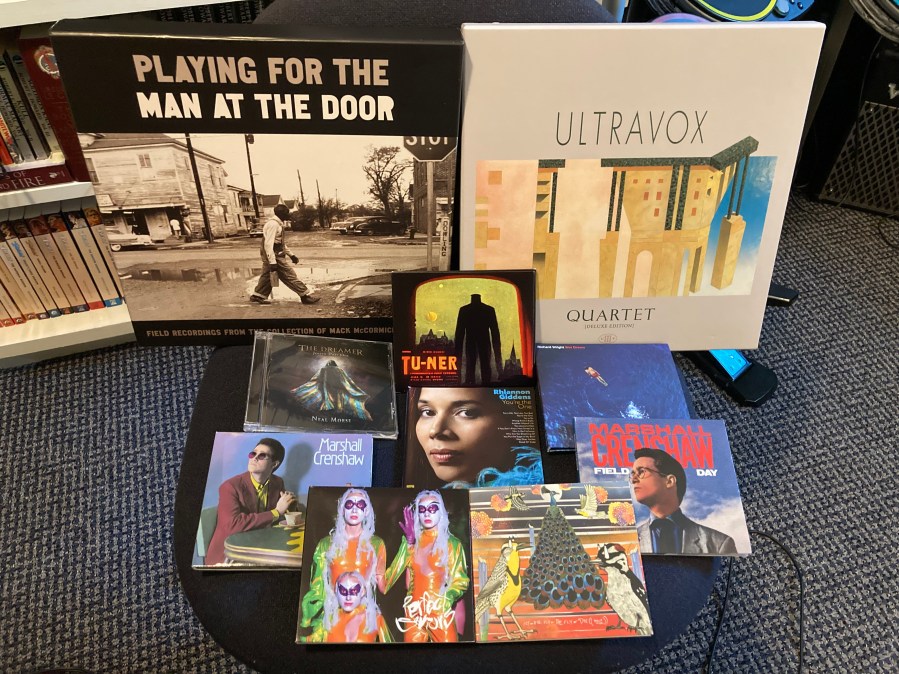
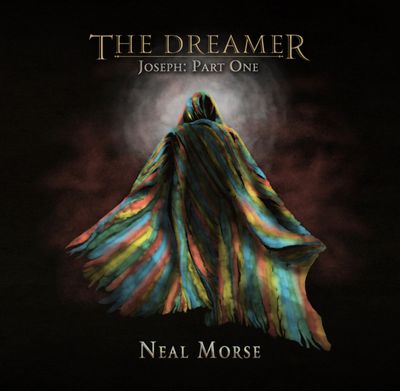
Neal Morse, The Dreamer – Joseph, Part One: For his latest rock opera a la 2019’s Jesus Christ the Exorcist, Morse and his studio sidekicks swerve toward hard-hitting blues-rock; the usual “Overture” and the narrative tracks “Burns Like A Wheel” and “Gold Dust City” are stuffed to the brim with chunky organ and grunged-up wah-wah guitar work. Wailing vocals from the cast of Christian Progressive Rock stalwarts who play Jacob, Joseph’s brothers and his Egyptian captors slot right in; even the power ballads (“The Pit”) have more grit this time around! And while the second half of the album is stylistically slicker (complete with classical chorale “I Will Wait on the Lord”), the hooky closer “Why Have You Forsaken Me?” pulls all the musical threads together, with Morse’s emotive portrayal of Joseph setting up intriguing possibilities for Part 2 — which, given his extravagant productivity, shouldn’t be too long in coming. Order from Radiant Records here.
Tu-Ner, T-1 Contact Information: Power trio improvisation that takes no prisoners, from another eerily luminous satellite band orbiting the gravity well of King Crimson. Trey Gunn and Pat Mastelotto formed one of Crimson’s most ferocious rhythm sections in the early 2000s, also recording together as TU; here Mastelotto clatters away merrily on his sonic smorgasbord of drums and percussion, while Gunn unleashes the deepest, fattest bass licks known to subwoofers. Above and around the Rhythm Buddies’ brutalist bedrock, Markus Reuter (who’s worked with Mastelotto in the duo Tuner and the trio Stick Men) unleashes slashing, swooping touch guitar lines and dark, brooding soundscape clouds — and when Gunn joins him on the higher end, sparks really fly. Always arresting, intermittently galvanizing, but the track titles (or this review for that matter) can’t really give you a feel for what this sounds like. In other words, you’ve gotta hear what Tu-Ner do to believe it.
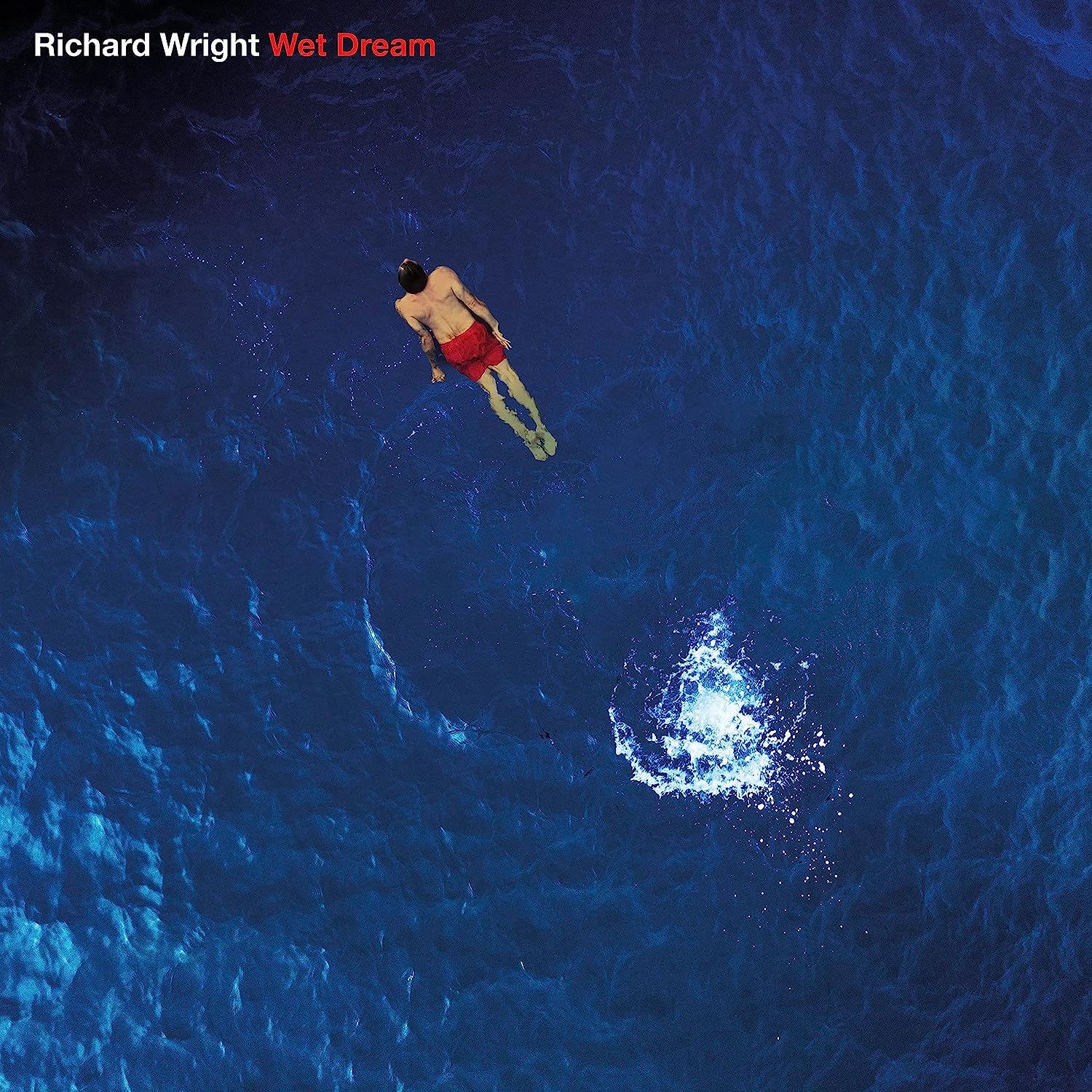
Richard Wright, Wet Dream: In case you ever wondered exactly what keyboardist Wright brought to Pink Floyd, his 1978 solo album has it in spades. On tracks like “Mediterranean C” and “Drop In from the Top” lush, floating chord progressions set up open-ended jams by guitarist Snowy White and sax legend Mel Collins; Wright’s reedy voice spins out languid vignettes of detachment and disillusion such as “Summer Elegy” and “Holiday”. All thoroughly gorgeous (especially in this immaculate new Steven Wilson remix), occasionally funky, ineffably melancholy — and not terribly urgent in isolation. Still, you can hear the breathing space that Floyd lost as Wright faded into the background and Roger Waters began repeatedly kicking his audience in the head on The Wall. Order from Rhino Records here.
Ultravox, Quartet [Deluxe Edition]: Speaking of immaculate Steven Wilson remixes: this is his third in a series for the British new wave quartet. Regrouping after early personnel changes, Ultravox struck a quirky vein of New Romantic post-punk on 1980’s Vienna, then pursued cutting-edge Krautrock on the follow-up Rage in Eden. Connecting with legendary producer/5th Beatle George Martin, frontman Midge Ure, violinist/keyboardist Billly Currie, bassist Chris Cross and drummer Warren Cann aimed straight for the charts; Quartet is as pure of a pop album as they ever achieved. The UK singles “Reap the Wild Wind,” “Hymn,” “Visions in Blue” and “We Came to Dance” have an irresistible mix of rock drive, synth-pop color and devil-may-care melody, and the album tracks slot right in; the whole thing’s overripe and melodramatic in the most appealing way. Plenty of extras in the 7-disc box too, with b-sides, rarities, rehearsal tapes, studio monitor mixes and an intense live set all included. Order from the Ultravox store here.
Unless otherwise noted, title links are typically to Bandcamp for streaming and purchasing, or to Spotify/YouTube for streaming with a additional purchase link following the review.
First off, the triple-disc elephant in the room: the Neal Morse Band’s An Evening of Innocence & Danger: Live in Hamburg. Morse, Eric Gillette, Bill Hubauer, Randy George and Mike Portnoy deliver exactly what the title says, plowing through the NMB’s most recent conceptual opus with the added excitement of rougher vocal edges and elongated opportunities for face-melting solos. Welcome deep cuts at the end of each set plus the heady mashup encore “The Great Similitude” heat things up nicely. The band’s delight in being back in front of a transatlantic audience comes through with (sorry not sorry) flying colors. Order from Radiant Records here.
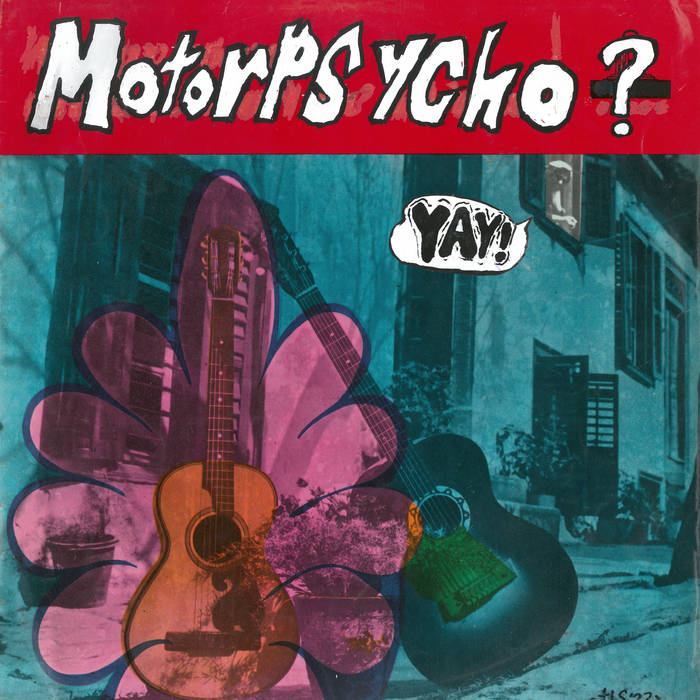
Motorpsycho, on the other hand, cools things down on their new, palindromically titled Yay! This time around, Bent Sæther, Magnus “Snah” Ryan and Tomas Järmyr back off the booming drones, steering into light acoustic textures and Laurel Canyon vocal harmonies for a fresh, intimate variation on their spiraling neopsychedelia. Even with titles like “Cold & Bored” and “Dank State (Jan ’21)”, the results are inviting and exhilarating. (And don’t worry — the band’s penchant for the long jam is alive and well on more expansive tracks like “Hotel Daedelus” and closer “The Rapture”) My favorite from this crew since 2017’s The Tower.
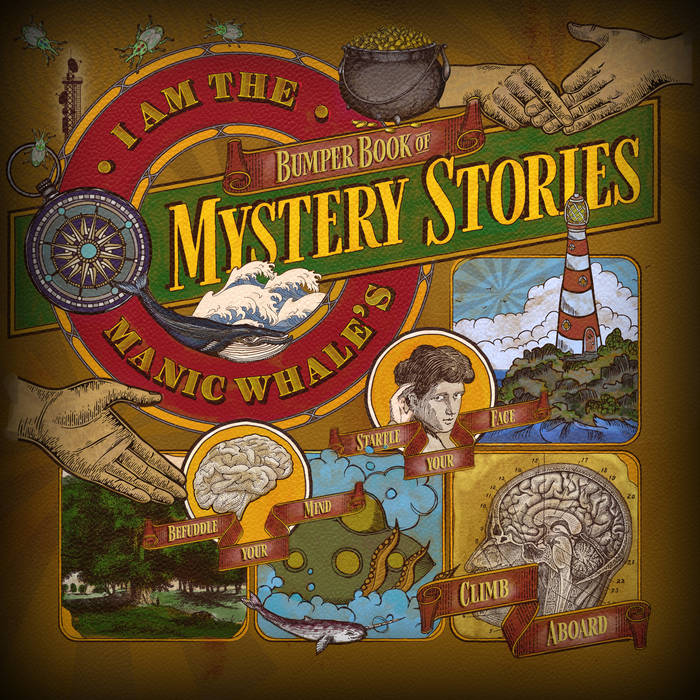
And, seconding Russell Clarke, I heartily recommend I Am the Manic Whale’s Bumper Book of Mystery Stories. Dialing down the snark of previous albums and turning up the atmospherics, it’s a thematically linked suite of veddy veddy British melodic prog vignettes engineered to thrill and disturb. Michael Whiteman and his jolly compatriots seem absolutely delighted to creep you out on “Ghost Train”, send your head spinning on “Erno’s Magic Cube”, and drag you into headlong adventure on land (“Secret Passage”), sea (“Nautilus”) and outer space (“We Interrupt This Broadcast . . .”). I felt like a kid again!
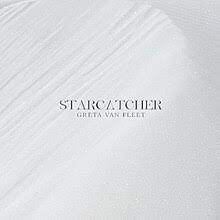
Meanwhile, Greta Van Fleet come slamming back with Starcatcher. With the polished studio sound of 2021’s The Battleof Garden’s Gate well and truly ditched, Frankenmuth, Michigan’s finest get down and dirty here, launching one ferocious rocker after another and mounting a stairway to . . . somewhere? on the trippy single “Meeting the Master.” Yeah, GVF still wear their influences on their capacious sleeves, and sometimes feel a bit inside the box for all the Kiszka brothers’ ecstatic caterwauling. But getting the Led out to Generation Z still strikes me as a worthwhile mission, and to see these young’uns keep the flame alight is all an aging rocker could ask for. Order from GVF’s webstore here.













 Progarchy