Rick’s Quick Takes for Summer – Part One

Unless otherwise noted, title links are typically to Bandcamp for streaming and purchasing, or to Spotify for streaming with a additional purchase link where available.
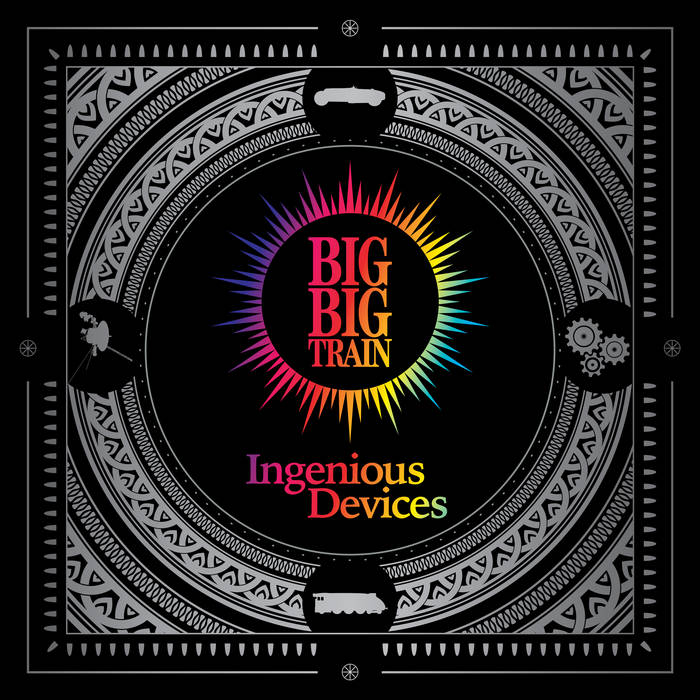
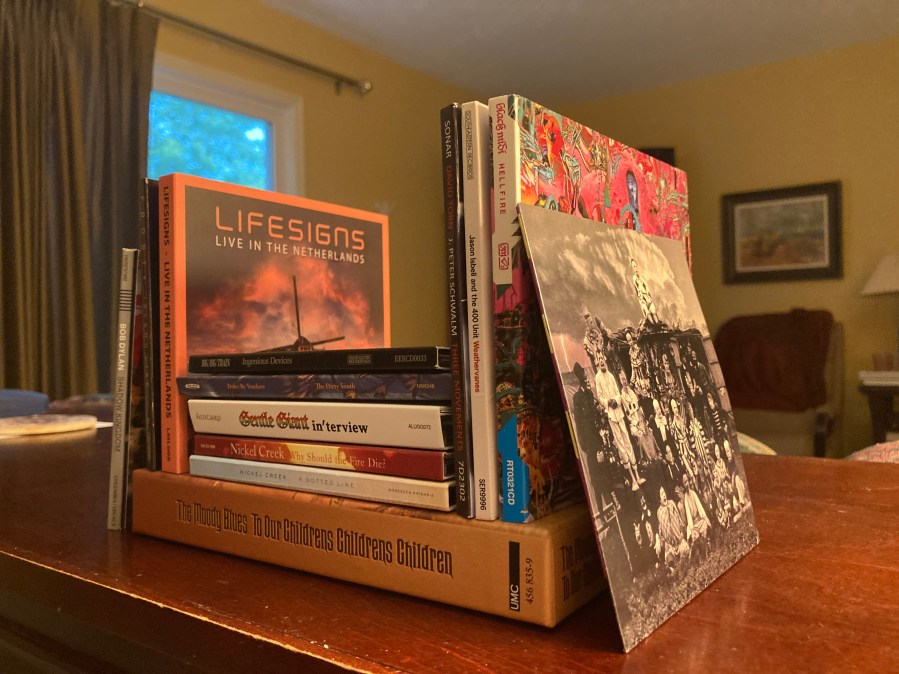
Starting with an obvious choice around these parts: Ingenious Devices proves a winning Big Big Train compilation, featuring Greg Spawton’s life-enhancing explorations of humanity’s drive to expand its reach. Vividly orchestrated reworkings of “East Coast Racer” and “Brooklands” join a remix of Grand Tour’s “Voyager” and a stirring live take of “Atlantic Cable” featuring new lead singer Alberto Bravin; the result is a fresh, vital, thoroughly moving suite of prog epics. Recommended without hesitation!
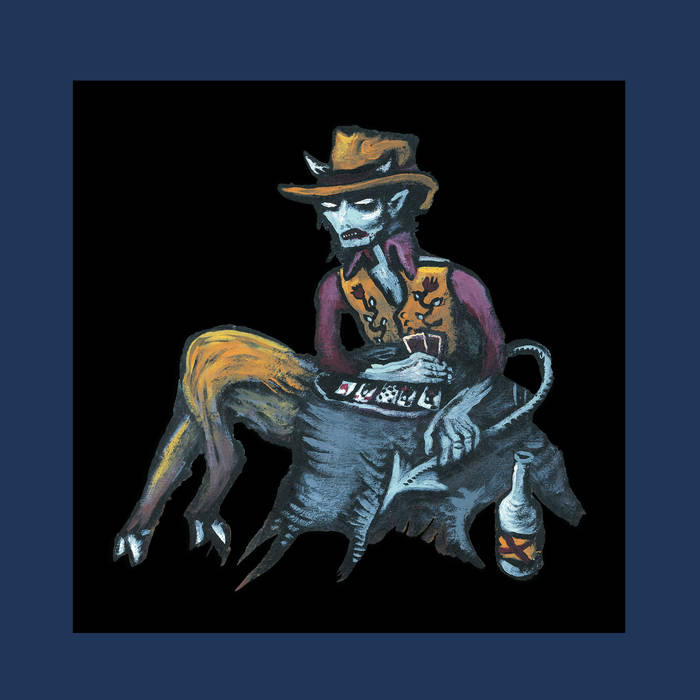
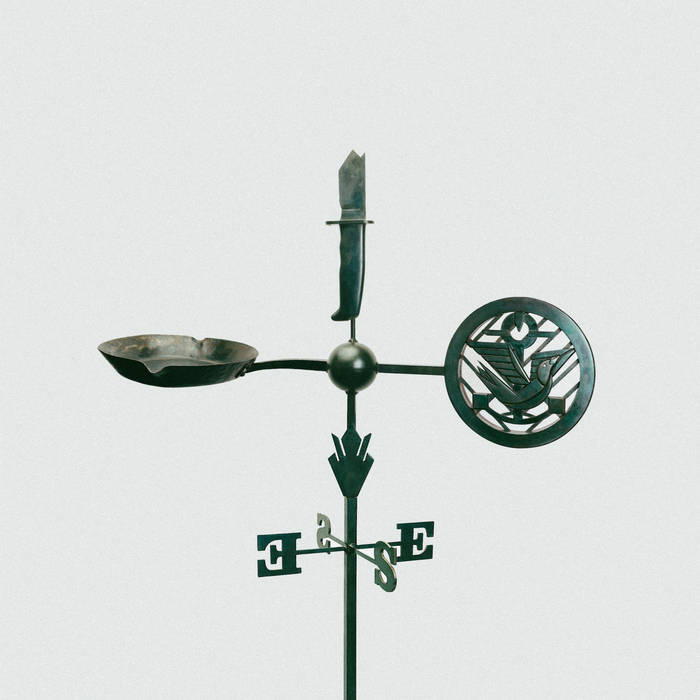
Southern rockers Drive-By Truckers have also reached back — fleshing out their classic 2004 effort as The Complete Dirty South, the double album they originally conceived. Triple-threat guitarist/songwriters Patterson Hood, Mike Cooley and Jason Isbell reel off tale after compelling tale of characters caught in desperate circumstances, torn between bad choices, clinging to vagrant hopes. Their rampaging hard-rock energy, seasoned with delicate country soul balladry, is what elevates the whole concept beyond haunted fatalism to an intense meditation on courage in the face of overwhelming odds. (Having left the DBTs in 2007, Jason Isbell continues to go from strength to strength. His brand-new effort with The 400 Unit, Weathervanes, brings tons of sharp writing and fiery playing to a clutch of deeply empathetic Americana narratives, topped with irresistible choruses and just a pinch of classic rock a la Bruce, The Byrds and Neil Young. Whatever your take on country music, you really shouldn’t miss either of these.)
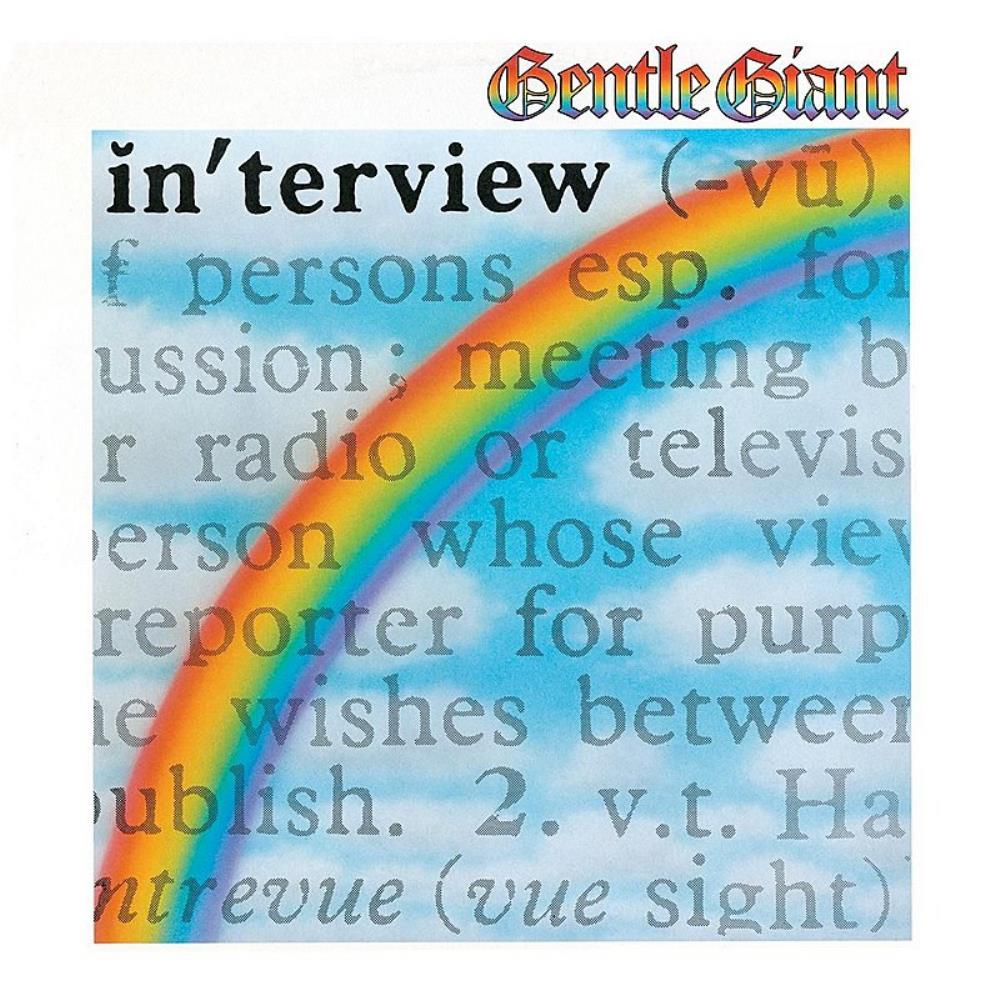
Also on the reissue front, Gentle Giant’s 1976 effort Interview now has a spruced-up, punchy remix from Steven Wilson (available here) that breezily clarifies the British quintet’s counterpoint vocals (“Design”), interweaving instrumental lines (the title track, frenetically funky closer “I Lost My Head”) and multistylistic hijinks (the unanticipated reggae chorus of “Give It Back”). The Moody Blues’ second release of 1969, To Our Children’s Children’s Children, becomes their third vintage set to get the multi-disc box treatment – though it’s only available digitally in the US. While the album proper leans toward studio psychedelia laced with wispy slow-dance tunes and the odd cabaret flourish, the bonus live tracks (including a complete set from the Royal Albert Hall) reveal the Moodies as quite the stomping rock outfit, slipping the leash on the album’s single “Gypsy,” the encore “Ride My Seesaw” and core tracks from Days of Future Passed.

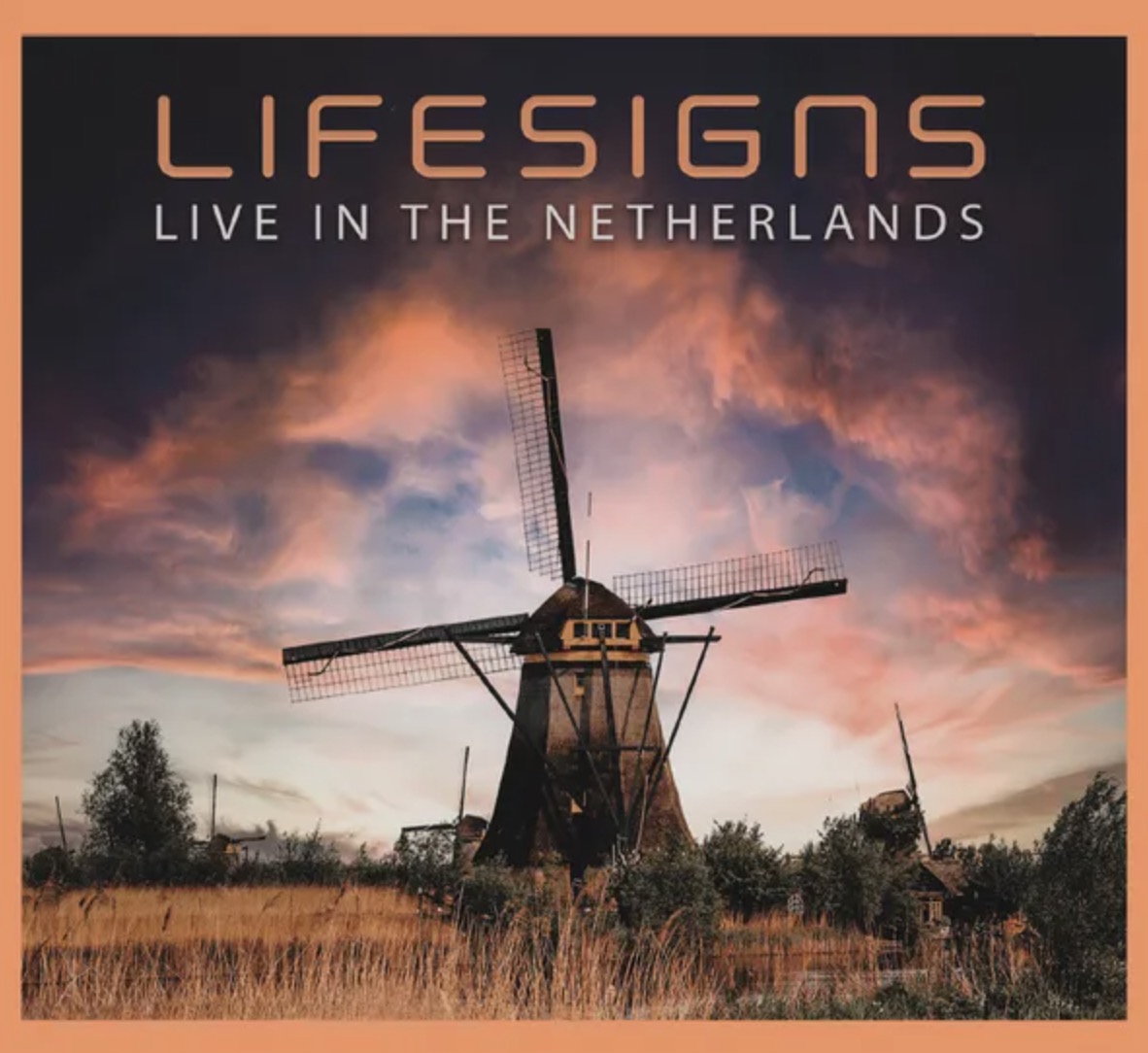
Live releases have picked up again as well. For their concert video debut Island Live (available through Magenta’s Tigermoth label), Jem Godfrey’s tech-forward quartet Frost* reap a whirlwind harvest of monumentally proportioned prog. With bassist Nathan King and drummer Craig Blundell anchoring the jumpy polyrhythms, guitarist John Mitchell and keyboardist Godfrey eagerly splatter as many unhinged solos as possible across devilishly ingenious harmonic structures, singing their hearts out all the while. (Check out a video sample here.) Prefer calmer (though no less extended) sonic voyages? Lifesigns’ Live in the Netherlands should be just the ticket. Leaning on the music from 2021’s Altitude, keyboardist/composer John Young and guitarist Dave Bainbridge prove steady hands on the wheel, soothing the soul as they scale the majestic heights of “Open Skies,” “Ivory Tower” and “Last One Home”. (One other winner from outside the genre: for a 2021 COVID-time video, Bob Dylan fused his recent rummagings amongst the blues and pre-rock vocal stylings to revitalize his vintage repertoire. The unplugged sorta-soundtrack Shadow Kingdom is the winning result; order it here.)
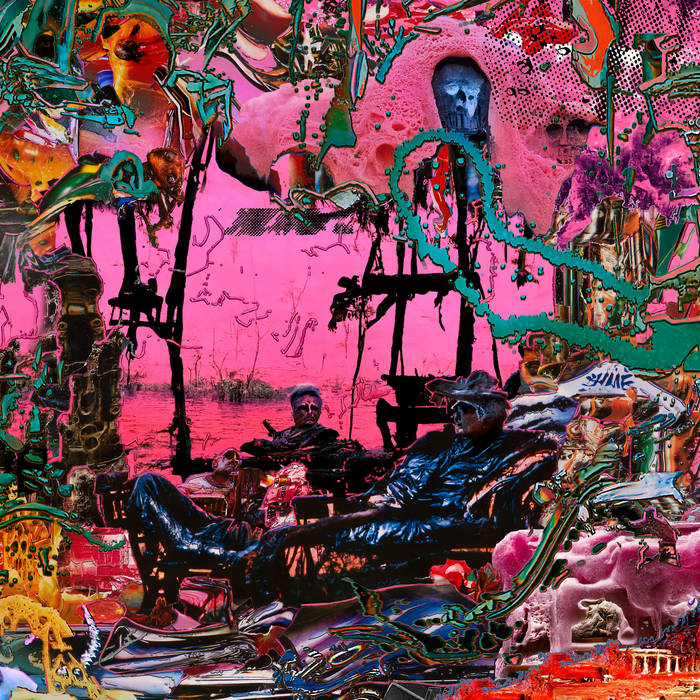
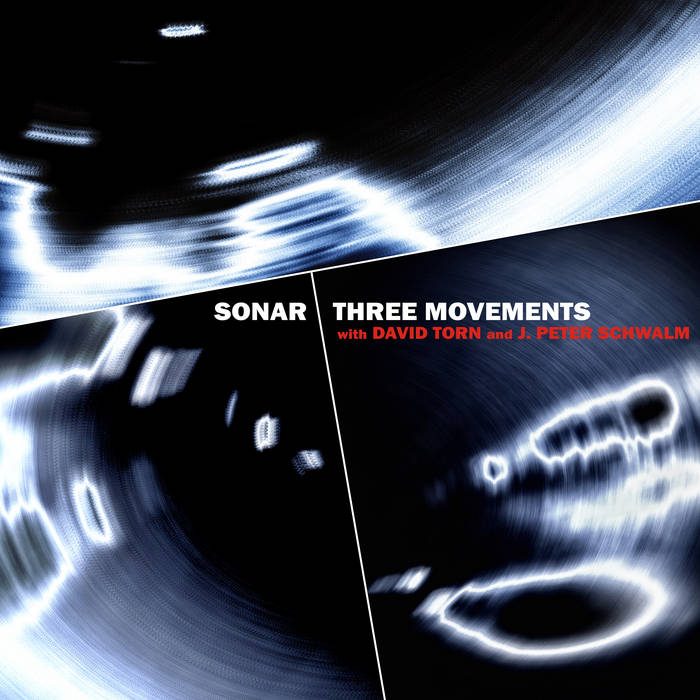
Speaking of concerts, my prep for a recent show by British “post-Brexitcore” bashers black midi included their latest album Hellfire, which hit plenty of 2022 best-of lists in and out of the prog world. A detailed live review is forthcoming; suffice to say that on record, bm’s dense, anarchic musical interaction tracks all too well with their jaundiced first-person lyrical vignettes — it’s postmodern life as absurd, unstoppable apocalypse. A welcome bonus from that concert was meeting Mike Potter, Renaissance man of the Eastern Seaboard — astrophysicist, former recording studio owner and a whiz on keys, woodwinds and vocals too! Potter’s band Alakazam has just released their fourth disc, Carnival Dawnit’s a heady conceptual effort that stirs equal parts Ray Bradbury and Stephen King into a bubbling stew garnished with ominous Mellotron, creepy clarinet and saxophone, and the wondrously deranged verbal musings of sundry evil clowns. By the pricking of my thumbs, it’s worth a listen — if you dare. And for a coolly energizing dose of order to chase the above chaos, you won’t do better than Sonar’s new Three Movements. Here Stephen Thelen and company harness a genuinely symphonic tension, building up towering rhythmic edifices that reach dizzying heights; at the climaxes, as guests David Torn on guitar and J. Peter Schwalm on electronics launch volley after volley of improvised ambience, the tension breaks, the clouds clear, and you might just hear the music of the spheres!

P.S.: in the aftermath of last month’s Nickel Creek concert, I’ve continued to delight in their back catalog. In addition to this year’s brilliant Celebrants, I especially recommend the final effort from their original run, 2005’s sprawingly eclectic Why Should the Fire Die?, and their tightly focused 2014 reunion, A Dotted Line. (Buy Nickel Creek CDs here.)

— Rick Krueger
In Concert: A Celebration with Nickel Creek

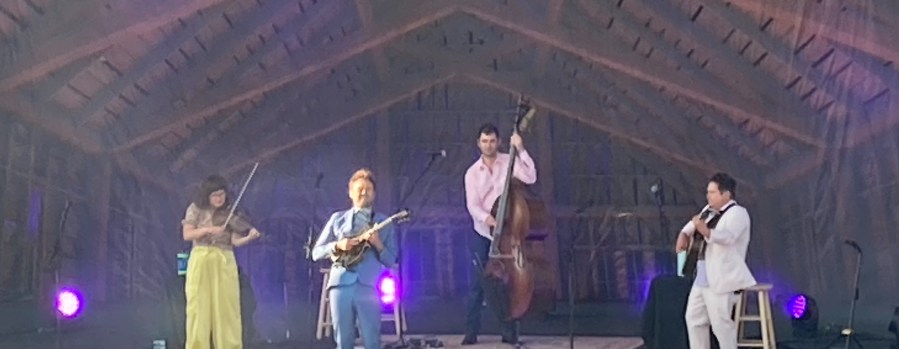
Nickel Creek with Gaby Moreno, Frederik Meijer Gardens Amphitheater, June 8, 2023

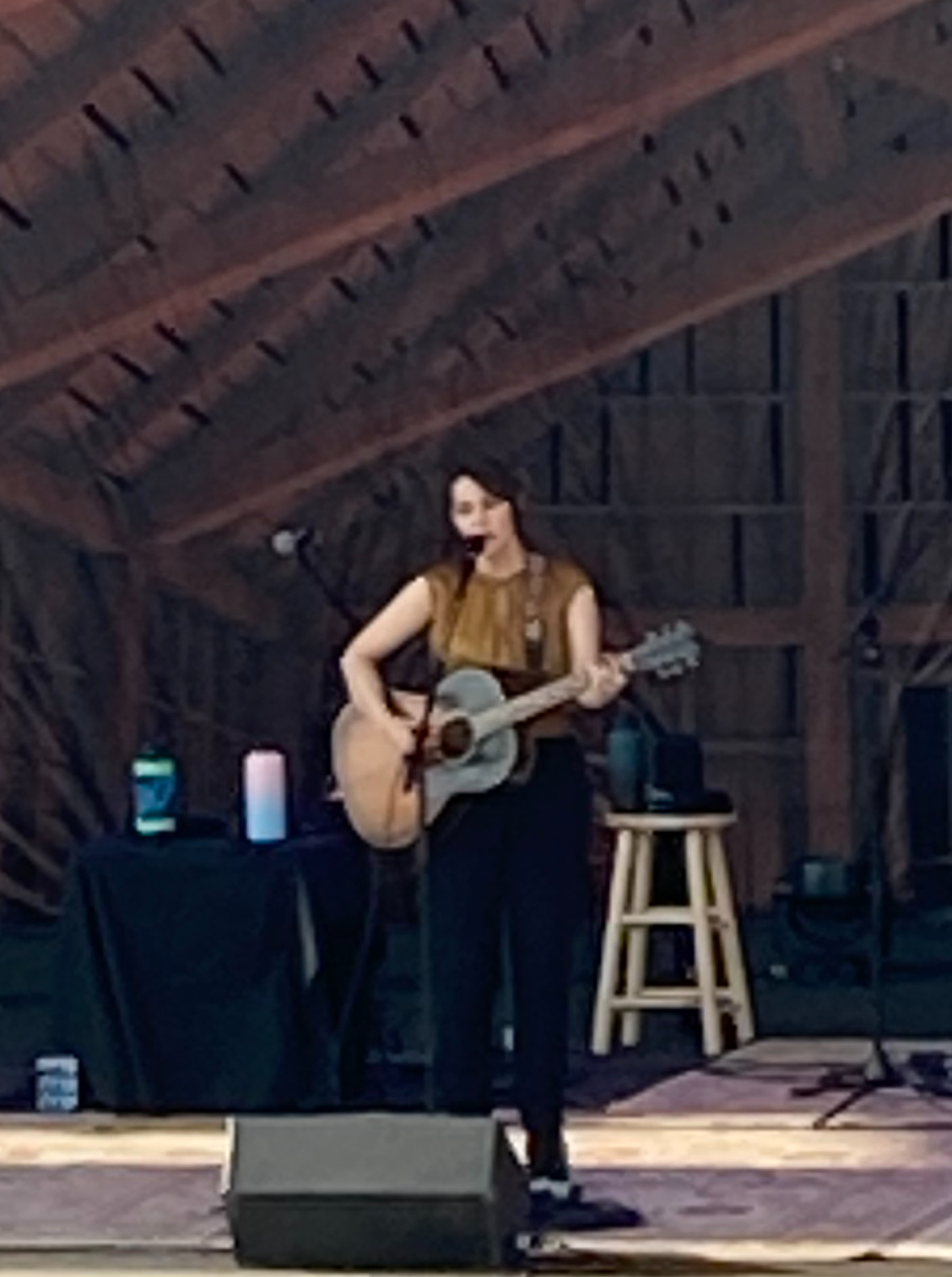
After a warm late spring day (with atmospheric residue from Canadian forest fires actually visible under the stage lights), a capacity crowd of 1,900 was primed for ignition at my local outdoor amphitheater’s opening night. And once Guatemalan singer-songwriter Gaby Moreno had warmed us up with her beguiling vocals and deft guitar work, Nickel Creek didn’t disappoint.

Launching into “Where the Long Line Leads” from the brand-new reunion album Celebrants, fiddler/guitarist Sara Watkins shot off sassy sung verses like rockets, as mandolinist Chris Thile and guitarist Sean Watkins fueled the rhythm with their tight backing harmonies, then grabbed equal shares of the three-part choruses. And once Thile, then Sara ripped out incendiary solos, stoked by guest bassist Jeff Picker — whew! By the end of that opener, the progressive bluegrass trio had fired up Meijer Gardens but good.

It was a hot start to a hot night, even as the temperature on the amphitheater lawn went down with the sun. Mixing in about half of Celebrants with roughly equal selections from their previous four albums, Nickel Creek walked the line flawlessly between fresh and vintage, instrumental and vocal, tradition and the cutting edge. The trickily-timed bluegrass workout “Going Out . . .” slotted in effortlessly with obvious audience favorites like “Ode to a Butterfly” and “Smoothie Song”; Thile’s “The Meadow” proved another ironic kiss-off to passing romance in the ongoing vein of “Helena”, “This Side” and “Somebody More Like You”. Sara’s “Thinnest Wall”, goofily introduced as a song about “the middle of a relationship for a change,” wore its heart on its sleeve just as much as oldies “When You Come Back Down” and “Sabra Girl”; and Sean’s vocal feature “21st of May” proved weirdly sympathetic to its tale of a desperate preacher who believes that, at long last, he’s finally got the date of the Rapture right!

Continue reading “In Concert: A Celebration with Nickel Creek”

Rick’s Quick Takes for April

(As always, purchase links are included in the artist/title listing, with available online audio/video following.)

This month’s favorites:

The Zombies, Different Game. Led by singer Colin Blunstone and keyboardist Rod Argent, The Zombies notched three hit singles (“She’s Not There”, “Tell Her No” & “Time of the Season”) and a noted album of psychedelia (the misspelled, wildly adored Odessey and Oracle) back in the 1960s. This fourth effort since their late-90s reunion is my unexpected album of the month: a mesmerizing mix of the Baroque, the blues, witty lyrics worthy of the Great American Songbook and pile-driving soul. Argent’s compact yet ambitious songwriting is at a peak here: check out the elegiac, Bach-meets-John Lee Hooker title track; the doo-wop harmonies of “Rediscover”; the Motown/Steely Dan workouts of “Runaway” and “Merry-Go-Round”; the forlorn, string-laden balladry of “If You Would Be My Love” and “I Want to Fly”. And Blunstone can still stir up a furious storm with his R&B-inflected shouting or calm troubled waters with his cool serenity, frequently in the same tune! Mostly cut live in the studio, this is rock classicism at its finest; don’t miss it.

Nickel Creek, Celebrants. On their first outing in nine years, the progressive bluegrass trio riffs off an unlikely source to stunning effect. Inspired by the Beach Boys’ unfinished modular masterpiece SMiLE, mandolinist Chris Thile, violinist Sara Watkins and guitarist Sean Watkins conceived this album as a suite, with songs and instrumentals interconnected by recurring melodies and lyrics. The result flows brilliantly from beginning to end, impelled by these technically formidable, yet invitingly inventive players; the music moves like a flash from supple chamber textures (“The Meadow”) to propulsive rock (“Where the Long Line Leads”), through pensive slices of life (“To the Airport”) to hard-pickin’ instrumentals (such as the widely separated bookends “Going Out . . . Despite the Weather”). And that’s to say nothing of the trio’s thrilling, acrobatic vocal work, both solo and in harmony. Nickel Creek opens my local outdoor amphitheater this summer — and I, for one, can’t wait to hear what they do with this material!

London Brew. As with so much floating in the atmosphere of early 2020, this concept (a London concert celebrating the 50th anniversary of Miles Davis’ groundbreaking fusion album Bitches Brew) mutated along with COVID-19. Instead, we got something that’s arguably better — a dozen of the hottest young British jazzers jamming for three days in the studio, inspired by Miles’ ideas but whipping up a double-length set of free playing that’s more a seething maelstrom than a reverent tribute. Saxophonists Shabaka Hutchings (Sons of Kemet, The Comet Is Coming) and Nubya Garcia are probably most familiar to American listeners. along with drummer Tom Skinner (Sons of Kemet, Radiohead side project The Smile). Their fluidly molten lines and explosive grooves are core elements of this stormy music — but so are Nick Ramm and Nikolaj Torp Larsen’s floating keyboards, Martin Terefe and Dave Okumu’s boundary-bursting guitars, Raven Bush’s arcing violin, Theon Cross’ pumping tuba, and the volatile rhythm section of Tom Herbert and Dan See. The end result spins unpredictably between open, spacious textures and unstoppable torrents of furious sound, delivering 90 minutes of inspired, spectacularly unclassifiable music that never doubles back on itself.

This month’s jazz:

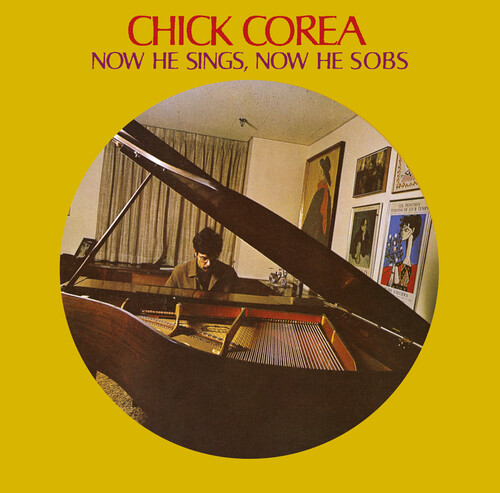
Chick Corea, Now He Sings, Now He Sobs (reissue). thanks to the no-frills Dutch reissue label Music On CD for bringing back this 1968 gem; arguably the first great album in Corea’s mind-boggling discography, it’s a near-perfect blend of lyricism and experimentation, simultaneously honoring and stretching the jazz tradition of the time. Teaming up with bassist Miroslav Vitous (later of Weather Report) and legendary drummer Roy Haynes, Corea weaves seamlessly through classic early compositions (“Matrix”, “Windows”), standards (Thelonious Monk’s “Pannonica”, “My One and Only Love”) and in-the-moment improvisations (the bulk of the original album and the additional session tracks included here). Laced with snatches of iconic Corea moments to come, this is also a solid, satisfying record in its own right.

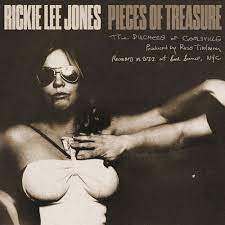
Rickie Lee Jones, Buried Treasures. You can argue that Jones was always a jazz singer, even on her folk-inflected debut smash and her cinematic follow-up Pirates. (And hey, if Bob Dylan can sing songs made famous by Frank Sinatra . . .) Reunited with her original producer Russ Titelman and fronting a wonderfully sympathetic instrumental quartet plus horns, Jones lovingly leans into ten classic pre-rock songs, her inimitable voice gently caressing the melodies, her sparky gift for bringing the words and sentiments she sings to life blissfully intact. Hushed and intimate, but with rough edges in all the right places, Buried Treasures lives up to its title – and then some.

Rob Mazurek Exploding Star Orchestra, Lightning Dreamers. The latest from Chicago’s headily progressive jazz label International Anthem. Take trumpeter/composer Mazurek’s programmatic depictions of South American landscapes married to the free-form poetry of Damon Locks; add Gerald Cleaver and Mauricio Takara’s sturdy, hip-hop inflected percussion, Jeff Parker’s liquid post-rock guitar, and the atmospheric keys of Craig Taborn and Angelica Sanchez; then run the whole thing through a mixmaster of electronic treatments. Listen to this music with open ears, and you may come out the other side looking at the world around you with new eyes, too. A celebratory, cathartic experience.

This month’s veteran (cosmic?) rockers:

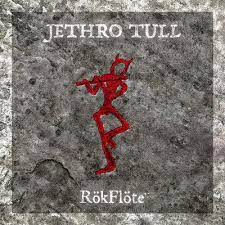
Jethro Tull, RökFlöte. After his revisionist take on the Bible on last year’s The Zealot Gene, Ian Anderson turns his gimlet eye on the old Norse gods, with 12 new songs that portray that mythology’s pantheon and flesh out present day cultural parallels — all in strict poetic meters, no less! The music is welcoming and nimble, often reminding me of classical or Celtic tunes I can’t quite place; Anderson’s flute work is wickedly sharp and his back-up band (including new guitarist Joe Parrish-James) give each tune plenty of oomph. And while Anderson can’t attack this material with the vocal gusto and range he had in Tull’s heyday, he’s learned how to cannily work with his limitations to pull the listener into each vignette. Reminiscent of the Songs from the Wood/Heavy Horses era of Tull, this will charm long-time fans while holding open possibilities for broader appeal.

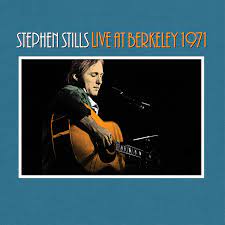
Stephen Stills, Live at Berkeley 1971. The latest fuel for my ongoing Crosby Stills Nash & Young fixation. No wonder they called Stills “Captain Many Hands”; two-thirds of this archival set feature the man holding an audience of 3,500 spellbound with just his voice, guitar, piano and banjo (oh, and David Crosby chipping in harmonies on two songs). Which makes the impact of the full band finale even stronger, as a six-piece group plus the Memphis Horns power Stills’ singing to soulful heights (while sounding remarkably proggy in the 7/4 section of the epic “Cherokee”). With impressive tunes spanning a broad spectrum of roots music and superb musicianship throughout, this set offers a valuable chance to hear a now-underrated American master at his best.

The Who with Orchestra, Live at Wembley. In 2019, I attended the first concert of Roger Daltrey and Pete Townshend’s foray into playing with a full-blown orchestra; recorded six months afterwards, this double set is now released in advance of The Who taking their symphonic show across Britain this summer. The bugs of that opening night had definitely been ironed out by the time they got to London; the orchestral backing on their “greatest hits plus a couple new tunes” set hits hard consistently, reaching majestic heights on the extended suite from Quadrophenia. And if Daltrey and Townshend’s voices are showing their age at long last, their gutsy commitment to the material triumphs over any moments that reveal the wear and tear. Still, the highlight of the show for me remains the duo’s acoustic duet on the evergreen “Won’t Get Fooled Again”, with Townshend supplying an introduction that pokes holes in any lingering political pretensions: “You provide the [expletive deleted] activism; we’ll provide the soundtrack.”

Box Set of the Month:

Blackfield, An Accident of Stars – 2004-2017. Customer service alerts first: the “limited one-time pressing” of this CD-based set, collecting Steven Wilson and Aviv Geffen’s first five albums under the Blackfield banner plus live audio and video is already sold out, though Amazon and indie stores like Michigan’s Dearborn Music are listing stray copies as available. Oh, and there’s a technical glitch with the included BluRay, which won’t play in American and Asian players. (Though purchasers can get a free replacement BluRay via press@snappermusic.co.uk) All that aside, Blackfield made a whole bunch of gorgeously doomy art pop in those 13 years, with Wilson and Geffen’s vocals adding salty, sour, spicy notes to their melancholy, string-laden soundscapes. While the debut Blackfield album is still my favorite, albums II and V really aren’t that far behind in quality – and there’s good stuff to be found on the lesser albums as well (all available individually through Burning Shed or Bandcamp). So if this piques your curiosity, go for selected highlights – or the complete set! (But be forewarned — KScope has announced a similarly limited box of early Pineapple Thief albums for June release, and a set of Wilson’s No-Man albums with Tim Bowness is rumored to be in the works. So start saving your shekels now . . .)

–Rick Krueger

Kruekutt’s 2022 Favorites

A few notes before I dive in: items I’ve reviewed here are linked to the relevant Progarchy article via the artist/album title; If I didn’t review an item here or elsewhere, it’s marked with an asterisk (*) — but I hope the capsule description and listening/order links will encourage you to check it out!

My favorite new music of 2022:

  • Dave Bainbridge, To The Far Away: A thrilling, ravishingly beautiful album about love, longing, hope and a future. Lyrics of rich simplicity cradled in a lush orchestral blend of rock, prog and Celtic folk. My interview with Bainbridge is here.
  • Big Big Train, Welcome to the Planet: what turned out to be BBT’s final effort with the late David Longdon consolidates the widened horizons of Grand Tour and the intimate subjects of Common Ground, casting an epic light on the everyday glory of family, community, joy and loss.
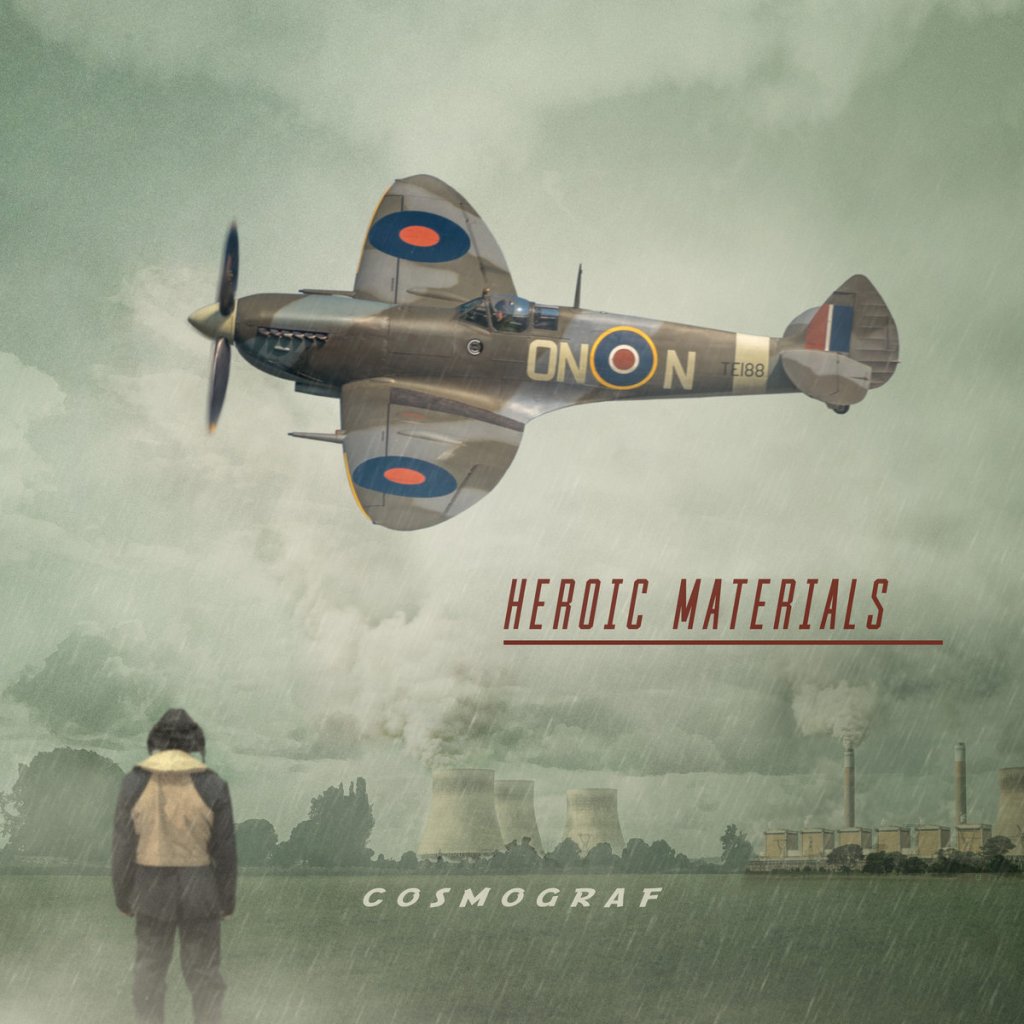
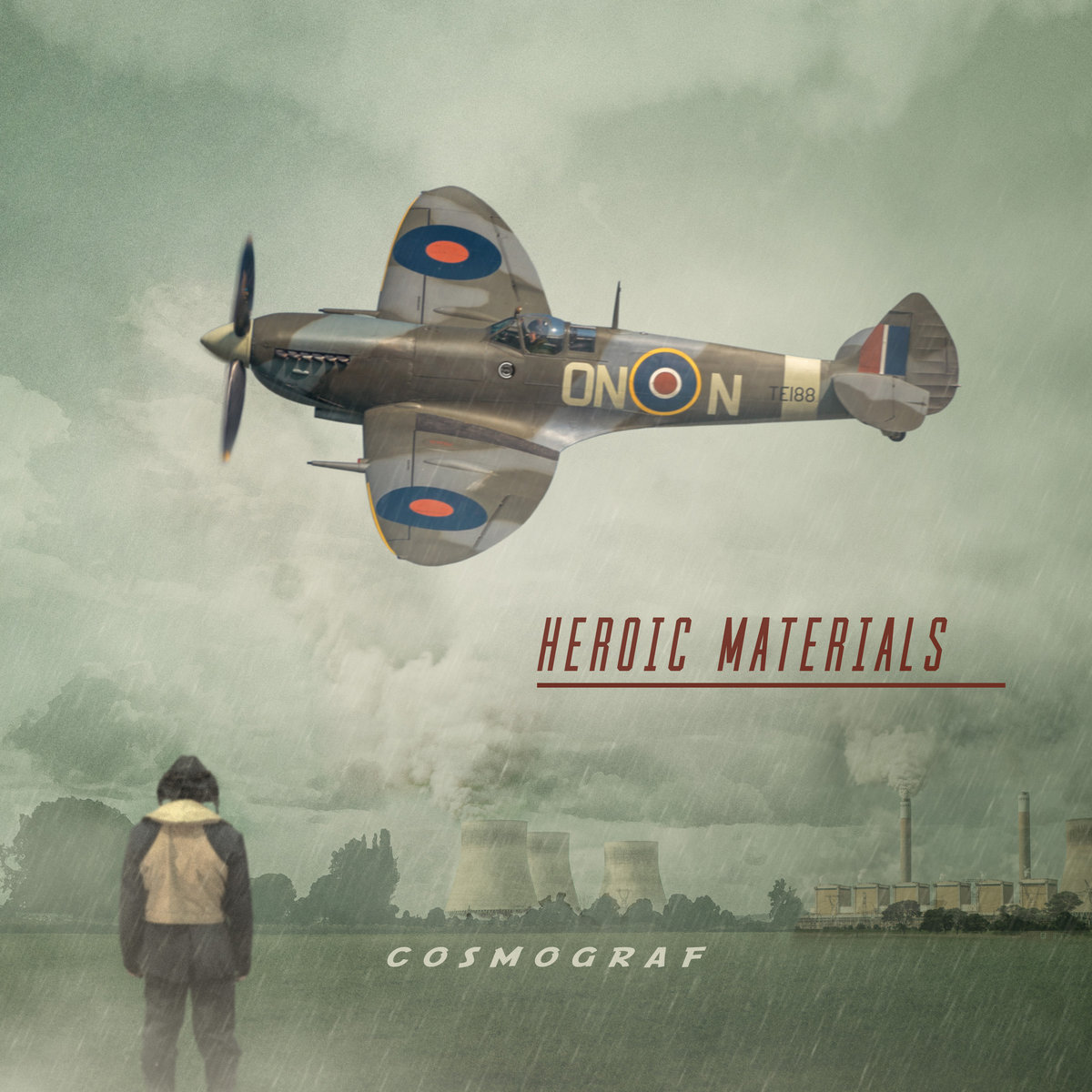
  • Cosmograf, Heroic Materials: Elegiac in its evocation of past achievements, urgent in its contemporary call to action, breathtaking in its poised blend of fragility and strength, Robin Armstrong’s latest is a riveting listen.
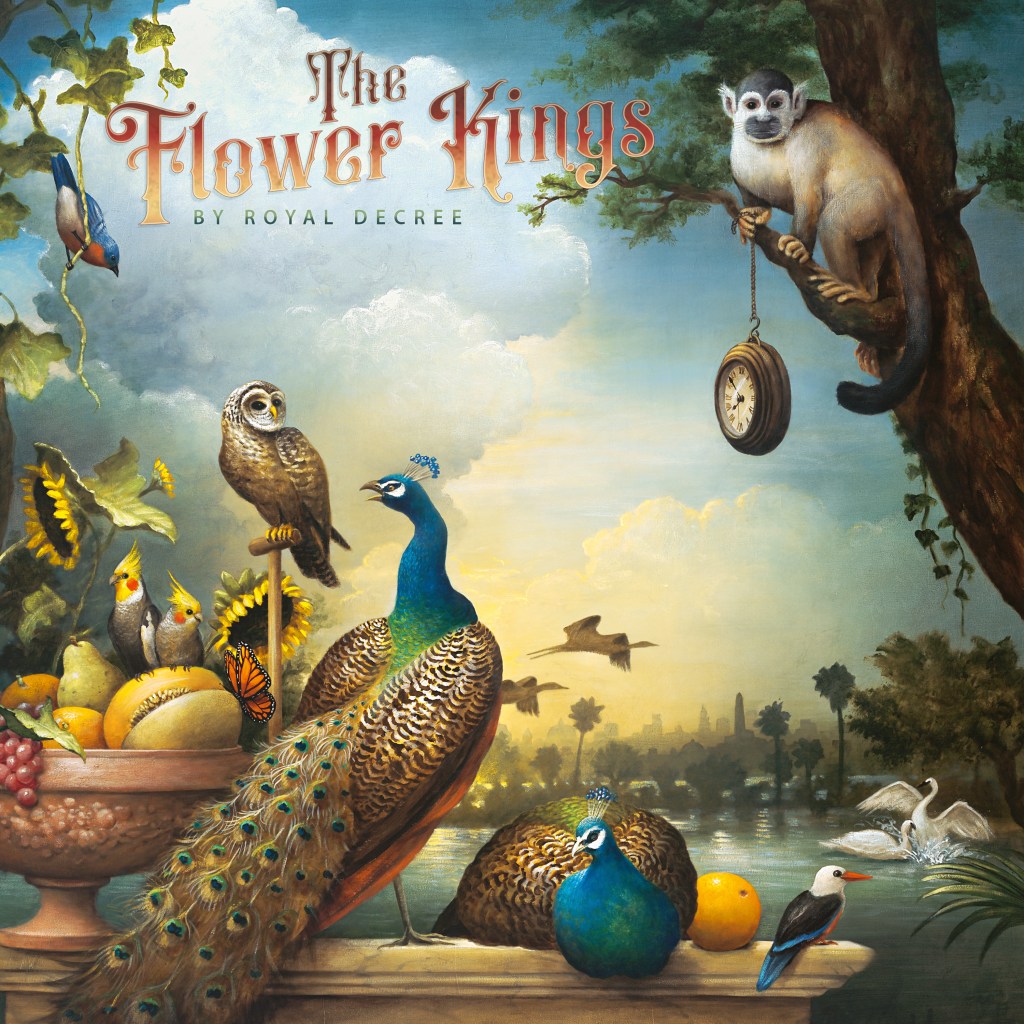
  • The Flower Kings, By Royal Decree: TFK’s third double album in a row, this is the sound of Roine Stolt and company refreshed and revisiting their optimistic roots, soaring on the wings of one marvelous melody after another. As much a joy to hear as it must have been to create.
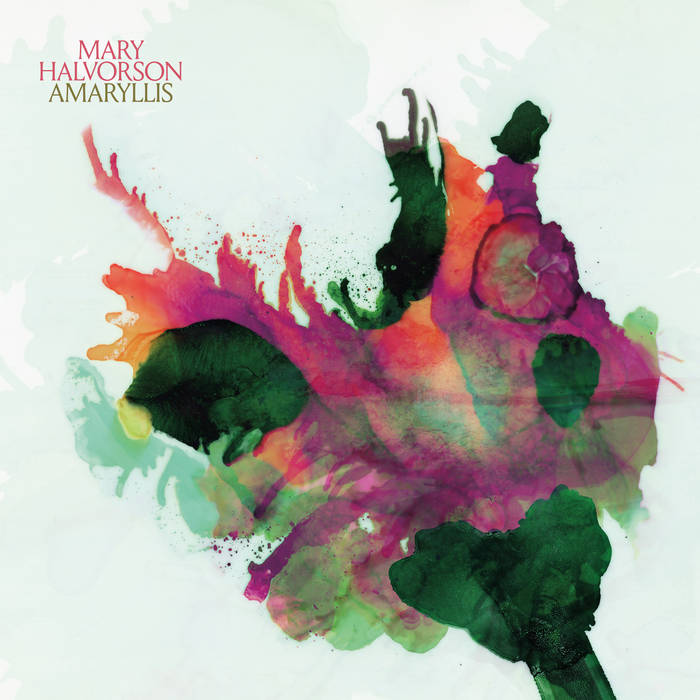
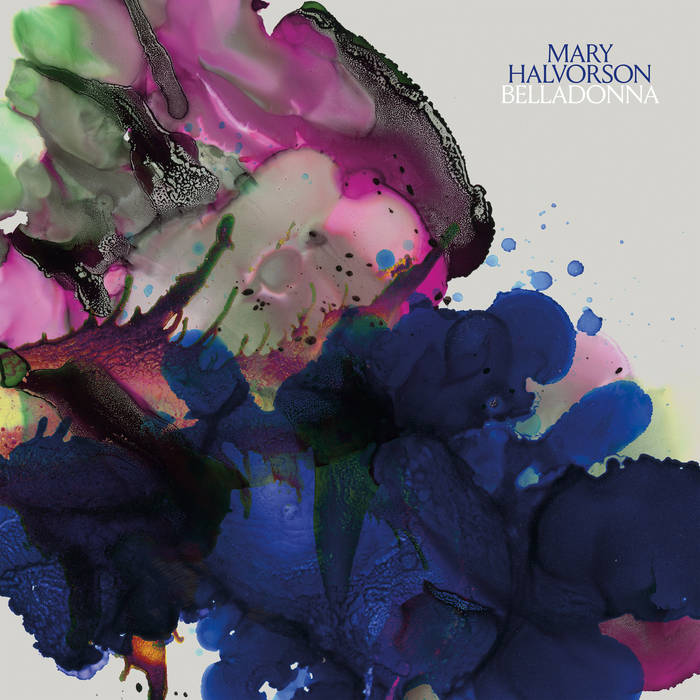
  • Mary Halvorson, Amaryllis & Belladonna: free jazz guitarist Halvorson hits a major label with two albums — teaming with a boisterously simpatico sextet on Amaryllis, then dancing atop and around modern classical textures from the Mivos Quartet on Belladonna. Audacious and engrossing, this music will open your ears real good!
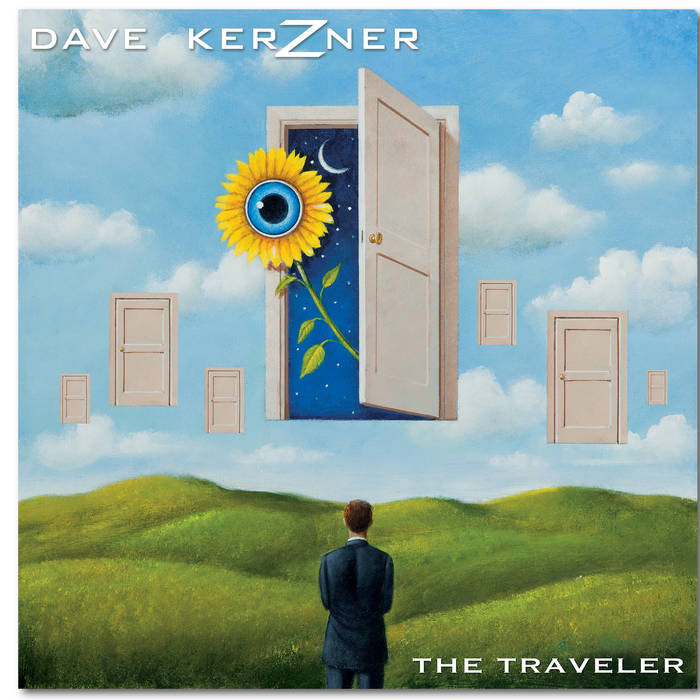
  • Dave Kerzner, The Traveller: confident, appealing songwriting with hooky yet sophisticated melodies and structures, Kerzner’s best, widest ranging vocals to date and perfectly judged contributions from a stellar guest list. Letting his new songs sell themselves and keeping proceedings to the point, he both satisfies us and leaves us wanting more. 
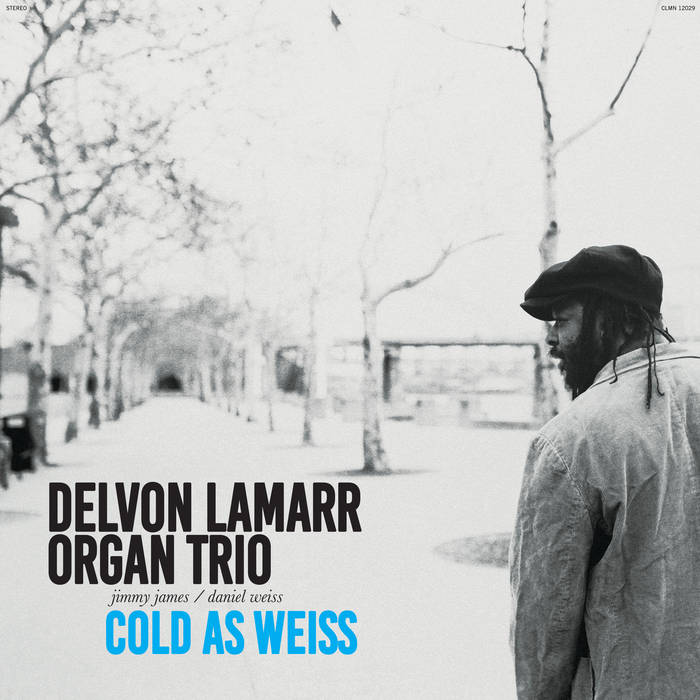
  • The Delvon Lamarr Organ Trio, Cold As Weiss: An immediately accessible reboot of a classic jazz trio format. Organist Lamarr, guitarist Jimmy James and drummer Daniel Weiss are thrilling players who never fail to make their instruments sing. Funky, catchy bite-size tracks with great individual playing and razor sharp ensemble. 
  • Marillion, An Hour Before It’s Dark: The front half of Los Marillos’ latest has more swagger than they’ve mustered in a while; the back half’s meditative downshift climaxes with the sweeping smashcut finale “Care,” as power chords and massed choirs climb heavenward. Unique as anything in their catalog, and another thoroughbred winner.
  • Pure Reason Revolution, Above Cirrus: this fifth album reveals PRR at their best, consistently upping their game to the next level. For every moment of blissful harmonies and glidepath atmospherics, there’s an equal and opposite moment of feral guitar/drum slammin’ — and when they layer the two together, look out! Well worth buckling up for the ride.
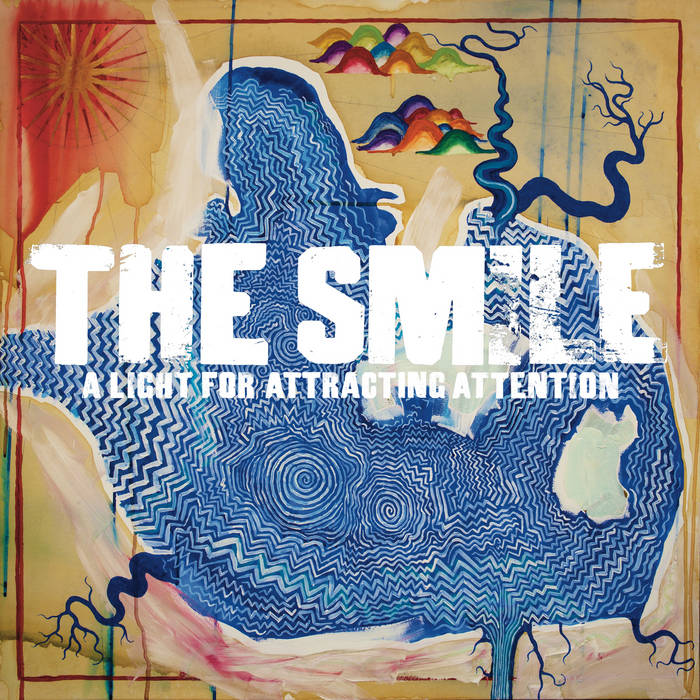
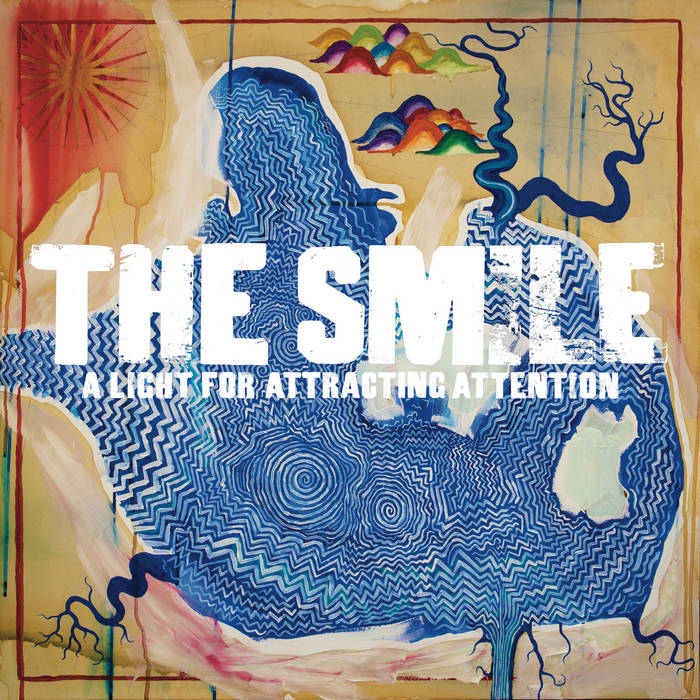
  • The Smile, A Light For Attracting Attention: A Radiohead side project worth your while. Thom Yorke overflows with apocalyptic dread; Jonny Greenwood’s off-kilter instrumental instincts are keener than ever; Tom Skinner’s skittering beats relentlessly drive the grim, lush soundscapes forward. Music for our contemporary dystopia, irresistibly sucking you in.
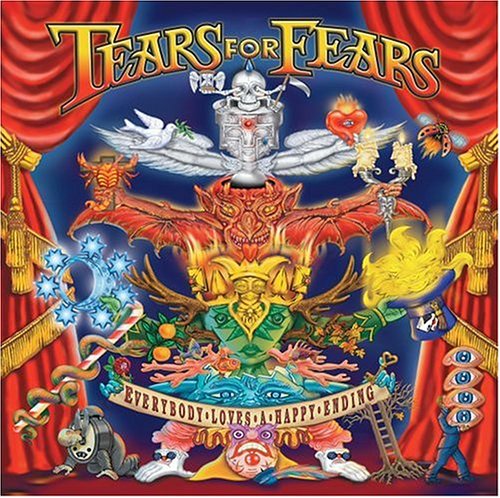
  • Tears For Fears, The Tipping Point: Roland Orzbaal & Curtis Smith’s catchy-as-always comeback goes for catharsis via unstoppable rhythms, unforgettable choruses and naked vulnerability on every single track, Devastatingly gorgeous, uncompromising art-pop that will haunt you long after every listen.
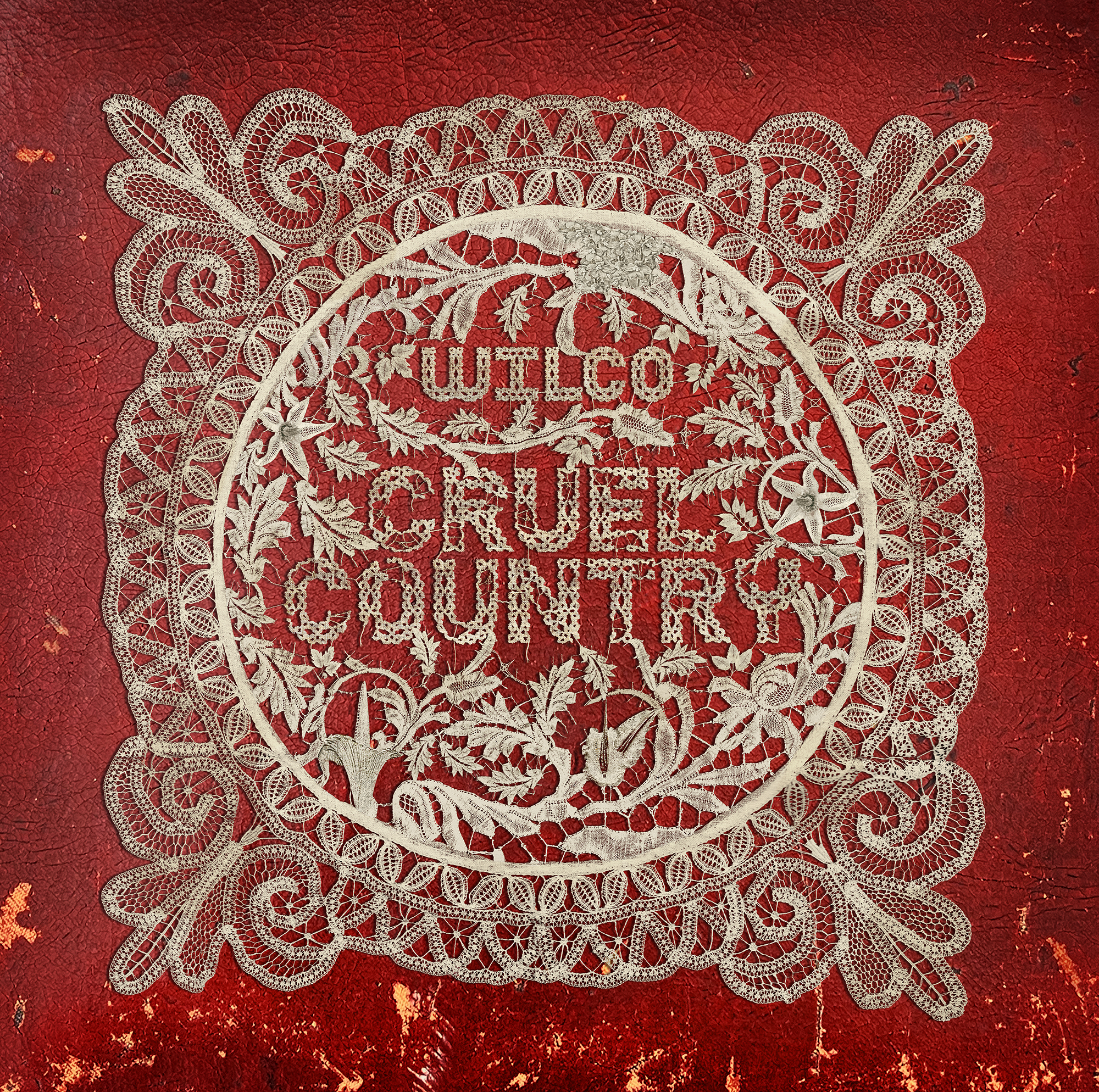
  • And my Top Favorite of the year — Wilco, Cruel Country. A double set that detours from Jeff Tweedy’s thoughtful dad-rock toward Nashville and Bakersfield, the tactile interplay of the band and Tweedy’s quizzical, empathetic probes of societal alienation elevate this to an album of genuine tenderness and subtlety, gathering strength and heart as it unrolls. After a digital-only release this year, it’s finally coming out on LP and CD January 20!

My favorite reissues of 2022:

  • The Beatles, Revolver Special Edition*: No Revolver, no Sergeant Pepper — no prog? Regardless of what ifs, the Fabs’ great leap forward of 1966 was brilliant in its own right, dragging pop headlong toward the avant-garde. Here it gets a subtle yet effective remix, with fascinating studio outtakes framing the cutting-edge results.
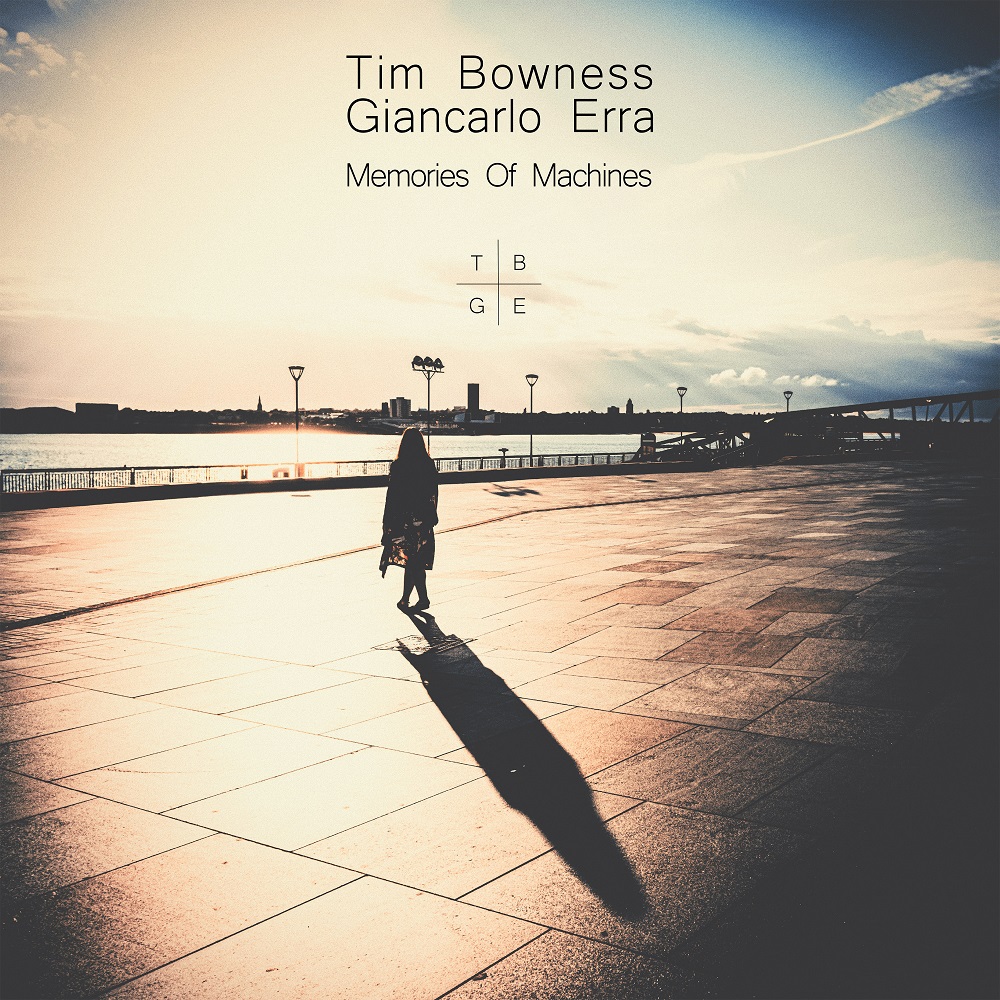
  • Tim Bowness & Giancarlo Erra, Memories of Machines: an irresistible mix of unflinchingly intimate art-rock and lowering ambient backdrops. Ten years on, original arrangements and track lengths are restored, Erra’s textural work is inched forward — and as always, Bowness breaks your heart with his ringing couplets and his stoic voice.
  • My Top Favorite Reissue of the year: Robert Fripp, Exposure/Exposures. The guitarist’s 1979 return to active duty after a post-King Crimson sabbatical, binding together a disparate set of songs and guest artists with his innovative ambient Frippertronics. Whether by itself or as part of a gargantuan box set that chronicles Fripp’s entire “Drive to 1981,” it’s a wild, worthwhile listen in and of itself, while providing distinctive previews of coming attractions.
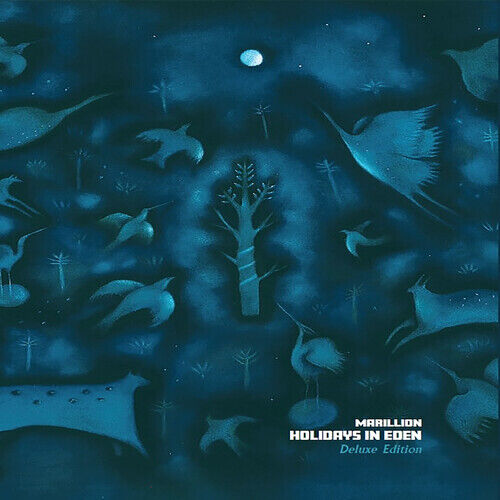
  • Marillion, Holidays in Eden Deluxe Edition*: my introduction to the band (I first saw them live on the US tour promoting the album), Holidays was partially a product of record company pressure for hit singles, but it also has plenty of Marillion’s trademark ambition, power and lyricism. A fresh remix complemented by exciting live shows on both audio and video.
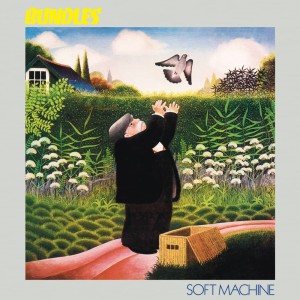
  • Soft Machine, Bundles*: Add blazing young guitarist Allan Holdsworth to one of the pioneering British jazz-rock bands, stir in quirky compositions by keyboardists Karl Jenkins and Mike Ratledge, and stand by for fireworks! This fresh reissue also includes a hot live set featuring Holdsworth’s successor John Ethridge (still active with the Softs today).
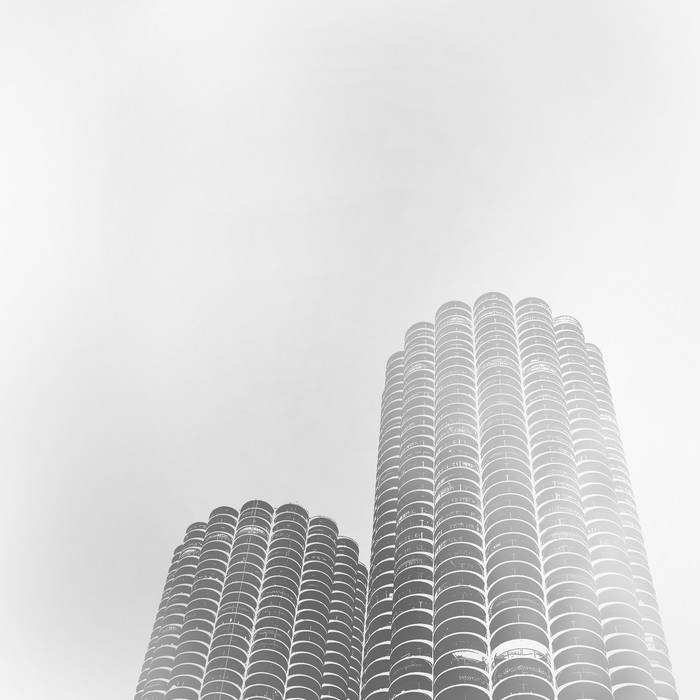
  • Wilco, Yankee Hotel Foxtrot Super Deluxe Edition*: The album that put Wilco on the map (after they were dropped by their label), YHF mutated from Americana through dream-pop to electronica-tinged folk-rock as band members and producers came and went. Eight discs that copiously chronicle the recording process, plus blistering two live sets.

My favorite (re)discoveries of 2022:

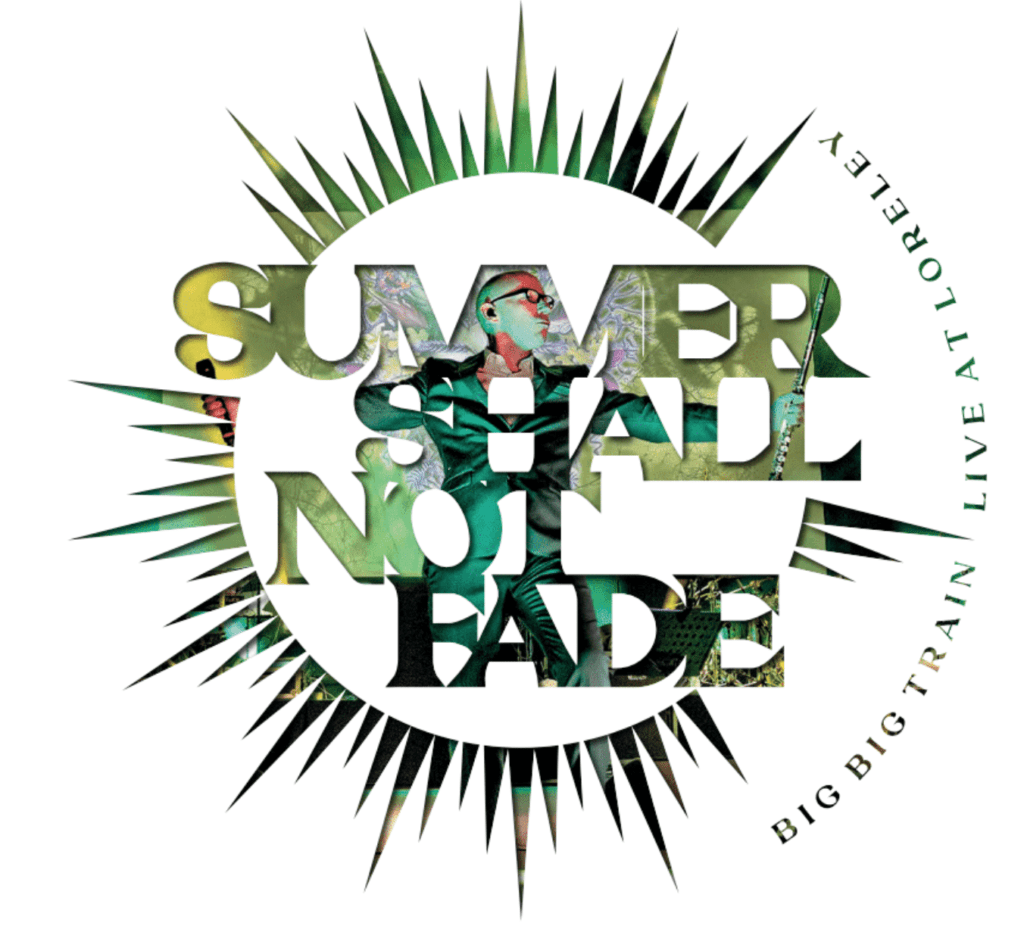
My favorite live album of 2022: Big Big Train, Summer Shall Not Fade*. Equal parts power and grace, BBT’s 2018 headlining gig at Germany’s Night of the Prog may be their best live release yet. Playing to their largest crowd ever, David Longdon commands the stage; Greg Spawton and Nick D’Virgilio provide a muscular foundation; Dave Gregory, Rikard Sjobom, Danny Manners and Rachel Hall serve up one delightful moment after another. Bryan Morey’s review nails it; this is indispensable.

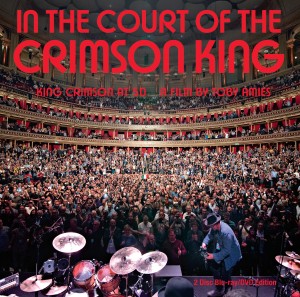
My favorite rock documentary of 2022: In The Court of the Crimson King: King Crimson at 50*. The most unconventional band of the last five decades gets the most unconventional documentary possible. Crims past and present weigh in on “living, dying, laughing, playing and rocking out”, with Robert Fripp providing the ever-present focal point in a particularly puckish fashion. There’s also a deluxe edition with live Crimson video (both in the studio and at 2019’s Rock in Rio festival) and four bonus CDs of soundtrack cuts, rarities, etc.

My favorite books about music of 2022:

  • Vashti Bunyan, Wayward: Just Another Life to Live. Singer-songwriter Bunyan’s unlikely late-60s odyssey from Swinging London to the Hebrides forms the heart of this evocative narrative. Laboriously traversing the heart of England, she gains understanding of the natural world, of human kindness and cruelty — and of her own sturdy inner core.
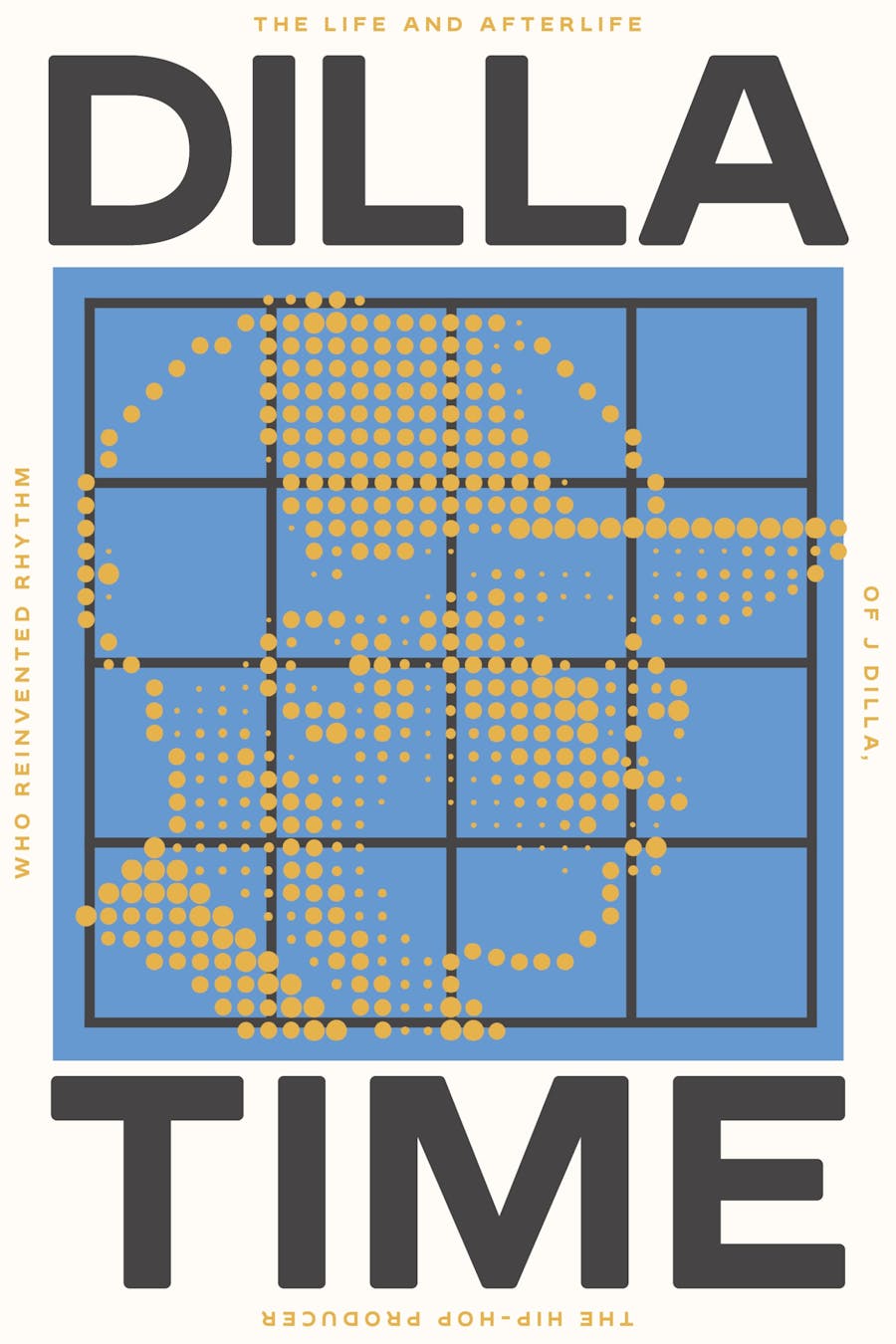
  • Dan Charnas (with musical analysis by Jeff Peretz), Dilla Time: The Life And Afterlife Of J Dilla, The Hip-Hop Producer Who Reinvented Rhythm*. In Charnas’ telling, Dilla emerges as an innovator who laid down new paths for neo-soul and conceptual hip-hop, via his subtle yet unsettling variations on previously straight-up rhythms. Peretz’s equally innovative graphic depictions of rhythmic innovations across the decades buttress the page-turning narrative.
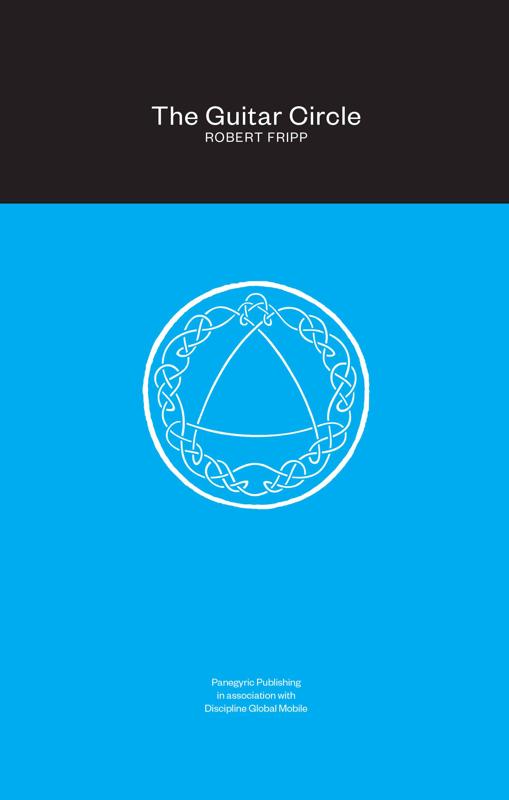
  • Robert Fripp, The Guitar Circle*. More a philosophical tome than a how-to book, though still remarkably practical, Fripp’s highly conceptual explanation of his process (as unfolded in Guitar Craft courses and Guitar Circles) won’t be for everyone. But those who dig in will grasp where this eternally questing musician is coming from better than ever before.
  • David Leaf, God Only Knows: The Story of Brian Wilson, The Beach Boys And The California Myth*. The third edition of Leaf’s lifework chronicles The Beach Boys’ journey from surf-rock through eccentric art-pop to the dead end of nostalgia, then sidesteps to Wilson’s solo comeback, culminating in the completion of his masterwork Smile. Not in the least objective, but comprehensive, even-handed toward the rest of The Beach Boys, and heartfelt.
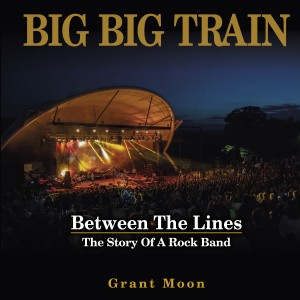
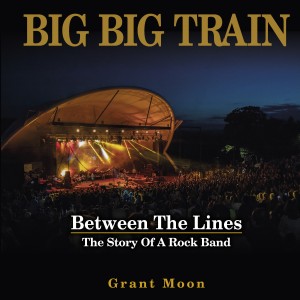
  • Grant Moon, Big Big Train – Between The Lines: The Story Of A Rock Band. How BBT became a prog powerhouse — through sheer bloody-mindedness, growth in craft and a keen ear for musical contributors — is the tale told in this richly detailed bio/coffee table tome. Both a celebration of the music made and an unflinching look at the price paid for a dream.

And in closing . . .

If you’re interested, check out these recordings I played or sang on that were released in 2022:

— Rick Krueger
Rick’s Quick Takes for September

Another month of thoroughly enjoyable releases across the progressive spectrum from quiet to loud, from controlled to anarchic — often all in the same album! As always, order links are included in the artist/album title listing, and streaming audio or samples follow the review.

Cosmograf, Heroic Materials: Robin Armstrong’s latest concept album speaks softly and hits home hard. As a World War II fighter pilot recalls the challenge he rose to as a young man and laments the passing of his golden era, he also sounds the alarm about the challenges the generations who’ve followed have inherited. Throughout, Armstrong’s lyrics are simply stated yet deeply affecting, sung with real gravity and soul. And as the music patiently unreels, it becomes impossible to pick out a standout track; each brooding acoustic interlude, each stinging electric solo, each cinematic ebb and flow leaves its indelible mark. Elegiac in its evocation of past glories, urgent in its call to action today, breathtaking in its poised blend of fragility and strength, Heroic Materials is a riveting listen and a thing of beauty, already on my list of favorites for this year.

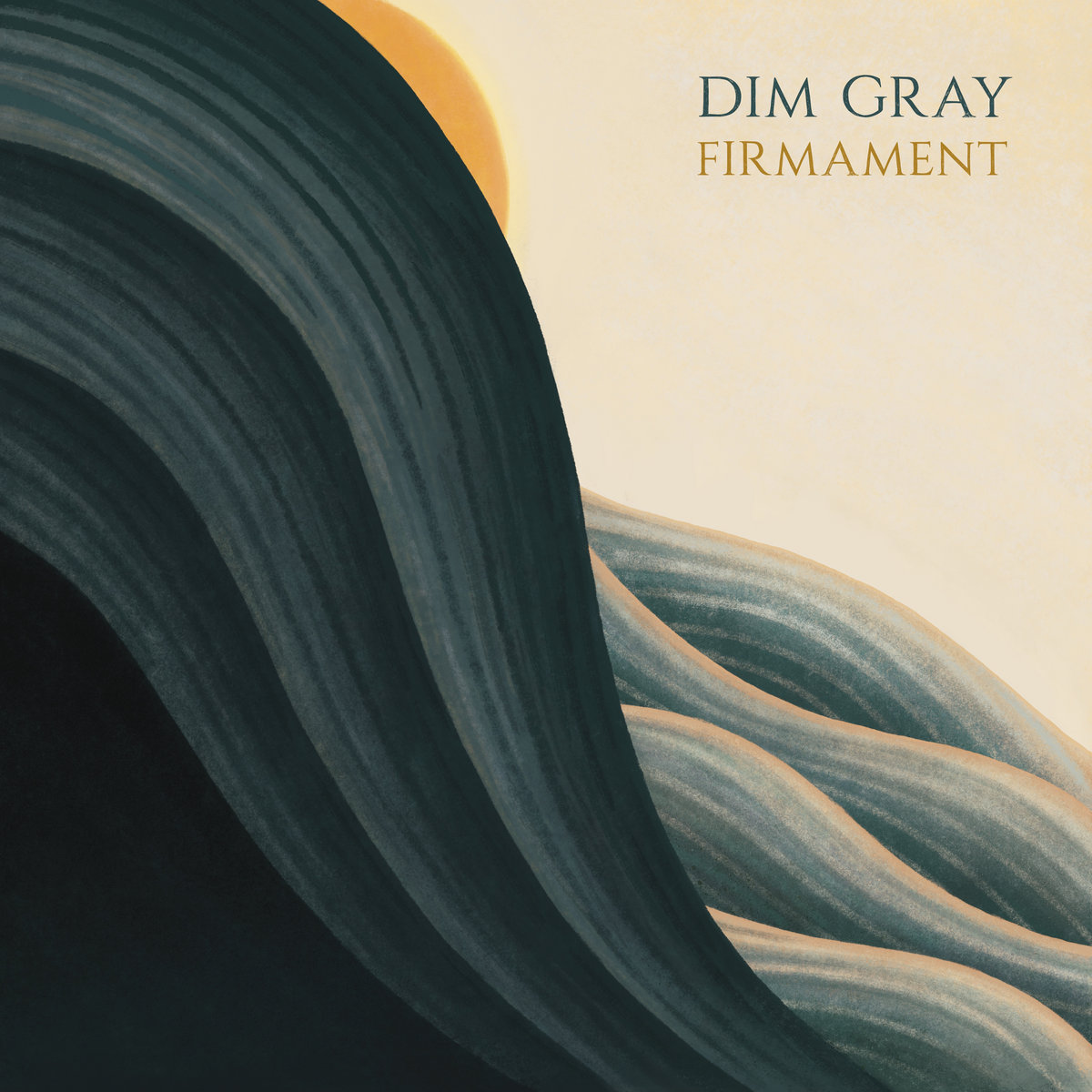
Dim Gray, Firmament: a Norwegian band that’s getting a broader push courtesy of Kingmaker Management, with an opening slot on Big Big Train’s recent tour (to say nothing of Oskar Holldorf’s filling BBT’s keyboards/backing vocals slot live) and their second effort released through the English Electric label. Kingmaker knows how to pick ’em; Holldorff, guitarist Hakon Høiberg and drummer Tom Ian Klungland whip up a mighty noise on Firmament’s 12 succinct tracks, with Holldorff and Høiberg’s ethereal, evocative singing launched above one swirling, quasi-orchestral crescendo after another. From opener “Mare” to finale “Meridian”, middle-aged farts like me might hear echoes of Phil Spector’s Wall of Sound, Brian Wilson’s pocket symphonies and Avalon-era Roxy Music, while younger listeners may catch hints of Fleet Foxes’ seamless, potent vocalises and Sigur Ros’ relentless ensemble builds. Whatever Dim Gray’s influences, the trio’s pin-sharp ensemble and pacing, thrilling sense of dynamics and undeniable gift for melody make for an arresting sound, with impressionistic lyrics that complement the sweep and yearning of the music. Here’s an album that not only dreams big, but actually delivers.

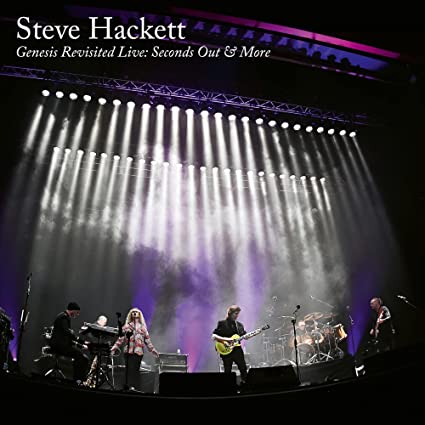
Steve Hackett, Genesis Revisited Live – Seconds Out & More: by my count, this is Hackett’s sixth live set since the Genesis Revisited concept revived his worldwide touring mojo a decade ago, beating out even Rush’s late career live output. Too much of a good thing? Arguably — but on the other hand, both Bryan Morey and I raved about this tour when it hit the Midwest this past spring, so I can also argue that more is better! With Amanda Lehmann complementing his usual merry men on second guitar, Hackett and band rip through a set of solo classics (and I wholeheartedly include Surrender of Silence tracks “Held In the Shadows” and “The Devil’s Cathedral” in that description) that climax with Lehmann’s floating vocals and Craig Blundell’s jaw-dropping drum workout on the vintage “Shadow Of The Hierophant”. Then it’s nirvana for Hackett-era Genesis fans, with the entirety of their 1977 live masterwork reprised (and sometimes gently, sometimes deliriously reimagined) in one go. Gorgeous sound whatever the format, and nicely hi-def visuals on the BluRay; it all does what it says on the cover, with Hackett’s usual flair and panache. See you next year for the Foxtrot At Fifty set?

King’s X, Three Sides of One: “Calling all saviors/And I’m shouting at God/Oh won’t you come and save us/Don’t you think we need you now/So let it rain, to wash the fear away.” dUg pinnick’s vocal testifies while his bass thunders, Ty Tabor’s guitars chime and howl like lightning, Jerry Gaskill’s drums crack open the earth and sky. And the apocalyptic “Let It Rain” is only the start for a trio that’s lost none of its power. King’s X’s first album in fourteen years, Three Sides of One’s rock is thick, gnarly, punchy and unbelievably tough no matter the tempo or texture, always locked into a sweet groove that carries you along. With Pinnick’s gospel-rooted shouts complemented by Tabor and Gaskill’s spindly, psychedelic harmonies, the band prowls the waterfront of life today, calling out the hucksters of “Festival” and the digital overlords of “Swipe Up”, commiserating with “all the lonely people” of “Give It Up” and “Holidays”. Stir in the drained cynicism of “Flood Pt. 1” and the dystopian parable “All God’s Children” and you have a compelling vision of societal despair. Human love (“Take the Time”, “She Called Me Home”) offers respite, but there’s no closure in sight; as pinnick preaches on the final track, “The whole world is crying for love/Every everywhere.” Lighting candles and cursing the darkness with alternate breaths, King’s X rocks on regardless — and I consider that heartening in and of itself.

Continue reading “Rick’s Quick Takes for September”

Rick’s Quick Takes for June

Six months in, 2022 is already shaping up as a banner year for new music. My own positive bias prevents me from objectively reviewing The Bardic Depths’ brand new album (though modesty doesn’t seem to prevent me mentioning it; I’m still stoked that I got to participate) — but there are still plenty of fresh releases to cover this time around! As usual, purchasing links are embedded in each artist/title listing; where available, album playlists or samples follow each review. But first, the latest installment in what’s becoming Progarchy’s Book of the Month Club . . .

Big Big Train – Between The Lines: The Story Of A Rock Band: when Greg Spawton and Andy Poole started a band, it didn’t stand out at first; one early concert promoter called the nascent Big Big Train “fairly mediocre” in retrospect. How BBT became a prog powerhouse — through sheer bloody-mindedness, growth in their craft and a keen ear for what world class musicians like Nick D’Virgilio, David Longdon and so many others could contribute — is the tale at the core of this passionately detailed band bio/coffee table book. Standout features include lavish design, with a overflow of revelatory photos; fully rounded portraits of major and minor participants, mostly unfolded through Grant Moon’s thorough interview work; and remarkable candor, especially in a self-published effort, about the human costs of BBT’s rise to genre prominence and mainstream media attention. (Moon’s portrayal of Spawton and Poole’s gradual estrangement, even as their joint project finally gathers speed, is both sensitive and haunting.) Between The Lines covers all of Big Big Train’s great leaps forward and forced backtracks through Longdon’s untimely death, leaving the reader with Spawton and his fellow survivors determined as ever to continue. Not shy about celebrating the beauty and ambition of the music the group has made, on record and in person, it also doesn’t flinch from portraying the price paid to scale those heights.

The Pineapple Thief, Give It Back: on which Gavin Harrison gives his new band’s vintage repertoire a kick up the backside with his stylish stick work, and Bruce Soord willingly “rewires” his own songs with new sections, verses and narrative closures. The results probe further into the moody motherlode that new-era TPT mines and refines: dramatic vignettes simmering with emotional turmoil; lean, mean guitar riffs arching over roiling keyboard textures; and always, those simultaneously airy and propulsive grooves. But while Soord and Harrison take the creative lead, this is a marvelously tight unit at work; Steve Kitch (keys) and Jon Sykes (bass and backing vocals) are indispensable contributors throughout. All of which makes Give It Back another enticing entry in the Thief’s discography — deceptively low-key on first impression, it blossoms into a compelling combination of tenderness and grit. (With plenty of headroom in the mastering to pump up the volume!)

Porcupine Tree, Closure/Continuation: The big news is that this is recognizably a Porcupine Tree album — that’s why, over repeated listens, it works so well. Steven Wilson is as happy and carefree as ever, cutting loose about fraught relationships (“Harridan”), nihilism in high places (“Rats Return”, “Walk the Plank”) and, of course, the inevitability of death (“Chimera Wreck”); plus there’s a spooky take on a Lovecraftian invasion (“Herd Culling”), a compassionate portrait of a man with nothing (“Dignity”) and a drop-dead gorgeous ballad that looks forward in hope and back in regret at the same time (“Of the New Day”). Still, it’s the reconstituted band, mostly writing the music in team formation, that gives the record its core integrity and guts. Wilson’s angular guitar and bass work, seemingly effortless songcraft and vocals that often climb to a wordless falsetto (a legacy of The Future Bites?) are perfectly swaddled in Richard Barbieri’s squelchy sound design and ineffably eerie synth solos, then hurtled forward by Gavin Harrison’s consummate percussive drive — whether he’s cruising the straightaways or leaning into jaw-dropping polyrhythmic curves. Of a piece if not conceptual, Closure/Continuation is never less than well-wrought and frequently awesome, worthy to stand alongside Porcupine Tree’s catalog as either a next or a final chapter in their saga. Now floating like a butterfly, now stinging like a bee, with commitment evident in every note, it may well knock you out.

Continue reading “Rick’s Quick Takes for June”

Rhiannon Giddens with Francesco Turrisi, There Is No Other

If you haven’t heard Rhiannon Giddens yet … well, just listen:

Gifted with a glorious, classically trained voice plus extraordinary skills on banjo and fiddle, equally at home with African-American spirituals, Celtic “mouth music” and opera, Giddens is the kind of protean musician that comes along once in a generation.

Founding “postmodern string band” the Carolina Chocolate Drops, writing music for Bob Dylan’s words on The New Basement Tapes, winning a MacArthur Genius fellowship, acting in CMT’s Nashville series — Giddens has gone from strength to strength in a remarkably short time, earning every step up in her meteoric rise.  Seeing her live in the summer of 2015, I walked away giddy, as she and her band effortlessly filled a Cape Cod town hall with irresistible rhythms, utterly committed performances that ran the gamut from a tear-inducing take on Dolly Parton to funked-up Appalachian folk tunes  —  and that powerful, powerful voice.

For her third solo album (after 2015’s Tomorrow Is My Turn and 2017’s Freedom Highway), Giddens has teamed with Italian pianist/percussionist Francesco Turrisi, who  filters early Mediterranean folk music through the prism of jazz.  Recorded in Dublin, Ireland in five days with minimal preparation and few overdubs, There Is No Other soars, sears and astonishes — breaking your heart one instant, healing it and setting off fireworks of exhilaration the next, commanding your attention throughout.

Words can only approximate the sweep of traditions and times woven together here.  Folk ballads from Appalachia, Italy and England, jazz via Hermeto Pascoal (a Brazilian collaborator with Miles Davis) and vocalese pioneer Oscar Brown, classical arias by Carlisle Floyd and Samuel Barber — they’re all subsumed into the spell that Giddens (on banjo, violin and viola) and Turrisi (on piano, accordion, lute, banjo, and percussion) conjure up.  This music is warm, determined, melancholy, driven and delighted by turns, seamlessly flowing from one track to track, each its own thing, each part of a greater unity.

And Giddens’ singing — again, gorgeous beyond words.  On “Gonna Write Me A Letter” and her own “I’m On My Way”, she’s an unstoppable force of nature; on “Pizzica di San Vito” and “Briggs’ Forro”, a rippling vocal breeze above dancing beds of rhythm; on “Wayfaring Stranger” and “The Trees on the Mountains”, the cry of a broken heart devastated by life and love; on “Brown Baby” and her gospel-tinged “He Will See You Through”, the voice of maturity, determination and hard-won belief.  Nothing human is foreign to her — the wisdom of generations and the optimism of youth come together to devastating effect.

I recommend There Is No Other without hesitation — it’s one of those albums that Duke Ellington might have termed “beyond category”, resonating deeply with the core of our shared humanity.  As Giddens and Turrisi put in in their liner notes,

From the beginning of our musical partnership we have been struck with the commonality of the human experience through music; how instruments, modes, and the very functions of songs and tunes are universal from culture to culture.  There are very real and documented yet unheralded historical links between many of the instruments we play; and yet others of the connections we have here arise solely from our artistic instinct; but either way, the overwhelming feeling we have is that there is no Other.

Rhiannon Giddens and Francesco Turrisi tour North America from September to November; tour dates are here.  In the meantime, listen to There Is No Other for yourself:

— Rick Krueger

If I Can Dream: Elvis Presley’s Golden Comeback

Fifty years ago today — December 3, 1968 — NBC aired Singer Presents … Elvis.  
At that point, Elvis Presley was generally considered a joke, a has-been.  His pioneering rock and roll days were long behind him, his singing and acting career and earning potential shriveled by a stultifying run of half-baked movies (Girl Happy, Harum Scarum, Clambake) and equally awful soundtracks (featuring horrid novelty songs like “There’s No Room to Rhumba in a Sports Car” and “He’s Your Uncle, Not Your Dad”).  Presley’s manager “Colonel” Tom Parker was pushing for a holiday special where Elvis would cavort with nominally famous guest stars and sing … wait for it … twenty Christmas carols.
But Singer’s execs had something else in mind: a show centered entirely on Presley, reminding the audience of his initial, explosive impact on pop music and propelling him forward, into a fresh phase of his career.  Elvis bought in, the Colonel signed off, and Steve Binder (director of the spectacular 1964 concert movie The T.A.M.I Show, featuring The Supremes, The Beach Boys, James Brown and The Rolling Stones in thrilling live performances) signed on.   Which is why, on that night fifty years ago, as 42 percent of the US television audience tuned in, they locked eyes with a man on a mission:

Continue reading “If I Can Dream: Elvis Presley’s Golden Comeback”

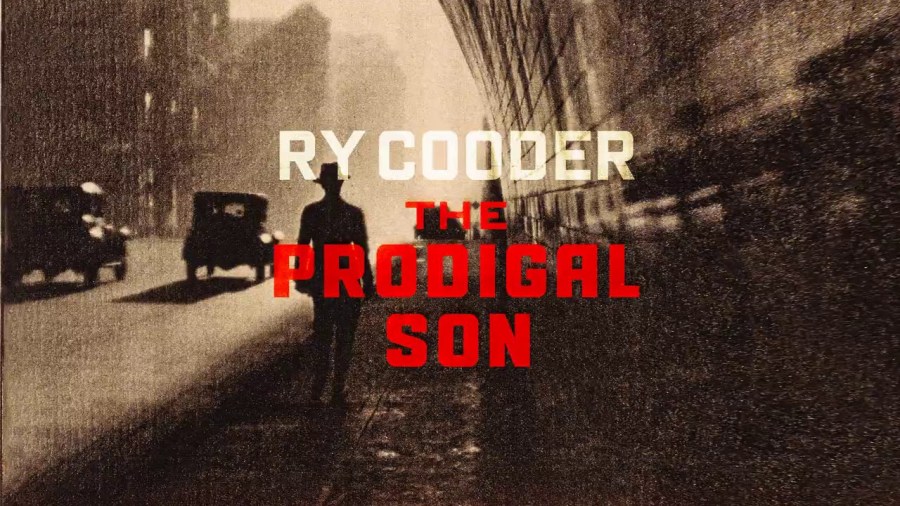
Ry Cooder, The Prodigal Son: Rick’s Quick Takes

Even allowing for occasional brushes with fame — playing with Captain Beefheart and the Rolling Stones in the 1960s, making the very first digitally recorded pop album (1979’s Bop Till You Drop), producing the worldwide smash Buena Vista Social Club — Ry Cooder has steadfastly remained below the radar over five decades.  Occasionally though, he resurfaces with his trademark blend of Americana: plenty of space in the irresistible groove; tasty instrumental interplay; rich harmony vocals carrying an idiosyncratic, pungent lyrical message.

Cooder’s first album in six years, The Prodigal Son, is a welcome return to basics.  With the exotic decorations and oddball concepts of recent albums stripped away,  Cooder plays almost all the instruments (guitar, banjo, mandolin, bass and keyboard); his son Joachim co-produces and mans the drums.  The genre focus is narrowed too, zooming in on vernacular gospel by the likes of Blind Willie Johnson, Alfred Reed, Carter Stanley and William Dawson.  As Cooder told MOJO magazine,

“Gospel is the best music to sing.  When you sing it and play it, I always felt you go to some other place physically and emotionally … Maybe age has got something to do with that.  You live through certain experiences, you keep looking for something, and maybe you’ll find it.  I think I have.”

Continue reading “Ry Cooder, The Prodigal Son: Rick’s Quick Takes”

soundstreamsunday #102: “Kiss It Off” by Little Feat

little feat2On the other side of the 70s country rock that made the Eagles fabulously famous and rich — and drove them eventually to a dark funk that produced songs like “Those Shoes” — dwells Little Feat, emerging from the Zappa/Beefheart camp of SoCal weirdness during the same period, with funky desperate darkness fully intact from the get-go.  Theirs was an American vernacular progressive rock, full of smarts and awareness, and as led by guitarist and singer Lowell George (fired as “a favor” by Zappa, who then helped him get a Warners record contract since George was a talent, no doubt), they were the rock and roll revolution from the inside, the real throwdown at the hoedown.

Continue reading “soundstreamsunday #102: “Kiss It Off” by Little Feat”