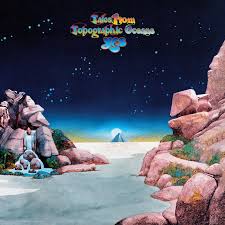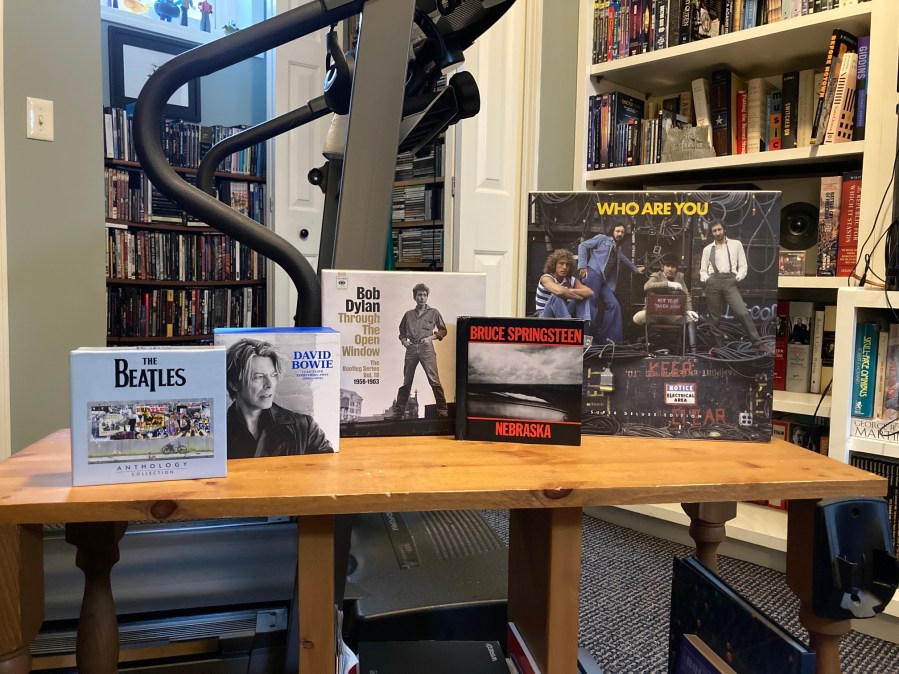
Rick’s Quick Takes for May

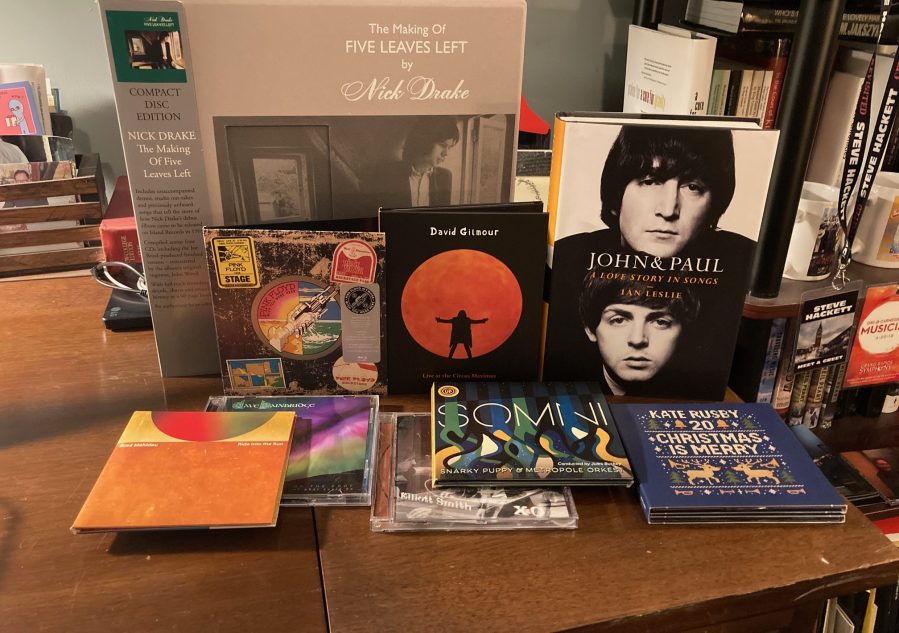
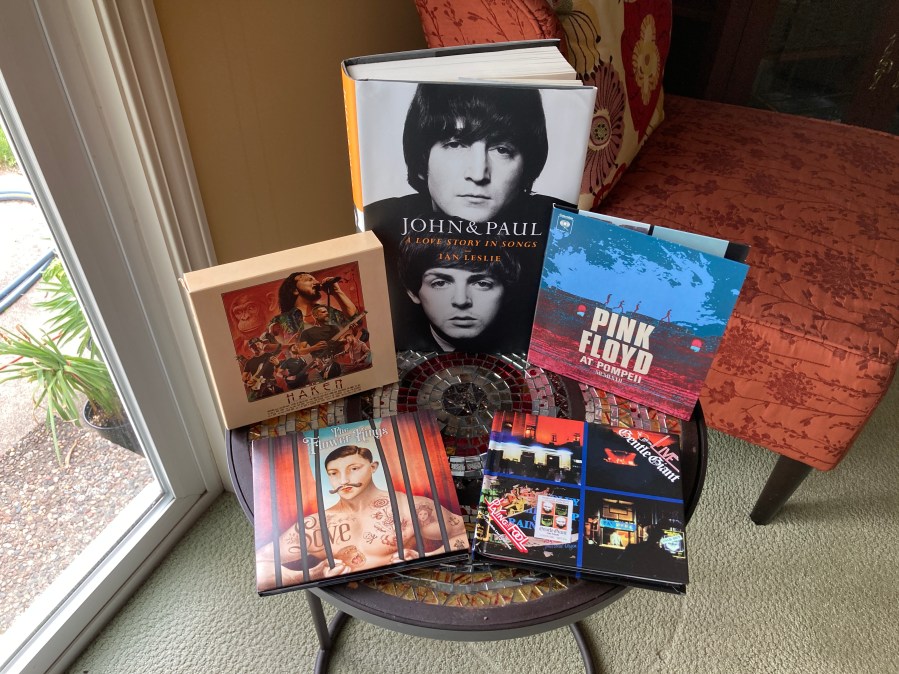
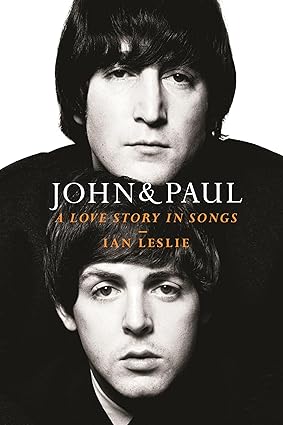
This month’s selection kicks off with something very special: John & Paul: A Love Story in Songs by Ian Leslie, the most impressive book on The Beatles I’ve encountered in ages. Pop-psychology journalist Leslie blew up the Internet in 2020 with “64 Reasons to Celebrate Paul McCartney”, but the driving passion here is his scrupulously balanced estimation of both Macca and John Lennon as men and musicians. Staying off the long and winding “John versus Paul” road so many authors take, Leslie traces the arc of an exceptionally deep male friendship between “two damaged romantics whose jagged edges happened to fit.” Which birthed an exceptional creative partnership, the fruits of which still brighten the world. His thoughtful reflections on 43 songs — grounded in copious documentary evidence, the best Beatle scholarship, accessible musical analysis and his own insight into creativity — vividly portray the forging, then the fracturing of Lennon and McCartney’s bond, from pre-Beatlemania through the Fab Four’s imperial phase and their ill-tempered breakup to Lennon’s shocking death. Tangled as their connection became in the throes of professional and personal conflict, John and Paul couldn’t help but look to each other throughout the 1970s — as competition (writing “Imagine”, John wanted the melody to be as good as Paul’s “Yesterday”), as foe or friend of the moment, as the only other person who could possibly understand. Throughout, Leslie brings to bear admiring gratitude for The Beatles’ music — George and Ringo get their props as well — along with compelling clarity on the emotions that drove that music. And in the end, his portrait of a collaboration that “even as its most competitive, was a duet, not a duel” is utterly moving, equal to chronicling what Lennon and McCartney made of their tempestuous time together and apart. Just read this.

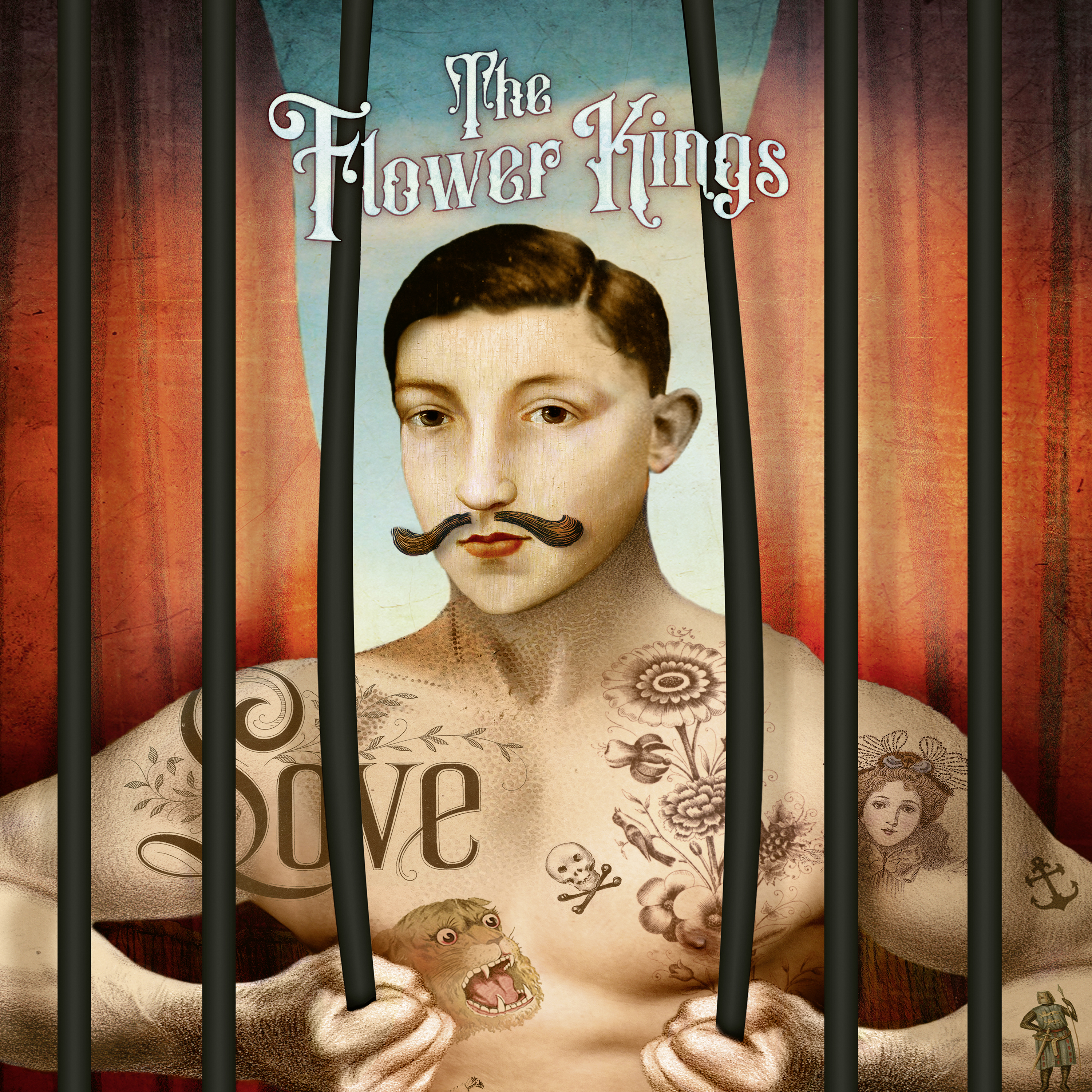
The Flower Kings, Love: A long-playing magic carpet ride, with the minutes effortlessly flying by in the capable hands of Roine Stolt and his Scandinavian comrades. Kicking off with a pair of change-ups (tough, bluesy opener “We Claim the Moon”, jazzified ballad “The Elder”), the Kings then settle into a multi-part suite that, if a bit sedate, has plenty of instrumental color and dynamic vocal shading to hold interest. But the home stretch of this album is where Stolt and company take wing, channelling their inner Yes for the acoustic lilt of “The Promise”, the orchestral build and double-time finale of “Love Is”, the grooving power ballad “Walls of Shame” and the extended closer “Considerations”. Sneakily, subtly addictive, Love is simultaneously a master class in ongoing invention and a psychedelic time travel exercise — so retro it’s actually back there, yet fresh as a daisy throughout.

Gentle Giant, Playing the Fool – The Complete Live Experience: The original 1977 release was inspired both by Gentle Giant falling victim to bootleggers and by the rush of mid-70s double concert albums (the British sextet had opened for Peter Frampton both before and after his game-changing Comes Alive set). On the edge of punk’s advent, was a mass-market breakout still possible for a prog band that promiscuously swapped guitars, saxes, recorders, violin, multi-keyboards, mallet percussion and hand drums onstage, mixing soul shouting with Baroque vocal counterpoint all the while? The Shulman brothers, Kerry Minnear, Gary Green and John Weathers give it their all here, from the ricocheting precision of “Excerpts from Octopus” to a wobbly take on “Sweet Georgia Brown” improvised when said keyboards blew up in Brussels. This brand-new reissue restores the complete live set, including three tracks off the contemporaneous “Interview” album, showcasing Gentle Giant as a jaw-dropping live act, doubtless as awesome to behold in the moment as they are to hear right now.

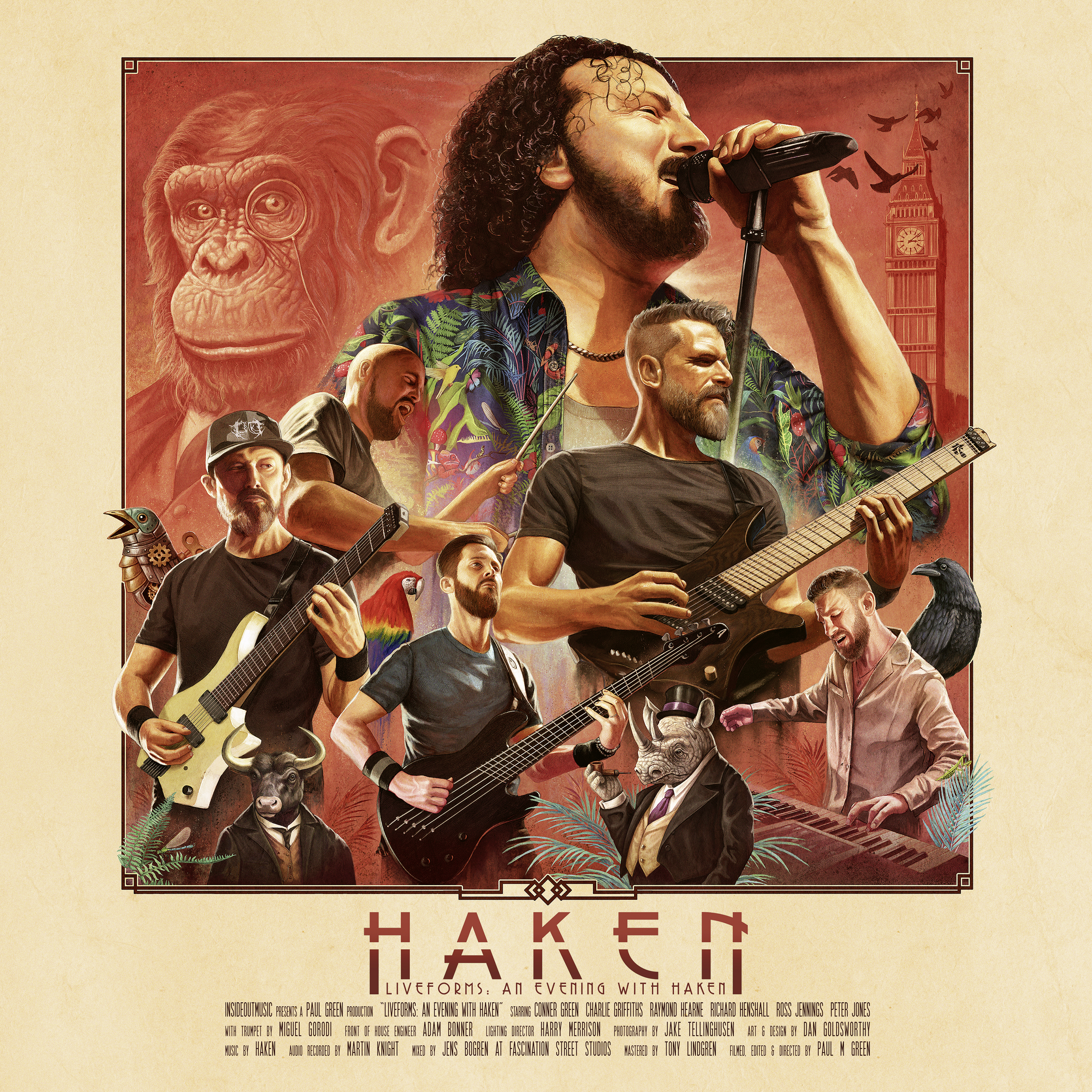
Haken, Liveforms: If Gentle Giant has a modern-day successor, it’s gotta be these guys! Captured in concert at London’s O2 Forum, Haken doesn’t constantly trade instruments, mind you — though the unrelenting interweave of Charlie Griffiths & Richard Henshall’s guitars and Connor Green’s bass (all downtuned, all with an extra string), Peter Jones’ Wakeman-meets-electronica keys and Raymond Hearne’s dizzily polyrhythmic drums evoke a similar instrumental giddiness. Mix in singer Ross Jennings’ searing, soaring leads and occasional demented-barbershop-quartet backing vox, and you have one singular, headturning sound.

A complete run-through of their latest album Fauna (featured on the vinyl version) is equal parts ballet and blitzkrieg. The BluRay/CD package adds a second set to showcase Haken’s catalog to brilliant effect, from the headlong pop-prog of “Cockroach King” and “1985” to the foundational metal epics “Crystallized” and “Visions”. Whether they’re pivoting on rhythmic and melodic dimes, diving into the heavy, or wrangling multiple genres at the same time, this band deserves a hearty “WWOOARRRRGGGHHH” from fans across the board.

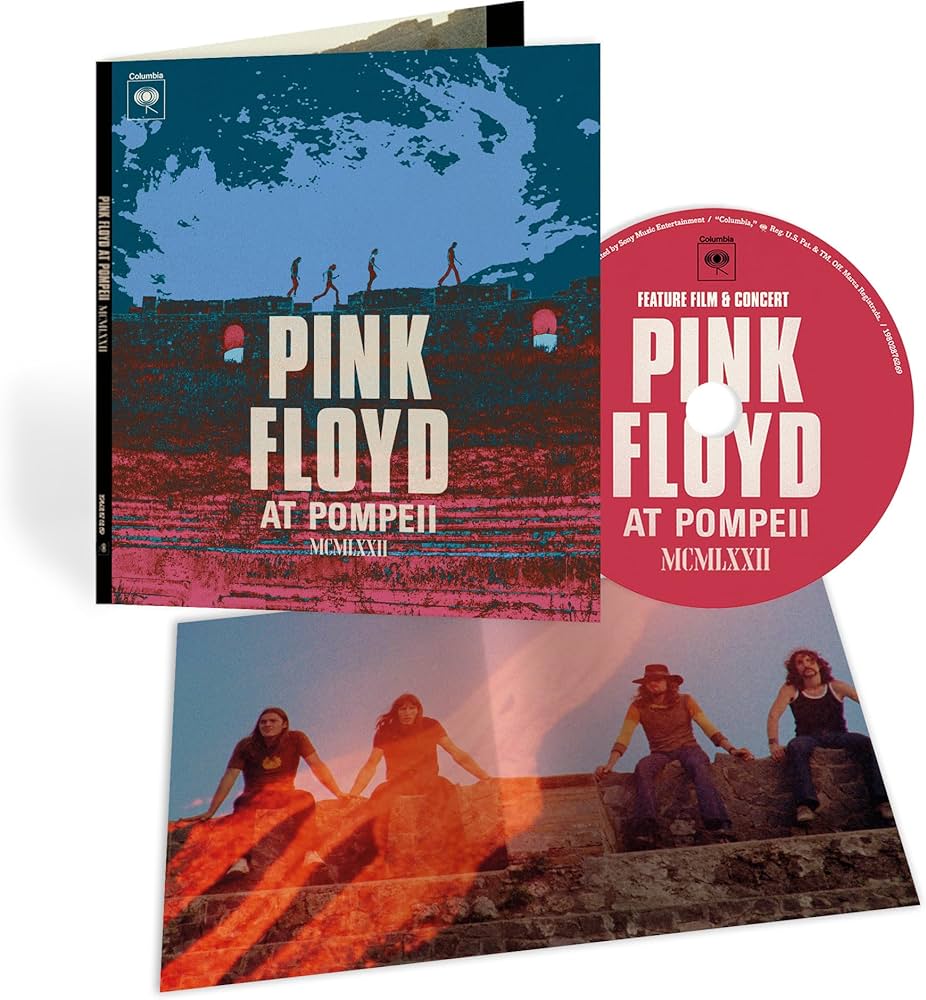
Pink Floyd, At Pompeii MCMLXXII: A pristine new version of the classic acid-trip midnight movie, complete with a typically crystal-clear, hard-hitting new sound mix from Steven Wilson. I dig the behind the scenes footage from the recording of The Dark Side of the Moon at Abbey Road — flashes of studio inspiration, David Gilmour and Nick Mason’s passive-aggressive interview snippets, revealing glimpses of the hostile, fragile band dynamic just waiting to be completely curdled by mass success. But the main course here is Roger Waters, Rick Wright, Gilmour and Mason huddled in that ancient, haunted amphitheatre, surrounded by devastated ruins and arid desert, conjuring up the spooky sonic webs of “Echoes” and “A Saucerful of Secrets”, the obsessive mantra “Set the Controls for the Heart of the Sun”, the whisper-to-scream catharsis of “Careful with That Axe, Eugene” and “One of These Days”.

Without those long years of building their lysergic, near-telepathic style to the feverishly precise pitch shown here, could the Floyd have taken the world by storm with Dark Side? Available in multiple audio and video formats, At Pompeii remains a stunning portrait of a band on the brink of an unlikely world-conquering moment.

— Rick Krueger

kruekutt’s Lightning Round Reviews!

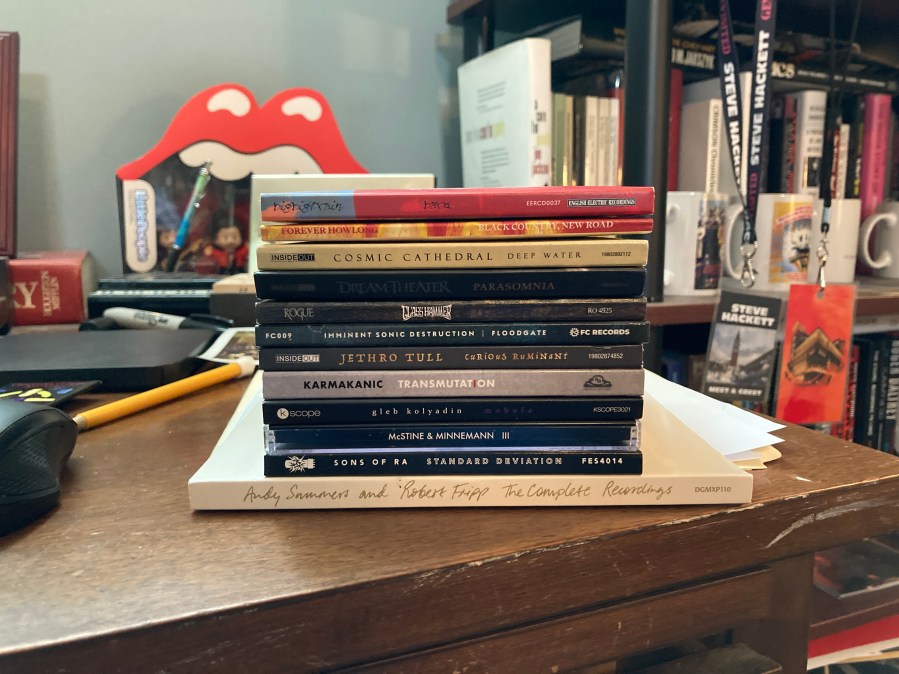
With new releases from the first third of 2025 piling up, a desperate attempt to answer the question “Can album reviews convey the essential info listeners need in haiku form?” For example, about the format used below:

Streams linked in titles;
Brief poetic impressions;
Shopping links follow.

FROM PROGGY FOUNDERS . . .

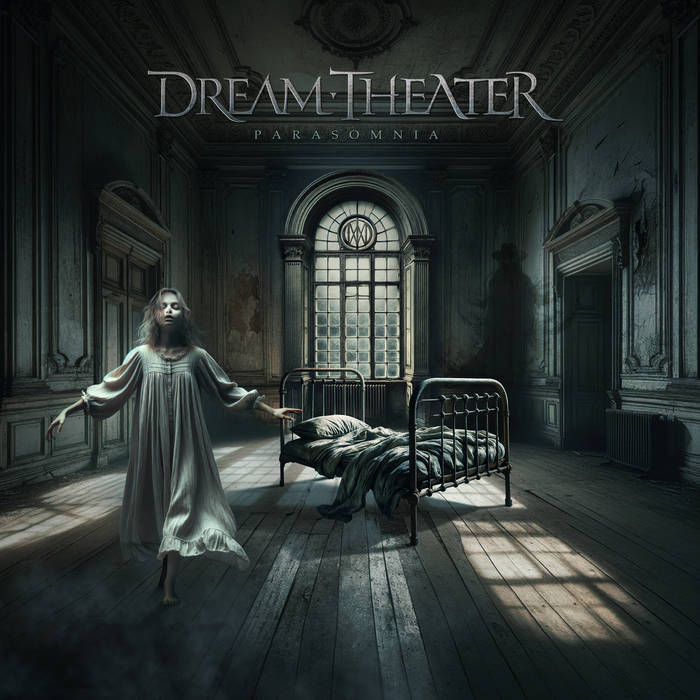
Dream Theater, Parasomnia:

Amps set to full shred;
Portnoy destroys his poor drums.
No band more metal. (Available at InsideOut)

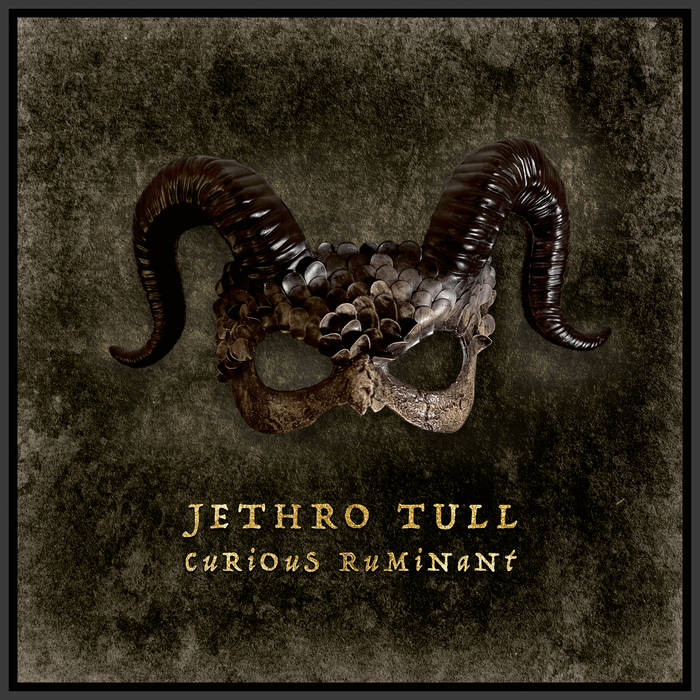
Jethro Tull, Curious Ruminant:

Sardonic legend
Wittily skewers us fools.
Elegant farewell? (Available at InsideOut)

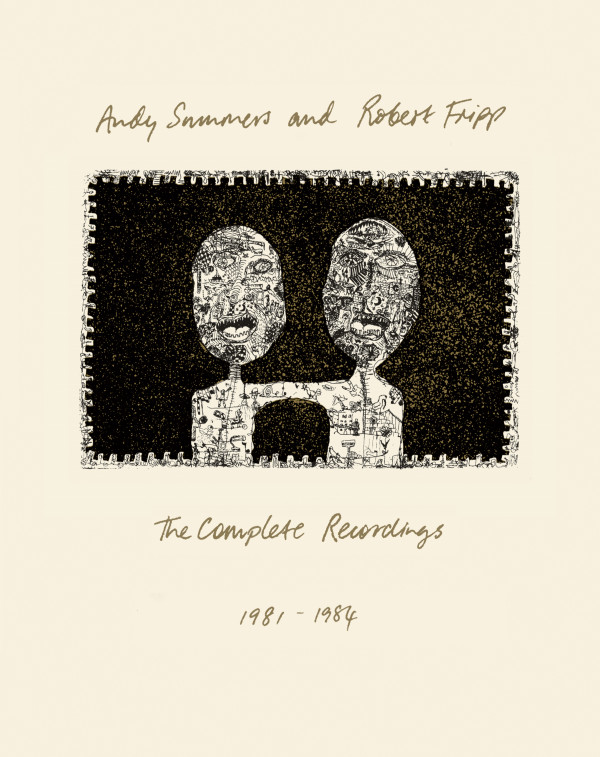
Andy Summers and Robert Fripp, The Complete Recordings 1981-1984:

Oddball guitarists
Tease out eccentric duets.
Fav’rite reissue! (Available at Burning Shed)

. . . FROM PLAYERS WHO FOLLOWED . . .

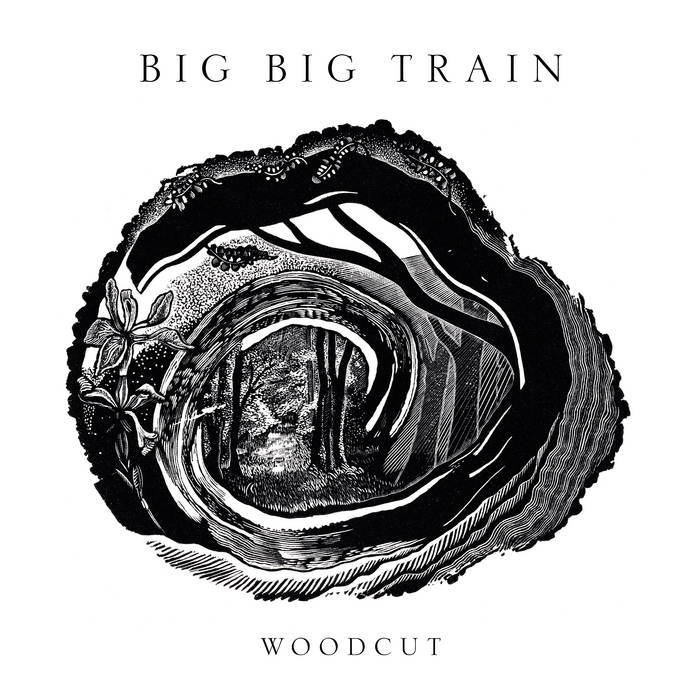
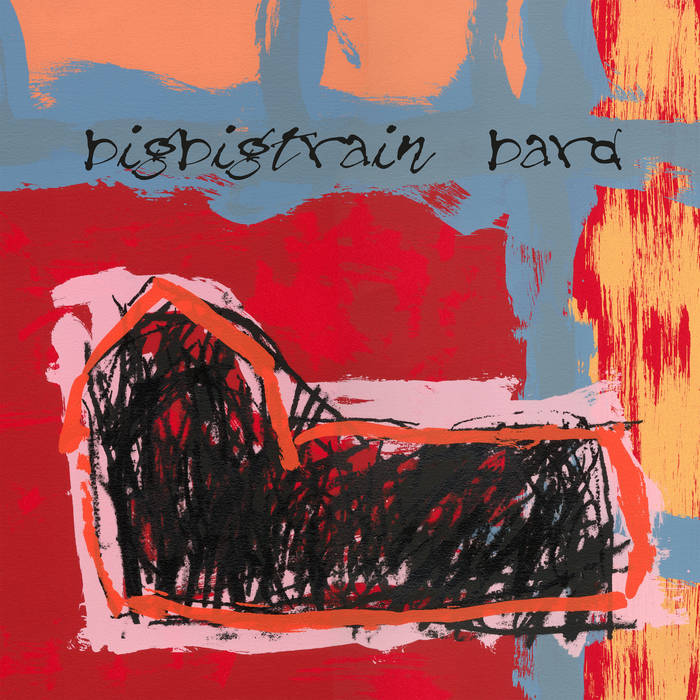
Big Big Train, Bard:

Spawton’s young heartache
Sparked this grandiose concept –
Well-wrought remaster. (CDs sold out; vinyl available at Burning Shed and The Band Wagon USA)

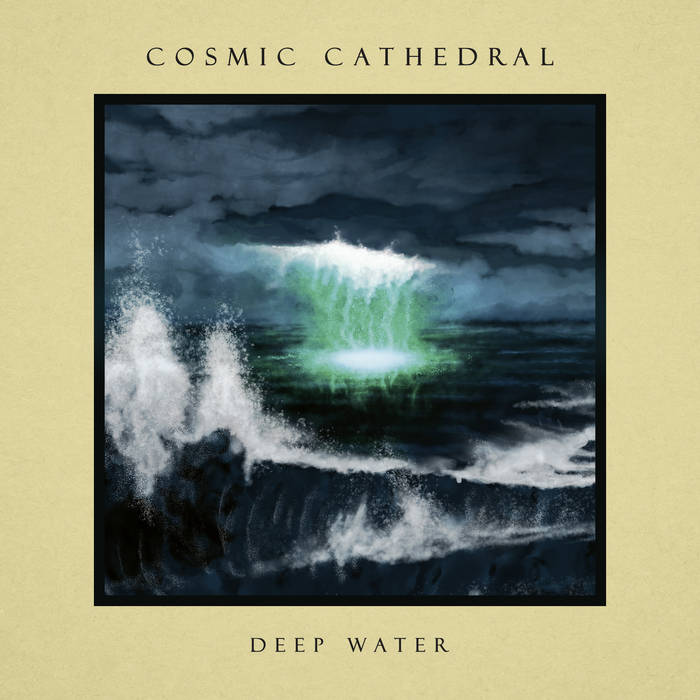
Cosmic Cathedral, Deep Water:

Thompson and House swing;
Keaggy’s guitars bite and dance;
And Morse – he cuts loose! (Available at InsideOut)

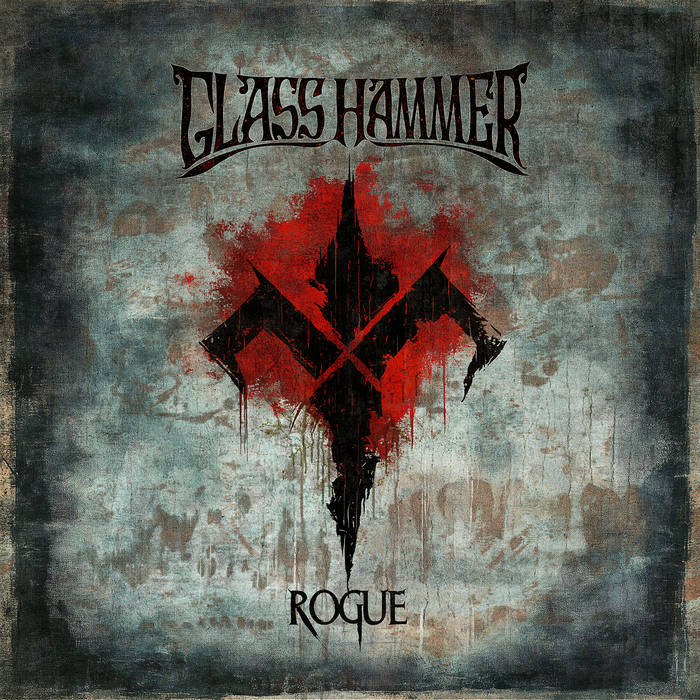
Glass Hammer, Rogue:

Life’s-end confession
Soundtracked by gripping synthpop.
Lush, welcome throwback. (Available from the artist)

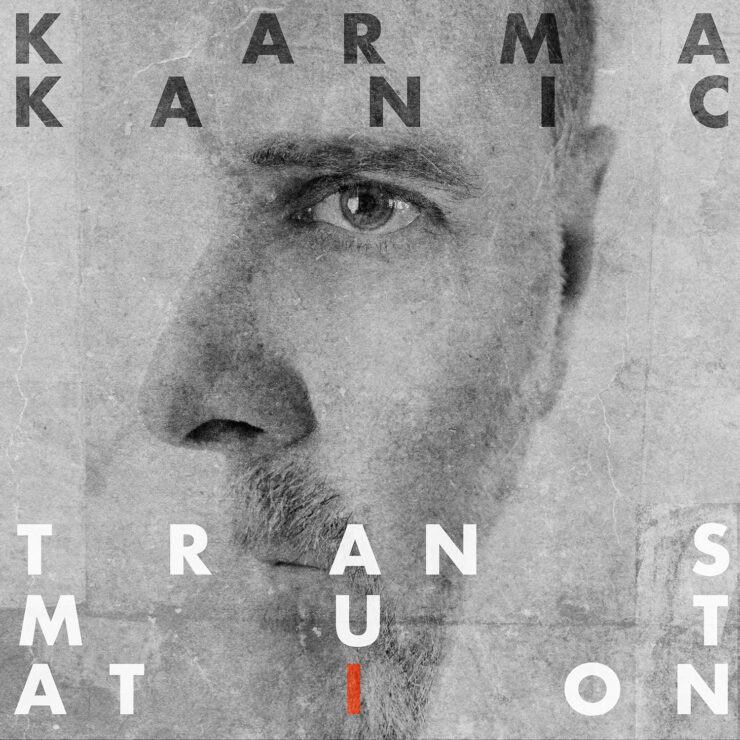
Karmakanic, Transmutation:
Stellar bassist’s new
Tunes; great John Mitchell vocals.
(Plus, there’s an epic.) (Available from Jonas Reingold)

. . . FROM FRESH HOT TALENT!

Black Country, New Road, Forever Howlong:

Year’s first new Fav’rite!
Chamber rock right in yer face!
Hey nonny nonny! (Available at Bandcamp)

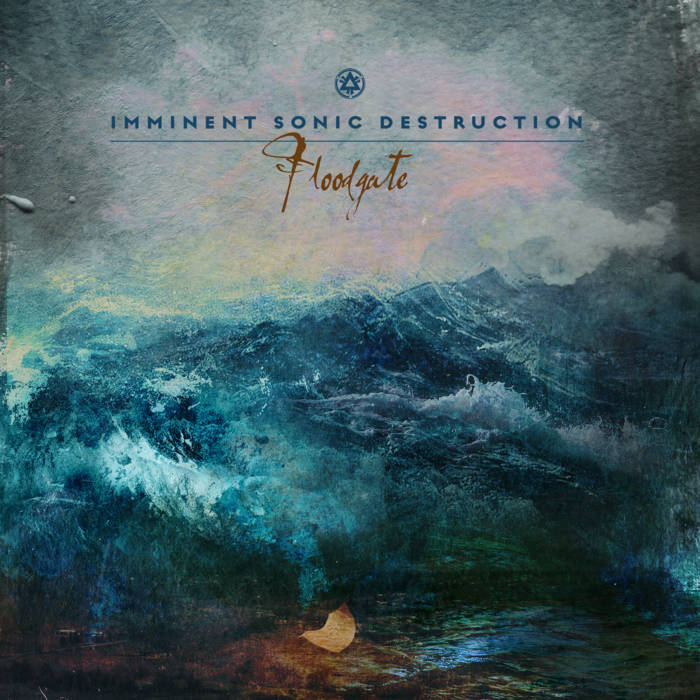
Imminent Sonic Destruction, Floodgate:

Metal from Motown?
Served with a wink and a growl.
Unlikely Fa’vrite! (Available at Bandcamp)

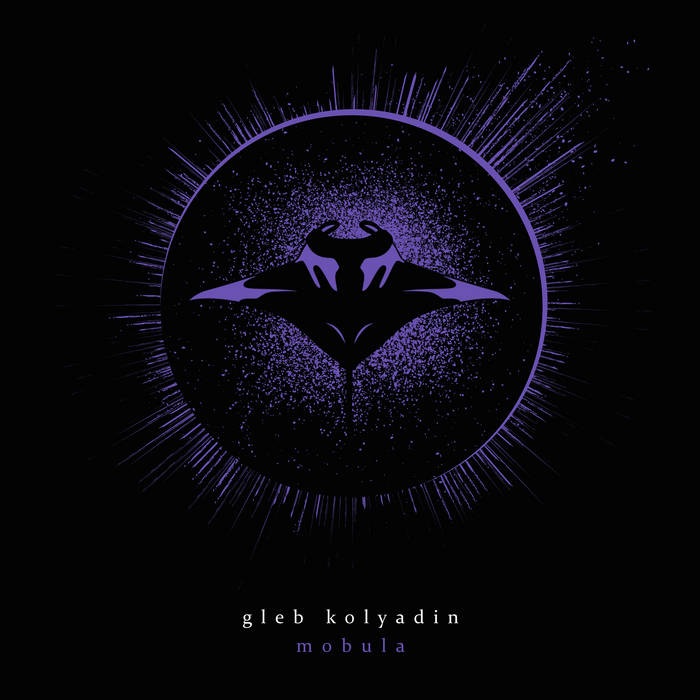
Gleb Kolyadin, Mobula

Aperitifs from
Russian post-prog pianist;
Subtle, hypnotic. (Available at Burning Shed)

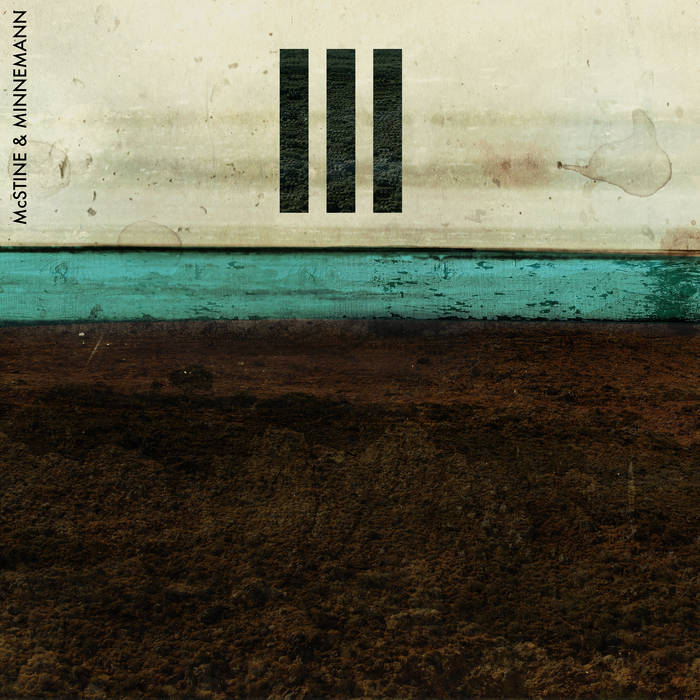
McStine & Minnemann, III

Randy and Marco –
Hooks, chops, thrash in excelsis
Their best yet rawks out. (Available at Bandcamp)

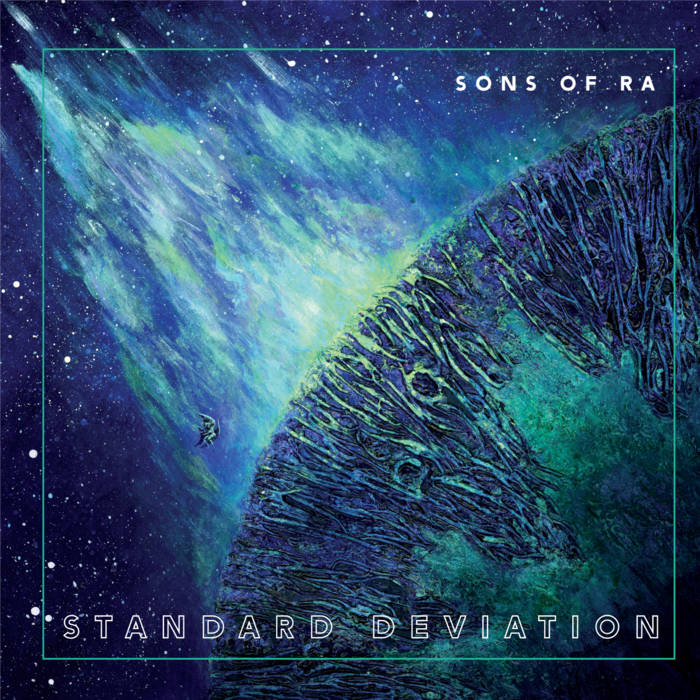
Sons of Ra, Standard Deviation:

Free jazz plus hardcore!
Late Coltrane pumped through fuzztone:
A deranged fav’rite! (Available at Bandcamp)

— Rick Krueger

Rick’s Quick Takes: Gotta Lotta Live If You Want It

With apologies to The Rolling Stones and Neil Young (and of course, Nicolette Larson) . . .

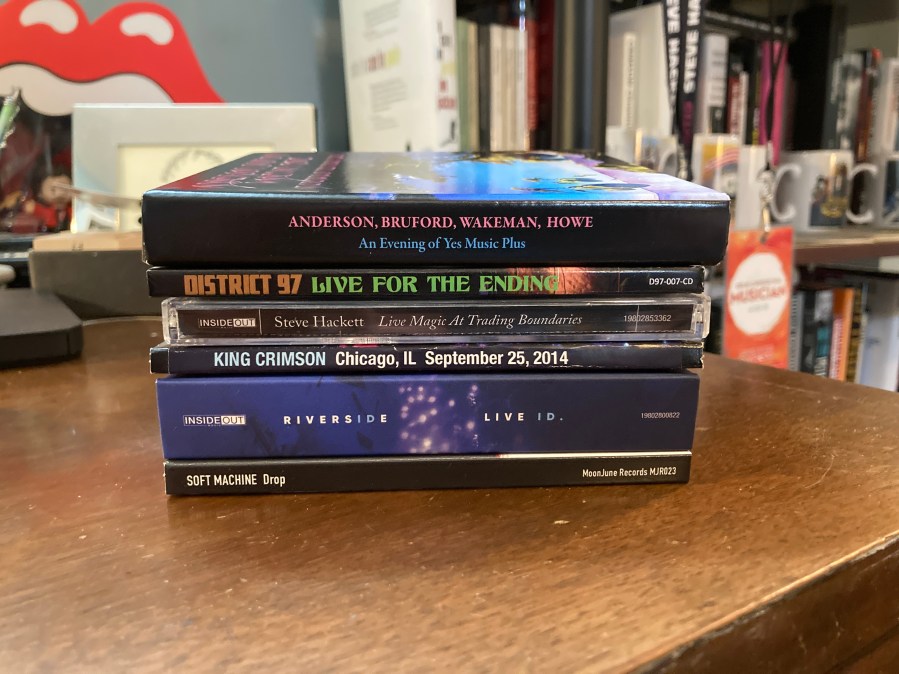
A good chunk of early 2025’s prog action has been concentrated “in the arena”: new releases and reissues of concert recordings, whether of decades-old vintage or just yesteryear, unplugged or fully electrified. Purchase and streaming links are provided below where available. (One relatively new challenge: physical media is selling out faster than ever these days; some of what’s below ran out of stock even before the official release! Bookmark the appropriate page and hope for restocks, I guess?)

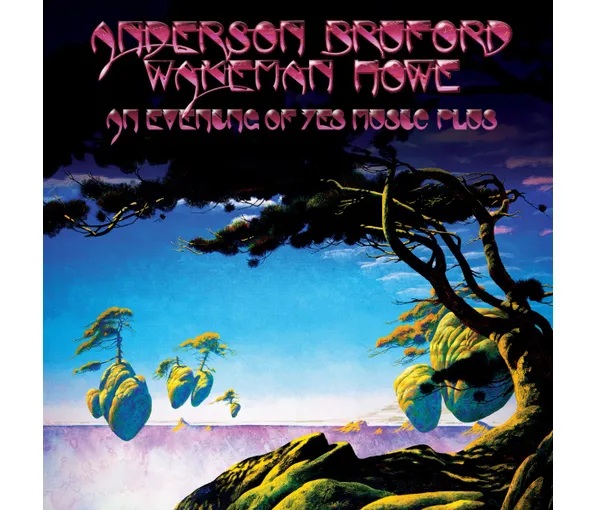
Anderson Bruford Wakeman Howe, An Evening of Yes Music Plus: One of the odder detours in Yes history, as Jon Anderson left the more commercial mothership of the 1980s and gathered 3/5th of the band’s breakthrough line-up for an album/tour cycle that proved equal parts throwback and reboot. As on ABWH’s 1989 studio album, the freshest moments of this 2 CD/2 DVD concert set occur when Howe’s plangent guitar and Wakeman’s graceful piano vault over Bruford’s syndrum clatter on new tracks “Birthright”, “Brother of Mine” and “Order of the Universe”. (Meanwhile, Anderson’s melodic volleys of New Age word salad remain consistent. Never change, Jon!) Potent, precise takes on classics like “Close to the Edge” and “Heart of the Sunrise”, along with plenty of solo space, make for an enjoyable show that proved there was life in these middle-aged dogs yet — even if Trevor Rabin and Chris Squire wouldn’t share the original group’s name. Thanks to Action Records of Preston, UK for their prompt service when preorders sold out!

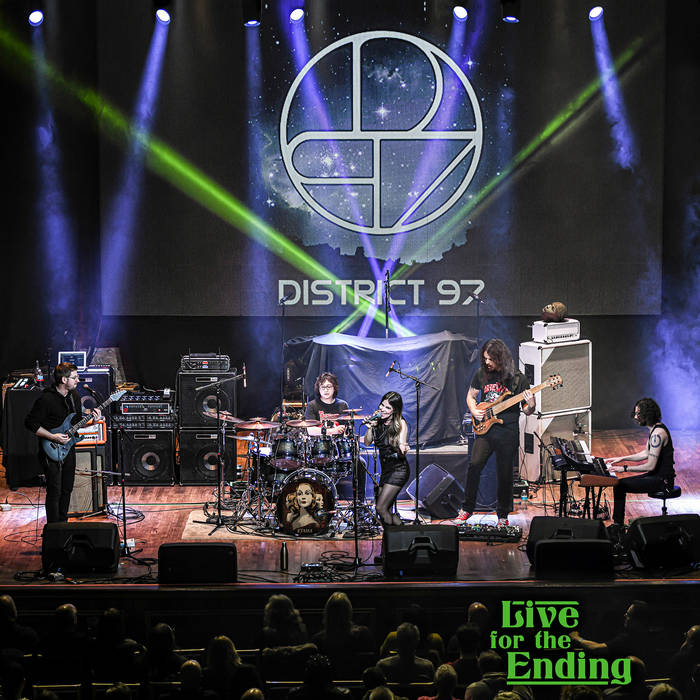
District 97, Live for the Ending: Chicago’s finest proggers play the entirety of their latest album live, at home and overseas. D97’s reading of the complete Stay for the Ending is a straight-up recital with few variations from the recording; what impresses here is the consistent commitment and energy on display. It’s evident how fiendishly difficult this stuff is, how the now-long-time lineup of Andrew Lawrence, Jim Tashjian, Tim Seisser and Jonathan Schang sink their teeth into the harmonic and melodic extremes of each track — and how consistently Leslie Hunt rises to the occasion, riding every chunky guitar/bass lick, synth blast and time-warping drum fill with her expressive, acrobatic singing. Given the constant hairpin turns and switchbacks of this music, the occasional rough edges slot right in; this is a band playing right up to the limits of their considerable skills, then going above and beyond! Longtime fans like me won’t be disappointed, and newbies will get a solid sense of how gutsy and thrilling District 97 are in concert.

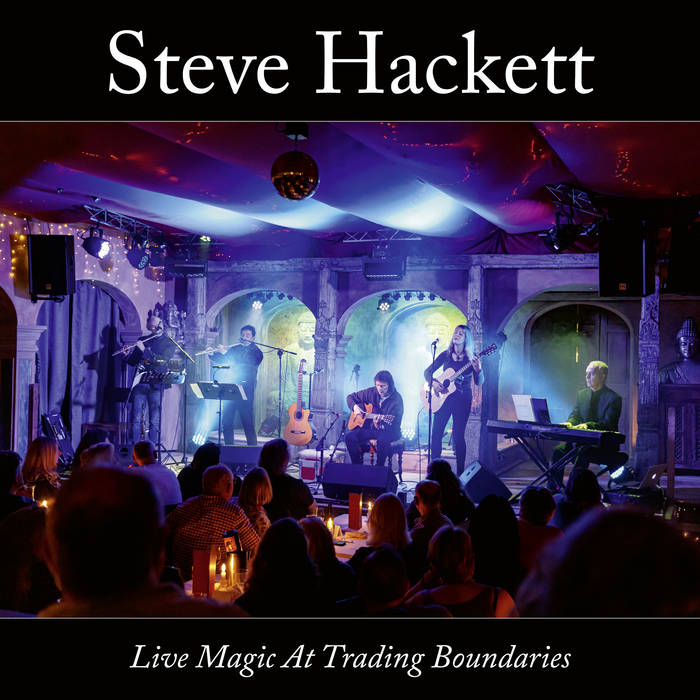
Steve Hackett, Live Magic at Trading Boundaries: The ninth live album of Hackett’s Genesis Revisited era, this unplugged set compiled from multiple year-end performances at an art gallery/performance space/boutique hotel in the British countryside, is genuine surprise and a refreshing change of pace. With Hackett focusing on nylon-string acoustic guitar, there’s plenty of old-school Genesis (the medley of an excerpt from “Supper’s Ready” and “After the Ordeal” is a masterstroke), an eclectic range of solo material (with Hackett’s brother John and Rob Townsend on woodwinds), lovely original songs from sidekick Amanda Lehmann (with Steve on harmonica!) — even a blast of digital keys from Roger King, waking everyone up with a bit of Francis Poulenc’s organ concerto! Delicate, luscious and immediately appealing , Live Magic also proves a worthwhile appetizer for recently reissued “special editions” of Hackett’s acoustic back catalog (1983’s Bay of Kings, 1988’s Momentum, 2005’s Metamorpheus and 2008’s Tribute) — which seem to be selling out even as I type . . .

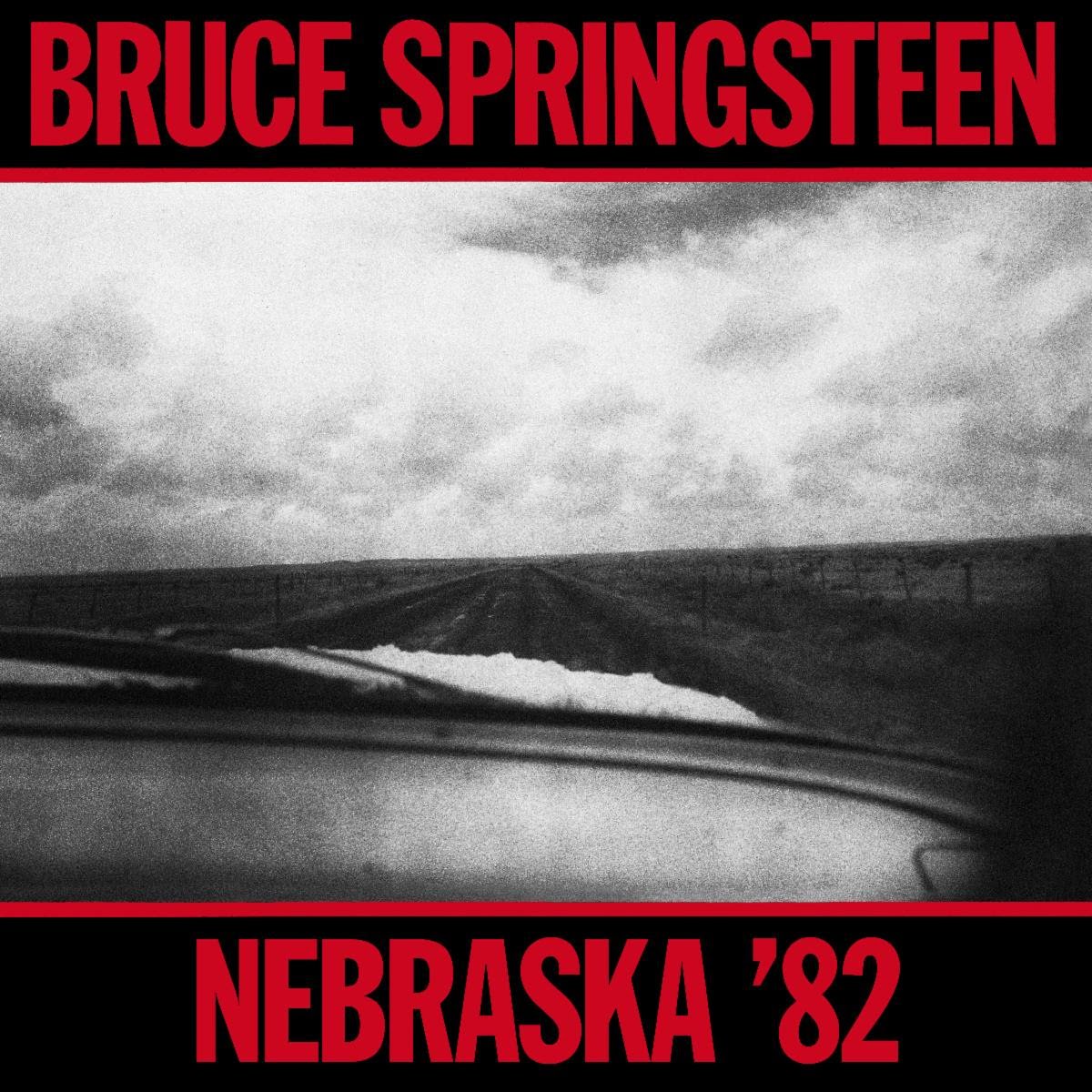
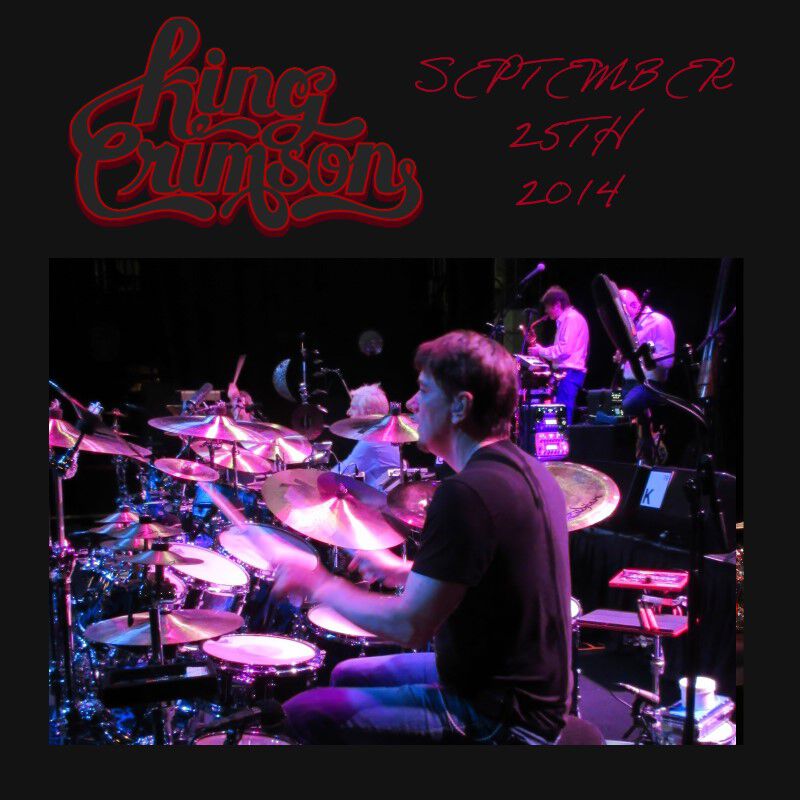
King Crimson at nugs.net: Partnering with the premiere online concert specialists (whose clientele range from superstars Bruce Springsteen and Jack White to up-and-coming jammers Billy Strings and Goose), Robert Fripp’s Discipline Global Mobile has already made 44 Crimson shows (26 from 1996’s Double Trio outings, 18 from the 2014 Elements of KC tour) available for streaming with paid subscription, or for purchase as downloads or CDs. I picked up the CD of the night I attended the 2014 tour in Chicago (September 25th at the Vic Theater); after six years away from the concert stage, this edition of The Mighty Crim blew away the audience with its triple-drummer frontline, Mel Collins’ visceral attack on multiple saxes, Jakko Jakszyk’s mellifluous vocals, and a wide-ranging setlist stretching from 1969 psychedelia to the wide-open soundscapes of 2011’s A Scarcity of Miracles. With more tour bundles from across the decades promised for the future, nugs.net now seems the go-to source for archival Crimson concertizing. Bring on the 2019 and 2021 tours, please!

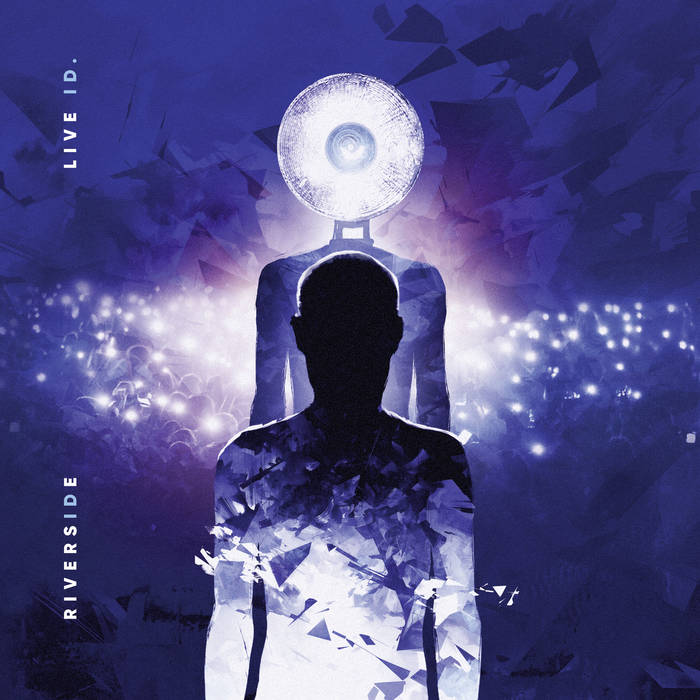
Riverside, Live.ID: The Polish quartet comes out smoking hot for the final gig of their 2023 ID.Entity tour on this 2 CD/BluRay set. Michal Lapaj’s ebullient keyboards grab hold with sizzling synth and organ hooks; Maciej Miller’s gruff power chords and earthy leads anchor the driving hard-rock sound; Piotr Dozieradzki’s pounding drums push the music forward. And at center stage, Mariusz Duda holds down one busy bass groove after another, all the while launching compelling, dystopian narratives of isolation in an overconnected age. With a setlist split evenly between their last album and their back catalog, these guys prove looser, yet more ferocious than on their fine studio albums, never letting up on the intensity. And the audience respond in kind, matching Duda’s request for them to be “the fifth member of Riverside” with enthusiasm to spare. More than a concert, this feels like an event — a great intro for neophytes, a rewarding summary of Riverside’s career to date for longtime fans. (Note that the CD/BluRay version is already hard to find!)

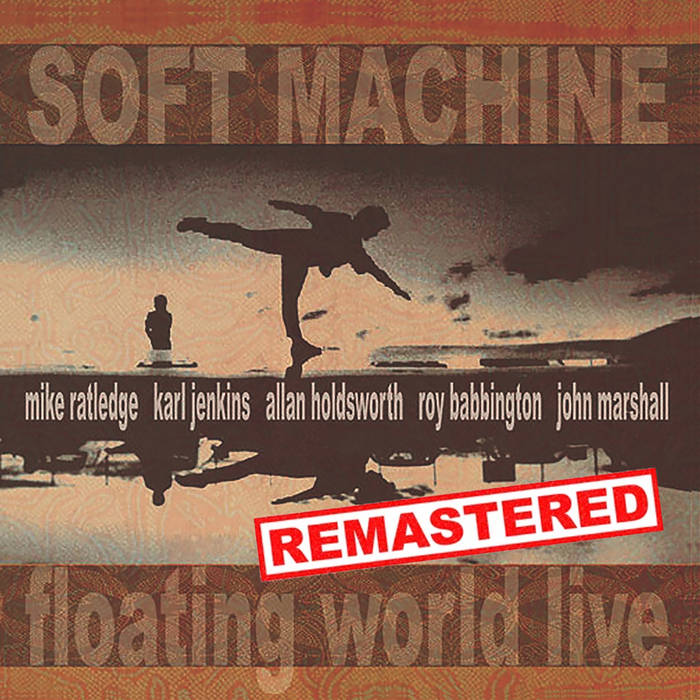
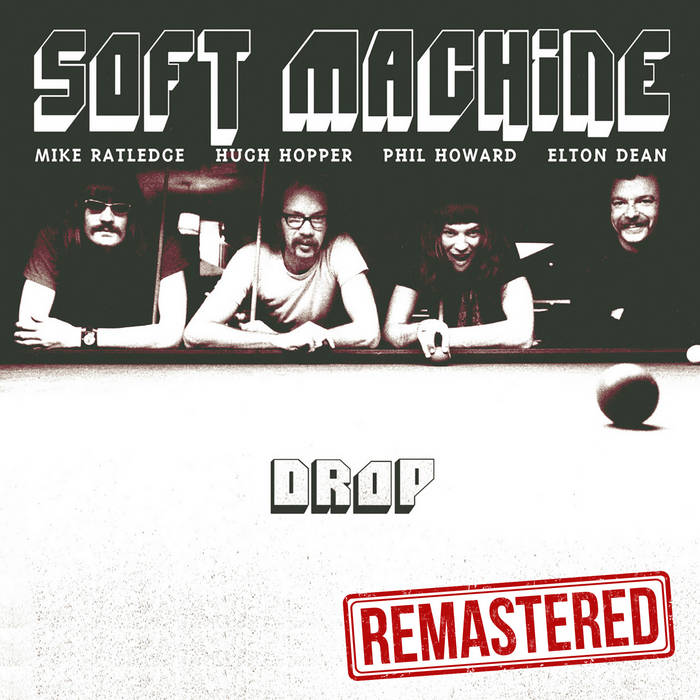
Soft Machine, Drop & Floating World: Only four years separate these two sets from the pioneering British jazz-rockers, freshly remastered by guitarist Mark Wingfield — but what a difference those years make! Recorded live on a 1971 German tour, Drop unveiled a quartet speeding headlong for the outer limits of music itself; riding cascading waves of Phil Howard’s manic, loose-limbed drumming, saxophonist Elton Dean screams and howls into the ether, while bassist Hugh Hopper and keyboardist Mike Ratledge hang on for dear life. It’s a breathtaking whirlwind of sound, shaped more by free rhythm than discernible melody — exhilarating, but not for the squeamish.

By 1975, Dean, Hopper and Howard were out; in their place, Karl Jenkins (later to earn a knighthood for his classical crossover project Adiemus), Roy Babbington and John Marshall were laying down a more fusion-oriented, arguably more sedate vibe. Enter fledgling guitar hero Allan Holdsworth to fire things up on another German tour; his lightning-quick runs and ear-catching chord work energize Floating World Live, inspiring his bandmates to fresh heights of invention and interplay on pieces from the first-rate studio effort Bundles. Awash with echoes of Mahavishnu Orchestra and Return to Forever filtered through a genial, sardonic English sensibility, this is required listening for fans of the genre and Holdsworth heads. (A manufacturing error has held up the release of the Floating World Live CD, but MoonJune Records mainman Leonardo Pavkovic is on the case!)

— Rick Krueger

Rick’s Quick Takes: “Clean-up on Aisle ’24!”

File under “unfinished business”, I guess. Below, albums from last year I hadn’t gotten around to reviewing, or hadn’t heard yet, or didn’t even know existed until I stumbled across them. (That last category, by the way, turned up a couple of real winners!) Purchase links are included in each artist/title listing; streaming options follow each review.

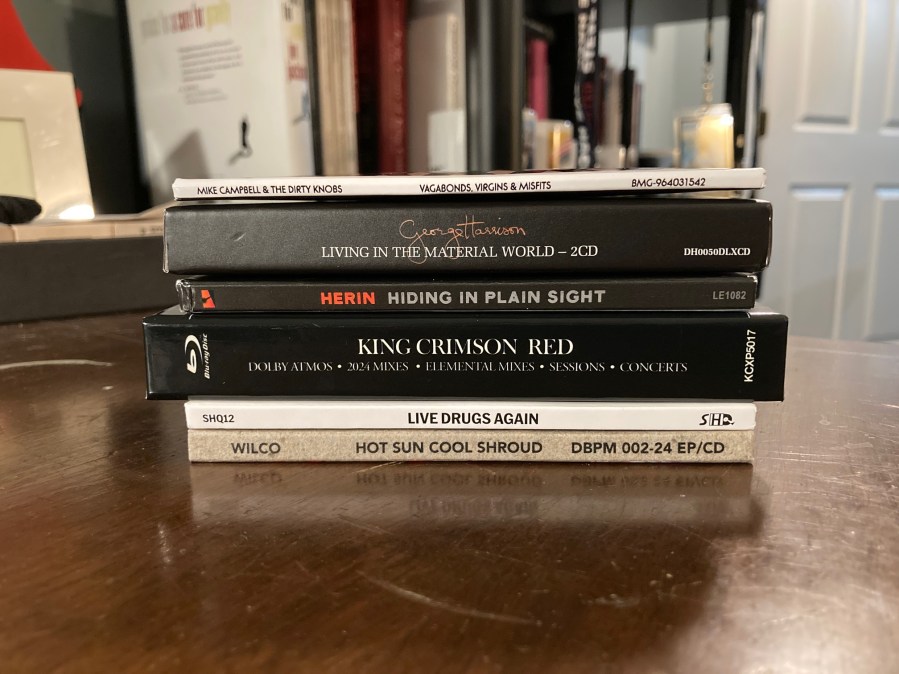
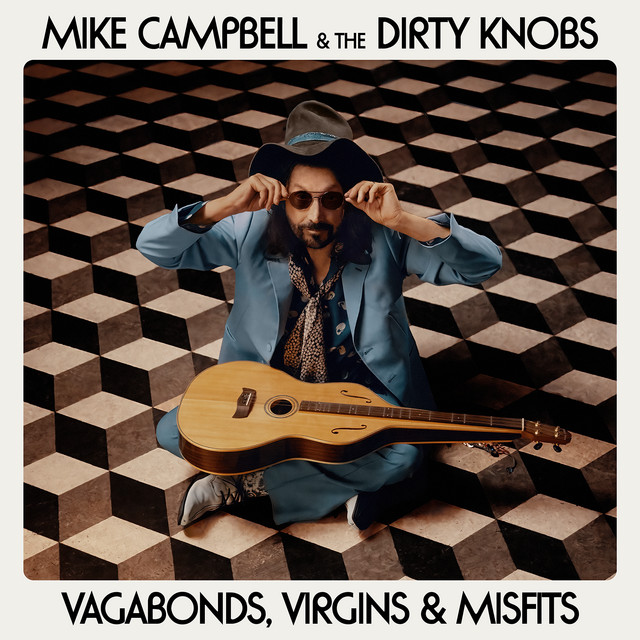
Mike Campbell and The Dirty Knobs, Vagabonds, Virgins & Misfits: On their third album as a band, the late Tom Petty’s right-hand man Campbell and compadres hit the motherlode. It takes a few tracks for the Dirty Knobs to loosen up, but once the desperate slowburn “Hands Are Tied” achieves rave-up velocity, it’s all gold — Byrdsy stomp “Shake These Bones”, harrowing border narrative “An Innocent Man”, honky-tonk single “Don’t Wait Up” (with country-soul heavyweight/summer tour partner Chris Stapleton kicking in a verse) and trashy addiction kiss-off “My Old Friends” are just the highlights! Guest stars galore, including former Heartbreakers, prove worthy foils for Campbell’s tales of big trouble and occasional triumph, spun out by his sinewy baritone and tasty, twangy guitar. If you’re looking for an album that puts the classic back in classic rock, look no further! I’m calling this a Delayed Favorite.

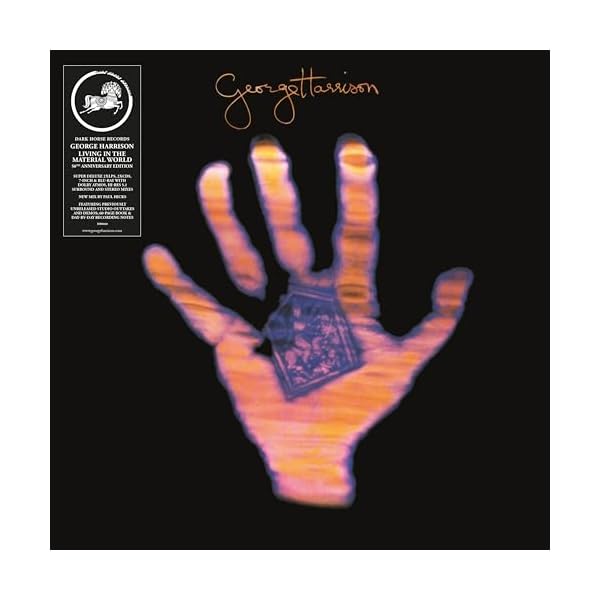
George Harrison, Living in the Material World (50th Anniversary Edition): While Harrison’s 1973 sophomore solo effort did chart-topping business and garnered positive reviews back in the day, it never quite lodged in public consciousness like his monumental debut All Things Must Pass. Songs that ricocheted between rapt religious devotion (“Give Me Love”, “Don’t Let Me Wait Too Long”), pressurized street-corner sermons (the title track, “The Lord Loves the One”) and sour reflections on post-Fab Four wrangling (“Sue Me, Sue You Blues”, “Try Some, Buy Some”) had a part in this, along with muddy production obscuring inspired, rootsy playing by George, Gary Wright & Nicky Hopkins on keyboards, and – rock solid as ever – Ringo as primary drummer. Paul Hicks’ fresh mix opens up things considerably: George’s breathy vocals are now more passionate than harsh, his acoustic playing shimmers, his slide work bites hard and sweet, and the band chugs along in high style. Now much more approachable, this vivid new version is well worth hearing (available in single, double and super-deluxe configurations).

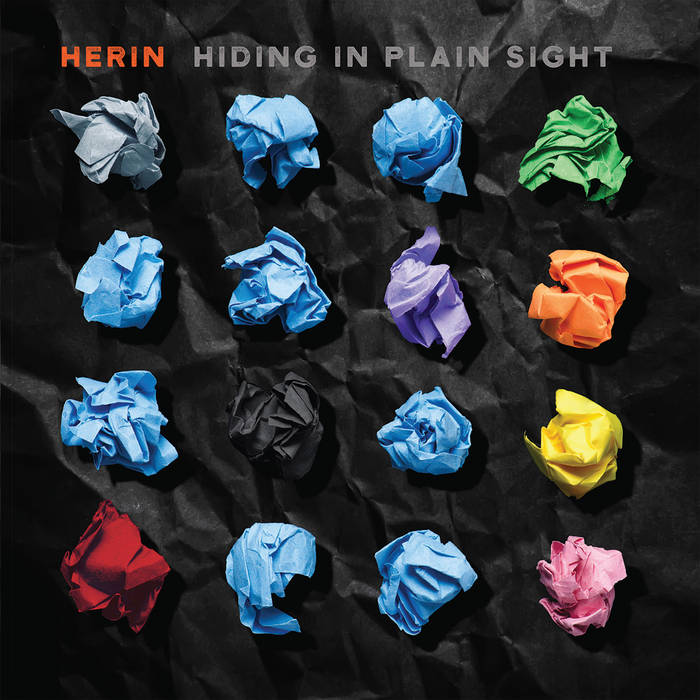
Herin, Hiding in Plain Sight: Detroit guitarist/songwriter Chris Herin is best known as the mainspring of hard-proggers Tiles (rooted in the music of Rush, with producer Terry Brown and artist Hugh Syme frequently on hand to play up the similarities) for 25 years. Here he goes solo with a deeply personal concept record, chronicling his beloved father’s 10-year struggle with Alzheimer’s disease. Grounding the music in accessible yet expansive AOR, Herin constantly shifts lyrical perspective — now observing dementia’s progress from the outside, now imagining how it played out inside his dad’s head. With Herin’s unswerving rhythm guitar at the center, an starry cast of players and vocalists bring his song cycle to life: highlights include subtle guitar textures from Jethro Tull’s Martin Barre (“The Darkest Hour”) and Alex Lifeson (“Second Ending”), a searing lead playout by Peter Frampton (“The Heart of You”), heart-piercing vocal turns from Porcupine Tree/Steven Wilson sideman Randy McStine (especially “Secret Adversary”) and a trio of dramatic soliloquies by Discipline’s Matthew Parmenter set to chamber music backdrops. Somber yet uplifting in its evocation of loss, pain and undying love, this is a special album.

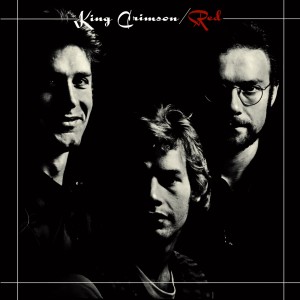
King Crimson, Red (50th Anniversary Edition): Limping home from the endless highways of America in 1974, Robert Fripp had had it with everything about King Crimson — even the unbeatable rhythm section of John Wetton (who wanted to go for mass appeal a la Dark Side of the Moon) and Bill Bruford (who wanted to hit as many things as possible loud, hard and often). Recorded in a last gasp before Fripp declared the band finished forever (oops), Red somehow gave all three players, plus guests from throughout Crimson’s first run, a unparalleled chance to shine. The uber-heavy title track, the wistful elegy “Fallen Angel”, the stinging clatter of “One More Red Nightmare” unleashed a power trio equally apt at dark romanticism and modernist brutality. And then there was “Starless” – a 13-minute swansong kicked off by Wetton’s most funereal vocal, collapsing in on itself, mounting to peak tension as Bruford slowly rebuilt the beat over a bass/guitar duel worthy of a Shostakovich string quartet, finally exploding into a double-time frenzy of wailing saxes and Fripp’s frantic, fuzzed-up speed-strums. This new 2 CD/2 BluRay version includes multiple fresh and original mixes, six complete concerts from the era, and all the surviving session reels. Overkill at its finest, capturing one of prog’s most ambitious bands going over the top just before Fripp called retreat and abandoned the genre label for good. (As mentioned last month, a Favorite for 45 years.)

The War On Drugs, Live Drugs Again: A second sampling of Adam Granduciel and his live septet making super-sized music to wallow in. Leaning heavily on 2021’s first-rate I Don’t Live Here Anymore, the WoD set one towering, hypnotic groove after another in motion; meanwhile Granduciel’s vocals skip atop the glistering surfaces, burrow between the chiming, interweaving riffs, howl burning desires above his choruses’ climactic maelstroms (pushed even farther by chewy, white-hot guitar tags). Part of the fun for rock history buffs like me is the kaleidoscope of callbacks that flit by, then fade into the aural soup: a Who-like synth cycle, high-impact four-on-the-floor drumming, distortion ramped up to touch the sublime, vocal yelps that channel Dylan, Springsteen, Bono. But the elation, the emotional release of these performances prove Granduciel and The War on Drugs are more than the sum of their wide-eyed, eclectic influences; this album is the closest thing to Elton John’s “solid walls of sound” that I’ve encountered in a long time. (Note that the CD version includes two extra tracks.)

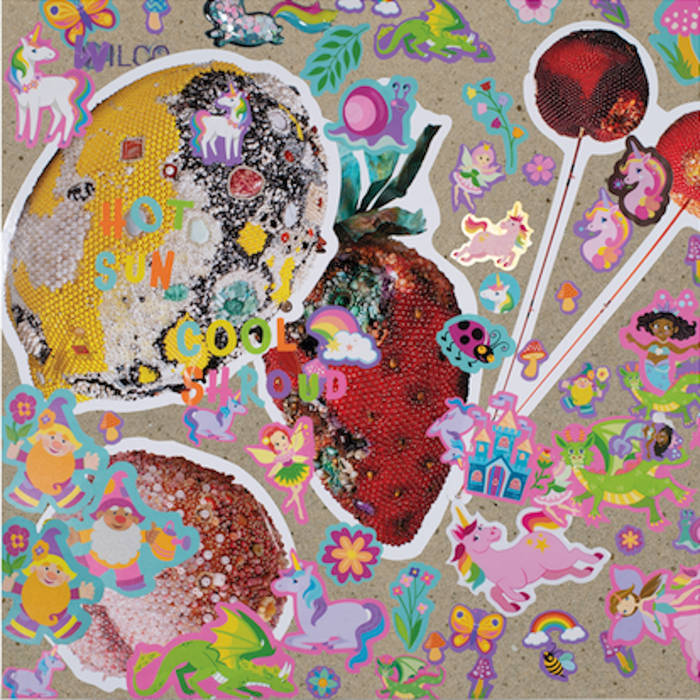
Wilco, Hot Sun Cool Shroud: A EP I missed from the Kings of Indie Dad-Rock, with the impact of an album twice its length; Jeff Tweedy and his long-time partners in chaos hit quick and dirty on six short, sharp tracks. Opener “Hot Sun” is driving yet ambiguous thrash underpinned with regally queasy synth/string pads; “Ice Cream” is a loose soul ballad with distant angel choirs and percussive rumbles; “Annihilation” goes from mumbly to lucid to arrhythmic, while closer “Say You Love Me” is a trademark Wilco eulogy, harnessing stately Beatleisms to preach connection and community. Stir in two instrumentals (the jabbering “Livid” and the bitonal acoustic gallop “Inside the Bell Bones”) and you have another Delayed Favorite. (One, I might add, very reminiscent of the band’s 2004 tour de force A Ghost Is Born, which is reissued in multiple deluxe formats next month.)

— Rick Krueger
2024 In Review: kruekutt’s Final Favorites!

No big hoo-hah this year: just a down and dirty list of my favorite releases and reissues of the year, covered in previous Quick Takes or elsewhere on the Web (links are to my original articles)!

New Releases

Reissues

(Re)Discoveries

Thanks for your ongoing attention and steadfast support. We at the Rockin’ Republic of Prog appreciate it! Best wishes as we all turn the corner and head into the New Year!

— Rick Krueger
Rick’s Quick Takes: Across the Great Divide

This month’s connecting thread: grizzled veterans connect with high-powered talent from younger generations; the chemistry fizzes, fuses and pops — and some excellent new music is the result! (Of course, there’s an outlier or two in this month’s stack as well.) Let’s get down to it, shall we? Purchase links are embedded in the artist/title listing, with album streams or samples following the review.

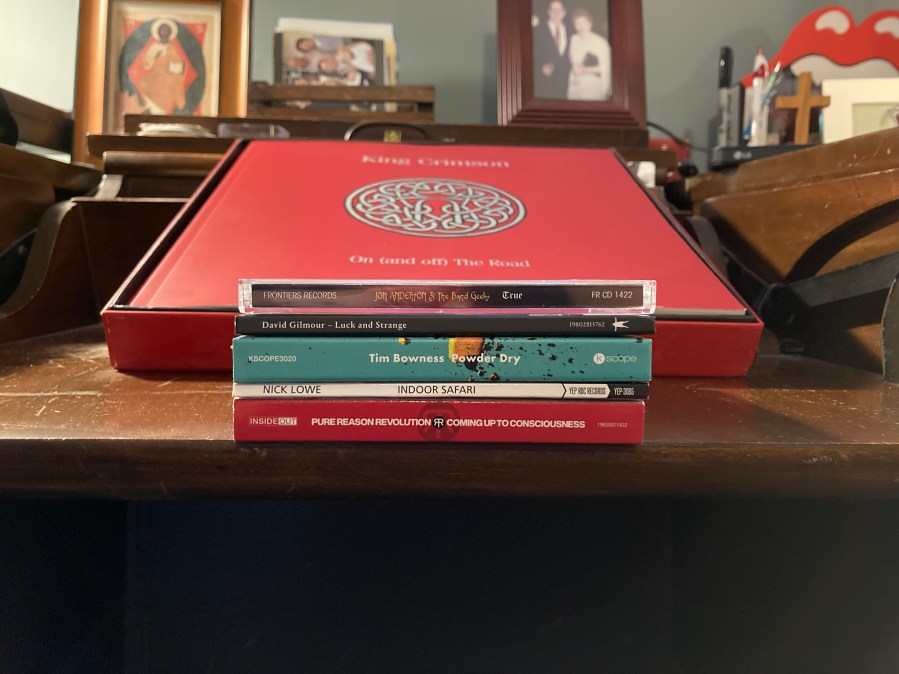
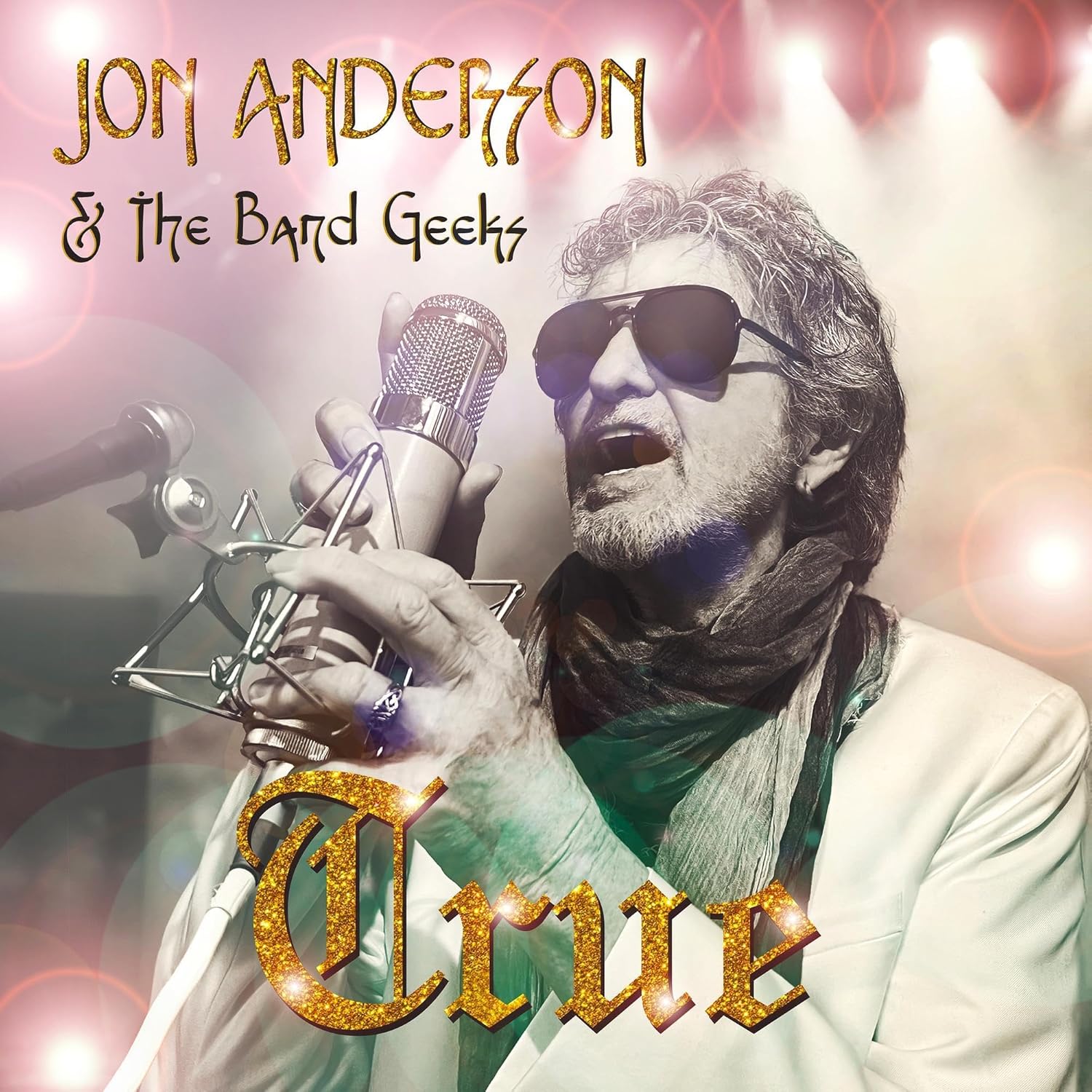
Jon Anderson and The Band Geeks, True: Anderson (going on 80, and as seemingly immortal as Keith Richards) has consistently worked with little-known yet impeccable virtuosos since his abrupt exit from Yes; watching him front a high-impact big band from the 10th row in 2019 was a thrilling experience. Now, teaming with a quintet of killer players half his age, he delivers the album fans have desired for decades. Sure, there are times when The Band Geeks (bassist Richie Castellano, guitarist Andy Graziano, keyboardists Christopher Clark and Robert Kipp and drummer Andy Ascolese) seem a little too eager to ape their counterparts in the classic Yes lineup, but overall they lean into epics like “Counties and Countries” or “Once Upon a Dream” and shorter romps like “True Messenger”, “Shine On” and “Still a Friend” with full commitment, fresh creativity and chops galore. Then there’s Anderson, still soaring into sub-orbit with that unmistakable voice, still preaching peace, love and understanding with his trademark New Age word salads. (Is there no way this man could run for U.S. President? At this point, he’d get my vote.) At first, I thought Time Lord’s full review was a bit over the top — but repeated hearings are bringing me around. Most hardcore Yes-heads will flip over this, and casual listeners will find plenty to lure them in.

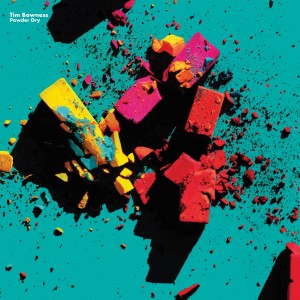
Tim Bowness, Powder Dry: the exception to this month’s rule, Bowness’ first-ever “solo solo project” hits the speakers like a cold slap in the face. Instead of the languorous widescreen ruminations of previous albums, we get brusque, sparse song sketches (rarely more than 3 minutes); a disorienting mix of natural tones, machine rhythms, bracing industrial grit and gnarled lo-fi samples yields shocks, disturbances and wake-up calls aplenty across these 16 tracks. Well practiced in the dark arts of ineffable yearning and melancholy, here Bowness hones and refines his lyrics to bare-knuckled, highly charged haikus, whether staring down decadent cultures (opener “Rock Hudson”), devolving psyches (“This Way Now”, the title track), disintegrating connections (“Heartbreak Notes”) or the unholy conjunction of all three (“Summer Turned”, “Built to Last”). With his stoic vocals bearing the brunt of this emotional tangle, Bowness’ voice plumbs fresh depths, flickering in desperate hope one moment, driven to sublimated fury and fear the next. If you’re already a Bowness fan, stow your expectations — but whether he’s familiar or brand new to you, don’t hesitate to strap in for a compelling, cathartic ride.

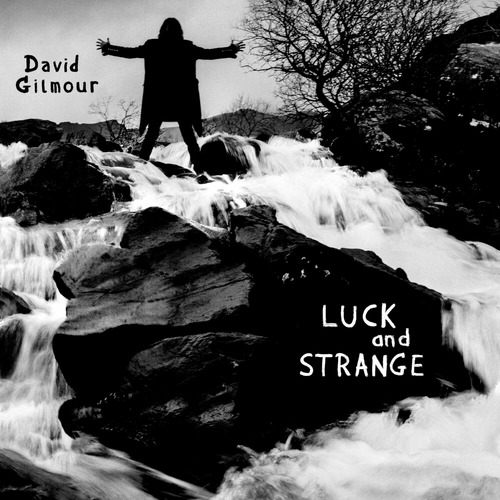
David Gilmour, Luck and Strange: another prog legend who can sound like nobody but himself cranks up one more time. But the canvass Gilmour paints on here accents different tones and tints, with youthful co-producer Charlie Andrew shaking up instrumental backgrounds and song formats to good effect. There’s a sense of lightness, air and space this time around, a less obviously Floydian palette that both complements and contrasts with Gilmour’s craggy singing and singular take on blues guitar. Polly Samson’s lyrics level up as well, tackling well-worn topics (nostalgia on “Luck and Strange”, spirituality on “A Single Spark”, love as refuge on “Dark and Velvet Nights” and “Sings”) from newly contemplative angles, sounding absolutely right coming out of Gilmour’s mouth. (Oh, and daughter Romany Gilmour totally enthralls in her vocal turn on The Montgolfier Brothers’ “Between Two Points”.) By the time Gilmour hearkens back to which one’s Pink, firing off a final round of Stratocaster fireworks on orchestral closer “Scattered”, he’s taken us on the most varied – and I’d argue, most sheerly enjoyable – ride of his solo career; this one’s already a 2024 Favorite.

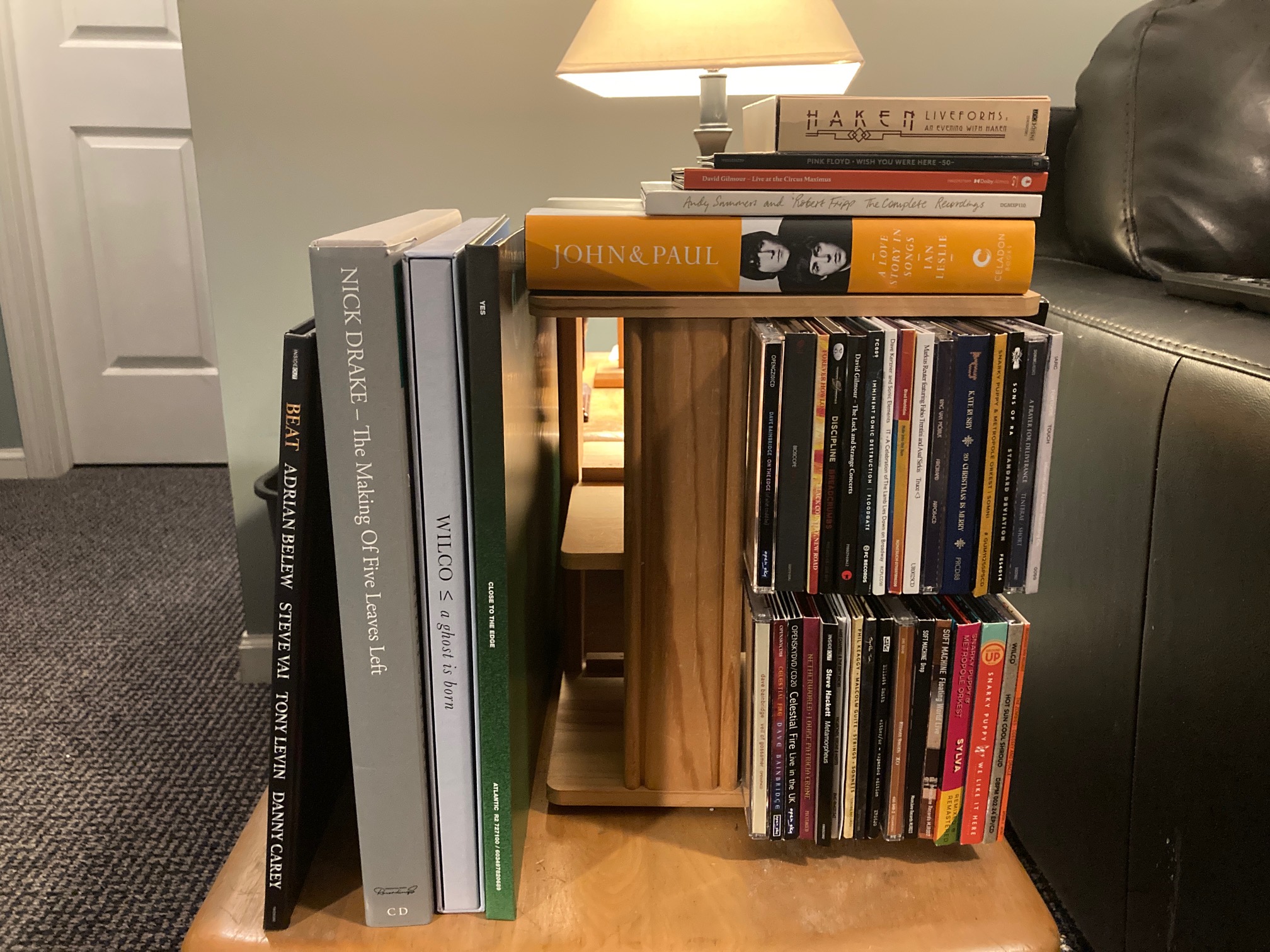
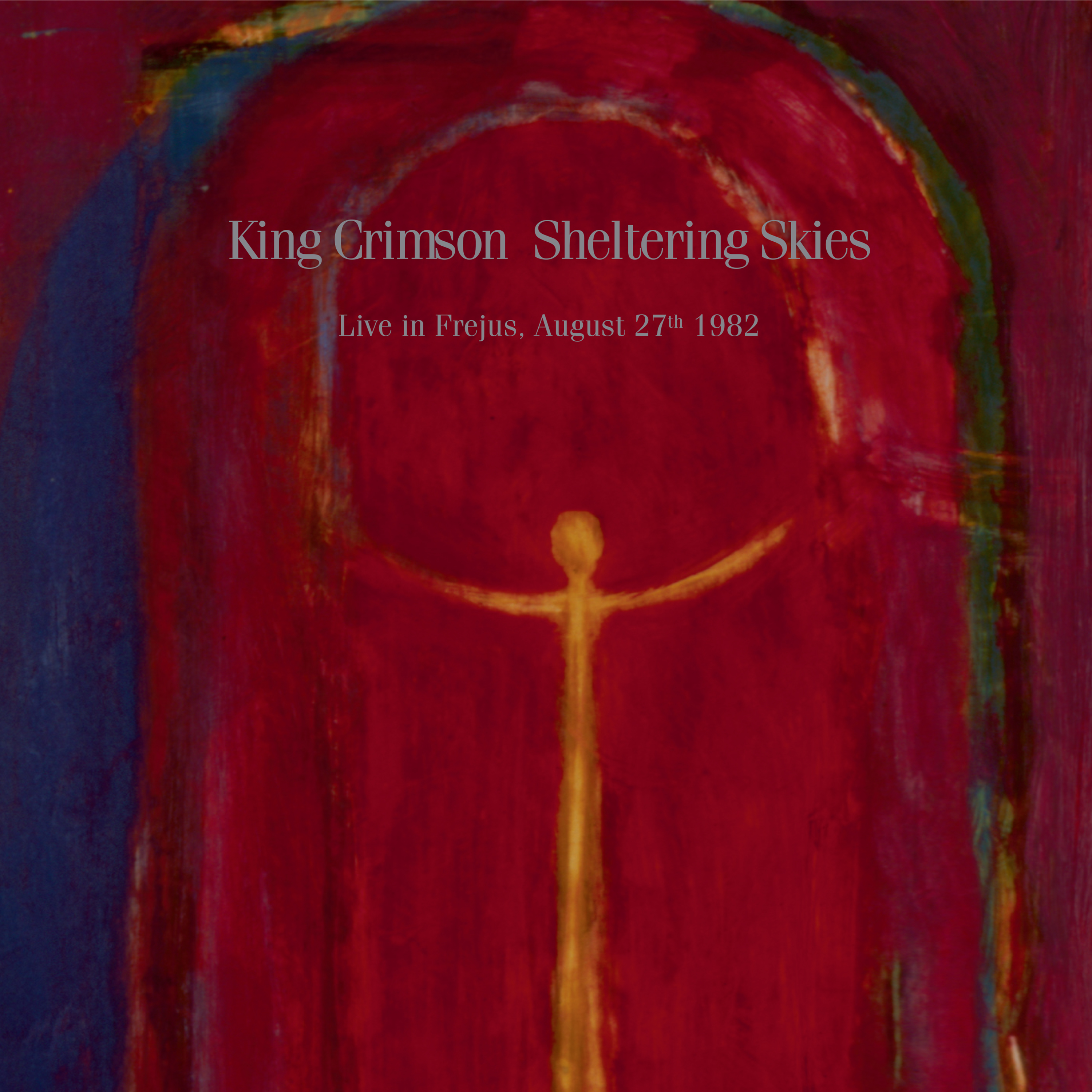
King Crimson, Sheltering Skies: OK, so this one isn’t “new” new. But when Crimson sherpas Robert Fripp and Bill Bruford teamed with American upstarts Adrian Belew and Tony Levin back in the 1980s, the result was a revitalized second reign for the King, swapping out trademark Mellotrons and prodigious pomp for raucous noise, limber polyrhythms and surging, seething energy. With Belew and Levin now touring this music again as BEAT, this issue of a 1982 show previously released on video couldn’t come at a better time; opening for Roxy Music on the French Riviera, Crimson pulls the unsuspecting audience right into the clinches for the hottest of hot dates. From the subdued intensity of “Matte Kudasai” and “The Sheltering Sky” through the dynamic clatter of “Indiscipline” and the hypnotic guitar weave of “Neal and Jack and Me” to Bruford and Belew’s ecstatic percussion duet that kicks off “Waiting Man”, this is that rare live album of nothing but highlights. Banter, bicker, balderdash, brouhaha, ballyhoo — whatever their desired flavor of elephant talk (including some 70s throwbacks), Crim devotees will find it here.

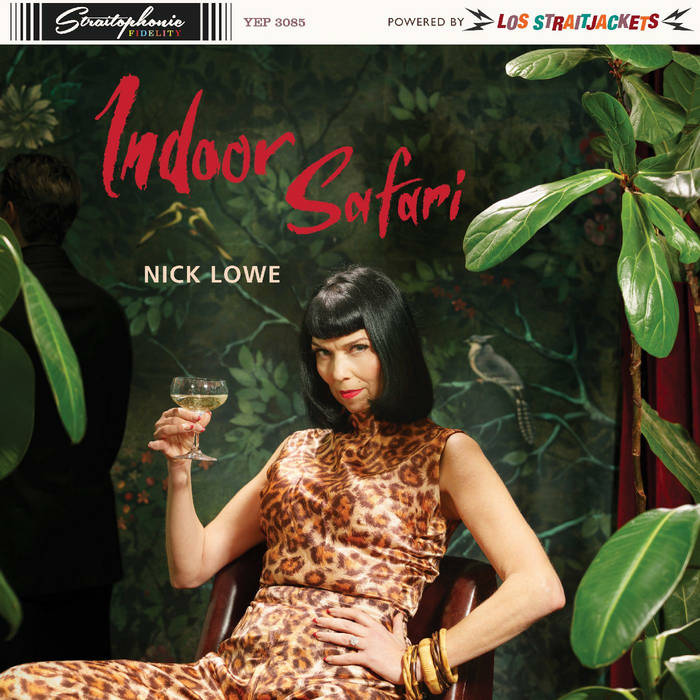
Nick Lowe, Indoor Safari: almost 50 years on from his solo debut at the crest of the New Wave, Lowe’s pure pop for now people remains pin-sharp and on point. Who else can still pump out breezy rockers like “Went to A Party” and “Jet Pac Boomerang” (the latter complete with high-culture similes and a Fab easter egg), ring wry changes on the battle of the sexes in “Blue on Blue” (“You’re like a mill, you run me through”) and “Don’t Be Nice to Me”, then capture the emotional devastation of the quietly crooned “A Different Kind of Blue”? Masked surf-rockers Los Straitjackets (currently celebrating their 30th anniversary) prove crucial here, laying down swinging retro grooves for Lowe’s originals and hoisting just the right backdrops as he nails the blue-collar aspiration of Garnet Mimms “A Quiet Place” and the innocent romance of Ricky Nelson’s “Raincoat in the River”. Lowe’s smart-aleck satire has always entertained, but his later embrace of pre-rock stylings deepened his songwriting and singing; now, even at his jauntiest, his aim for the heart is true. This is a real charmer that’s gone straight onto my 2024 Favorites list.

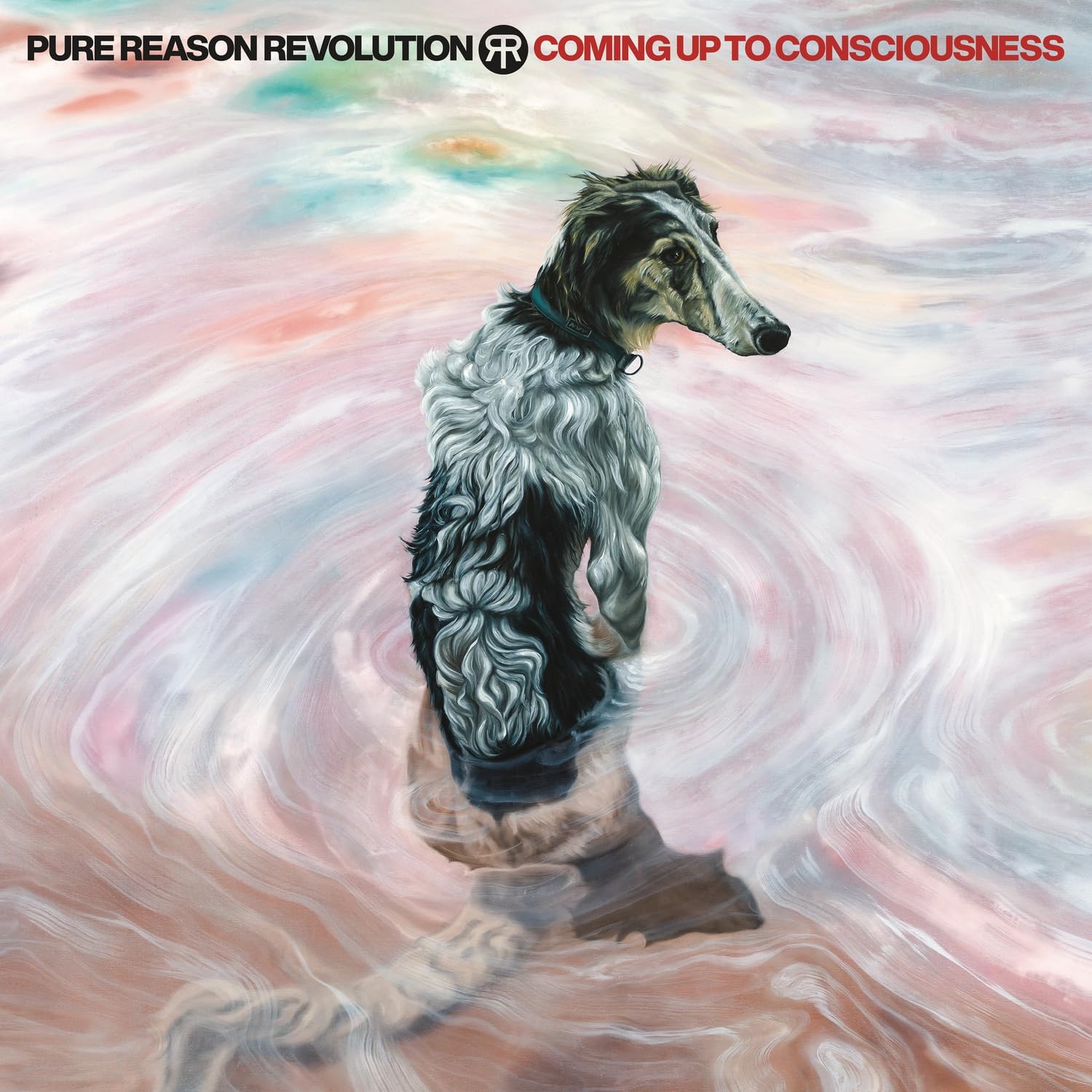
Pure Reason Revolution, Coming Up to Consciousness: a variation in reverse of this month’s theme, as long-time Pink Floyd/Gilmour bassist Guy Pratt brings extra low-end oomph to the latest from Jon Courtney, Greg Jong and their fellow electroproggers. As Time Lord ably spells out in his full review, once again PRR relies on the proven recipe of previous high points like 2006 debut The Dark Third and 2022’s Above Cirrus: float in on low-key ambience, keep the verses chilled out, ramp up on the bridge, kick hard into the chorus! (While seasoning to taste with lush harmonies, towering guitar riffs and slamming club beats, whipping up maximum tension and release before serving.) Here the results are consistently yummy, not least because the soundscapes’ ebb and flow echo Courtney’s perennial lyrical themes. As Courtney, Jong and Annicke Shireen’s voices entwine, splinter, and reunite, there’s a serene insistence on transfiguration, on something more than material, beyond the harsh realities of eros (“Dig til You Die”, “Betrayal”), fear (“The Gallows”), and death itself (“Useless Animal”, “As We Disappear”). Pure Reason Revolution isn’t giving us answers, but Coming Up to Consciousness points us toward the mystery they’ve pursued all along.

— Rick Krueger
Rick’s Quick Takes: Box ‘Em Up!

Like a man named Will said, summer’s lease hath all too short a date – so I decided it was time for a lightning roundup of the season’s box sets! Purchasing links are included in the artist/title listings below, with streaming and video samples following each review.

Big Big Train, A Flare on the Lens: Officially released on September 13th, only promotional audio was available for review, so I can’t tell you how the closing night of BBT’s 2023 European tour looks on BluRay – but it sure sounds like dynamite! With all the animation and verve they displayed on this year’s first American jaunt, Greg Spawton’s mighty crew (joined by guest guitarist Maria Barbara and the obligatory brass quartet) tear into a similar setlist packed full of drama and pathos. New vocalist Alberto Bravin is particularly impressive, getting right to the heart of fan favorites like “Curator of Butterflies” and “A Boy in Darkness” along with epic standbys “East Coast Racer” and “Victorian Brickwork”. But everyone’s at the top of their game, culminating when Nick D’Virgilio and Rikard Sjöblom join Bravin up front for a devastating yet joyous medley of “Leopards”, “Meadowland” and “Wassail” in honor of the late David Longdon. Amply documented here as well as in Andy Stuart’s mouth-watering tour diary/photobook A View from the Embankment, A View from the Line, and on new album The Likes of Us, BBT’s rebirth is a genuine cause for celebration.

Fish, Vigil in a Wilderness of Mirrors and Internal Exile: In the wake of his stormy departure from Marillion, lead singer/lyricist Fish (AKA Derek Dick, rock star and Scottish nationalist) was unsurprisingly eager to prove his worth as a solo act. 1990’s debut Vigil In a Wilderness of Mirrors was as emotionally direct and lyrically convoluted as ever, built around the charged concept of climbing “The Hill” of success — a goal unrelentingly pursued despite the Stateside seductions of “Big Wedge”, the obsessions holding “The Voyeur” captive, the damage documented in “The Company” and “Family Business”. Internal Exile, released the following year after legal troubles and a label change, steers toward individual songs; highlights include delicate ballad “Just Good Friends”, comfortably numb polemic “Credo” and the Highland-inflected title track. Fish’s dramatic declamation is the focus throughout; it’s as riveting as always, though the music (mostly by sidekick Mickey Simmonds) can be a bit pedestrian, lacking the organic interplay and inspired unconventionality that marked Marillion’s response to his heady, hearty words. Each album is available as 2-LP Vinyl Editions, 3-CD Standard Editions (with bonus demos and live versions) and Deluxe Editions (with another disc of live versions and surround mixes on BluRay).

Grateful Dead, From the Mars Hotel: It took a looong time, but somehow I’ve finally tuned into the Grateful Dead’s wavelength (and without the use of illegal substances, mannnnn). Having zeroed in on the band’s “stoned electric bluegrass” period of the early 1970s, this latest 50th anniversary reissue is right up my alley – and it has more appeal even now than you might expect. Made in the midst of the Dead’s doomed attempt at running their own record label, there’s a delicacy instilled in the music, a humble yet unflinchingly honest cast to the lyrics. The social commentary of Jerry Garcia and Robert Hunter’s “U.S. Blues” and “Ship of Fools” is more bemused than bitter; tinged with Keith Godchaux’s harpsichord, “China Doll” is an exceptional ballad, and the awestruck love song “Scarlet Begonias” stayed in the band’s onstage repertory for decades. Plus, there’s Phil Lesh’s extended workout “Unbroken Chain”, one of the few Dead songs of that vintage to feature the bassist’s charmingly down-home vocals. Add a live set that handily covers the group’s career to that date, featuring well-chosen country covers and mesmerizing jams, all blasted through the band’s Wall of Sound to a University of Nevada audience the year of From the Mars Hotel’s release, and you have an exemplary package. 1971’s Skull and Roses (first encountered in my older brother’s record collection) and Europe ’72 remain the quintessential Dead in my book, but this isn’t far behind.

Joni Mitchell, The Asylum Albums (1976-1980): Let the record show that Mitchell carried a torch for jazz for decades, ranking Miles Davis right up there with Beethoven long before her music slid into the smoothly swinging grooves of 1974’s Court and Spark. With Hejira (1976), haunting meditations on love and wandering like “Coyote”, “Amelia” and the title track lit out for more expansive territory, simultaneously anchored and uplifted by fusion genius Jaco Pastorius’ free-floating bass work. 1978’s Don Juan’s Reckless Daughter stretched further into abstraction, with the side-long tone poem “Paprika Plains” swathed in rich orchestral colors, instrumental “The Tenth World” and the grooving “Dreamland” enveloped in Latin percussion, and Pastorius’ Weather Report compatriot Wayne Shorter swooping in with unmistakably lateral sax work. And in collaboration with a dying genius, 1979’s Mingus (instigated by composer/bassist Charles Mingus himself) saw Mitchell pay tribute to the era epitomized in the closing “Goodbye Pork Pie Hat”, with words as inspiringly bopping as the tunes. Add the live double album Shadows and Light, with Mitchell backed by then-young guns like Pat Metheny on guitar and Michael Brecker on sax, and you have a remarkably unified overview of her farthest out, yet most eccentrically open period. (Volume 4 of Mitchell’s Archives series, focusing on unreleased and live music from these years, is released October 4th.)

Continue reading “Rick’s Quick Takes: Box ‘Em Up!”

Rick’s Quick Takes: A Plethora of Peak Performances

What do the new releases shown above and reviewed below have in common? To me, they all show their creators working at the top of their capabilities — whatever the genre of music and whenever it was made. Purchase links are embedded in the album titles.

For example: these days, nobody does rock in the classic vein better than Anglo-American supergroup Black Country Communion. Never mind the unimaginative title: BCC’s fifth album V hearkens back to the days of Deep Led Purple Zeppelin in high style. Whether on opener “Enlighten” with its drone/riff switchoffs, the doomy chug of “Red Sun”, syncopated symphonic wobble “Skyway” or the crushing power-chord funk of finale “Open Road”, Joe Bonamassa’s guitar wails and stutters, vocalist Glenn Hughes howls at the moon, Derek Sherinian’s keys grind away underneath, and Jason Bonham brings that devastating family backbeat. From start to finish, this addition to my Favorites of 2024 list is whoop-ass hard rock at its finest.

Back during the indie-rock boom of the early 2000s, The Decemberists flew a geekier flag than most; Colin Meloy’s artsy ensemble reminded me of nothing so much as They Might Be Giants and Fairport Convention collaborating on a Very Special Episode of Glee. The band’s first album in six years, As It Ever Was, So It Will Be Again is a double-LP summation of Meloy’s enduring obsessions: the snarky jangle-pop of Side One (“Burial Ground”, ” Long White Veil”); the death-haunted Brit-folk on Side Two (“William Fitzwililam”, “The Black Maria”); Side Three’s servings of vicious, brassy satire (especially the scabrous “America Made Me”) and – what else? – a side-long prog-rock epic, “Joan in the Garden” (think Pink Floyd’s “Echoes” with Uriah Heep mounting a hostile takeover), to wind the whole thing up. It’s all utterly theatrical and ever so tongue in cheek; but you can also tell that Meloy and his merry crew also adore what they (gently) mock. If you’re looking for a record that has everything including the kitchen sink, this sprawling, delightful mess could be just the ticket; it snuck its way onto my Favorites list with nary a warning.

DIY Brit-progger John Holden, on the other hand, takes his theatricality seriously, and the result, Proximity and Chance, is the best album of his burgeoning career. It’s sleek, richly dramatic musical storytelling throughout, whether Holden is basing his playlets on true stories (Victorian melodrama “Burnt Cork and Limelight”, modern-day spy scenario “Agents”), plundering Kipling to grand effect (the mini-cantata “The Man Who Would Be King”), or marveling at the odds against existence, let alone love (the two-part title track). An talented array of singers and players — Peter Jones leaning into his vocal roles and providing exquisite saxophone work, Sally Minnear leaving it all on the studio floor for the breakup ballad “Fini” — bring their A-games to enhance the lush synthesized orchestrations. Craft meshes beautifully with content here on Holden’s most flowing, accomplished effort to date.

Speaking of theatrical prog: two-thirds of the way through their late 1970s “folk trilogy”, Jethro Tull were arguably at the height of their fame and drawing power — so what better time for their first complete live album? The latest deluxe re-boxing from Tull’s catalog, 1978’s Bursting Out returns as “The Inflated Edition”; along with the obligatory, whistle-clean Steven Wilson remix of the original album, this 3-CD/3-DVD set includes concert video simulcast by satellite from Madison Square Garden. Both shows impress: Ian Anderson is an adrenalized whirling dervish on vocals, acoustic guitar and flute, while the rest of Tull is an equally driven performing unit, executing with passion and precision throughout a mix of hits (“Skating Away”, “Thick As a Brick”, “Aqualung”, “Locomotive Breath”) newer tunes (“Songs from the Wood”, “Heavy Horses”) and oddball moments (“God Rest Ye Merry Gentlemen”? Eric Coates’ “Dambusters March”?) A sentimental fave from my college years, it’s as solid a sampler of Tull as you could hope to find.

As accomplished young players aiming for smart, retro-soul nirvana, Boston’s Lake Street Dive has occasionally got in their own way attempting to crown their groovy concoctions with Big Social Statements. But their latest, Good Together, hits the bullseye for brainy, danceable pop; Bridget Kearney’s ear-catching bass licks and Rachael Price’s arresting vocal hooks make for a winning combination on the title song, the single “Dance with a Stranger” – heck, all the way through the album! And with witty commentary on the state of postmodern love stirred into deep tracks like keyboardist Akie Bermiss’ “Better Not Tell You” and drummer Michael Calbrese’s “Seats at the Bar”, the whole band is pulling in the same direction, sharp and on point throughout. Even the thinkpiece ideas like the closer “Set Sail (Prometheus and Eros”) click this time; Good Together is proof of concept that Lake Street Dive can boogie down and philosophize at the same time. The end result is fun that stays with you long after your feet stop moving.

You can understand why the soundtrack of Paul McCartney & Wings’ live-in-studio video One Hand Clapping remained unreleased for fifty years – the drummer quit, new albums followed quickly, Macca tossed off a lot of twee tunes from behind the piano. But really, this is a magnificent find; raucous and committed, the band sizzles here. Linda McCartney’s thick synth sweeps, Jimmy McCullough’s eager, active lead guitar, perfectly judged touches of brass and strings all back up Paul’s riveting performances of core Wings tracks plus sideswipes at Elvis and the Beatles. There’s glam rock, a country excursion or two, the cinemascope brilliance of “Live and Let Die” – whew! Yes, Wings had their daft moments, but if you think McCartney never got his mojo working again after Abbey Road (or if you don’t get why people listen to this geezer who’s older than both presidential candidates), you owe it to yourself to hear this.

About twelve years ago, I heard Joanne Shaw Taylor live at a local hole in a wall and was appropriately floored. A fiery British blues-rock guitarist with an impassioned singing voice that sounds like it’s been soaked in Tennessee whiskey? Count me in! At every stop on her checkered path Shaw Taylor has always impressed, but her new Heavy Soul went straight on this year’s Favorites list. Her songcraft takes a giant step forward on “Sweet ‘Lil Lies”, “Black Magic” and the onomatopoeic title track – her developing pop chops mesh magnificently with her blues roots – and she tackles Joan Armatrading’s anthemic “All the Way from America”, Gamble and Huff’s funky “Drowning in a Sea of Love” and the Celtic soul of Van Morrison’s “Someone Like You” with joyful abandon. If you’ve not checked JST out, you should, and this is a strong a shot of her as you’ll find.

Richard Thompson is the guitarist Joanne Shaw Taylor probably hopes she can be someday, the songwriter Colin Meloy wishes he somehow could be; from his days inventing British folk-rock with Fairport Convention through a critically acclaimed set of solo albums that never captured mass attention, Thompson’s gleefully downbeat tunes and gnarly instrumental wizardry have never failed to move and shake those in the know. His latest album Ship to Shore is another first-in-six-years gem; if anything, Thompson is working on a higher level than before. His acidic takes on thwarted love (“Freeze”, “Trust”, “Turnstile Casanova”) leave you gasping for breath; shadows lurk behind the desperate infatuation of “Maybe”, the queasy jollity of “Singapore Sadie” and the downhome cliches of “What’s Left to Lose” and “We Roll”. Backed by Taras Prodaniuk’s bass and Michael Jerome’s drums, Thompson conjures a clinging fog of guitar anchored in power-trio punch, with one brooding texture and lacerating lead break after another. As the title of one of his self-released albums unsubtly insinuates, doom and gloom from the tomb are Thompson’s stock in trade – but watch out! His unique blend of heartbreak and black humor can be oddly addictive.

Finally, the undisputed masterwork of the man who taught King Crimson’s Robert Fripp to bend a string gets the deluxe edition it deserves. Robin Trower’s 1974 classic Bridge of Sighs hit rock fans in the USA (where Trower and Crimson toured together that year) like a ton of bricks; in vocalist/bassist Jimmy Dewar and drummer Reg Isidore, Trower had his dream team to escape the classical flourishes of Procol Harum and dig into musical veins previously mined by his hero Jimi Hendrix. “Day of the Eagle”, “Too Rolling Stoned” and “Little Bit of Sympathy” hit hard and funky; the title track, “In This Place” and “About to Begin” leave the listener floating on little wings of poignant mysticism. And everywhere, Trower’s unique solo sound; a guitar that really does sound like the sky is crying. A rough mix that reveals producer Matthew Fisher and engineer Geoff Emerick’s crucial roles in unifying the album and a raucous live-in-studio set provide the perfect complements to a genuinely great record.

— Rick Krueger
This set of Quick Takes is in memory of friend and concert buddy Jack Keller (1952-2024), with whom I saw Joanne Shaw Taylor, Richard Thompson, and many other fine artists live. Wish I could hear his story about working security for the Grand Rapids stop of Genesis’ The Lamb Lies Down on Broadway tour one more time . . .

And I will do alright
Well in truth, I might
I may be stumbling round on some cold night
And I will miss the times when we were so right
Although it seems so long ago, so long


Bruce Hornsby, “Swan Song”

SiX by SiX’s Robert Berry: The 2024 Progarchy Interview

Two years after their fine debut album, SiX by SiX — Saga guitarist Ian Crichton, Saxon drummer Nigel Glockler and veteran vocalist/bassist/keyboardist/arranger Robert Berry — release their sophomore effort Beyond Shadowland on April 26th. The 11 new tracks hit hard and strong, stretching out in an eclectic variety of directions but always stuffed full of upbeat lyrics, killer melodic hooks, thrillingly crunchy guitar work, and tough, grounded percussive grooves.
What with the pre-release singles “The Arms of a Word” and “Obiliex” – the pronunciation of the latter somehow becoming a running gag below) already out in the wild, Robert Berry – who I first interviewed in 2022 – was ready and eager to talk about the band’s working process, their hopes for the new album, and their coalescing plans for live work! (One confirmed live date was announced after our time together, at New Jersey’s annual ProgStock festival in October.) As before, Berry proved gracious, genial, and genuinely interested in my reactions to SiX by SiX’s latest material. The video of this interview is right below, with a transcript plus the videos of the singles following the jump.

Continue reading “SiX by SiX’s Robert Berry: The 2024 Progarchy Interview”

Rick’s Quick Takes for February ( Levels, Likes, Loves, Leads – and Nightwhales?)

2024 is out of the gate hot — three of the albums below are already on my Year-End Favorites list, and there are no duds in this bunch! As usual, purchase links are embedded in the artist/title listing, with a partial or complete streaming preview below the review.

Anchor and Burden, Extinction Level: MoonJune Music mainman Leonardo Pavkovic has labelled this brutal beauty “uncompromising progressive avantgarde doom-jazz post-metal”. That pretty much covers it! Kicking off with opener “Fractured Self” and “Body Expansion”, touch guitarists Markus Reuter and Alexander Dowerk spend the next hour launching knife-edged slabs of sonic concrete into sub-orbit; drummer Asaf Sirkis pulverizes any semblance of a steady beat into terrifying quick marches (“Mutual Assured Destruction”), hyperactive polyrhythms (“Nine Gates to Dominion”), or just lethal, unanticipated deadfalls; and electronics wizard Bernhard Wöstheinrich provides both breathing space for a comedown, as on the closing “The Crust of This Earth”, and crash pads for droning, sludgy guitar plunges throughout the extended title track. Absolutely bonkers, already a favorite; you may have to be in the right mood for it, but Extinction Level’s free-for-all improv (not far removed from King Crimson’s outer limits) turns out to be a heady, head-banging good time.

The Bardic Depths, What We Really Like in Stories (released March 7): both more direct and more varied than their previous releases, TBD’s third is a first-class album that delivers generously on its title’s promises. Brad Birzer’s graceful lyrics effortlessly transport us into the minds of creators as diverse as Ray Bradbury (“You’ve Written Poetry, My Boy”), Willa Cather (“Old Delights”) and Robert E. Howard (“The Feast Is Over”) — then into the creations themselves (the Orwellian dystopia of “Vendetta”, the postapocalyptic “Stillpoint”, the high adventure of “Whispers in Space”). In turn, Dave Bandana and Gareth Cole’s compositions are appealingly streamlined, giving Cole’s guitars, Bandana’s guitars & synths and Peter Jones’ keys & saxophones plenty of room to shine but never straying into aimless jams. Add a warm vocal blend from the quartet (with Jones and Bandana at the forefront) to Tim Gehrt’s steady, sparkling grooves, and you have a prog album that’s accessible without compromise, thought-provoking without pretension. This one’s charms might sneak up on you, but repeated listens will thoroughly repay your kind attention. (Check out our Bardic Depths roundtable here.)

Big Big Train, The Likes of Us (released March 1): the wonder here isn’t that indefatigable founder Greg Spawton and his international crew have regrouped with such power and panache; it’s that they’ve tackled the struggles and sorrows of recent years head-on, forging them into the band’s most direct, integrated album since Grimspound. From mission statement/overture “Light Left in the Day” through epics “Between the Masts” and “Miramare” to killer ballad “Love’s Light” and finale “Last Eleven”, new singer Alberto Bravin fares forward into the unknown, summoning the essence of friendship and the pain of loss, calling on all in earshot to seize the day. There’s tons of musical variety, too, from the hard-rocking “Oblivion” to the playful “Skates On” and the 12-string weave of “Bookmarks”, with all seven players (five of whom sing) each getting their time to shine. And yes, that brass section pops in at just the right moments, to bring a tear to the eye or lift the spirit as required. Familiar yet fresh, and destined for that year-end faves list, BBT fans can be well satisfied with this latest excursion – and The Likes of Us is well turned out to welcome new Passengers onboard as well! (Check out our interview with Alberto Bravin here.)

Steve Hackett, The Circus and the Nightwhale: Prepare to have your ears pinned back here: Hackett leaps out of the gate with freshly energized songwriting and ferocious guitar work and doesn’t let up throughout this compact, compellingly listenable concept album. The restless opening sprint of “People of the Smoke”, the “Squonk”-like stomp of “Taking You Down” (with standout lead vocal by Nad Sylvan and towering sax from Rob Townsend), the lush orchestral interlude “These Passing Clouds” are all full to bursting with devastatingly melodic, wildly spraying six-string excursions from Steve; even lighter tracks like the harmonious “Enter the Ring” and luxuriant 12-string centerpiece “Ghost Moon and Living Love” overflow with prime solo licks, mind-melting and heart-gripping in equal measure. Add Roger King’s richly scenic keyboards to a succession of marvelously eclectic tunes that waste no time and a coming-of-age narrative that climbs from the gutter to the stars (braced with a dose of the marvelous — there’s that Nightwhale, after all). And voila! You’ve got a Hackett opus that immediately goes to the 2024 favorites list, ranking right up there with Spectral Mornings, At the Edge of Light or whichever of his 30 solo efforts you prefer best.

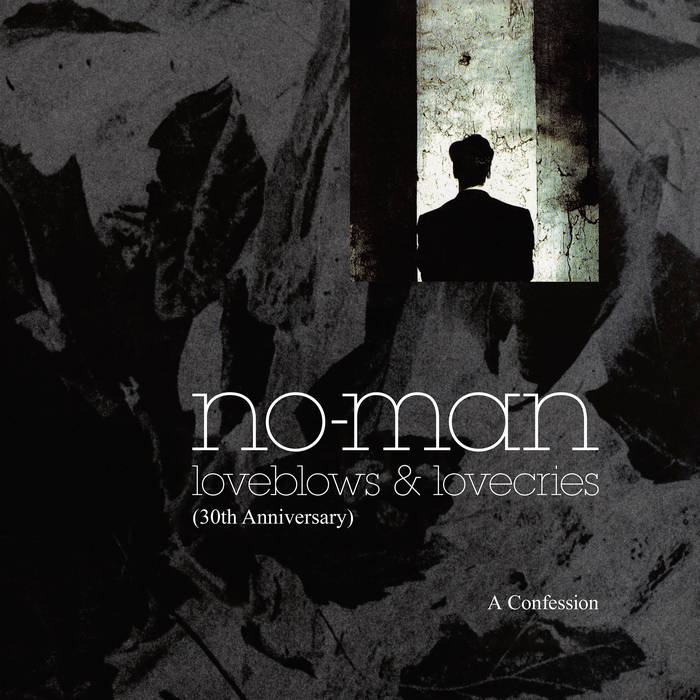
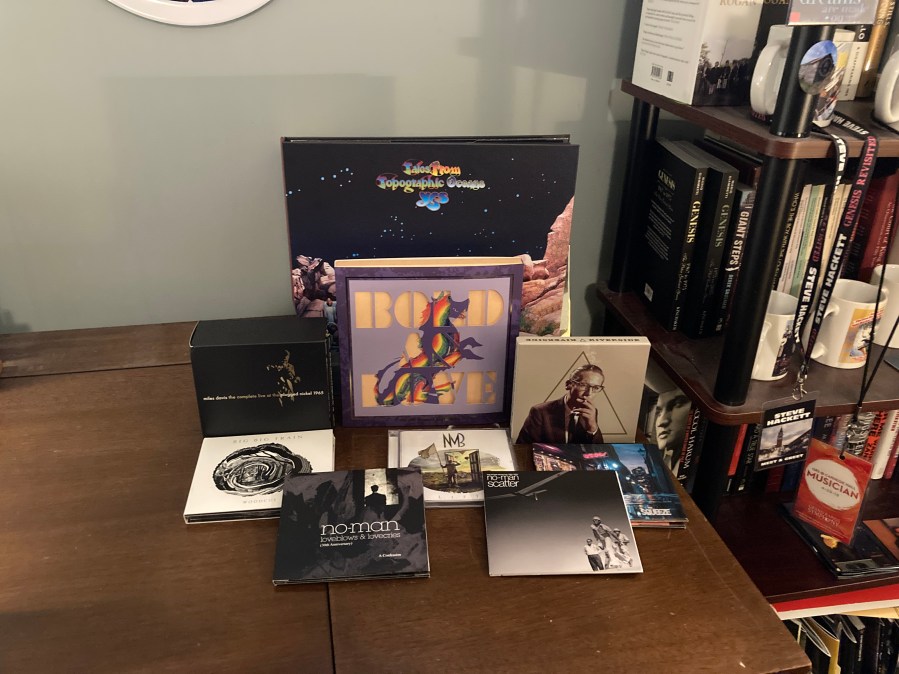
No-Man, Housekeeping – The OLI Years, 1990-1994: Ben Coleman, Tim Bowness and Steven Wilson’s earliest singles for One Little Indian (oops, Independent), “Days in the Trees” and Donovan’s “Colours”, are the perfect sneak peek/summation of this compilation’s garishly romantic delights. Just as you start thinking “ho hum, fey indie Nineties dance-pop”, the heavens – or are they the abysses? – open, accompanied by lush squalls of immaculately recorded dissonance. As if Roxy Music and ABC had somehow wound up co-headlining a vaudeville show, Bowness’ desperate vocals and Coleman’s slashing violin work match up swoon for swoon, while Wilson toughens the grooves and hoists ambitious synthesized backdrops, colorful splatters of guitar punctuating the aching pantomimes all the while. Containing the first two No-Man albums (the singles-oriented Loveblows and Lovecries and the ravishing, guest-heavy Flowermouth) plus the early EP Lovesighs, a singles disc and radio sessions, Housekeeping is a generously filled, beautifully designed boxset that points unerringly toward Bowness and Wilson’s more mature achievements (whether together or apart), but is also thoroughly listenable and intriguing in its own right.

The Pineapple Thief, It Leads to This: more badass guitar loops and riffs (spaghetti westerns and surf music entwined in a Steve Reich soundscape); more bleak musings on our pervasive inability to connect, crooned with Bruce Soord’s trademark tenderness and fury; more moments of tasty, laterally-inflected drumming from Gavin Harrison. The current edition of the Thief’s fourth studio album is its own self-contained world, set in motion by the Soord/Harrison team’s moody interplay and rotating on Jon Sykes and Steve Kitch’s steady axis; undeniably of a piece with their recent catalog, and all the better for it. If none of the eight songs particularly stand out, they’re all honed to sleek perfection, building through seductive, bracing miasmas of dread and determined pursuits of flickering light to the knockout punch of the last two tracks. Whatever nightmare Soord is sleepwalking through, his eyes and heart are wide open as he edges forward, with Sykes, Kitch and Harrison urging him on all the while. (Soord’s recent “unplugged” solo CD/DVD, the already out-of-print Caught in the Hum, is an even more distilled example of this melancholy, coolly yearning aesthetic.)

— Rick Krueger