New and Noteworthy on Bandcamp!

Nearly six months into the worldwide coronavirus epidemic, Bandcamp continues to be a lifeline for musicians.  Since March, fans have purchased more than $75 million worth of music and merchandise there  — including more than $20 million from four Bandcamp Fridays, when the website has waived its fees for artists and labels.  Last week, the announcement was made that Bandcamp Fridays will continue for the rest of 2020.

So (as your pocketbook permits), what’s worth your hard-earned cash on August 7, September 4, October 2, November 6, or December 4?  From my Bandcamp collection and wishlist, a few suggestions:
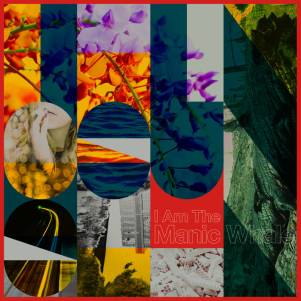
iatmw things unseenI Am the Manic Whale, Things Unseen:  I’m blown away by the energy, humor and sheer delight these young British proggers bring to their story-songs; this third album could be their best yet, with crystal clear production by Rob Aubrey.  There’s wickedly cheery satire in “Billionaire” and “Celebrity”, an atmospheric trip to Narnia in “The Deplorable Word” and unbounded joy at the gift of children in “Smile” and “Halcyon Days”.  Not to mention IAtMW’s very own train song, “Valenta Scream”, challenging Big Big Train with (in my opinion) the best lyrical simile of 2020: “Making it look so very easy/Eating up the distance like a cheese sandwich.”  Really.
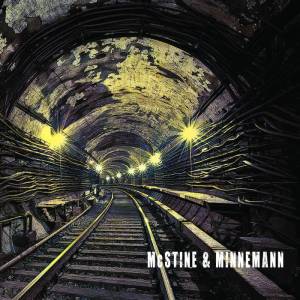
 

mcstine minnemannMcStine and Minnemann: left-field, shreddy art-pop to get your adrenalin flowing. Randy McStine (guitars, vocals, other stuff) and Marco Minnemann (drums, vocals, other stuff) prove steady hands on the steering wheel for wild rides like “Your Offenses” and “Activate”, as well as the stark ballad “The Closer”.  Sure, the songs are short; they’re also stuffed to the gills with ethereal melodies and harmonies, woozily evocative lyrics, ear-grabbing riffs, impossible  drum fills, freaky collages of sound and radical mood shifts.  Don’t expect to focus on anything else while you’re listening to this — just hold on tight and have fun.
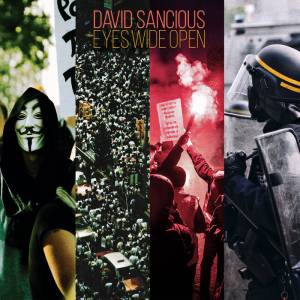
 

sancious eyes wide openDavid Sancious, Eyes Wide Open:  a charter member of Bruce Springsteen’s E Street Band, Sancious led the critically acclaimed trio Tone before tackling wingman duties for Peter Gabriel and Sting.  The focus of Eyes Wide Open (finished before lockdowns and protests swallowed news feeds whole) on today’s cultural unrest proves eerily prescient; the vocal tracks “Urban Psalm #3” and “If” and the instrumental “War in Heaven” are ambitious statements on universal human dignity that can lay claim to the moody, magnificent heights of Marvin Gaye’s What’s Going On.  Sancious sings on half the tracks and plays burning guitar and keys throughout, fusing jazz, rock and gospel into winning combinations, atop unbelievably funky drumming by Vinnie Colaiuta, Will Calhoun (Living Colour) and Michael Bland (Prince).  
 

spiraling transmitterSpiraling, Transmitter:  Back in the early 2000s, Tom Brislin (now tearing up the keys in Kansas) led this obscure, wonderful power-pop band in between side gigs with Meat Loaf, Yes and Camel.   On this re-release from 2002, Brislin’s sardonic, appealing vocal delivery perfectly matches the bone-dry wit of “The Girl on Top (Of the Piano)”, “The L Word III” and “(Get Your Own) Holy Grail”.  And the music is built to match: irresistible hooks, propulsive rhythms and riffs that take unexpected detours, every sonic crevice crammed full of nifty synth riffs, effects and solos.  This is unbelievably catchy, unbelievably sharp stuff.   (Check out Brislin’s new, punky public service announcement too!)
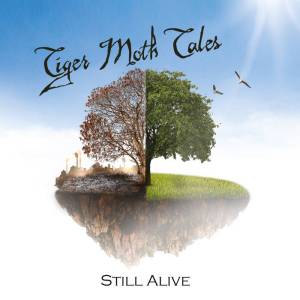
 

tmt still aliveTiger Moth Tales, Still Alive/A Visit to Rockfield:  This isn’t the Tiger Moth Tales album Peter Jones planned to release this year — but it’s definitely one that fits the moment.  His gift for melody and innate hopefulness gives these six new tracks (well, five plus a reprise) an effervescence and a glow that can warm the coldest heart.  There’s a beautiful, broad range of expression here, from the optimistic fortitude of the title track and the epic sweep of “The Mighty Fallen” to the rhythm box-laden goofiness of “Whistle Along.”   The bonus DVD features Jones and TMT in session at the legendary Rockfield Studios.  Enjoy this love letter to the world from deepest Nottinghamshire.
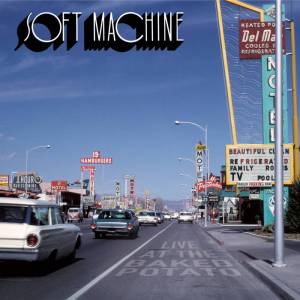
 

soft machine baked potatoMoonJune Records: Soft Machine’s Live at the Baked Potato is the latest release from global impresario Leonardo Pavkovic.  On this beauty, the Softs’ explorations are every bit as daring and delectable as when I heard them live in 2018.  Plus, there are plenty of other face-melting instrumental jazz/rock/avant/ethno albums coming soon from Stick Men, touch guitarist Markus Reuter, guitarist Mark Wingfield and a host of other international talents!  Watch for more news at the MoonJune Bandcamp page, or do what I did; subscribe and get everything MoonJune releases for a year!


— Rick Krueger
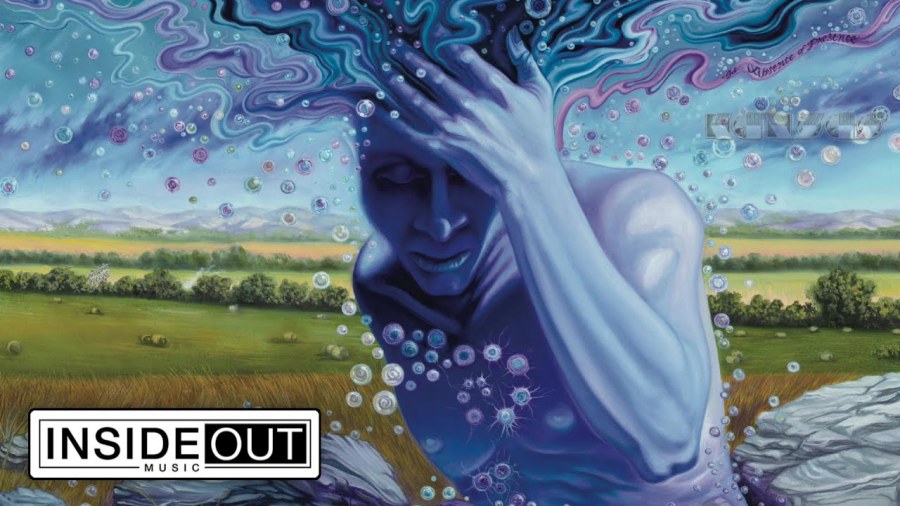
Kansas, The Absence of Presence

For all that Kansas can’t (and shouldn’t) shrug off the legacy of their golden days, especially the double whammy of Leftoverture and Point of Know Return, they’ve built up quite a track record beyond the hits over the decades.  The live set that followed the big albums, Two for the Show, is still thrilling; the 1980s version of the band fronted by Steve Walsh and guitarist Steve Morse changed up the sound without diluting the essence on Power and In the Spirit of Things; the original line-up reunited for a triumphant set of new Kerry Livgren compositions on 2000’s Somewhere to Elsewhere.  And 2016’s The Prelude Implicit proved a first-class return to sustained action.  The new recruits, guitarist/songwriter Zak Rivzi and singer/keyboardist Ronnie Platt, jelled nicely with Kansas’ long-term bedrock (stalwart violinist David Ragsdale, bassist/vocalist Billy Greer) as well as the band’s remaining founders (piratical guitarist Rich Williams and progressive rock’s most criminally underrated drummer, the brilliant Phil Ehart).

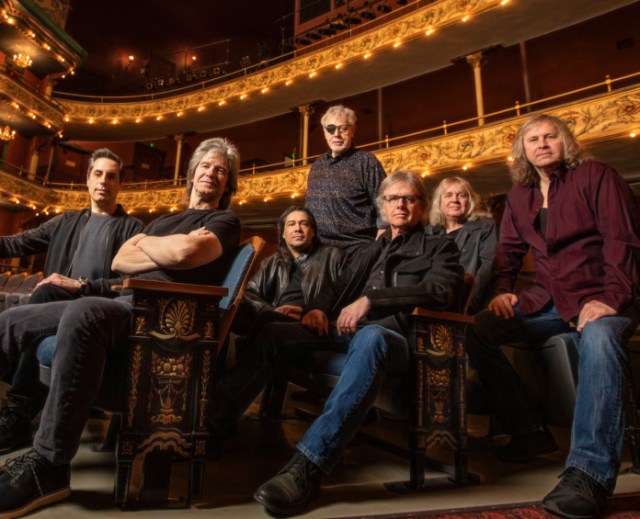
The good news is that Kansas’ latest, The Absence of Presence, is another great leap forward; appealing melodies, heady complexity and breathtaking power unite for maximum impact, and the whole album is a joy to hear.  Each player has upped his game multiple notches — Ragsdale, Rivzi and Williams peel off one ear-catching riff and solo after another, Platt sings with smooth, soaring power and commitment (evoking Walsh while being utterly himself), and I could listen to Greer and Ehart’s rolling, tumbling thunder all day.  New keyboardist Tom Brislin is the perfect match for this line-up, dishing up just the right lick no matter what’s required — pensive piano intros, crushing organ and synth riffs, lush textures, wigged-out solos, you name it.

kansas band shot

But it’s how all these ingredients blend that makes The Absence of Presence compulsively listenable; the writing is more collaborative this time around (Rivzi and Brislin on music, Brislin, Pratt and Ehart on lyrics), and the band navigates the twists and turns of the tunes with pin-sharp focus.  The multi-sectioned title track, the instrumental “Propulsion 1” and the unexpected up-tempo groove of “The Song the River Sang” (with Brislin on lead vocal) revel in Kansas’ proggier side. “Throwing Mountains” “Jets Overhead” and “Circus of Illusion” prove solid rockers, laced with unpredictable musical curveballs that set up the compelling, aspirational lyrics.  And the obligatory power ballads “Memories Down the Line” and “Never” are earworms you may not want to shake, with words and melodies that bring home the heartfelt sentiments without bogging down in sticky sweetness.

In short, The Absence of Presence shows Kansas unlocking a new level of achievement, still going strong and making excellent new music more than 40 years after their initial breakthrough.  Recommended without hesitation; this one has already hit my shortlist for this year’s favorites.  Listen for yourself below.

— Rick Krueger

2019 Prog (Plus) Preview 2!

More new music, live albums, reissues (regular, deluxe & super-deluxe) and even books about music heading our way between now and Christmas?  Yep.  Following up on my previous post, it’s another exhaustive sampling of promised progressive goodies — along with other personal priorities — below.  Click on the titles for pre-order links — whenever possible, you’ll wind up at the online store that gets as much money as possible directly to the creators.

Out now:

Andrew Keeling, Musical Guide to In the Court of the Crimson King, 10/50 Edition: composer/musicologist/online diarist Keeling’s revision of his 2009 book (the first of a series acclaimed by King Crimson’s Robert Fripp).

Marillion with Friends from the Orchestra: 9 Marillion classics re-recorded by the full band, the string quartet In Praise of Folly, flautist Emma Halnan and French horn player Sam Morris.  Available on CD.

A Prog Rock Christmas: Billy Sherwood produces 11 holiday-themed tracks from the typical all-star cast (members of Yes, Utopia, Flying Colors, Renaissance, District 97, Curved Air and more).  Download and CD available now; LP available November 1.


October 25:

King Crimson, In the Court of the Crimson King (50th Anniversary Edition): featuring brand new stereo and surround mixes in 24/96 resolution by Steven Wilson.  Available in 3 CD + BluRay or  2 LP versions.  (Note that the new mixes will also be included in the Complete 1969  CD/DVD/BluRay box set, which has been delayed until 2020.)

Van Morrison, Three Chords and the Truth: 14 new songs from Van the Man, available in digital, CD or LP versions.

Neil Young & Crazy Horse, Colorado: the first Young/Horse collaboration since the 2012 albums Americana and Psychedelic Pill, available in CD or 2LP versions.

Continue reading “2019 Prog (Plus) Preview 2!” →

Tool, Fear Inoculum

My history with Tool?  Checkered.  I didn’t tune in during their initial rage-metal period at all; if I had, I probably couldn’t have got past the vulgarity or the in-your-face attitude.  King Crimson opening for Tool (in my mind, Tool closing for King Crimson) got my attention in 2001, and I thought that Lateralus was a nifty hunk of knotty art-metal, with lyrical directions that began to clear a path through the bile.  10,000 Days?  For me, a loooong album that started strong, then meandered through one bizarre, tenuously connected detour after another.  It wound up giving me a headache (also my consistent reaction to The Mars Volta).  So no, Tool has typically not been my cup of tea.

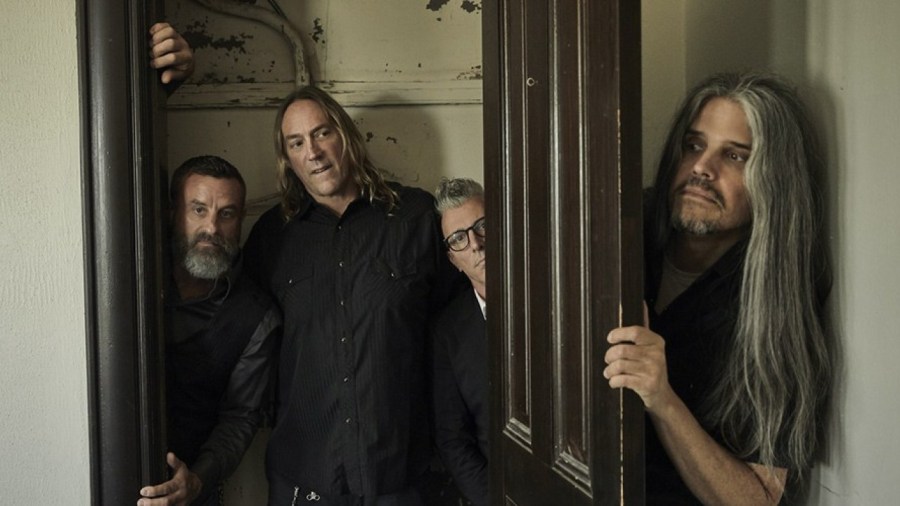
Which is why I’m completely — and delightedly — flabbergasted by Fear Inoculum, Tool’s first album in 13 years.  Beyond being as heavy, brainy and cathartic as one might expect, this is deeply thoughtful, richly layered, compelling music — a satisfying, unified work from start to finish that also rocks like a truck full of bricks.  If this is what Danny Carey, Justin Chancellor, Adam Jones and Maynard James Keenan have been aiming for all these years, it’s been well worth the wait, because they’ve nailed it.

Continue reading “Tool, Fear Inoculum” →

Pink Floyd: The Later Years, 1987-2019

Be afraid, Pink Floyd fans — they’re coming for your bank balance!

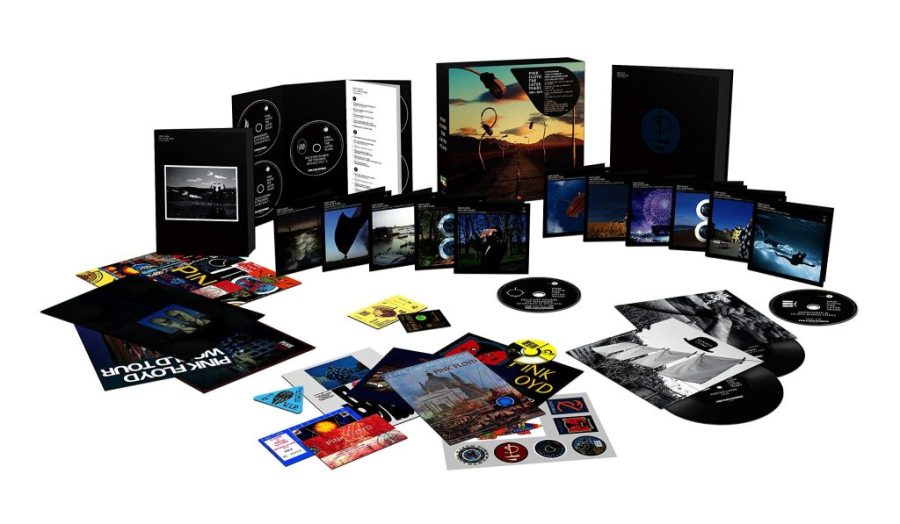
After 2010’s reworking of their catalog (single-disc Discovery remasters, with Dark Side of the Moon, Wish You Were Here and The Wall also released in multi-disc Experience and super-deluxe Immersion sets), followed by 2016’s massive Early Years set, the Floyd is preparing to unleash The Later Years: 1987-2019 this November 29th.  Focusing on albums and shows from after the split with Roger Waters, you may be surprised at what’s included — what’s not — and what it’ll set you back.  But that’s for after the jump …

Continue reading “Pink Floyd: The Later Years, 1987-2019” →

The Big 2019 Fall Prog (Plus) Preview!

What new music, live albums, reissues (regular, deluxe or super-deluxe) and tours are heading our way between now and All Hallows Eve?  Check out the exhaustive (and potentially exhausting) sampling of promised progressive goodies — along with other personal priorities — below.  Click on the titles for pre-order links — whenever possible, you’ll wind up at the online store that gets as much money as possible directly to the musicians.


  • August:
    • Dave Kerzner, Static Live Extended Edition: recorded at the 2017 Progstock festival.  Kerzner’s complete Static album in concert, plus selected live highlights & new studio tracks.  Pre-orders ship in late August.
  • August 30:
    • Sons of Apollo, Live with the Plovdiv Psychotic Symphony: recorded at Plovdiv, Bulgaria’s Roman amphitheatre (the site of previous live efforts from Anathema and Devin Townsend).  Available in Blu-Ray, 3 CD + Blu-Ray, and 3 CD + DVD + Blu Ray versions.
    • Tool, Fear Inoculum: Tool’s first album in 13 years.  Available via digital download, as well as “a deluxe, limited-edition CD version (which) features a 4” HD rechargeable screen with exclusive video footage, charging cable, 2 watt speaker, a 36-page booklet and a digital download card.”  Really. 

Continue reading “The Big 2019 Fall Prog (Plus) Preview!” →

In Concert: Olé ELO!

Jeff Lynne’s ELO, Van Andel Arena, Grand Rapids Michigan, July 23, 2019.

Parsing this band’s name closely pays off.  This isn’t an Electric Light Orchestra reunion by any means; rather, it’s reclusive ELO main man Jeff Lynne, touring North America with the music that made his bones for the first time in nearly 40 years.

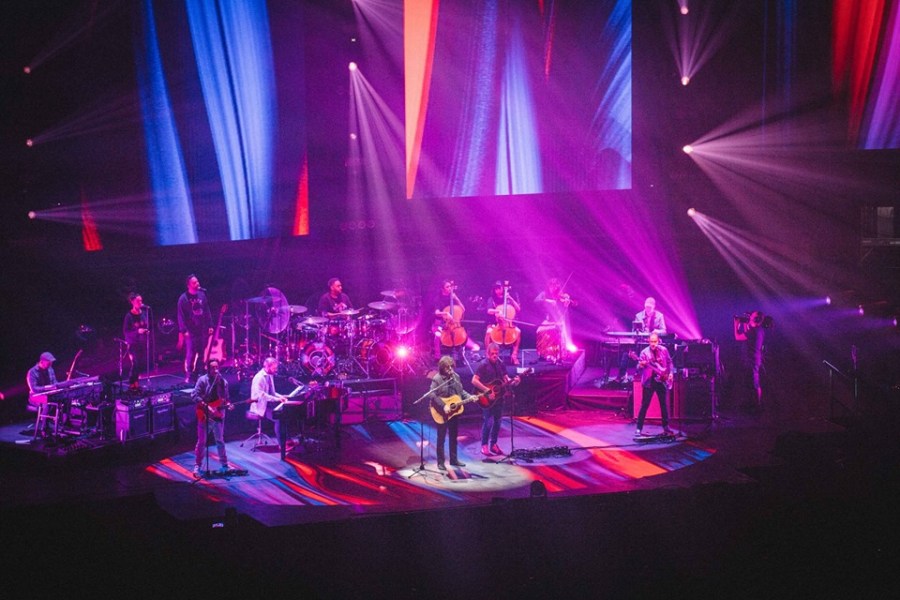
Armed with fistfuls of Top 20 hits and key album tracks, Live Nation’s deep pockets, a dozen top-notch hired guns — including progressive rock role players Milton McDonald (Anderson Bruford Wakeman & Howe) on guitar and Lee Pomeroy (Anderson Rabin & Wakeman, Steve Hackett, It Bites, Headspace) on bass — and visual production rivaling Pink Floyd, Lynne delivered the goods to a pumped-up, near-capacity crowd Tuesday night.  Sure, the show was polished and manicured (and doubtless click-tracked and auto-tuned) within inches of its life — but it was also irresistible to the ears and dazzling to the eyes, an unalloyed pleasure from start to finish.

Continue reading “In Concert: Olé ELO!” →

Au Revoir, Avants

Mark Hollis, 1955-2019

Scott Walker, 1943-2019

The Progarchy Interview: Tim Bowness, Part 3

In Part 1 of Tim Bowness’ latest Progarchy interview, Tim discussed his previous solo albums, working again with his first band Plenty, reuniting with Steven Wilson for fresh No-Man music, and how it all feeds into his new album Flowers At The Scene (released March 1 on Inside Out Music).  Part 2 was an in-depth look at the new album’s music and players.  To finish up, the conversation branches off into the process of writing, the genesis of Tim’s label/online shop Burning Shed, the state of the music business and more!  Note that [brackets] below indicate editorial insertions.

I’ve always found your lyrics very, again, distinctive and appealing.  The words for your songs, if you read them on the page, they look very sparse; they’re epigrammatic, or they’re almost like a hymn text.  But they convey a lot of emotion and meaning when you sing them – It’s like you hear what’s behind them, kind of like a minimalist take on lyrics.  Was there anyone who particularly influenced how you write lyrics – or melodies, for that matter?   Where do the words come from for you?

I think the words in some ways came before the singing, because I used to like poetry, before I ever really was in a band.  So I’d always loved reading, and still am a fairly avid reader of novels and poetry.  There were a lot of lyricists I adore, so, I think … Joni Mitchell is an absolutely fantastic lyricist.  But I can’t say there’s any lyricists I’ve been particularly influenced by.

I think that, in terms of that pared down style, I guess I always quite liked people like Samuel Beckett and Harold Pinter and Raymond Carver.  Certain writers like that.  And, although I don’t think I’m anything like them, that might be the core influence.  And there’s also, there’s an English poet called Ian Hamilton, who has a very sparse approach, and I always used to like his work.

And so in some ways, it’s kind of closer to that; it’s closer to the poetry that I grew up reading, without being particularly like it.  And as I said, I’m a fan of many singers, many lyricists.  Again, Roger Waters, fantastic lyricist, fantastic concepts, but I can’t say it’s particularly influenced me.  So maybe it comes from outside of music, the lyrical element of what I do.

Plus, I also think it comes, of course, from my own experiences, my own obsessions, my own emotions.  So that’s thrown into the mix.

Would Philip Larkin be in the mix?  It just occurred to me that was another person that kind of worked in that epigrammatic, lyric style?

Yeah, very much so, yes indeed!  The Collected Works of Philip Larkin are on my shelf.

Well, it’s amazing how busy you are, because along with all of what you do – your solo work, No-Man — you also co-direct one of my very favorite online shops!  And it’s certainly a favorite of all of us at Progarchy.  Burning Shed is just a wonderful place to buy music from, even across the pond.  You’re listed as a co-director; what does your role there involve?

Well, I still – the newsletters you receive, I write them.

Oh, OK!

The text that goes on the site, I write it.  So I suppose, in a sense, Burning Shed was my idea of a company.  So I started burningshed.com as an idea of doing cost-effective, experimental solo albums.  And so initially, we released three CD-Rs.  So the idea was originally in 2001, online, on demand, cost-effective solo albums that labels wouldn’t be interested in.  So Steven [Wilson] gave us a Bass Communion album; I gave a Samuel Smiles live album; Roger Eno gave an ambient album.  And almost from the off, it did better than we thought it would do.

Continue reading “The Progarchy Interview: Tim Bowness, Part 3” →

The Progarchy Interview: Tim Bowness, Part 2

In Part 1 of Tim Bowness’ latest Progarchy interview, Tim discussed his previous solo albums, working again with his first band Plenty, reuniting with Steven Wilson for new No-Man music, and how all this feeds into his new album Flowers At The Scene (released March 1 on Inside Out Music).   We dig into the new album in depth below!  Note that [brackets] below indicate editorial insertions.

Pulling it back to Flowers At The Scene, it’s interesting what you said about how really, there are some [pieces] that you’re producing, there’s some that you and Brian [Hulse] are working on, there’s some that you and Brian and Steven [Wilson] are working on.   It all feels like a unity when I listen to it.  Despite the variety of colors, it’s, as you say, it feeds on what you’ve done before, but it goes in really interesting, different directions.  Are there any particular songs that you feel are at the core of the album?

I would say you’re right, it does feel like an album.  One thing that’s important to me is, I know in this age of streaming and Spotify it’s not particularly fashionable, but I love the album.  I’ve always loved the album as a statement.  And in some ways, although this album is different from the other albums – I mean, the previous three albums had themes to a degree.  Lost In The Ghost Light was a narrative concept album. Stupid Things That Mean The World and Abandoned Dancehall Dreams had linking lyrical themes in a way.  This is different in the sense that it’s eleven very separate moods, very separate lyrics, very separate songs.  And yet it fits together, I think, in a kind of classic 43-minute album format.  And in some ways, I think it’s the album that flows best of all four.  There’s something about it that it kind of moves from one mood to another.  And yet it holds together.

I suppose the key songs would have been when “Flowers At The Scene” and “Not Married Anymore” were written.  And I just felt that Brian and I had been coming up with material that had its own distinct identity.  And I also had a certain idea of how I wanted them to sound – and suddenly that was it!  And I guess that there’s this [Robert] Fripp line, he would always say that a new direction presented itself.  And I think that it’s true, because I’d continued writing material on my own, and I’d continued writing material with Stephen Bennett while I was recording the Plenty album.  And although the material was good, it felt like it was gonna be a continuation of Lost In The Ghost Light or Stupid Things That Mean The World.

And I think that it was when I’d written the fifth song with no purpose really – Brian and I just kept on writing together because we were excited by what we were doing.  And I think it would have been “Flowers At The Scene”, the title track itself, and I thought, “this is the new direction; it’s presented itself.” And from that moment on, it became a very exciting and immersive project and I said to Brian, “I think this is the basis of a new solo album. And it feels like a fresh direction after the other albums.”  And you’re right that, what’s kind of interesting for me is it’s fresh, it’s a reset, but perhaps because of the mood of some of the music and because of my voice, there’s also a sense of continuation.

And certainly one of the things that contributes to it being fresh is this cast of musicians that you gathered, which is really genuinely impressive.  So many great names with great work that have fed into this.  I was wondering if I could just toss out names and, in a few words, you could try to describe what each of these guys have brought to the music for the album.  Starting with Jim Matheos.

Well, Jim’s somebody I’ve known for a few years.  He asked me to guest on an OSI album [Blood], probably about nine years ago now.  And I really enjoyed it.  So the track, which is called “No Celebrations”, felt very different for me; it was very much in that OSI art-metal style, but it accommodated my singing as well.  And after that, we carried on communicating together.  So occasionally he’s asked me for advice about things, and also we had co-written a couple of tracks that had never been released.

And when I was doing this album, I thought I’d love to get him involved.  Because one of the tracks I’d been developing had him on anyway, and he’s an incredibly versatile guitarist.  Very, very nice guy, but what people I don’t think are aware of is how versatile his talent is.  So his own music can be anything from sort of ambient experimental to metal to classical acoustic guitar.  And I knew how good he was as a soloist, and so I got him – really, he was my stunt guitarist on the album on a few tracks.  And he did some fantastic work on it.

Peter Hammill.  What a legend!

Yeah!  Well, Peter’s somebody who when I was growing up, when I was in my teens, he was one of my favorite singers.  And as I’ve said to people, what’s interesting with this album is that, probably my five favorite singers when I was 13 would have been David Bowie, Peter Hammill, Peter Gabriel, Kate Bush and Kevin Godley.  And I’ve two of them on the album, and it’s an incredible thrill to have that!

Over the years, Peter’s become a friend.  We ended up playing on lots of the same albums in Italy, and we got to know one another.  And over the years, he’s guested on my work; and we even live in the same small town in England!  And so he’s probably my sort of coffee and chat companion, where we’ve put the political and the musical world to rights once a month.  And as I always say about Peter, he’s as nice, generous and decent as his music is frightening!

[Laughs] Oh, that’s a great summary!

[Laughs] Absolutely!  Cause, you know, you wouldn’t want him to be as frightening as [Van der Graaf Generator’s] Pawn Hearts really, would you?

[Laughs] No, not in the slightest!

It is true; you’d be coughing your coffee up.  It’s not good!  [Both laugh] So yeah, lovely guy, and we’ve worked on a few things.  And the thing about Peter is he is very honest about his opinion.  So interestingly enough, I’d asked him to work on Lost in the Ghost Light, but he wasn’t as much a fan of that material.  So basically, he works on what he likes.  And he’d worked on the Stupid Things That Mean the World album, and I’d played him this album in progress.  He’d mixed an album for me as well.  There’s a Bowness/[Peter] Chilvers album that’s been unreleased that Peter’s mixed, which is quite an interesting project in itself.

And while I was making the new album I said, “ah, you know, a couple of Hammill-shaped holes here!”  And he heard it, and he heard exactly what I wanted, and he really liked the material.  One of the tracks he put a great deal into it, there’s a track on it called “It’s The World”.  I’d played it to him, and initially I wanted his bite – there’s a real sort of bite in his voice, I wanted this in the chorus.  And he said, “Yep, I know exactly what you want; I’ll get it to you.  But I tell you what else I’ll give you; I’ll give you guitars, because the guitars on this aren’t working!”  And so he completely re-recorded the chorus guitars, and almost went into sort of Rikki Nadir [from Hammill’s proto-punk solo album Nadir’s Big Chance] mode, and did a fantastic job.

So on the track “It’s The World” he’s on kind of backing and lead vocals, and also adds some really ferocious guitar parts.  And he made the piece work.  So that was an interesting case, where the piece I think was pretty good as it was, but he gave it an extra edge and an extra looseness.

Got it!  One of the newer singers on the album is David Longdon.  I know you collaborated with Big Big Train on a b-side [“Seen Better Days (the brass band’s last piece)”].  What did David bring?

Well, I suppose I asked him to be on the piece [“Borderline”] and I’d suggested a particular approach to backing vocal which he used.   I almost wanted this kind of rich, Michael McDonald/Steely Dan approach.  That’s something I wanted: a comfortable bed of David Longdon voice, really, and he gave that.  And then he added some flute as a means of contrasting with the trumpet.  And he did a beautiful job in both cases, really.  So I suppose what he gave was himself, so he kind of knew the places where I wanted him to play, and where I wanted him to be, and with the backing vocal he was effectively re-singing the melody that I’d already sung on the demo.

But with the flute, he performed a really beautiful solo, and it was great!  Because although the trumpet was recorded in the outback in Australia – I used a jazz musician, a guy called Ian Dixon, who’s worked with No-Man, he was on Returning Jesus, several tracks on that, and he’s a wonderful sort of jazz trumpet player.  And his studio is a tin shack in the outback in Australia!  And he said when he recorded it, it was in the middle of the rainy season.  So he’s recording that with crashing rain on the tin roof – which I thought was very romantic!  And David really beautifully worked with Ian’s trumpet.  And to me, it sounds as if the two could be in the room together playing!  So they worked very nicely together, and I suppose in that case, I knew what I wanted, and I got what I wanted.  But it was still different, the playing, the expression that the two of them had given was entirely their own.

Continue reading “The Progarchy Interview: Tim Bowness, Part 2” →